Summarizes what is known about the sun, stars, and planets, traces the history of astronomy, and includes maps and satellite photographs.
Bernard Lovell Libri
31 agosto 1913 – 6 agosto 2012
Bernard Lovell è stato un fisico e radioastronomo pioniere il cui lavoro nella tecnologia radar durante la Seconda Guerra Mondiale ha posto le basi per la sua successiva ricerca spaziale fondamentale. Nel dopoguerra, ha fondato il Jodrell Bank Observatory, utilizzando innovativi radiotelescopi per studiare meteoriti e raggi cosmici. La sua fascinazione per le grandi domande dell'universo è stata evidenziata in una serie di trasmissioni radiofoniche, approfondendo indagini filosofiche sul posto dell'umanità nel cosmo. Nonostante i suoi sforzi scientifici, Lovell mantenne un profondo apprezzamento per la musica e la natura, riflettendo una ricerca per tutta la vita dell'armonia sia nella scienza che nella vita personale.
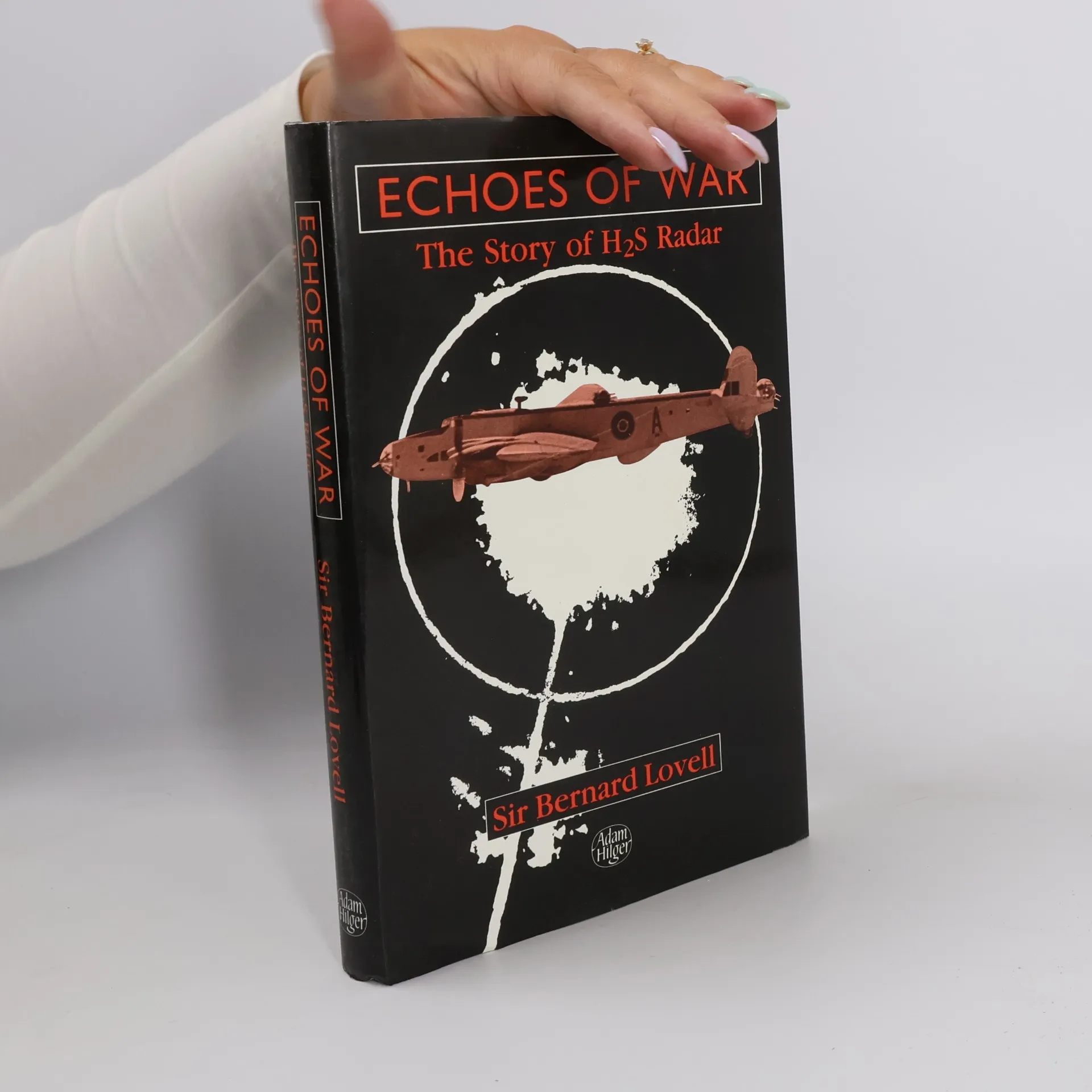
August 1939 marked a period of significant change, driven by the looming threat of war and the aggressive actions of Nazi Germany. Young researchers found themselves pivoting to urgent wartime projects, with Bernard Lovell playing a crucial role in the development of radar technology. This account offers a passionate, first-hand perspective on the creation of the Home Sweet Home (H2S) radar systems during World War II, highlighting the scientific culture of wartime Britain. It reveals the personal sacrifices, setbacks, and triumphs of those involved in this vital research. Lovell's journey began in Taffy Bowen's airborne radar group, where he contributed to the groundbreaking application of the 10-centimeter cavity magnetron in airborne radar. The failure of Bomber Command to locate targets in overcast skies led to the establishment of a new group under Lovell's leadership to develop a blind bombing system. The H2S radar system, capable of identifying towns and targets at night or in heavy cloud cover, was first operationally used by the Pathfinder Squadrons during the attack on Hamburg in January 1943. Modified units later had a significant impact on the air war against U-boats. This chronicle vividly captures the atmosphere and challenges of the wartime years as Lovell recounts the H2S radar project.
Signale aus dem Weltall
- 155pagine
- 6 ore di lettura