

10 libri per 10 euro qui
Bookbot

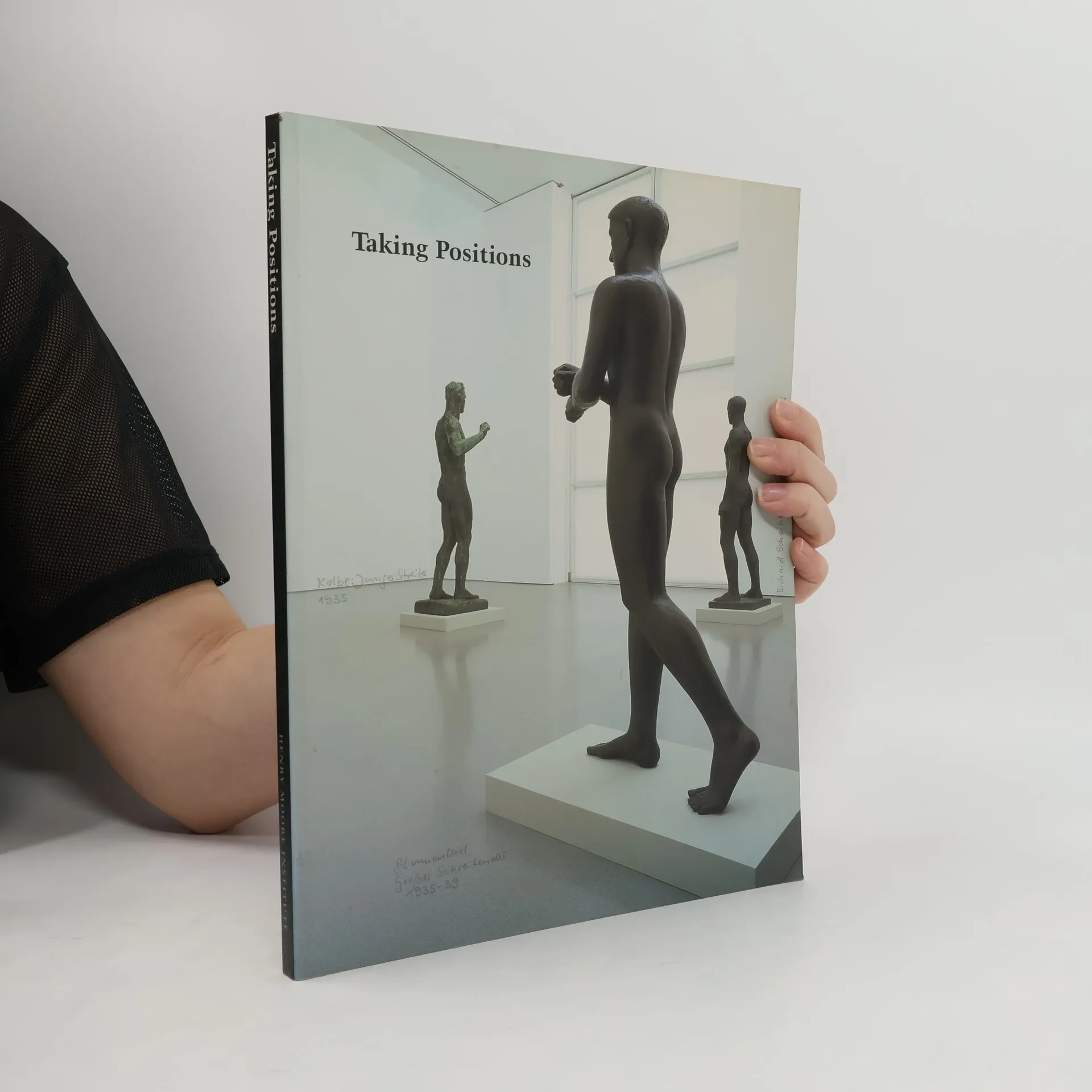
Penelope Curtis

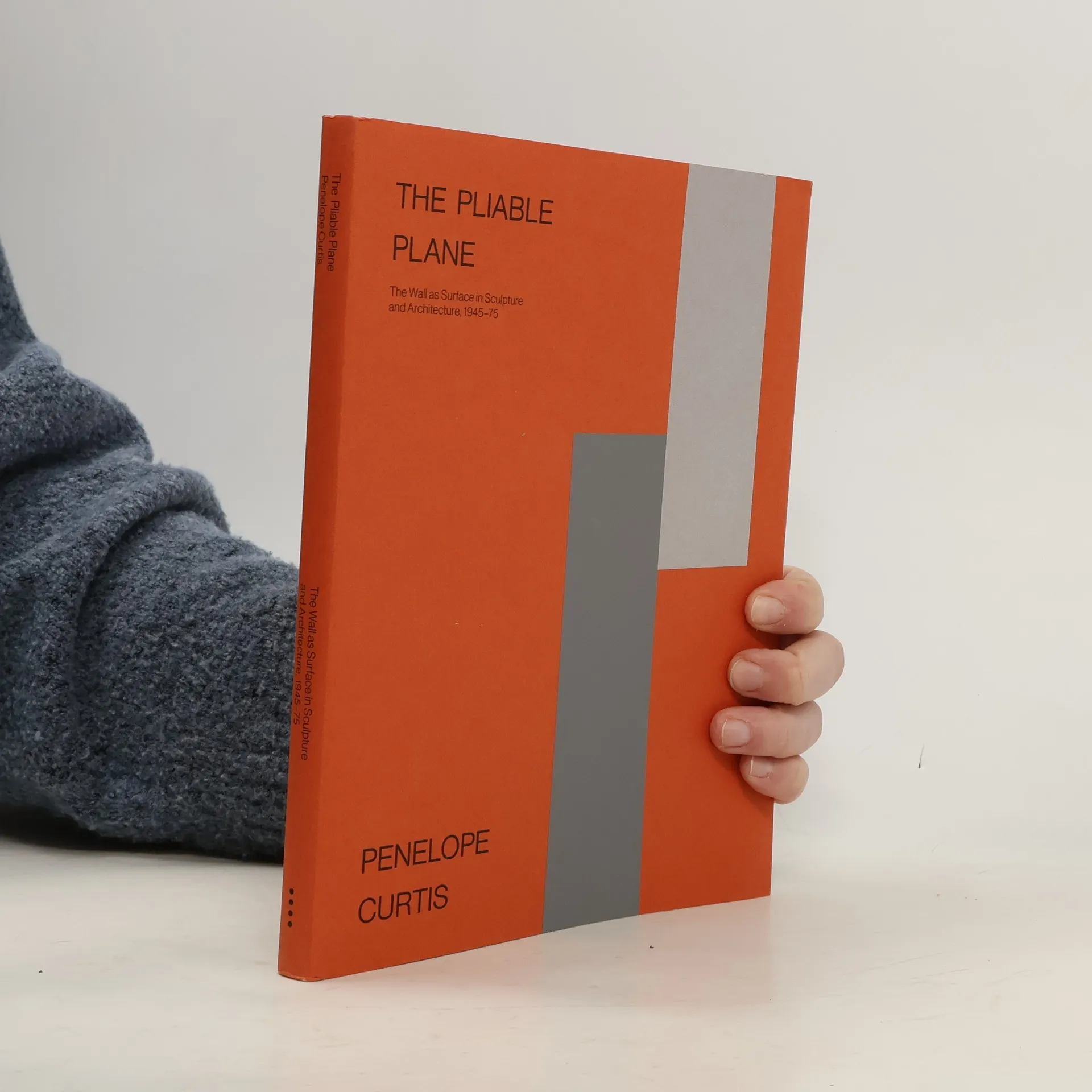
    The Pliable Plane The Wall as Surface in Sculpture and Architecture, 1945-75
    Henry Moore
    After Nora
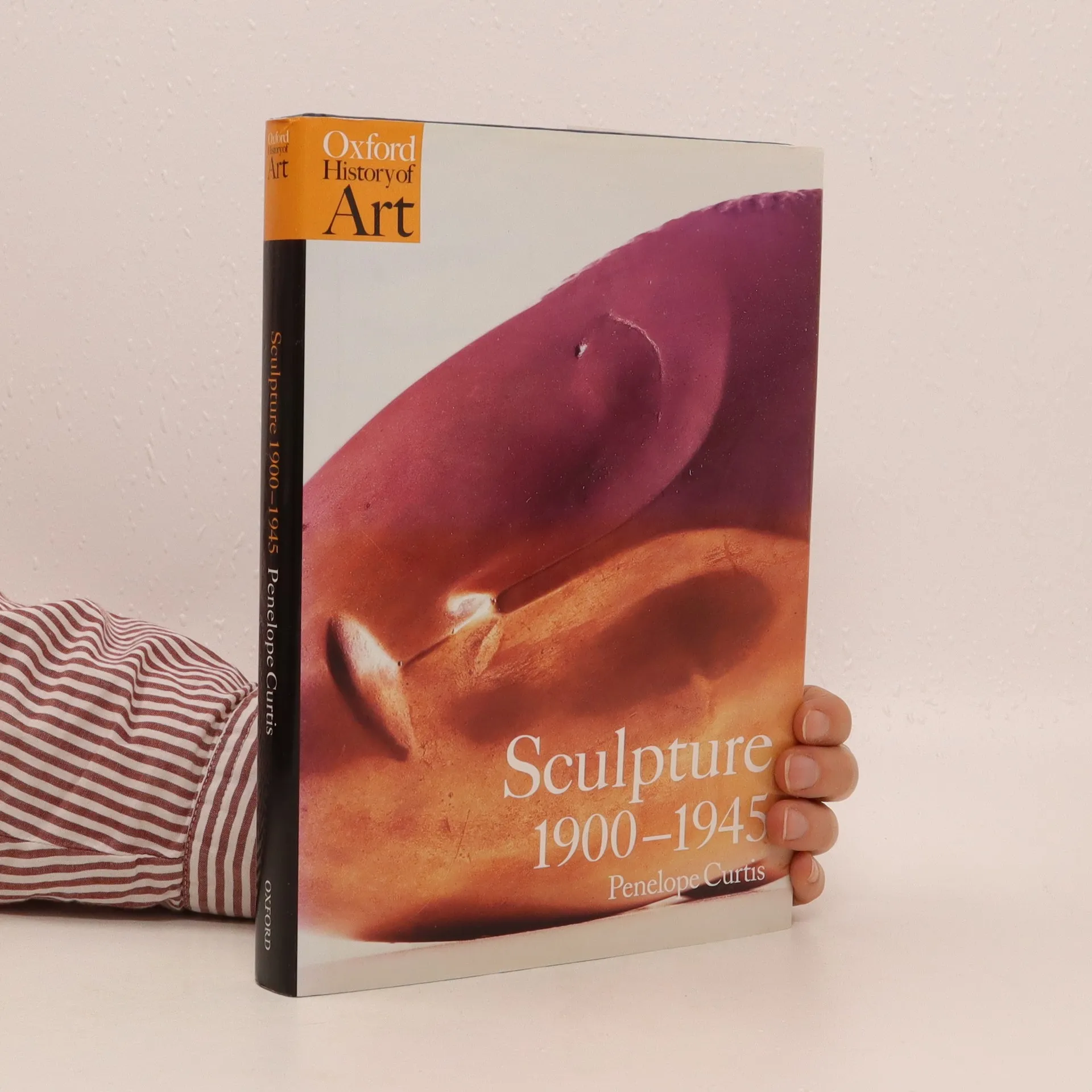
    Sculpture 1900-1945
    Alexander Calder: Performing Sculpture
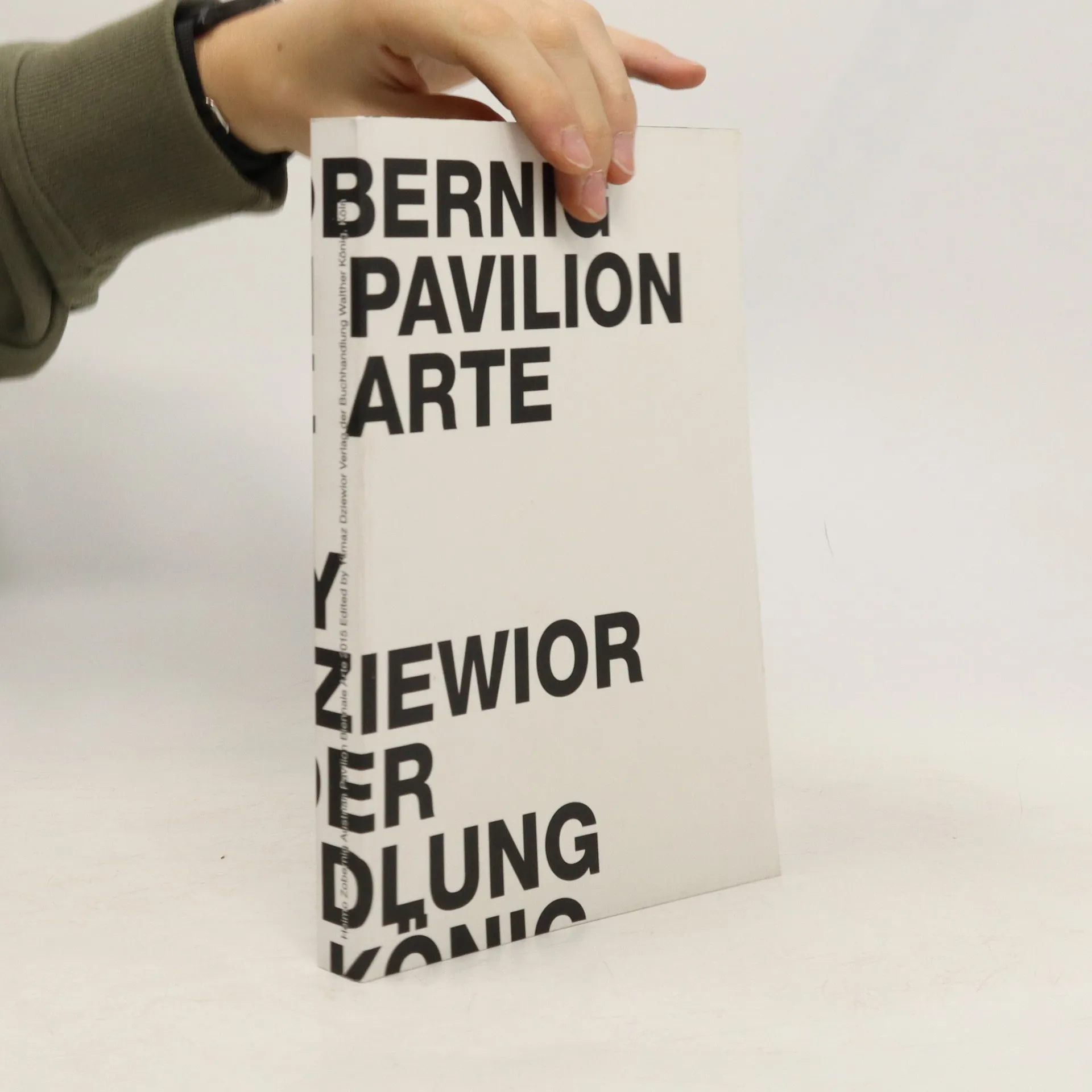
    Heimo Zobernig
    • Heimo Zobernig

      • 192pagine
      • 7 ore di lettura

      Mit seinem Biennale-Beitrag reagiert Heimo Zobernig unmittelbar auf die Ausstellungssituation in dem 1934 nach Plänen von Josef Hoffmann und Robert Kramreiter gebauten Österreichischen Pavillon, der mit klassischen Rundbögen und hoheitsvoll anmutenden Blickachsen einerseits sowie streng rationalen Formen und modernen Baustoffen andererseits zwischen Historizität und Moderne laviert. Gleichzeitig vereint Zobernig Innen und Außen und schafft auf diese Weise einen Ort, der zum Verweilen und zur Reflexion über die menschliche Präsenz im Raum einlädt. Heimo Zobernig’s contribution to the Venice Biennial responds directly to the existing exhibition situation in the Austrian Pavilion, built in 1934 based on plans by Josef Hoffmann and Robert Kramreiter. The Pavilion’s structure, with its rounded classical arches and majestic visual axes, on the one hand, and clear, rational forms and modern construction materials, on the other, moves between the poles of historicism and modernism. At the same time, Zobernig’s intervention connects inside and outside, to create an enclosed site where one can linger and reflect on human presence in space.
      Heimo Zobernig
    • The first major retrospective of the work of Alexander Calder (1898-1976) in the UK for twenty years opens at Tate Modern in November 2015. Calder was one of the most popular American artists of the 20th century.

      Alexander Calder: Performing Sculpture
    • Sculpture 1900-1945

      • 298pagine
      • 11 ore di lettura

      A new and comprehensive analysis of the expansion of sculpture as an artistic form in Europe and the United States from 1900 to 1945. Well-known artists such as Brancusi, Arp, Tatlin & Duchamp are covered alongside less familiar sculptors to provide a full picture of the diverse development of sculpture in this important period.

      Sculpture 1900-1945
    • Penelope Curtis reimagines the life of her grandmother Nora, a painter whom she never knew but whose works she grew up with. Bridging three generations and spanning a century, her ambitious debut novel also investigates the relationship between her father and his fellow biologist Maria de Sousa.

      After Nora
    • Henry Spencer Moore (1898–1986) was one of the most influential British artists of the twentieth century. This catalogue considers Moore’s celebrated Shelter drawings as the point of departure for a new reading of the artist’s fascination with images of walls, during and immediately after World War II.

      Henry Moore
    • "In The Pliable Plane, curator and historian Penelope Curtis traces the ways sculpture infiltrated architectural thought over the post-war period. Her study identifies the wall as a particular locus of creative thinking – a surface which produces both continuity and separation, and which similarly unites and distinguishes the two disciplines. Surveying a series of walls – carved, cast, applied, imagined, and even conceptual – in such places as bomb shelters, caves, war memorials, and public buildings, Curtis introduces a cast of renowned and lesser-known practitioners who defined the three-dimensional conception of the years 1945 to 1970. With close readings of the work and lives of Henry Moore, Anni Albers, Frederick Kiesler, Jorge Oteiza, and Mary Martin, among others, Curtis’s fluid and perspicacious history encompasses the developments of wartime production, the discovery of the Lascaux Caves, and the rise of relief art. Turning away from familiar pairings and dichotomies, it considers spaces and surfaces of coalescence and influence. Curtis compels us to understand the wall as support as much as partition, arguing for the centrality of this very pliability to the entwined development of both sculpture and architecture."

      The Pliable Plane The Wall as Surface in Sculpture and Architecture, 1945-75