

Focusing on a metatheory for educational philosophy, this book emphasizes the need for democratization, reconstruction, and decolonization of education. It addresses the challenges posed by a global and technological society, advocating for transformative approaches that reshape educational practices and theories to better serve diverse communities and foster critical engagement among learners.
Douglas Kellner Ordine dei libri (cronologico)
31 maggio 1943
Douglas Kellner è un eminente teorico critico di terza generazione profondamente impegnato nell'impatto della cultura dei media sulla società. È un pioniere della media literacy critica, analizzando come i paesaggi mediatici contemporanei siano sempre più plasmati dallo spettacolo e dal mega-spettacolo. Il suo lavoro approfondisce anche le dinamiche dell'alter-globalizzazione, sostenendo movimenti contro-egemonici ed espressioni culturali alternative alla ricerca di una società più democratica. Kellner esplora il potenziale politico dei nuovi media, sostenendo un concetto di 'molteplici tecnilivelli di alfabetizzazione' come alternativa alle forme standardizzate di alfabetizzazione informatica.

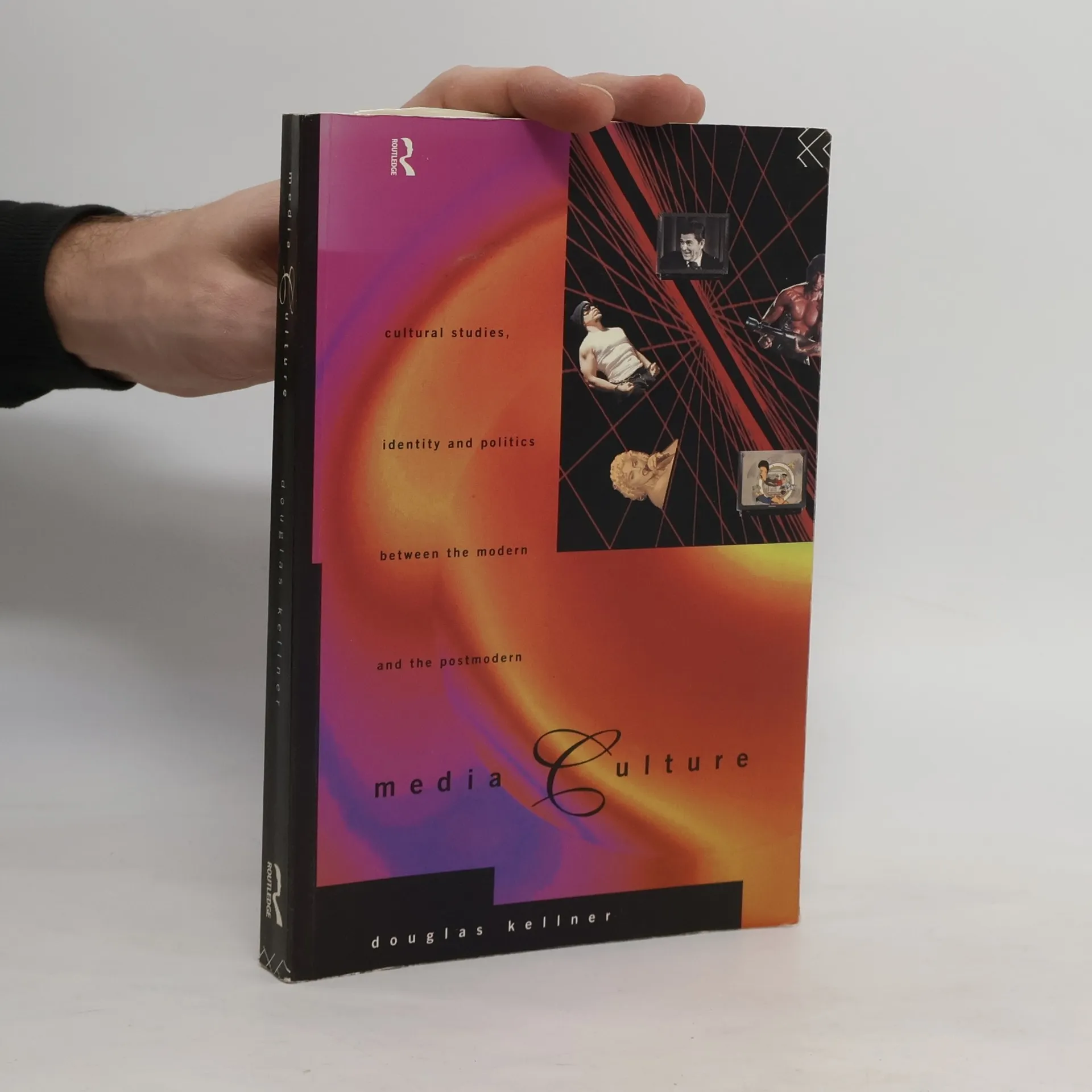

Media Culture
Cultural Studies, Identity, and Politics in the Contemporary Moment
- 326pagine
- 12 ore di lettura
Kellner examines the pervasive influence of mediated culture as the primary force shaping socialization and impacting various aspects of life, including the economy and politics. This updated edition of a classic text in media and cultural studies delves into how media serves as a crucial player in contemporary society, highlighting its significance in cultural and social interactions.
Scritto in inglese nel 1964 e pubblicato nel 1967 in Europa e in Italia, L'uomo a una dimensione, a suon di centinaia di migliaia di copie,fece di Herbert Marcuse il maestro della nuova sinistra,che in quegli anni andava mettendo vigorose radici nelle università europee. Nel libro di Marcuse i giovani del '68 trovarono gli argomenti e le parole atte a dare forma definita a un'idea che in modo meno articolato circolava già da tempo in Europa, l'idea che le società europee, uscite ormai da vent'anni dall'esperienza del fascismo e della guerra e dedicatesi con devozione alla pratica della democrazia,fossero in realtà, ciascuna a suo modo,forme di "società bloccata", sul piano sia politico sia culturale e ideale. A oltre trent'anni dalla sua apparizione, e nonostante i non pochi elementi rimasti ancorati a uno scenario politico e sociale profondamente diverso da quello attuale, L'uomo a una dimensione, una delle più radicali disamine e contestazioni della condizione umana nelle società industriali avanzate, non ha certo esaurito la forza del suo impatto critico e polemico. L'attualità dell'opera non è soltanto legata al persistere delle stesse distorsioni, nelle società industriali avanzate, che il suo autore intravvide all'epoca con lucidità. È la storia più recente che si è incaricata di restituire al libro un'inquietante presa diretta.
First published in 1995. Routledge is an imprint of Taylor & Francis, an informa company.
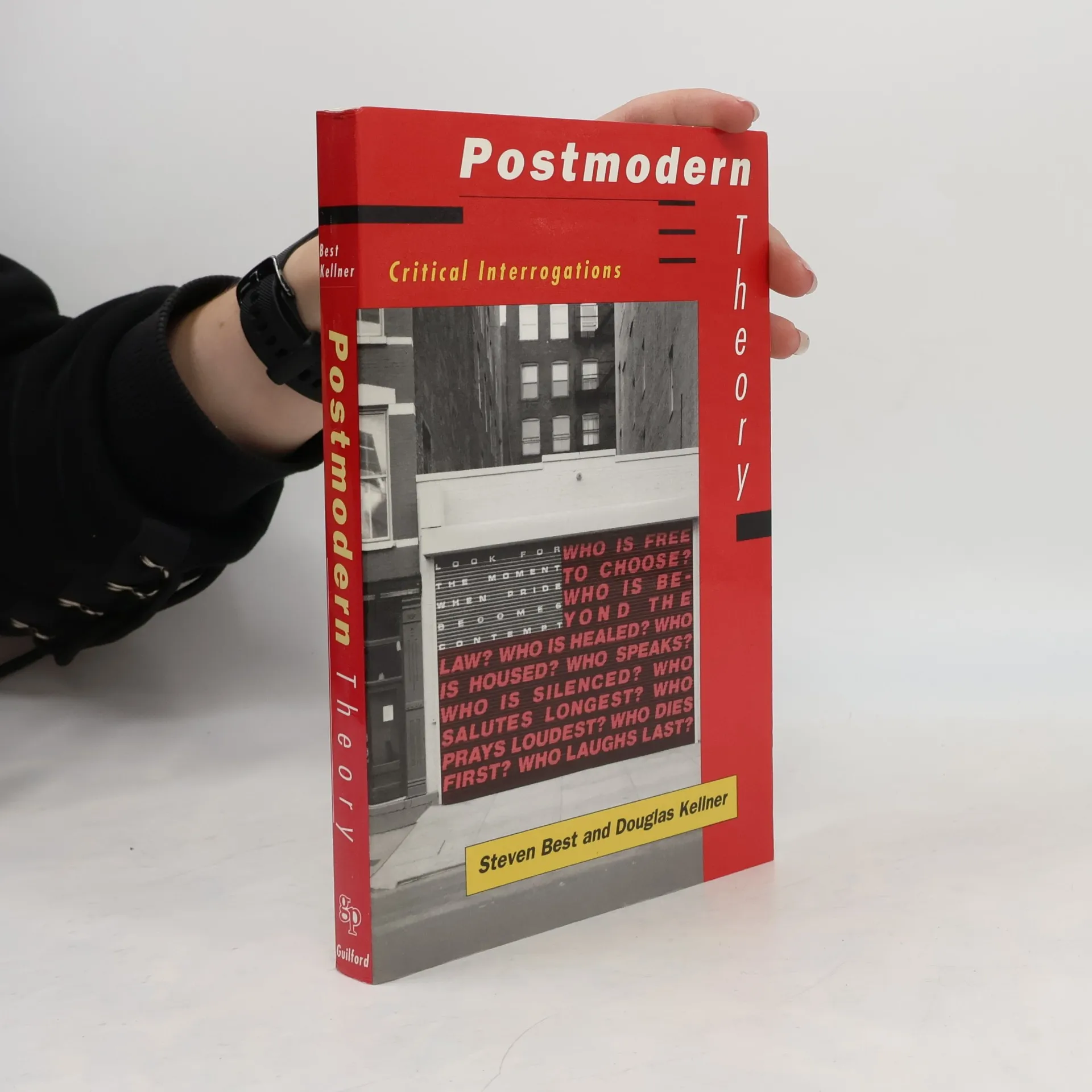
In this timely volume, the authors systematically analyze postmodern theory to evaluate its relevance for critical social theory and radical politics today.Best and Kellner provide:* An introduction and critique of the work of Foucault, Deleuze and Guattari, Baudrillard, Lyotard, Laclau and Mouffe, and Jameson, which assess the varying contributions and limitations of postmodern theory* A discussion of postmodern feminist theory and the politics of identity* A systematic study of the origin of the discourse of the postmodern in historical, sociological, cultural, and philosophical studies.The authors claim that while postmodern theory provides insights into contemporary developments, it lacks adequate methodological and political perspectives to provide a critical social theory and radical politics for the present age.