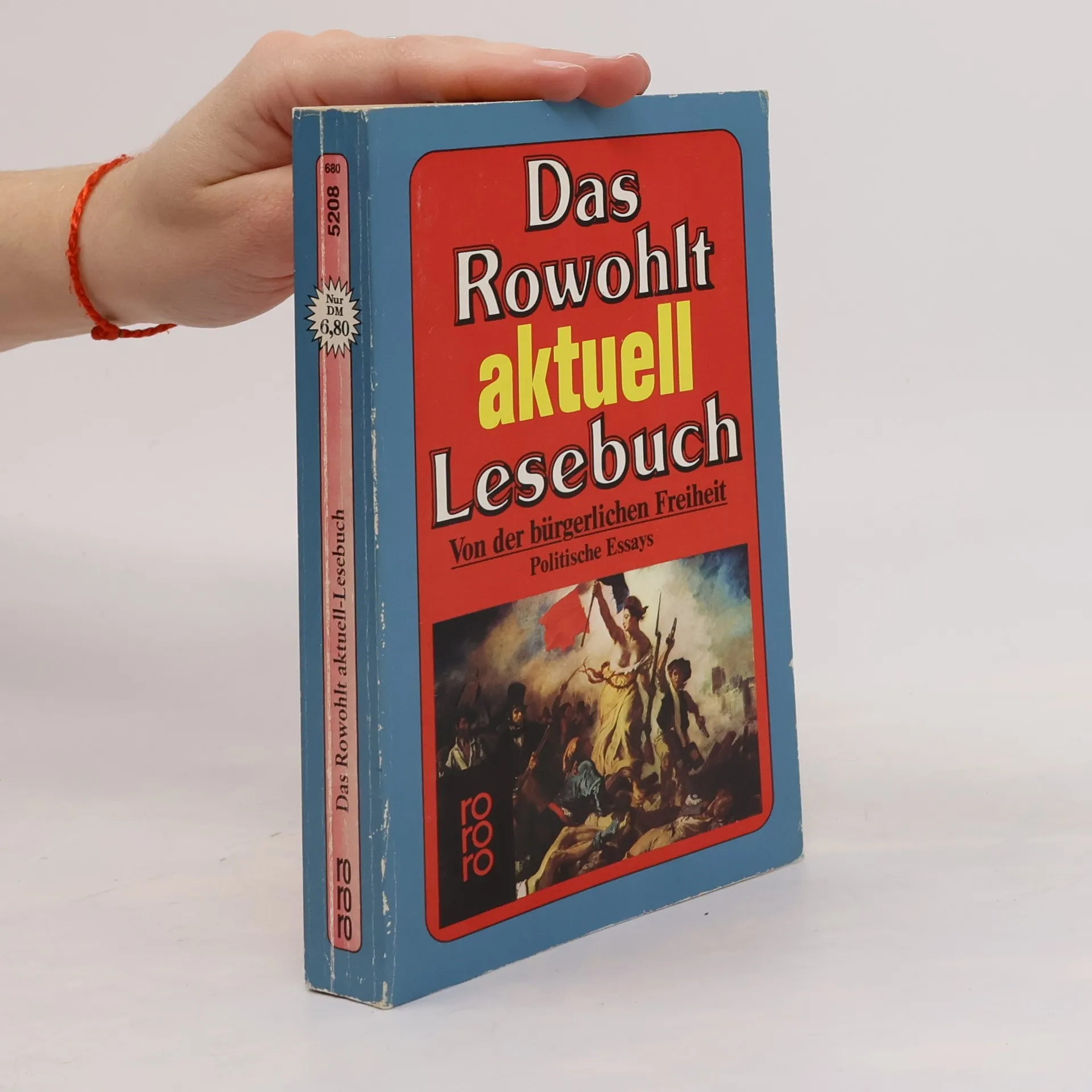
Das Rowohlt-aktuell-Lesebuch
Von der bürgerlichen Freiheit: Politische Essays
- 320pagine
- 12 ore di lettura


Ernst Käsemann fu un teologo di rilievo il cui lavoro si immerse profondamente nel Nuovo Testamento. Conseguì il dottorato all'Università di Marburgo sotto la guida di Rudolf Bultmann, con una dissertazione incentrata sull'ecclesiologia paolina. Käsemann fu tra gli allievi più noti e di orientamento di sinistra del suo mentore Bultmann, indicando le sue personali inclinazioni intellettuali. Il suo contributo accademico lasciò un'impronta duratura nel discorso teologico.
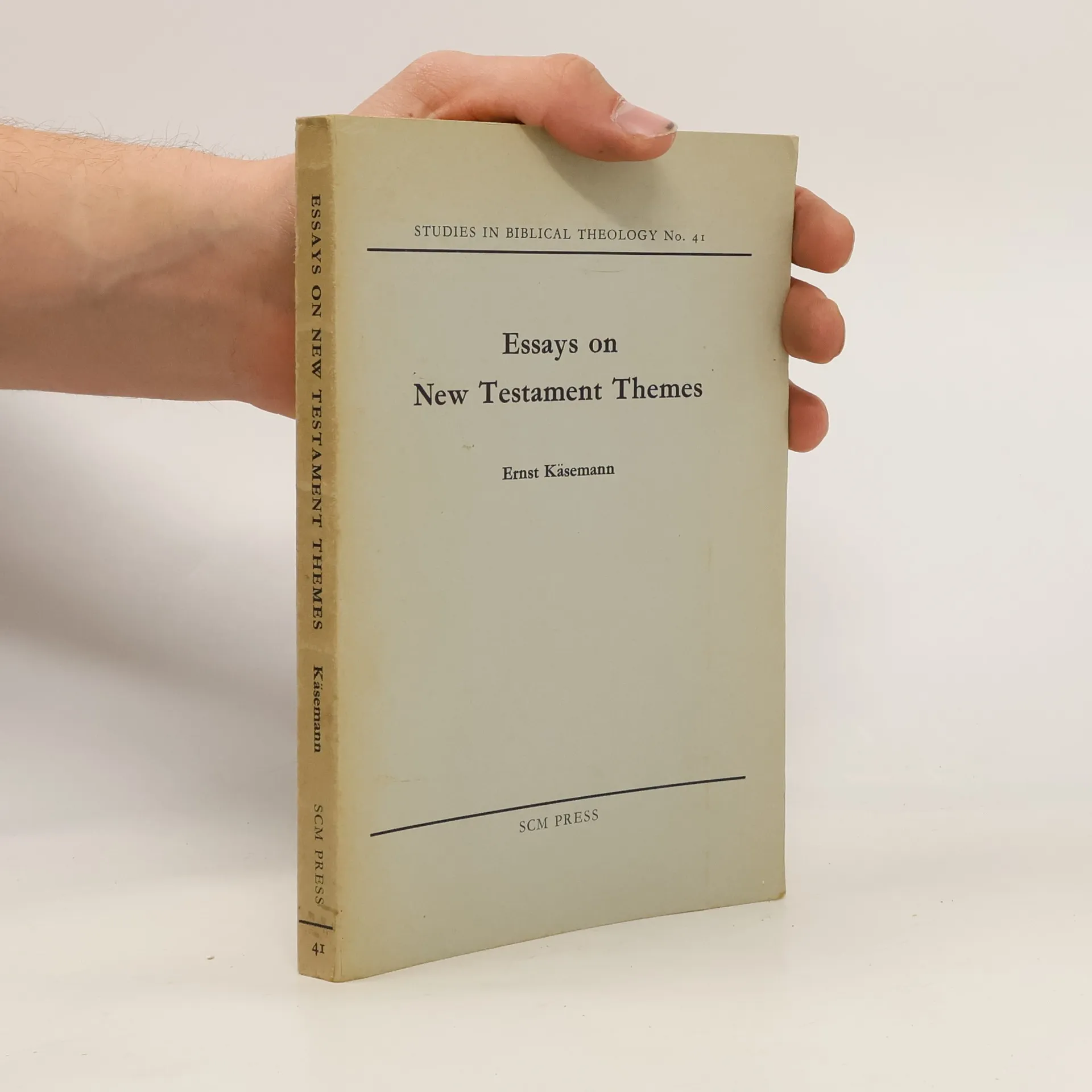
Von der bürgerlichen Freiheit: Politische Essays
German
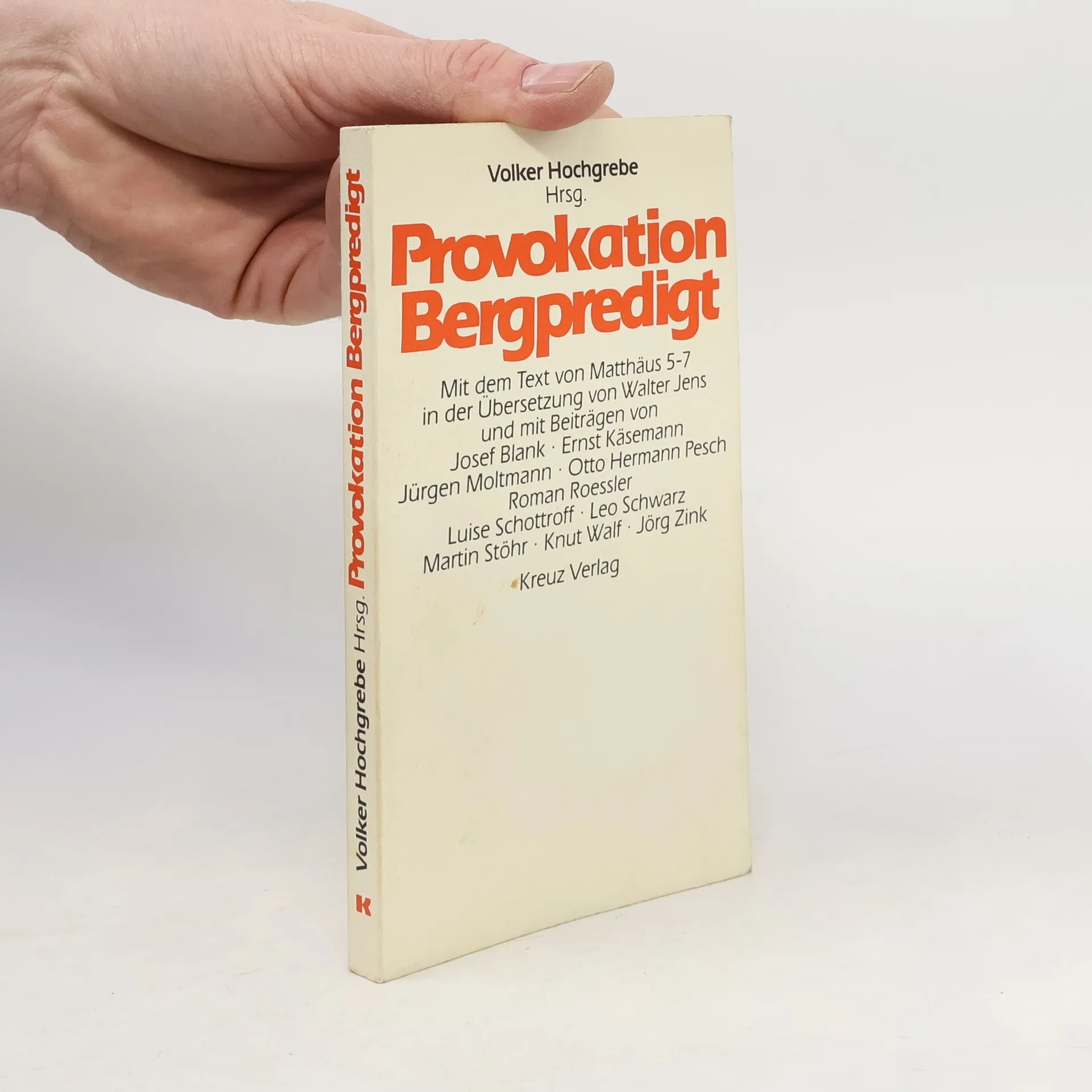
Mit dem Text von Matthäus 5-7 in der Übersetzung von Walter Jens und mit Beiträgen von Josef Blank, Ernst Käsemann, Jürgen Moltmann, Otto Hermann Pesch, Roman Roessler, Luise Schottroff, Leo Schwarz, Martin Stöhr, Knut Walf, Jörg Zink
Nähere Informationen zu diesem Buch erhalten Sie direkt vom Verlag / For further information about this title please contact Mohr Siebeck
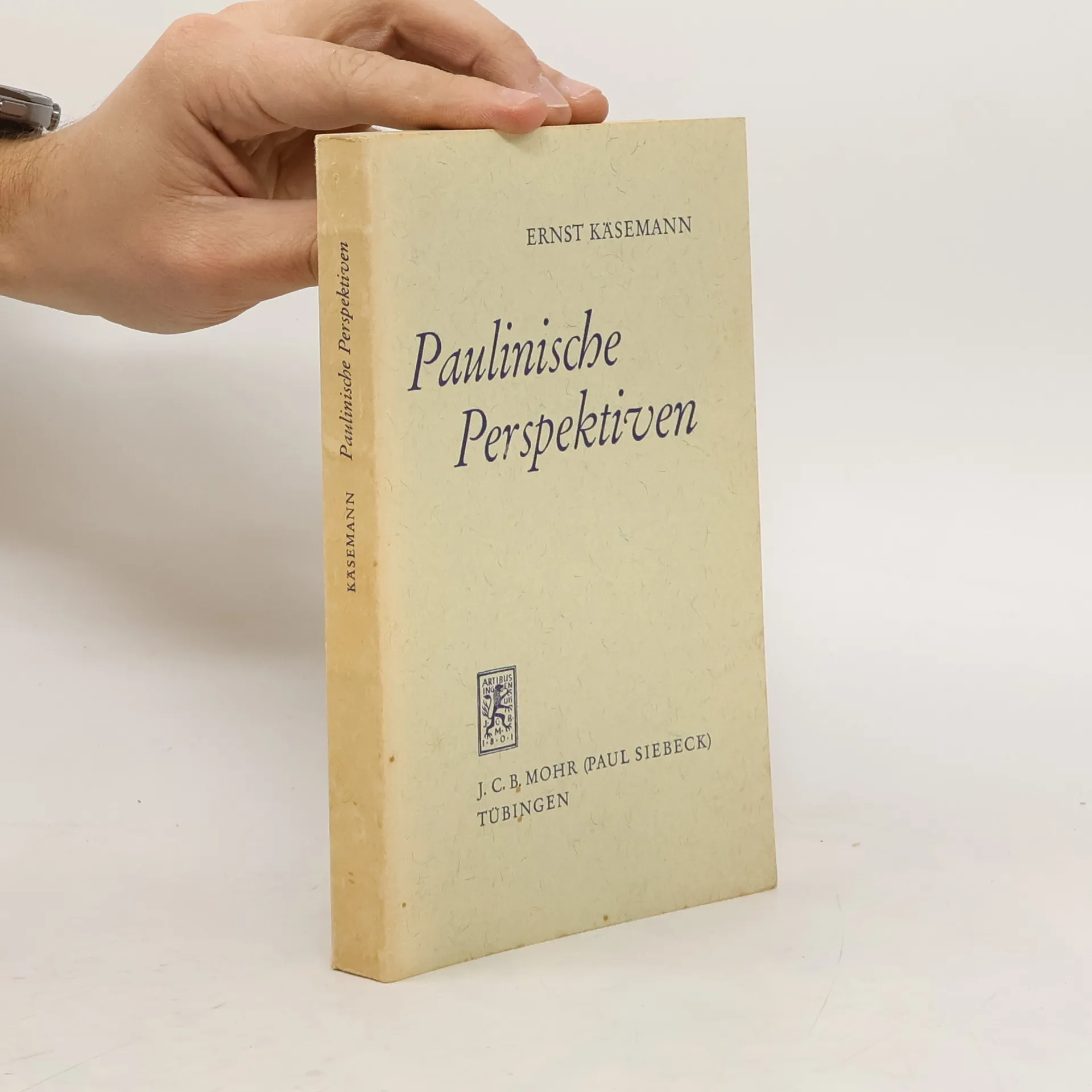
Käsemann behandelt zentrale Themen in Paulus' Denken mit seiner gewohnten Originalität, Klarheit und Brillanz. Ausgangspunkt des Buches ist Paulus' Anthropologie. Käsemann betont, dass Paulus sowohl die Individualität des Menschen als auch seinen Platz im Kosmos hervorhebt. Für Paulus muss die Rechtfertigung auch in kosmischen und eschatologischen Begriffen verstanden werden. Einzelne Essays in diesem Buch konzentrieren sich auf Paulus' Theologie des Kreuzes, auf das Motiv des Leibes Christi, auf den christlichen Gottesdienst und auf die Begriffe Geist und Buchstabe. Diese Essaysammlung ist eine wesentliche Lektüre für alle, die Paulus oder neutestamentliche Theologie studieren.
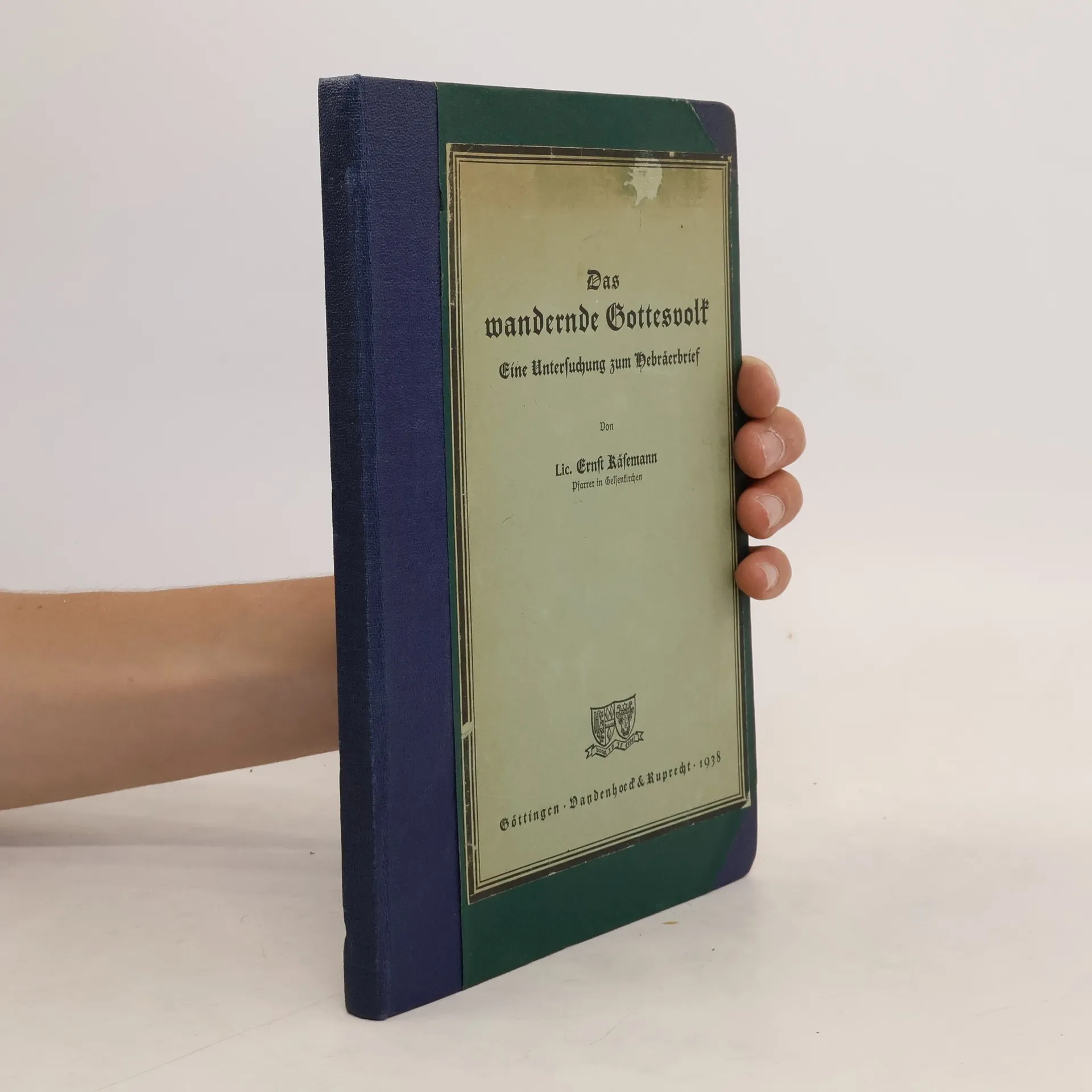
Eine Untersuchung zum Hebräerbrief