

Als kleines Mädchen verliert Nete Hermansen ihre Mutter. Damit beginnen für sie Jahre des Schreckens: Von einem Cousin vergewaltigt und geschwängert, gerät sie in die Arme eines fanatischen Arztes, der sie ebenfalls missbraucht, entmündigt und schließlich auf eine Insel bringt, wo sie zwangssterilisiert wird. Als eine liebevolle Pflegefamilie ihr ein neues Leben schenkt, lernt Nete zu vergessen. Bis sie Jahre später erneut auf ihren Peiniger trifft und beschließt, grausame Rache zu nehmen. Der vierte Fall für Carl Mørck vom Sonderdezernat Q, packend erzählt vom dänischen Ausnahme-Autor Jussi Adler-Olsen.
Wolfram Koch Ordine dei libri (cronologico)


Erlösung
- 9pagine
- 1 ora di lettura
Spieldauer: 8 Stunden und 24 Minuten Jahrelang bleibt der Hilfeschrei ungehört, als Brief im Inneren einer verwitterten Flaschenpost verborgen. Dann landet die Botschaft im Sonderdezernat Q für unaufgeklärte Fälle. Entsetzt stellen Kommissar Carl Mørck und sein Assistent Assad fest, dass der Brief mit menschlichem Blut geschrieben wurde. Offenbar ist er das letzte Lebenszeichen zweier Jungen, die Jahre zuvor entführt wurden. Doch wer sind diese Jungen? Warum haben ihre Eltern nie eine Vermisstenanzeige aufgegeben? Sind sie womöglich noch am Leben? Bald steht fest: Der Täter läuft noch immer frei herum.
La donna in gabbia
- 461pagine
- 17 ore di lettura
La voce distorta proviene da un altoparlante piazzato da qualche parte nel buio: "Buon compleanno, Merete. Oggi sono centoventisei giorni che sei qui, e questo è il nostro regalo per te. Lasceremo la luce accesa per un anno, a meno che tu non sia capace di rispondere a una domanda. Perché ti abbiamo rinchiusa?" Merete Lynggaard, giovane parlamentare danese di successo, è a bordo di un traghetto il giorno in cui scompare senza lasciare tracce. I media si lanciano avidamente sulla storia e le ipotesi si avvicendano nei titoli: dal suicidio all'omicidio, dal tragico incidente al rapimento, fino alla sparizione volontaria. La polizia mette in campo tutte le forze, ma senza risultato: la donna sembra inghiottita dalla terra. Merete però non è morta. Chi la tiene segregata in modo tanto disumano in una prigione di cemento? E perché? Cinque anni dopo, Cari Morck, poliziotto svogliato e burbero, una spina nel fianco per tutti i colleghi, decide di riaprire le indagini con la sua Sezione Q, il nuovo reparto speciale per i casi irrisolti. Procedendo a ritroso nel tempo fra trame politiche e drammi familiari, Morck e il suo misterioso assistente siriano Assad si lanciano in una battaglia contro il disegno delirante di un criminale folle.
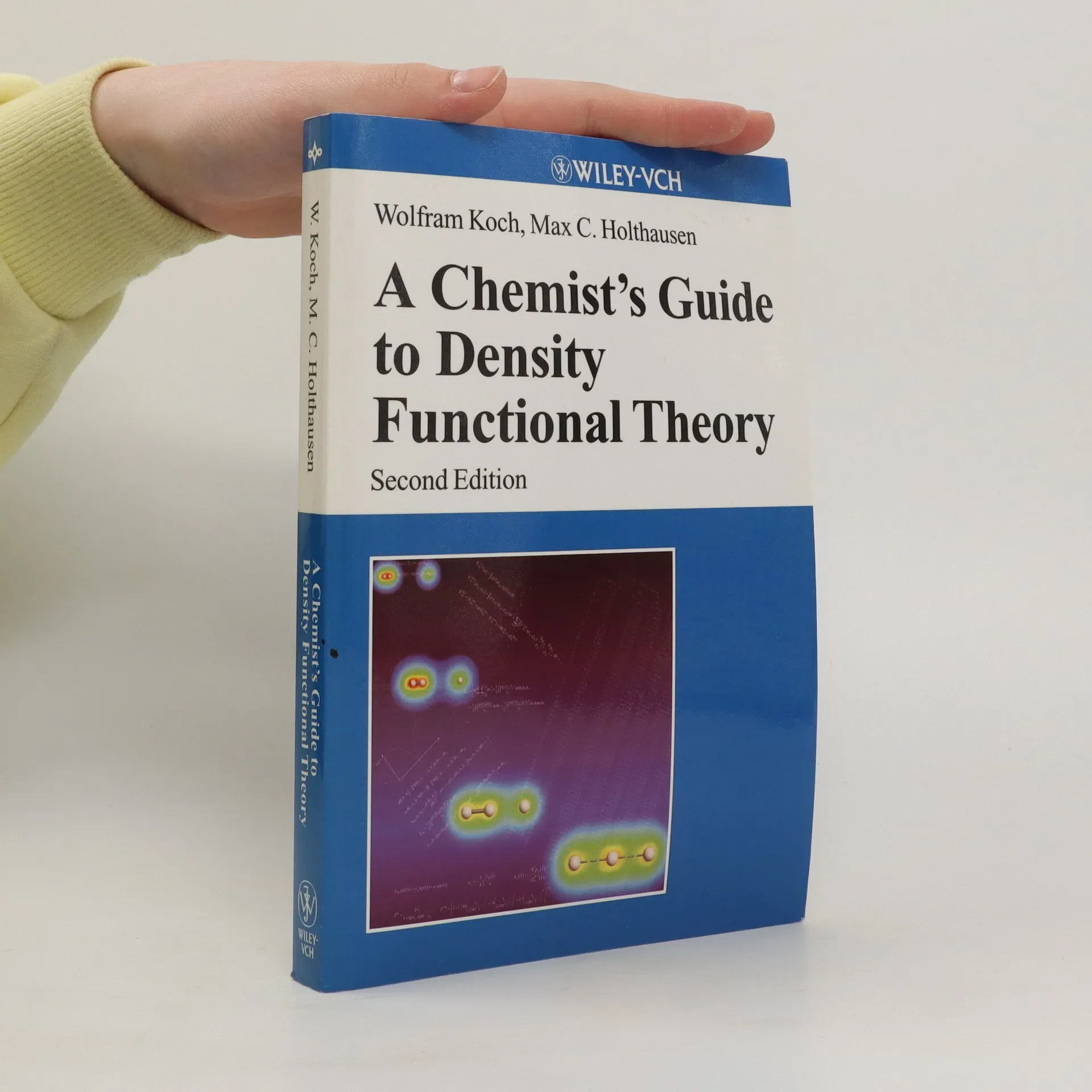
A Chemist´s Guide to Density Functional Theory
- 313pagine
- 11 ore di lettura
"Chemists familiar with conventional quantum mechanics will applaud and benefit greatly from this particularly instructive, thorough and clearly written exposition of density functional theory: its basis, concepts, terms, implementation, and performance in diverse applications. Users of DFT for structure, energy, and molecular property computations, as well as reaction mechanism studies, are guided to the optimum choices of the most effective methods. Well done!"Paul von Rague Schleyer"A conspicuous hole in the computational chemist's library is nicely filled by this book, which provides a wide-ranging and pragmatic view of the subject.[...It] should justifiably become the favorite text on the subject for practioneers who aim to use DFT to solve chemical problems."J. F. Stanton, J. Am. Chem. Soc."The authors' aim is to guide the chemist through basic theoretical and related technical aspects of DFT at an easy-to-understand theoretical level. They succeed admirably."P. C. H. Mitchell, Appl. Organomet. Chem."The authors have done an excellent service to the chemical community. [...] A Chemist's Guide to Density Functional Theory is exactly what the title suggests. It should be an invaluable source of insight and knowledge for many chemists using DFT approaches to solve chemical problems."M. Kaupp, Angew. Chem.