The Lost Wife
- 192pagine
- 7 ore di lettura
Drawn partly from a true story, The Lost Wife is a searing and immersive novel about a devastating Native American revolt, and a woman caught in the middle of the conflict


Susanna Moore crea romanzi che approfondiscono le complessità della psicologia umana e delle relazioni interpersonali. Il suo stile distintivo è caratterizzato da un'introspezione penetrante e un linguaggio preciso che immerge il lettore nei paesaggi emotivi e intellettuali dei suoi personaggi. Moore esplora frequentemente temi come l'identità, il desiderio e la ricerca di significato nella vita contemporanea. La sua opera offre esplorazioni avvincenti e spesso inquietanti della condizione umana.

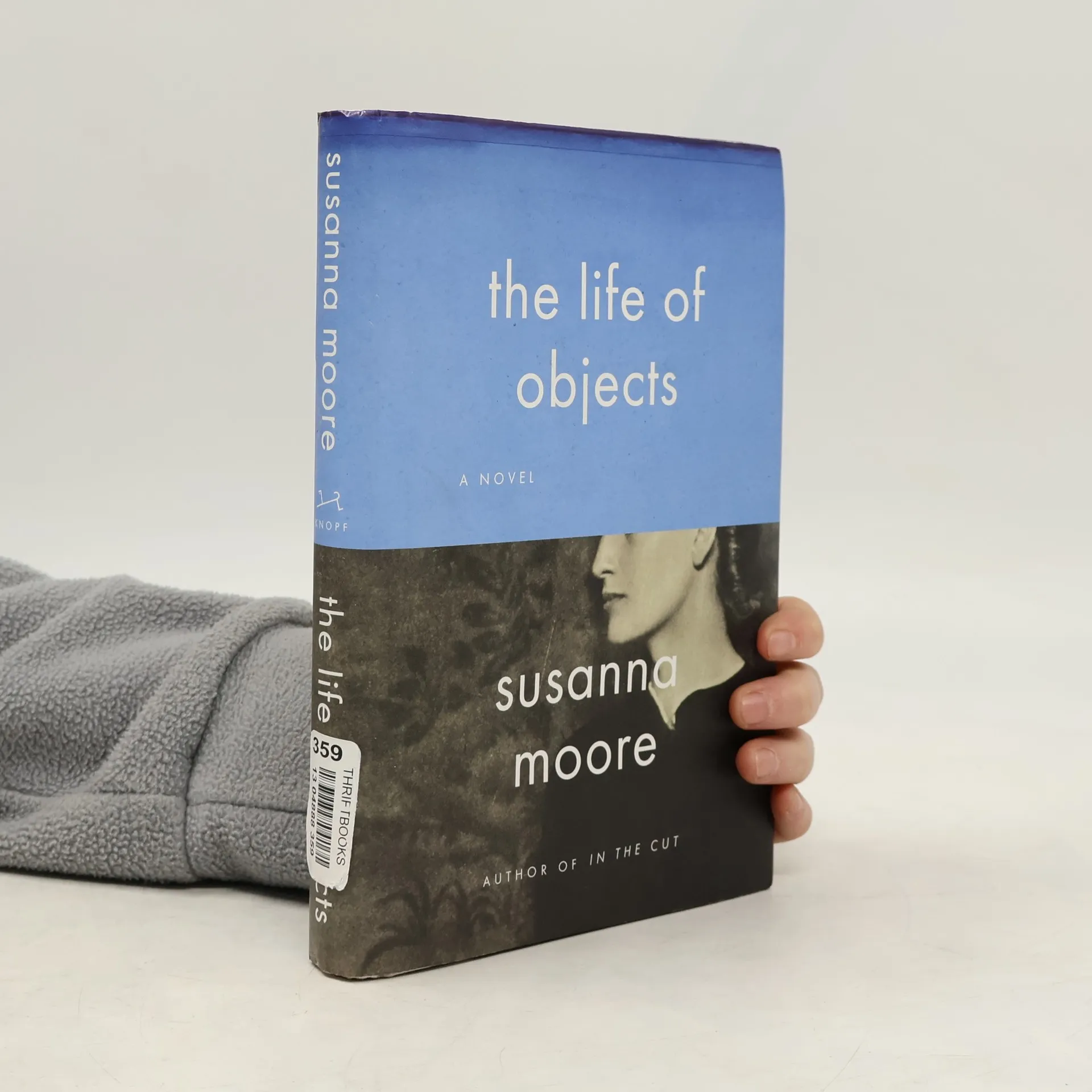


Drawn partly from a true story, The Lost Wife is a searing and immersive novel about a devastating Native American revolt, and a woman caught in the middle of the conflict
In 1938, seventeen-year-old Beatrice, an Irish Protestant lace maker, finds herself at the center of a fairy tale when she is whisked away from her dreary life to join the Berlin household of Felix and Dorothea Metzenburg. Art collectors, and friends to the most fascinating men and women in Europe, the Metzenburgs introduce Beatrice to a world in which she finds more to desire than she ever imagined. But Germany has launched its campaign of aggression across Europe, and, before long, the conflict reaches the Metzenburgs’ threshold. Retreating with Beatrice to their country estate, Felix and Dorothea do their best to preserve the traditions of the old world. But the realities of hunger and illness, as well as the even graver threats of Nazi terror, the deportation and murder of Jews, and the hordes of refugees fleeing the advancing Red Army begin to threaten their existence. When the Metzenburgs are forced to join a growing population of men and women in hiding, Beatrice, increasingly attached to the family and its unlikely wartime community, bears heartrending witness to the atrocities of the age and to the human capacity for strength in the face of irrevocable loss. In searing physical and emotional detail, The Life of Objects illuminates Beatrice’s journey from childhood to womanhood, from naïveté to wisdom, as a continent collapses into darkness around her. It is Susanna Moore’s most powerful and haunting novel yet.
Ci sono i carnefici e ci sono le vittime, i carcerieri e le carcerate. C’è la cella d’isolamento con i suoi tentati suicidi, le regole ferree della convivenza tra le detenute e la stretta sorveglianza delle guardie; tanto stretta da arrivare spesso fino al sopruso e alla violenza. E poi, naturalmente, c’è il fuori, la città con le sue strade, i suoi pub e i suoi appartamenti, le persone libere, la vita che dovrebbe essere normale. Louise Forrest appartiene a questa vita, alla città: ma per il suo lavoro di psichiatra appartiene anche un po’ al carcere in cui lavora da qualche mese. L’incontro con Helen, la più fragile delle detenute, con un passato misterioso e terrificante fatto di indicibili violenze prima subite e poi perpetrate, che emergono lentamente dalla memoria, cambia la vita della psichiatra e tutto improvvisamente precipita. Non c’è più nulla del passato che si possa tacere: nessuna crudeltà, nessuna sofferenza, nessuna orribile bugia. Un romanzo dove non c’è redenzione possibile né dal dolore né dalla violenza o dalla colpa: nonostante gli sforzi per incontrarsi e per capirsi, nonostante la fiducia e il desiderio di non lasciarsi sole, le donne si muovono in un mondo da cui pare bandita l’innocenza, in cui tutti sono vittime e tutti sono carnefici, di se stessi e degli altri. Un’immensa, sconfinata prigione.
Susanna Moore kann sich nicht an ihre erste Begegnung mit dem Meer erinnern – es war immer präsent. Auf Hawaii geboren, wuchs sie in den 50er und 60er Jahren bei Honolulu auf, in einem Paradies voller Licht und Farben, weit entfernt vom Festland. Ihre Sommertage verbrachte sie mit einem Bündel Bücher im Schatten der Palmen, während ihre Geschwister am Strand spielten. Das Murmeln des Meeres begleitete sie, während sie in den Geschichten großer Erzähler die Erzählungen von Brandung und Wellen entdeckte. Umgeben von Wellen und dem Wind, der durch die Palmen rauschte, fand sie Zuflucht in der Literatur. Heute lebt sie in New York, doch das Meer bleibt ein ständiger Begleiter. Mit ihren Werken kehrt sie in die Inselwelt ihrer Kindheit zurück, wo sie barfuß zur Schule ging, die Männer entdeckte und die Liebe erlebte – inspiriert von den Klassikern von Conrad, Stevenson und Defoe, die ihr halfen, ihre Welt besser zu verstehen. Dies ist ein leuchtendes Selbstporträt ihrer Kindheit und Jugend auf Hawaii, das die Leser in eine faszinierende Vergangenheit entführt.
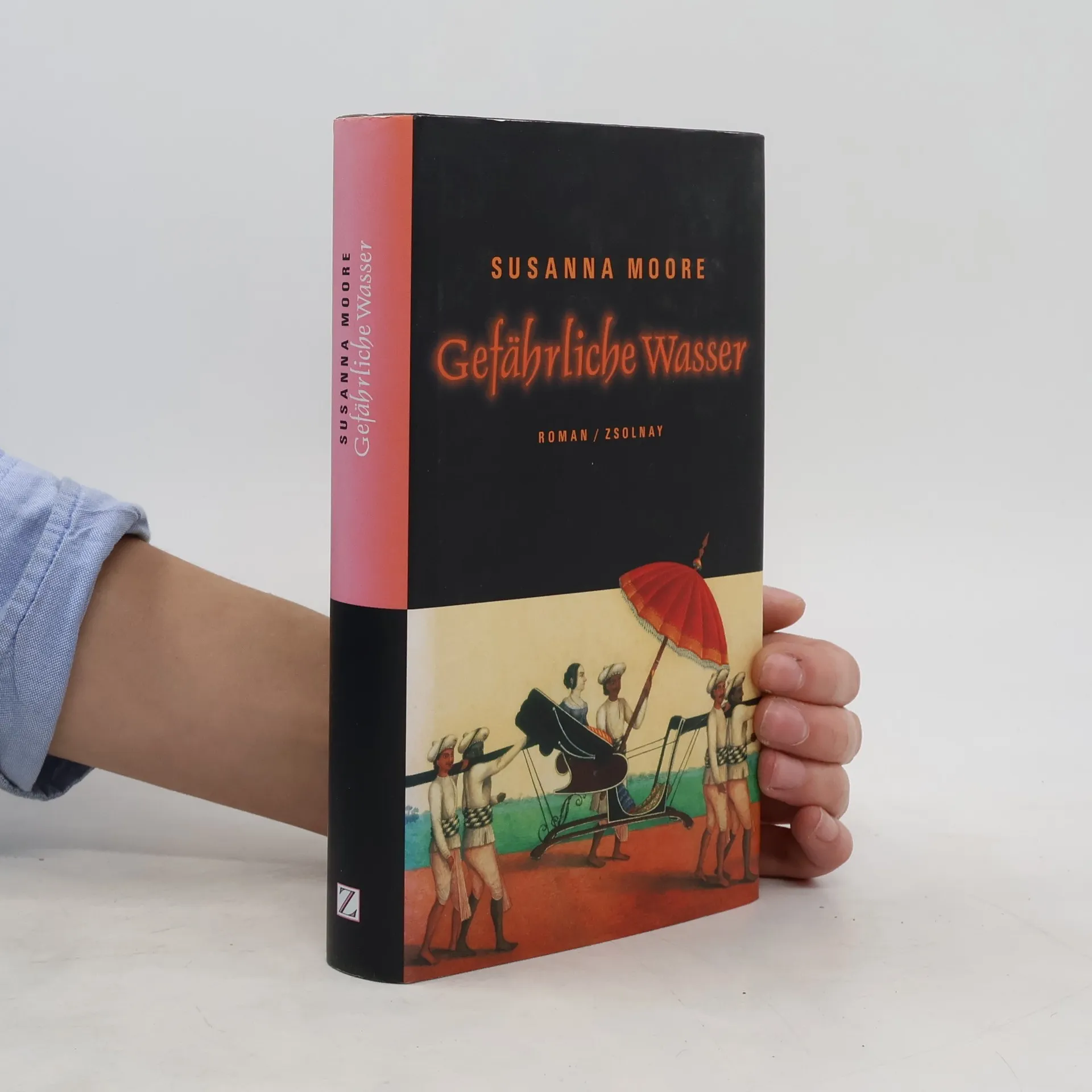
Kalkutta 1836: britische Kolonialbeamte, ihre gelangweilten Ehefrauen und die brodelnde, beängstigend lockende Fremde. Nach einer strapaziösen Seereise treffen der neue Generalgouverneur Sir Henry Oliphant und seine Schwestern Eleanor und Harriet in Indien ein. Es beginnt eine Erziehung der Sinne und zur Sinnlichkeit, die ihr Leben für immer verändert. Kaum je hat man die Verlockung und Gefährdung durch das Exotische so körperlich spürbar erlebt wie in dieser erotisch aufgeladenen Prosa. „Susanna Moore ist eine unwiderstehliche Autorin.“ (New York Times Book Review)
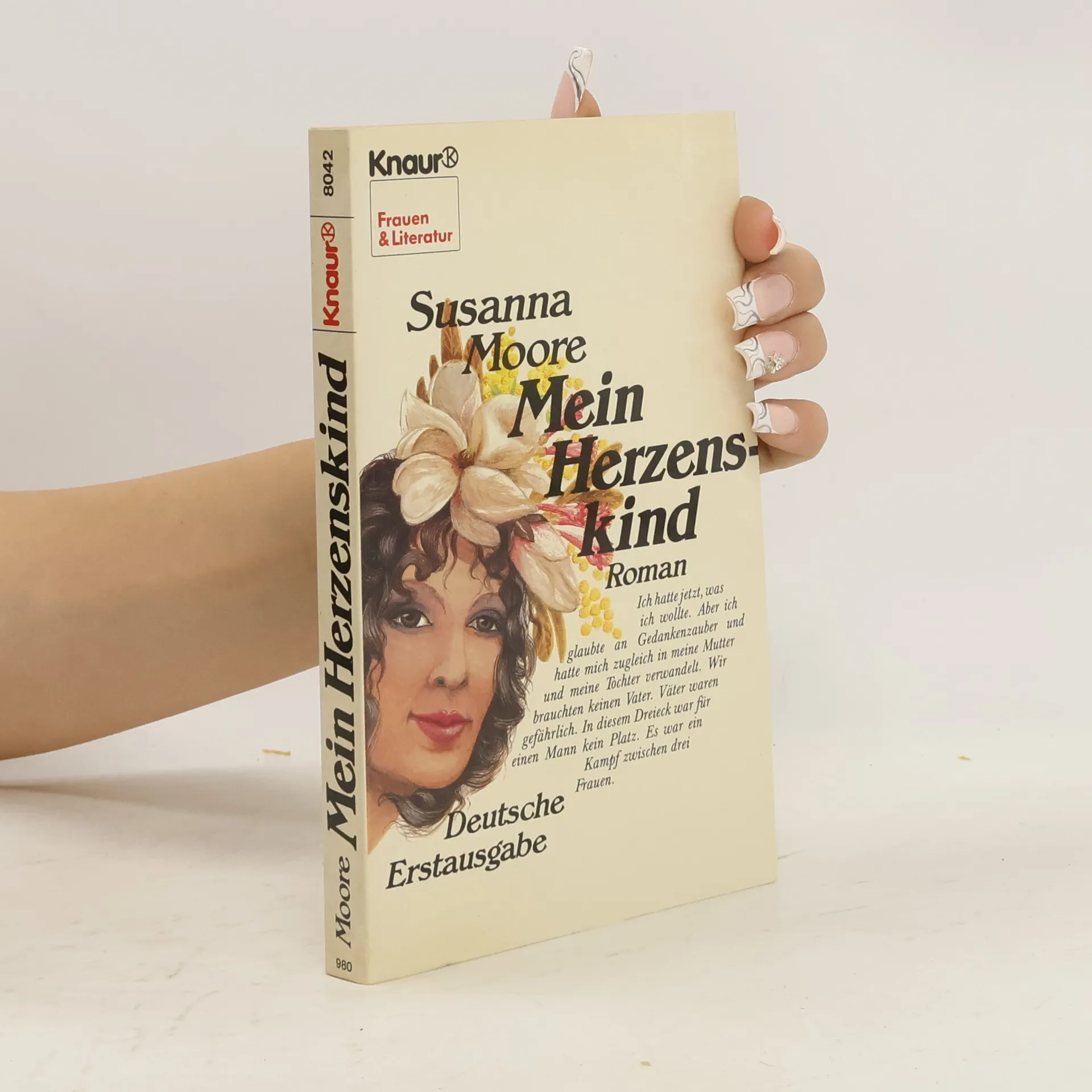
Ein intensiver, dichter Roman über die – verzweifelte – Liebe zwischen Mutter und Tochter und über die Notwendigkeit der Emanzipation. Als die alleinstehende Lily Shields eine Tochter bekommt, begibt sie sich auf eine Erinnerungsreise in ihre eigene Kindheit auf Hawaii – nur auf den ersten Blick ein paradiesisches Eiland, denn Lily muss sich mit der bedingungslosen Liebe, die sie für die exzentrische, unberechenbare und instabile Mutter empfand, und mit Schuldgefühlen auseinandersetzen. Sie erkennt, wie eng die Bande waren, die zwischen ihrer drogensüchtigen und in Traumwelten sich flüchtenden Mutter Anna bestanden. Sie bestimmten das Leben auf der Insel, die Familie, den Alltag, auch nach dem Tod der Mutter, die an einer Überdosis Drogen starb. Erzählt wird aus Sicht der Heranwachsenden. Über deren Wahrnehmung erfährt der Leser das Geschehen, spürt die unterkühlte Atmosphäre im Haus, erlebt die beklemmende Unfähigkeit des Mädchens, sich der Mutter zu entziehen. Zu Beginn verschmelzen Rückblenden und Gegenwart noch miteinander. Je klarer Lily ihr Leben aber betrachten und leben kann, desto klarer wird auch die Perspektive.
Susanna Moore, geboren 1946, wuchs in Hawaii auf, arbeitete als Schauspielerin, Model und Scriptreader für Warren Beatty und Jack Nicholson, bevor sie zu schreiben begann.
Susanna Moore, geboren 1946, wuchs in Hawaii auf, arbeitete als Schauspielerin, Model und Scriptreader für Warren Beatty und Jack Nicholson, bevor sie zu schreiben begann.
Style in the house and the garden by leading internatinal interior designer, John Stefandis at home in the country.
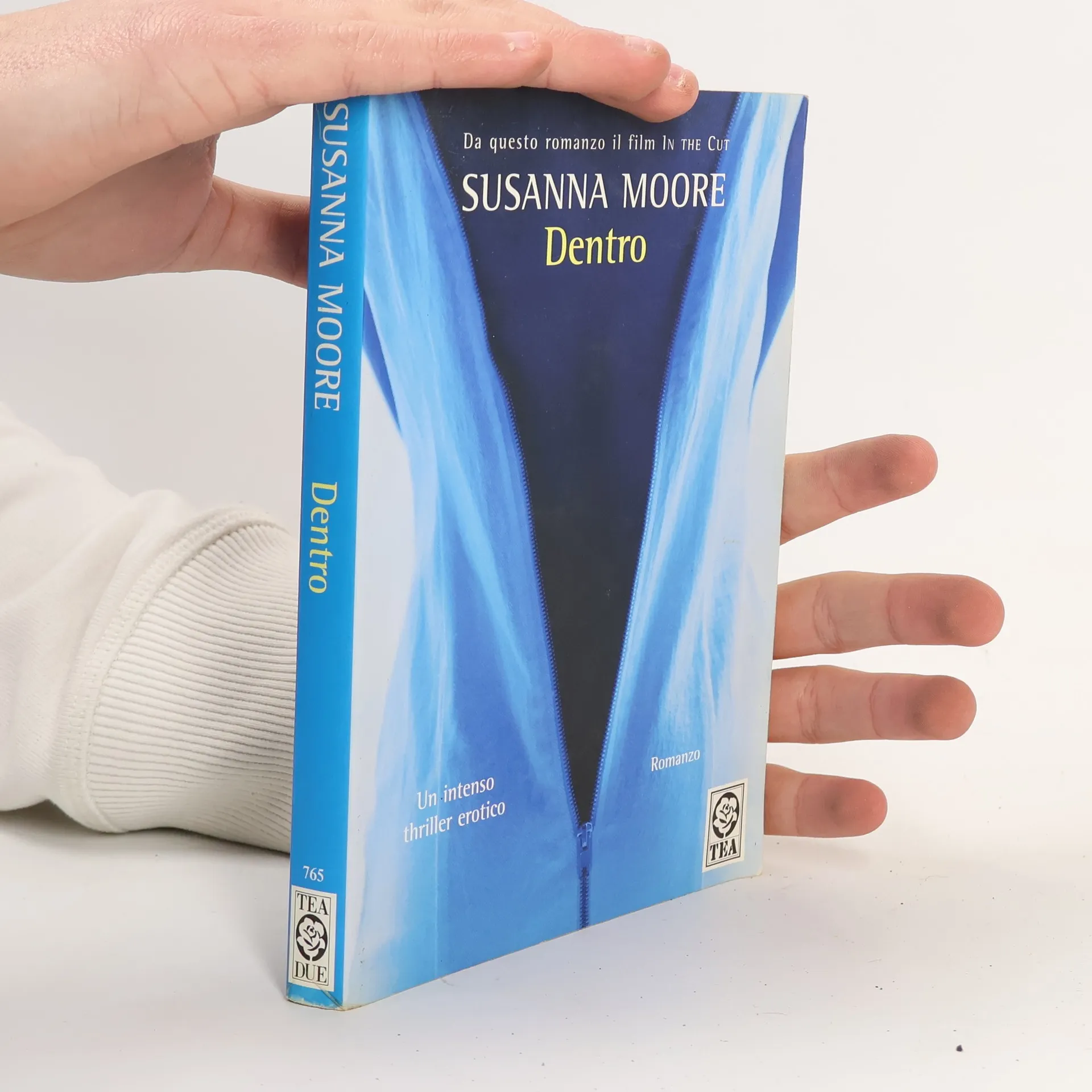
Di giorno, Frannie insegna ai suoi studenti di scrittura l'ironia e il linguaggio in tutte le sue sfumature e significati non detti. Di notte, compila un dizionario segreto di gergo urbano. Una notte, nel seminterrato di un bar, si imbatte in un momento intimo tra un uomo e una donna. Il volto dell'uomo è avvolto nell'oscurità, ma ricorderà per sempre il tatuaggio all'interno del suo polso sinistro. Quando il primo brutale omicidio scuote il suo quartiere, Frannie viene spinta in una liaison sessuale che mette alla prova i limiti della sua sicurezza e dei suoi desideri, mentre inizia un'orribile discesa nei luoghi oscuri che risiedono nel profondo di lei. "Dentro" è un thriller magistralmente scritto che terrà i lettori in tensione con il suo crescente senso di terrore.