Otobong Nkanga
- 112pagine
- 4 ore di lettura
This publication celebrates the Antwerp-based, Nigerian-born artist Otobong Nkanga, who explores cultural and historical conflicts as well as the exploitation of Earth's natural resources.




This publication celebrates the Antwerp-based, Nigerian-born artist Otobong Nkanga, who explores cultural and historical conflicts as well as the exploitation of Earth's natural resources.
"Moving image is among the most significant expanded fields at contemporary art. This anthology examines the rising phenomenon of moving image practice in recent art and theory, tracing its genealogies in experimental cinema and video, body art, performance, site-specific art and installation from the 1960s onward. Contextualizing new developments made possible by advances in digital and networked technology, it locates contemporary art centred on the moving image within a global framework."
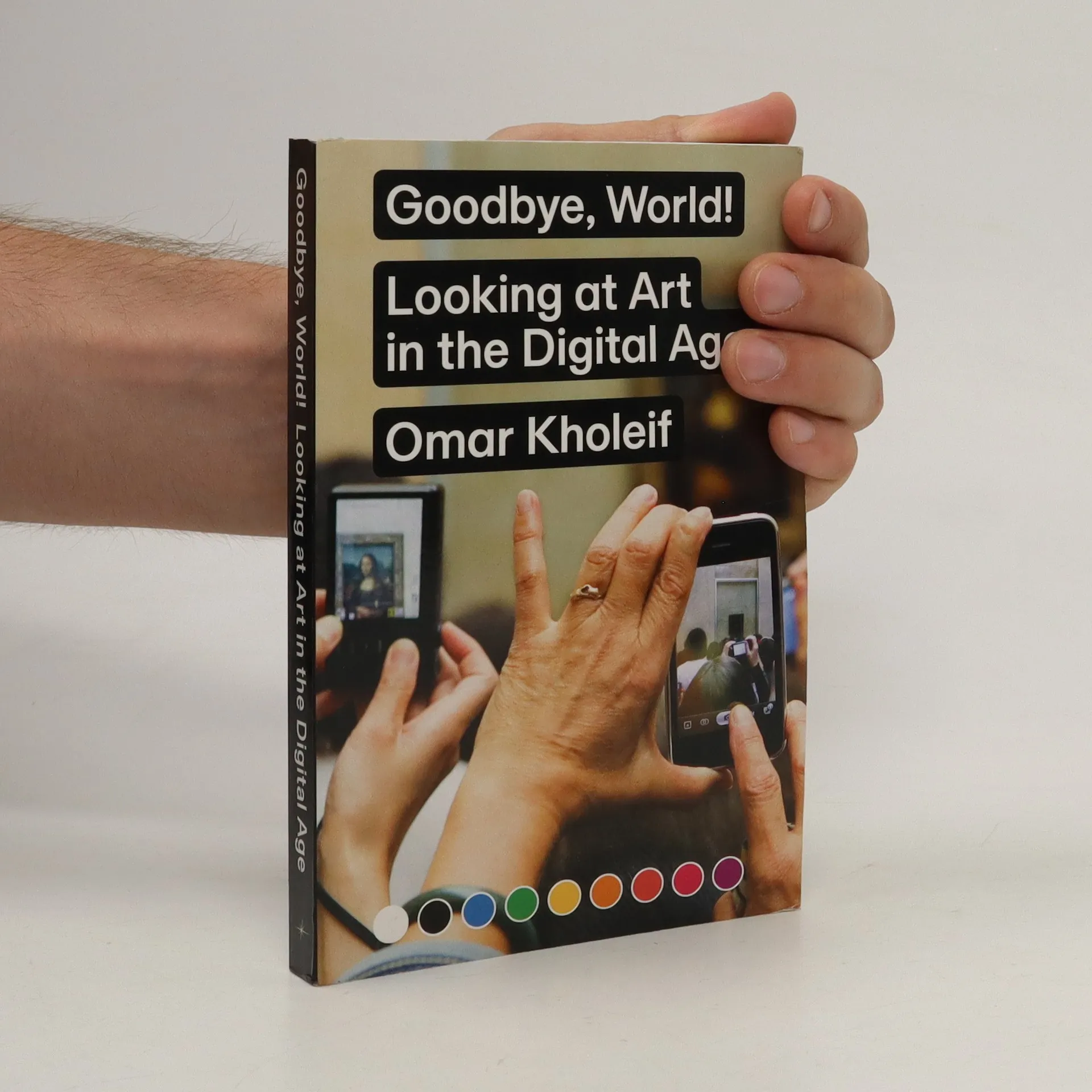
The way we see the world has changed drastically since NASA released the?blue marble? image of the earth taken by Apollo 17 in 1972. No longer a placid slow-moving orb, the world is now perceived as a hothouse of activity and hyper-connectivity that cannot keep up with its inhabitants. The internet has collectively bound human society, replacing the world as the network of all networks. In Goodbye, World! Looking at Art in the Digital Age, writer and curator Omar Kholeif traces the birth of a culture propagated but also consumed by this digitized network. Has the internet transformed the way we see and relate to images? How has the field of perception been altered by evolving technologies, pervasive distribution, and our interaction with screens? How have artists working in diverse contexts, from eBay auctions to augmented reality, created new ways of emoting that are determined by these technologies? Focusing on a cultural and artistic landscape that has taken shape since the year 2000, Kholeif aims to put into context a new language for seeing, feeling, and being that has emerged through post-millennial technologies, and argues for a nuanced understanding of the post-digital condition. Taking cues from John Berger?s Ways of Seeing and Alvin Toffler?s Future Shock, this book?part memoir, part critical analysis?should prove essential for anyone interested in the changing world of the internet
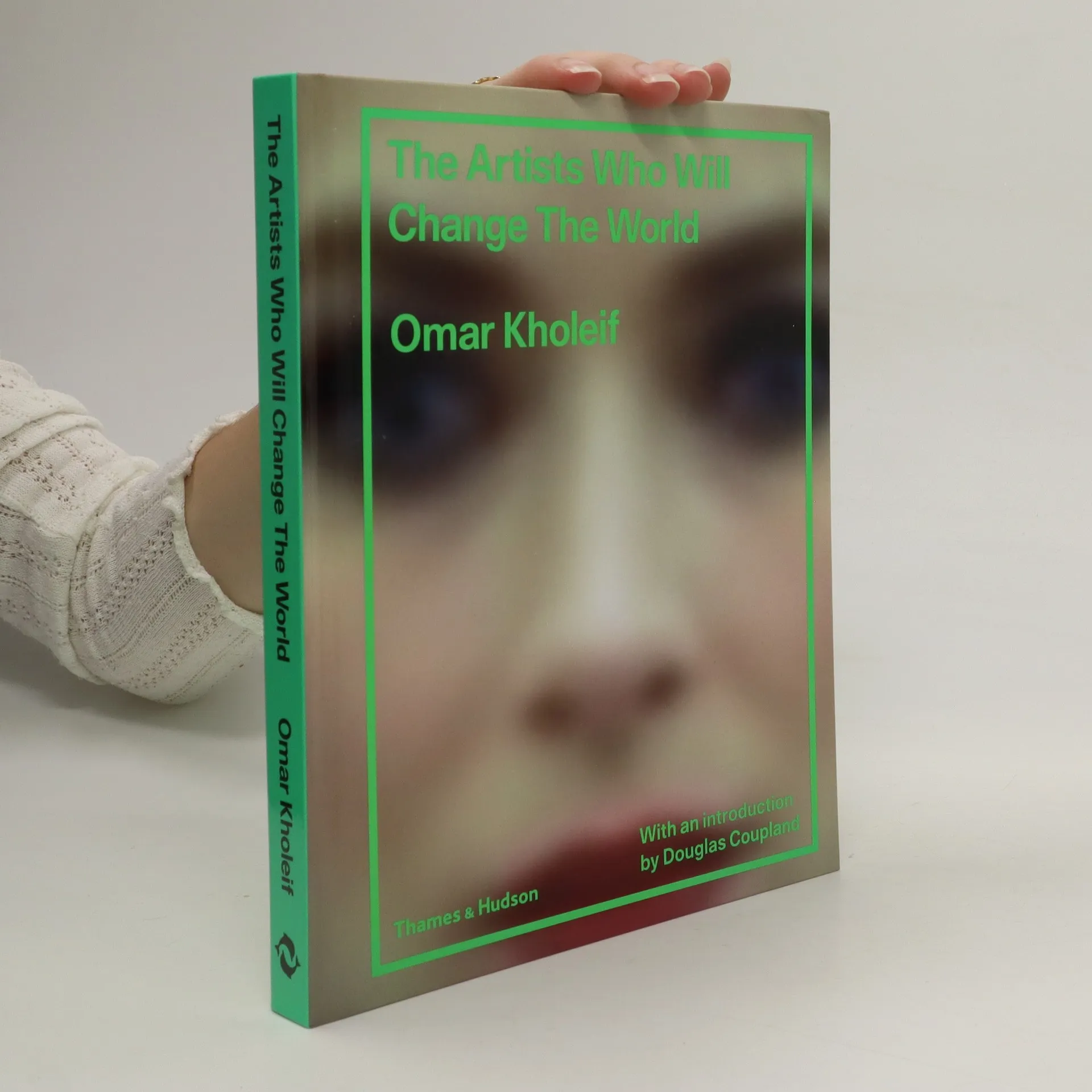
This cutting-edge book is the essential guide to what’s next in contemporary art, and to the visionaries who are making it happen. Traditional histories of art have often been confined to a western European framework. But with the birth of contemporary museum culture, the proliferation of art fairs and biennials in regions far and wide, and the advent of digital technologies, new global networks have emerged, fostering a new world map of art, and paving the way for the art of tomorrow. How do we engage with contemporary art in this global, ever-developing context? Senior Curator Omar Kholeif—a respected voice in contemporary art criticism—surveys the most influential figures and works in a series of concise, accessible entries. The Artists Who Will Change the World is an introductory field guide to what the most urgent contemporary artists—Amalia Ulman, Lynette Yiadom Boakye, Hito Steyerl, and others—are producing worldwide. Whether engaging with the aesthetics of technology or the fluid world of politics, their work will influence generations of artists and art lovers to come.