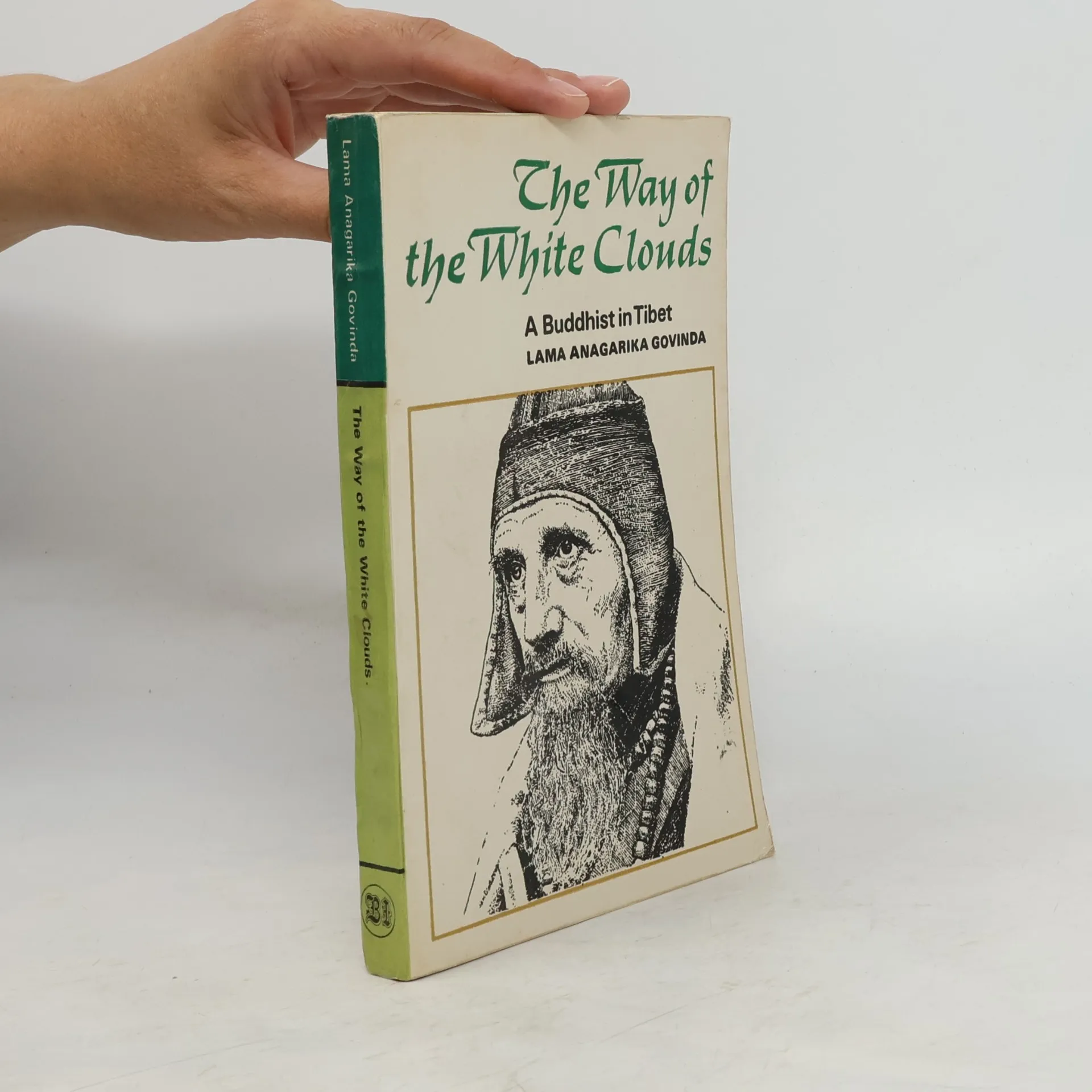
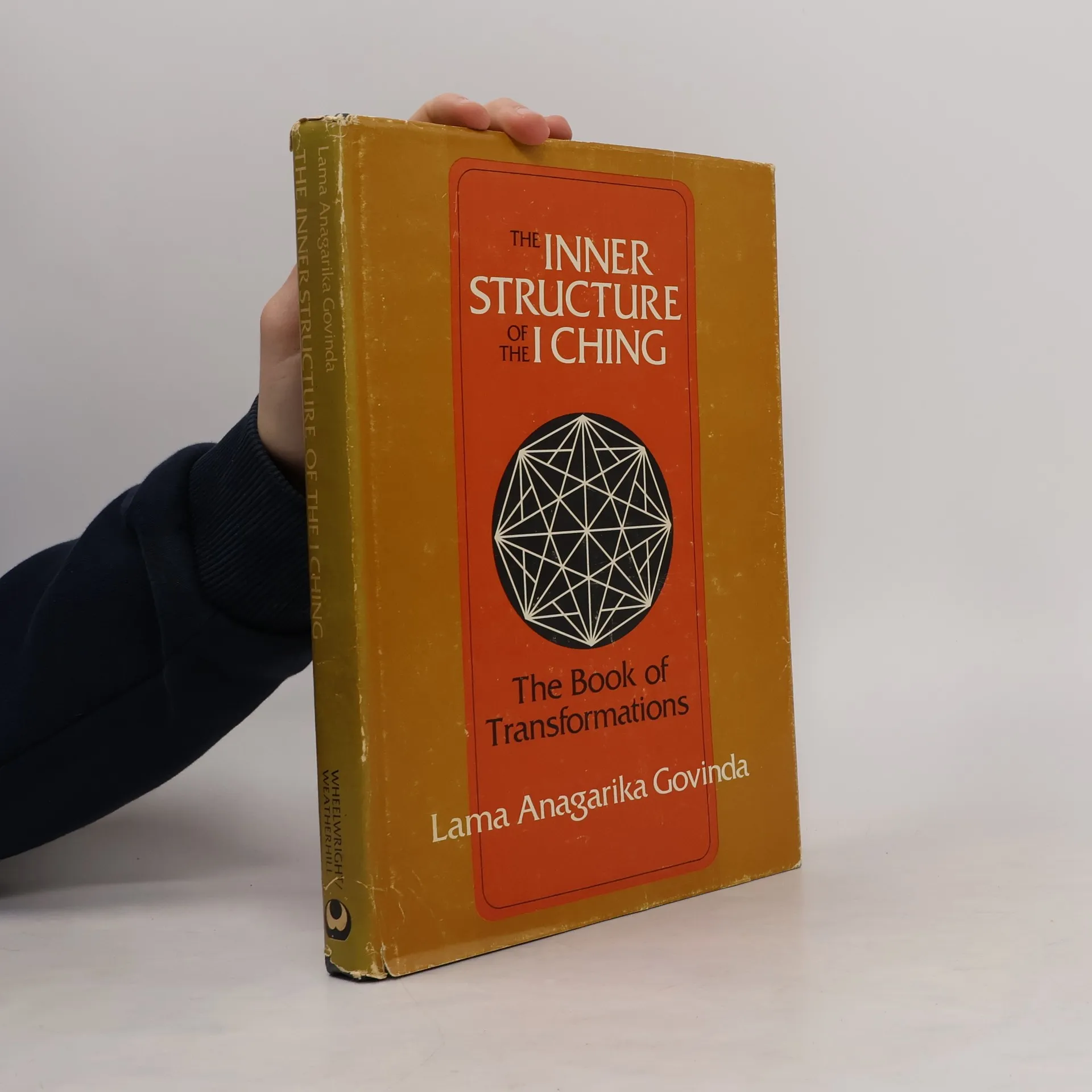
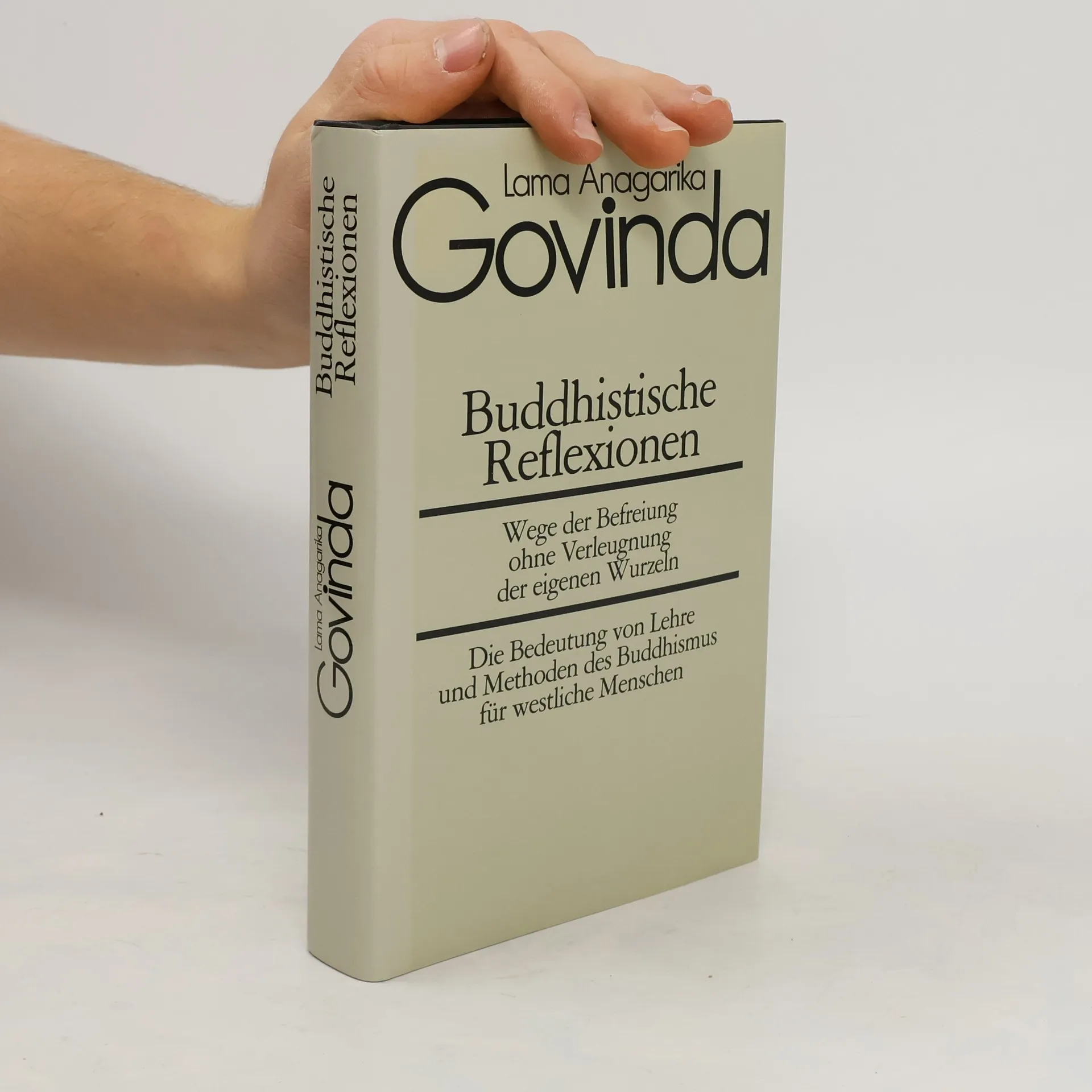
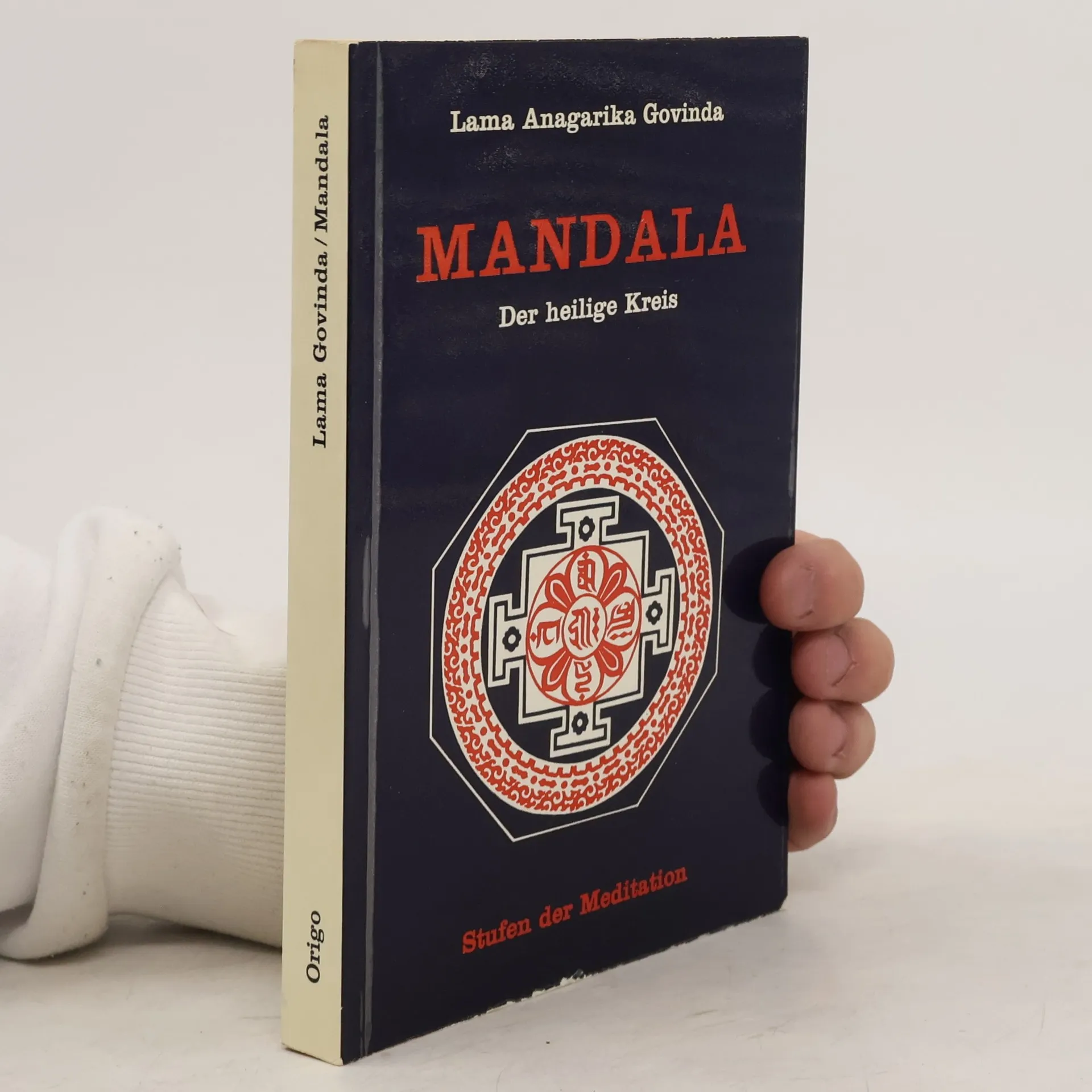
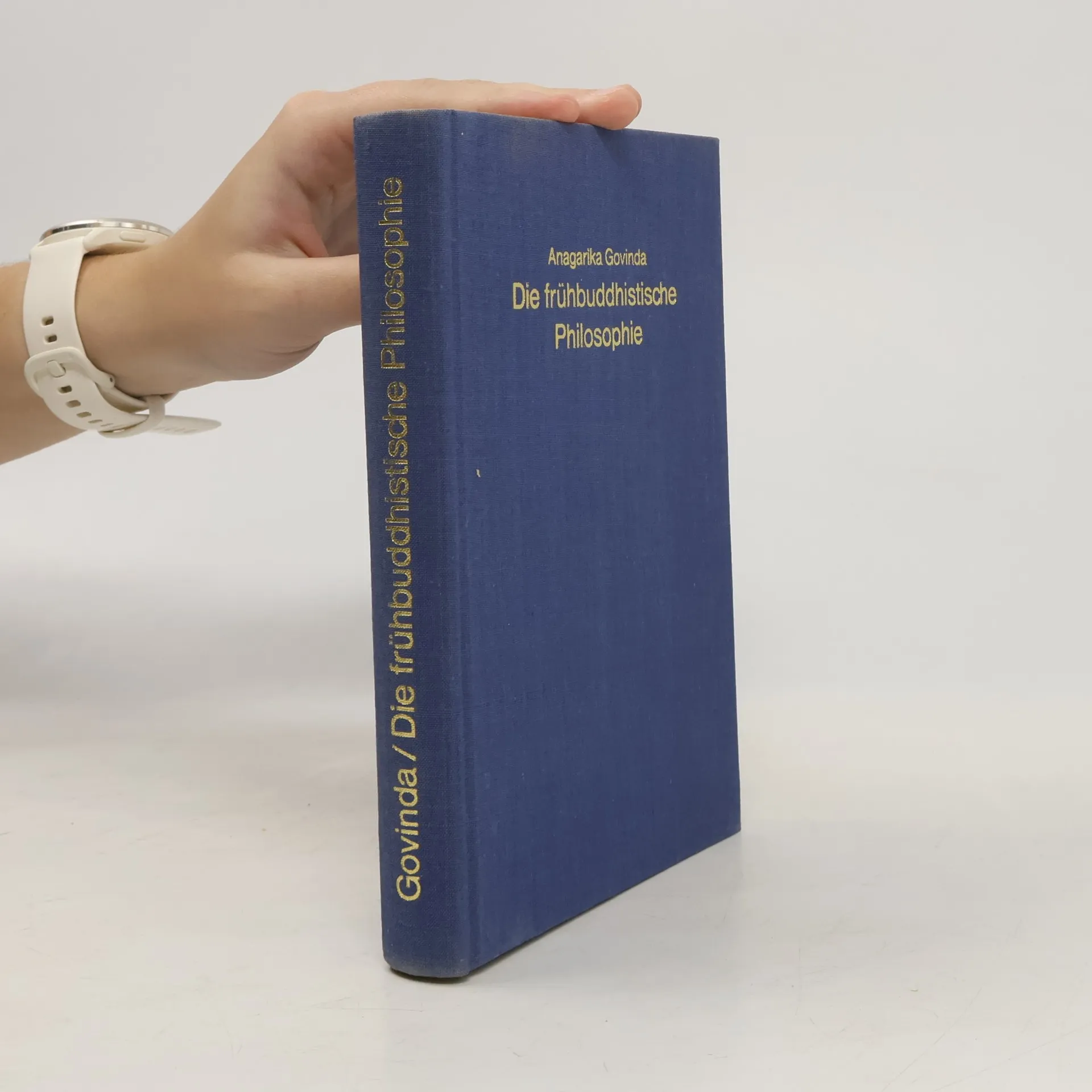
Lama Anagarika Govinda è un notevole studioso e scrittore occidentale sul buddismo. Il suo lavoro approfondisce il buddismo tibetano, l'Abhidharma e la meditazione buddista, esplorando aspetti profondi della filosofia e della pratica buddista. Oltre alle sue ricerche accademiche, Govinda fu anche un pittore e poeta affermato, arricchendo le sue esplorazioni attraverso vari mezzi artistici.
Exploring the transformative power of meditation, this book offers practical techniques to unlock personal potential and enhance overall well-being. It delves into various meditation practices, guiding readers to cultivate mindfulness, reduce stress, and improve focus. Through insightful exercises and reflections, the author encourages a deeper connection to oneself, fostering growth and self-discovery. Ideal for both beginners and experienced practitioners, it provides a roadmap to harness meditation for a more fulfilling life.
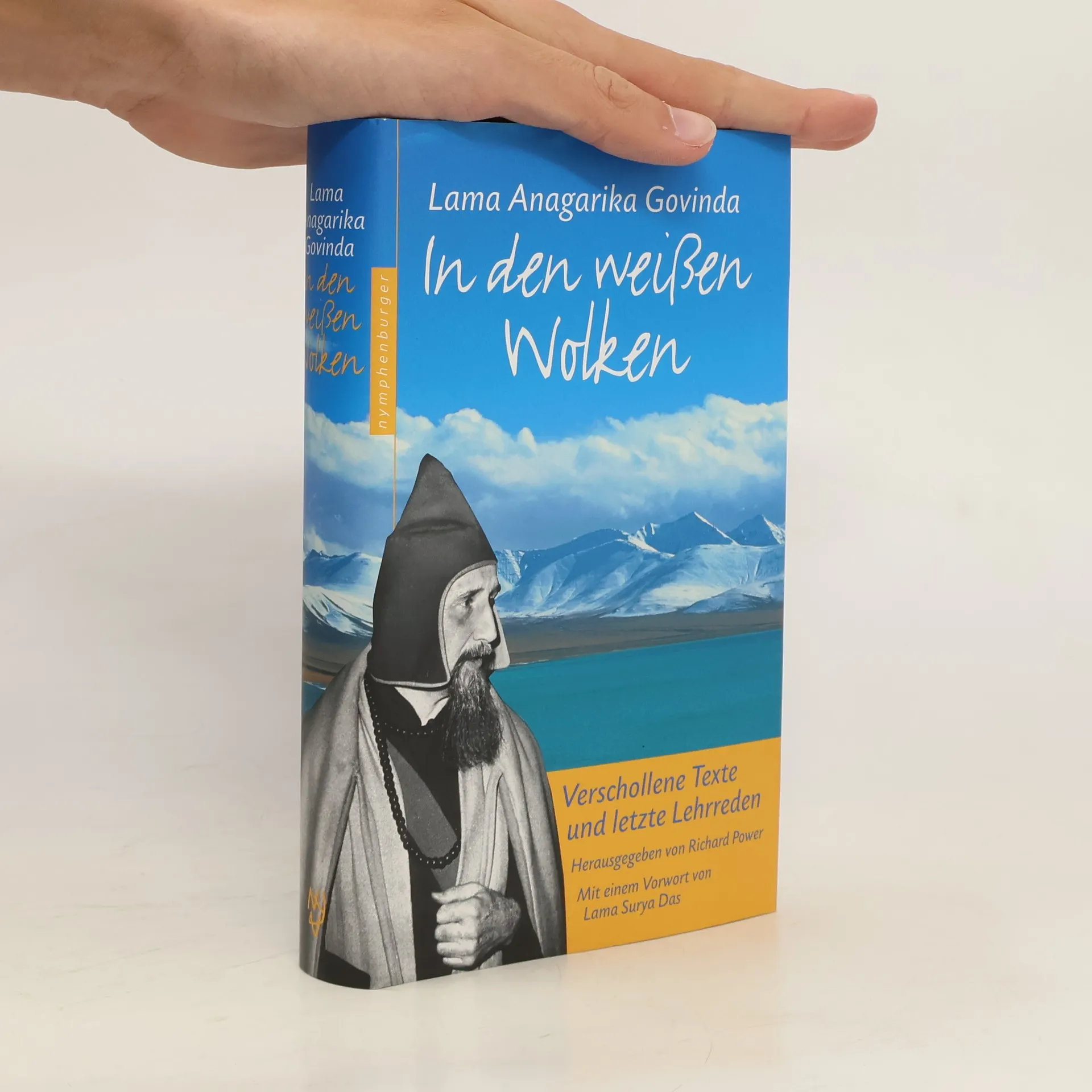
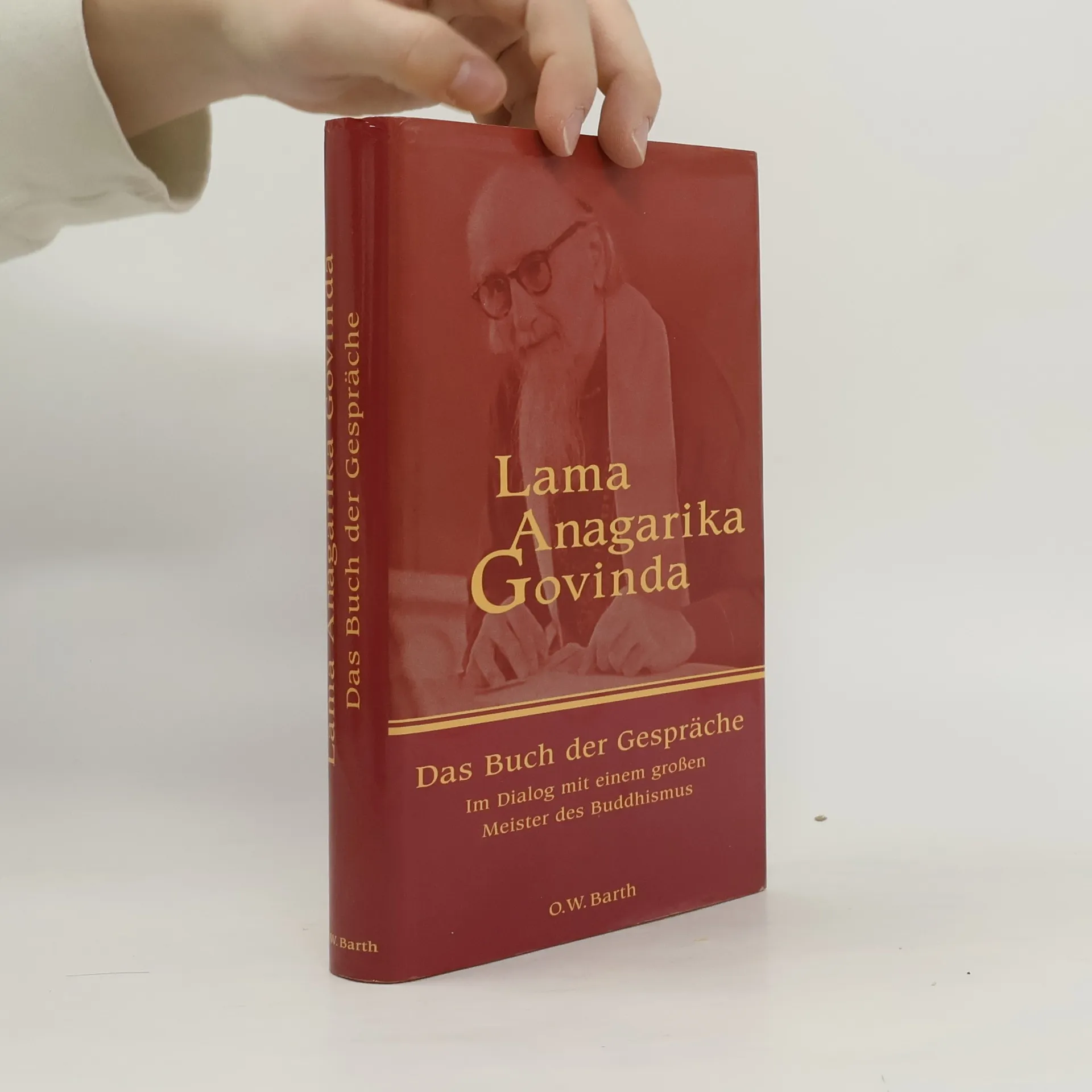
Die hier veröffentlichten letzten Lehrreden und verschollenen Texte des bekannten deutschen Buddhisten behandeln die Wurzeln und die verschiedenen Ausprägungen des Buddhismus, seine Berührungspunkte mit christlicher Mystik und westlicher Psychologie sowie Fragen der Meditation. Die Klarheit seiner Sprache und seines Denkens ebnet den Weg zu einem umfassenderen Verständnis des menschlichen Geistes. Das Vermächtnis von Lama Anagarika Govinda, des bedeutendsten deutschsprachigen Buddhisten, ist eine Brücke zwischen westlicher und östlicher Spiritualität. Mit einem Vorwort von Lama Surya Das.
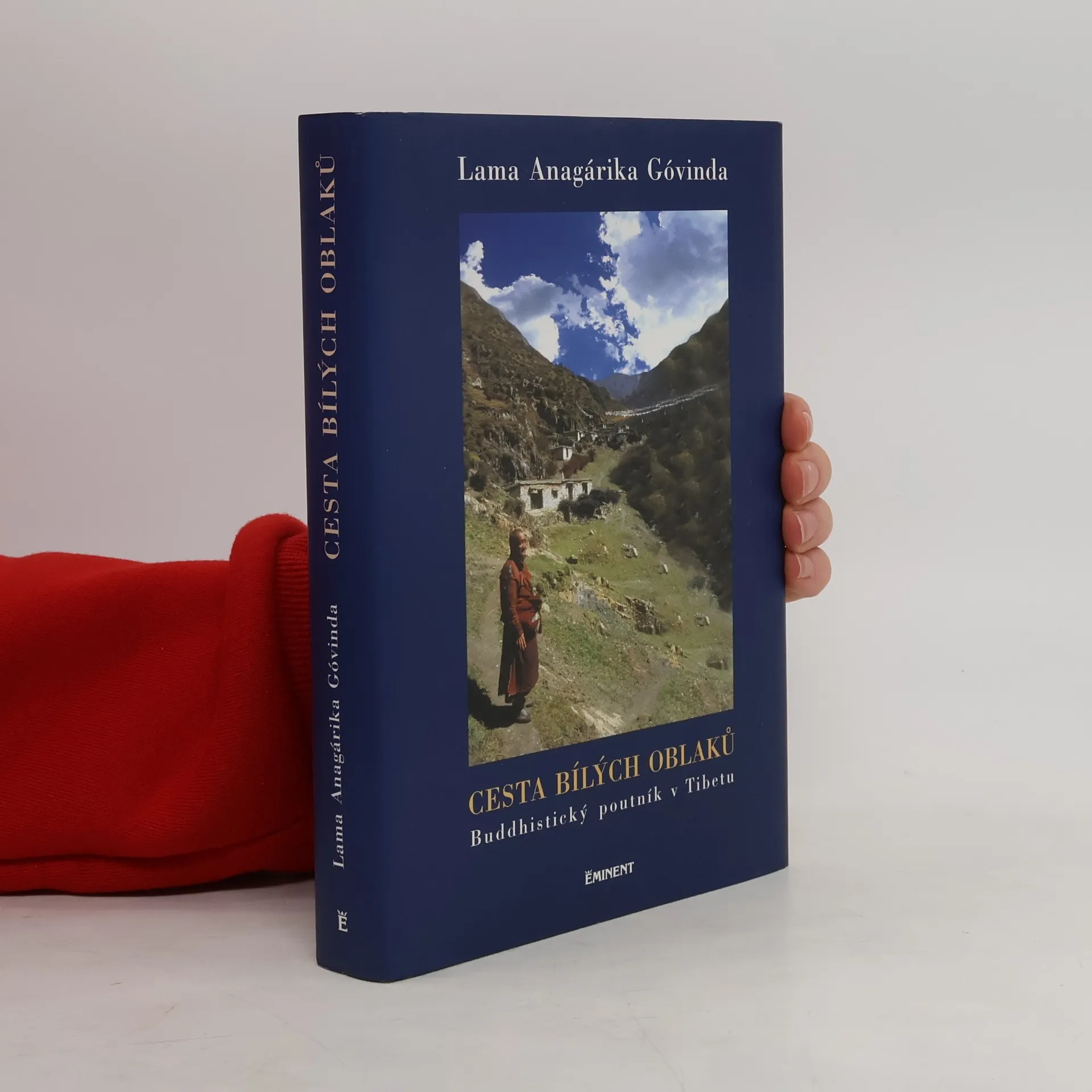
Tibet už nebude nikdy stejný, i kdyby si vydobyl zpátky svou nezávislost. Co by ale nemělo být navždy ztraceno, je kontinuita tibetské duchovní kultury, která je založená na živé tradici a vědomém spojení s jejími počátky.
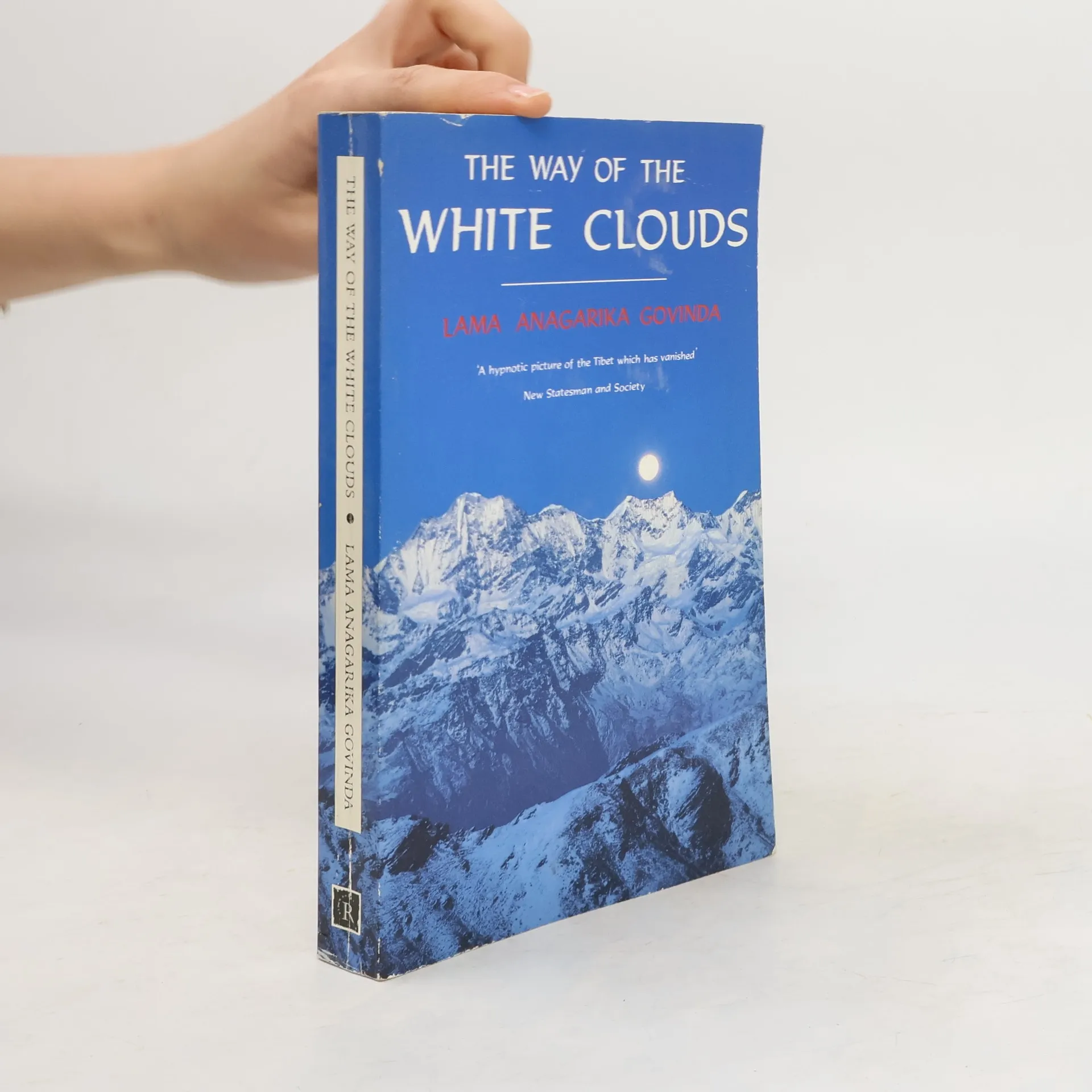
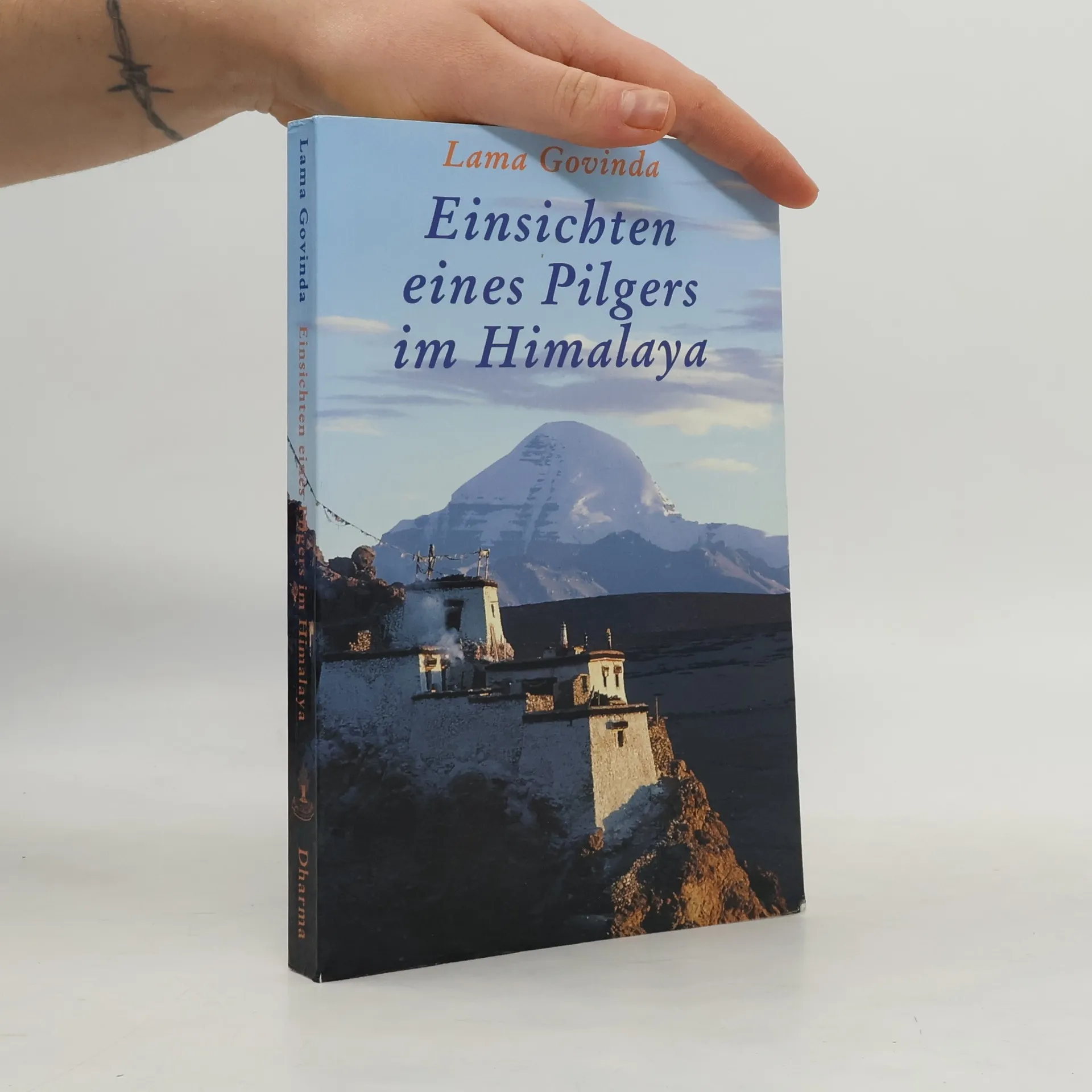
Cesta bílých oblaků je očitým svědectvím Tibetu v posledních desetiletích jeho nezávislosti a nepřerušené kulturní tradice. Jeden z nejkrásnějších, dokonce možná nejkrásnější popis země viděné očima západního člověka přináší putování lamy Anagáriky Govindy úchvatnými krásami přírody, umění i duchovního života Tibetu první poloviny 20. století. Během putování vás zasvětí mimo jiné významné duchovní osobnosti jako byli Domo Geše Rinpočhe nebo guru Alexandry David-Neelové. Budete očarováni velebnými chrámy přírody i těmi, které byly vytvořeny lidskou rukou. Objevíte opuštěná města, ztracená údolí. Spočinete pod horou Kailás, mystickým středem světa. Seznámíte se s lunggompy - zázračnými běžci, orákuly, mysterijními hrami i tibetskou magií. Potkáte vysoko postavené, ale i prosté lamy řádů Kagjüpa nebo Gelugpa, poustevníky i vyznavače náboženství bön. Při čtení zažijete pocit napětí, blaženosti i radosti z prožitku krásy a duchovního zasvěcení.
Takový byl Tibet a již nikdy nebude.
Questa traduzione elegante di un capolavoro della letteratura mondiale è stata preparata con la partecipazione del Dalai Lama e di eminenti maestri contemporanei da lui nominati. Come uno dei testi buddisti tibetani più influenti in Occidente, quest'opera ha visto varie traduzioni distinte, ma tutte le versioni precedenti erano abbreviazioni parziali. Ora, l'intero testo è disponibile in una traduzione sorprendentemente chiara e bella. Funziona come una guida completa alla vita e alla morte, offrendo indicazioni e pratiche scritte in modo squisito per trasformare le esperienze quotidiane, comprendere il processo di morte e lo stato dopo la morte, e assistere coloro che stanno morendo. Originariamente inteso come una risorsa per i vivi, incoraggia i lettori a contemplare un ciclo più grande al di là delle vite convenzionali. La sua Santità il Dalai Lama lo loda come una straordinaria fonte di ispirazione e supporto. Il commento è fornito dal Dalai Lama, con contributi di Thupten Jinpa, traduttore senior e Presidente dell'Istituto dei Classici Tibetani; Graham Coleman, fondatore della Fondazione Orient per le Arti e la Cultura e scrittore-regista del documentario "Tibet: A Buddhist Trilogy"; e Gyurme Dorje, un importante studioso della tradizione Nyingma del buddismo tibetano.
Lama Anagarika Govinda präsentiert sich in diesem Buch als Maler und Poet. Seine Gedichte, visionären Zeichnungen und Gemälde sowie philosophische Reflexionen gewähren Einblicke in seine spirituelle Weltanschauung, die aus tiefen meditativen Erfahrungen schöpft.
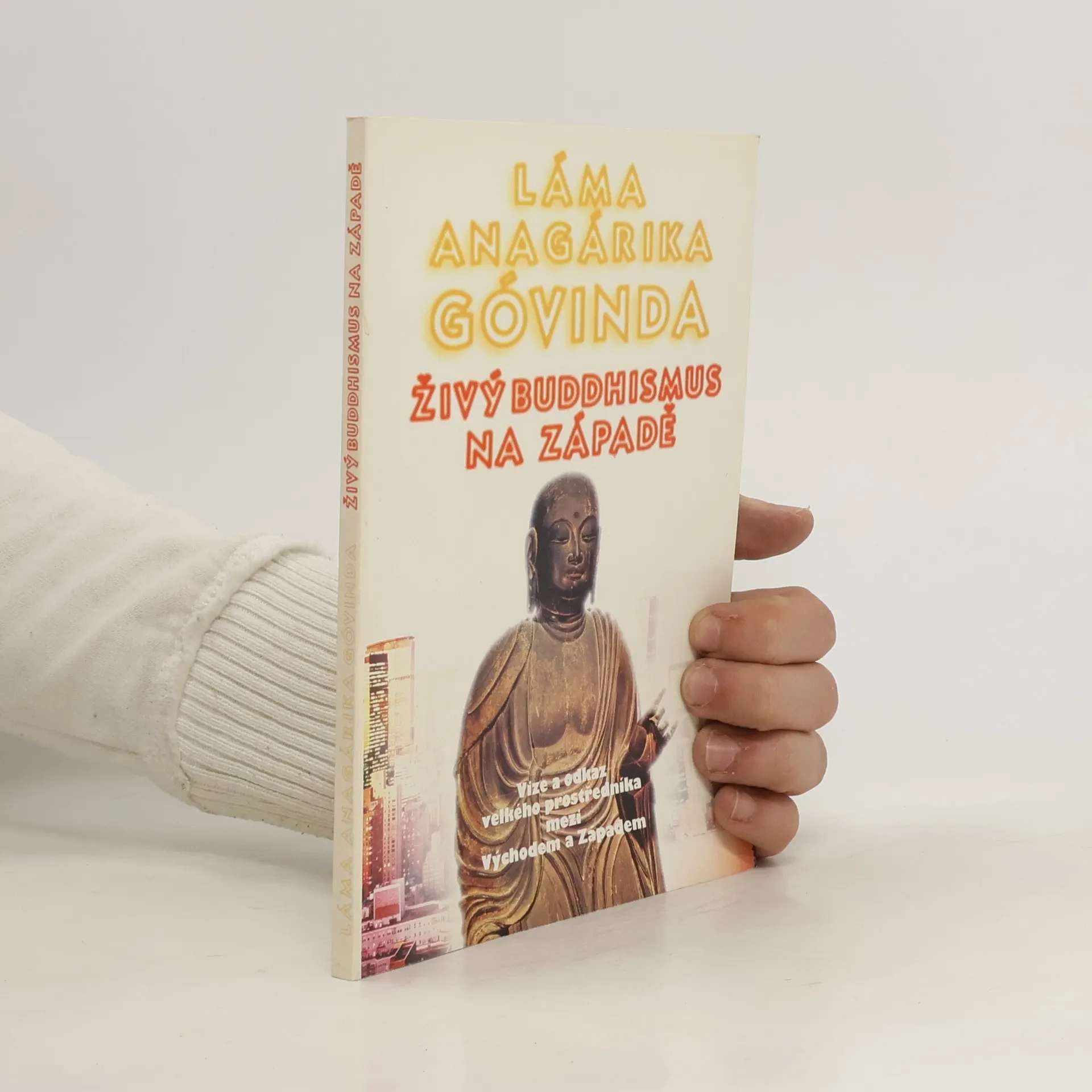
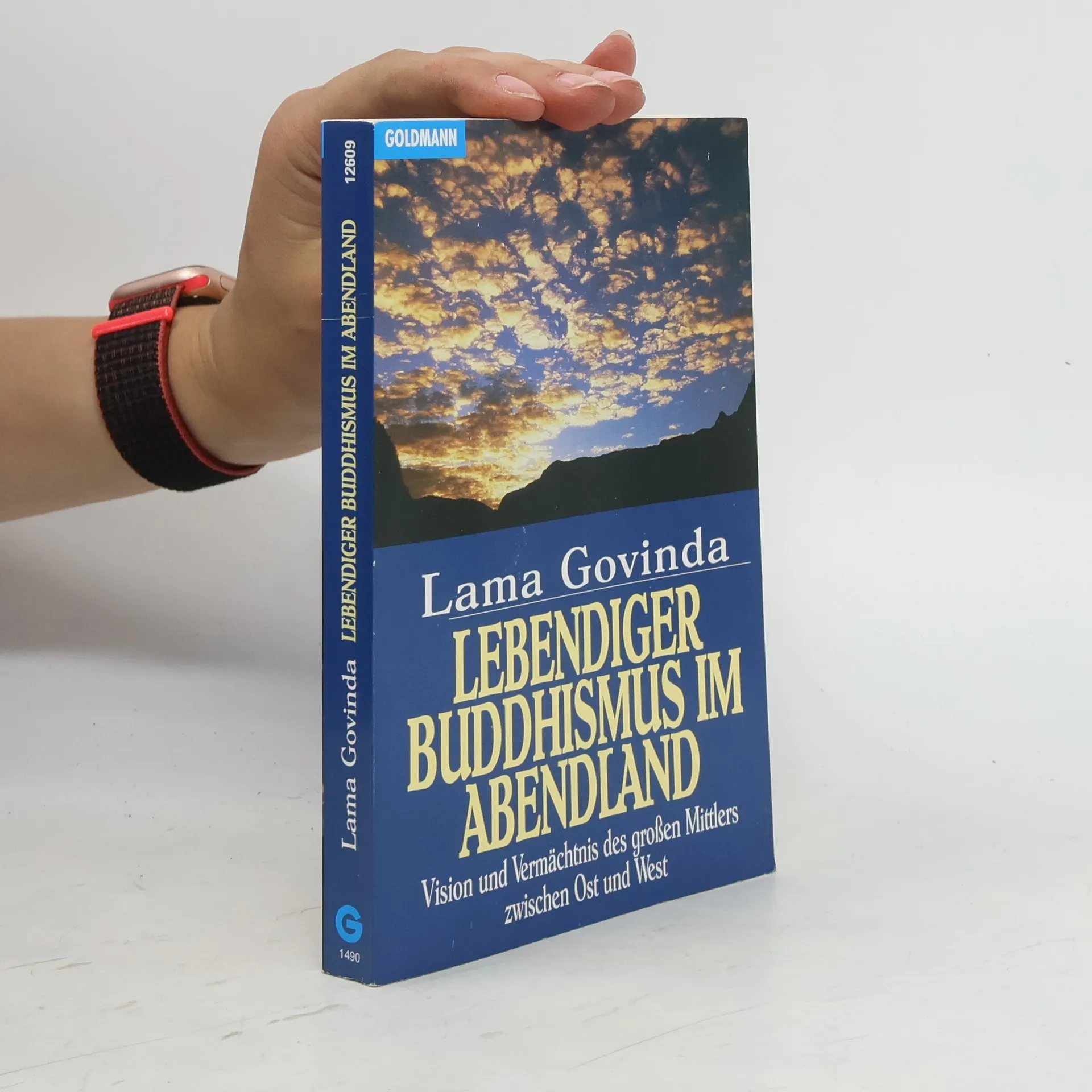
Eine lebendige Einführung in den Buddhismus, die klar auf die spirituelle Praxis eingeht. Ein westlicher Meister teilt aus eigener Erfahrung, wie wichtig diese Lehre für das Denken und Handeln ist und bietet Rat und Orientierung für alle Suchenden.
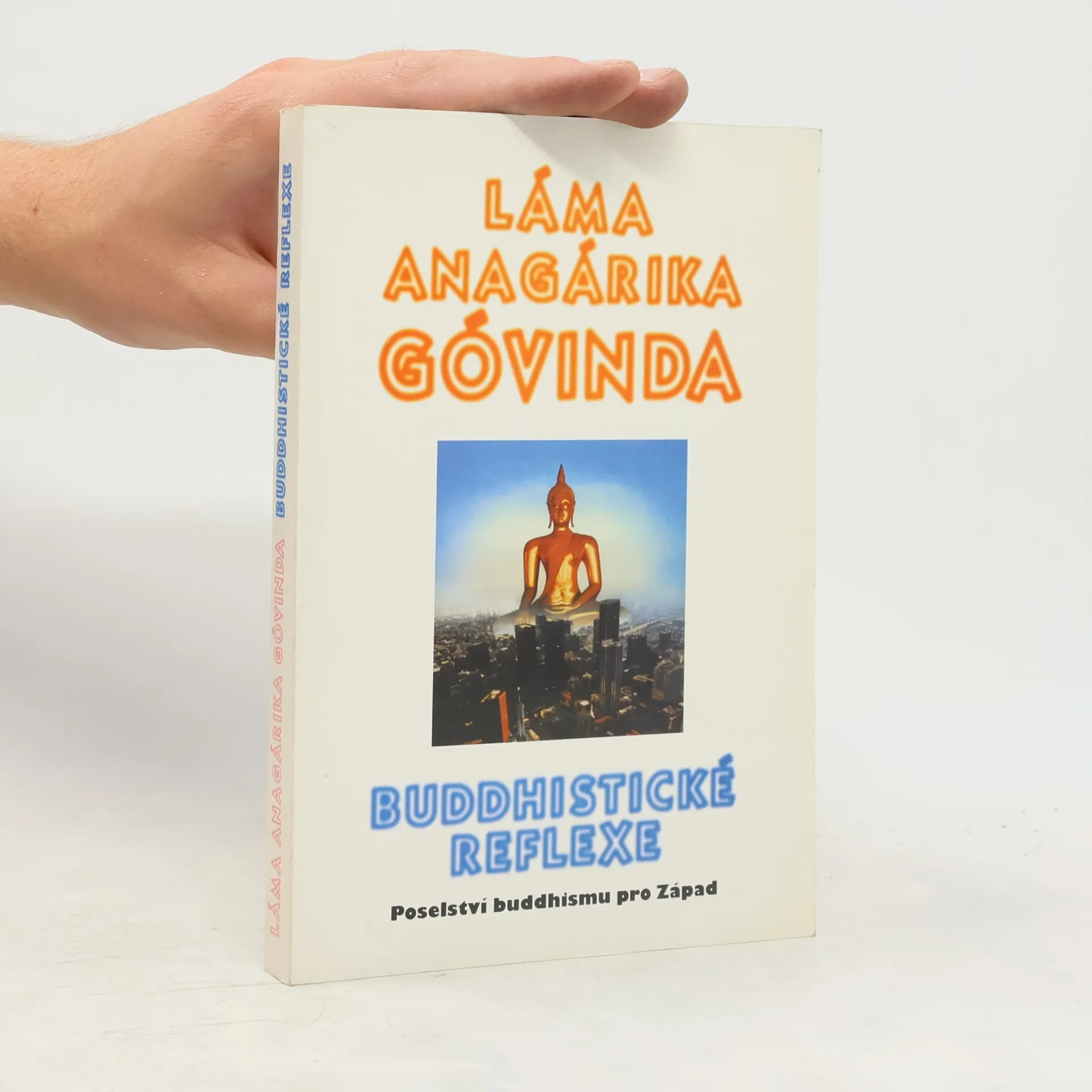
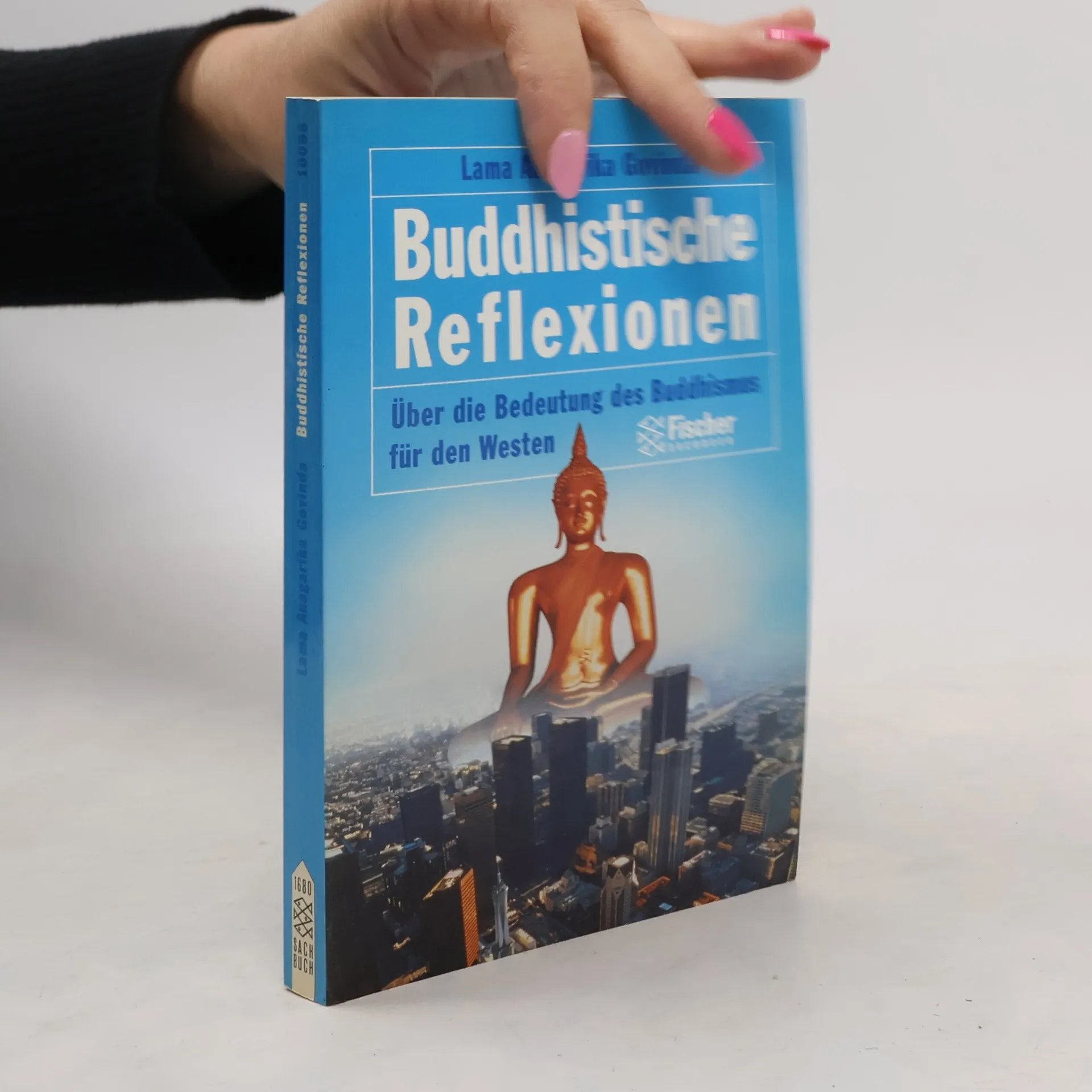
Kniha s podtitulem "Poselství buddhismu pro Západ". Soubor esejů poukazující na mnohorozměrnost buddhistické tradice a na možnost dorozumění mezi východním myšlením a západní filosofií.
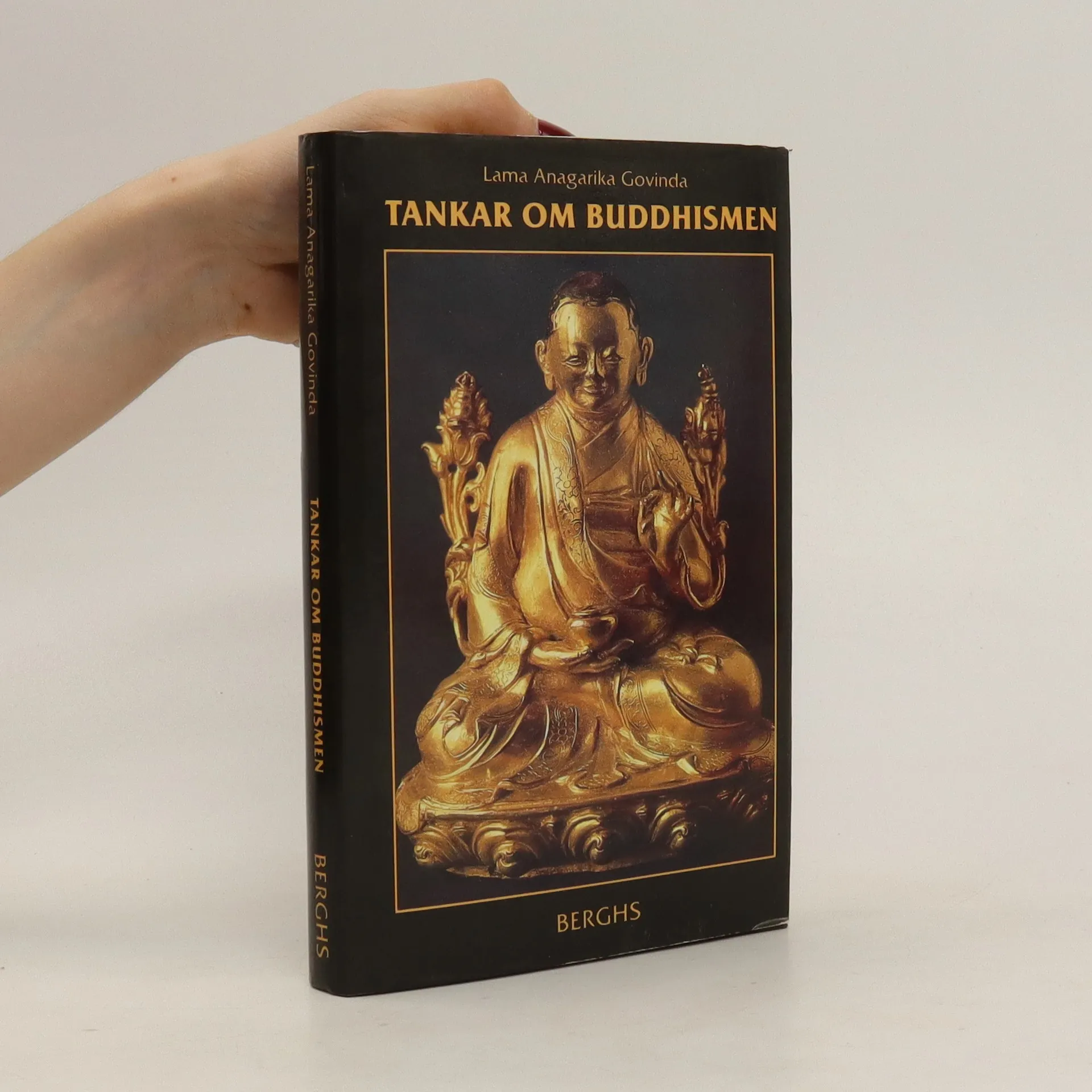
A. Góvinda, díky tomu, že je původem evropan, zde shrnuje buddhistické učení ve formě lépe přijatelné pro "západního člověka", který potřebuje mít vše vysvětlené a zdůvodněné. K výkladu buddhistických myšlenek doplňuje i trochu vědeckého pojetí. Dokládá kupříkladu, jak zásadní rozdíl je mezi rozšířeným vědomím vypěstovaným meditací a rozšířeným vědomím po požití drog.
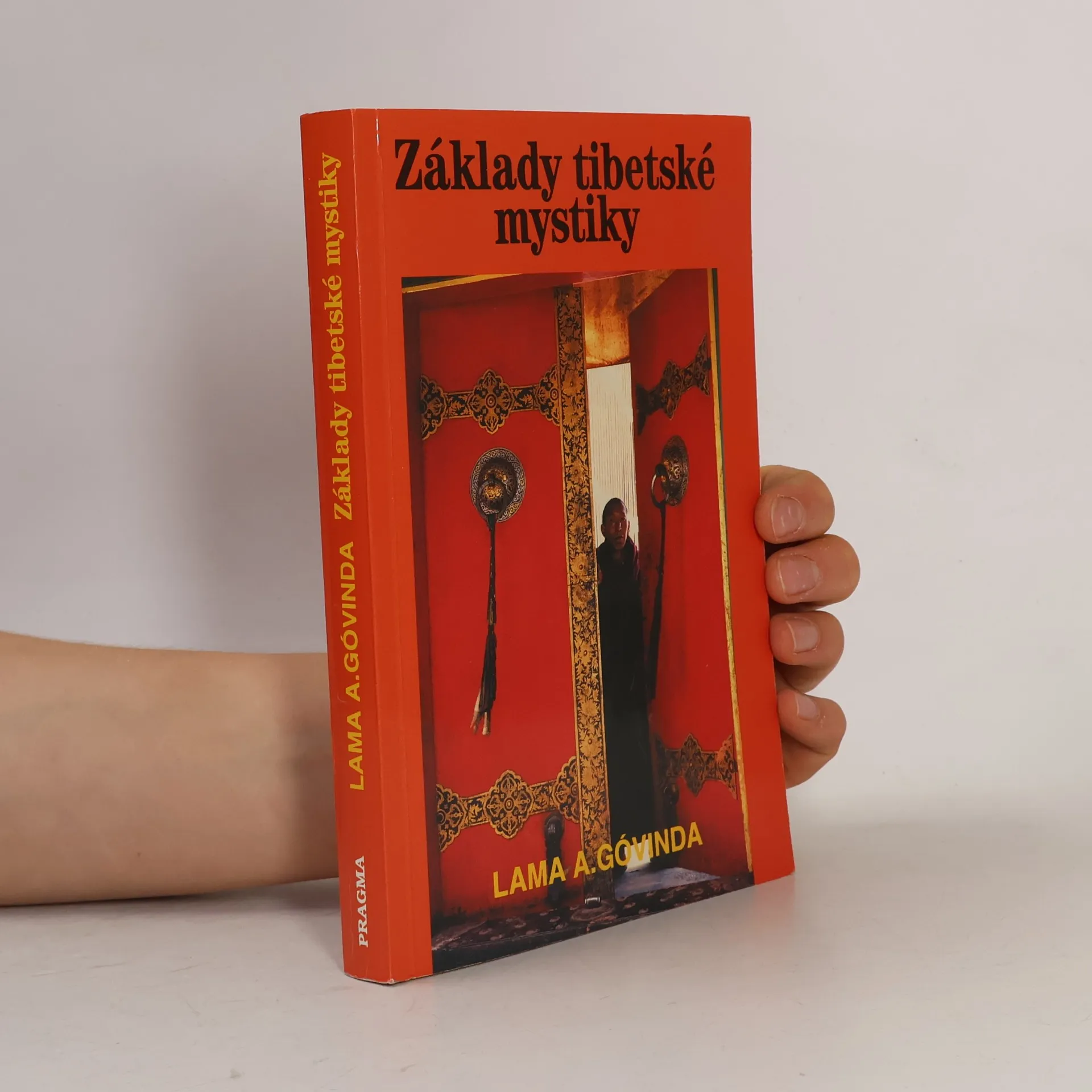
Tajná nauka velké mantry. Velký učenec na základě vlastních prožitků a precizních znalostí pramene objasňuje nejpodstatnější záležitosti vědy o mantrách a mystických hláskových symbolech. Kniha proniká hluboko do lidské psychiky a pro pochopení východního chápání světa je stejně nepostradatelná jako Tibetská kniha mrtvých.
Lama Govinda betrat in jungen Jahren den Pilgerpfad zu immer tieferer Einsicht und Verbindung zu spirituellem Wissen. Sein Pfad führte ihn von seinem Geburtsland Deutschland nach Sri Lanka, Burma und weiter nach Indien und Tibet. Dort besuchte er alte Klöster und saß zu Füßen großer Lehrer. Er wurde bekannt für seine Fähigkeit, die Lehren des Buddhismus dem Westen nahezubringen.
Lama Govinda (1898-1985) beschreibt die zahlreichen Ausformungen des Buddhismus und betont, dass die Verbreitung des Buddhismus im Westen eine Rückbesinnung auf die wesentlichen Inhalte der Lehre notwendig macht.
Lama A. Govinda gilt als einer der bedeutendsten Brückenbauer zwischen Ost und
West. Er vermochte die tiefsten Einsichten der westlichen Mystik mit den
Erleuchtungserlebnissen der buddhistischen Weisen zu verknüpfen. Dabei gelingt
es ihm auf meisterhafte Weise, im Detail aufzuzeigen, inwiefern Ost und West
nur zwei Seiten einer Medaille sind.Eines der großen Meisterwerk der
spirituellen Literatur. Das Vermächtnis eines erleuchteten Weisen!
2012 Reprint of 1960 New York Edition. Exact facsimile of the original edition, not reproduced with Optical Recognition Software. Lama Anagarika Govinda, born Ernst Lothar Hoffman, was the founder of the order of the Arya Maitreya Mandala and an expositor of Tibetan Buddhism, Abhidharma, Buddhist Meditation as well as other aspects of Buddhism. He was also a painter and poet. This title is a complete explanation of the esoteric principles of Mantra that also clarifies the differences between Hindu and Tibetan yoga. Translated into many languages, this is an important text for any student of Buddhism. With bibliography, index, and illustrations. Contents: Om: the path of universality -- Mani: the path of unification and of inner equality -- Padma: the path of creative vision -- Hum: the path of integration -- Om mani padme hum: the path of the great mantra -- Ah: the path of action.
An account of a westerner's journey in Tibet and of the Tibetan Buddhist tradition, before the Chinese invasion of 1950. Other titles by the author include Foundations of Tibetan Mysticism and Initiation and Initiates in Tibet.