Willy Russell è un drammaturgo, paroliere e compositore britannico le cui opere approfondiscono temi di identità, ambizione e vincoli sociali. Attraverso i suoi personaggi avvincenti che superano gli ostacoli, Russell esplora il potenziale umano di cambiamento e crescita. Le sue opere teatrali e musical sono caratterizzate da acute osservazioni della vita quotidiana e da arguzia tagliente, garantendo il loro duraturo fascino per il pubblico di tutto il mondo. La sua scrittura incarna spesso la sua filosofia secondo cui chiunque è capace di trasformazione, indipendentemente dalle proprie circostanze.
The book explores the emergence of English literary criticism at the turn of the seventeenth century, highlighting the contributions of figures like Philip Sidney, George Puttenham, and Ben Jonson. It examines their complex relationship with the role of the critic, revealing their fears of misunderstanding and marginalization. Rather than merely adopting existing frameworks from Europe, these critics actively shaped their own practices in response to various social and intellectual influences, marking a significant moment in the evolution of critical discourse.
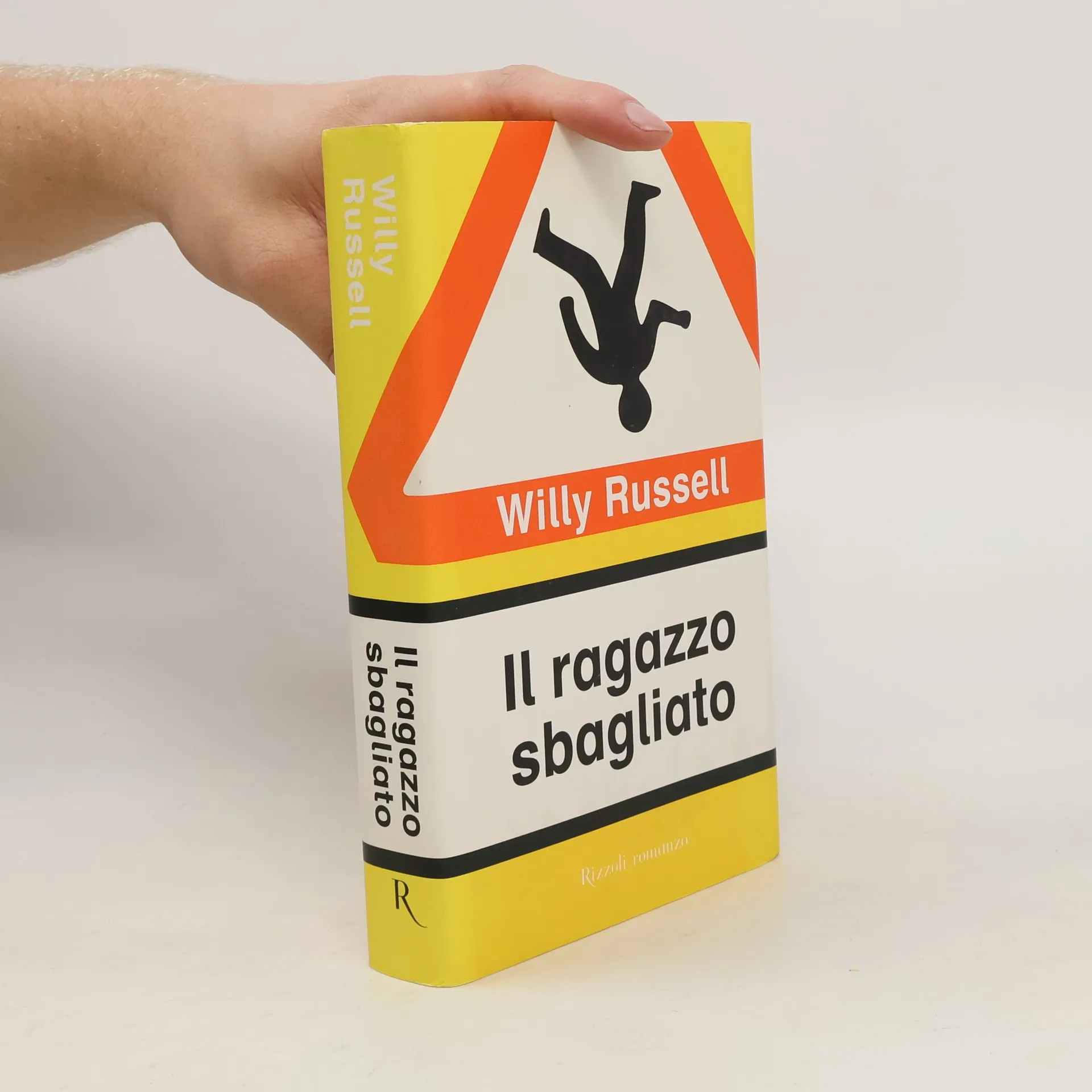
Raymond Marks è un ragazzo normale, che proviene da una famiglia normale (o normalmente disastrata), in una normale cittadina dell'Inghilterra settentrionale. Ma un malaugurato incidente durante la ricreazione scolastica - nel corso di un gioco lungo il canale con la partecipazione di quindici ragazzi, un imprecisato numero di mosche e altri insetti, e una parte intima dell'anatomia maschile - lo trasforma all'improvviso in Ragazzo Cattivo, pericoloso asociale, caso clinico. E così Raymond viene indotto, dall'ottusità e dal rifiuto di coloro che lo circondano, a considerarsi un "ragazzo sbagliato", condannato a lunghi anni di scuole speciali, ospedali psichiatrici, emarginazione. E proprio questo libro - costituito dalle lettere che Raymond scrive a Morrissey, il cantante degli Smiths - diventerà lo strumento per tornare alla vita. Sull'amara vicenda di Raymond Willy Russell ha scritto un romanzo di travolgente comicità, una comicità tanto più ricca e universale proprio perché segnata da una vena di profonda tristezza e consapevole delle intollerabili ingiustizie che colpiscono i più deboli, i più fragili, i "ragazzi sbagliati". E l'imprevedibile lieto fine che regala al suo personaggio è un benefico segno di speranza.
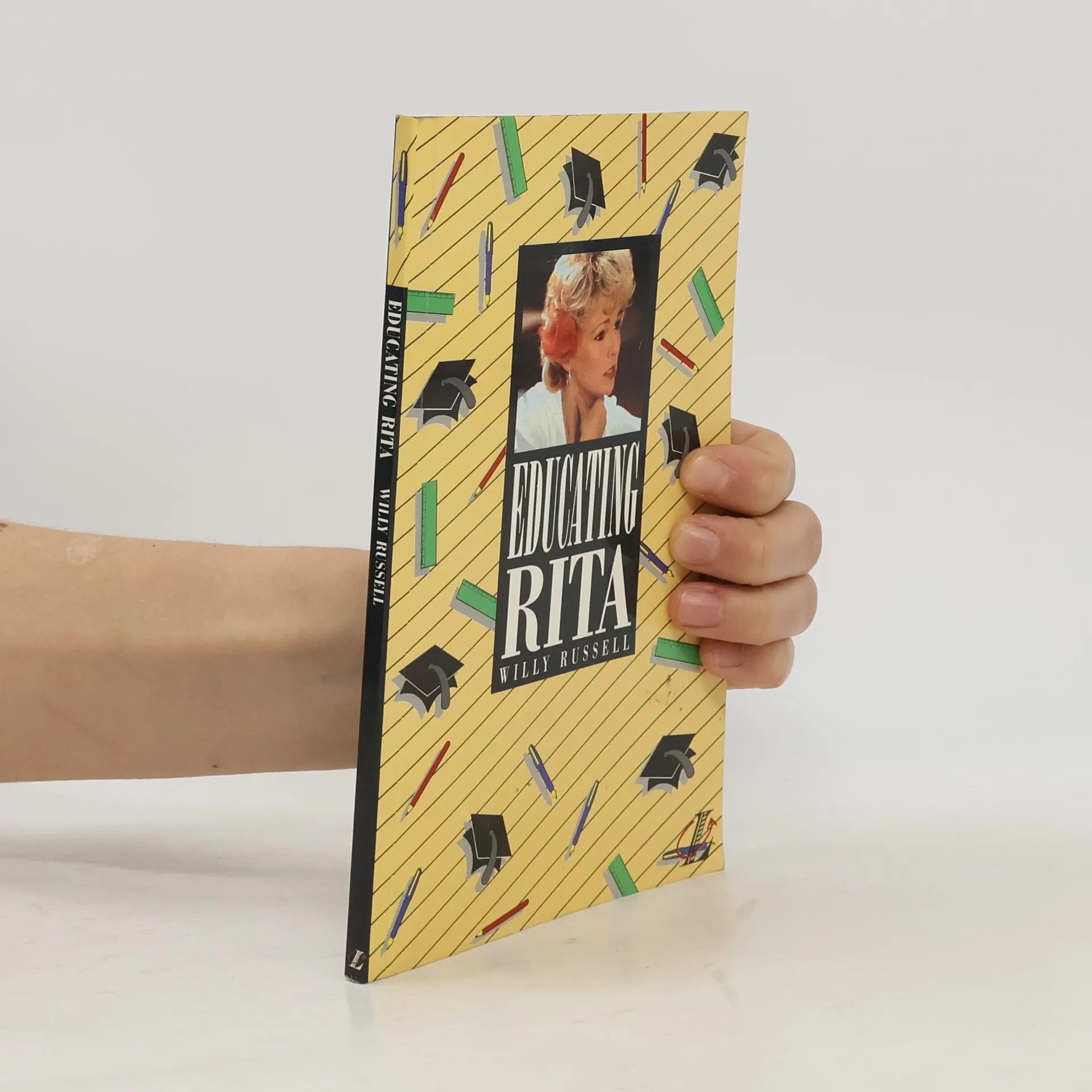
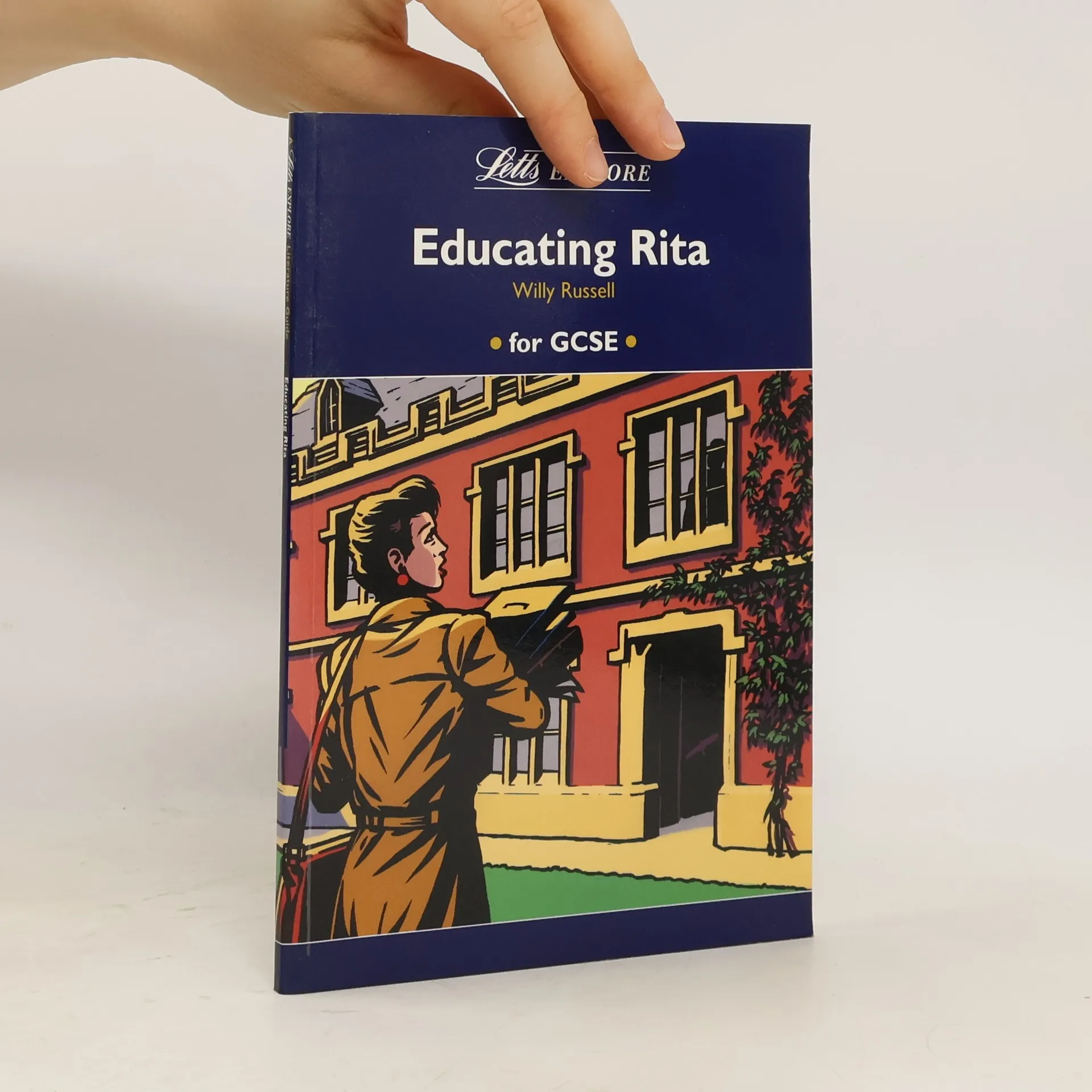
One of a series of literature guides for GCSE students, this book focuses on Willie Russell's "Educating Rita". It aims to develop the skills and techniques required for coursework and exams, and also to encourage an exploratory reading of the text under discussion.
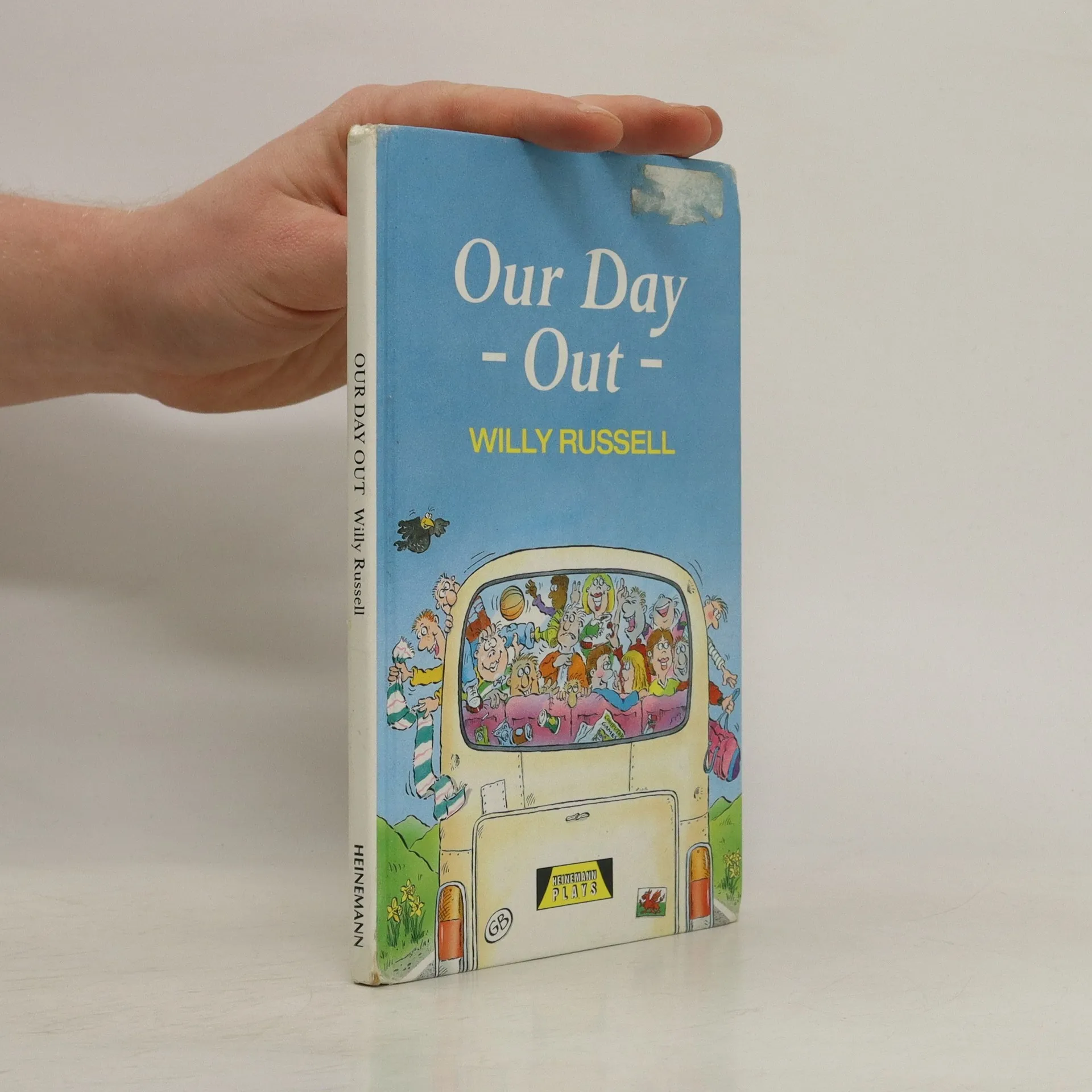
The Heinemann Plays series offers contemporary drama and classic plays in durable classroom editions. Many have large casts and an equal mix of boy and girl parts. The television play Our Day Out asks what can a group of back-street kids from Liverpool expect from life beyond a rare day out?
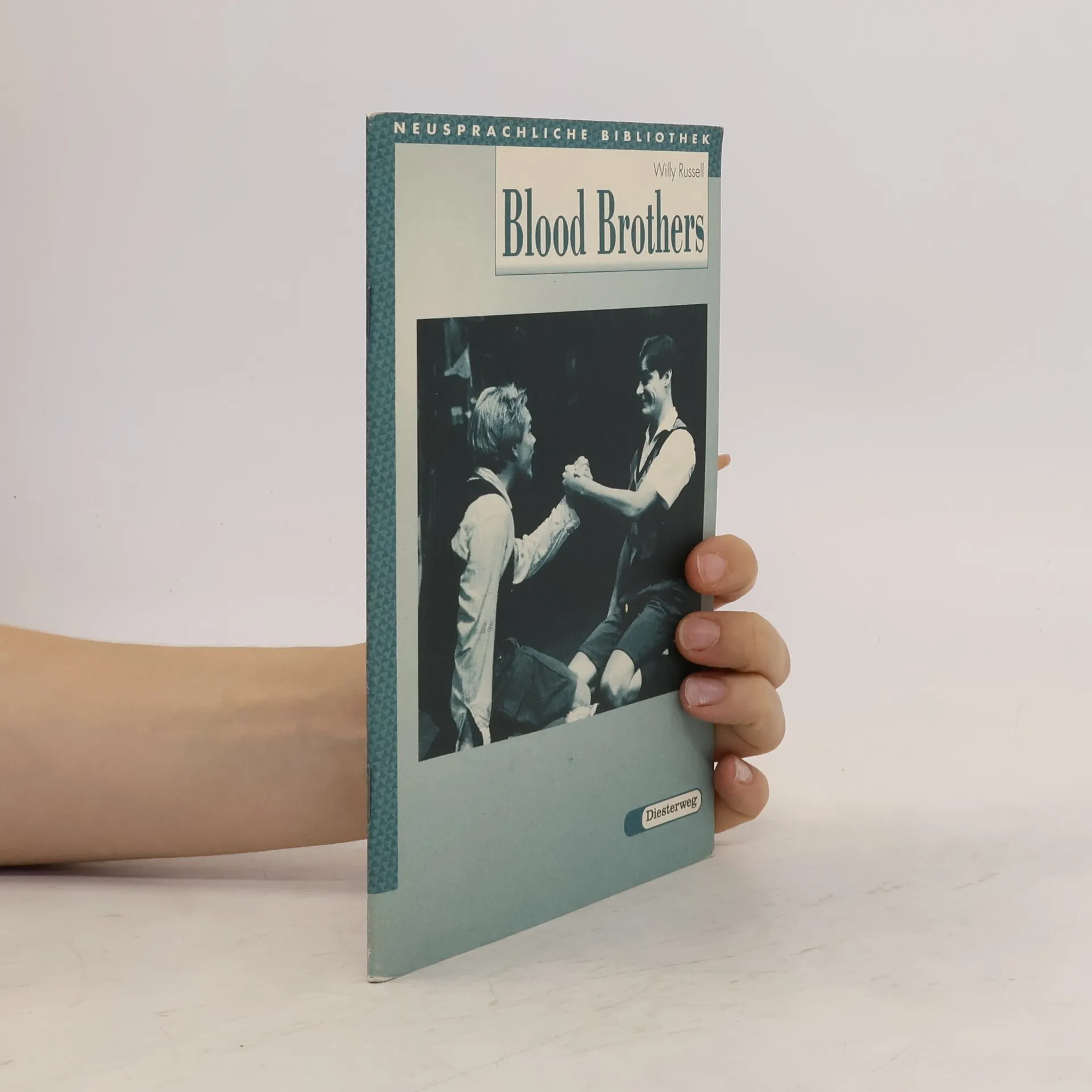
This is a fast-moving, perceptive and entertaining work, which is funny yet ultimately tragic. It tells the tale of twin brothers, born into a large working-class family and the consequences of one of them being adopted by a neighbouring middle-class family.
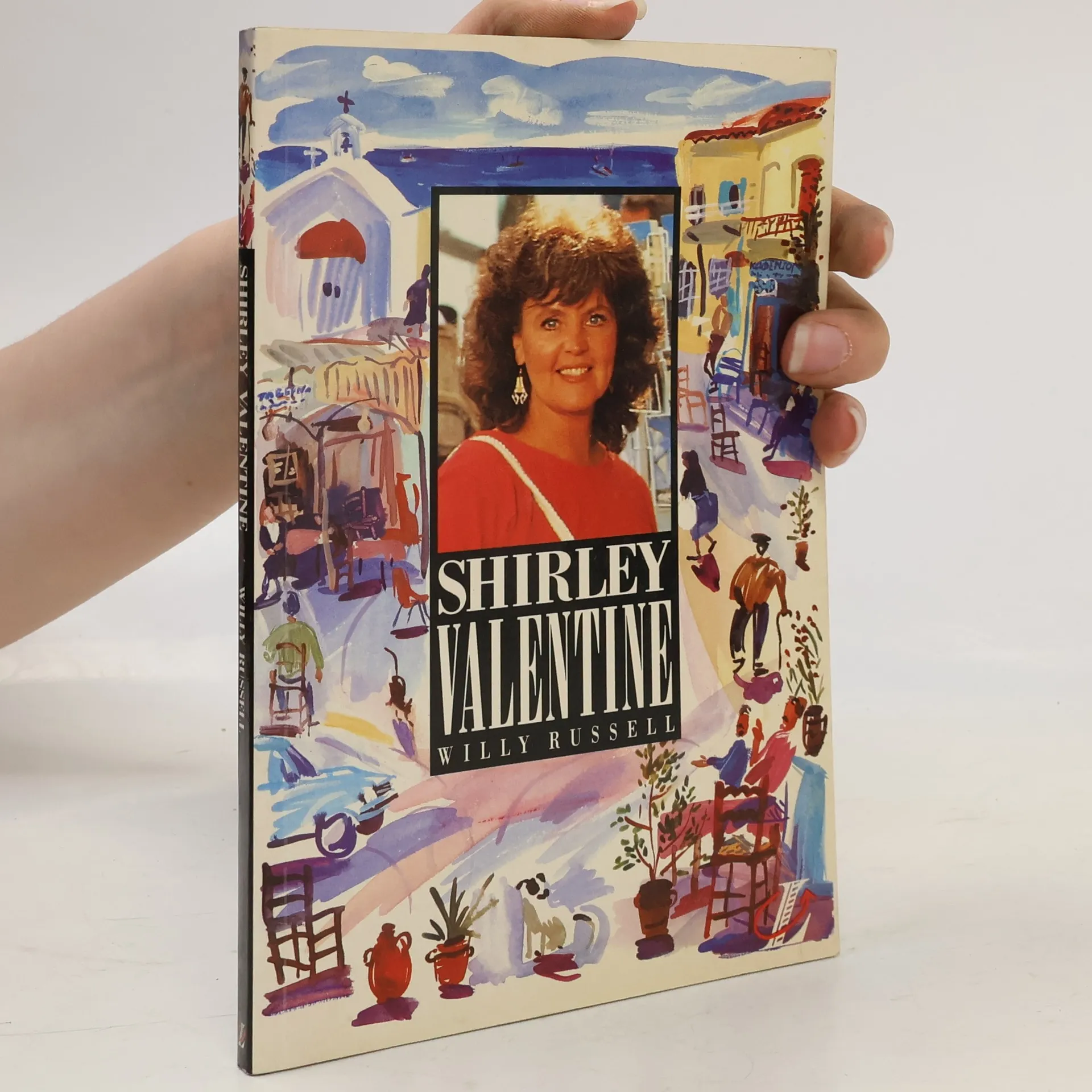
Shirley Valentine is a one-character play by Willy Russell. Taking the form of a monologue by a middle-aged, working class Liverpool housewife, it focuses on her life before and after a transforming holiday abroad.
This volume is part of a new series of novels, plays and stories at GCSE/Key Stage 4 level, designed to meet the needs of the National Curriculum syllabus. Each text includes an introduction, pre-reading activities, notes and coursework activities. Also provided is a section on the process of writing, often compiled by the author.