

Il ritorno di Teseo
- 320pagine
- 12 ore di lettura
Mary Renault è stata un'autrice inglese, celebre per i suoi romanzi storici ambientati nell'antica Grecia. La sua opera ha esplorato principalmente temi di amore e leadership maschile, approfondendo profonde questioni etiche e filosofiche. Ambientando le sue narrazioni nelle società guerriere dell'antica Grecia, Renault si è liberata per esaminare la natura dell'amore e del potere, superando la rappresentazione dell'omosessualità come mero problema sociale. La sua scrittura offre vivide esplorazioni di figure storiche e mitologiche significative, viste attraverso la lente di serie storie d'amore gay.


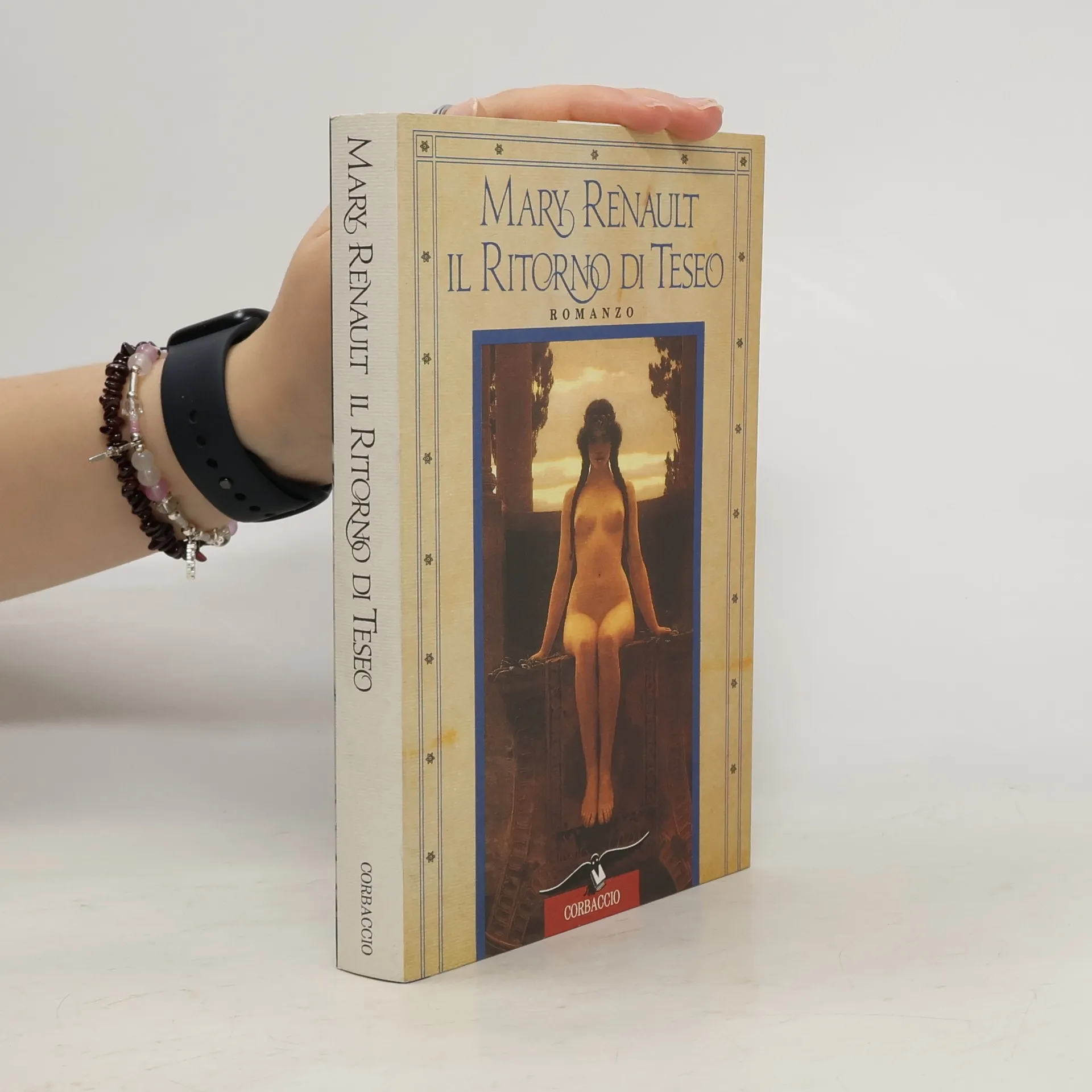
In her inventive novels set in ancient Greece, Mary Renault crafts a compelling narrative from the myth of Theseus, creating a flawed hero and a plausible account of the Labyrinth and the Minotaur. The story follows young Theseus from his mysterious birth and insecurities about his size to his growing strength and belief in his destiny. As a teenager, he embarks on a journey to meet his father, the King of Athens, but faces unexpected challenges, including a forced stay in the matriarchal society of Eleusis and his participation in a tribute of Athenian youths sent to be sacrificed to a bull-worshipping cult in Crete. Trapped in King Minos's labyrinthine palace, Theseus teams up with high priestess Ariadne to devise a daring escape plan for the Athenians. The sequel begins with Theseus's return to Athens, where he discovers his father's death and his new role as king. However, his confidence in his destiny is tested by future encounters, including a life-altering meeting with Hippolyta, queen of the Amazons, the birth of a son who seeks his own path, and the tragic consequences of his wife Phaedra's betrayal. Renault combines her deep understanding of ancient Greek culture with imaginative speculation, bringing legendary heroes and monsters to life.
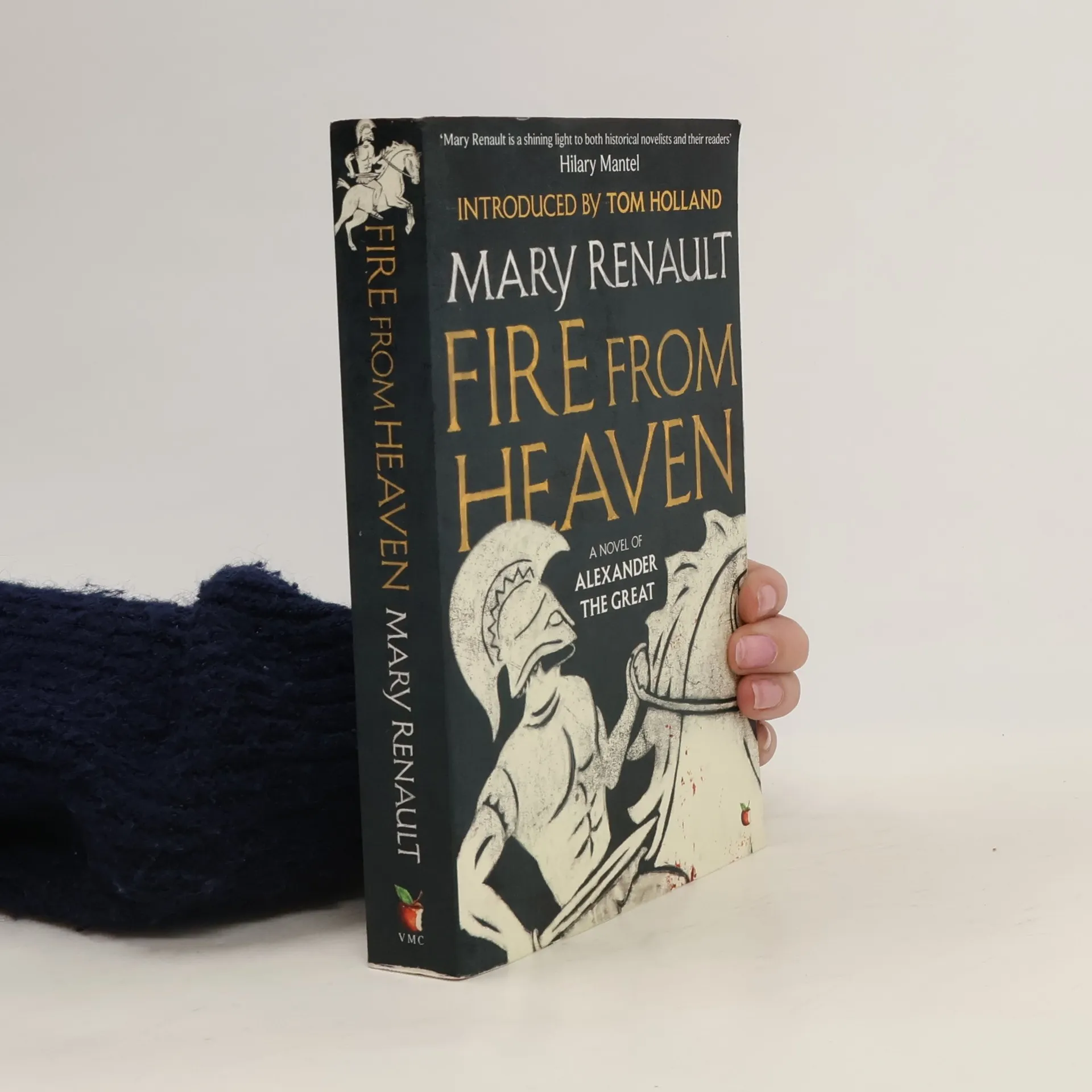
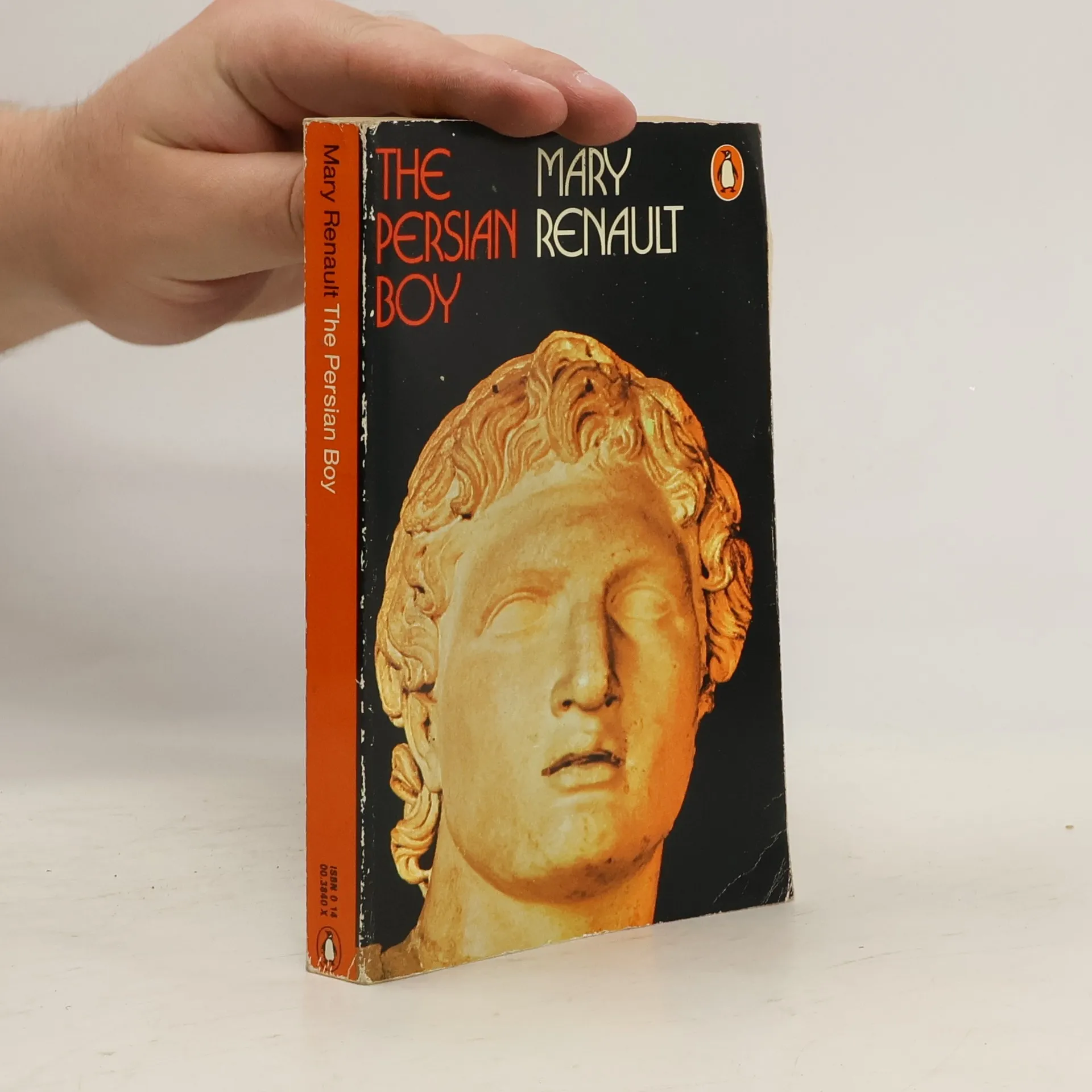
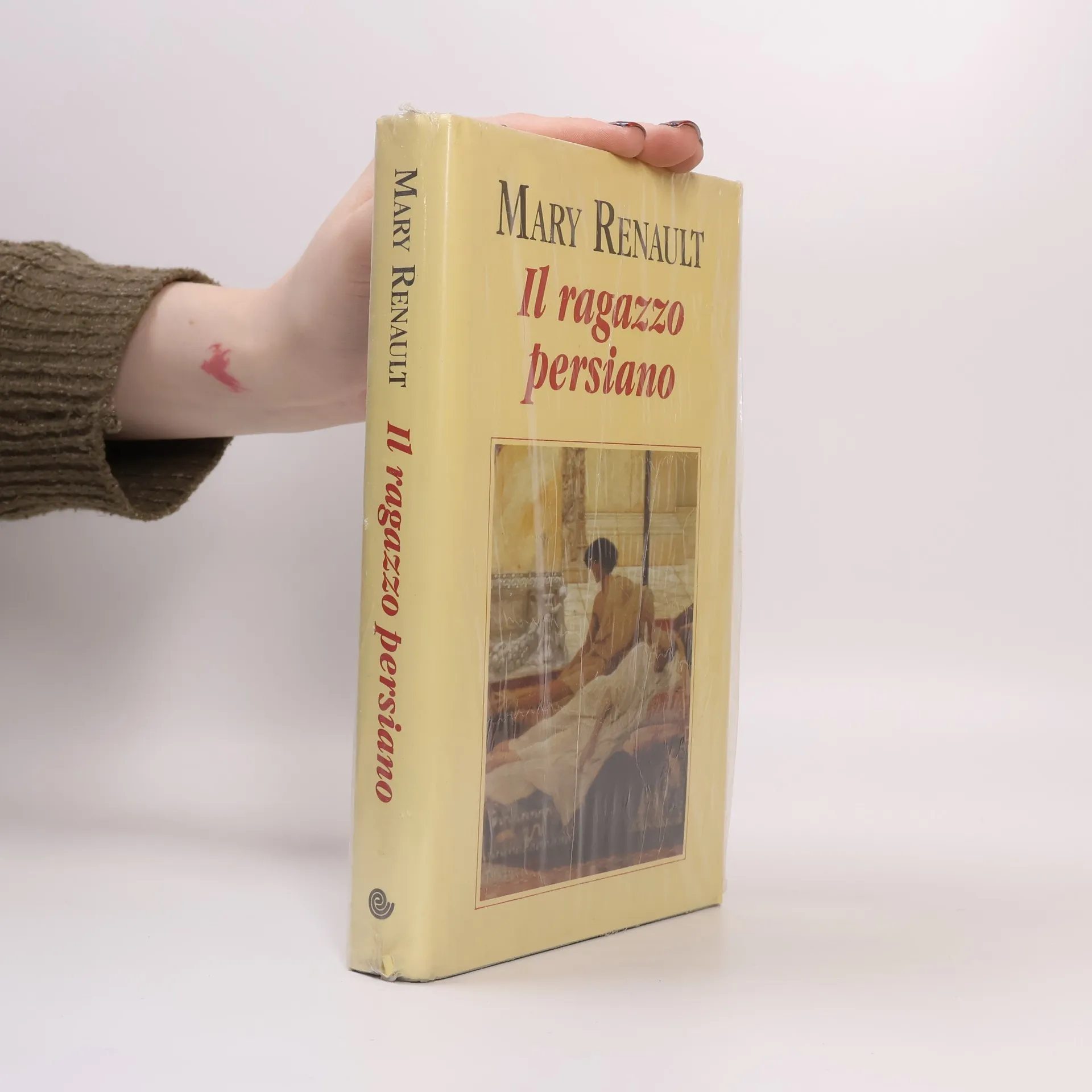
Tells the story of the climactic last seven years of Alexander the Great's life through the eyes of his lover, Bagoas. The relationship between the beautiful young eunuch and the great general's sustains Alexander as he survives assassination plots, the demands of two foreign wives, a mutinous army, and his own ferocious temper.
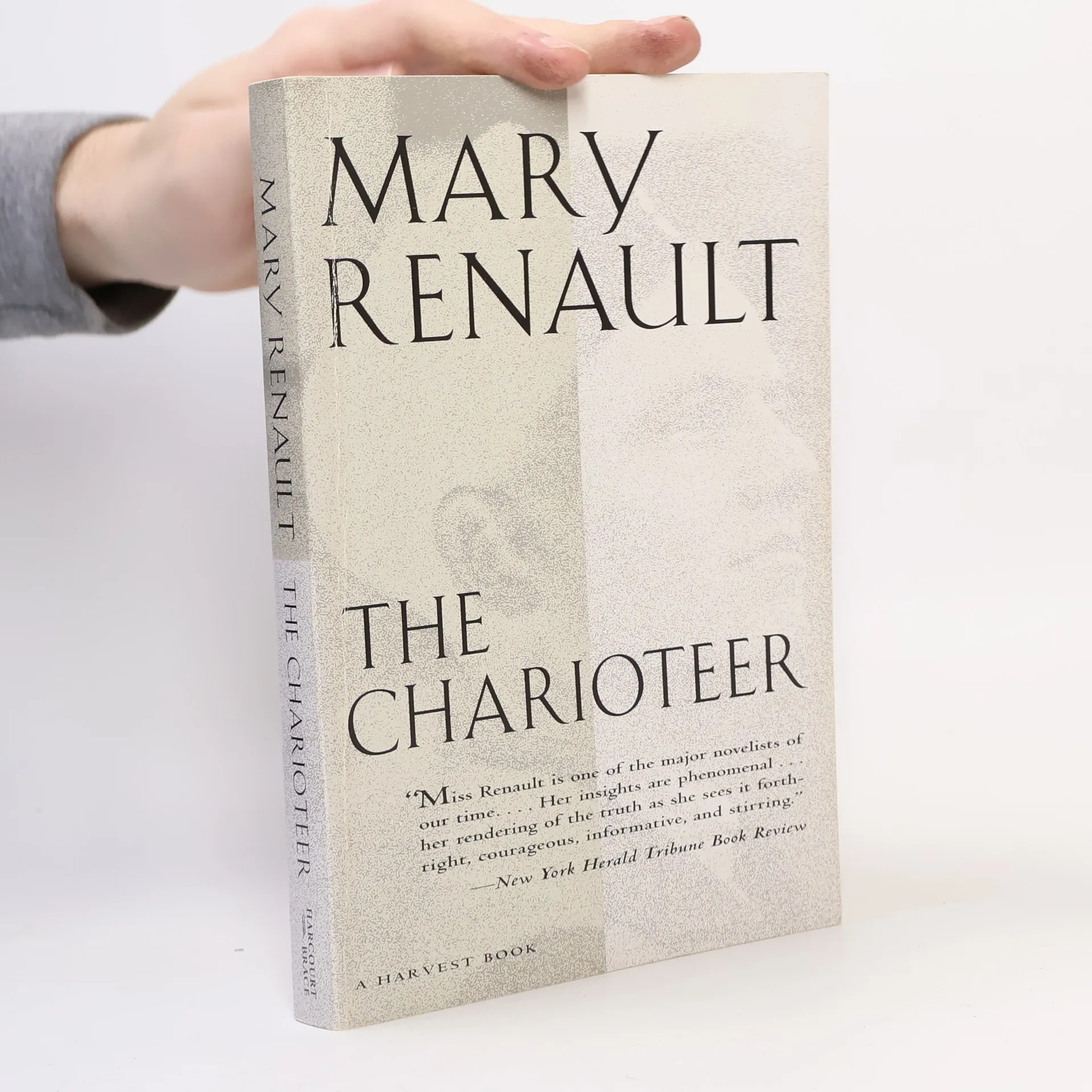
First published in 1953, The Charioteer is a tender, intelligent coming-of-age novel and a bold, unapologetic portrayal of homosexuality that stands with Gore Vidal's The City and the Pillar and James Baldwin's Giovanni's Room as a landmark work in gay literature.
In The Last of the Wine , two young Athenians, Alexias and Lysis, compete in the palaestra, journey to the Olympic games, fight in the wars against Sparta, and study under Socrates. As their relationship develops, Renault expertly conveys Greek culture, showing the impact of this supreme philosopher whose influence spans epochs.
In the first novel of her stunning trilogy, Mary Renault vividly imagines the life of Alexander the Great, the charismatic leader whose drive and ambition created a legend.
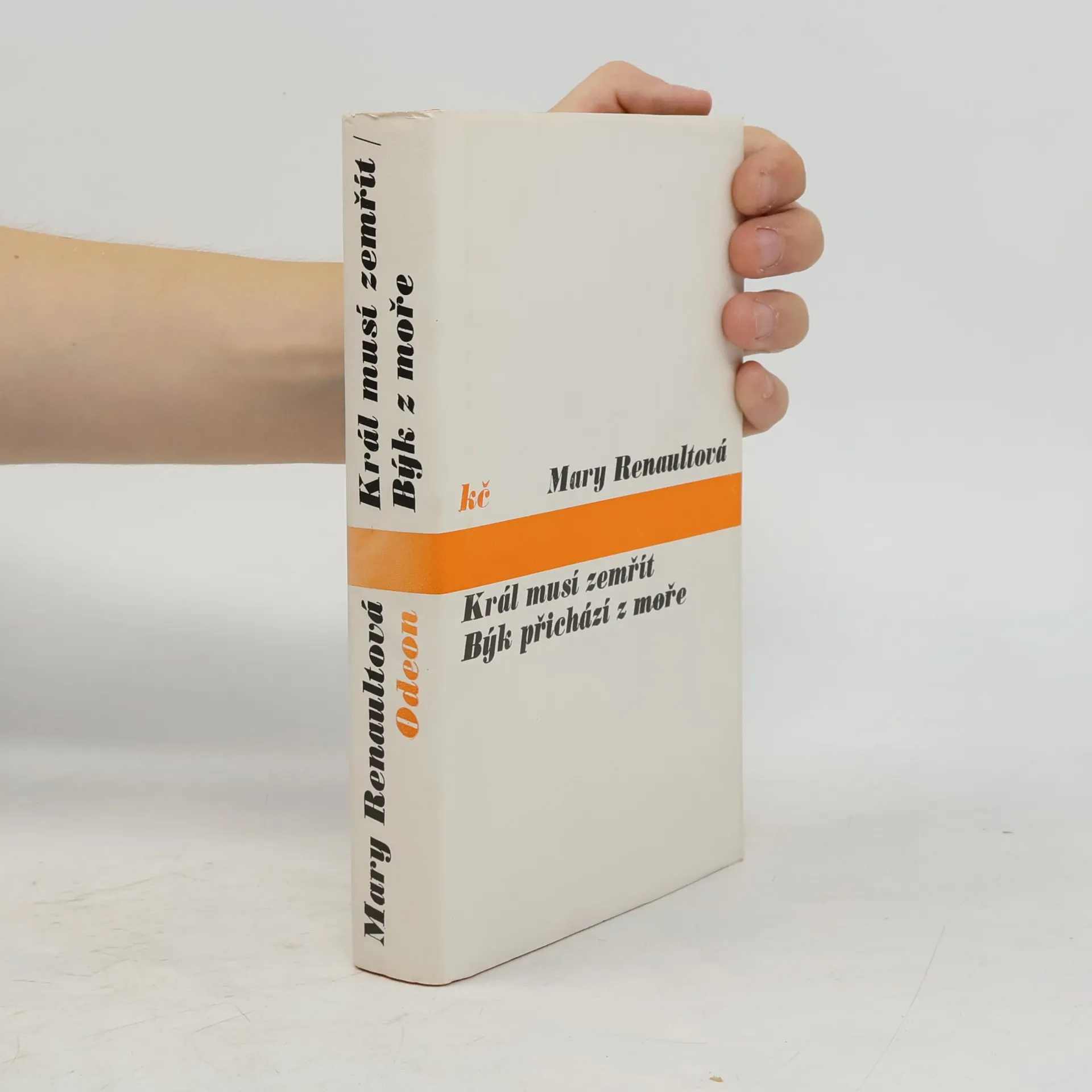
"The Bull from the Sea" is the story of Theseus, King of Athens, but also Mary Renault's brilliant historical reconstruction of ancient Greek politics. Throughout his reign, Theseus is torn between his genius for kingship and his truant craving for adventure. As Theseus for a dynastic marriage with Phaedra, Pirithoos, the pirate prince, lures him off to explore the unknown Euxine, where he meets and captures the young warrior priestess Hippolyta. She is the love of his life, and that love is the crux of his fate. The bull of Marathon, the battle of the Lapiths and Kentaurs, and the moon-goddess cult of Pontos are merely a portion of the legendary material that Renault weaves into the fabric of great historical fiction. Whether or not these myths have their far-distant origin in actual events, the author's imagination and scholarship have invested them with immediate amd magical reality.
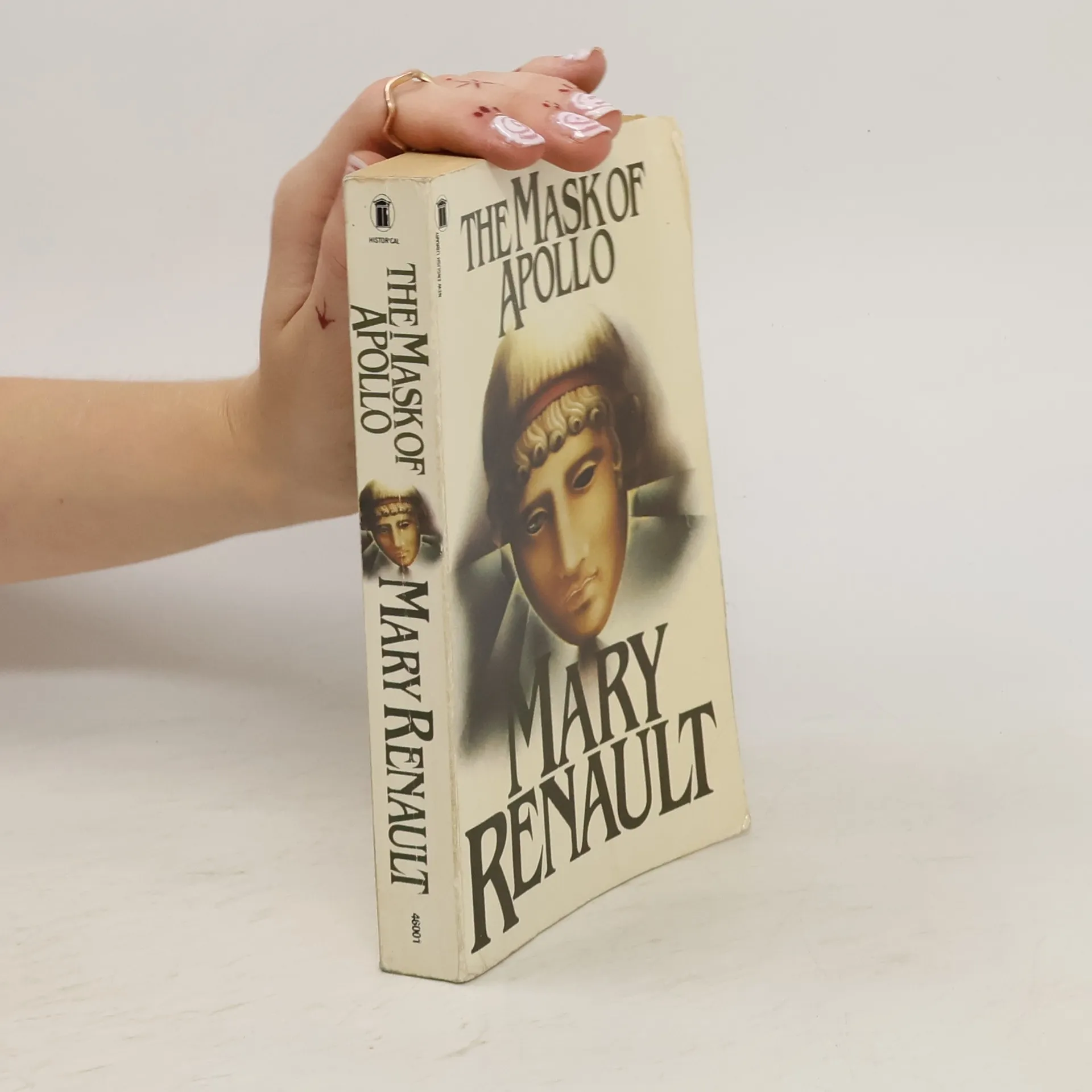
Set in fourth-century B.C. Greece, THE MASK OF APOLLO is narrated by Nikeratos, a tragic actor who takes with him on all his travels a gold mask of Apollo, a relic of the theatre's golden age, which is now past. At first his mascot, the mask gradually becomes his conscience, and he refers to it his gravest decisions, when he finds himself at the centre of a political crisis in which the philosopher Plato is also involved. Much of the action is set in Syracuse, where Plato's friend Dion is trying to persuade the young tyrant Dionysios the Younger to accept the rule of law. Through Nikeratos' eyes, the reader watches as the clash between the two unleashes all the pent-up violence in the city.
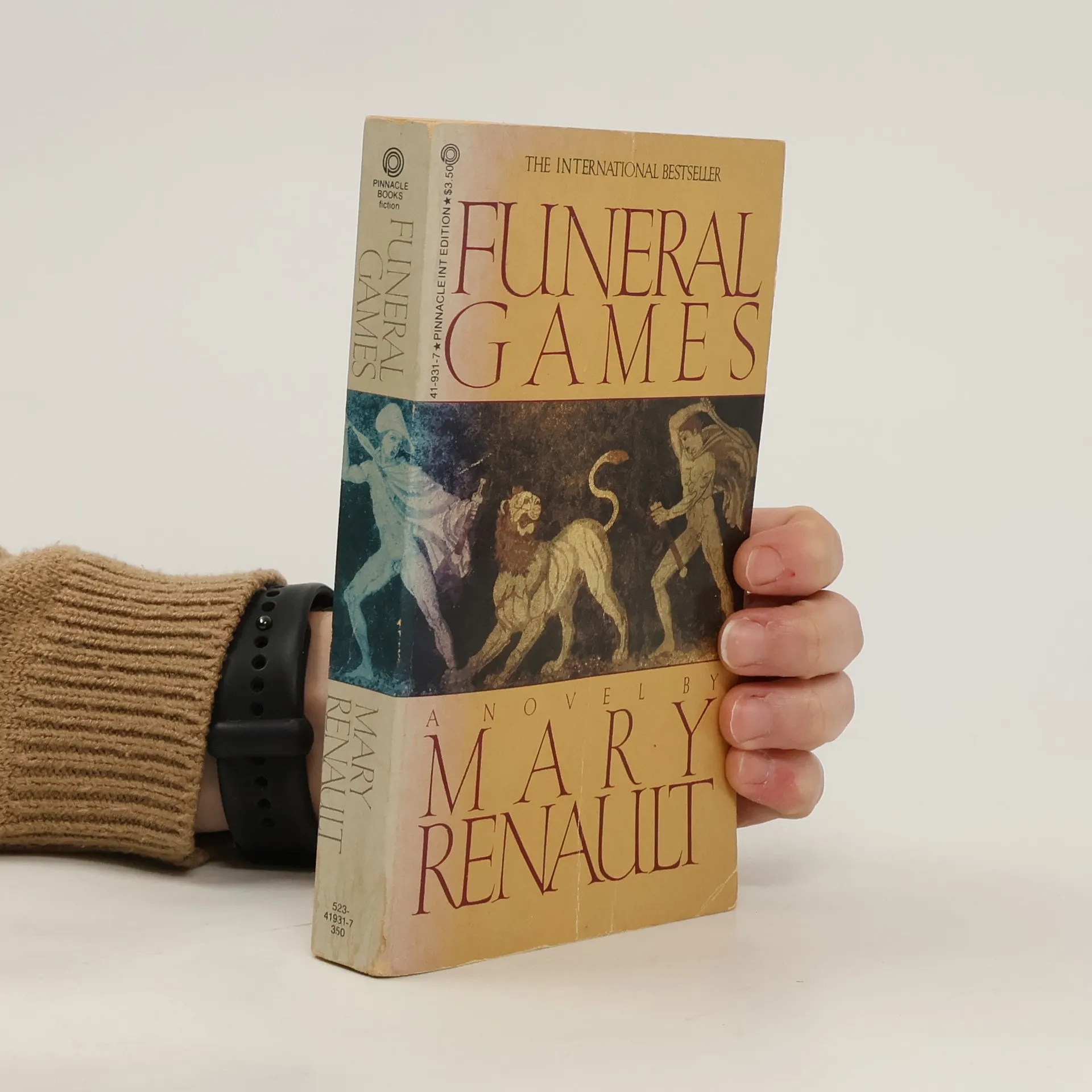
As Funeral Games opens, Alexander the Great lies dying. Around his body gather the generals, the provincial satraps and the royal wives, already competing for the prizes of power and land. Only Bagoas, the Persian boy mourning in the shadows, wants nothing. Tracing the events of the fifteen years following Alexander's death, Funeral Games sees his mighty empire disintegrate, and brings Mary Renault's Alexander trilogy to a dramatic close.
The epic of Theseus, the boy-king of Eleusis, ritually pre=ordained to die after one year of marriage to the sacred Queen, but who defies the God's decree and claims his inheritance - and the throne of Athens. His friends are the young men and maidens, slaves of the God, chosen for death in the Bull Dance. His fabled enemy is the monstrous half-man, half-bull, Minotaur, devourer of sacrificial human flesh. In her classic re-creation of a myth so powerful that its impact has survived down the centuries, Mary Renault has brought to life the world of ancient Greece. For here is the true Atlantis legend, with its culmination in the terrible fateful destruction of the great Labyrinth, the palace of the house of Minos. Vivid and convincing...it brims with feeling - Sunday Times Takes the raw material of myth and makes it credible...I am spellbound by Miss Renault's art - The Observer One of the truly fine historical novels of modern times. Not since Robert Graves' I, Claudius has there been such an exciting living image of the Ancient World on this grand scale - New York Times