La Teoria generale del montaggio è la più ampia e audace ricognizione sul montaggio che Ejzensÿtejn abbia mai concepito: il cinema resta il suo referente esemplare, ma l’indagine si muove con grande libertà nei più diversi campi della produzione artistica, con illuminanti incursioni nell’antropologia e nell’estetica filosofica. Ne risulta un quadro interpretativo di insuperata fecondità, capace di gettar luce non solo sui fondamenti teorici e sull’evoluzione storica del montaggio ma anche sulle prospettive, ancor oggi in larga parte inesplorate, di una cultura dell’audiovisivo.
Sergej M. Eisenstein Libri
10 gennaio 1898 – 11 febbraio 1948
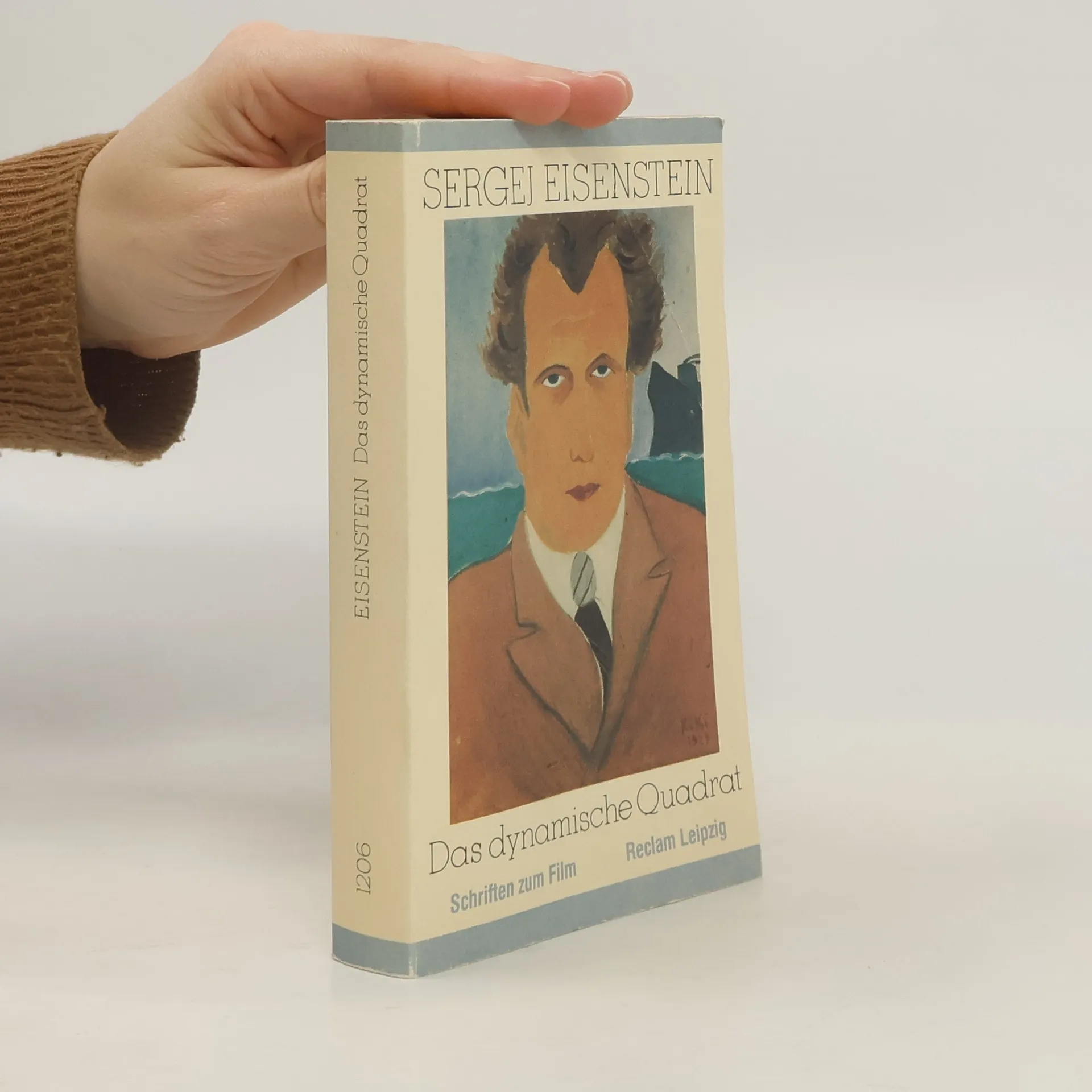
Sergei Eisenstein è stato un regista e teorico cinematografico sovietico, pioniere nella teoria e nella pratica del montaggio. Ha esplorato come il montaggio potesse trascendere la mera esposizione narrativa, creando nuovi significati attraverso il collegamento di immagini disparate. Eisenstein sviluppò cinque metodi di montaggio —metrico, ritmico, tonale, sovratonale e intellettuale— che dettagliò meticolosamente nei suoi scritti. Il suo approccio innovativo e i suoi contributi teorici hanno lasciato un segno indelebile sui cineasti e sul linguaggio del cinema.

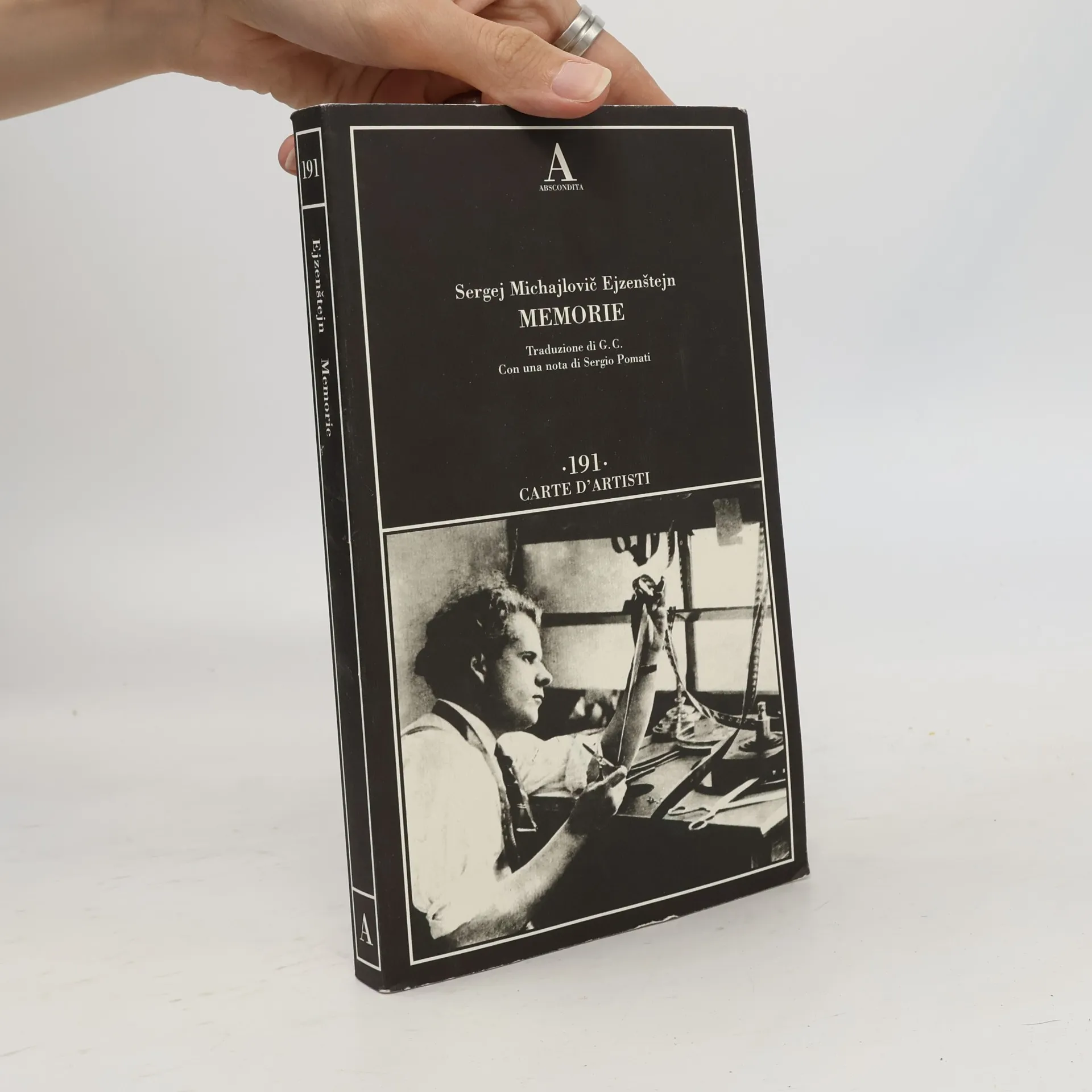

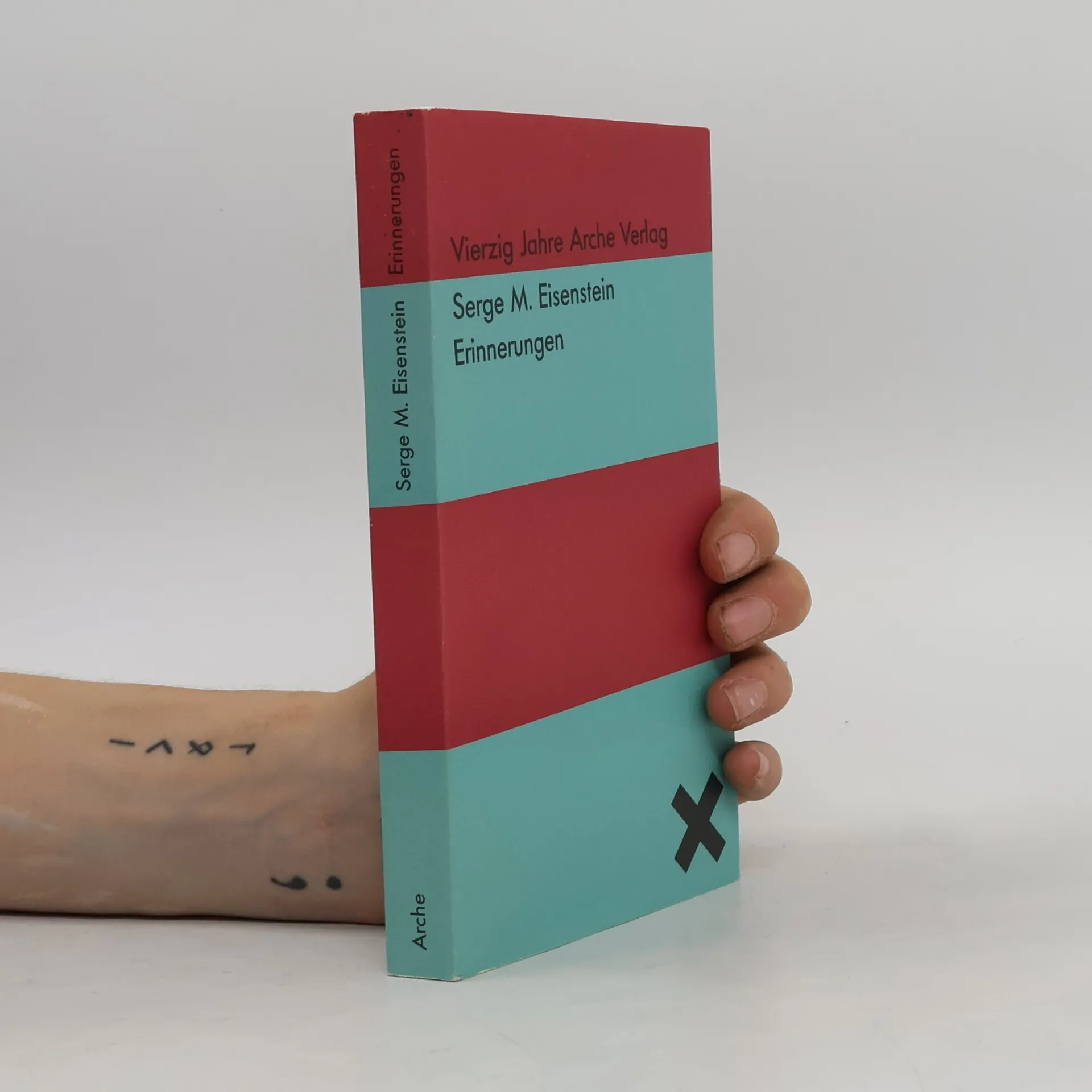
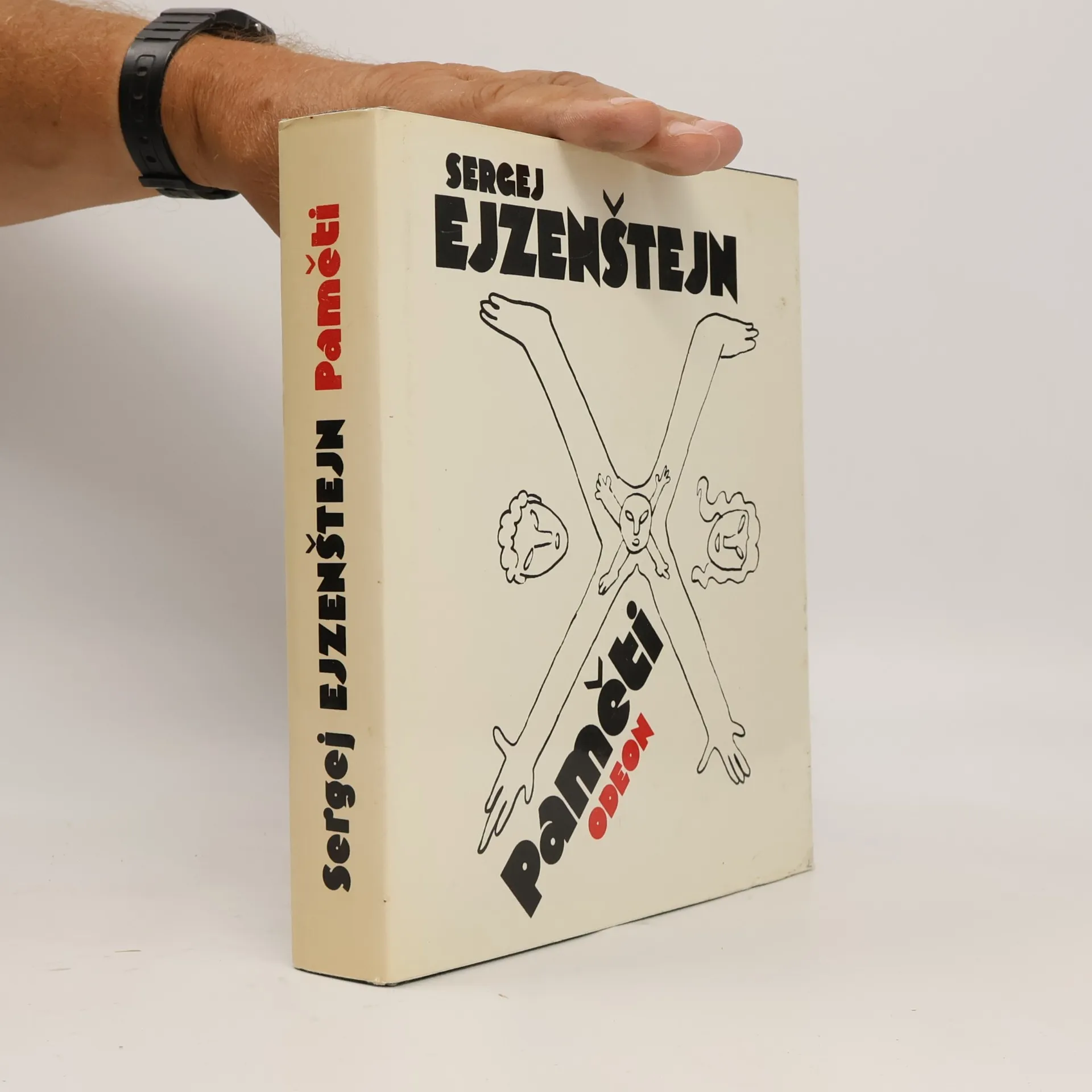
Carte d'Artisti - 191: Memorie
Traduzione di G. C. Con una nota di Sergio Pomati
- 192pagine
- 7 ore di lettura
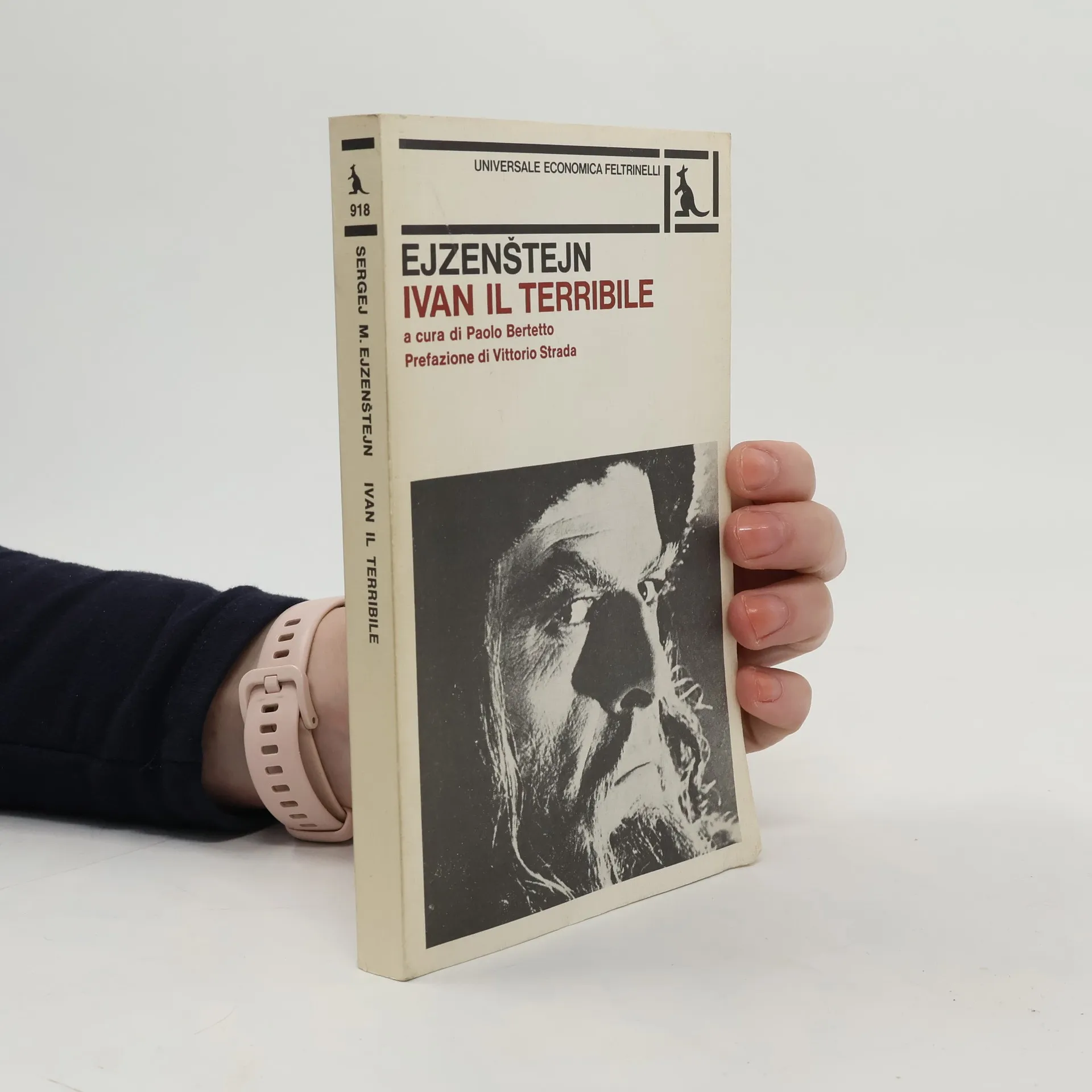
Ivan il terribile
Universale Economica Feltrinelli 918
Writings, 1922-1934
- 344pagine
- 13 ore di lettura
Book documents from the definitive Russian texts the complex course of Sergei Eisenstein's writings during the revolutionary years in the Soviet Union. It presents Eisenstein the innovative aesthetic thinker, socialist artist and humourist, passionately engaged in the debates over the art forms of the future.
Film Form
- 304pagine
- 11 ore di lettura
From Sergei Eisenstein, a legendary pioneer in filmmaking and director of Battleship Potemkin, Film Form collects twelve essays written between 1928 and 1945 that demonstrate key points in the development of his film theory and in particular his analysis of the sound-film medium."By turns savagely polemical and whimsically humorous...Eisenstein's last book, like all his writings, is on fire with imagination...Jay Leyda, well-known authority on Eisenstein's work, has done an excellently thorough job of editing and translating."— Saturday Review
Beyond the Stars, Part 2
- 408pagine
- 15 ore di lettura
Sergei Mikhailovitch Eisenstein (1898-1948) was a film-maker, theorist and teacher of film. This edition of his memoirs has been translated from the definitive Russian text by William Powell and annotated by Richard Taylor, an authority on Soviet cinema.
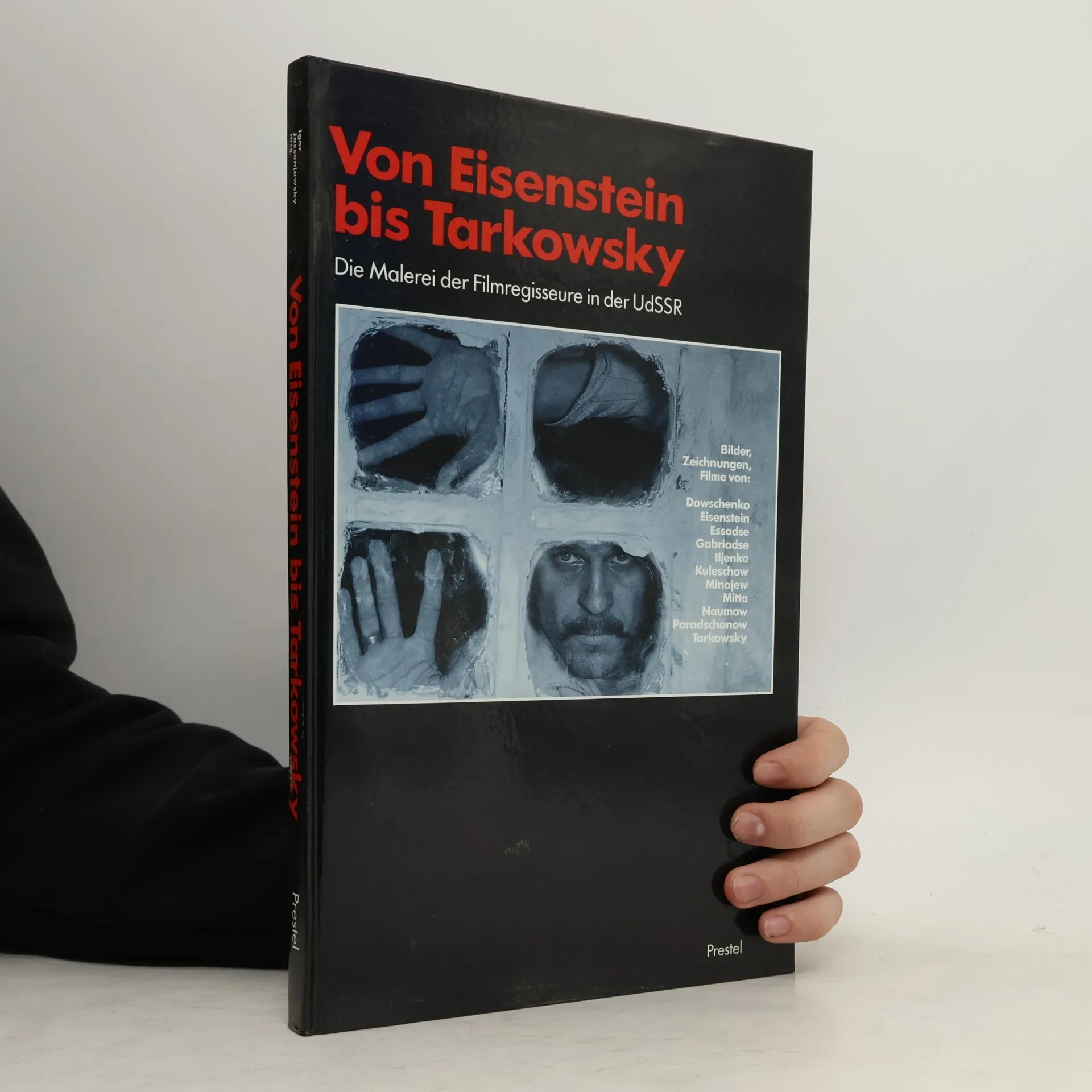
Von Eisenstein bis Tarkowsky
- 159pagine
- 6 ore di lettura
Herausgegeben Von Igor Jassenjawsky ; Biographien Und Filmographien Von Kora Zereteli Und Jewgeny Wolkowisky ; [Übersetzungen Aus Dem Russischen, Petra Popowa]. Dieser Katalog Erschien Anlässlich Der Ausstellung In Der Städtischen Galerie Im Lenbachhaus, München, Vom 28. März Bis 6. Mai 1990--t.p. Verso. Includes Bibliographical References
Umenie mizanscény II.
- 261pagine
- 10 ore di lettura
Útok na Zimný palác... zbesilý pád detského kočíka na schodoch... zábery, ktoré preslávili ich tvorcu, legendárneho režiséra Sergeja Ejzenštejna. Menej známe u nás sú jeho eseje o divadle, ktoré odkrývajú originálne myslenie veľkého umelca. Jeho Umenie mizanscény II. pozostáva z dvoch častí. Prvá je pokračovaním divadelných úvah prvého zväzku a obsahuje najmä rozbory konkrétnych divadelných textov. Druhá časť sa venuje filmu a rieši predovšetkým teoretické otázky montáže. Publikácia je preto veľmi žiadaná aj filmármi a odborníkmi z oblasti filmu. Prvý diel publikácie sa vypredal v rekordnom čase a druhý patrí takisto k bestsellerom.
Einleitung von Jutkewitsch, herausgegeben von Klejman und Korschunowa, mit zahlreichen, teilweise farbigen Abbildungen.
Еврейская кухня. Yevreyskaya kukhnya
- 317pagine
- 12 ore di lettura
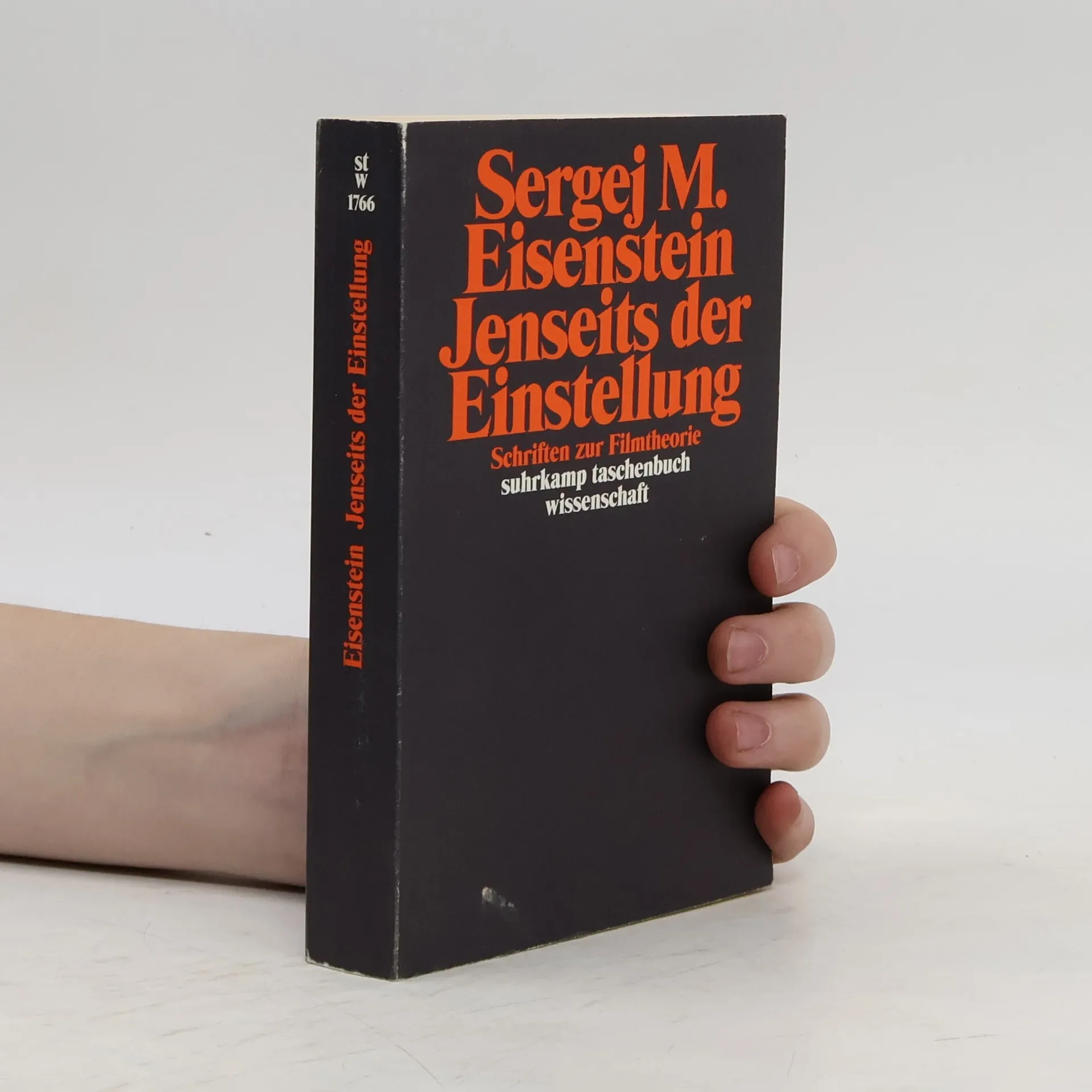
Jenseits der Einstellung
- 455pagine
- 16 ore di lettura
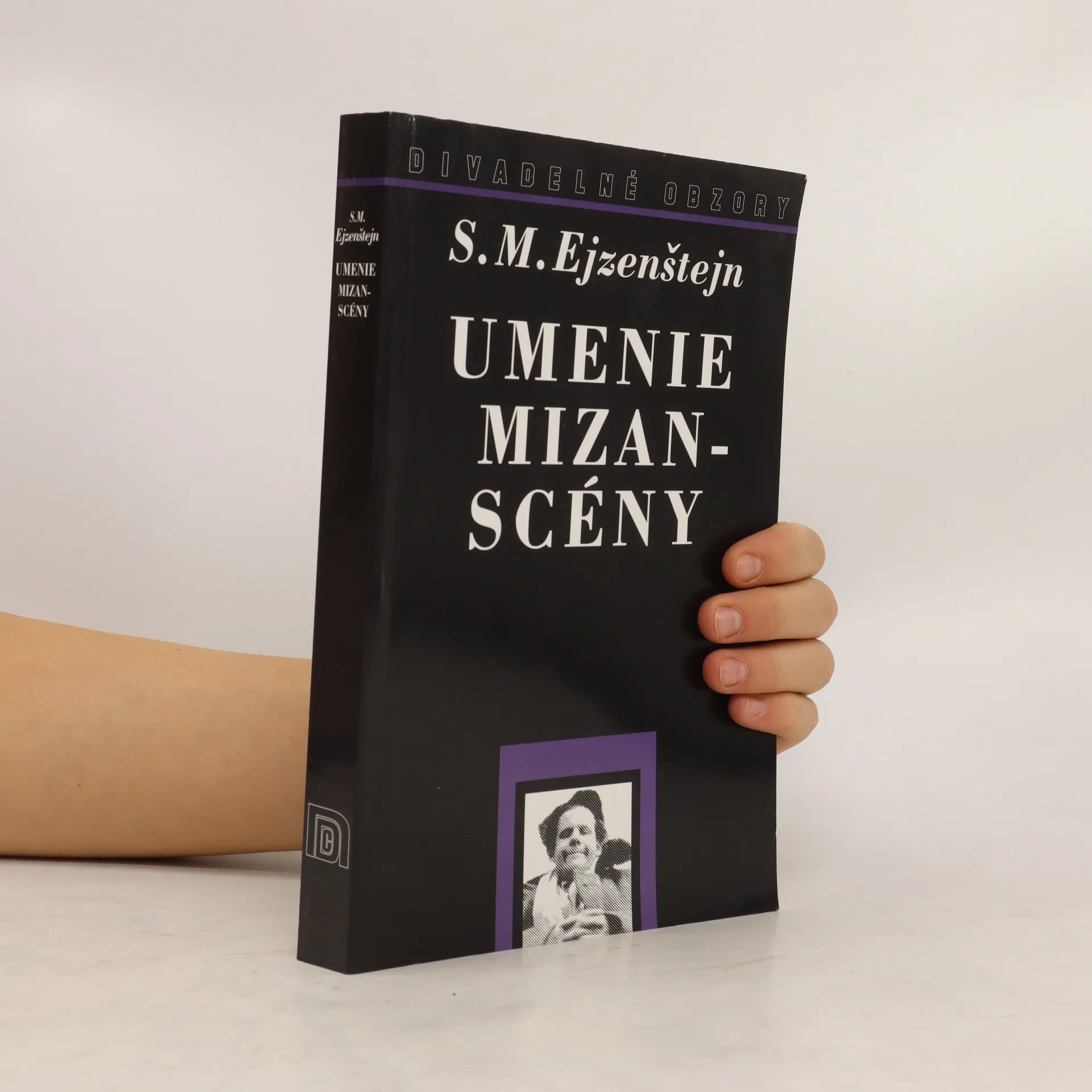
Umenie mizanscény
- 477pagine
- 17 ore di lettura
German, Russian (translation)
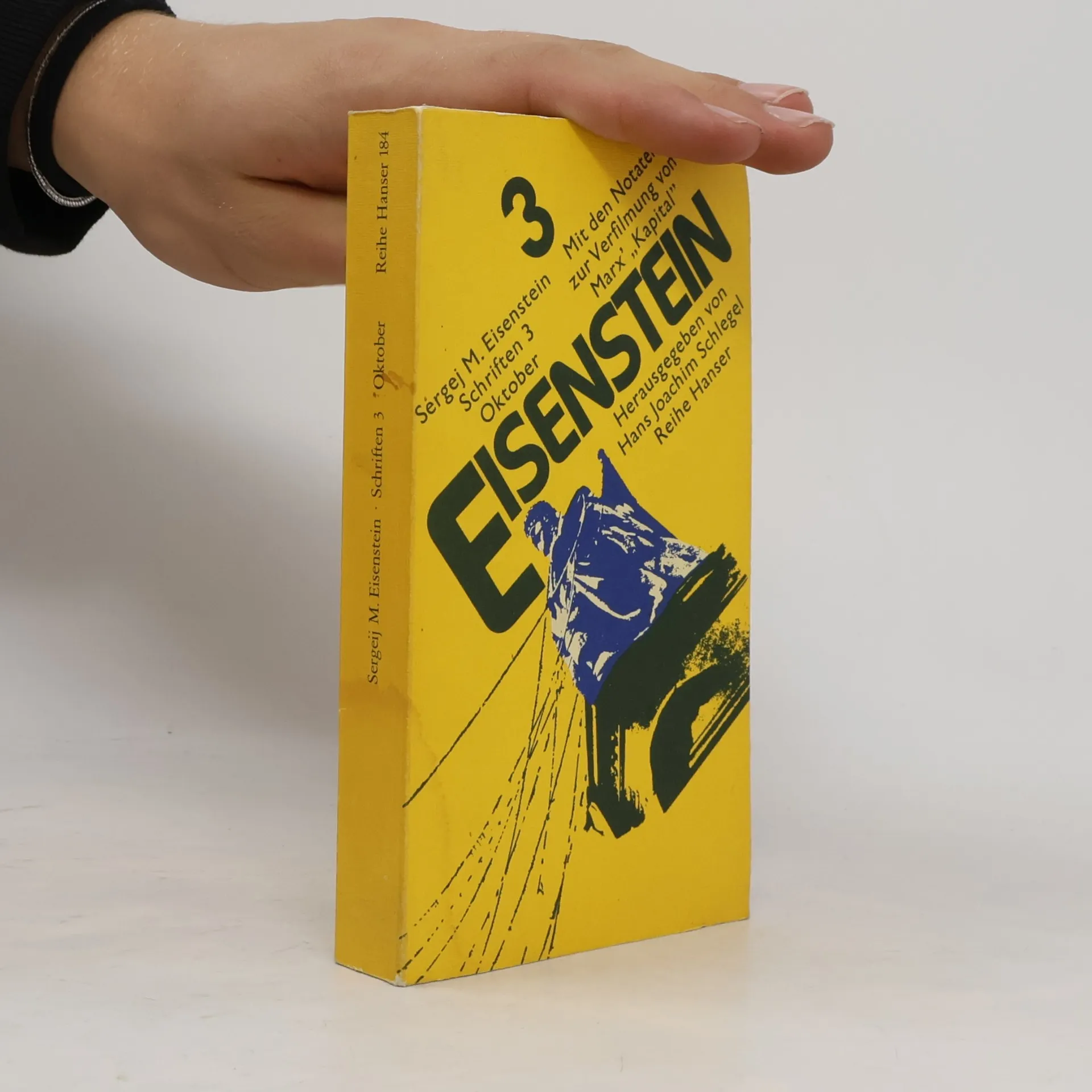
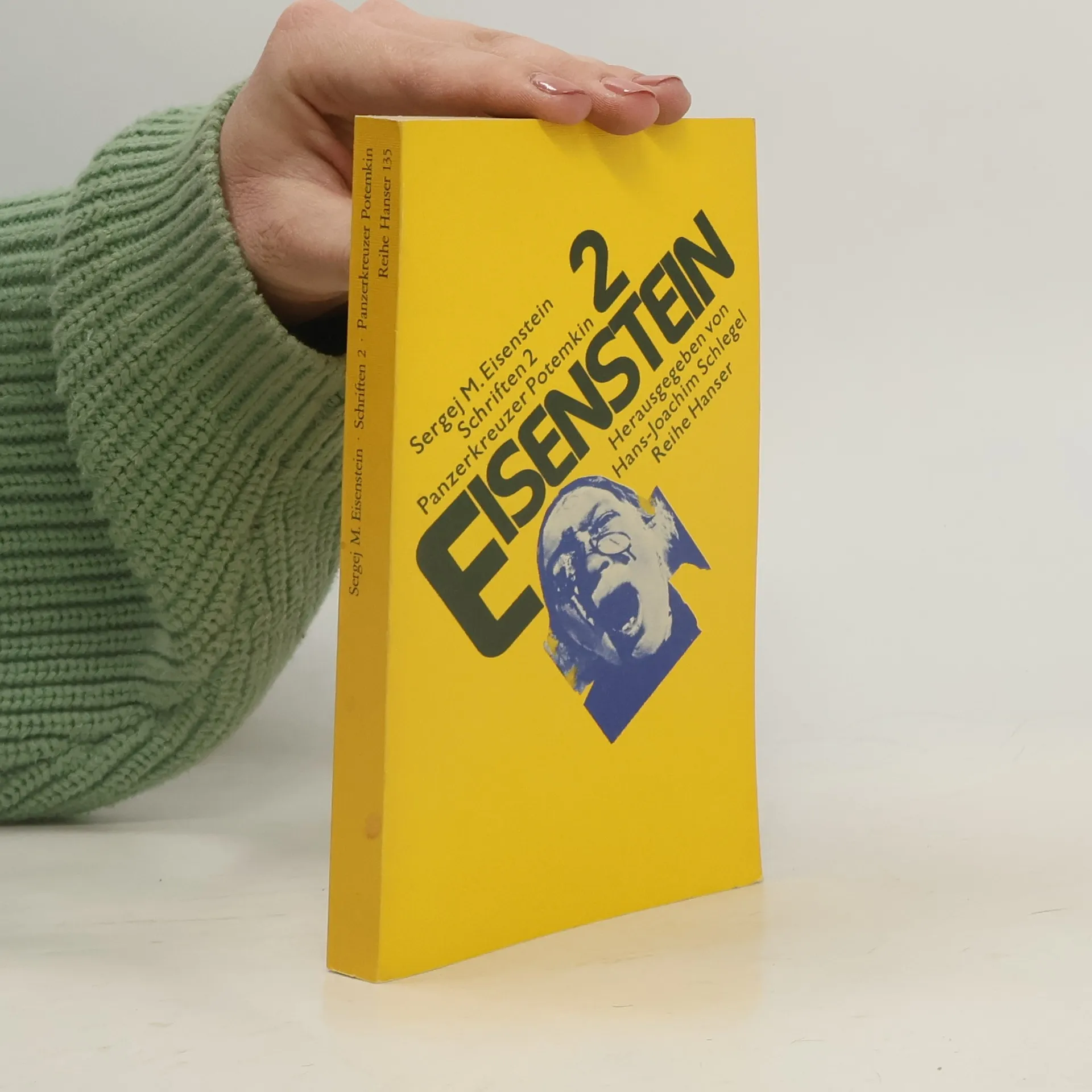
Schriften - 2: Panzerkreuzer Potemkin
- 268pagine
- 10 ore di lettura
German (translation)Original Russian
Kunstler der Revolution
Berlin Eisenstein-Konferenz 1959
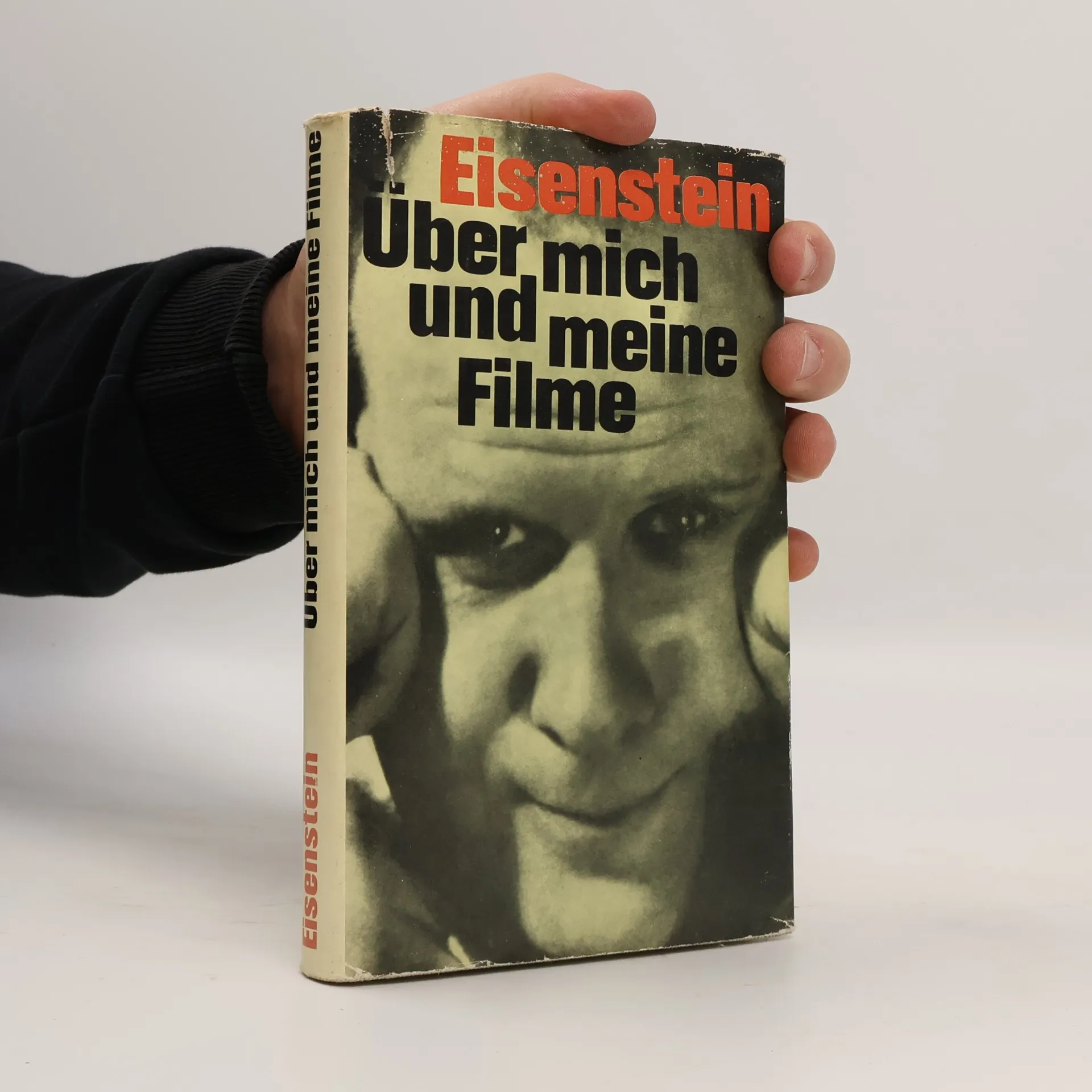
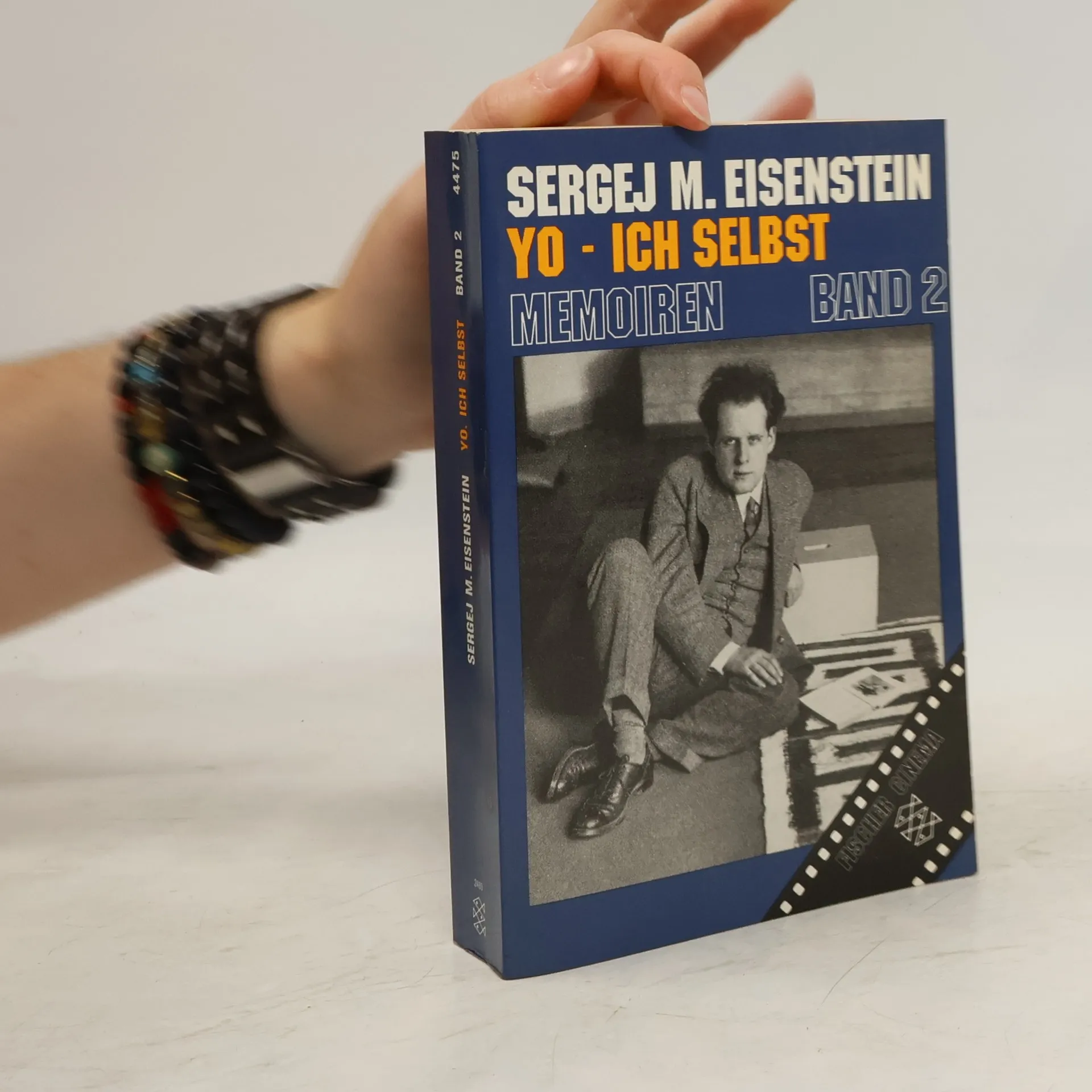
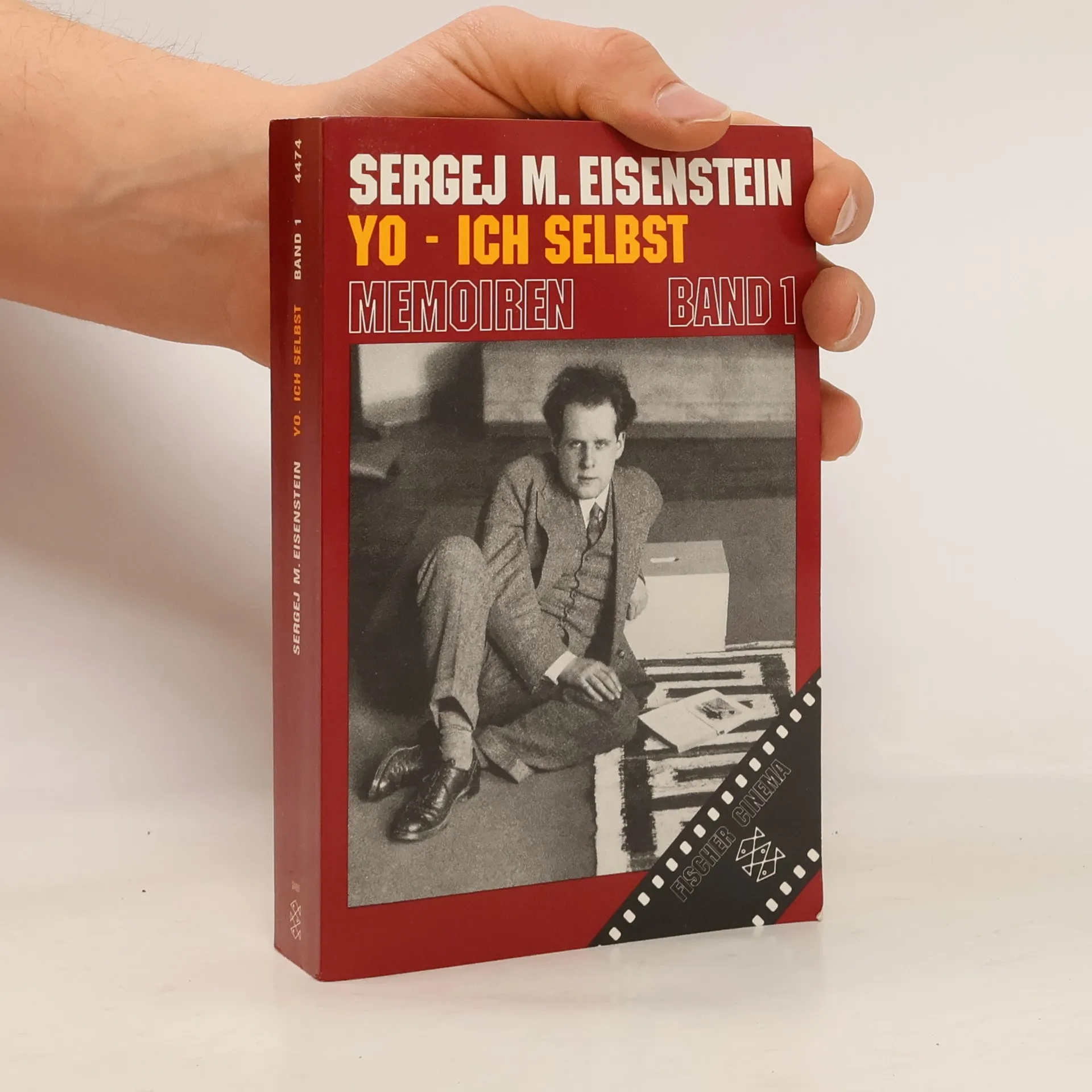
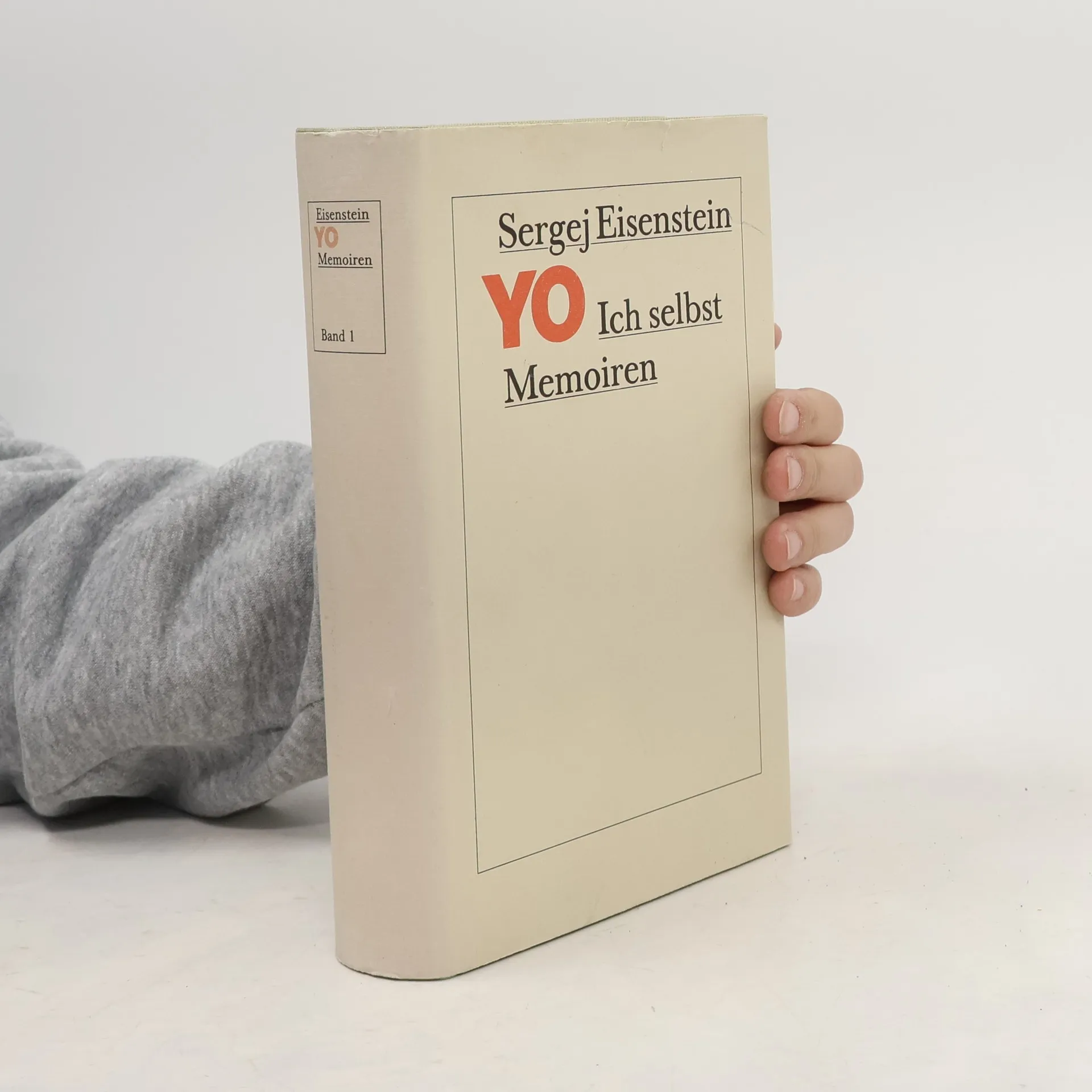
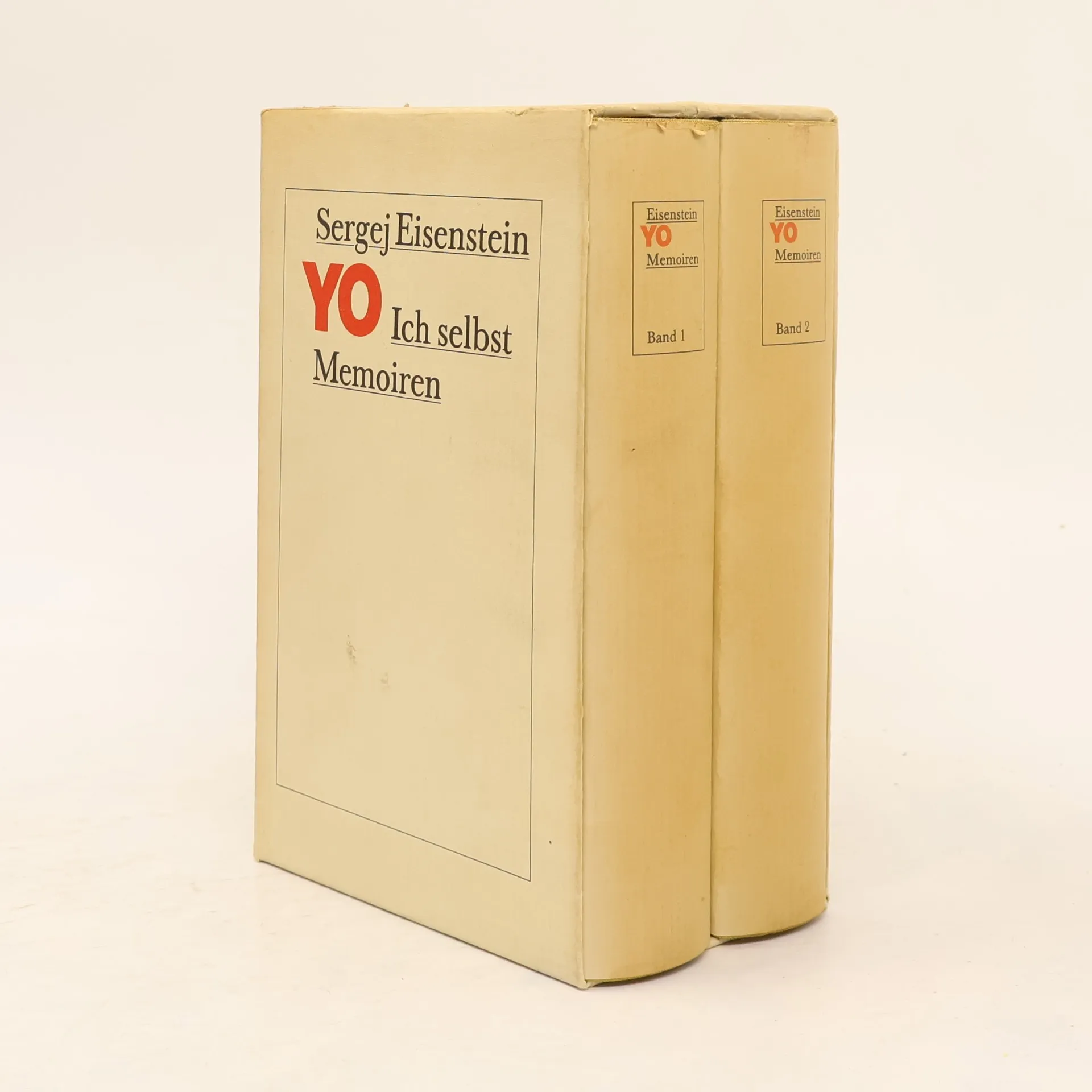
YO. Ich selbst Memoiren 1-2
- 2volumi
Yo, ich selbst 1-2
- 2volumi