Volker Ullrich Ordine dei libri (cronologico)
20 dicembre 1943
Volker Ullrich approfondisce la storia del XIX e XX secolo. Il suo lavoro è caratterizzato da una profonda comprensione dei movimenti sociali e politici. L'approccio critico di Ullrich e la sua attenzione ai dettagli storici ne fanno un commentatore significativo del passato. Le sue analisi danno vita a momenti chiave della storia, offrendo nuove prospettive.


Schicksalsstunden einer Demokratie
Das aufhaltsame Scheitern der Weimarer Republik
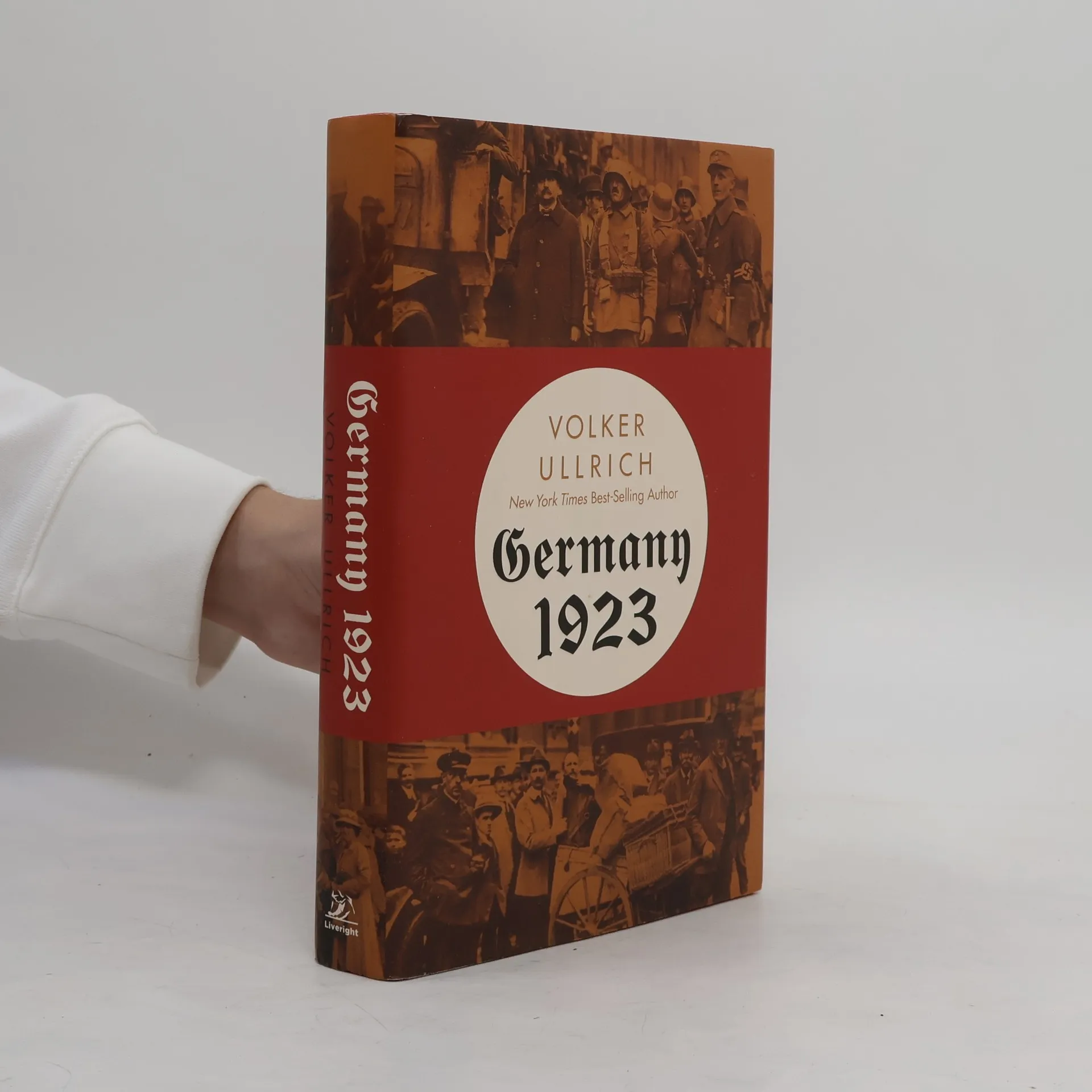
Germany 1923
- 448pagine
- 16 ore di lettura
From a New York Times best-selling historian comes a gripping account of the crisis that threatened to unravel the Weimar Republic
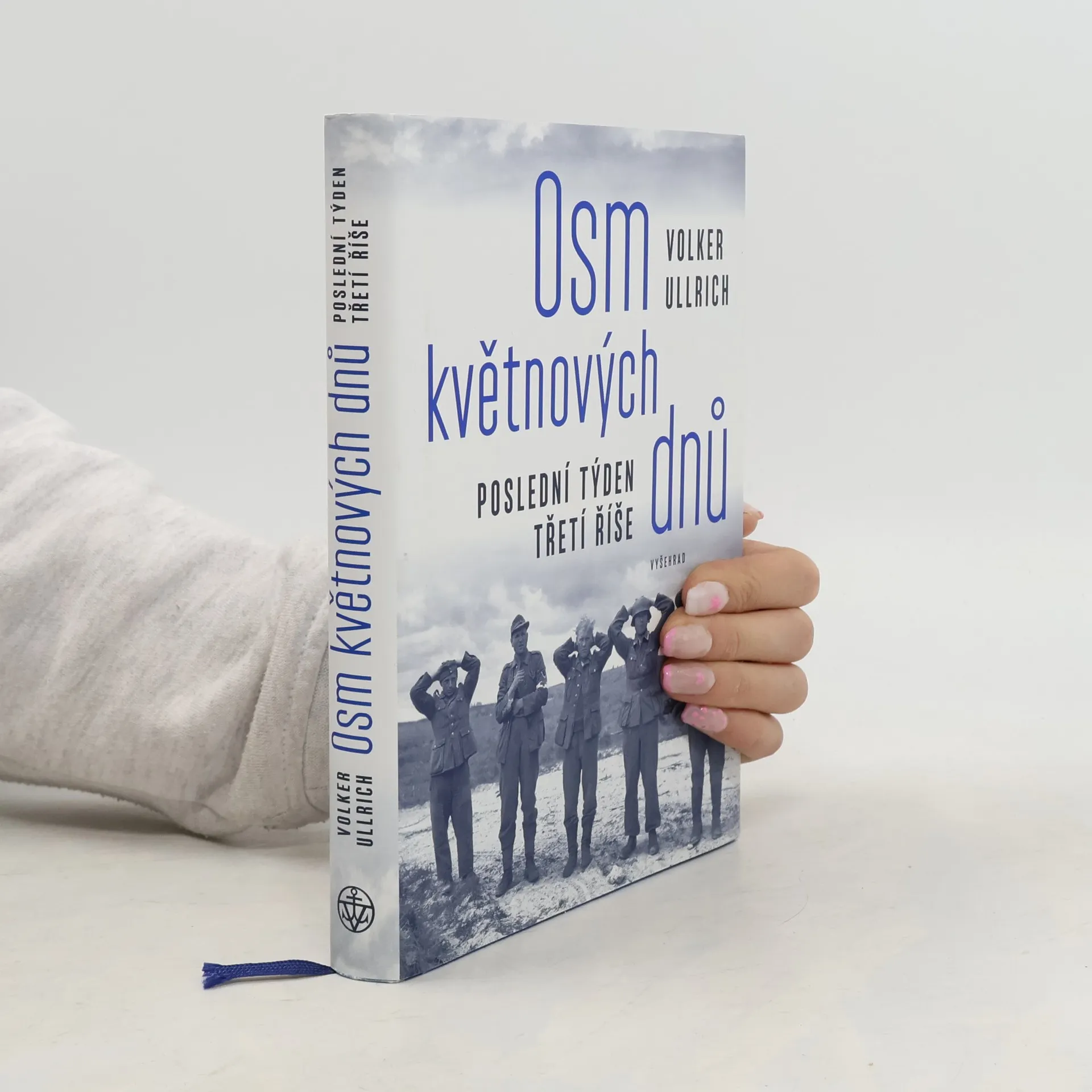
Osm květnových dnů: Poslední týden třetí říše
- 288pagine
- 11 ore di lettura
Minulost, která ještě neskončila, a budoucnost, jež zatím nezačala. Začíná poslední týden třetí říše. Hitler je po smrti, ale válka ještě neskončila. Všechno jako by se zastavilo, a přece je všechno v překotném pohybu. Volker Ullrich líčí tento „čas bezčasí“ den po dni a zavádí čtenáře do hroutícího se světa plného dramat a naděje, násilí a strachu. Poslední pochody smrti, divoké odsuny, hroutící se moc nacistických pohlavárů, osvobozené koncentrační tábory – to vše patří k oné mezeře mezi minulostí a budoucností. Mozaika „Osmi květnových dnů“, kterou z jednotlivých kamínků sestavil novinář a Hitlerův životopisec Volker Ullrich, představuje napínavější četbu než leckterý thriller.
Eight Days in May
- 336pagine
- 12 ore di lettura
The final week of the Third Reich's existence began on May 1, 1945, with the world unaware of the impending collapse. Hitler was dead, yet the war continued, leaving Germany in a state of uncertainty and despair. Volker Ullrich's compelling narrative immerses readers in this tumultuous period, where hope and terror coexist. With Admiral Doenitz as the new Fuhrer, based in the small Baltic town of Flensburg, the nation grappled with the aftermath of devastation. Berlin lay in ruins, and the end of hostilities was shrouded in confusion. Major Nazi figures remained at large, and rumors of a last stand in the Alps circulated, alongside tensions between the Western allies and the Soviet Union. Across Europe, millions—soldiers, prisoners, and displaced families—awaited the war's conclusion, caught in a limbo described as 'the gap between no longer and not yet.' Ullrich’s account is a fast-paced exploration of these chaotic final days, capturing the energy and complexity of a nation on the brink of transformation. It offers a vivid portrayal of the human experience during one of history’s darkest moments, making it a gripping read for those interested in this pivotal time.
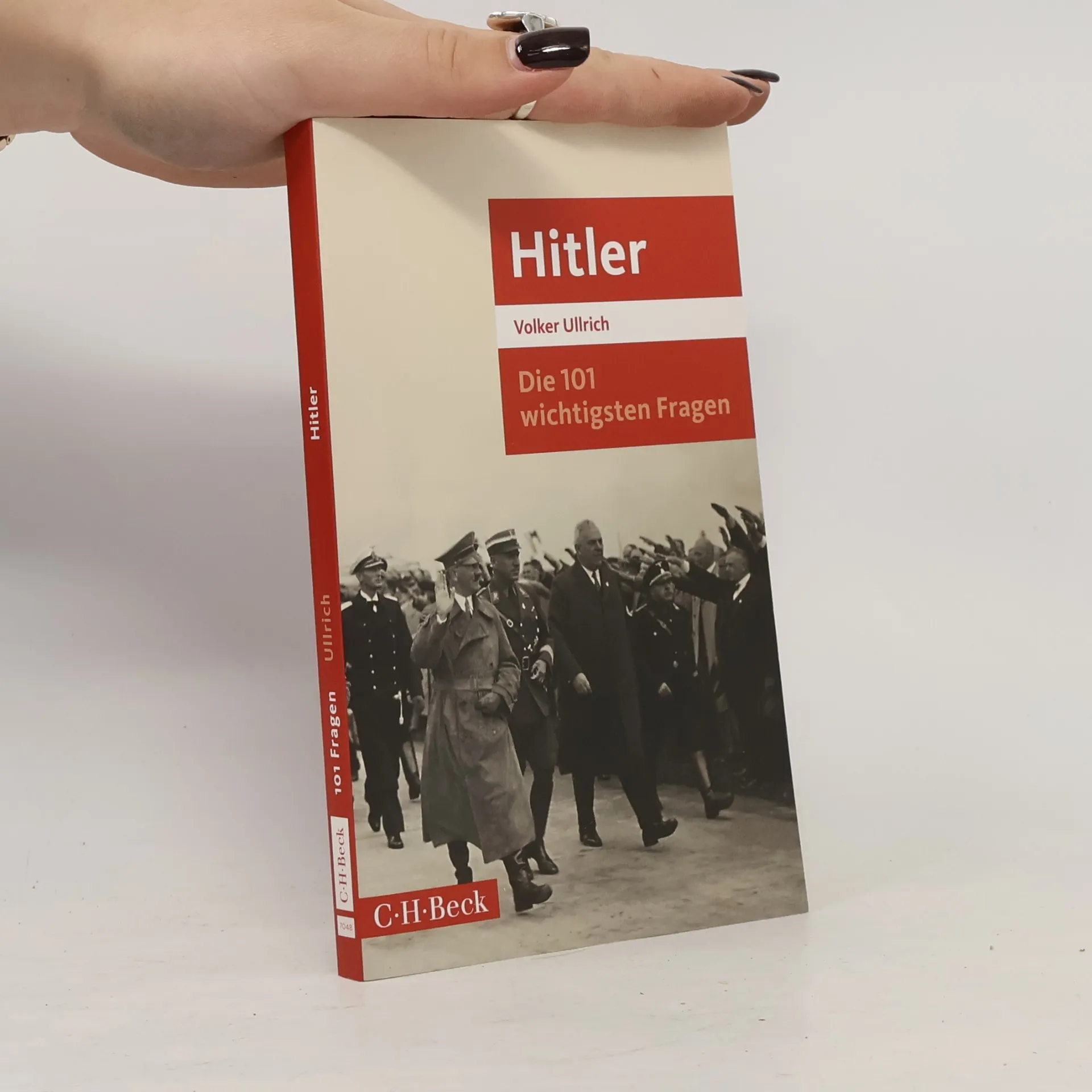
Die 101 wichtigsten Fragen - Hitler
- 160pagine
- 6 ore di lettura
Woher stammte Hitler? Wie erklärt sich die Wirkung von Hitlers Reden? Inwieweit hat die Großindustrie Hitler unterstützt? Wie übte Hitler seine Herrschaft aus? Welche Einkünfte bezog Hitler? War Hitler auf militärischem Gebiet ein Dilettant? Ohne Hitler kein Holocaust? Auch mehr als siebzig Jahre nach dem Ende des Dritten Reiches ist Adolf Hitler noch ein Faszinosum. Wer dieser Mann war und welche Rolle er im NS-Regime spielte, das Krieg, Zerstörung und millionenfachen Massenmord über Europa brachte, dem geht dieser Band der Reihe «101 Fragen» nach. Volker Ullrich, Autor der großen zweibändigen Hitler-Biographie, stellt darin die wichtigsten Fragen zu Hitler und gibt kompetent, präzise und allgemeinverständlich die Antworten.
Hitler: Volume II
- 912pagine
- 32 ore di lettura
In the summer of 1939, Hitler was at the height of his power, having consolidated Nazi authority and restored Germany as a major Continental force. He aimed to provide the German people with living space and resources while exterminating those he viewed as obstacles, particularly the Bolsheviks and Jews. Despite early victories, such as the swift defeat of Poland and successful Blitzkrieg tactics in the west, the war ultimately led to Hitler's downfall. The invasion of the Soviet Union in June 1941 and the U.S. entry into the war marked a turning point, revealing that victory was unattainable. Volker Ullrich delves into Hitler's complex personality, crucial for understanding the war's trajectory and the Holocaust's development. As Germany's military commander, Hitler was deeply involved in strategy, revealing key traits: he was a reckless gambler, insecure and quick to blame others for his failures. When defeat became inevitable, he sought to punish the German people for not delivering victory. In September 1939, he vowed to wear a simple military tunic until the war's end, but on April 30, 1945, as Soviet forces approached his bunker, he committed suicide; Germany surrendered a week later. Hitler's destructive ambitions not only devastated Germany but also resulted in the deaths of millions across Europe.
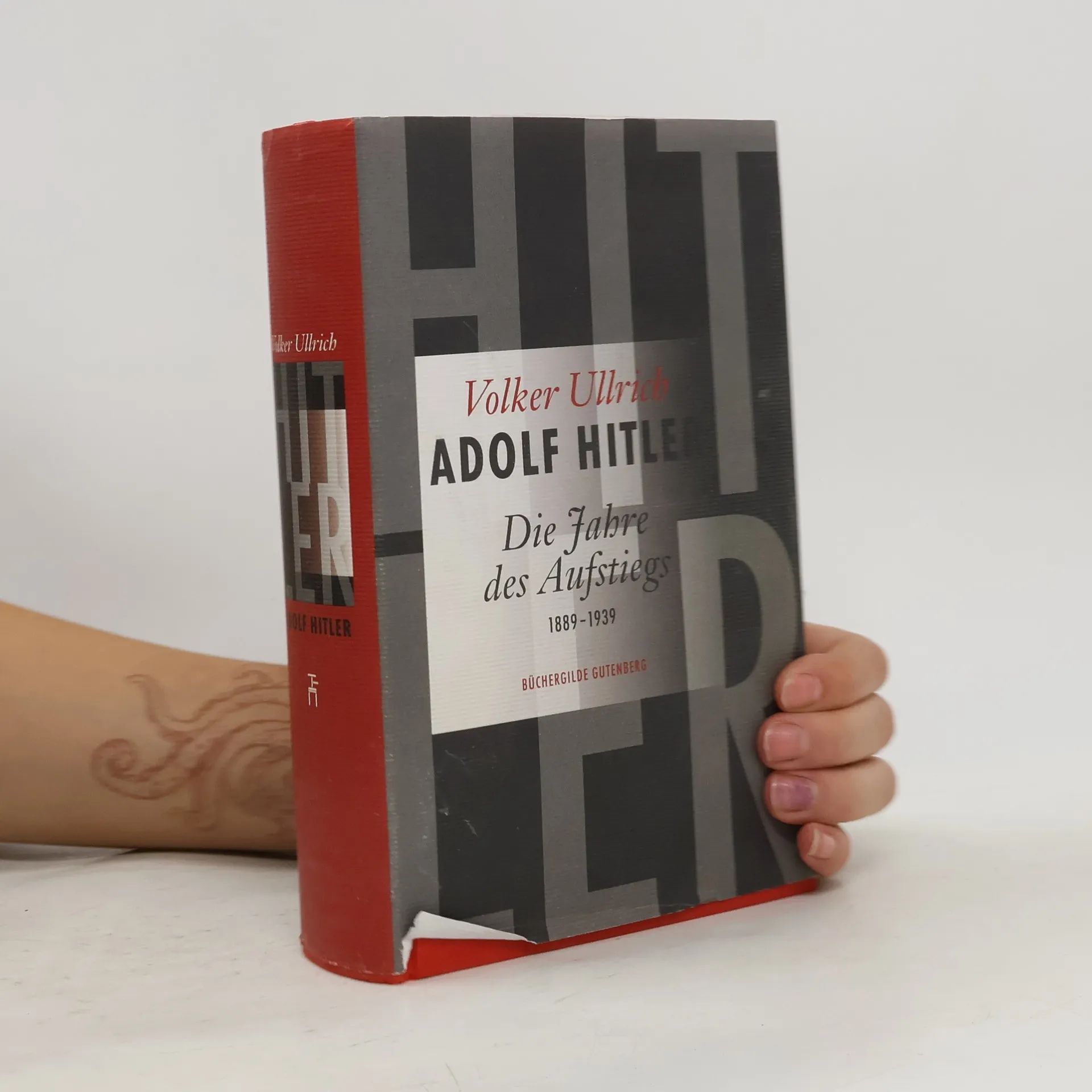
Adolf Hitler
- 1083pagine
- 38 ore di lettura
Selezionata come Libro dell'Anno dal New York Times e da altri, questa monumentale biografia affronta la scarsità di opere serie su Hitler dai anni '30. La maggior parte dei biografi si è concentrata sulla sua ascesa al potere, ritrattandolo come una figura politica priva di profondità personale. Questa visione trascura l'individuo complesso dietro l'infame persona, non considerando l'impatto profondo che ha avuto su coloro che lo circondavano e sulla popolazione tedesca. In questo primo volume, Volker Ullrich mira a rimodellare la nostra comprensione di Hitler esplorando la sua vita dall'infanzia fino all'orlo della Seconda Guerra Mondiale, contestualizzata nel panorama politico dell'epoca. Ullrich rivela la natura sfaccettata di Hitler, mostrando il suo fascino accanto alla sua ripugnanza, i suoi talenti e difetti, così come le sue insicurezze e tendenze violente. Utilizzando fonti precedentemente trascurate, questo studio presenta il ritratto più sfumato di Hitler fino ad oggi. Ullrich lo illustra come un maestro della seduzione e della manipolazione, suggerendo che la complessità del suo carattere offre una spiegazione più convincente del suo dominio sul popolo tedesco rispetto all'immagine convenzionale di un mostro. Questa biografia definitiva promette di trasformare la nostra percezione dell'uomo che ha condotto il mondo nell'oscurità.
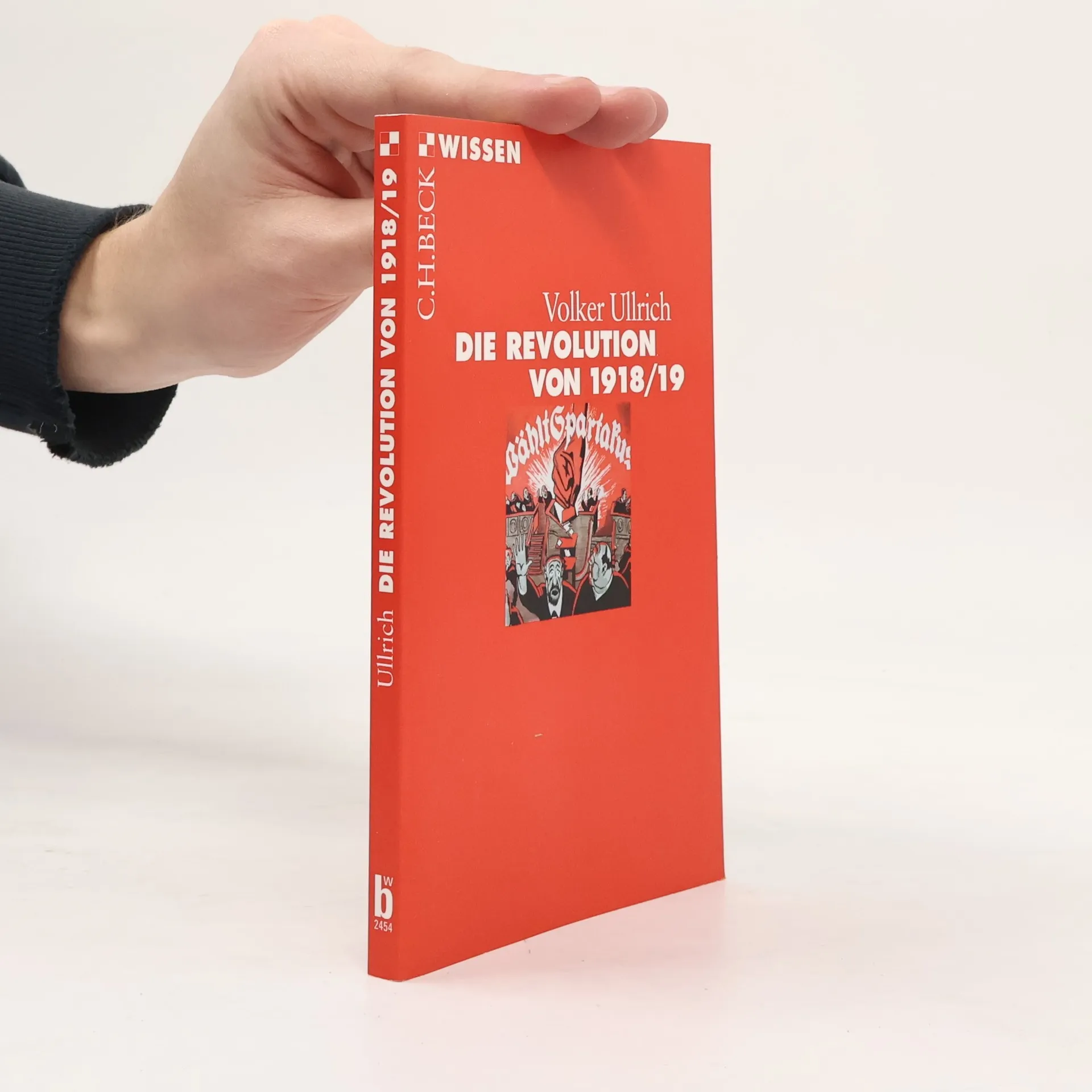
Die Revolution von 1918/19
- 127pagine
- 5 ore di lettura
Am 9. November 1918 erreicht die revolutionäre Welle, die mit dem Matrosenaufstand in Kiel ihren Ausgang genommen hatte, Berlin. Erst mit dem Versailler Vertrag und der Verabschiedung der Weimarer Reichsverfassung findet das besiegte Deutschland im August 1919 zu einem Zustand prekärer Ruhe zurück. Bis heute werden die Handlungsspielräume dieser „Novemberrevolution“ kontrovers diskutiert. Volker Ullrichs glänzend geschriebener Band schildert auf dem neuesten Forschungsstand die Phasen der Revolution und fragt zugleich nach ihrer Bedeutung für die Geschichte Weimars.
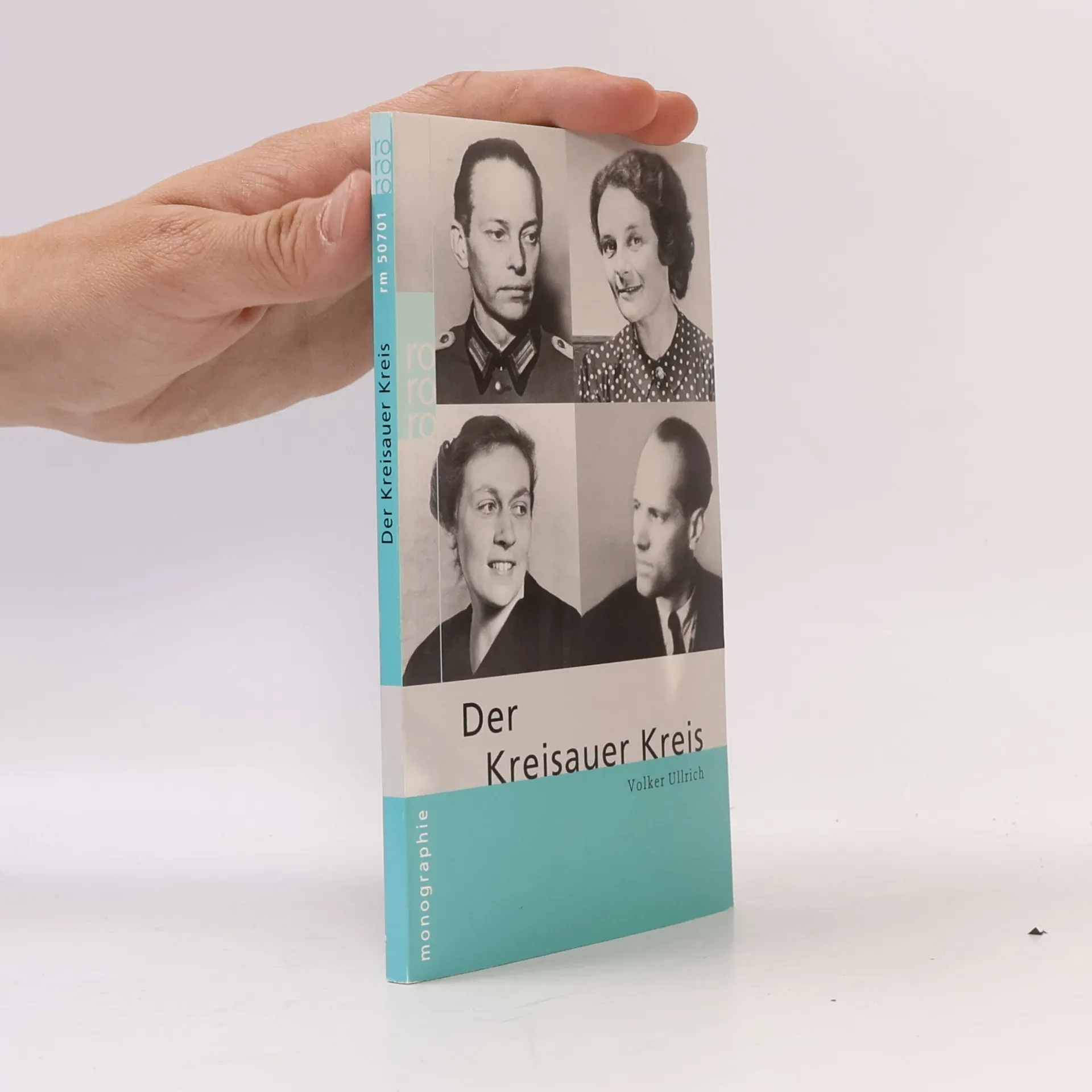
Der Kreisauer Kreis
- 159pagine
- 6 ore di lettura
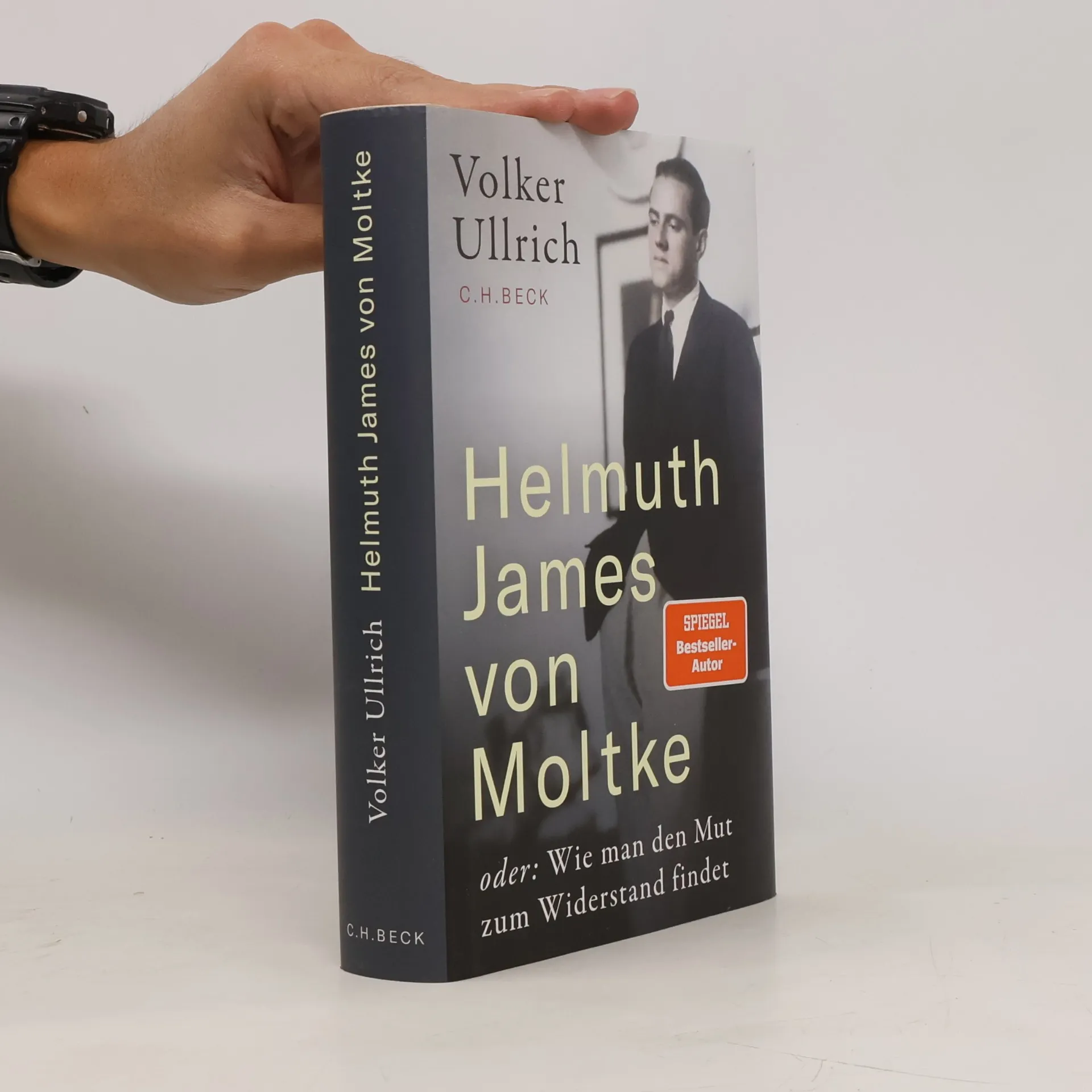
Im «Kreisauer Kreis» um die führenden Köpfe Helmuth James Graf von Moltke und Peter Graf Yorck von Wartenburg schlossen sich entschiedene Gegner des Nationalsozialismus zusammen. Liberale, Gewerkschafter, Sozialdemokraten, Wissenschaftler und Geistliche erarbeiteten ein Programm für Deutschland nach dem Umsturz. Die Verbindung zum 20. Juli 1944 besiegelte das Schicksal dieser lange verkannten Widerstandsgruppe.
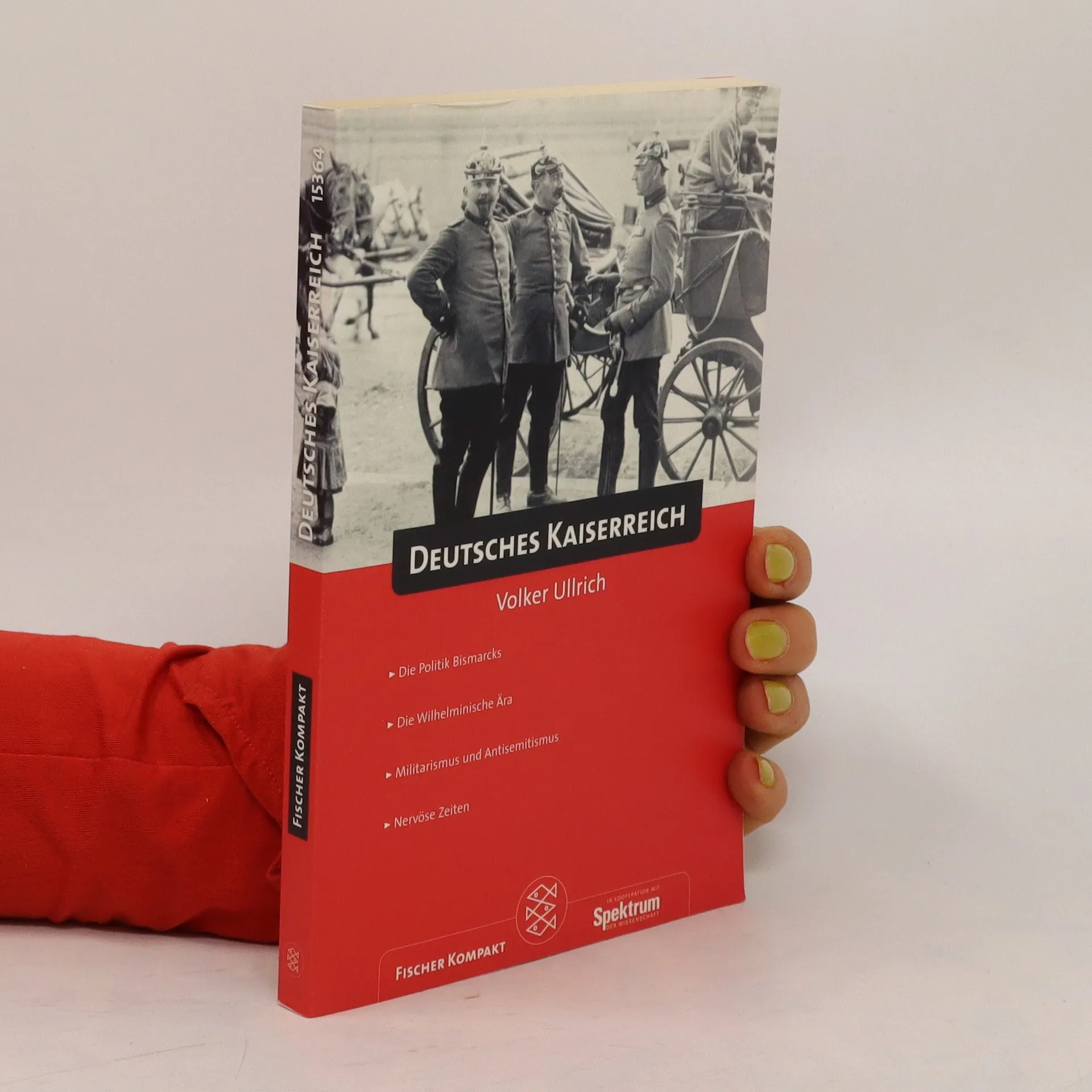
Deutsches Kaiserreich
- 127pagine
- 5 ore di lettura
Kaum eine Periode der deutschen Geschichte ist so intensiv erforscht worden wie das deutsche Kaiserreich, das 1918 mit dem Sturz der Hohenzollernmonarchie sang- und klanglos endete. Volker Ullrichs vorzüglicher Überblick baut auf dem neuesten Erkenntnisstand auf.
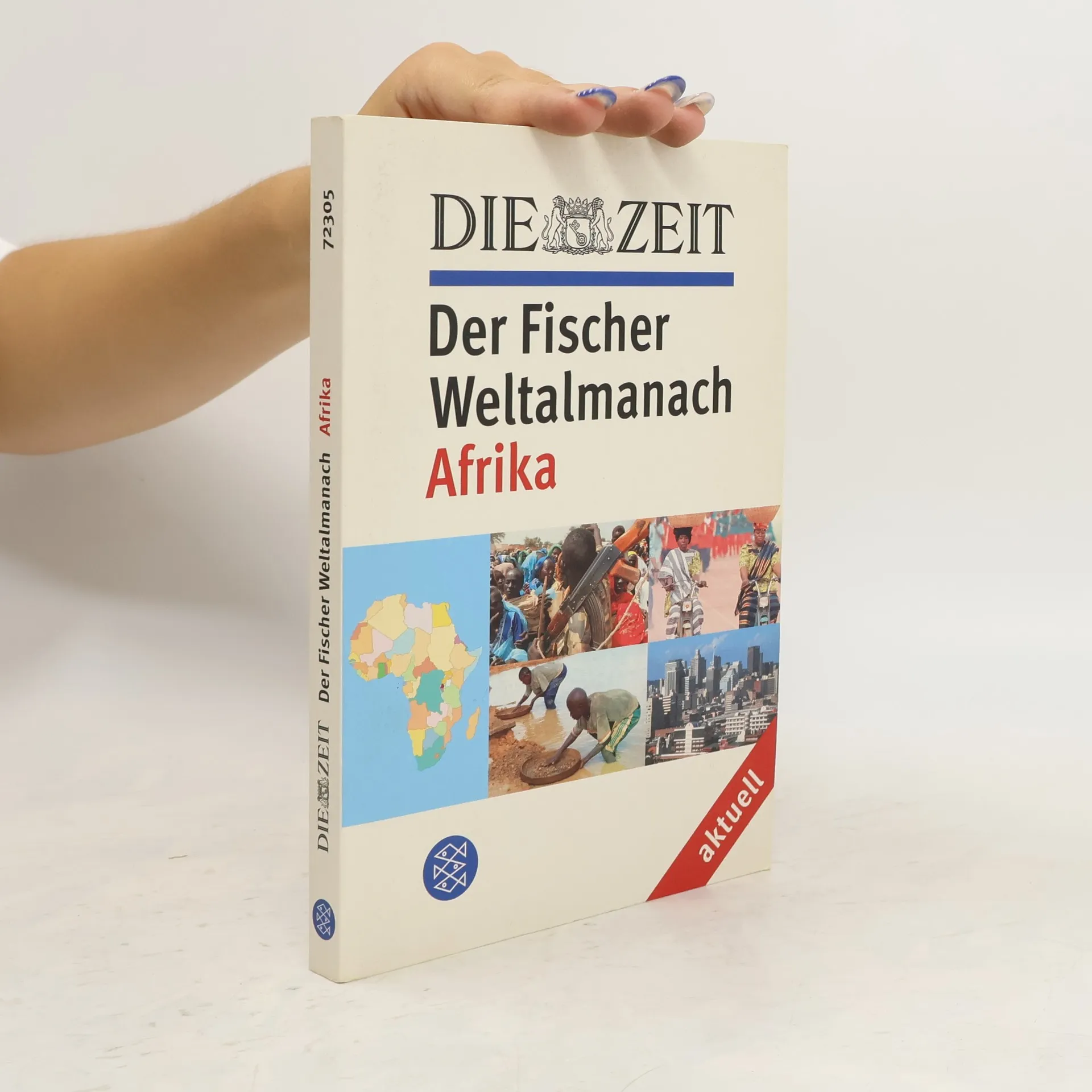
Afrika
- 192pagine
- 7 ore di lettura
Die Zeit und Der Fischer Weltalmanach präsentieren Reportagen, Analysen und Fakten zu Schwarzafrika
Weltmacht China
- 190pagine
- 7 ore di lettura
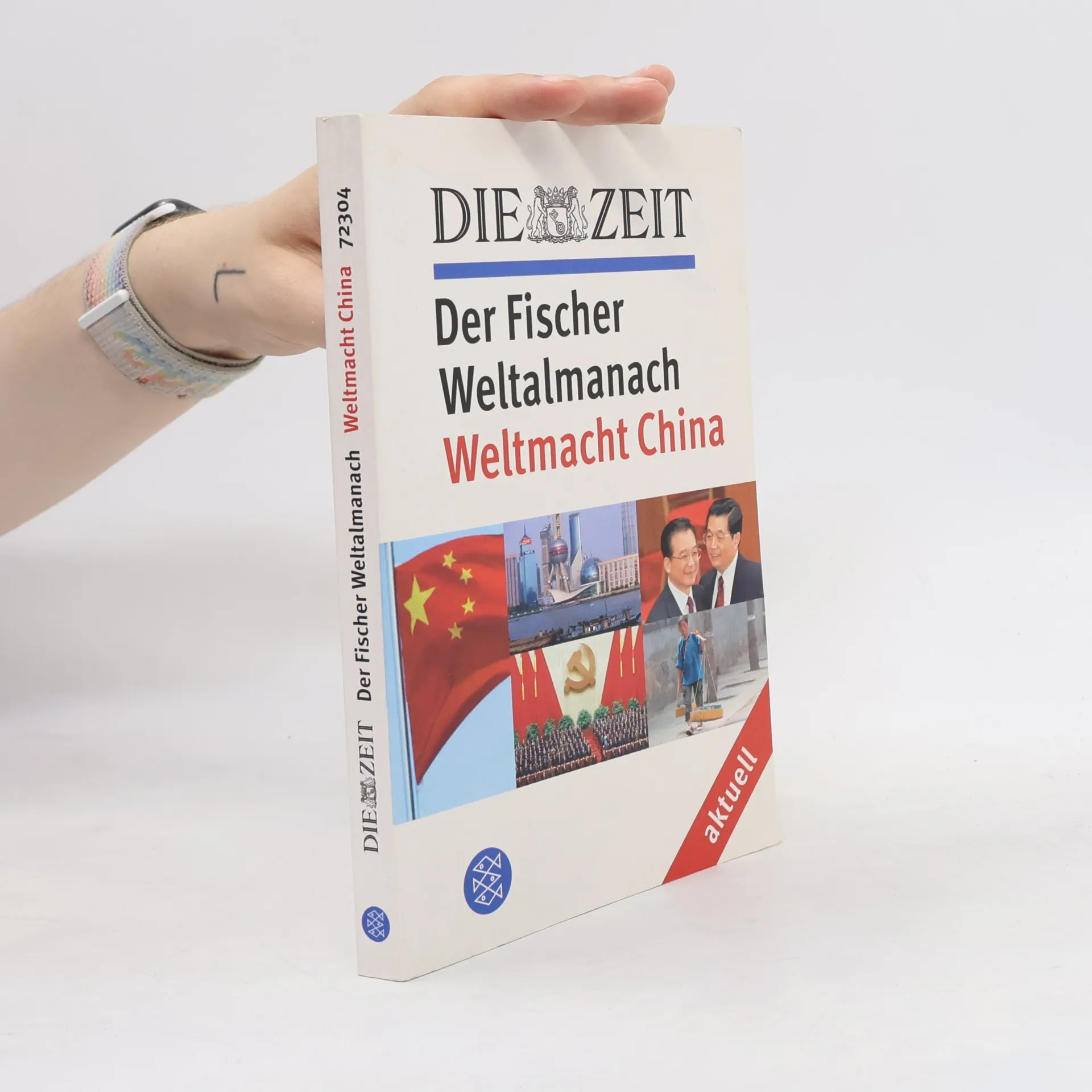
Der Fischer Weltalmanach aktuell China DIE ZEIT und Der Fischer Weltalmanach präsentieren Reportagen, Essays, Analysen und Fakten zu China ? Maos Erbe und Dengs Reformen ? Die vierte Generation: Hu Jintao und Wen Jiabao ? Gewinner der Globalisierung: Chinas rasanter Aufstieg zur wirtschaftlichen Supermacht ? Reichtum und Armut: eine Gesellschaft im Umbruch ? Modernisierung ohne Demokratie: das politische System und die Menschenrechte ? China holt auf: Wachsendes Gewicht in der Weltpolitik ? Ungewisse Zukunft: Hongkong und Taiwan ? Soviel Freiheit war nie: Chinas Kultur im 21. Jahrhundert ? Zahlen und Daten zu Politik, Bevölkerung und Wirtschaft ? Chronik der Ereignisse seit 1998 Beiträge von Georg Blume, Joachim Fritz-Vannahme, Rüdiger Machetztki, Matthias Naß, Katja Nicodemus, Helmut Schmidt, Hans Schuh, Theo Sommer, Fritz Vorholz, Johannes Voswinkel, Rudolf G. Wagner, Michael Winter, Xu Xing, Chikako Yamamoto und anderen bekannten ZEIT-Autoren. Originalausgabe
Der Fischer Weltalmanach aktuell USA. Der Ausgang der Präsidentschaftswahlen: Wohin steuert die Supermacht Nr. 1? Mit Beiträgen u. a. von Helmut Schmidt, Samuel Huntington, Heinrich August Winkler, Josef Joffe, Michael Naumann. Dossiers, Reportagen und Analysen aus der „ZEIT“. Zahlen, Daten, Fakten zu den USA aus dem „Fischer Weltalmanach“. Porträts aller 50 Bundesstaaten
Russland und der Kaukasus
- 207pagine
- 8 ore di lettura
In diesem Band werden Reportagen, Essays, Analysen und Fakten zu Russland und dem Kaukasus präsentiert.
Pulverfass Irak aktuell
- 160pagine
- 6 ore di lettura
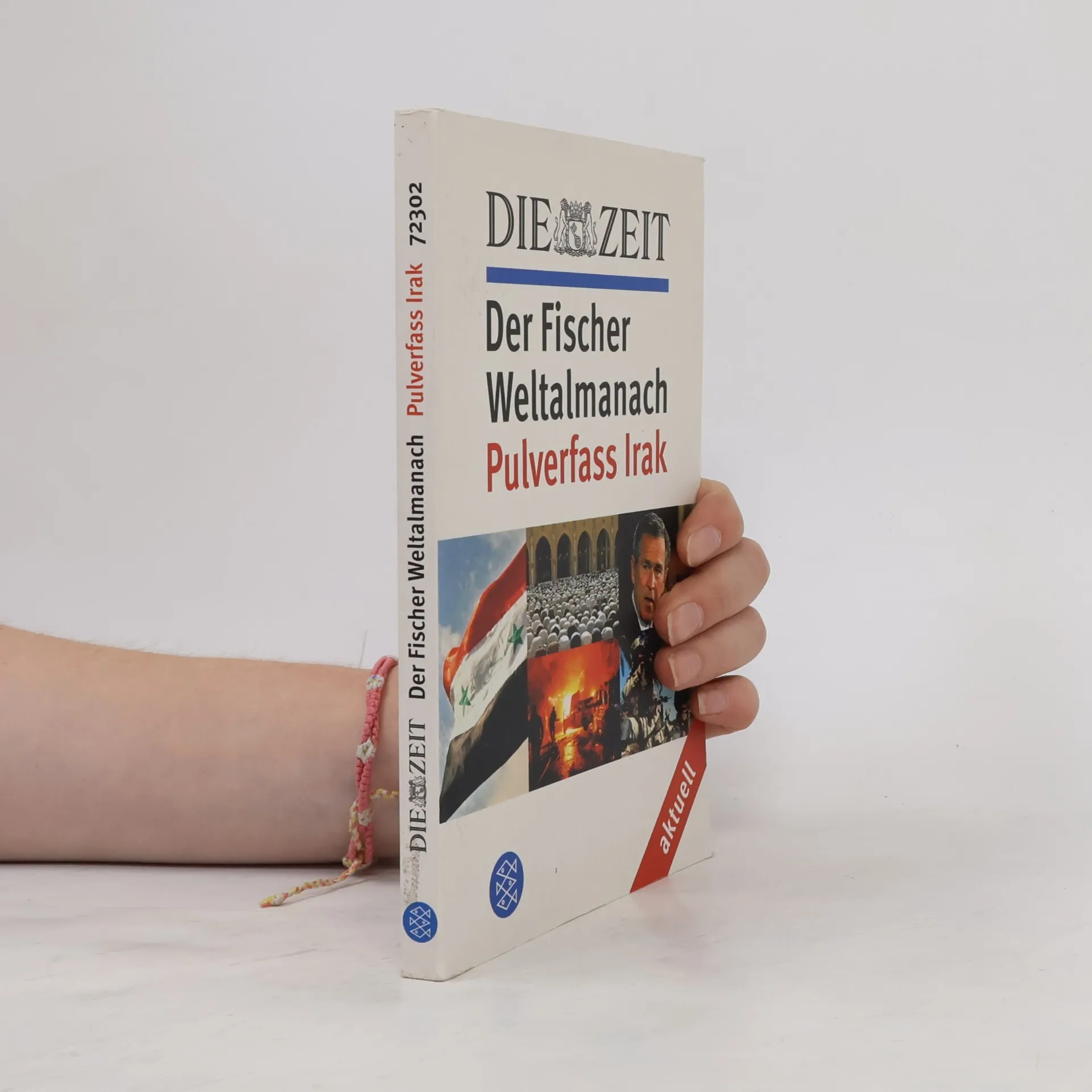
Der Fischer Weltalmanach aktuell, Pulverfass Irak: Der Krieg: Das Völkerrecht, die Rolle der Medien und das Ende der Lügen. Die Nachkriegsordnung: Von der Diktatur zur Demokratie? Droht den USA ein neues Vietnam? Mit Beiträgen von Richard Rorty, Walter Laqueur, Michael Walzer, Josef Joffe, Michael Naumann, Matthias Nass, Thomas Kleine-Brockhoff und anderen ZEIT-Autoren. Porträts aller wichtigen Akteure der Nachkriegsära
Die EU-Erweiterung
- 192pagine
- 7 ore di lettura
Historischer Überblick, wirtschaftliche Chancen und Risiken, Kunst und Kultur, altes und neues Europa, Amerika und der Irak-Krieg, der Weg zur europäischen Verfassung, möglicher EU-Beitritt der Türkei etc
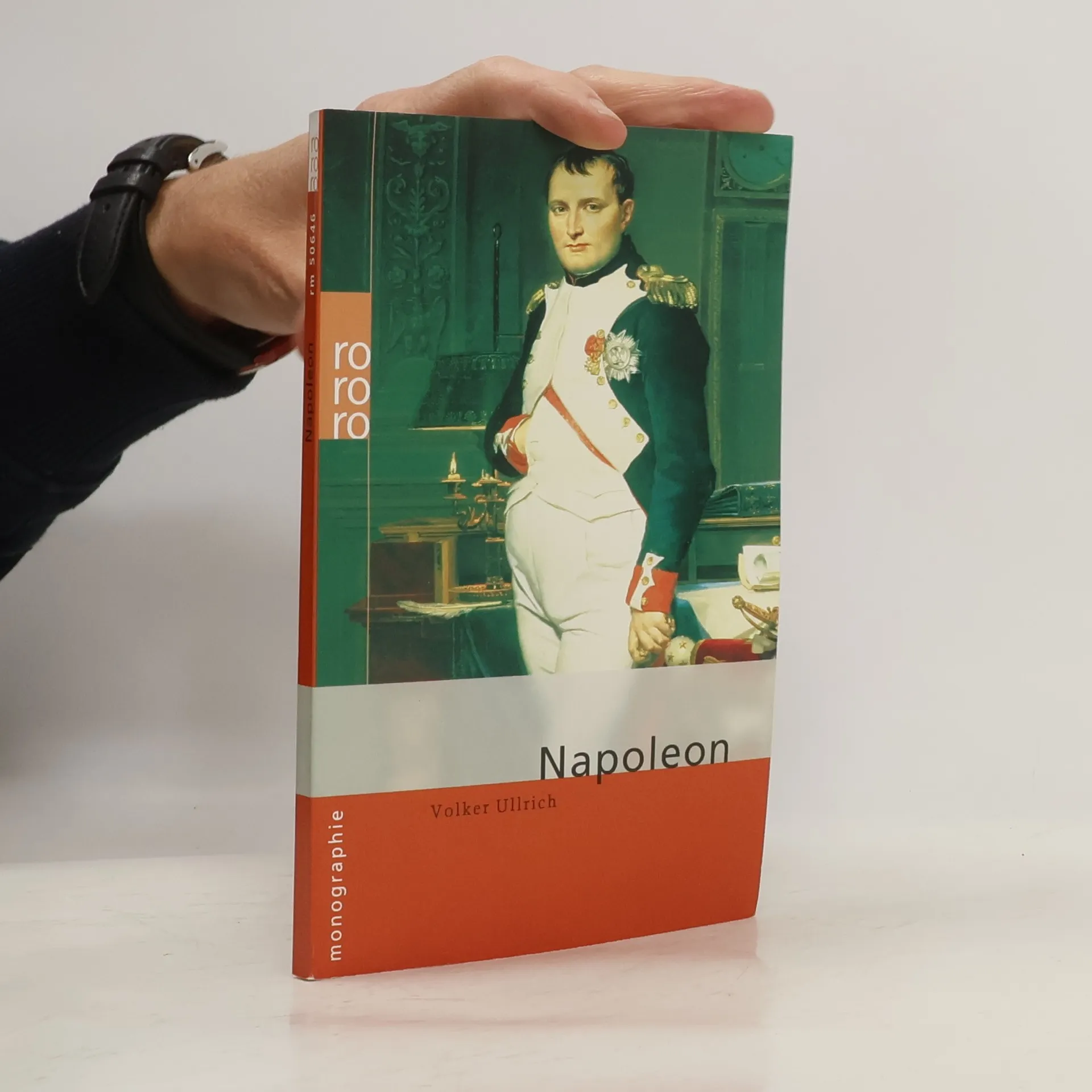
Napoleon Bonaparte zählt zu den faszinierendsten und zugleich irritierendsten Gestalten der Weltgeschichte. Sein kometenhafter Aufstieg aus dem Nichts zum Herrscher Frankreichs und zum Herrn über Europa, sein ebenso jäher Absturz und das leidvolle Ende auf der Felseninsel St. Helena haben seit je die Phantasie gereizt und die Historiker zu immer neuer Auseinandersetzung herausgefordert.
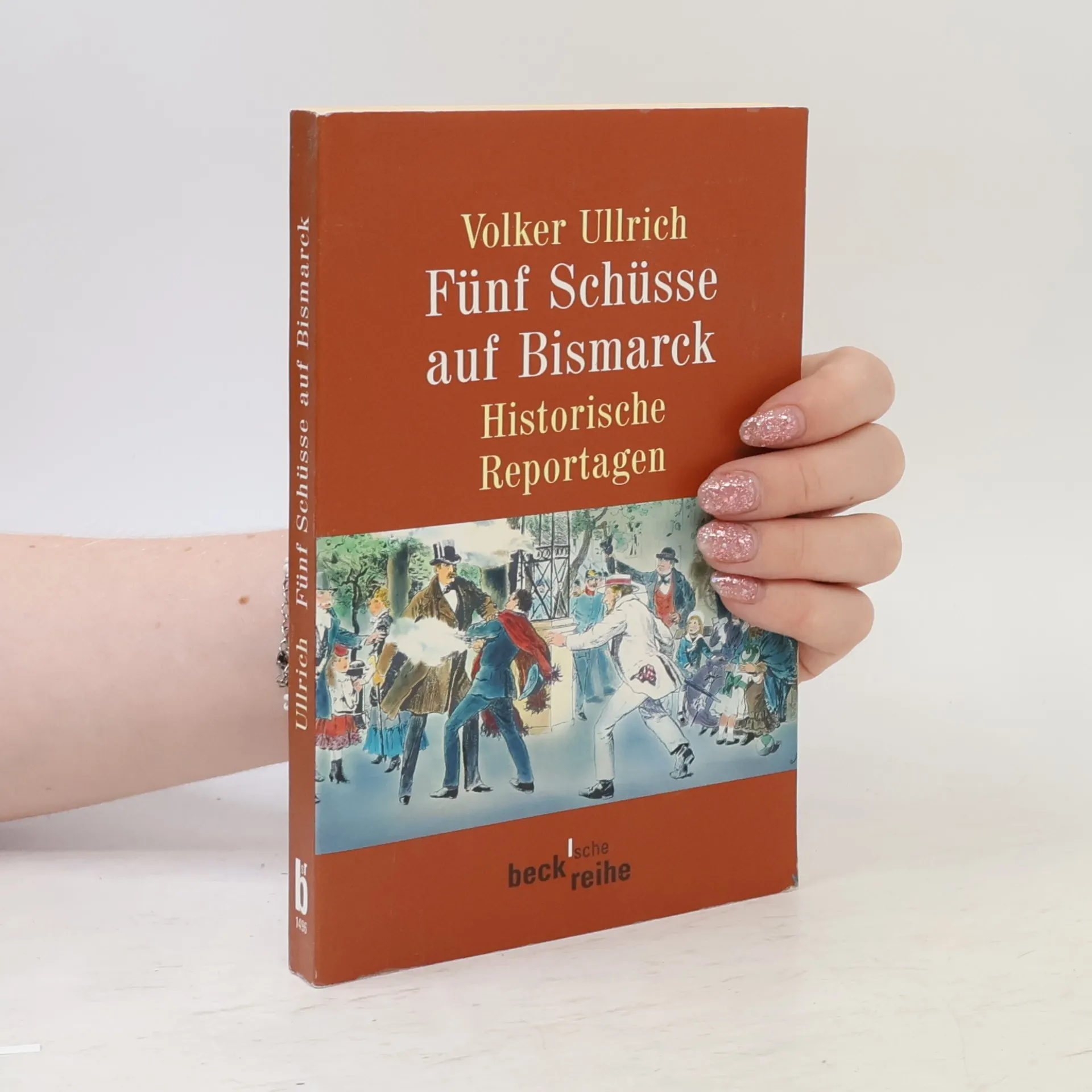
Fünf Schüsse auf Bismarck
- 240pagine
- 9 ore di lettura
Der ruhelose Rebell
Karl Plättner 1893-1945. Eine Biographie
Vom Augusterlebnis zur Novemberrevolution
- 214pagine
- 8 ore di lettura
Bismarck
- 192pagine
- 7 ore di lettura
Following German reunification in 1990 there has been a reassessment of Bismarck's role in European history
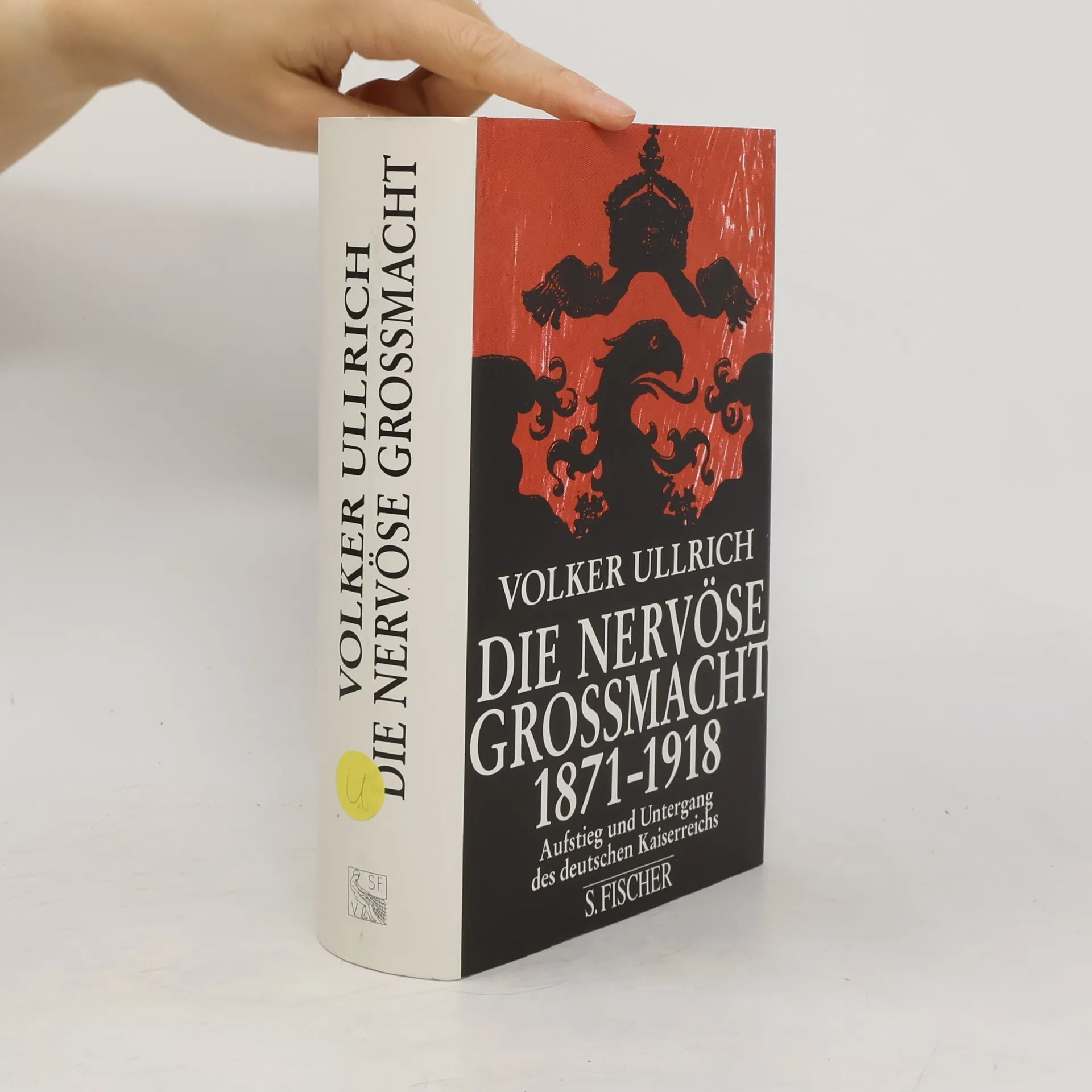
Die nervöse Großmacht
- 715pagine
- 26 ore di lettura
Die deutsche Geschichte von 1871 bis 1918 ist eine historische Periode voller Widersprüche und Paradoxien. Neben rückständigen, anachronistischen Elementen lassen sich moderne, entwicklungsfähige Züge entdecken. Gleichwohl zeigt sich, daß vieles, was im Nationalsozialismus schreckliche Wirklichkeit werden sollte, bereits in der wilhelminischen Ära angelegt war.
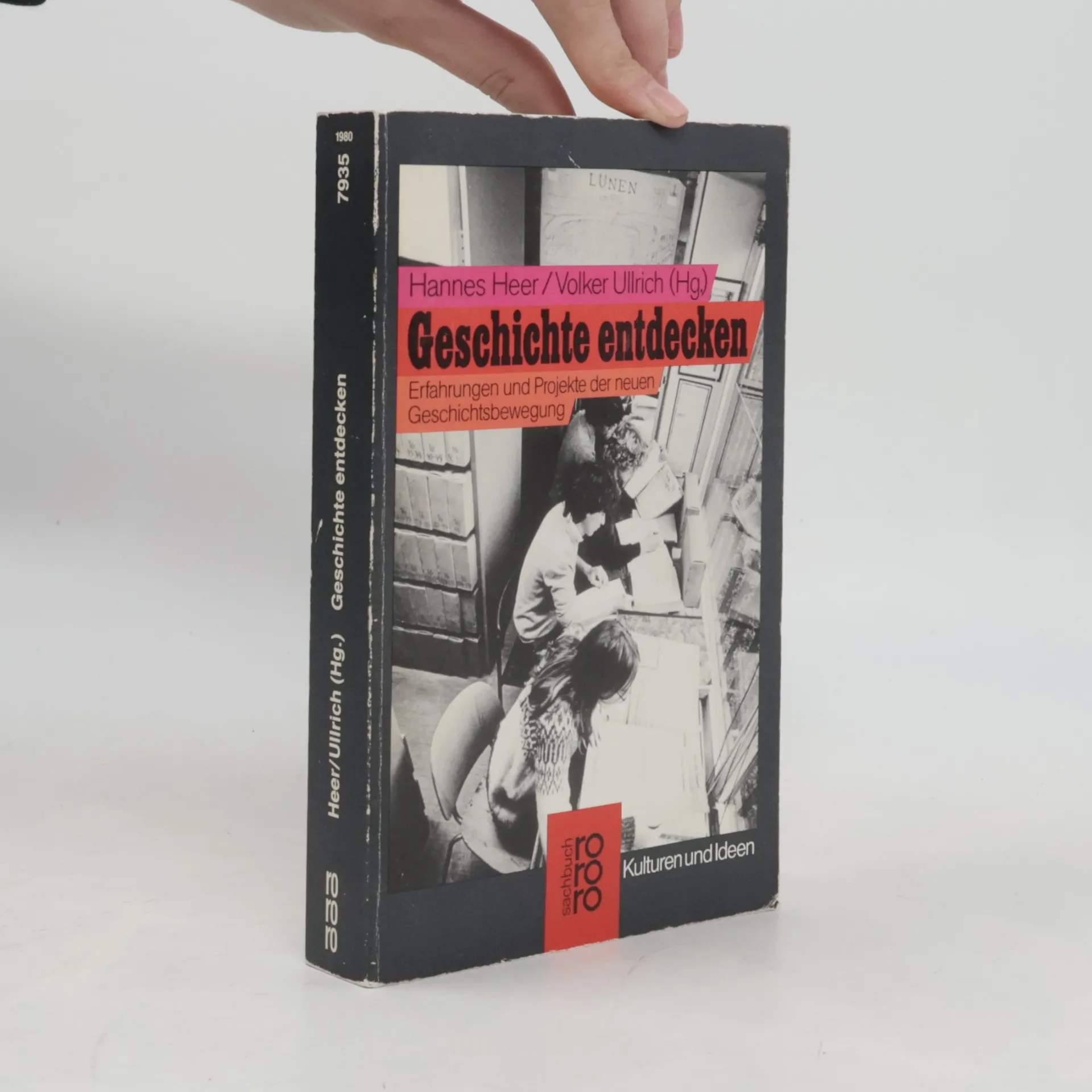
Kulturen und Ideen: Geschichte entdecken
- 413pagine
- 15 ore di lettura