Constable: Paintings, Watercolours & Drawings
- 200pagine
- 7 ore di lettura
204p large format paperback, frontispiece, notes, catalogue with text, colour plates, very good, this copy published in the year 1976


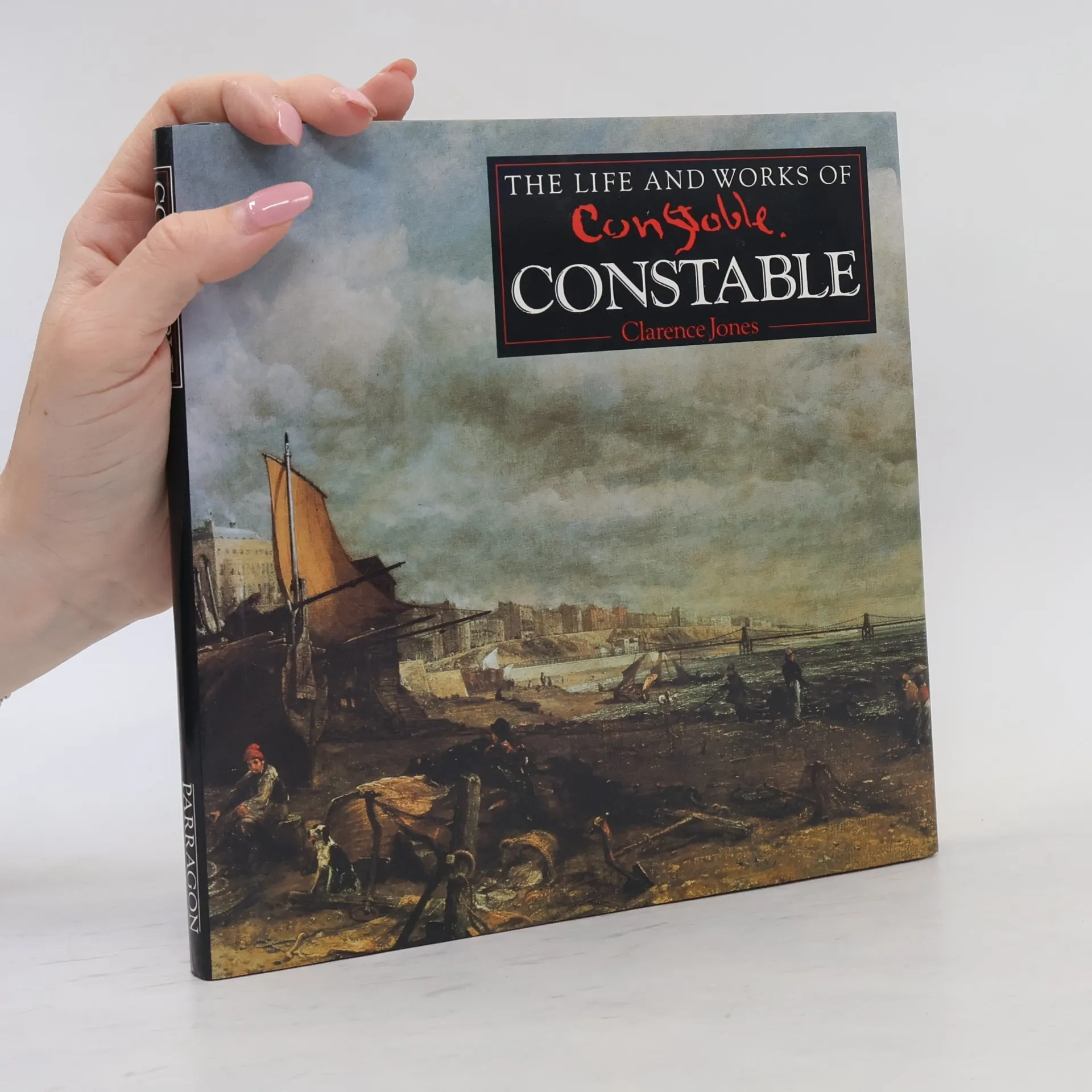
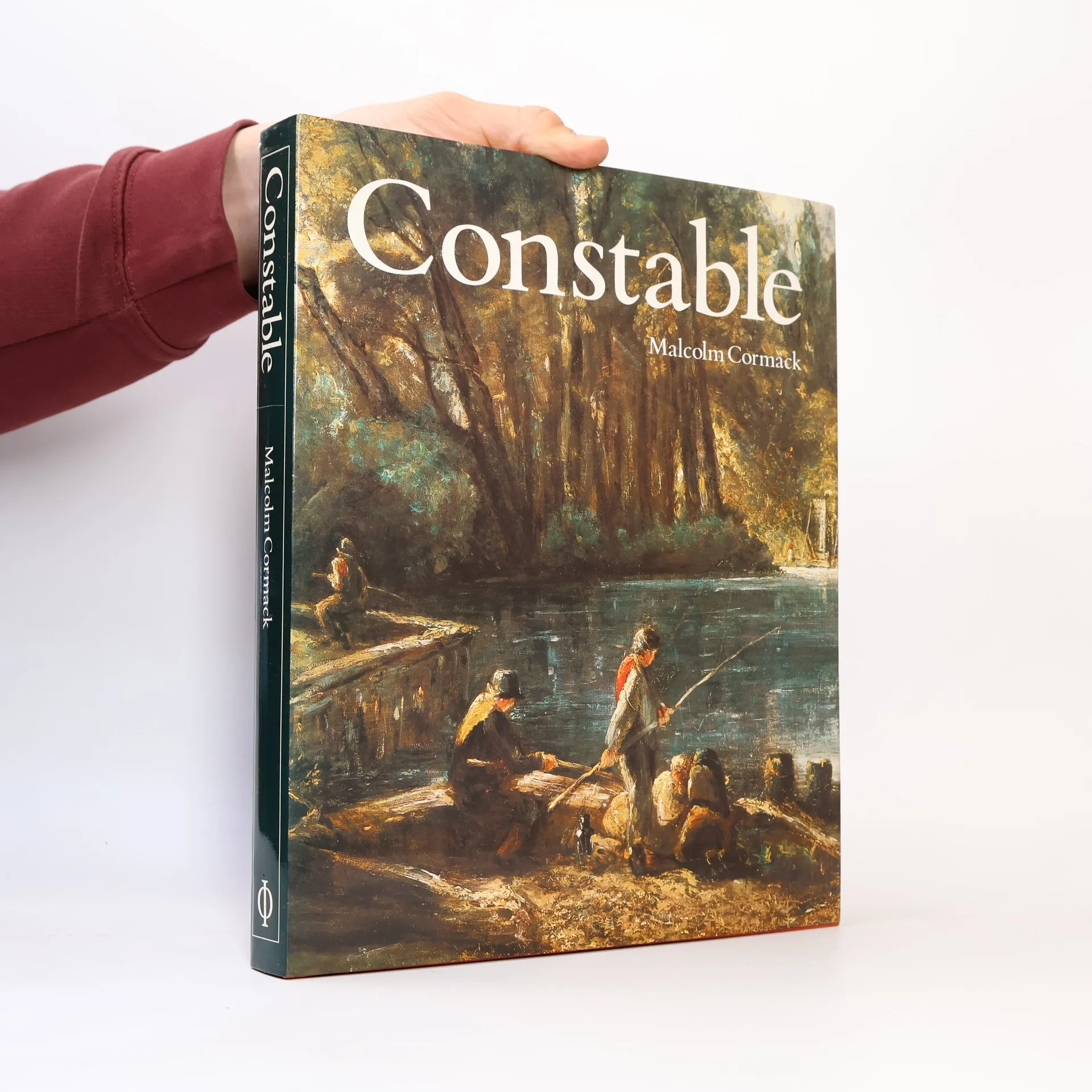
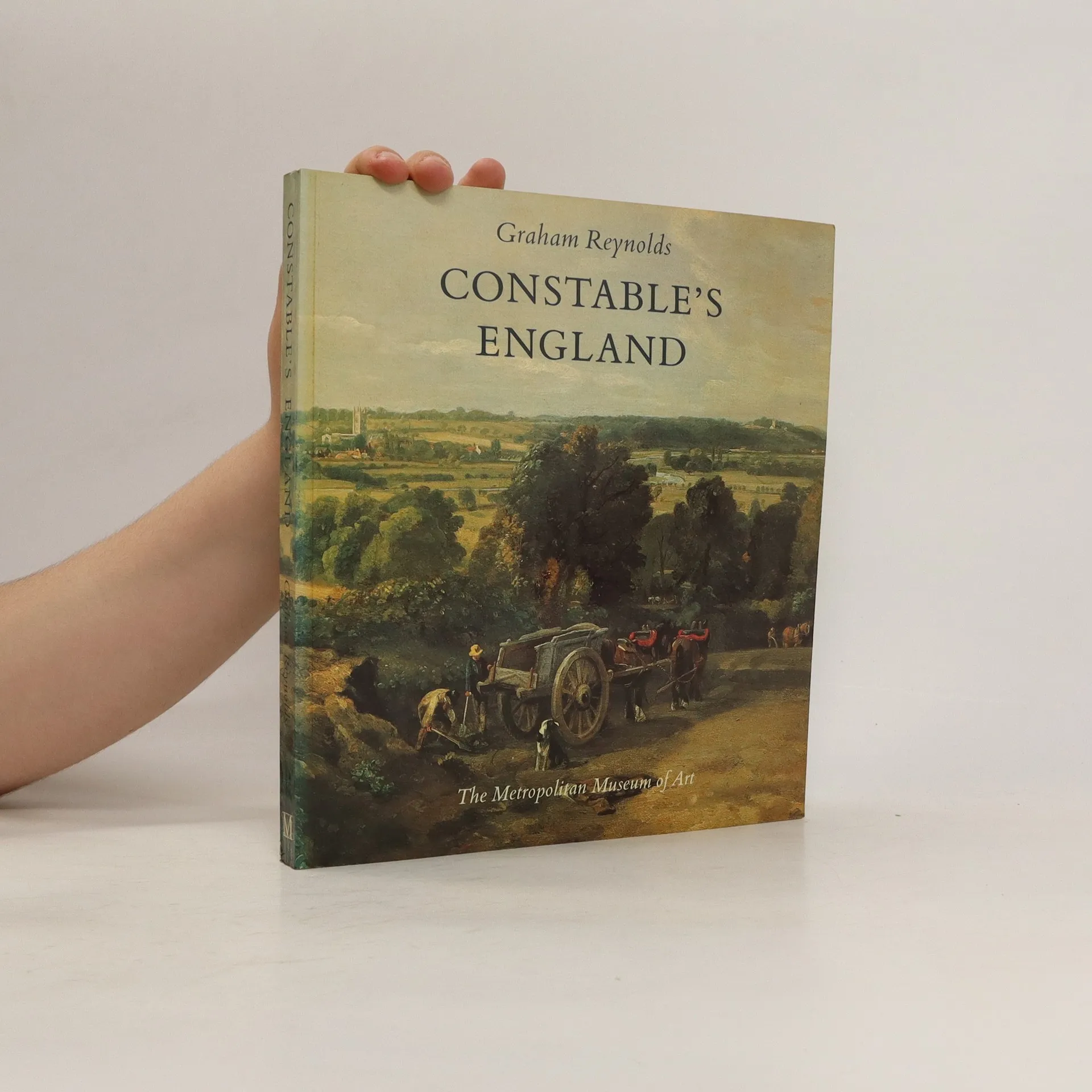
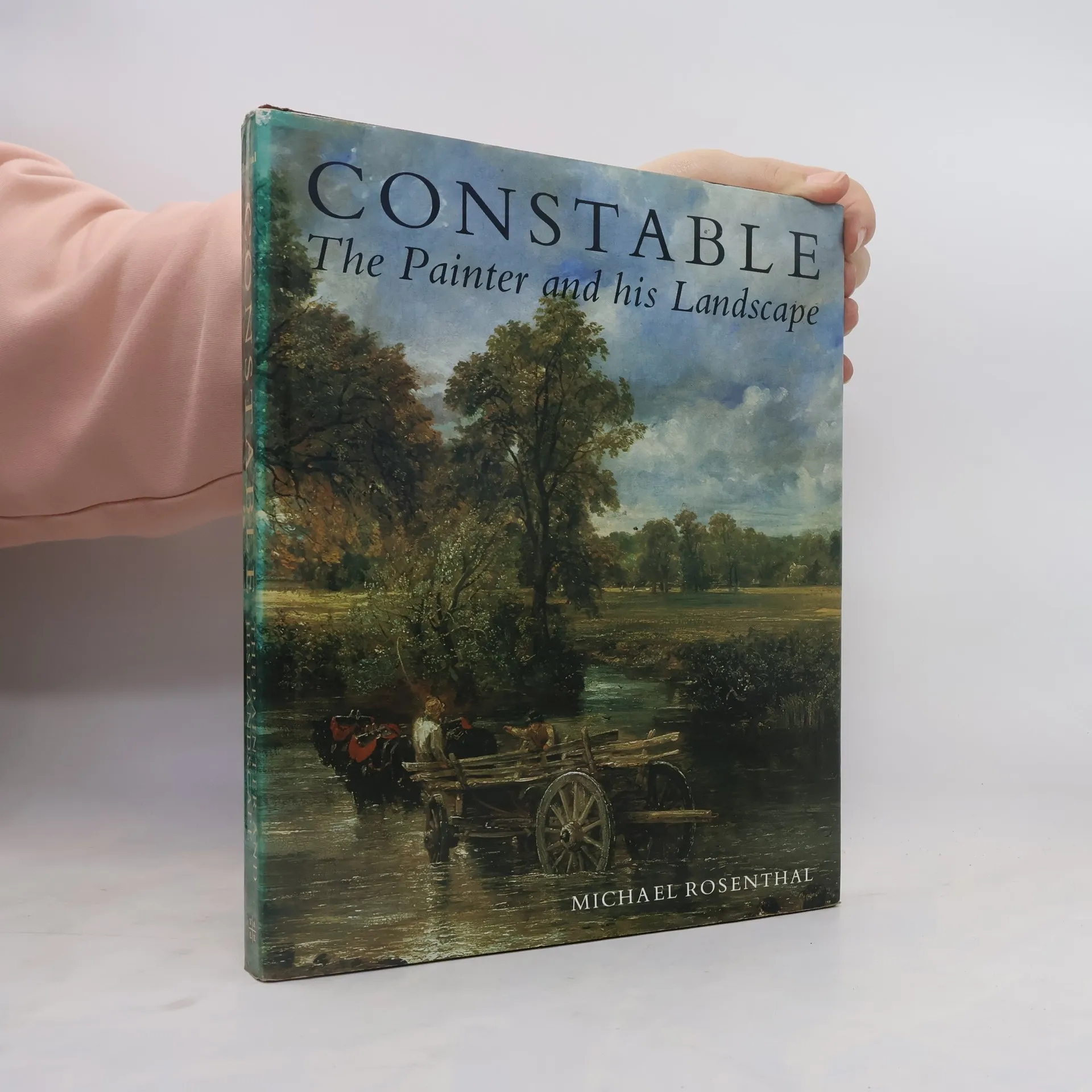
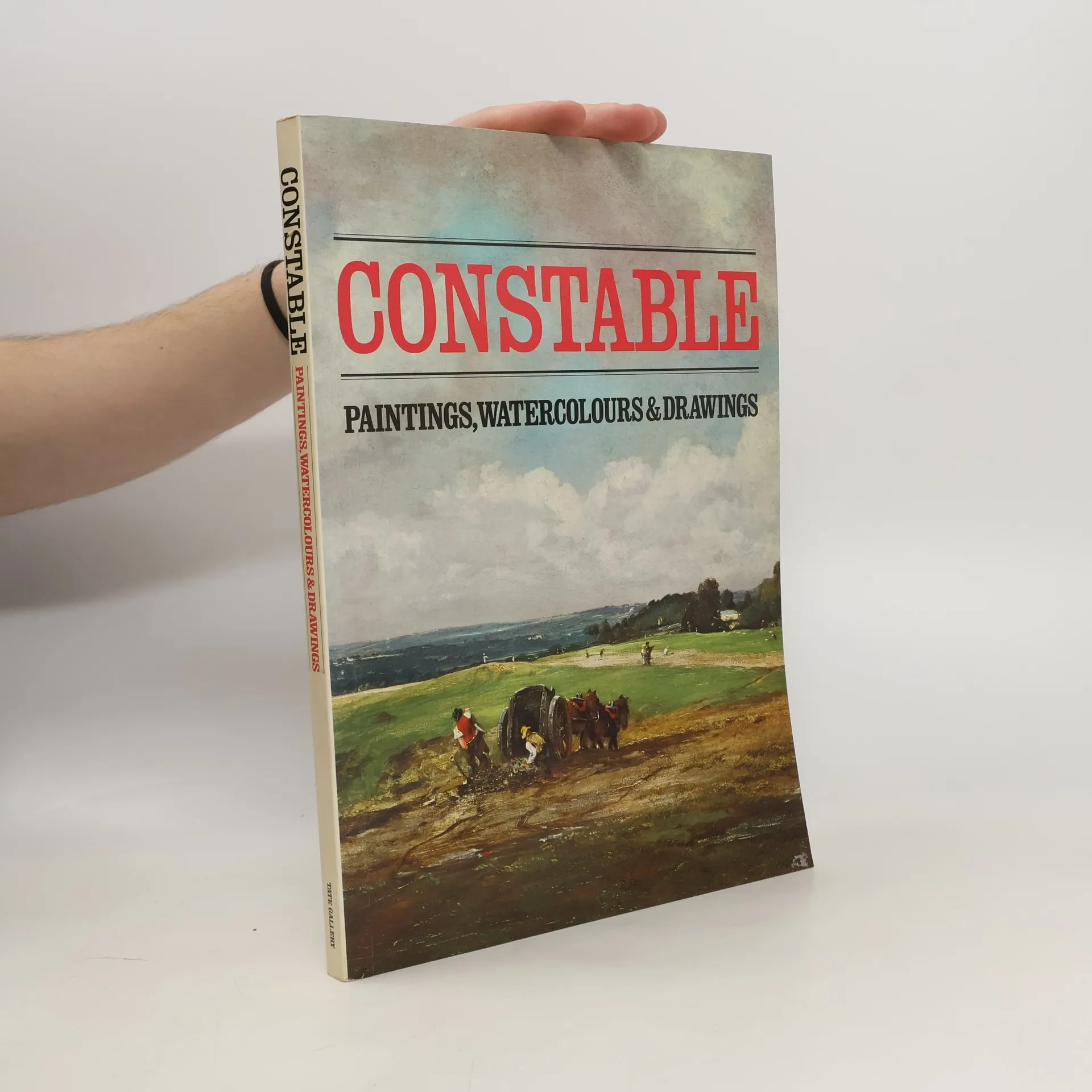
204p large format paperback, frontispiece, notes, catalogue with text, colour plates, very good, this copy published in the year 1976
Traces the life and career of the great English landscape painter and discusses the influence of his background and literature of the period on his work
This exhibition catalog accompanies a major exhibition at The Metropolitan Museum of Art, marking the first showing of John Constable's paintings in the United States. Curated by Graham Reynolds, a leading Constable specialist, it features a range of works from small outdoor oil sketches to large finished paintings, highlighting both the landscape subjects Constable favored and his artistic evolution. During Constable's lifetime, England was divided into thirty-nine counties, and he painted scenes primarily from six: Suffolk, Essex, Middlesex, Wiltshire, Dorset, and Sussex. Unlike his contemporary Turner, who explored a broader geographical scope, Constable focused on a limited area, creating a distinct sense of place in his work. The publication includes an introduction to Constable and his oeuvre, along with catalog entries featuring color illustrations of the exhibited works, organized by location. Additional resources include a biographical summary, a chronology of Constable's life, a sketched map of "Constable's England," a bibliography, and suggestions for further reading. Originally published in 1983, this edition is a print-on-demand version of the original book.
256pp, 231 illustrations including 98 in colour
This volume gives a quick biography, an explanation of the elements of style, and fifty of paintings of John Cibstable.
LOVE LETTERS OF GREAT MEN (Volume 1) is an anthology of romantic love letters written by leading male historical figures. *** The book plays a key role in the plot of the US movie Sex and the City. *** When Carrie Bradshaw in the "Sex and the City" movie began reading the book Love Letters of Great Men, millions of women wanted to get their hands on the book. Of course, what could be more romantic than an entire book of love letters, written by men! *** The book includes love letters written by Ludwig van Beethoven, Pietro Bembo, Napolean Bonaparte, Rupert Brooke, Robert Browning, Robert Burdette, Lord Byron, Lord Randolph Churchill, Winston Churchill, Mark Twain, John Constable, Cuff Cooper, Oliver Cromwell, Pierre Curie, Alfred de Musset, F. Scott Fitzgerald, Gustave Flaubert, Johann Wolfgang von Goethe, Lyman Hodge, Count Gabriel Honore de Mirbeau, Victor Hugo, James Joyce, Franz Kafka, John Keats, Henry IV of France, Henry VIII, Franz Liszt, Jack London, Wolfgang Amadeus Mozart, Thomas Otway, Robert Peary, Sir Walter Raleigh, Theodore Roosevelt, Jr., John Ruskin, Robert Schumann, George Bernard Shaw, Richard Steele, Alfred de Musset, Dylan Thomas, Count Leo Tolstoy, Vincent Van Gogh, Voltaire, Henry von Kleist, and Woodrow Wilson.
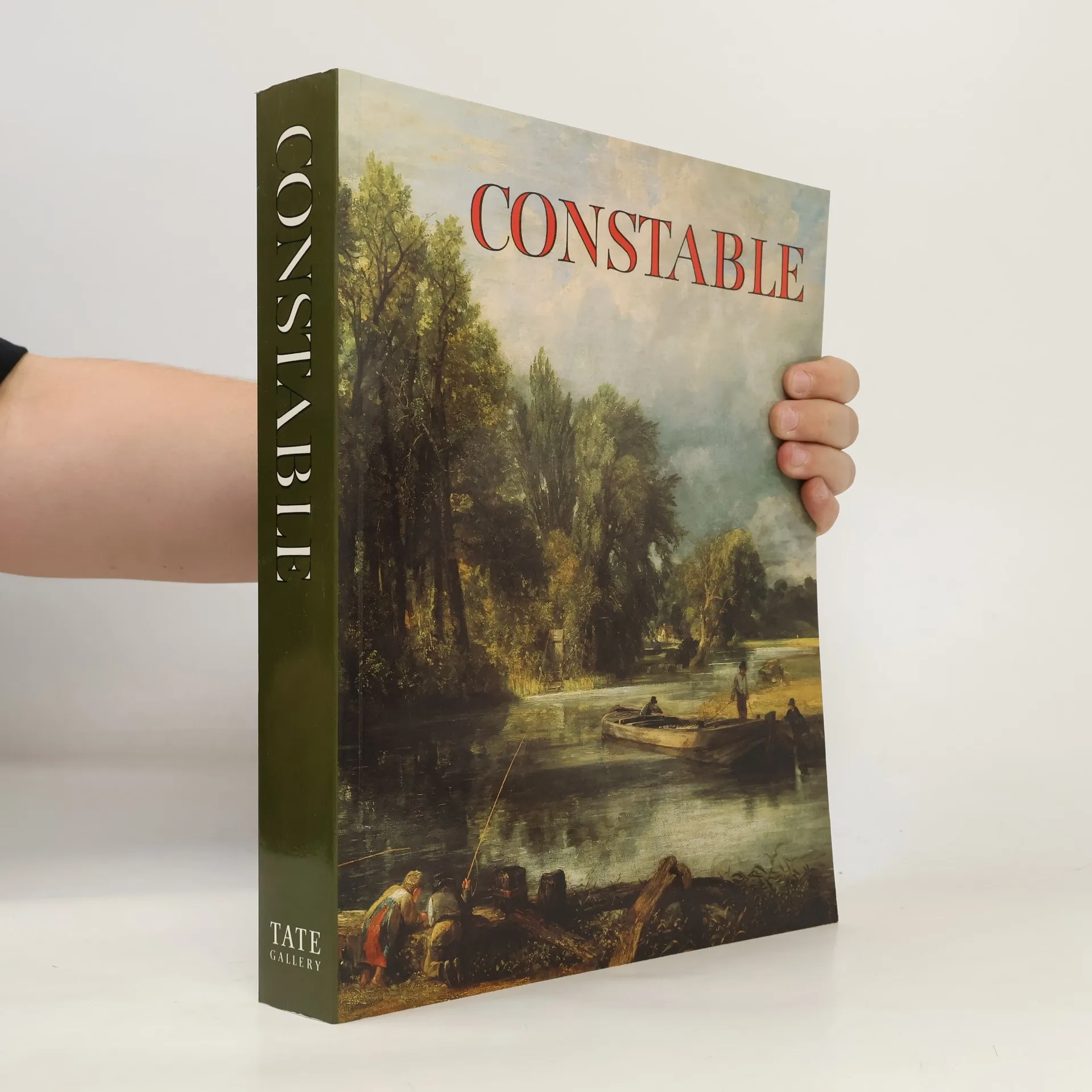
This definitive study of the legendary British landscape painter John Constable (1776-1837) reveals the full breadth and originality of his vision of nature. In his pursuit of 'natural painting', Constable pushed plein-airism to its limits in the early 19th century, ultimately concluding that true naturalism could only be achieved in the studio. This led to a series of masterpieces, including The Hay Wain and The Leaping Horse, where he captured the essence of his native Suffolk landscape in innovative ways that continue to shape perceptions of the English countryside. His oil sketches marked a revolutionary shift, showcasing a free and expressive painting style that influenced generations of artists. This comprehensive and beautifully illustrated survey, accompanying the groundbreaking 1991 exhibition at London's Tate Gallery, employs a thematic and chronological approach to explore the artist's varied responses to subjects and places, as well as his evolving attitudes toward nature and art-making. It features recently discovered paintings and drawings alongside fresh insights into familiar works. The study incorporates the latest art-historical research and technical analysis, including a detailed examination of Constable's materials and methods. With over 500 illustrations—280 in color—and in-depth commentary on 345 works, this is the most exhaustive and up-to-date account of Constable.
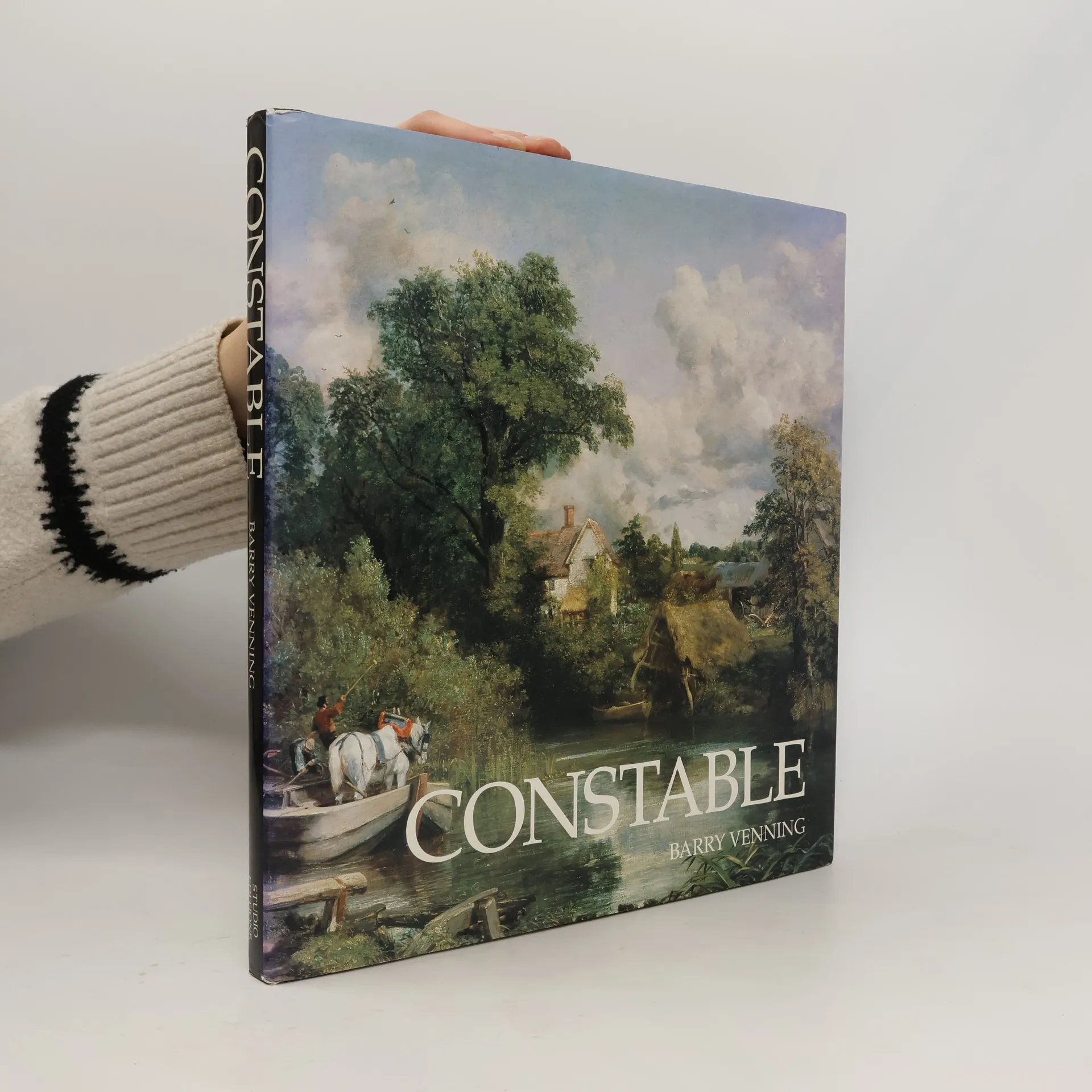
Constable [hardcover] Venning, Barry [Mar 29, 1993]
Le romantisme, synonyme d'art moderne, incarne intimité, spiritualité, couleur et aspiration vers l'infini, comme le souligne Baudelaire. Ce mouvement artistique et littéraire, qui émerge au début du XIXe siècle, s'étend à travers l'Europe et le Nouveau Monde. Il marque une rupture avec le classicisme et les enseignements académiques, permettant aux artistes de s'exprimer librement à travers leur sensibilité et leur imagination. L'ouvrage, riche de plus de 450 reproductions, offre un panorama exceptionnel de ce mouvement, explorant des thèmes variés allant du mythe de Napoléon à la nostalgie médiévale, des représentations du sacré à l'orientalisme, ainsi que de l'observation des paysages à l'évasion dans le rêve et le fantastique. Le parcours commence avec le préromantisme à la fin du XVIIIe siècle et se termine vers 1860 avec l'émergence du réalisme. En plus des figures emblématiques comme Delacroix et Géricault, le livre met en lumière des artistes moins connus qui ont également contribué à la diffusion du romantisme. Un tableau chronologique et des biographies d'artistes à la fin de l'ouvrage fournissent des repères précieux, offrant une immersion dans l'une des périodes les plus fascinantes de la culture européenne, dont l'influence perdure aujourd'hui.