"Non narrerò tanto il destino di me solo, quanto quello di tutta una generazione, della nostra inconfondibile generazione, la quale forse più di ogni altra nel corso della storia è stata gravata di eventi." Il mondo di ieri è il ritratto incantato di un'epoca definitivamente scomparsa, l'epopea di quella "Felix Austria" che tanto condizionò l'intera cultura europea, un mondo nel quale "ognuno sapeva quanto possedeva e quanto gli era dovuto, quel che era permesso e quel che era proibito: in cui tutto aveva una sua norma, un peso e una misura precisi". E al centro di tutto sta la Vienna imperiale, simbolo di un'epoca indimenticabile che Zweig descrive in tutto il suo splendore e in tutte le sue contraddizioni. Pubblicato postumo, Il mondo di ieri è segnato dalla consapevolezza della definitiva scomparsa degli antichi valori e dalla rassegnazione di fronte all'irreversibilità degli eventi, un'atmosfera autunnale che imprime all'intera opera il severo suggello della modernità.
Stefan Zweig Libri
Stefan Zweig fu un autore celebrato a livello mondiale, particolarmente rinomato negli anni '20 e '30 per la sua profonda intuizione psicologica sulla condizione umana. La sua produzione letteraria, che spazia da romanzi a racconti e saggi, è caratterizzata da sottili ritratti di personaggi e da un approccio intuitivo, piuttosto che puramente oggettivo, ai suoi soggetti. Zweig esplorò frequentemente temi come la solitudine e la disillusione, rispecchiando le proprie esperienze di esilio e sradicamento. La sua magistrale capacità di penetrare nelle motivazioni dei personaggi e di cogliere momenti cruciali della storia umana consolida la sua eredità di scrittore senza tempo le cui opere continuano a risuonare.


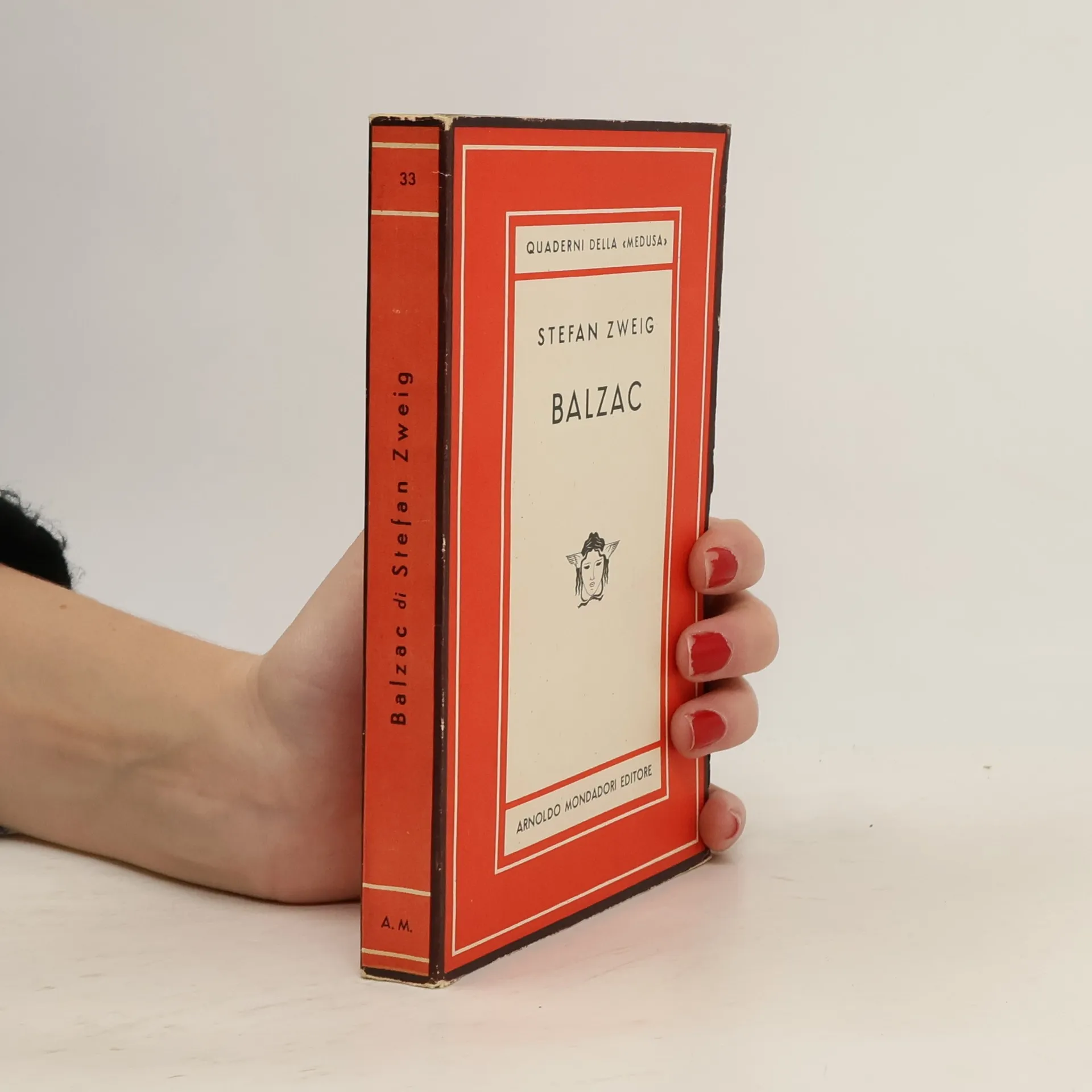

La biografia di Honoré de Balzac, considerata l'opera più importante di Stefan Zweig, è una raccolta di aneddoti, curiosità e bizzarrie che hanno segnato la vita del padre del realismo francese. Questo racconto, commovente e talvolta comico, fu il risultato di dieci anni di lavoro da parte di Zweig, che non poté vedere la sua pubblicazione nel 1946. Balzac visse una vita da romanzo, costellata di avversità e avventure, simile alla sua «Commedia umana». Le sue prime opere furono ignorate dalla critica, spingendolo a cambiare direzione e a tentare la carriera di editore e stampatore, ma sempre con esiti disastrosi e un accumulo di debiti che lo perseguitò fino alla fine. Nonostante tutto, Balzac produsse novanta romanzi in diciassette anni. Prima di raggiungere la celebrità, si dedicò a progetti audaci, come il sogno di arricchirsi con miniere d’argento in Sardegna. Zweig non si limita a raccontare le avventure di Balzac, ma esplora anche il legame profondo tra finzione e vita, che fornì all'autore francese la materia prima per la sua straordinaria opera.
Momenti fatali
- 306pagine
- 11 ore di lettura
Maestro della narrazione storica, come dimostrano le sue biografie di Maria Antonietta, di Erasmo o di Magellano, Zweig ci offre con Momenti fatali, che alla Storia attinge, il racconto – non meno folgorante della novella Amok – di alcuni passaggi decisivi nella vicenda dell’uomo: dalla caduta di Bisanzio, fra urla di turchi e di cristiani, al vagone piombato in cui Lenin attraversa la Germania con destinazione Pietrogrado e la rivoluzione bolscevica; da quell’unico uomo che a Waterloo provoca la disfatta napoleonica (e non è l’Imperatore) alla scoperta del Pacifico; dalle prime parole che corrono lungo un cavo transoceanico nel 1858 al sogno di pace formulato nei quattordici punti del presidente Wilson all’indomani della Grande Guerra. Sono momenti rari, «ore stellari» in cui maturano decisioni che trascendono la contingenza e che, «fulgide e immutabili come le stelle, risplendono sopra la notte dell’umana caducità» illuminando Händel che compone il suo Messiah senza mangiare né dormire, o l’oscuro Rouget de Lisle che esce dall’anonimato per eternarsi con La Marsigliese, Dostoevskij salvato all’ultimo momento dalla fucilazione, o Tolstoj in fuga da Jasnaja Poljana verso la libertà.
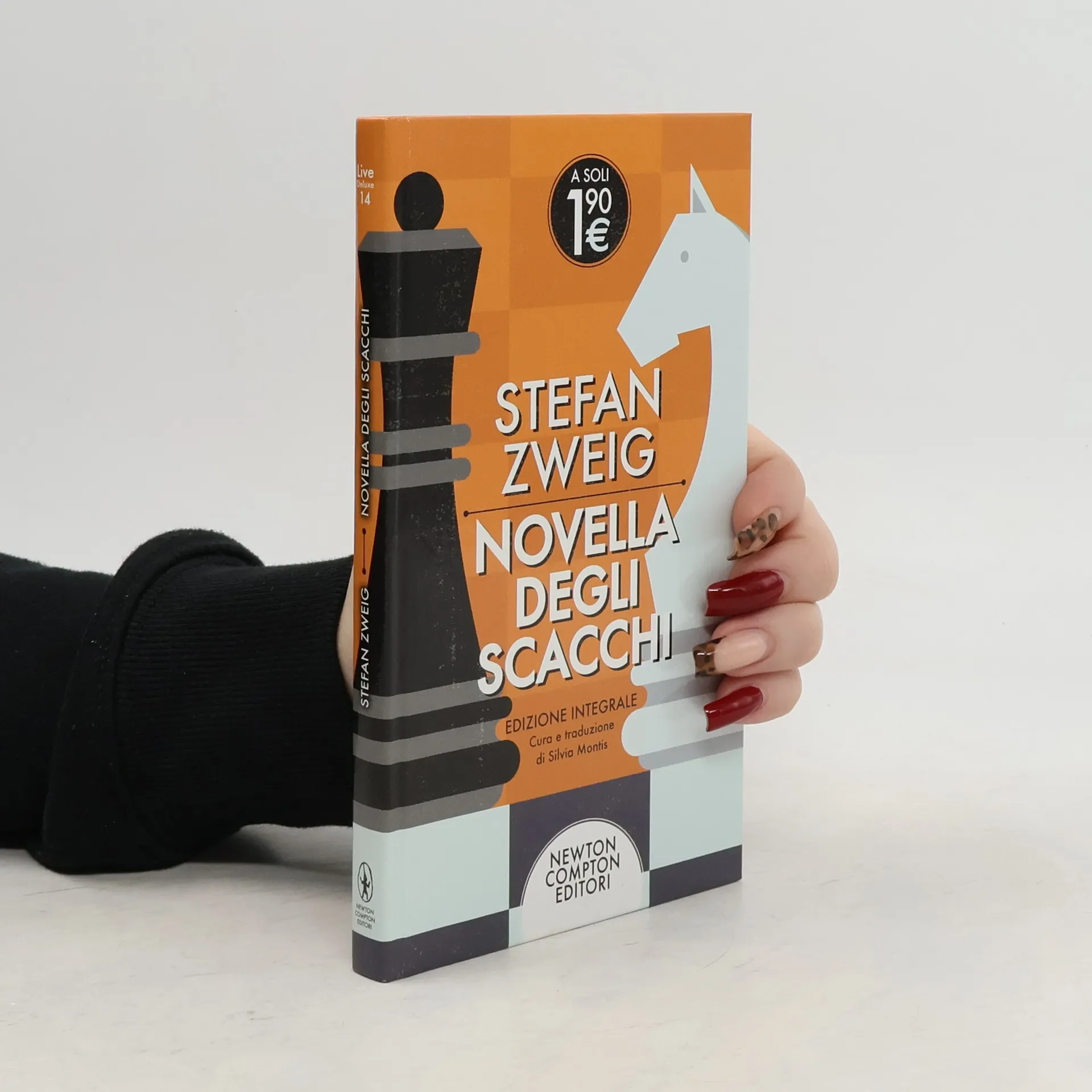
A bordo di una nave da crociera due contendenti si sfidano alla scacchiera. Da un lato Mirko Czentovič, campione mondiale in carica, rozzo, arrogante e venale; dall’altro l’enigmatico dottor B., colto, elegante e nervoso, dotato di un talento prodigioso e immaginifico... Due destini lontanissimi e diversamente avvolti dal mistero, due storie affascinanti e distanti che il fato ha portato a convergere sulle 64 caselle bianche e nere, in una partita che non è soltanto un’occasione ludica ma una resa dei conti con la vita. Perché «Non ci si rende già colpevoli di una limitazione offensiva, definendo gli scacchi “un gioco”?». Scritta nel 1941, durante l’esilio brasiliano di Zweig, a pochi mesi dal suicidio, la Novella degli scacchi è considerata il capolavoro dello scrittore austriaco.
L'impazienza del cuore
- 376pagine
- 14 ore di lettura
The great Austrian writer Stefan Zweig was a master anatomist of the deceitful heart, and Beware of Pity, the only novel he published during his lifetime, uncovers the seed of selfishness within even the finest of feelings. Hofmiller, an Austro-Hungarian cavalry officer stationed at the edge of the empire, is invited to a party at the home of a rich local landowner, a world away from the dreary routine of the barracks. The surroundings are glamorous, wine flows freely, and the exhilarated young Hofmiller asks his host's lovely daughter for a dance, only to discover that sickness has left her painfully crippled. It is a minor blunder that will destroy his life, as pity and guilt gradually implicate him in a well-meaning but tragically wrongheaded plot to restore the unhappy invalid to health. "Stefan Zweig was a dark and unorthodox artist; it's good to have him back."--Salman Rushdie
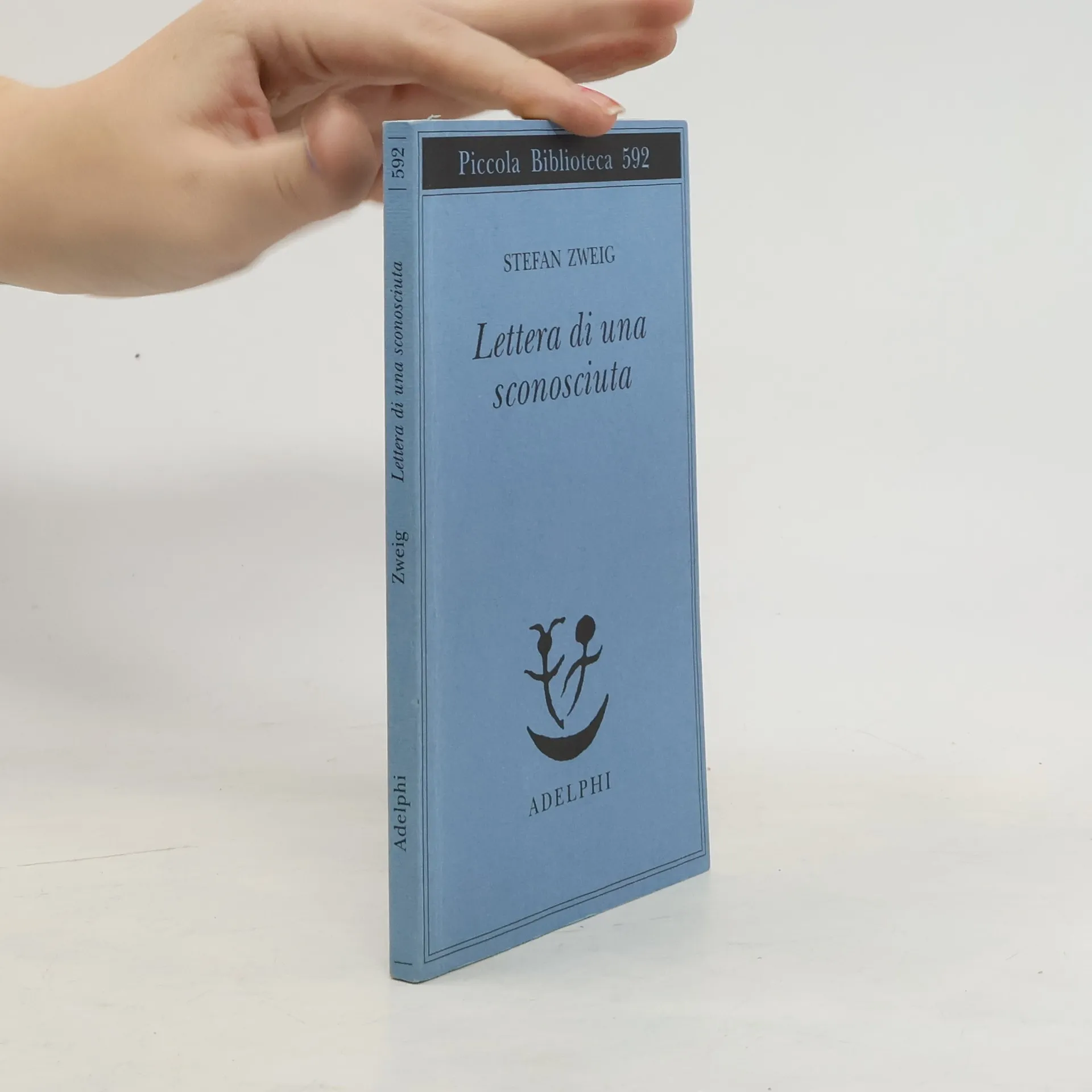
Piccola Biblioteca - 592: Lettera di una sconosciuta
- 83pagine
- 3 ore di lettura
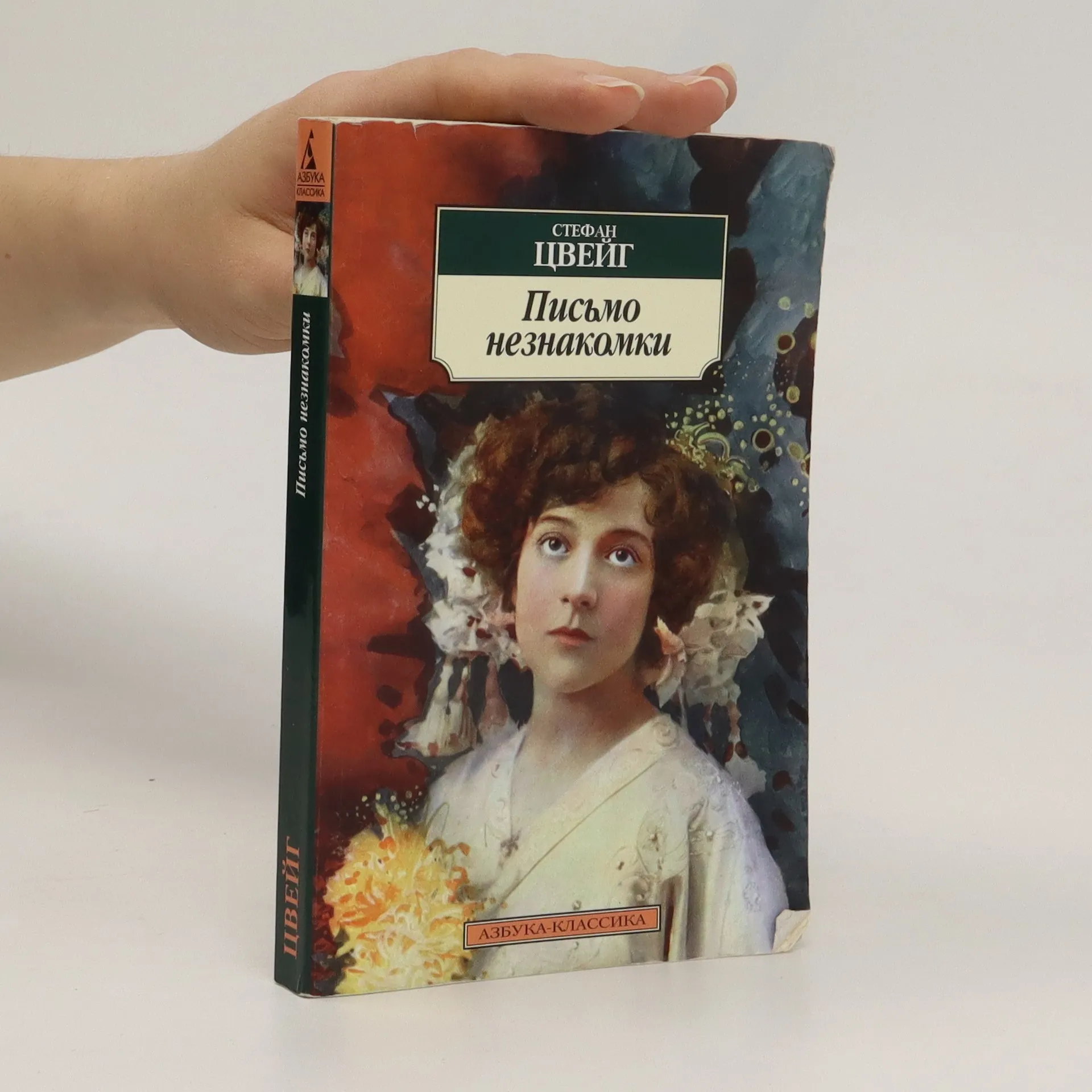
«A te, che mai mi hai conosciuta»: è questa l'intestazione della lettera che, nel giorno del suo compleanno, riceve un romanziere viennese, un quarantenne di bell'aspetto a cui la vita ha offerto i suoi doni più ambìti: la ricchezza, la fama e un fascino «morbido e caldo». «Ieri il mio bambino è morto» esordisce la misteriosa donna, e prosegue: «adesso mi sei rimasto solo tu al mondo, solo tu che di me nulla sai». Quando lui leggerà quelle righe, lei sarà già morta: per questo concede a se stessa di raccontargli la propria vita - la vita di una creatura che per più di quindici anni gli ha votato, «con tutta l'abnegazione di una schiava, di un cane», un amore «disperato, umile, sottomesso, attento e appassionato», senza mai rivelargli il proprio nome, senza mai chiedere nulla, portandosi dentro un unico, struggente desiderio: che incontrandola, almeno una volta, lui la riconosca. Ma quasi sempre per l'uomo il volto di una donna rappresenta «rispecchia solo una passione, un gesto infantile, un moto di stanchezza, e svanisce con la stessa facilità di un'immagine allo specchio». Zweig ci trascina nel labirinto di un amore assoluto, offrendoci il ritratto di una donna ardente e viva, e al tempo stesso immateriale come «una musica lontana».
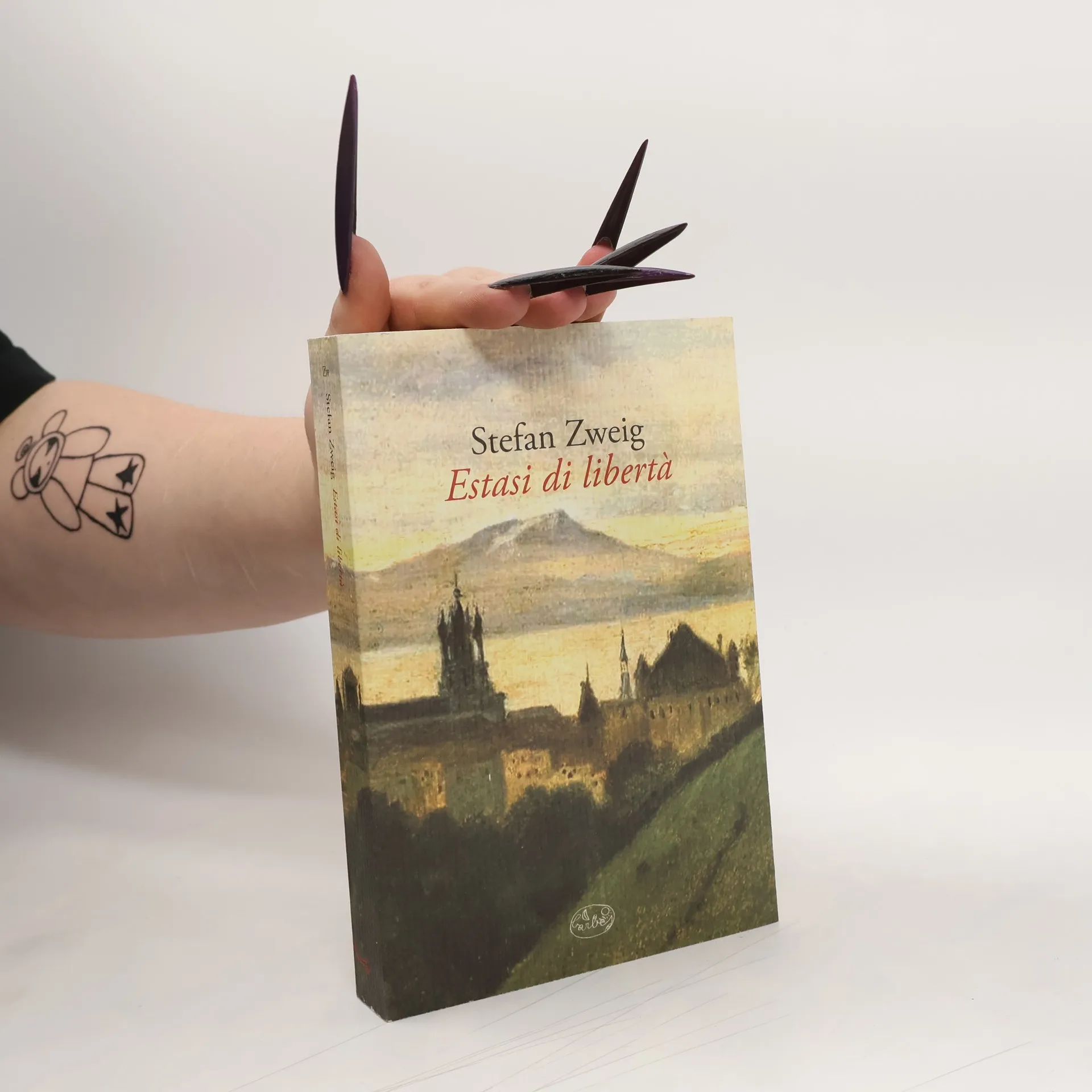
Estasi di libertà
- 400pagine
- 14 ore di lettura
Estate 1926. Christine Hoflehner è una giovane poverissima postina in un piccolo borgo austriaco. Un giorno riceve un telegramma e viene invitata da una zia che era sparita in un bellissimo hotel a Pontresina. Scopre improvvisamente un mondo felice e lontanissimo dalla sua misera esistenza, ma le invidie che suscita per la sua grazia rendono il ritorno al paesino inevitabile, così come la conseguente depressione. Christine inizia allora a frequentare Vienna, dove conosce Ferdinand, che come lei ha perso la sua gioventù in guerra. Insieme programmano un suicidio, che però non avverrà. Ferdinand le propone di fare una rapina alla posta e poi di scappare e vivere per sempre insieme. Il romanzo finisce con un sì. Finora inedito, iniziato da Zweig nel 1931 e finito durante l’esilio a Londra per sfuggire ai nazisti tra il 1934 e il 1938, è il romanzo che si credeva perduto del grande scrittore austriaco, pubblicato in Germania e in Francia nel 1982 e finalmente proposto anche in Italia.
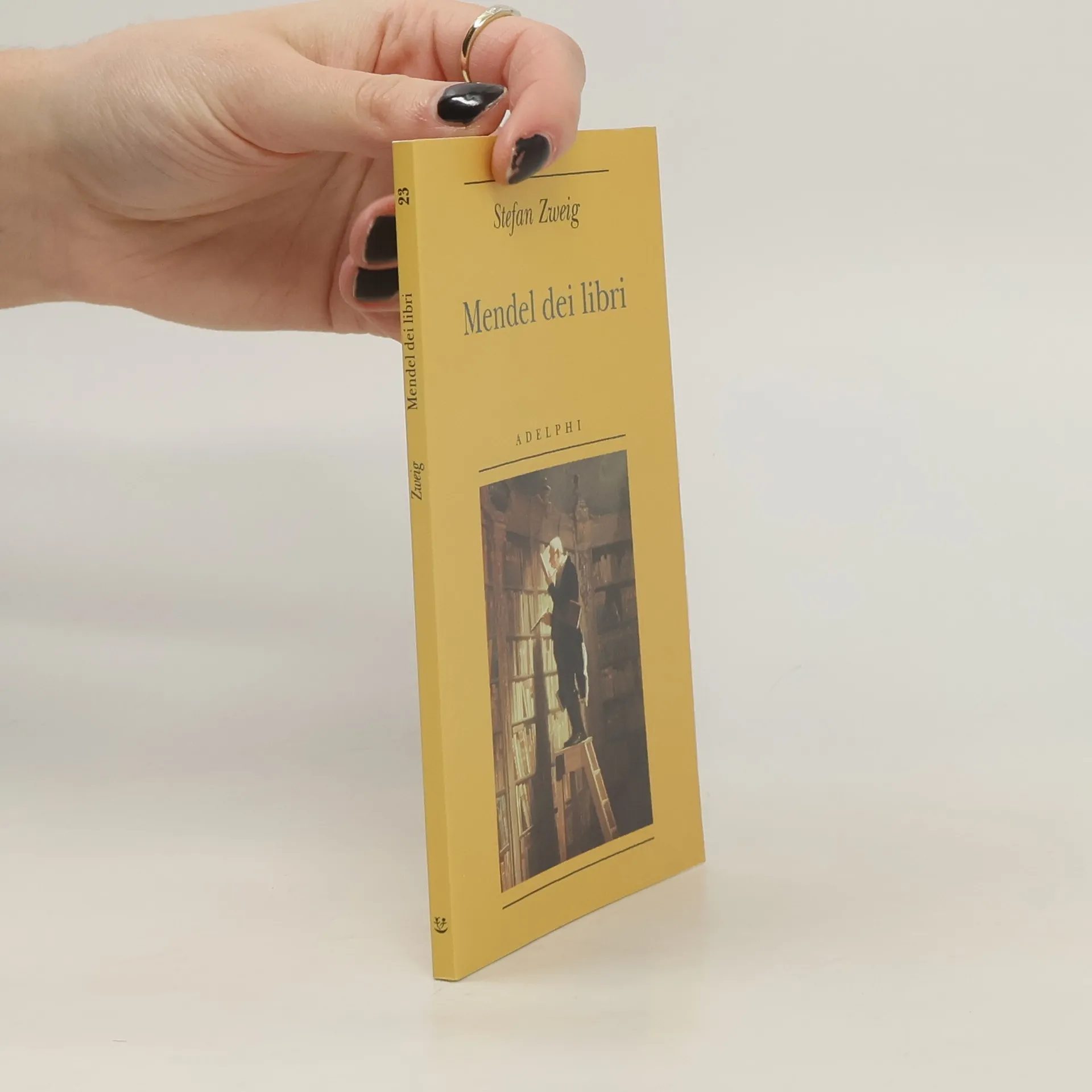
Mendel dei libri
- 53pagine
- 2 ore di lettura
La storia di un uomo che forse non ha letto tutti i libri, ma che tutti li conosce. Il sovrano di un mondo parallelo – un mondo di carta.
La lotta col demone
- 222pagine
- 8 ore di lettura
Hölderlin, Kleist e Nietzsche sono tre personaggi straordinari a cui Stefan Zweig si sente profondamente legato. La loro inquietud vitale li allontana dalla contenuta autoconstruzione di Goethe. Mentre Goethe rappresenta la vita come un cerchio, una linea chiusa che abbraccia l'esistenza e il ritorno eterno a se stessi, Hölderlin, Kleist e Nietzsche incarnano "la forma del demonico", esprimendo un'ansia interiore che si manifesta come una parabola: un'ascesa rapida e impetuosa verso l'infinito, seguita da una caduta brusca. Il demonio, visto da Zweig come un residuo del caos originale del mondo, sfida gli uomini creativi, strappando loro il timone della volontà e costringendoli a barcollare nella tempesta, facendoli scontrare con le rocce del loro destino.
Storia di una caduta
- 126pagine
- 5 ore di lettura
Perdere il favore di coloro da cui dipende la nostra stessa vita. Mordere la polvere quando si sono conosciuti i fasti degli altari. Non essere più amati. È il destino intollerabile che accomuna i protagonisti delle due novelle qui riunite: una dama del Settecento e un cane. E il dolore, il furore, il desiderio di vendetta saranno altrettanto violenti nell’animale e nella donna. Splendida, intelligente e ambiziosa, amica di Voltaire, amante del duca di Borbone, la marchesa de Prie sembra onnipotente e, soprattutto, intoccabile. Ma quando nel 1726 il duca di Borbone cade in disgrazia presso Luigi XV, per lei si spalanca, d’improvviso, il baratro di un esilio avvilente. Confinata in Normandia, rabbiosamente sola, Madame de Prie non può che tormentare il giovane amante, contemplare allo specchio il suo volto che sfiorisce – e progettare una morte degna dei passati splendori. Le forze brutali – distruttive e autodistruttive – che solo l’orgoglio ferito e l’amore ripudiato sanno scatenare innervano anche il secondo racconto, dove a sperimentare la più tremenda delle perdite è Ponto, tirannico bulldog dapprima oggetto di una sfrenata passione e poi di colpo ignorato e bandito dal suo regno non appena la padrona resta incinta. Sagace nel suo odio, l’escluso preparerà la vendetta, suscitando nel lettore un’attesa angosciosa – e una suspense alla Hitchcock.
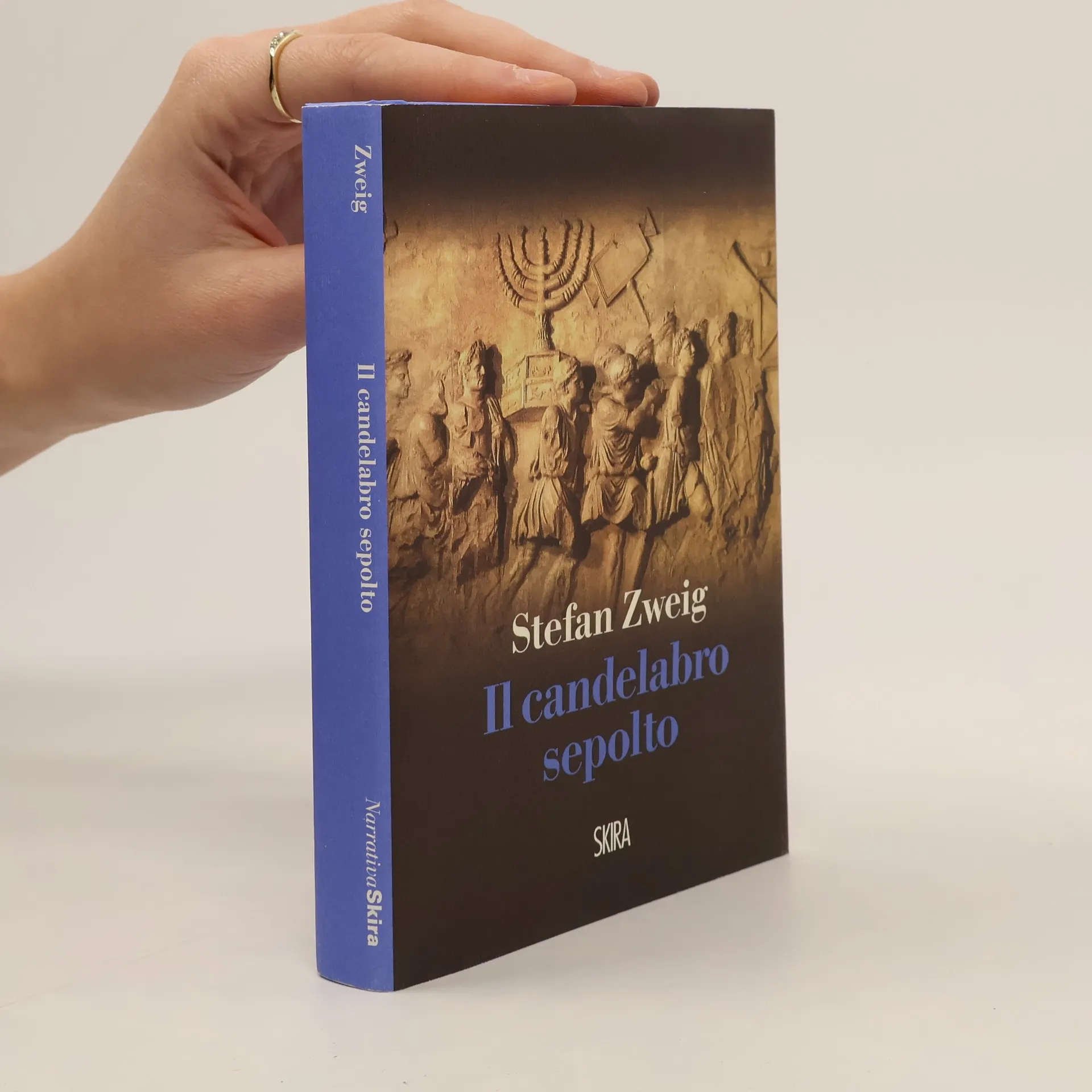
Il candelabro sepolto
- 176pagine
- 7 ore di lettura
Roma, 455 d.C.: durante il saccheggio i Vandali trafugano come bottino di guerra la Menorah (l’antico candelabro a sette braccia) del Tempio di Gerusalemme, portata a Roma da Tito. Tra la comunità ebraica si diffonde un grande scoramento: il simbolo più antico, il fondamento stesso dell’identità del popolo ebraico è andato perduto e deve essere recuperato a ogni costo. Con il suo stile cristallino Stefan Zweig ricostruisce una vicenda che è per molti versi un vero e proprio mito fondativo del popolo ebraico, e poco importa se a volte il suo racconto ceda il passo alla leggenda. “Le leggende fiorite sulla scomparsa della Menorah sono quasi infinite” si legge nella postfazione di Fabio Isman. “E tutte, come anche il racconto di Stefan Zweig, hanno un unico obiettivo: mantenerla in vita.”
Uomini e destini
- 250pagine
- 9 ore di lettura
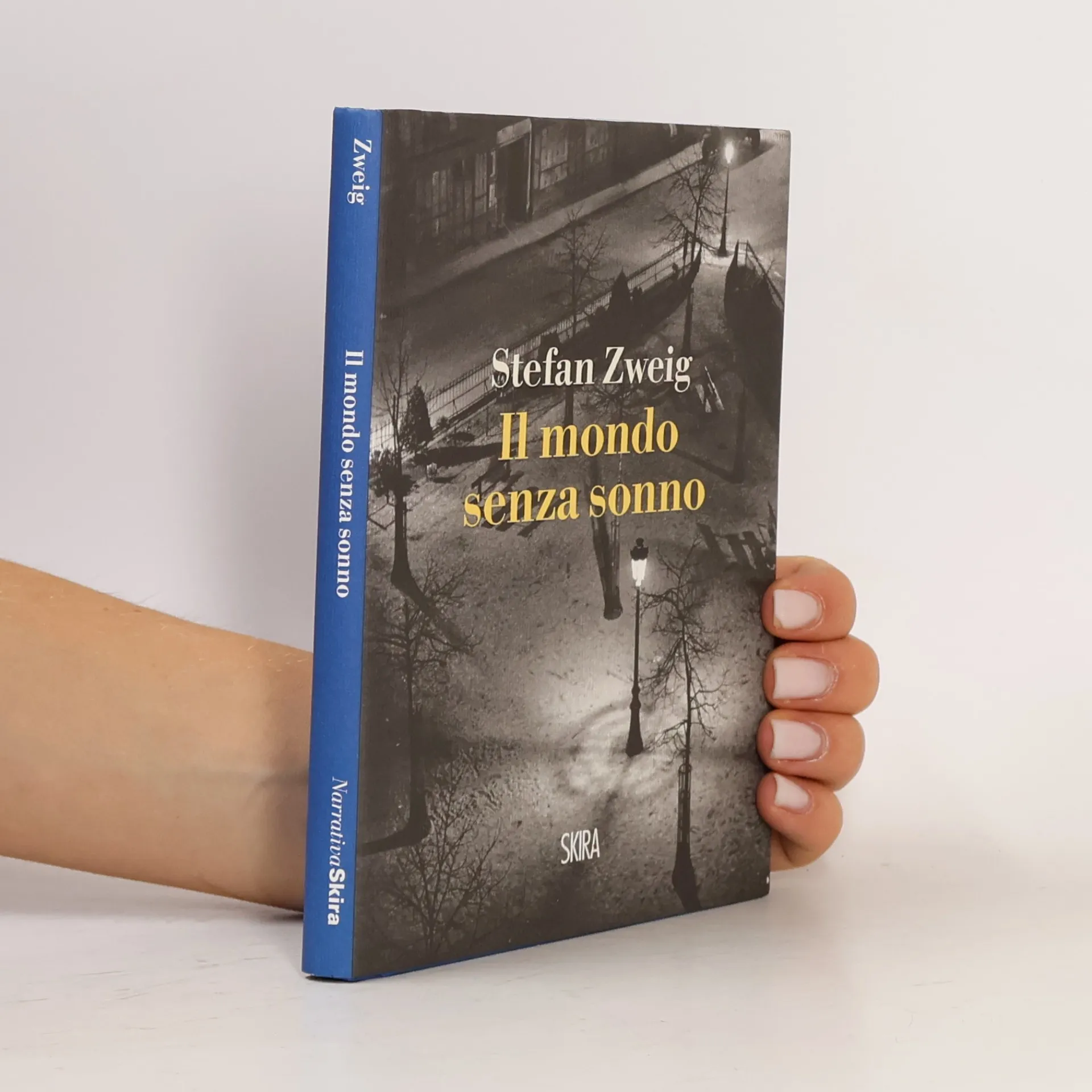
Narrativa Skira: Il mondo senza sonno
- 120pagine
- 5 ore di lettura
Composti durante la Prima Guerra mondiale, i quattro testi raccolti evocano le intense emozioni che sconvolsero l'Europa. Si esplorano temi come l'allerta continua, lo spaesamento, il suicidio, la diserzione e la mercificazione del trauma, attraverso la penna di uno dei più grandi autori del Novecento. La narrazione descrive un'umanità in uno stato di veglia incessante, dove il sonno è divenuto raro e le notti si allungano, mentre i giorni si fanno pesanti. In ogni angolo d'Europa, il respiro è affannoso e inquieto, simile a una notte estiva soffocante. Coloro che un tempo si abbandonavano dolcemente al sonno ora ascoltano il ticchettio degli orologi, avvertendo un'inquietudine che consuma il cuore e la mente. La vita è segnata da un'ansia perenne, e il destino si insinua silenzioso attraverso finestre e porte, scacciando il sonno e l'oblio. La tensione è palpabile, con milioni di persone in uno stato di allerta, mentre il mondo intero vive un'epoca di angoscia e confusione, dove la brevità del sonno amplifica l'intensità delle esperienze quotidiane.
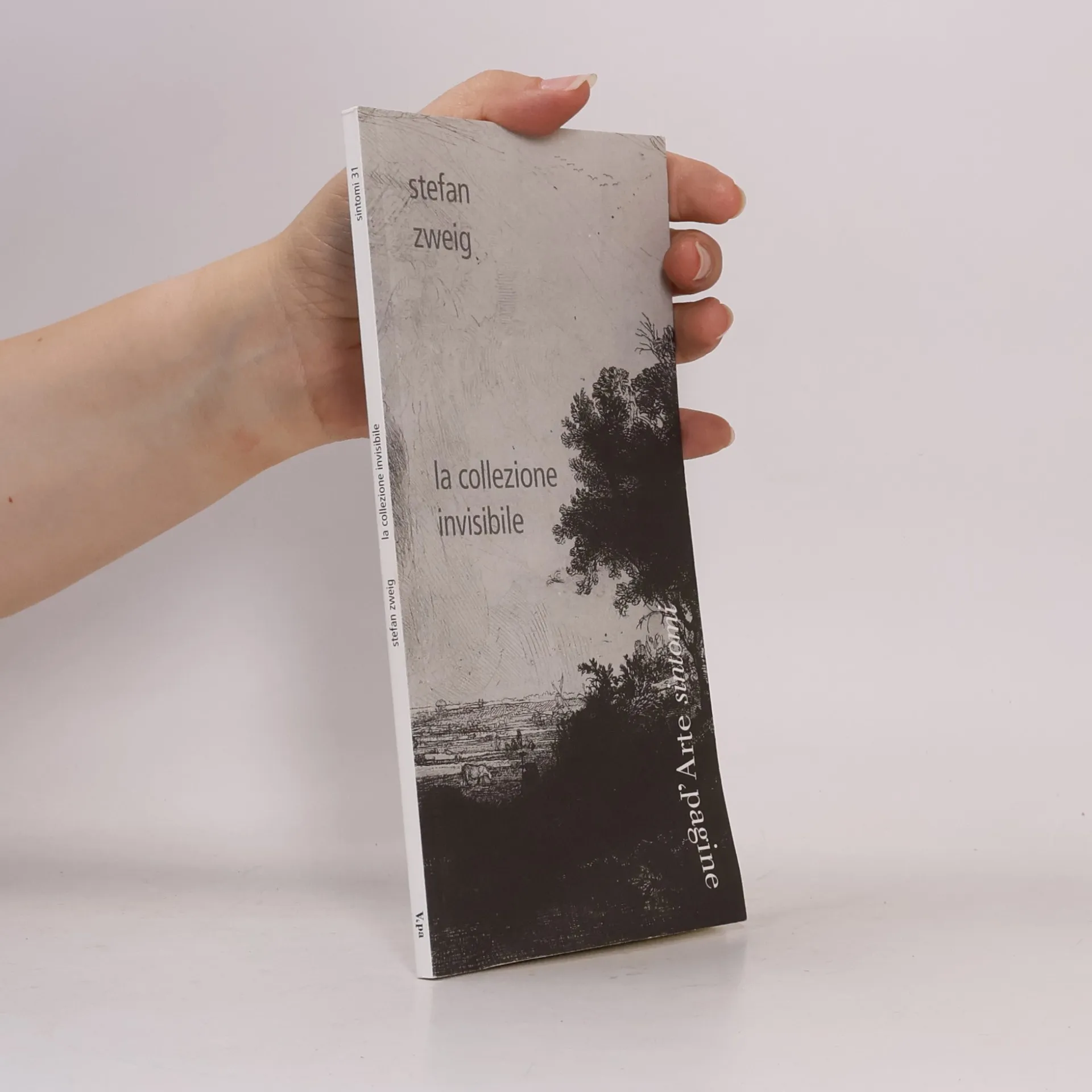
La collezione invisibile
- 56pagine
- 2 ore di lettura
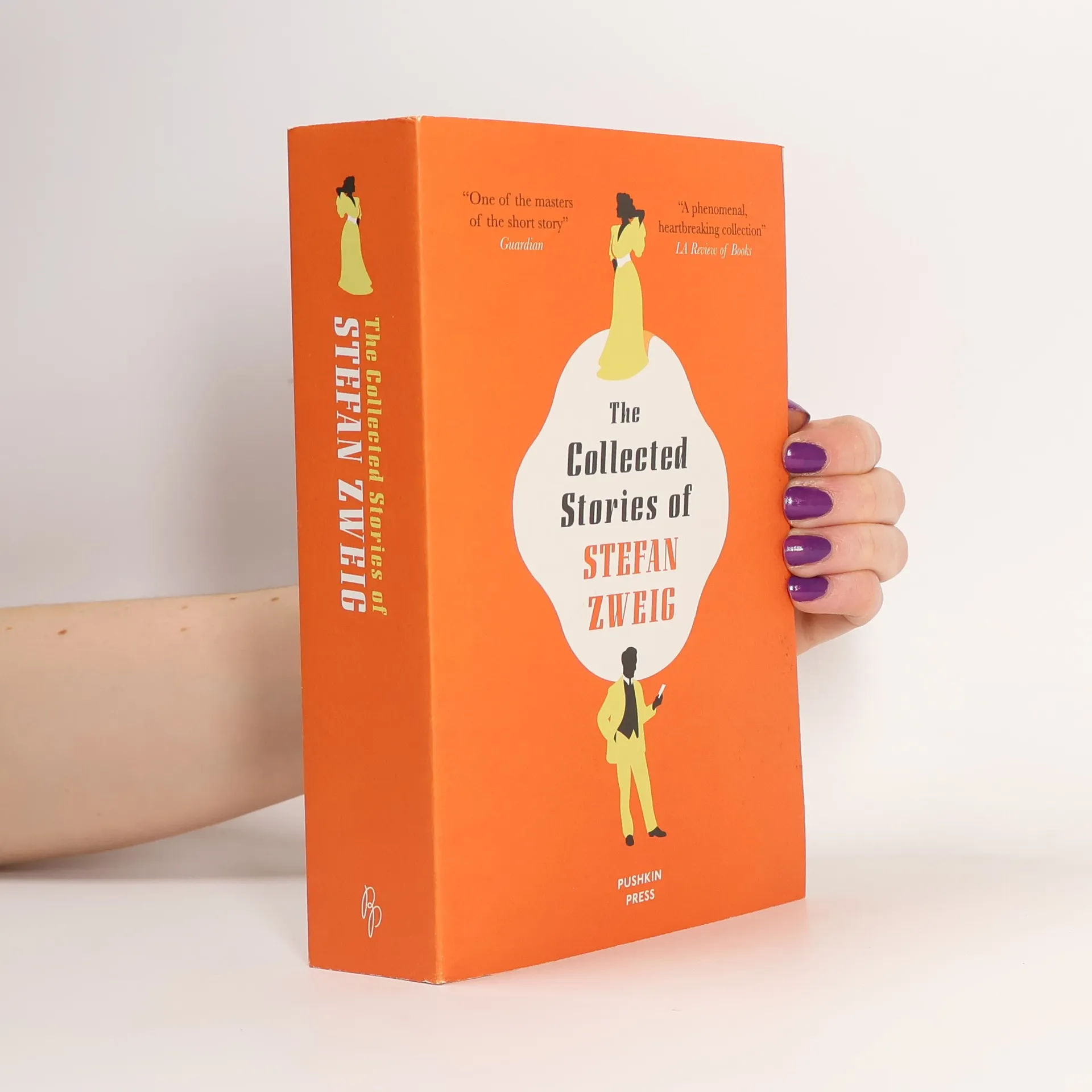
The Collected Stories of Stefan Zweig
- 720pagine
- 26 ore di lettura
Collected in one volume for the first time: 22 classic short stories of love and death, betrayal and hope—from a master storyteller hailed as “the Updike of his day” (New York Observer) In this magnificent collection of Stefan Zweig’s short stories, the very best and worst of human nature is captured with sharp observation, understanding, and vivid empathy. Ranging from love and death to faith restored and hope regained, these stories present a master at work, at the top of his form. Perfectly paced and brimming with passion, these 22 tales from one of the great storytellers of the 20th century are translated by the award-winning Anthea Bell. Included: Forgotten Dreams In the Snow The Miracles of Life The Star Above the Forest A Summer Novella The Governess Twilight A Story Told in Twilight Wondrak Compulsion Moonbeam Alley Amok Fantastic Night Letter from an Unknown Woman The Invisible Collection Twenty-Four Hours in the Life of a Woman Downfall of the Heart Incident on Lake Geneva Mendel the Bibliophile Leporella Did He Do It? The Debt Paid Late
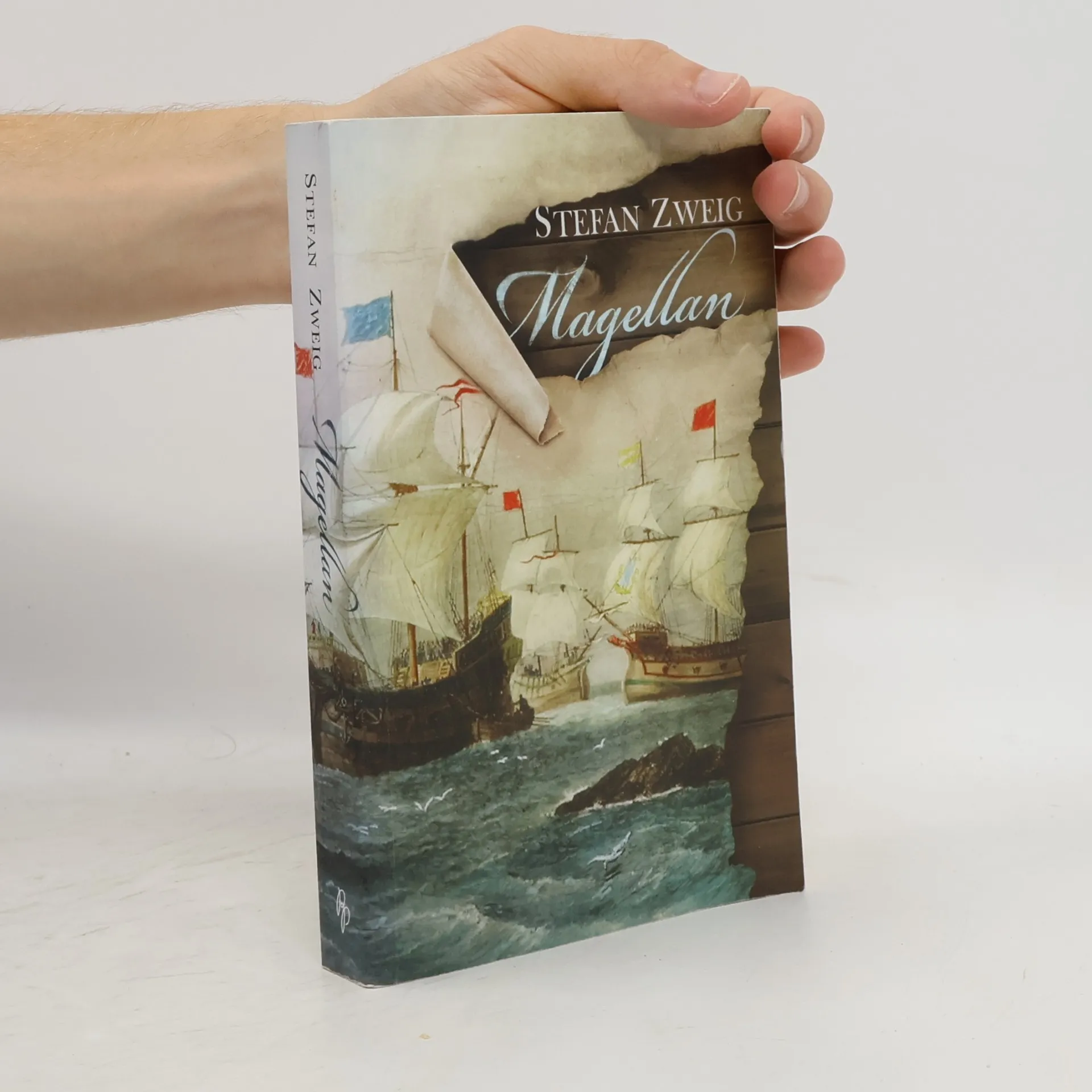
Magellan
- 352pagine
- 13 ore di lettura
The Portuguese explorer Ferdinand Magellan (1480–1521) is one of the most famous navigators in history – he was the first man to sail from the Atlantic to the Pacific Ocean, and led the first voyage to circumnavigate the globe, although he was killed en route in a battle in the Philippines. In this biography, Zweig brings to life the Age of Discovery by telling the tale of one of the era’s most daring adventurers. In typically flowing and elegant prose he takes us on a fascinating journey of discovery ourselves.
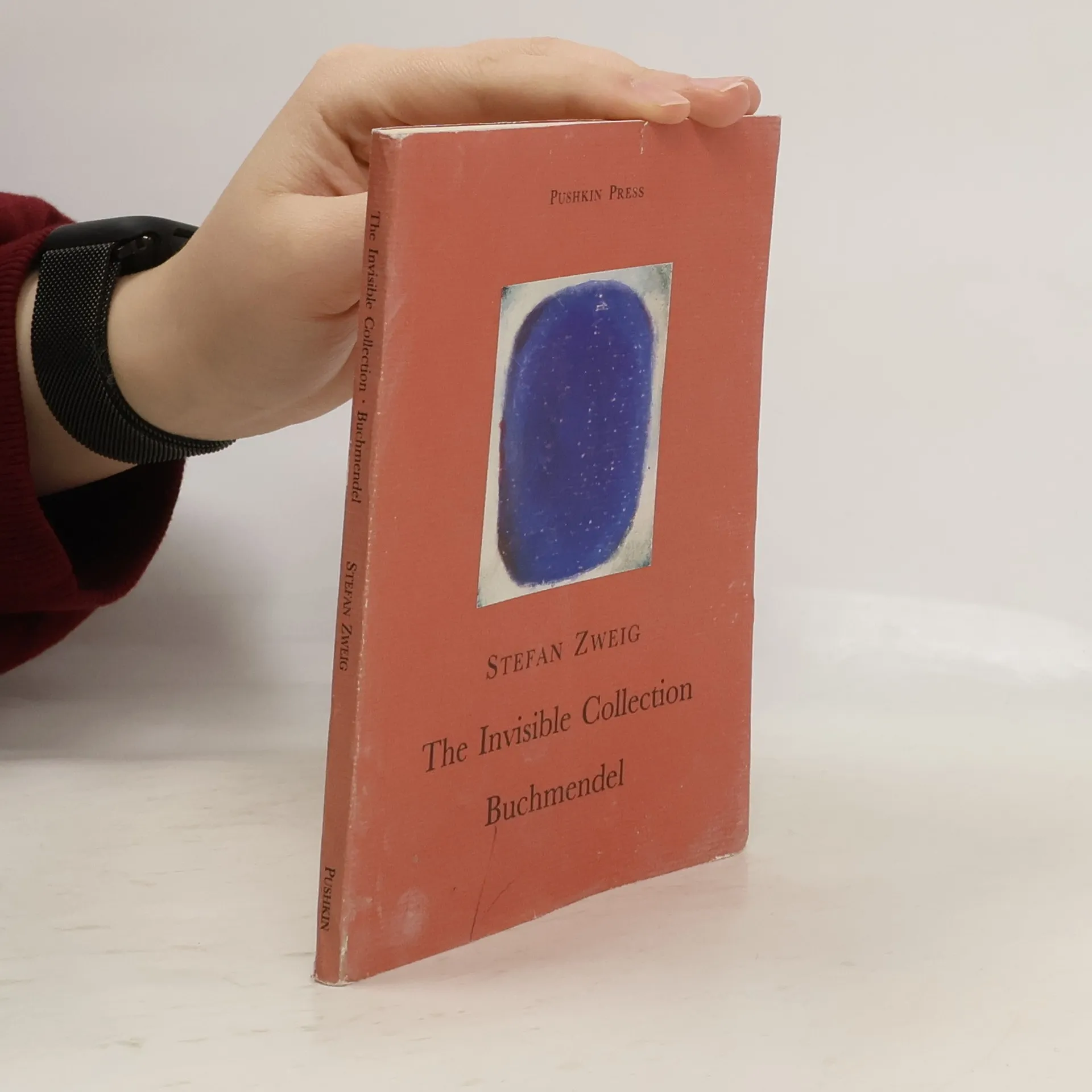
The Invisible Collection/Buchmendel
- 96pagine
- 4 ore di lettura
Zweig explores the nature of desire in showing us two lives led in the single-minded pursuit of art and literature, of existential truth against the background of a disintegrating and corrupt Europe. The tragic irony of these two contrasted destinies forces us to confront our own understanding of the purpose of life and art.
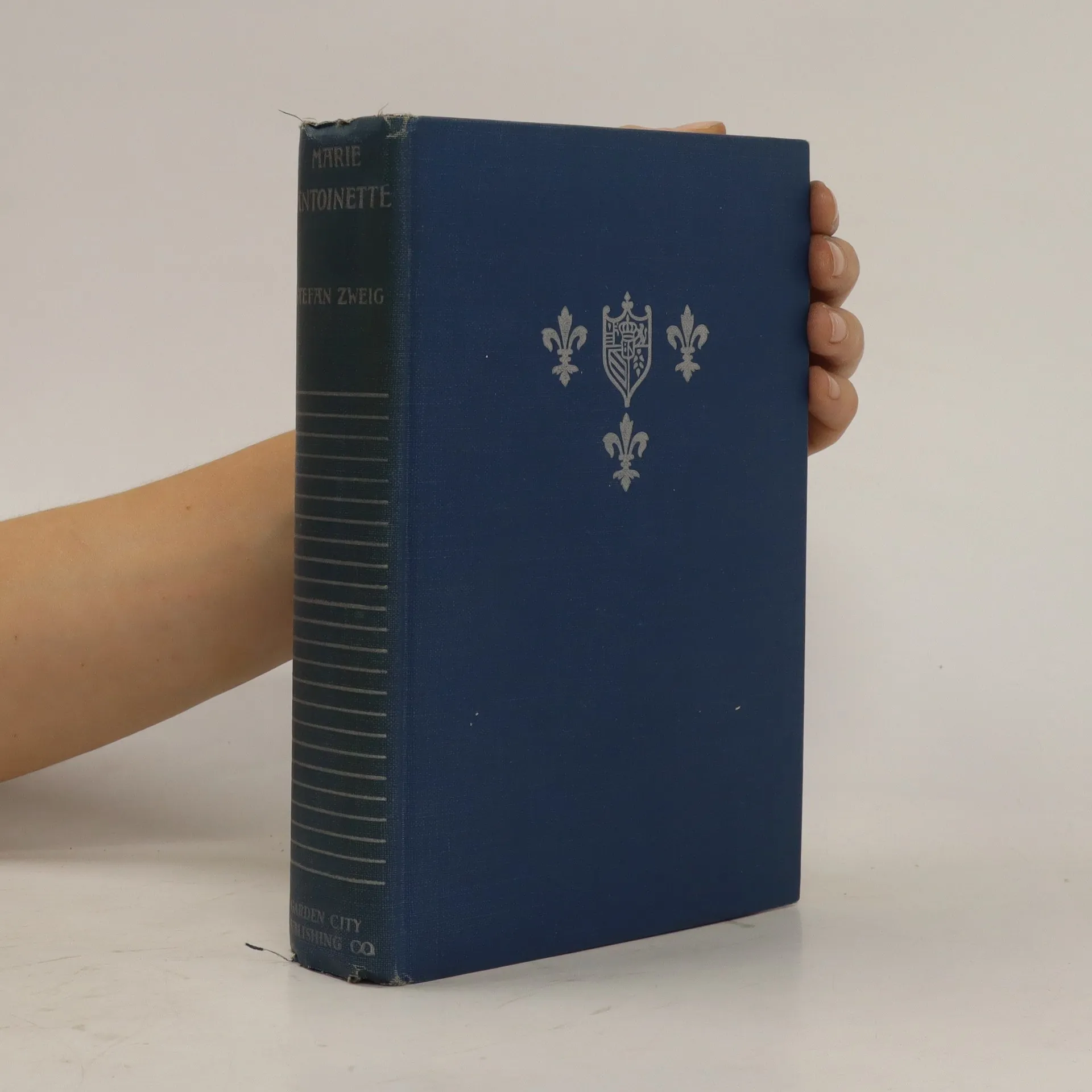
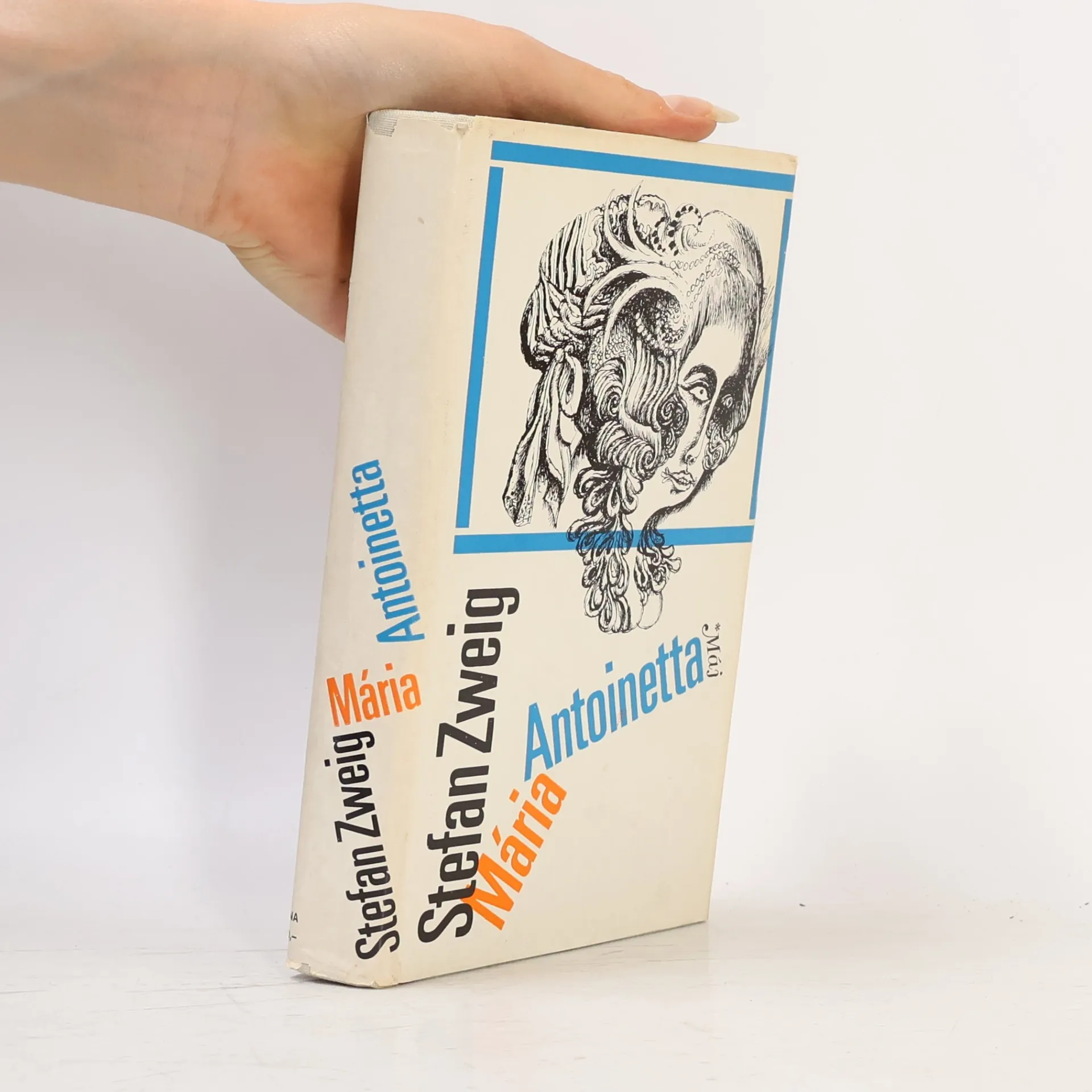
Life at the court of Louis XVI and Marie Antoinette has long captivated readers, drawn by accounts of the intrigues and pageantry that came to such a sudden and unexpected end. Stefan Zweig's Marie Antoinette: The Portrait of an Average Woman is a dramatic account of the guillotine's most famous victim, from the time when as a fourteen-year-old she took Versailles by storm, to her frustrations with her aloof husband, her passionate love affair with the Swedish Count von Fersen, and ultimately to the chaos of the French Revolution and the savagery of the Terror. An impassioned narrative, Zweig's biography focuses on the human emotions of the participants and victims of the French Revolution, making it both an engrossingly compelling read and a sweeping and informative history. "Certainly no one can arise unmoved from the reading of this powerful work." -- The New Republic "Excellent biography." -- The New York Times
The Invisible Collection
- 36pagine
- 2 ore di lettura
The story unfolds through an anonymous narrator who embarks on a journey to the provinces in search of a profitable deal. Instead of financial gain, he becomes entangled in a family's gradual descent into tragedy, revealing deep emotional currents and the complexities of human relationships. The narrative explores themes of fate and the unexpected consequences of seemingly simple pursuits.
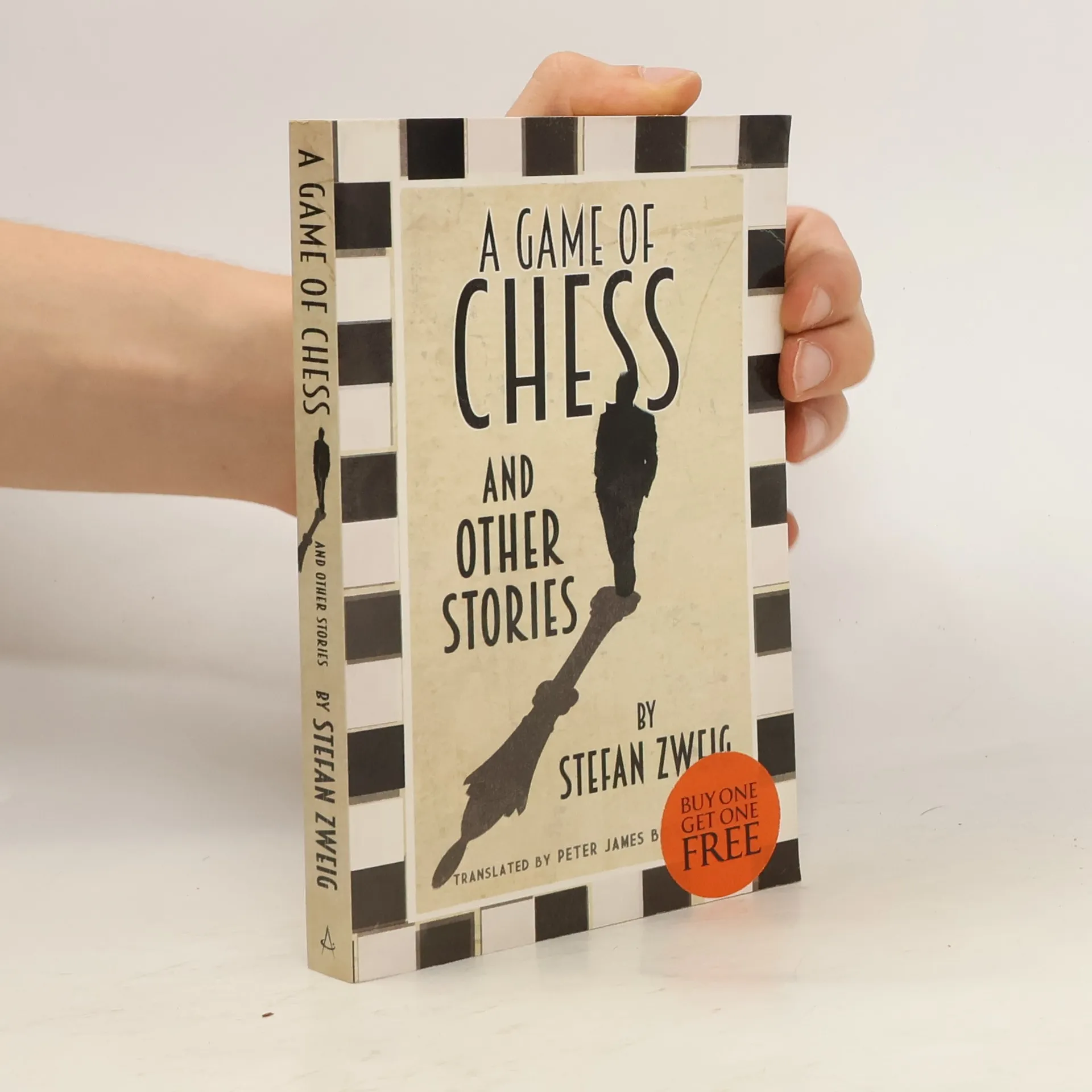
The Game of Chess and Other Stories
- 320pagine
- 12 ore di lettura
Part of Alma Classics Evergreens series, this new translation of The Game of Chess and Other Stories is here presented in a unique collection.
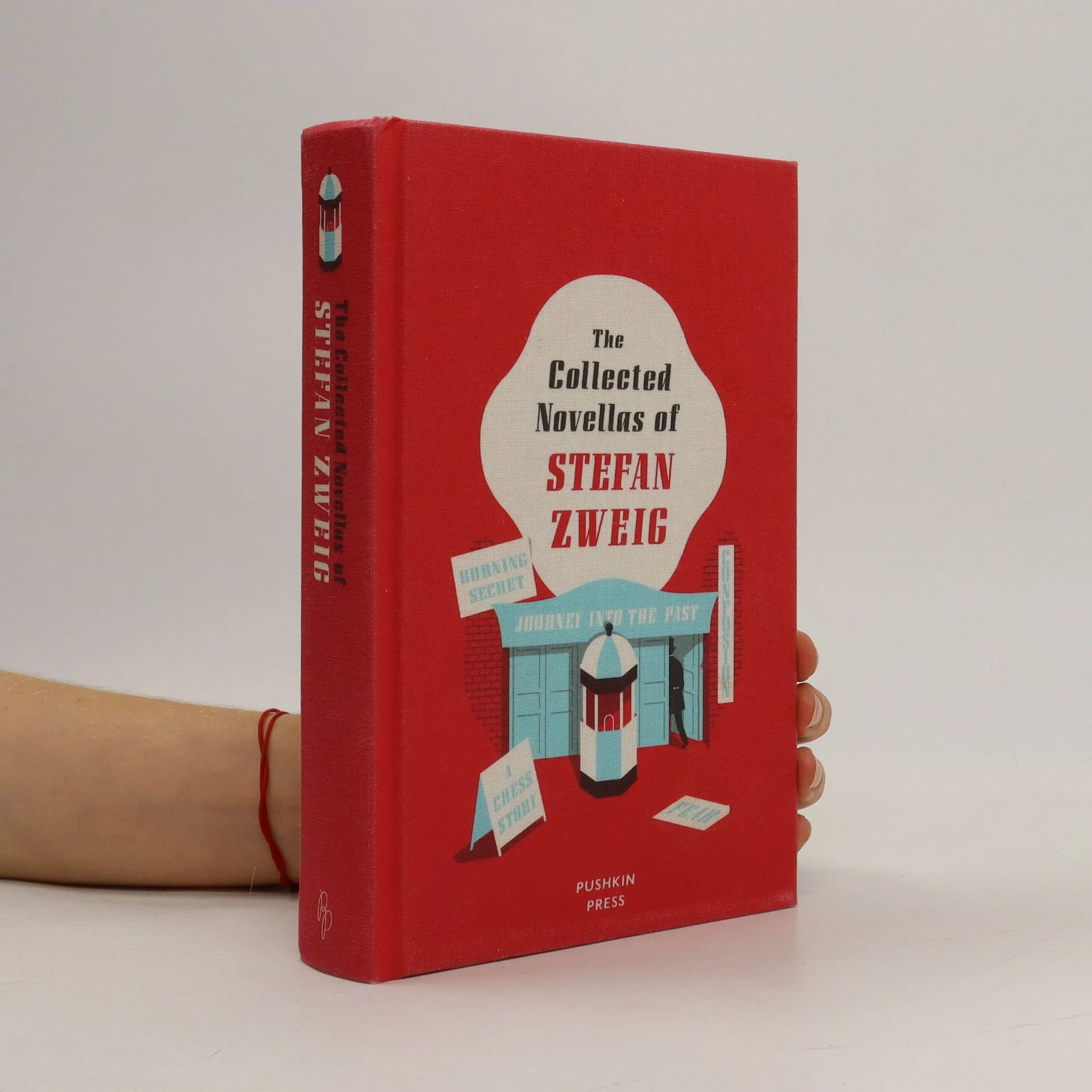
The collected novellas of Stefan Zweig
- 384pagine
- 14 ore di lettura
A casual introduction, a challenge to a simple game of chess, a lovers' reunion, a meaningless infidelity: from such small seeds Zweig brings forth five startlingly tense tales--meditations on the fragility of love, the limits of obsession, the combustibility of secrets and betrayal. To read anything by Zweig is to risk addiction; in this collection the power of his writing--which, with its unabashed intensity and narrative drive, made him one of the bestselling and most acclaimed authors in the world--is clear and irresistible. Each of these stories is a bolt of experience, unforgettable and unique. Five of Stefan Zweig's most powerful novellas, containing some of his most famous and best-loved work: • Burning Secret • A Chess Story • Fear • Confusion • Journey into the Past (Stand alone paperback editions of individual novellas from Pushkin and New York Review of Books will remain in print.)
The Royal Game and Other Stories
- 211pagine
- 8 ore di lettura
English, German (translation)
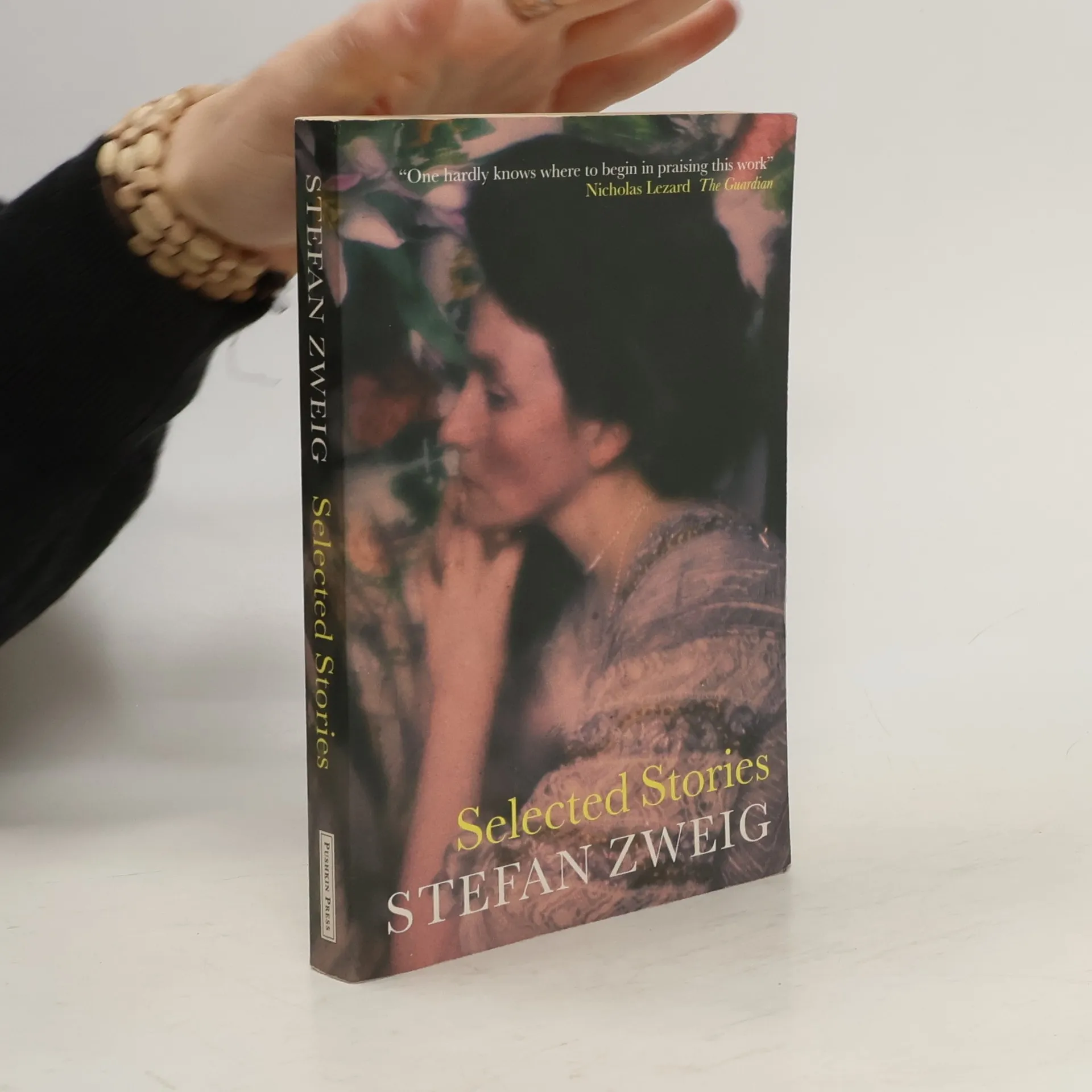
Selected Stories
- 253pagine
- 9 ore di lettura
This title is a collection of stories from Stefan Zweig.
Letter from an Unknown Woman and Other Stories
- 153pagine
- 6 ore di lettura
Stefan's Zweig's Letter from an Unknown Woman and other stories contains a new translation by the award-winning Anthea Bell of one of his most celebrated novellas, Letter from an Unknown Woman , the inspiration for a classic 1948 Hollywood film by Max Ophüls, as well as three new stories, appearing in English for the first time.A famous author receives a letter on his forty-first birthday. He doesn't know the sender, but still the letter concerns him intimately. Its story is earnest, even piteous: the story of a life lived in service to an unannounced, unnoticed love.In the other stories in this collection, a young man mistakes the girl he loves for her sister; two erstwhile lovers meet after an age spent apart; and a married woman repays a debt of gratitude. All four tales, newly translated by the award-winning Anthea Bell, are among Zweig's most celebrated and compelling work-expertly paced, laced with empathy and an unwaveringly acute sense of psychological detail.
Confusion
- 160pagine
- 6 ore di lettura
A new pocket edition of this tale of intense friendship and suppressed passion from the master of the novella
Romain Rolland
- 188pagine
- 7 ore di lettura
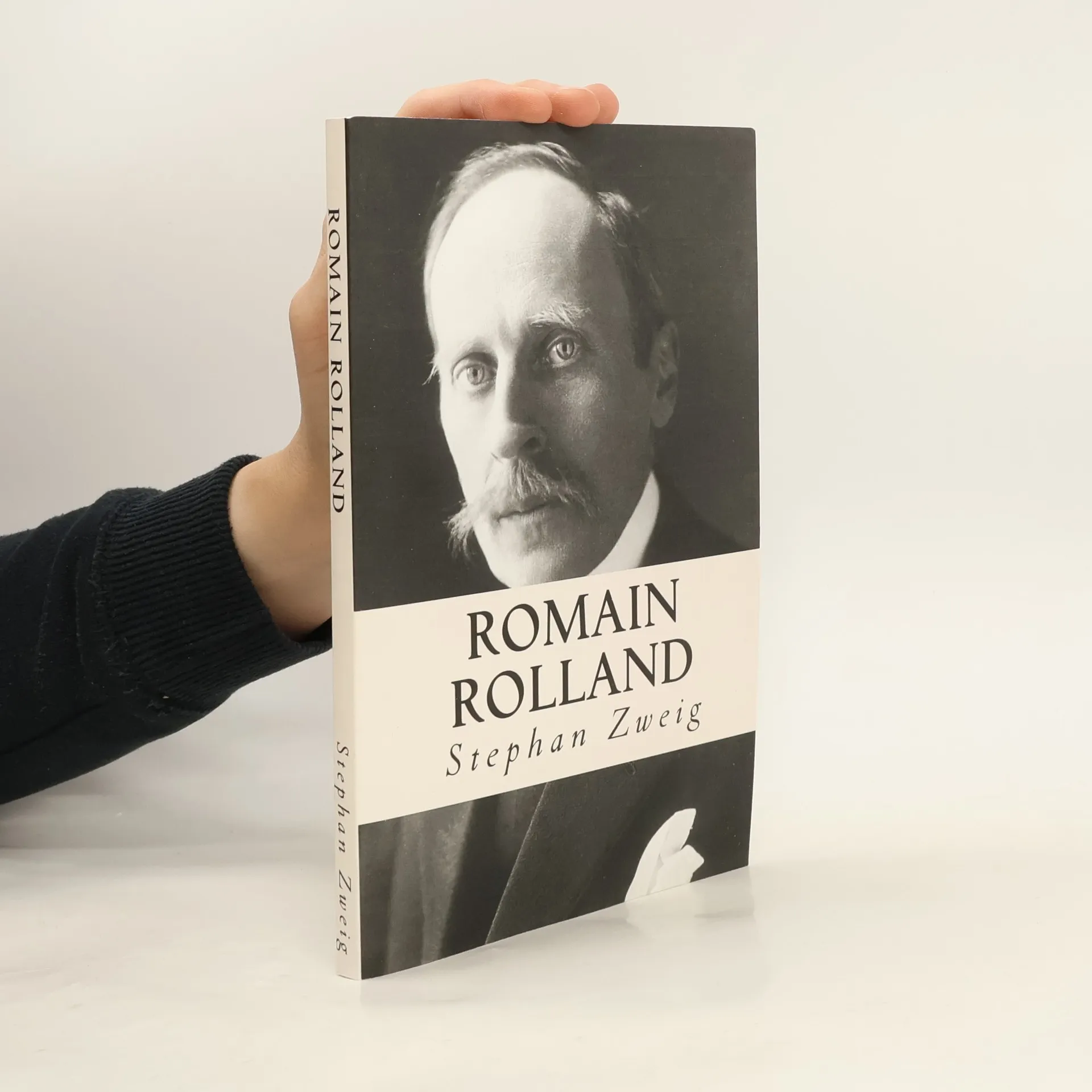
The first fifty years of Romain Rolland's life were passed in inconspicuous and almost solitary labors. Thenceforward, his name was to become a storm center of European discussion. Until shortly before the apocalyptic year, hardly an artist of our days worked in such complete retirement, or received so little recognition.
Twenty-Four Hours in the Life of a Woman
- 96pagine
- 4 ore di lettura
This classic Austrian novella paints a deeply moving portrait of a woman whose quest for passion and purpose comes at a steep price The less I felt in myself, the more strongly I was drawn to those places where the whirligig of life spins most rapidly. So begins an extraordinary day in the life of Mrs C—recently bereaved and searching for excitement and meaning. Drawn to the bright lights of a casino, and the passion of a desperate stranger, she discovers a purpose once again but at what cost? In this vivid and moving tale of a compassionate woman, and her defining experience, Zweig explores the power of intense love, overwhelming loneliness and regret that can last for a lifetime.
Casanova, Stendhal, Tolstoy
Adepts in Self-Portraiture: Volume 3, Master Builders of the Spirit
- 420pagine
- 15 ore di lettura
Exploring the intricate relationship between self-portraiture and literary genius, this volume delves into the lives of Casanova, Stendhal, and Tolstoy, revealing how these authors crafted their identities through their works. Zweig examines their personal narratives and the interplay between their experiences and creative expressions, offering insights into the complexities of ego and artistry. This analysis not only highlights their contributions to literature but also reflects on the broader themes of self-representation and the human condition.
Balzac, Dickens, Dostoevsky
- 238pagine
- 9 ore di lettura
Written over a period of twenty-five years, this first volume in a trilogy is intended to depict in the life and work of writers of different nationalities--Balzac, Dickens, and Dostoevsky--the world-portraying novelist
Montaigne
- 153pagine
- 6 ore di lettura
"Written during the Second World War, Zweig's typically passionate and readable biography of Michel de Montaigne, is also a heartfelt argument for the importance of intellectual freedom, tolerance and humanism. Zweig draws strong parallels between Montaigne's age, when Europe was torn in two by conflict between Catholicism and Protestantism, and his own, in which the twin fanaticisms of Fascism and Communism were on the verge of destroying the pan-continental liberal culture he was born into, and loved dearly. Just as Montaigne sought to remain aloof from the factionalism of his day, so Zweig tried to the last to defend his freedom of thought, and argue for peace and compromise" --
Clarissa
- 197pagine
- 7 ore di lettura
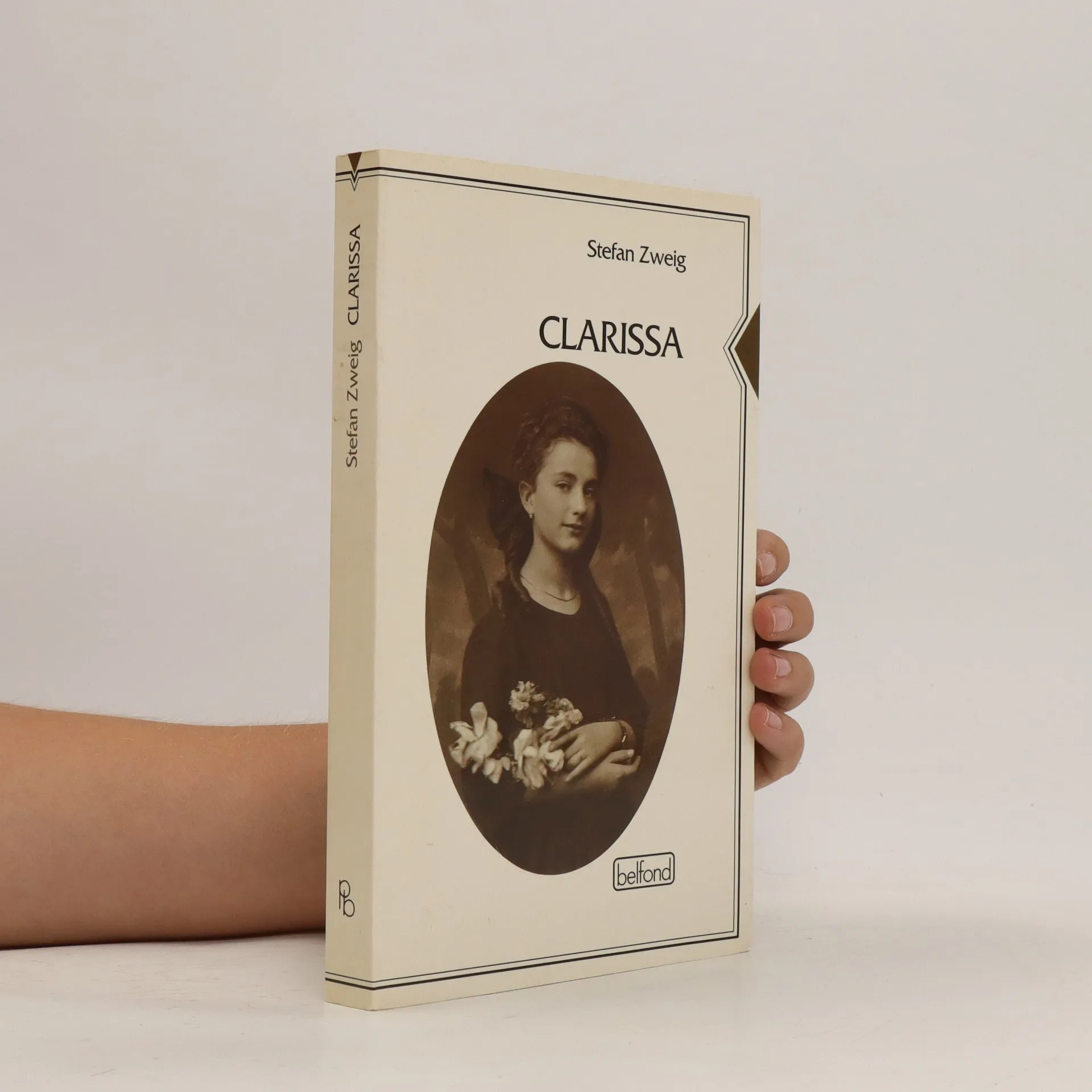
In his last narrative work, Stefan Zweig presents the life of Clarissa Schuhmeister, the daughter of an Austrian officer, whose pursuit of happiness is thwarted by war and its aftermath. Raised in a convent school, she develops a strong desire for independence and agency. After a brief training, she becomes an assistant to a renowned Viennese neurologist. At a congress in Lucerne, she falls in love with Leonard, a French teacher and pacifist. However, the outbreak of war abruptly interrupts their romance, forcing them to part ways. The child she expects from Leonard now has an enemy for a father. In a military hospital, Clarissa meets an Austrian conscientious objector, whom she marries out of concern for her child. Following the political collapse, he reveals himself to be a characterless speculator. Leonard remains unreachable for Clarissa, as her father intercepts the letters he sends her. Zweig sketches only the first part of this novel; the editor presents a revised, complete version of the draft.
A deep study of the uneasy heart by one of the masters of the psychological novel, Journey into the Past, published here for the first time in America, is a novella that was found among Zweig’s papers after his death. Investigating the strange ways in which love, in spite of everything—time, war, betrayal—can last, Zweig tells the story of Ludwig, an ambitious young man from a modest background who falls in love with the wife of his rich employer. His love is returned, and the couple vow to live together, but then Ludwig is dispatched on business to Mexico, and while he is there the First World War breaks out. With travel and even communication across the Atlantic shut down, Ludwig makes a new life in the New World. Years later, however, he returns to Germany to find his beloved a widow and their mutual attraction as strong as ever. But is it possible for love to survive precisely as the impossible?
PAUL VERLAINE
- 112pagine
- 4 ore di lettura
The work delves into the life and poetry of Paul Verlaine, a prominent figure in the Symbolist movement. It explores his tumultuous relationships, particularly with fellow poet Arthur Rimbaud, and how these experiences influenced his writing. The book highlights Verlaine's innovative use of rhythm and sound in poetry, capturing the emotional depth and complexity of his themes. Through an analysis of his major works, it provides insight into his artistic legacy and the impact of his personal struggles on his literary contributions.
The society of the crossed keys
- 266pagine
- 10 ore di lettura
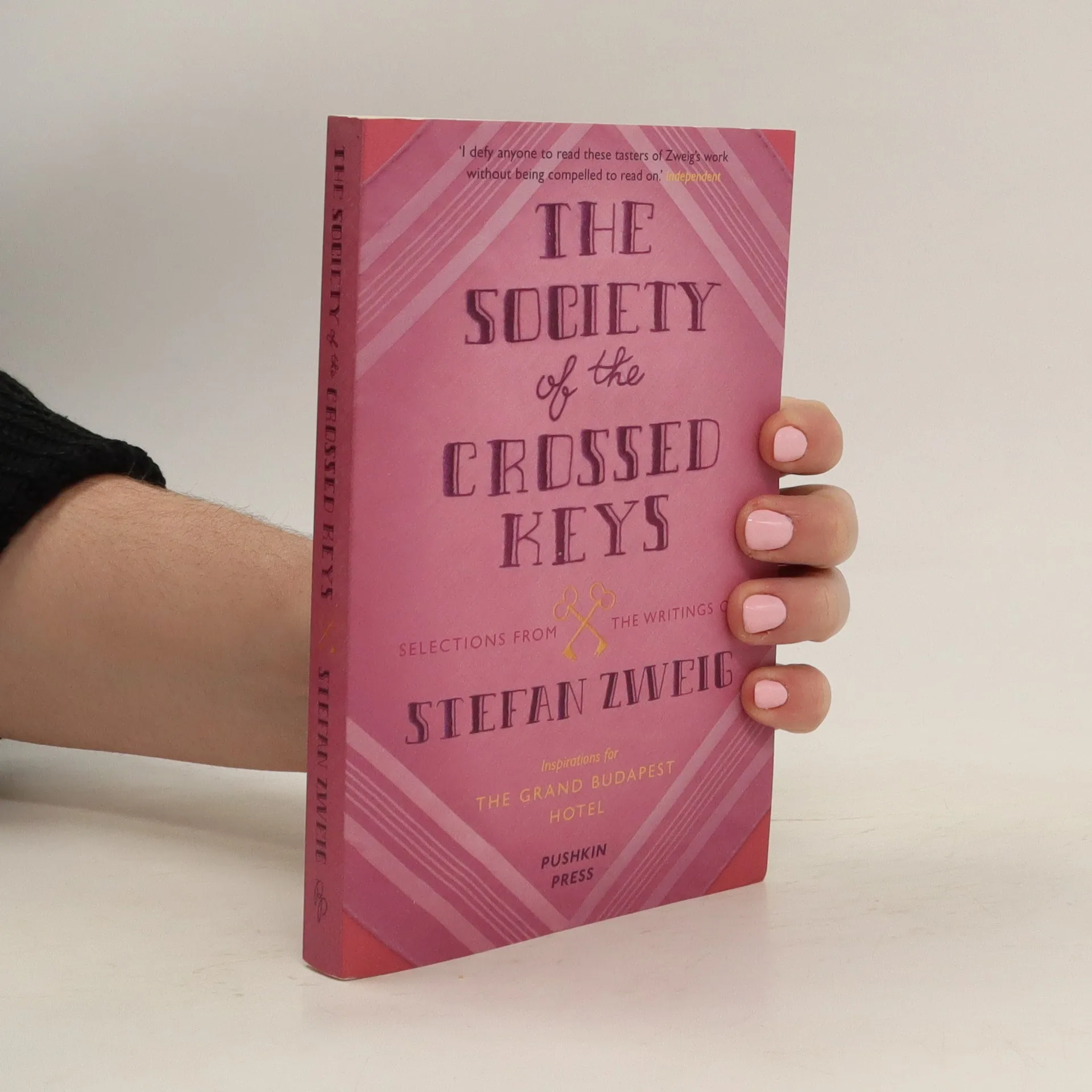
It's just a masterpiece. When I read it I thought, how is it that we don't know about this-how is it that I am the only person I know who's read this book? Wes Anderson, on Stefan Zweig's Beware of Pity Contents: A Conversation with Wes Anderson-Wes Anderson discusses Zweig's life and work with Zweig biographer George Prochnik. The World of Yesterday-Selected extracts from Zweig's memoir, an unrivalled evocation of bygone Europe. Beware of Pity-An extract from Zweig's only novel, a devastating depiction of the torment of the betrayal of both honour and love. Twenty-Four Hours in the Life of a Woman-One of Stefan Zweig's best-loved stories in full-a passionate tale of gambling, love and death.
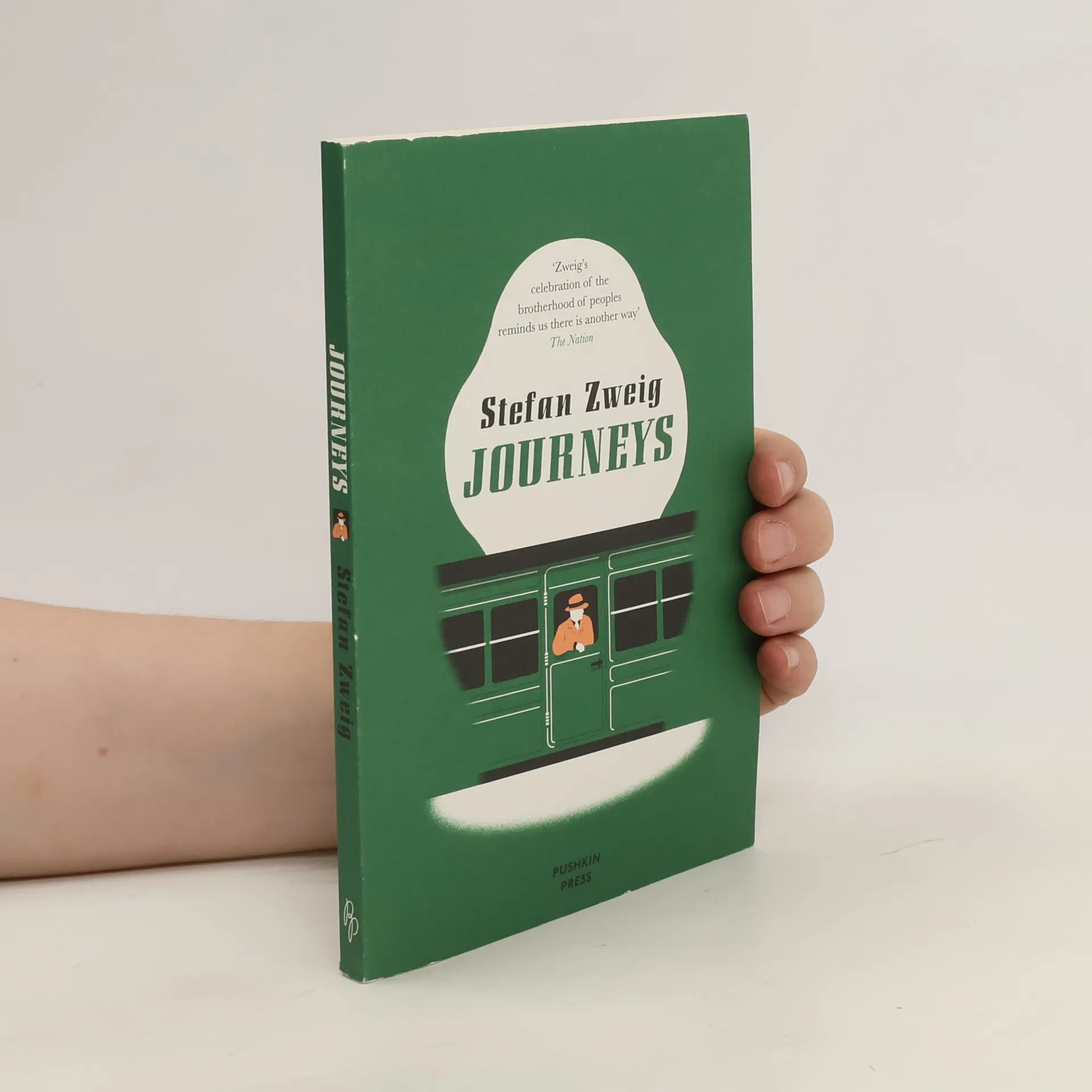
A collection of the great writer's observations, made during his travels across the Europe he loved so much When I am on a journey, all ties suddenly fall away. I feel myself quite unburdened, disconnected, free - There is something in it marvellously uplifting and invigorating. Whole past epochs suddenly return: nothing is lost, everything still full of inception, enticement. For the insatiably curious and ardent Europhile Stefan Zweig, travel was both a necessary cultural education and a personal balm for the depression he experienced when rooted in one place for too long. He spent much of his life weaving between the countries of Europe, visiting authors and friends, exploring the continent in the heyday of international rail travel. Comprising a lifetime's observations on Zweig's travels in Europe, this collection can be dipped into or savoured at length, and paints a rich and sensitive picture of Europe before the Second World War.
Amok
- 160pagine
- 6 ore di lettura
A new pocket edition of this Conradian tale of maddening desire, from the master of the novella On a sweltering ocean-liner travelling from India to Europe a passenger tells his story: the tale of a doctor in the Dutch East Indies torn between his duty and the pull of his emotions; a tale of power and desire, pride and shame and a headlong flight into folly. This is one the most intense and incisive of the novellas which brought Stefan Zweig to worldwide fame.
The Burning Secret
- 100pagine
- 4 ore di lettura
The book offers a unique and breathtaking narrative that stands apart from typical literary experiences. Its innovative storytelling and compelling themes promise to engage readers in an extraordinary journey, making it a standout work in contemporary literature.
The Burning Secret and Other Stories
- 250pagine
- 9 ore di lettura
Book by Zweig, Stefan
Six Stories
- 304pagine
- 11 ore di lettura
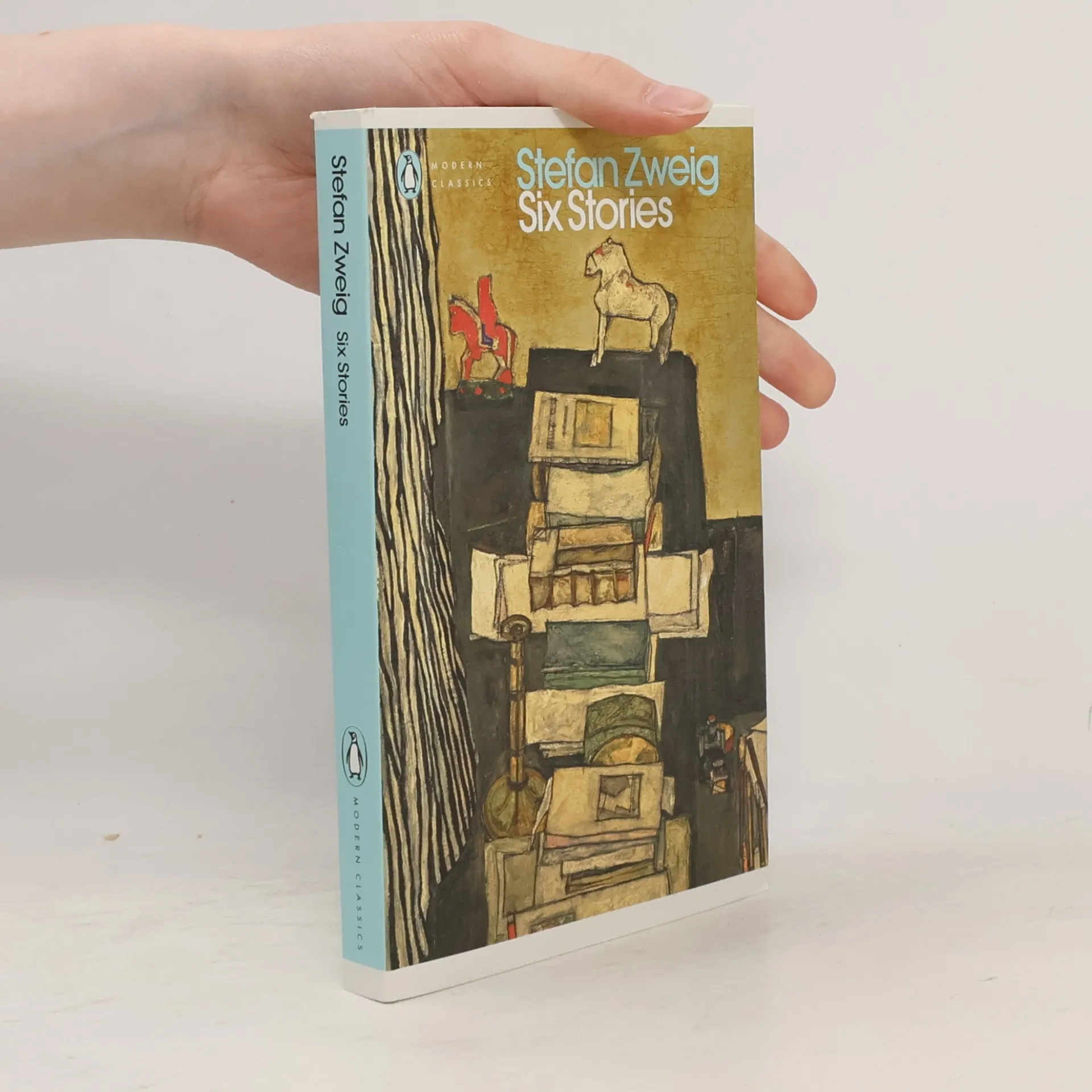
'One of the masters of the short story' Guardian These six stories of obsession, secrets, delusions and desires from one of the greatest European writers show individuals caught up in forces beyond their control - whether an art dealer agreeing to a heartbreaking deception, a soldier destroyed by war, a servant infatuated with her employer or a young boy witnessing illicit adult passions. Portraying innocence lost and lives crushed by history, each tale is a psychologically acute, startling human drama. Contains 'The Invisible Collection', 'Episode on Lake Geneva', 'Leporella', 'Buchmendel', 'The Buried Candelabrum' and 'Burning Secret'.
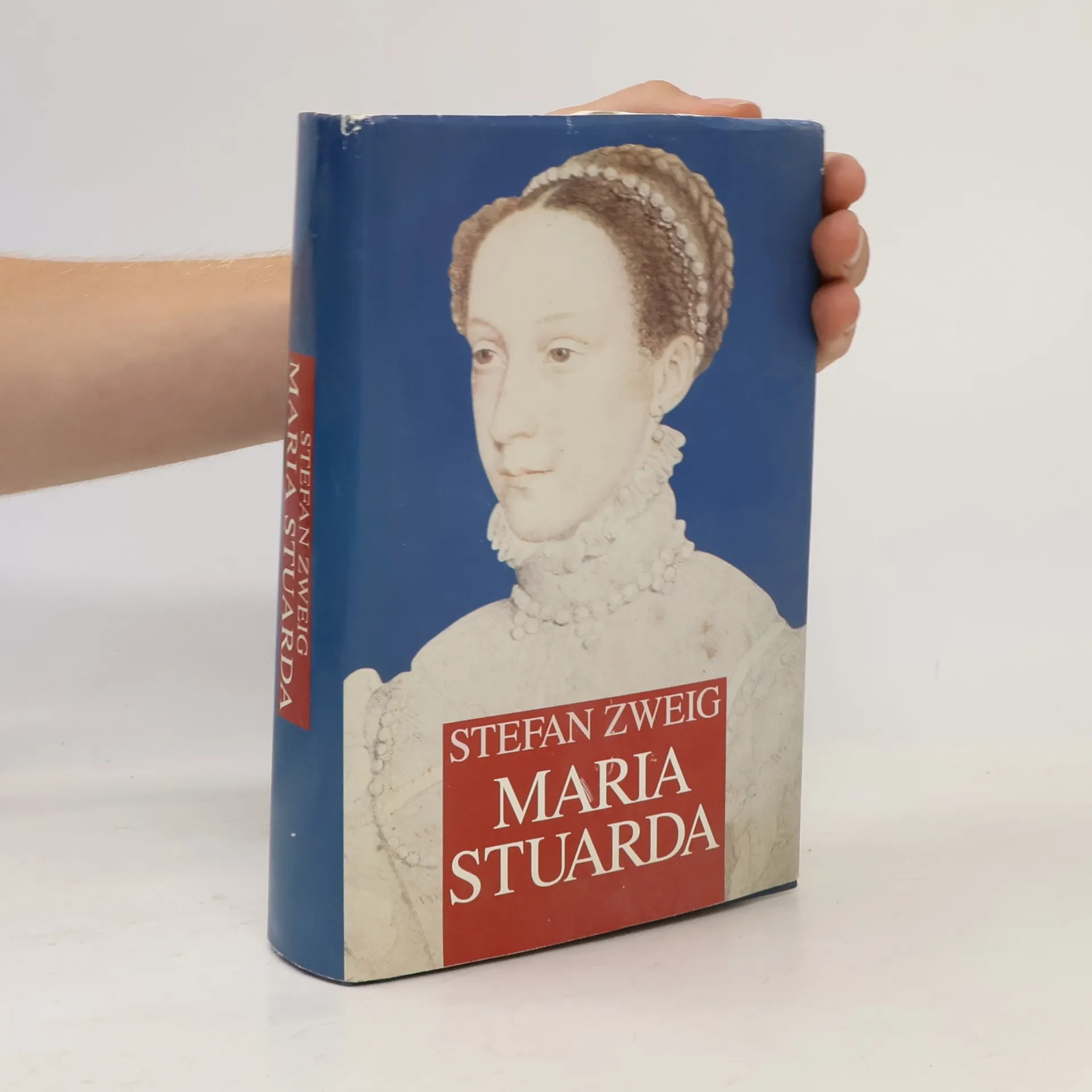
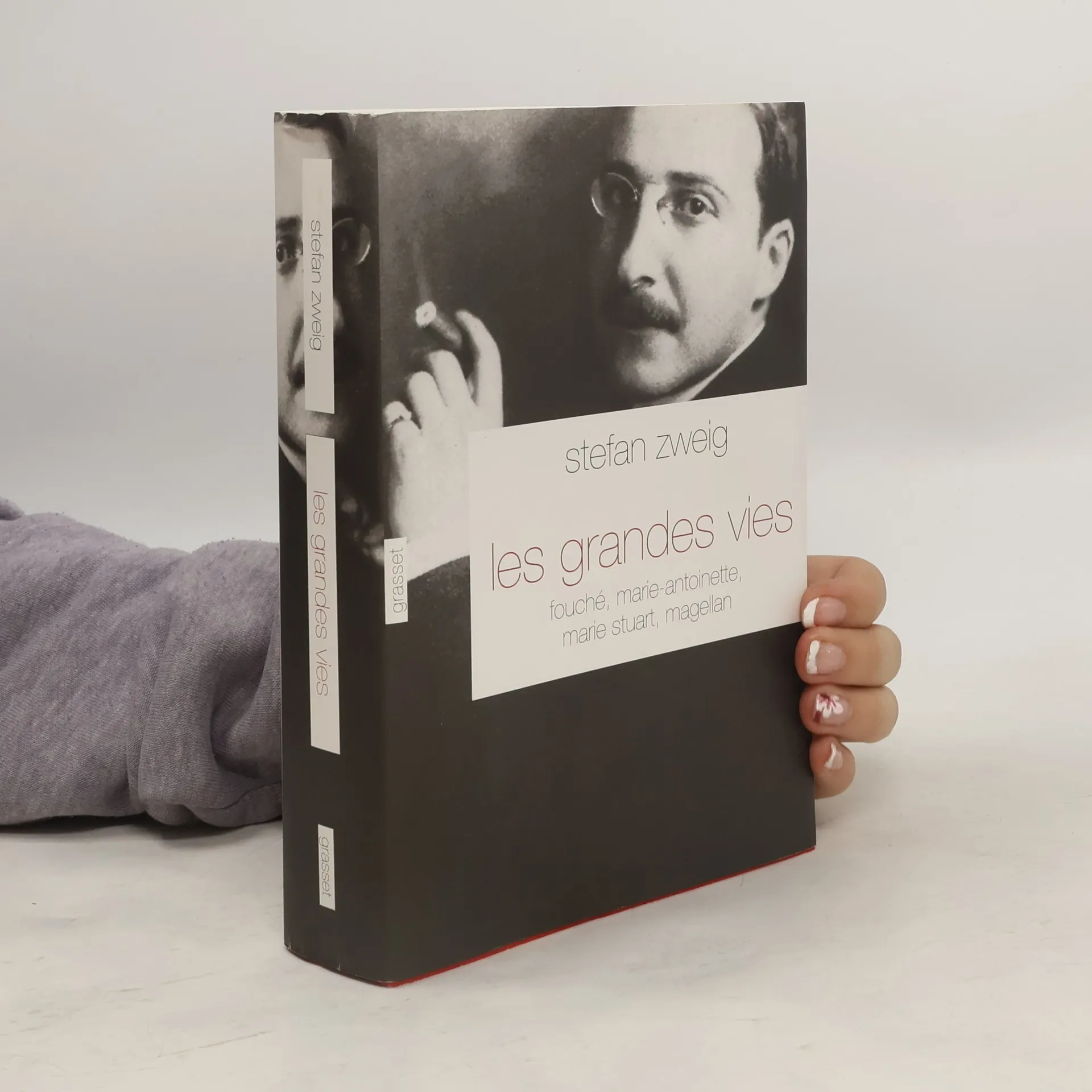
Magellan (1480-1521) entreprit en 1519 le premier voyage autour du monde. Il trouva une mort absurde aux Philippines, son exploit accompli. Dans cette formidable biographie, Zweig exalte la volonté héroïque de Magellan, qui prouve qu’« une idée animée par le génie et portée par la passion est plus forte que tous les éléments réunis ». Marie Stuart (1542-1587) reine d'Ecosse puis de France, doit en 1560 se réfugier auprès d’Elisabeth I d'Angleterre après une liaison malheureuse. Celle-ci la gardera captive vingt ans avant de la condamner à mort. Il fallait l'immense talent de Stefan Zweig pour faire revivre la femme et la reine, parée de mille grâces par les uns, peinte comme une criminelle par les autres. Qui était Marie-Antoinette (1755-1793)? Une débauchée futile ? Une icône pour la Restauration ? Nous la suivons de la chambre de son époux, jusqu’au lit de la guillotine. Zweig analyse une âme bouleversée par les événements, qui, sous le poids du malheur et de l’Histoire, se révèle à elle-même. Joseph Fouché (1759-1820) a servi avec zèle la République, le Directoire, le Consulat, l’Empire et la Monarchie. Elève chez les Oratoriens, il devint un pilleur d’églises. Conventionnel modéré, il vota la mort du roi. Fouché, c’est l’art du reniement, la grâce du traître. Stefan Zweig nous fait découvrir, à sa manière, une figure essentielle de l’Histoire.
Svědomí proti násilí
Castelliův zápas s Kalvínem
Zweigova kniha, žánrově na pomezí eseje, románu a historické studie, vyšla poprvé ve Vídni v roce 1936, těsně před pohlcením autorovy vlasti hitlerovským Německem. Protagonisté – Castellio, Kalvín a Servet – jsou historické osobnosti 16. století, ale příběh se stává vášnivou obranou základních hodnot evropské civilizace: svobody, tolerance, života a lidskosti proti totalitní ideologii. Castelliův zápas s Kalvínem, „boj komára se slonem“, představuje střet neohroženého jednotlivce s násilnou teokratickou diktaturou. Vyvrcholením je upálení humanistického učence Miguela Serveta na Kalvínův příkaz. Sebastian Castellio, riskující vlastní život, se postaví proti této justiční vraždě a jako první formuloval teorii snášenlivosti, zdůrazňující, že upálení kacíře je vražda. I když komár v boji se slonem dočasně prohrává, Castelliovy myšlenky později ožívají v Evropě a stávají se součástí kulturního vědomí. Český překlad vyšel na počátku normalizace v roce 1970, což bylo možná způsobeno nepozorností cenzorů. Čtenáři jasně vnímali, že Zweigův esej je silnou obranou svobody proti totalitním ideologiím, čerpající naději podobně jako čtenáři v roce 1936. Význam díla zůstává aktuální a připomíná, že Západ stojí na těžce vybojovaných hodnotách, nikoli na ekonomickém růstu či byrokratických pravidlech.
Amerigo & Magalhães
- 320pagine
- 12 ore di lettura
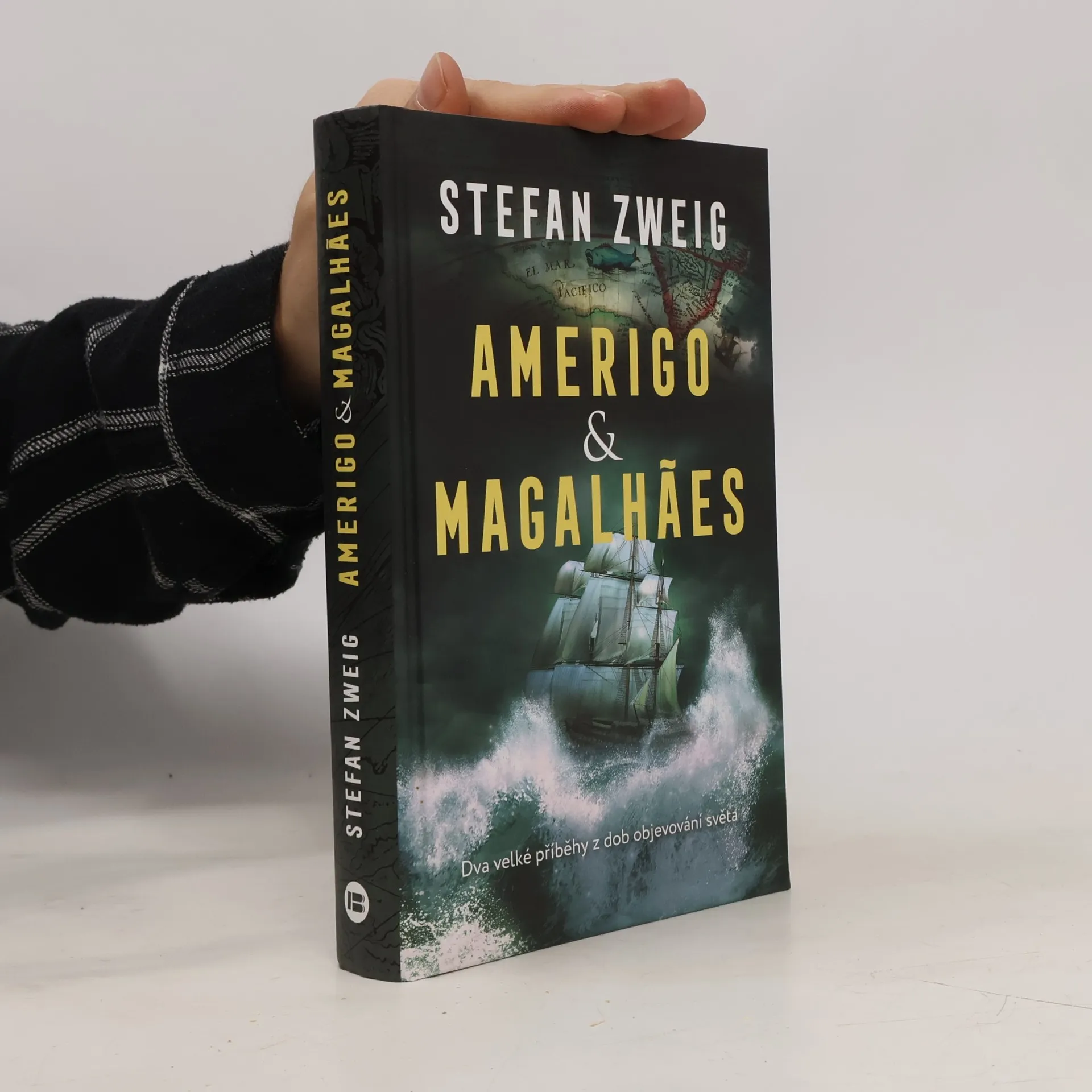
Proč se Amerika jmenuje Amerika a ne Kolumbie podle svého objevitele? Italský mořeplavec Amerigo Vespucci ji neobjevil, a nebyl ani tím, kdo jako první překročil Panamskou šíji a spatřil Tichý oceán, aby dokázal, že jde o nový kontinent. Zúčastnil se několika výprav do Nového světa, ale nevedl je. Ovšem psal o nich. Ale jen díky souhře mnoha neuvěřitelných náhod a omylů, které jsou samy o sobě fascinující příběhem, jenž nemá v historii obdoby, dostal nový kontinent jeho jméno. – Těmito otázkami se zabývá Zweigův životopisný román Amerigo (1944), první část svazku. Druhá část Magalhães (1938) je věnována slavnému portugalskému mořeplavci a jeho neuvěřitelné plavbě kolem světa, kterou podnikl v letech 1519–1521, která s konečnou platností dokázala, že je Země kulatá.
Содержание Одинокий остров Дон Кихота Автор: Вадим Татаринов стр. 5-10 Мария Стюарт — Стефан Цвейг, роман Перевод: Ревекка Гальперина стр. 11-352 Кристина — Стефан Цвейг, роман Перевод: Н.Бунин стр. 353-573 Амок — Стефан Цвейг, новелла Перевод: Даниил Горфинкель стр. 574-620 Письмо незнакомки — Стефан Цвейг, новелла Перевод: Д. Горфинкель стр. 621-655 Неожиданное знакомство с новой профессией — Стефан Цвейг, новелла Перевод: И. Татаринова стр. 656-688 Примечания Автор: Автор не указан стр. 689-700
Amok; Fantastická noc; Knihomol; Letní novelka; Mučivé tajemství; Neviditelná sbírka; Šachová novela; Zmatení citů; Doslov - Eduard Urban
Novellen
Lektüre
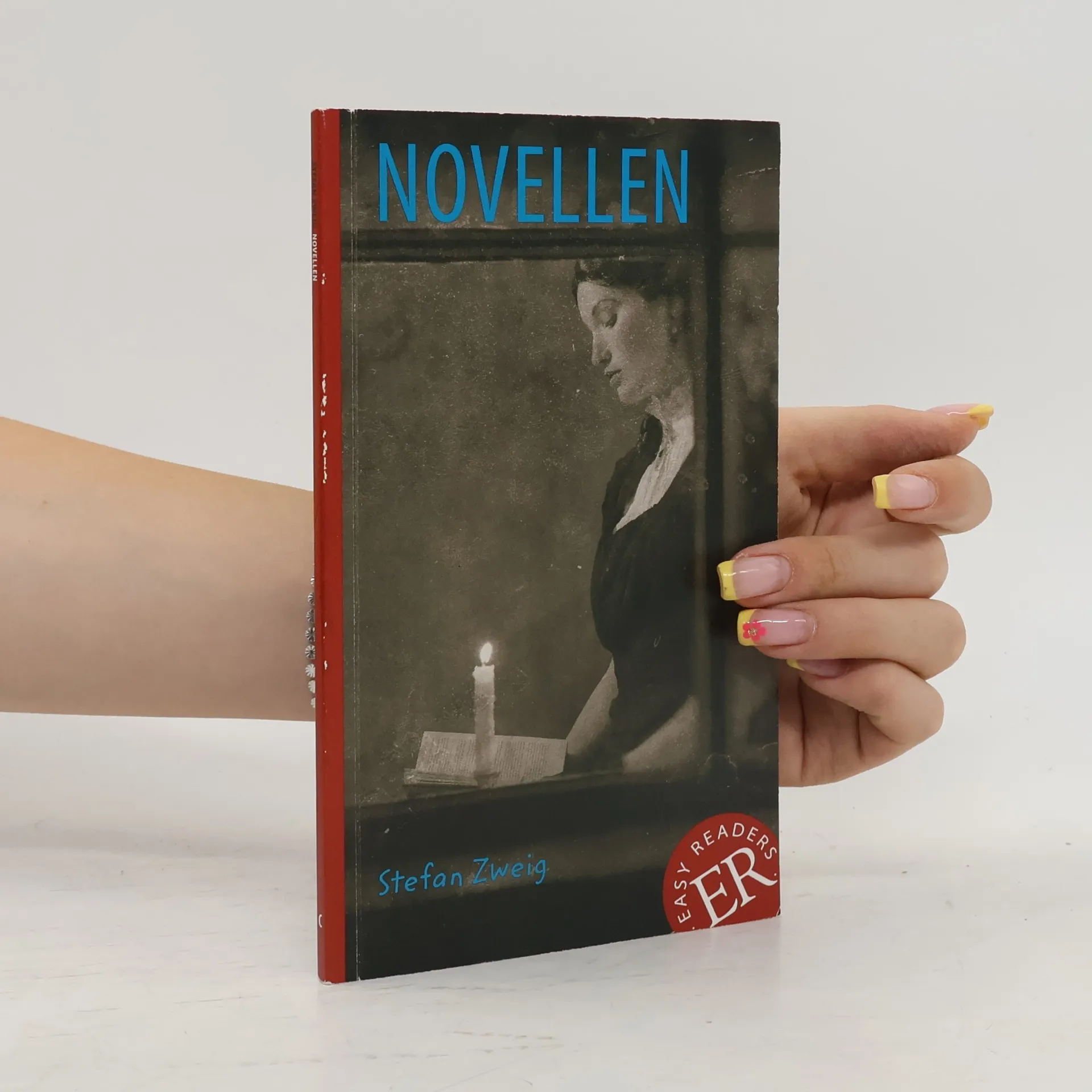
»Stefan Zweigs Novellen wenden die neu gewonnenen Erkenntnisse der zeitgenössischen Psychologie in einem biegsamen, fast nervös vibrierenden Stil auf ihre Themen an.« Richard Friedenthal
Životopis francúzskej kráľovny, dcéry Márie Terézie, ktorá zažila vrchol moci, ale aj pád a skončila na popravisku.
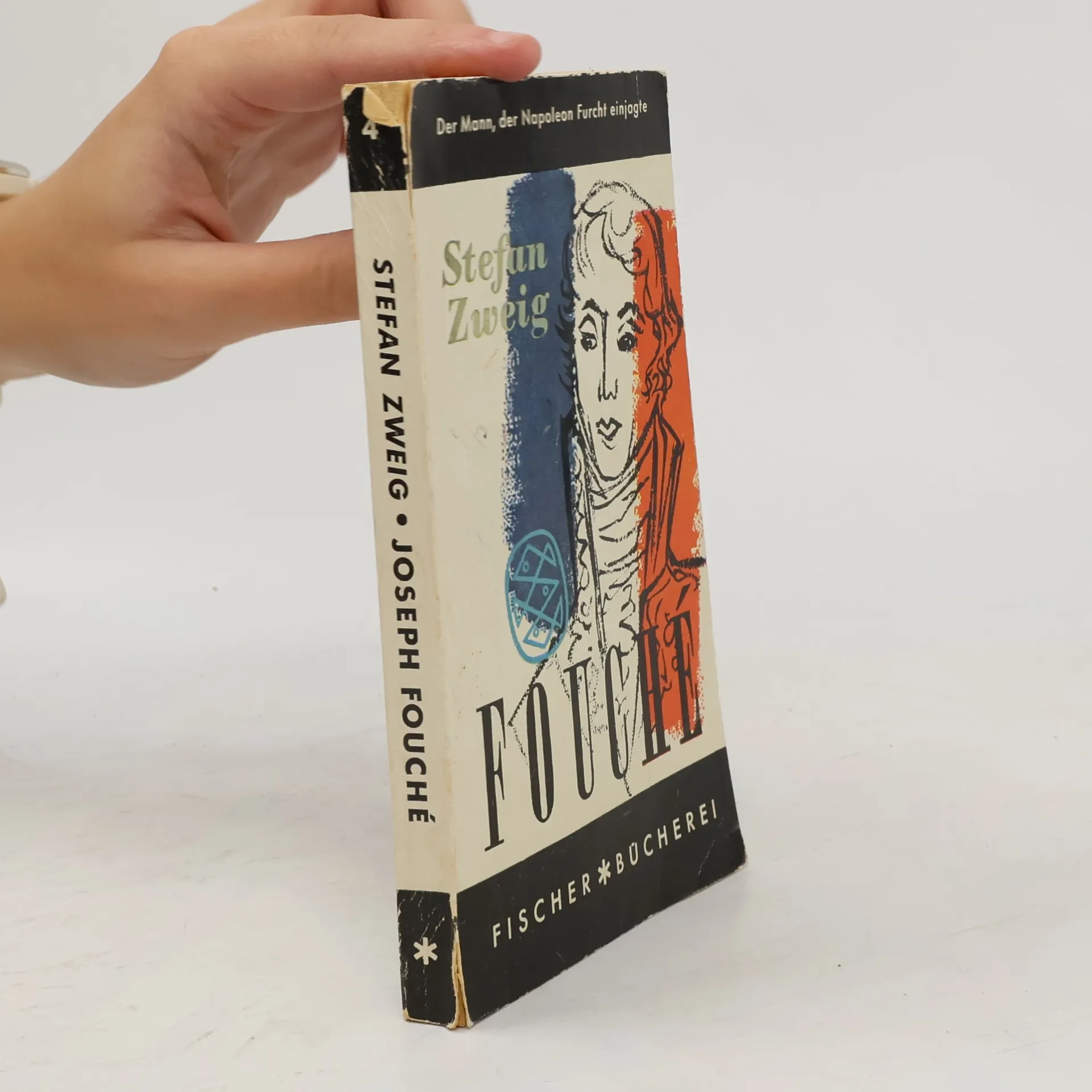
Balzac hat ihn den "psychologisch interessantesten Charakter seines Jahrhunderts" genannt. Aber eigentlich ist es sein "verwegener Mut zur restlosen Charakterlosigkeit und unentwegter Überzeugungslosigkeit", der Joseph Fouché zunächst zu Geld und dann zu Macht verholfen hat. Fast immer aus dem Hintergrund wirkend und handelnd, fordernd und zwingend paßt er sich geübt und geschickt, einem Chamäleon gleich, jeder politischen Färbung an. Stefan Zweigs große Erzählkraft faßt diesen politisch überaus begabten Menschen, der als Person glatt, kalt und unsinnlich bleibt, obwohl er ein Fanatiker ist. Kaum tritt er offen hervor, hält sich - mit allen Fäden in der Hand - als graue Eminenz immer verborgen, als "Blutsäufer" beim Gemetzel von Lyon, dem blutigsten Tag der Französischen Revolution, ebenso wie als alle und alles bespitzelnder Polizeiminister unter Napoleon und unter Ludwig XVIII. Doch den dämonisch besessenen Intriganten trifft schließlich die Verbannung, in der er einsam stirbt.
Novela 3
- 338pagine
- 12 ore di lettura
Novela 2
- 338pagine
- 12 ore di lettura
Novely: Putování, Zázraky života, Povídka za soumraku
"Kein einziger Mensch wagt sich nahe und voll in den innern Kreis dieses Geschickes, immer spricht, immer kämpft, immer leidet Nietzsche für sich allein. Er redet zu niemandem, und niemand antwortet ihm. Und was noch furchtbarer ist: niemand hört ihm zu."Ein biografisches Meisterwerk: Die Lebensbeschreibung Nietzsches im berühmten, romanhaft-lebendigen Stil Stefan Zweigs verfasst.
Stefan Zweig reflektiert die politisch-kulturellen Umbrüche und Unsicherheiten im Europa der Zwischenkriegszeit: Vor dem Hintergrund von Inflation, Arbeitslosigkeit und politischen Krisen breiten sich Hetze, Hass und Gewalt wie ein schleichendes Gift in der Gesellschaft aus. Tabus werden systematisch gebrochen, Normalitätsgrenzen leise verschoben. Hitler beginnt – und damit die Unmenschlichkeit. »Was konnte Hitler Gewalttätiges durchsetzen in einem Staate, wo das Recht fest verankert war, wo im Parlament die Majorität gegen ihn stand und jeder Staatsbürger seine Freiheit und Gleichberechtigung nach der feierlich beschworenen Verfassung gesichert meinte? Dann kam der Reichstagsbrand, das Parlament verschwand, Göring ließ seine Rotten los, mit einem Hieb war alles Recht in Deutschland zerschlagen.« Stefan Zweig »Keiner unter allen deutschen Schriftstellern hat die Verbindung von Deutschtümelei und rüdem Antisemitismus so begriffen und ausgesprochen wie er.« Walter Jens
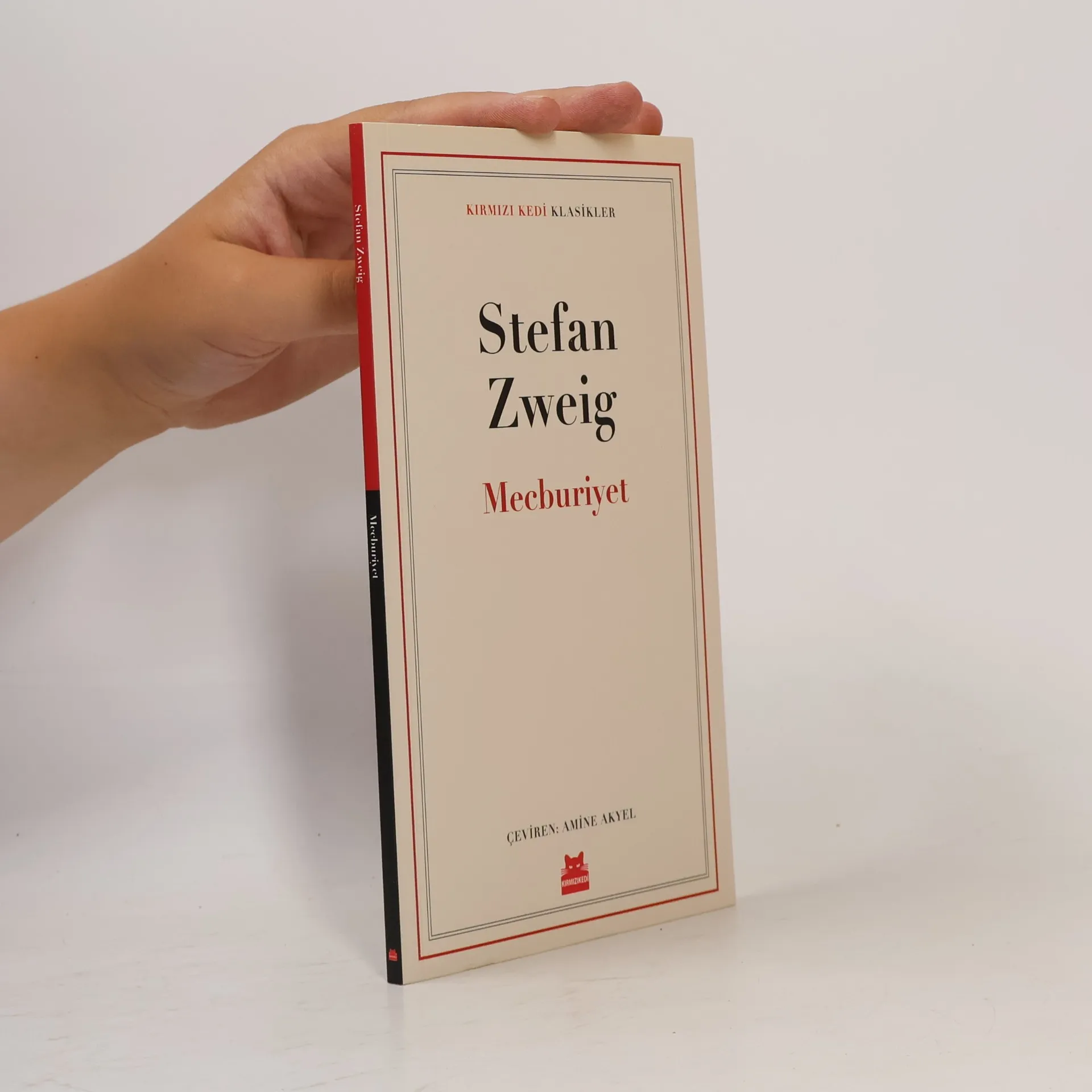
Savaş karşıtı görüşleriyle tanınan Zweig I. Dünya Savaşı boyunca bu görüşlerini yaymayı kendine misyon edinmişti. Avrupalı ve “dünya vatandaşı” kimliğine büyük değer veren yazar, yapıtlarında savaşın yıkıma uğrattığı “eski dünya”nın değerlerinin kayboluşunu büyük ölçüde dert edinmiştir. Mecburiyet ’in ana karakteri ressam Ferdinand da savaş sırasında askere alınmamak için İsviçre’ye kaçmıştır. Bir gün askerliğe elverişliliğinin tespiti için konsolosluğa davet edildiğinde, karısının şiddet karşıtı duruşuna ihanet etmemesi yolundaki telkinlerine karşın kendini gitmek zorunda hisseder. Görev duygusu, savaş karşıtı düşünceleri ve karısına duyduğu sevgi arasında sıkışıp kalmıştır. Ferdinand her ne kadar “insanlığın ötesinde bir vatanı” olmasa da, “yirmi milyon insanı boğan o zinciri” kıramayacağını düşünür...
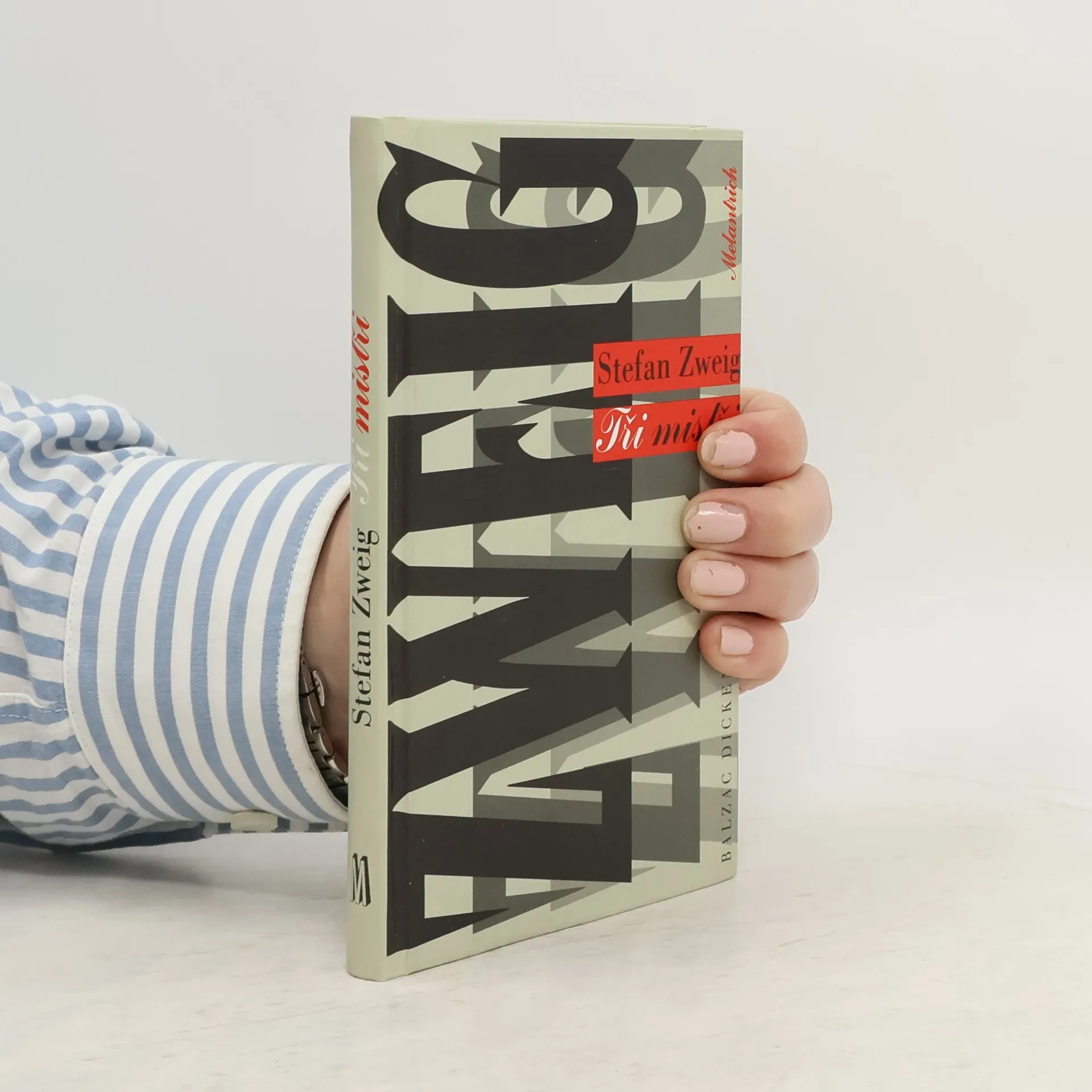
Stefan Zweig o svých esejích, zabývajících se třemi spisovateli 19. století – Balzakem, Dickensem a Dostojevským, řekl: „Jednotným záměrem knihy bylo pokusit se ukázat tyto tři velké a podle mne jediné romanopisce 19. století jako typy, které se právě kontrastností svých osobností vzájemně doplňují.“
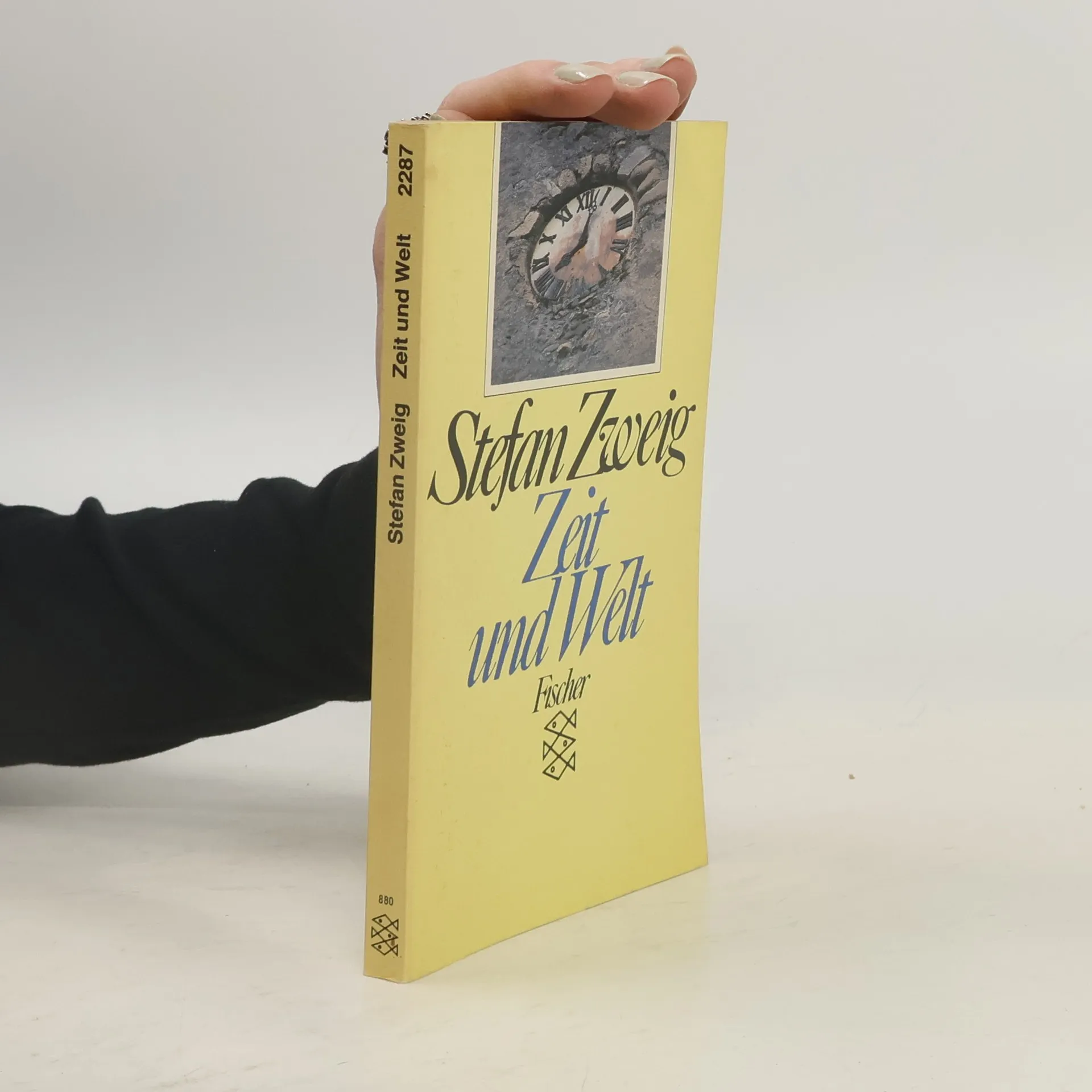
Zeit und Welt
- 183pagine
- 7 ore di lettura
In der ersten Teil dieses Buches skizziert Zweig scharfsinnige und originelle Porträts von Schriftstellern, die einen bleibenden Eindruck bei ihren Zeitgenossen hinterlassen haben. Im zweiten Abschnitt beschwört er Fragmente von Ländern und Landschaften, die er in seinem wechselvollen Leben erlebt hat. Und im dritten Teil werden Studien und Vorträge des Autors gesammelt, die seine treffende und manchmal bittere Sicht auf die Gesellschaft bestätigen.
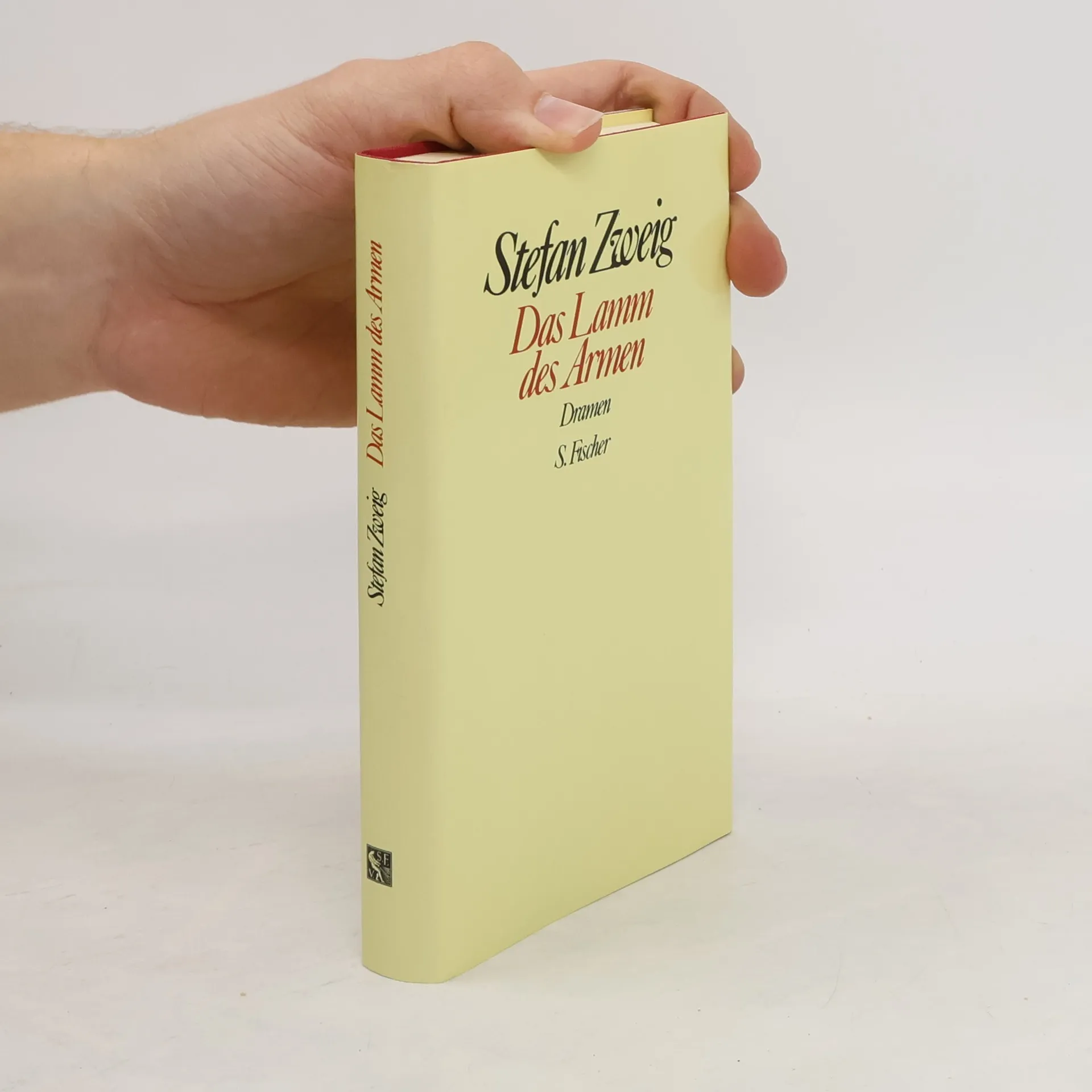
Das Lamm des Armen. Dramen
- 422pagine
- 15 ore di lettura
Stefan Zweig war vom Theater fasziniert, was ihn trotz Bedenken herausforderte. Er wählte seine Stoffe meist aus der Geschichte, darunter den amerikanischen Unabhängigkeitskrieg, das Rokoko, die napoleonische Zeit und die Französische Revolution.
Ausgewählte Kostbarkeiten
- 64pagine
- 3 ore di lettura
Für das Menschliche im Menschen
Texte eines Humanisten und Weltbürgers
Stefan Zweig war in den 1930er-Jahren der meistgelesene Autor deutscher Sprache, seine Werke gehören heute zum Kanon der deutschsprachigen und europäischen Literatur. Der engagierte Kämpfer für Frieden und Völkerverständigung ist einer der wichtigsten Vordenker der europäischen Einigung. In seinen Sternstunden der Menschheit und den Biographien macht Zweig Geschichte wieder lebendig und spannend. Gekonnt porträtiert er historische Gestalten oder beeindruckende Abenteurer und Weltentdecker, aber er erinnert auch an die Opfer von Unterdrückung und Intoleranz. In den Novellen und Romanen glänzt er dank seines psychologischen Einfühlungsvermögens und der Darstellung von verborgenen Leidenschaften, die unaufhaltsam in die Katastrophe führen. Auch die heute weniger bekannten Gedichte und Dramen waren zu Lebzeiten des Autors äußerst erfolgreich. Zweigs Erinnerungen Die Welt von Gestern schließlich beschreiben eindringlich den einzigartigen intellektuellen und künstlerischen Kosmos am Ende der Habsburgermonarchie – eine Epoche, die mit dem Ersten Weltkrieg und der Verfolgung und Vernichtung ihrer jüdischen Protagonisten unterging.
Jeremias
- 222pagine
- 8 ore di lettura
Nicht weniger als eine neue Interpretation des biblischen Propheten Jeremias bietet Stefan Zweig uns in seinem Drama an. Die Wegführung des Volkes und die Erfahrungen der Diaspora - Zweig greift die offenkundigen Parallelen auf und schlägt die Brücke zum Pazifismus. Es ist ein scheinbarer Widerspruch: Mit seinem Anti-Kriegs-Engagement war Zweig ein einsamer Mahner in der Wüste, doch lag es nicht daran, dass sein Werk nicht verbreitet worden wäre. Zweig gehörte schon zu Lebzeiten zu den bestverkauften Autoren seiner Zeit. Gröls-Klassiker (Edition Werke der Weltliteratur)
V dvoch zbierkach esejí " Stavitelia sveta" a " Stretnutia s ľuďmi, knihami a mestami", z ktorých je zostavený výber, konfrontuje Stefan Zweig svoje názory a úsilie s velikánmi devätnásteho a dvadsiateho storočia. (Dostojevskij, Tolstoj, Gorkij, Balzac, Dickens, Goethe, Holderlin, Kleist, Rilke, Sainte-Beuve, Joyce a i.), spája autobiografiu s bilanciou epochy. Tridsať rokov jeho literárnych úvah neodzrkadľuje len zážitok a názor samoľúbeho jednotlivca, ale prežívanie sveta a udalostí ako ho cítila vari celá jeho generácia. Zweig nechce byť, ako sám hovorí, stredobodom a zmyslom knihy, ale sprostredkovateľom hodnôt a zážitkov, ktoré jemu a jeho rovesníkom znásobovali zmysel existencie a predstavujú veľkú časť toho, čo im bolo podnetom, šťastím, ziskom a skúsenosťou mladosti. Sú to stretnutia s ľuďmi, s knihami, s dobou, ktoré ho raz rozpálili do rojčivého nadšenia a inokedy nútili vytriezvieť. Že v týchto literárnych skvostoch chýba postoj politika, to je prejav jeho životného úsilia a nadstraníckosť vo všetkých veciach, úsilia pochopiť aj to, čo mu je cudzie, a hodnotiť národy a epochy, postavy a diela len v ich pozitívnom, tvorivom zmysle a týmto neúnavným úsilím o pochopenie slúžiť nezničiteľnému ideálu: humánnemu porozumeniu medzi ľuďmi, národmi, kultúrami a svetonáhľadmi.
Im Werk von Stefan Zweig sind Zeiten aufgehoben, die für immer vergangen sind, doch in seiner wunderbaren Literatur fortleben. Diese reiche Auswahl aus dem umfassenden Gesamtwerk des österreichischen Schriftstellers versammelt viele seiner bekanntesten und wichtigsten Erzähltexte, unter ihnen die 'Schachnovelle', den Novellenzyklus 'Verwirrung der Gefühle' und zahlreiche seiner meisterlichen Geschichten wie 'Der Amokläufer', 'Die Frau und die Landschaft' und 'Episode am Genfer See'.
„So wie ich die ganze Welt als meine Heimat empfinde, so haben auch meine Bücher in allen Sprachen der Erde Freundschaft und Aufnahme gefunden.“ Stefan Zweig (1881-1942) hat sich mit seinen Erzählungen und Biografien in den Kanon der deutschsprachigen Literatur des 20. Jahrhunderts eingeschrieben. Nach der einschneidenden Erfahrung des Ersten Weltkrieges wandte er sich in dem Bemühen, das eigene Zeitalter besser zu verstehen, verstärkt der Weltgeschichte zu. So entstanden zahlreiche historische Biografien und Miniaturen, die zu Weltruhm gelangten. Ebenso wie seine Novellen, in denen er die psychologischen Gründe und Abgründe seiner Helden auslotet, finden sie bis heute begeisterte Leser. Die für diesen Band ausgewählten Texte bieten einen umfassenden Überblick über das erzählerische und biografische Werk. Er versammelt einige der schönsten und eindringlichsten Texte Stefan Zweigs, darunter die „Sternstunden der Menschheit“, die postume Autobiografie „Die Welt von gestern“ und die brillante „Schachnovelle“.
Zu den bewegendsten und bisher unzugänglichen Schriften Stefan Zweigs zählen diese in seinen letzten beiden Lebensjahren entstandenen Schilderungen. Einmal mehr zeigen sie das ganze Spektrum seines Talentes, persönliche Erfahrungen wie auch historische Begebenheiten so anschaulich zu vergegenwärtigen, dass sie der Leser wie eigene Erlebnisse wiederzuerkennen meint. Die Titelgeschichte ist eine Erinnerung an die wohl glücklichsten Jahre, die er von 1919 bis 1934 in seinem Salzburger Heim verbrachte. »Nur Mut!« überliefert ein Erlebnis aus seiner Schulzeit, ähnlich folgenreich wie die »Nachhaltige Lektion« eines Besuches beim Bildhauer Auguste Rodin. Der Bericht »Was mir das Geld bedeutet« ist ebenso wie die Erzählung »Die Angler an der Seine« und seine von 1940 bis 1942 nur in Zeitungen und Zeitschriften veröffentlichten politischen Appelle, »Das große Schweigen«, »In dieser dunklen Stunde« und »Hartrott und Hitler«, Warnrufe vor Katastrophen, die er nicht mehr erleben wollte.
Die hier versammelten Vorträge und Aufsätze setzen zwei Akzente, einen politischen und zeitkritischen, und daneben als "Autitoxin", als Chance zur Überwindung der fortschreitenden "Monotonisierung der Welt", die Alternativen, die Zweig bei Zeitgenossen wie Tolstoi, Rathenau, James Joyce, Thomas Mann, Rilke, Hermann Hesse oder Joseph Roth ausgeprägt findet.
Begegnungen mit Büchern
- 268pagine
- 10 ore di lettura
"Durch das Buch ist keiner mehr ganz mit sich allein in sein eigenes Blickfeld eingemauert, sondern kann teilhaft werden alles gegenwärtigen und gewesenen Geschehens, des ganzen Denkens und Fühlens der ganzen Menschheit." Stefan Zweig war ein leidenschaftlicher Leser. Seine Leseeindrücke sind teils spontan in Rezensionen, teils wohldurchdacht in Einleitungen eingeflossen. Aus der Fülle dieser Texte wurde eine möglichst repräsentative Auswahl getroffen, die nach Nationalliteraturen und innerhalb dieser nach historischen Daten geordnet ist und damit Stefan Zweigs Rezeption und ihre gelegentliche Auswirkung auf seine eigenen Werke aufzeigt.
«Dieses Buch will keineswegs eine systematische Geschichte sämtlicher seelischen Heilmethoden sein. Mir ist es nur gegeben, Ideen in Gestalten darzustellen. Wie ein Gedanke in einem Menschen Wachstum gewinnt und dann über diesen Menschen hinaus in die Welt, dieses geistig-seelische Geschehnis scheint mir immer eine Idee sinnlicher zu veranschaulichen als jedes historisch-kritische Referieren. Darum habe ich mich begnügt, nur drei Menschen zu wählen, die, jeder auf anderem und sogar gegensätzlichem Wege, das gleiche Prinzip der Heilung durch den Geist an Hunderttausenden verwirklichten: Mesmer durch suggestive Verstärkung des Gesundheitswillens, Mary Baker-Eddy durch die chloroformierende Ekstatik der Glaubenskraft, Freud durch Selbsterkennung und damit Selbstbeseitigung der unbewußt lastenden Seelenkonflikte.» Stefan Zweig
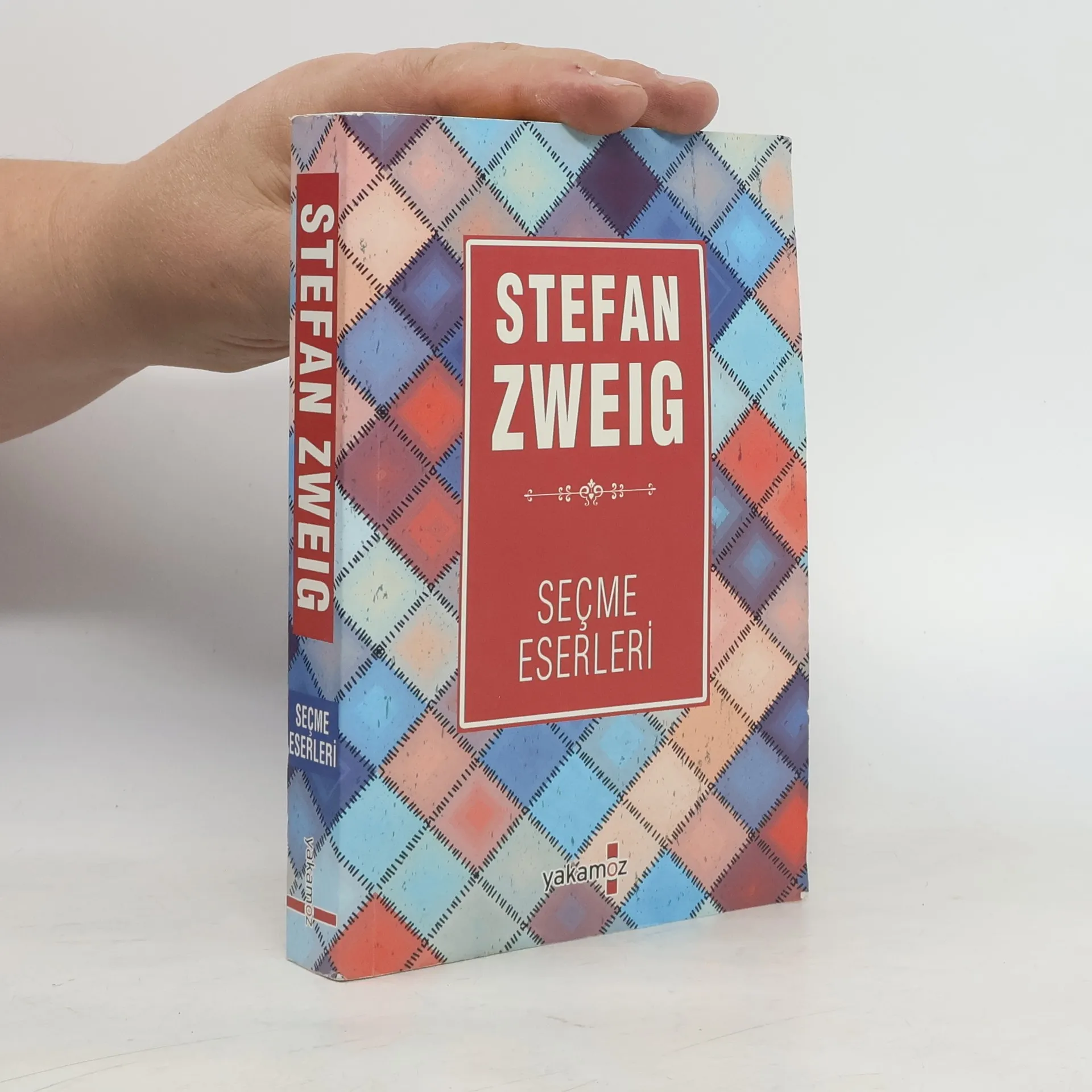
Stefan Zweig Seçme Eserleri
- 544pagine
- 20 ore di lettura
Paperback. 13,50 / 19,50 cm. In Turkish. 544 p. Insan psikolojisini ve yasanmisliklari, tüm detaylariyla okuyucusuna sunma konusunda essiz bir yetenek olan Stefan Zweig'in en dikkat çeken eserlerini sizler için bir araya getirdik. Zweig'in öykülerini okurken siz de o anlari yasayacak, kendinizi karakterlerle ve olaylarla iç içe bulacaksiniz.Iste sizin için seçtigimiz öykü Bir Kadinin Yasamindan 24 Saat Fragman Görülmeyen Koleksiyon Geç Ödenen Borç Hayatin Mucizeleri Mecburiyet Satranç Bilinmeyen Bir Kadinin Mektubu Erika Ewald'in Aski Olaganüstü Bir Gece
Zu korrespondieren, Kontakte zu knüpfen und zu erhalten, war Stefan Zweig lebenslang Bedürfnis. Er war Mitte zwanzig, als er seine ersten Bücher an damals bereits berühmte, in ihrem Werk bewunderte Persönlichkeiten mit ein paar begleitenden Zeilen verschickte. Aus vielen Antworten entwickelten sich persönliche Beziehungen, deren schriftliche Zeugnisse erhalten sind. Um mit diesem Band einen möglichst konkreten Eindruck von der besonderen Begabung Stefan Zweigs zu geben, auf jeden einzelnen Briefpartner und seine persönlichen Äußerungen einzugehen, haben die Herausgeber vier in ihrer Art sehr unterschiedliche Korrespondenzen ausgewählt. Wollte man sie charakterisieren, so könnte man die mit Hermann Bahr bei allem Gegensatz der Charaktere kritisch kollegial, die mit Sigmund Freud respektvoll bewundernd, was Mißverständnisse nicht ausschließt, die mit Rainer Maria Rilke einen höflich-sachlichen Gedankenaustausch und die mit Arthur Schnitzler freundschaftlich anregend nennen. Allen gemeinsam ist, daß sie in den ersten Jahren des neuen Jahrhunderts zwischen 1904 und 1908 begonnen und bis kurz vor dem Tod der Partner geführt wurden – Stefan Zweig, hier immer der Jüngere, hat sie überlebt.
Seçme Eserleri
- 416pagine
- 15 ore di lettura
İnsan psikolojisini ve yaşanmışlıkları, tüm detaylarıyla okuyucusuna sunma konusunda eşsiz bir yetenek olan Stefan Zweig’ın en dikkat çeken eserlerini sizler için bir araya getirdik. Zweig’ın öykülerini okurken siz de o anları yaşayacak, kendinizi karakterlerle ve olaylarla iç içe bulacaksınız. İşte sizin için seçtiğimiz öyküler: • Bilinmeyen Bir Kadının Mektubu • Satranç • Bir Kadının Yaşamından 24 Saat • Olağanüstü Bir Gece • Erika Ewald’ın Aşkı • Mecburiyet • Geç Ödenen Borç • Fragman • Görülmeyen Koleksiyon
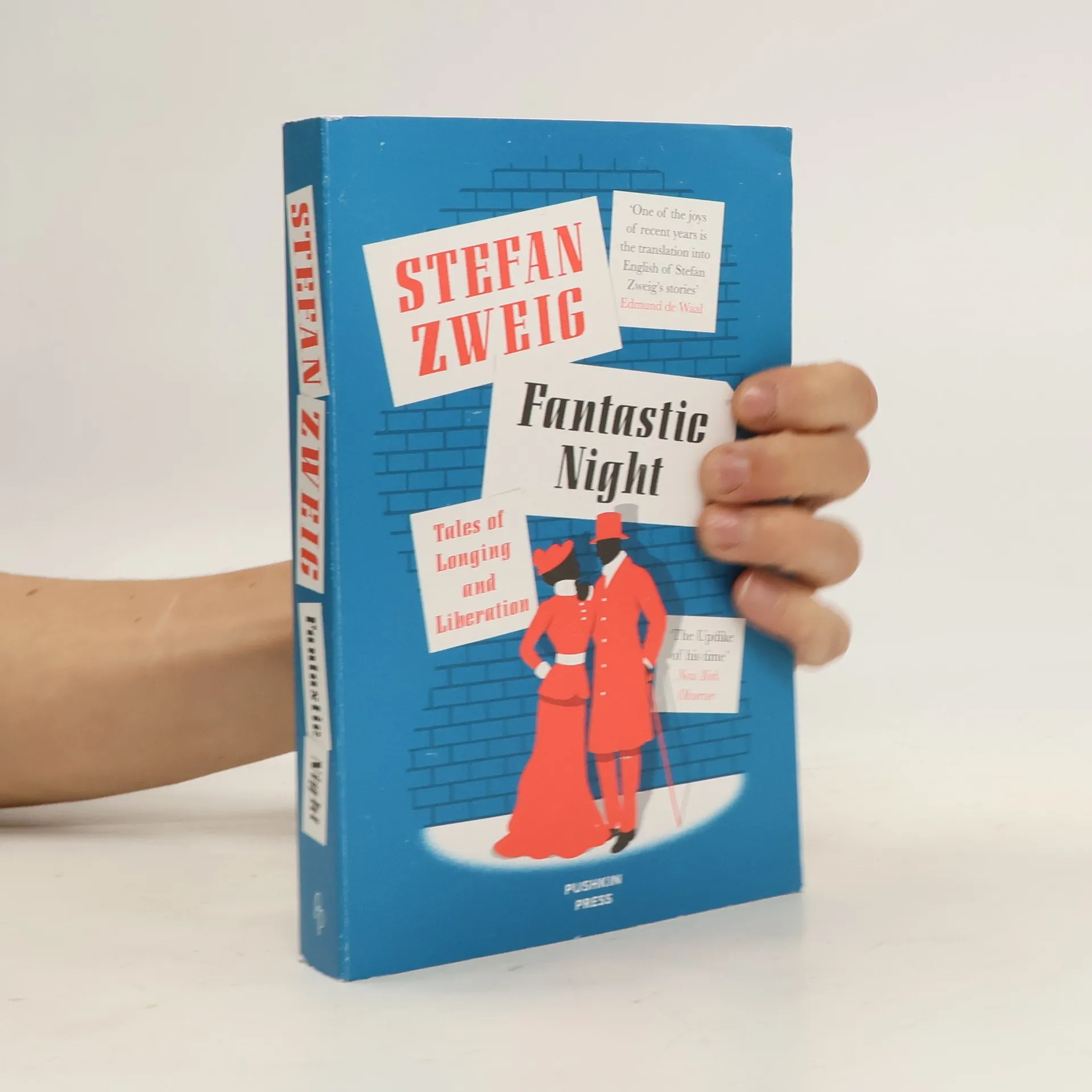
Fantastic night
- 374pagine
- 14 ore di lettura
Fünf von Stefan Zweigs fesselndsten Novellen sind in diesem kraftvollen Band versammelt. Fantastische Nacht erzählt von einem verwandelnden Abend im Leben eines reichen und gelangweilten jungen Mannes. Er verbringt einen Tag auf der Rennbahn und einen Abend in der schäbigen, aber aufregenden Gesellschaft der Abgehängten. Seine Erfahrungen reißen ihn aus seiner Lethargie und verleihen ihm eine neu entdeckte Lebensfreude, die dann durch den Ersten Weltkrieg jäh beendet wird. Fantastische Nacht wird ergänzt durch Die unsichtbare Sammlung und Buchmendel, zwei von Zweigs kraftvollsten Werken, die Leben im einseitigen Streben nach Kunst und Literatur vor dem Hintergrund von Armut und Korruption erkunden. Schließlich vervollständigen Brief einer unbekannten Frau, Zweigs ergreifende und herzzerreißende Erzählung über die Stärke und den Wahnsinn der unerwiderten Liebe, und Der gefangene Jäger die Sammlung.
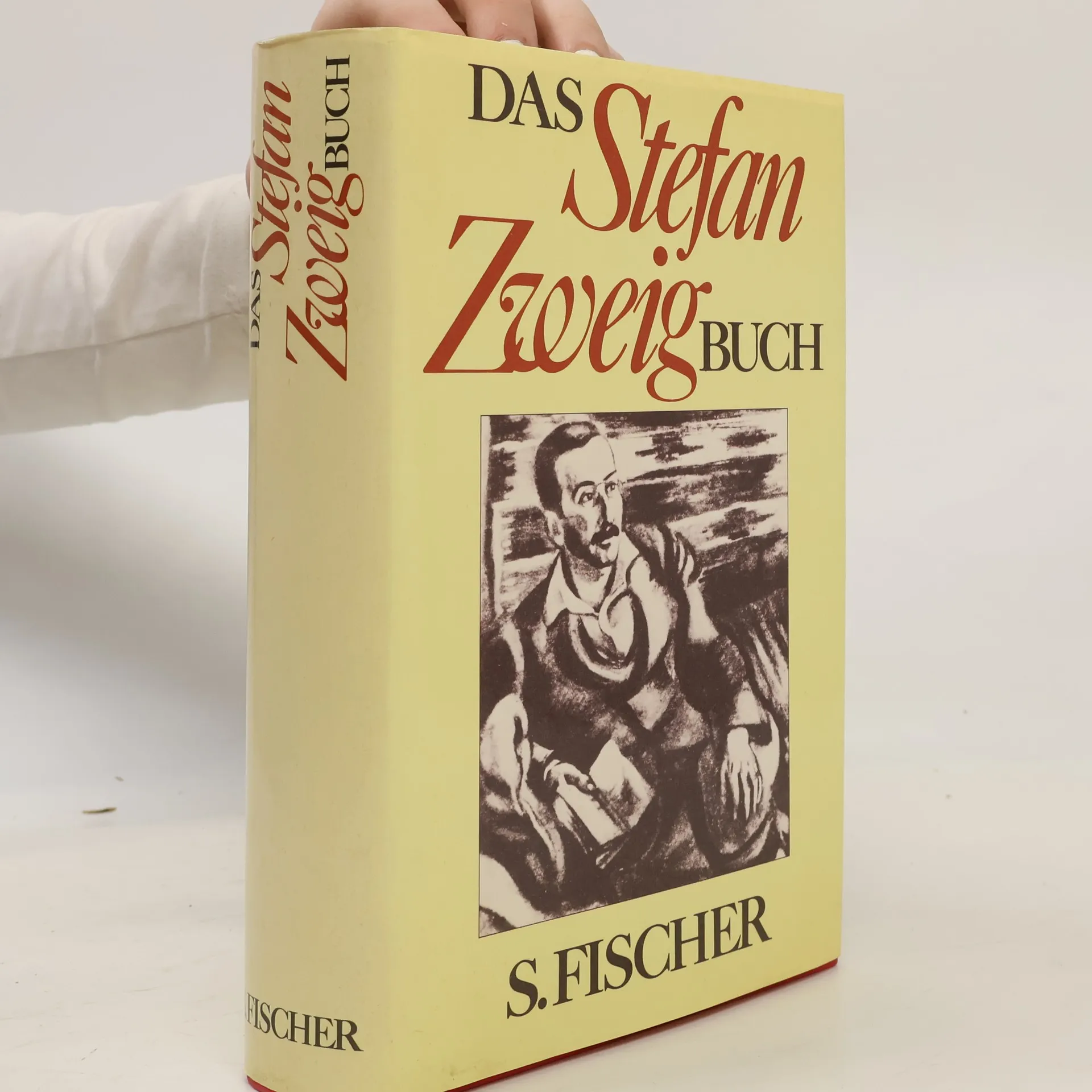
Das Stefan Zweig Buch
- 407pagine
- 15 ore di lettura
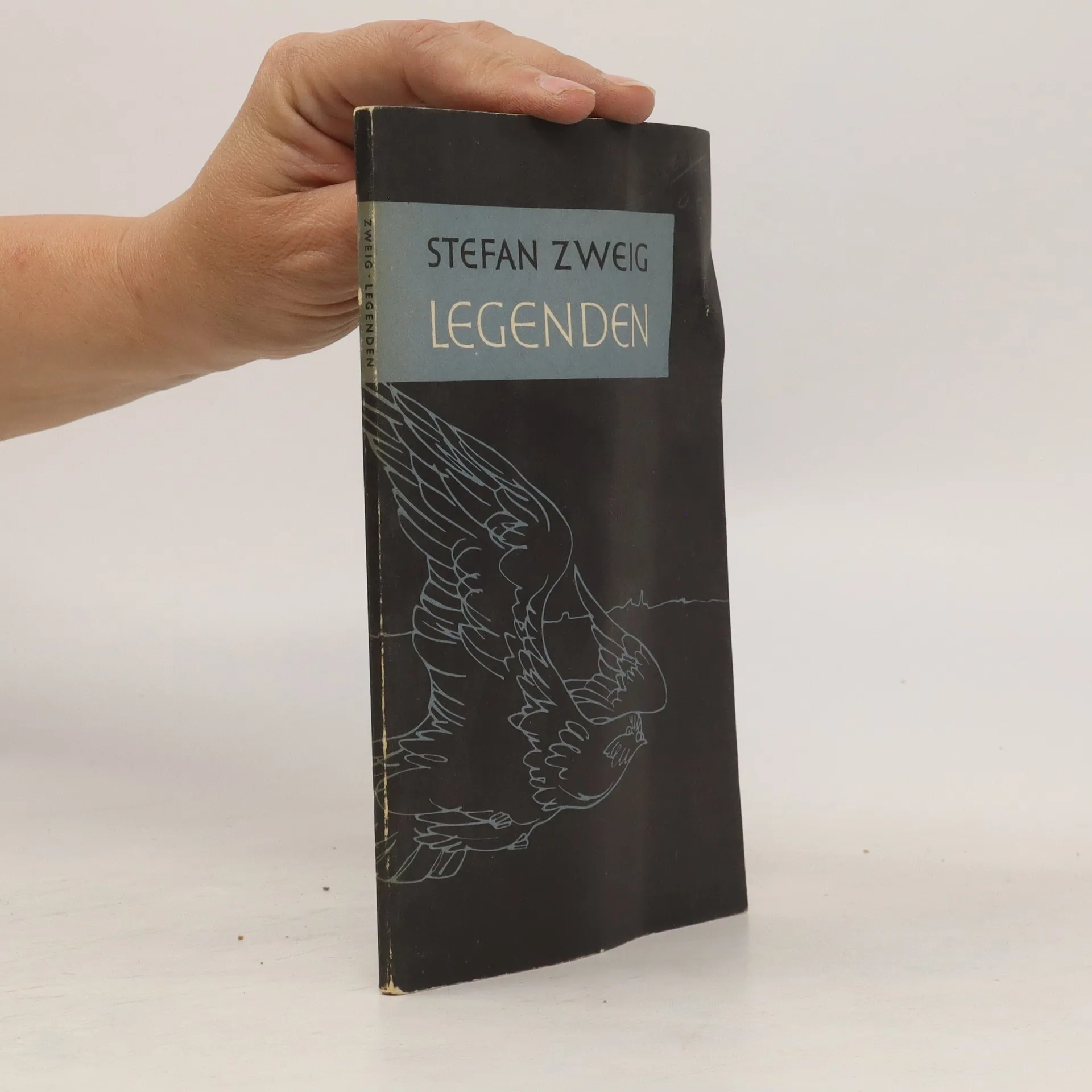
Legenden" ist eine Sammlung von vier Geschichten, geschrieben von Stefan Zweig. Die Sammlung enthält folgende Legenden: Rahel rechtet mit Gott / Die Augen des ewigen Bruders / Der begrabene Leuchter / Die Legende der dritten Taube.
Die Liebe Der Erika Ewald
- 92pagine
- 4 ore di lettura
Die Geschichte folgt der Pianistin Erika Ewald, die während der Proben für ein Konzert eine Beziehung zu einem Geigenvirtuosen entwickelt. Obwohl ihre Anziehung zunächst platonisch bleibt und sie viel Zeit miteinander verbringen, wächst das Verlangen des Geigenvirtuosen nach Erika. Als er seine Gefühle offenbart, ist sie jedoch unsicher und flieht im entscheidenden Moment. Die Erzählung thematisiert die Komplexität von Liebe und emotionaler Bereitschaft.
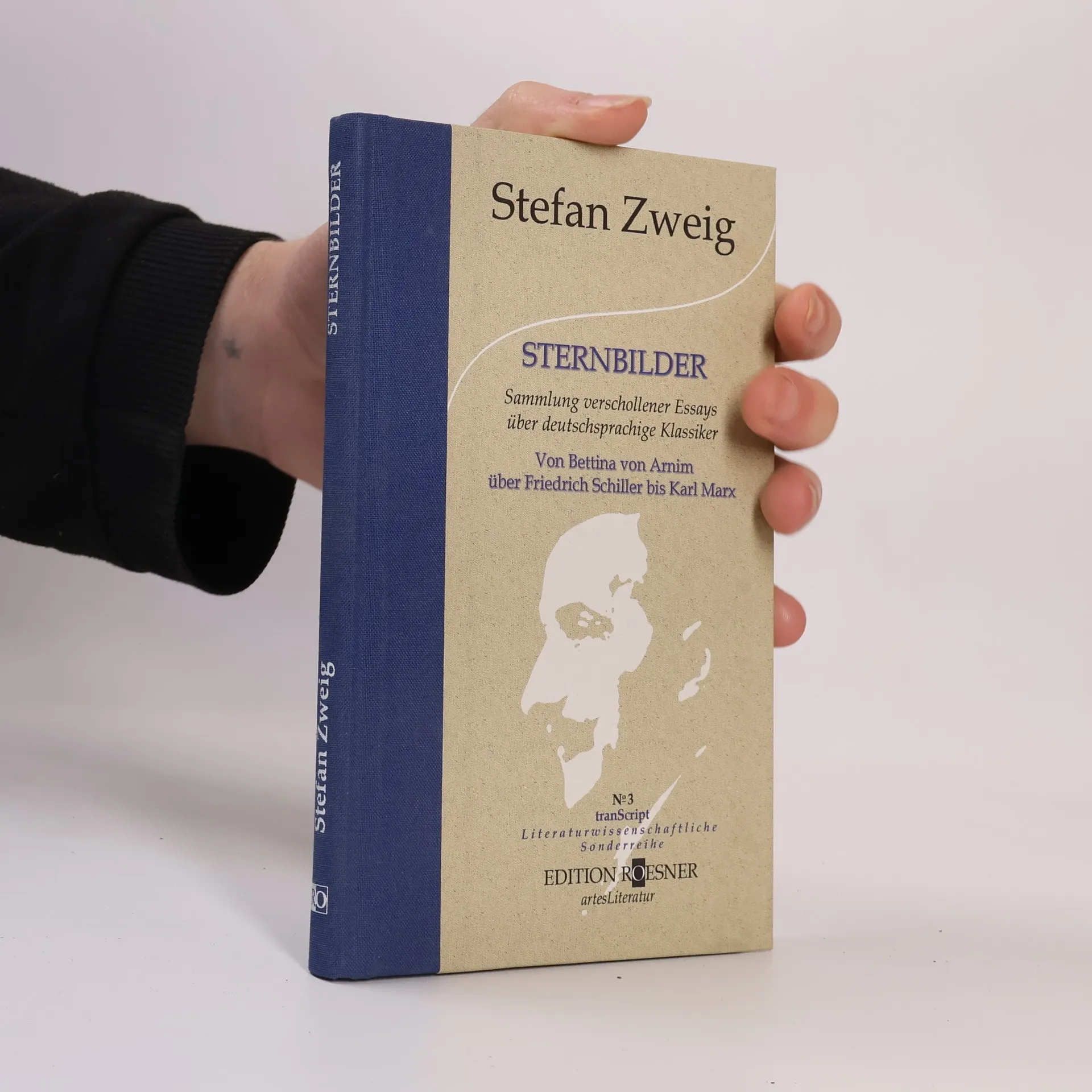
Sternbilder
- 127pagine
- 5 ore di lettura
Der Büchermensch Stefan Zweig Ein Romancier mit Millionenauflagen bis heute – zugleich hochkarätiger Kenner und feinsinniger Beobachter der Welt der Bücher: Stefan Zweig! Mit diesen verschollen geglaubten Essays geleitet er uns durch drei Jahrhunderte deutschsprachiger Literatur – mit höchst originellem Zugang zu Größen wie Goethe, Hölderlin, Keller oder Nietzsche. Doch er hebt auch Autoren, denen eine angemessene Beachtung versagt blieb, aus dem Dunkel des Vergessens. Dass seine Sprache so diamanten gleißt wie in seiner Prosa, macht die Lektüre zum Genuss. Stefan Zweigs Beiträge verführen dazu, dem Charme seiner Sprache zu erliegen, bedeutet Literatur zu atmen, heißt die Welt besser zu verstehen …