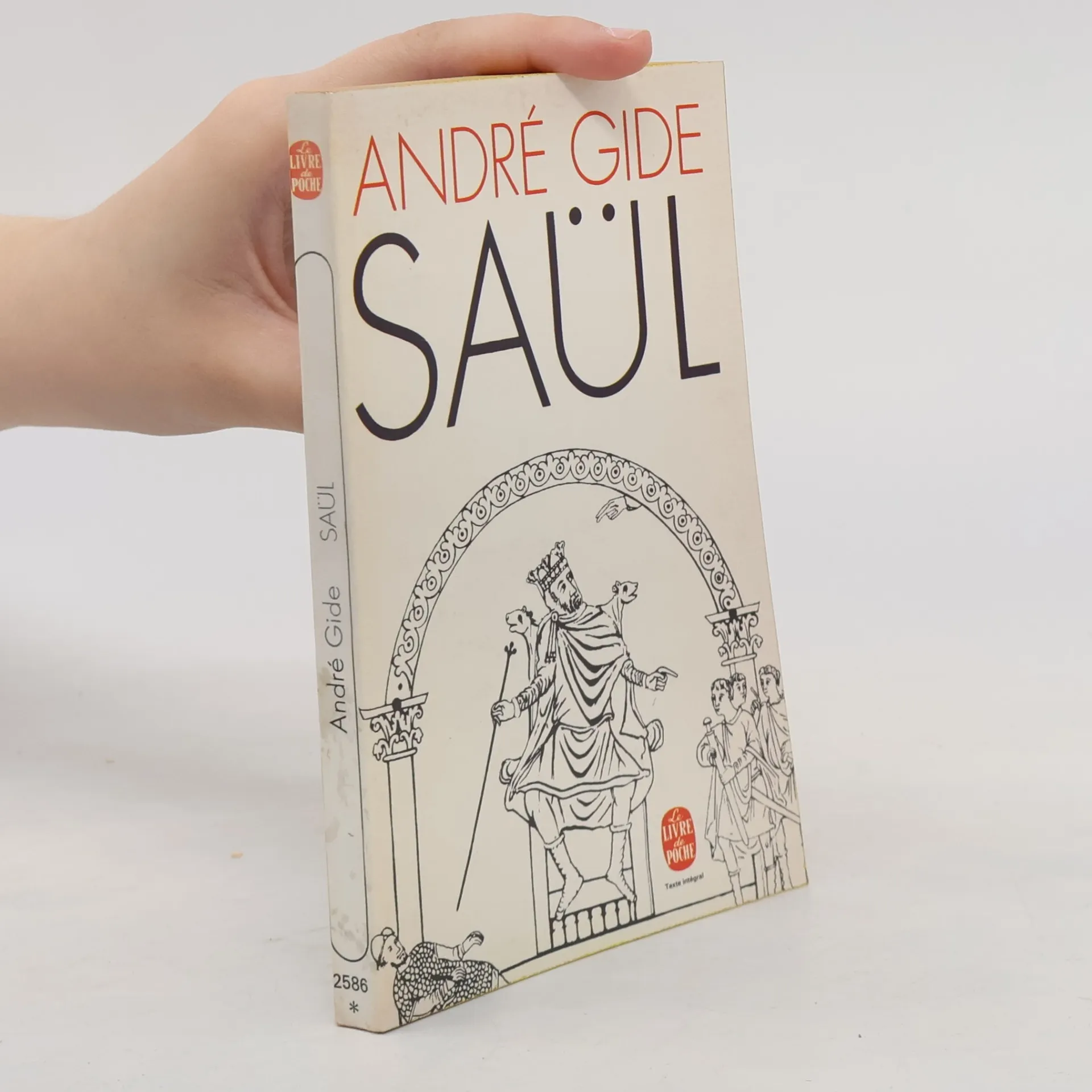
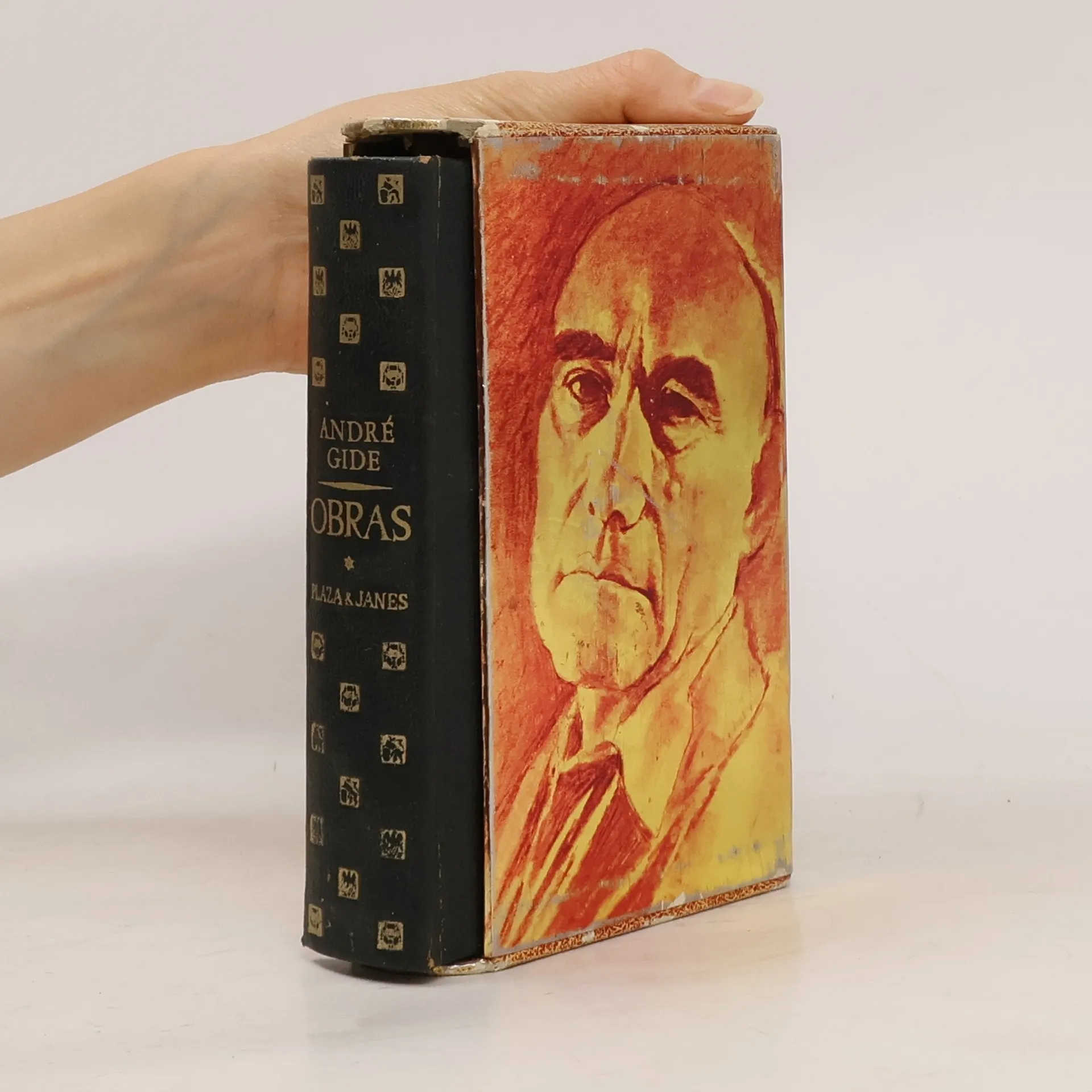
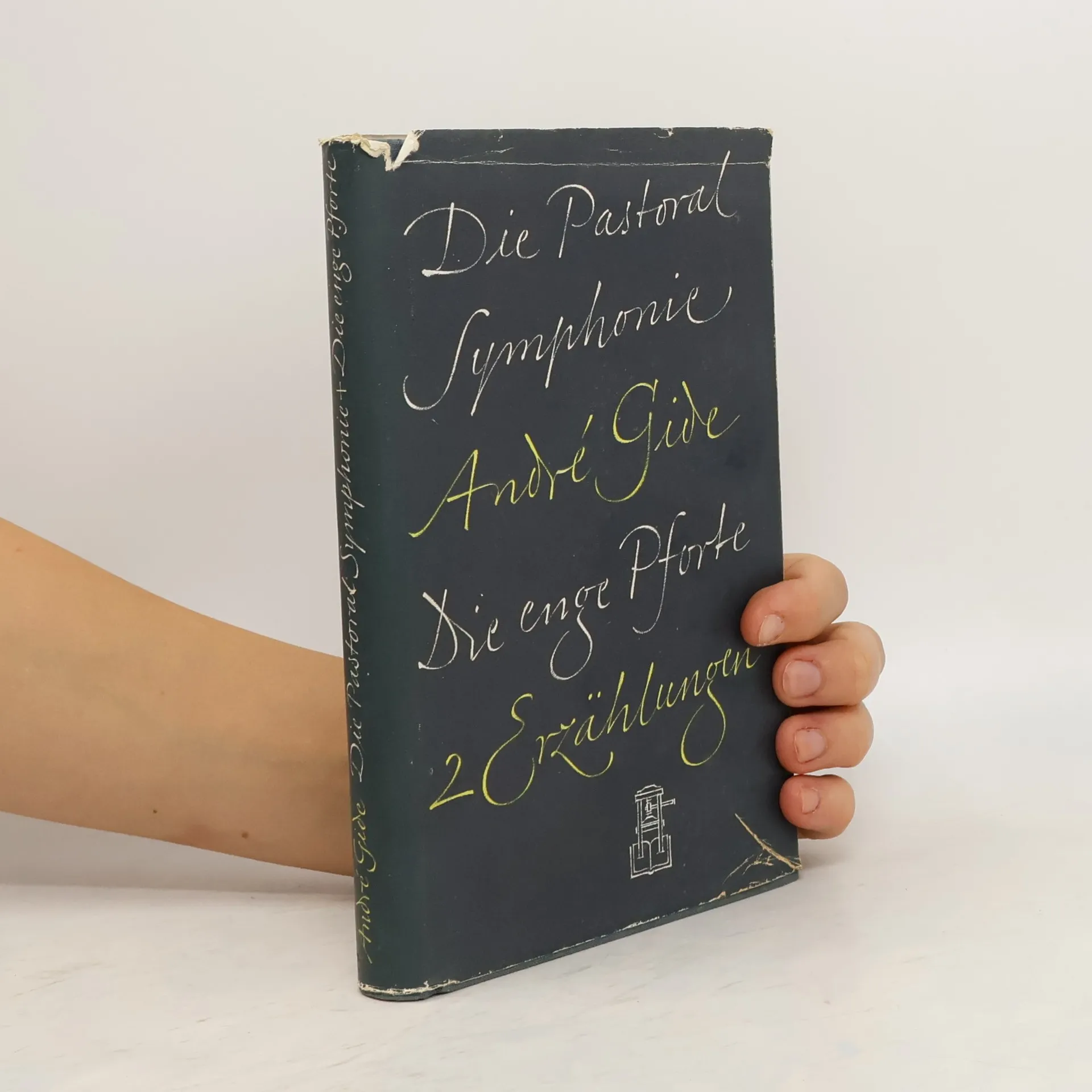
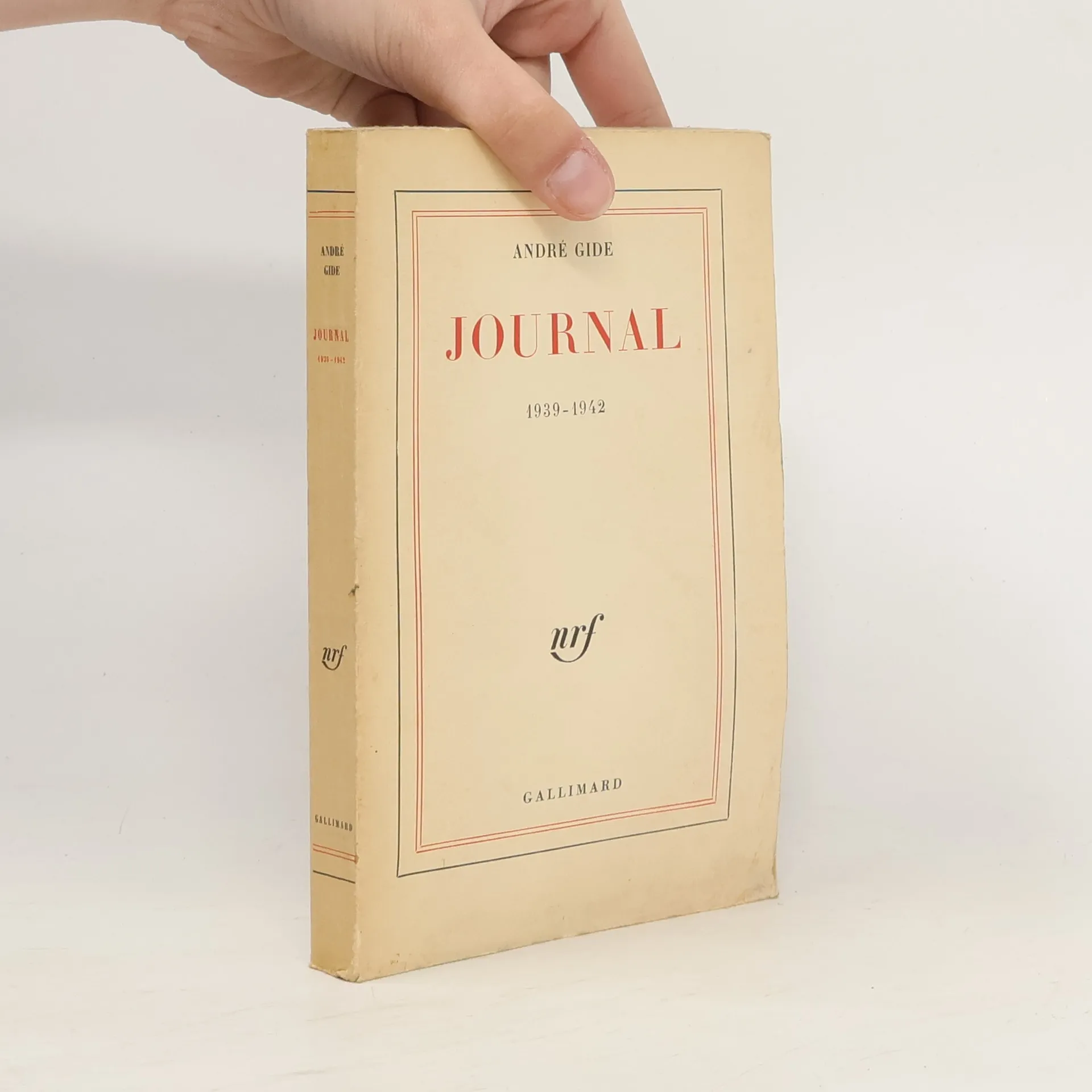
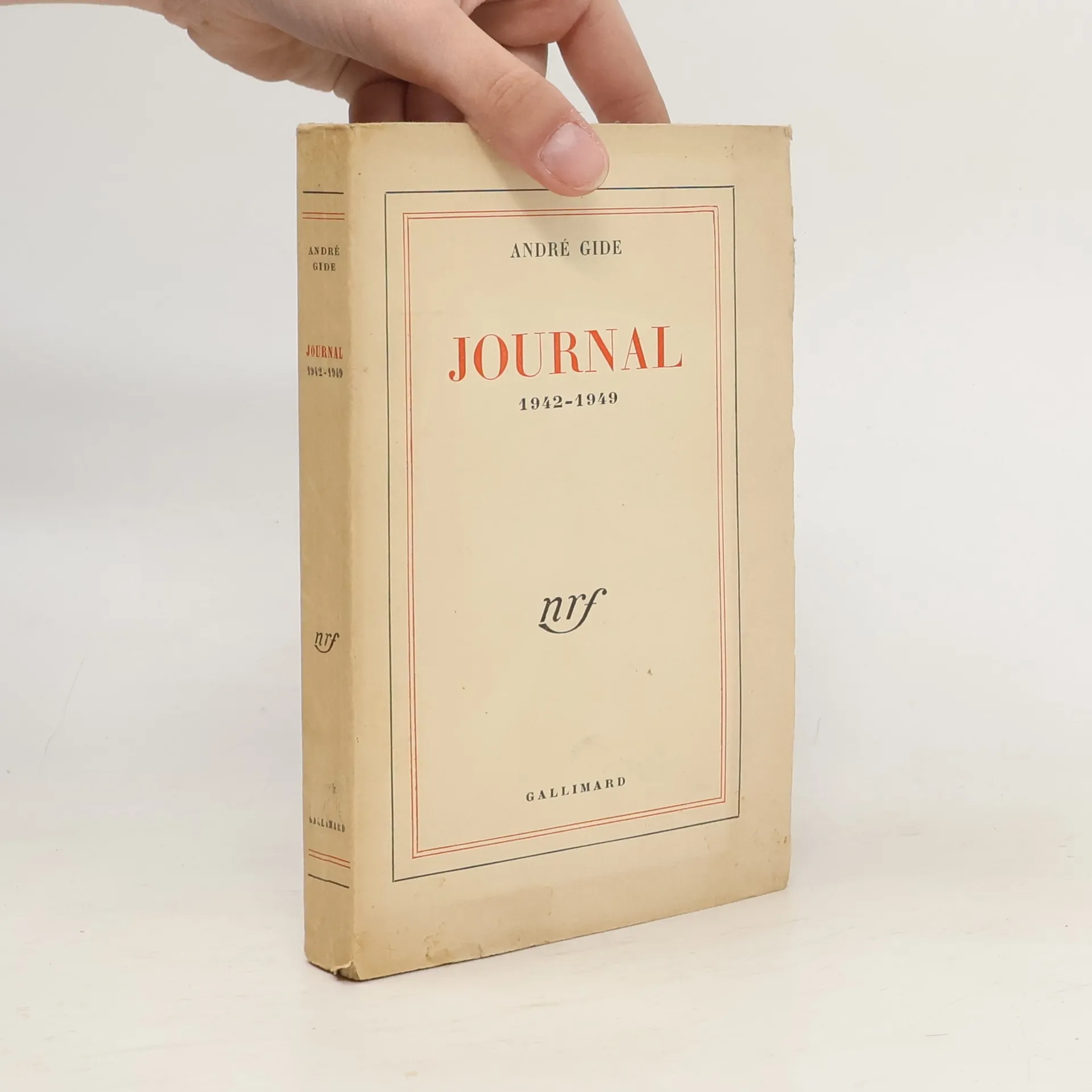
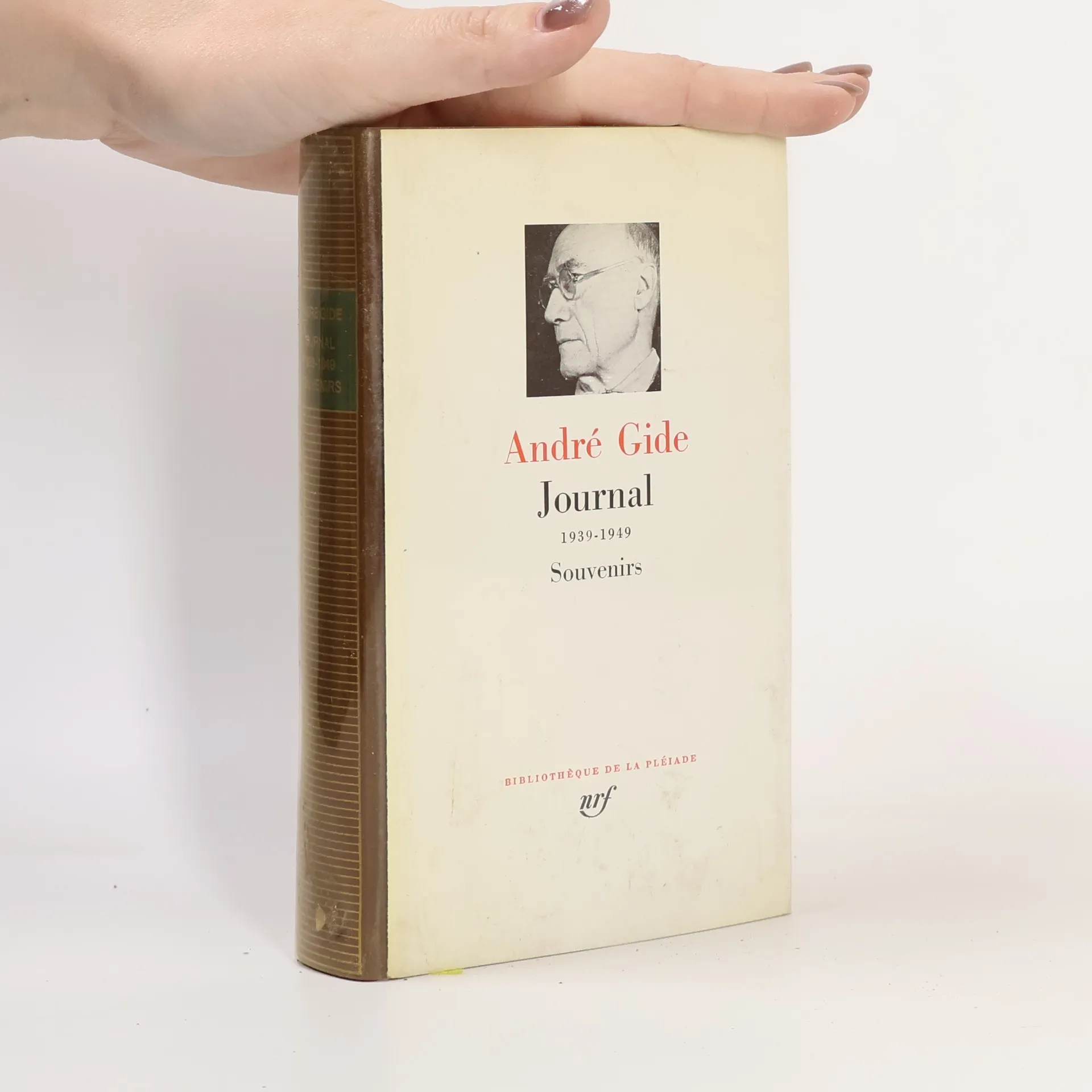
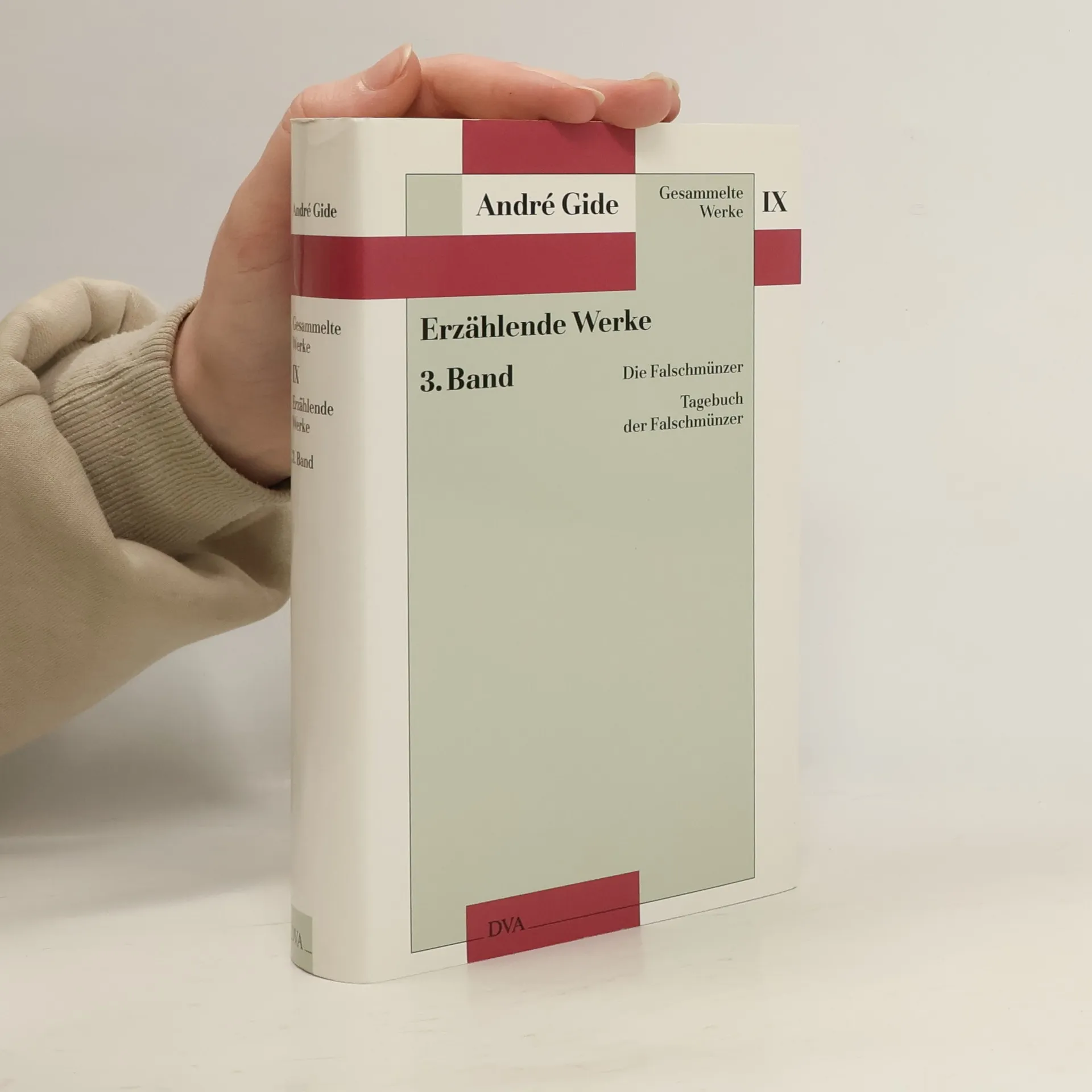
Numquid et tu? ...
- 66pagine
- 3 ore di lettura


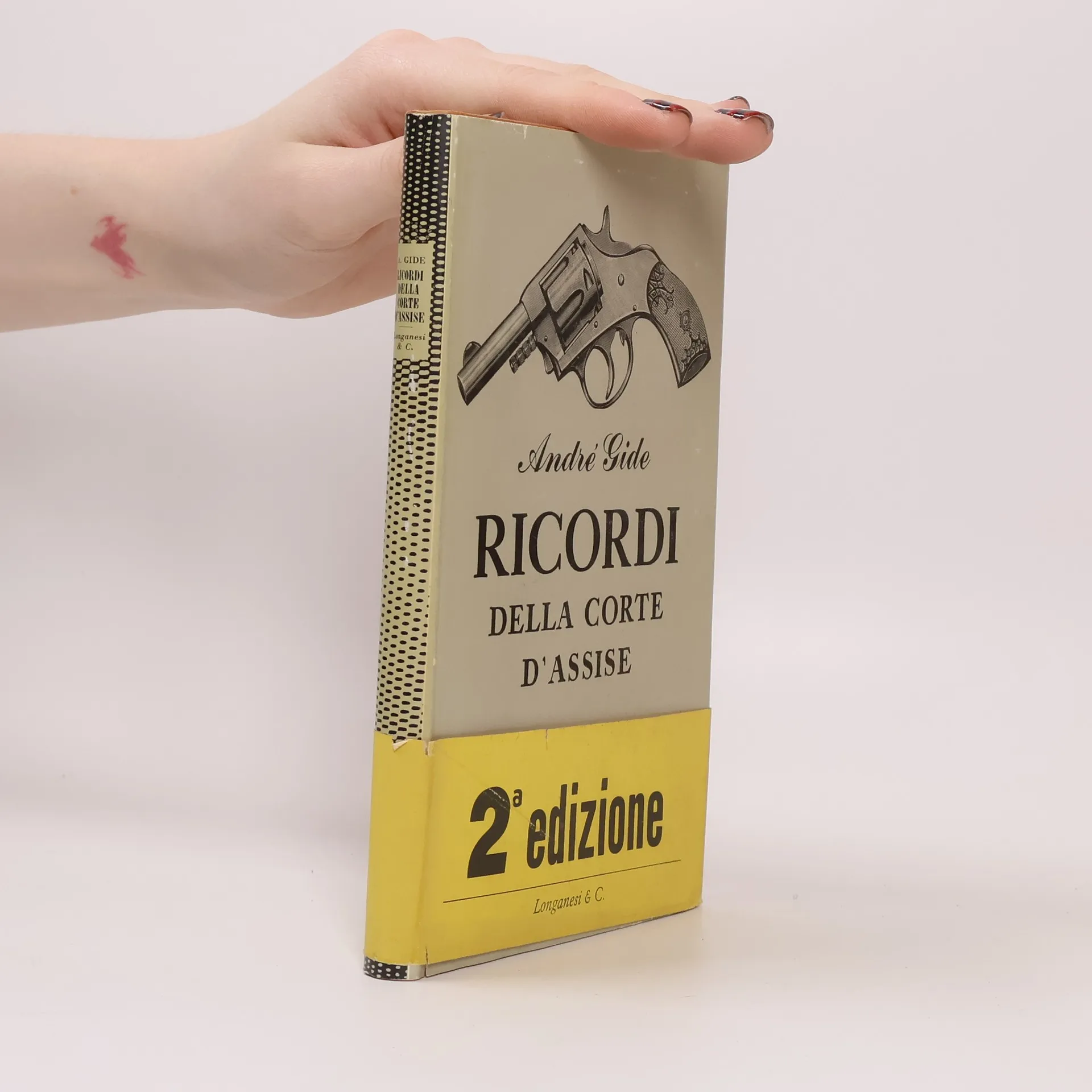
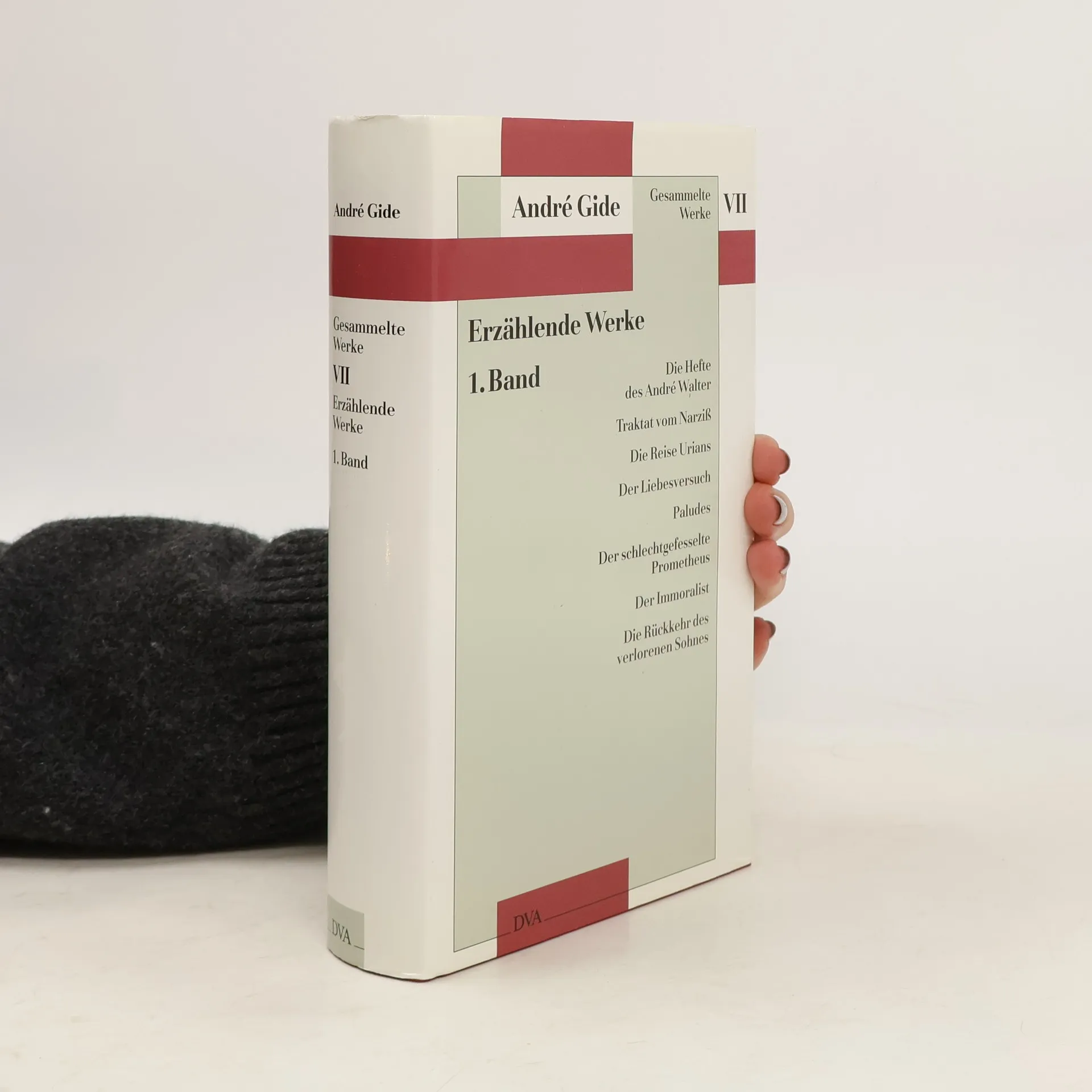
André Gide fu un autore francese la cui opera spaziava dal simbolismo all'anticolonialismo. La sua narrativa di finzione e i suoi scritti autobiografici espongono il conflitto tra la sua educazione e i vincoli sociali. L'opera di Gide indaga la libertà e l'autoaffermazione di fronte ai limiti moralistici, spinta dalla sua ricerca di onestà intellettuale. I suoi testi introspettivi riflettono la ricerca di un'identità autentica, abbracciando tutti gli aspetti della propria natura senza compromettere i valori.


Le notti bianche è, insieme a Delitto e castigo, la più amata e la più letta delle opere di Dostoevskij. Protagonista è la figura del sognatore, nella cui esistenza, chiusa in un mondo di fantasticherie, irrompe per un breve attimo la giovane Nasten'ka. Simbolo del pulsare delle emozioni, Nasten'ka offrirà per la prima volta al sognatore scampoli di vita vera, finché una sua lettera, con l'annuncio delle proprie nozze, non lo "risveglierà" per riportarlo al suo destino di illusioni. Sullo sfondo di una Pietroburgo deserta e quasi magica, si inserisce l'intenso dialogo tra i due protagonisti, pure voci, la cui identità è l'oggetto stesso delle loro riflessioni e della loro autocoscienza.
»So che danneggio me stesso raccontando questo e tutto ciò che segue; prevedo come verrà usato contro di me. Ma il mio racconto ha senso solo se corrisponde alla verità.« André Gide In questa scrittura autobiografica, André Gide descrive con grande apertura i suoi primi decenni di vita: l'infanzia in una famiglia puritana, il tempo nei circoli letterari di Parigi, infine il viaggio decisivo in Nordafrica nel 1893. Qui Gide diventa consapevole della sua omosessualità, si libera dalle convenzioni della sua educazione e inizia una vita libera e autodeterminata. Questo racconto di sé suscitò al momento della sua pubblicazione nel 1920 reazioni forti. Al lettore odierno, il testimone di vita di questo osservatore acuto e spietato con se stesso mostra l'autore come un importante precursore della modernità.
Un ger rumor sulla cattura del Papa da parte dei massoni spinge un onesto cittadino a correre a Roma per liberarlo. Lì cade nelle mani di imbroglioni e alla fine diventa vittima di un complotto oscuro. André Gide denuncia in questo romanzo satirico, più che mai, la falsa morale ecclesiastica e borghese.
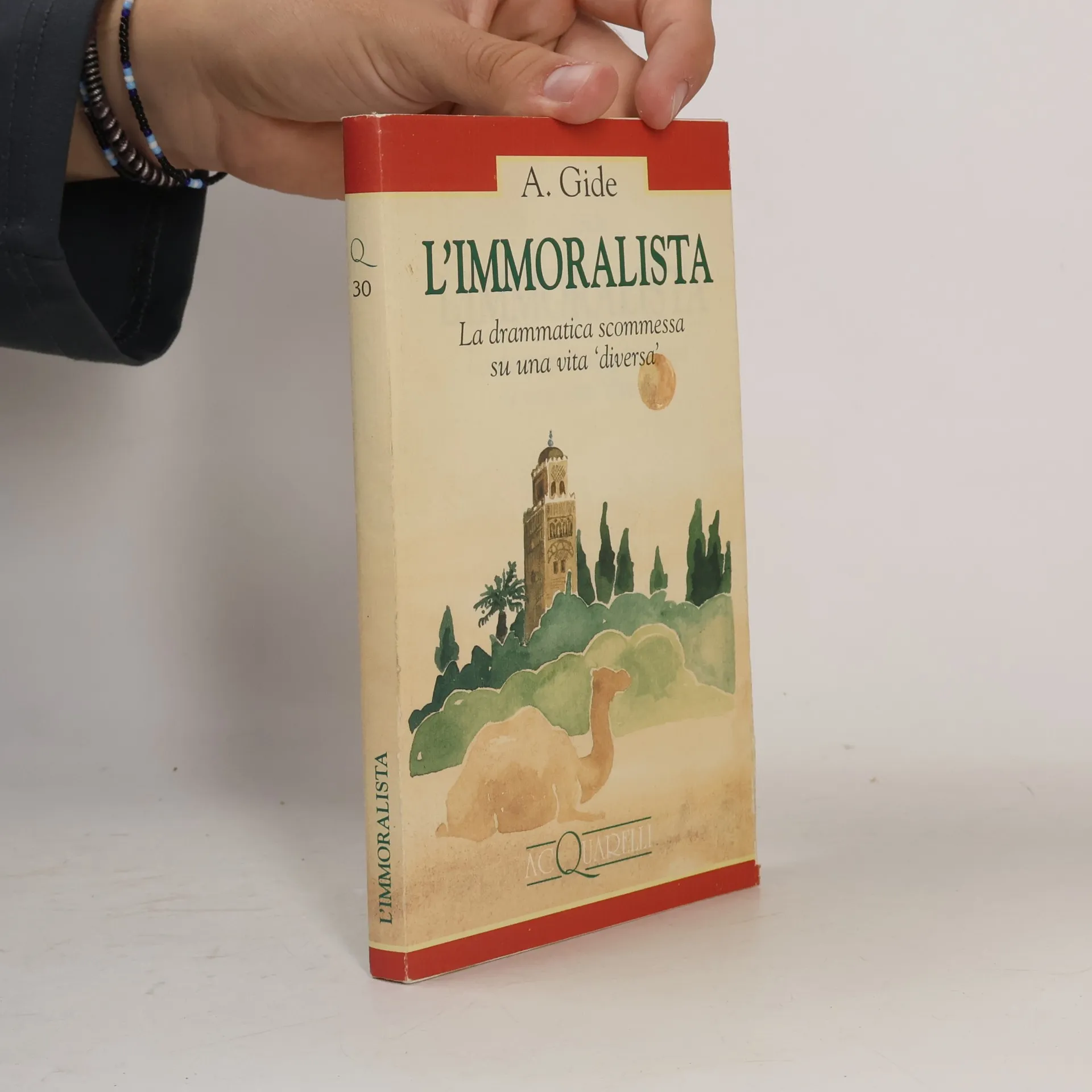
"The humanist has four leading characteristics - curiosity, a free mind, belief in good taste, and a belief in the human race - and all four are present in Gide ... the humanist of our age." - E.M. Forster In The Immoralist , André Gide presents the confessional account of a man seeking the truth of his own nature. The story's protagonist, Michel, knows nothing about love when he marries the gentle Marceline out of duty to his father. On the couple's honeymoon to Tunisia, Michel becomes very ill, and during his recovery he meets a young Arab boy whose radiant health and beauty captivate him. An awakening for him both sexually and morally, Michel discovers a new freedom in seeking to live according to his own desires. But, as he also discovers, freedom can be a burden. A frank defence of homosexuality and a challenge to prevailing ethical concepts, The Immoralist is a literary landmark, marked by Gide's masterful, pure, simple style.
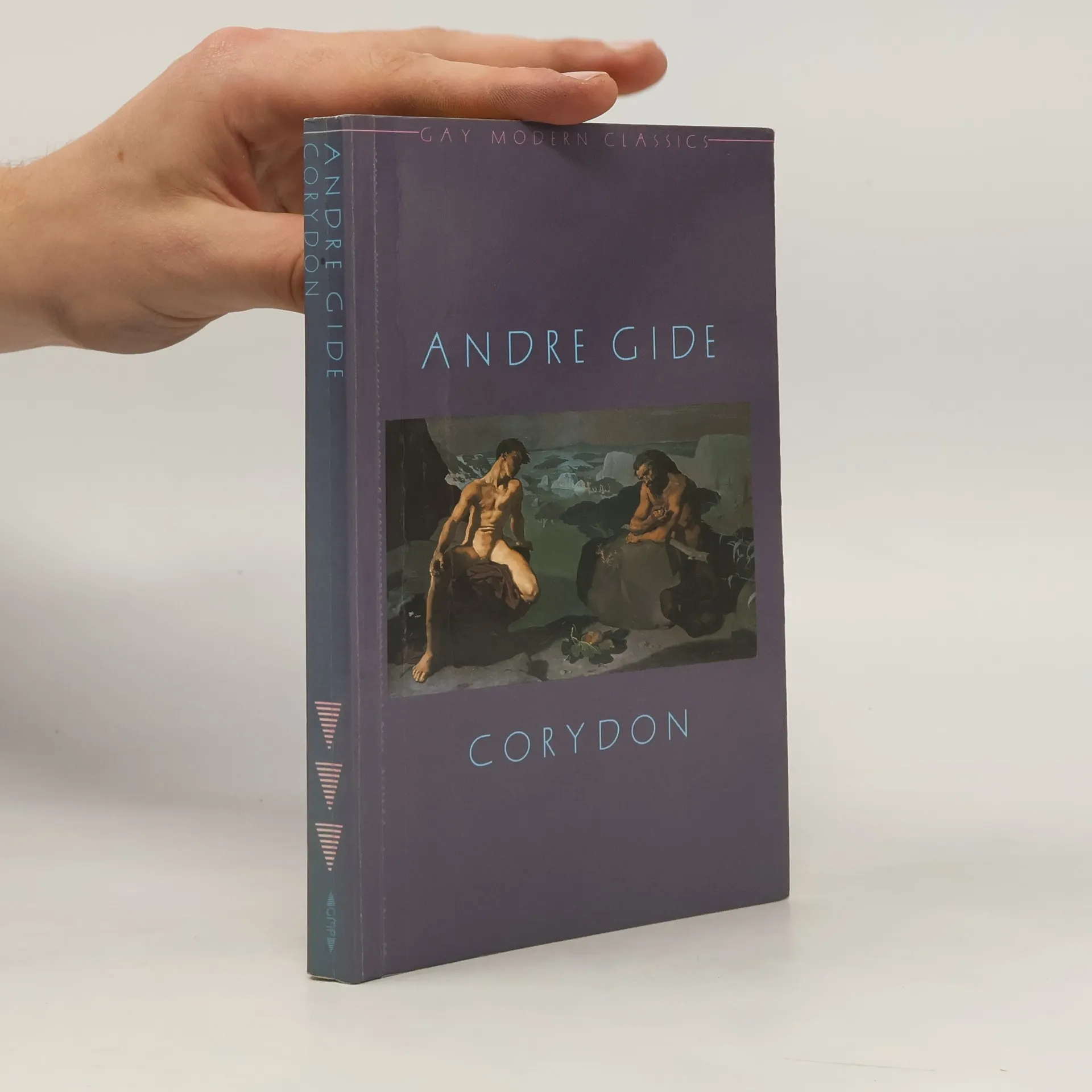
Considered by Gide as his most significant work, this elegantly crafted volume comprises four dialogues exploring homosexuality and its societal implications. Initially published anonymously in parts between 1911 and 1920, it appeared in a signed edition in France in 1924 and in the U.S. in 1950, shortly before Gide's death. This edition features a masterful translation by Pulitzer Prize-winning poet Richard Howard. Engaging in spirited dialogue with a prejudiced interviewer, the protagonist, Corydon, presents evidence from naturalists, historians, poets, and philosophers to argue that homosexuality has been integral to the most culturally advanced societies, from ancient Greece to Renaissance Italy and England. Despite later critical obscurity, literature and art from Homer to Titian reveal the true nature of relationships among figures like Achilles and Patroclus, as well as Virgil's Corydon and his shepherd, Alexis. Corydon posits that heterosexuality is a socially constructed union, while the more fundamental and natural connection is homosexual. Gide noted that his friends believed this work could harm his reputation. In these pages, modern readers will discover a bold and insightful examination of a topic that remains contentious today.
Shatters various images of Andre Gide as the querulous and impious Buddha to a quarter-century of intellectuals.
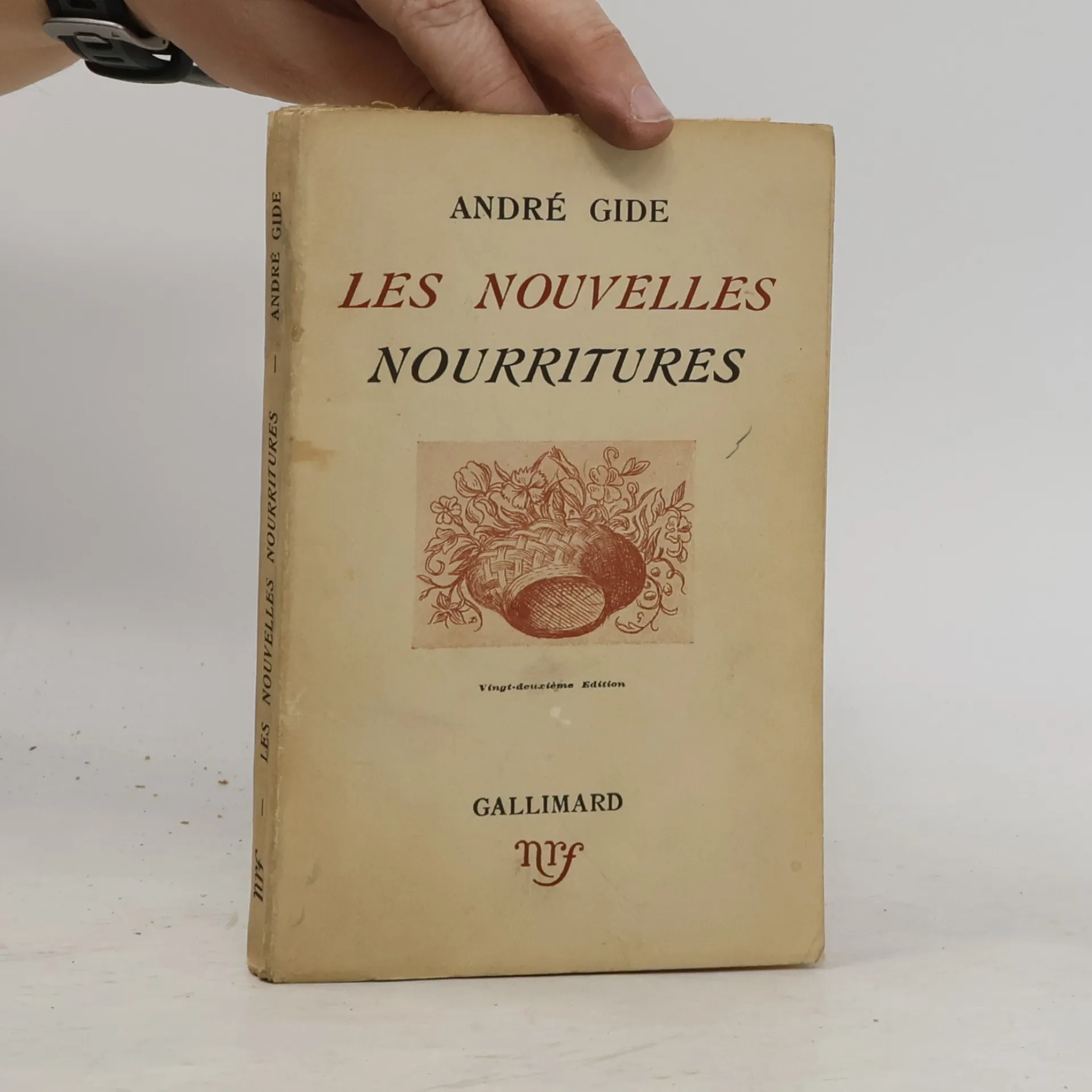
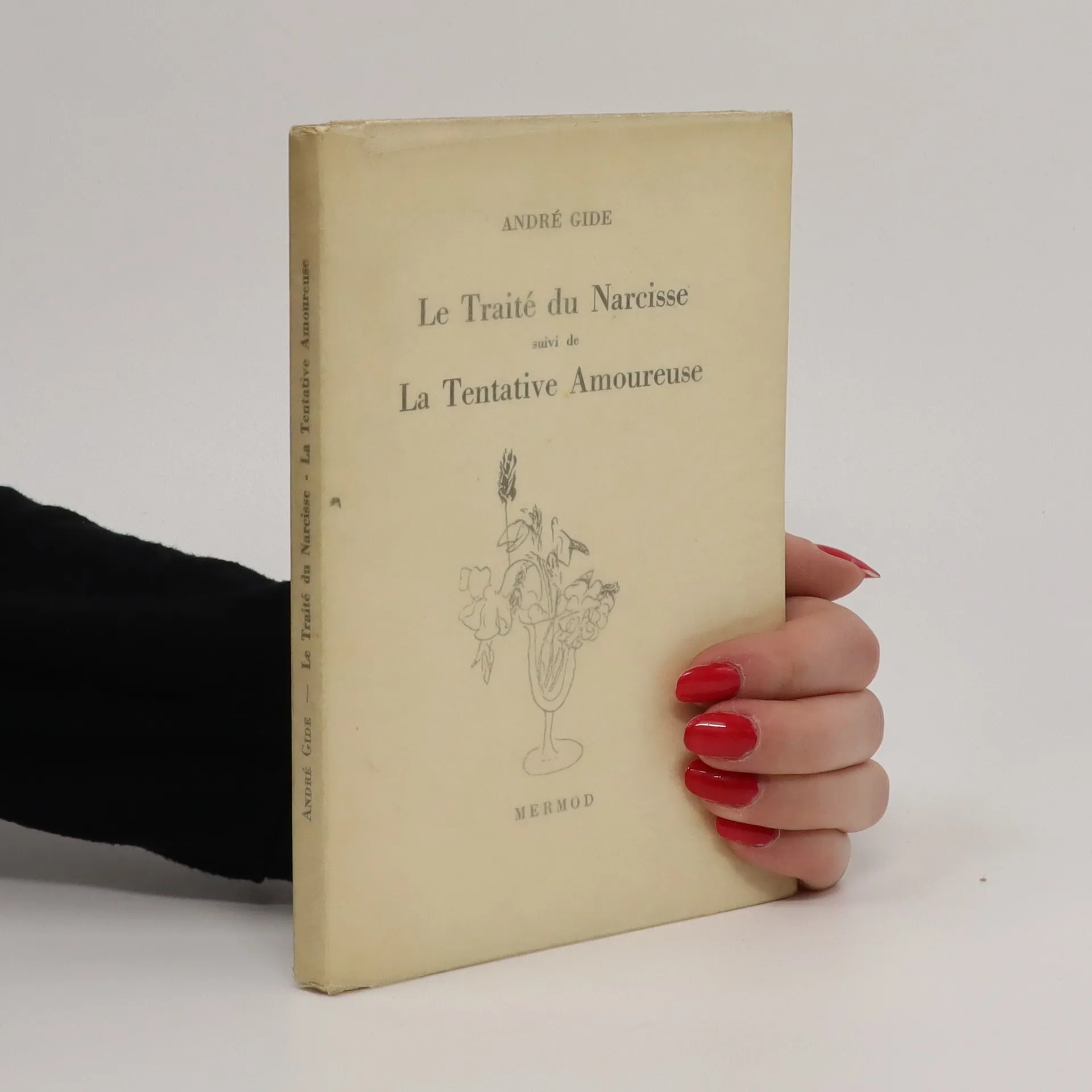
During the author's travels, he meets Menalcas, a caricature of Oscar Wilde, who relates his fantastic life story. But for all his brilliance, Menalcas is only Gide's yesterday self, a discarded wraith who leaves Gide free to stop exalting the ego and embrace bodily and spiritual joy.
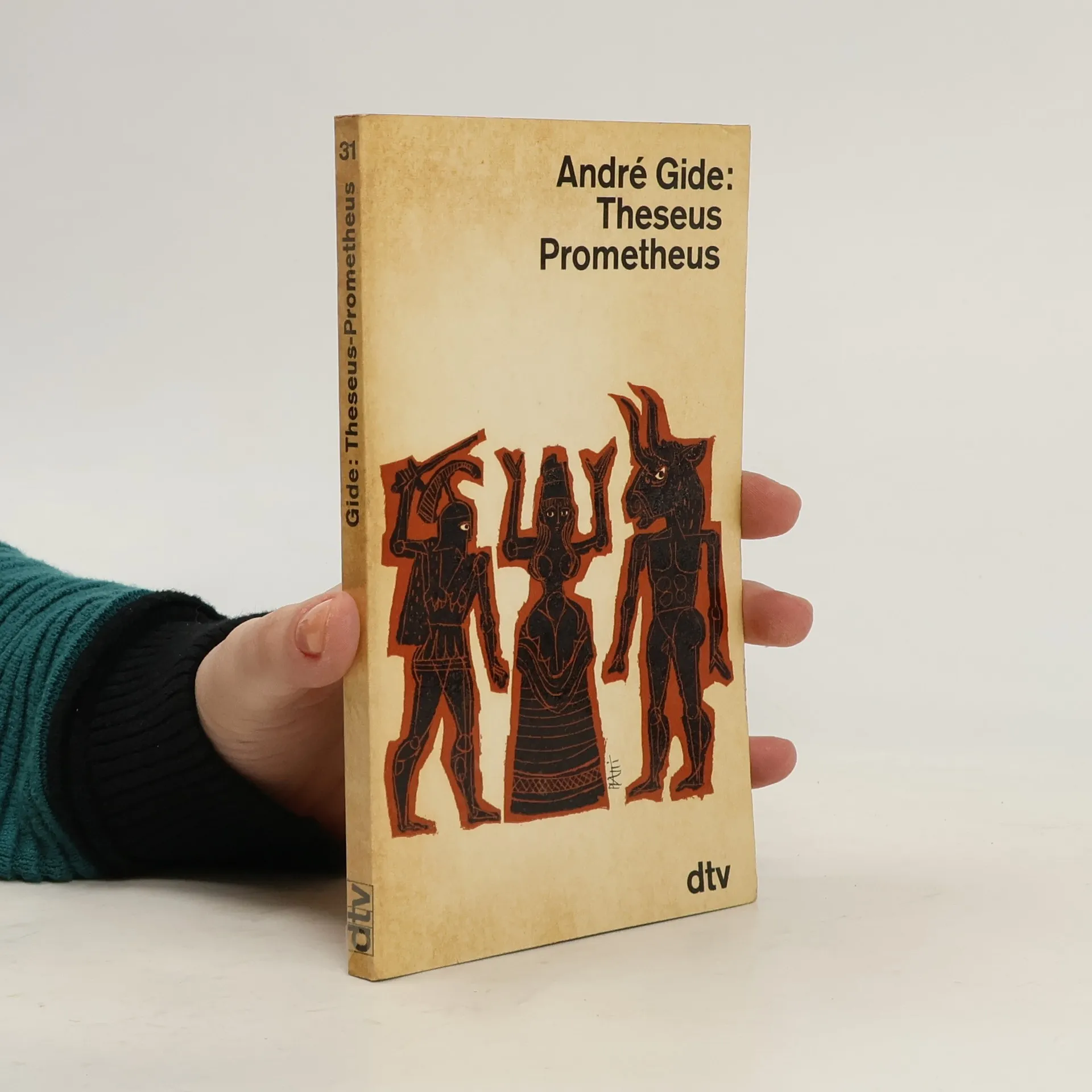
Theseus, mythical hero of Athens, narrates his life story in an existential vacuum following the failure of his marriages, the death of his son, Hippolytus, his own famous exploits a distant memory. Tragedy punctuates this narrative, as it does his drama, Oedipus, also published here, both works elaborating through myth an unanswerable search for self.
A slim but powerful work of metafiction by a Nobel Prize-winning French writer and intellectual. André Gide is the inventor of modern metafiction and of autofiction, and his short novel Marshlands shows him handling both forms with a deft and delightful touch. The protagonist of Marshlands is a writer who is writing a book called Marshlands, which is about a reclusive character who lives all alone in a stone tower. The narrator, by contrast, is anything but a recluse: He is an indefatigable social butterfly, flitting about the Paris literary world and always talking about, what else, the wonderful book he is writing, Marshlands. He tells his friends about the book, and they tell him what they think, which is not exactly flattering, and of course those responses become part of the book in the reader’s hand. Marshlands is both a poised satire of literary pretension and a superb literary invention, and Damion Searls’s new translation of this early masterwork by one of the key figures of twentieth-century literature brings out all the sparkle of the original.
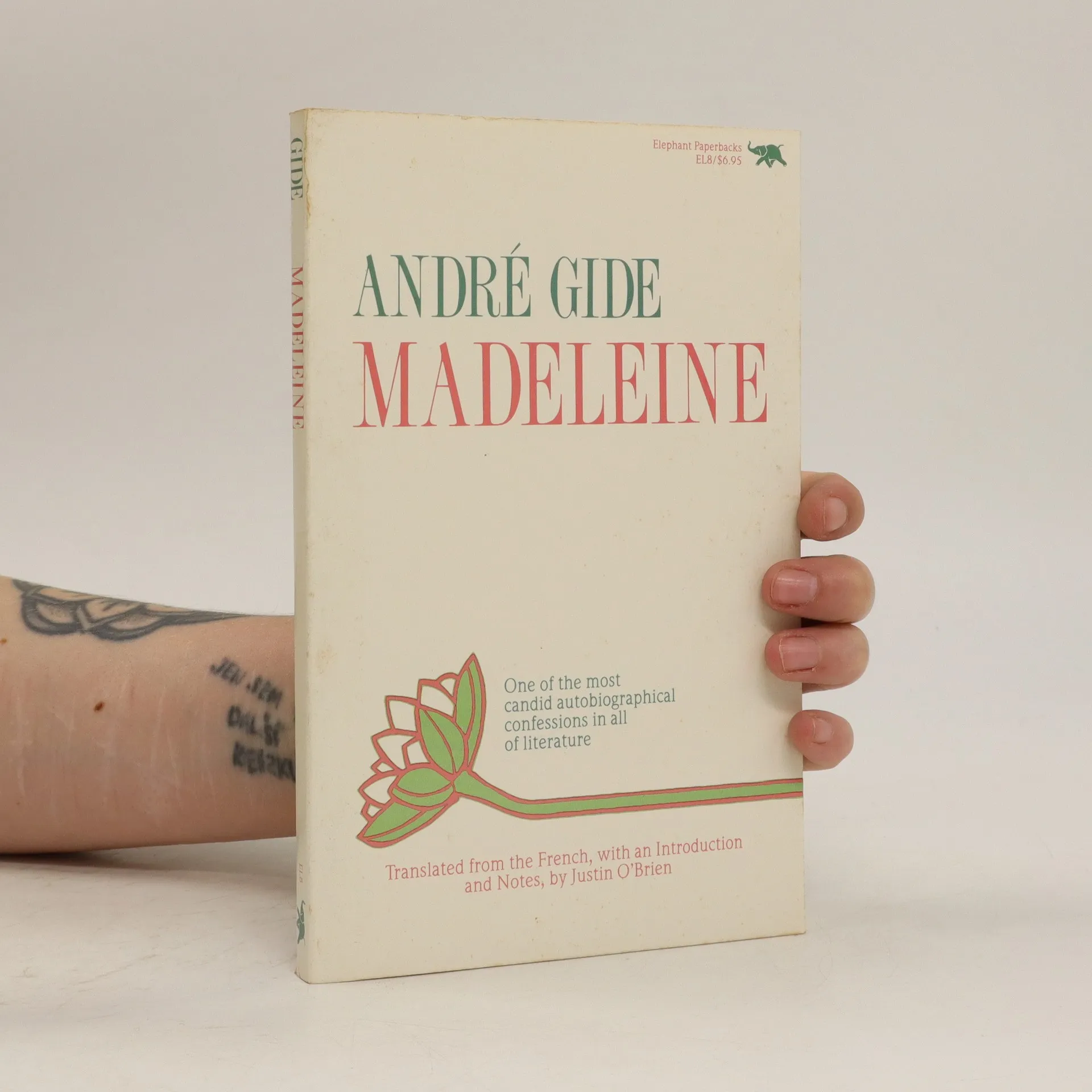
Madeleine is the story of a great writer's marriage, a deeply disturbing account of André Gide's feelings towards his beloved and long-suffering wife. It was a relationship which Gide exalted―he termed it the central drama of his existence―yet deliberately shrouded in mystery. This was no ordinary marriage. Madeleine Rondeaux, two years older than her cousin André Gide, became his wife after Gide's first visit to Algeria. In his Journal, Gide refers to her as Emmanuèle or as Em. Only in this book, published a few months after his death, does Gide call her by her real name and painfully reveal the nature of their life together. All of Gide's vast work may be viewed as a confession, impelled by his need to write what he believed to be true about himself. In Madeleine this act of confession reaches a crowning point. It is a complex tale by a complex man about a complex relationship. “Ranks among the masterpieces of Gide's vibrating prose. It is also the most tragic personal document to have emanated from Gide's pen.”― New York Times .
At the end of the 19th century, in the Swiss Jura, a married pastor takes in an orphan whose only family has just died. From the moment she enters his home, she brings disappointment and sadness to his wife. Under the pastor's care and constant attention, the wild and mute girl transforms into a virtuous young woman, raised in the Protestant faith. The pastor falls in love with her, drawing criticism from his wife. Later, their son Jacques also falls in love with the girl. When Gertrude regains her sight after an operation, she realizes that it is not the old, wrinkled pastor she loves, but his young and handsome son Jacques. Tormented by this revelation, she attempts to drown herself and dies a few days later. This short novel, written by André Gide between February and November 1918 and published in 1919, explores the conflict between religious morality and human emotions.
The book is a reproduction of an original historical work, published by Megali, a house dedicated to producing large print editions. This initiative aims to enhance accessibility for readers with impaired vision, ensuring that they can enjoy classic literature with greater ease.
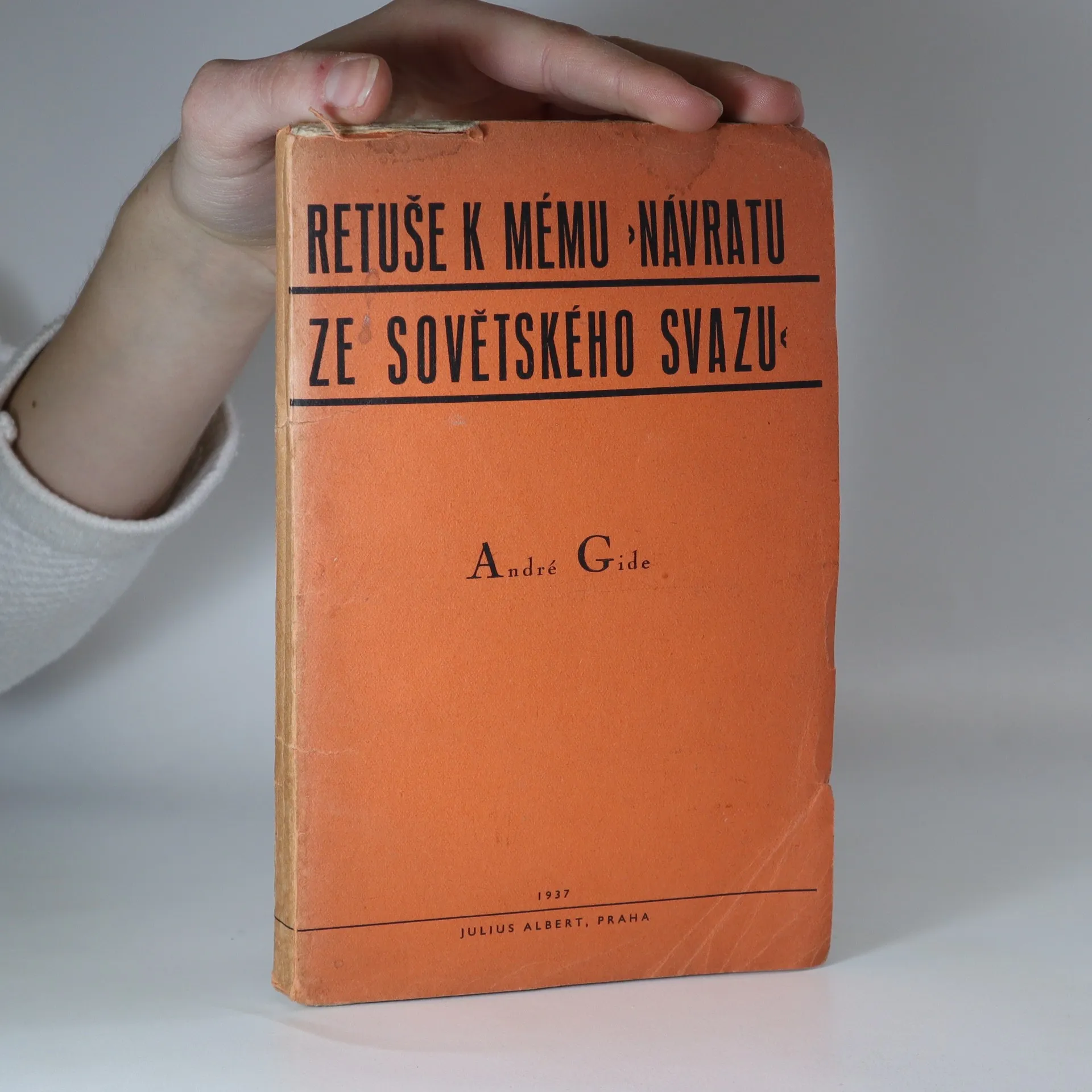
Œuvre célèbre d'un des écrivains français et européens les plus significatifs du siècle dernier. Ce livre montre que son auteur sait voir au-delà des façades des maisons qu'il traverse. C'est également un livre qui a conduit à une rupture fondamentale dans les cercles intellectuels des années 30 et a été l'un des premiers à permettre de comprendre la véritable nature de la direction prise par la Russie soviétique et l'ensemble de l'expérience de construction du communisme. Son contenu acquiert une nouvelle actualité à la lumière des événements récents sur le territoire de l'ancien URSS.
Slavné dílo jednoho z nejvýznamnějších francouzských a evropských spisovatelů minulého století. Kniha, která nejen ukázala, že její autor dokáže vidět víc, než fasády domů, kolem kterých jezdí. Je to zároveň kniha, která vedla k zásadnímu rozkolu v intelektuálních kruzích 30. let a byla jednou z prvních, které vedly k pochopení skutečné podstaty toho, kam směřovalo sovětské Rusko a celý experiment budování komunismu.
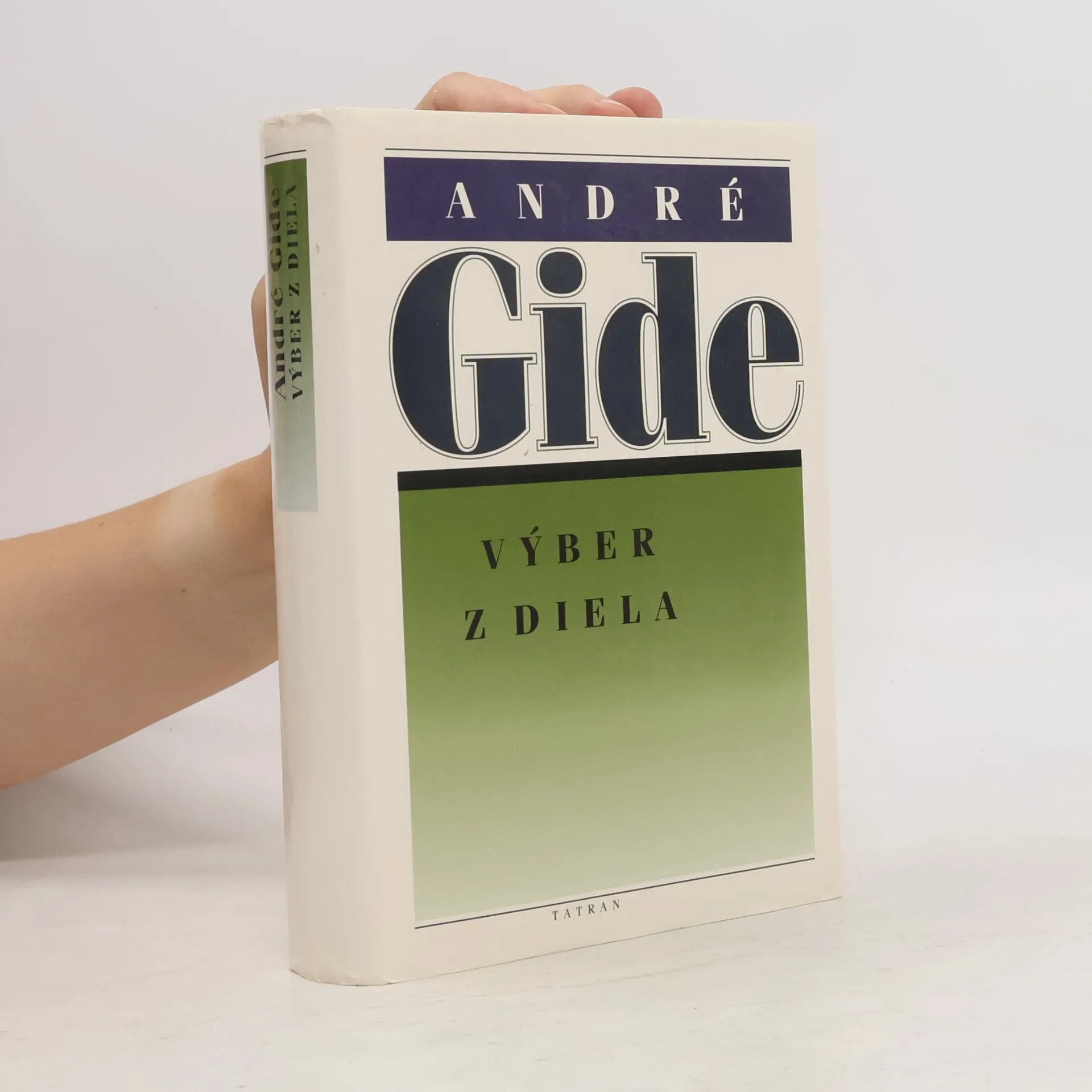
Výbor z Gidova diela obsahuje celkom sedem románov a noviel.
Das Journal von André Gide kann als das Hauptwerk des Schriftstellers betrachtet werden. Der originale Text ist in vielerlei Hinsicht transgressiv gegenüber der gängigen Moral – er thematisiert Tabus der Sexualität, gängige Ideen, Klischees, Ideologien und Religion. Gleichzeitig ist er sowohl ernsthaft als auch humorvoll, gravitätisch und leicht, schnell und langsam. Das Werk besitzt eine unerwartete Weite und Tiefe. Diese Anthologie, die sich auf die Kunst der Verdichtung beruft, die für Komponisten von Bedeutung ist, hat das Ziel, sowohl das Wesentliche als auch das Unwesentliche zu erfassen.
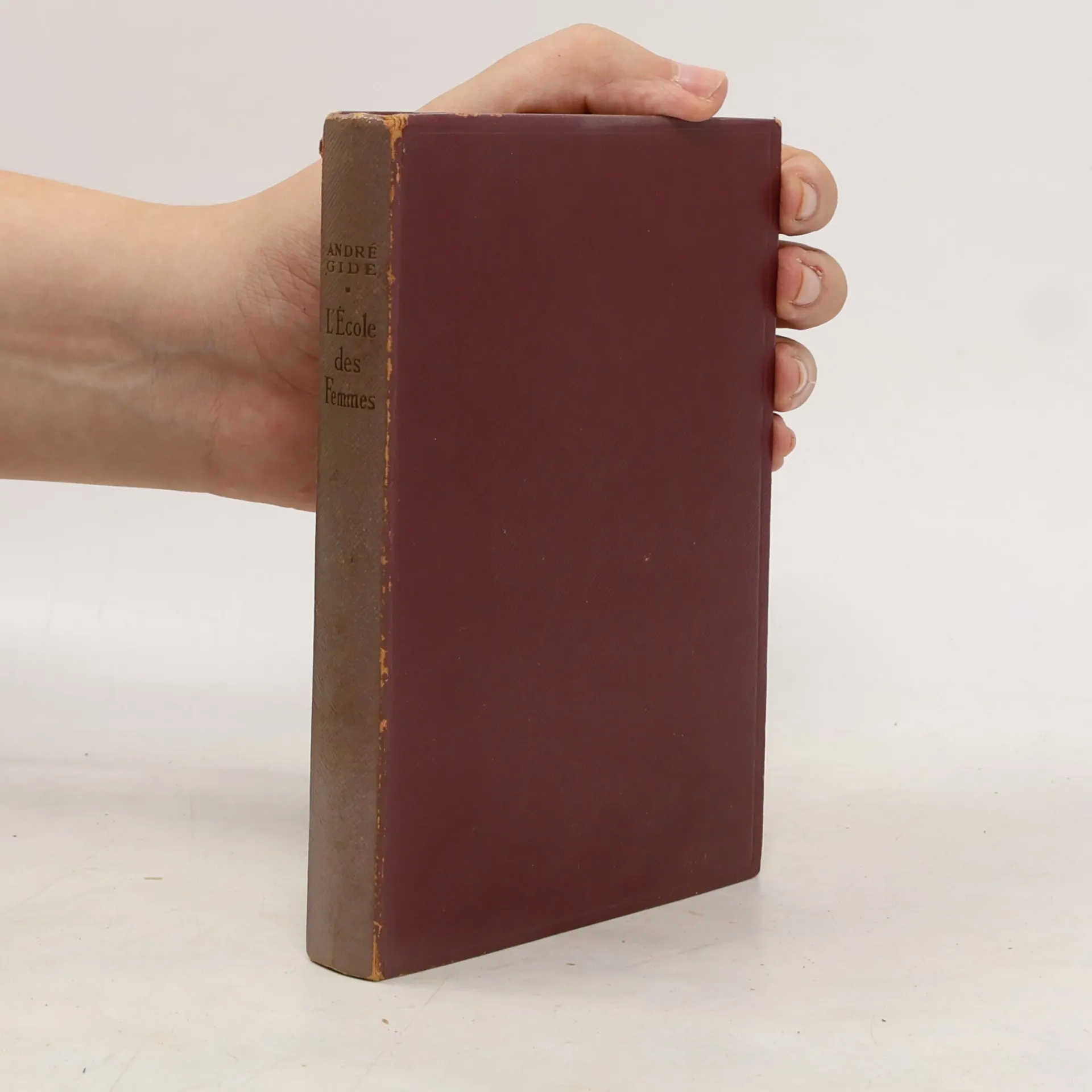
Gidův románový triptych se skládá z knih Škola žen (1929) — Robert (1930) — Jenovefa (1936).
En la estela de los grandes diarios íntimos del siglo XIX –Stendhal, Vigny, Delacroix-, el Diario de André Gide, que muchos consideran su obra más importante, es la clave de la transformación del género, su recreación como obra literaria conscientemente dirigida a un lector. Crónica puntillosa y nunca conformista de los avatares de nuestro tiempo, permite seguir, además, a lo largo de 63 años, la trayectoria íntima y espiritual de un hombre que anduvo preguntándose toda su vida por la premisa que sustenta el principio de moralidad… o de inmoralidad. Por sus páginas desfilan pintores, políticos, músicos, escritores; Madeleine, su mujer, Élisabeth, la madre de su hija, Marc, su amante; aventuras eróticas, viajes, odiseas intelectuales, crisis religiosas, guerras. Esta selección, realizada y traducida por Laura Freixas, en la que se incluyen textos que fueron inéditos hasta 1996, nos introduce en el único y complejo mundo de una figura central en la cultura del siglo XX.
Ein Griesgram, der namenlose Protagonist dieses abgründigen »äußeren Monologs«, stellt in wütenden Tiraden die abgeschmackte Belanglosigkeit dieser Welt bloß, der sich Frau und Kinder, der einzige Freund, überhaupt die gesamte Menschheit längst ergeben haben. Doch seine Überheblichkeit befreit ihn nicht, vielmehr zwingt sie ihn immer wieder zurück ins enge gesellschaftliche Korsett. Gides Erzählung, eine zynische »Weihnachtsgeschichte«, bei der sich sein Protagonist gehörig verrechnet, ist das verschrobene Protokoll einer griesgrämigen Implusion und einer tödlichen Explosion, fabelhaft in Szene gesetzt von Nanne Meyer. Erst 1993 entdeckt, entstand das Manuskript »Le Grincheux« vermutlich in den Jahren 1925/26 und erscheint nun erstmals in deutscher Sprache.
Ein literarisches Kleinod: eine bisher unbekannte erotische Erzählung von André Gide Am 28. Juli 1907 besucht André Gide das Fest seines Freundes Eugène Rouart. Man amüsiert sich, der Wein fließt in Strömen. Gide entdeckt den jungen Ferdinand Pouzac und ist von dessen erotischer Ausstrahlung fasziniert. Er beobachtet ihn und sucht seine Nähe, bis Ferdinand ihn schließlich spät in der Nacht nach Hause begleitet. Dort geben sie sich der Liebe hin. Ferdinand, der bei der Liebe gurrt wie eine Taube, trägt fortan den Spitznamen 'die Ringeltaube'. André Gide hält dieses Erlebnis sofort in einer Erzählung fest. Doch er wird sie nie publizieren. War sie ihm zu persönlich? Eine sensationelle späte Entdeckung von Gides Tochter – nun erstmals veröffentlicht.
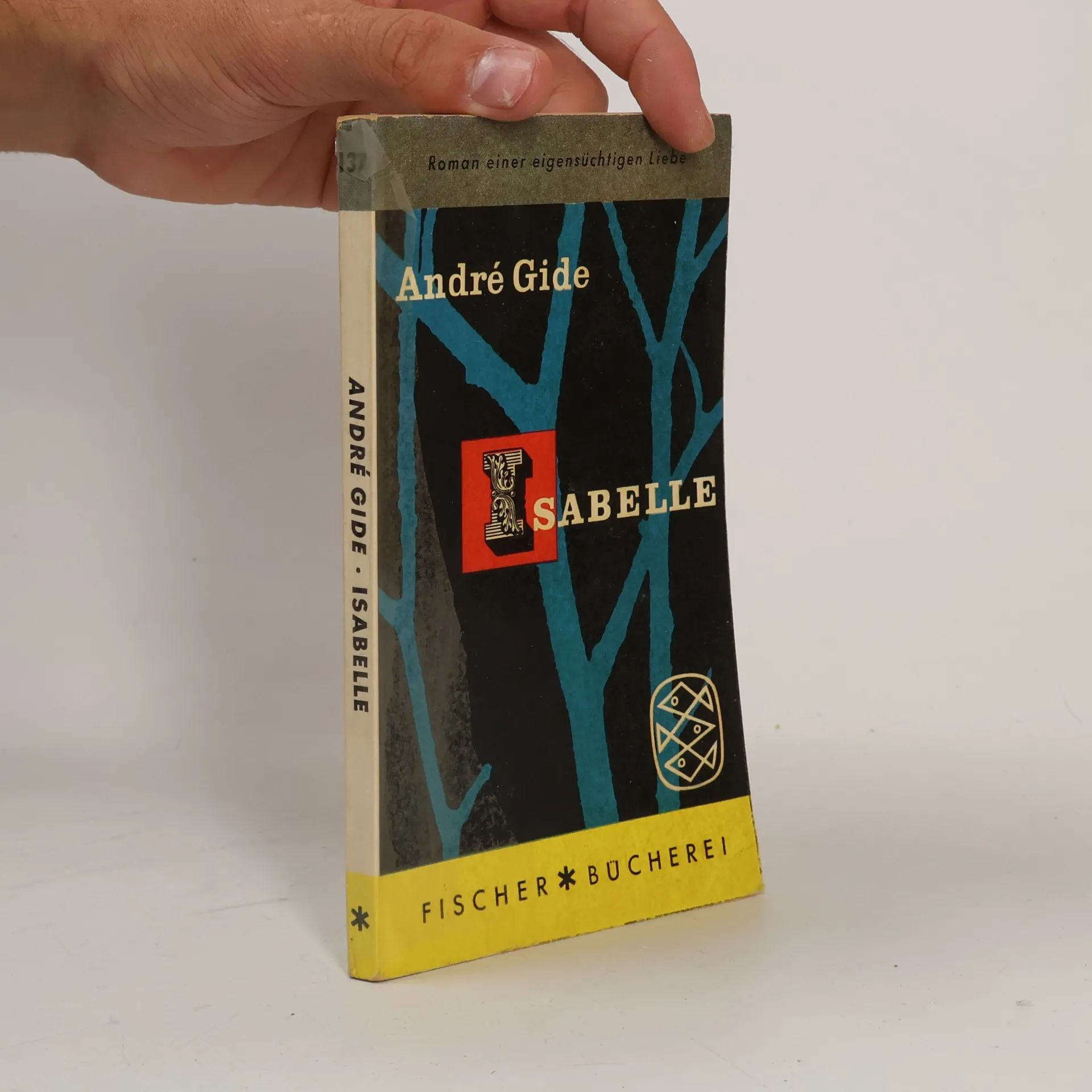
Thema dieses schmalen Werks ist die Selbstfindung eines schwärmerischen jungen Mannes und sein Zurückfinden in die reale Welt. Eine großartig erzählte psychologische Charakterstudie, die auch gerade ein jüngeres Publikum begeistern kann. Gérard Lacase besichtigt mit zwei Freunden die Ruine von Schloß Quartfourche und nimmt dies zum Anlass, die Geschichte des Ortes zu erzählen, die gleichzeitig ein Stück seiner eigenen ist. 25 Jahre ist es her, dass sich der Protagonist für eine Woche zu Forschungszwecken auf den Landsitz begeben hatte. Entgegen seiner Erwartungen ist das Leben der seltsamen Schlossgesellschaft eintönig, ohne Zerstreuung, und läuft jeden Tag genau gleich ab. Schon im Begriff seinen Aufenthalt früher abzubrechen, stößt er auf ein Portrait von Isabelle, der Mutter des behinderten Jungen Casimir. Dieser Anblick fesselt ihn so, dass er sich entschließt zu bleiben. Er versucht alles über diese Frau, die ihren Sohn verlassen hat, herauszufinden und verliebt sich in ein Konstrukt seiner Phantasie, das ihn auch nach seiner Rückkehr in Paris nicht ganz loslässt. Erst ein Jahr später begegnet er Isabelle zum ersten Mal. Er bringt sie dazu, ihr Geheimnis zu lüften, was sein Traumbild in Sekundenschnelle zerbrechen lässt - 'Kein Wort des Bedauerns, außer für sich selbst!' hat die Frau übrig, die auf dem Portrait so zart und zerbrechlich wirkte und letztendlich nur Unglück über ihre Familie gebracht hat.
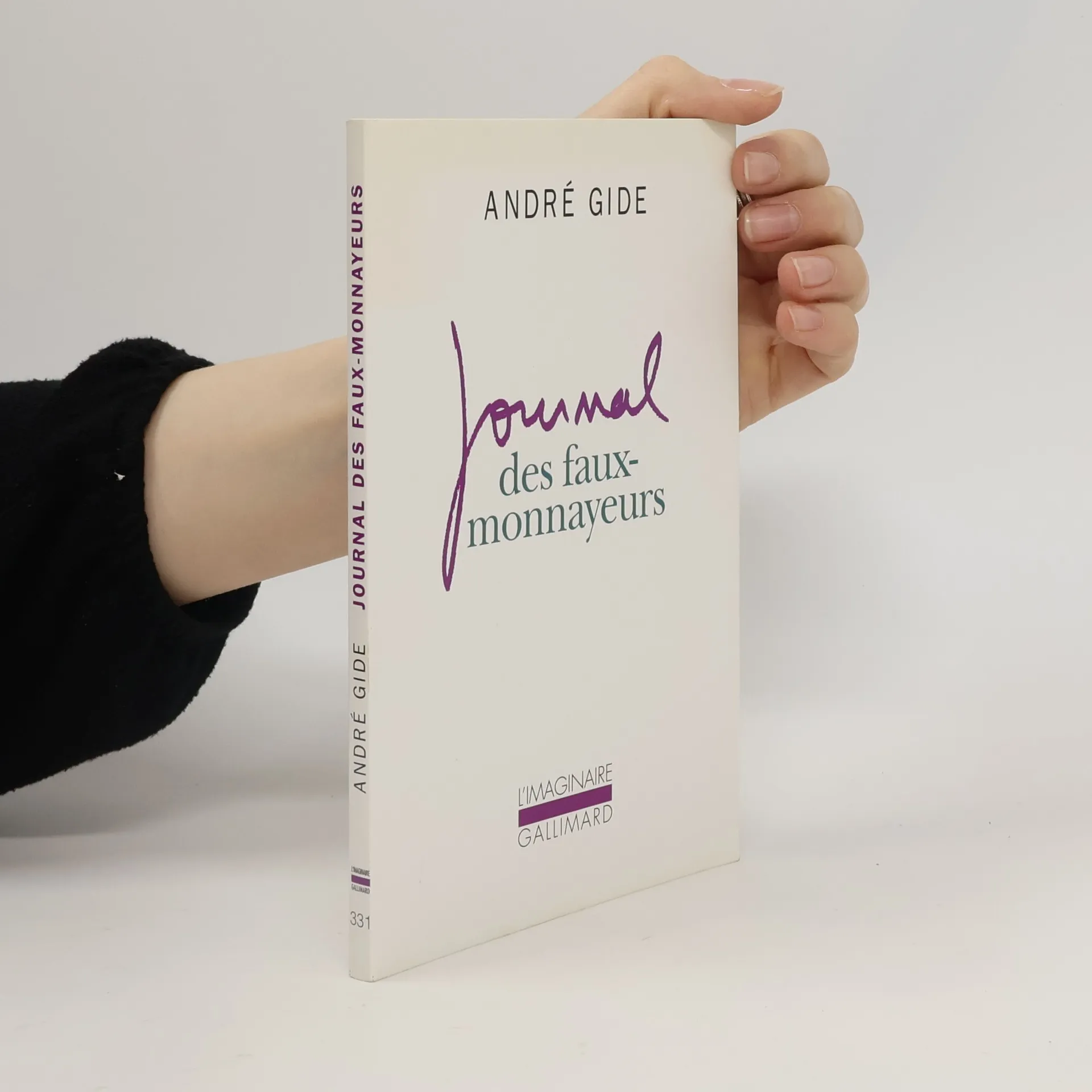
Le "Journal des Faux-Monnayeurs" est le long dialogue de Gide avec ses personnages au fur et à mesure de leur création. C'est aussi son "cahier d'étude" qui permet de mieux sentir le mécanisme créateur du grand romancier.
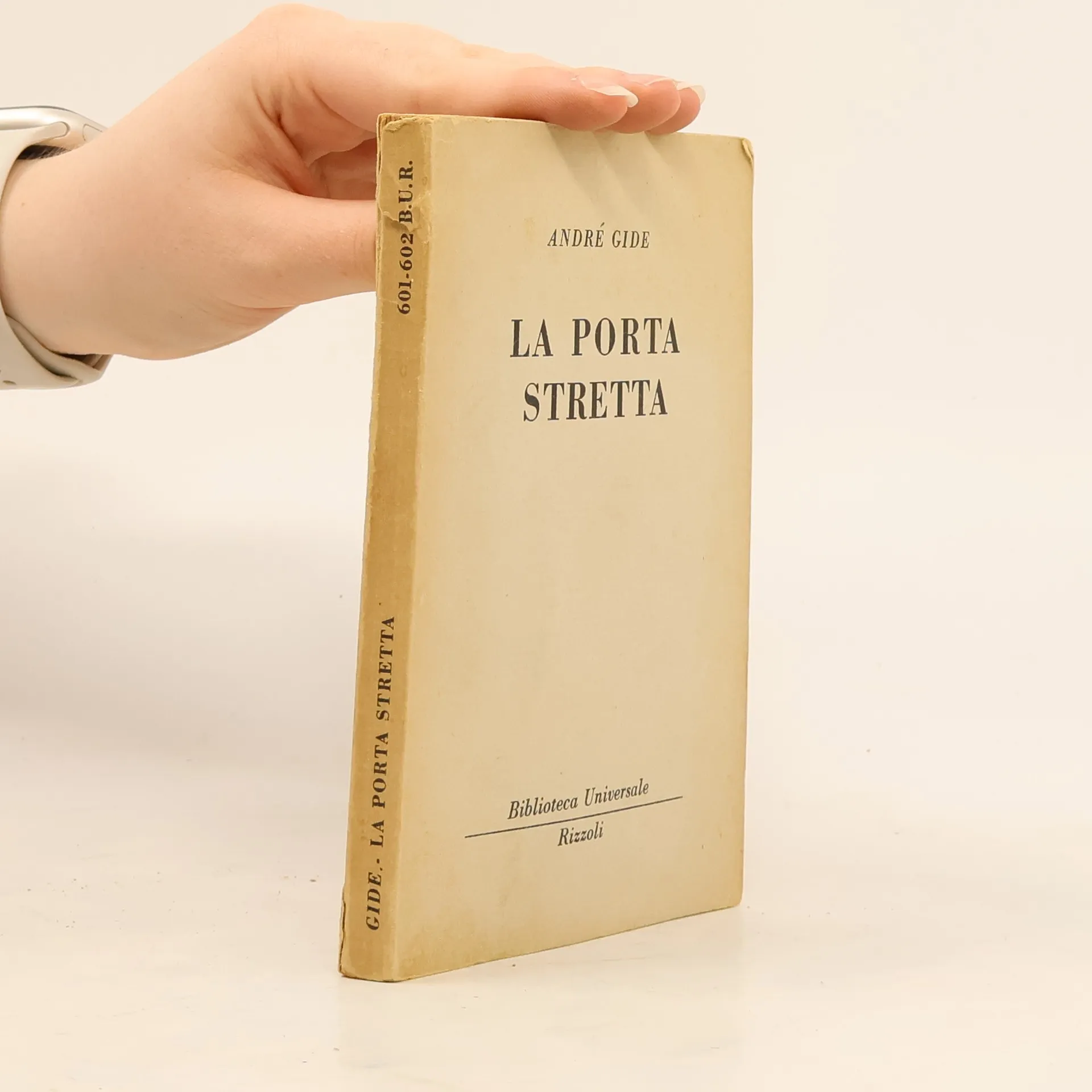
Die enge Pforte 2 Erzählungen
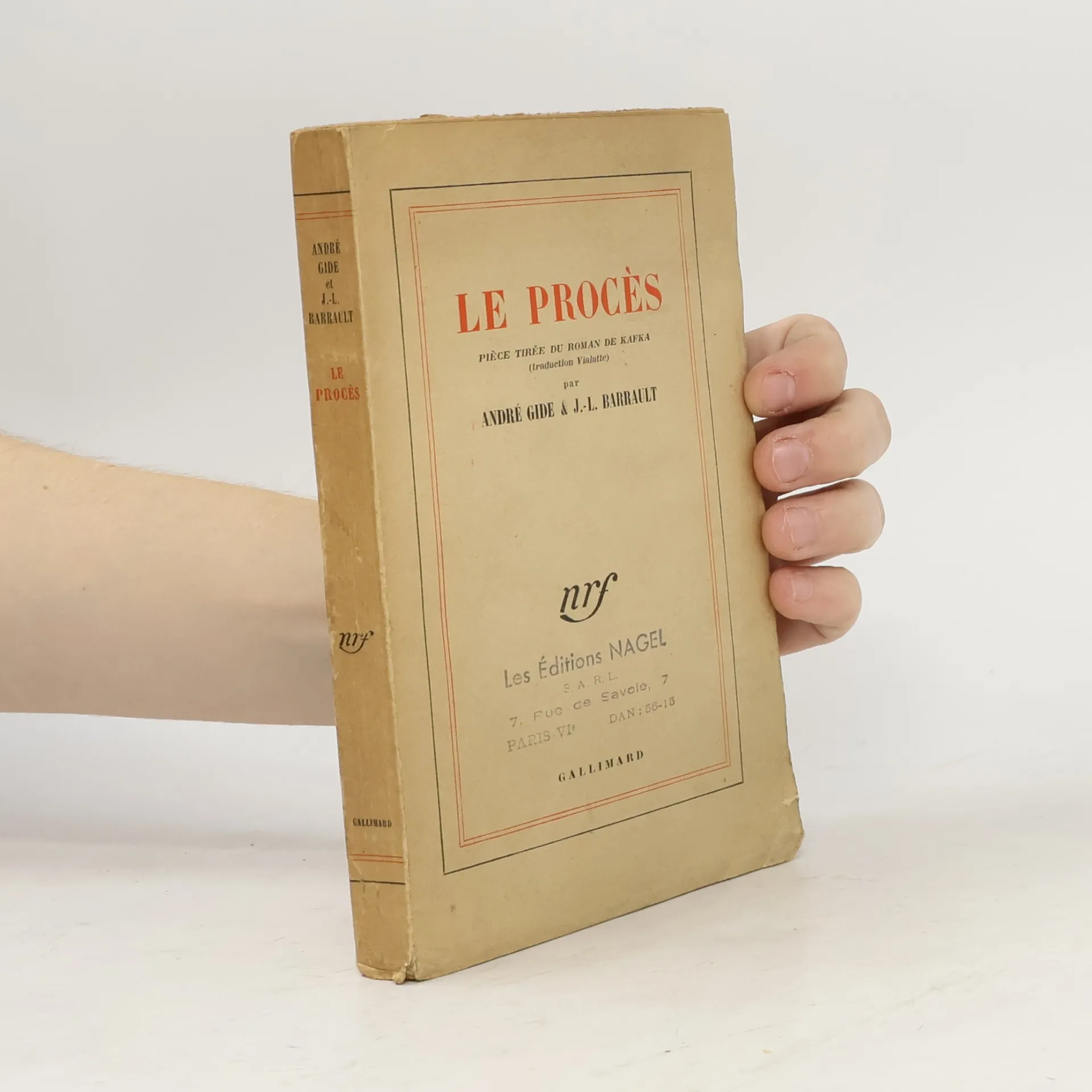
Voici enfin publiée intégralement – les seules lettres de Régnier l'avaient été il y a vingt cinq ans – l'importante correspondance d'André Gide avec celui qui fut d'abord pour lui un poète admiré (son aîné de cinq ans) et un ami très proche avec lequel il fit son premier vrai voyage (à travers la Bretagne, en 1892). Pendant plus de dix ans, leurs lettres font revivre toute cette fin-de-siècle littéraire riche et bouillonnante de productions originales. Pierre Louÿs et le milieu Heredia (Régnier et Louÿs furent les gendres du poète des Trophées), Paul Valéry, Francis Jammes... sont parmi les acteurs de cette chronique. Mais Gide, en 1900, eut le bon goût de ne guère aimer le roman un peu trop « polisson » de Régnier, La double Maîtresse : blessé, le susceptible auteur ne devait jamais lui pardonner cette critique, et se déroba toujours à une réconciliation, que Gide souhaitait pourtant. Leurs relations s'espacèrent, dans une progressive glaciation ; un dernier échange épistolaire en 1911 ne fut suivi, de la part de Régnier, que par des témoignages d'hostilité rancunière vis-à-vis de son ancien ami, devenu à ses yeux « un médiocre prosateur à la médiocrité prétentieuse », – Gide demeurant, lui, fidèle à son admiration de jeunesse et faisant une belle place aux vers de Régnier dans son Anthologie de la poésie française de la Pléiade.
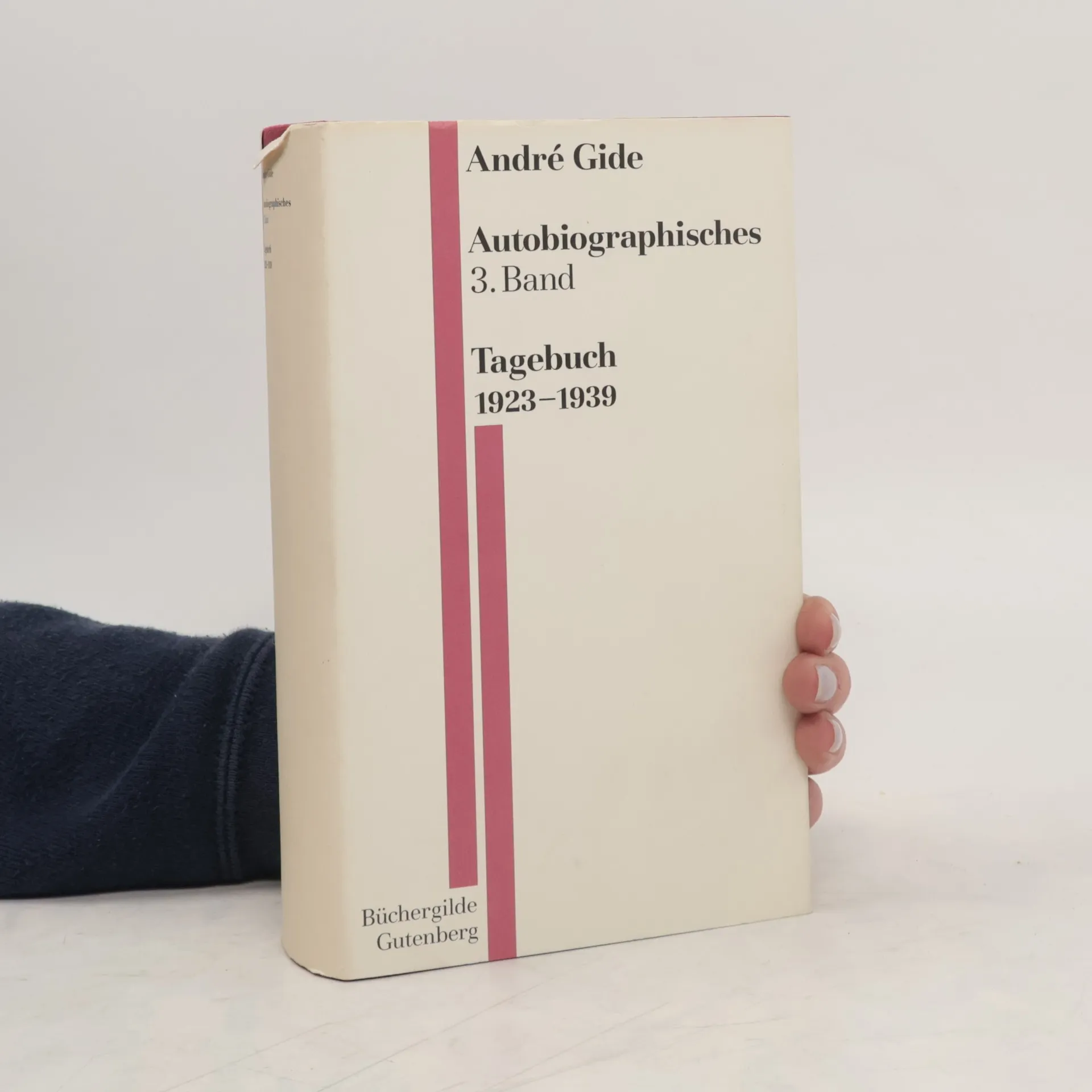
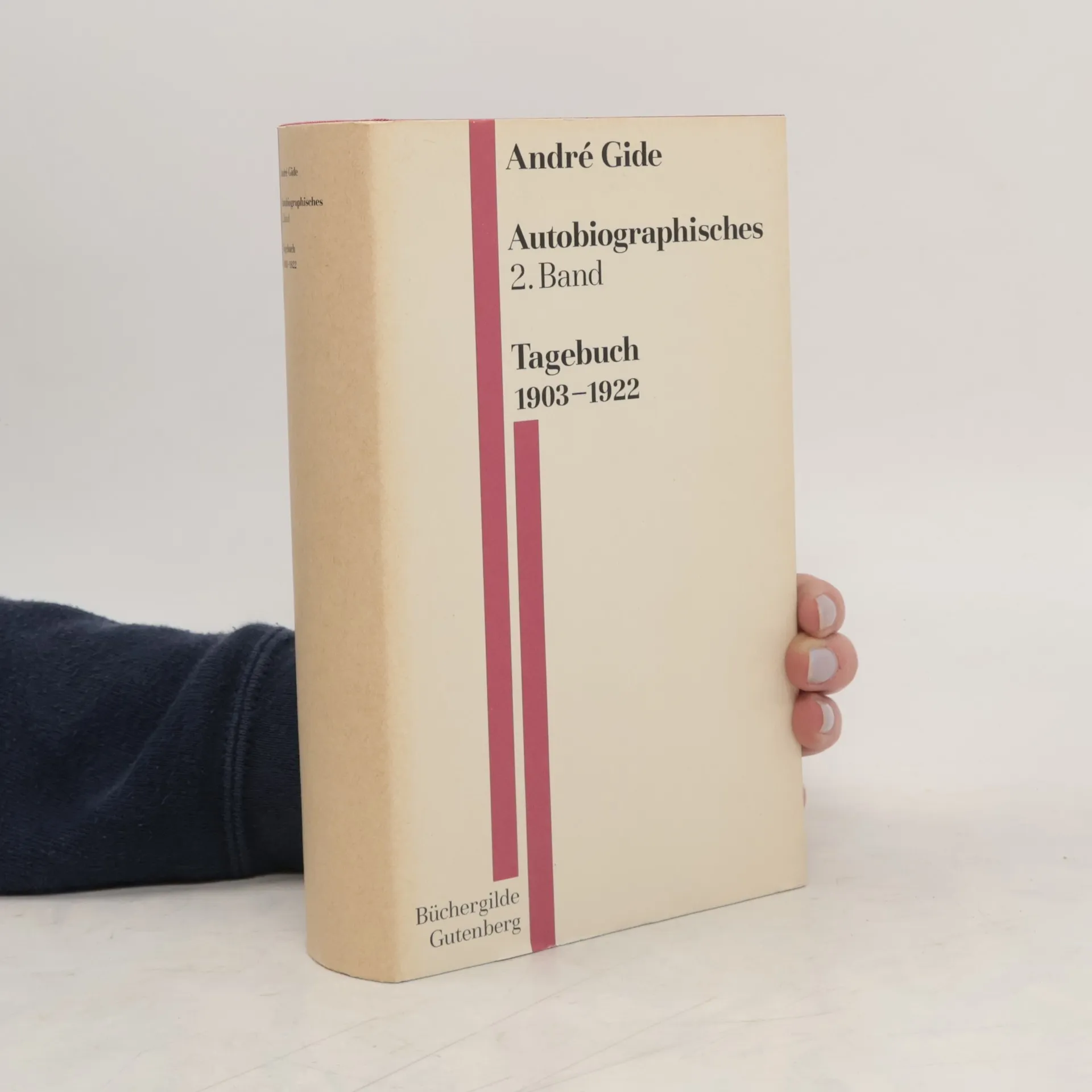
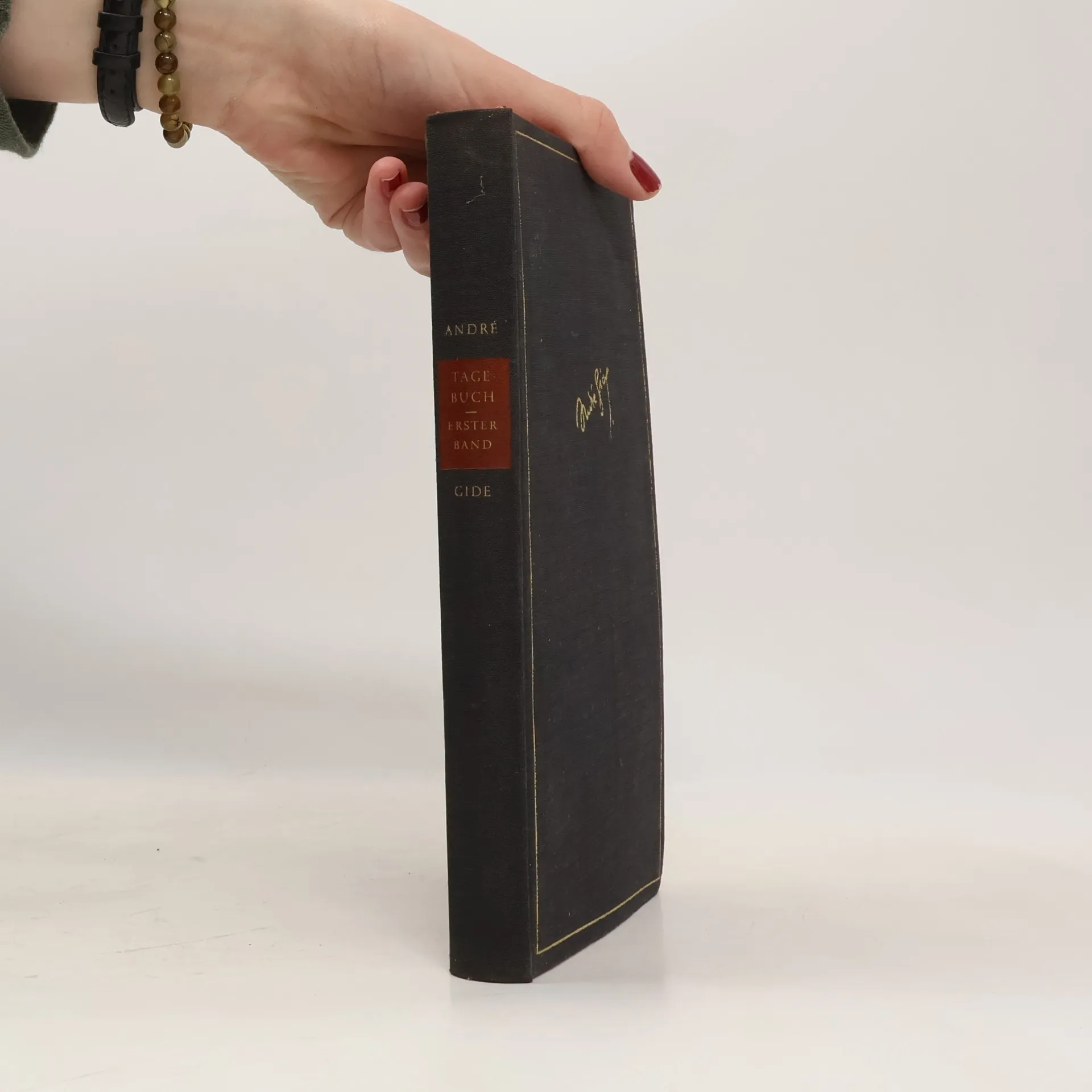
Tagebuch 1903-1922
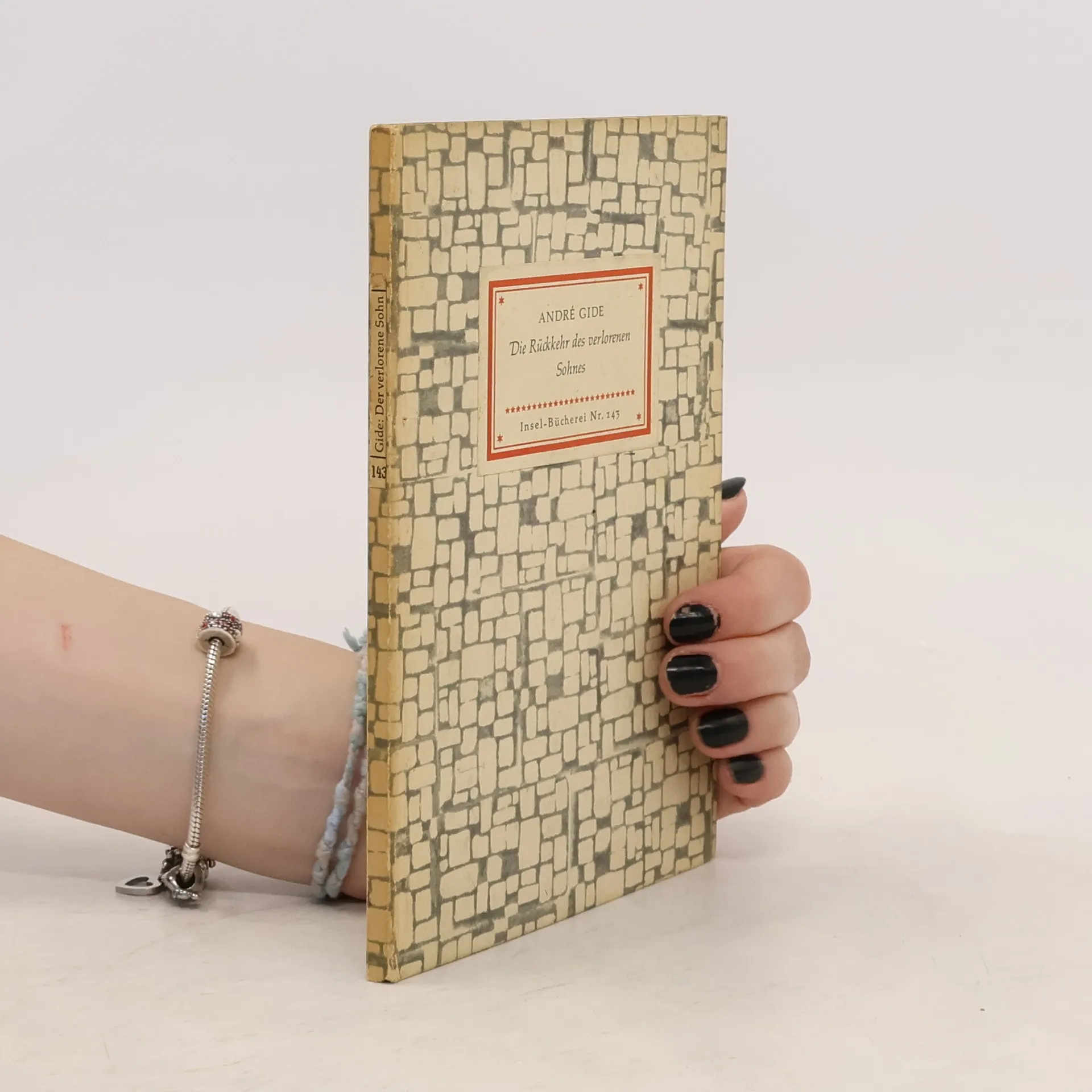
Die Heimkehr des verlorenen Sohnes
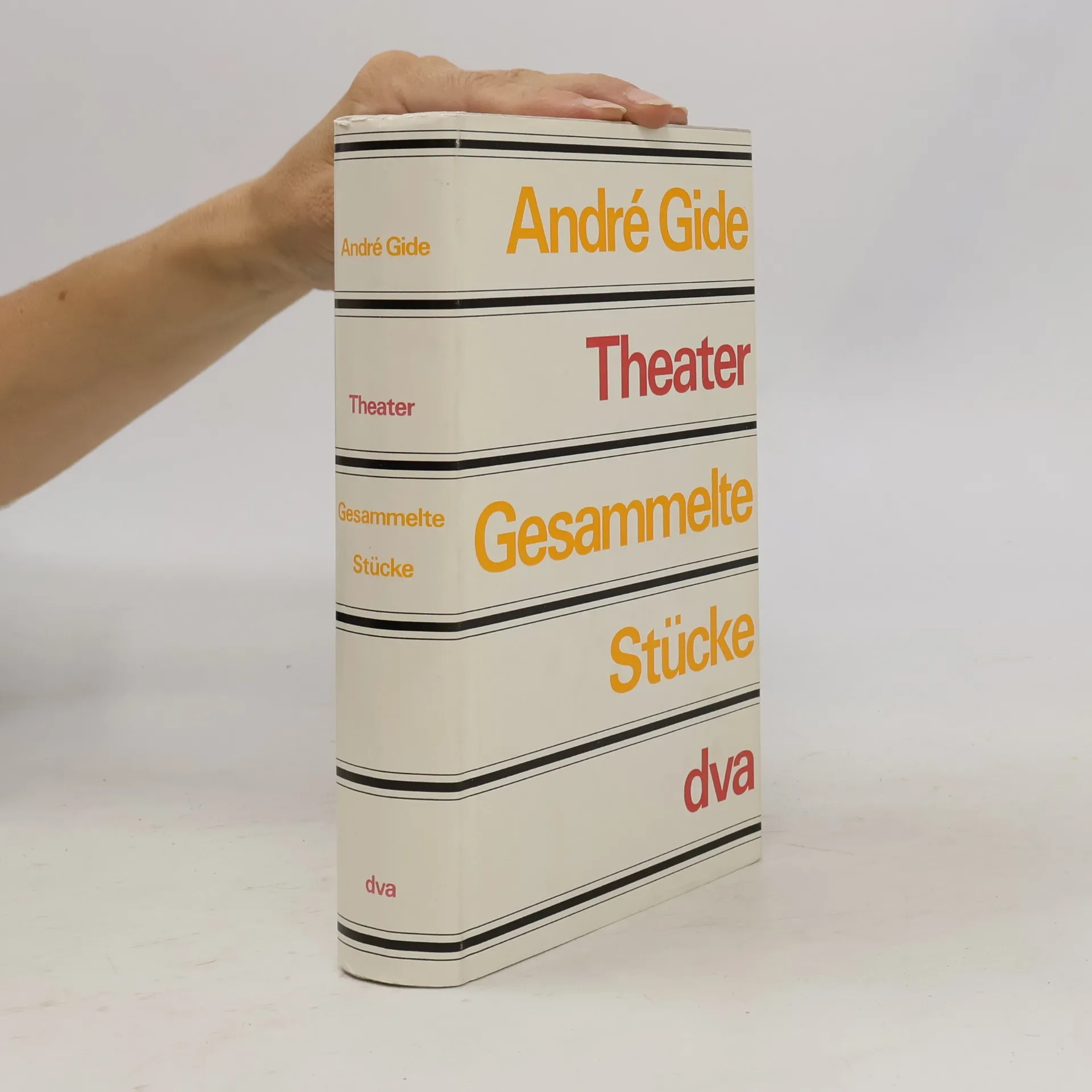
Gesammelte Stücke
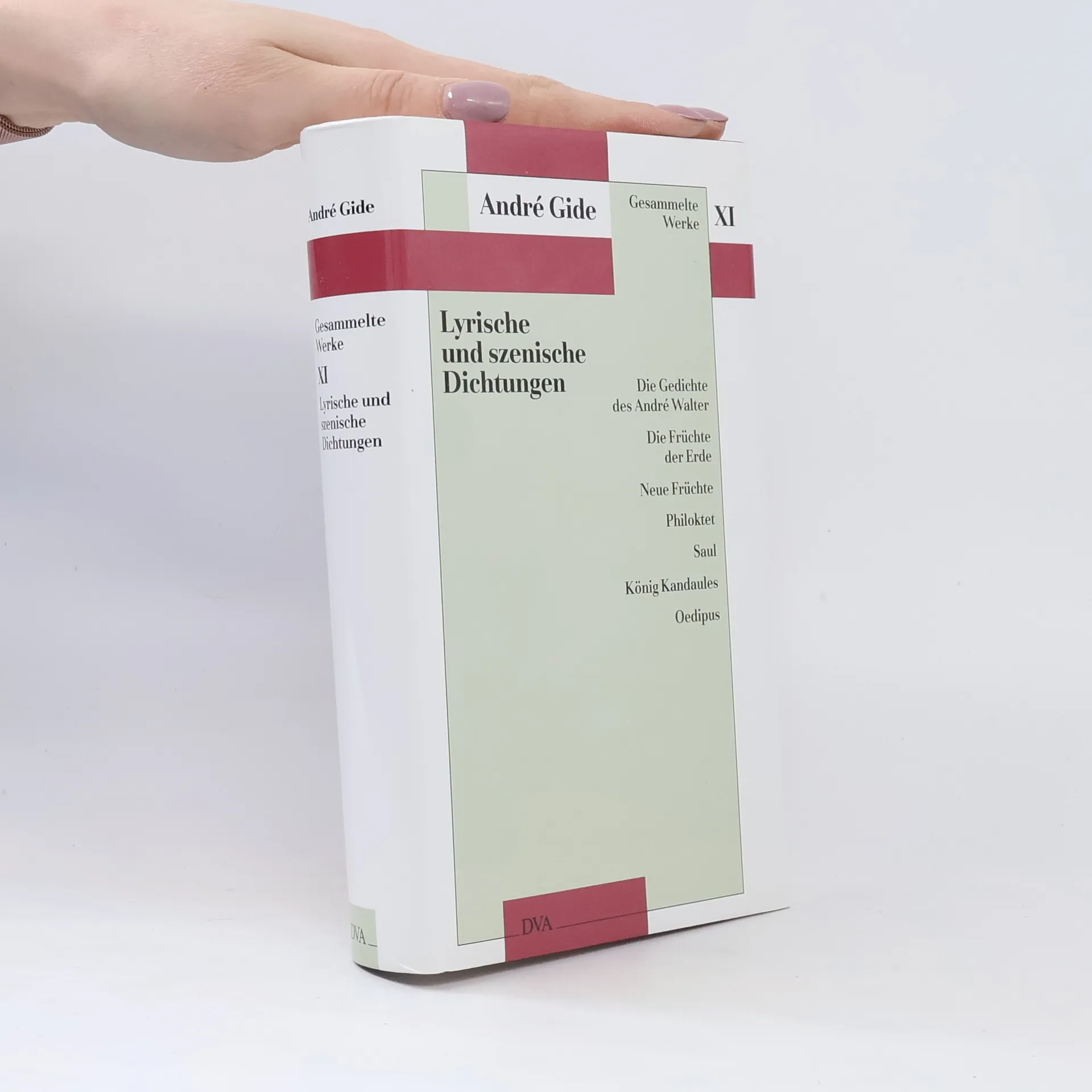
Die Sammlung der Essays von Andre Gide schließt die zwölfbändige Edition seiner Gesammelten Werke ab. Sie zeigt Gides vielfältige Persönlichkeit und sein humanistisches Engagement. Der letzte Band umfasst Essays über Dostojewski, die Dialoge "Corydon", sowie Texte zu Literatur und Politik, von Oscar Wilde bis "Die Zukunft Europas".
André Gide strebte an, die revolutionären Ideen Mallarmés auf den Roman zu übertragen, was jedoch zur Zersplitterung des Genres führte. Seine Werke „Die Gräfin“ und „Die WillKür“ bieten humorvolle Kommentare zur Literaturgeschichte. Die Texte schaffen eine absurde Echokammer, in der wiederkehrende Motive lebendig werden.
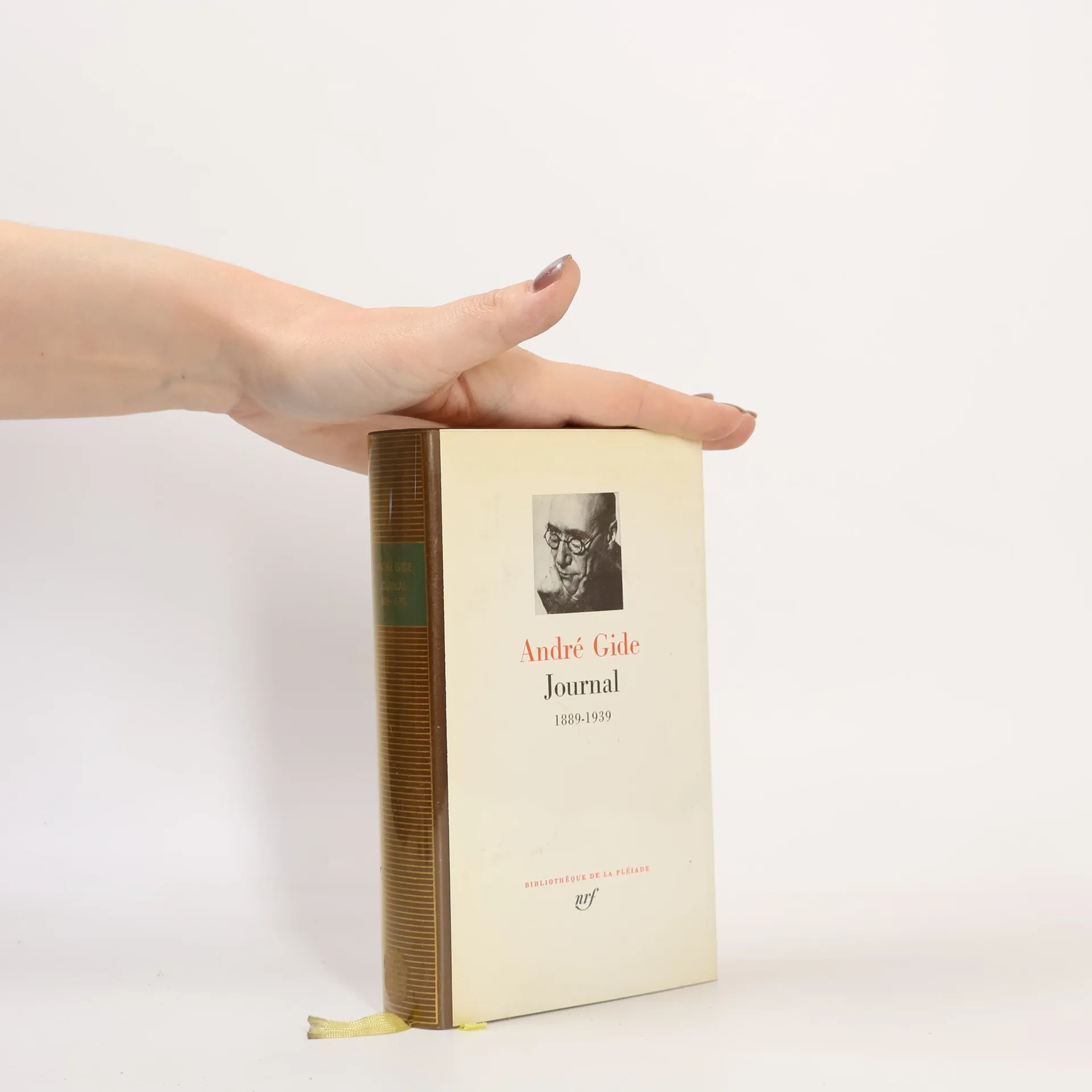
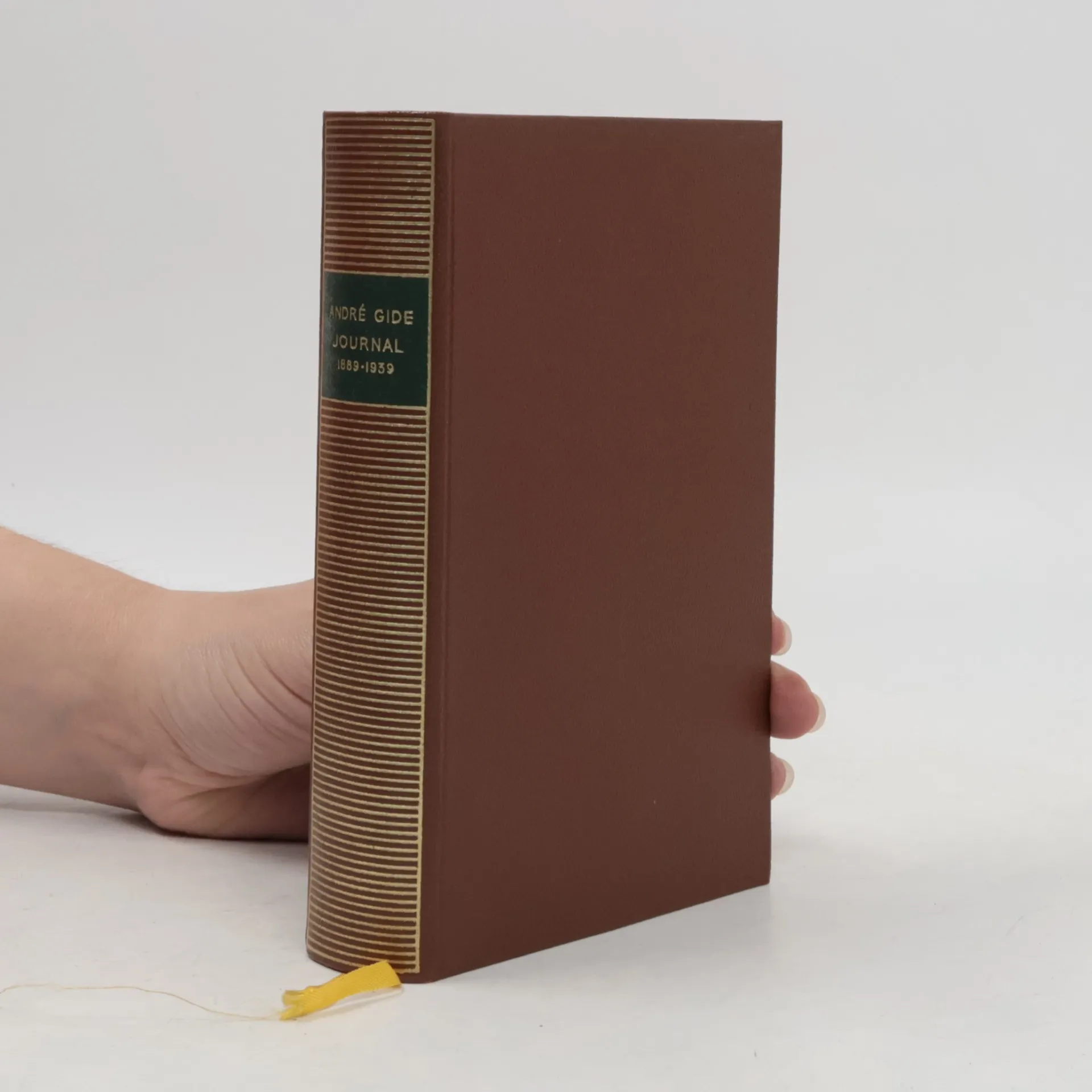
1889-1939
Der gemessene Ton des hoffnungslosen Nihilismus, der "Die Fälscher" durchdringt, zerschmettert schnell jedes Bild von André Gide als dem nörgelnden und gottlosen Buddha eines Vierteljahrhunderts von Intellektuellen. In scharfer und brillanter Prosa entwickelt sich eine schäbige, zynische und unnötig alarmierende Erzählung, die eine breite Palette von ansonsten harmlosen und hauptsächlich bürgerlichen Pariserinnen und Parisern umfasst. Aber der Schauplatz könnte überall sein. Von der Pubertät über die Jugend bis zum Tod ist "Die Fälscher" ein seltenes Nachschlagewerk menschlicher Unordnung, Schwäche und Verzweiflung.
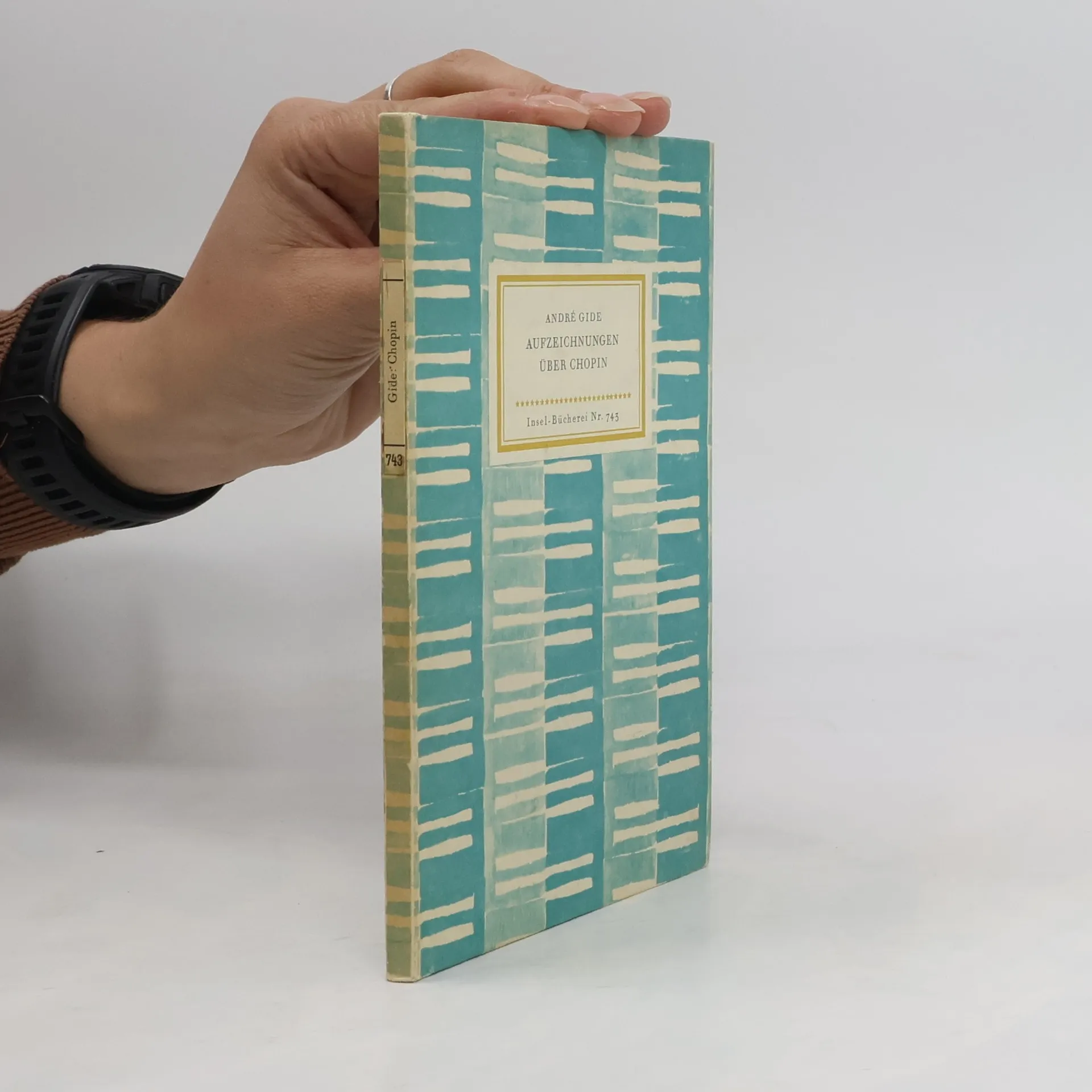
Ein inspirierender Diskurs über die Kraft der Musik von André Gide. Gide, einer der großen Intellektuellen des zwanzigsten Jahrhunderts und ein leidenschaftlicher Pianist, lädt die Leser ein, Frédéric Chopin als Komponisten neu zu bewerten, der von einer Musikgemeinschaft „verraten... tief, intim, total verletzt“ wurde, die sein Werk grundlegend missverstanden hat. Als tiefgründiger Bewunderer von Chopins „Promenade der Entdeckungen“ streut Gide musikalische Notationen in den Text ein, um seine Argumente zu beleuchten, doch am bewegendsten ist Gides eigene poetische Ausdrucksweise für die Musik, die er so liebte.
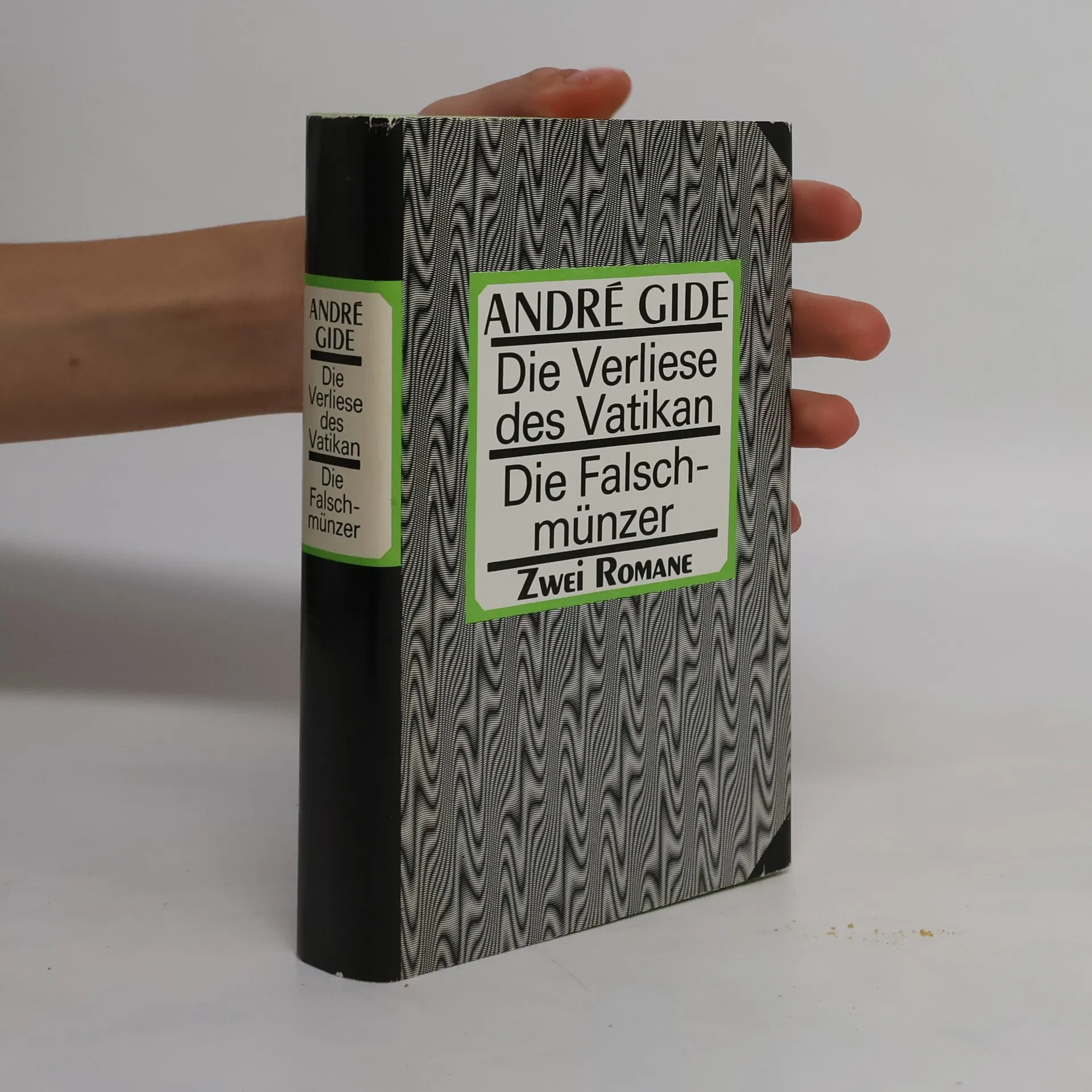
Zwei Romane mit einem Nachwort von Brigitte Sändig. DDR, Berlin 1985.
Zväzok obsahuje dve novely: Pastorálna symfónia (1919) — Isabelle (1911).
Gide od června 1926 do května 1927 se svým milencem Marcem Allégretem procestoval koloniální Francouzskou rovníkovou Afriku. Úspěšně se dostali do Středního Konga (dnes Konžská republika), Ubangi-Shari (dnes Středoafrická republika), nakrátko přišli do Čadu a potom do Kamerunu, odkud se vrátili do Francie. Gide převyprávěl svoje putování v Cestách po Kongu (Voyage au Congo, 1927) a Návrat z Čadu (Le Retour du Tchad, 1928).
Kniha ponúka dva romány slávneho francúzskeho spisovateľa. Prvý (Pivnice Vatikánu, 1914) bol označený za bláznovsku frašku, jadrom groteskného deja sú povesti o zajatí pápeža. Tieto povesti využíva skupina podvodníkov a láka peniaze od aristokratov na pápežovo vyslobodenie. Druhý román (Škola žien, 1936) je vlastne triptych poviedok, ktoré autor spojil do románu. Prvá je denník, ktorý si písala žena od zasnúbenia až do smrti, jej snúbenec si písal tiež denník, jej denník je príbeh o veľkom sklamaní, on ho ani nezačne písať. Druhá poviedka je mužova analýza manželského života, v tretej zaujíma stanovisko k manželskému životu rodičov nezaujatá dcéra...
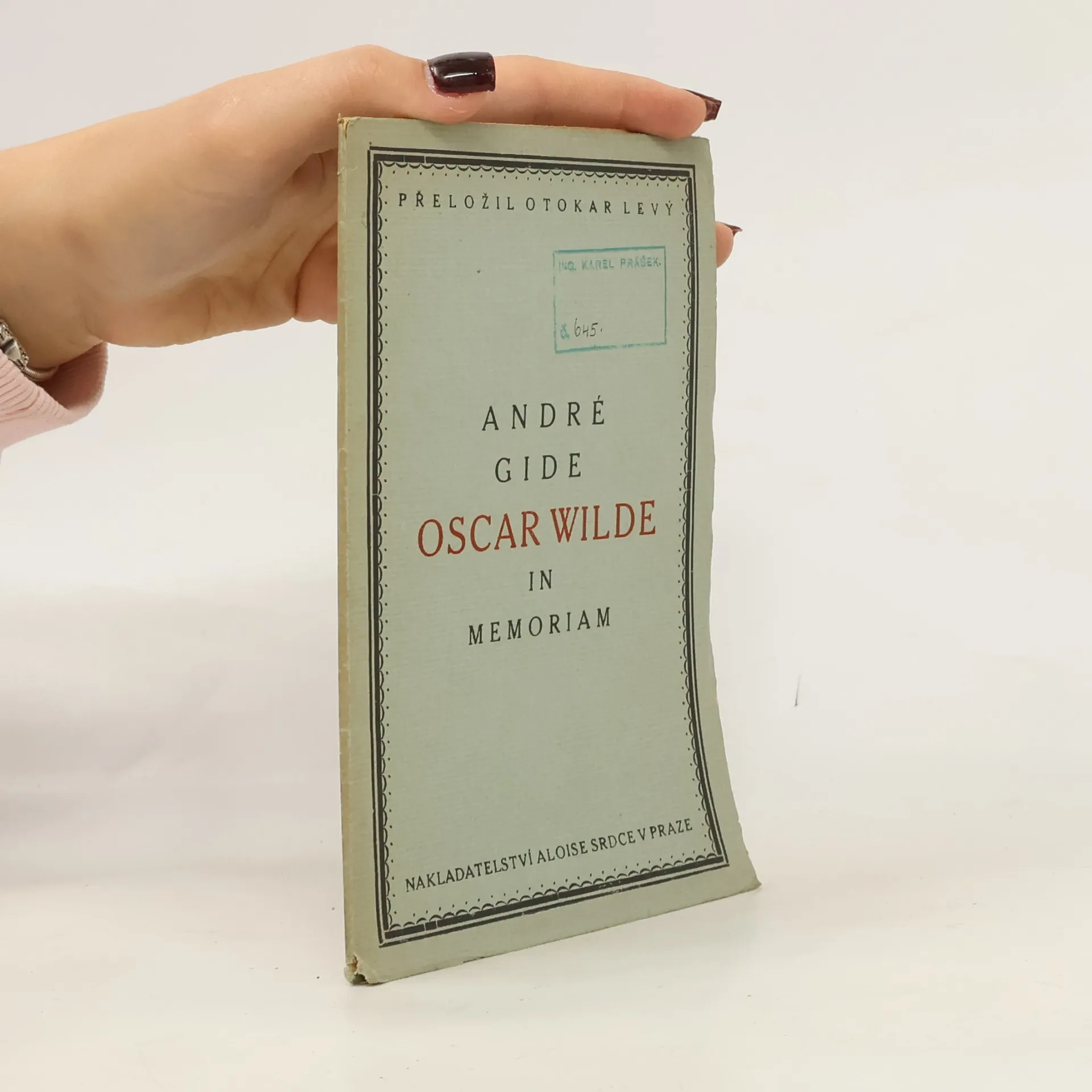
Vzpomínka na velkého umělce života. Gide píše o svých setkáních s Wildem, o příbězích a anekdotách, které vyprávěl, a o posledním delším setkání v severofrancouzském Bernevalu po Wildově propuštění z vězení, na sklonku jeho života.
Erster Band 1889-1939