Die Grundlagen des egalitären politischen Systems, dem alle hierarchischen Tendenzen suspekt waren, sind bei den Ejagham durch die lange Kolonialzeit hindurch erhalten geblieben. Auch die Frauen besaßen hier mehr Entfaltungsmöglichkeiten als in vielen anderen Teilen Afrikas. Wichtige Entscheidungen werden in der Dorfversammlung getroffen und die Macht der Ahnen sowie die der gefürchteten Hexen sind trotz Christianisierung weitgehend ungebrochen. Die Geheimgesellschaften haben ihre Bedeutung behalten und sind – unter Verwendung ihrer spektakulären Masken – zuständig für Aufgaben der sozialen und politischen Kontrolle, für die Abwehr und Verfolgung gefährlicher und feindlicher Mächte und für die Organisation und Gestaltung der großen Totenfeste, die immer noch der Tradition entsprechend begangen werden. Hans-Joachim Koloss ist es gelungen, in Kembong, dem Hauptort der Region, Gesellschaft und Weltbild dieser kleinen und bislang wenig bekannten Ethnie in ihren wesentlichen Bereichen zu studieren und anhand einer umfangreichen Fotodokumentation darzustellen.
Hans Joachim Koloss Ordine dei libri (cronologico)


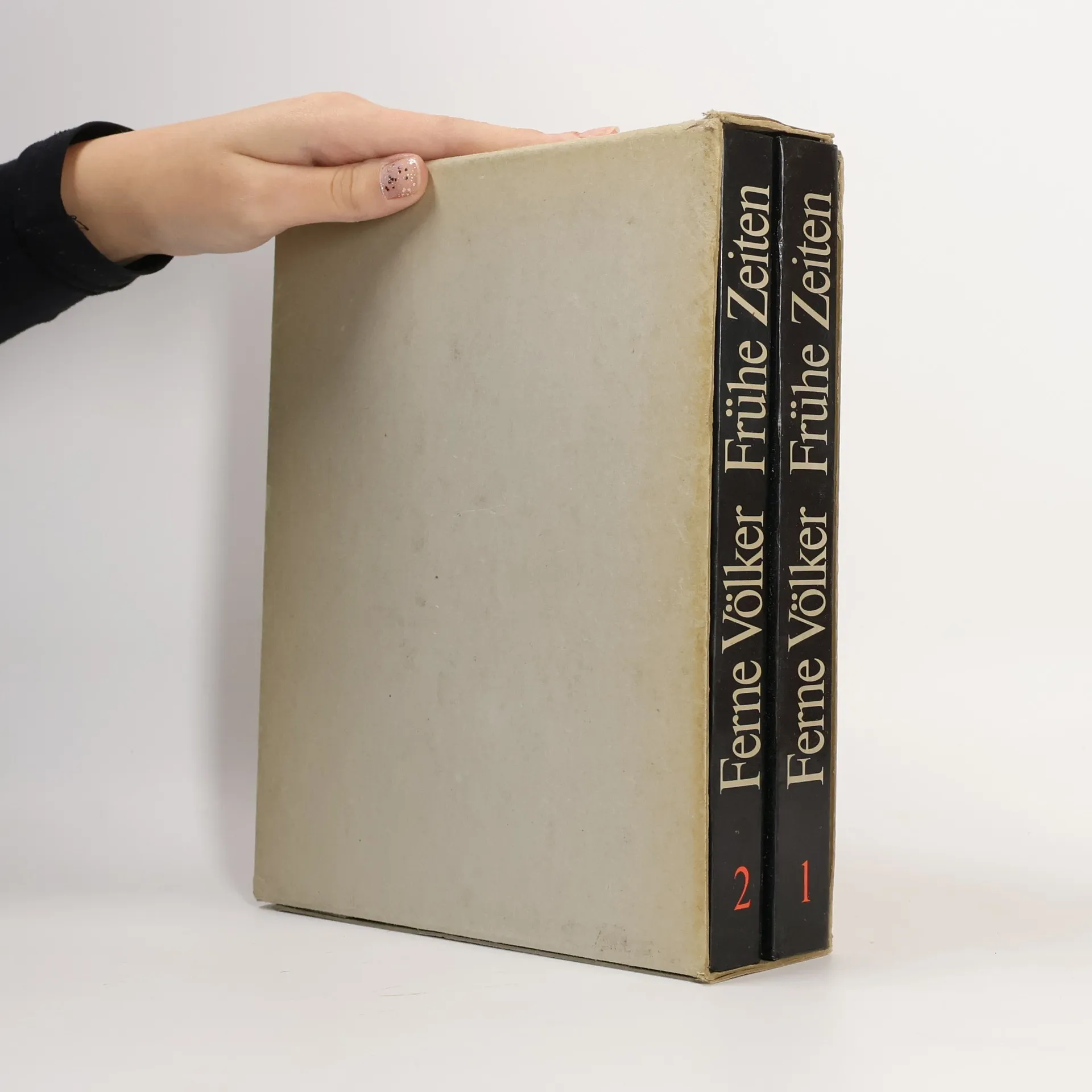
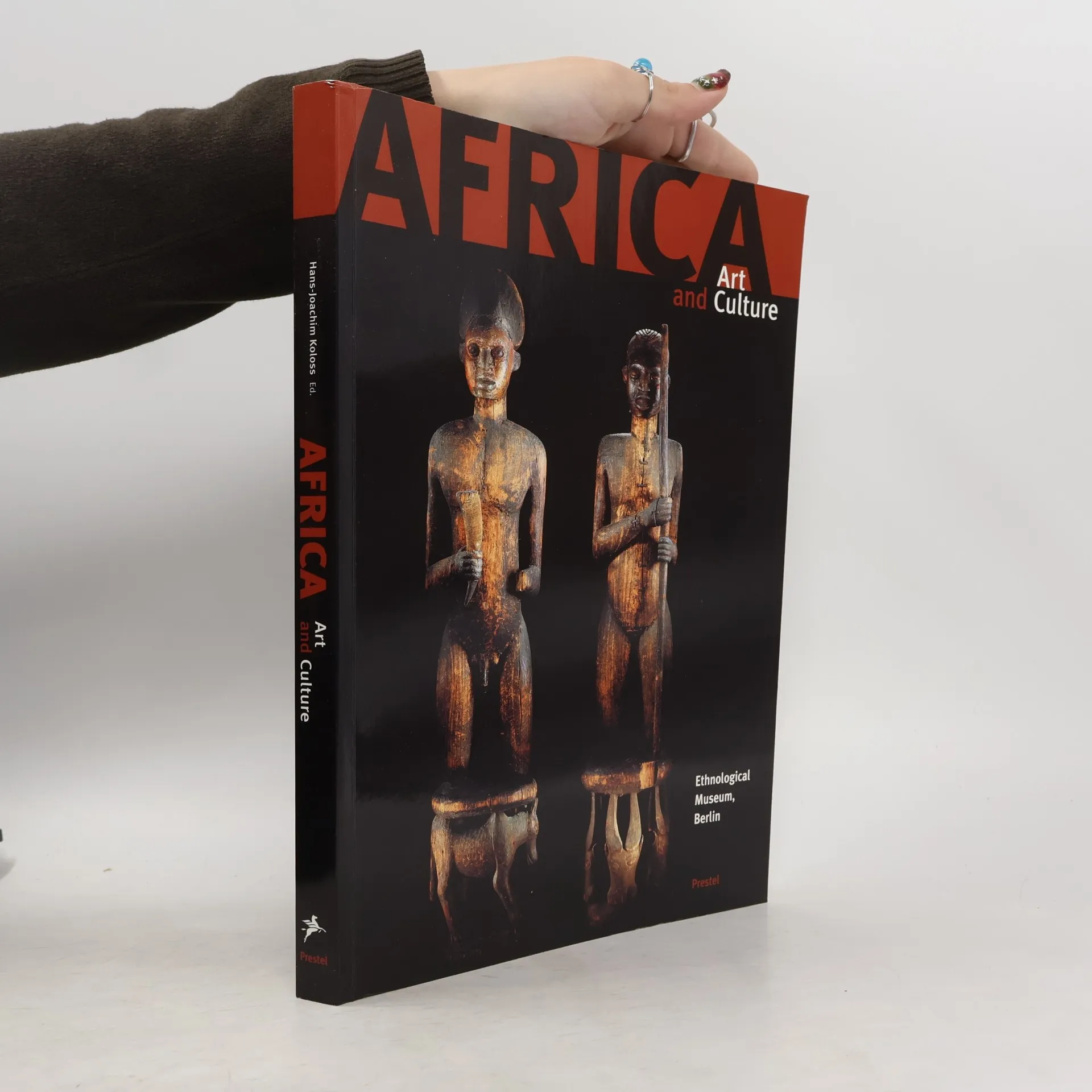
One of the leading collections of African art in the world, the Africa Collection at Berlin's Ethnological Museum contains unique groups of objects such as the Ife terra-cotta sculptures (excavated by Leo Frobenius), rare Benin bronzes, masterpieces from the Cameroon Grasslands, Gabun, and the Lower Congo, and East African sculptures and masks. Art and Culture examines the highlights in this incomparable collection. A team of international scholars analyzes the 200 objects selected, placing them within the cultural and historical contexts of the different regions, and provides an insight into the ways European and African art have traded influences over the centuries. The result is an overview of African art, which reflects recent research, while providing a stunning presentation of masterpieces from the unique Africa Collection at the Ethnological Museum in Berlin.
World view and society in Oko (Cameroon)
- 484pagine
- 17 ore di lettura
The religious world-view in Oku forms the basis for all social and political institutions and encompasses also the moral values and cultic activities. It is the ancestors who determine the fate the of the people and whose laws have only one purpose: to foster a community that lives in harmony. What is the significance of the famous Cameroon Grassland’s masks and how are they used? Regarding the cultural background, there has been, up to now, as good as no information.//Hans-Joachim Koloss demonstrates that the masks in Oku are a central cultural element and have a close connection to the ›supernatural‹ medicine which is a protection from witches and other destructive forces. In addition to a detailed portrayal of the political and social system, he discusses each of the subtle interdependent ties between ›society‹ and ›world-view‹, which include ideas of the sense and purpose of life, the relationship to the environment as well as the values and standards which determine social and political actions. This study is based on research which was carried out in Oku (Cameroon Grasslands) between 1975 and 1981 and between 1996 and 1998.
Die Kunst der Senufo, Elfenbeinküste
- 60pagine
- 3 ore di lettura