Richard C. Lewontin Libri
29 marzo 1929 – 4 luglio 2021
Biologo evoluzionista, genetista e commentatore sociale, questo autore è stato fondamentale nello sviluppo delle basi matematiche della genetica delle popolazioni e della teoria evolutiva. Il suo lavoro approfondisce questioni profonde sulla vita, l'evoluzione e la natura umana, con un'influenza che va ben oltre l'ambito scientifico.



The Doctrine of DNA
- 144pagine
- 6 ore di lettura
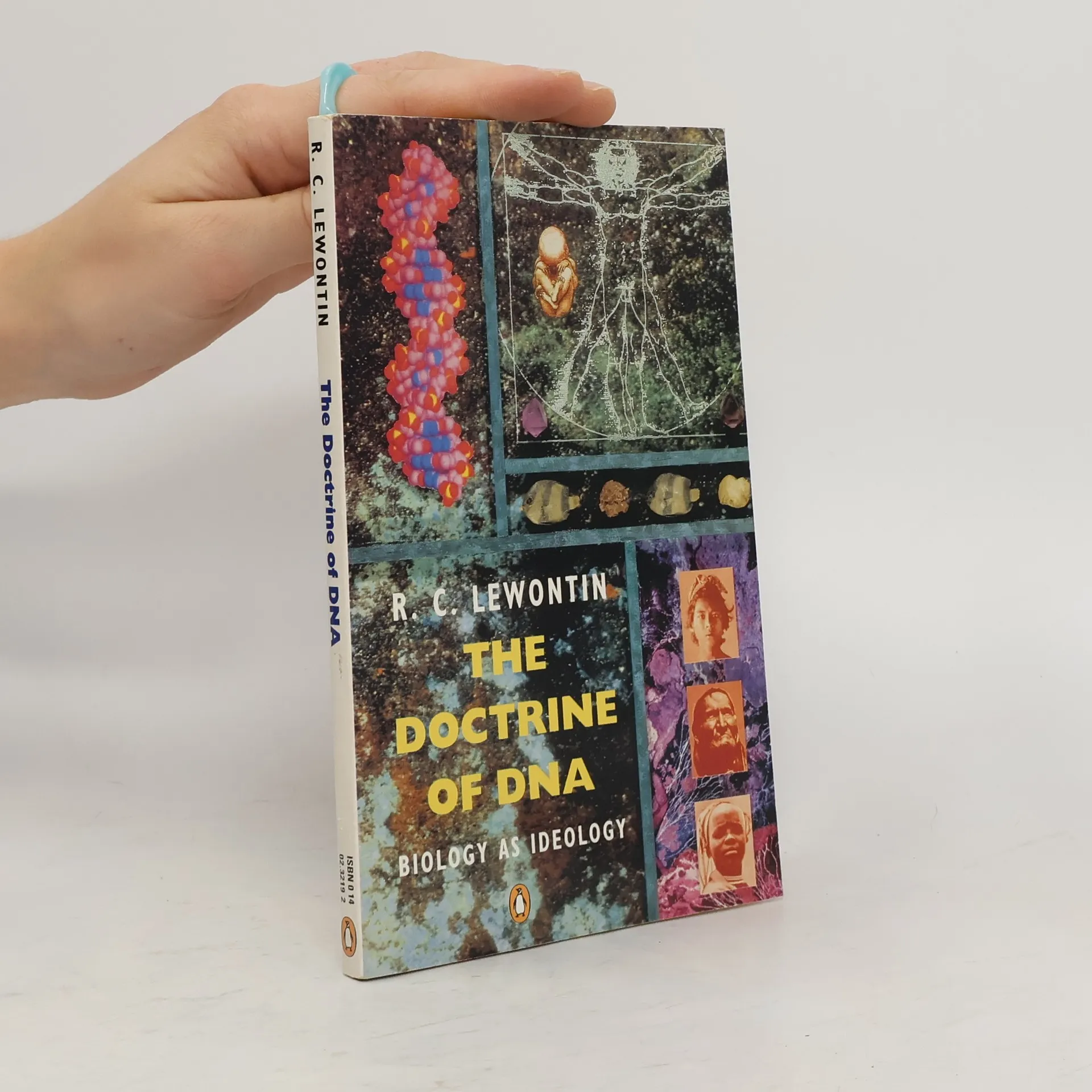
This book, the latest in the continuing debate between the genetic reductionists (such as Richard Dawkins, John Maynard Smith and E.O. Wilson) and those who argue for a rather more complex relationship between genes and the environment (such as Stephen Jay Gould, Steven Rose and Niles Eldredge). Lewontin is a forceful writer and this is an effective statement of the case against the selfish gene.
Introduction to Genetic Analysis - 9th Edition
- 800pagine
- 28 ore di lettura
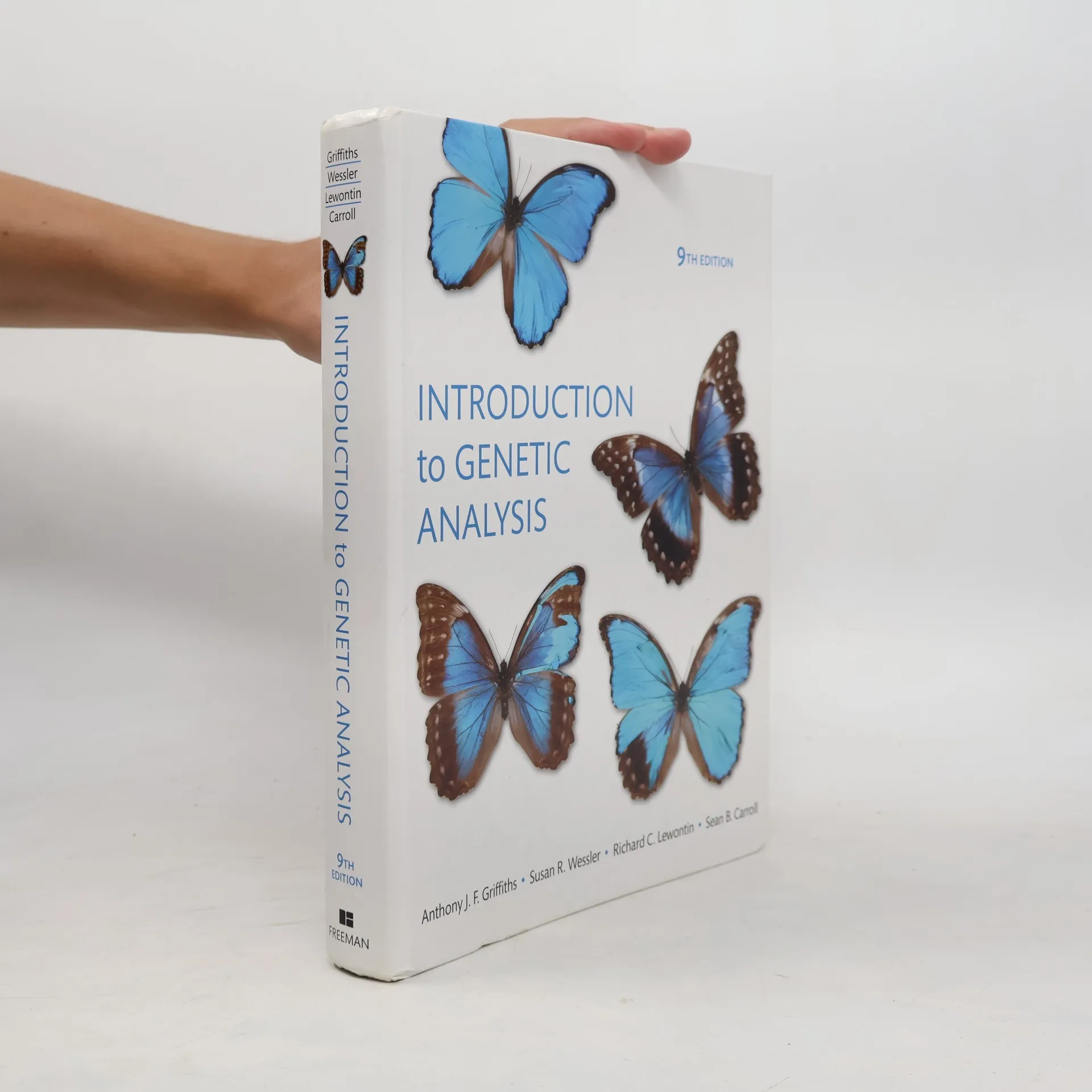
The ninth edition of 'Introduction to Genetic Analysis' has been extensively revised, shaping its coverage to match current research and thinking in genetics.
Rejecting the notion that genes determine the organism, which then adapts to the environment, he explains that organisms, influenced in their development by their circumstances, in turn create, modify, and choose the environment in which they live."--BOOK JACKET.
The Cold War & the University
Toward an Intellectual History of the Postwar Years
- 304pagine
- 11 ore di lettura
Leading intellectuals discuss the effects of the Cold War on academic freedom, intellectual life, and dissent in the academy.
It Ain't Necessarily So combines sharp criticism of scientific claims with lucid expositions of the state of current scientific knowledge. Among the subjects discussed are heredity, natural selection, and genetic determinism.
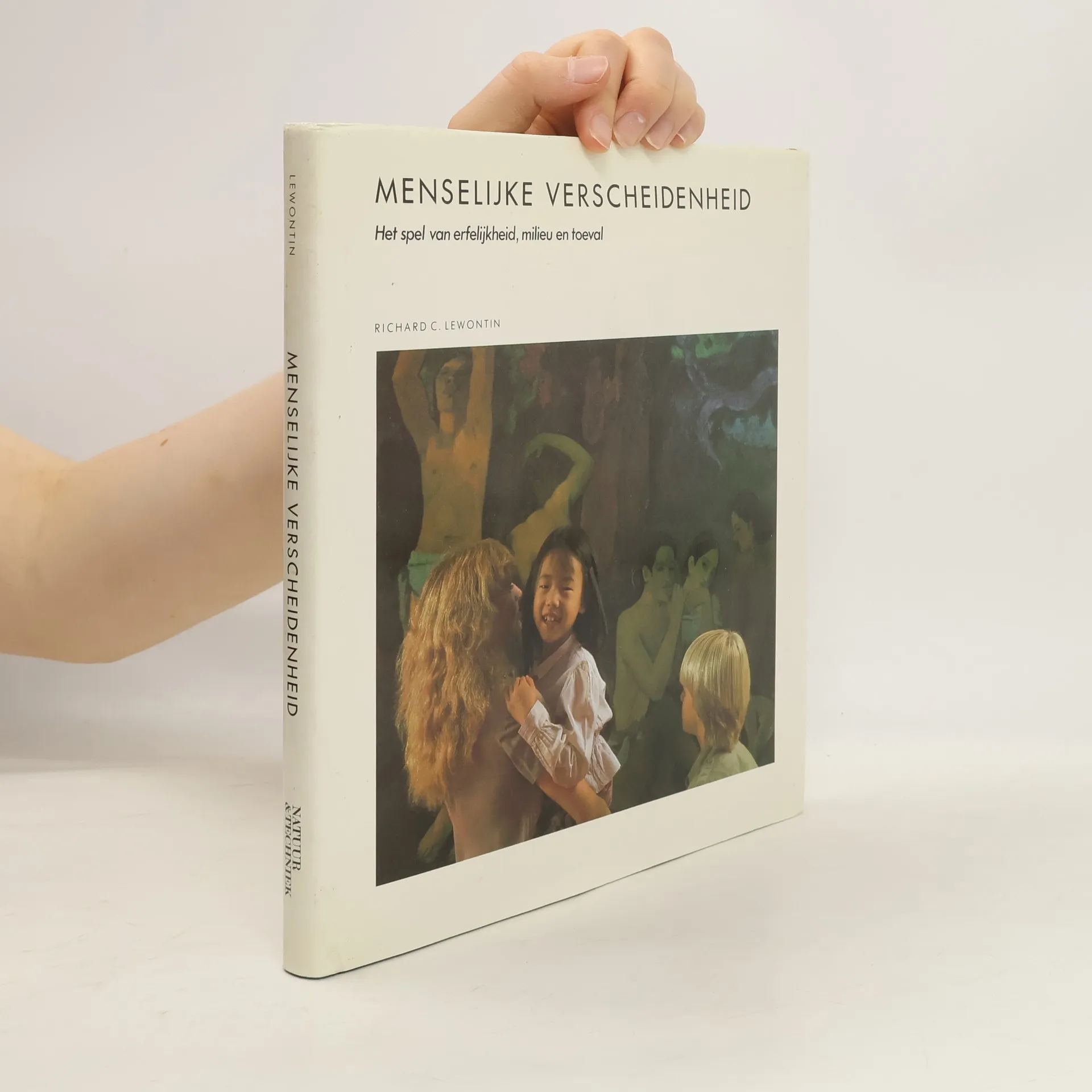
Beschreven wordt welke erfelijke verschillen er tussen mensen kunnen bestaan en welke invloed het milieu uitoefent.
Die Gene sind es nicht ...
- 264pagine
- 10 ore di lettura
Menschen
- 185pagine
- 7 ore di lettura
Dieser Text stellt die Frage: Sind unsere Persönlichkeiten und Fähigkeiten durch unsere Gene vorbestimmt? Mit den Werkzeugen der Populationsgenetik wird argumentiert, dass biologische Unterschiede nur einen kleinen Teil dessen ausmachen, was Individuen einzigartig macht.