Il grande romanzo della vita berlinese degli anni '20, con protagonista Franz Biberkopf, che torna per le strade di Berlino. Deciso a rimanere onesto dopo un periodo in prigione, si trova ostacolato da un'agenzia esterna imprevedibile che somiglia molto al destino. Tradito, umiliato, scaraventato da un'auto in movimento; coinvolto in un sottobosco di sfruttatori, teppisti, ubriachi e prostitute, Franz si rialza ripetutamente - fino a quando un giorno subisce un colpo mostruoso che potrebbe segnare la sua definitiva caduta. Un abbagliante collage di articoli di giornale, storie bibliche, canzoni da bar e gergo urbano, Berlino Alexanderplatz è il grande romanzo della vita berlinese: inventa, stilizza e ricrea la città come realtà e sogno; mimando i suoi movimenti e ritmi; immortalizzando i suoi pub, macelli, appartamenti e strade caotiche. Dalla fogna alle stelle, questo è il quadro completo della città.
Alfred Döblin Libri
Alfred Döblin si afferma come una figura cardine del modernismo letterario tedesco, la cui vasta opera attraversa una diversificata gamma di movimenti e stili letterari. Attraverso i suoi romanzi, drammi, saggi e trattati filosofici, esplorò le complessità della vita urbana moderna e delle strutture sociali. La voce distintiva di Döblin e il suo innovativo approccio narrativo lo rendono un autore la cui opera continua a risuonare nei lettori in cerca di profonde esperienze letterarie. La sua eredità letteraria abbraccia un ampio spettro di generi, riflettendo la sua instancabile esplorazione della condizione umana.


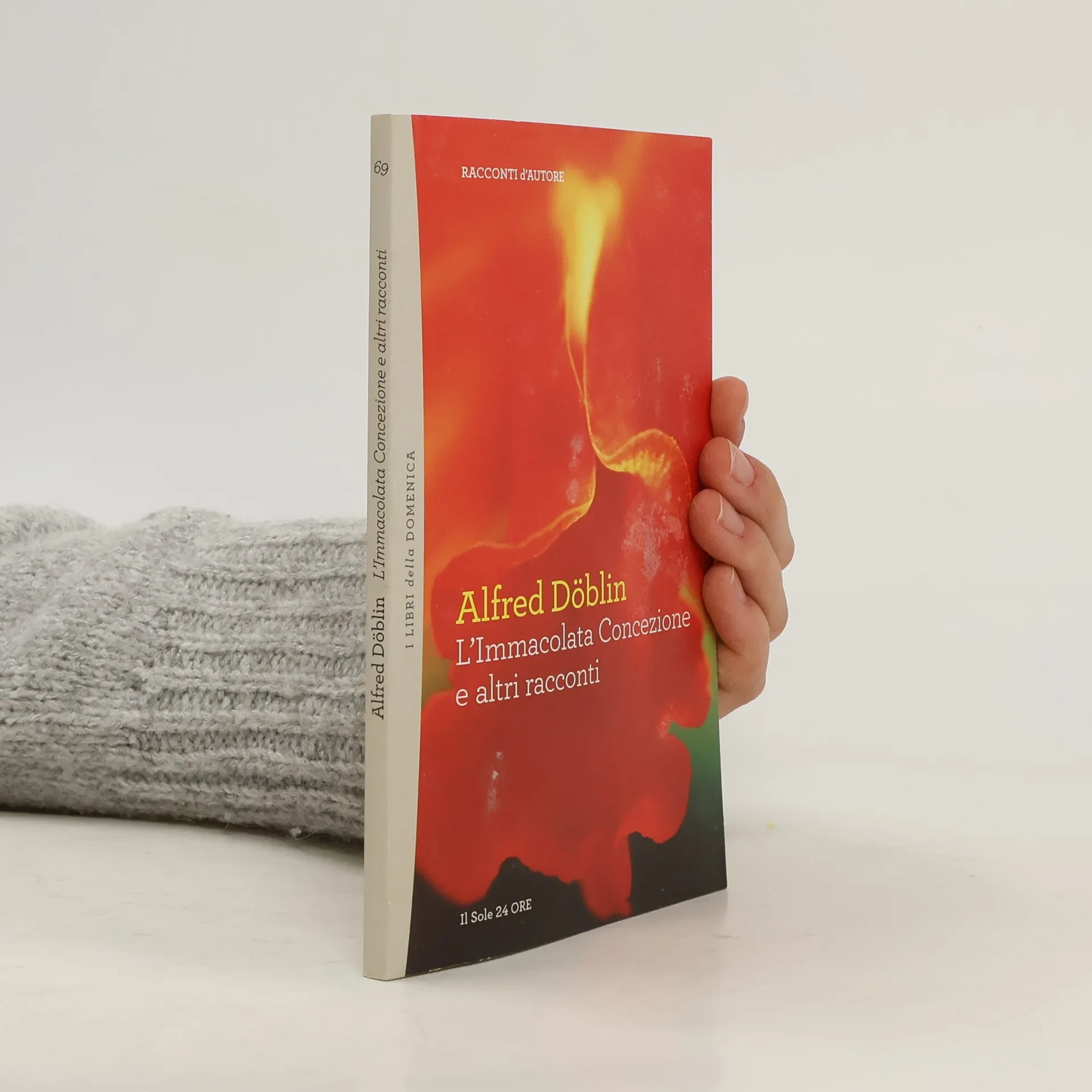
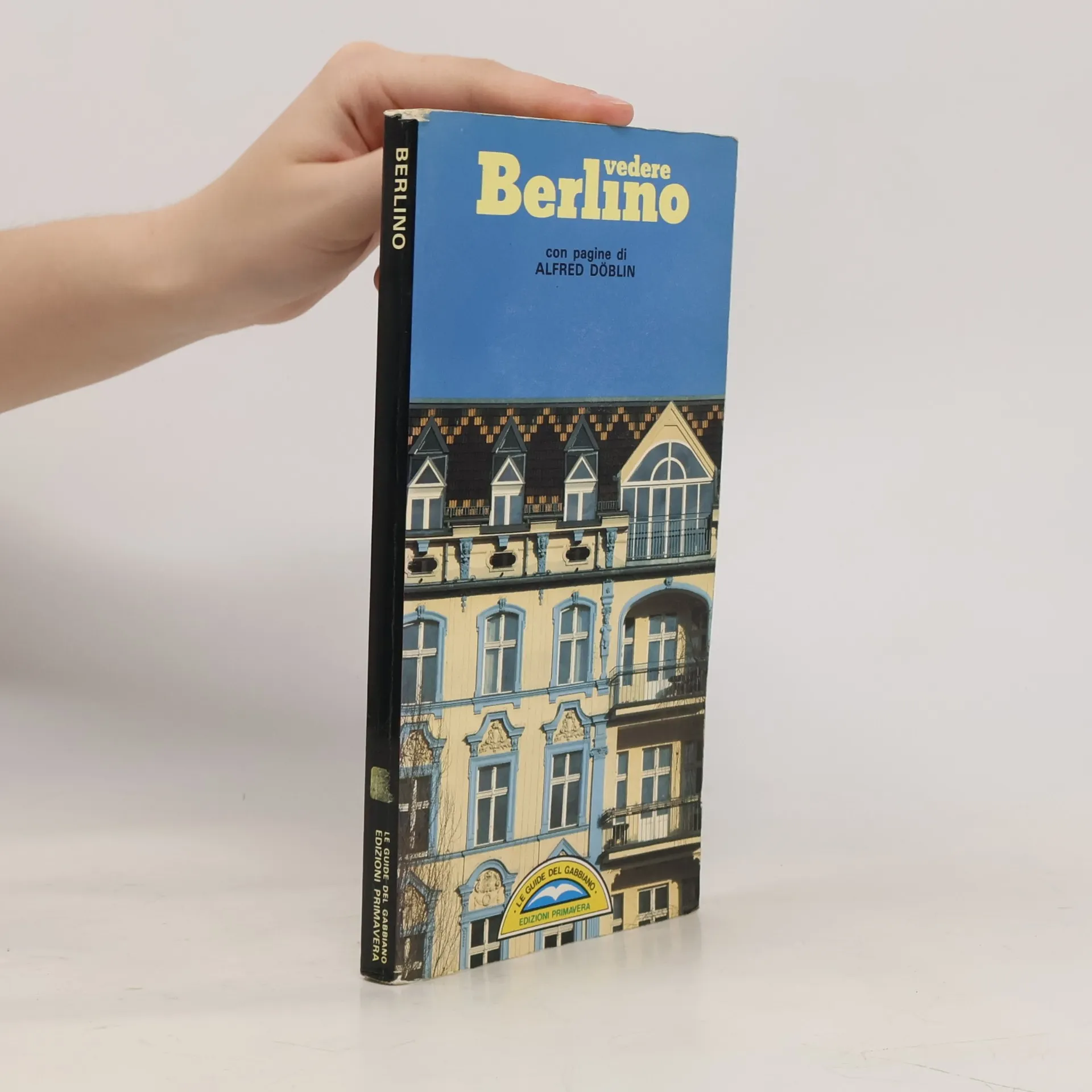
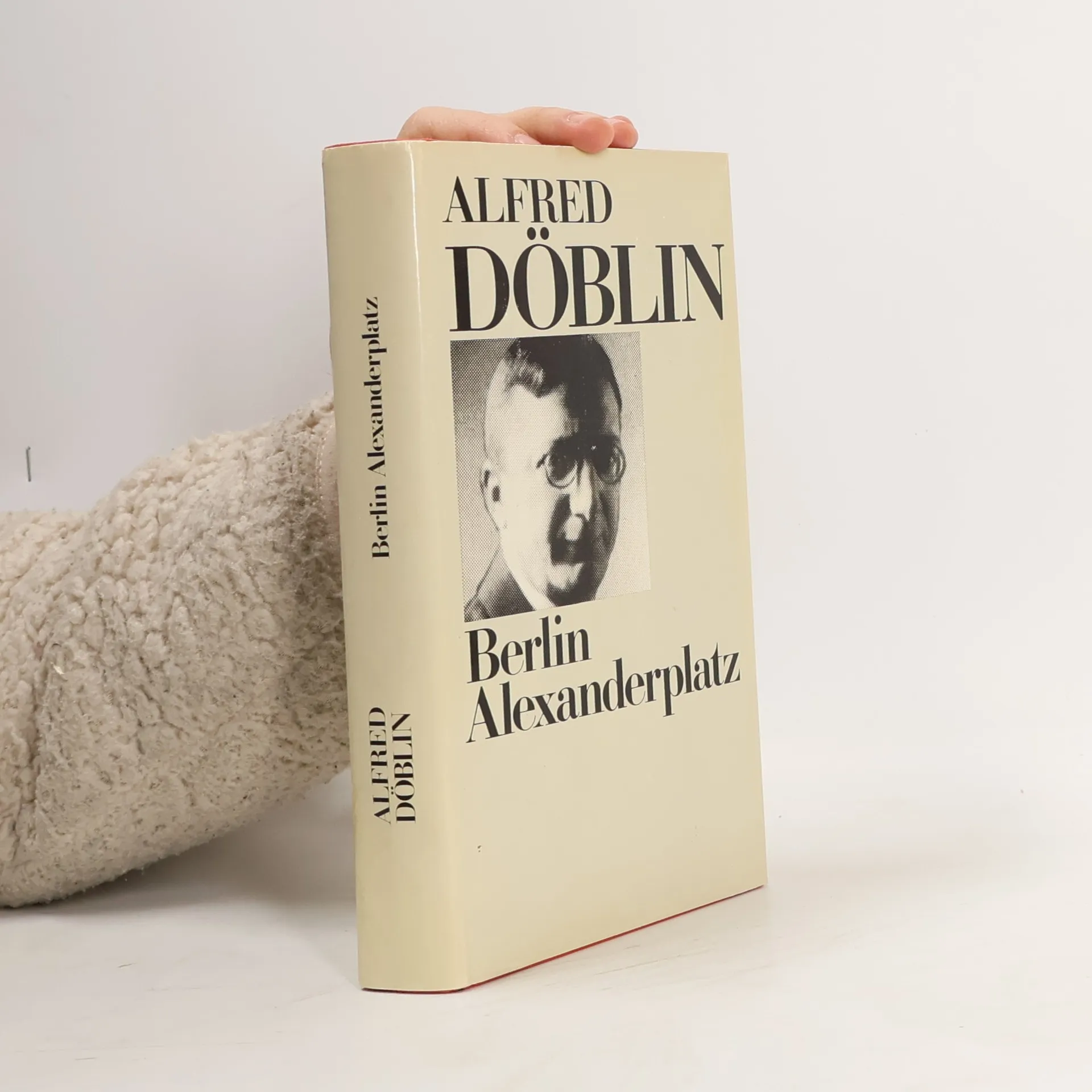
Berlino
Vedere. Con pagine di Alfred Döblin
Manas
- 448pagine
- 16 ore di lettura
Döblin's epic journey into Indian mythology follows the prince Manas, who, returning from a terrible battle, wishes to be "torn apart, crushed" in the realm of the dead. When his corpse is brought back, his wife Sawitri refuses to believe in her beloved's death and sets out to bring him back to life. This visually powerful, modern epic explores themes of love, loss, and the struggle against fate, presenting a narrative that is as bold as it is successful, and as extraordinary as it is surprising.
Mountains Oceans Giants: An Epic of the 27th Century
- 700pagine
- 25 ore di lettura
In his visionary future novel, "Mountains Oceans Giants," Döblin constructs a negative utopia. Presented as a future universal history divided into nine books, he depicts a technized, industrialized society marked by urbanization, massification, alienation from nature, and dehumanization, extending into the 27th century. The uprising against the machines of the metropolises begins in the late 24th century. By the 26th century, the Ural War erupts, resulting in the defeat of the West. Consequently, Western peoples must venture into new territories. Greenland is to be de-iced, and to harness the necessary energy, the volcanoes of Iceland are detonated. The operation succeeds, but it simultaneously awakens the seeds of prehistoric monsters and plants, leading to the resurgence of a dinosaur world. In response, human giants are bred as a countermeasure. Both thematically and linguistically, Döblin has created an expressionist masterpiece that impressively encapsulates all the currents of the era.
Journey to Poland
- 274pagine
- 10 ore di lettura
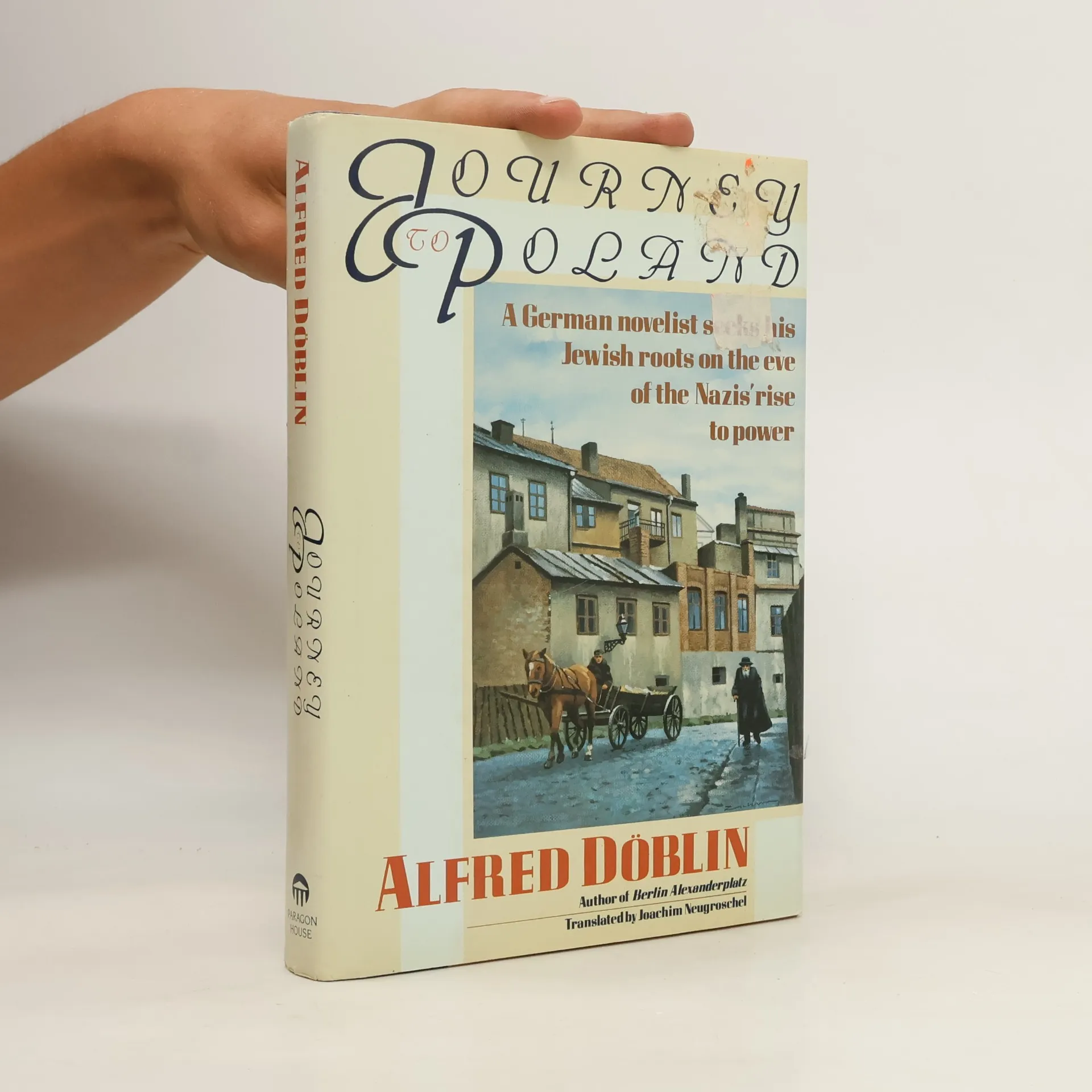
Book by Doblin, Alfred
A marriage gone horribly wrong; a secret female friendship and affair; a murder plot. This precursor to the true crime genre is told by Alfred Döblin, one of the giants of 20th century German literature and author of Berlin Alexanderplatz, which was named as one of the Guardian Top 100 Books of All Time.
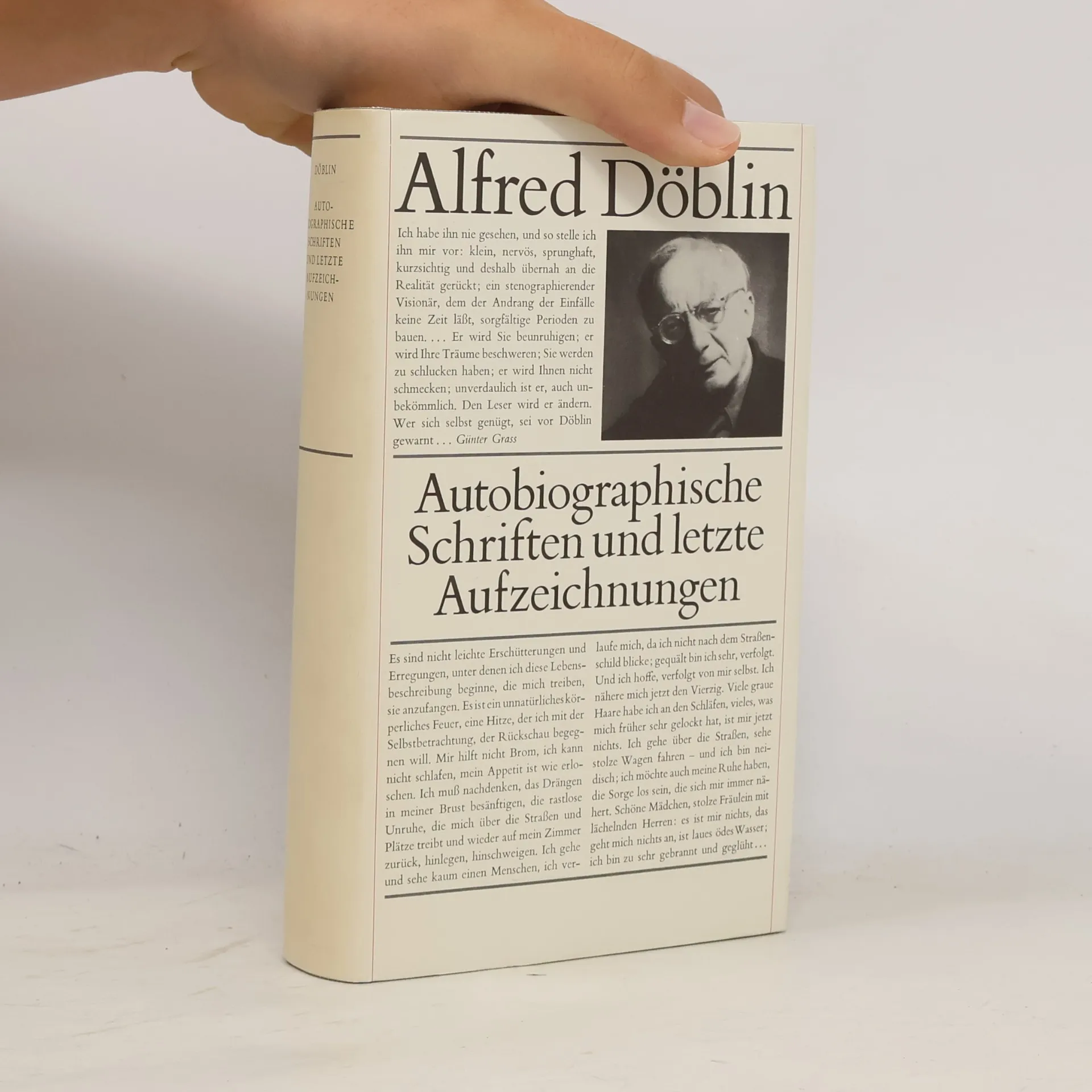
Autobiographische Schriften und letzte Aufzeichnungen
- 618pagine
- 22 ore di lettura
Umfassende romanhafte Freske über die turbulenten Ereignisse des Dreißigjährigen Krieges. Die Handlung beginnt kurz nach der Schlacht am Weißen Berg und nach der Flucht Friedrichs von der Pfalz aus Böhmen. Sie endet mit dem Tod Wallensteins und seines Gegenspielers Ferdinand II. Der Autor charakterisiert die Wesenszüge beider Protagonisten sowie deren Machtambitionen. Der Roman ist in vielerlei Hinsicht poetische Fiktion, obwohl der Autor aus historischen Quellen schöpft, sodass sich farbenfrohe Bilder aus dem Hofleben mit Kriegsszenen in raffiniertem Kontrapunkt abwechseln.
Schriften zur Politik und Gesellschaft
- 532pagine
- 19 ore di lettura
Gespräche mit Kalypso
- 170pagine
- 6 ore di lettura
Der deutsche Maskenball von Linke Poot. Wissen und Verändern!.
- 324pagine
- 12 ore di lettura
„Der deutsche Maskenball“ und „Wissen und verändern!“ sind bedeutende politische Schriften von Döblin, verfasst unter dem Pseudonym Linke Poot. Tucholsky lobt den einzigartigen Witz und die prägnante Auseinandersetzung mit den gesellschaftlichen Fragen des neuen Deutschlands.
El pueblo traicionado
- 576pagine
- 21 ore di lettura
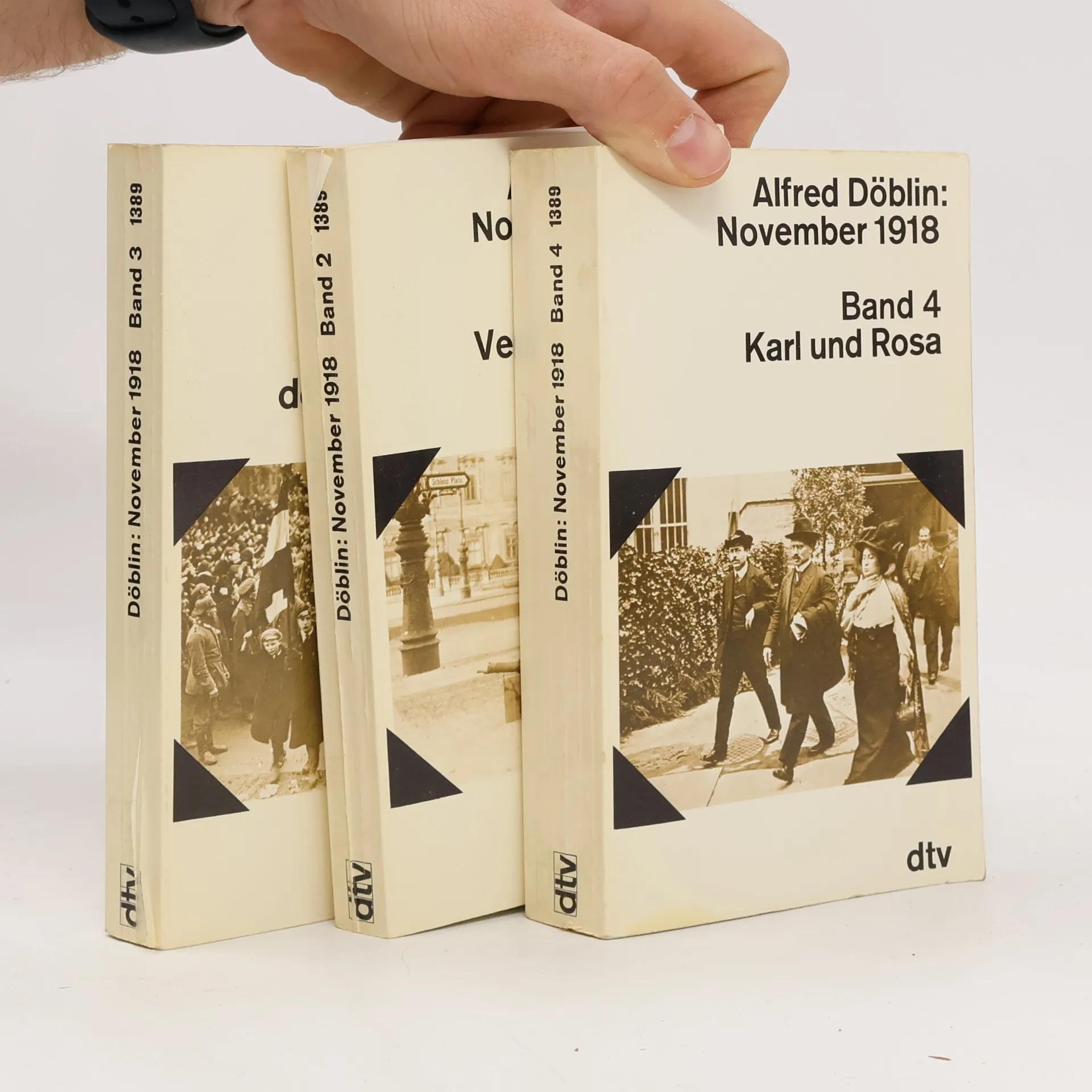
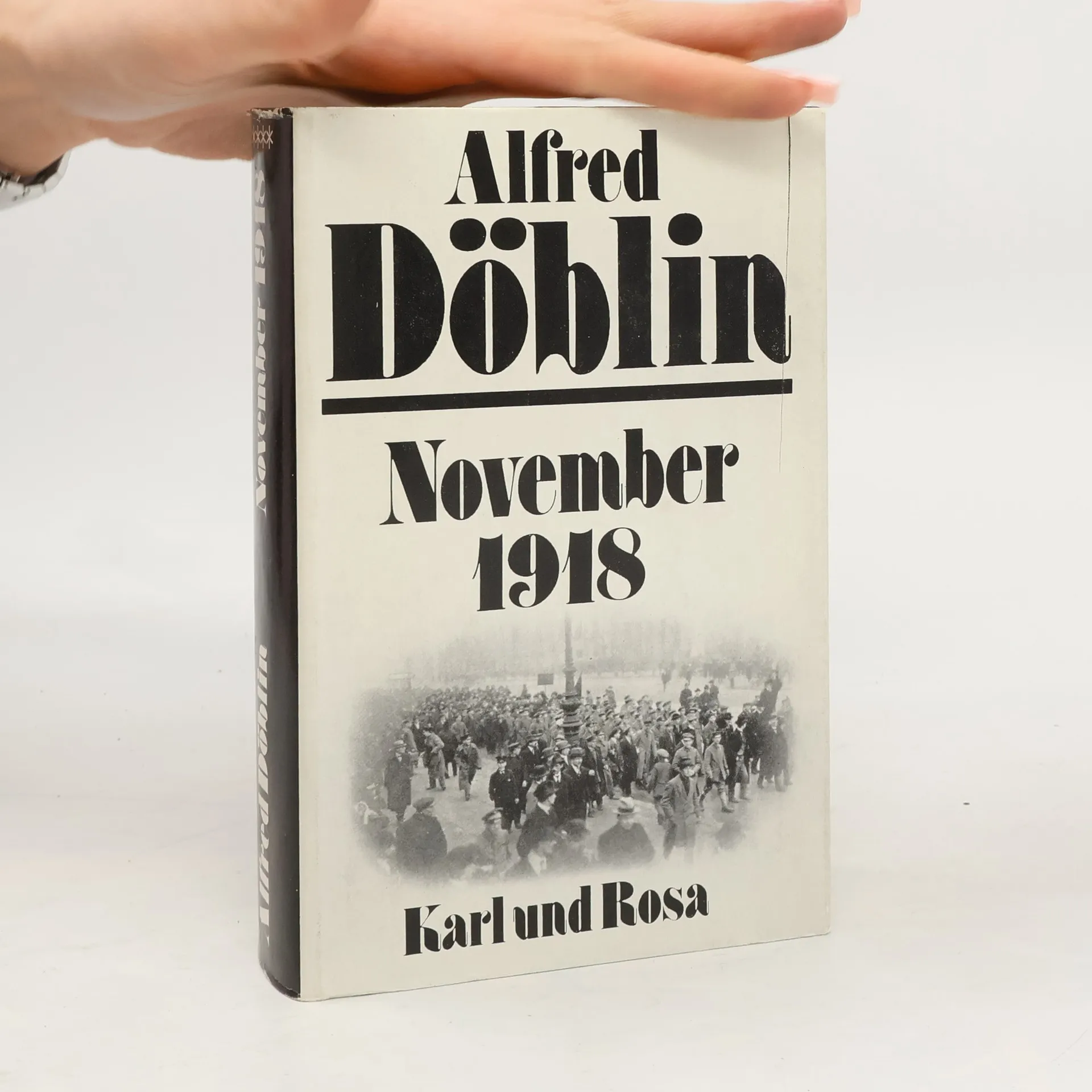
November 1918. Eine deutsche Revolution.
Eine deutsche Revolution Roman in vier Bänden
In German, softbound. Eine deutsche Revolution. Erzählwerk in drei Teilen. Nach dem Text der Erstausgabe (1949) mit einem Vorspiel aus Bürger und Soldaten 1918. 551 pages.
Im zweiten Band von November 1918 richtet sich Döblins kritischer Blick auf die wichtigsten politischen Protagonisten der unmittelbaren Nachkriegszeit: auf die reaktionäre Oberste Heeresleitung, auf den Spartakusbund mit Karl Liebknecht an der Spitze, vor allem aber auf den Rat der Volksbeauftragten unter Führung von Friedrich Ebert. Der Sozialdemokrat erscheint aus Döblins Sicht als großer Verräter an der Revolution, weil er sich mit den Repräsentanten der alten Ordnung einlässt. Im Grunde aber ist es das deutsche Volk selbst, das alle Hoffnungen auf einen Neuanfang verspielt.
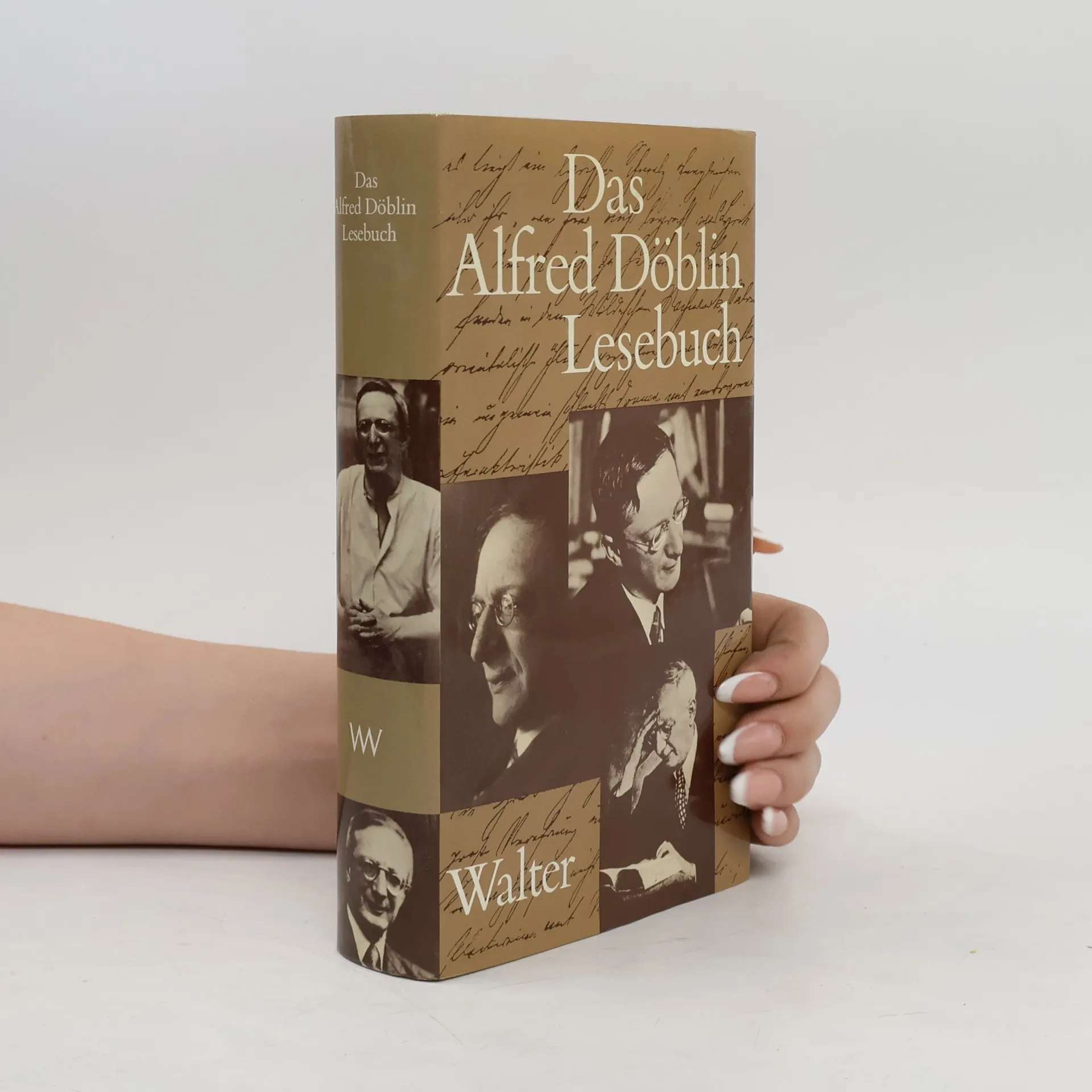
Das Alfred Döblin Lesebuch
- 423pagine
- 15 ore di lettura
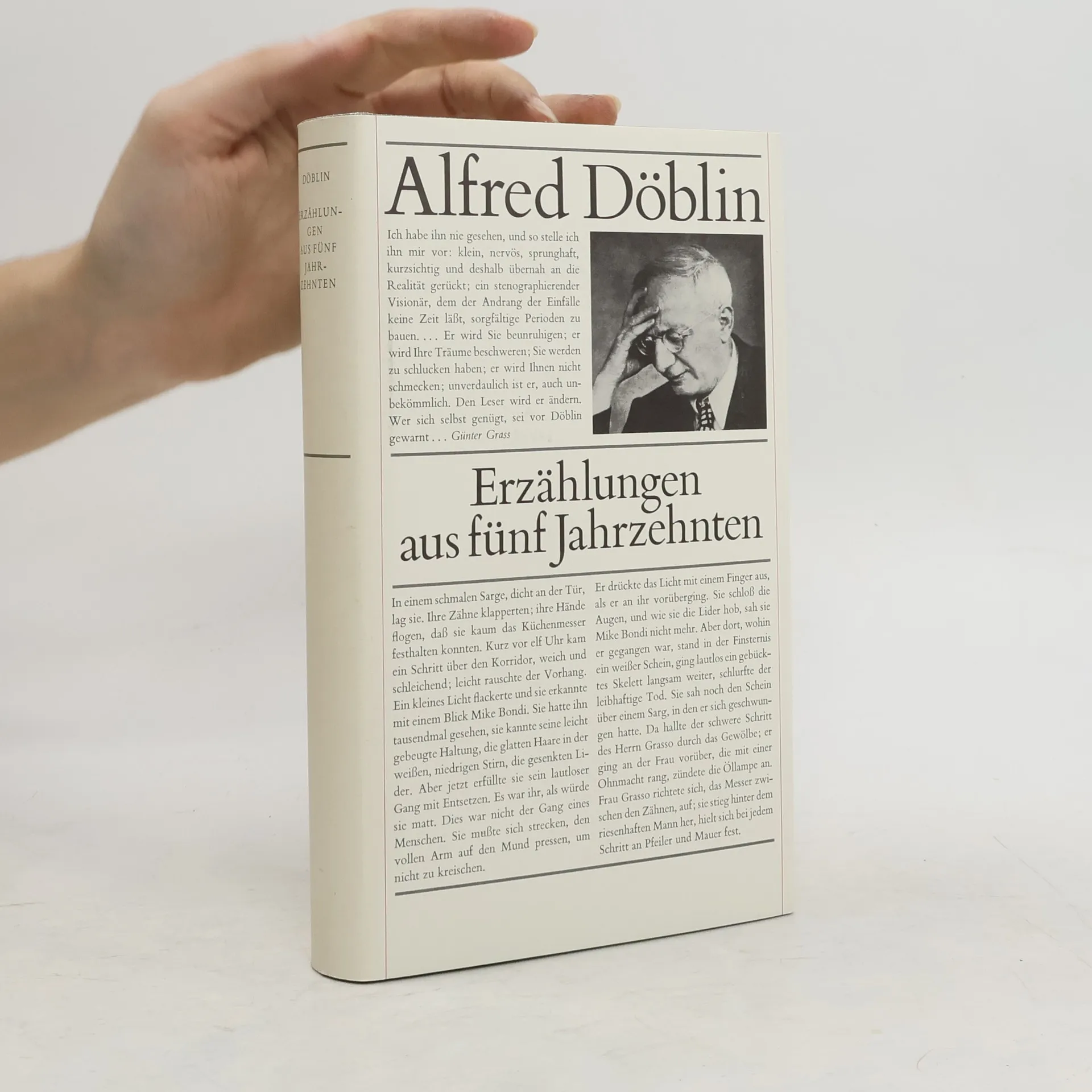
Ausgewählt und mit einer Einleitung von Wolfgang Minaty, umfasst das Buch 423 Seiten.
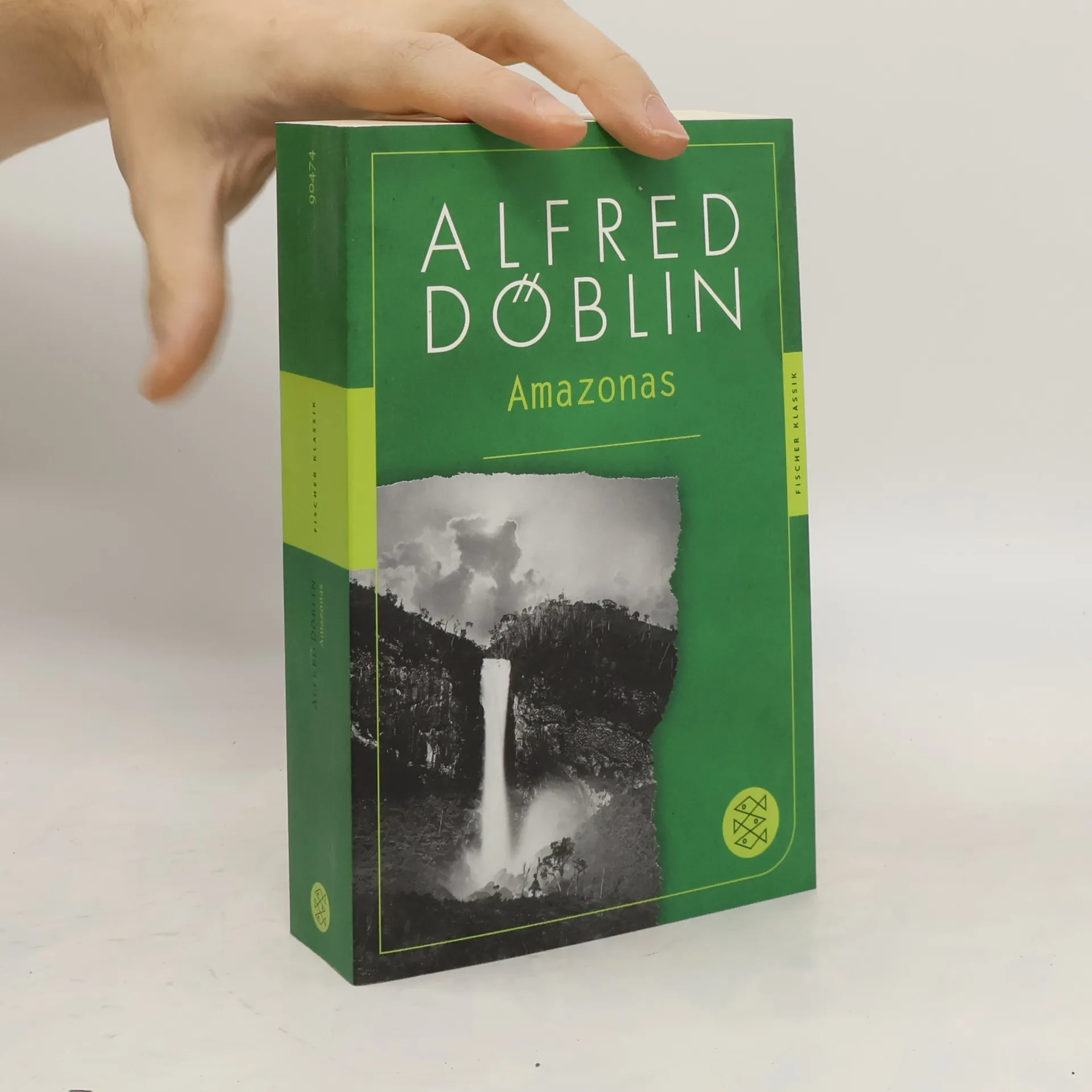
Amazonas
Romantrilogie
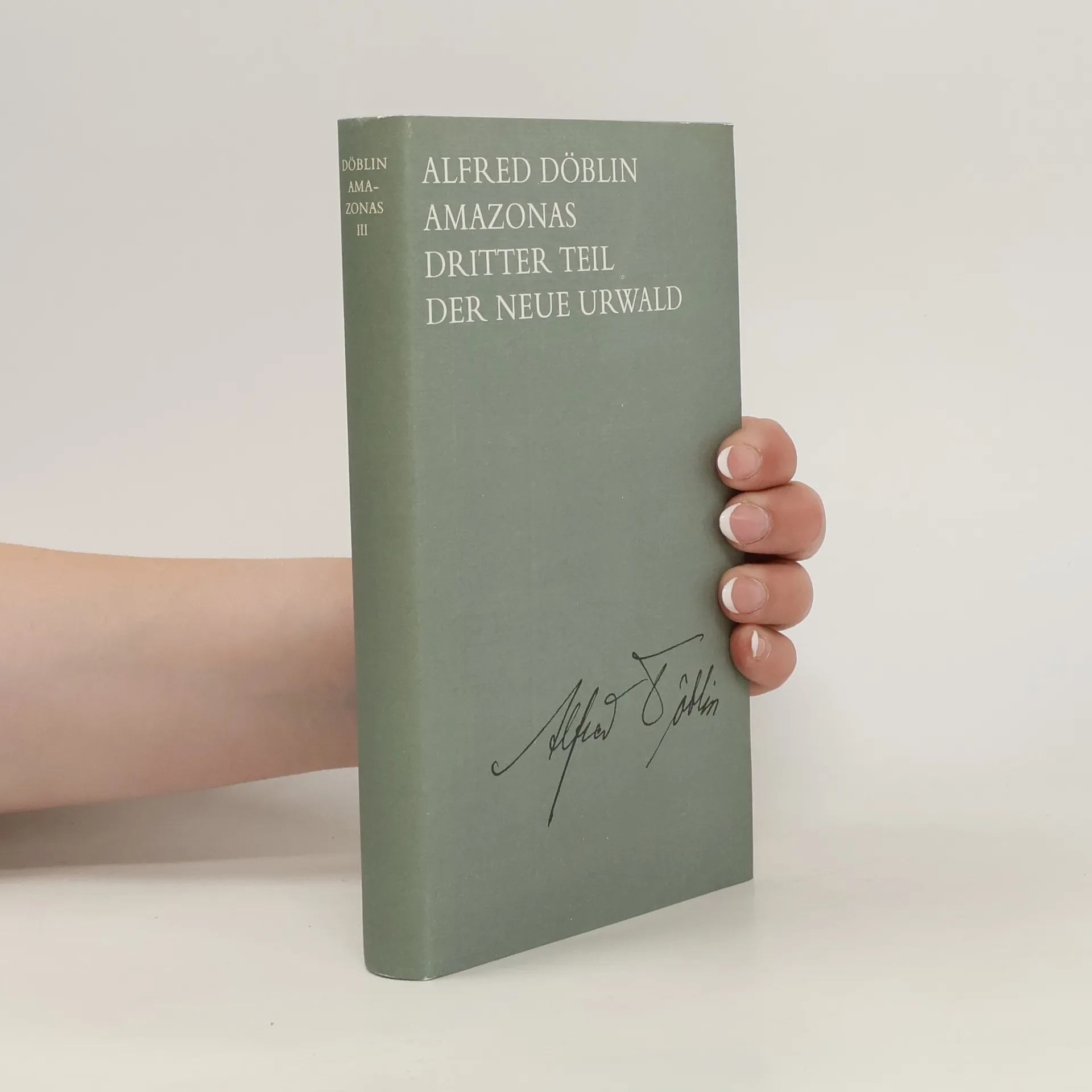
Döblins große Südamerika-Trilogie In seiner erzählerischen Maßlosigkeit und Opulenz hat Döblins ›Amazonas‹-Trilogie nichts Geringeres zum Gegenstand als den ganzen südamerikanischen Kontinent und die vierhundertjährige Kolonial- und Gewaltgeschichte seiner europäischen Eroberung. Ein beeindruckendes Erzählwerk, das, im Pariser Exil entstanden, zugleich auch ein großes Buch der Trauer über die europäische Zivilisation ist. Mit einem Nachwort von Alexander Honold
Drama, Hörspiel, Film
- 669pagine
- 24 ore di lettura
Döblins frühe Auseinandersetzung mit Film und Rundfunk wird in diesem Band umfassend dokumentiert. Die Herausgabe seiner Filmszenarien und das Hörspiel „Die Geschichte vom Franz Biberkopf“ zeigen seine kreative Beschäftigung mit neuen Medien. Zudem sind erstmals alle Dramen Döblins enthalten, was sein literarisches Bild erweitert.
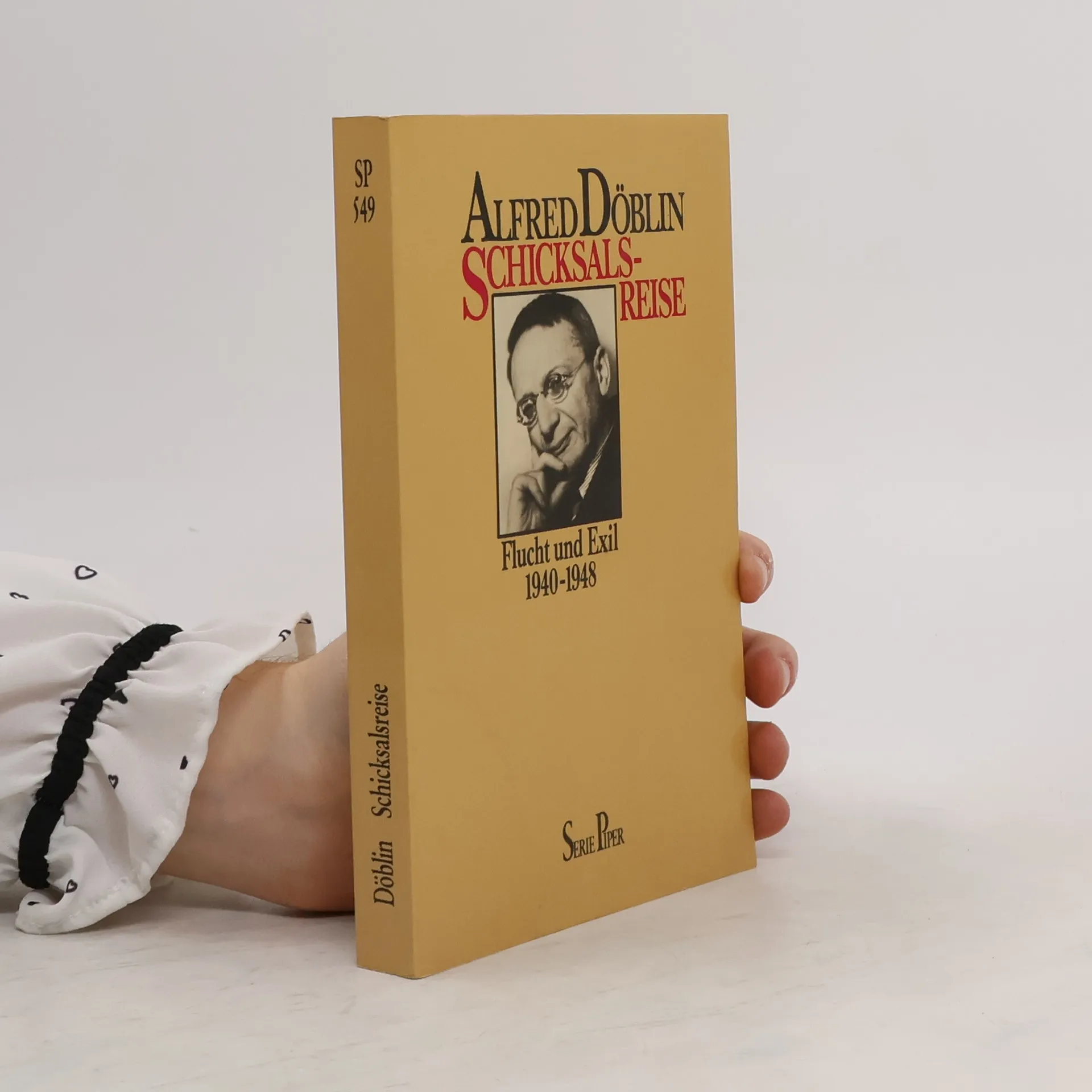
Schicksalsreise
- 326pagine
- 12 ore di lettura
Märchen vom Materialismus
- 68pagine
- 3 ore di lettura
Der Erkenntnisdrang der Menschheit beginnt eines Tages die Natur zu verunsichern. So weigern sich gewaltige Wasserfälle - zu H2O degradiert - zu fließen, ein Tiger erkennt seine Jagdlust als Instinkt und stellt desillusioniert "wohin man auch empirische Sachverhälte. Von Willen keine Spur..." Döblins Erzählung ist auch heute, in einer immer schnelleren, immer fortschrittlicheren und aufgeklärten Welt merkwürdig aktuell.
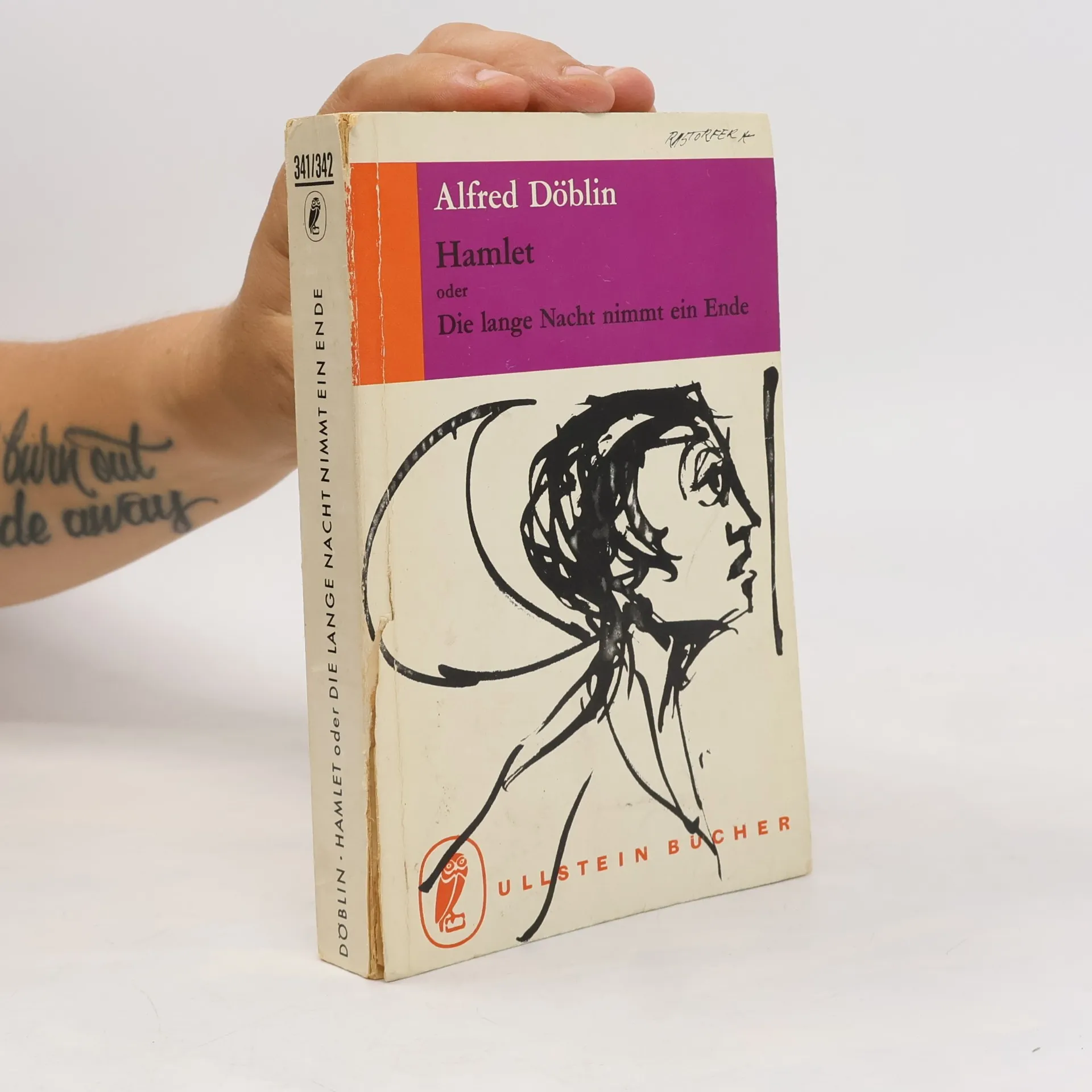
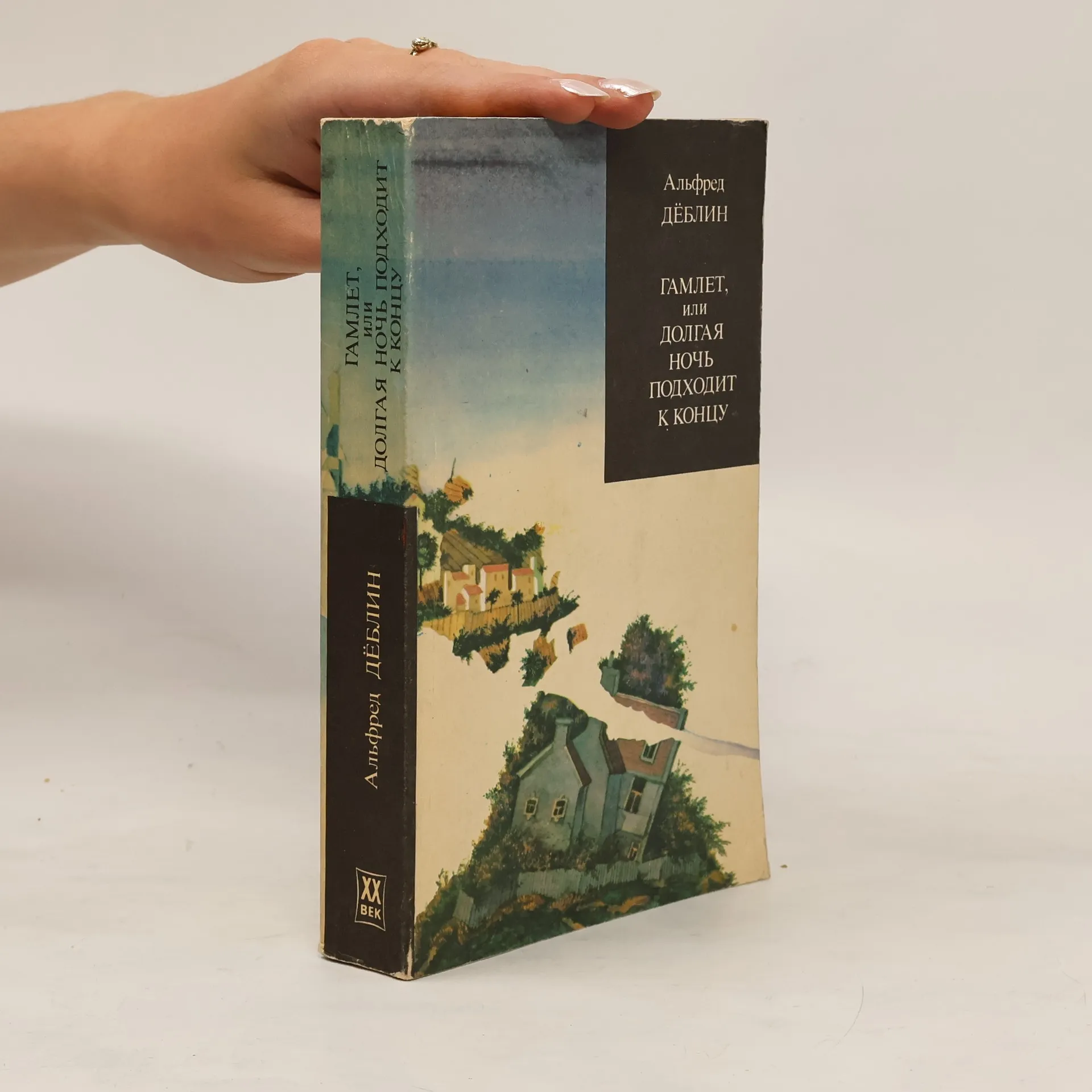
Alfred Döblin schildert die Geschichte des englischen Soldaten Edward Allison, der schwerverwundet aus dem Krieg ins Elternhaus zurückkehrt. Dort verdüstert er das Familienleben durch seine grüblerische Hartnäckigkeit, mit der er die Frage nach dem Sinn des Krieges stellt. Freunde kommen zu abendlichen Gesellschaften zusammen, um den Trübsinnigen mit Geschichten abzulenken. Doch dieses Geschichtenerzählen wird bald zu einem erbitterten Kampf: Unter der Fassade des Familienfriedens kommt das verborgene Elend zum Vorschein. Edward, eine moderne Variation der Hamlet-Figur, lässt nicht locker, bis die »lange Nacht der Lüge« vorbei ist und er ein neues Leben beginnen kann.
Ein sprachgewaltiges Panorama des Dreißigjährigen Krieges Gewalt, Machtgier und Leidenschaft – wie kein anderer Erzähler der literarischen Moderne versteht es Alfred Döblin, die Unmenschlichkeit des Krieges anschaulich und konkret zu machen. Mit seiner überbordenden »Tatsachenphantasie« ist Döblins ›Wallenstein‹, entstanden während des Ersten Weltkriegs, einer der bedeutendsten historischen Romane des 20. Jahrhunderts. Mit einem Nachwort von Steffan Davies
Babylonische Wanderung oder Hochmut kommt vor dem Fall
- 678pagine
- 24 ore di lettura
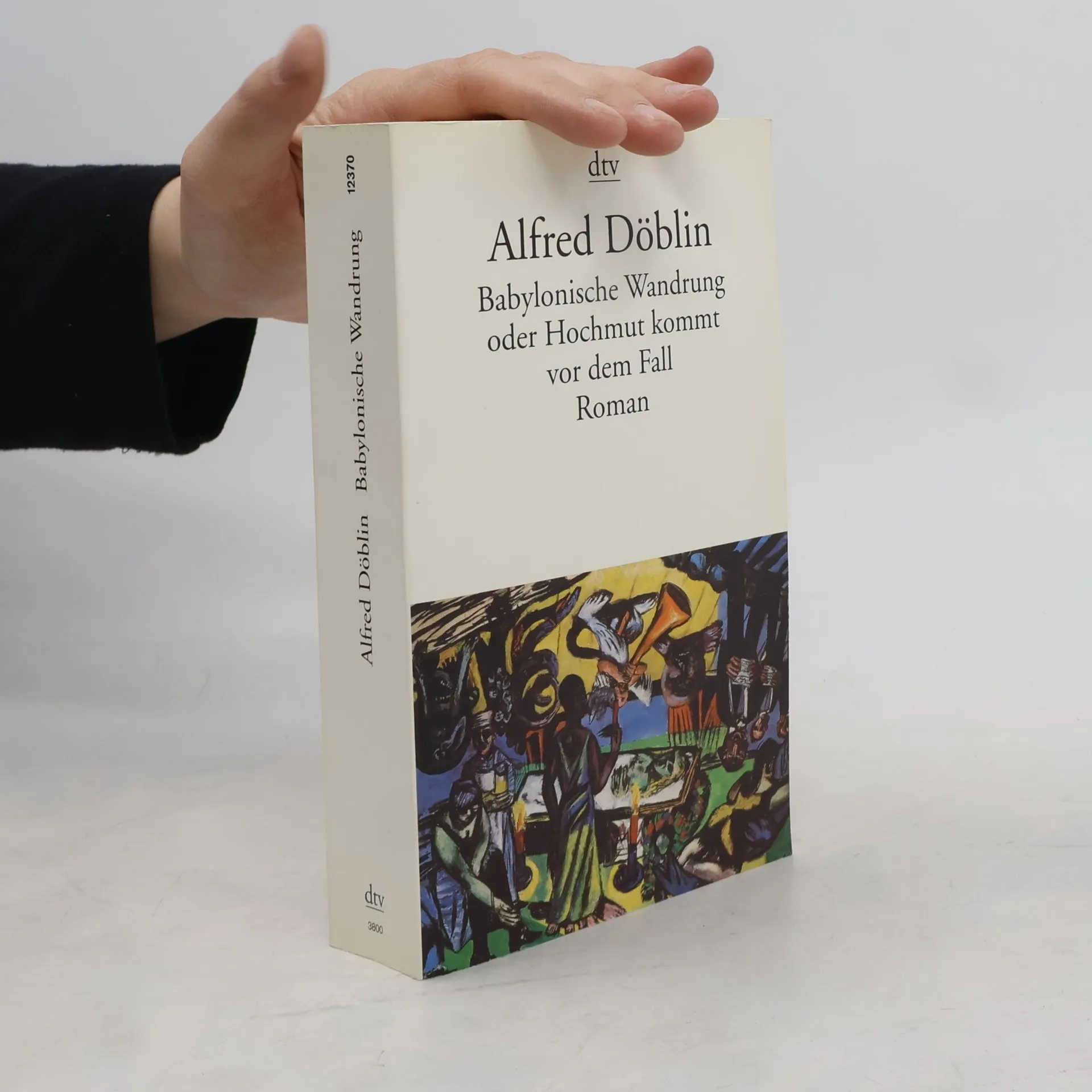
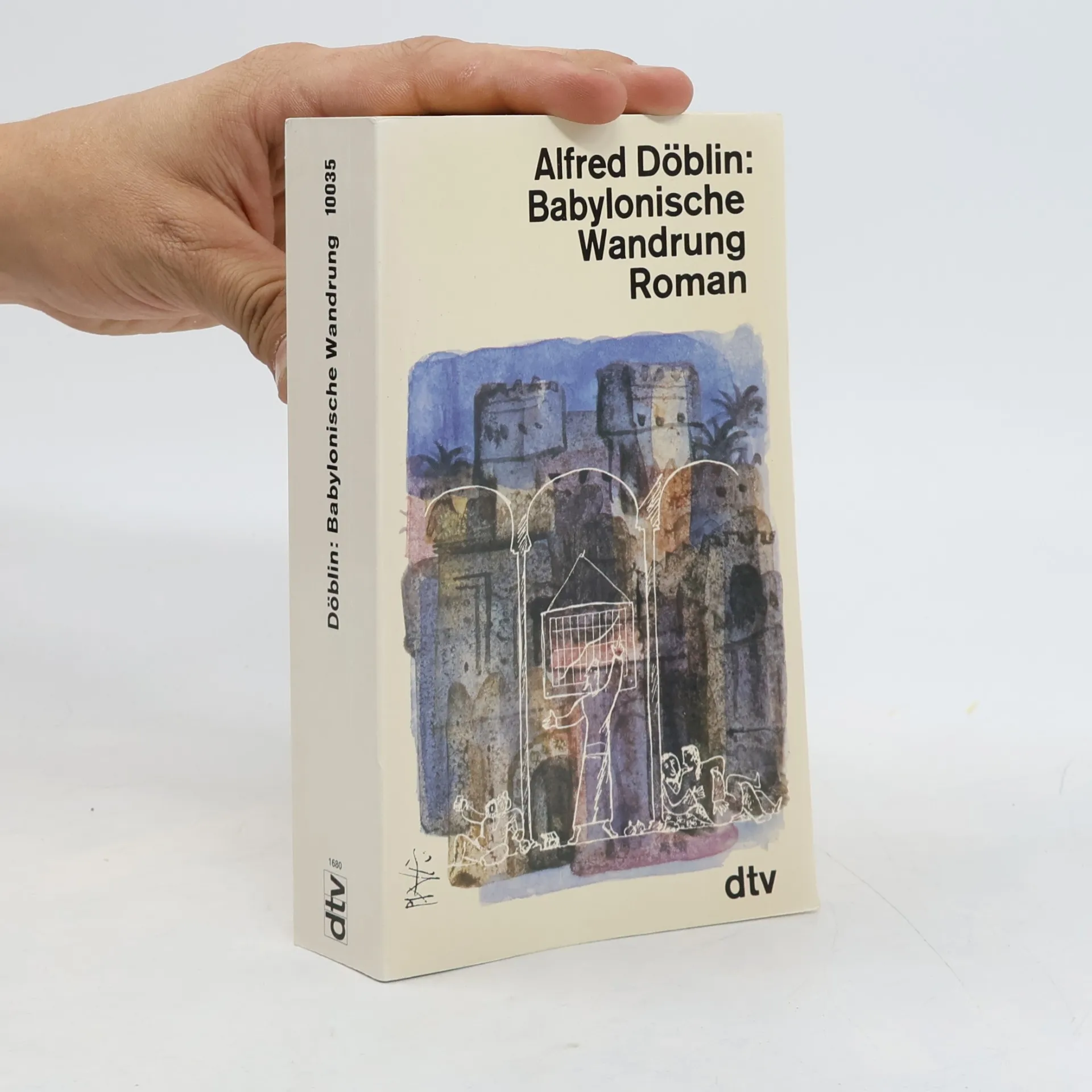
Zürich - Paris, 1933/34. Hier, im ersten Jahr leidvollen Exils, entsteht Alfred Döblins Roman von Konrad, dem babylonischen Gott, der auswandern muß, weil ihn die Menschen satt haben. Er 'wird durch den Spaß und das Elend unseres Daseins gejagt' und macht eine heilsame Wandlung durch. Kein Nebenprodukt Döblins, sondern ein Wunderwerk des Fabulierens voll burlesk-tragischen Humors und einer der wenigen großen phantastischen Romane der deutschen Literatur!
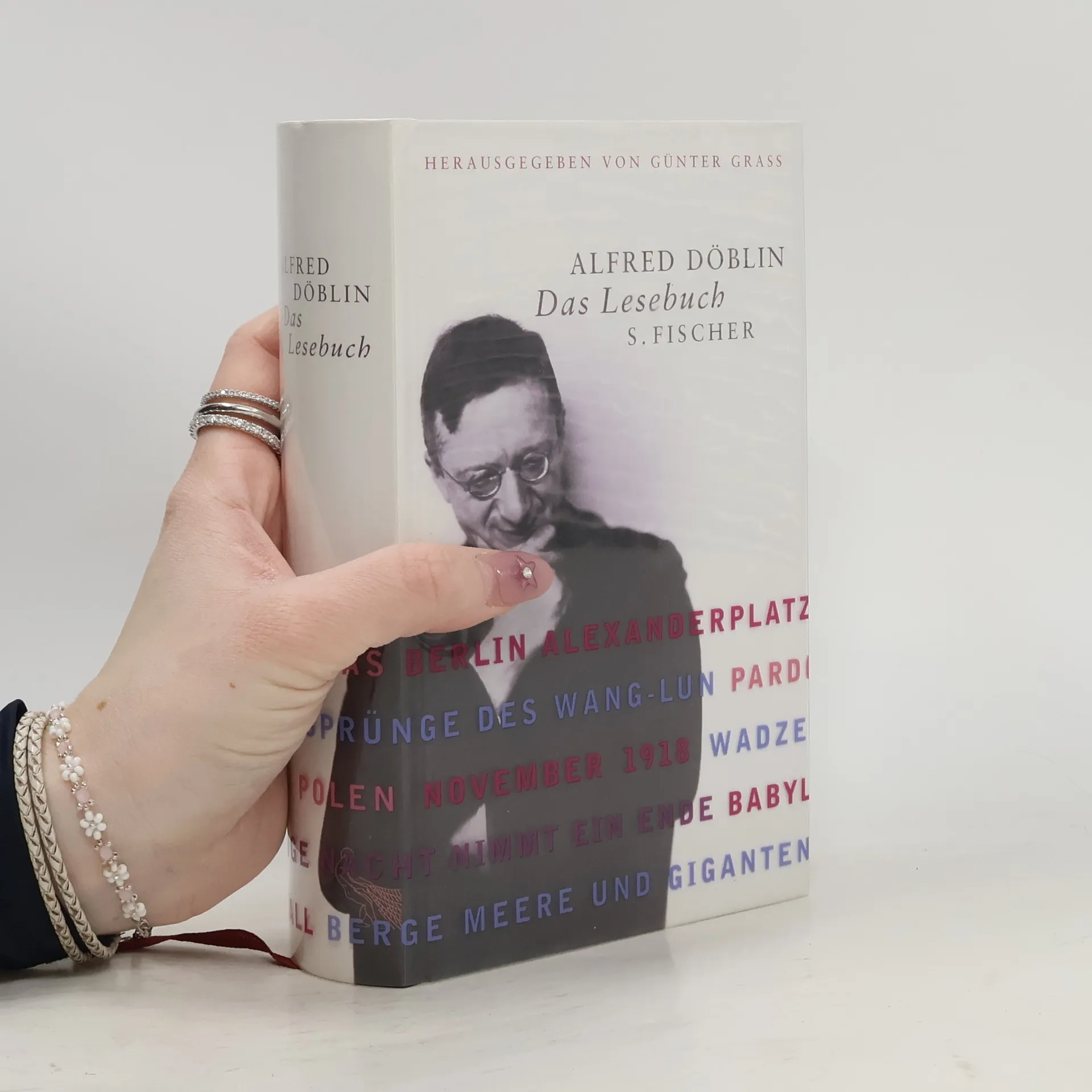
Alfred Döblin wurde vor allem durch seinen Roman ›Berlin Alexanderplatz‹ zu einem der kanonischen Autoren der literarischen Moderne. Das Lesebuch, das Nobelpreisträger Günter Grass zu Ehren Alfred Döblins zusammengestellt hat, erinnert daran, dass Döblin schon lange vor seinem Erfolgsroman ein höchst vitaler Autor der Avantgarde war und mit seinen fast vergessenen Exilromanen maßgeblich zur Aufklärung des 20. Jahrhunderts beigetragen hat. Neben Auszügen aus den wichtigsten Erzähltexten enthält das Lesebuch zahlreiche Beispiele aus Döblins kritischer Publizistik und zentrale autobiographische Dokumente. Eingeleitet wird der Band mit Günter Grass’ berühmter Rede ›Über meinen Lehrer Döblin‹.
Nejúspěsnější román německého spisovatele, jehož knihy byly po Hitlerově nástupu veřejně páleny a který emigroval na Západ. Román, který na pozadí příběhu primitivního proletáře, svádějícího obyčejný zápas s obyčejným životem, se snaží zachytit atmosféru Berlína dvacátých let, a to jako obraz vizuální i akustický; je to město v pohybu, ruchu, barvitosti, v hovorech i popěvcích, v práci, zábavě i neřestech. Román byl zfilmován a přeložen do mnoha jazyků.
Jagende Rosse. Der schwarze Vorhang und andere frühe Erzählwerke.
- 328pagine
- 12 ore di lettura
Der Band umfasst Alfred Döblins frühe Werke, darunter die Erzählung „Modern“, den ersten Roman „Jagende Rosse“ sowie die Erzählungen „Adonis“ und „Erwachen“. Zudem enthält er den Roman „Der schwarze Vorhang“, der die Sexualität eines jungen Mannes thematisiert und zufällig in Zürich entdeckt wurde.
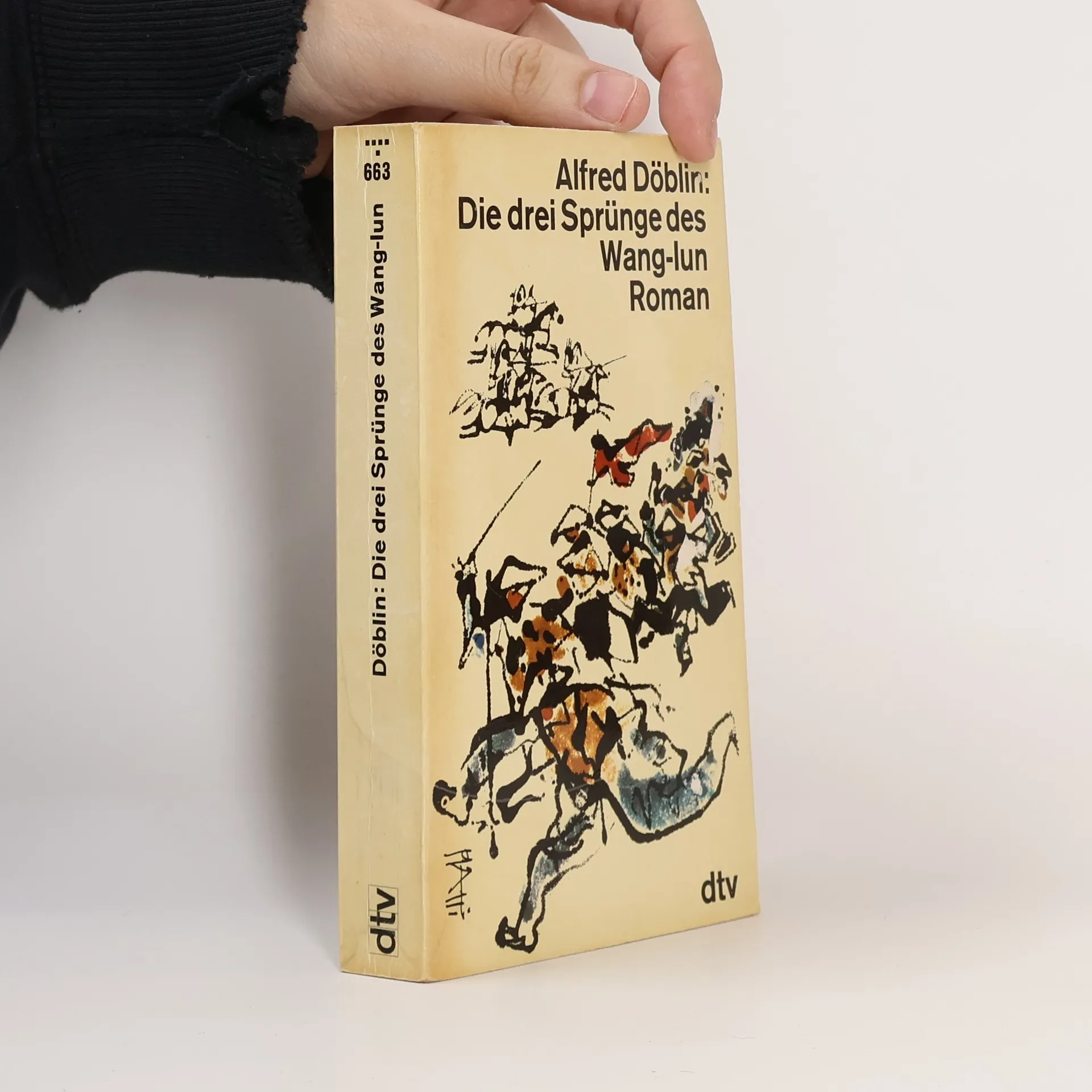
Döblins Debütroman aus dem Jahre 1915 wurde als das erste Meisterwerk expressionistischer Erzählkunst bewundert. Der Roman, der im China des 18. Jahrhunderts spielt und zum ersten Mal ungeheure Menschenmassen agieren lässt, markiert den Beginn der Moderne. Die Geschichte des armen Fischersohnes Wang-lun, der zum Anführer einer pazifistischen Sekte wird, aber schließlich doch zu den Waffen greift, ist eine Parabel auf die Unmöglichkeit einer friedlichen Welt.
Rozsáhlá románová freska o bouřlivých událostech třicetileté války. Děj začíná krátce po bitvě na Bílé hoře a po útěku Fridricha Falckého z Čech. Končí smrtí Valdštejna a jeho protihráče Ferdinanda II. Autor charakterizuje povahové rysy obou protagonistů i jejich mocenské ambice.Román je v mnohém básnickou fikcí, i když autor čerpal z historických pramenů a tak se barvité obrazy z dvorského života střídají s válečnými scénami v rafinovaném kontrapunktu.
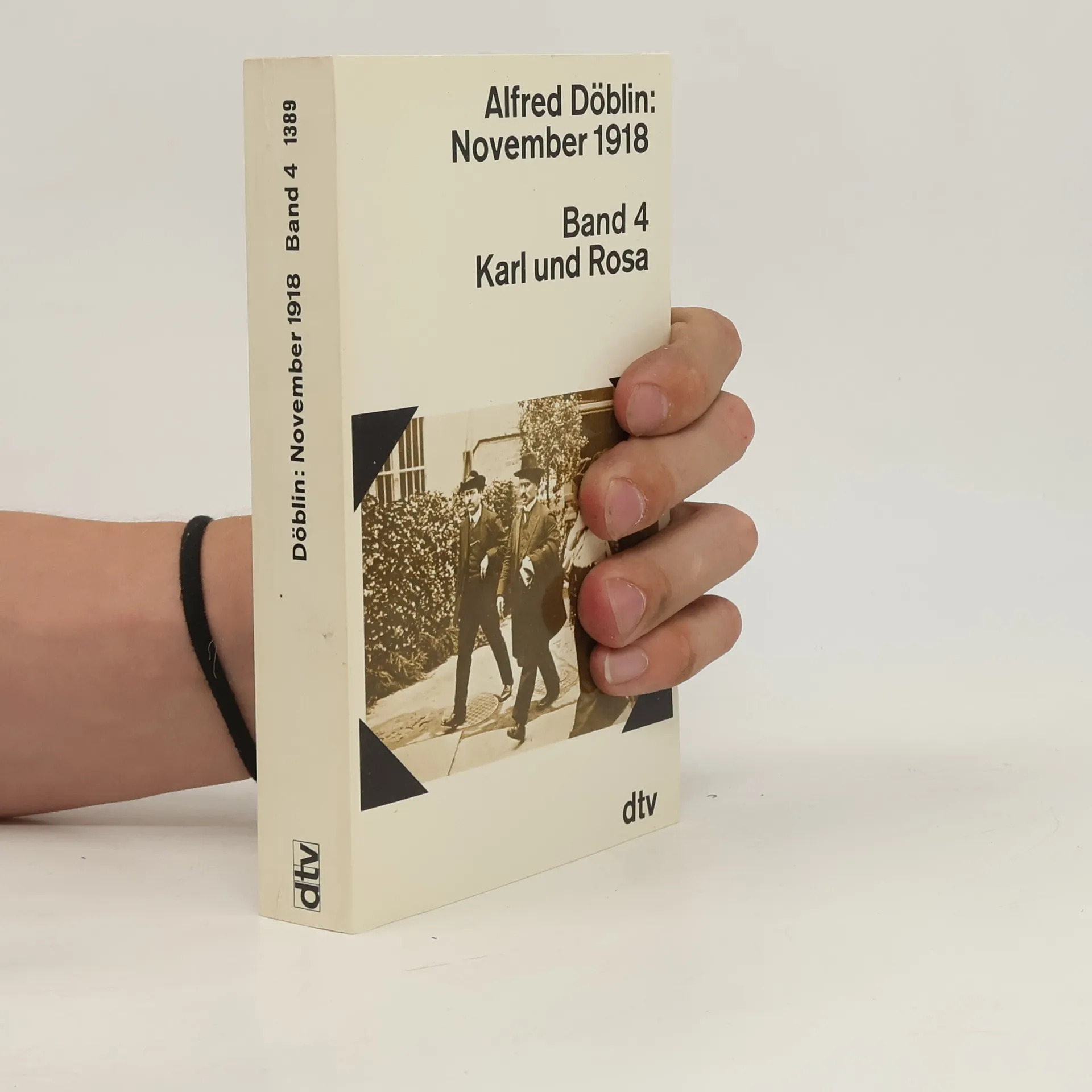
Alfred Döblins monumentales Erzählwerk über die Novemberrevolution Wie in allen vier Bänden von ›November 1918‹ geht es auch in diesem Roman um das Scheitern politischer Hoffnungen und die Vorgeschichte des Nationalsozialismus. Im Mittelpunkt steht das einfühlsame, vielschichtige Porträt Rosa Luxemburgs. In ihrer persönlichen Geschichte und brutalen Ermordung spiegelt sich das Scheitern der deutschen Revolution. Mit einem Nachwort von Helmuth Kiesel
Die verschlossene Tür
- 104pagine
- 4 ore di lettura
Berlin in den frühen Dreißigerjahren: Die elegante Jessika kehrt nach einem Opernabend in ihre Grunewald-Villa zurück und entdeckt erleichtert die Pelzjacke ihrer besten Freundin Marjorie. Doch bald macht sie eine grauenvolle Entdeckung. Gemeinsam mit dem populären Krimiautor Frank Arnau initiierte der Herausgeber Willy Haas ein Experiment: Acht renommierte Autoren schrieben in Fortsetzungen einen Kriminalroman. Während drei Autoren – Alfred Döblin, Gabriele Tergit und Richard Huelsenbeck – bis heute bekannt sind, sind die anderen – Manfred Hausmann, Erich Ebermayer, Edlef Köppen, Kurt Heuser und Frank Arnau selbst – nur noch Kennern ein Begriff. Ursprünglich als PR-Aktion gedacht, um die Leser der Literarischen Welt während der Ferienzeit zu unterhalten, wurde der Roman von einem Preisausschreiben begleitet, bei dem eine Reise nach Moskau und Leningrad winkte. Von Juni bis August 1932 erschien wöchentlich eine Fortsetzung der Geschichte. Jeder Autor erhielt die Teile der anderen, um die Handlung fortzuspinnen, was zu einem absurden Durcheinander von Schauplätzen und Wendungen führte – heute ein besonders unterhaltsames Lesevergnügen. Im Nachwort rekonstruiert Erhard Schütz die Hintergründe des Kollektivromans und beleuchtet das Zusammenspiel von Presse und Literatur kurz vor dem Machtantritt der Nationalsozialisten.
Ein grandioser Familien- und WirtschaftsromanEine Witwe zieht nach Berlin und versucht sich dort mit ihren drei Kindern durchzuschlagen. Nach einem gescheiterten Selbstmordversuch richtet sich ihr neu erwachter Ehrgeiz auf die Karriere des ältesten Sohnes. Und tatsächlich gelingt dem Sohn der gesellschaftliche Aufstieg. Dann aber stellt die Wirtschaftkrise plötzlich wieder alles in Frage… Wie immer bei Döblin erzählt auch dieser Familienroman aus dem Jahr 1935 zugleich die Geschichte einer ganzen Epoche.
Wadzek contra la turbina de vapor
- 410pagine
- 15 ore di lettura
Wadzek y Rommel, los protagonistas de la novela, son dos industriales cuya única razón para vivir es la de superarse entre ellos y, de paso, aniquilarse el uno al otro. Rommel, un personaje ambicioso, extremado, actúa de manera sibilina contra su más firme competidor, Wadzek, quien, de este modo, se convertirá en víctima del sistema o, al menos, así lo percibe él, lo que hace que se vea obligado a arrastrar a toda su familia en una huida desaforada de un Berlín desproporcionado, caótico y tremendo... Wadzek contra la turbina de vapor (1918), para muchos la clara predecesora de la obra maestra de Alfred Döblin, Berlin Alexanderplatz, constituye una magistral y divertidísima sátira del capitalismo salvaje.
Reisebilder
- 597pagine
- 21 ore di lettura
"Germany. A Winter's Tale" is the literary result of Heinrich Heine's journey through Germany in 1843. As a "foreigner" who left Germany in 1931, he returns to meet his mother and his publisher, Campe. From a distance, he critiques the stagnant social, political, and cultural conditions of Restoration Germany. Heine's "travel picture" initially appears to be a travelogue featuring stops in Aachen, Cologne, and Hamburg, but it is, in fact, a satire written shortly after his return to French exile. Upon its publication in 1844, Heine faced severe attacks from the press; the work was banned and censored. Nevertheless, it was published in full later that year in the social-revolutionary journal "Vorwärts," edited by Karl Marx. Heine, who offers radical political criticism, also expresses a deep connection to Germany and a desire for change: "Plant the black-red-gold flag at the height of German thought, make it the standard of free humanity, and I will give my best heart's blood for it." Heine's satirical epic represents the pinnacle of his work and holds a unique place in 19th-century poetry.
Die Ermordung einer Butterblume
- 169pagine
- 6 ore di lettura
Erzählen als Experiment Als »Miniatur-Meisterwerke des Expressionismus« und »moderne Märchen« hat man Döblins frühe Erzählungen bezeichnet. Am berühmtesten wurde seine Erzählung ›Die Ermordung einer Butterblume‹, die bis heute neben Schnitzlers ›Leutnant Gustl‹ oder Kafkas ›Urteil‹ als einer der Schlüsseltexte der Moderne gilt. Diese Neuedition enthält sämtliche Texte der zu Döblins Lebzeiten publizierten Erzählungsbände, außerdem eine umfangreiche Auswahl einzelner Erzählungen aus den Jahren 1896 bis 1953. Zu entdecken sind dabei einige der schönsten und experimentierfreudigsten Prosatexte der deutschen Literatur, die völlig zu Unrecht im Schatten von ›Berlin Alexanderplatz‹ stehen. Mit einem Nachwort von Heinz Drügh und Christian Metz
Döblins Erzählungen von 1917 erscheinen erstmals als Taschenbuch. Der ›Lobensteiner‹-Zyklus umfasst zwölf Novellen, die Gaunergeschichten, Kriminalfälle und Märchen vereinen. Döblins Sprache ist prägnant und kontrastreich, mit einer Montage-Technik, die Paradoxien und Widersprüche thematisiert. Der Band enthält ein Nachwort und Betrachtungen zu den Erzählungen.
Die Geschichte vom Franz Biberkopf
Döblin, Alfred – Klassiker der deutschen Literatur
- 68pagine
- 3 ore di lettura
1930, ein Jahr nach dem Erscheinen von »Berlin Alexanderplatz«, verfaßte Döblin dieses Hörspiel nach Motiven seines Romans. Aber erst bei der Wiederentdeckung im Jahre 1962 erkannte man es als einen Meilenstein der Rundfunkgeschichte: kühne Montagen, milieugenau zupackende Sprache und prägnante Charakterzeichnung.
Döblins große Südamerika-Trilogie "Ihr seid in einer grauenhaften Unwissenheit", sagt der Häuptling am Ende der ›Amazonas‹-Trilogie zu den Europäern. Alfred Döblins im Exil entstandenes Erzählwerk veranschaulicht diese koloniale Ignoranz und ist so gesehen auch ein großes Buch der Trauer über die europäische Zivilisation. Darüber hinaus aber ist es der beeindruckende Versuch, dem unbekannten südamerikanischen Kontinent, seiner Natur, dem Wald und Wasser, den Tieren und Menschen, eine Vielzahl von Stimmen, Bildern und Geschichten zu verleihen. Ein opulent erzähltes Romanwerk, das unserer bis heute bestehenden Unwissenheit das ›Wissen‹ einer Tatsachenphantasie" entgegensetzt, die so überbordend und mitreißend ist wie der Amazonasstrom.
Amazonas II
Der Blaue Tiger
Döblins große Südamerika-Trilogie "Ihr seid in einer grauenhaften Unwissenheit", sagt der Häuptling am Ende der ›Amazonas‹-Trilogie zu den Europäern. Alfred Döblins im Exil entstandenes Erzählwerk veranschaulicht diese koloniale Ignoranz und ist so gesehen auch ein großes Buch der Trauer über die europäische Zivilisation. Darüber hinaus aber ist es der beeindruckende Versuch, dem unbekannten südamerikanischen Kontinent, seiner Natur, dem Wald und Wasser, den Tieren und Menschen, eine Vielzahl von Stimmen, Bildern und Geschichten zu verleihen. Ein opulent erzähltes Romanwerk, das unserer bis heute bestehenden Unwissenheit das ›Wissen‹ einer Tatsachenphantasie" entgegensetzt, die so überbordend und mitreißend ist wie der Amazonasstrom.
In "Das Land ohne Tod", dem ersten Band der "Amazonas: Romantrilogie", wird die Geschichte einer Expedition in das geheimnisvolle Amazonasgebiet erzählt. Die Protagonisten, darunter der Abenteurer und Naturforscher, sind auf der Suche nach einem mythischen Land, in dem das Leben und der Tod in einem anderen Licht erscheinen. Die Erzählung thematisiert die Konfrontation zwischen Zivilisation und Natur, sowie die Suche nach Identität und dem Sinn des Lebens in einer fremden Welt. Die Charaktere sind vielschichtig und repräsentieren unterschiedliche Perspektiven auf den Amazonas und seine Bewohner. Sie erleben sowohl die Schönheit als auch die Gefahren des Dschungels, während sie mit ihren eigenen inneren Konflikten und der Frage nach der Ethik ihrer Unternehmungen kämpfen. Die Erzählung ist geprägt von einer dichten, atmosphärischen Sprache, die die lebendige Flora und Fauna des Amazonas einfängt und gleichzeitig tiefere philosophische Fragen aufwirft. Döblin und Stauffacher schaffen es, die Leser in eine Welt voller Wunder und Herausforderungen zu entführen, in der die Grenzen zwischen Realität und Mythos verschwimmen. Der erste Band legt den Grundstein für die weiteren Entwicklungen in der Trilogie und eröffnet einen Dialog über die Beziehung zwischen Mensch und Natur.
Der deutsche Maskenball
- 321pagine
- 12 ore di lettura
Wallenstein. II.
- 266pagine
- 10 ore di lettura
In einer eindrucksvollen Szenerie in der Münchener Residenz entfaltet sich eine tiefgründige Auseinandersetzung mit der Beziehung zwischen Mensch und Gott. Ein glutäugiger Priester, gekleidet in einem schwarzen Jesuitenrock, vermittelt eine provokante Botschaft: Die Liebe zu Gott ist eine Sünde, da sie ihn erniedrigt. Stattdessen betont er die Notwendigkeit, Gott mit Ehrfurcht und Grauen zu begegnen, und stellt die Vorstellung von einer persönlichen Beziehung in Frage. Diese düstere Perspektive auf das Göttliche regt zur Reflexion über Glauben und die menschliche Existenz an.
Kleine Schriften. Bd.1
- 472pagine
- 17 ore di lettura
In der alten Stadt Schan-hai-kwan wird der junge Chao-lao-sü, Sohn des Generals Chao-hoei, niedergeschlagen und entehrt. Während sein Vater droht, die Stadt zu bestrafen, nutzt der Stadtpräfekt seine Klugheit, um die Situation zu meistern. Alfred Döblin gilt als wichtiger Vertreter des literarischen Expressionismus.
»Zwei Seelen in einer Brust« enthält 66 Texte von Döblin, darunter viele bislang unveröffentlichte oder aus dem Nachlass stammende Schriften. Diese Texte sind entscheidend für das Verständnis dieses bedeutenden deutschen Autors, der, wie Günter Grass bemerkte, »wagte, mit seinen Widersprüchen zu leben«.
November 1918
Bürger und Soldaten
Strhujúci román, začierajúci priepastne hlboko do najpálčivejších otázok povojnovej Európy a ľudského srdca, túžiaceho po slobode, poznaní, láske aj za cenu najťažších a najtragickejších osobných obetí.
Alfred Döblin
- 211pagine
- 8 ore di lettura
Společenskokritický román, ktorého dej sa odohráva v berlínskom podsvetia, ktoré sa prelína s veľkým svetom tohto veľkomesta, v ktorom sa abnormálne stalo normou a normálne nemožnosťou, teda abnormalitou. Poctivý „zločinec“, ktorého spoločnosť odsúdila a ktorý má dobrú vôľu na svojejceste za nápravou stretáva neodsouzené úspešné zločinca, a tak sa postupne znova dostáva na spoločenské dno, z ktorého chcel uniknúť.
Osudy člověka, který podlehl ctižádostivé snaze vyšvihnout se mezi společenskou smetánku a tomu podřídil všechny své schopnosti. Na vrcholku slávy se mu však zhroutí všechno lidské, co měl v sobě. Doslov napsal Antonín Pešek.
Alfred Döblin. Leben und Werk in Erzählungen und Selbstzeugnissen
- 219pagine
- 8 ore di lettura
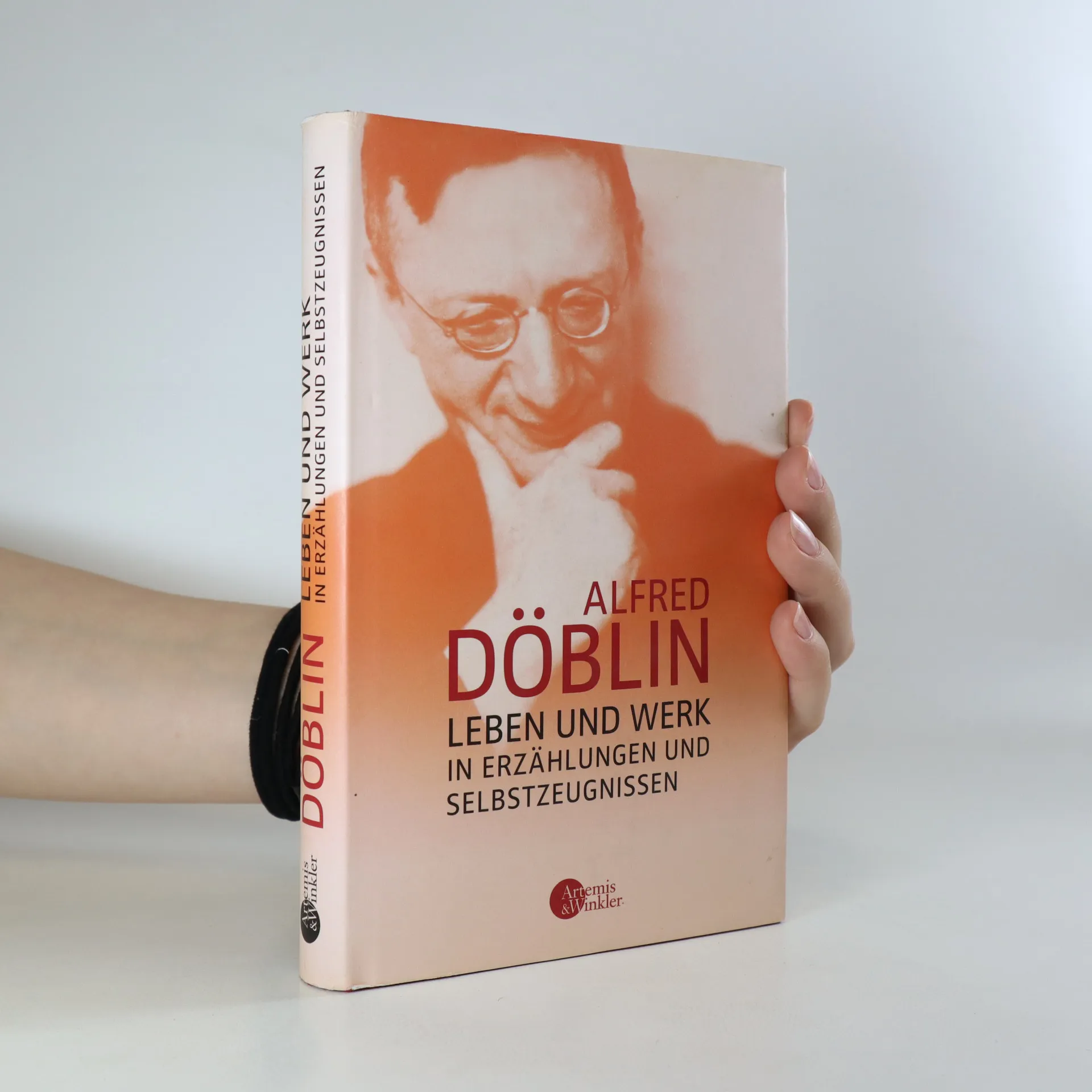
Zum 50. Todestag von Alfred Döblin am 26.6.2007 Das Lesebuch zeichnet anhand von Erzählungen und autobiographischen Texten die Stationen des großen Dichters nach. Wir erfahren von Döblins Jugend, seiner führenden Rolle im pulsierenden Berlin der 20er Jahre, seinem mühevollen Leben im Exil und seiner Rückkehr nach Deutschland, wo er seit 1945 erfolgreich für einen demokratischen Neubeginn wirkte. Am 26. Juni 1957 starb Alfred Döblin im badischen Emmendingen. 'Alfred Döblins Werk, das ist das 20. Jahrhundert in Literatur gefasst.' (Die Zeit) Mit einem Essay von Günter Grass.
V románu, první části tzv. amazonské trilogie (kompletně vyšla česky v roce 2011 pod názvem Amazonka), autor konfrontuje svět bílých dobyvatelů se světem jejich domorodých obětí v Jižní Americe.
VS Vertraulich
IV. Schriftstellerkongress Dortmund und die Folgen
Verhalen uit de wereldliteratuur waarin het magische, occulte, bovenzintuiglijke of bovennatuurlijke een rol speelt.
Der schwarze Vorhang
Roman von den Worten und Zufällen