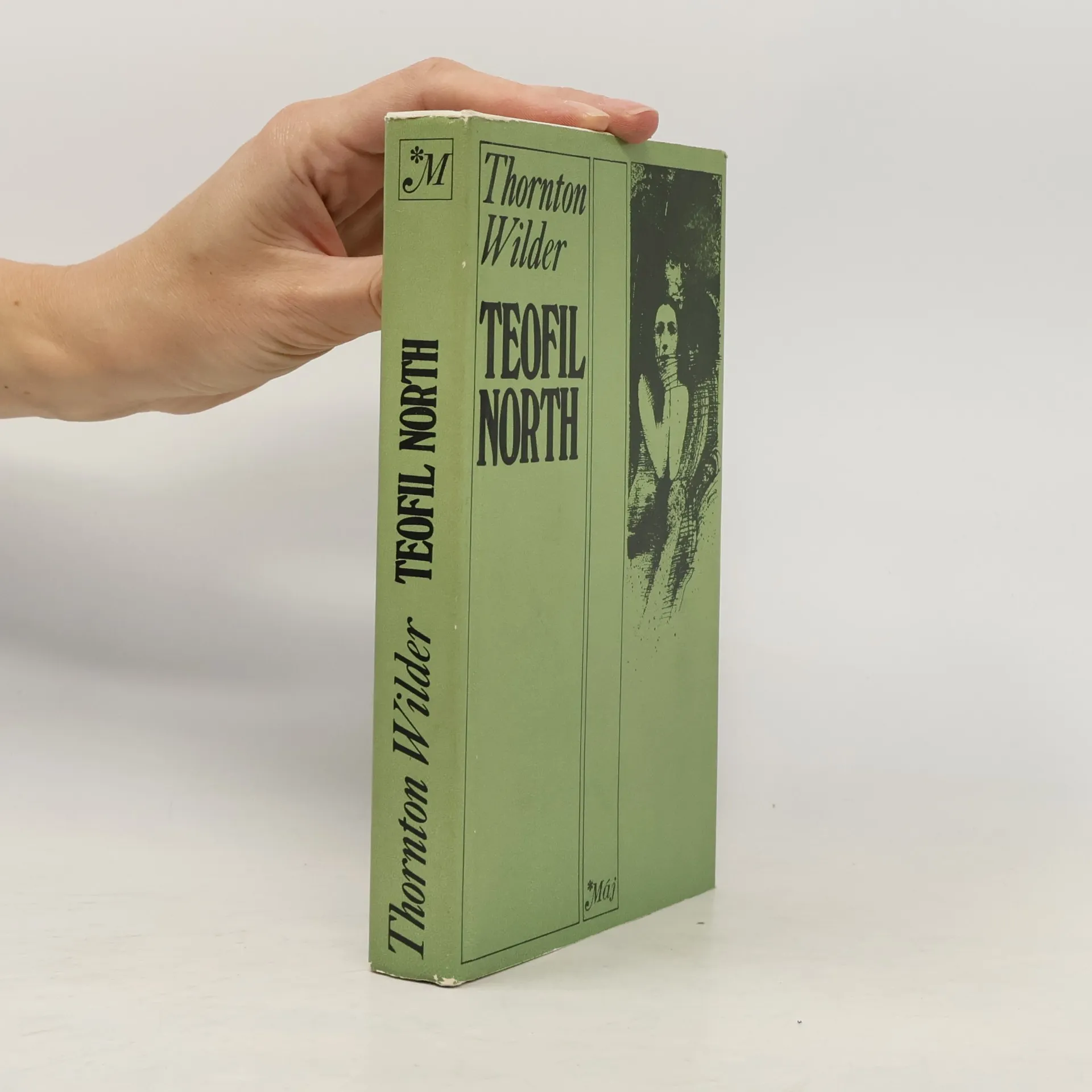
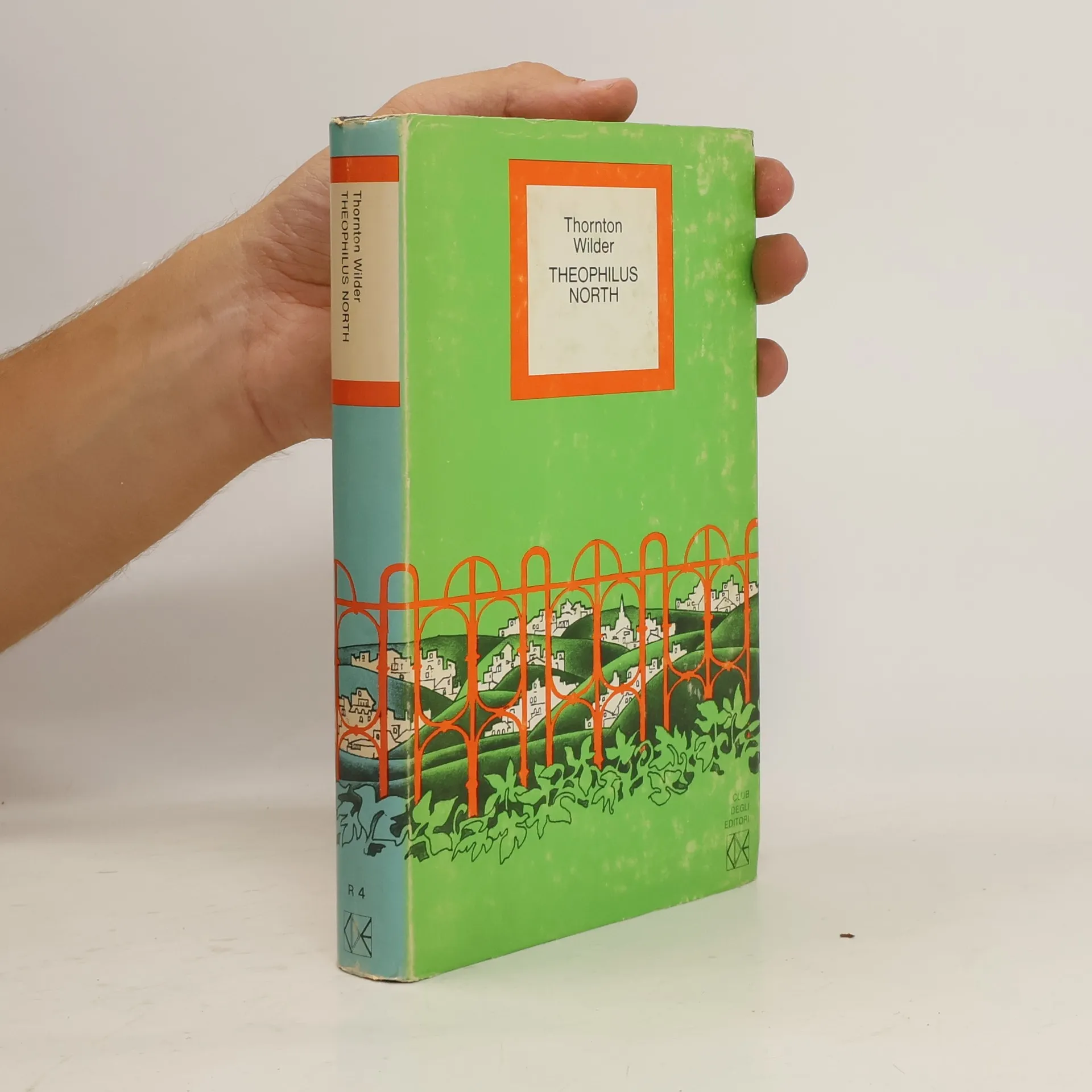
In occasione del trentesimo anniversario di Theophilus North, questo romanzo, l'ultimo pubblicato durante la vita di Wilder, è una fusione di autobiografia e avventura immaginaria del suo fratello gemello, morto alla nascita. Ambientato nell'estate del 1926, Theophilus North si ferma a Newport, Rhode Island, quando la sua auto si guasta. Per sostenersi, accetta lavori nelle eleganti ville lungo Ocean Drive, proprio come fece Wilder nella stessa decade. Presto, il giovane si ritrova a ricoprire i ruoli di tutore, spia, confidente, amante, amico e nemico, coinvolto nelle intrighe di una società scintillante dominata dal tempo libero. Narrato dall'anziano North a cinquant'anni di distanza, Theophilus North offre un affascinante commento sulla giovinezza e sull'educazione dal punto di vista dell'età, mostrando l'arguzia caratteristica di Wilder accostata alle sue vivaci e senza tempo riflessioni su ciò che conta davvero nella vita, nell'amore e nel lavoro, anche dopo una visita a Newport.
Thornton Wilder Libri
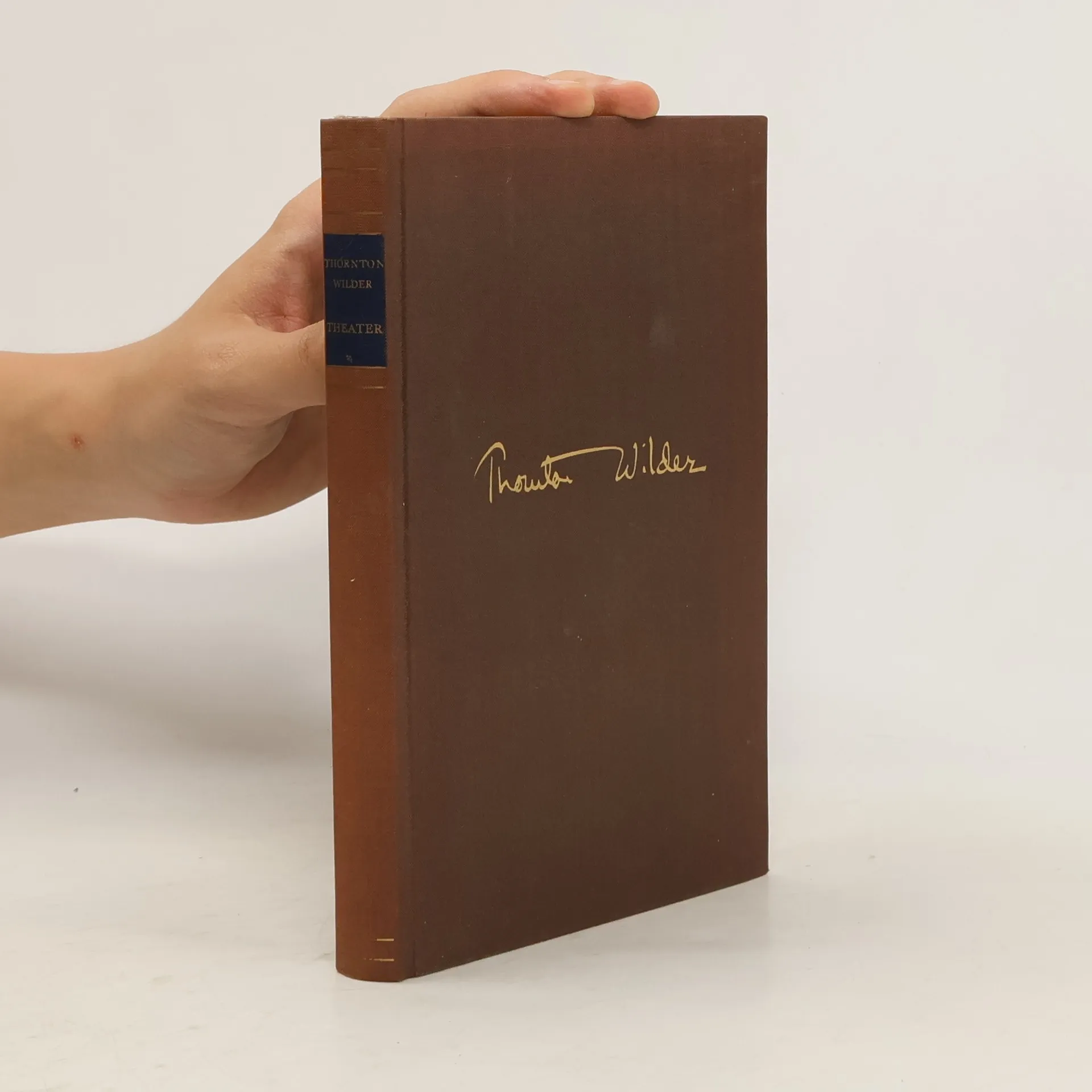
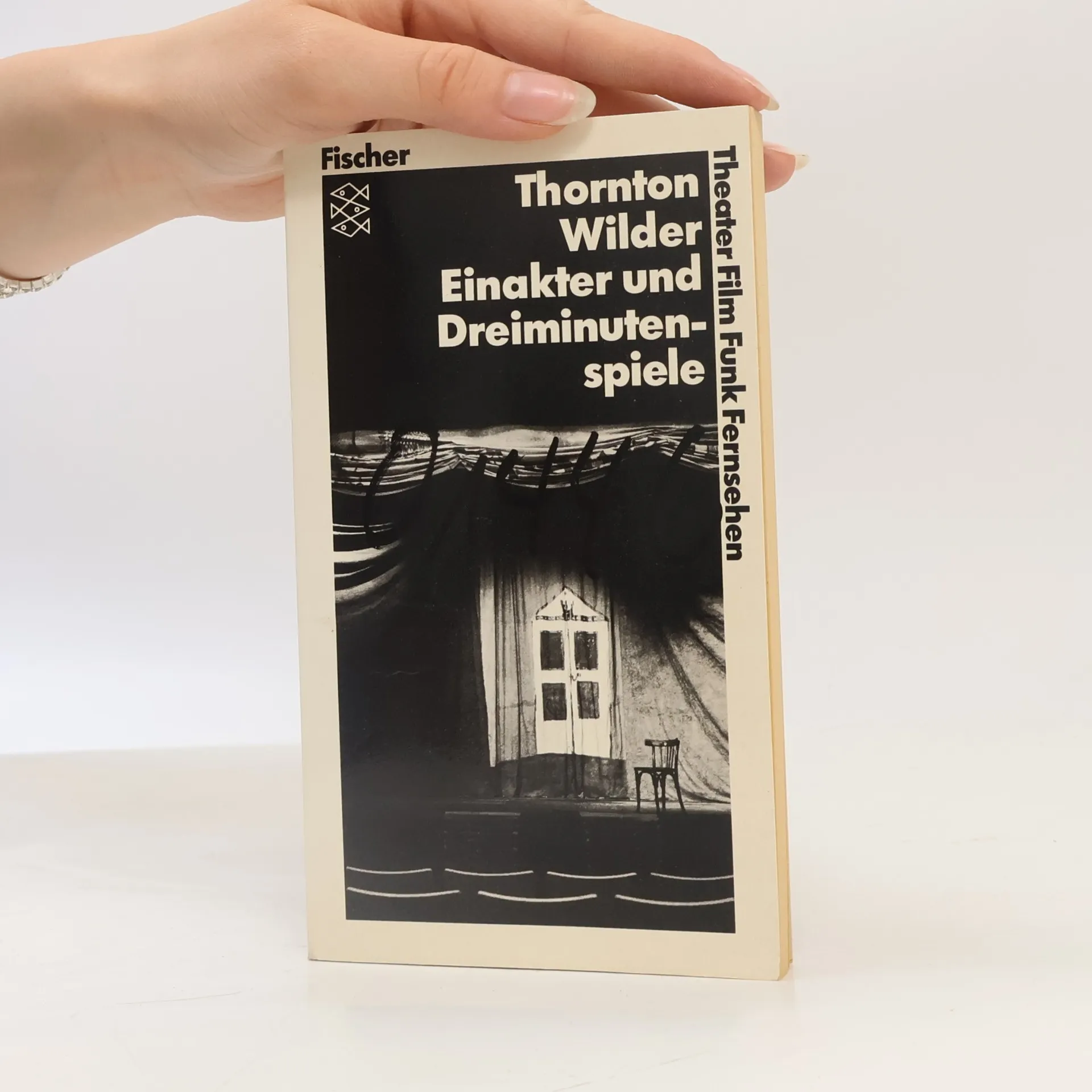
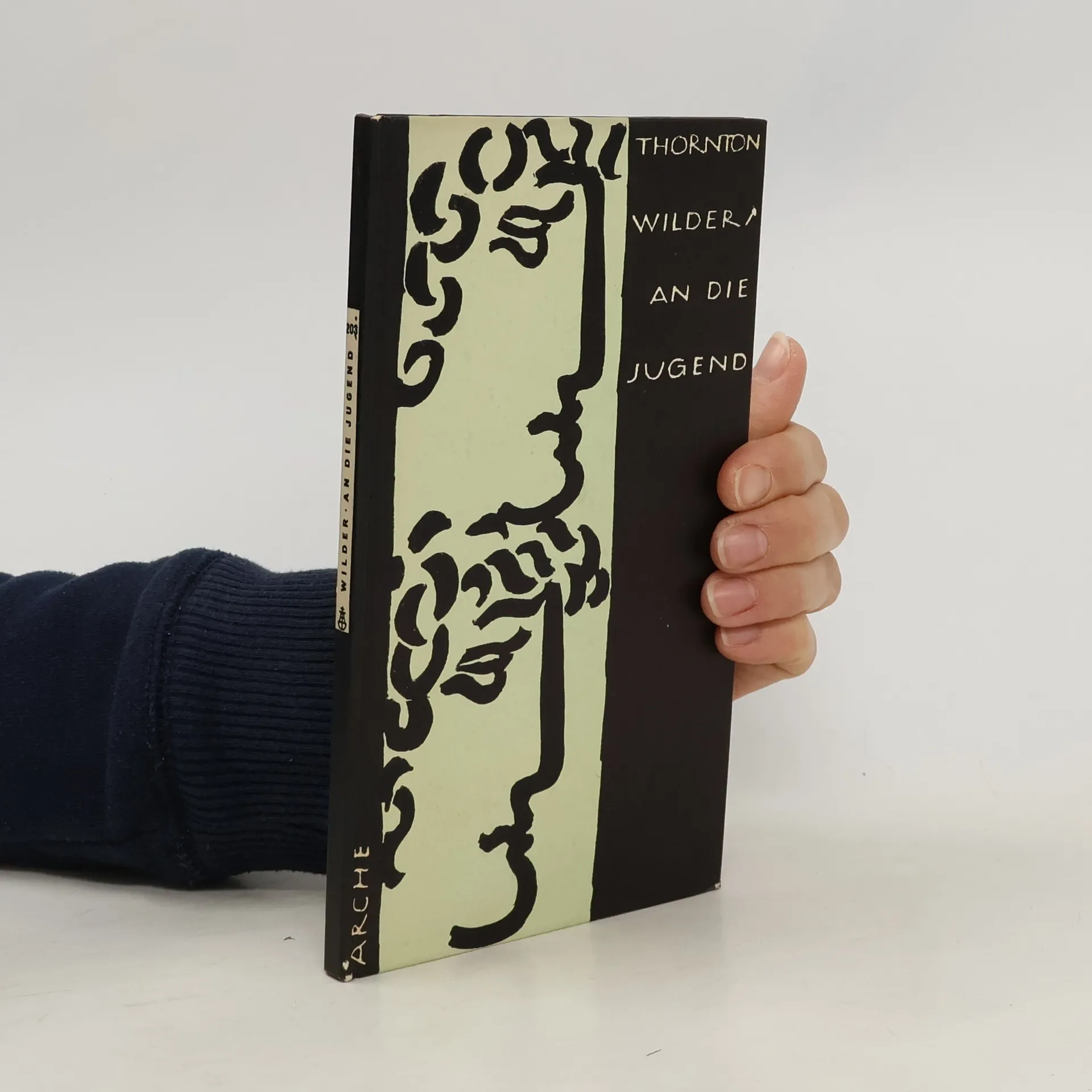
Thornton Wilder è stato un drammaturgo e romanziere americano le cui opere spesso esplorano temi universali dell'esistenza umana e dei valori sociali. Intrecciava magistralmente l'umorismo con una profonda riflessione, ottenendo riconoscimenti per la sua capacità unica di catturare l'essenza della vita umana. Le opere teatrali e i romanzi di Wilder esplorano le complessità delle relazioni, lo scorrere del tempo e la ricerca di significato nelle esperienze quotidiane. La sua influenza sul dramma e sulla letteratura moderni è innegabile, poiché le sue opere continuano a risuonare con i lettori di tutto il mondo.


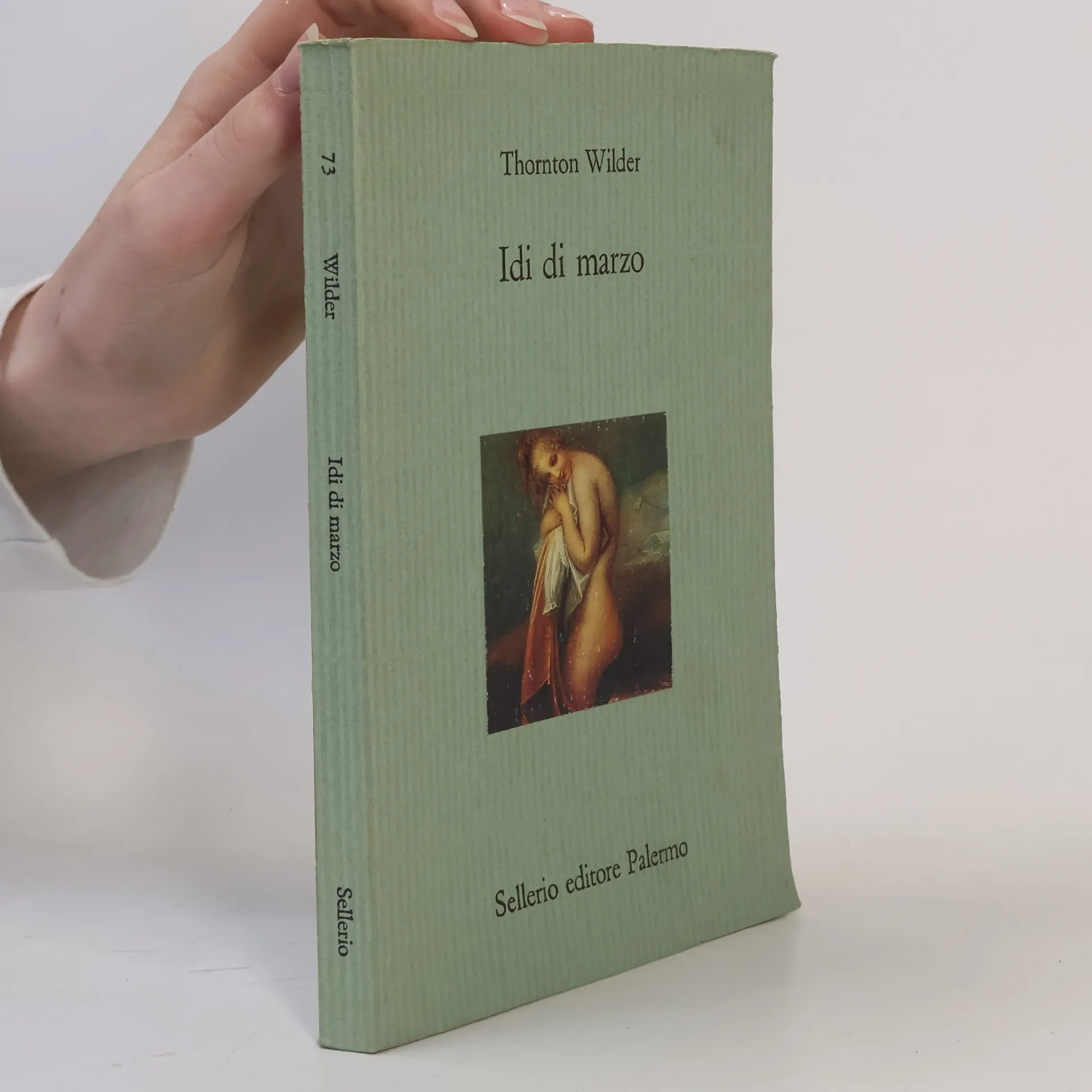
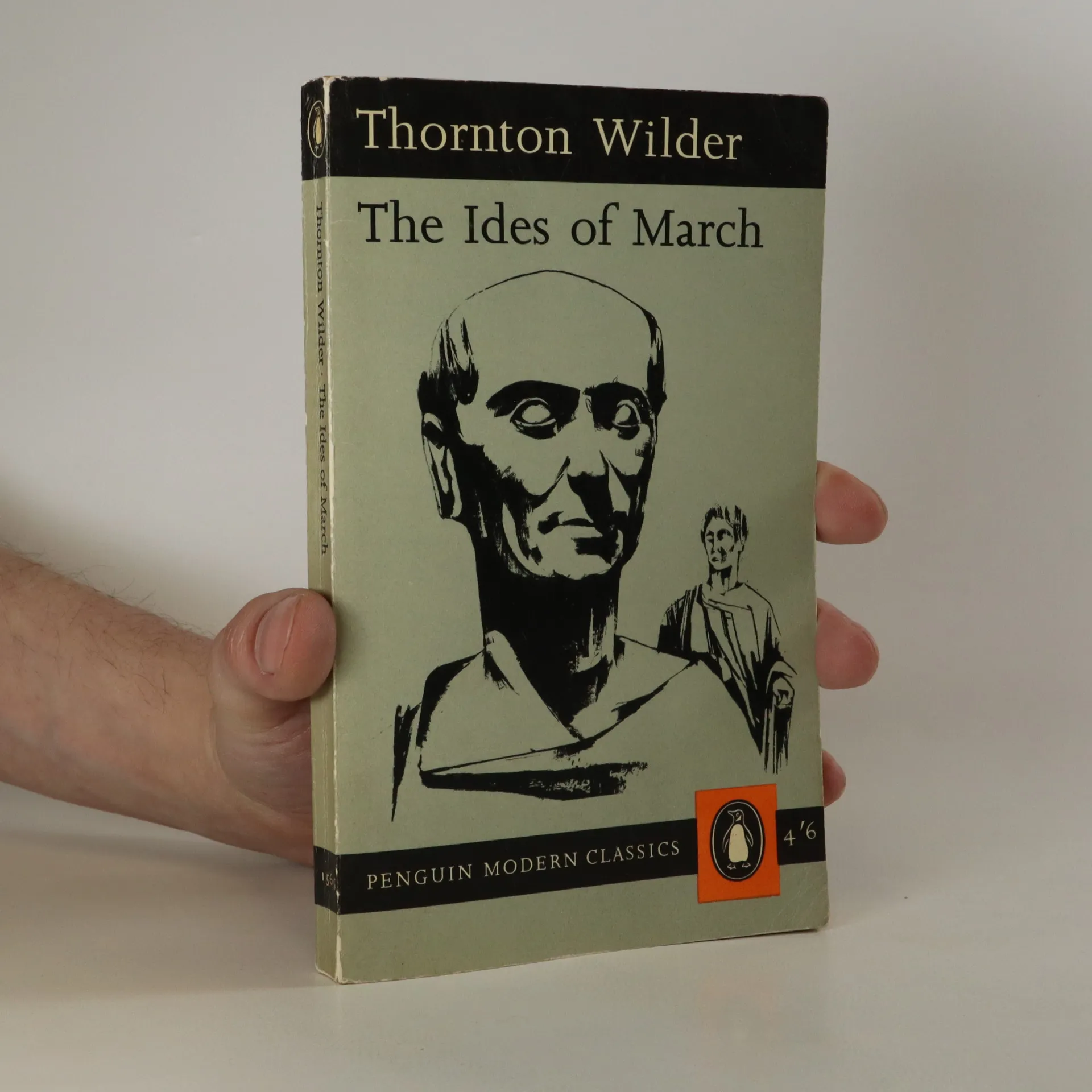
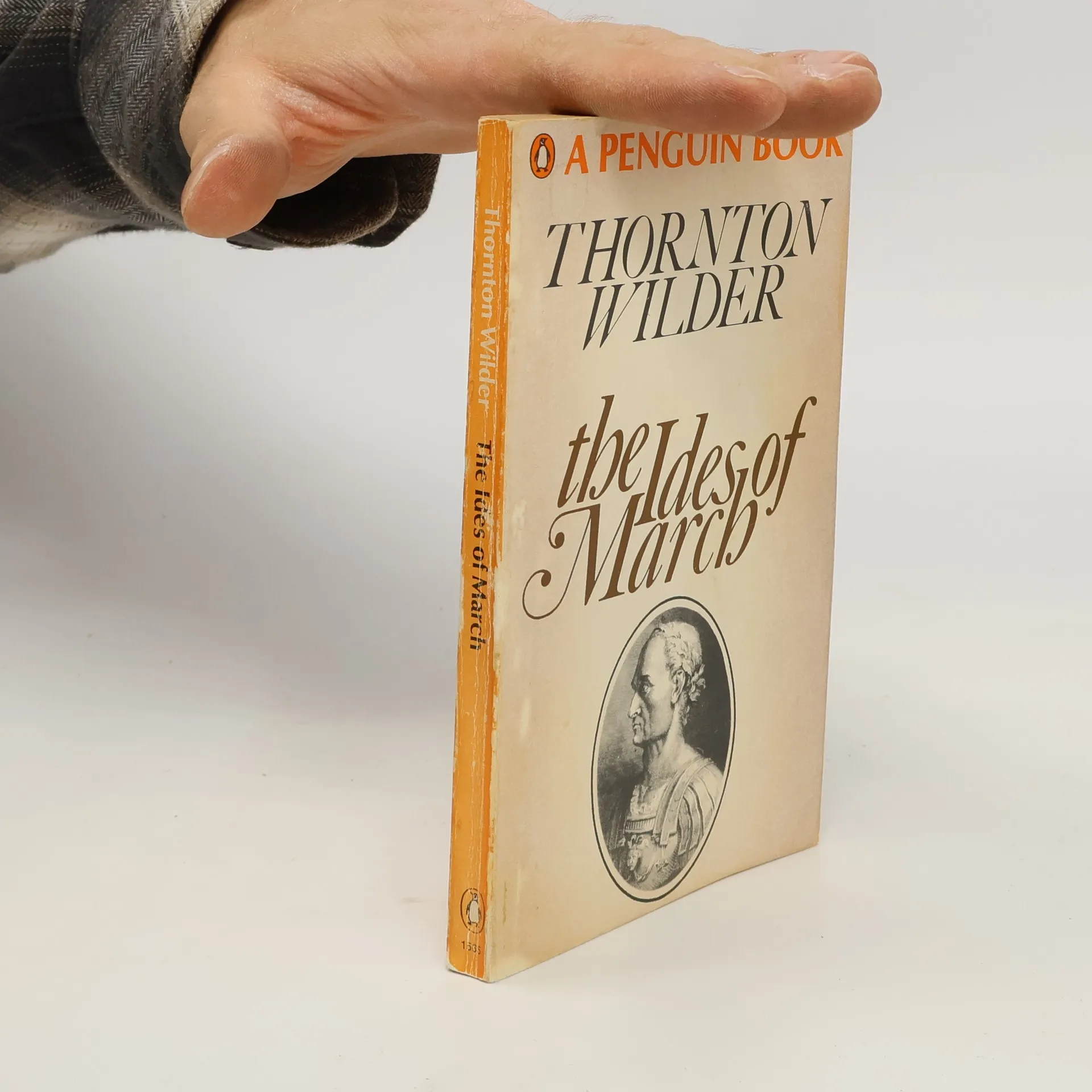
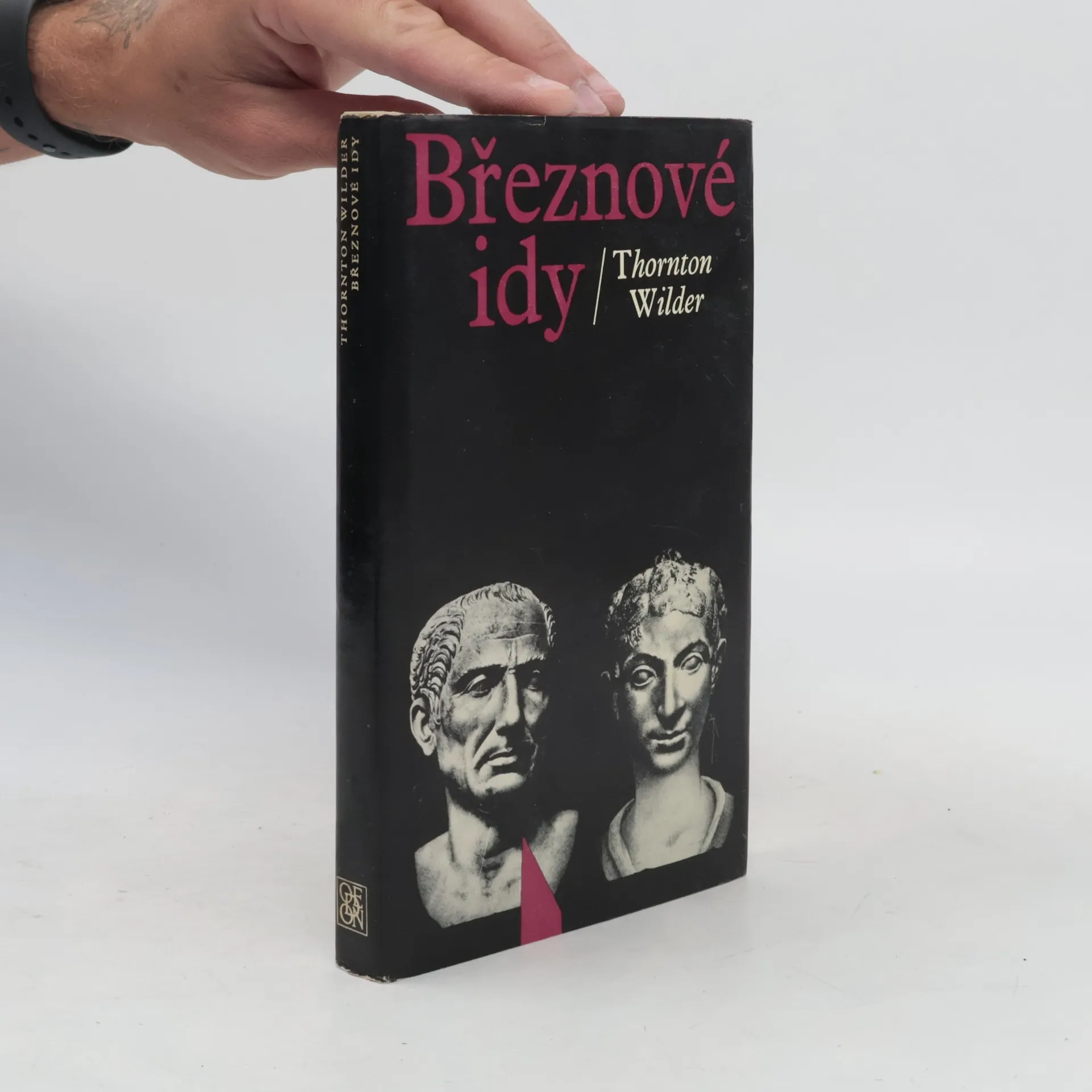
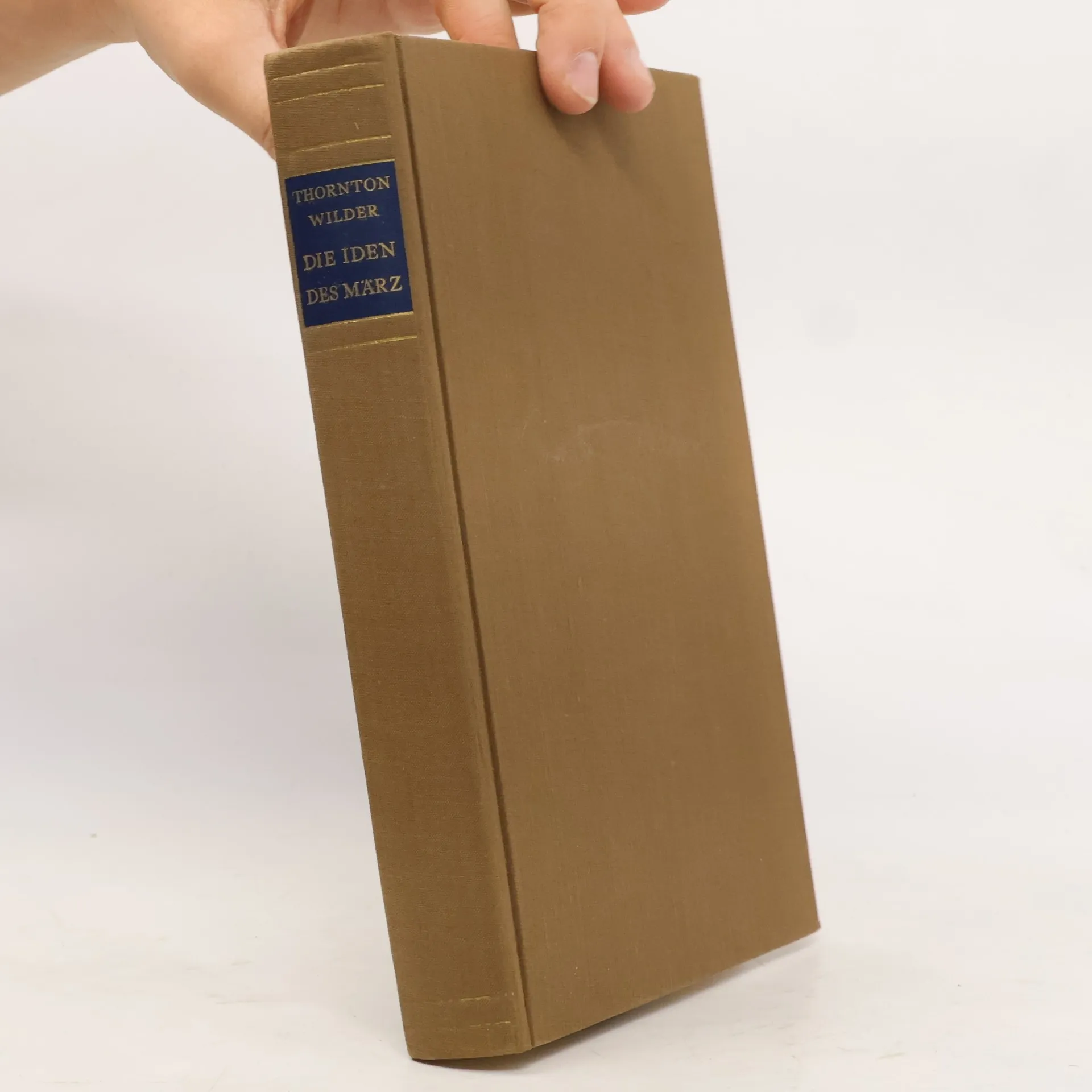
Idi di marzo
- 232pagine
- 9 ore di lettura
›Die Iden des März‹ - Thornton Wilders erzählerisches Hauptwerk über die letzten Tage der Römischen Republik unter Julius CaesarIn diesem großen Roman um Leben und Sterben von Julius Caesar zeichnet sich sinnlich prägnante Antike ohne den Staub des Musealen ab - als eine Welt aus Schönheit und Macht, Größe und Verrat.Nicht gefunden, sonder erfunden wurden die Dokumente dieses sozusagen historischen Romans, der, nach Wort und Willen des Autors, "eine Phantasie über gewisse Ereignisse und Personen aus den letzten Tagen der Römischen Republik" ist. Wilders fiktive Fundstücke - Staats- und Liebesbriefe, Spitzelberichte, Tagebuchseiten, Protokolle und Pamphlete - reflektieren das gesellschaftliche Leben im antiken Rom in seiner Mischung aus Klatsch, Klugheit, Witz und Weisheit, Glaube und Aberglaube. Im Brennpunkt des Romans steht Caesar, der Diktator, in Wilders Darstellung ein vornehm-menschlicher, unter der Einsamkeit seines Amtes leidender Herrscher. "Die Leichtigkeit Thornton Wilders ist die Leichtigkeit der Vollendung." Alfred Andersch
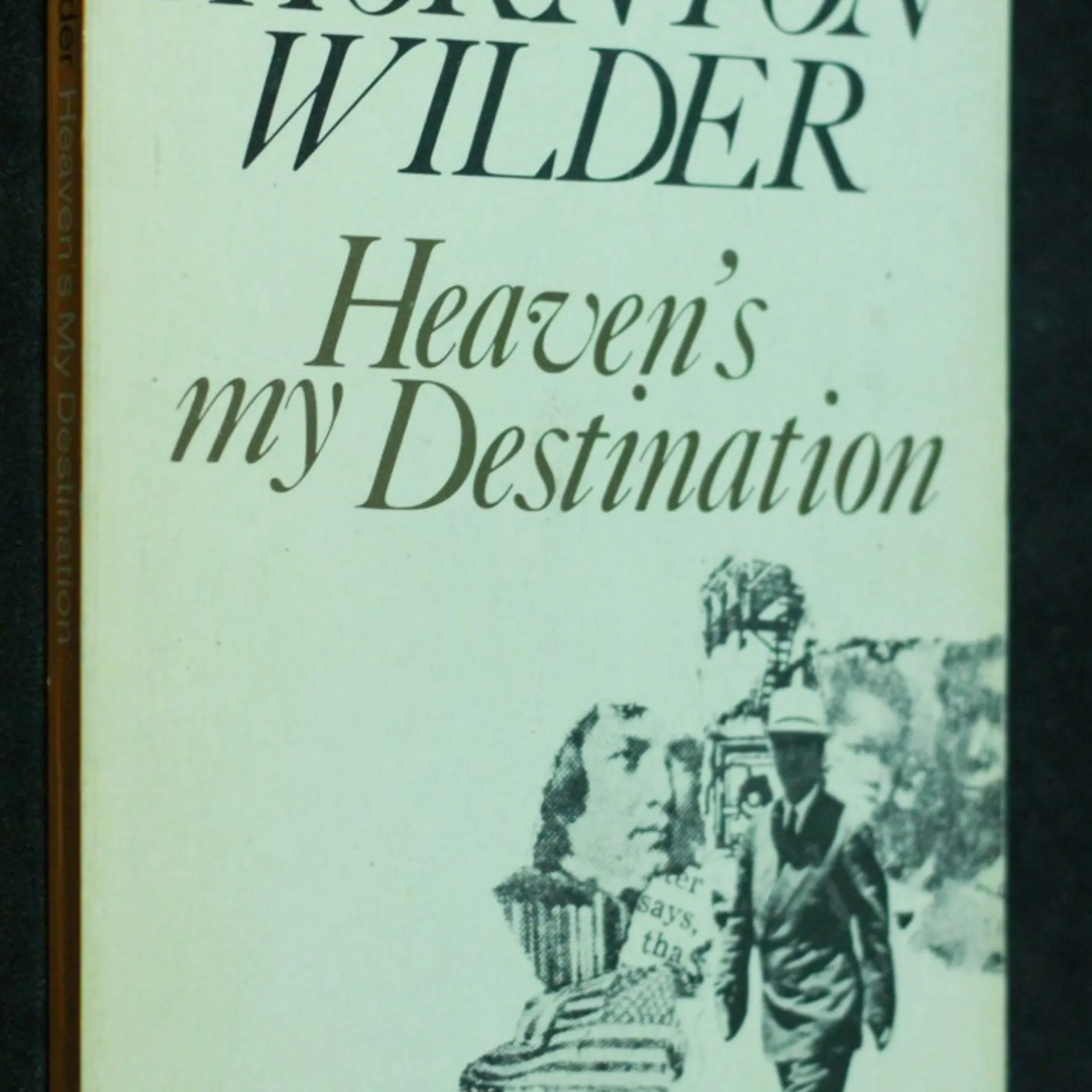
"Meet George Marvin Brush--Don Quixote come to Main Street in the Great Depression, and one of Thornton Wilder's most memorable characters. George Brush, a traveling textbook salesman, is a fervent religious convert who is determined to lead a good life. With sad and sometimes hilarious consequences, his travels take him through smoking cars, bawdy houses, banks, and campgrounds from Texas to Illinois--and into the soul of America itself."--Amazon.com description
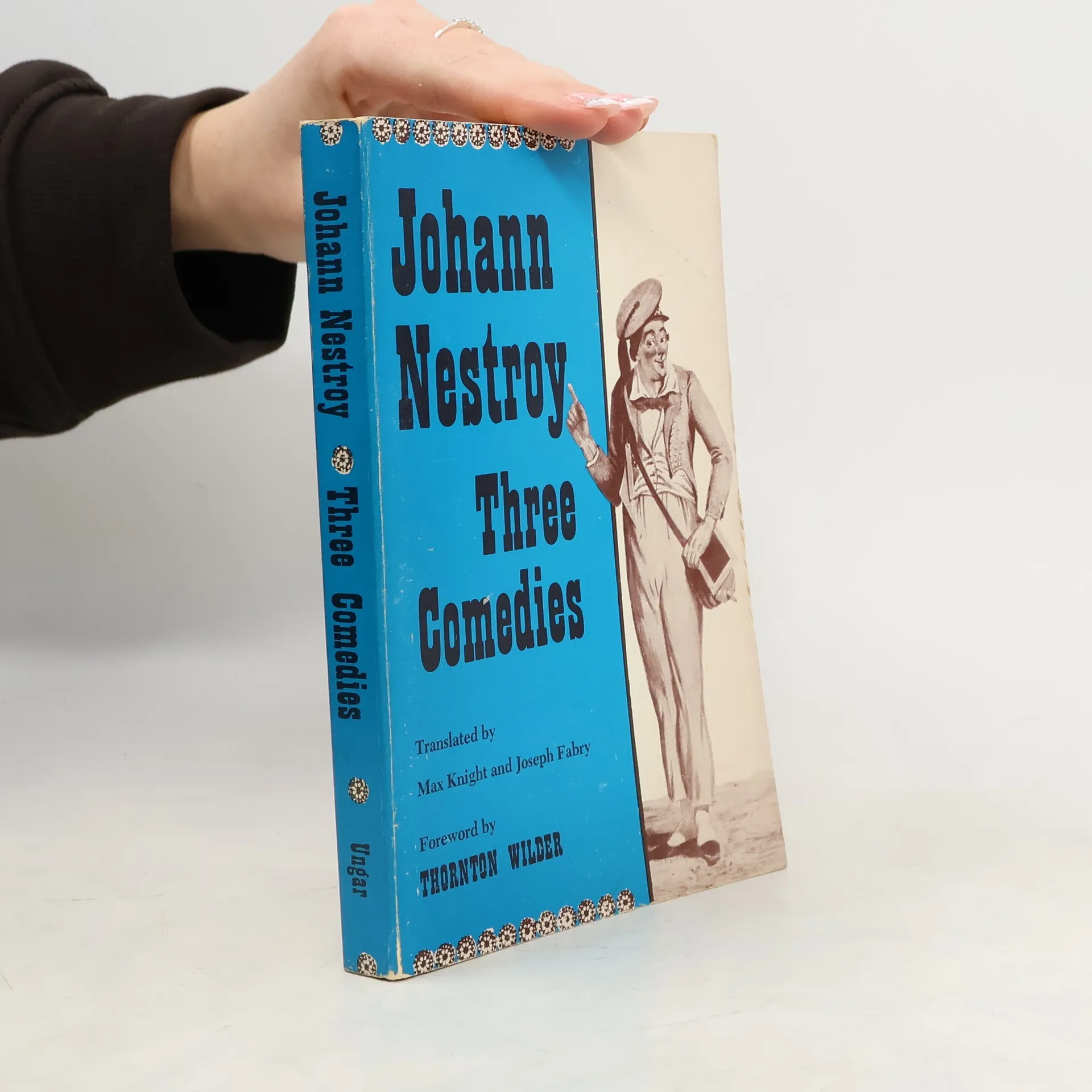
Three Comedies
A Man Full of Nothing / The Talisman / Love Affairs and Wedding Bells
- 258pagine
- 10 ore di lettura
Nestroy's three comedies will acquaint the English-speaking public with the colorful nineteenth-century Viennese dramatist and actor, whom they may know only through Thornton Wilder's adaptation of a Nestroy play as The Matchmaker, which ultimately became the popular musical Hello, Dolly! Nestroy is still widely played in Germany, Switzerland, and especially in Austria. The comedies included here are among his best and have already been performed by drama groups in the United States. The translation successfully overcomes the formidable challenge of Nestroy's wide use of wordplay and the Viennese idiom and offers the reader a sparkling version of the three comedies. In their introduction the translators tell how and why they undertook the task.
A guide to reading "Our Town" with a critical and appreciative mind encourages analysis of plot, style, form, and structure, and includes background on the author's life and times, sample tests, and a reading list
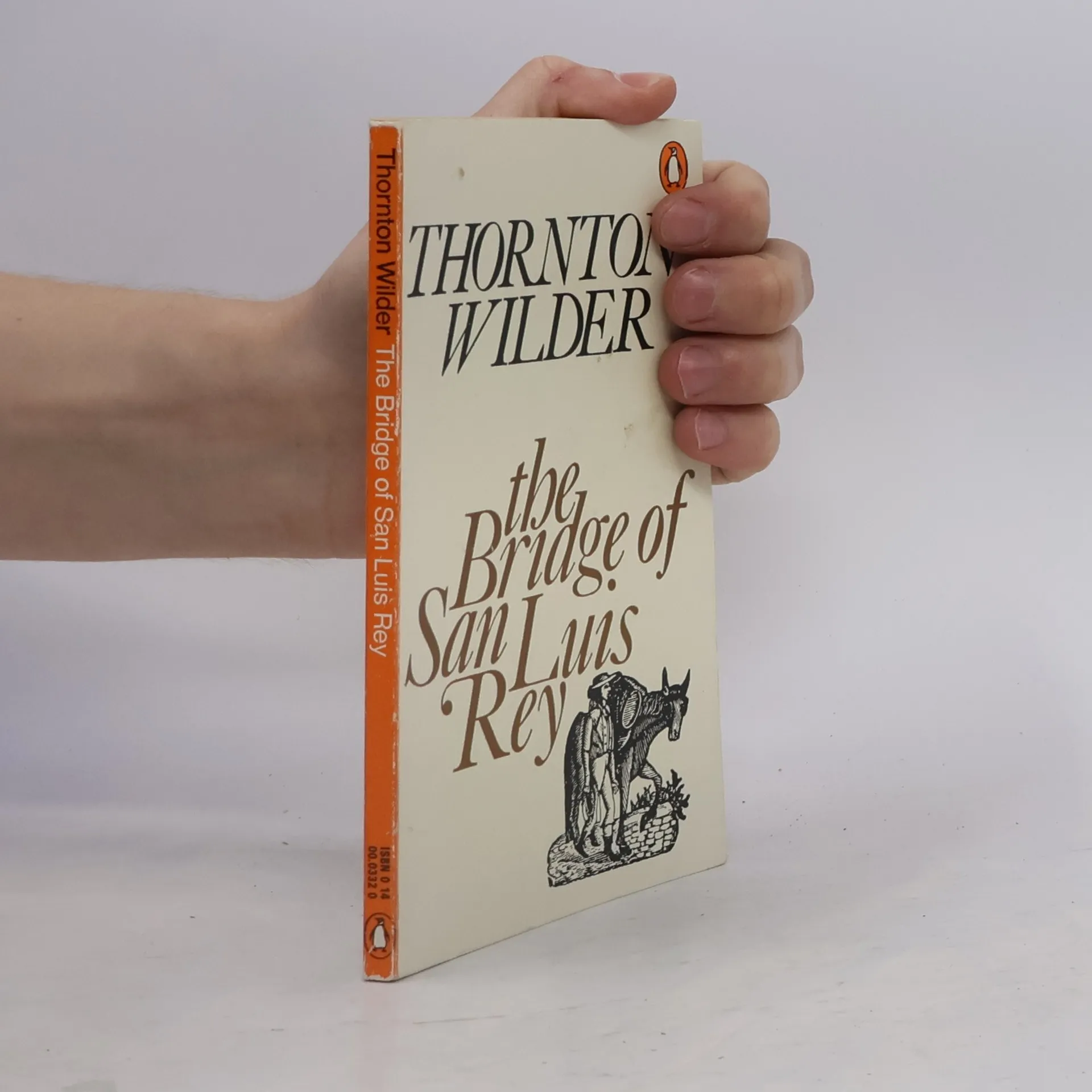
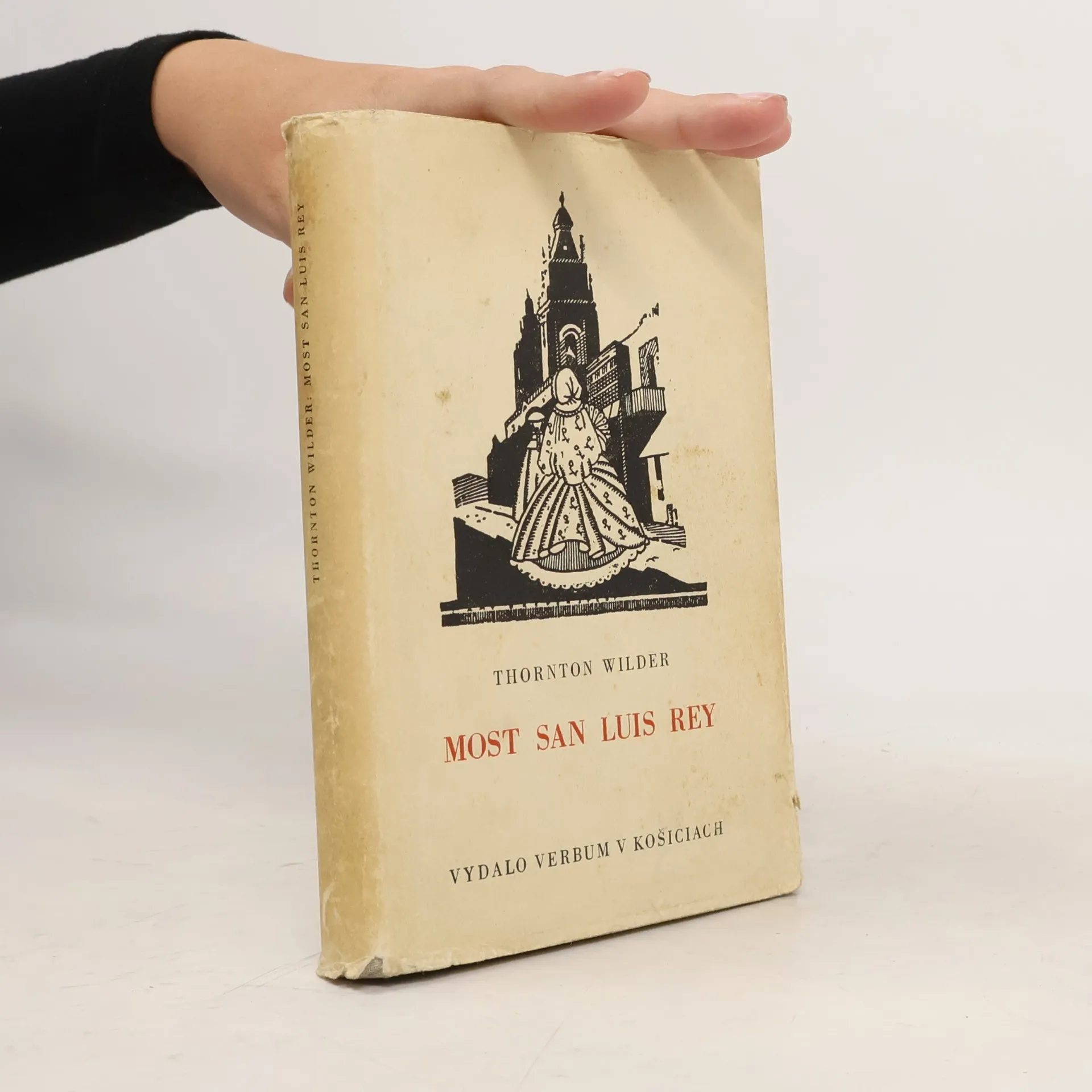
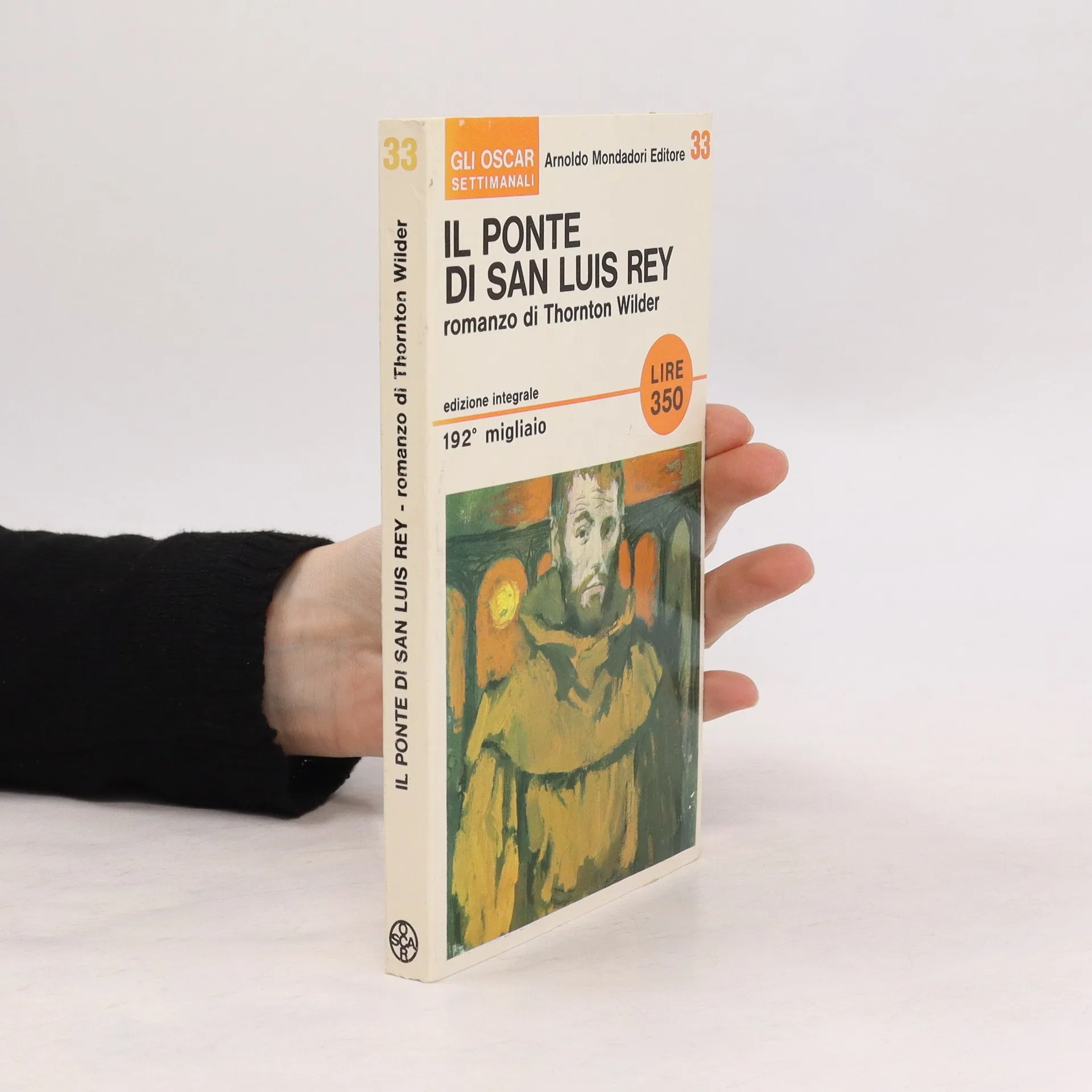
On Friday noon, July the twentieth, 1714, the finest bridge in all Peru broke and precipitated five travelers into the gulf below. With this celebrated sentence Thornton Wilder begins The Bridge of San Luis Rey, one of the towering achievements in American fiction and a novel read throughout the world.By chance, a monk witnesses the tragedy. Brother Juniper then embarks on a quest to prove that it was divine intervention rather than chance that led to the deaths of those who perished in the tragedy. His search leads to his own death -- and to the author's timeless investigation into the nature of love and the meaning of the human condition.
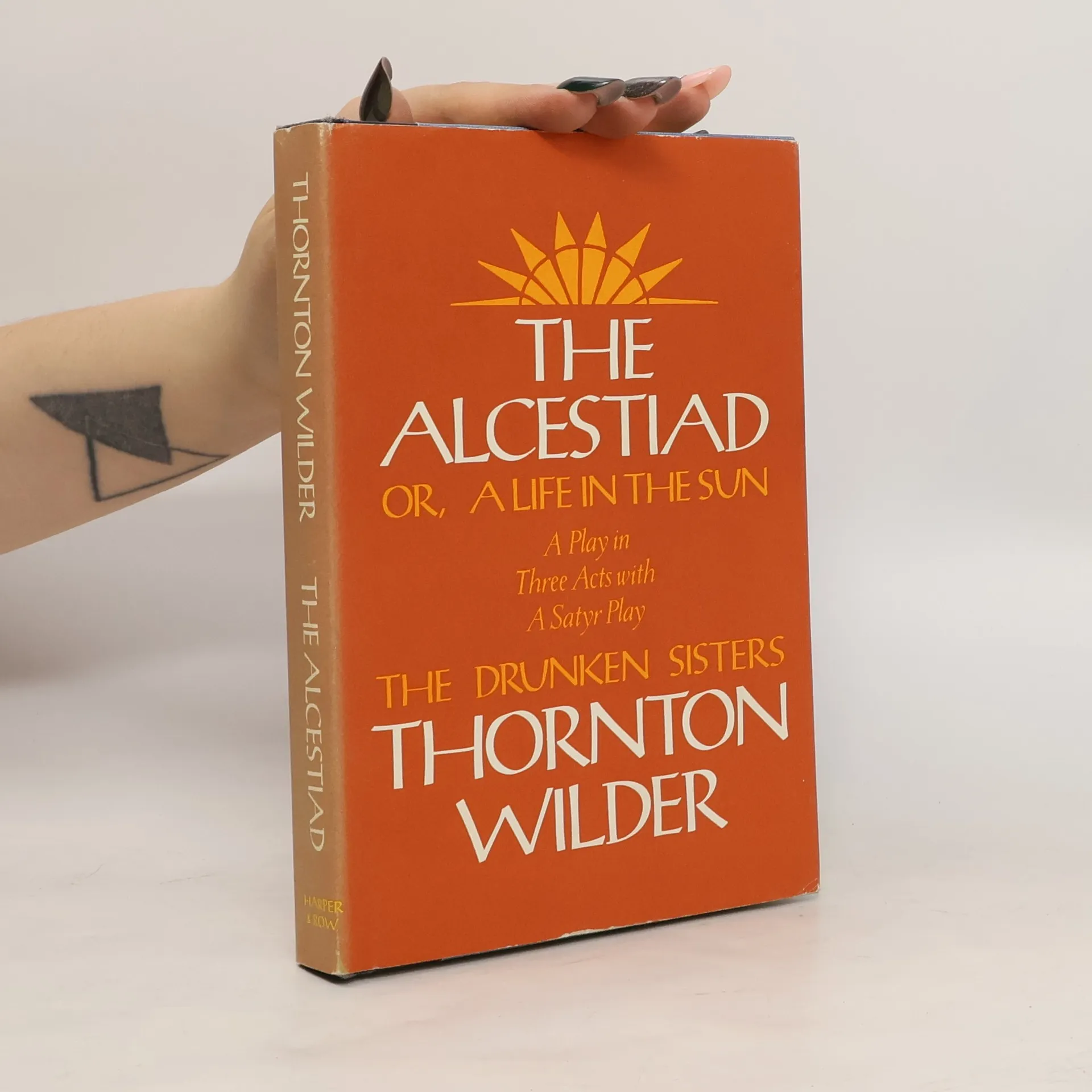
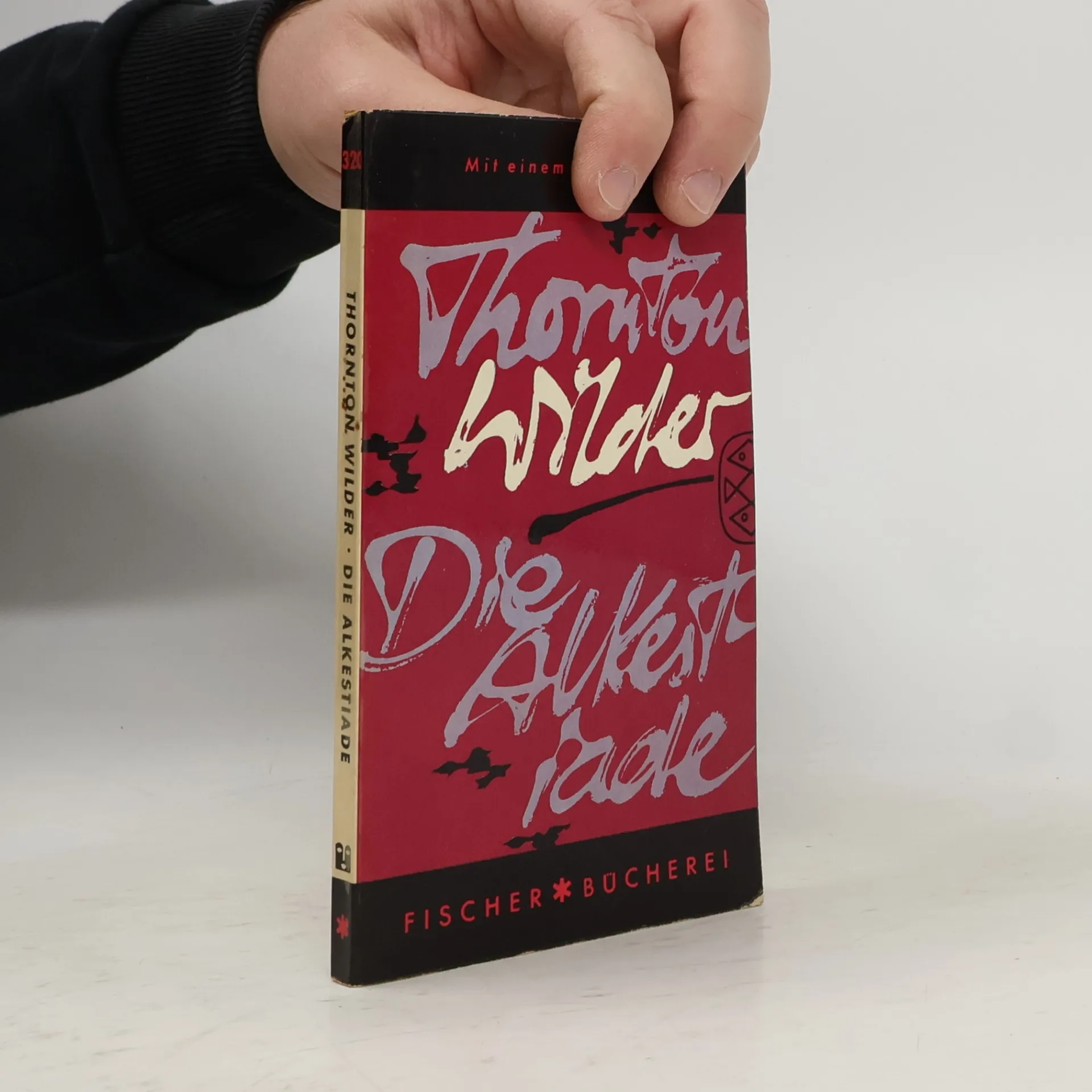
The Alcestiad
- 129pagine
- 5 ore di lettura
In The Alcestaid Thornton Wilder retells for us the ancient legend of Alcestis, Queen of Thessaly, who gave her life for her husband Admetus, beloved of the Sun Apollo, and was brought back from Hell by Hercules. Wilder's Alcestis is a seeker after understanding, to whom "there is only misery, and that is ignorance." Her life as wife, mother, Queen -- like Emily;s in Our Town -- is apparently idyllic happiness is destroyed by death. But neither death or happiness is what it seems to be, and the tragedy id Apollo's "song in motion...an unfolding -- a part of something larger than we can see." It is followed, according to Greek tradition, by a comic 'satyr' a one-act "diversion" in which Apollo, disguised as a kitchen-boy, confounds The Drunken Sisters -- the Fates -- to save the life of Admetus.
Winner 1938 Pulitzer Prize for Drama In an important publishing event, Samuel French, in cooperation with the Thornton Wilder estate is pleased to release the playwright's definitive version of "Our Town." This edition of the play differs only slightly from previous acting editions, yet it presents "Our Town" as Thornton Wilder wished it to be performed. Described by Edward Albee as ..".the greatest American play ever written," the story follows the small town of Grover's Corners through three acts: "Daily Life," "Love and Marriage," and "Death and Eternity." Narrated by a stage manager and performed with minimal props and sets, audiences follow the Webb and Gibbs families as their children fall in love, marry, and eventually-in one of the most famous scenes in American theatre-die. Thornton Wilder's final word on how he wanted his play performed is an invaluable addition to the American stage and to the libraries of theatre lovers internationally.
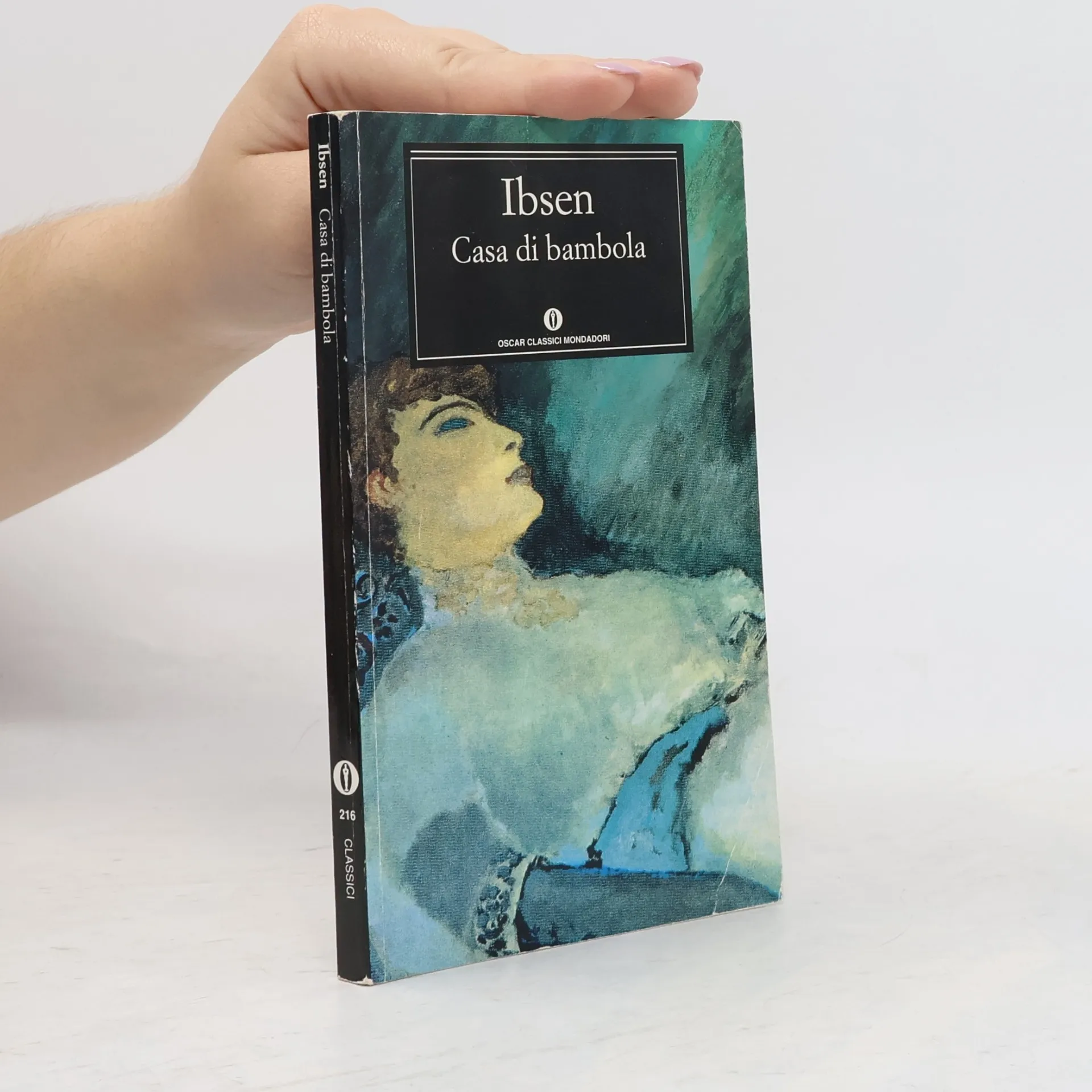
Casa di bambola
- 190pagine
- 7 ore di lettura
Per curare il marito, Nora in passato si è indebitata con un certo Krogstad. Per anni ha lavorato per pagare il debito, senza riuscire a liberarsene. Krogstad, che lavora nella banca di cui il marito di Nora è direttore, ricatta la donna perché gli ottenga una promozione. Quando il marito, che per altri motivi lo vorrebbe licenziare, viene a sapere tutto, si preoccupa solo della sua reputazione e rimprovera aspramente la moglie. La meschinità dell'uomo porta Nora a decidere di allontanarsi, per riflettere da sola su se stessa.
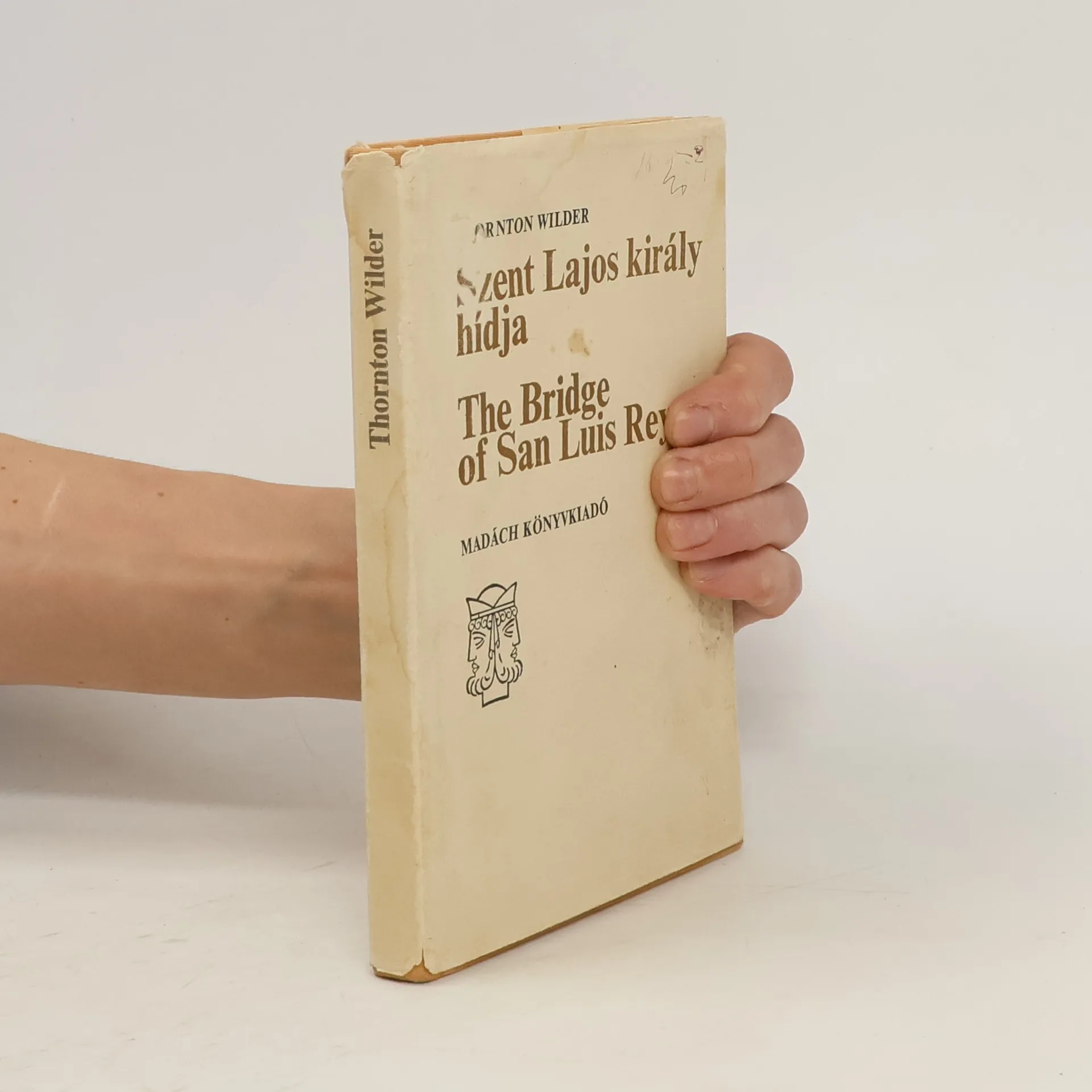
Szent Lajos király hídja. The Bridge of San Luis Rey
- 260pagine
- 10 ore di lettura
Set in post-World War I Rome, the narrative follows Samuele, a young American painter who becomes involved with a cast of eccentric characters. Through interconnected stories, it explores themes of love, friendship, art, and the quest for spiritual fulfillment. Wilder's intricate character development and vivid prose invite readers to reflect on the complexities of human relationships and the search for meaning in life. The novel blends elements of mystery and introspection, showcasing Wilder's literary versatility and his engagement with profound philosophical questions.
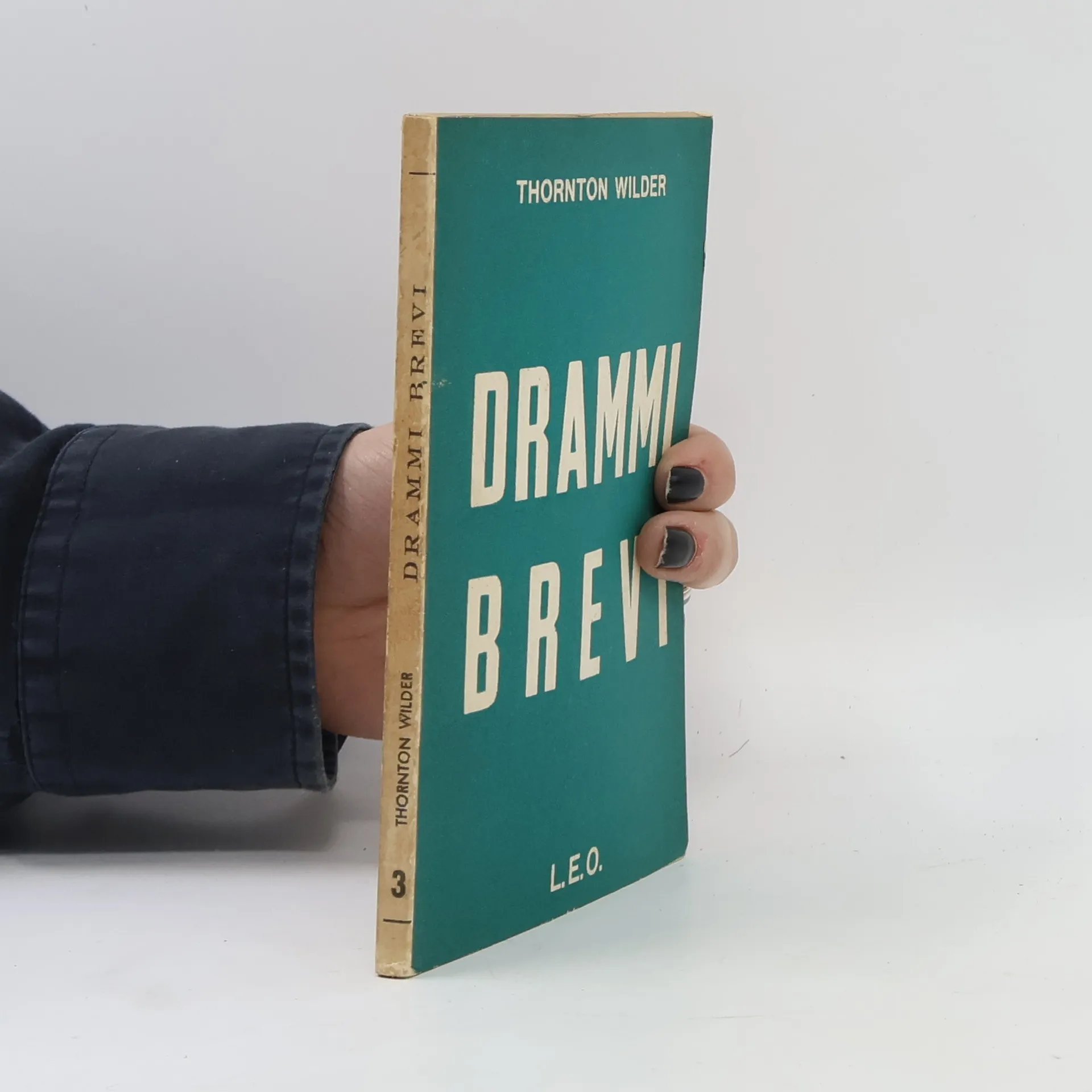
Plays in One Act
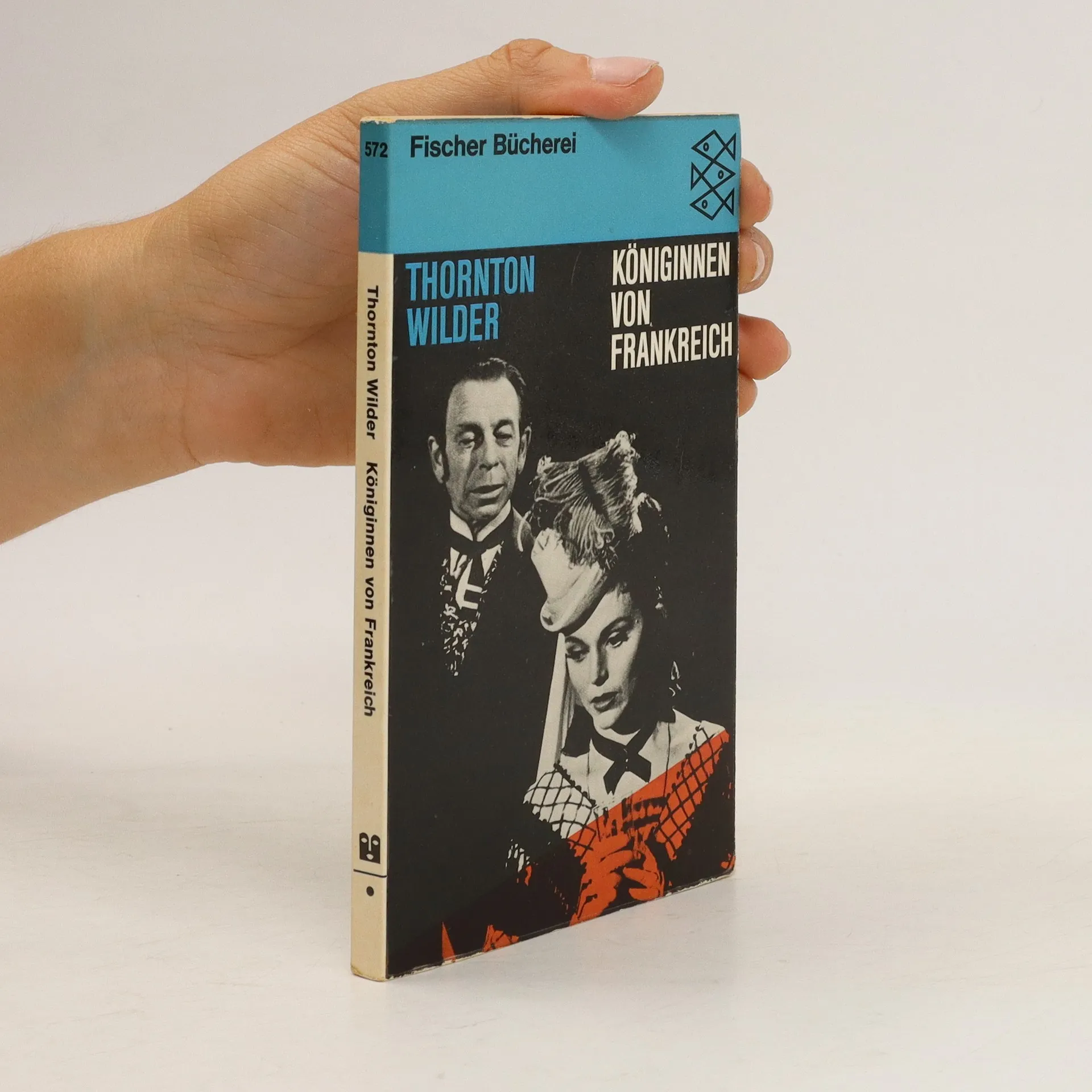
The Long Christmas Dinner, Queens of France, Pullman Car Hiawatha, Love, and How To Cure It, The Happy Journey to Trenton and Camden
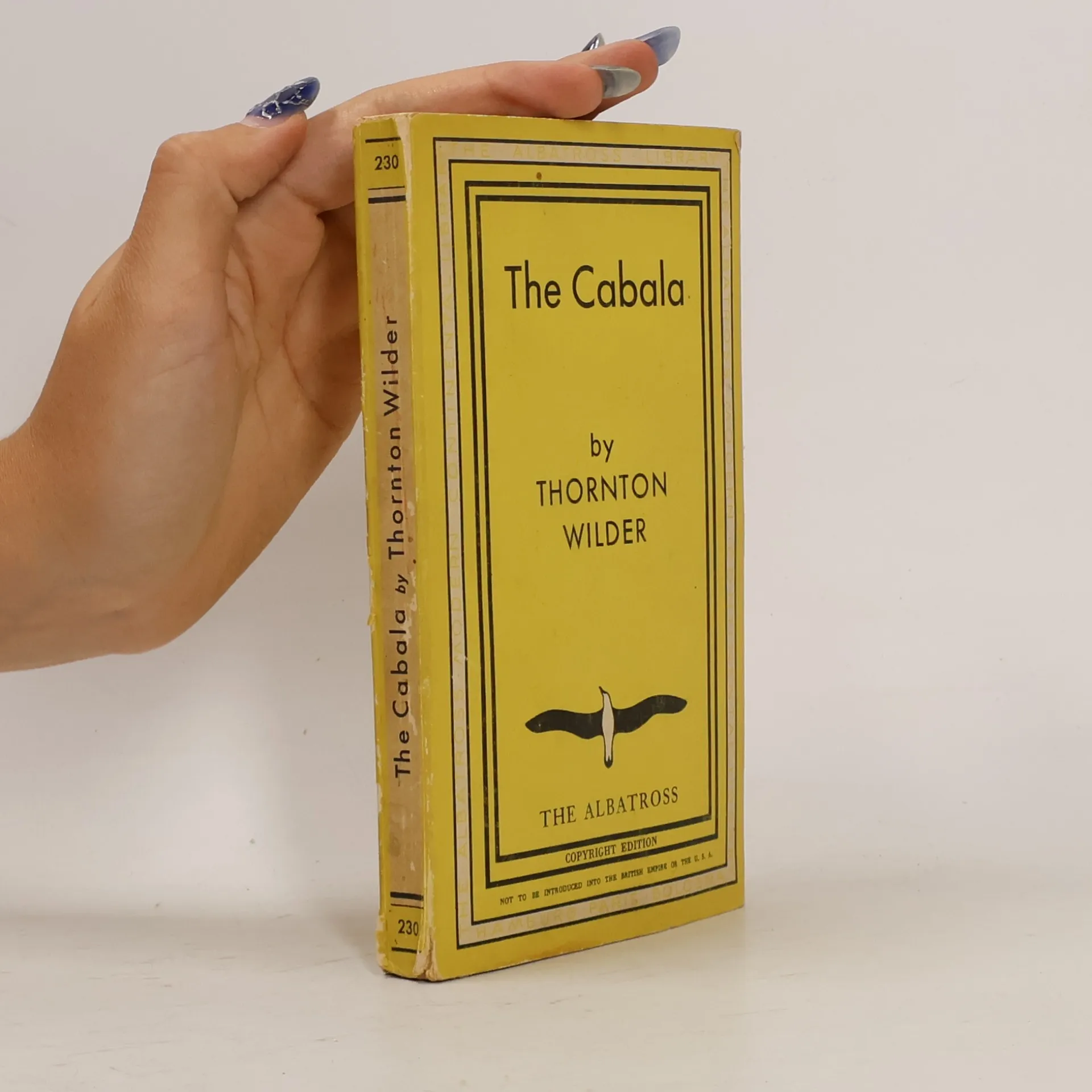
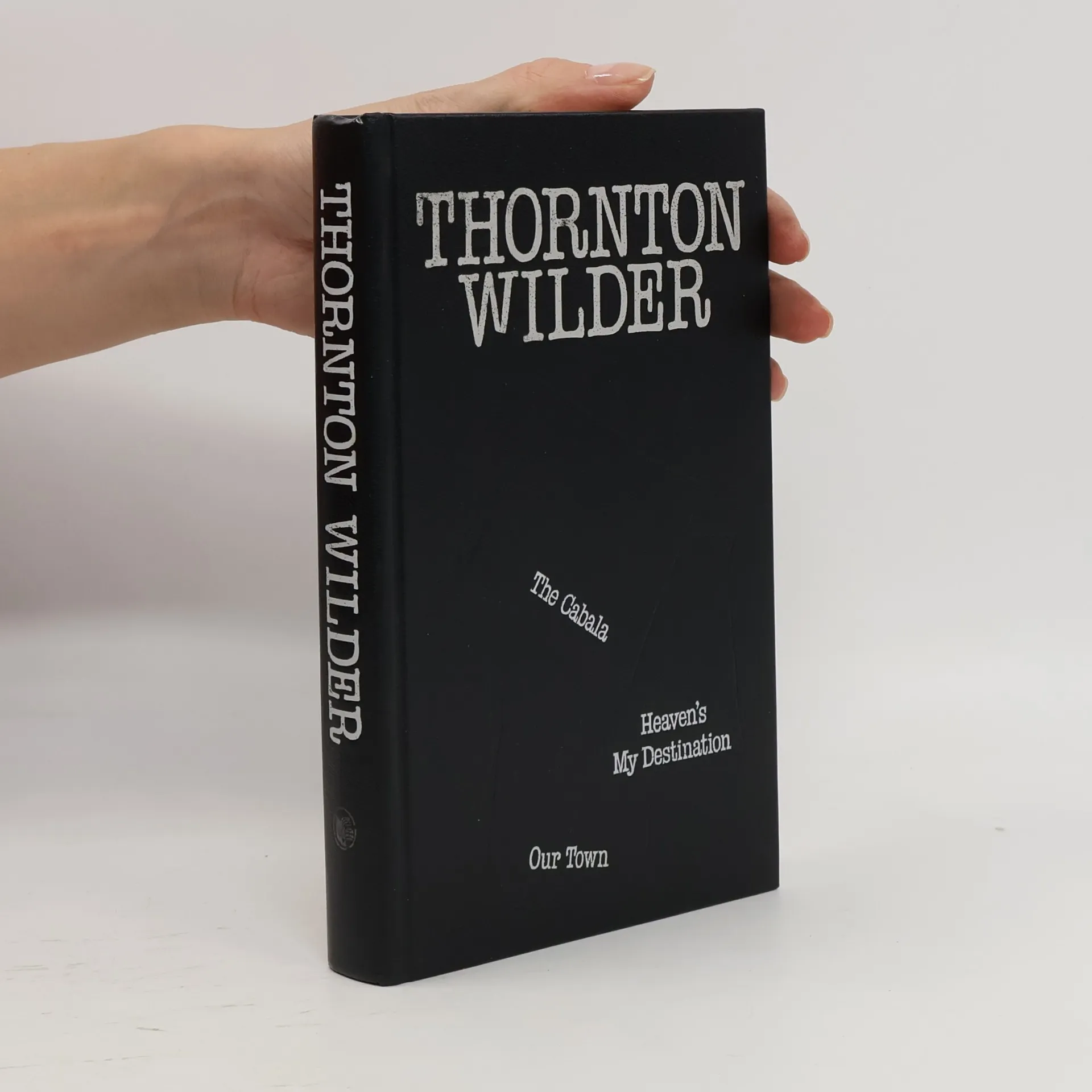
The Cabala. Heaven's My Destination. Our Town
- 382pagine
- 14 ore di lettura
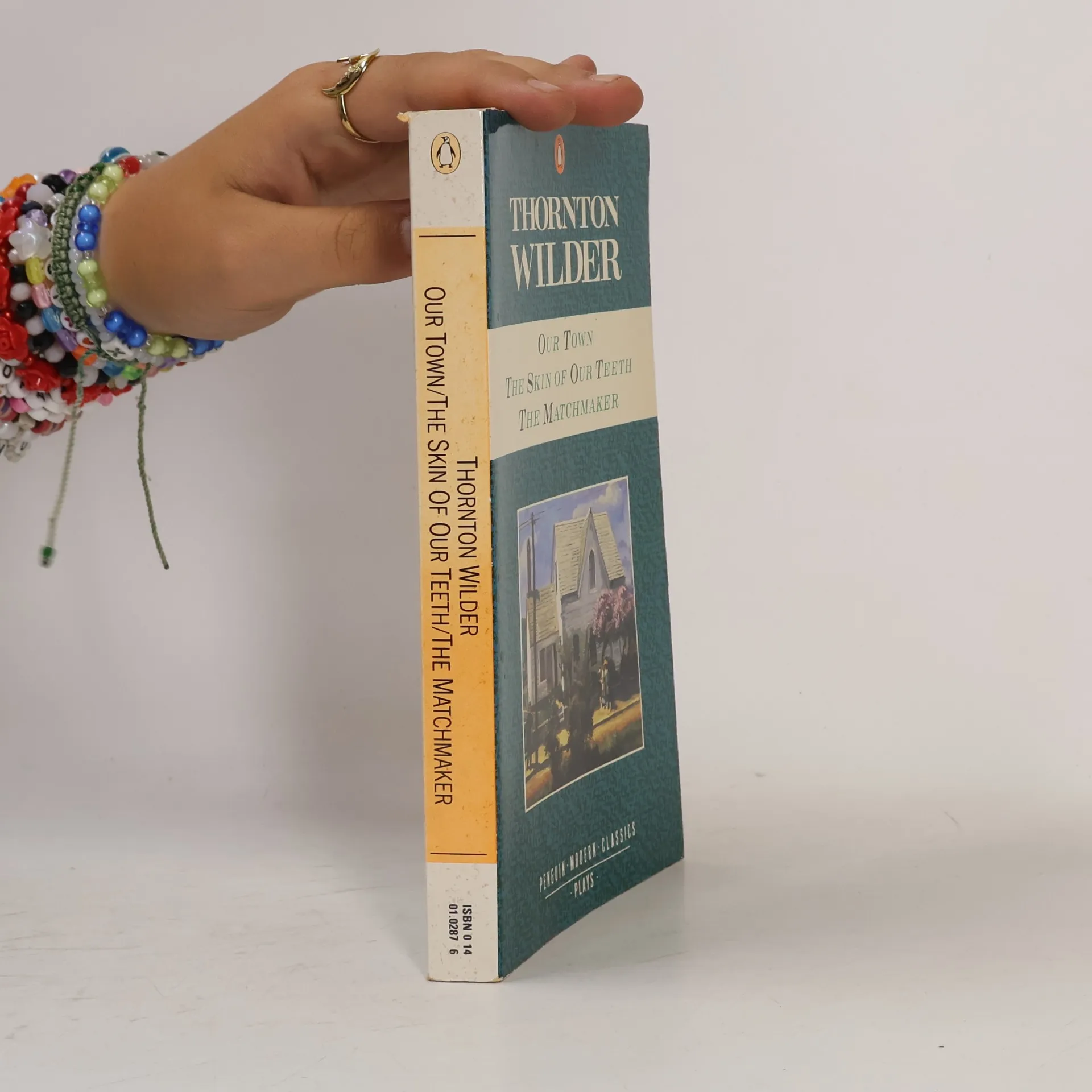
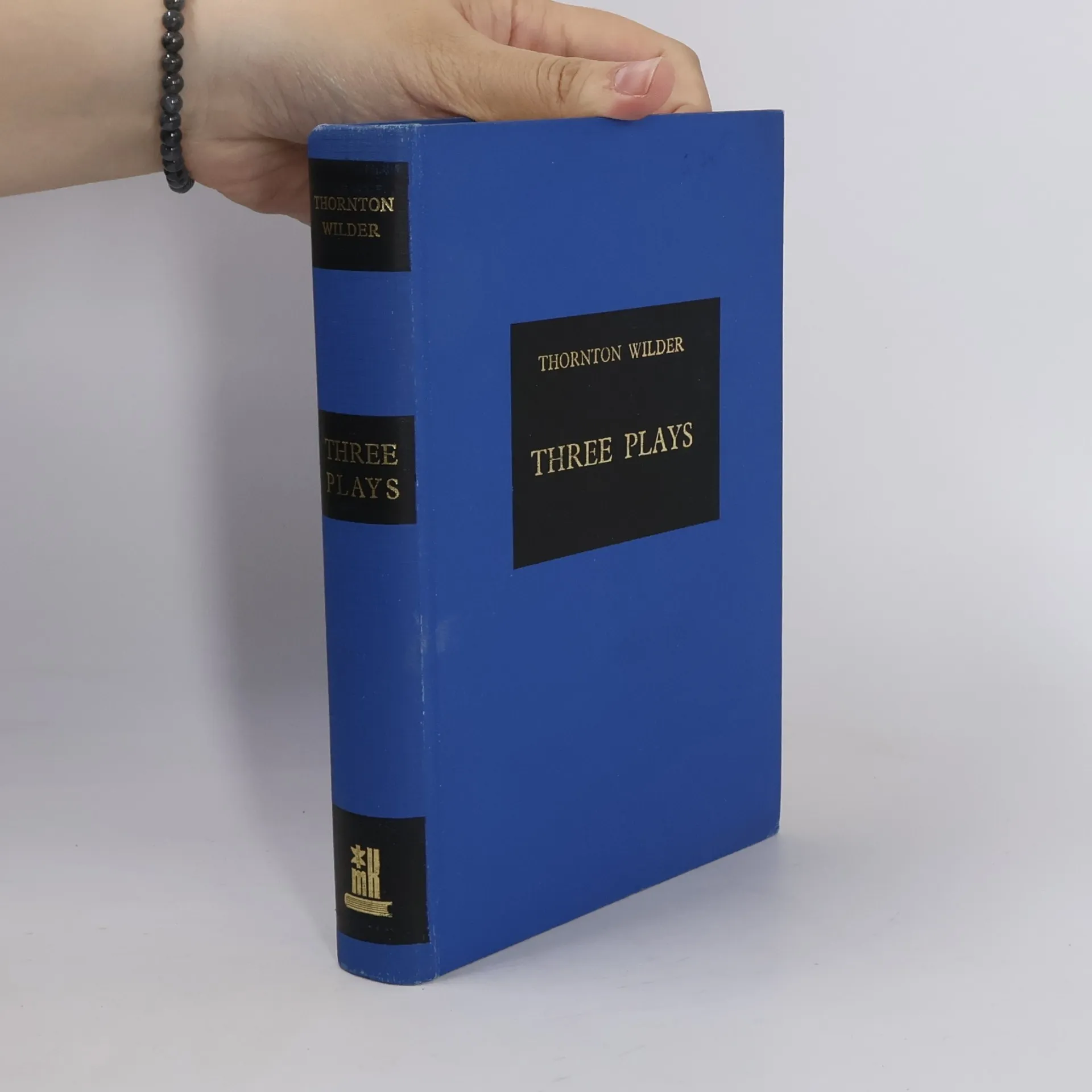
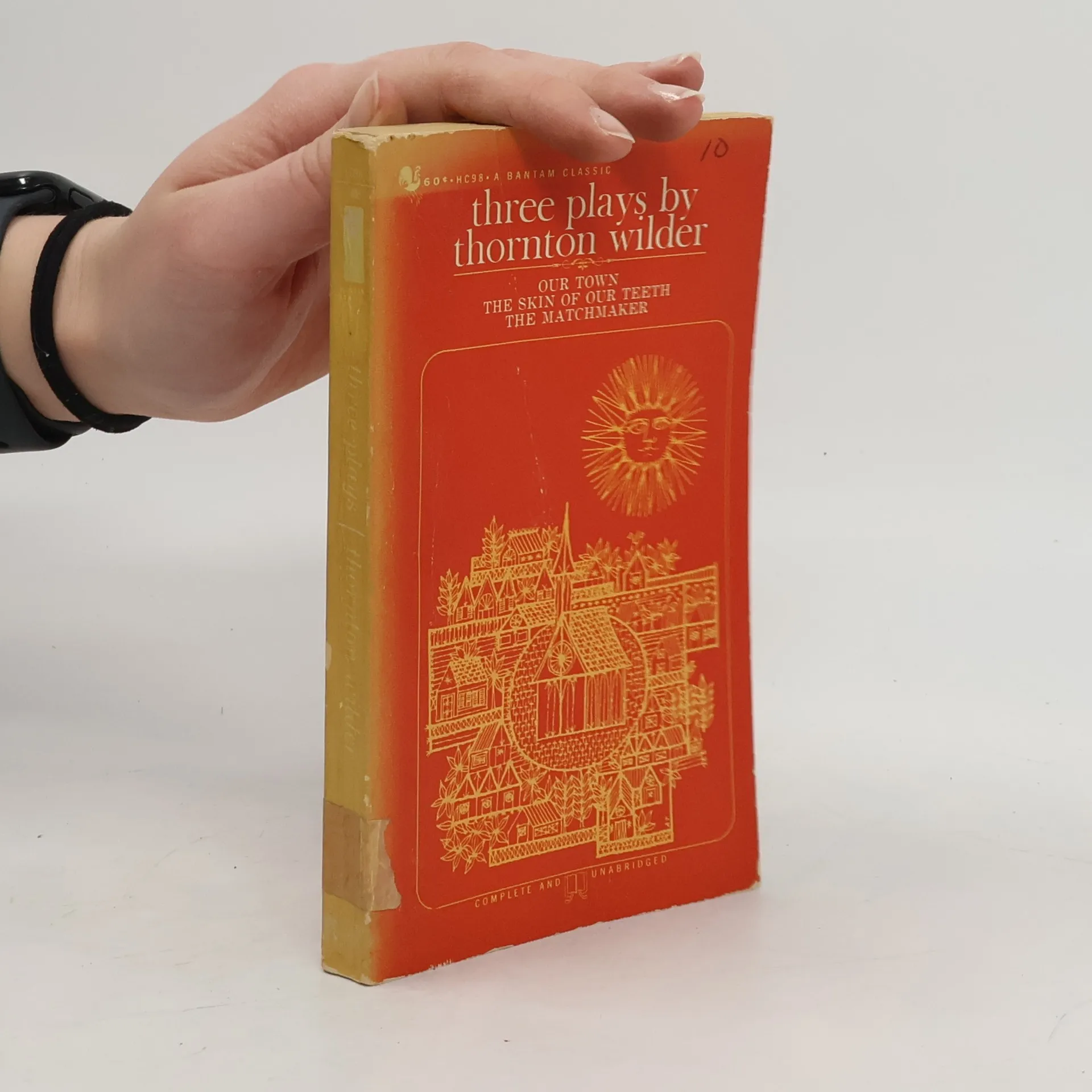
Three Plays by Thornton Wilder
Our town, The skin of our teeth, The matchmaker
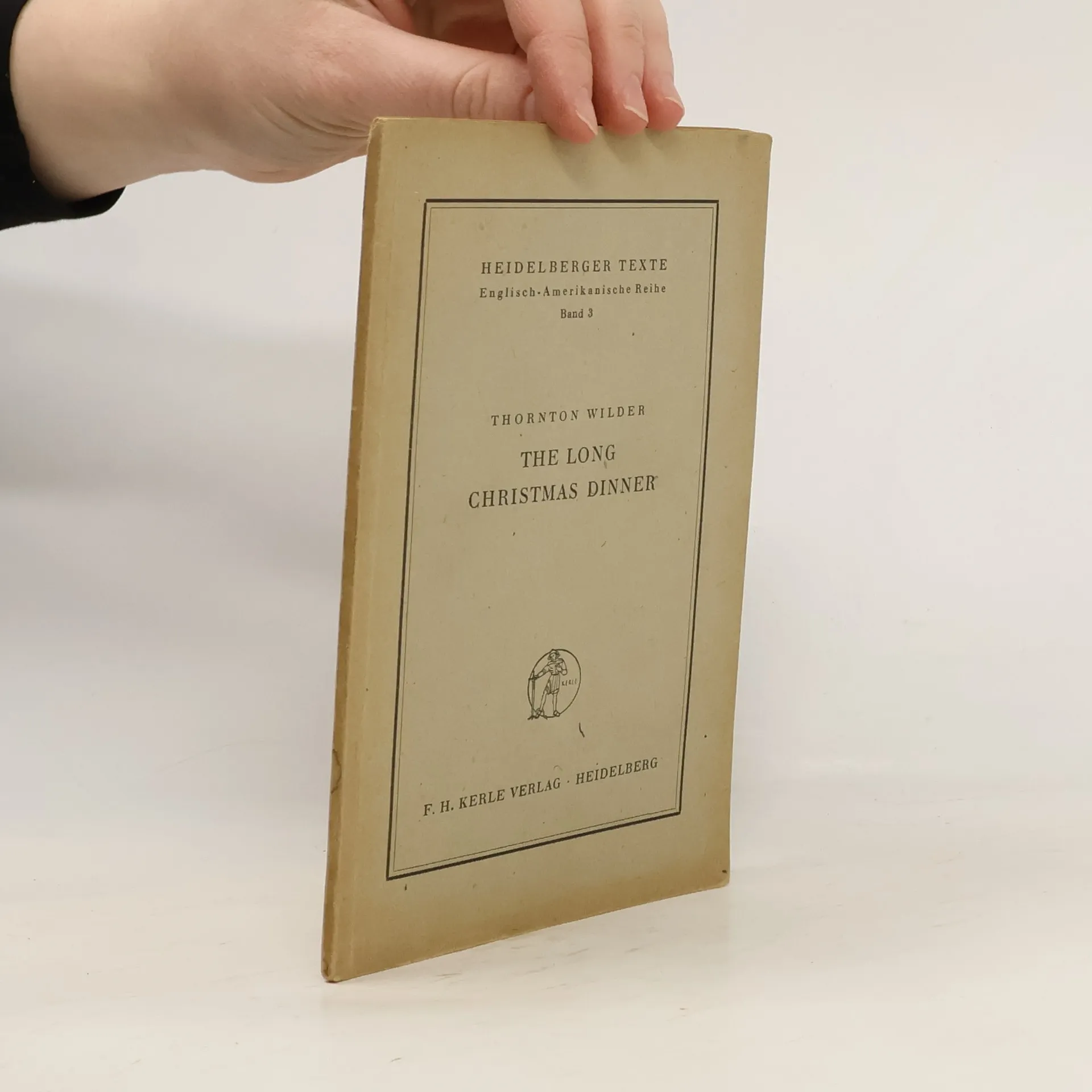
The Long Christmas Dinner
Heidelberger Texte 3
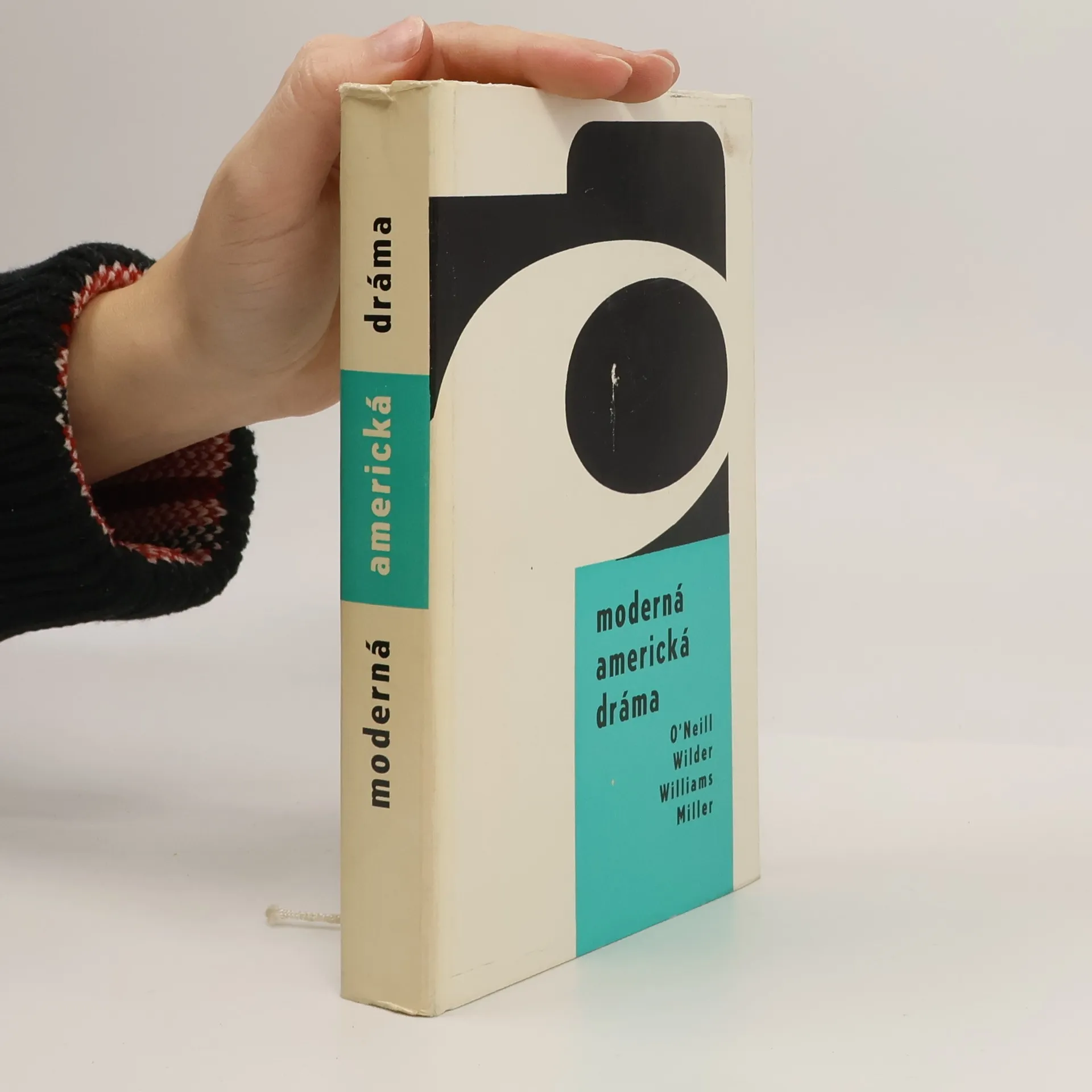
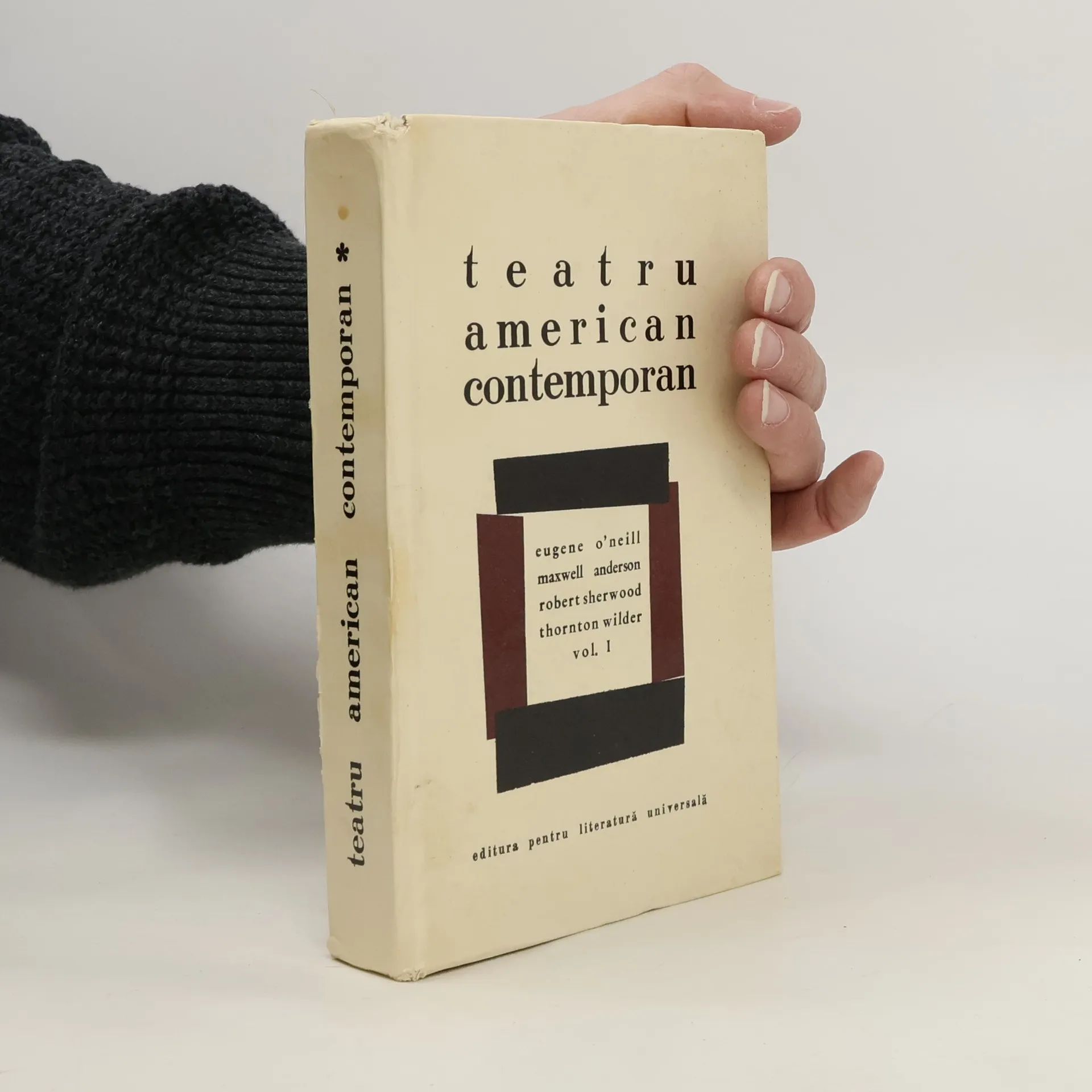
E.O´Neill: Ľadár prichádza, T. Wilder - Iba o vlások, T. Williams - Kráľovská cesta, A. Miller - Skúška ohňom
Posledné románovej dielo amerického autora je pôvabnou pikareskní mozaikou, obsahuje rad autobiografických prvkov a je považované za jeden z vrcholov jeho tvorby. Kniha sa skladá z trinástich voľne na seba nadväzujúcich príbehov, odohrávajúcich sa v luxusnom prímorskom letovisku v polovici 20. rokov 20. storočia. Sú prepojené postavou mladého učiteľa, prostého a slobodomyseľného človeka, ktorý si zaumienil prežiť v tomto mieste nejaký čas a dôsledne sa vyhýba všetkému, čo by mu mohlo vyniesť nejaký majetok. Nedokáže si ale odoprieť v niektorých prípadoch zasiahnuť do osudov svojich zverencov, pričom sa úzkostlivo snažia ubrániť vlastné slobodu a nezávislosť. Vyniká neobyčajnou predstavivosťou a vynaliezavosťou, ktoré mu pomáhajú vyriešiť aj tie nejdelikátnější záležitosti svojich blížnych s hlbokým pochopením a k všeobecnej spokojnosti.
V piatok, dvadsiateho júla 1714, na poludnie, sa pretrhol najkrajší most v celom Peru a do priepasti svrhol piatich pocestných. Tento most bol na hradskej medzi Limou a Cuzcom a každý deň prechádzalo po ňom na stá ľudí. Viac než pred sto rokmi uplietli ho z vŕbového prútia Inkovia a návštevníkovmesta zakaždým vodievali pozrieť si ho. Číry rebrík z tenkých sprúžľov, so zábradlím zo suchého popínačia, pnul sa nad úžľabinou. S koňmi a kočiarmi a nosidlami bolo treba schádzať niekoľko sto stôp do hĺbky a na pltiach prejsť úzku riavu, lenže nikto, ani vicekráľ, ba ani arcibiskup z Limy, s batožinou nesostupoval, lež radšej prešiel po povestnom moste San Luis Rey.
Sag mir, wo die Jahre sind
- 395pagine
- 14 ore di lettura
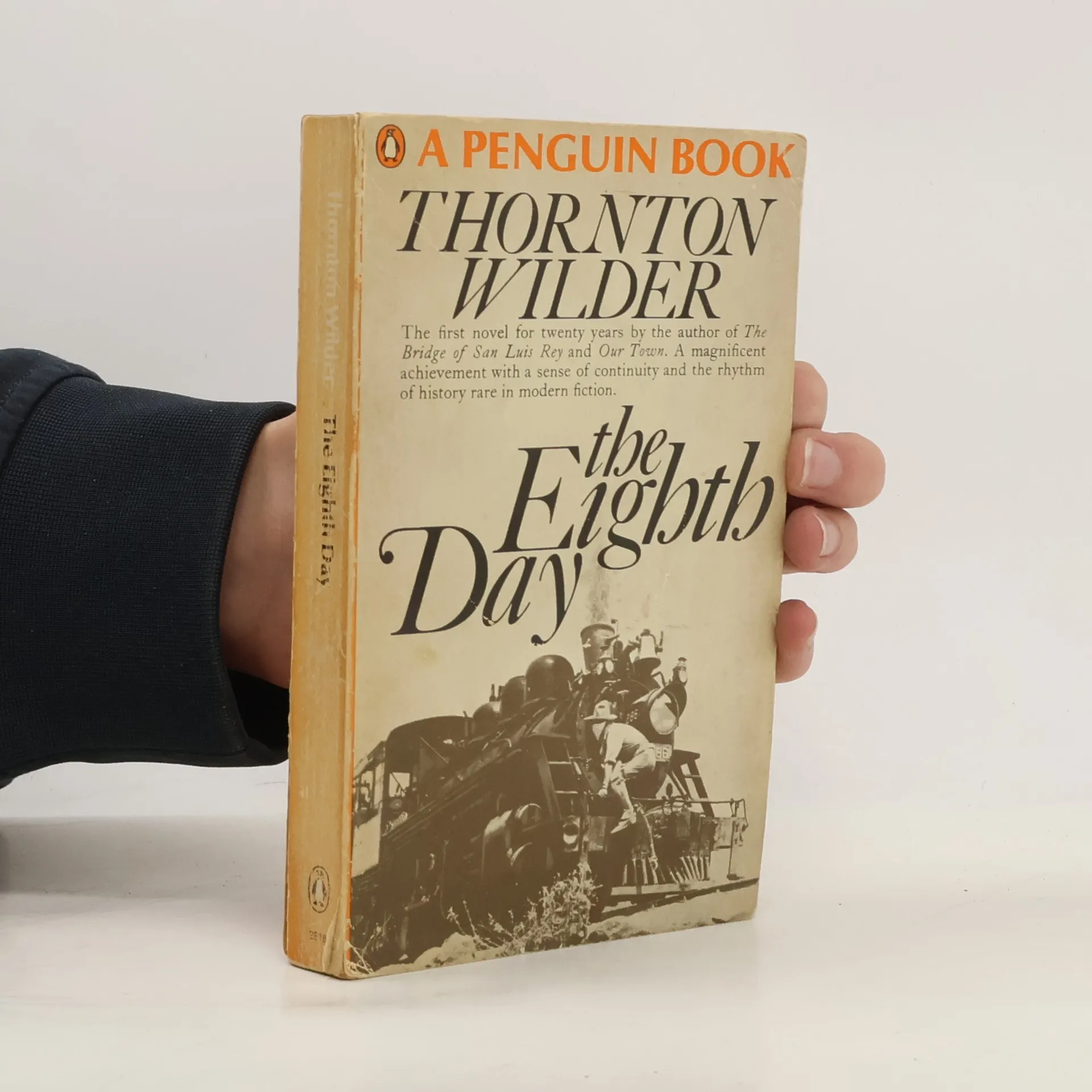
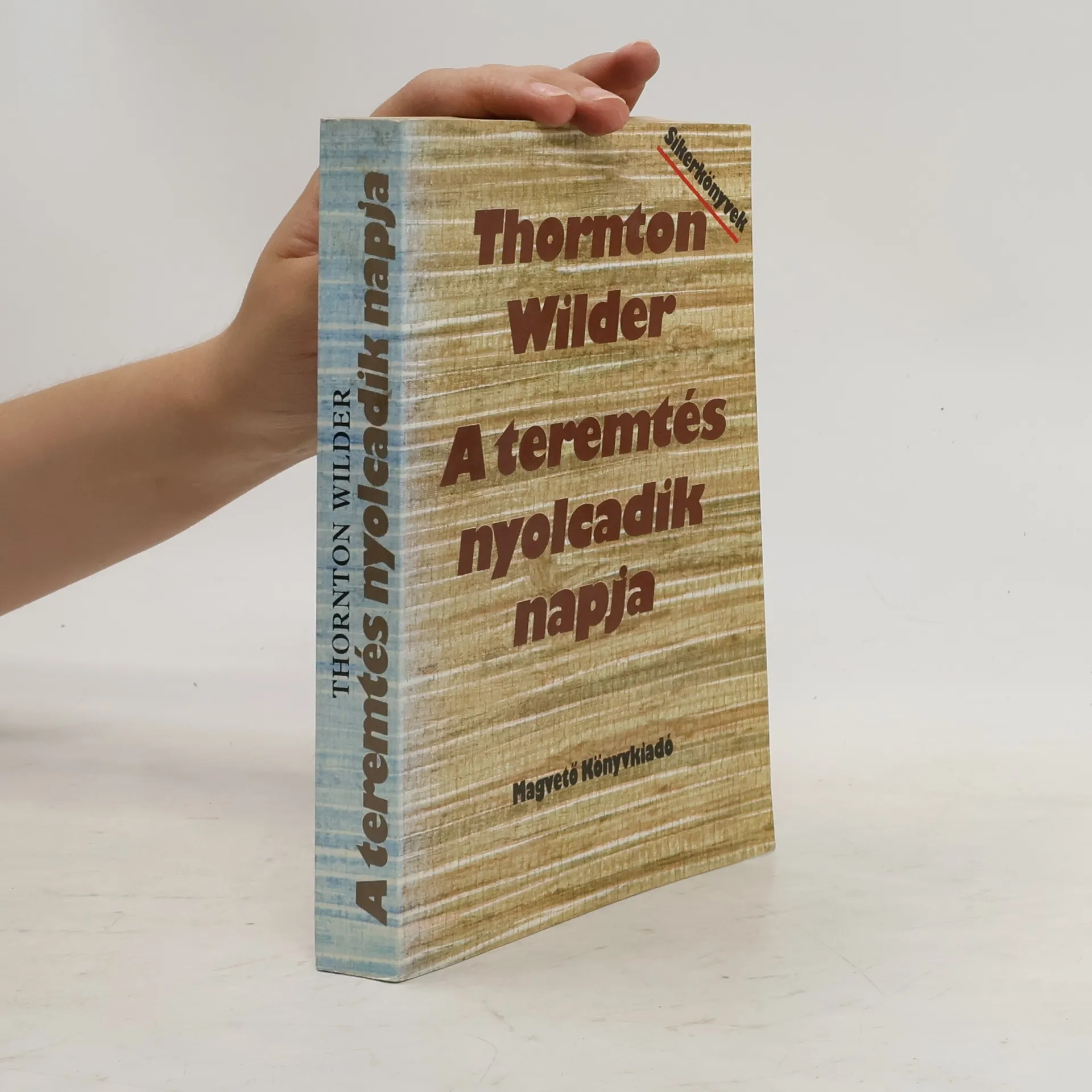
A teremtés nyolcadik napja
- 488pagine
- 18 ore di lettura
Ez az amerikai saga egy krimi történet: egy ártatlanul meggyilkolt személyt halálra ítélnek, majd a kivégzésre szállítás közben maszkosok kiszabadítják. Ő elkezdi a menekülését, családja soha többé nem látja. Visszatekintések és jövőbeli perspektívák révén fokozatosan bontakozik ki két amerikai család története, a meggyilkolt és a feltételezett gyilkos családja. A nagy regény mögött a lét és halál értelme iránti kérdés áll. "A teremtés nyolcadik napja" egy széleskörű, két évtizedet felölelő regény, amely frissességgel, gazdag tapasztalatokkal és mellékszálakkal, valamint cselekményekkel bővelkedik.
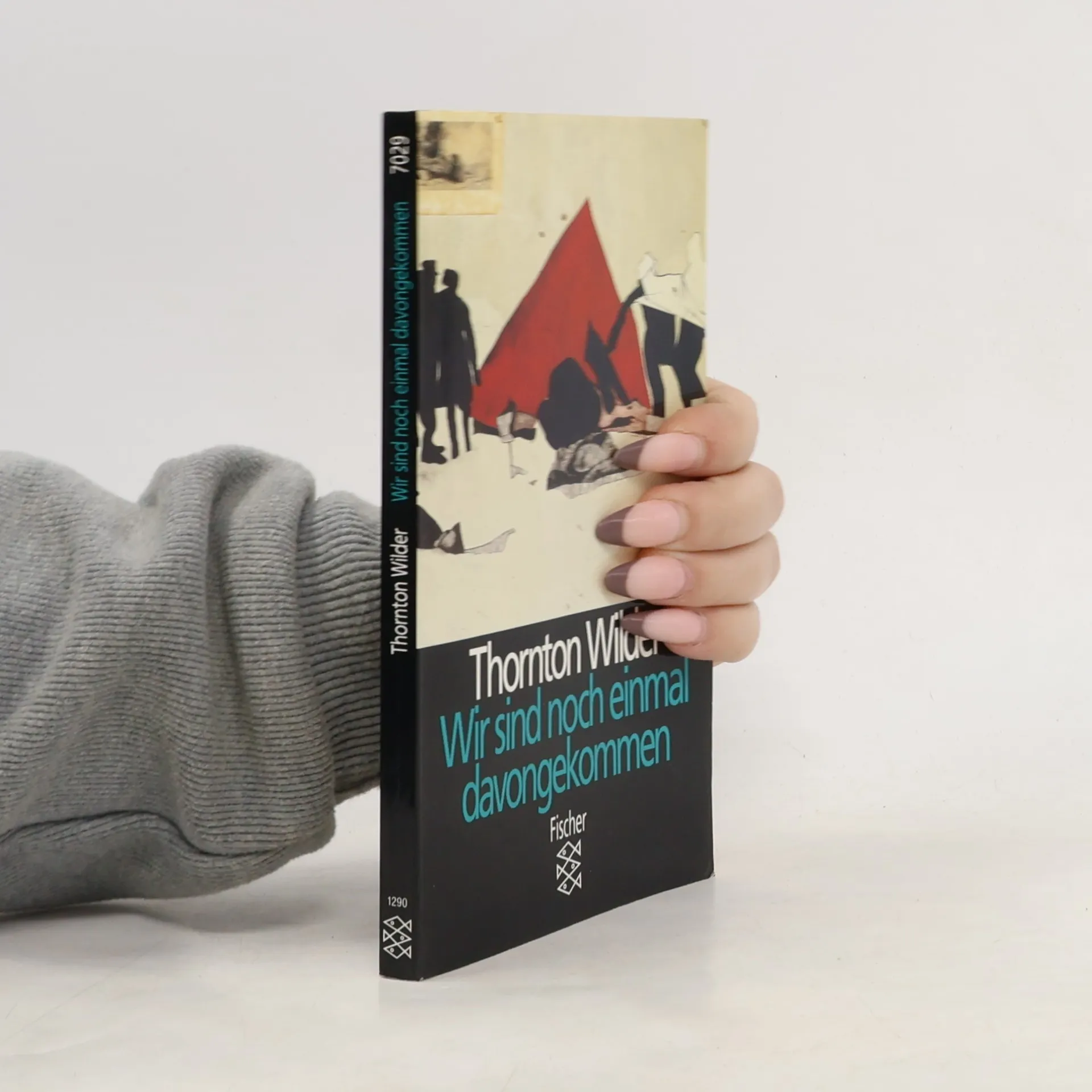
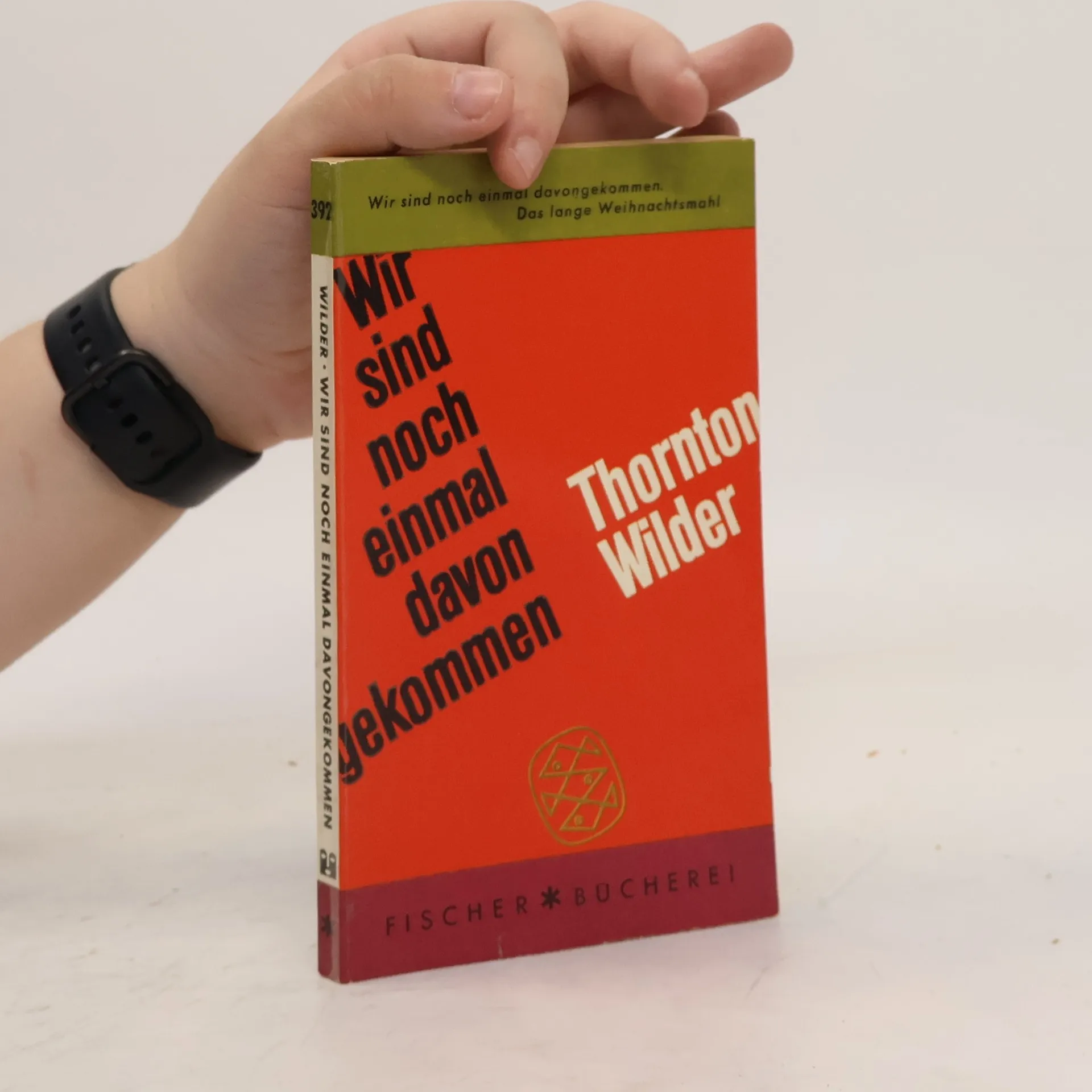
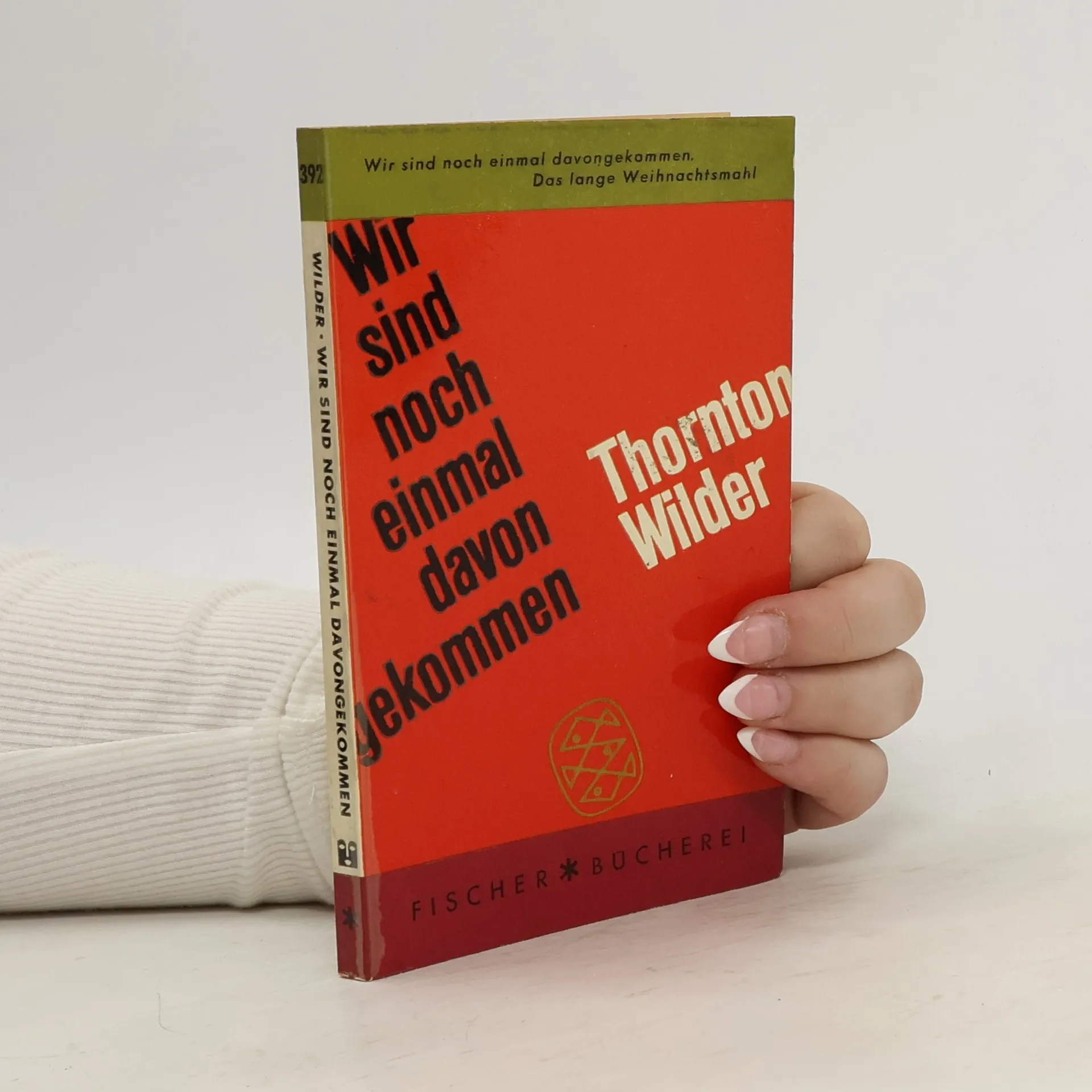
Wir sind noch einmal davongekommen
Schauspiel in drei Akten
Ein zeitloses Statement über menschliche Schwächen und menschliche Ausdauer, ist "Wir sind noch einmal davongekommen" Thornton Wilders brillantes, mit dem Pulitzer-Preis ausgezeichnetes Stück. Es kombiniert Farce, Burleske und Satire und zeigt eine ewige Familie, die eine Katastrophe nach der anderen übersteht, von der Antike bis zur Gegenwart. Treffen Sie George und Maggie Antrobus (seit 5.000 Jahren verheiratet); ihre beiden Kinder, Gladys und Henry (in jeder Hinsicht perfekt!); und ihre Dienerin, Sabina (die alterslose Vampirin), während sie Eis, Flut und Krieg überwinden – nur mit knapper Not. Witzig, clever und provokant zeigt "Wir sind noch einmal davongekommen" Wilders erzählerisches Genie und sein außergewöhnliches Talent, tief in die menschliche Psyche einzutauchen.
Zdanlivo autentické listy, výroky, tajné dokumenty, úvahy a spomienky vykresľujú, čo predchádzalo zavraždeniu Gaia Julia Caesara. Autor čerpal z rôznorodých, často i protichodných dobových materiálov, vďaka čomu jeho román vytvára široký obraz doby a spoločnosti v prvej polovici I. storočia p.n.l. Prvé slovenské vydanie.
Formou fiktivních dopisů poskládaných posledních osm měsíců vlády Julia Caesara, evokace atmosféry tehdejšího Říma, korespondence jeho přátel i nepřátel, vážených měšťanů Říma i Kleopatry.
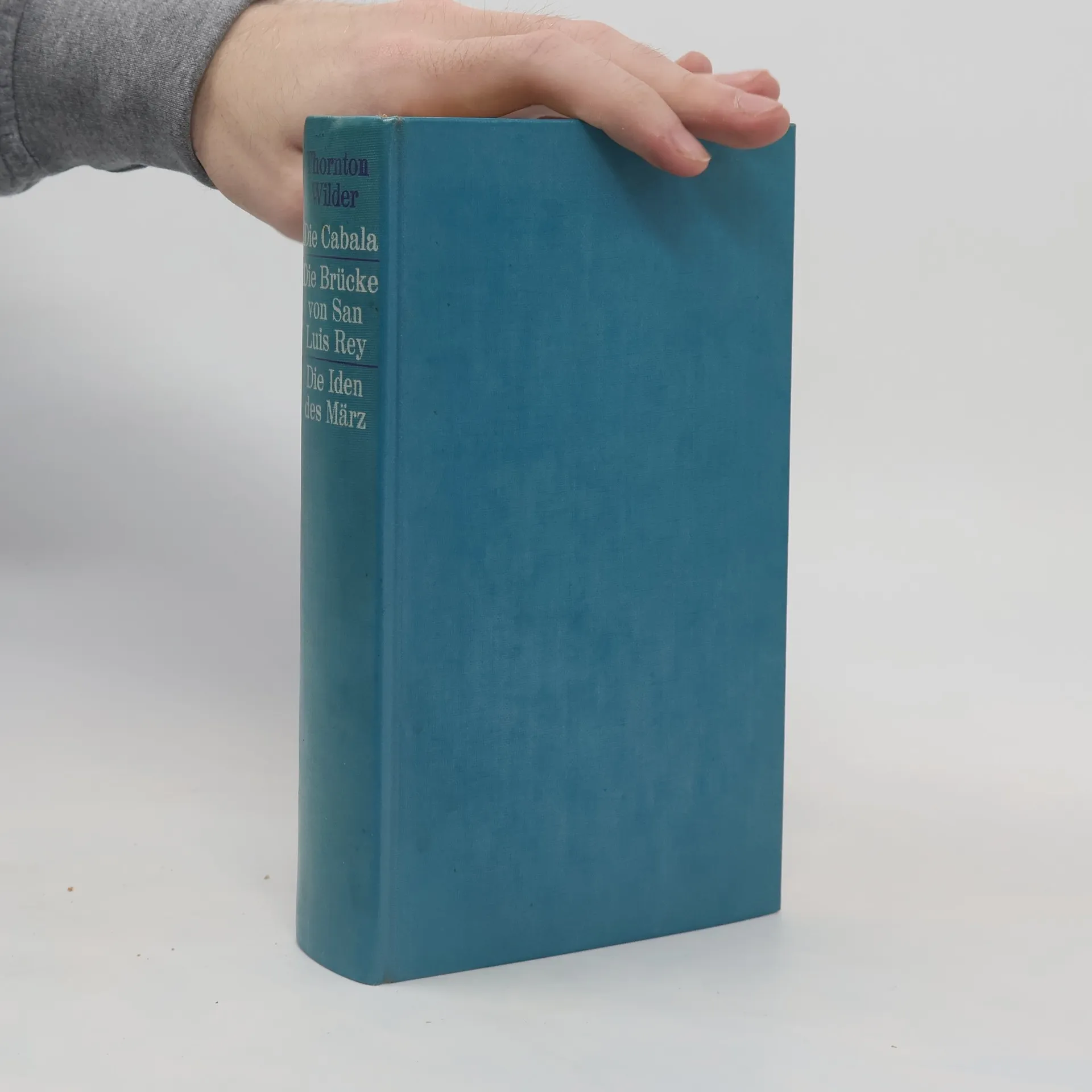
Drei Romane
Die Cabala. Die Brücke von San Luis Rey. Die Iden des März
Lesebuch
- 454pagine
- 16 ore di lettura
Die Tagebücher 1939 - 1961
- 411pagine
- 15 ore di lettura
Realistický román amerického dramatika a prozaika přináší panoramatický pohled na americký život na sklonku minulého a na počátku tohoto století. V hornickém městečku je zastřelen vážený občan a z vraždy je obviněn a k smrti odsouzen jeho blízký spolupracovník a přítel rodiny, přičemž cestou na popraviště je mu umožněn útěk. Autor, který rozvíjí, dotváří a objasňuje maloměstskou tragédii vraždy z filosofického nadhledu, se v románě zamýšlí s ironií i s neochabující humanistickou vírou nad osmým dnem lidstva – dvacátým stoletím.
Realistický román amerického dramatika a prozaika prináša panoramatický pohľad na americký život na sklonku minulého a na počiatku tohto storočia. V horníckom mestečku je zastrelený vážený občan a z vraždy je obvinený a k smrti odsúdený jeho blízky spolupracovník a priateľ rodiny, pričomcestou na popravisko je mu umožnený útek. Autor, ktorý rozvíja, dotvára a objasňuje malomestskú tragédiu vraždy z filozofického nadhľadu, sa v románe zamýšľa s iróniou i s neochabujúcou humanistickou vierou nad ôsmym dňom ľudstva – dvadsiatym storočím.
Wir sind noch einmal davongekommen
Das lange Weihnachtsmahl