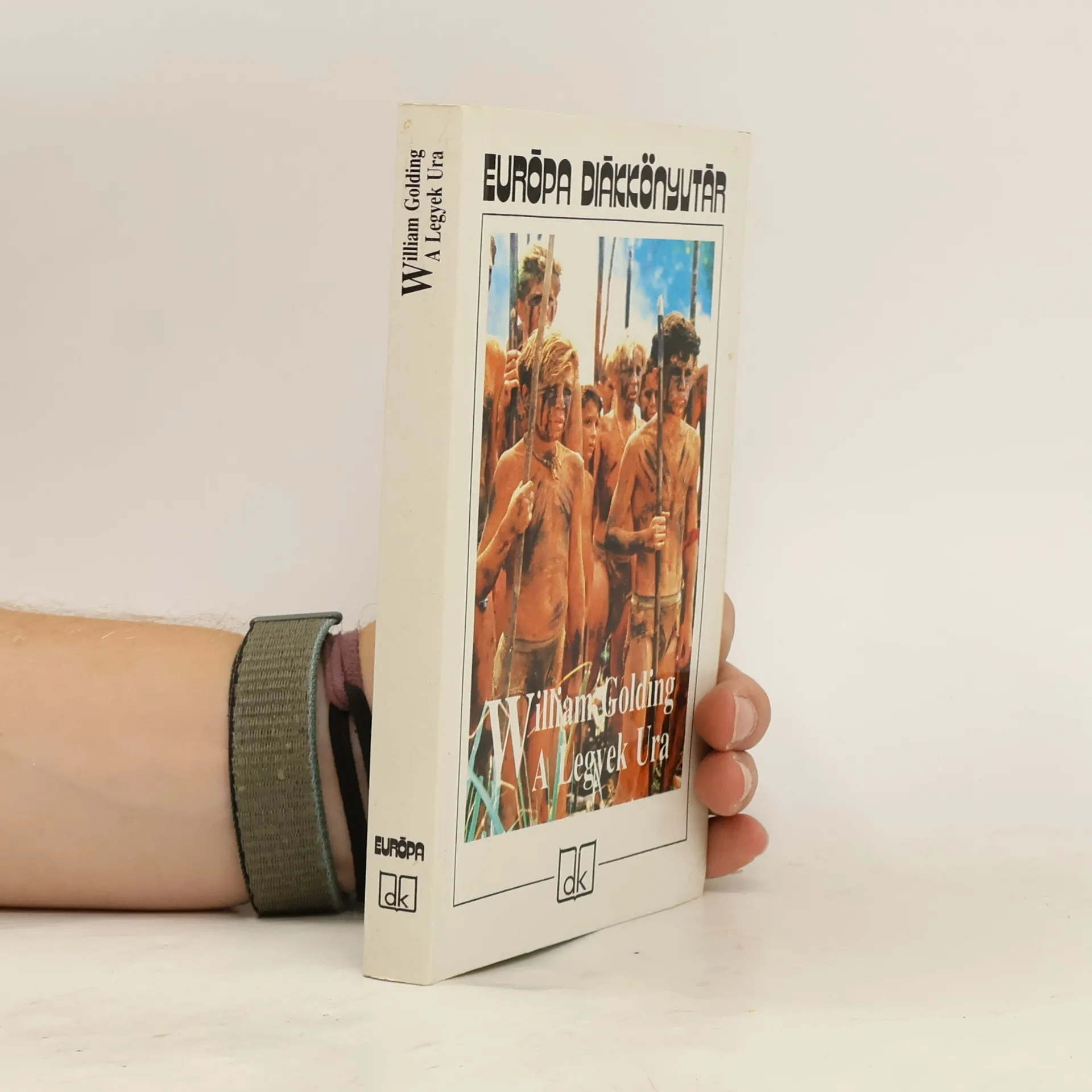
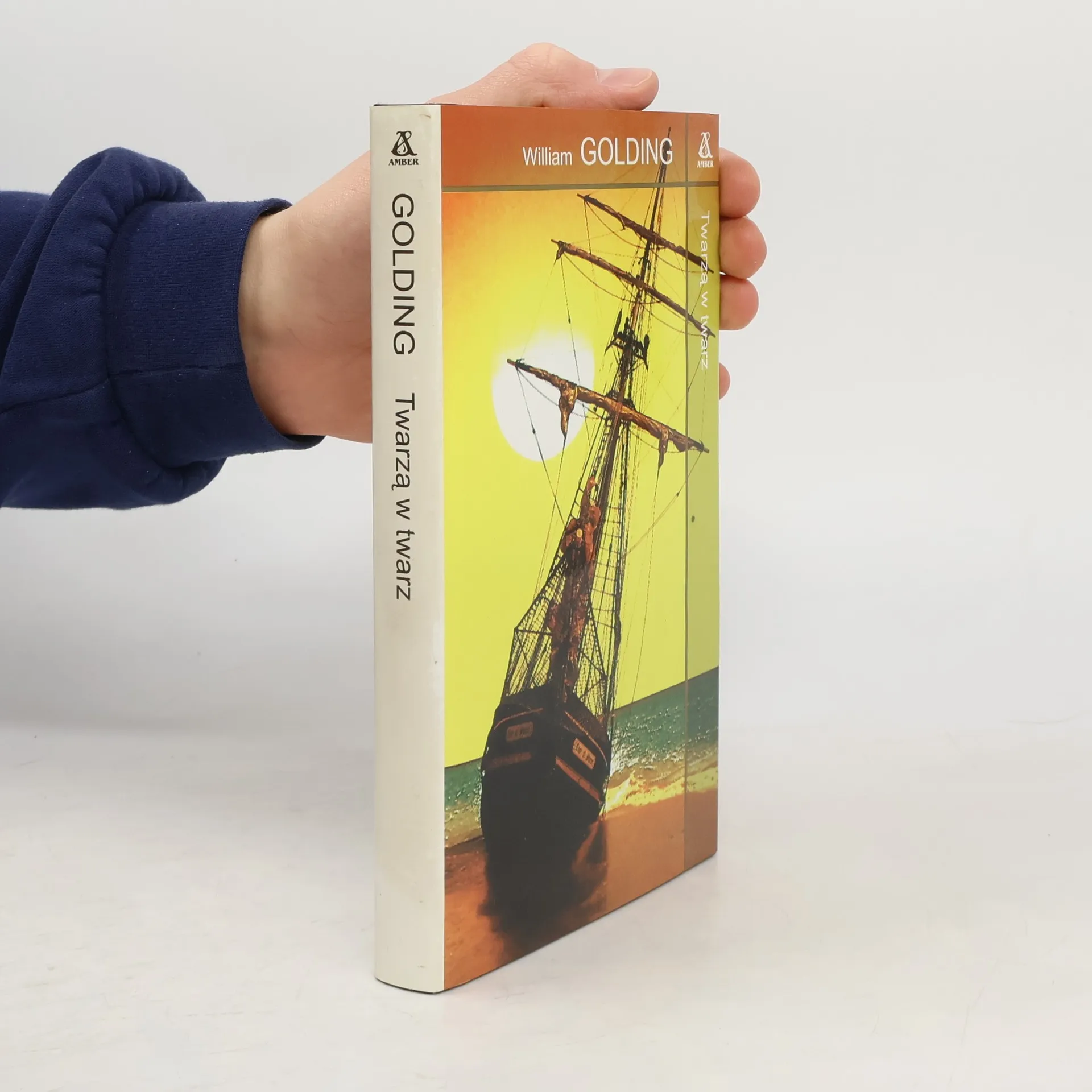
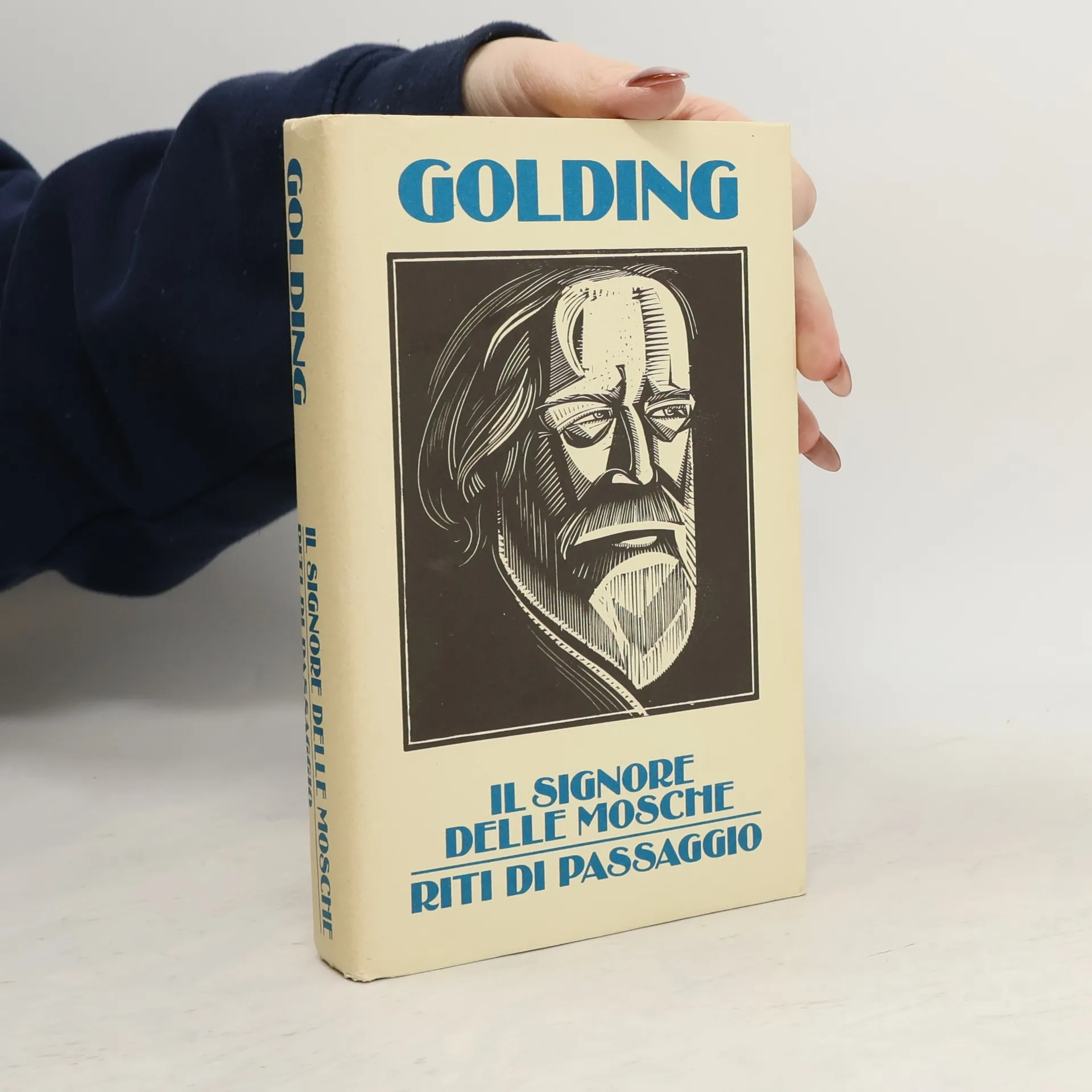
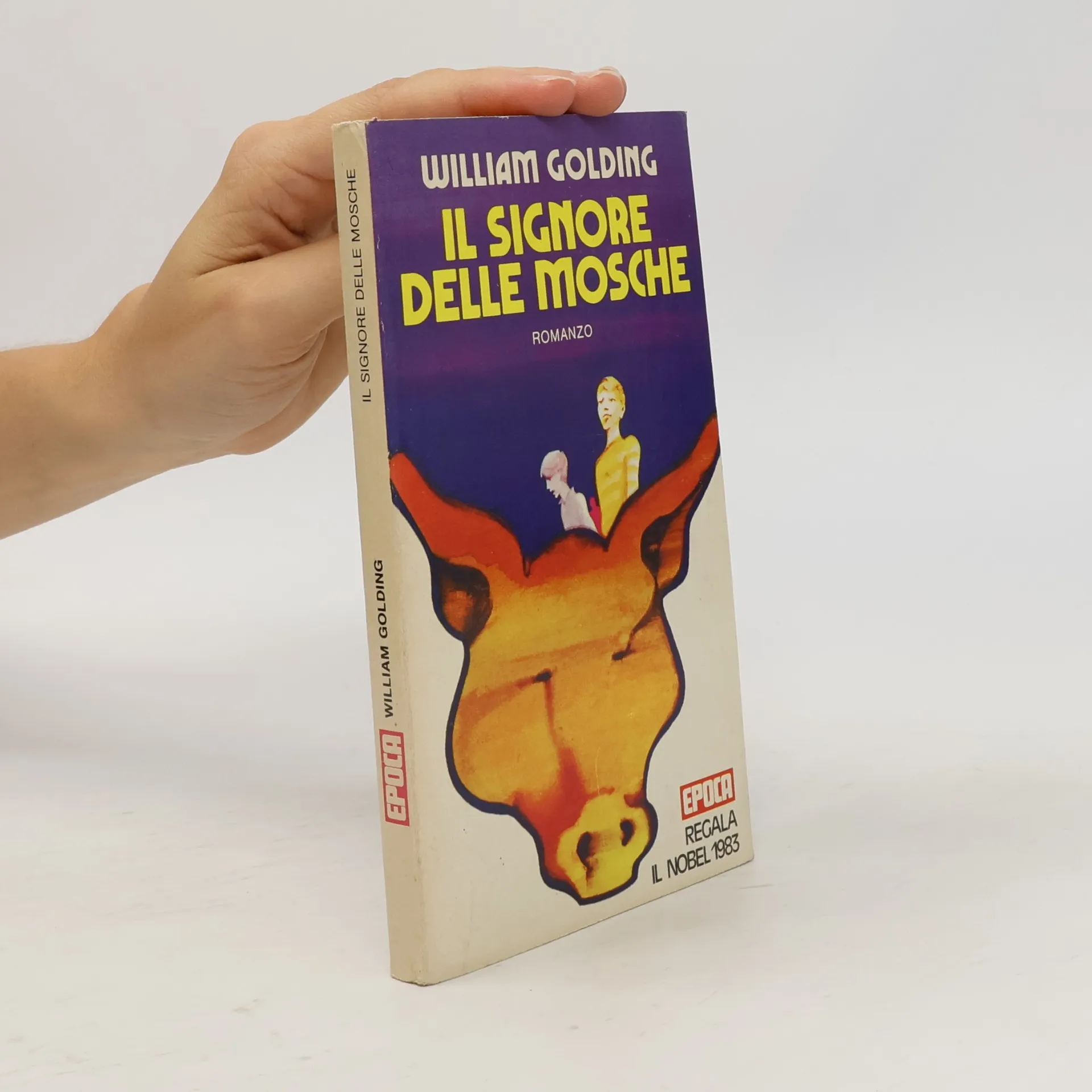
Un gruppo di bambini inglesi, sopravvissuti a un incidente aereo, resta abbandonato a se stesso su un'isola deserta. All'inizio tutto ha il sapore di una piacevole vacanza: l'isola è ricca di alberi da frutto, di piccoli cinghiali, c'è perfino un fiume che forma in prossimità del mare una piscina di acqua dolce. I ragazzetti si sentono gli eroi di una straordinaria avventura, si costituiscono in una piccola comunità democraticamente organizzata con un capo, Ralph, un esercito di cacciatori agli ordini di Jack, un parlamento costituito sull'esempio della collettività degli adulti. La ribellione agli ordini e alle leggi, fomentata da Jack, trasformerà questi giovani prodotti della civiltà moderna in una terribile tribù di selvaggi sanguinari dai macabri riti. Il Signore delle Mosche, una testa di porco brulicante di insetti, infissa in un palo nel folto della foresta, non è solo una maschera simbolica, ma è anche la traduzione letterale di Belzebub, biblica radice di ogni male.
William Golding Libri
William Golding fu un romanziere britannico la cui opera si addentra frequentemente negli aspetti più oscuri della natura umana e delle strutture sociali. La sua scrittura è profondamente informata dalla letteratura classica e dalle sue esperienze durante la Seconda Guerra Mondiale, conferendo alle sue narrazioni un potente peso allegorico e complessità morale. Golding impiega magistralmente simbolismo e profondità psicologica per esplorare le forze fondamentali che plasmano il comportamento umano, offrendo ai lettori intuizioni provocatorie e senza tempo.



'Aimée de Jongh's stunning reimagining has a visceral impact all its own .' The Times 'Beautifully imagined ... so poignant and relevant.' CHRIS MOULD 'Just as compelling and evocative as Golding's world-shaking masterpiece.' Comics Review Before The Stand and The Hunger Games, before Battle Royale and Yellowjackets, there was Lord of the Flies. A plane crashes on a desert island. The only survivors, a group of schoolboys. By day, they explore the dazzling beaches. By night, they are haunted by nightmares of a primitive beast and of what they've lost. 'There aren't any grown-ups anywhere.' Orphaned by society, they must forge their own; but it isn't long before the group is split, and their innocent games take a dangerous turn. 'What are we? Humans? Or Animals?' For the first time, from acclaimed artist Aimée de Jongh, comes the stunning graphic novel adaptation of this classic story, one of the BBC's '100 Novels that shaped our World'.
The Inheritors. With a new introduction by John Carey
- 240pagine
- 9 ore di lettura
As spring arrives, the remaining people return from the sea, but they encounter terrifying and unprecedented events. Unbeknownst to them, their time as a people is already coming to an end.
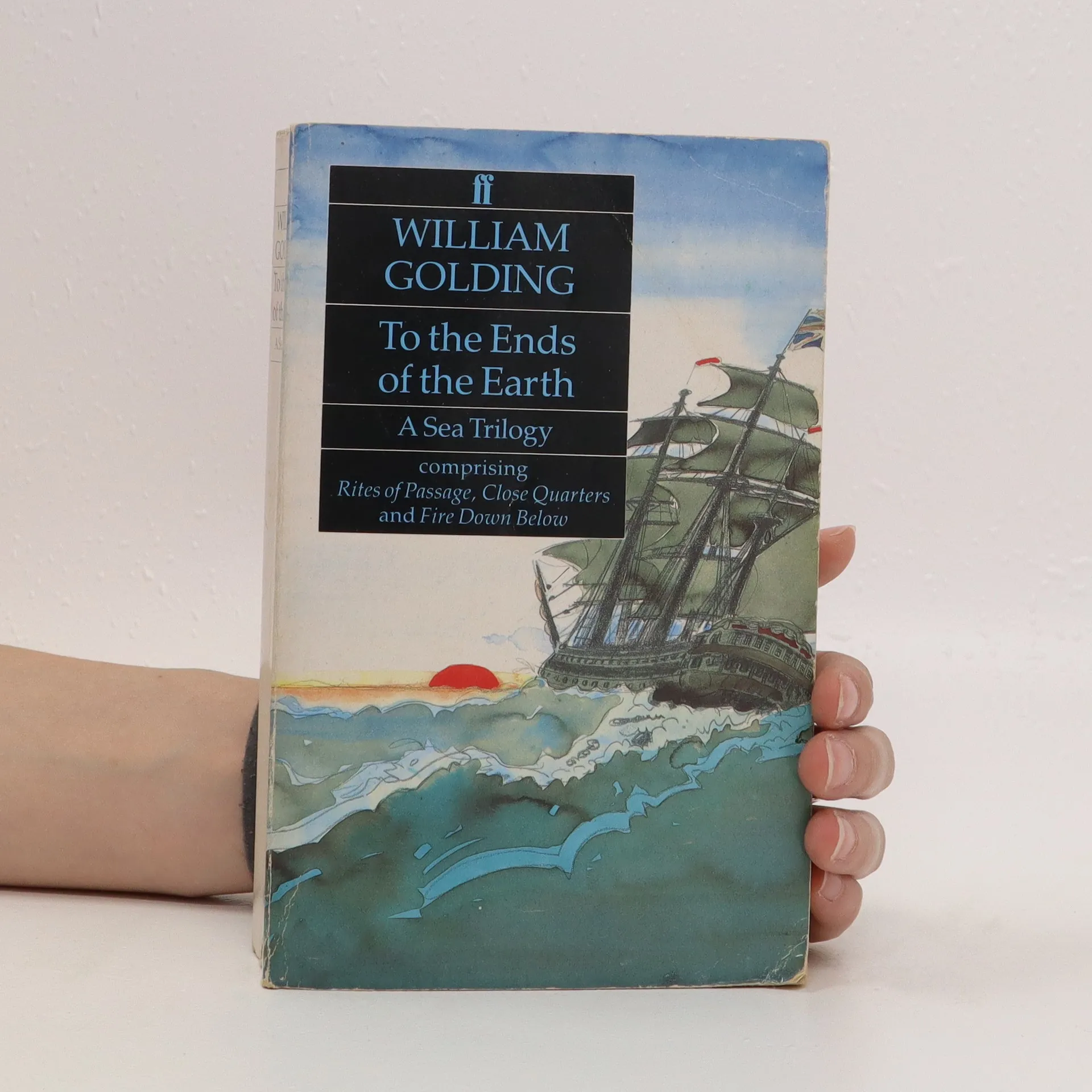
To the Ends of the Earth
- 768pagine
- 27 ore di lettura
Sea novels set in the early nineteenth century.__
Close Quarters
- 288pagine
- 11 ore di lettura
In a wilderness of heat, stillness and sea mists, a ball is held on a ship becalmed halfway to Australia. In this surreal, fecirc;te-like atmosphere the passengers dance and flirt, while beneath them thickets of weed like green hair spread over the hull. The sequel to Rites of Passage, Close Quarters, the second volume in Golding's acclaimed sea trilogy, is imbued with his extraordinary sense of menace. Half-mad with fear, with drink, with love and opium, everyone on this leaky, unsound hulk is 'going to pieces'. And in a nightmarish climax the very planks seem to twist themselves alive as the ship begins to come apart at the seams.
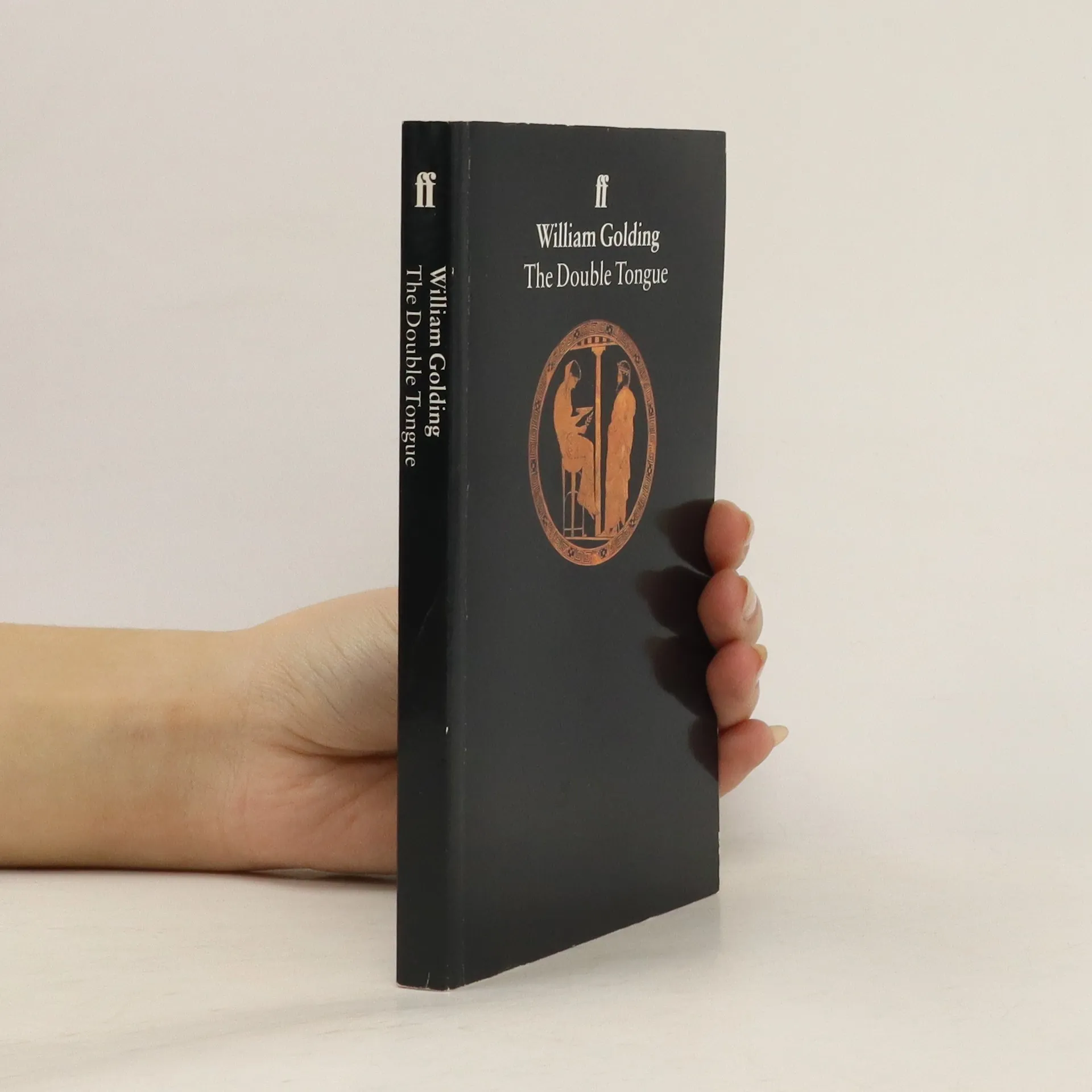
The Double Tongue
- 160pagine
- 6 ore di lettura
A short novel, left in draft form when the author died suddenly in 1993. Portraying a woman's experience - something rare in Golding's oeuvre - the story features one of his finest creations, Arieka the Pythia.
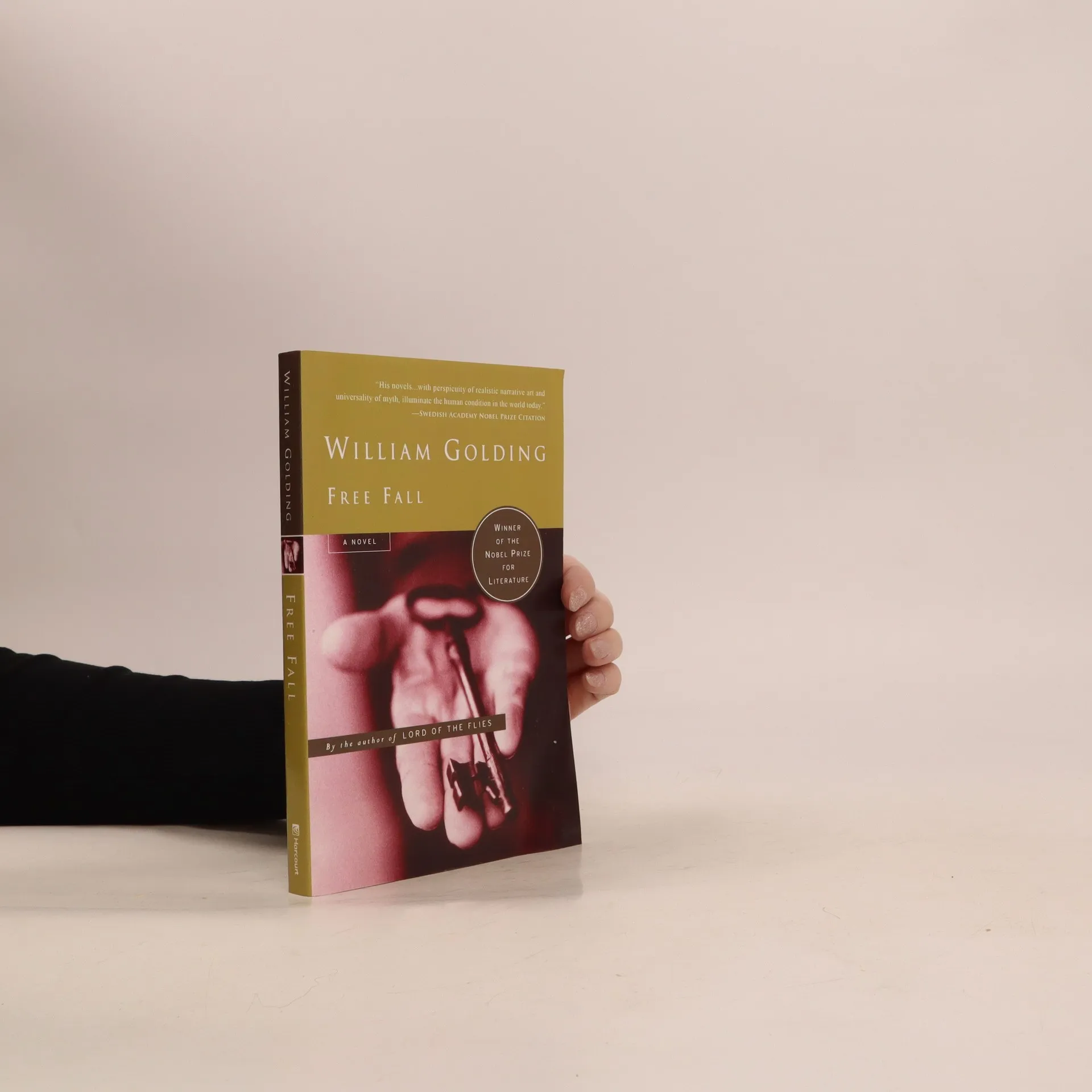
Free Fall
- 264pagine
- 10 ore di lettura
"I was standing up, pressed back against the wall, trying not to breathe. I got there in the one movement my body made. My body had many hairs on legs and belly and chest and head, and each had its own life; each inherited a hundred thousand years of loathing and fear for things that scuttle or slide or crawl." from Free Fall Sammy Mountjoy, artist, rises from poverty and an obscure birth to see his pictures hung in the Tate Gallery. Swept into World War II, he is taken as a prisoner-of-war, threatened with torture, then locked in a cell of total darkness to wait. He emerges from his cell like Lazarus from the tomb, seeing infinity in a grain of sand and eternity in an hour. Transfigured by his ordeal, he begins to realize what man can be and what he has gradually made of himself through his own choices. He determines to find the exact point at which the accumulated weight of those choices has deprived him of free will.
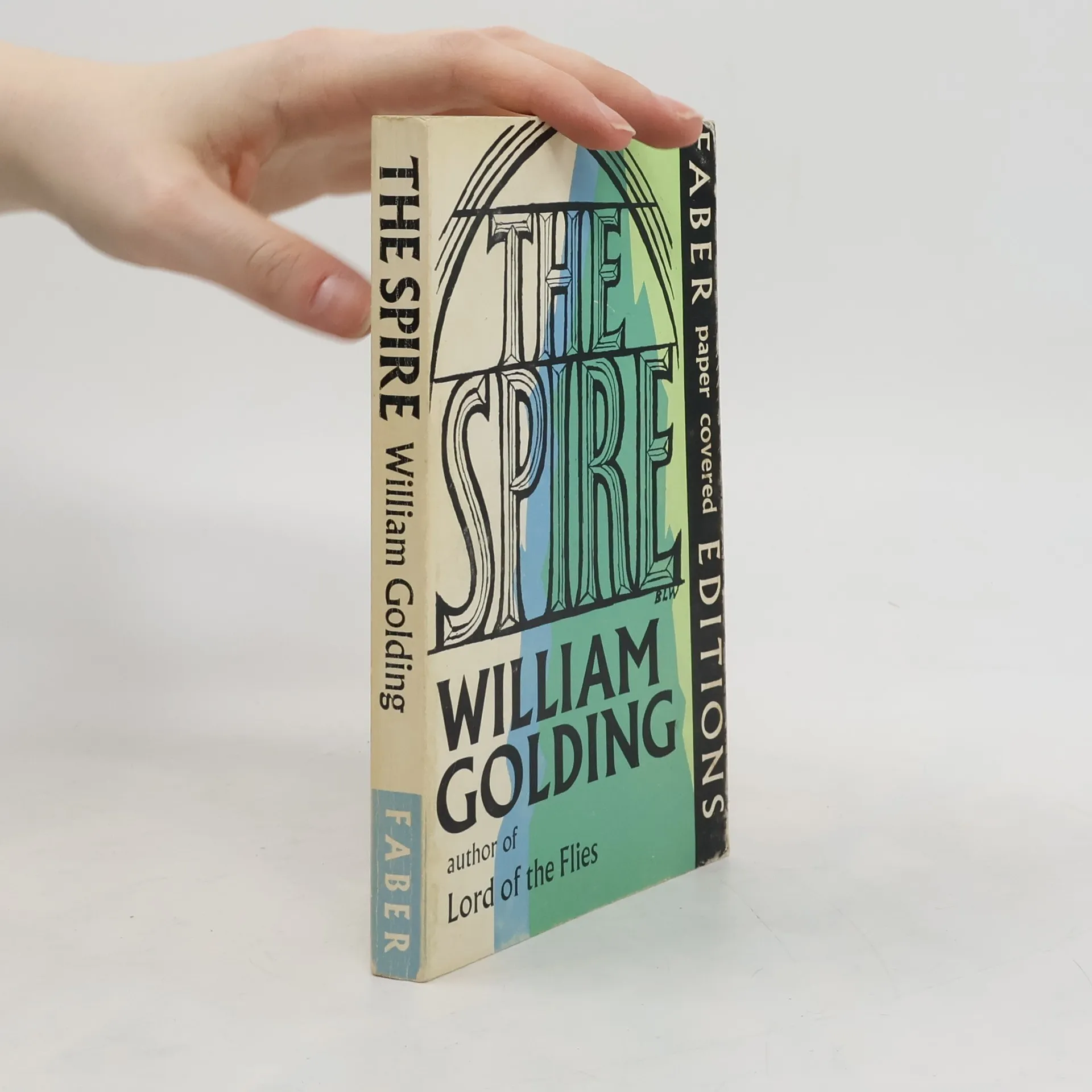
One man's vision of erecting a magnificent cathedral spire heralds apocalypse in this epic tale of obsession by the radical Nobel Laureate and author of Lord of the Flies, William Golding (recorded by Benedict Cumberbatch as an audiobook). There were three sorts of people.
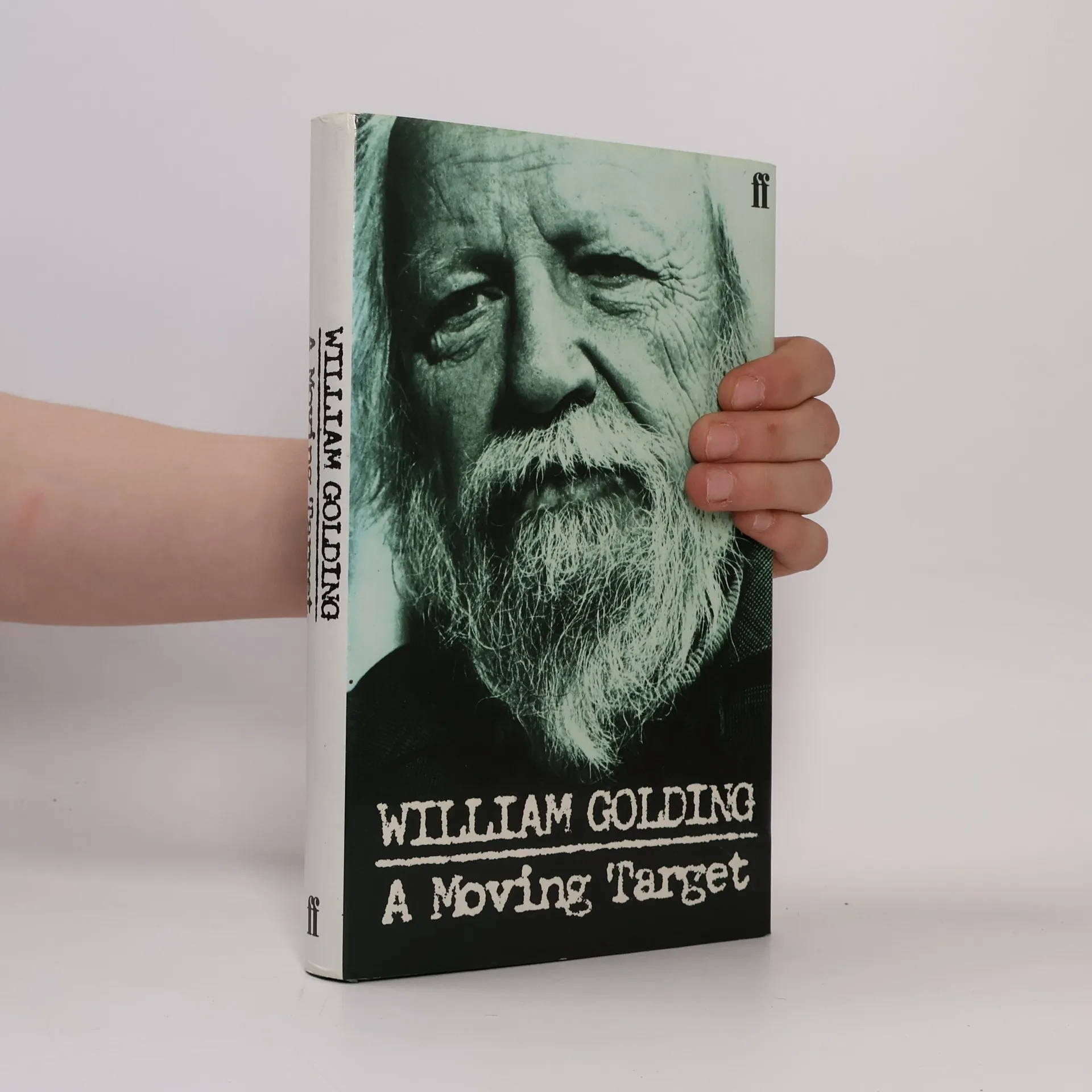
A Moving Target
- 202pagine
- 8 ore di lettura
A Moving Target is a collection of essays and lectures written by William Golding. It was first published in 1982 by Faber and Faber but subsequent reprints included Golding's Nobel Prize lecture which he gave after being awarded the honour in 1983. The book is divided into the two sections of "Places" and "Ideas".
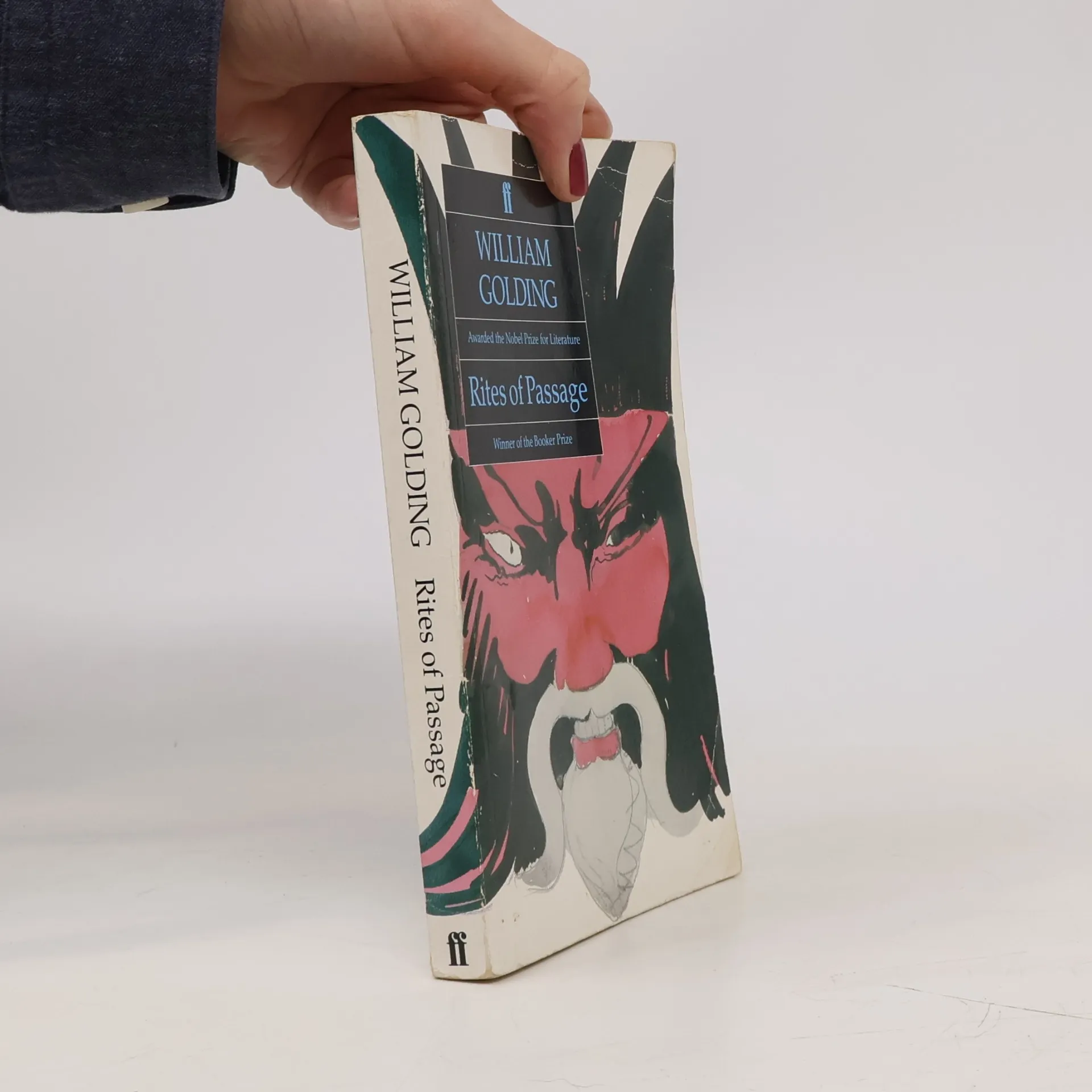
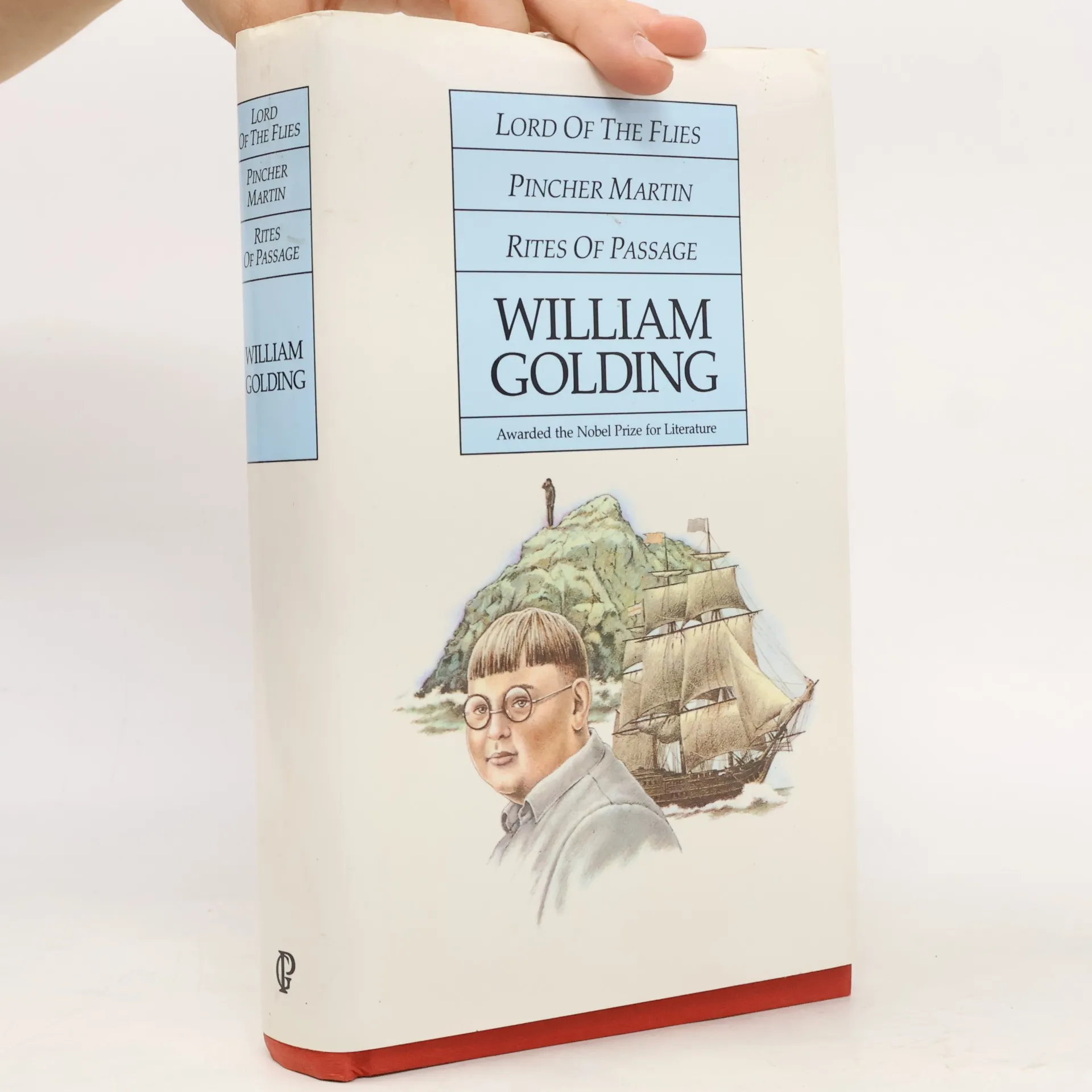
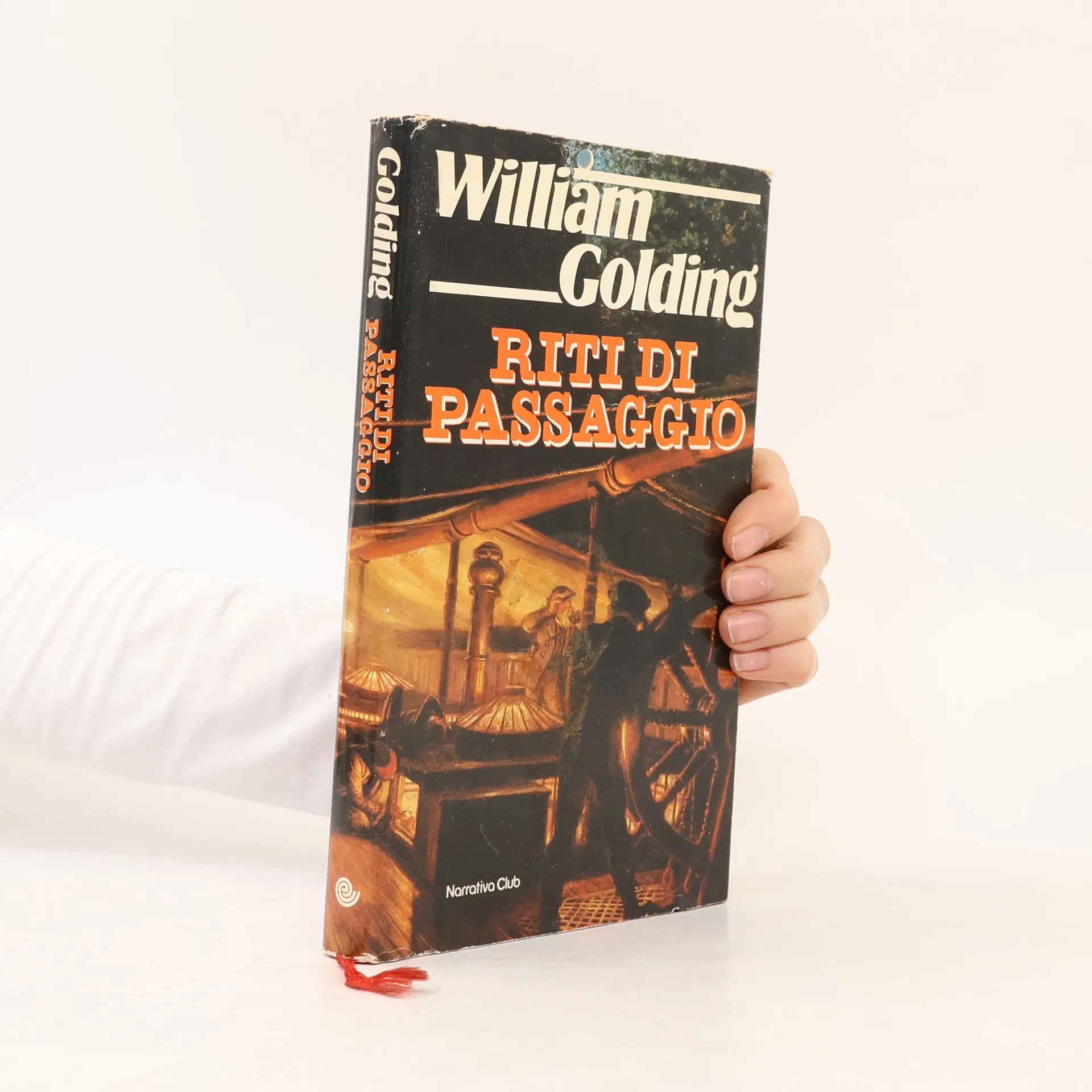
Rites of passage
- 288pagine
- 11 ore di lettura
The first volume of William Golding's Sea Trilogy. Sailing to Australia in the early years of the nineteenth century, Edmund Talbot keeps a journal to amuse his godfather back in England. Full of wit and disdain, he records the mounting tensions on the ancient, stinking warship where officers, sailors, soldiers and emigrants jostle in the cramped spaces below decks. Then a single passenger, the obsequious Reverend Colley, attracts the animosity of the sailors, and in the seclusion of the fo'castle something happens to bring him into a 'hell of degradation', where shame is a force deadlier than the sea itself.
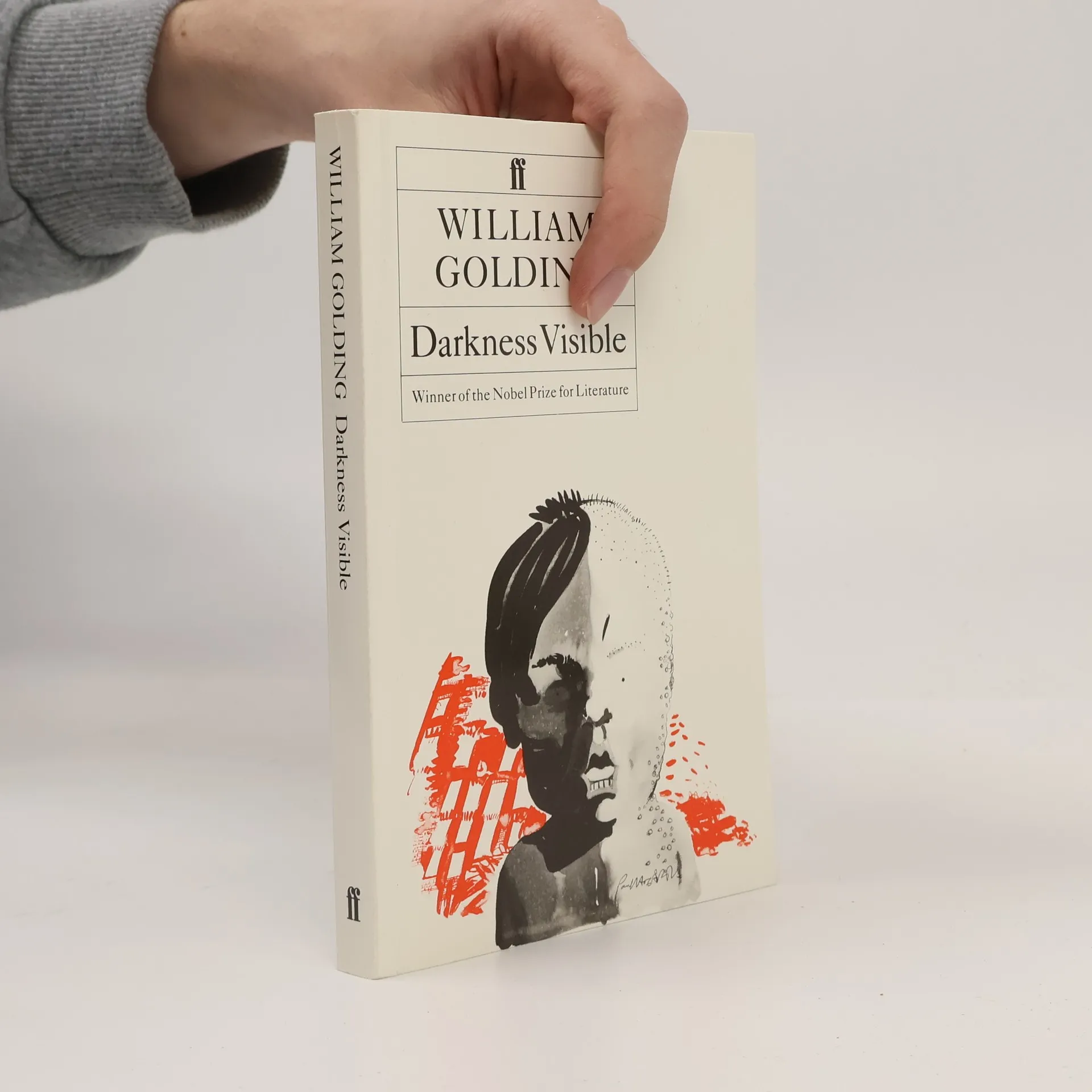
Darkness Visible
- 265pagine
- 10 ore di lettura
A reissue of the tour de force by the Nobel laureate that is a vision of elemental reality so vivid we seem to hallucinate the scenes (The New York Times Book Review). It opens during the London blitz, when a naked child steps out of an all-consuming fire; that child, Matty, becomes a wanderer and a seeker. Two more lost children await him, twins as exquisite as they are loveless. In a final conflagration, William Golding' s book lights up both the inner and outer darknesses of our time.
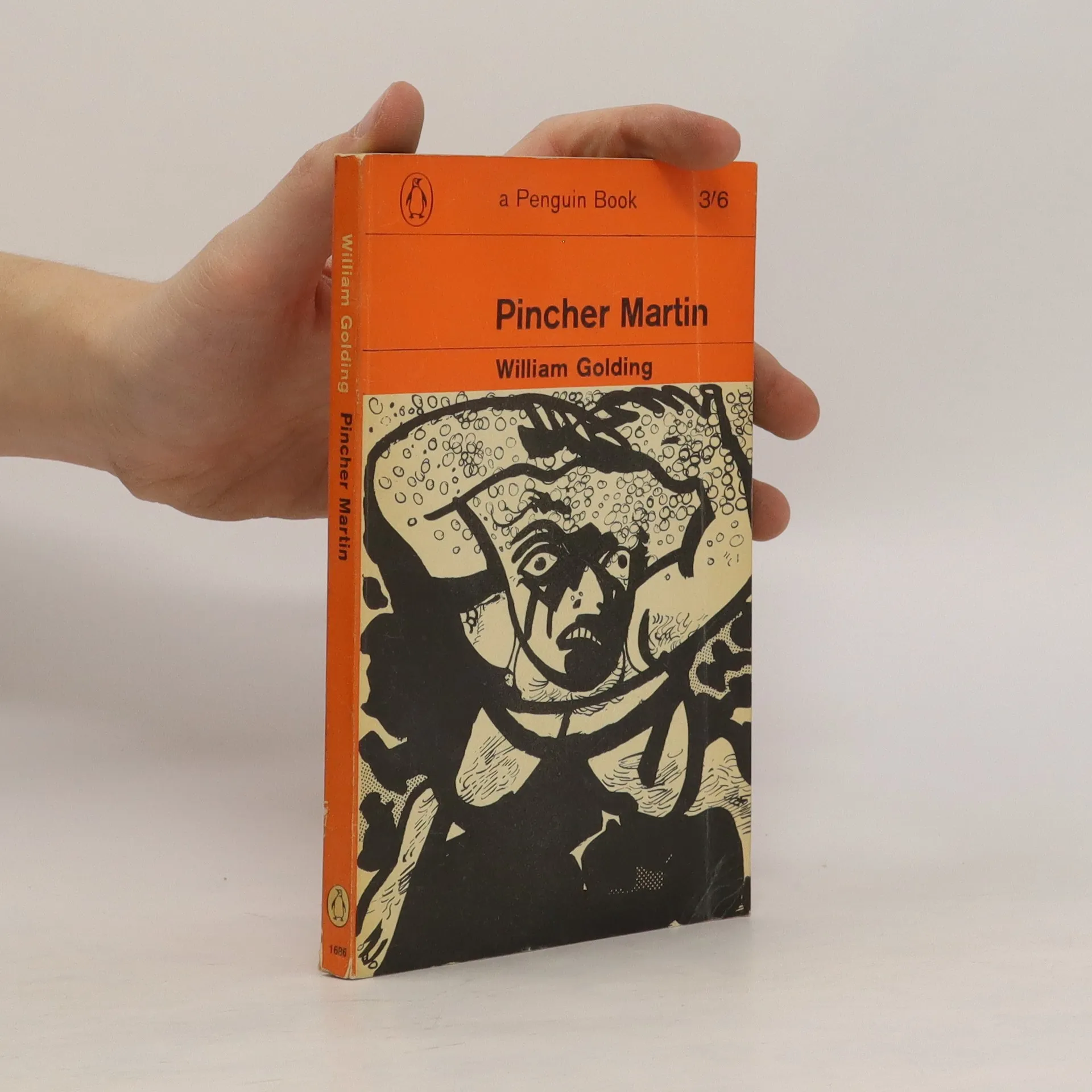
The sole survivor of a torpedoed destroyer is miraculously cast up on a huge, barren rock in mid-Atlantic. Pitted against him are the sea, the sun, the night cold, and the terror of his isolation. At the core of this raging tale of physical and psychological violence lies Christopher Martin' s will to live as the sum total of his life.
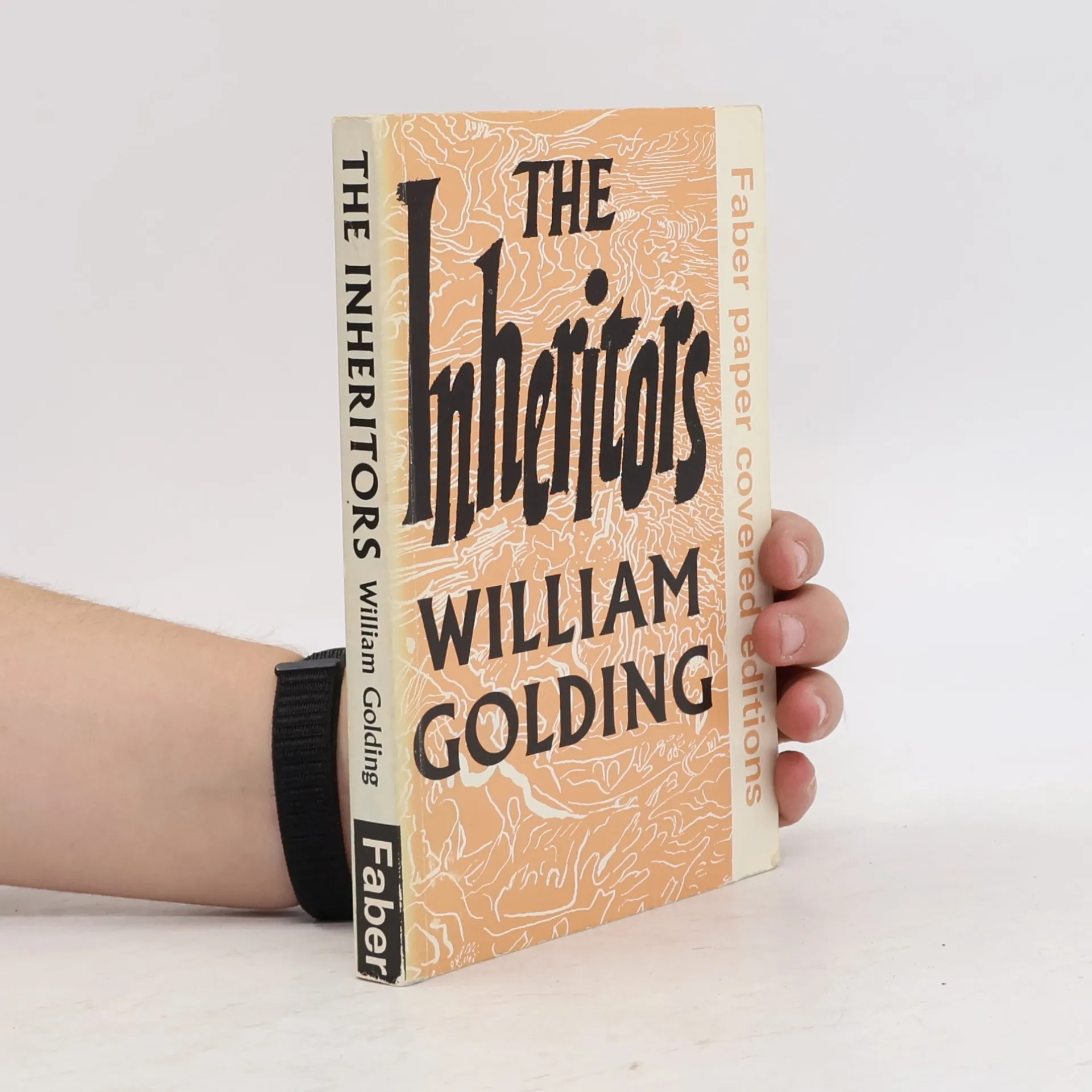
The inheritors
- 233pagine
- 9 ore di lettura
This is a new release of the original 1955 edition.
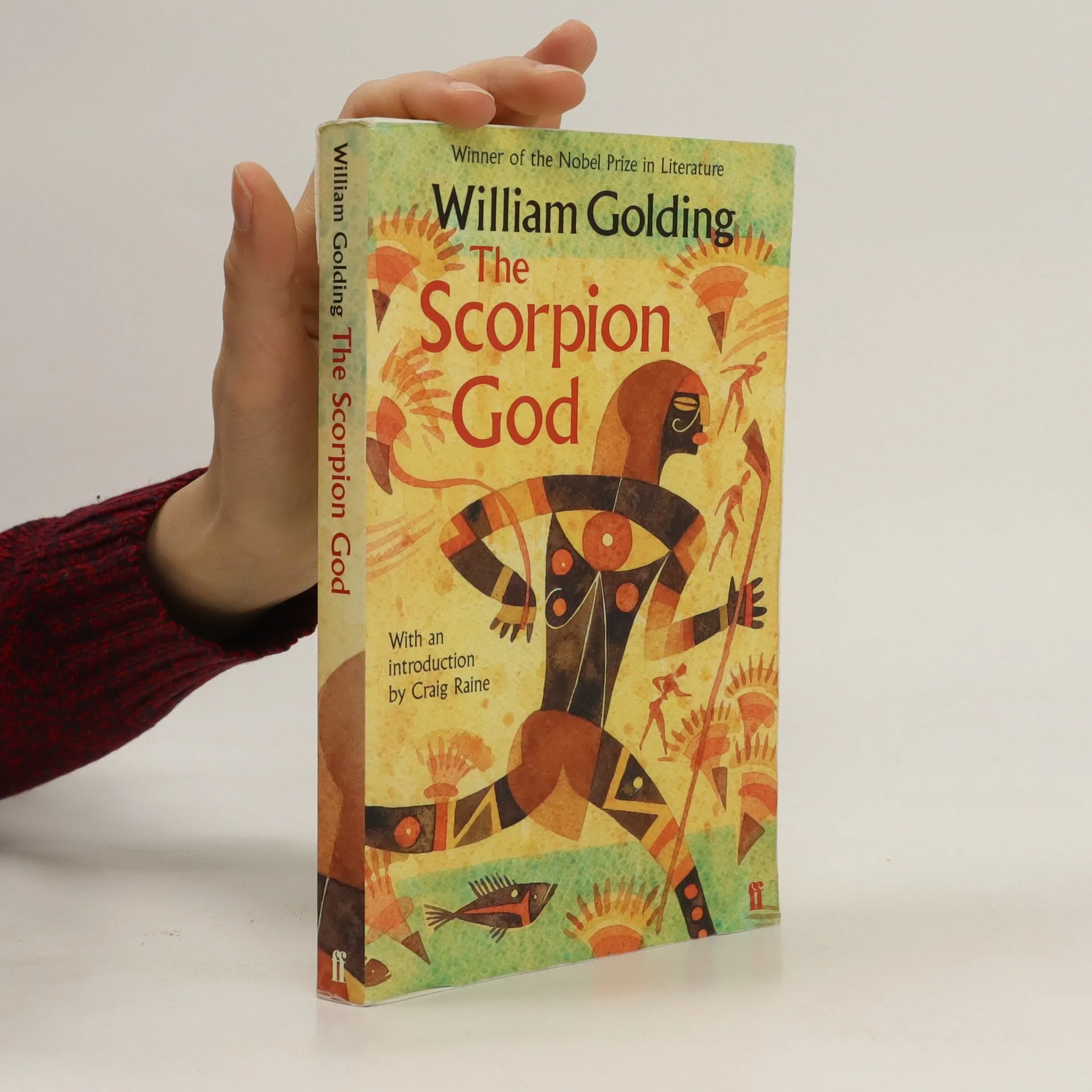
The Scorpion God
- 256pagine
- 9 ore di lettura
'Clonk Clonk' plunges us into an even more ancient way of life, primitive, delightful, matriarchal. It contains one of Golding's most appealing female characters, as well as a fascinating and surprising portrayal of masculinity. 'Envoy Extraordinary' brings to life the court of a Roman emperor, nameless, benign yet accustomed to power. He is confronted by a brilliant but unsophisticated Greek whose fertile inventions, centuries before their time, include printing, the pressure cooker, and explosives. This story, later adapted by.
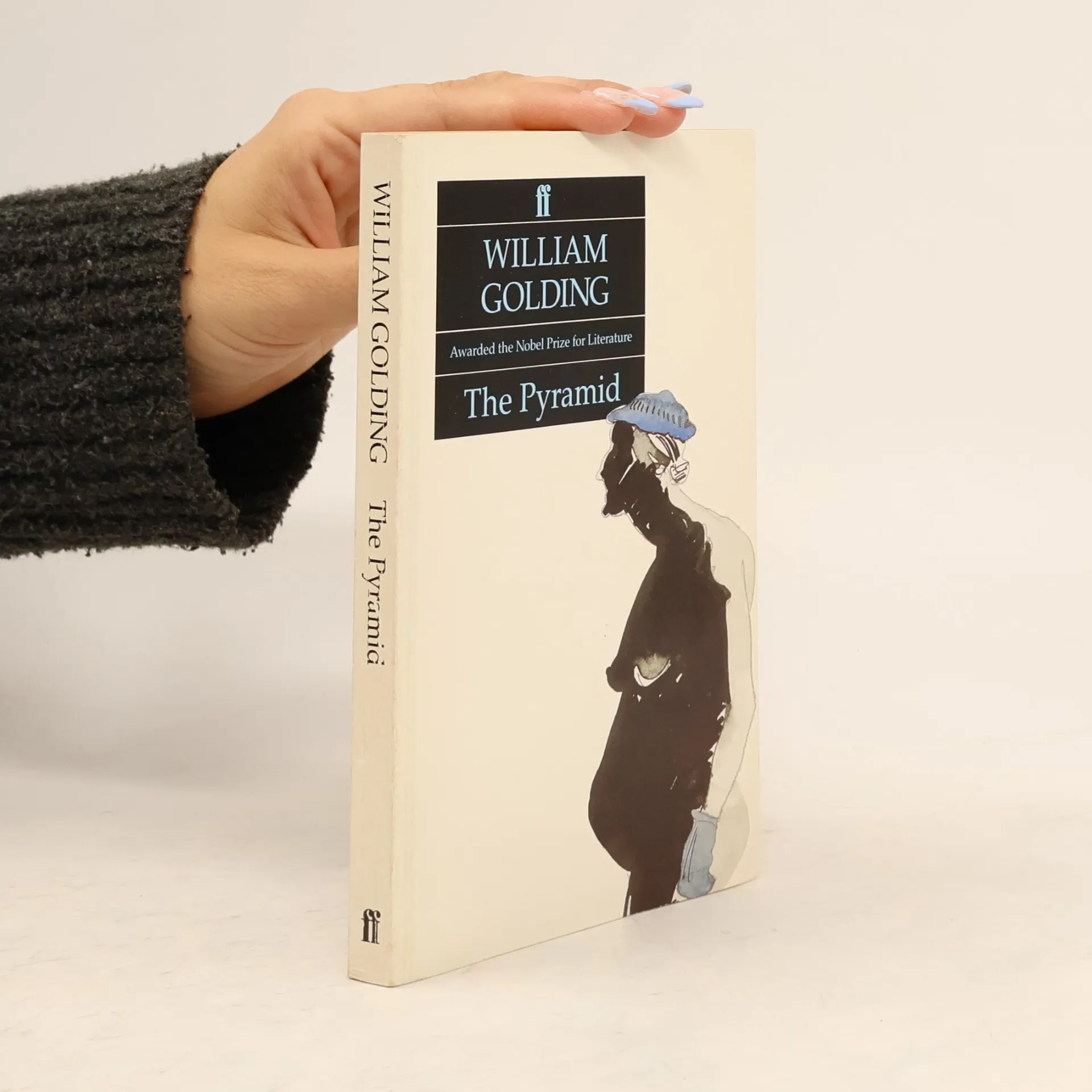
The Pyramid
- 224pagine
- 8 ore di lettura
A paperback edition of a novel first published in 1967, which explores the painful awkwardness of the late teens, and all the tragedy and farce of life in a small community.
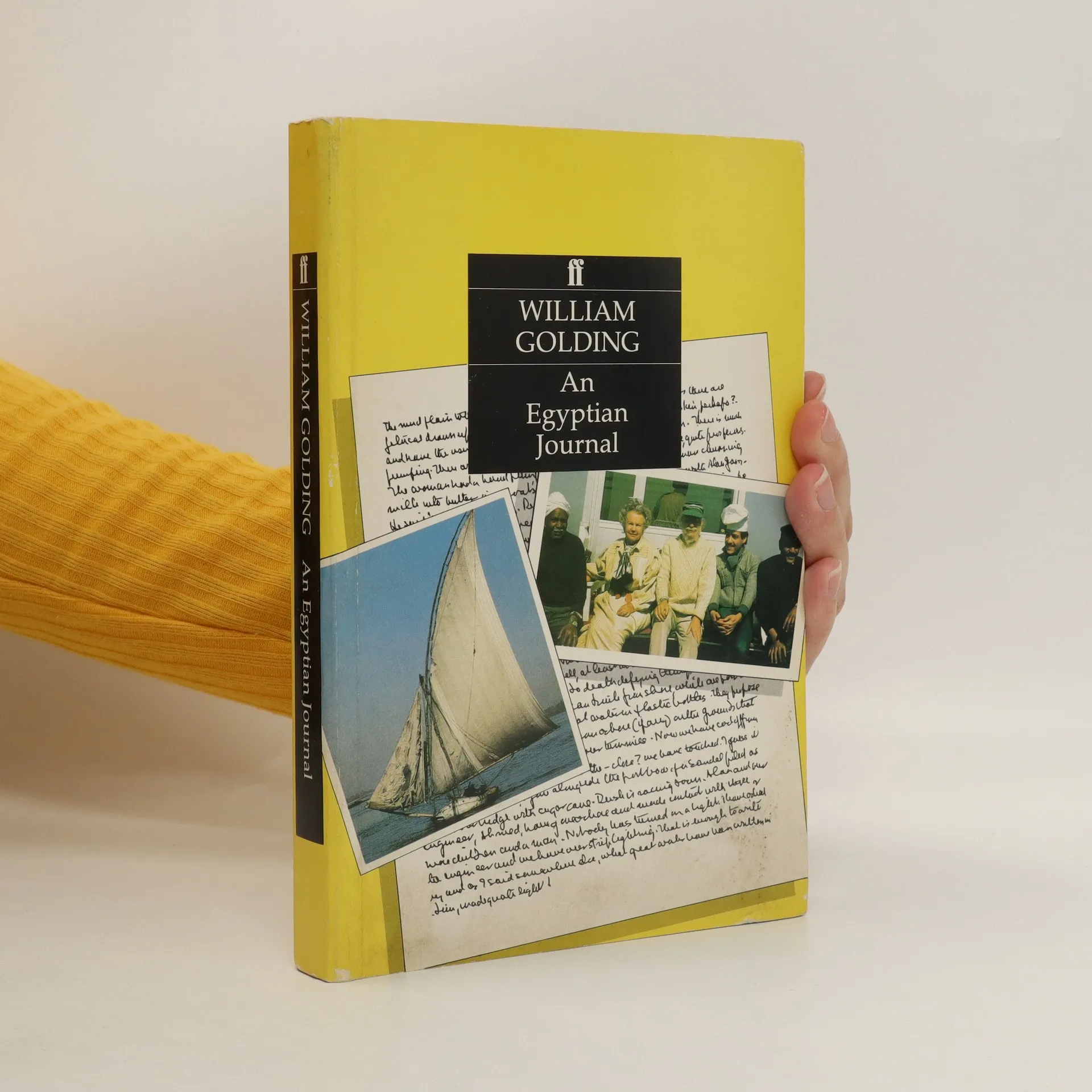
An Egyptian journal
- 240pagine
- 9 ore di lettura
A personal diary of the author's recent trip up the Nile describes the everyday life of the Egyptians and connects it with their ancient past
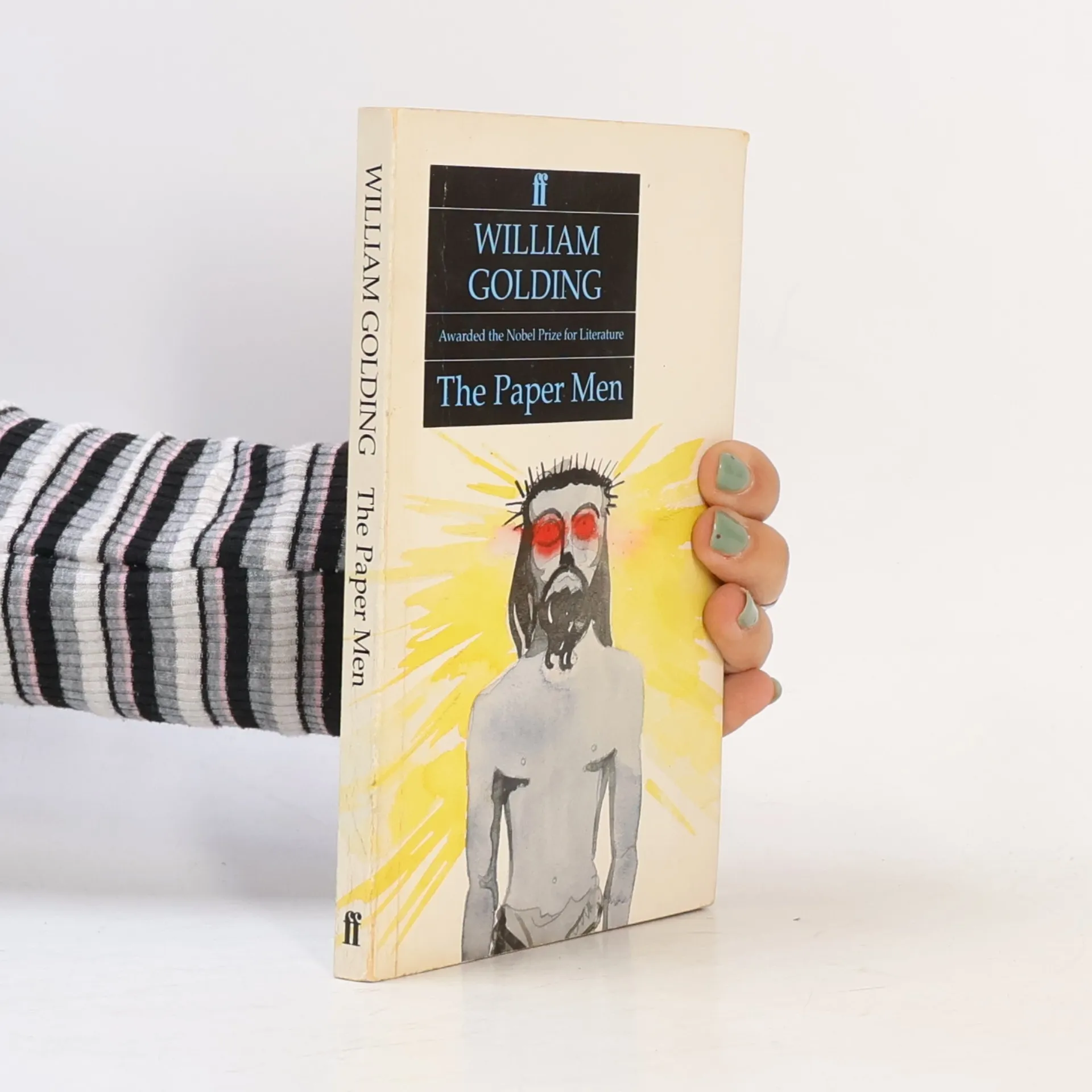
The paper men
- 192pagine
- 7 ore di lettura
This powerful, original, and, above all, unpredictable novel pits Wilfred Barclay, a famous but failing British novelist, against Rick L. Tucker, an obscure American academic whose escape from scholarly oblivion hinges on becoming the Barclay Man: biographer, editor of the posthumous papers and the recognized authority. Barclay's slide into destructive drinking, marital failure, and middle-aged lust is alternately pandered to and documented by the indefatigable Tucker. Locked in a lethal relationship of mutual dependence, the two men totter on the brink of physical, emotional, and spiritual chasms, their hatred of each other and themselves growing as they lose their wives, their self-respect, and their illusions. Golding's deceptively comic touch heightens the stunning impact of a climax that is as inevitable as it is unexpected.
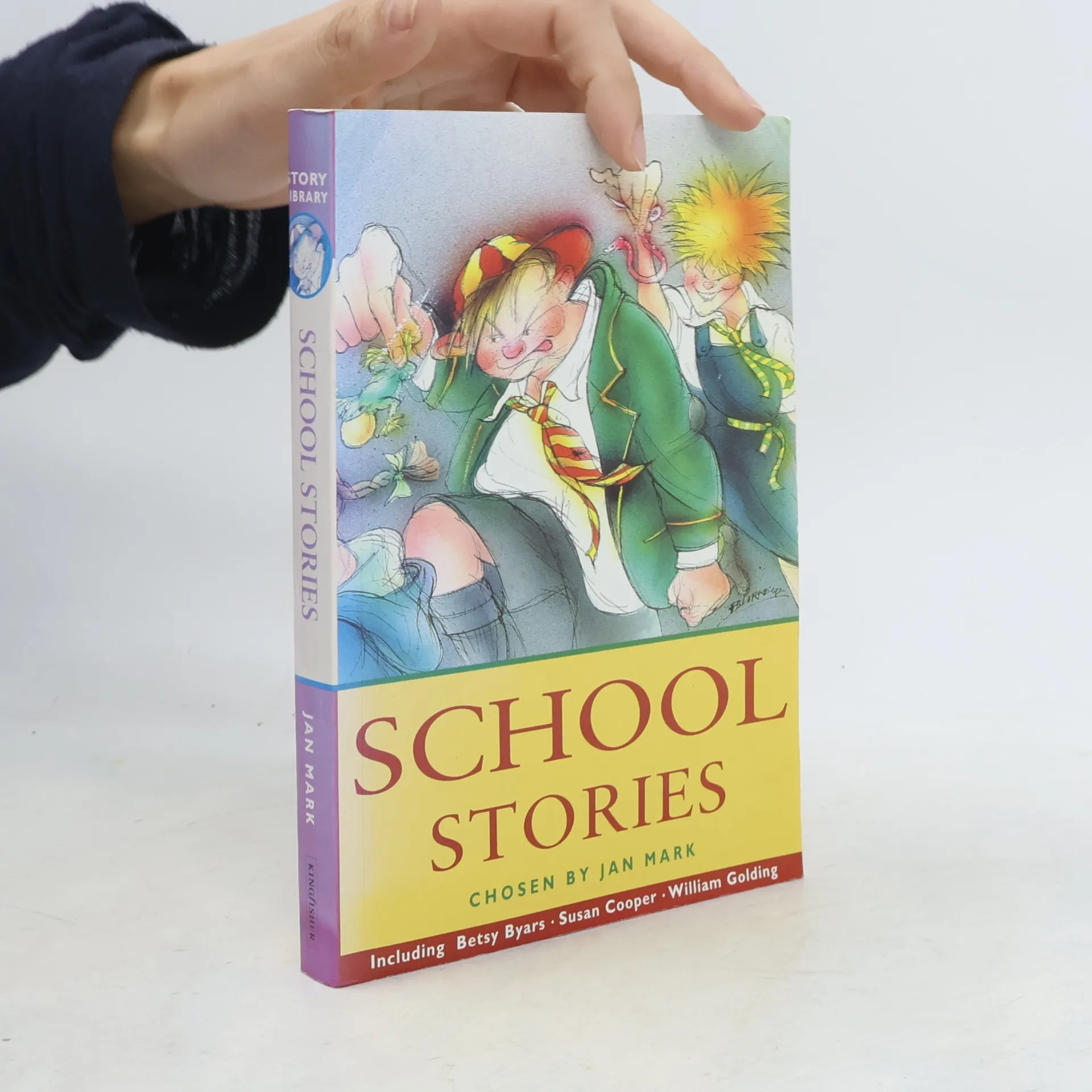
Kingfisher Story Library: School Stories
- 256pagine
- 9 ore di lettura
Dust jacket and boards in good, clean condition. Softening to ends of spine. Page block is a bit grubby. Pages are clean and bright. Some dog-eared pages. Dust jacket has been library reinforced and plastic protected. Library sticker on spine of dust jacket and FEP. Library stamp on front inside cover and contents page.
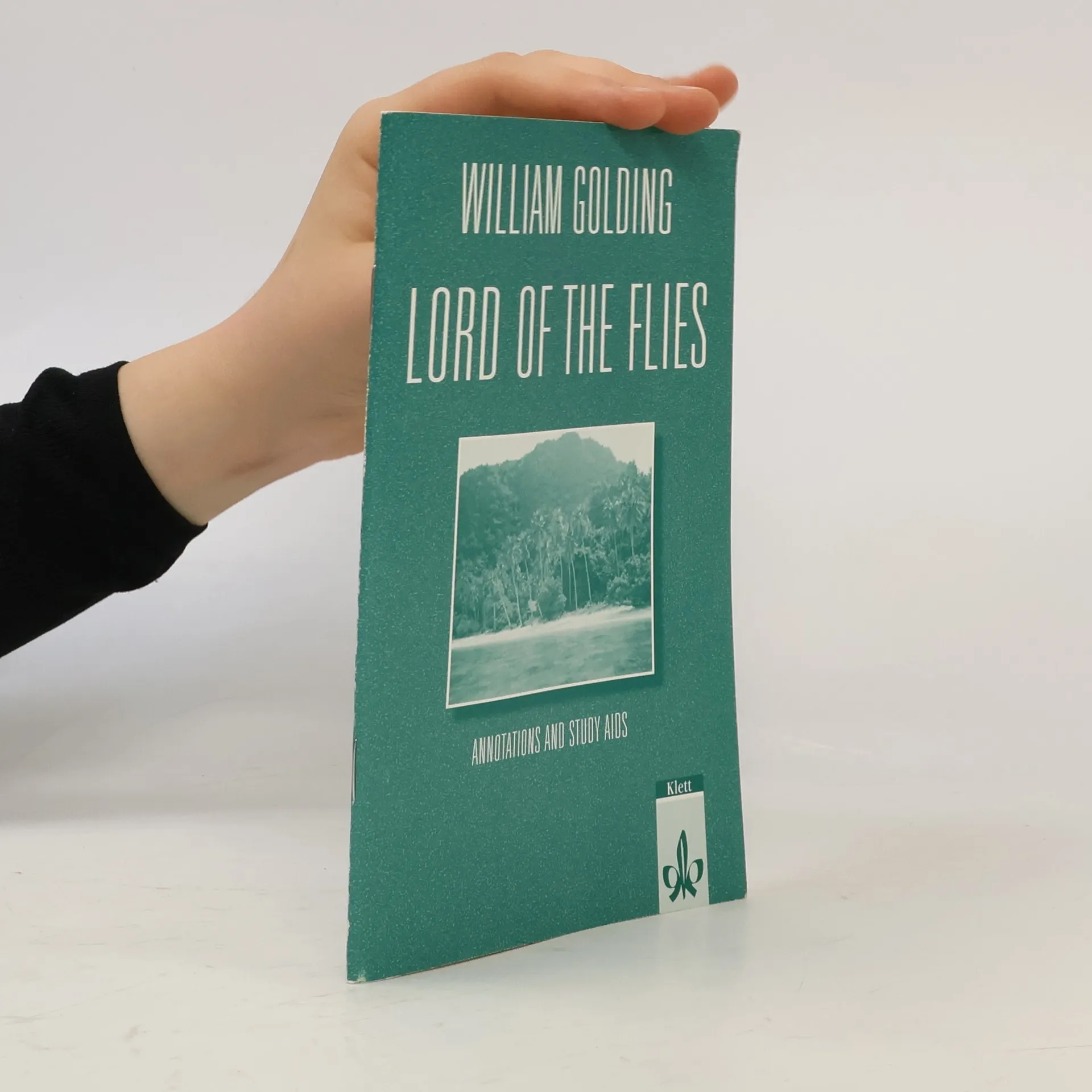
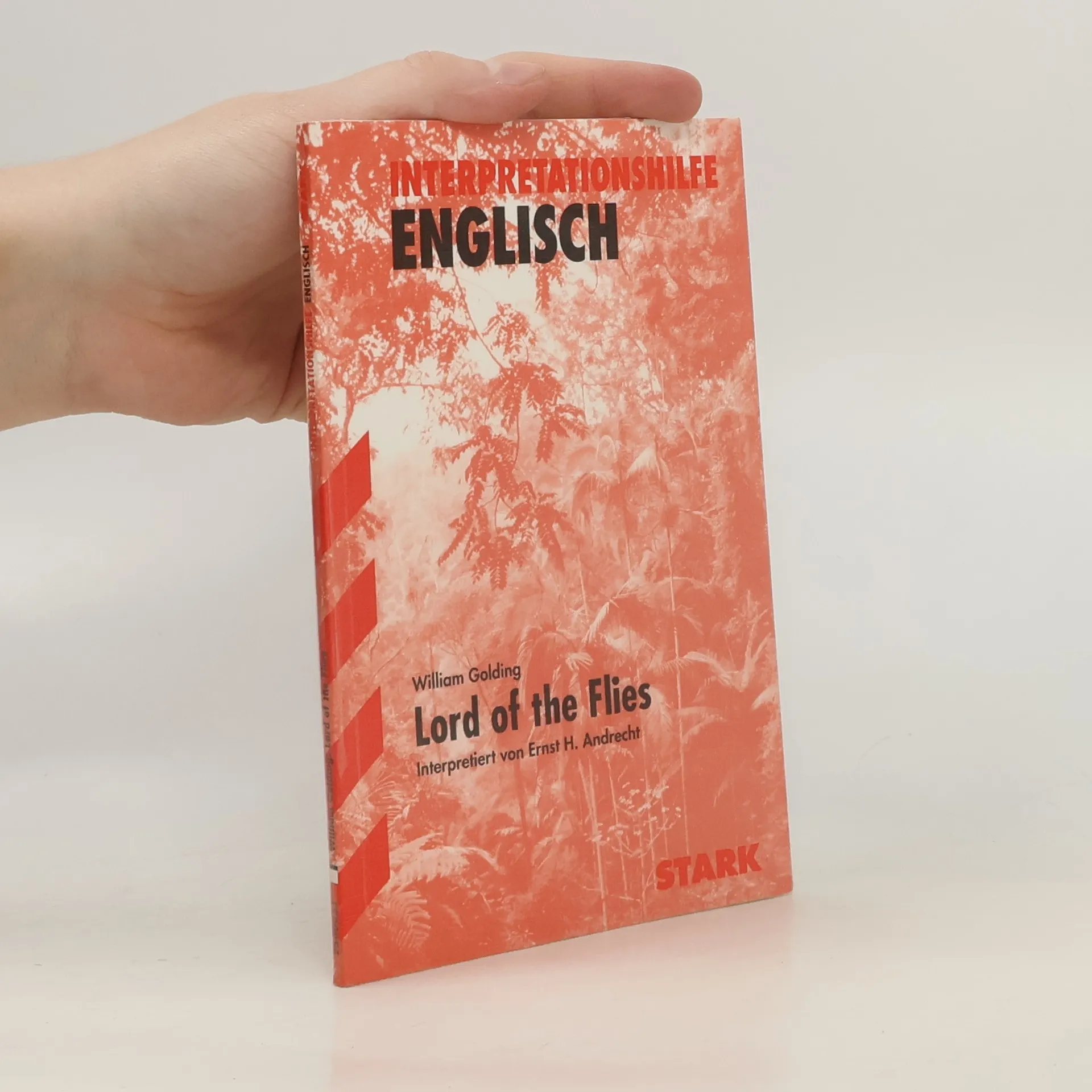
William Golding, The Lord of the Flies - Annotations and Study Aids
- 72pagine
- 3 ore di lettura
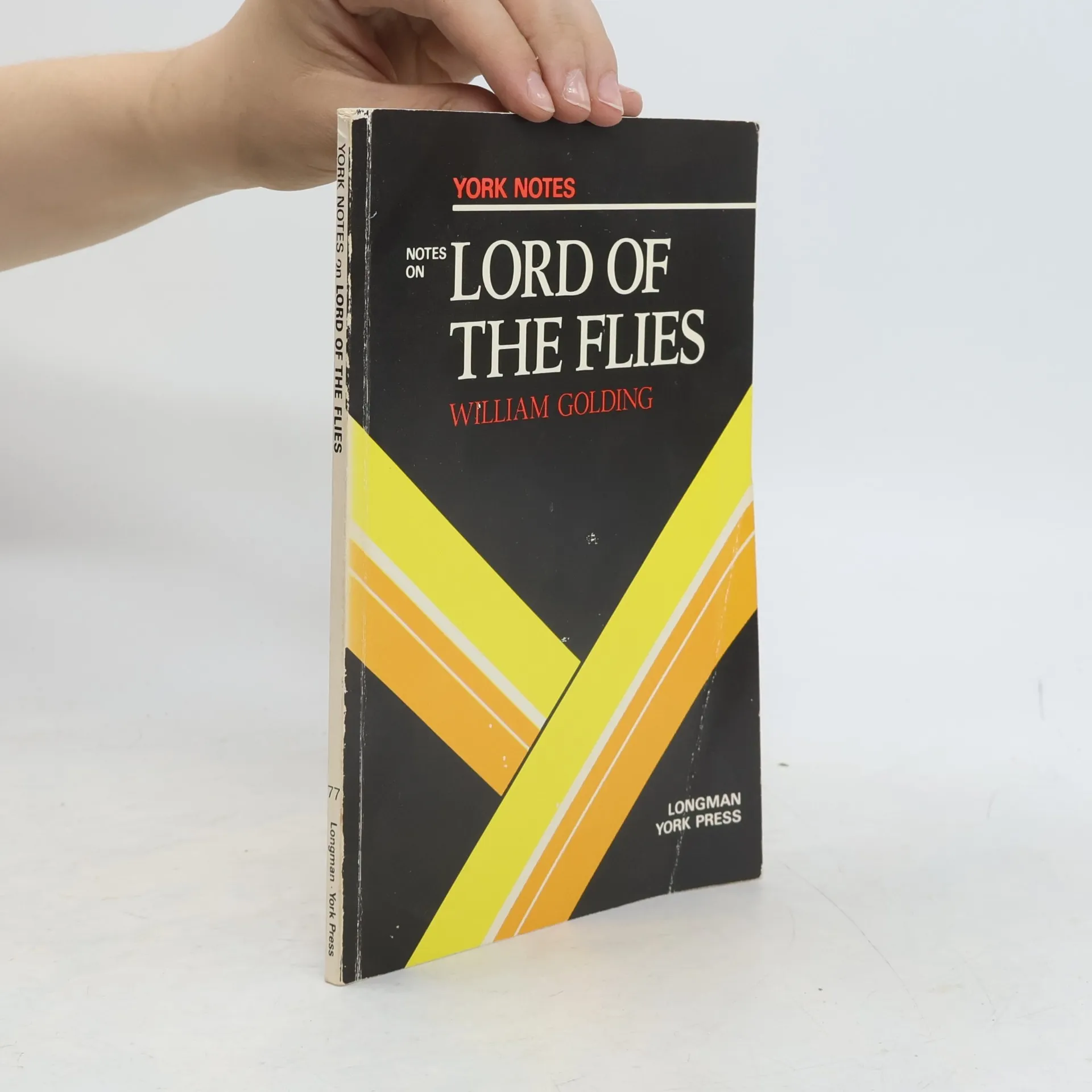
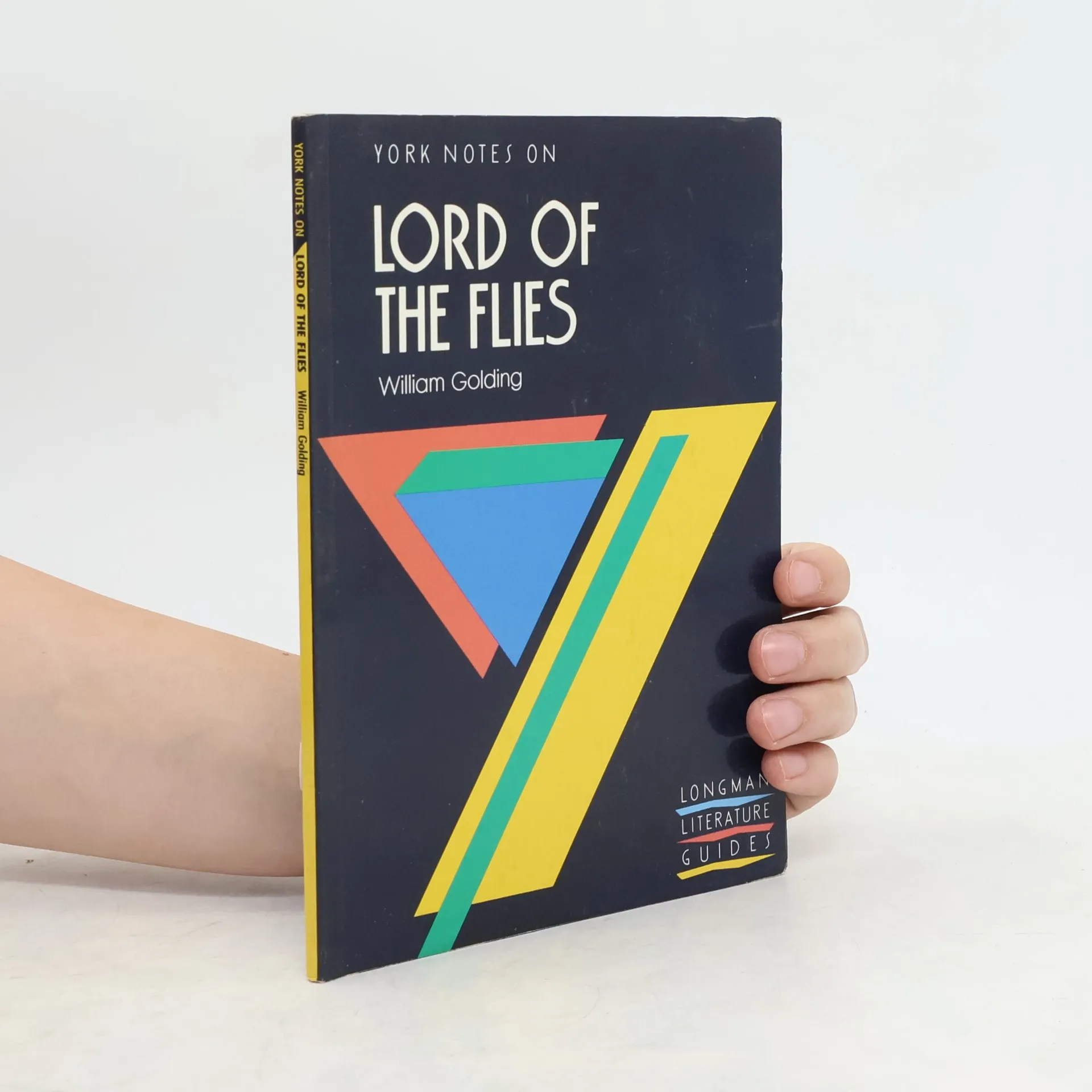
York Notes on William Golding's "Lord of the Flies"
- 64pagine
- 3 ore di lettura
Eine Neuausgabe des Romans, den Literaturnobelpreisträger William Golding für seinen besten hielt In seinem Roman »Die Erben« reist Literaturnobelpreisträger William Golding in die Vorzeit zurück und versetzt uns in das Leben der Neandertaler. Es ist Frühling, der Stamm verlässt die Höhlen und sucht nach Nahrung. Es gibt erste Werkzeuge, es gibt Feuer und ein gemeinsame Sprache. Niemand ahnt, dass es die letzten Tage der Neandertaler sind ... Eine meisterhafte Parabel vom Aufeinandertreffen zweier Kulturen. Und eine Lobeshymne auf das, was uns Menschen trotz allem verbindet: Freude und Schmerz und die Fähigkeit zu gemeinsamem Handeln. William Goldings Romane »beleuchten die Conditio humana der heutigen Welt.« Komitee zum Literaturnobelpreis
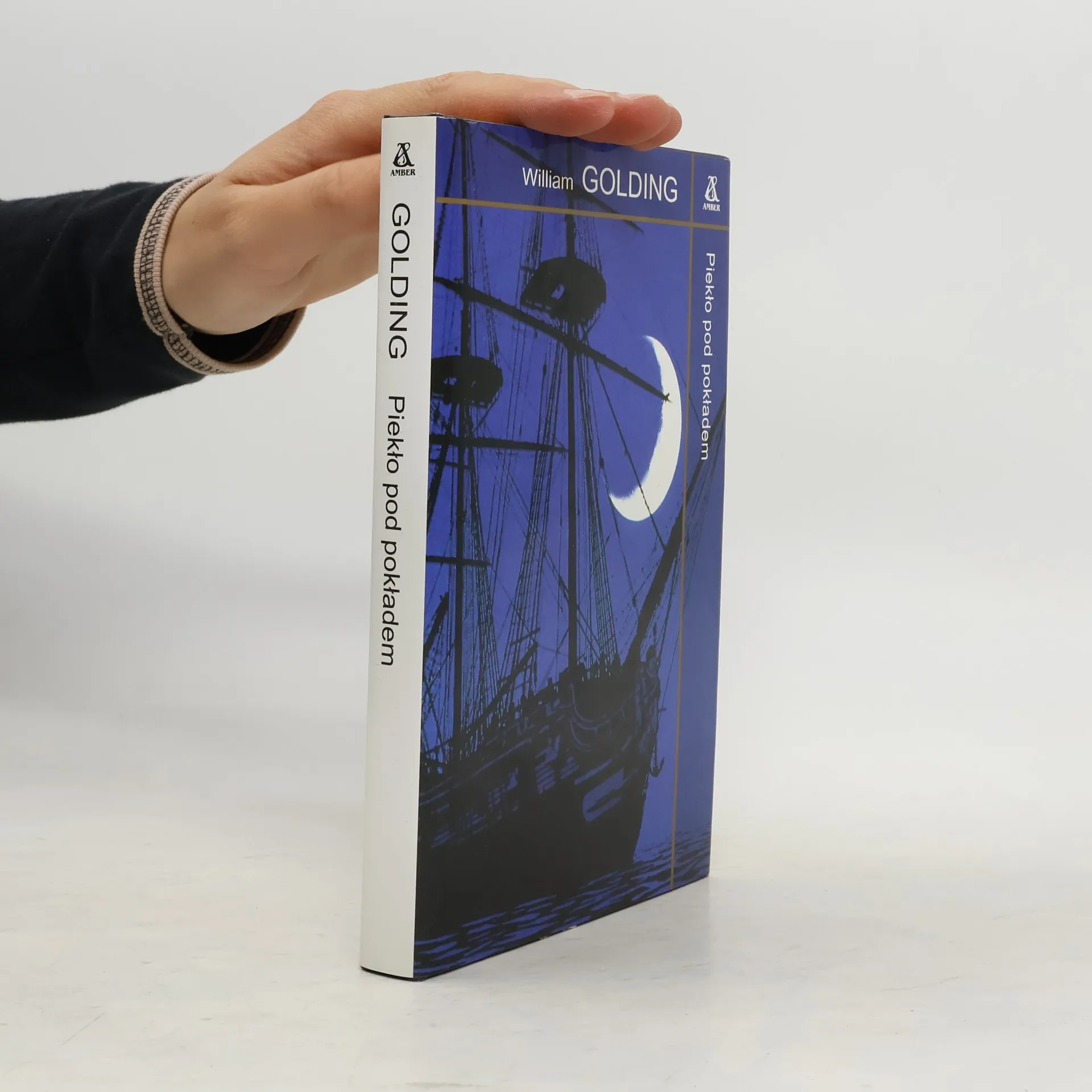
Die Graphic-Novel-Adaption bietet eine visuelle Interpretation des berühmten Romans von William Golding, der die Themen von Zivilisation und Urinstinkten behandelt. Durch eindrucksvolle Illustrationen wird die düstere Atmosphäre der Geschichte lebendig, in der eine Gruppe von Jungen nach einem Flugzeugabsturz auf einer einsamen Insel ums Überleben kämpft. Die Adaption beleuchtet die Entwicklung der Charaktere und die moralischen Konflikte, die entstehen, während die Zivilisation zerfällt und die menschliche Natur in ihrer rohen Form zum Vorschein kommt.
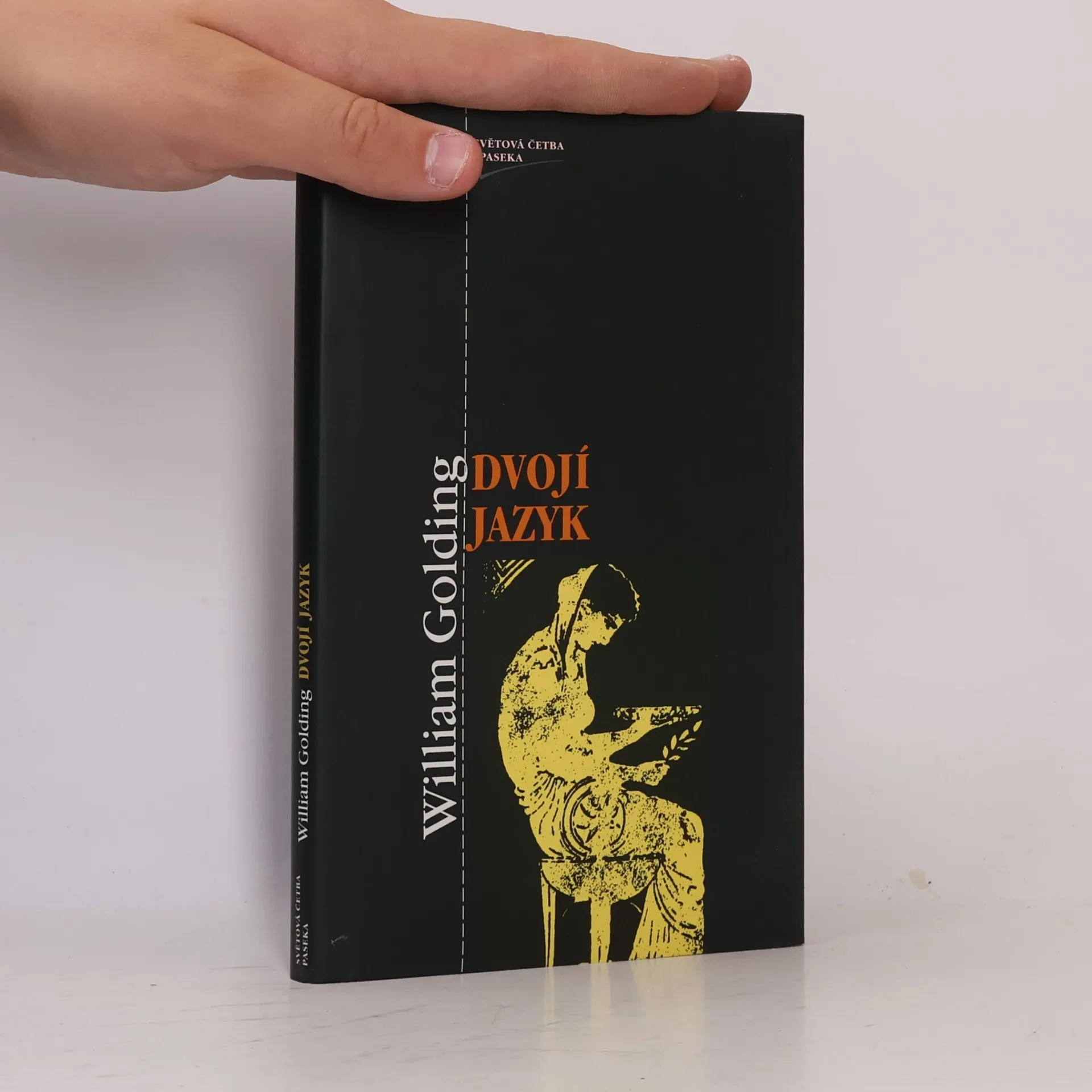
Životní příběh mladičké, nehezké venkovské dívky, kterou – protože není schopna najít ženicha – rodiče dají do Delf, kde se stane nejdříve služkou a společnicí věštkyň a nakonec se sama stává Pythií. Líčení duševního stavu, který předchází samotnému věštění, mluvení „druhým jazykem“ – to jsou podstatné části románu, kde se autor zamýšlí nad věšteckou rutinou, kterou Delfy představovaly. Pokrytectví i naivní čistá víra jsou tu dvě strany téže mince....
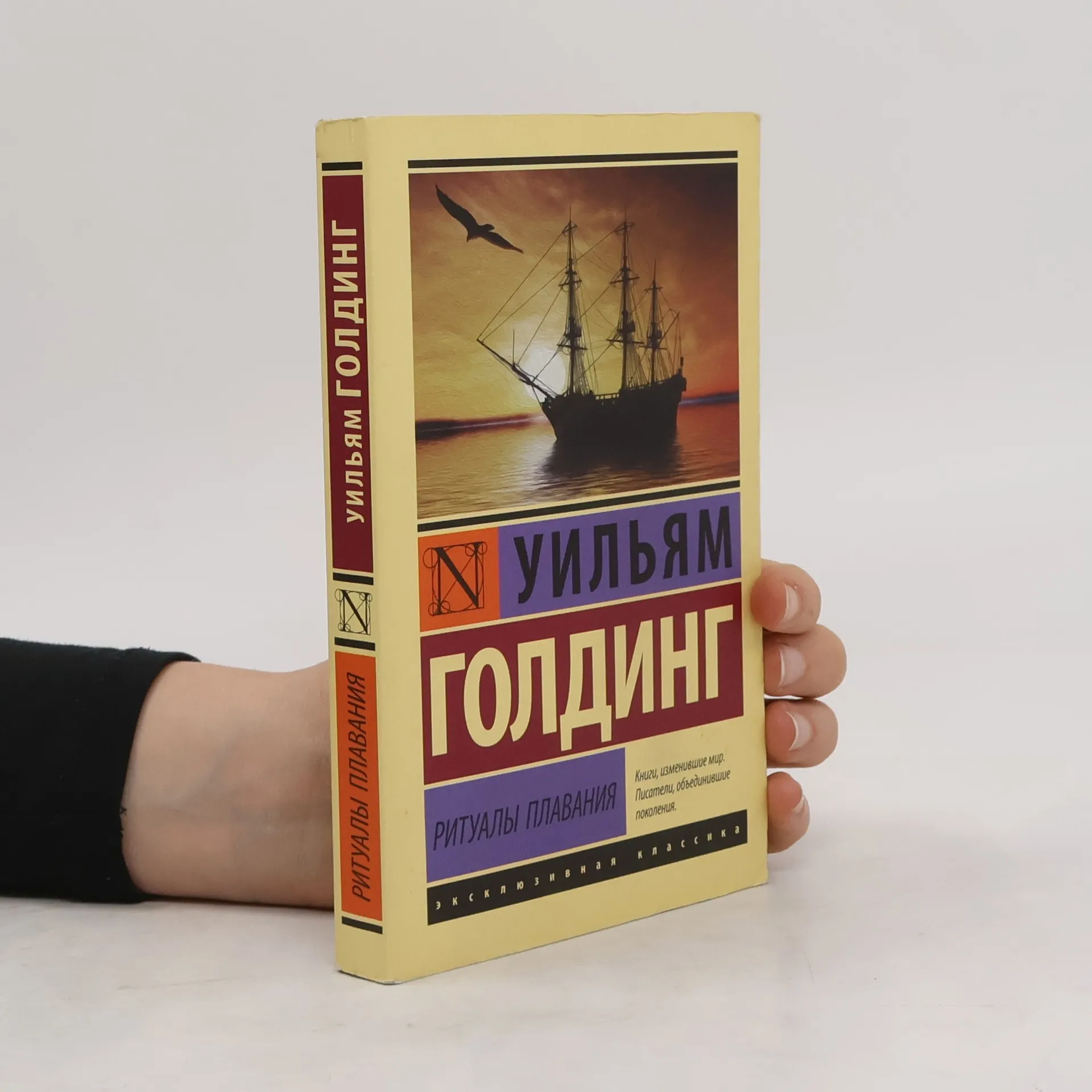
Первая книга одного из самых значительных произведений литературы XX века – культовой "морской трилогии" Уильяма Голдинга. "Роман взросления", посвященный столкновению между мечтой и реальностью, между воображаемым и существующим. Англия, первая половина XIX века. Юный интеллектуал Эдмунд Талбот отправляется в путешествие к берегам далекой Австралии, где ему, как и множеству других молодых аристократов, уже обеспечена стараниями влиятельного друга семи непыльная и выгодная синекура. Однако юноша не подозревает, что старый и грязный корабль, с трудом сопротивляющийся океанской стихии, станет для него своеобразной "школой жизни". Человеческим обществом в миниатюре, которое Эдмунду предстоит наблюдать и изучать, снова и снова оказывается свидетелем (а то и невольным участником) то смешных, то удивительных, а то и поистине драматических событий.
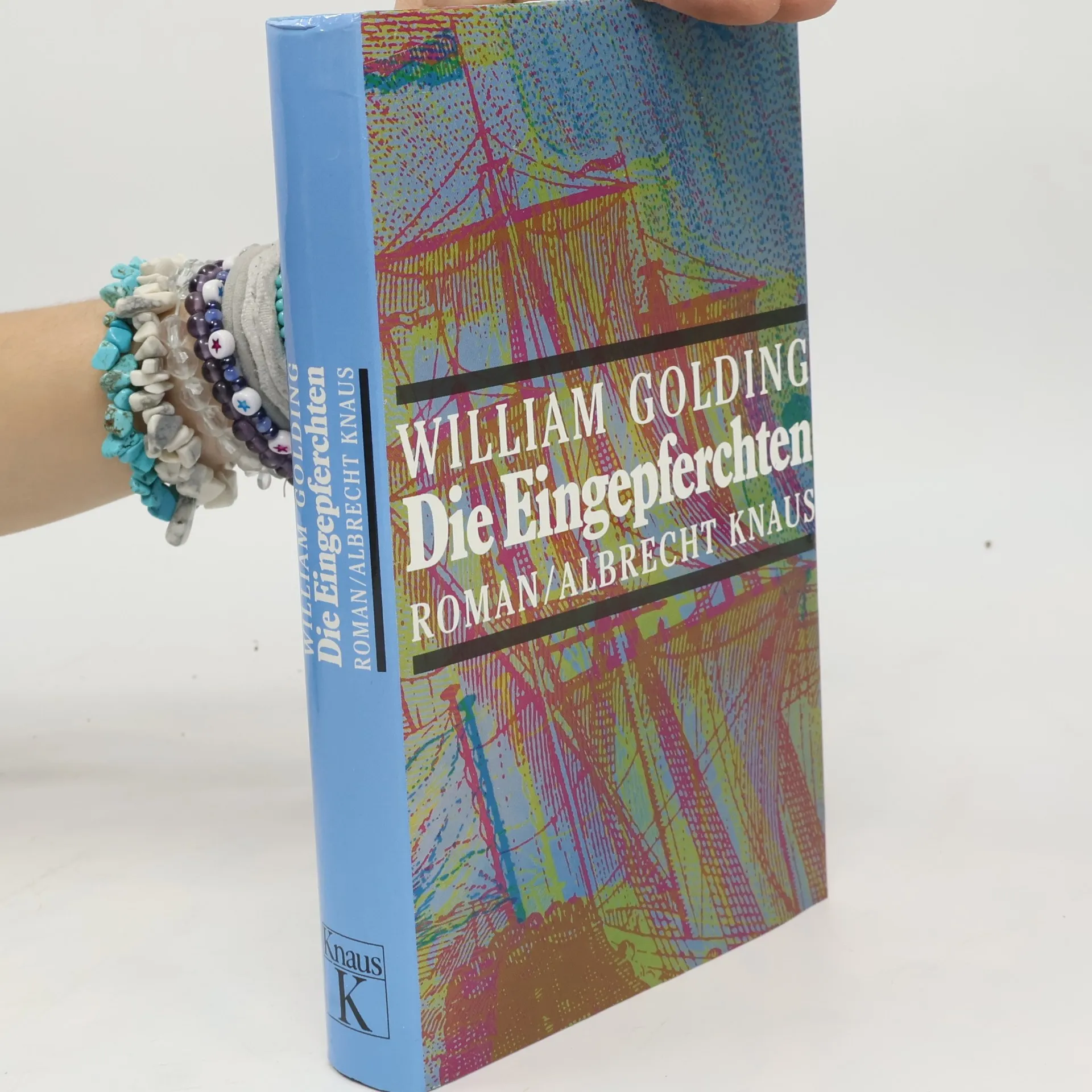
Die Eingepferchten
- 268pagine
- 10 ore di lettura
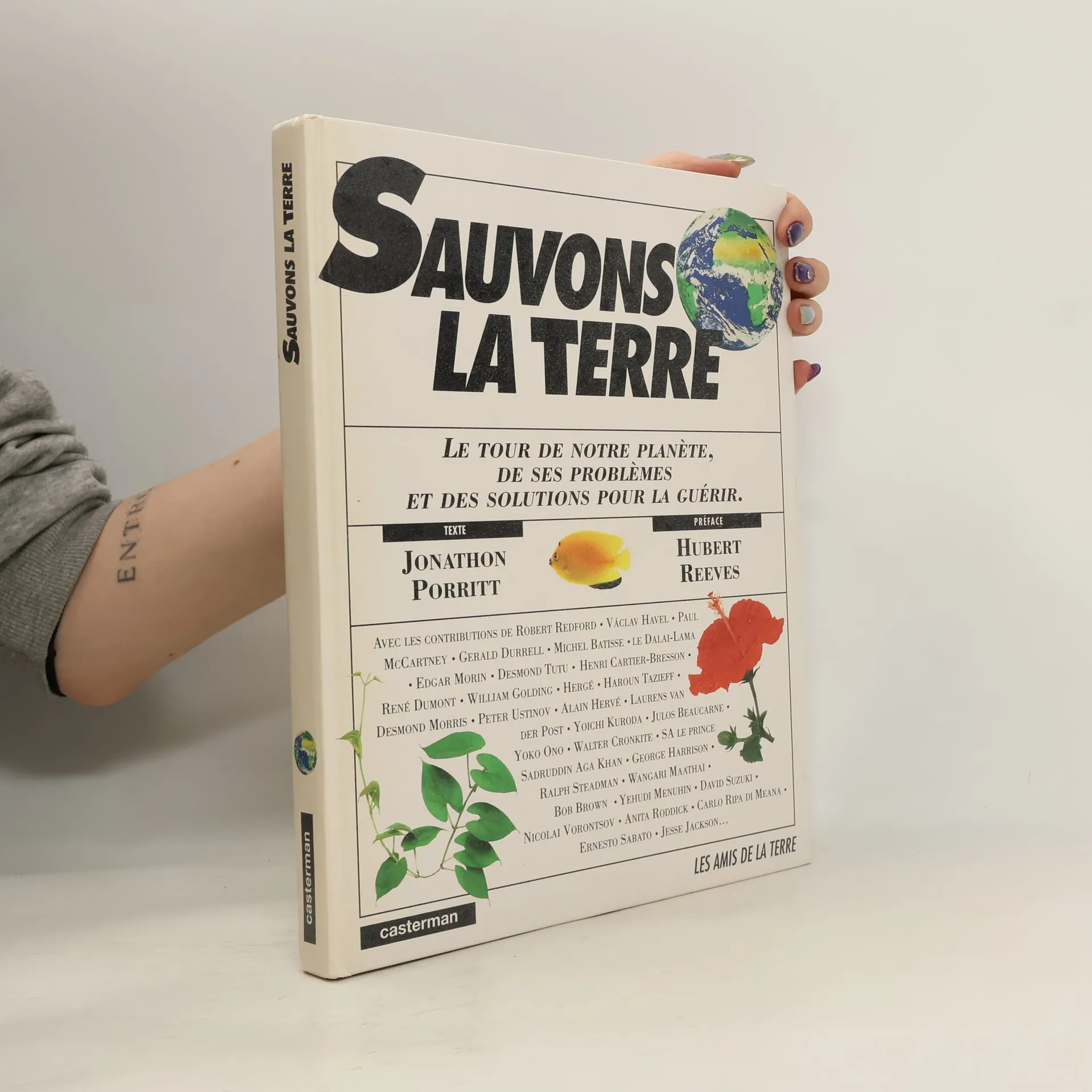
Salviamo la terra
- 208pagine
- 8 ore di lettura
Esamina i problemi ambientali attuali e le loro conseguenze per l'umanità, suggerisce azioni che gli individui possono intraprendere per aiutare a risolverli e fornisce citazioni di persone impegnate per l'ambiente.
Freier Fall
Roman
Woher kommen wir? Wie frei sind wir? Sammy Mountjoy, ein bekannter Künstler, gerät im Zweiten Weltkrieg in Kriegsgefangenschaft und erinnert sich an sein Leben. An die Kindheit in einem Slum. An die erste, unglückliche Liebe. An das Leben als Künstler ... Schonungslos und erzählerisch brillant stellt sich Literaturnobelpreisträger William Golding der Frage, wie frei wir eigentlich sind.
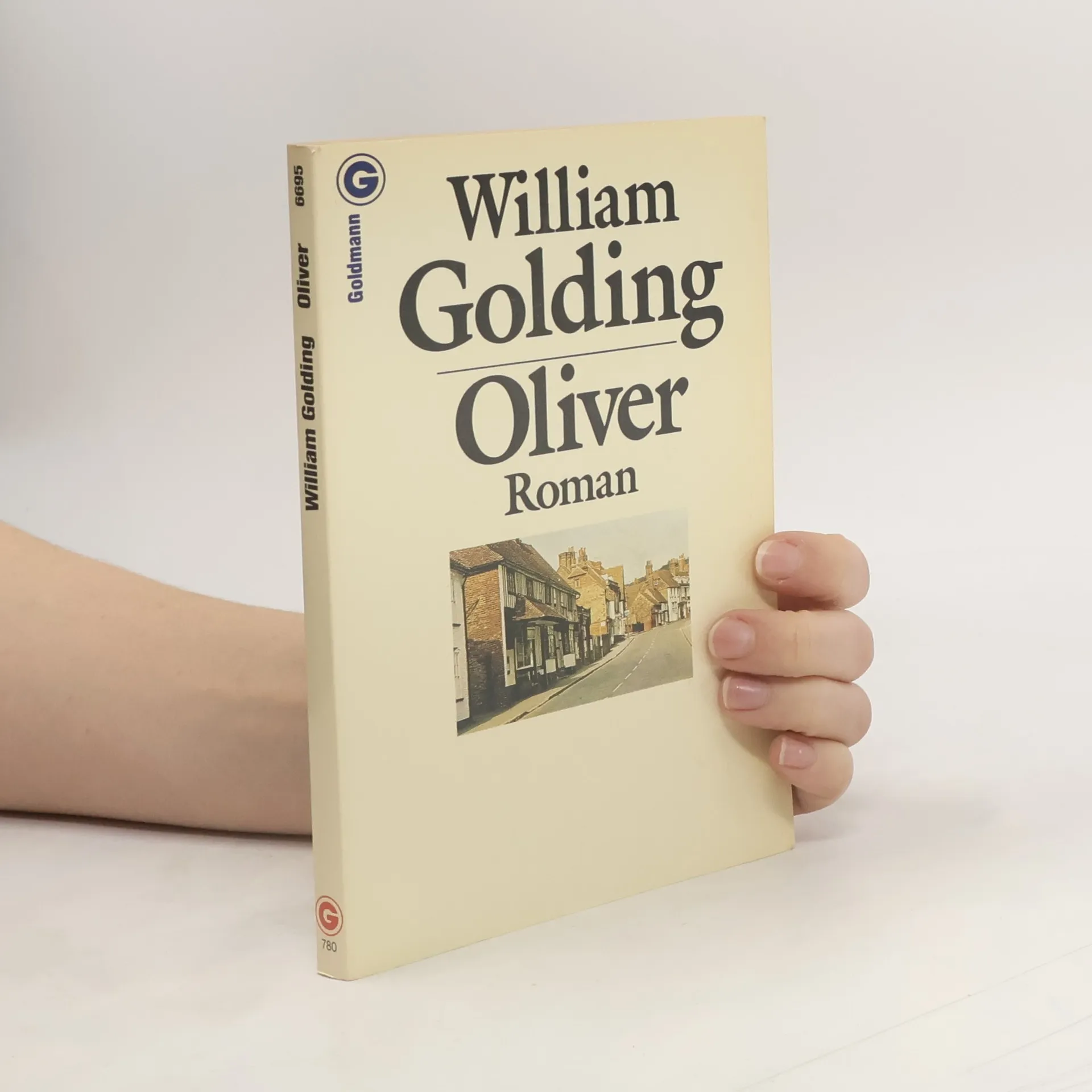
Oliver. Ein Entwicklungsroman.
- 188pagine
- 7 ore di lettura
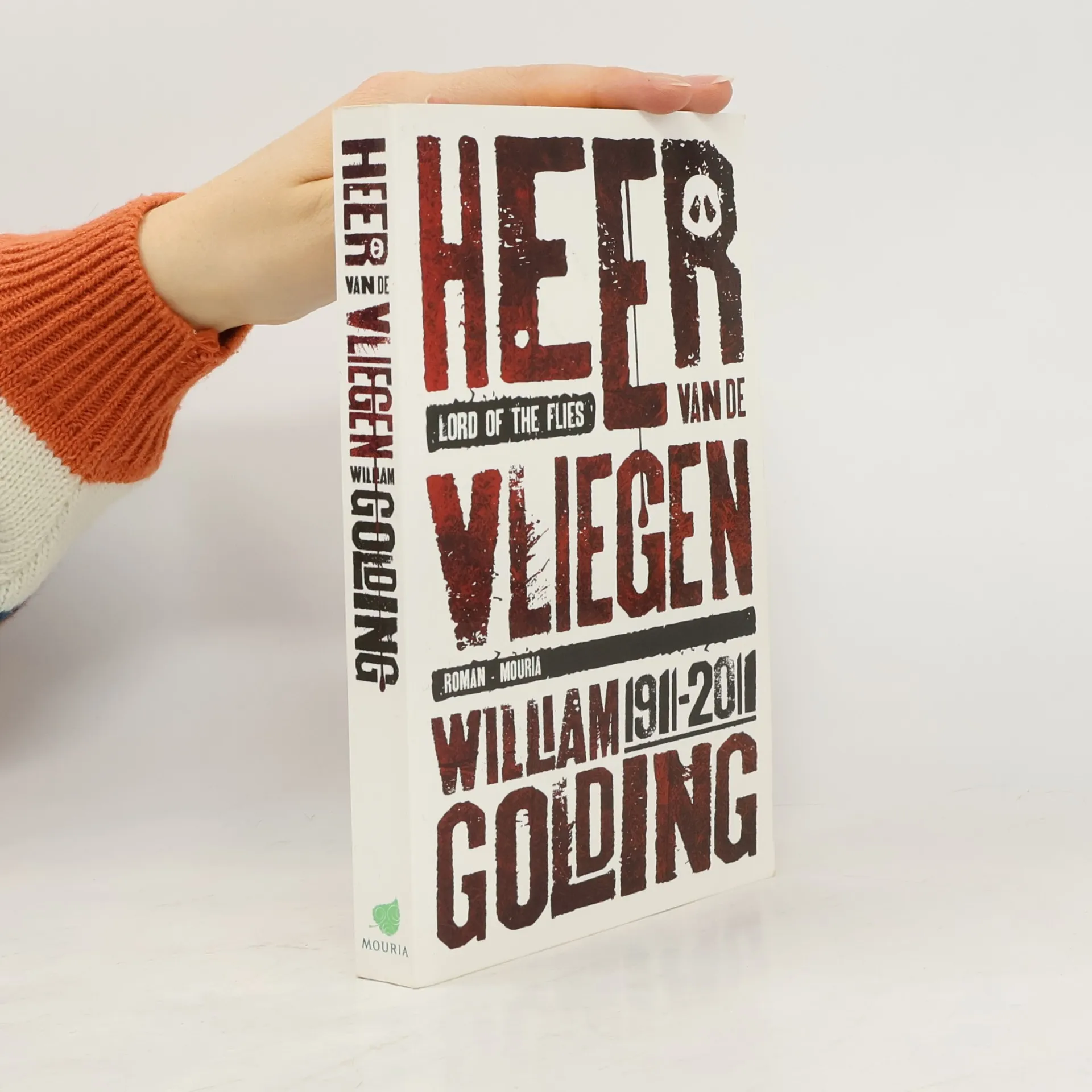
Heer van de vliegen
- 240pagine
- 9 ore di lettura
Heer van de vliegen schept een even pijnlijk als treffend beeld van een groep schooljongens die, na te zijn neergestort op een onbewoond eiland, met elkaar moeten samenwerken om te overleven, maar die daar jammerlijk in falen. Eerst leidt de charismatische Ralph de troep, maar al spoedig wordt hij uitgedaagd door Jack Merridew. De strijd tussen Ralph en Jack overvleugelt de strijd om het bestaan en eindigt algauw in barbaars gedrag. Heer van de vliegen is een baanbrekende roman die op schrijnende wijze de dunne scheidslijnen tussen ‘goed’ en ‘kwaad’ en tussen ‘beschaving’ en ‘verwildering’ laat zien. Ralph, Jack, Piggy, Simon en alle anderen staan voor eeuwig gegrift in het geheugen van iedereen die deze roman heeft gelezen
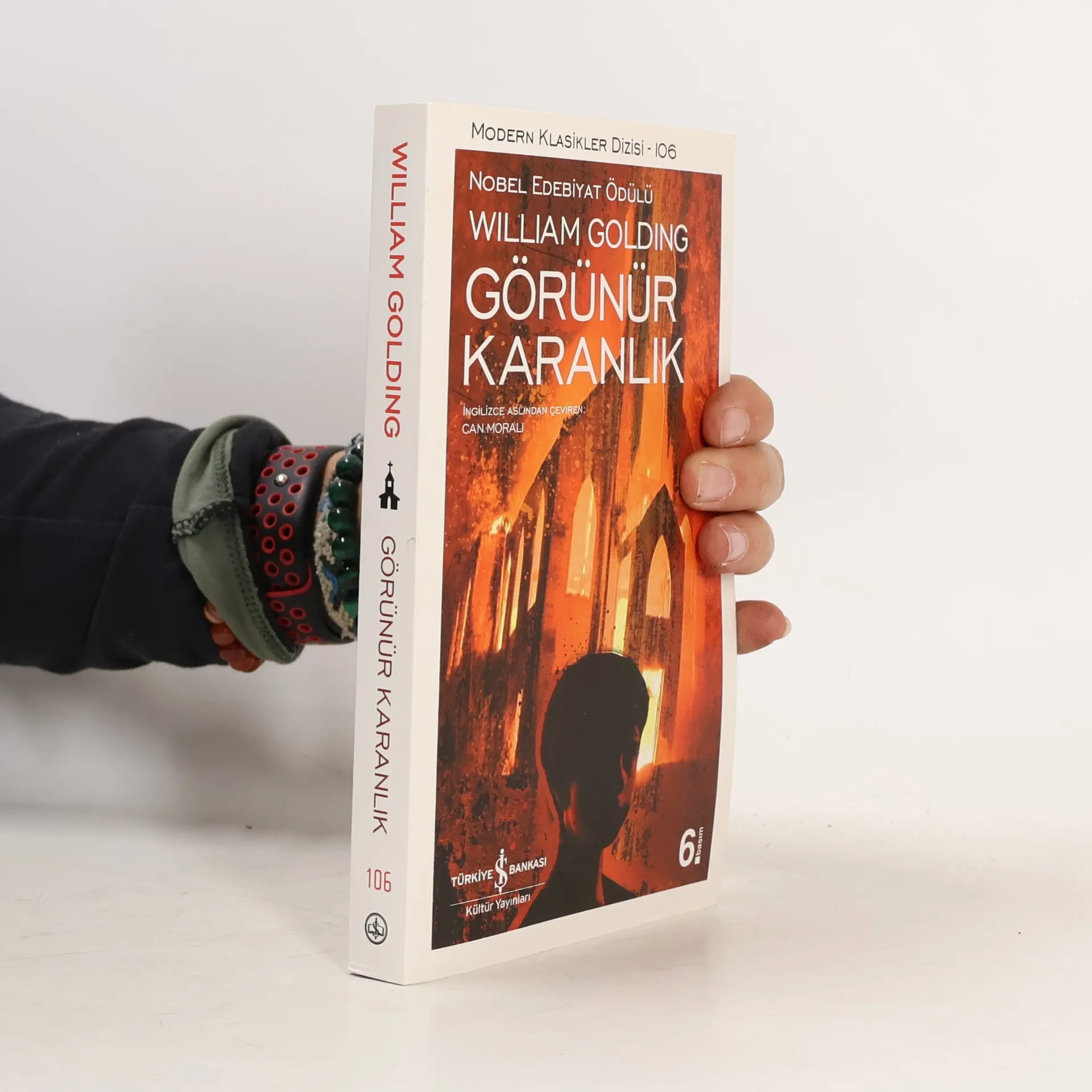
Modern Klasikler Dizisi - 106: Görünür Karanlık - 6. basım
- 336pagine
- 12 ore di lettura
Golding Görünür Karanlık’ta iyi ile kötü arasındaki kadim mücadeleyi, modern çağda terörizm, cinsellik ve azizlere özgü saflığı iç içe geçirdiği bir evrene taşır. 20. yüzyıl İngiliz edebiyatının başyapıtları arasında yerini alan bu benzersiz romanda gerçeklikle yanılsama sıklıkla yer değiştirir. Yapıtın uğruna yaşanacak hiçbir şeyin kalmadığı, bütünüyle anlamdan yoksun ve boş dünyasında, insan doğasının karanlığı türlü kisveye bürünür. Birleşik Krallık’ın II. Dünya Savaşı sırasında Almanya tarafından bombalandığı dönemde korkunç bir yangından kurtulan Matty gerçekte kimdir? Alevlerden doğmuş, kimliğini arayan, psikotik bozukluktan mustarip bir varlık mıdır; yoksa bir aziz mi? Çocukluktan yetişkinliğe geçişlerini izlediğimiz ruhen yaralı ikizler Sophy ve Toni’yi ise hayattaki seçimleri başka bir yangına götürmektedir. Golding’in çöküşün eşiğinde duran bu dünyanın ezici ve meşum ortamına yerleştirdiği karakterleri bir gaddarlık, dehşet ve gizem kasırgasına kapılmış sürüklenmektedir. İçlerindeki tahripkâr öfkeyle hem birbirlerini hem de kendi kendilerini yıkıma uğratırlar.
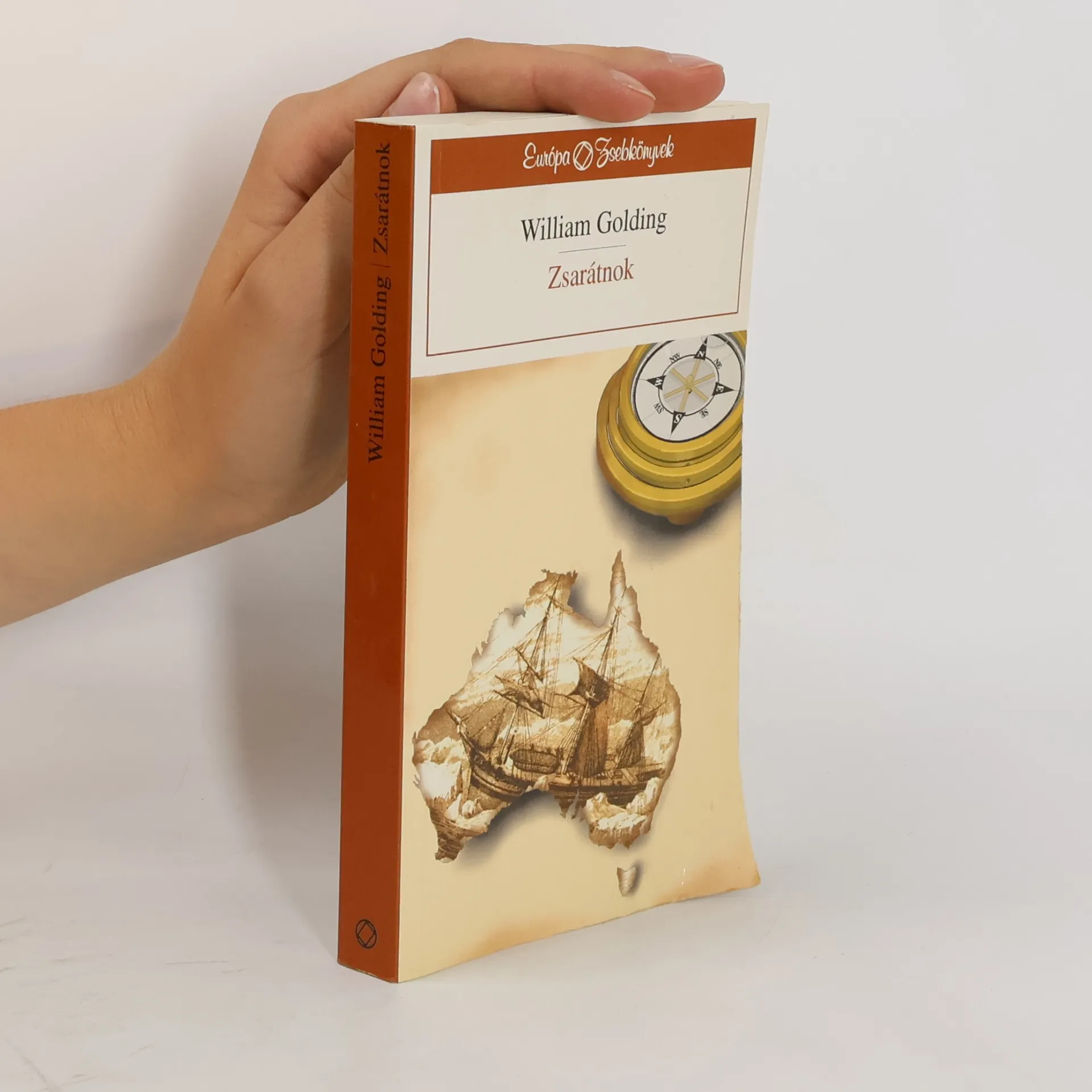
Zsarátnok
- 329pagine
- 12 ore di lettura