Christopher Hibbert Libri
Christopher Hibbert è stato uno scrittore e storico inglese, lodato per la sua capacità di presentare opere storiche meticolosamente ricercate con alta qualità letteraria. I suoi scritti erano caratterizzati da una precisa erudizione unita a una narrazione accessibile, che lo hanno affermato come un importante storico e biografo popolare. Hibbert ha portato magistralmente in vita figure ed eventi del passato, rendendo le complessità della storia avvincenti per i lettori. Le sue opere sono apprezzate per la loro erudizione e leggibilità.



Ascesa e caduta di Casa Medici
- 351pagine
- 13 ore di lettura
A revised and updated reference book, comprised of 5000 entries, organized alphabetically and cross-referenced. Everything that is important in the history and culture of London is documented, from its first settlement to the present day.
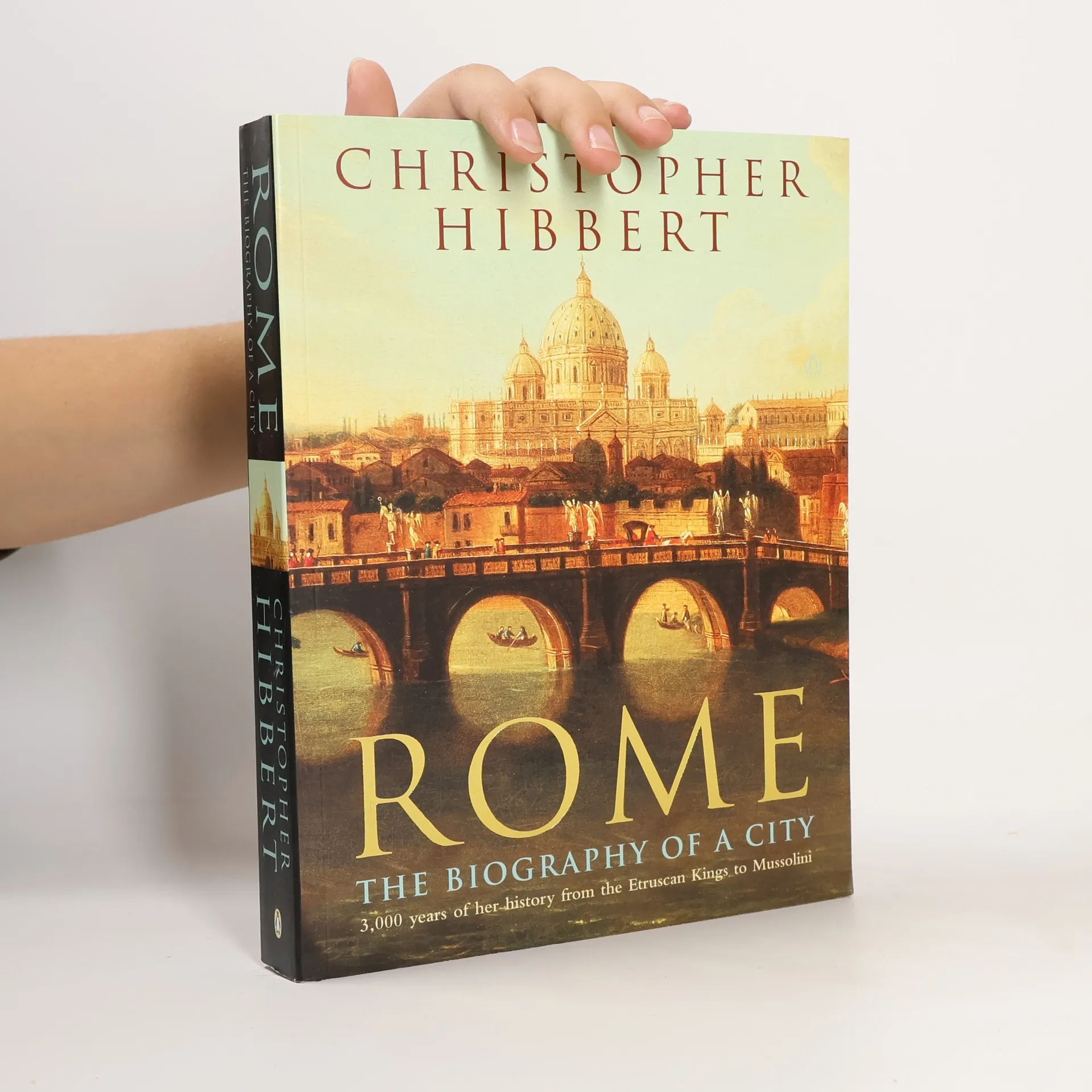
Rome
- 400pagine
- 14 ore di lettura
A guide to the use of the avian embryo in studies of vertebrate development. It includes approaches to analysis of the chick genome, gene knock-out studies using RNA interference, morpholinos, and other techniques. It focuses on providing practical guidance, highlighting potentials and pitfalls of key cell biological and embryological techniques.
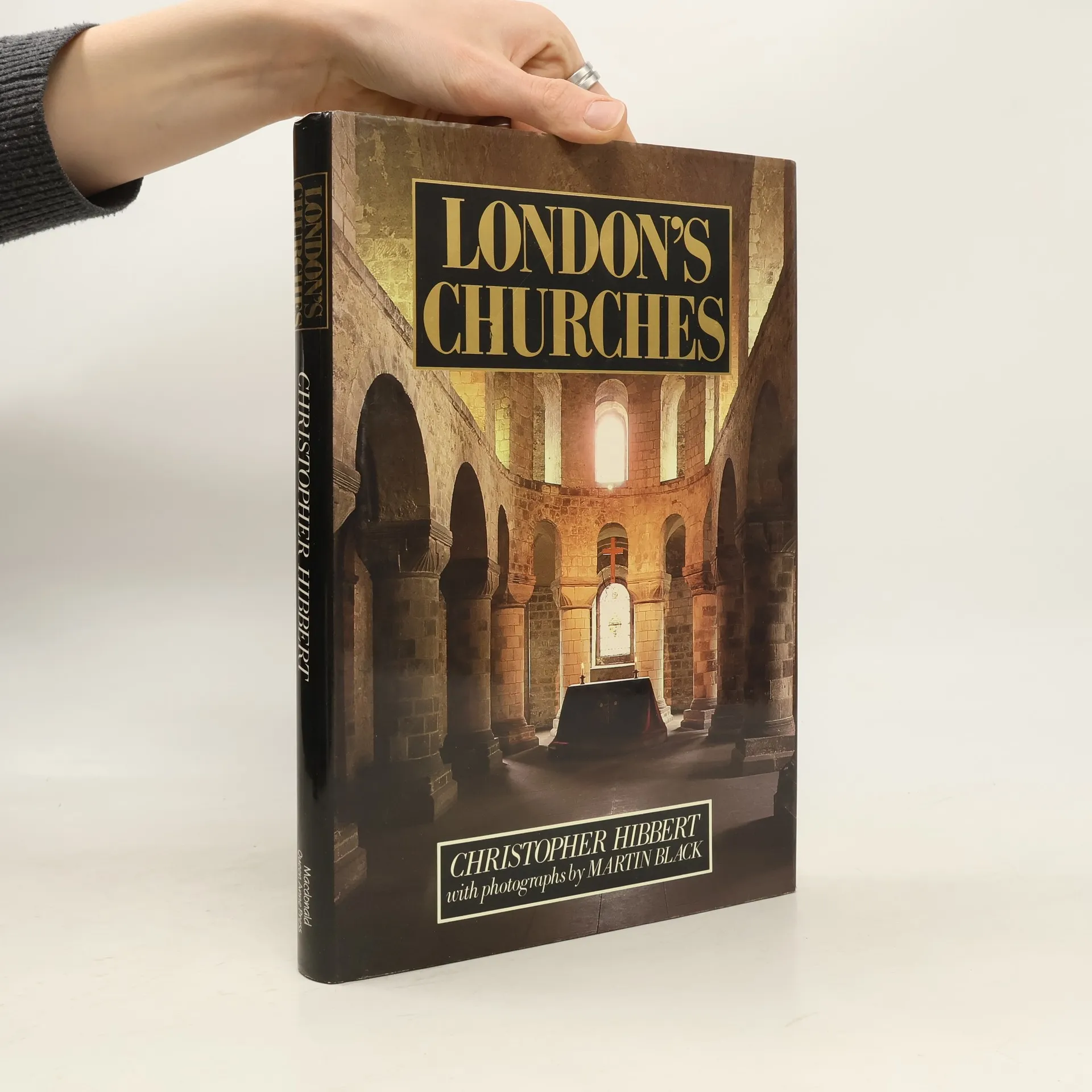
London's Churches
- 224pagine
- 8 ore di lettura
Vintage book
Renowned for his engaging writing style, Christopher Hibbert is celebrated as one of the most popular historians of his era. With a prolific output exceeding 50 historical works, he combines thorough research with accessible narratives, making history appealing to a broad audience. His contributions span various topics, reflecting a deep understanding of historical events and figures, establishing him as a significant figure in contemporary historical literature.
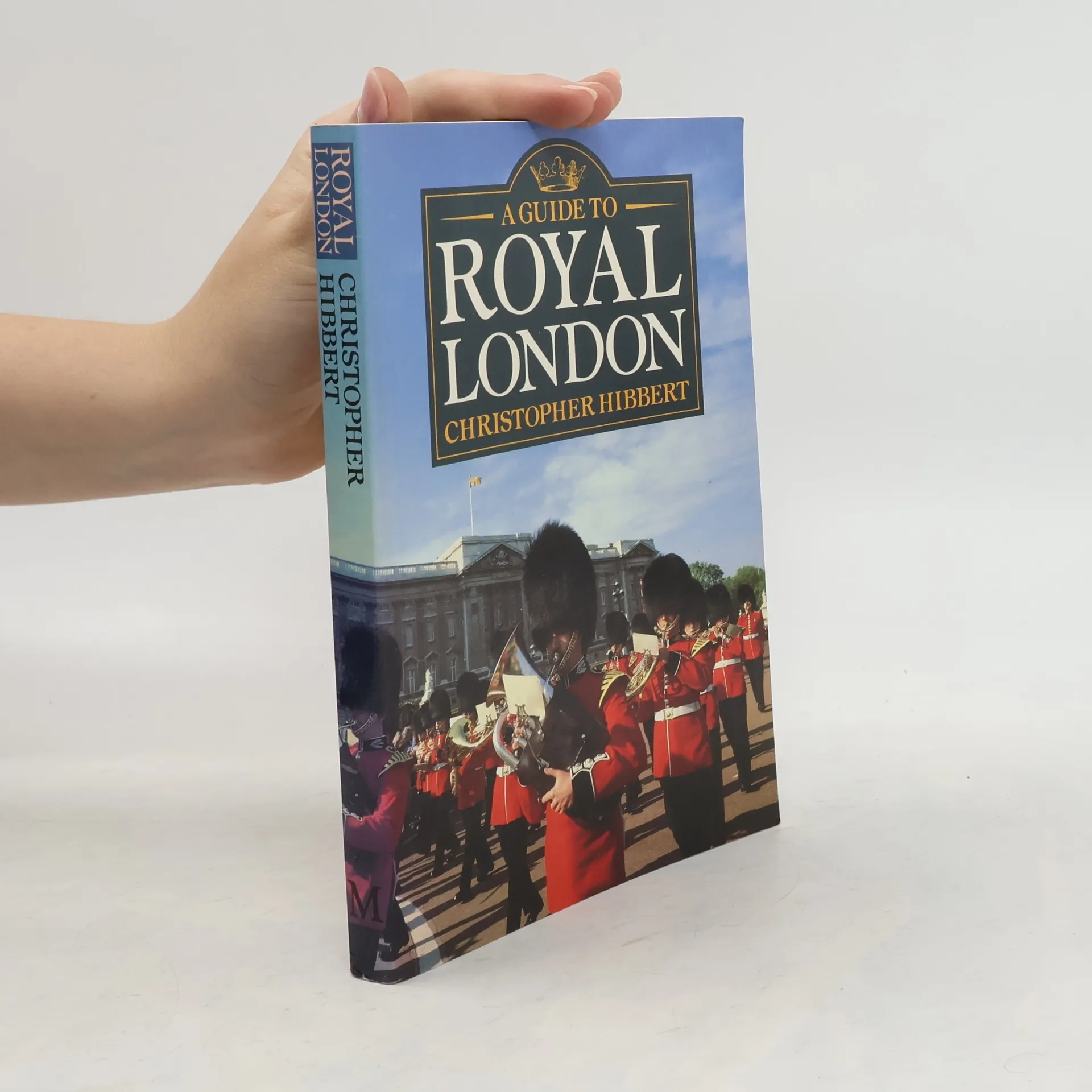
A Guide to Royal London
- 224pagine
- 8 ore di lettura
Om den nordamerikanske uafhængighedskrig
Many outstanding men―James Bruce, Richard Francis Burton, David Livingstone, Henry Morton Stanley, and others―won lasting fame from their African journeys. Africa Explored collects their amazing tales of treks into the unknown. These tales of Europeans in Africa before the wave of colonialism mix exotic sights and startling customs with sympathetic meetings of Africa's people and scenes of sublime beauty. Africa Explored relates Mungo Park's being robbed and left for dead in the West African desert, then saved by repeated acts of kindness; Burton and Speke's search for the legendary Mountains of the Moon that fed the Nile; Alexander Laing's fatal voyage to Timbuktu; Livingston's journeys up the Zambezi River; German missionary Johannes Rebmann's astonishment at beholding the snow-capped peak of Kilimanjaro; and other incredible encounters with strange animals, the slave trade, crippling diseases, and desert nomads.
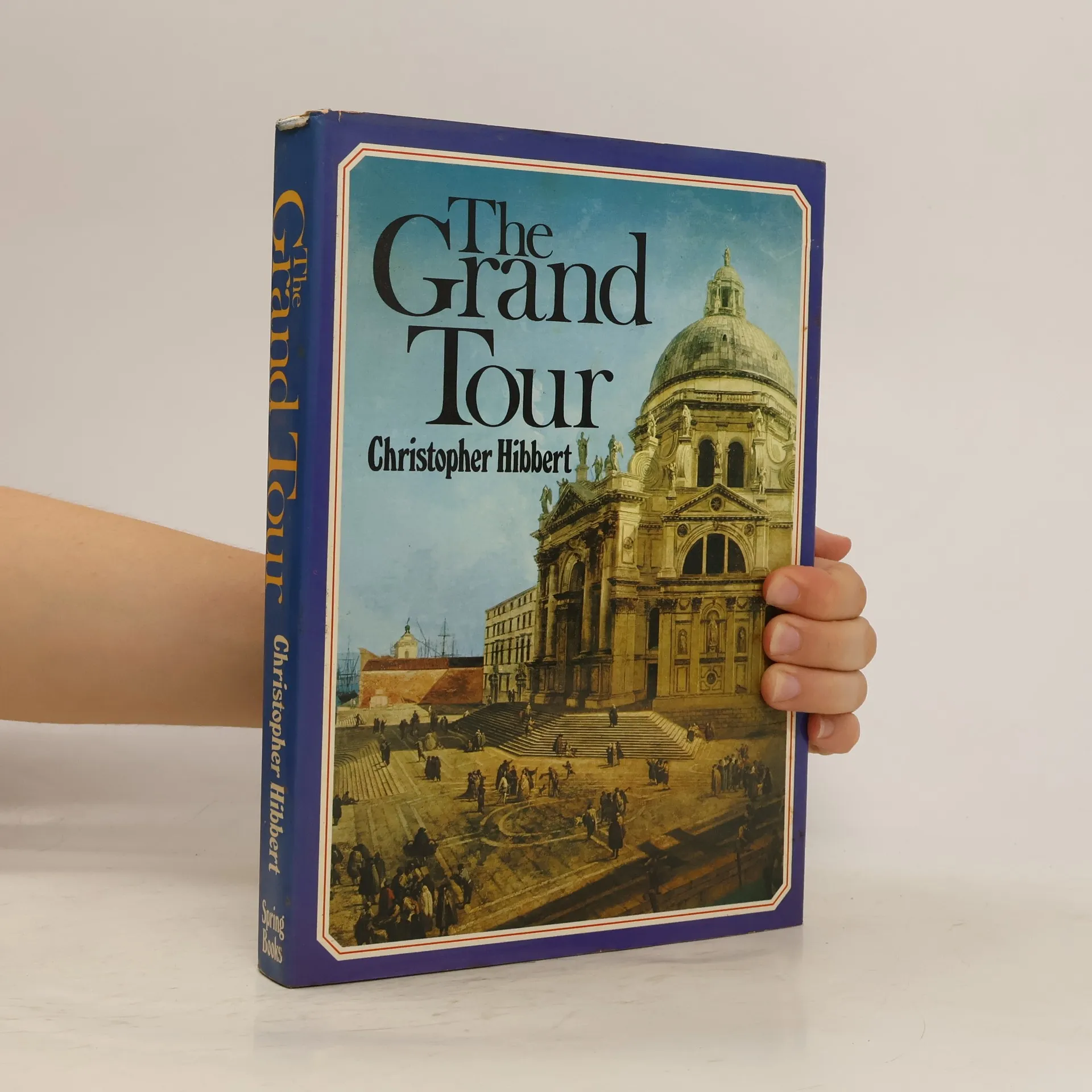
The Grand Tour
- 256pagine
- 9 ore di lettura
The Great Mutiny
- 472pagine
- 17 ore di lettura
Presents the history of the Indian uprising of 1857.
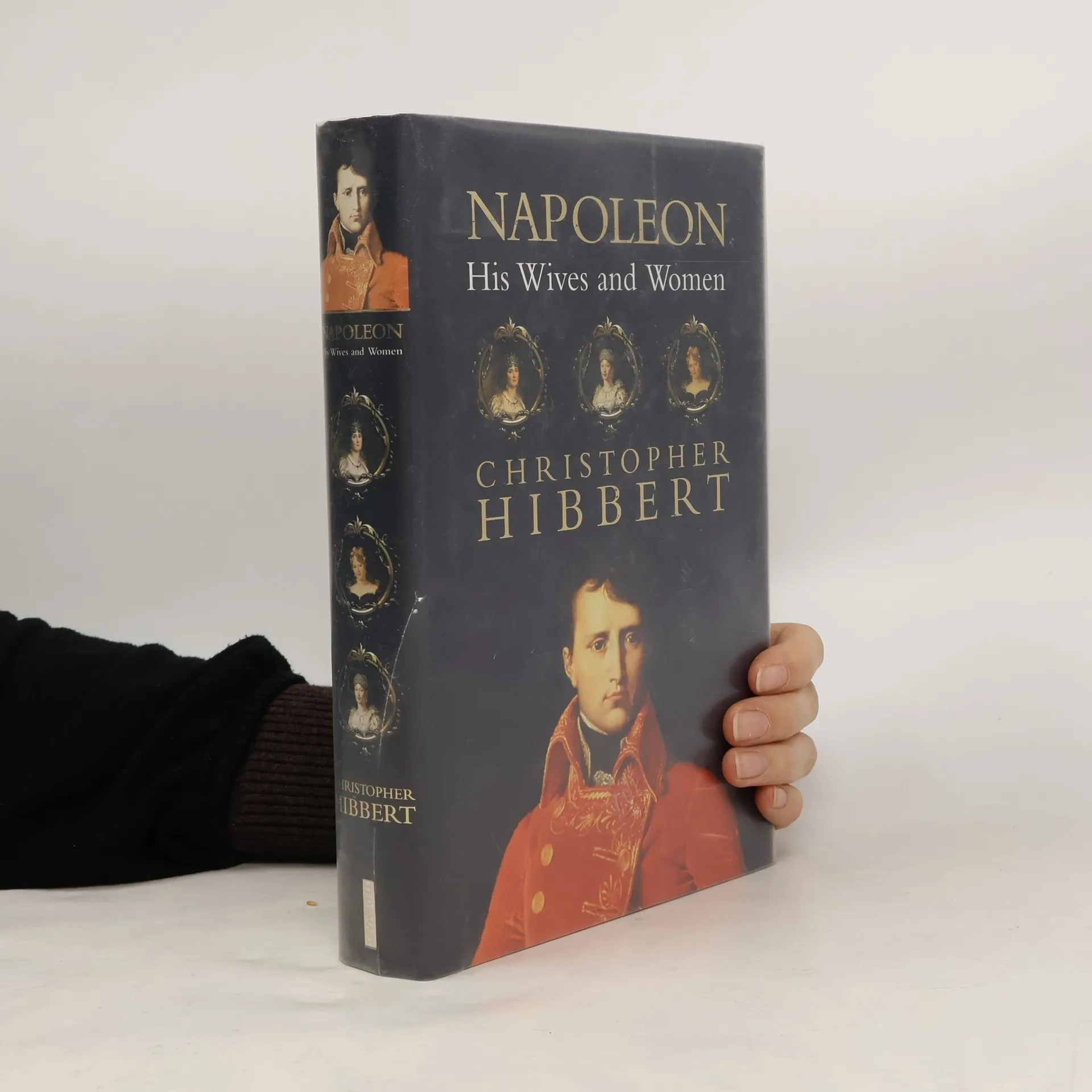
As a soldier and an emperor, Napoleon was ruthless and determined; as a lover, he showed the same single-minded ferocity. Hailed by Amanda Foreman, author of Georgiana , as "one of England's greatest living historical writers," Christopher Hibbert introduces us to the many intriguing women behind the legendary soldier―from his strong-willed mother and three sisters to his varied wives and mistresses. This lively historical account reveals Napoleon's often neglected private life and passionate relationships, in which he wildly worshiped certain women as often as he disdained others.Vividly evoking the political and social upheavals of post-Revolutionary France, Hibbert captures the vibrant characters who made history, not only on the battlefield but also in the bedroom, including Josephine, the charming Creole from Martinique; the plain and pliant Marie-Louise of Austria; and Marie Walewska, the sumptuous young Polish countess who, despite initial reluctance, was persuaded by her elderly husband to fall in love with Napoleon. Praised by A. N. Wilson as an "outstanding popular historian," Hibbert dramatically brings to life the most intimate influences on Napoleon's turbulent career and character. Originally published in cloth under the title Napoleon: His Wives and Women . 24 pages of illustrations
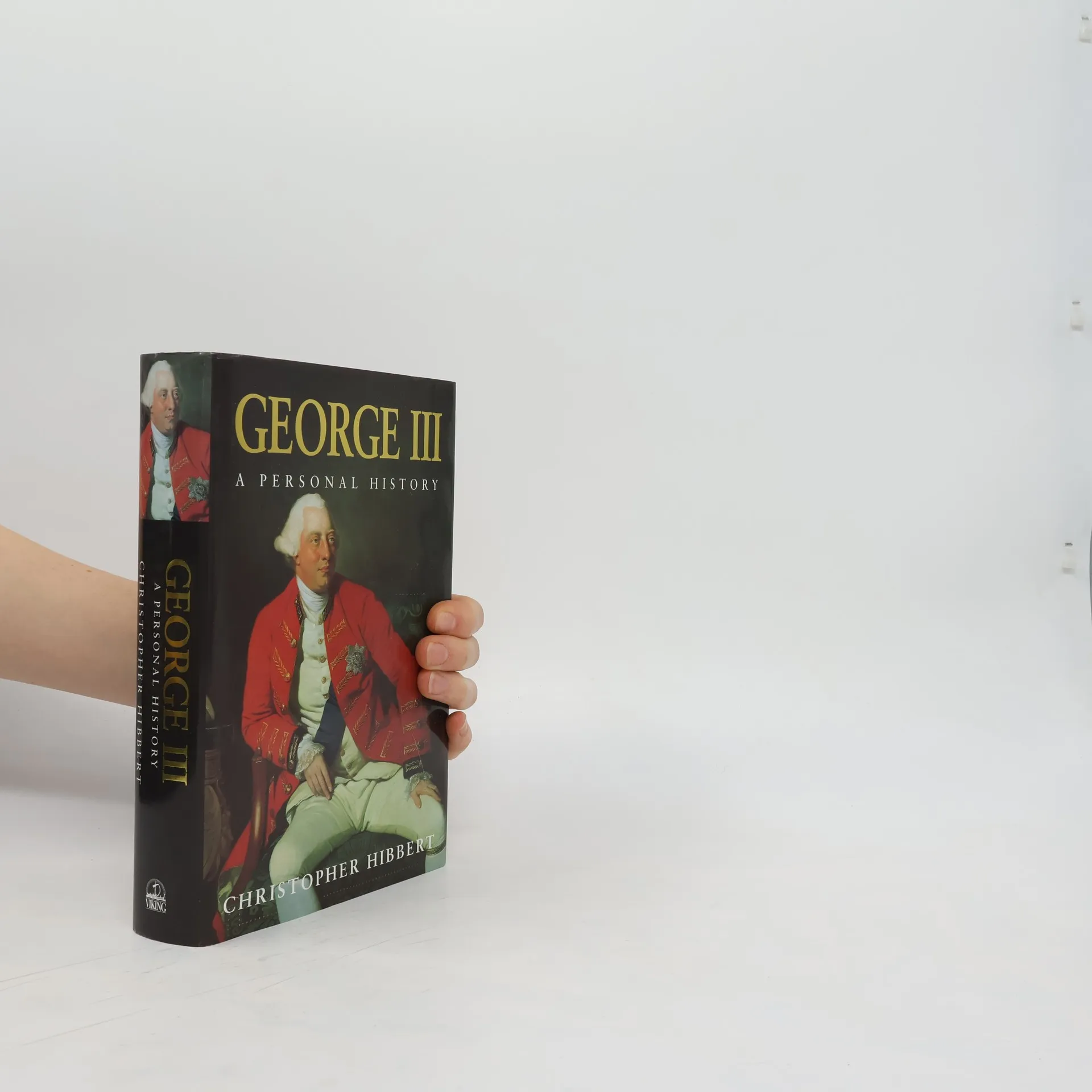
George III.
A Personal History
"To most English people George III is the King who went mad; to most Americans he is the King stigmatized in the Declaration of Independence as 'unfit to be the ruler of a free people'." "In this absorbing book Christopher Hibbert reassesses a remarkable man, discusses his political beliefs and aspirations, his relationships with his ministers, courtiers and family, and the reasons why he came to be so widely loved by his subjects. He is portrayed as a man of great courage and sensibility, a generous patron of scientists, musicians, authors and artists, and as a discerning book collector in whose library Dr Johnson was so taken by his charm and knowledge. For all his eccentricities and occasional cantankerous outbursts, he is seen as a man of wide sympathies, intelligence and interests, farmer, amateur astronomer, architect and mechanic, a man of strong sexual urges who remained faithful to a plain and difficult wife, someone who was capable of flashes of wit and irony and who greatly enhanced the reputation of the British monarchy in the sixty years of his reign despite the fact that, suffering from a rare hereditary disorder, for a time he lost his reason and disappeared into a world of strange imaginings." --Book Jacket
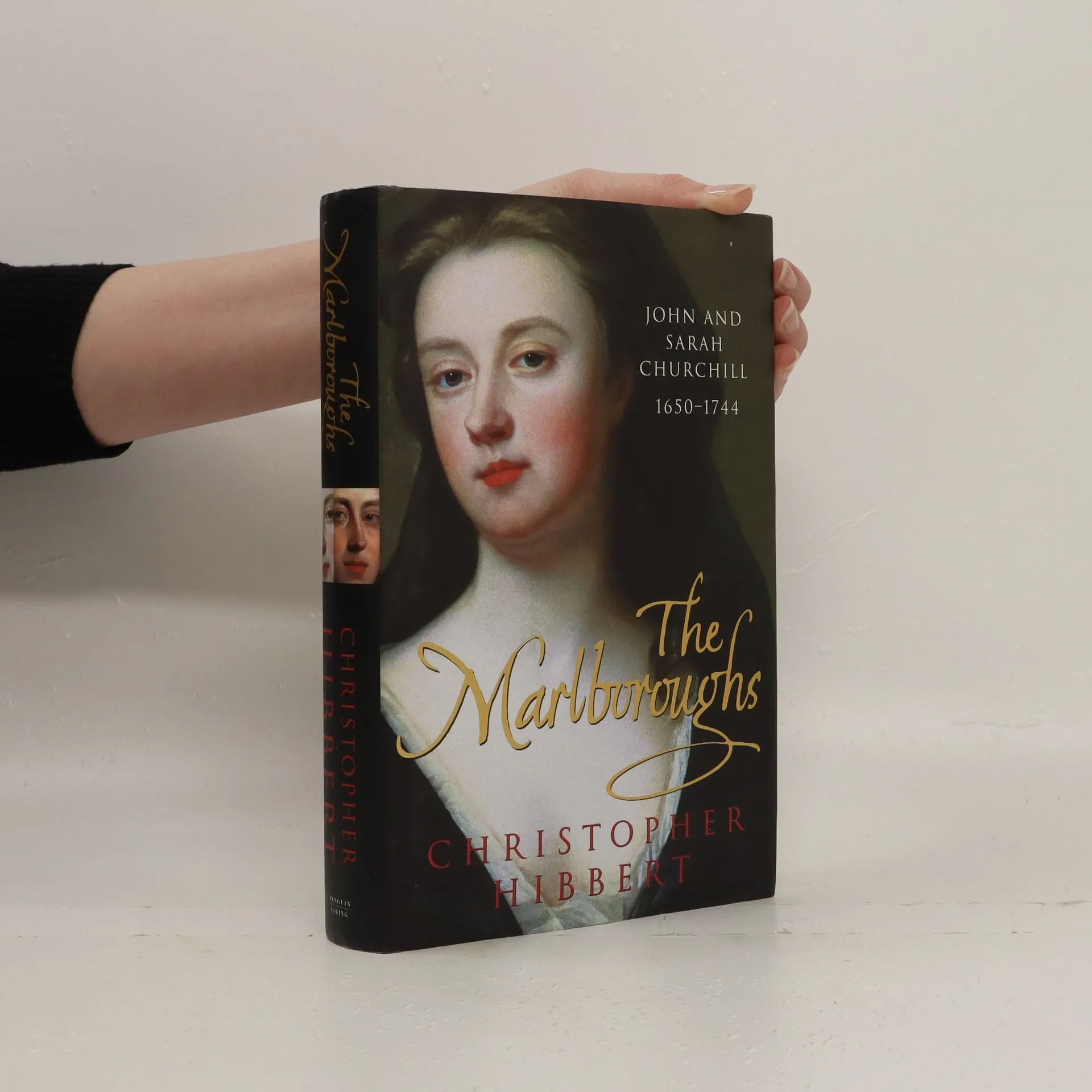
The most successful British general until the advent of Napoleon, John Churchill, the first Duke of Marlborough, was also a successful, if devious politcian, and a commanding figure both on the continent of Europe and the English court from the time of King James II. King James' mistress was Churchill's sister until he married Queen Anne whose intimate friend, the beautiful, gifted, shrewed and difficult Sarah, was Churchill's wife.
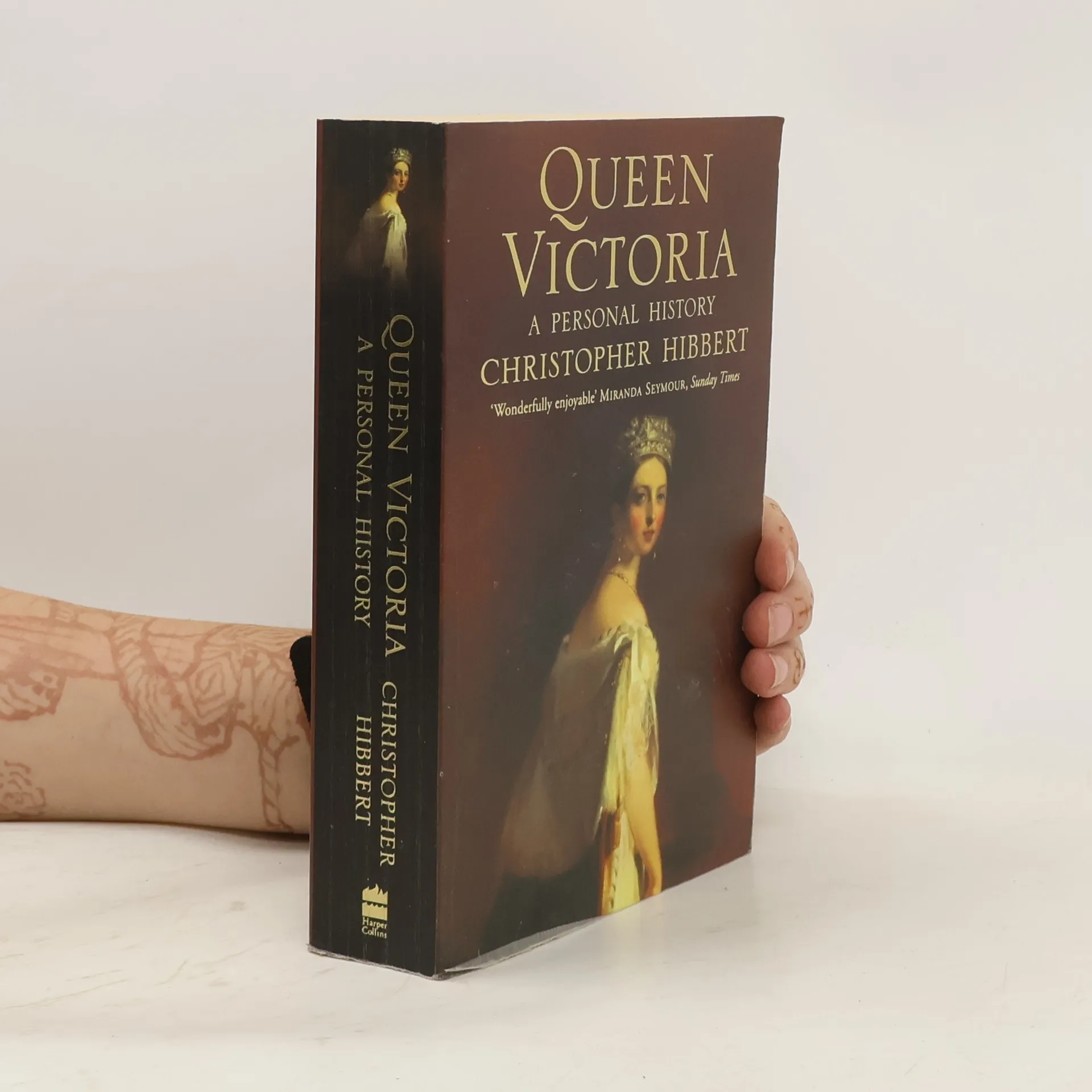
Queen Victoria
- 576pagine
- 21 ore di lettura
Christopher Hibbert's acclaimed biography of Queen Victoria is as impressive and authoritative as the great woman herself.
Florence
- 416pagine
- 15 ore di lettura
This book is as captivating as the city itself. Hibbert's gift is weaving political, social and art history into an elegantly readable and marvelously lively whole. The author's book on Florence will also be at once a history and a guide book and will be enhanced by splendid photographs and illustrations and line drawings which will describe all the buildings and treasures of the city.
Arnhem
- 288pagine
- 11 ore di lettura
The vivid account of how a brilliant plan turned into an epic tragedy - made into the BAFTA award-winning film A BRIDGE TOO FAR'Alive with the detail that evokes the smoking background' DAILY TELEGRAPH
Charts the French Revolution from its beginnings at an impromptu meeting on an indoor tennis court at Versailles in 1789, right through to the 'coup d'etat' that brought Napoleon to power ten years later. This book explains the drama and complexities of this era.
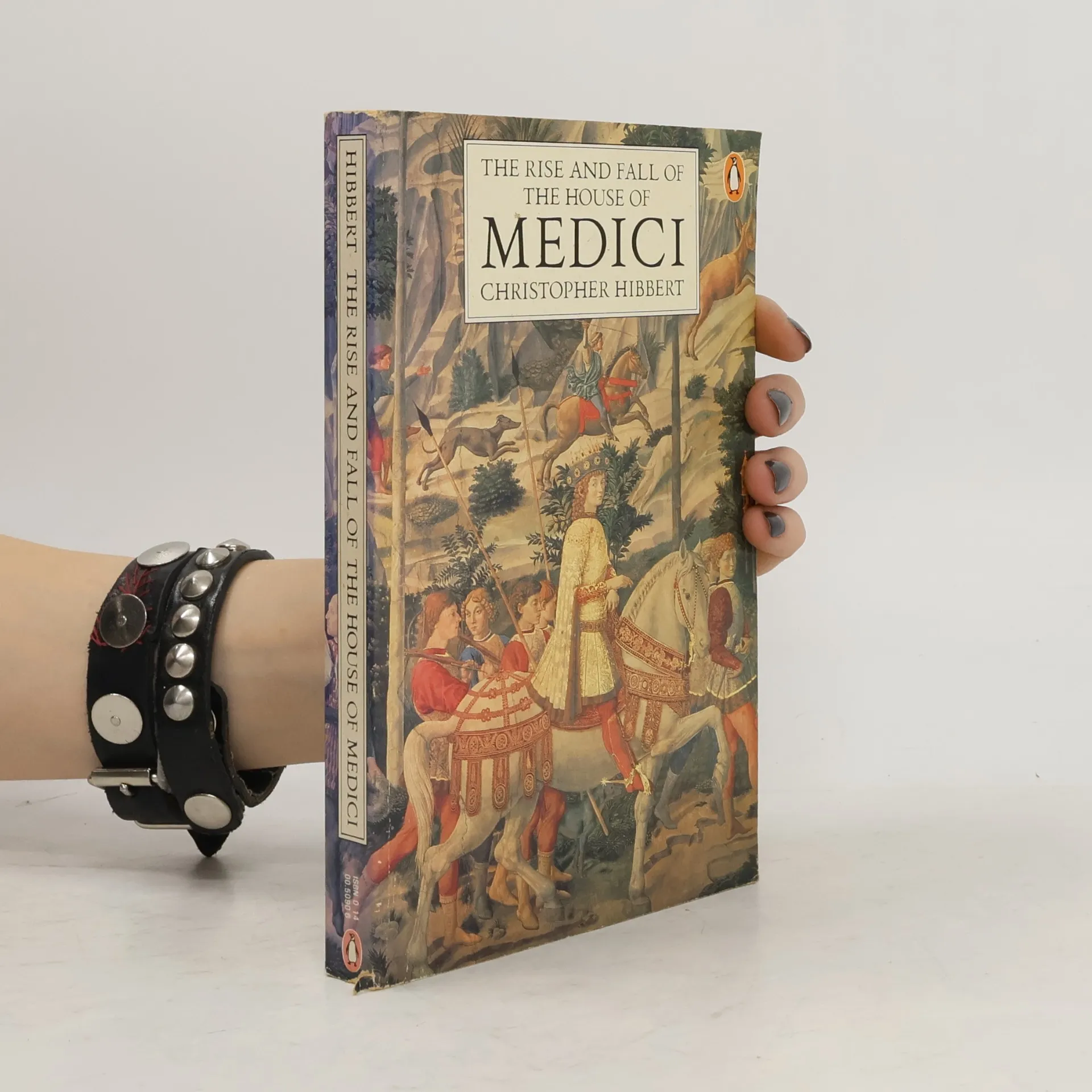
The rise and fall of the house of Medici
- 368pagine
- 13 ore di lettura
It was a dynasty with more wealth, passion, and power than the houses of Windsor, Kennedy, and Rockefeller combined. It shaped all of Europe and controlled politics, scientists, artists, and even popes, for three hundred years. It was the house of Medici, patrons of Botticelli, Michelangelo and Galileo, benefactors who turned Florence into a global power center, and then lost it all. The House of Medici picks up where Barbara Tuchman's Hibbert delves into the lives of the Medici family, whose legacy of increasing self-indulgence and sexual dalliance eventually led to its self-destruction. With twenty-four pages of black-and-white illustrations, this timeless saga is one of Quill's strongest-selling paperbacks.
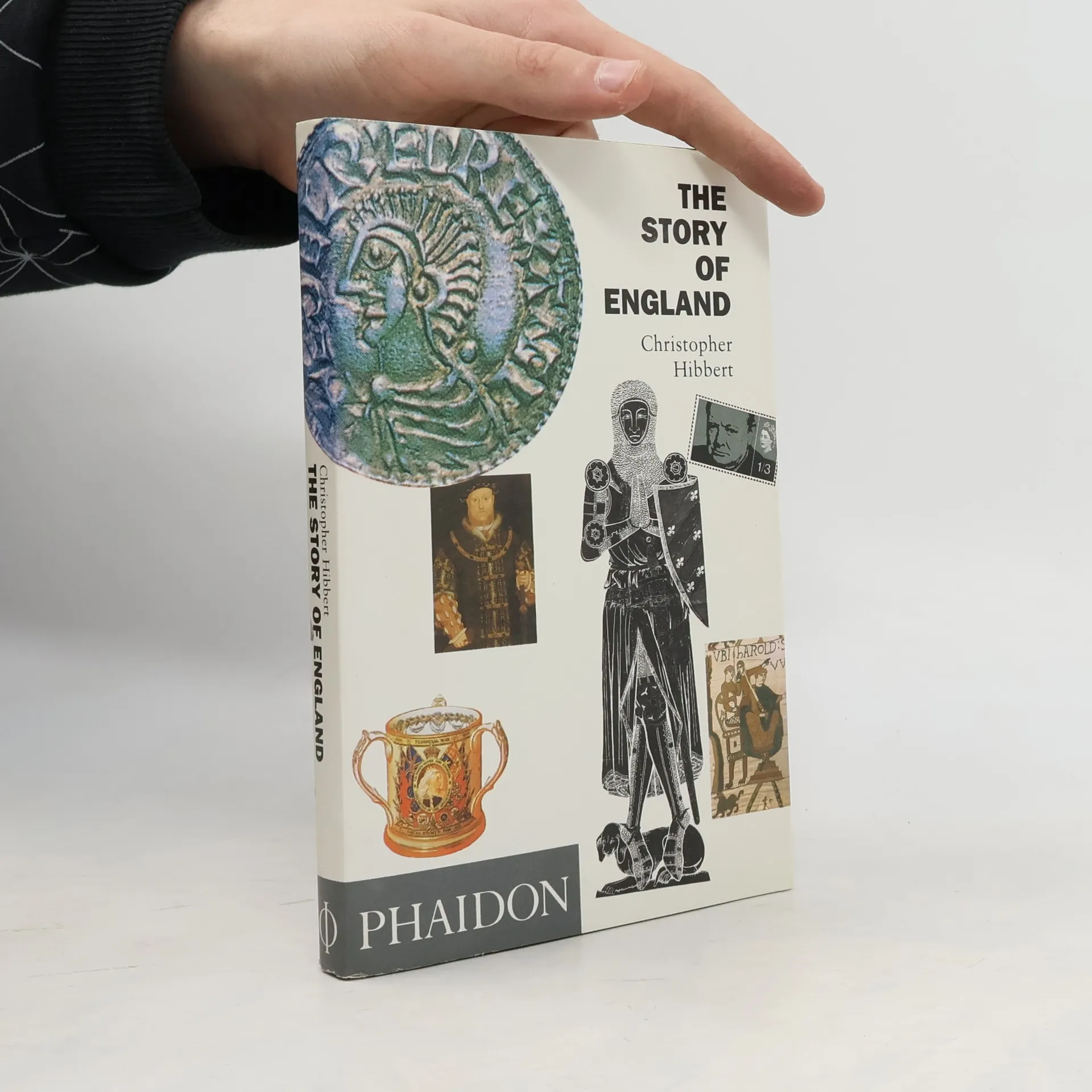
The Story of England
- 224pagine
- 8 ore di lettura
The perfect introduction to England's history for readers of all ages.
The Borgias
- 336pagine
- 12 ore di lettura
A biography of the Borgia family looks at the dynasty's rise to power from its Spanish roots, while profiling its powerful patriarch, Pope Alexander VI; his daughter, Lucrezia; and his ruthless son Cesare, the model for Machiavelli's "The Prince."
Disraeli
- 416pagine
- 15 ore di lettura
Disraeli is one of the most fascinating men of the 19th century. This masterly biography, written by an outstanding popular historian, concentrates on his intriguing private life.
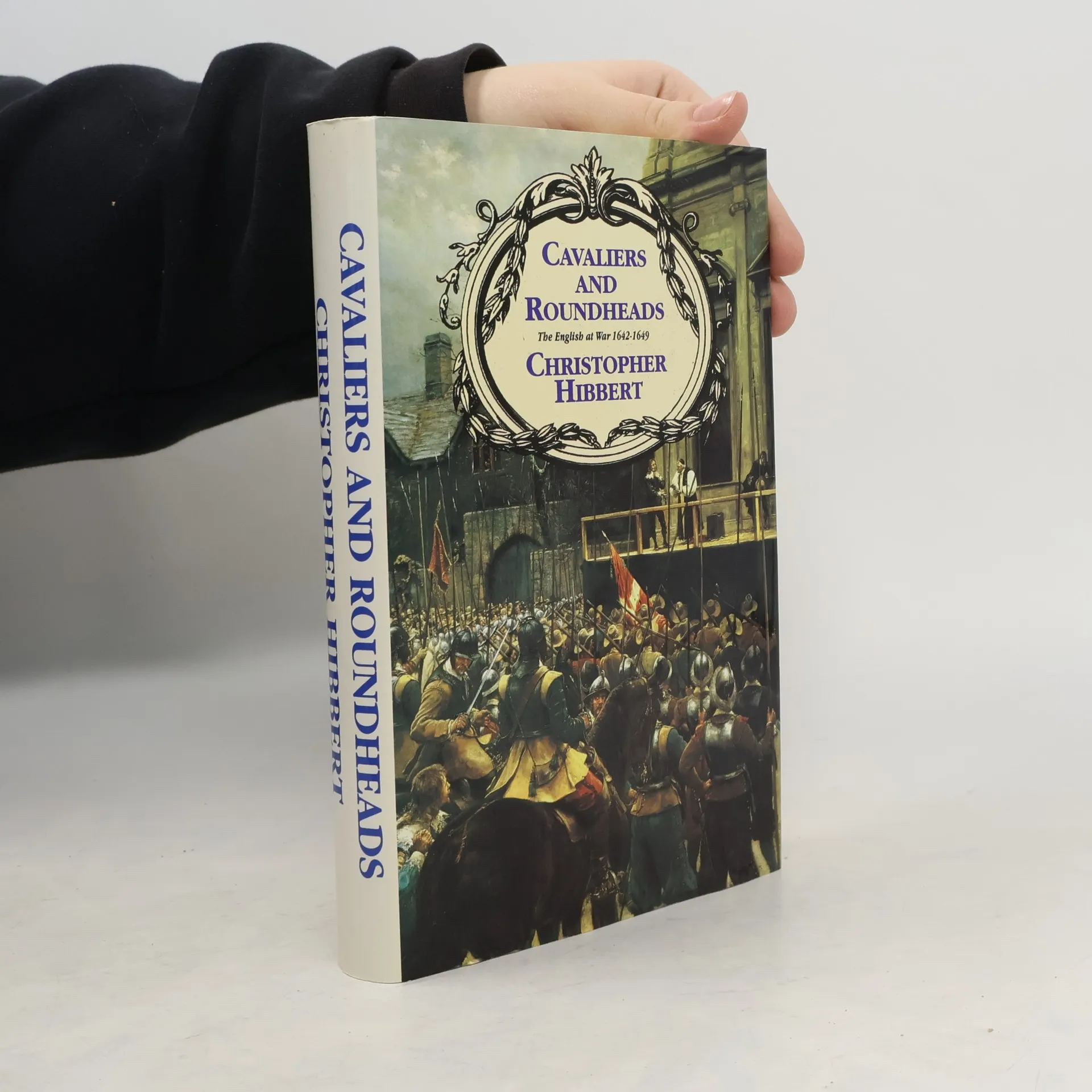
This spirited history of the English Civil War provides a sweeping new look at the events of the war itself and those that preceded and followed it and also offers a brilliant portrait of legendary English statesman Oliver Cromwell. 8-page photo insert.
Cities and Civilizations
- 252pagine
- 9 ore di lettura
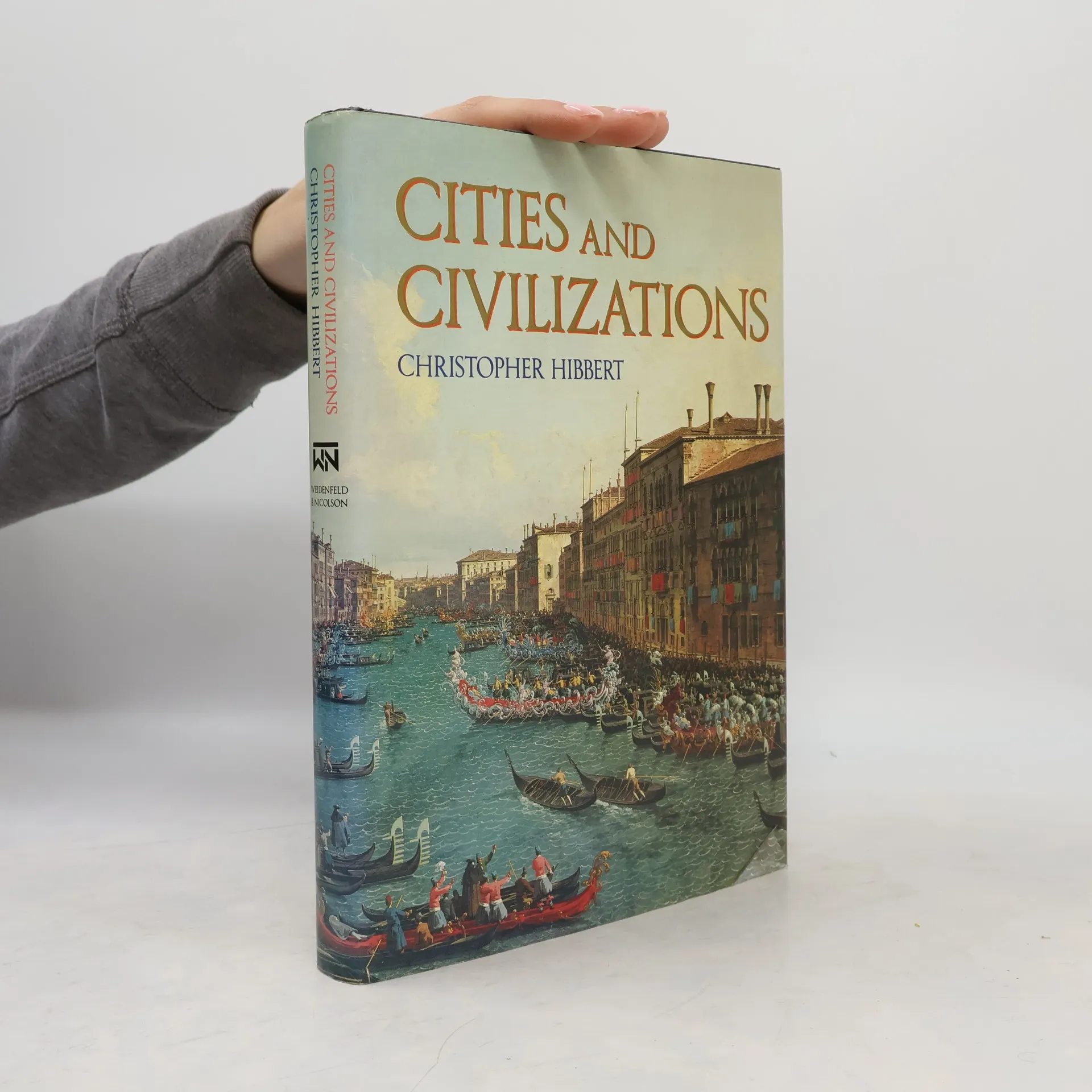
From Thebes, Jerusalem, and Athens to New York, London, Sydney, Amsterdam, Moscow, and Berlin, Cities and Civilizations explores the world's great cities and their golden ages. Famed historian Christopher Hibbert vividly brings each city to life -- its moments of power and prestige, of cultural ferment and political dominance -- providing a panoramic sweep encompassing almost four thousand years.
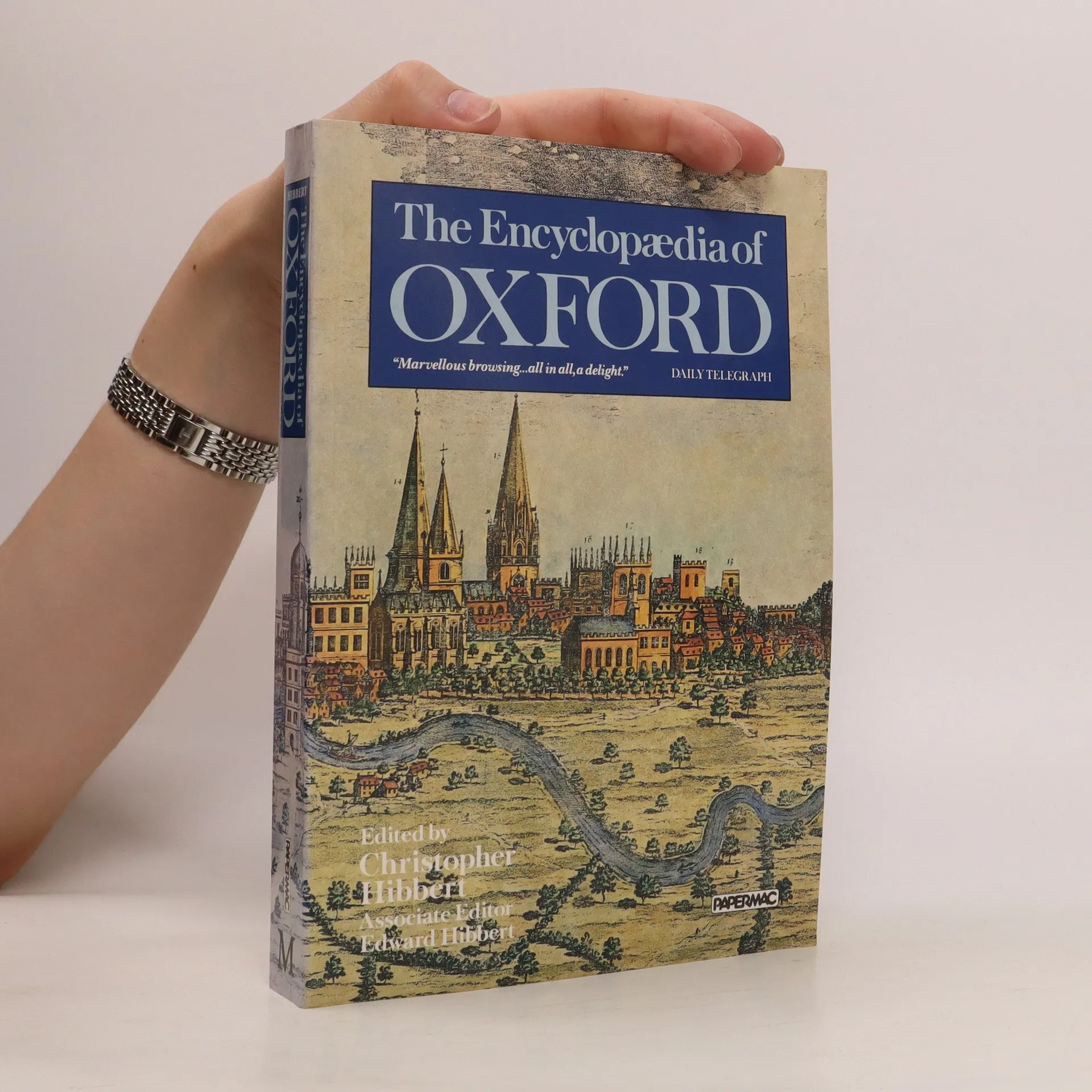
The Encyclopaedia of Oxford
- 560pagine
- 20 ore di lettura
Few cities have played a more prominent role in Britain's history than Oxford. It was already a centre for religion and trade by the 13th century and the foundation of the colleges established it as a seat of learning. This encyclopaedia provides a portrait of the city, past and present.
A Brief History of the Battle of Agincourt
- 192pagine
- 7 ore di lettura
A vivid account of one of the greatest British military victories
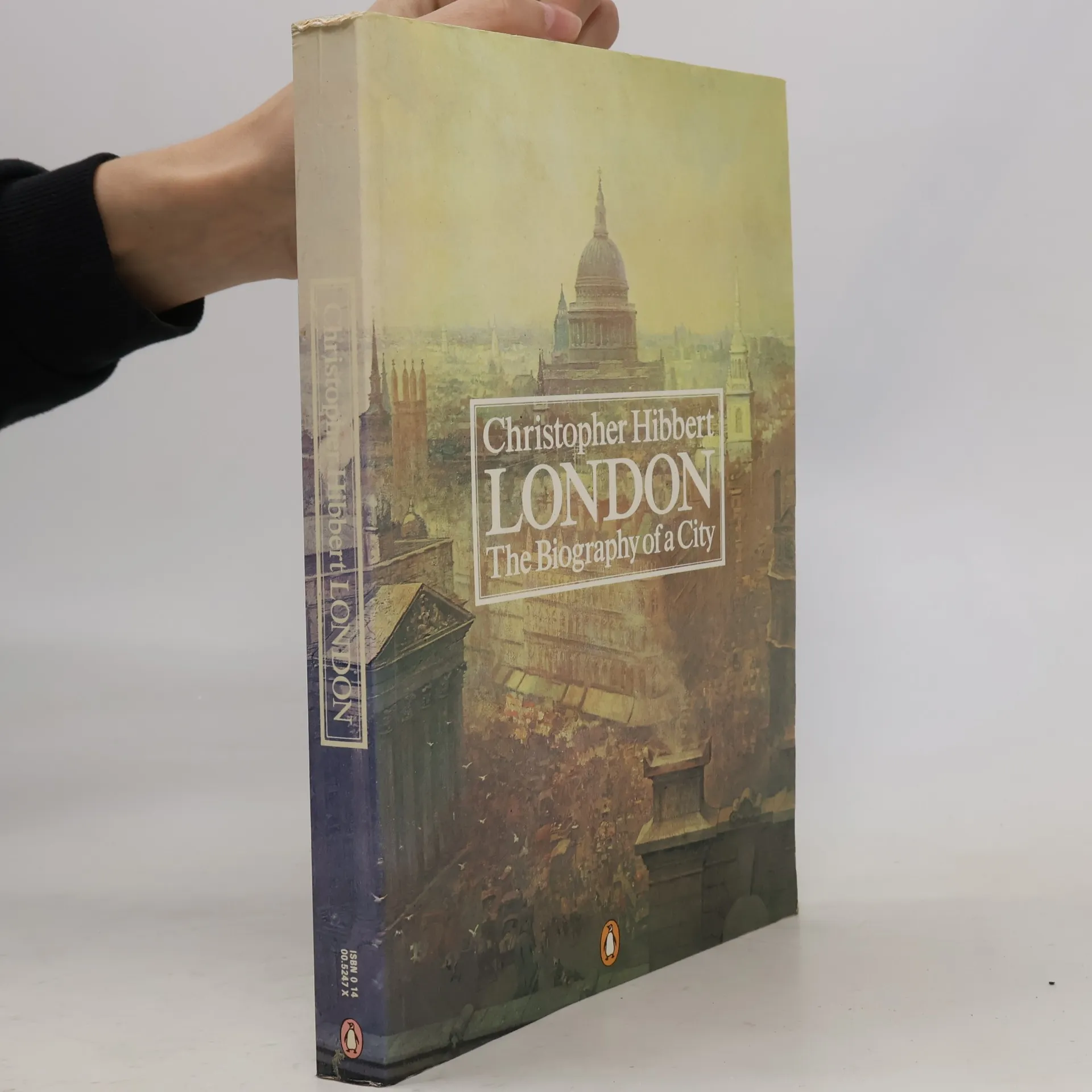
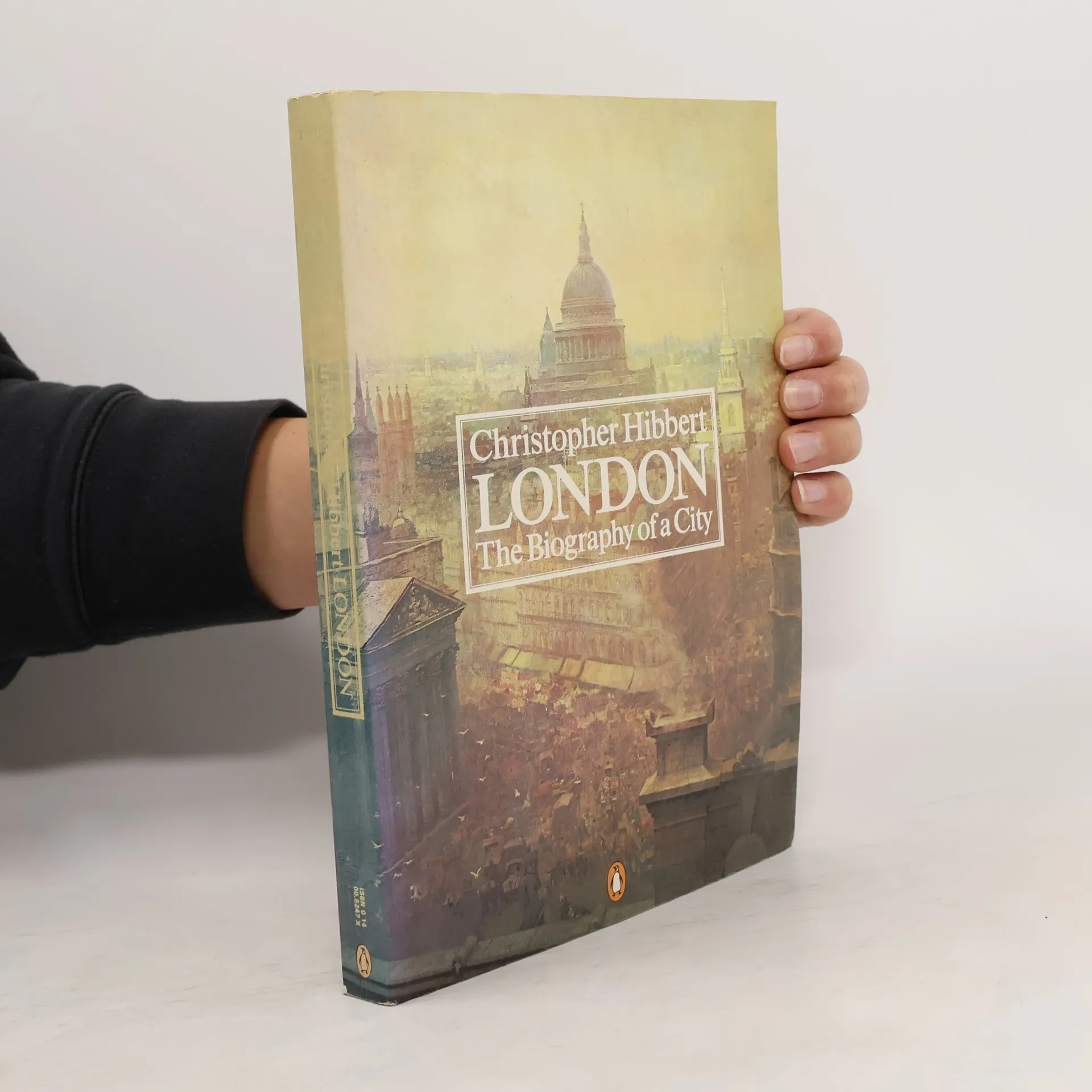
London
The Biography of a City
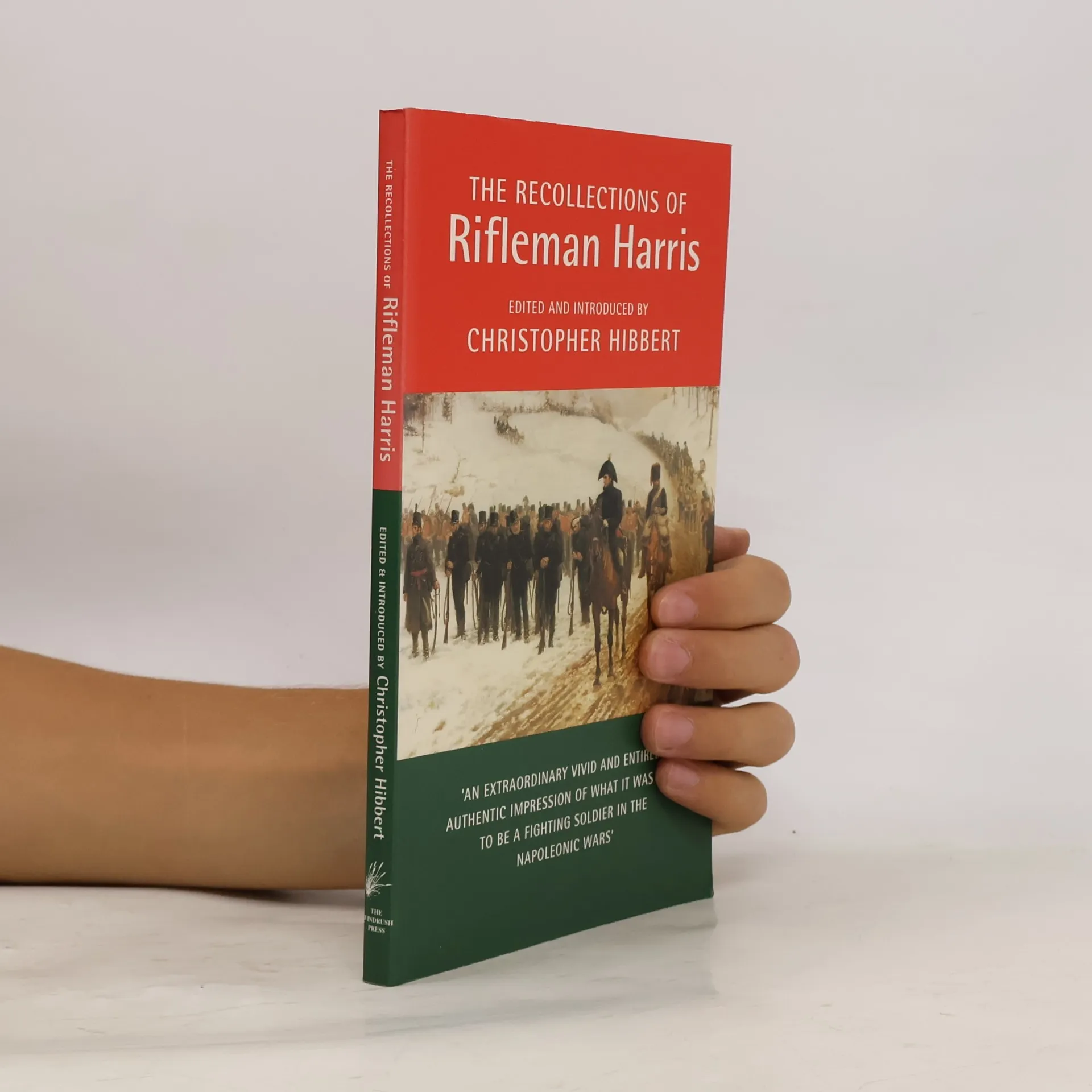
This work features the recollections of Benjamin Harris who fought in the British Army's campaign against Napoleon in Spain and Portugal. Harris joined the army in 1802 and later joined the 95th Rifles, a regiment which became the elite of the Army through their expertise with the rifle, their alertness, discipline and regimental pride. The story unfolds from the moment that the diminutive Harris lands in Portugal and marches away in the sun, weighed down by his kit and great coat, his blanket and camp kettle, his haversack rifle, ammunition, ship-biscuit and beef and all the tools and leather that he had to carry as the battalion's cobbler.
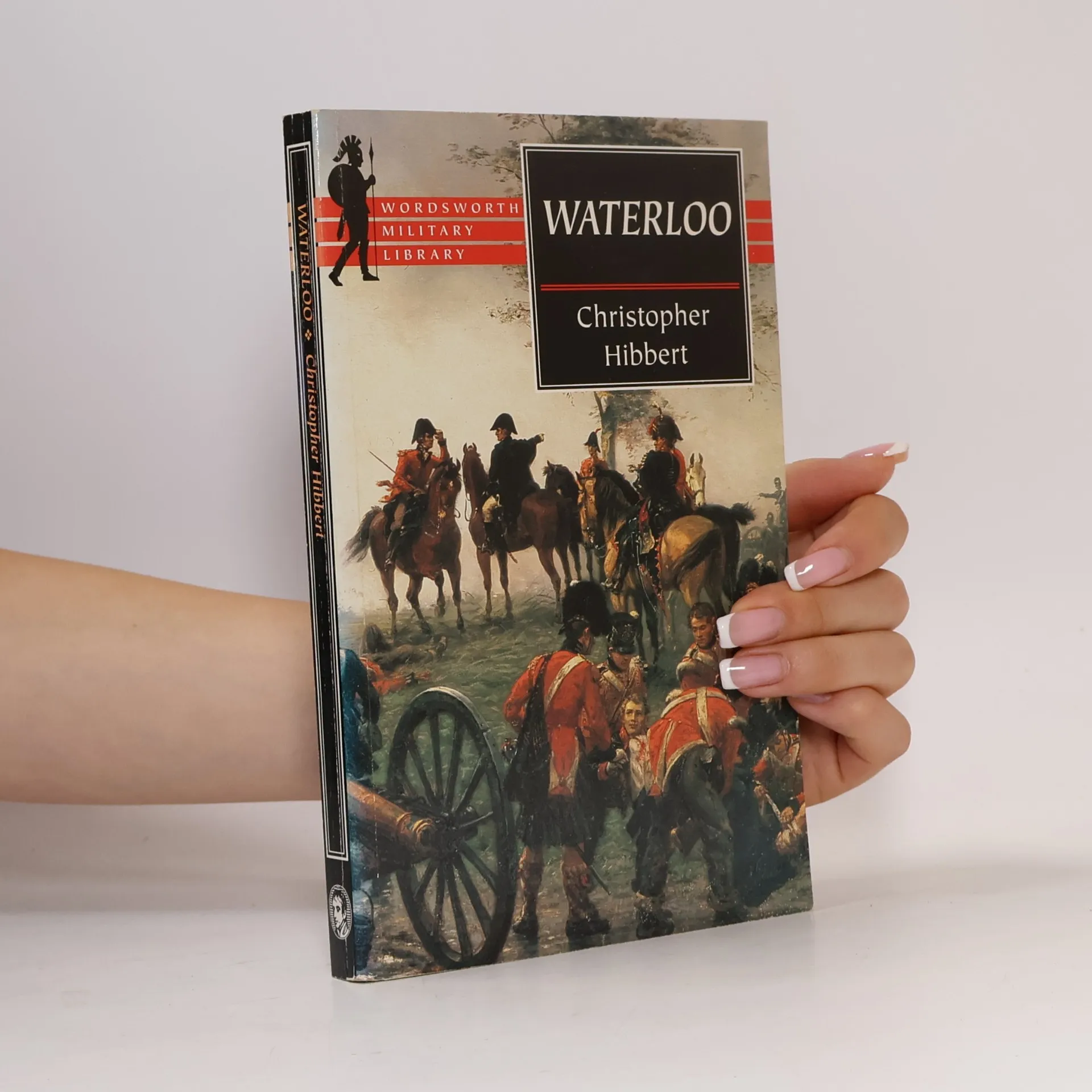
Waterloo was the battle that ended Napolean's dreams of a European empire unified under his rule. Christopher Hibbert creates portraits of Napoleon and Wellington, of the French, English and Prussian armies, and a strategical, step-by-step reconstruction of the events that led up to the battle and the battle itself. Divided into three parts, the first studies Napoleon and his rise to power, the second describes Wellington and the allied armies, while the third reconstructs the battle of Waterloo. A final summary investigates the significance of the battles on world history.
The author discusses the limitations of Elizabeth I's powers, and reveals ministers' techniques of hood-winking her. Also, her more sinister side when she ordered torture and delighted in bear-baiting. Hibbert recreates the atmosphere of her faction-ridden court and draws a picture of a fascinating and difficult woman, set against the background of her tumultuous times.
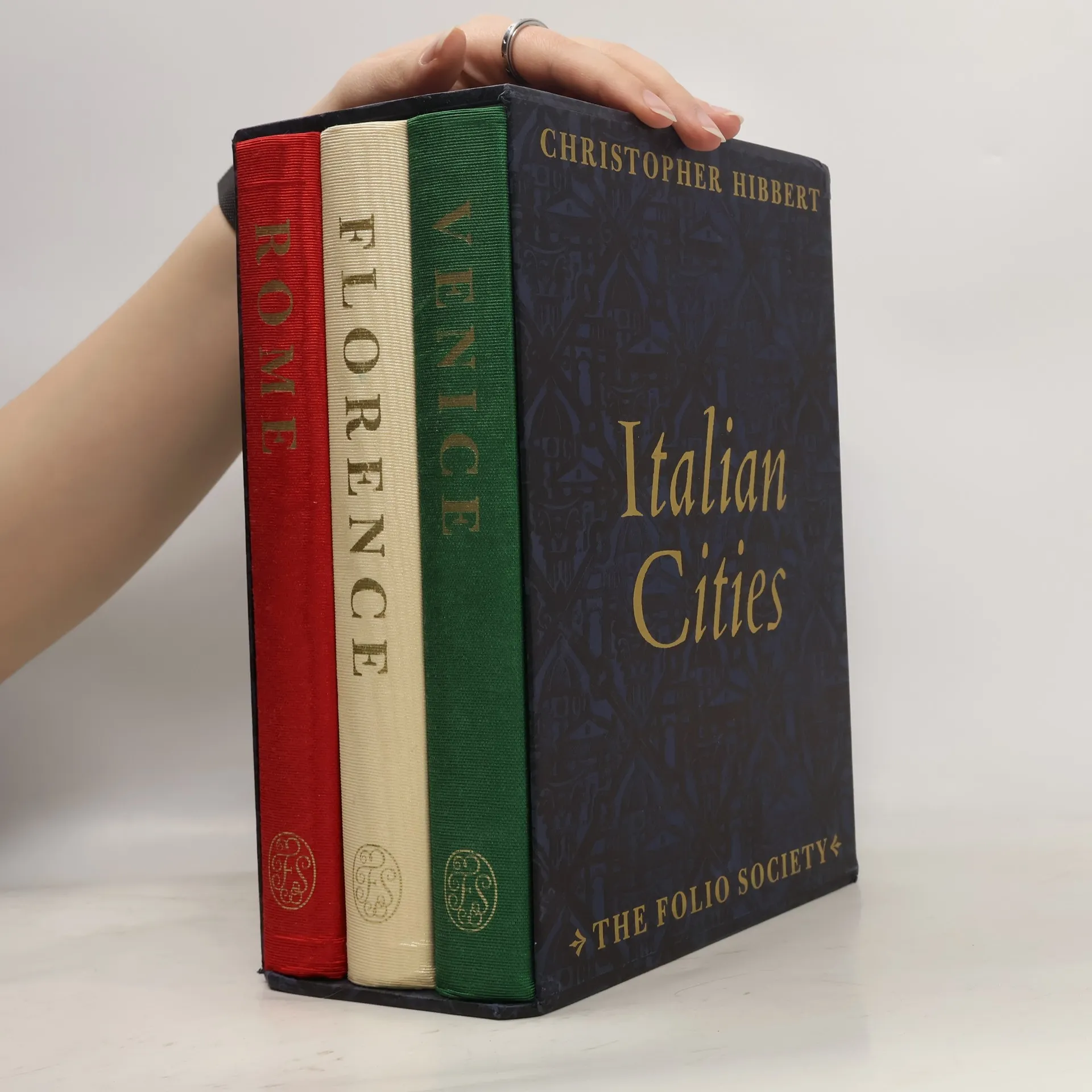
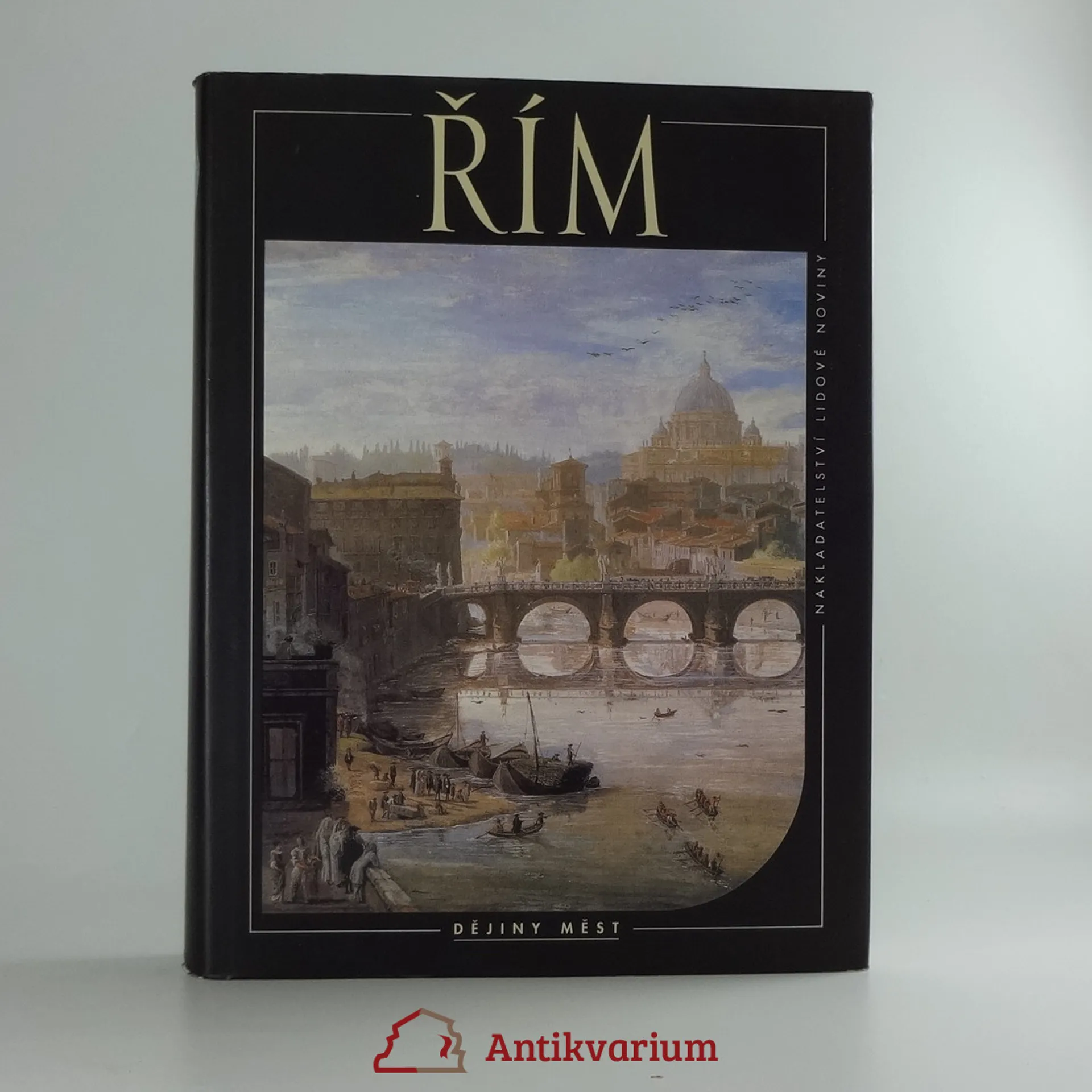
Italian Cities
Rome, Florence a Venice
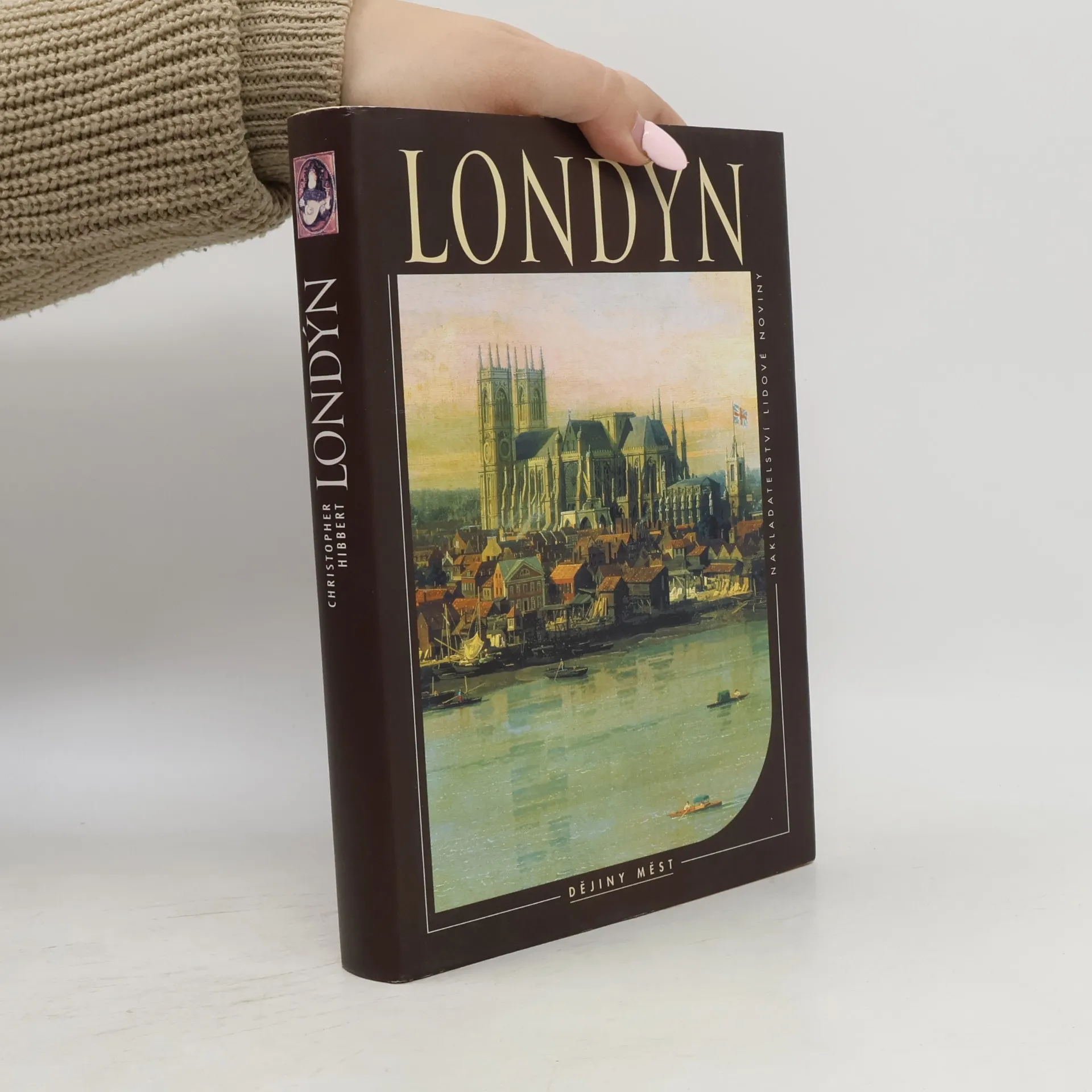
Historie vývoje Londýna, dějiny města a jeho významné památky od pravěku až do současnosti. Bohatě ilustrované chronologické dějiny města, jeho památky a společenský život od antiky až po 20.století. Kroniku všech významných epoch doplňuje přehled významných budov a památek, přehled význačných a zajímavých míst Londýna, rejstřík a literatura
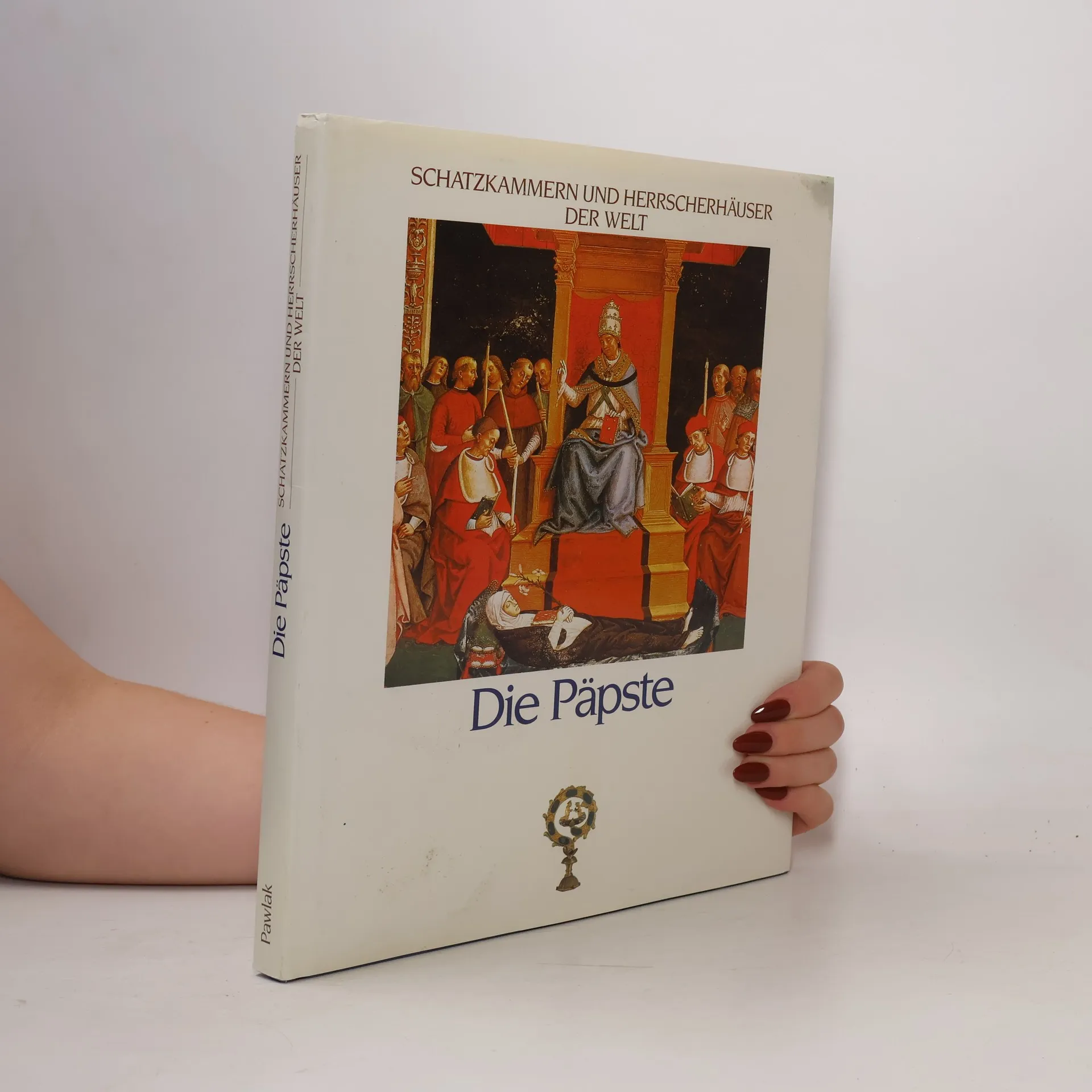
Die Päpste
- 176pagine
- 7 ore di lettura
Die Kaiser von China
- 176pagine
- 7 ore di lettura
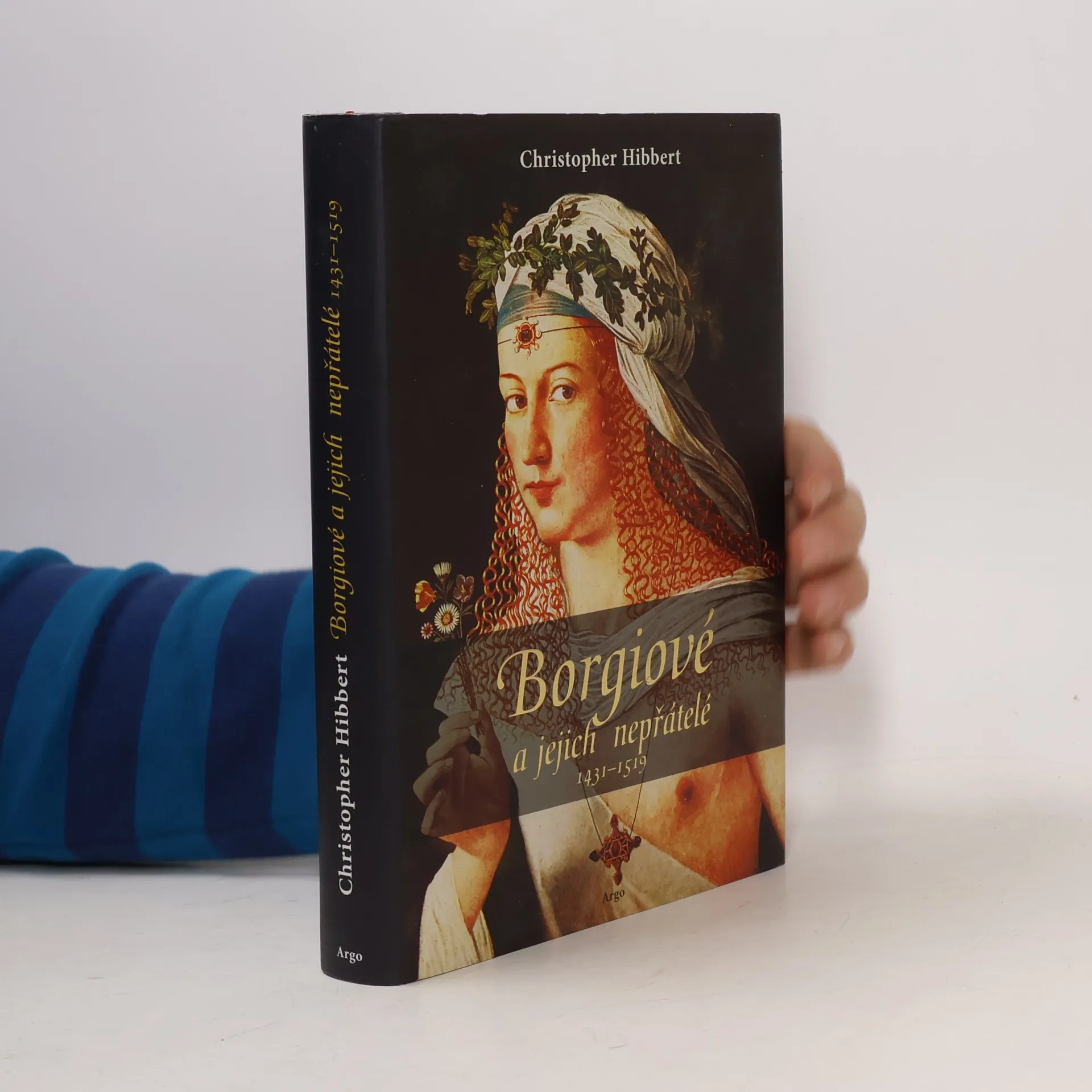
Borgiové a jejich nepřátelé
- 281pagine
- 10 ore di lettura
Renomovaný britský spisovatel Christopher Hibbert, který je autorem více než padesáti populárně historických knih a životopisů, měl ve zvláštní oblibě Itálii. Jistě i proto se rozhodl vylíčit, jak se španělskému rodu Borgiů podařilo vyšvihnout se v této zemi i v církvi do nejvyšších mocenských pozic. Ústřední postavou dynastie jsou Rodrigo Borgia, tj. papež Alexandr VI., jeho proslulá dcera Lucrezia a syn Cesare, kterému zajistil nesmrtelnost Machiavelliho spis Vladař. Je pověst Borgiů – nemravů, hýřilů, vrahů, kariéristů, úplatkářů, ale i vojenských velitelů a mecenášů umění – zasloužená? Hibbert si klade otázku, zda životní styl rodu vedl po zásluze k tomu, že se jejich jméno stalo synonymem mravní zkaženosti, nepotismu a hrabivosti. V dramatických, čtivě a barvitě vykreslených osudech Borgiů, které autor hojně dokládá i citacemi z dobových pramenů, se zároveň zrcadlí složité poměry renesanční Itálie.
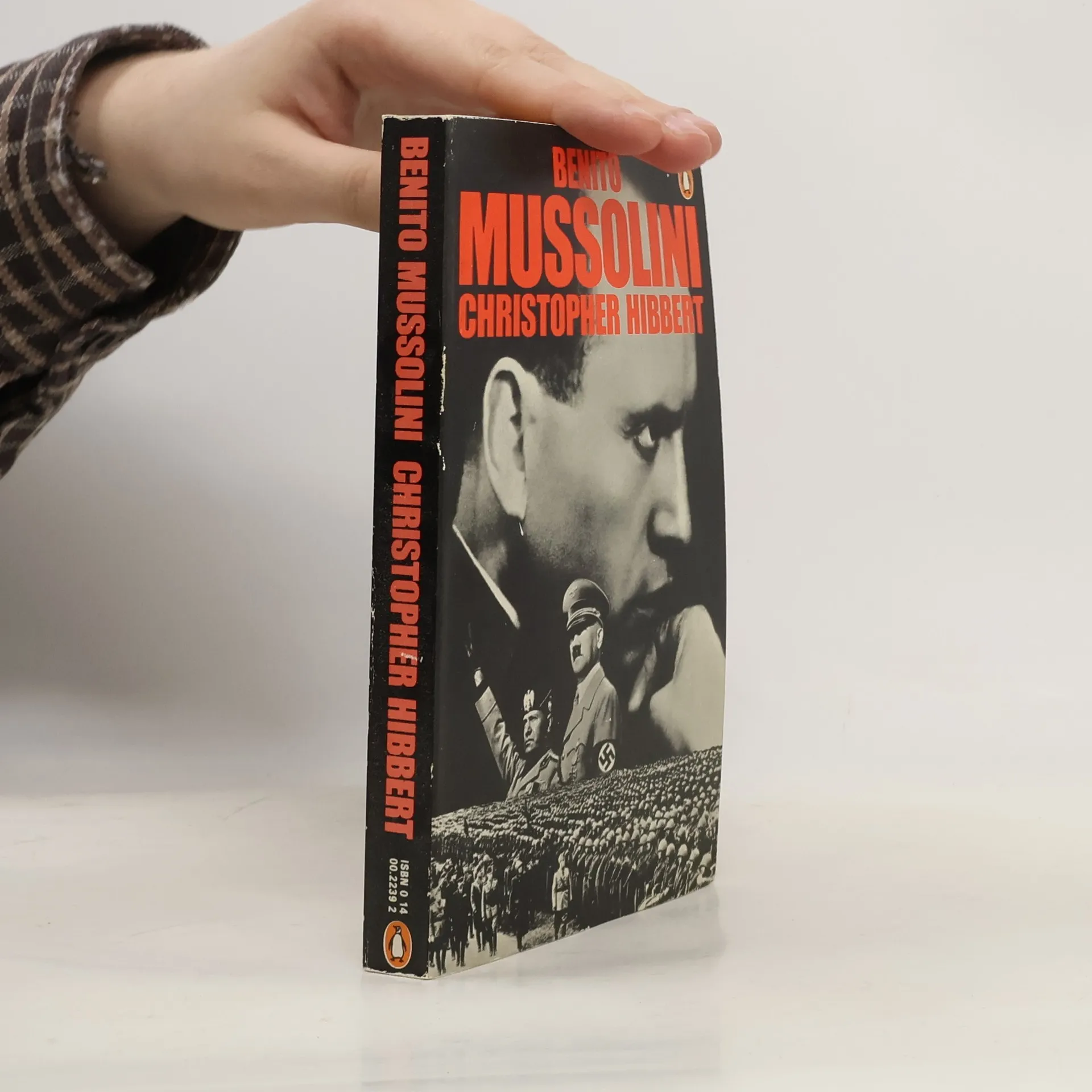
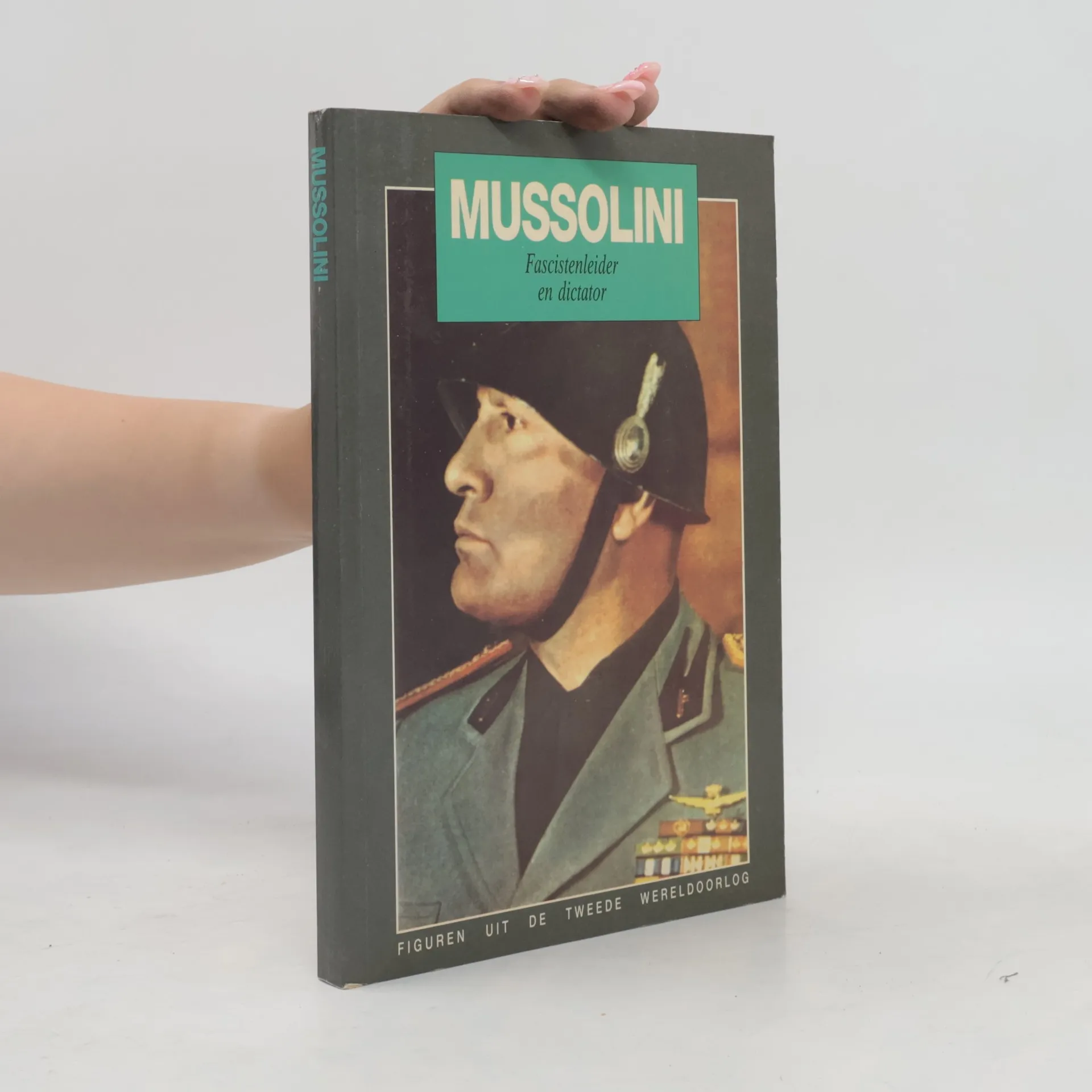
Der britische Historiker Christopher Hibbert zeichnet das widersprüchliche Wesen des italienischen faschistischen Führers Benito Mussolini mit außergewöhnlicher Sorgfalt, zugleich unterhaltsam und informativ, wie es seiner Gewohnheit entspricht. Mussolini wurde 1888 in einem kleinen Dorf in Mittelitalien geboren und wurde 1945 von kommunistischen Partisanen am Ufer des Comer Sees erschossen. In den zweiundsechzig Jahren zwischen diesen beiden schicksalhaften Nachmittagen führte der italienische Duce ein so dramatisches Leben, dass ihm in der modernen Geschichte nur wenige das Wasser reichen können. Hibbert verfolgt Mussolinis unaufhaltsamen Weg zur Macht und die feinen Nuancen der faschistischen Ideologie, die Mussolini prägte. Er reflektiert auch über die Spuren, die Mussolini im zeitgenössischen Denken hinterlassen hat, und fragt sich, warum diese Persönlichkeit in Italien bis heute Gegenstand leidenschaftlicher Emotionen, Verurteilungen und Ehrfurcht ist.
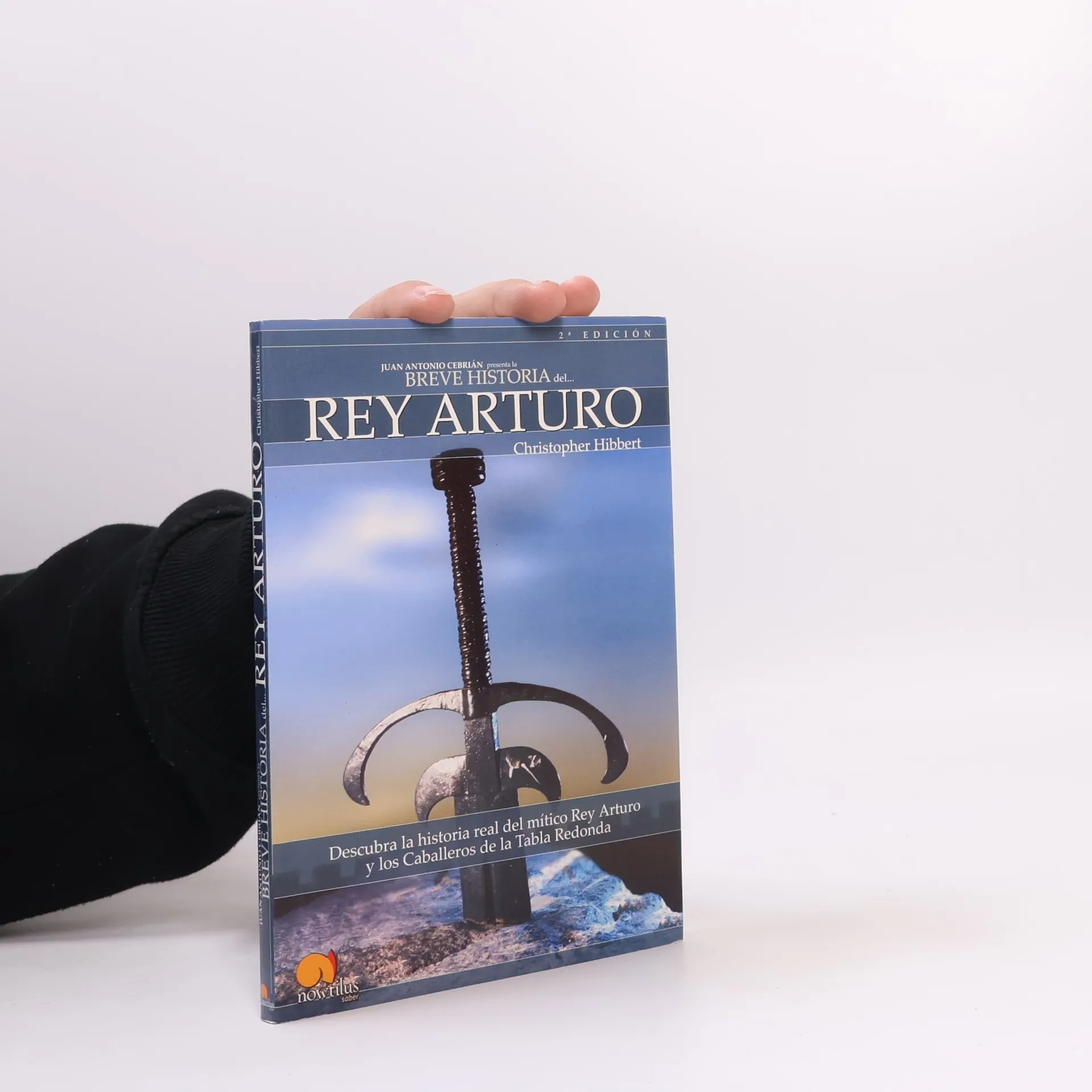
Breve Historia del Rey Arturo
Descubra las hazañas del héroe real en las que se basa la leyenda del Rey Arturo y los Caballeros de la Tabla Redonda - 2ª edición
- 130pagine
- 5 ore di lettura
A Brief History of King Arthur looks at one of the most important medieval romance tales of Western Europe: the legend of King Arthur, who unified the kingdoms of England and pushed back the Anglo-Saxon invaders, even chasing them to mainland Europe. Together with Guinevere, Kind Arthur reigned over the glorious city of Camelot, where he organized the famous Knights of the Round Table with such legendary figures as Sir Gawain, Sir Kay, Sir Percival, Sir Lancelot, and Sir Tristan
Der Duce
- 160pagine
- 6 ore di lettura
Gentleman's Europareise
- 251pagine
- 9 ore di lettura