Bookbot

John Cornwell

    1 gennaio 1940

    John Cornwell è un giornalista e autore britannico rinomato per il suo lavoro investigativo e la sua esplorazione del nesso tra scienza, etica e scienze umane. La sua scrittura approfondisce i complessi dilemmi etici derivanti dai progressi scientifici, esaminando come questi problemi plasmano la nostra società. Con una ricerca meticolosa e un'analisi incisiva, affronta temi spesso controversi e intricati contesti storici. Oltre ai suoi contributi alla comprensione della scienza, offre anche profonde intuizioni sulla Chiesa cattolica e il suo rapporto con il mondo moderno.

    Today's Best Nonfiction
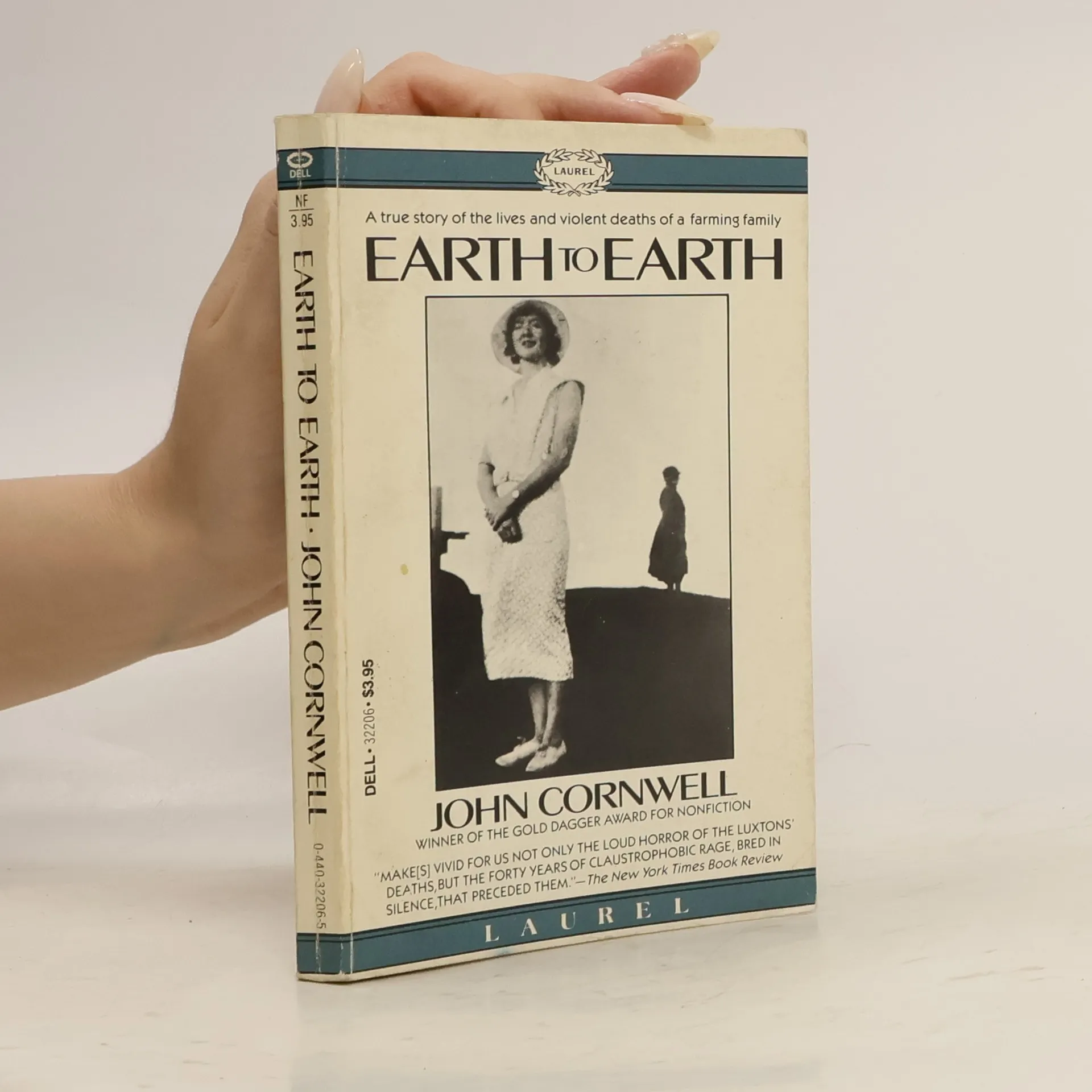
    Earth to Earth
    Hitler's Pope
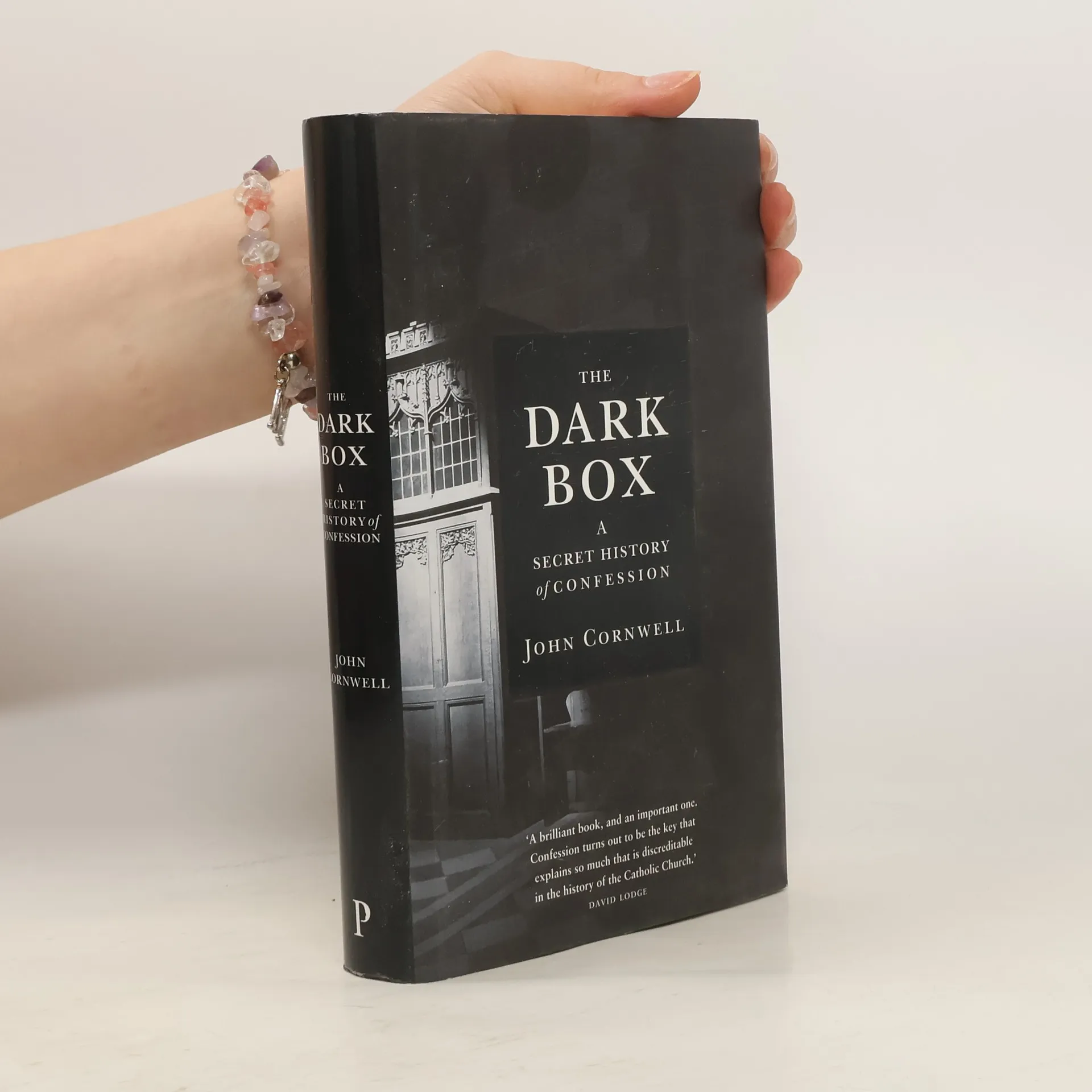
    The Dark Box
    Church, Interrupted
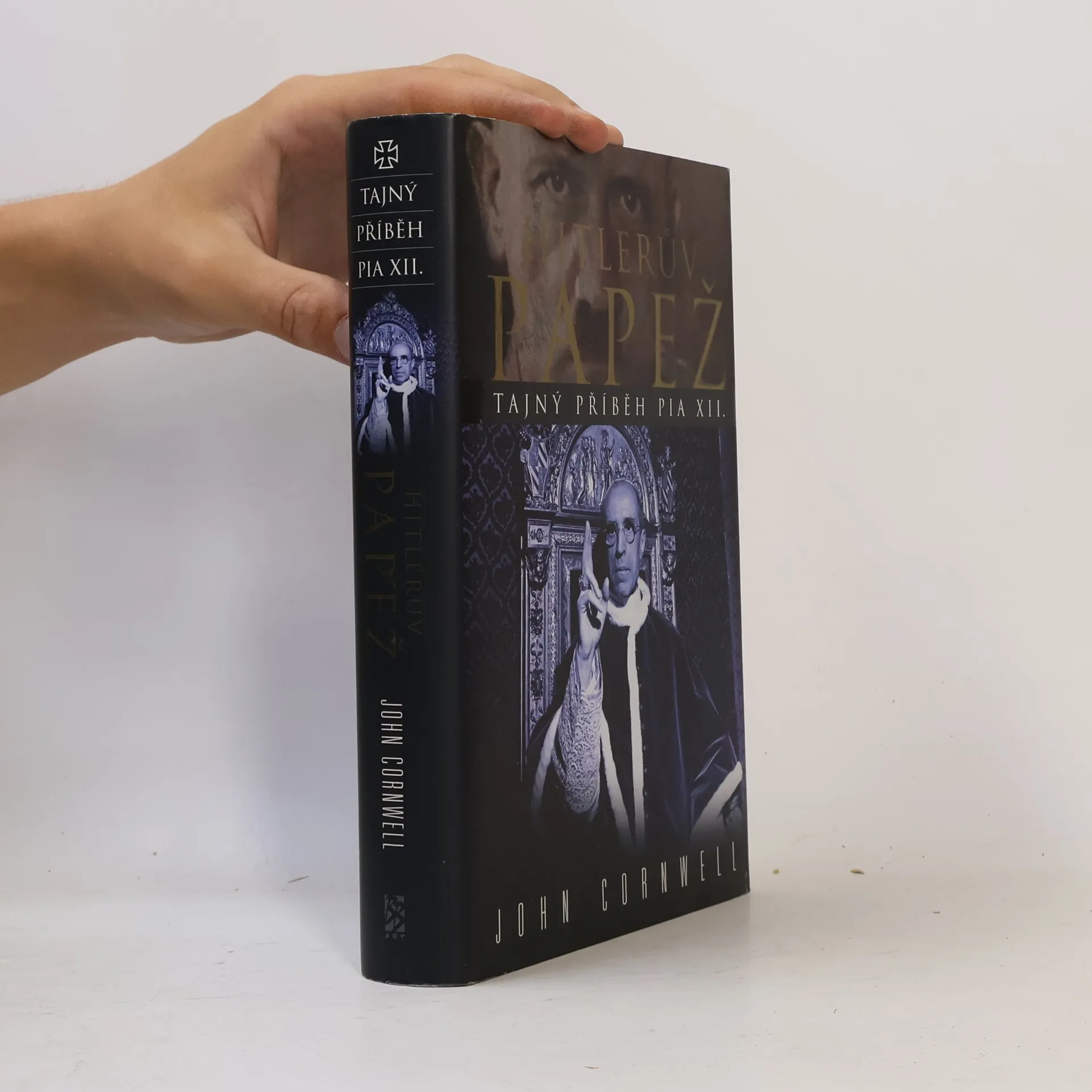
    Il papa di Hitler
    • Il papa di Hitler

      La storia segreta di Pio XII

      • 600pagine
      • 21 ore di lettura

      Secondo molti cattolici Pio XII merita di essere proclamato santo. Tuttavia la figura di Eugenio Pacelli, papa dal 1939 al 1958, è da tempo oggetto di un infuocato dibattito per il suo atteggiamento all'epoca del nazismo e nei confronti della Shoah. Per comprendere il comportamento di Pio XII nei confronti di Hitler, John Cornwell ricostruisce, attingendo a varie fonti, la sua biografia e la sua carriera ecclesiastica, inserendo le scelte di Pacelli nel loro contesto storico, religioso, ideologico e psicologico.

      Il papa di Hitler
    • Pope Francis is ready to embrace significant change within the Catholic Church, even if it means facing collapse as a means of purification. He acknowledges the possibility of being remembered as the one who split the Church, yet envisions a more empathetic and welcoming institution for Catholics. John Cornwell, a bestselling author and scholar, argues that the Pope's disruptive approach is a calculated risk aimed at restoring hope for many Catholics who feel marginalized and disillusioned. With 1.2 billion members, the Church is facing a crisis, as evidenced by a 2018 survey revealing that over a third of American Catholics were considering leaving. Financially, the Church has lost approximately $2.5 billion annually over the past two decades due to clerical abuse cases. Declines in attendance, marriages, and vocations further illustrate the discontent. Cornwell posits that Pope Francis seeks to counteract this decline by challenging long-standing traditions and practices, despite the chaos it may create. His efforts have met resistance from conservative factions within the Church, who fear the long-term implications of his reforms. While some hope for a successor to reverse the "Francis Effect," Cornwell asserts that the changes initiated by the Pope are likely irreversible.

      Church, Interrupted
    • Would you tell your deepest secrets to a relative stranger? And if you did, would you feel vulnerable? Cleansed? Or perhaps even worse than you did before? Confession has always performed a complex role in society, always created mixed feelings in its practitioners. As an acknowledgement of sinfulness, it can provide immense psychological relief; but while aiming to replace remorse with innocence, its history has become inextricably intertwined with eroticism and shame.The Dark Box is an erudite and personal history; Cornwell draws on his own memories of Catholic boyhood, and weaves it with the story of confession from its origins in the early church to the current day, where its enduring psychological potency is evidenced by everything from the Vatican's 'confession app' to Oprah Winfrey's talk shows. Since the 16th century, seclusion of two individuals in the intimate 'dark box', often discussing sexual actions and thoughts, has eroticised the experience of confession. When, in 1905, Pius X made confession a weekly, rather than yearly ritual, the horrific cases of child abuse which have haunted the Catholic church in the twentieth century became possible.

      The Dark Box
    • Hitler's Pope

      The Secret History of Pius XII

      • 448pagine
      • 16 ore di lettura

      "Hitler's Pope is the previously untold story of the man who was arguably the most dangerous churchman in modern history: Eugenio Pacelli, Pius XII, Pontiff from 1939 to 1958 and long controversial as the Pope who failed to speak out against Hitler's Final Solution. Here is the full story of how Pacelli in fact prompted events in the 1920s and '30s that helped sweep the Nazis to unhindered power."--Jacket

      Hitler's Pope
    • Earth to Earth

      • 174pagine
      • 7 ore di lettura

      On a September day in 1975, amid the pungent smells of ripe apples and falling leaves, Robbie, Francis and Alan Luxton were found shot to death on the remote Devon Farm that had belonged to their family for hundreds of years. Reclusive, eccentric, and miserly, the two brothers and a sister shared secrets no one ever suspected until their mysterious deaths brought attention to their strange lives. In a saga reaching back over generations, author John Cornwell probes the verdant surface of the peaceful Devonshire countryside to unearth the truth about a formidable family... to uncover a poignant tale of madness, love, and tragedy... to answer the dark questions about how they lived and why they died. --- from book''s back cover

      Earth to Earth
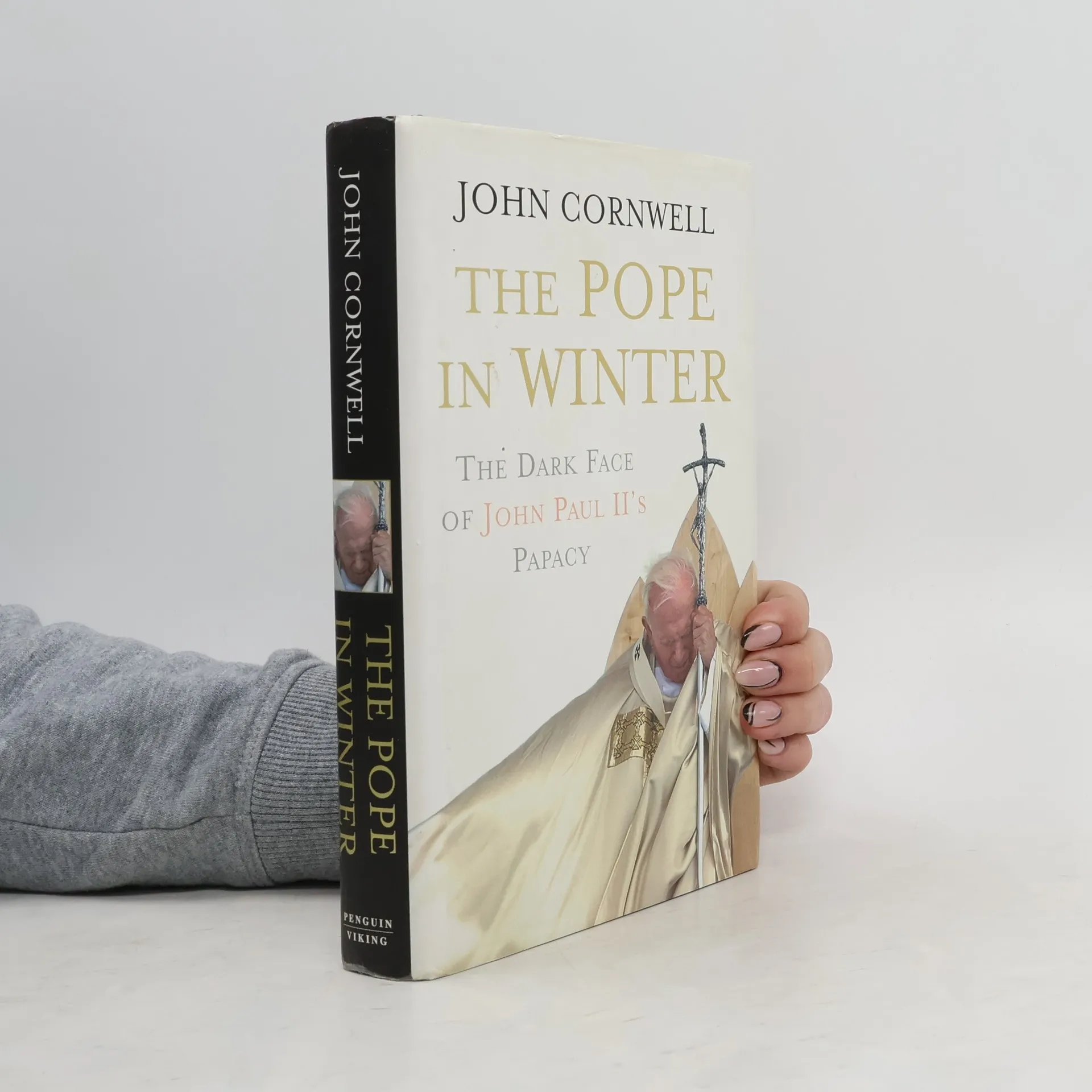
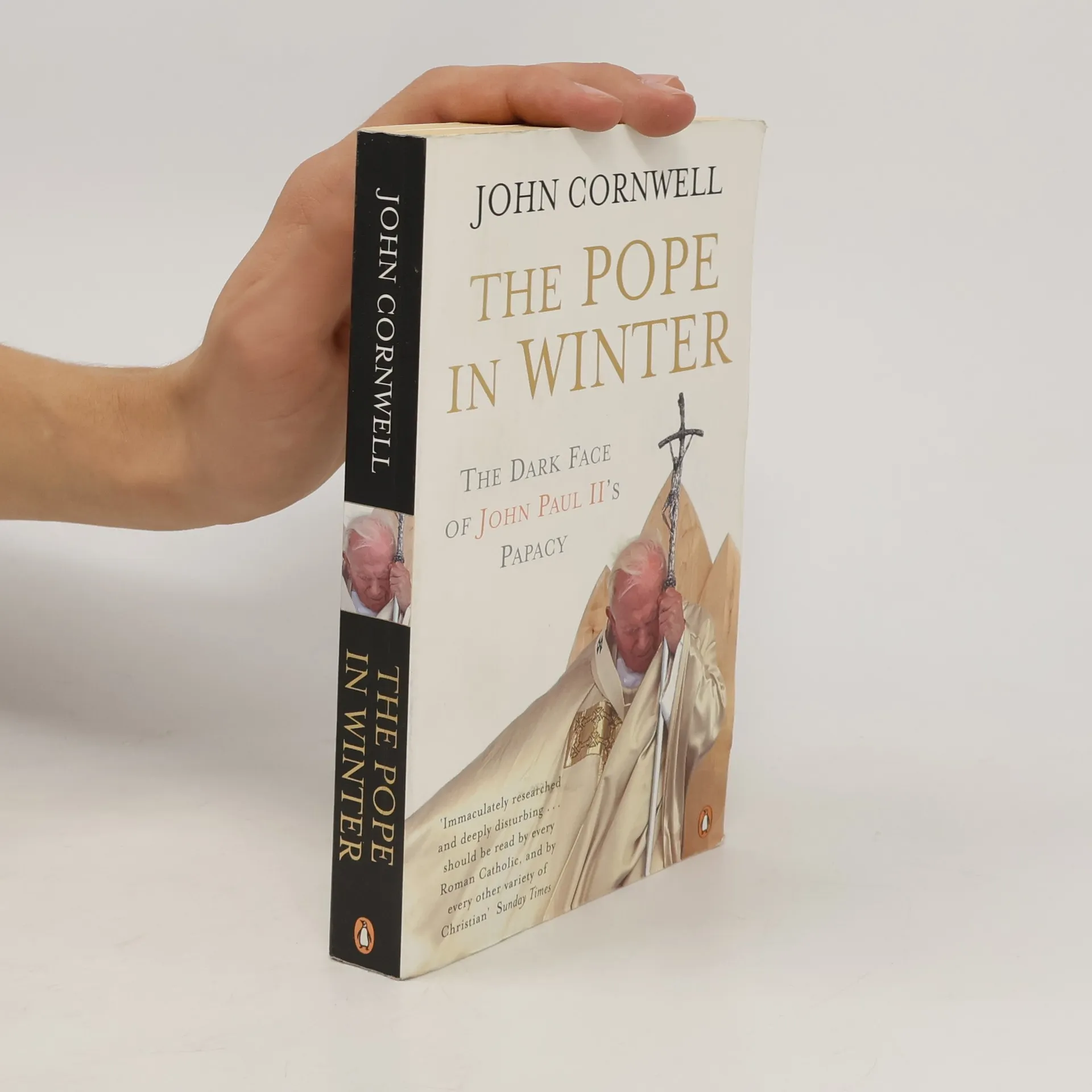
    • Pope in Winter

      The Dark Face of John Paul II's Papacy

      • 360pagine
      • 13 ore di lettura

      The Late John Paul II was portrayed by admirers as one of history's great popes. But in The Pope in Winter, leading Vatican expert John Cornwell seriously questions the workings of his papacy and points to fundamental flaws - exacerbated by age and infirmity - that have alarming consequences for both the Catholic Church's future and John Paul II's successor.

      Pope in Winter
    • 'Provokant wird Cornwells Studie zur Geschichte und zur Gegenwart dadurch, dass er Papst Pius X. und sein Dekret 'Quam singulari' in den Mittelpunkt seiner Abhandlung stellt. In ihm bestimmte Pius X. 1910, dass jeder Katholik von nun an einmal in der Woche, statt wie früher einmal im Jahr, zur Beichte gehen müsse. Und noch viel dramatischer: Pius X. führte damit die Kinderbeichte und die Erstkommunion für die erst Siebenjährigen ein. Zu Recht spricht Cornwell von einem 'der gewagtesten Experimente an Kindern, die je im Namen des Christentums verordnet wurden'.', taz, Brigitte Werneburg, 05.02.2014

      Die Beichte