Silvius Magnago, das Vermächtnis
- 246pagine
- 9 ore di lettura
Hard to find





Hard to find
Beiträge zur sozialpädagogischen und anthropologischen Bildungsforschung
Bildung wird in diesem Band als sozial gefasst betrachtet, indem sie eine Beziehung zwischen Subjekt und Welt herstellt. Die Autor*innen beleuchten sozialpädagogische und anthropologische Diskurse zu Bildung in drei Hauptbereichen: theoretische Beiträge zur Sozialen Bildung, Bildung und Soziale Arbeit sowie Bildung in der Kinder- und Jugendhilfe. Der erste Abschnitt widmet sich theoretischen Aspekten der Sozialen Bildung, einschließlich lebenslangem Lernen, der Rolle von Geselligkeit in Organisationen und der Bedeutung von Berufsvorstellungen in der Bildung. Ein weiterer Fokus liegt auf der Sozialität der Leiblichkeit und der poetologischen Perspektive auf Bildungsprozesse. Auch die Herausforderungen der gespaltenen Migration und die Bildungsaufgaben im Anthropozän werden thematisiert. Im Bereich Bildung und Soziale Arbeit wird die historische Entwicklung der Sozialpädagogik in Österreich betrachtet, sowie präventive Ansätze gegen Gewalt gegen Frauen und die Forschung zu sozialen Mentoringprogrammen. Der letzte Abschnitt beschäftigt sich mit der Bildung in der Kinder- und Jugendhilfe, einschließlich der Erkundung von Geschwisterbildern und der Relevanz von Freundschaftsbeziehungen für Care Leaver*innen. Die Perspektiven von Herkunftsfamilien auf die Fremdunterbringung ihrer Kinder runden die Diskussion ab.
Theoretische und praxisorientierte Auslotungen einer phänomenologisch orientierten Bildungsforschung
From trouble case to autonomy model – history and development of a European minority region
Schwerpunkt »Familie«
In lebendiger Sprache und anhand vieler eindrücklicher Fotos führt Hans Karl Peterlini durch die jüngere Geschichte Südtirols. Er beleuchtet die Entwicklungen und Schlüsselereignisse, darunter die Kämpfe im Ersten Weltkrieg, die Option und Italianisierung des Landes unter den Faschisten, die politischen Bemühungen um Autonomie und die Bombenattentate. Peterlini erzählt aber auch die Geschichten der Menschen in Südtirol, ihres Wirtschaftens, ihres kulturellen Schaffens und ihrer Lebensstile, ihrer Missverständnisse und Versöhnungsleistungen - bis in die Gegenwart.
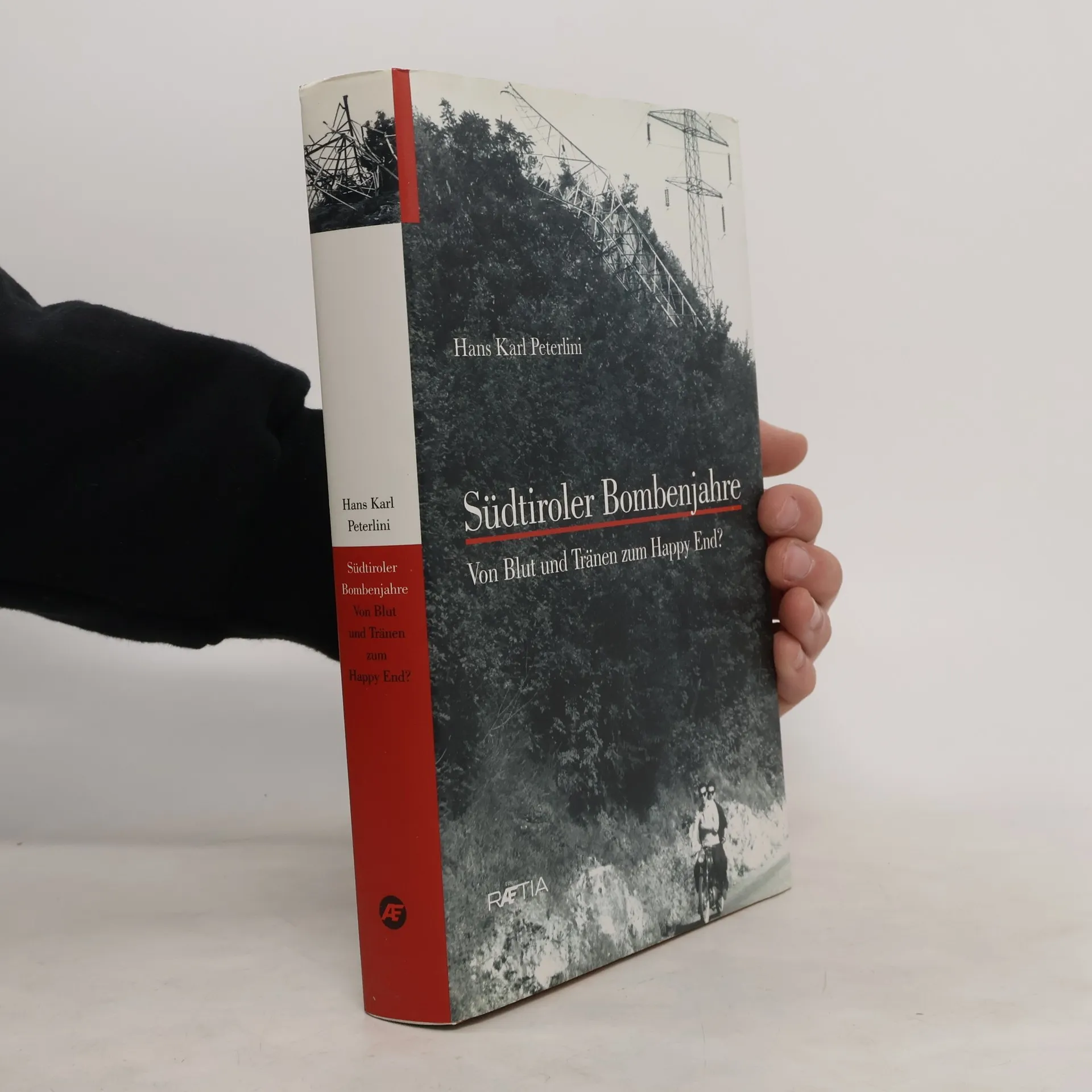
Südtirols Bombenjahre neu betrachtet§§Viel wurde bereits über Südtirols Bombenjahre geschrieben, eine zusammenschauende Publikation zu den Attentaten von 1956 bis heute hat jedoch gefehlt. Hans Karl Peterlini ist folgenden Fragen nachgegangen: Wie ist es zur Attentatswelle in Südtirol gekommen? Was waren die Hintergründe, was trieb einfache Bauern, Handwerker, Jugendliche zur Gewalt? Wie kam es dazu, dass der Konflikt trotz der ursprünglichen Absicht der Attentäter dann doch eskalierte, zu einem Schlagabtausch zwischen staatlicher Repressalie und immer schärferen Terrorakten führte? Welche Rolle spielten die Geheimdienste? Was ließ die Attentate abflauen, was gab ihnen in den 80er Jahren neue Nahrung?§Gerade die Befriedung Südtirols, die durch das neue Autonomiestatut allmählich erreicht wurde, macht es notwendig und erlaubt es, dass die noch nicht lang verebbten Gewaltwellen untersucht werden. Waren die Attentate notwendig? Waren sie erfolgreich? Wie schwer war es, von der Gewalt zur Politik zurückzufinden? Das sind Fragen, deren Beantwortung für das Verständnis des Modells Südtirol, seiner Stärken und Grenzen wesentlich ist.
ein Land zwischen ethnischer Verwirrung und verordnetem Aufbruch
Dank einer weit reichenden politischen Autonomie entwickelte sich aus dem Krisengebiet Südtirol ein oft gerühmtes Modell, das Gesandte Tibets gleichermaßen bestaunen wie Konfliktforscher vom Balkan. Das neue Südtirol ist selbstbewusst, reich, beschützt vor der „Fremdherrschaft“ Italiens, hat sich emanzipiert von seinem „Vaterland Österreich“. In einem Grenzland mitten in Europa ist ein Musterbeispiel von Minderheitenschutz und Konfliktbewältigung gelungen – wären da nicht unter der Decke von Wohlstand und oberflächlicher Befriedung die Minen der Vergangenheit. Peterlini, Vertreter der jüngeren Generation und „Kind der Autonomie“, hält seine Beobachtungen und Erfahrungen biografisch durchwirkt, scharfsinnig fest.
100 Jahre Gärtnereiwesen (1880-1980)
Das Buch zeichnet die kulturhistorische Entwicklung des Gartenbaus in Südtirol nach – von frühen Kulturen und Klöstern bis zu Orangerien. Es zeigt den Wandel vom Handwerk zur Kunst und zum wichtigen Wirtschaftszweig. Bozen erblüht als „rätisches Florenz“, Märkte und Vereine setzen Impulse. Vorgestellt werden traditionsreiche Gärtnereien und Familienbetriebe, geprägt von Krieg, Option und Neubeginn. Ein reich bebilderter Streifzug über Menschen, Pflanzen und Werkzeuge, die Südtirols Gartenwelt prägten.
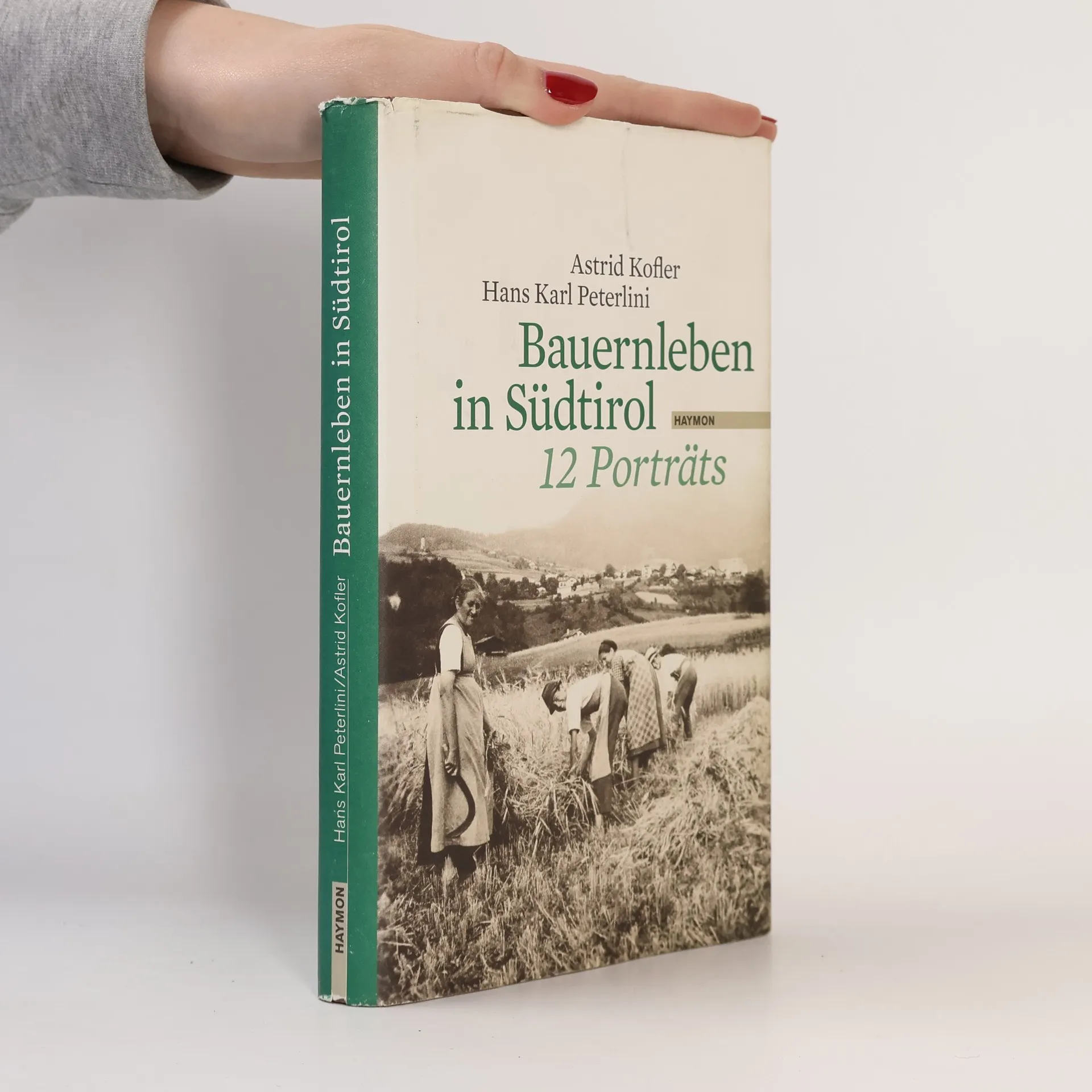
Das Leben in den Südtiroler Bergen ist hart, zeugt aber zugleich von Ursprünglichkeit und schlichter Schönheit. Bäuerinnen und Bauern aus unterschiedlichen Gebieten und Tallagen Südtirols und aus dem Trentino blicken in diesem Buch zurück auf ihr langes Leben und berichten von ihrem Alltag am Bergbauernhof. Sie erzählen von der harten Arbeit am Feld, im Stall und im Haushalt, vom Kochen und Essen, vom Brotbacken und Schlachten und vom Leben abseits der Arbeit: Familie und Freundschaft, Hochzeit und Hofübergabe, Geburt, Krankheit und Krieg. Sie wissen aber auch davon zu berichten, wie Fortschritt, Technik und Fremdenverkehr das Leben der Bauern mit der Zeit veränderten. Mit großer Behutsamkeit haben Astrid Kofler und Hans Karl Peterlini zwölf bewegende Porträts gezeichnet. Sie lassen darin die Bäuerinnen und Bauern selbst zu Wort kommen, ihre Erinnerungen schildern und mit Fotos aus dem Familienalbum illustrieren – berührende, überraschende und authentische Geschichten aus einer faszinierenden Lebenswelt.
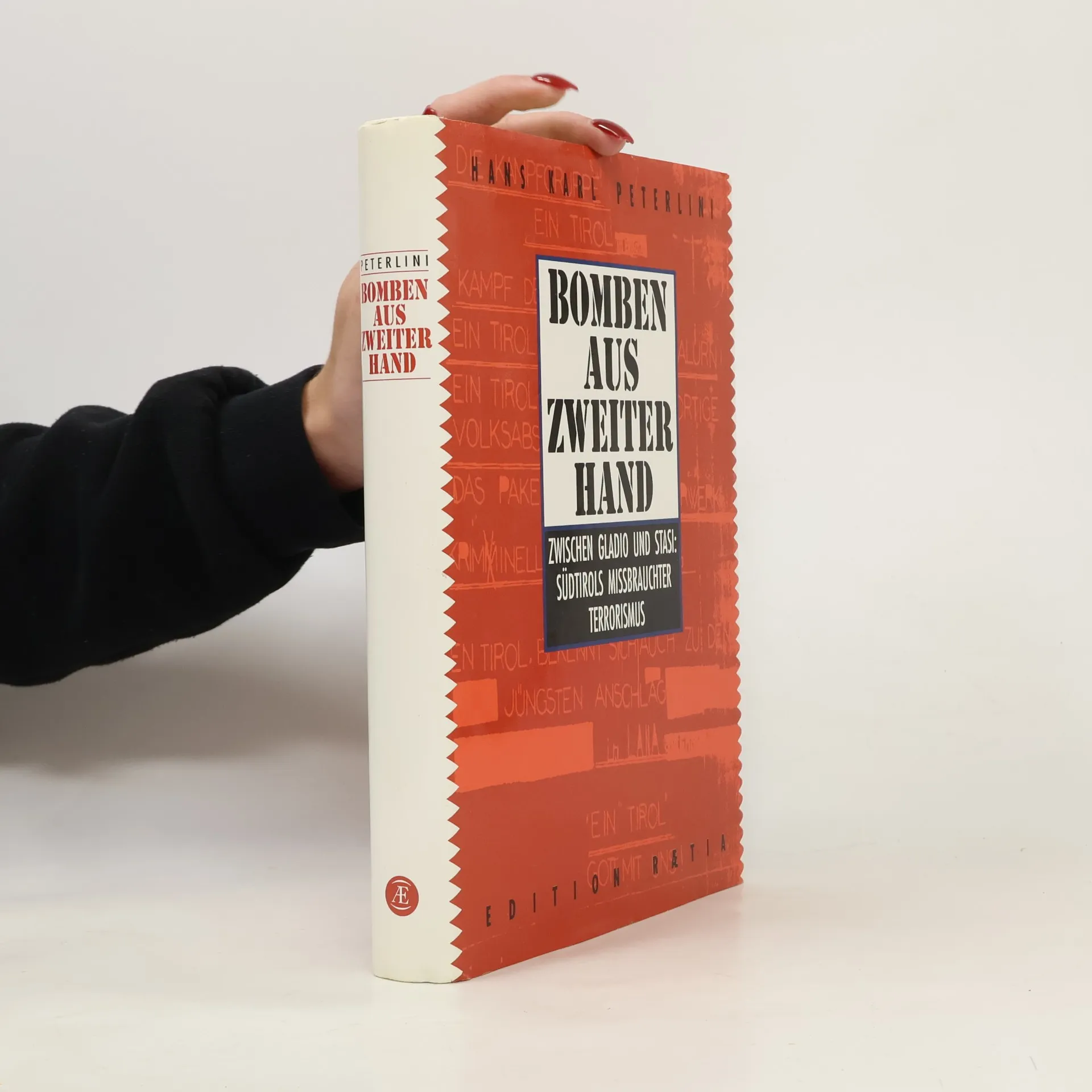
Zwischen Gladio und Stasi: Südtirols missbrauchter Terrorismus
German