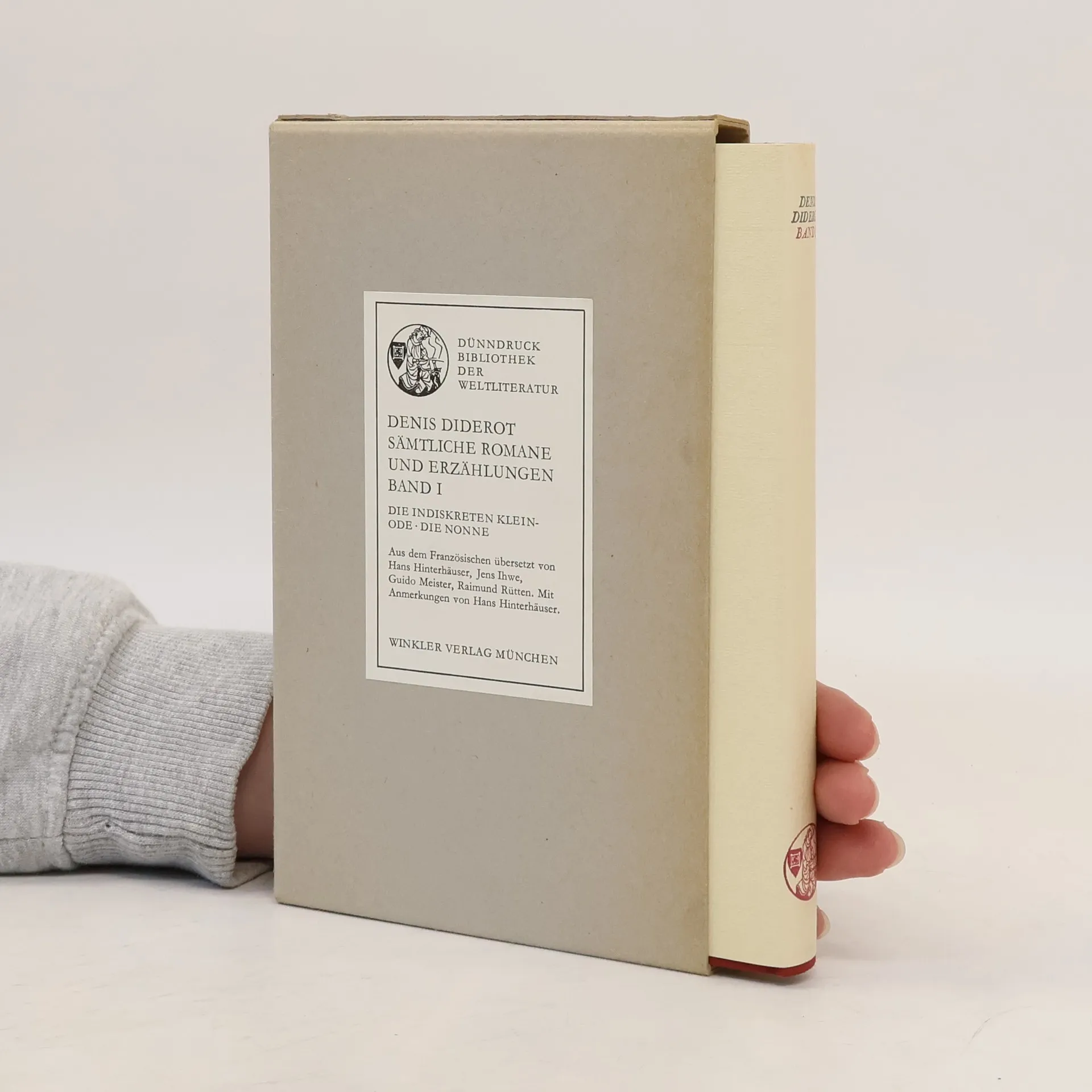
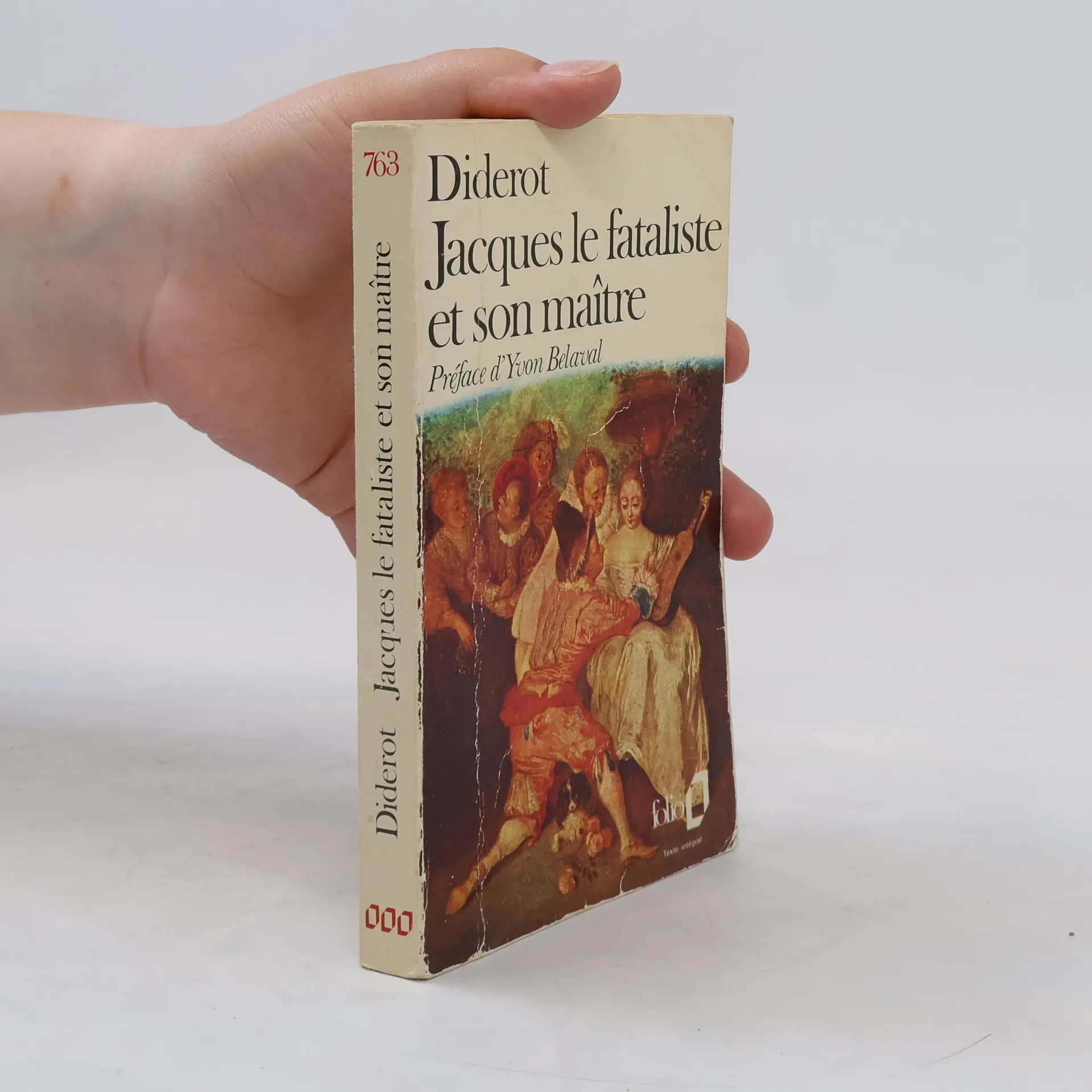
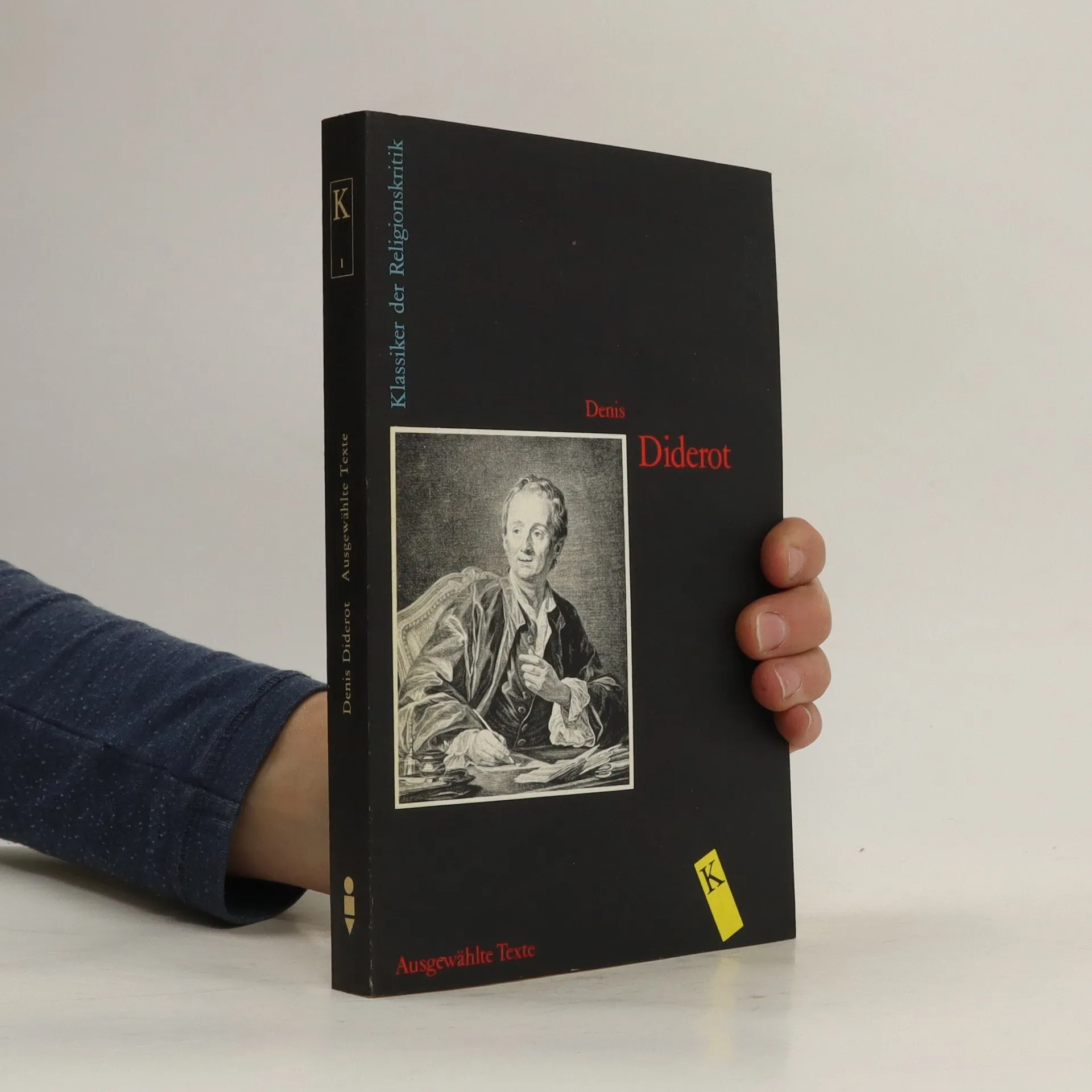
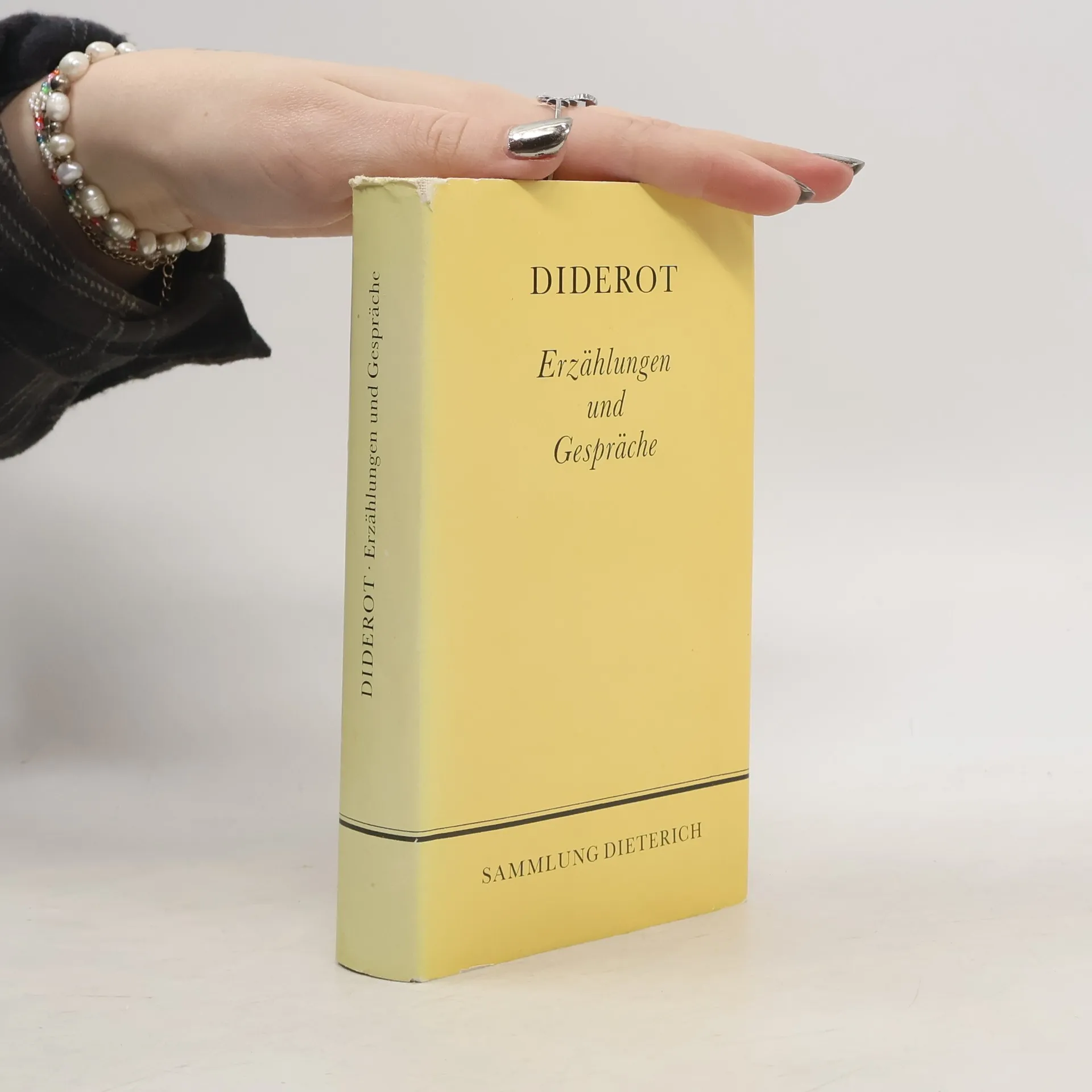
Denis Diderot fu una figura centrale dell'Illuminismo francese, noto tanto per le sue indagini filosofiche quanto per le sue innovazioni letterarie. In qualità di caporedattore e prolifico collaboratore dell'Encyclopédie, svolse un ruolo fondamentale nella diffusione della conoscenza e nella definizione del discorso intellettuale. Nella sua narrativa, Diderot sperimentò audacemente con la struttura narrativa, mettendo in discussione le convenzioni ed esplorando profonde questioni sul libero arbitrio e sul determinismo. La sua visione filosofica, radicata nel materialismo e in una critica all'ottimismo tecnologico sfrenato, offre spunti duraturi sulla condizione umana e sul progresso sociale.
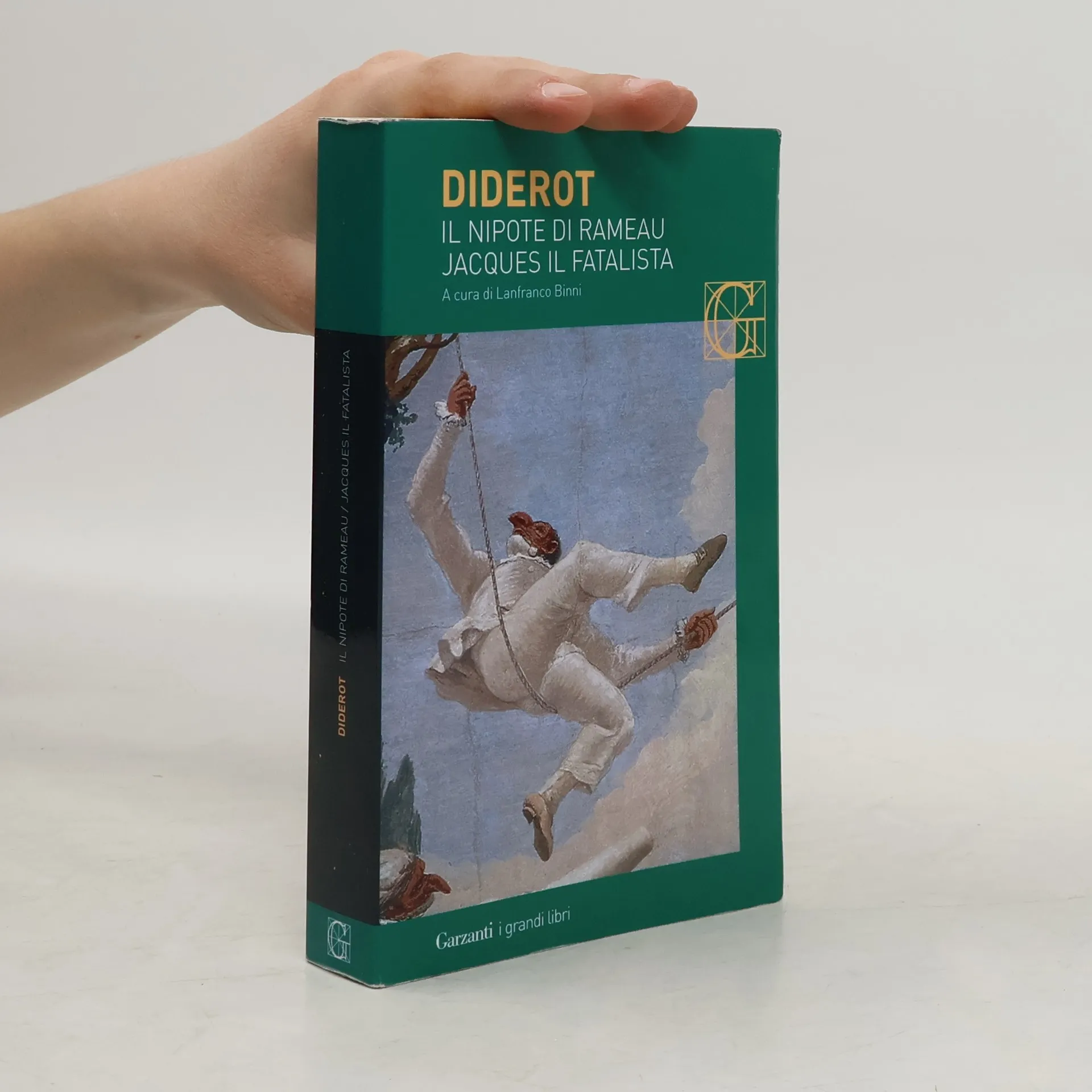
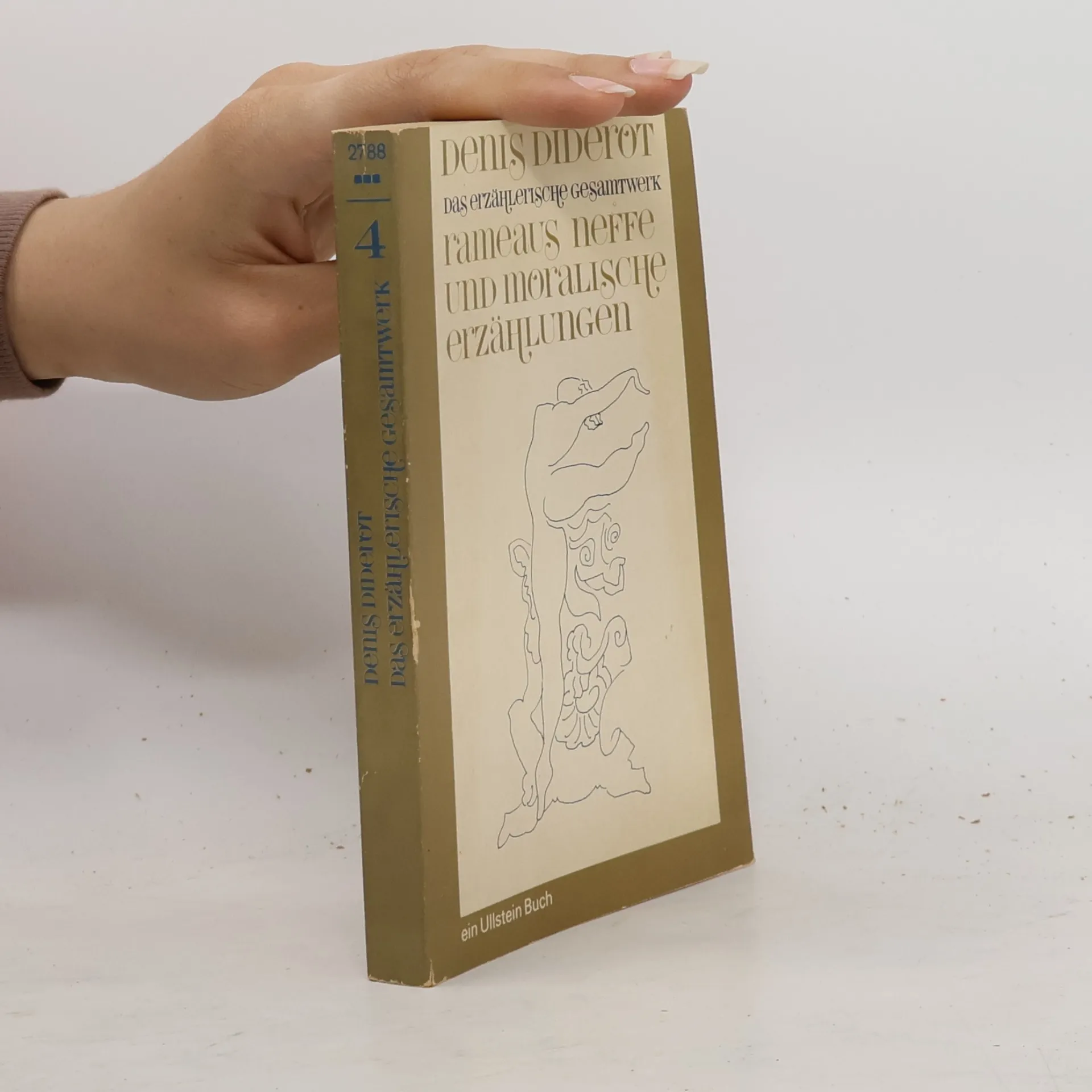
Un mélange irregolare di temi e registri narrativi animano la vivace conversazione tra Diderot e il geniale, spregiudicato nipote del celebre musicista; con la sua "duplice coscienza, di intellettale borghese e parassita", questi offre spunti all'autore per una ricerca sulla vera natura dei comportamenti sociali e per un'analisi impietosa del ruolo e delle possibilità dell'intellettuale contemporaneo.
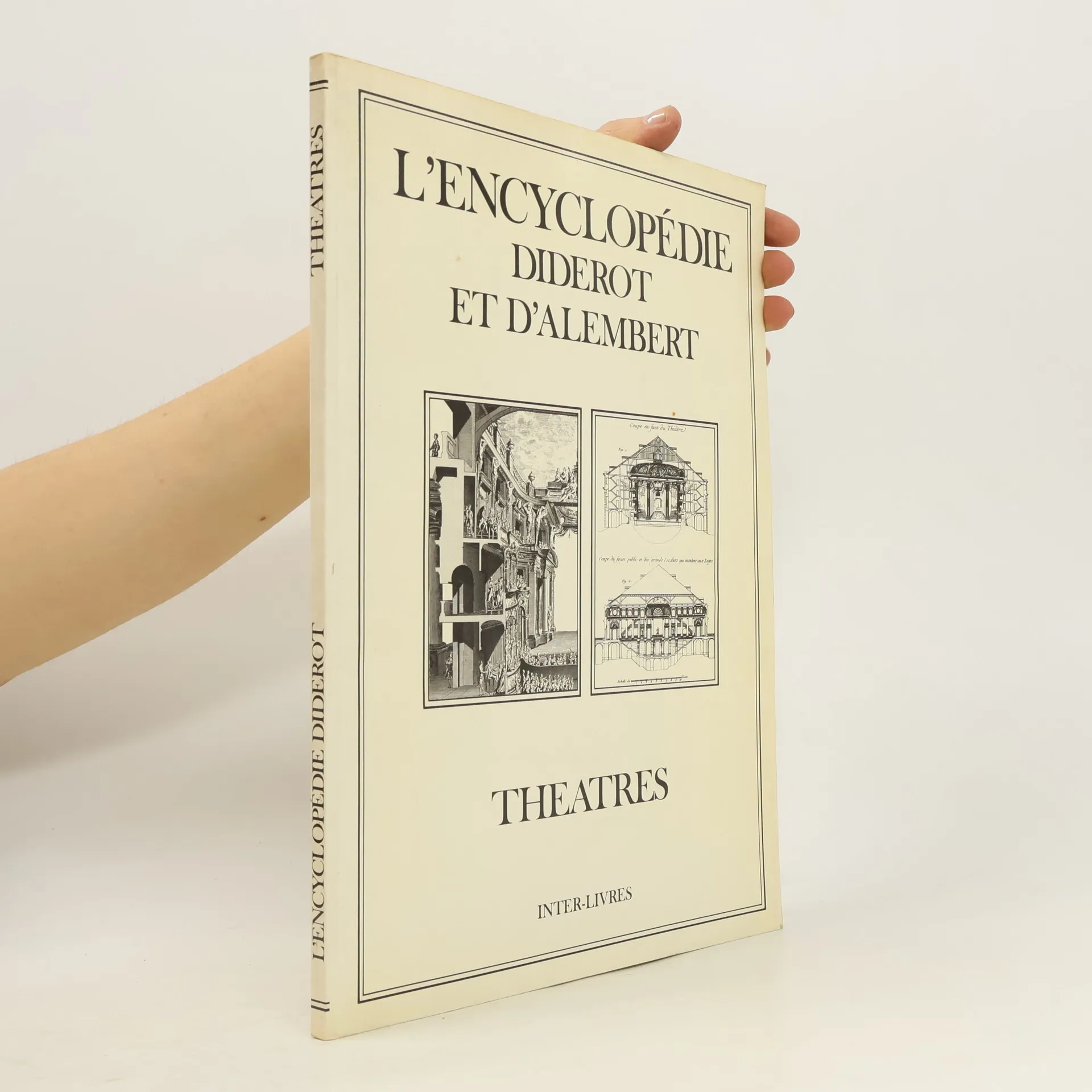
First paperbound edition of 485 remarkable plates -- over 2,000 illustrations -- that accompanied landmark work of the Enlightenment. Royalty-free images depict agriculture, military science, metalwork, mining, textile manufacture, masonry, carpentry, more.
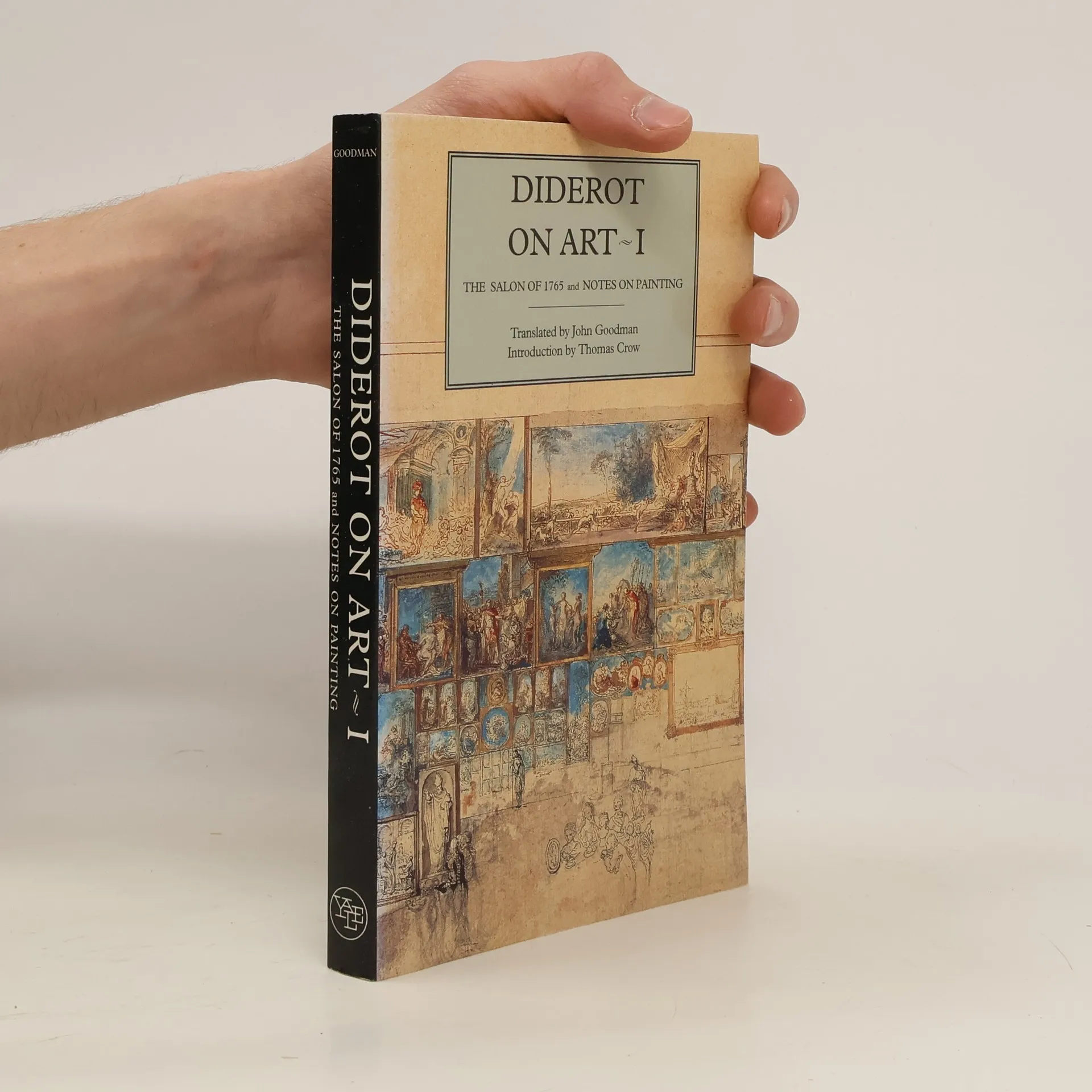
The 18th-century French philosopher Denis Diderot - author of idiosyncratic fictional works such as "Jacques the Fatalist" and "Rameau's Nephew" - is also considered by many to have been the first great art critic. This two-volume edition makes his art-critical texts available in English.
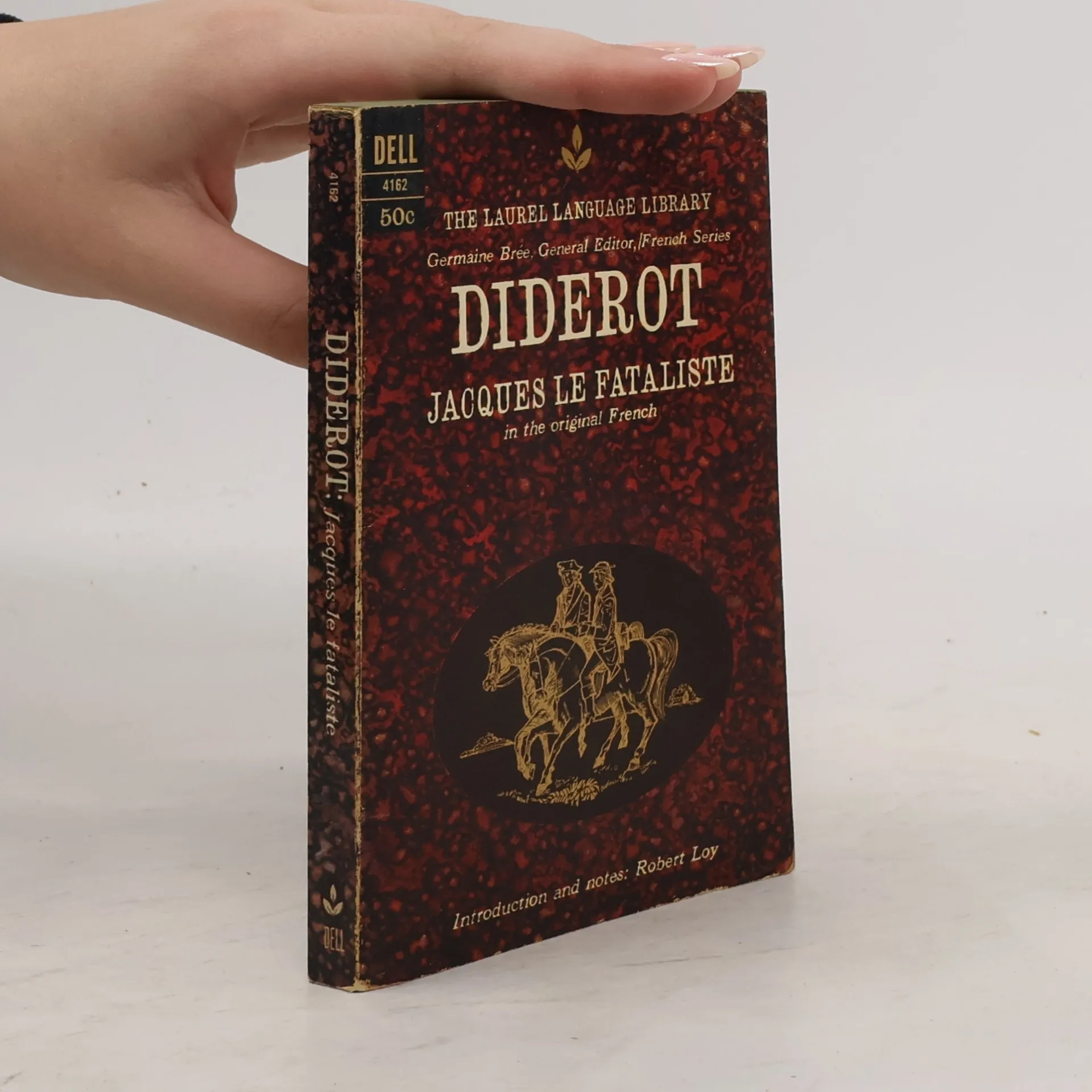
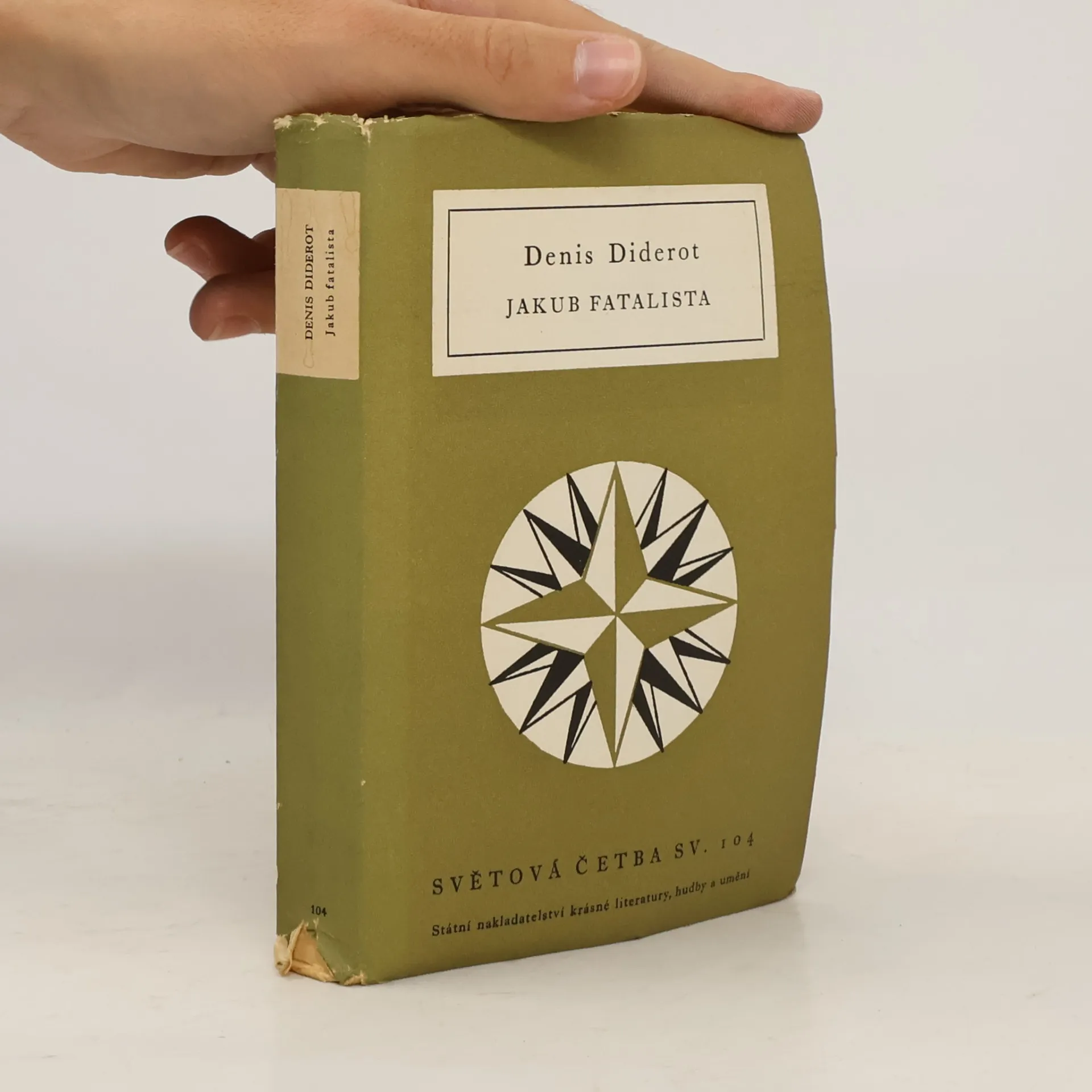
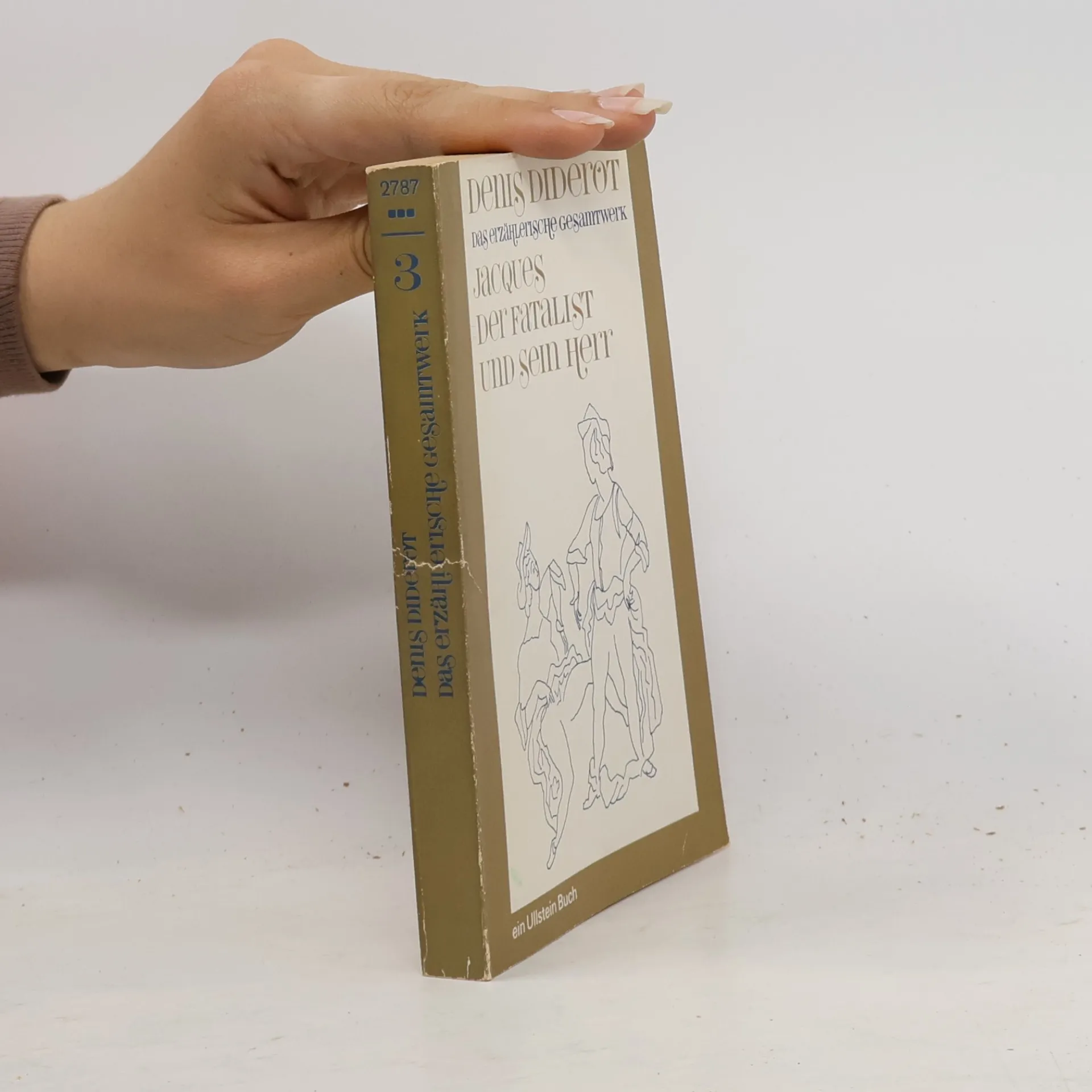
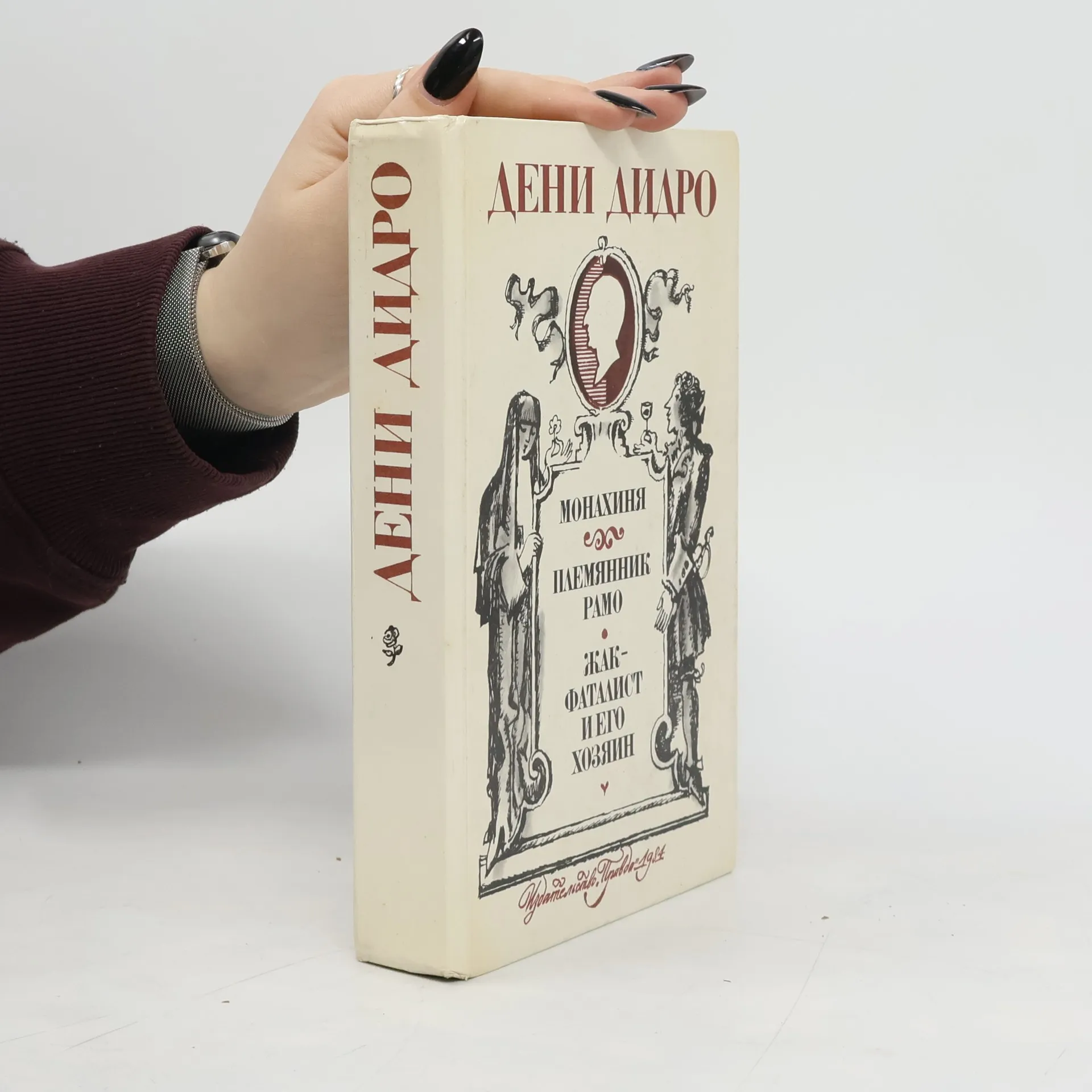
Everything that happens to us in the world, both good and bad, is written in the heavens. This is claimed by the titular character of the philosophical tale by the French writer and philosopher Denis Diderot. Not without reason, he has earned the nickname fatalist. However, despite his unwavering belief in the inevitability of fate, he stands against evil and believes that good must prevail. During countless wanderings, the characters discuss many fundamental issues, including the problem of individual freedom, friendship, and social relations. A significant portion of their humorous dialogues is dedicated to male-female relationships—mainly through the character of Kubuś, readers learn a number of love stories. The colorful conversations between Kubuś and his master entertained a few holders of Diderot's manuscript for two decades, and they were published only after the author's death in 1796. Even today, despite the fact that the world has undergone a true revolution, they still provoke reflection.
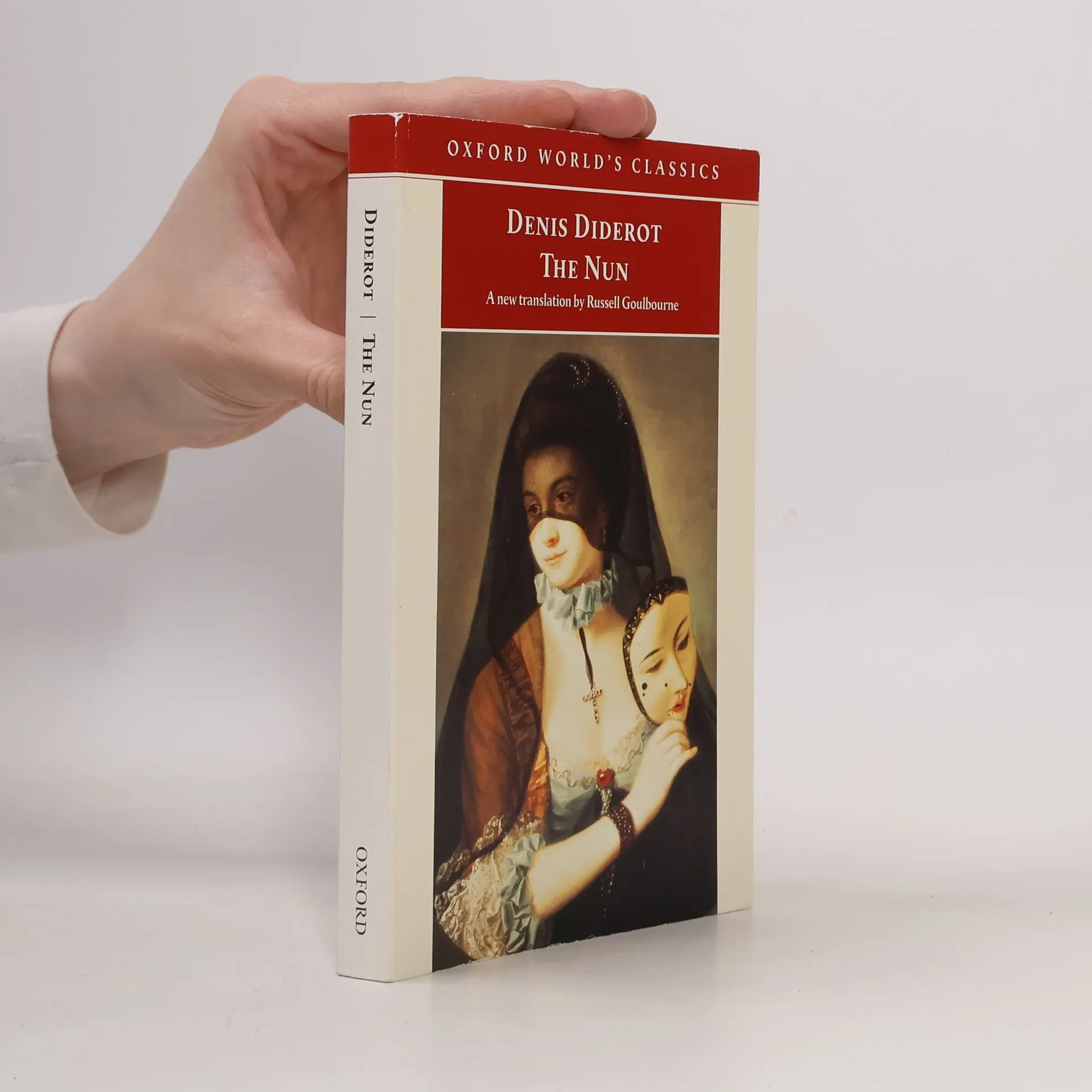
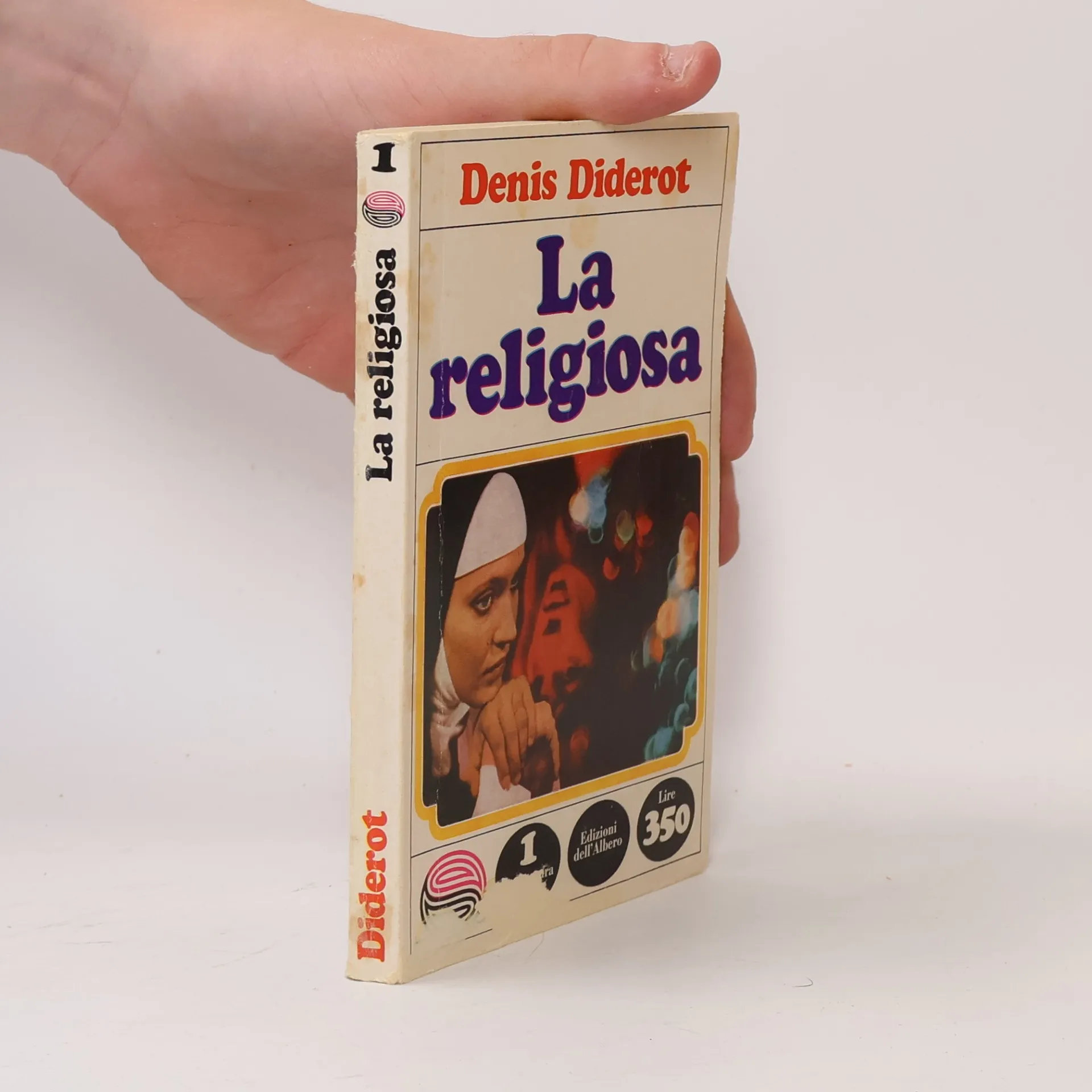
Diderot's The Nun (La Religieuse) is the seemingly true story of a young girl forced by her parents to enter a convent and take holy orders. A novel mingling mysticism, madness, sadistic cruelty and nascent sexuality, it gives a scathing insight into the effects of forced vocations and the unnatural life of the convent. A succès de scandale at the end of the eighteenth century, it has attracted and unsettled readers ever since. For Diderot's novel is not simply a story of a young girl with a bad habit; it is also a powerfully emblematic fable about oppression and intolerance.This new translation includes Diderot's all-important prefatory material, which he placed, disconcertingly, at the end of the novel, and which turns what otherwise seems like an exercise in realism into what is now regarded as a masterpiece of proto-modernist fiction.
Rameau’s Nephew is a fictional conversation written by Denis Diderot, one of the key figures of the French Enlightenment. Composed over many years and exploding onto the French literary scene when it was first released, in form and content it is unique in French literature. In a famous Parisian chess café, a down-and-out (“HIM”) accosts a former acquaintance (“ME”) who has more or less made good. They trade stories and satirise the society in which they move, one of extreme inequality, corruption, and envy, where mediocrity is allowed to flourish. They gossip about the circle of hangers-on in which the down-and-out abides and discuss the nature of genius, good and evil, chess, music, and art. And towards half past five, when the warning bell of the Opera sounds, they part, going their separate ways. The book fascinated Goethe, Hegel, Engels, and Freud in turn, achieving a literary-philosophical status that no other work by Diderot shares. This edition offers a brand new translation of Diderot’s famous dialogue.
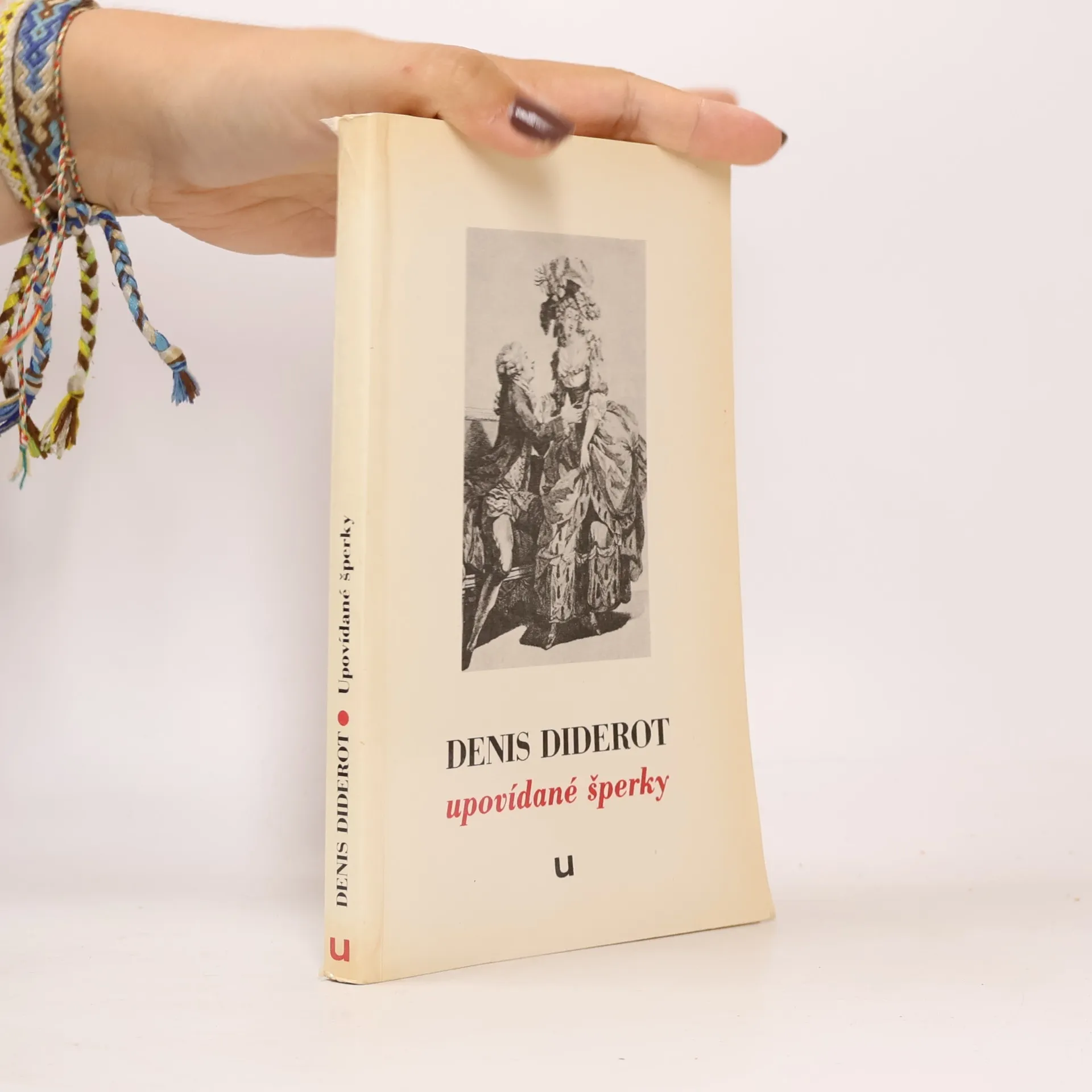
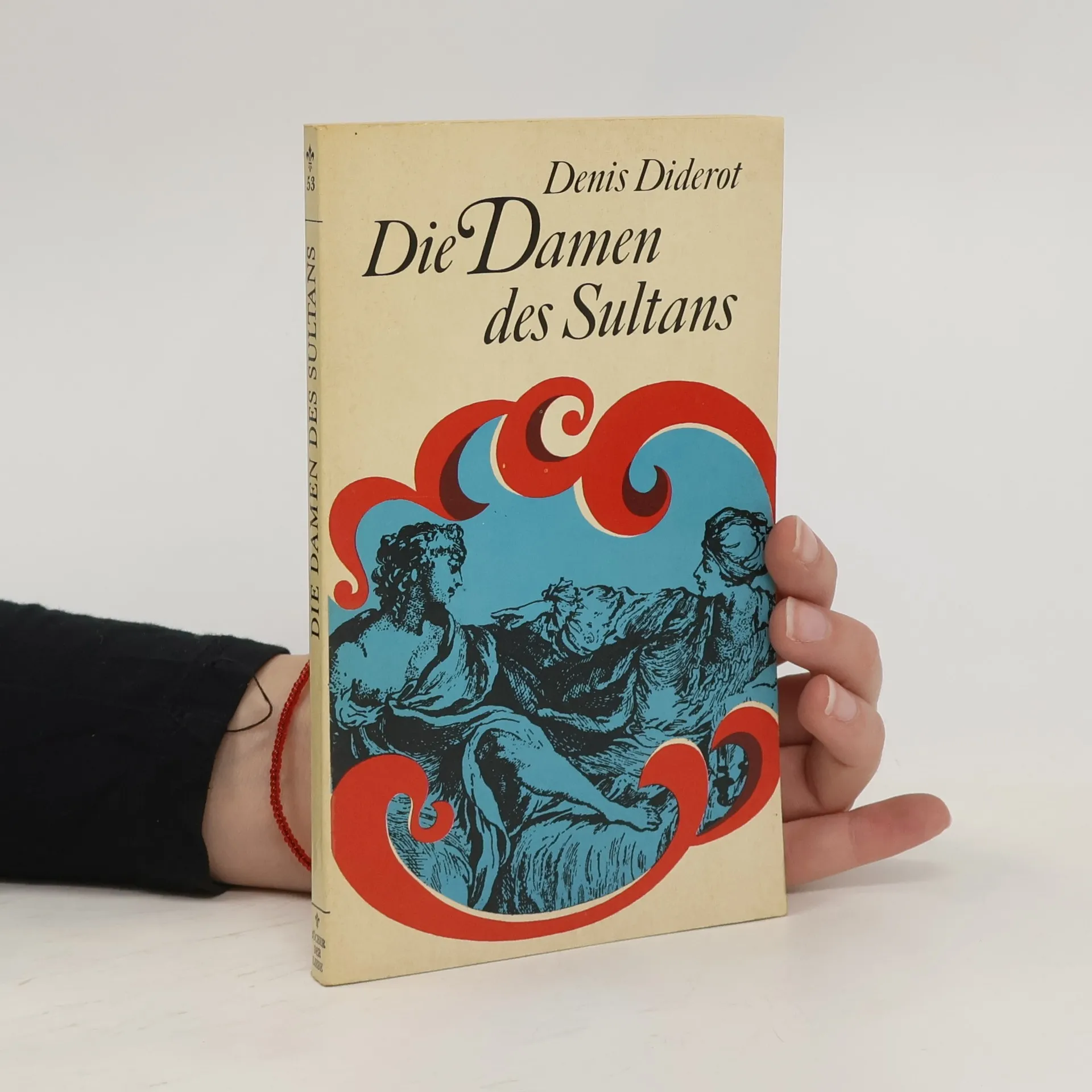
Set in 18th century France, this erotic novel follows Sultan Mangogul, who, feeling bored and suspicious of his mistress Mirzoza, seeks a genie’s help. He acquires a magic ring that reveals women's sexual secrets, leading to scandalous revelations among his guests. The narrative critiques the moral standards of the elite while presenting Mirzoza positively, possibly to gain favor with Madame de Pompadour, a key figure in Diderot's career. This work blends humor with commentary on societal norms, making it a significant piece of French erotic literature.
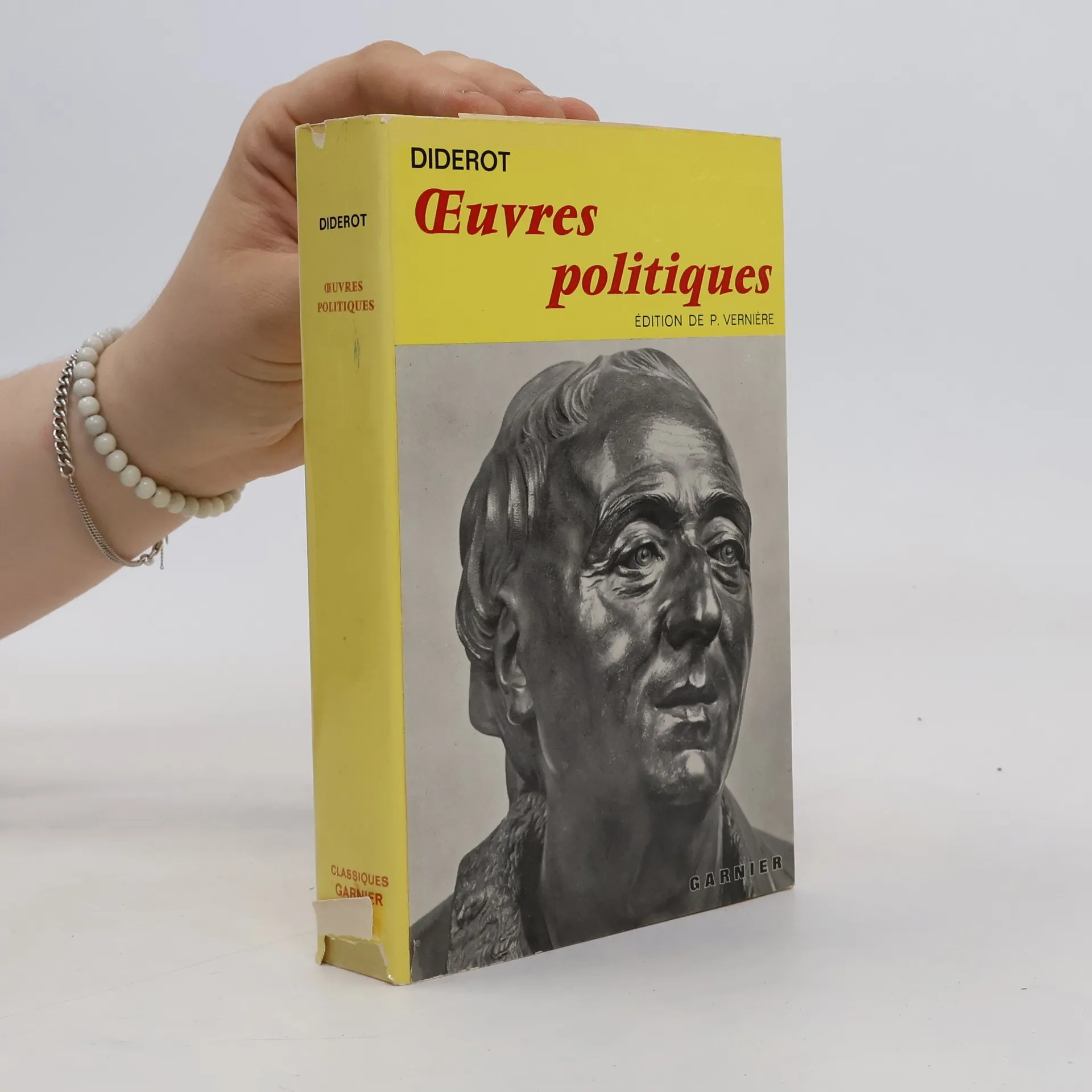
Focusing on the political writings of a key figure in the French Enlightenment, this volume includes significant articles from the Encyclopedie, complete texts of Diderot's "Supplement au Voyage de Bougainville" and "Observations sur le Nakaz," both newly translated into English, along with numerous contributions to Raynal's "Histoire des Deux Indes." The editors provide an insightful introduction that contextualizes these works, highlighting their essential characteristics and interconnected themes.
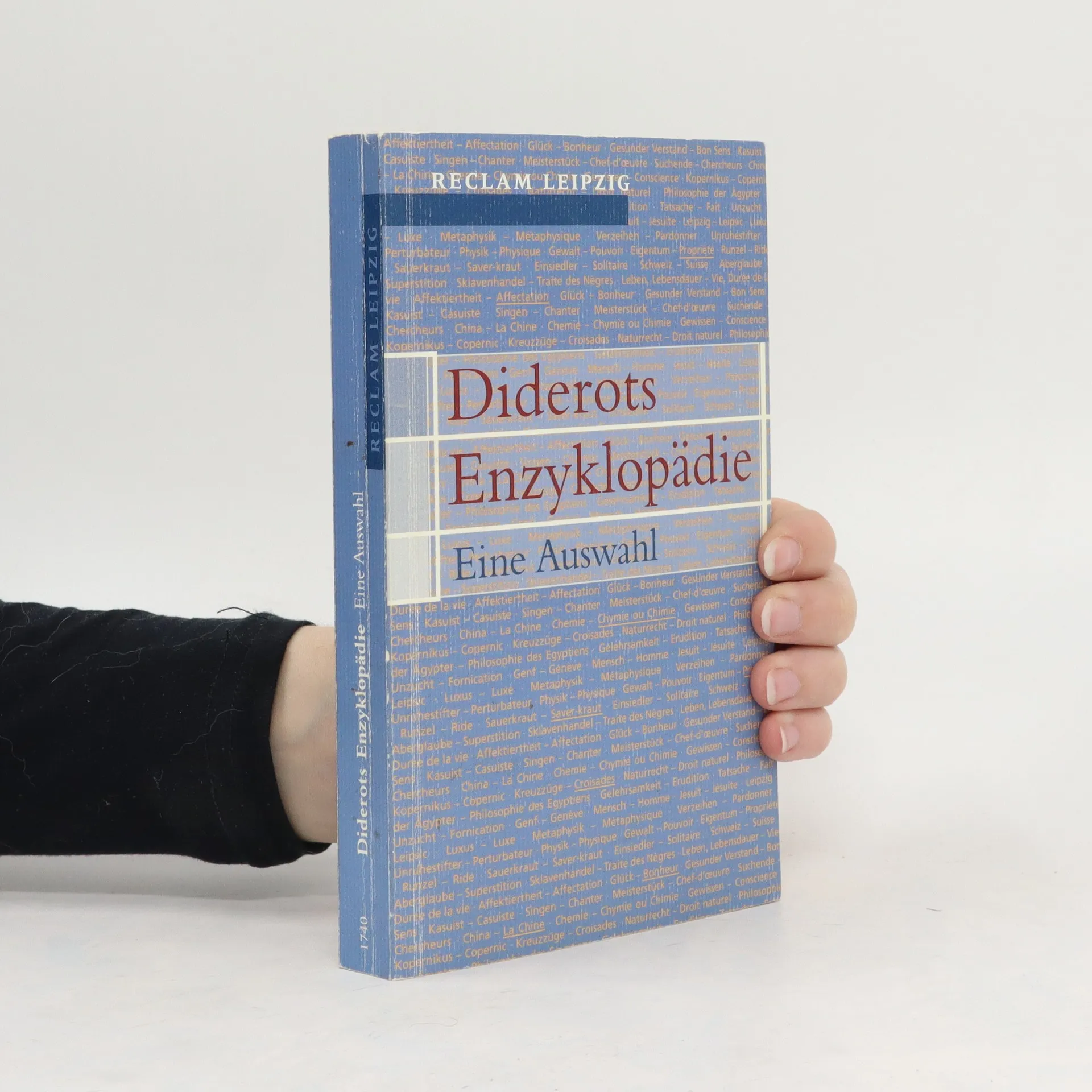
1747 begann ein Unternehmen von größter geistesgeschichtlicher Bedeutung: Jean Le Rond d'Alembert und Denis Diderot wagten es, erstmals die Summe des europäischen Wissens zu sammeln und in Form einer Enzyklopädie zu veröffentlichen. Unter Mitarbeit der größten Denker ihrer Zeit wie u.a. Voltaire oder d'Holbach ging es aber ebenfalls darum, die Programmatik der Aufklärung zu entwickeln und zu verbreiten - »damit«, wie Diderot schreibt, »unsere Enkel nicht nur gebildeter, sondern gleichzeitig auch tugendhafter und glücklicher werden«.
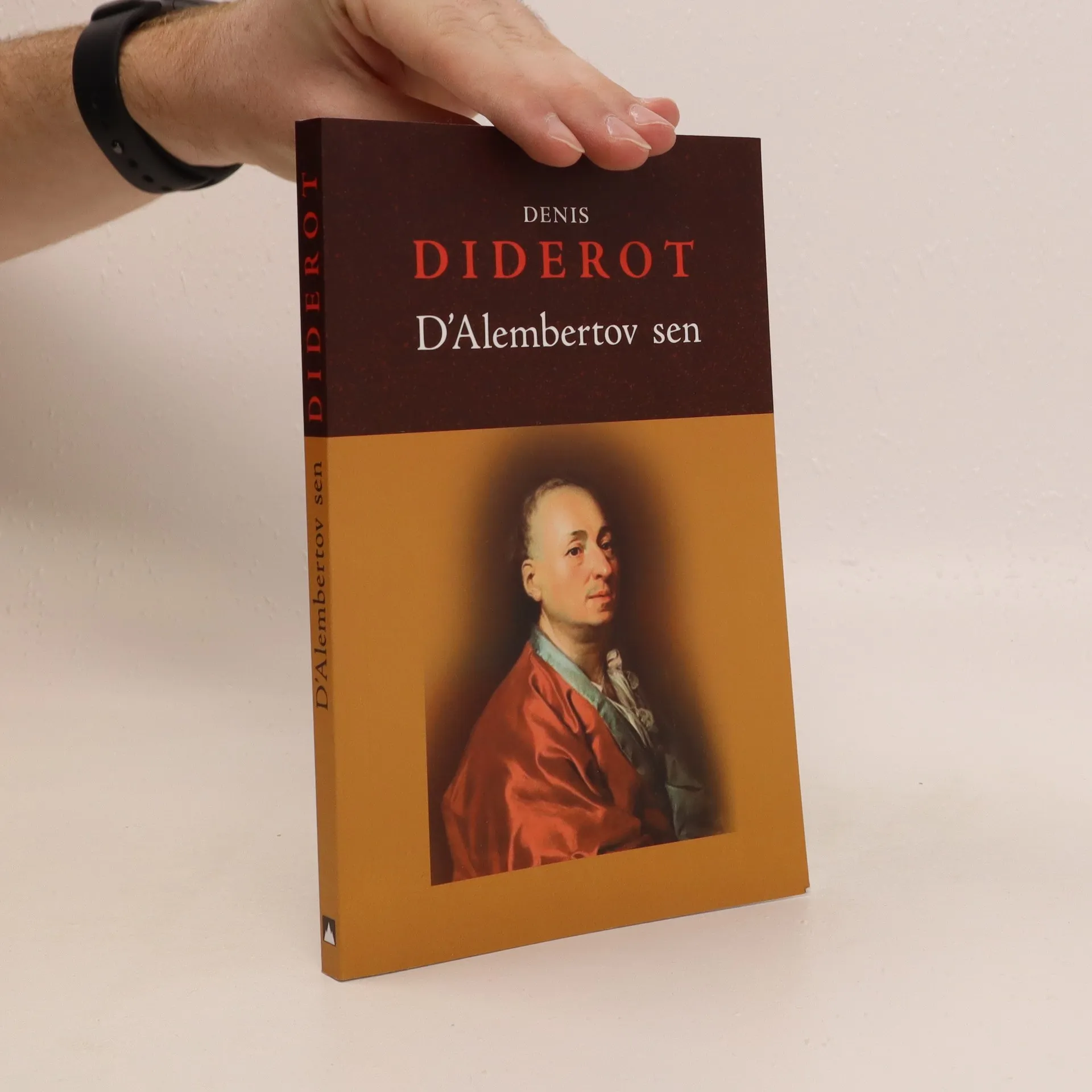
Filozofická trilógia D`Alembertov sen je postavená na dialógoch. Ich prostredníctvom sa predkladajú témy, ktoré sa rozvíjajú a vysvetľujú. D’Alembertov rozhovor s Diderotom pojednáva o rozporuplnej bytosti, nezodpovedajúcej žiadnemu bodu v priestore, o rozdieloch medzi človekom a sochou, o pohybe v premiesťovanom i nehybnom telese, o vzniku zárodku, o preexistencii zárodkov súvisiacej s prvopočiatkom živočíchov, o tom, že vedy vyjadrujú vzťah medzi prírodnými javmi, ktoré vyvodzuje príroda. D’Alembertov sen je konštruovaný ako rozhovor D’Alemberta, Julie de L’Espinasse a lekára Bordeua. D’Alembert blúzni o človeku, vesmírnom poriadku v prírode, o reťazci bez prázdneho miesta, zrode, žití a pominutí sa, ktoré znamená meniť formy. Doktor počúva a usudzuje, že výstredné úvahy sa takmer stotožňujú s reálnymi dejinami dnešných i budúcich živočíšnych druhov. Lekár sa na základe tejto témy pustí do rozhovoru s Juliou. D’Alembert precitne a zamieša sa do rozhovoru. Snivosť je špecifický prvok predstierania filozofických ideí.
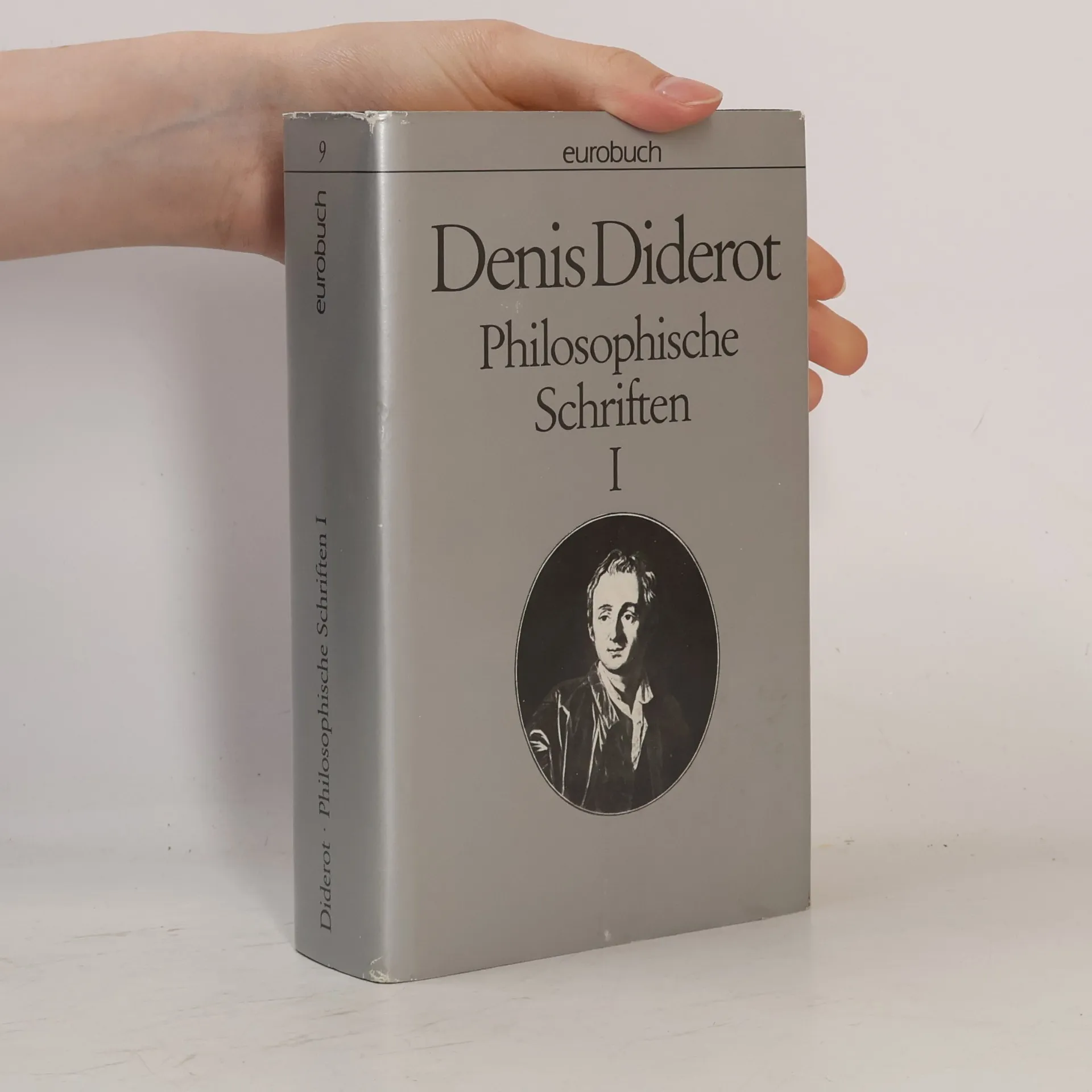
Die Aufklärung hat nicht nur die Ideen der Gleichheit und Freiheit propagiert und die sinnliche Erfahrung zur einzigen Quelle von Wissen erklärt: In Frankreich hat sie auch das Projekt des Materialismus wiederbelebt und zu einem neuen Höhepunkt geführt. Denis Diderot ist einer der radikalsten und originellsten Vertreter dieses aufklärerischen Naturalismus. Er verfolgt die Idee, dass der Mensch nichts anderes als ein Teil einer dynamischen, sich verändernden natürlichen Welt ist, mit erstaunlicher Offenheit und Lust am gedanklichen Experiment durch alle Bereiche der Philosophie hindurch. Der Band enthält die zentralen philosophischen Schriften Diderots und führt kompakt in sein Denken ein.
Jedno z nejvýznačnějších beletristických děl velkého francouzského materialistického filosofa 18. století je pestrou směsí příběhů, anekdot, rozhovorů a úvah, zarámovaných vyprávěním o cestování sluhy Jakuba a jeho pána. S břitkým, rabelaisovsky ryzím humorem líčí autor osudy svých hrdinů i příběhy nahodilých osob, které se během cesty vyskytnou. Jsou to příslušníci všech vrstev tehdejší společnosti – šlechtici, duchovní, prostí venkované, vojáci, lupiči i nevěstky, takže na pozadí vyprávění vzniká živý a věrný obraz Francie druhé poloviny 18. století. V postavě Jakuba a jeho pána vykreslil autor dva protichůdné typy: šlechtice přesvědčeného o své svrchovanosti a moci, udržujícího si však převahu pouze potud, pokud mu to dovolí sluhova trpělivost, a sluhu, odevzdaného do vůle osudu, ve skutečnosti však pravého muže činu. Statečnost, nezdolný optimismus a zdravý humor „fatalisty“ Jakuba, typického představitele francouzského lidu, ostře kontrastuje s mravní zchátralostí vládnoucích vrstev.
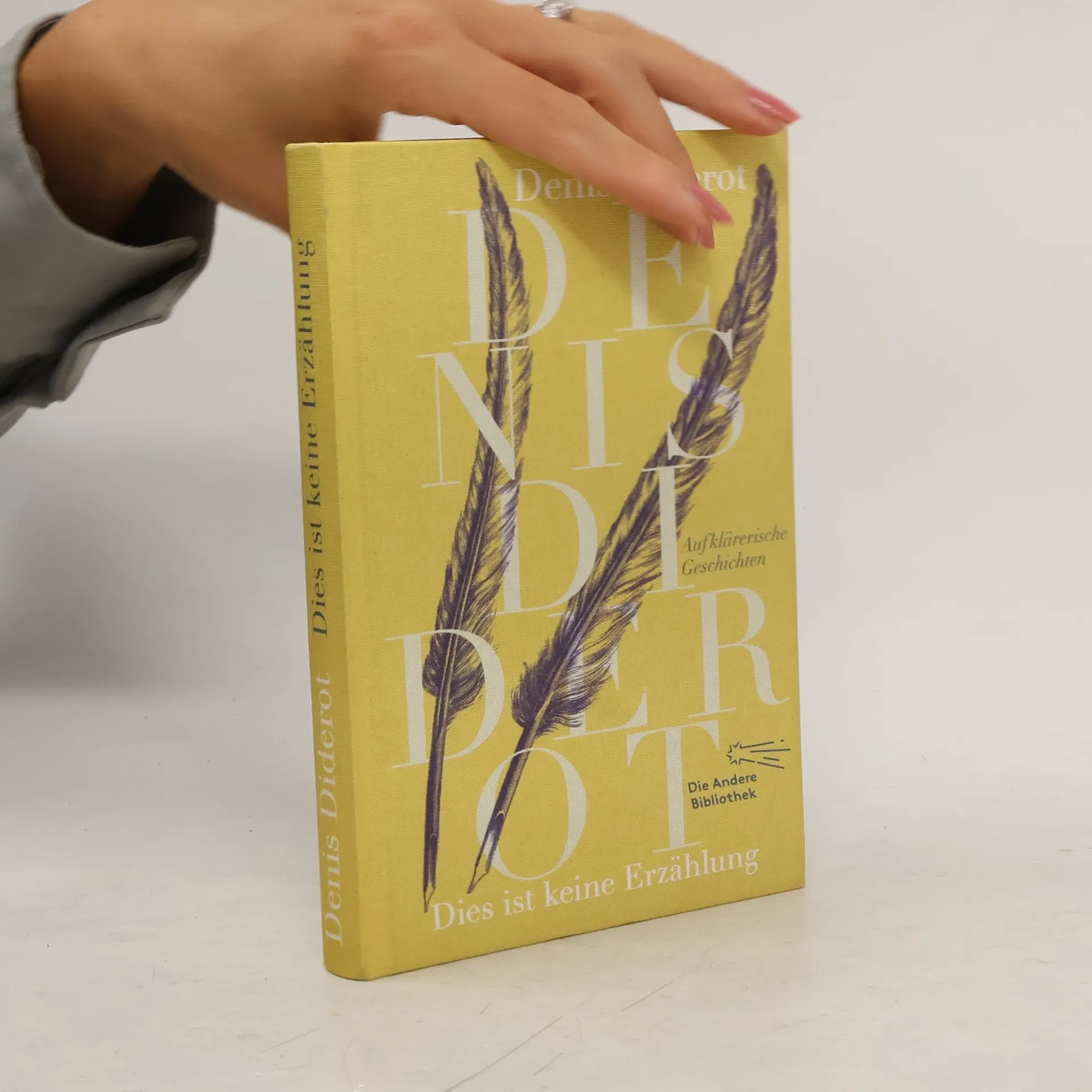
»Wer eine Geschichte erzählt, hat einen, der zuhört; und so kurz die Geschichte auch sein mag, wird kaum ein Zuhörer den Erzähler nicht des öfteren unterbrechen. Darum habe ich in den Text, den Sie jetzt lesen werden – und der keine Erzählung ist, oder eine schlechte Erzählung, falls Sie’s bezweifeln –, eine Person eingeführt, die ungefähr die Rolle des Lesers spielt; und ich beginne: …« Als einer der großen Aufklärer ist er uns bekannt, seine Artikel haben »Eifersucht«, »Enthaltsamkeit« und »Scharlatanerie« enzyklopädisch fixiert. Doch als plaudernder Erzähler verstand er es auch, anschaulich von dem zu erzählen, was sich in den oft verzwickten Beziehungen der Menschen abspielt: ob zwischen Mann und Frau oder im schwierigen Verhältnis des Mannes zu seinem Schlafrock. Mit spitzer Feder brachte er Unordnung in die Wertevorstellungen des 18. Jahrhunderts – und setzte sein Aufklärungswerk in Geschichten fort. Eine Auswahl seiner denkwürdigsten Erzählungen versammeln wir unter dem Titel Dies ist keine Erzählung.
Роман Дідро «Черниця» — це, здавалося б, правдива історія молодої дівчини, яку батьки змушують вступити до монастиря та прийняти священний сан. Це твір, що поєднує містицизм, божевілля, садистську жорстокість і зароджувальну сексуальність, який дає пронизливий погляд на наслідки примусових покликань та ненормальне життя в монастирі. У кінці XVIII століття він став «скандальним успіхом» і з тих пір привертає та тривожить читачів. Адже роман Дідро — це не просто історія молодої дівчини з поганою звичкою; це також потужна емблематична байка про гноблення та нетерпимість.
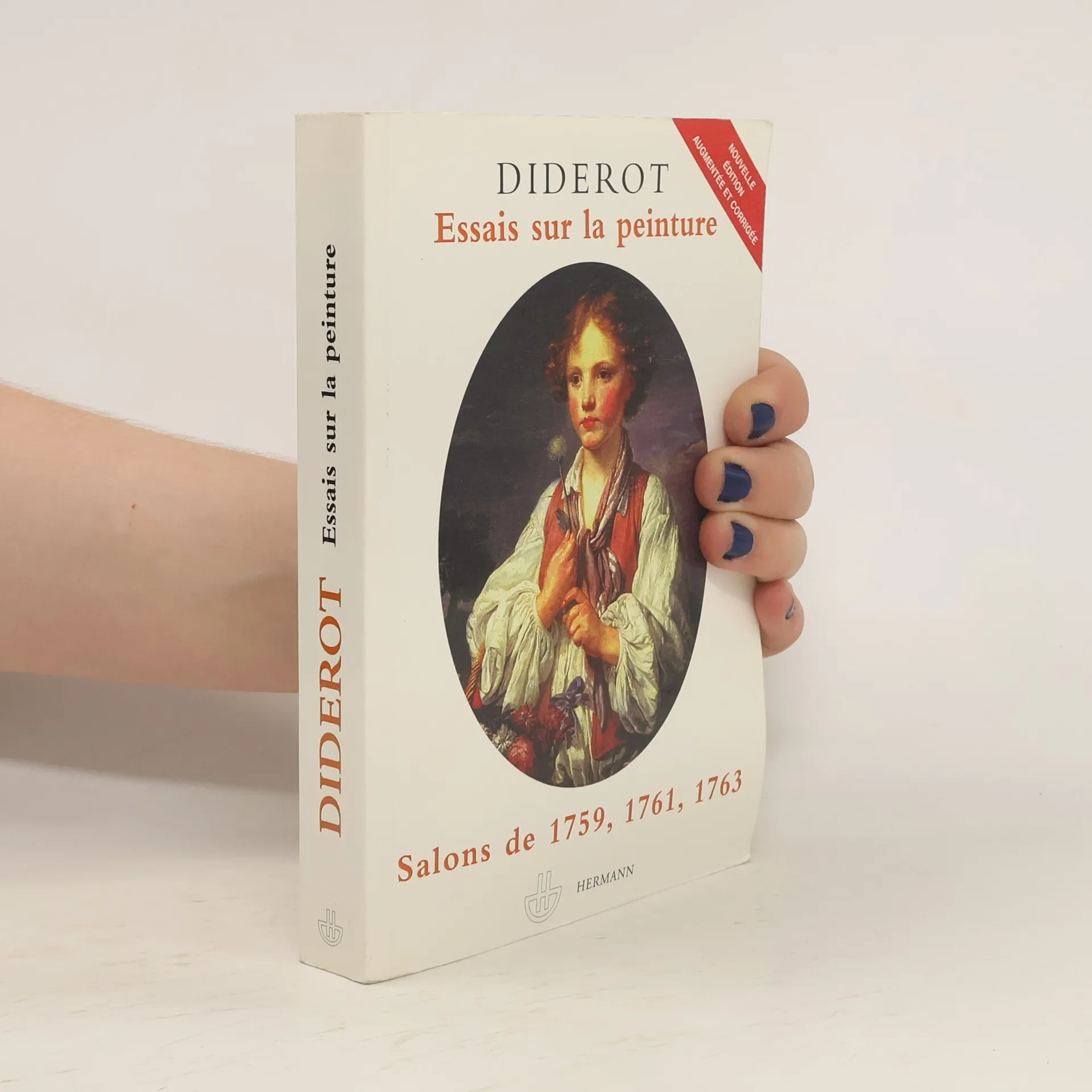
Synthèse de l'essentiel des idées de Diderot sur l'art de 1759 à 1763. Diderot, dans ses écrits, tâche de ramener les artistes à une observation plus sincère de la nature. Il n'envisage pas l'oeuvre d'art sous le seul angle des qualités formelles, mais s'attache aussi à la décrire dans ses rapports ambigus, souvent déterminants, avec la société et les institutions politiques.
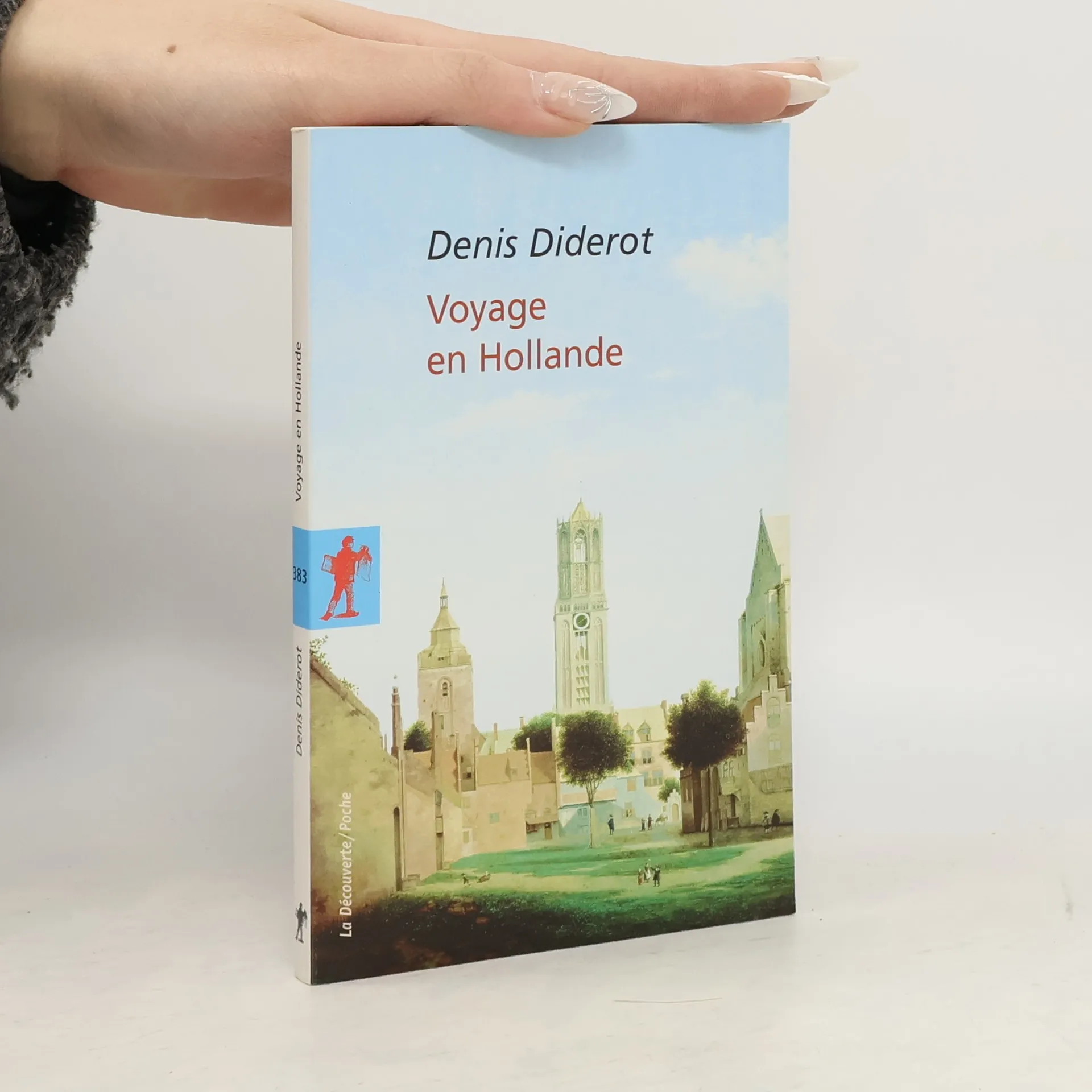
Le Voyage en Hollande de Diderot est l'une des oeuvres les moins connues et les moins souvent éditées du philosophe. Il constitue pourtant une étape significative de la réflexion politique de Diderot dans ses dernières années. Au XVIIIe siècle, en effet, aller en Hollande, c'est aller voir comment fonctionne une république, comment s'appliquent la tolérance et la liberté d'expression. Éventuellement, c'est aller dans un pays qui est terre d'asile pour les hommes, mais aussi pour les textes, qu'on peut y faire éditer assez facilement. L'enquête de Diderot participe de cet esprit-là ; et comme il n'est pas le premier à découvrir la Hollande républicaine, libre (et bourgeoise, bien sûr), on ne saurait s'étonner qu'il puise sans fausse pudeur dans les documents déjà amassés par ses prédécesseurs. La présente édition - établie par l'historien Yves Benot en 1982 - est la première à indiquer toutes les variantes des trois copies essentielles de ce texte souvent amusant. Elle s'est efforcée de multiplier les rapprochements susceptibles d'éclairer les sources de nombreux passages, parfois de signaler les erreurs commises au fil de la plume par le philosophe. Elle permet de mieux comprendre la Hollande d'avant la monarchie de 1815, mais aussi le voyage philosophique au XVIIIe siècle.
"Félix était un gueux qui n'avait rien ; Olivier était un autre gueux qui n'avait rien : dites-en autant du charbonnier, de la charbonnière, et des autres personnages de ce conte ; et concluez qu'en général il ne peut guère y avoir d'amitiés entières et solides qu'entre des hommes qui n'ont rien." Pour Diderot, les contes sont une sorte de laboratoire de morale expérimentale. En 1770, l'auteur de l'Encyclopédie reprend son vieux projet de composer un traité de morale, mais il opte pour la forme des contes. Ainsi peut-il recréer, en les vivant lui-même par l'imagination, tout près des personnages et au milieu d'eux, des épisodes dont ni l'issue, ni la signification ne sont claires au départ. Le lecteur se voit à son tour plongé en plein « vécu n. C'est à lui qu'il revient de rassembler ces fragments d'histoires et de dialogues pour tenter de saisir la vérité toujours mouvante de l'humain. Ce volume contient : Mystification, Les Deux Amis de Bourbonne, Entretien d'un père avec ses enfants, Ceci n'est pas un conte, Madame de la Carlière, Entretien d'un philosophe avec madame la Maréchale de ***.
Les protagonistes du dialogue de Diderot, A et B, discutent du Voyage autour du monde du navigateur français Louis Antoine de Bougainville récemment paru (en 1771). B propose de parcourir un prétendu Supplément qui remet en question certaines prétendues évidences énoncées par Bougainville, premier français ayant fait le tour du monde. Deux passages de ce Supplément sont enchâssés dans la discussion : Les adieux du vieillard, et le long Entretien de l'aumônier et d'Orou. Source: fr.wikipedia.org
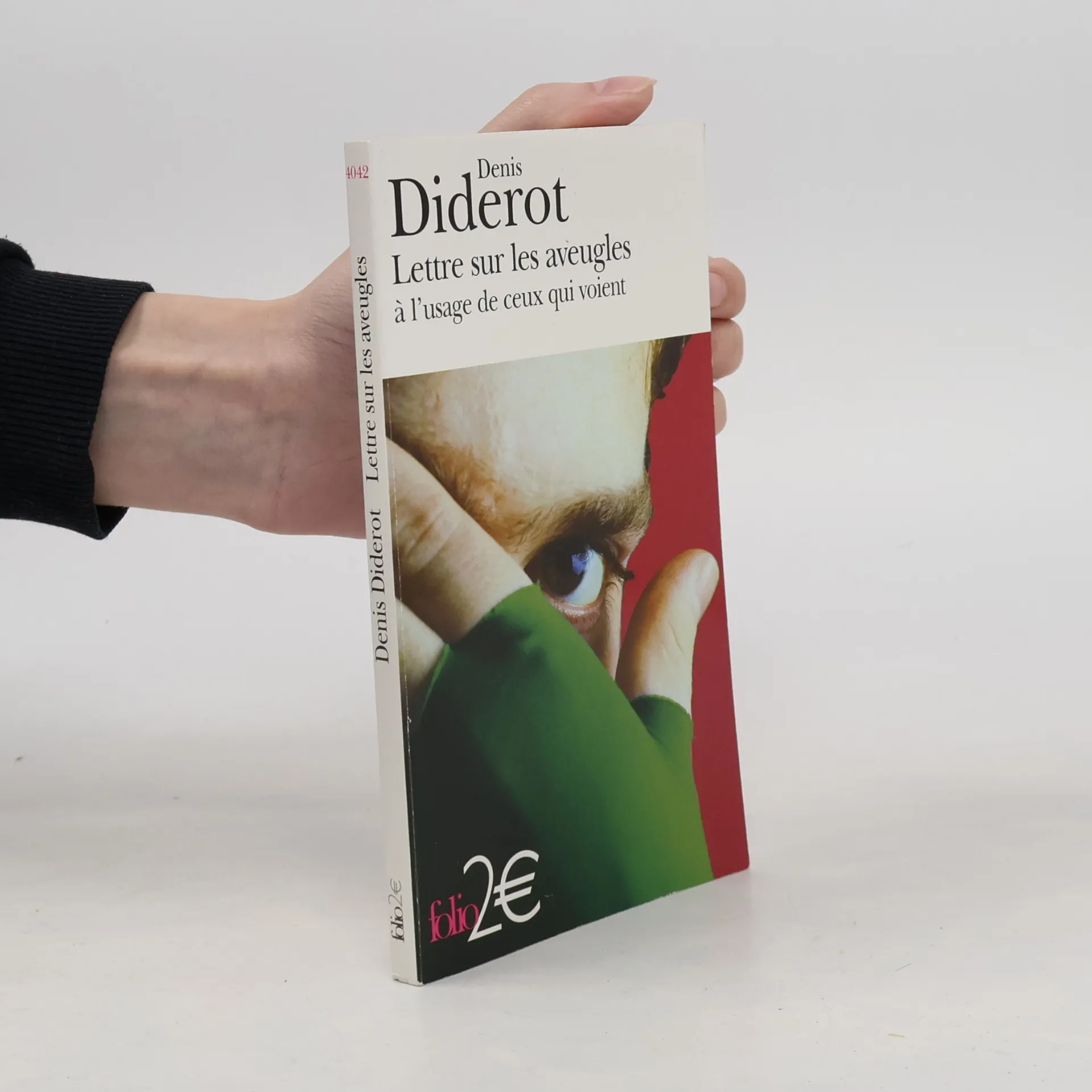
Supplément au Voyage de BougainvilleLes protagonistes du dialogue de Diderot, A et B, discutent du Voyage autour du monde du navigateur français Louis Antoine de Bougainville récemment paru (en 1771). B propose de parcourir un prétendu Supplément qui remet en question certaines prétendues évidences énoncées par Bougainville, premier français ayant fait le tour du monde. Deux passages de ce Supplément sont enchâssés dans la discussion : Les adieux du vieillard, et le long Entretien de l'aumônier et d'Orou.Source: fr.wikipedia.orgPensées philosophiquesRédigées en 1746, ces 62 pensées ont circulé clandestinement avant d'être condamnées. Elles sont l'oeuvre d'un libre penseur du siècle des Lumières qui voulait subvertir la pensée orthodoxe.Lettre sur les aveuglesDiderot interroge un aveugle-né pour savoir quelle idée éveille en lui la notion de symétrie ou encore de beauté. Il s'avère que "la beauté pour un aveugle n'est qu'un mot, quand elle est séparée de l'utilité". Toutes les réponses de l'aveugle paraissent relatives aux seuls sens dont il dispose. Les principales notions de métaphysique et de morale sont également conçues par lui d'après son expérience sensible. Ainsi, il n'y a ni bien ni mal, mais des gens qui guident les aveugles et d'autres qui les volent.
Quand on écrit des femmes, il faut tremper sa plume dans l'arc-en-ciel et jeter sur sa ligne la poussière des ailes du papillon ; comme le petit chien du pèlerin, à chaque fois qu'on secoue la patte, il faut qu'il en tombe des perles. Un hommage vibrant aux femmes, un plaidoyer enlevé en faveur de leur émancipation, par l'un des plus grands philosophes des Lumières.
Que se passe-t-il lorsqu'un aveugle recouvre la vue ? Comment découvre-t-il le monde qui l'entoure ? Comment parvient-il à concilier ce que ses sens lui ont appris lorsqu'il ne voyait pas et ce que ses yeux lui révèlent ? Une brillante et impertinente remise en cause de la réalité telle que nous la percevons, remise en cause dont la hardiesse vaudra la prison à son auteur...
Denis Diderot war ein vielseitiger französischer Denker des 18. Jahrhunderts, der als Abbé, Schriftsteller und Philosoph bekannt wurde. Er spielte eine zentrale Rolle in der Aufklärung und war maßgeblich an der Erstellung der Encyclopédie beteiligt, einem bedeutenden Werk der Wissensvermittlung. Zudem war er als Kunstagent für die russische Zarin Katharina II. tätig und beschäftigte sich intensiv mit Literatur- und Kunsttheorie, wodurch er einen bleibenden Einfluss auf die europäische Kultur und das Denken seiner Zeit ausübte.
Diderots „Rameaus Neffe“ gilt als subversiver und kritischer Text der Aufklärung, der den Zweifel als kulturellen Kern des europäischen Denkens erklärt. Bekannt wurde er in Frankreich durch Goethes Übersetzung, die als bedeutend angesehen wird.
"Das Theater des Herrn Diderot - Der Hausvater" ist ein hochwertiger Nachdruck der Originalausgabe von 1781. Hansebooks widmet sich der Erhaltung historischer Literatur und bietet Werke, die oft nur als Antiquitäten erhältlich sind, neu an, um selten gewordene Texte und Wissen für die Zukunft zu bewahren.
Der hinreißende Erzähler und Kenner des weiblichen Herzens, der weitblickende Denker, dessen funkelnder Geist alle Gegenstände, die er berührt, mit Leben, Natürlichkeit und Anmut erfüllt, wird hier in einer gültigen deutschen Auswahl dargeboten. Sie enthält seine meisterhaften Erzählungen, die berühmten »petits papiers« wie »Das Bedauern über meinen alten Schlafrock« oder »Über die Frauen«, und die großen und kleinen Gespräche, darunter »Rameaus Neffe«, das »Paradox über den Schauspieler« und »D’Alemberts Traum«.