Bookbot

Alan Sillitoe

    4 marzo 1928 – 25 aprile 2010

    Alan Sillitoe è stato uno scrittore inglese la cui opera catturava spesso una rappresentazione cruda e schietta della vita della classe operaia. Le sue narrazioni esploravano le frustrazioni e le aspirazioni profondamente radicate di individui comuni che navigavano tra i vincoli sociali. La prosa di Sillitoe era caratterizzata dalla sua schiettezza e acuta intuizione psicologica, offrendo una voce a coloro che erano spesso trascurati. Rimane una figura significativa per la sua autentica rappresentazione della resilienza dello spirito umano e della sua ricerca di significato.
    Alan Sillitoe
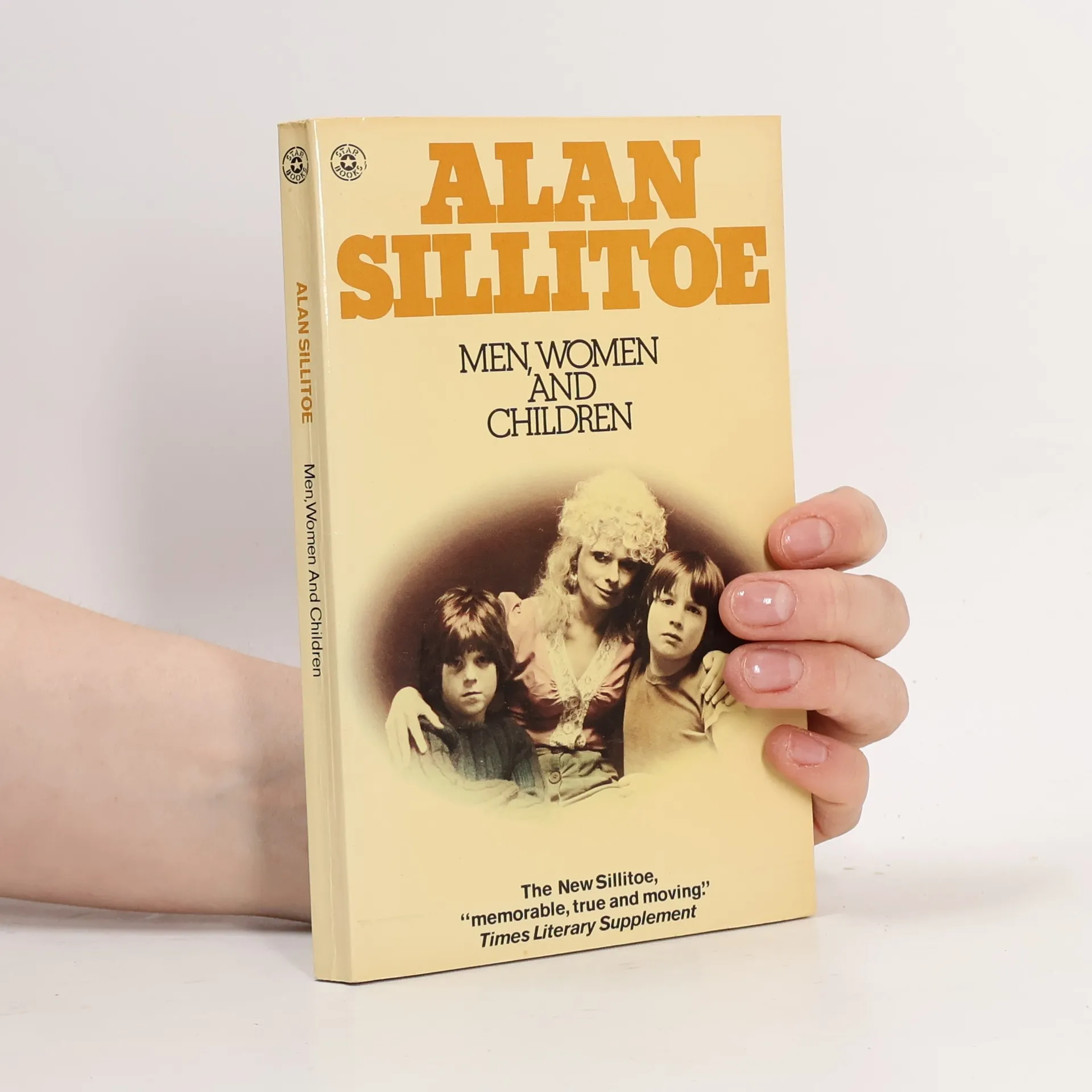
    Men, Women and Children
    Last Loves
    Anni d' infanzia. Un bambino nei lager
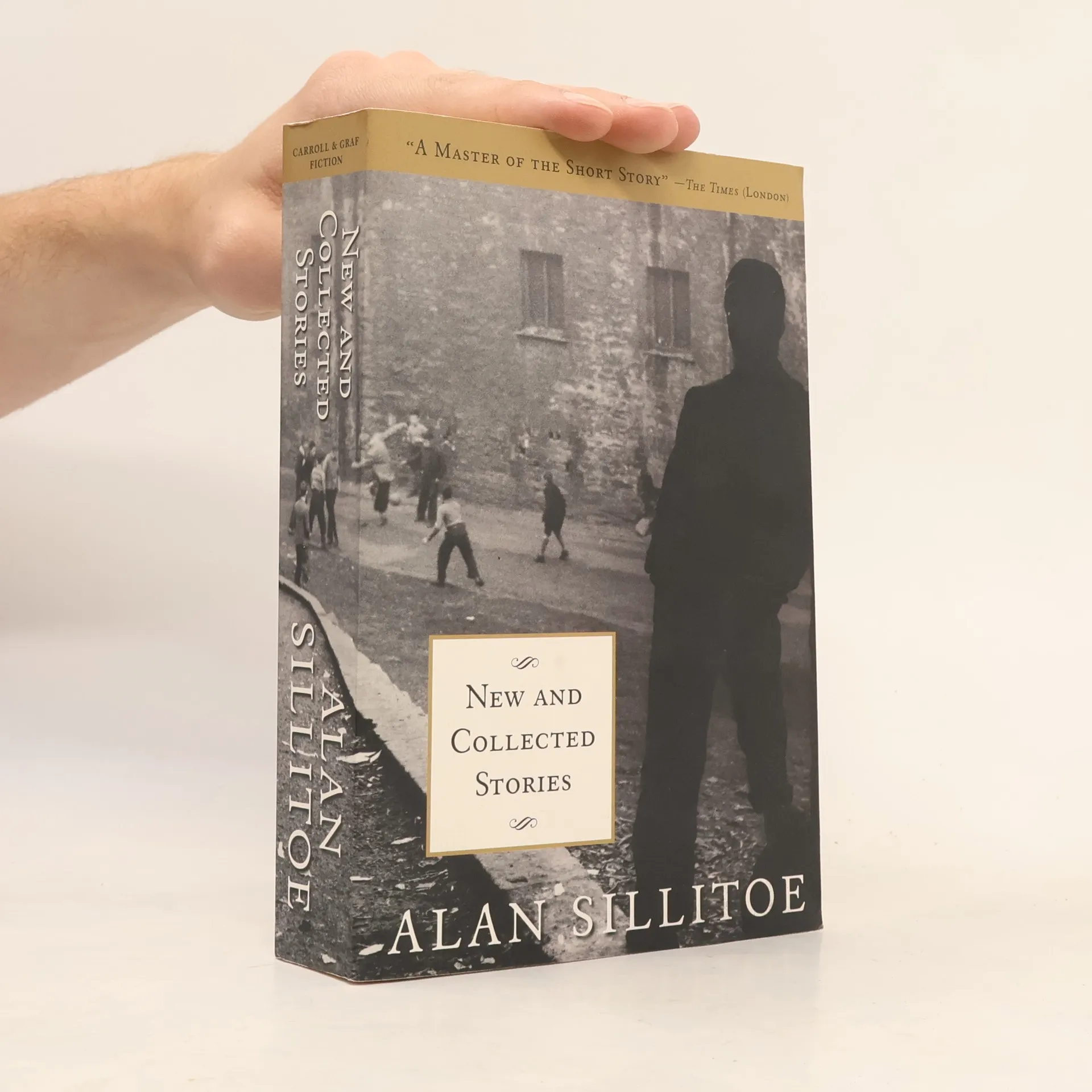
    Collected Stories
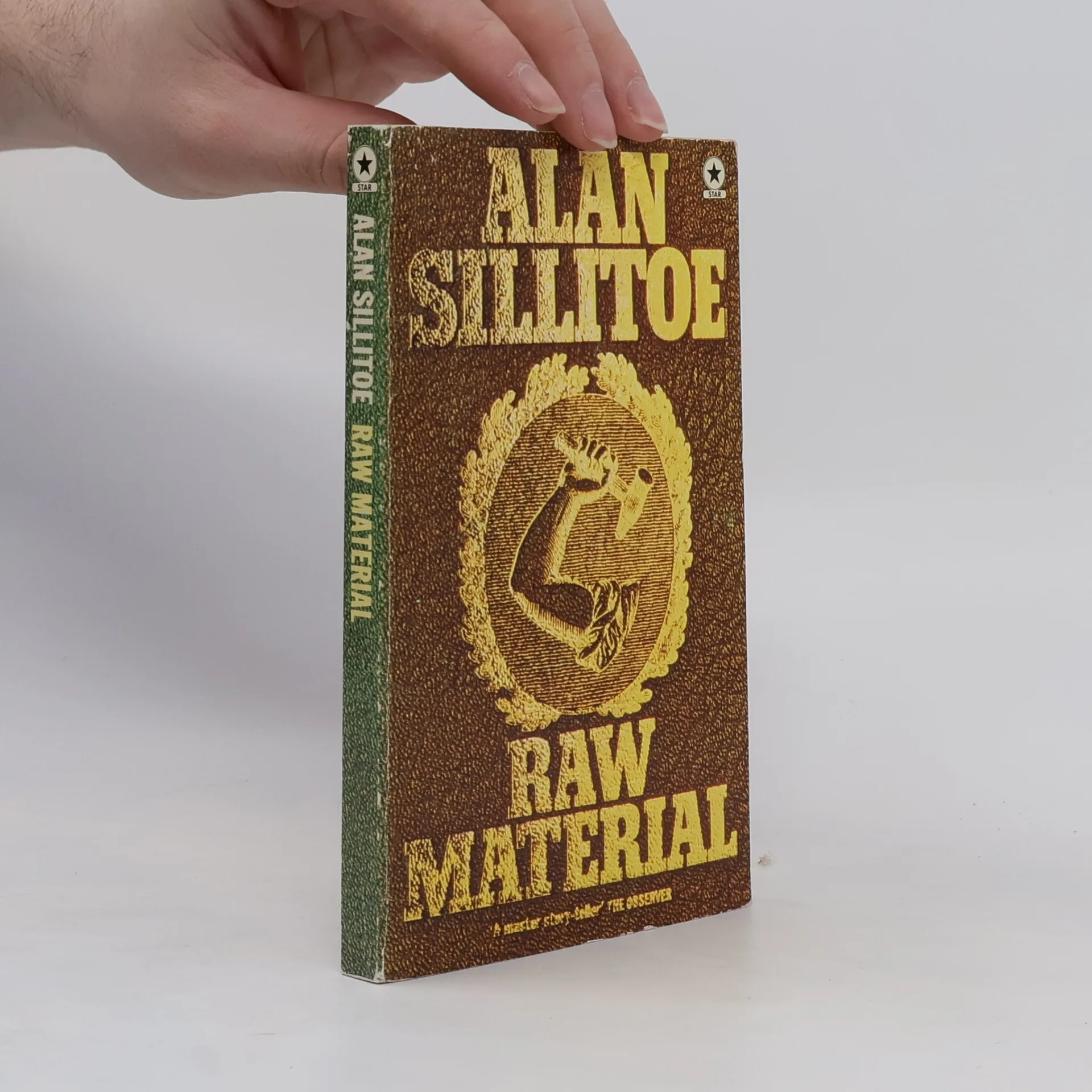
    Raw Material
    The Incredible Fencing Fleas
    • Raw Material

      • 190pagine
      • 7 ore di lettura

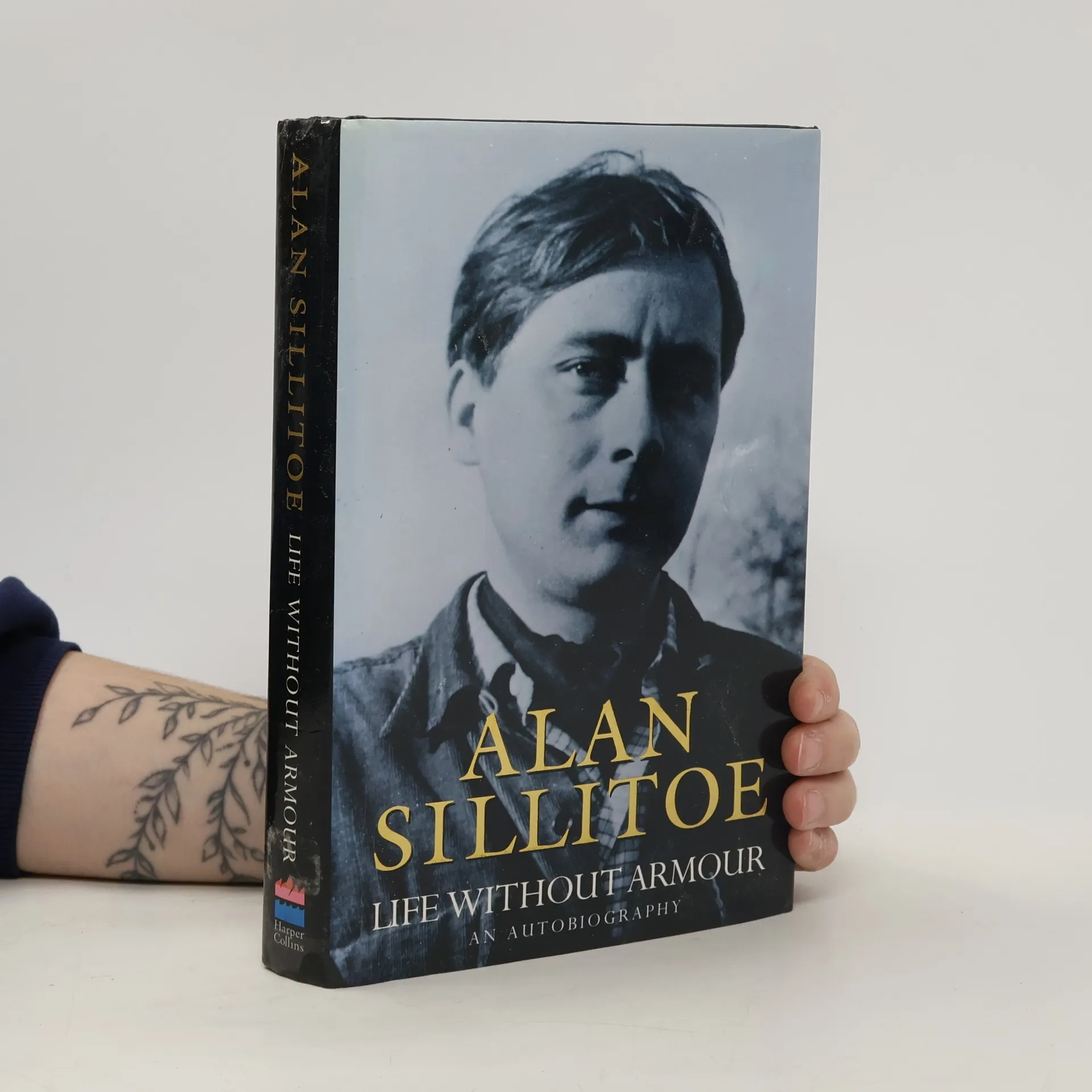
      This fusion of novel and memoir from a bestselling British author chronicles the destructive effects of WWI on two working-class families in Nottingham.   An advocate for ordinary people, Alan Sillitoe combines family memoir with exhaustive research on military records, and fuses them with artistic speculation in this inventive and political historical novel. Central to the story are the author’s grandfather, the blacksmith Ernest Burton, and his uncle Edgar, a World War I deserter.   The launching point for this narrative family album is a legless match-seller from Sillitoe’s childhood who “walked” on the streets of Nottingham with his hands. When the young Sillitoe asked his family about the reasons behind this man’s deformity, he heard a series of different accounts: His mother said it was a train accident, his father claimed it was an explosion during the Battle of the Somme, his grandmother was convinced it was a birth defect, and his grandfather declared it was a way of dodging work. Thus Sillitoe sets the tone for a tale in which “anything which is not scientific or mathematical thought is colored by the human imagination and feeble opinion.”   In order to rediscover the fictional truth behind his own spirit, Sillitoe then delves into his heritage. He paints a telling portrait of his maternal grandfather, a blacksmith who hated dogs, despised the people who loved him, and was blinded in one eye by a shred of steel. Separated from society by his illiteracy, and both feared and respected for his instinctual cunning, Ernest was a tyrant to his wife and eight children, a hardworking provider, and a talented craftsman.   On his father’s side of the family, Sillitoe explores the life of his uncle Edgar, “the darling of the family” who enlisted in the British army when the Great War began in 1914. However, when the young man discovered that his service consisted of dysentery, haircuts, and taking orders, he “sensibly” deserts. To avoid the military police, he leaves Nottingham and bicycles furiously on the back roads to his sister’s house in Hinkley, but is caught a few days later in a pub and sent back to his battalion. A persistent man, Edgar deserts a second time and hides out in the forest, but again he is captured and sent just in time to join the Sherwood Foresters on the first day of the Battle of the Somme.   Raw Material spans a century of family history and legends, interweaving personal memories with collected facts and hearsay. The “kitchen-sink realism” Sillitoe is known for takes on a more philosophical and transparent approach in this innovative self-portrait that explores the base matter and inspirations of the esteemed British novelist’s life work.  

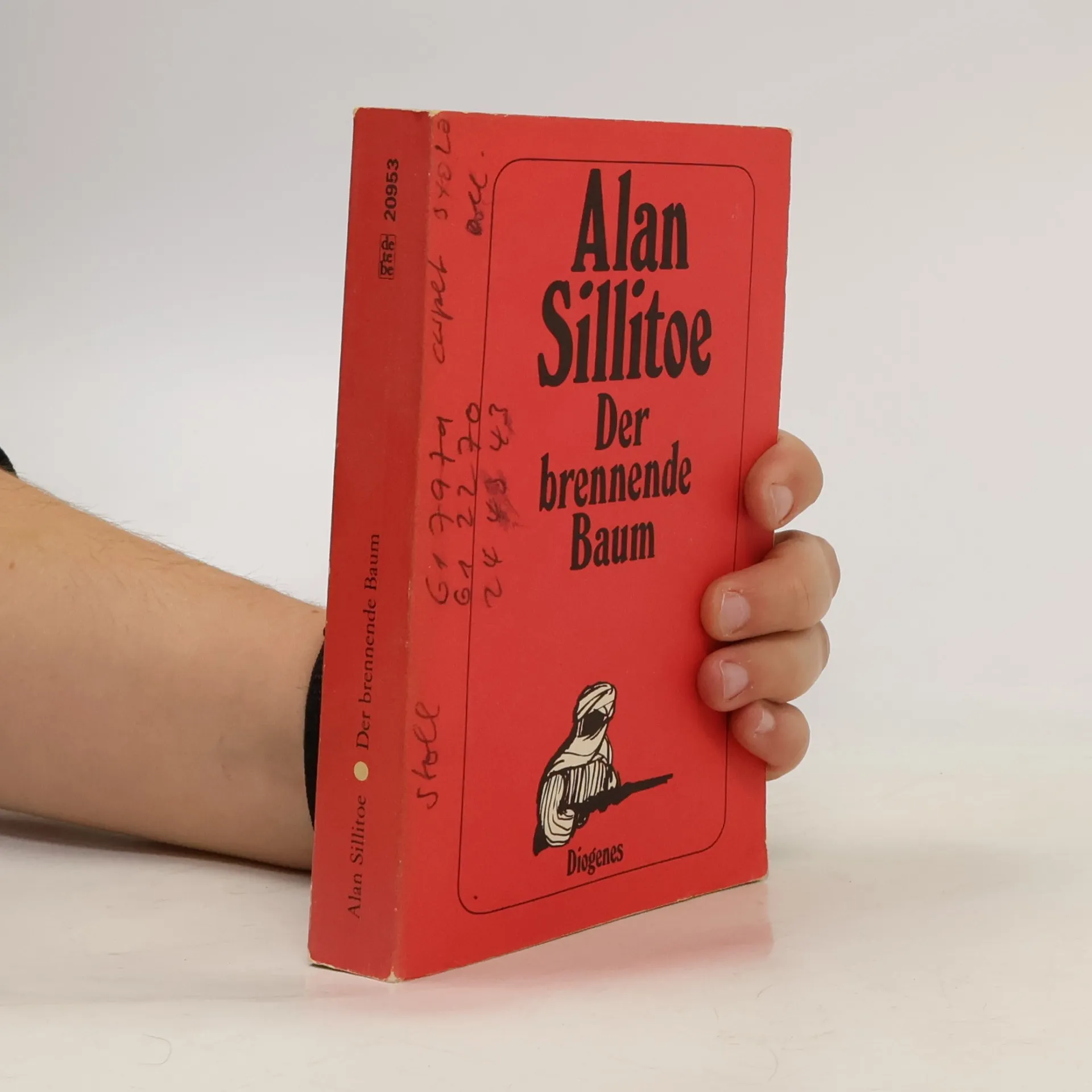
      Raw Material
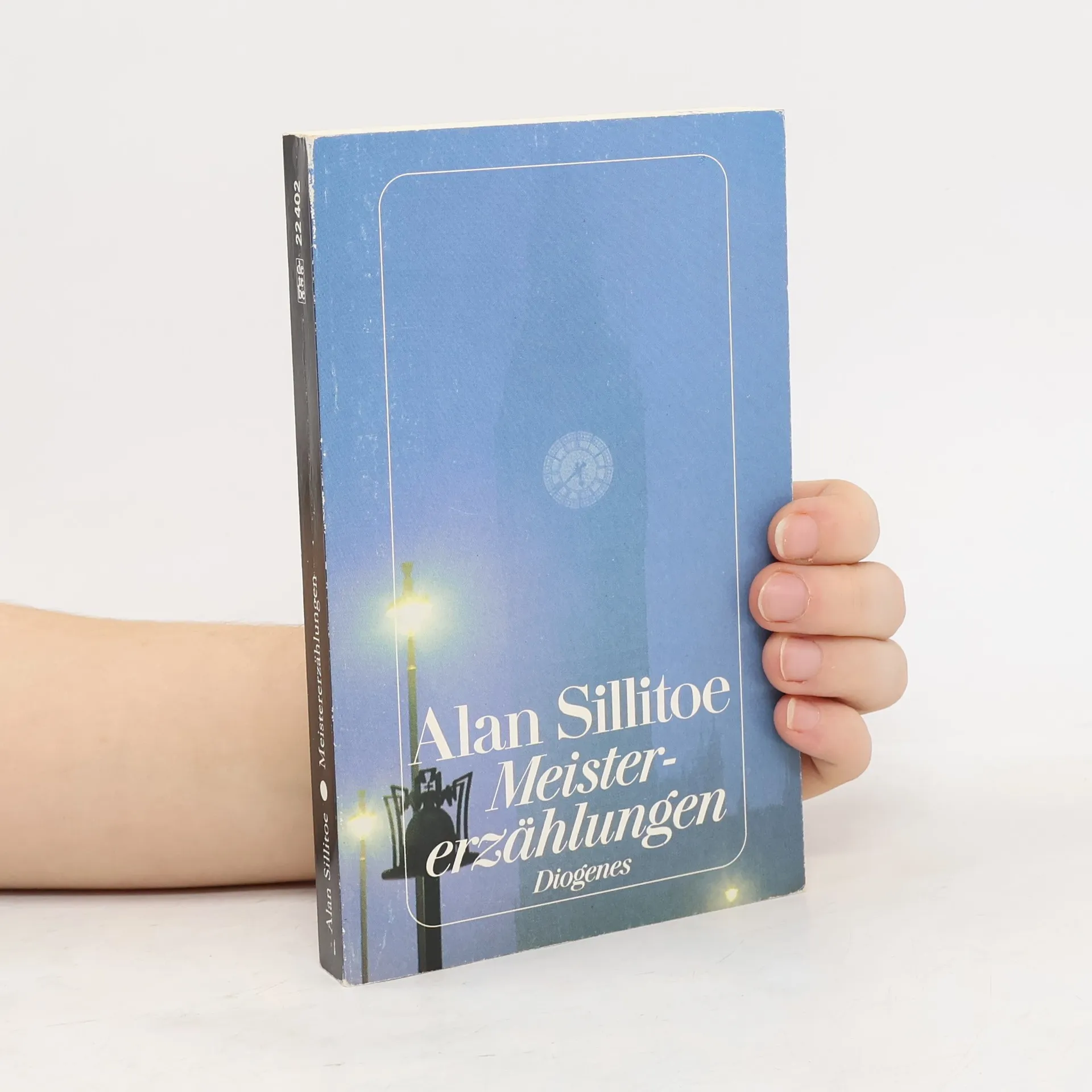
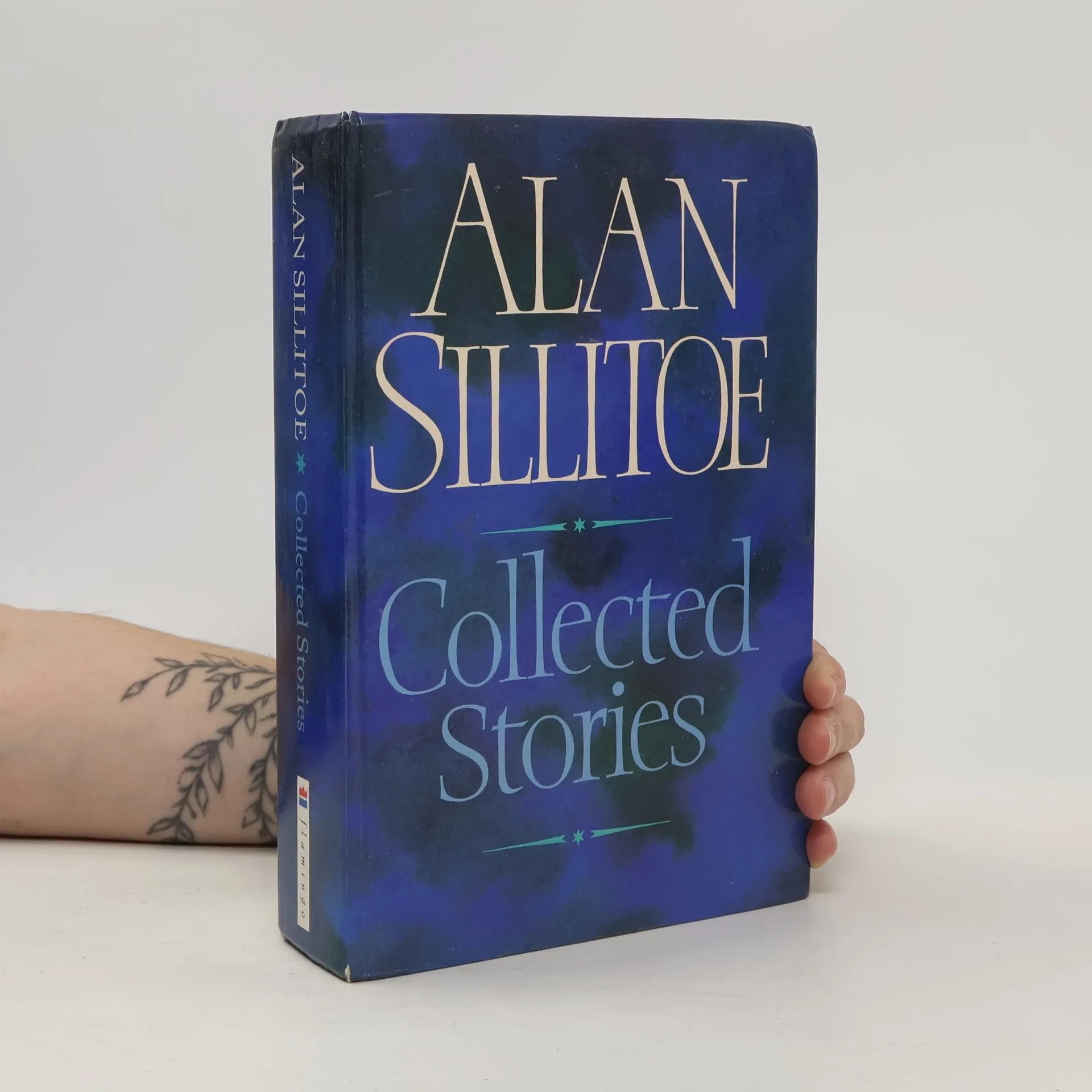
    • Thirty-eight stories on life among the English working classes. They include The Loneliness of the Long Distance Runner, on a rebellious youth in a reformatory, and Mr. Raynor the School Teacher, on a teacher who is a Peeping Tom

      Collected Stories
    • «La sera la mamma mi domandò che cosa avevo fatto durante il giorno. Le raccontai che ero stato insieme ai ragazzi più grandi. Mi domandò se mi prendevano così senz'altro con loro e io le spiegai che ora sì, mi prendevano con loro, perché avevo superato la prova. Ero stato all'osservatorio. Lei mi domandò che cos'era, un osservatorio. Risposi che lo sapeva benissimo, che lì c'erano i cadaveri e che sapeva anche benissimo che mio padre era stato gettato sopra gli altri cadaveri e che non aveva neppure un lenzuolo e io avevo detto ai bambini che ne aveva sì uno, mentre avevo visto benissimo che non ne aveva. Mi misi a strillare che lei era matta a lasciare che lo buttassero così sugli altri cadaveri senza lenzuolo...».

      Anni d' infanzia. Un bambino nei lager
    • Alan Sillitoe is famous as a master of the short story. This book shows why. From the bible-basher and his key rôle in PIT STRIKE, to the boy whose parents left each other – and him – the same morning in ENOCH'S TWO LETTERS; from the man who tried to act out a 'real' life in MIMIC, to the woman whose husband came back to her in BEFORE SNOW COMES – these stories go to the heart of the torments and joys of living.

      Men, Women and Children
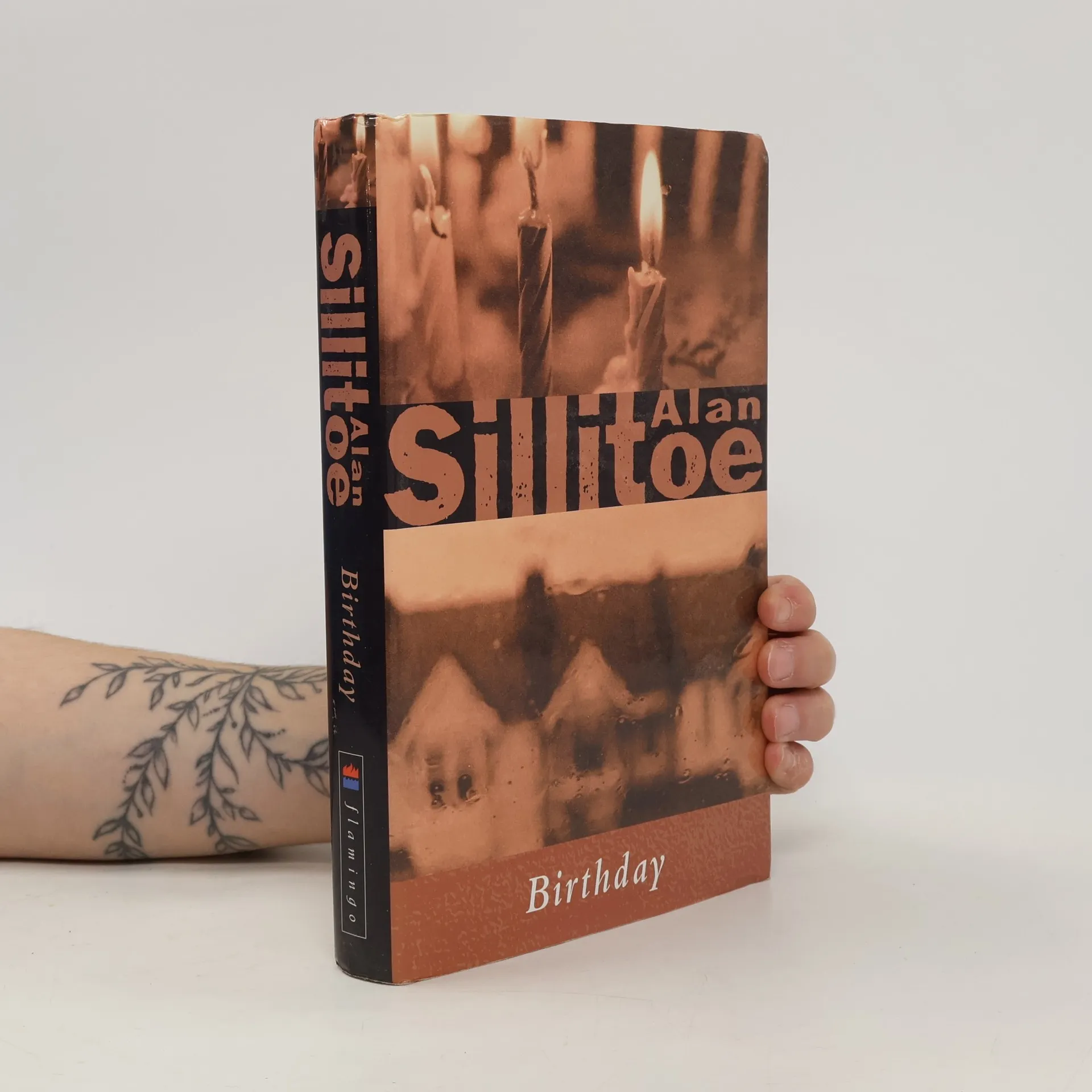
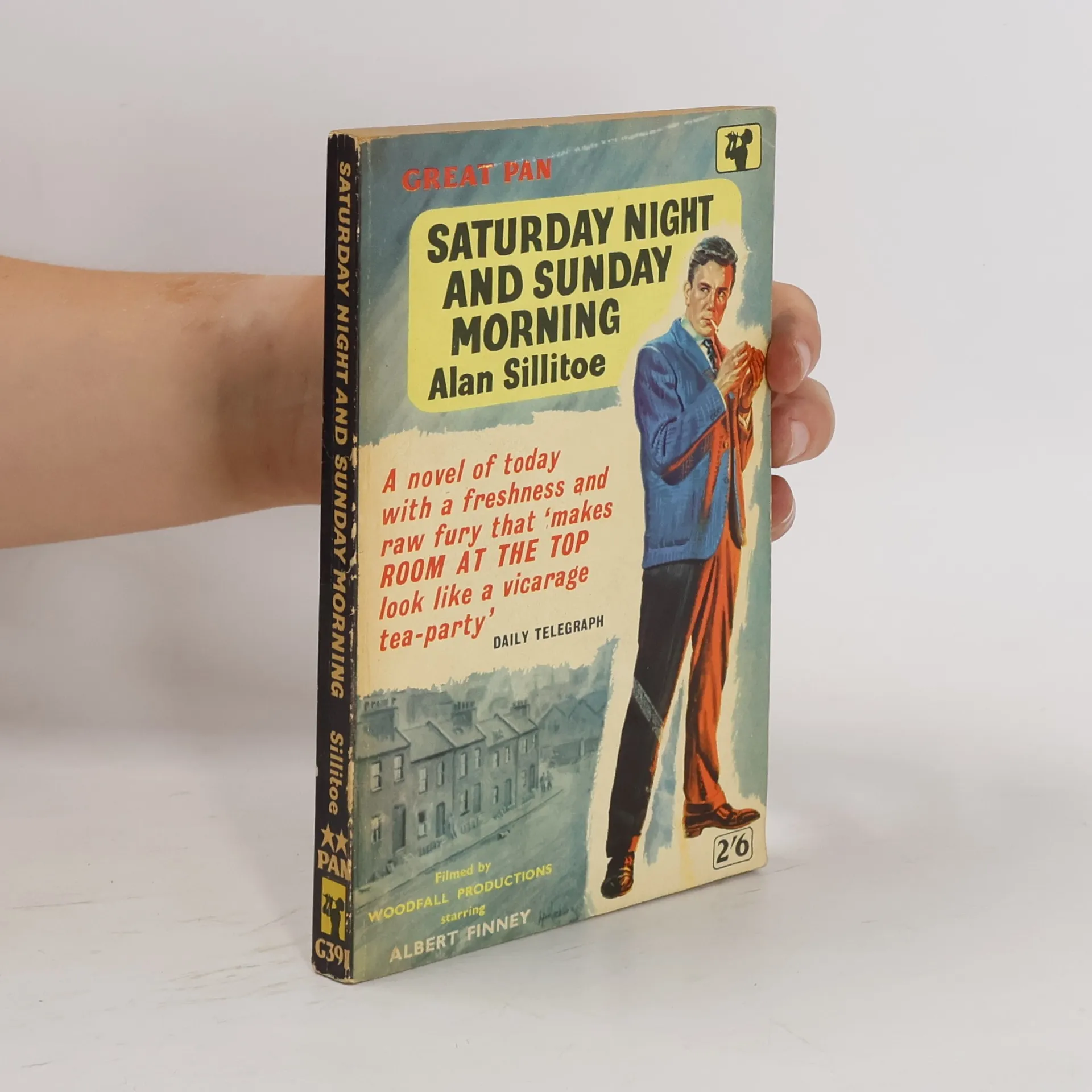
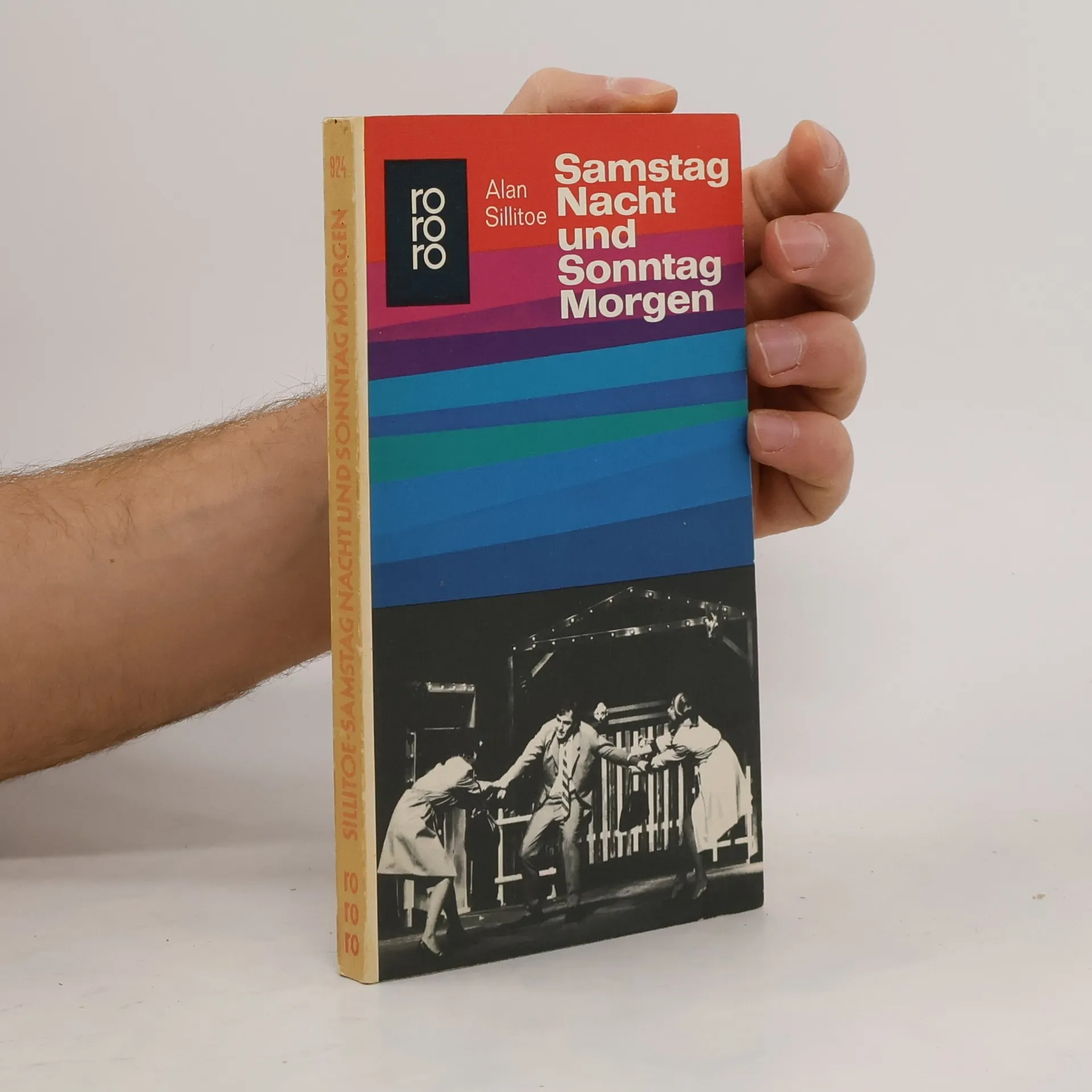
    • Birthday is the long-awaited sequel to Alan Sillitoe's classic novel of the 1950s, Saturday Night and Sunday Morning. Four decades on from the novel which was at the forefront of the new wave of British Literature, we re-discover the Seaton brothers: older, cetainly; wiser - possibly not. Arthur and Brian Seaton, one with an ailing wife, one with an emotional knapsack of failure and success, are on their way to Jenny's 70th birthday party. Jenny and Brian had years ago experimented with sex - semi-clothed, stealthy, with the bonus of fear. Arthur, of course, had cut a winning swathe through the married and unmarried women of Nottinghamshire. Life has changed. Alan Sillitoe is undoubtedly one of the greatest English writers of our time, and, indeed, one of the most influential.

      Birthday
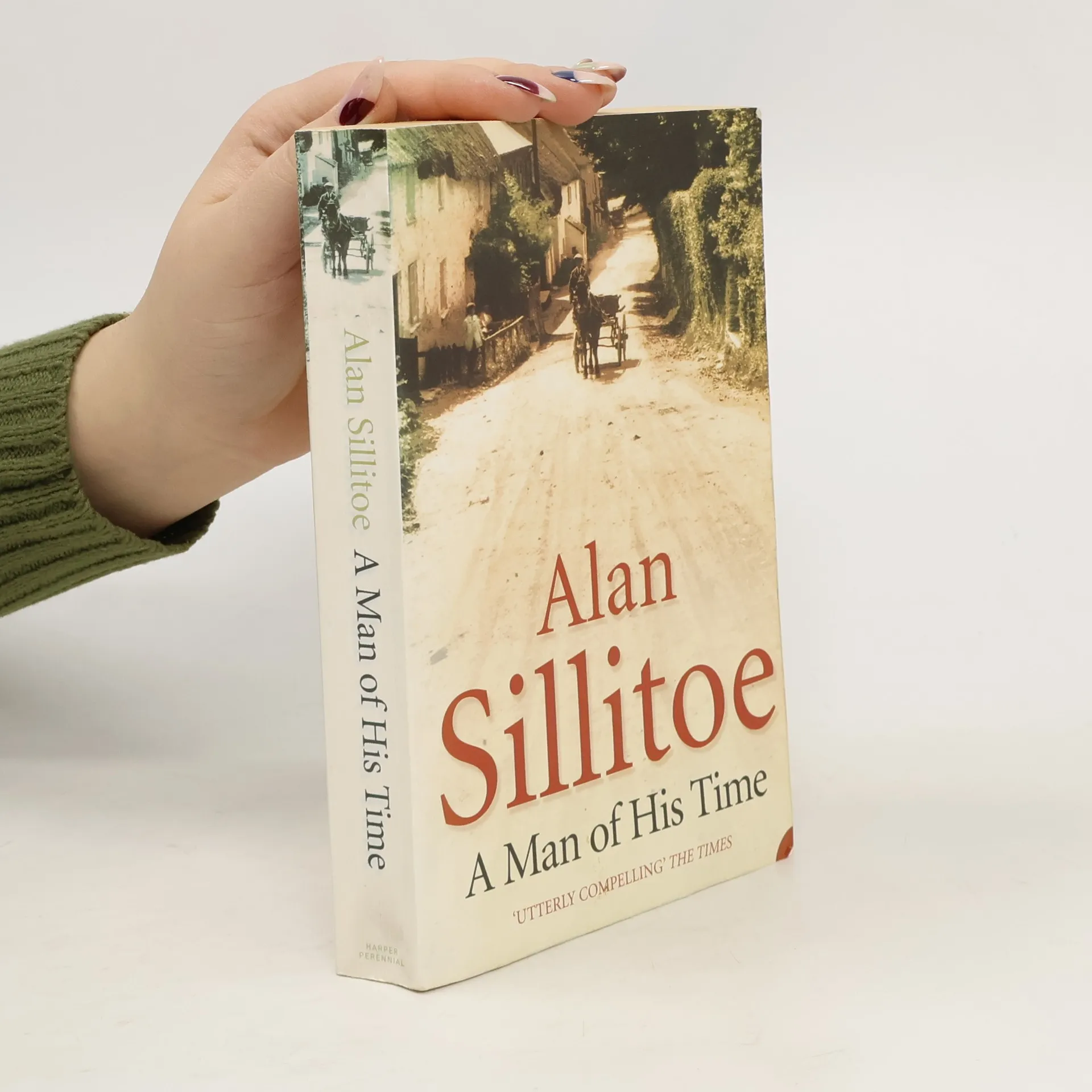
    • A Man of His Time

      • 400pagine
      • 14 ore di lettura

      A wonderful historical novel from one of our best loved and most prolific writersAs a young man Ernest Burton was a bold and reckless journeyman blacksmith, seducing all young girls he comes across. We watch him grow to become a master Blacksmith, and a tyrannical father of eight who refuses even to try to remain faithful to the woman he married and who reigns over his young family with an iron fist, instilling in his sons and daughters a mixture of fear and hatred of him. Burton is an extraordinary fictional creation a bully who shows no mercy in his relentless terrorism of his sons, he can also be effortlessly charming, with a magnetic attraction that effects all he meets.Written in the sparse, plain language that Sillitoe has made his own, A Man of His Time is a mesmerising portrait of an extraordinary individual, aware that he is, in many ways, the last of a dying breed. It's a rich, absorbing, wonderfully readable novel that covers decades and crosses generations, depicting with singular brilliance an England poised on the brink of change.

      A Man of His Time
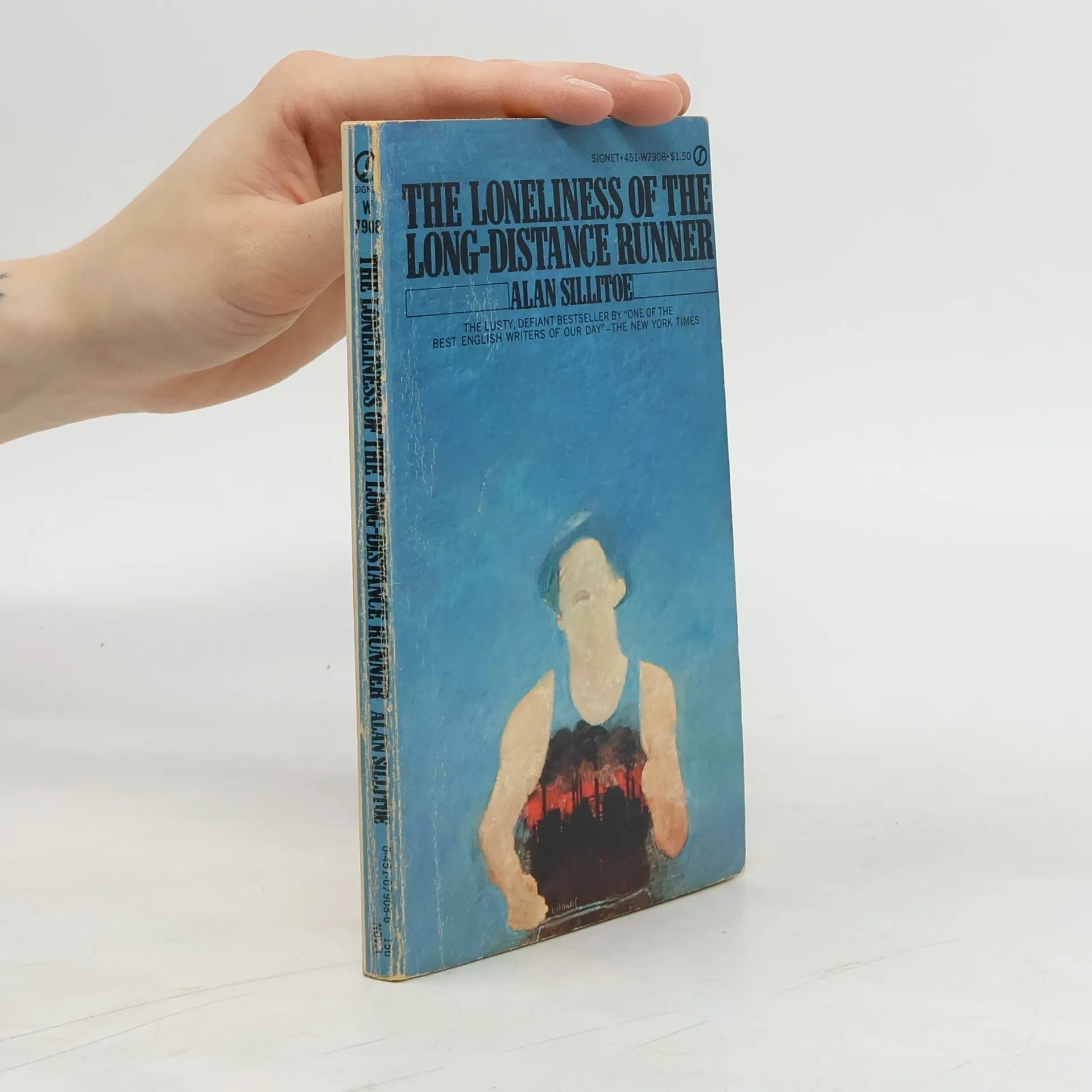
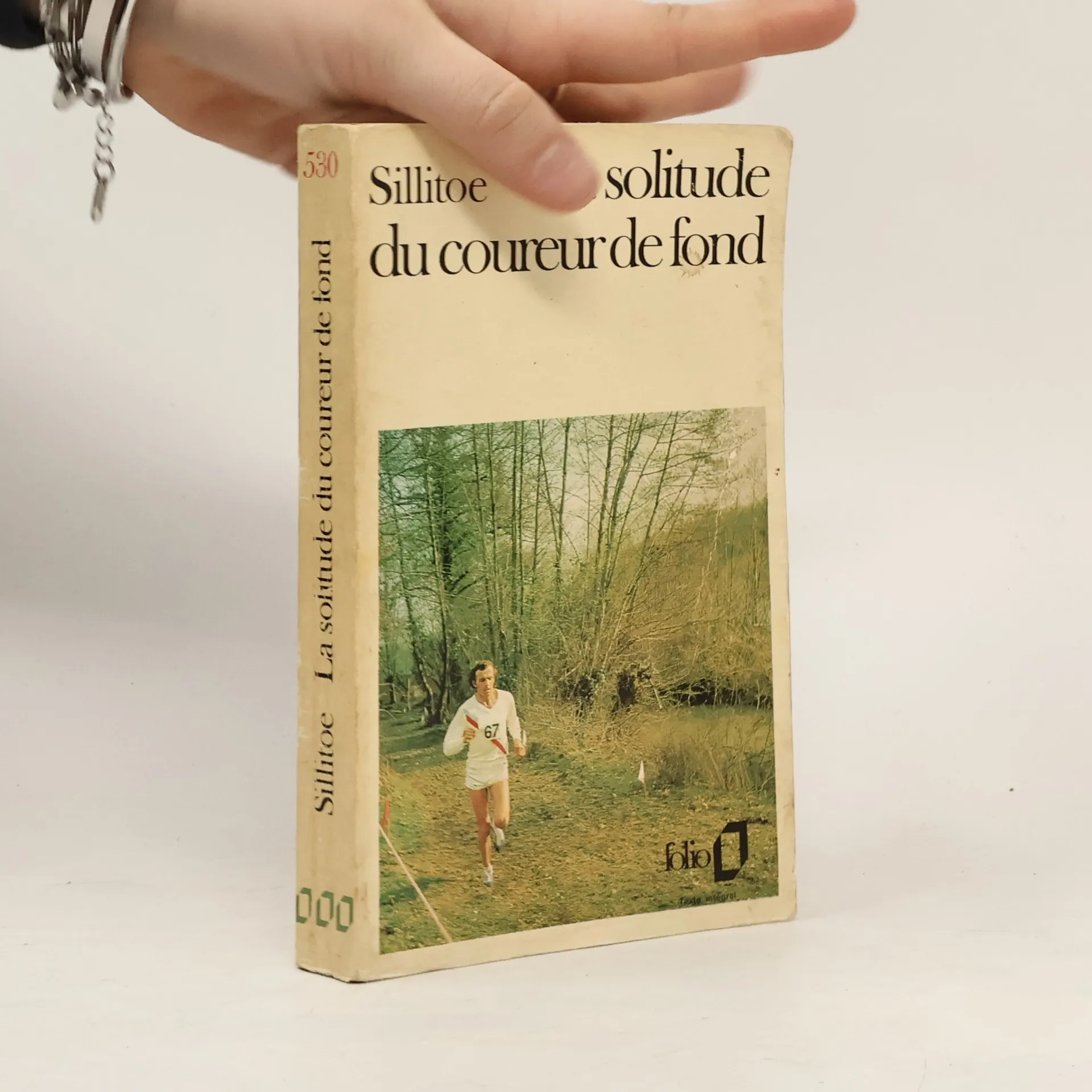
    • From the author of 'Saturday Night and Sunday Morning' come stories of hardship and hope in post-war Britain. The title story in this classic collection tells of Smith, a defiant young rebel, inhabiting the no-man's land of institutionalised Borstal. As his steady jog-trot rhythm transports him over an unrelenting, frost-bitten earth, he wonders why, for whom and for what he is running. A groundbreaking work, 'The Loneliness of the Long Distance Runner' captured the grim isolation of the working class in the English Midlands when it was first published in 1960s. But Sillitoe's depiction of petty crime and deep-seated anger in industrial and desperate cities remains as potent today as it was almost half a century ago.

      The Loneliness of the Long-Distance Runner
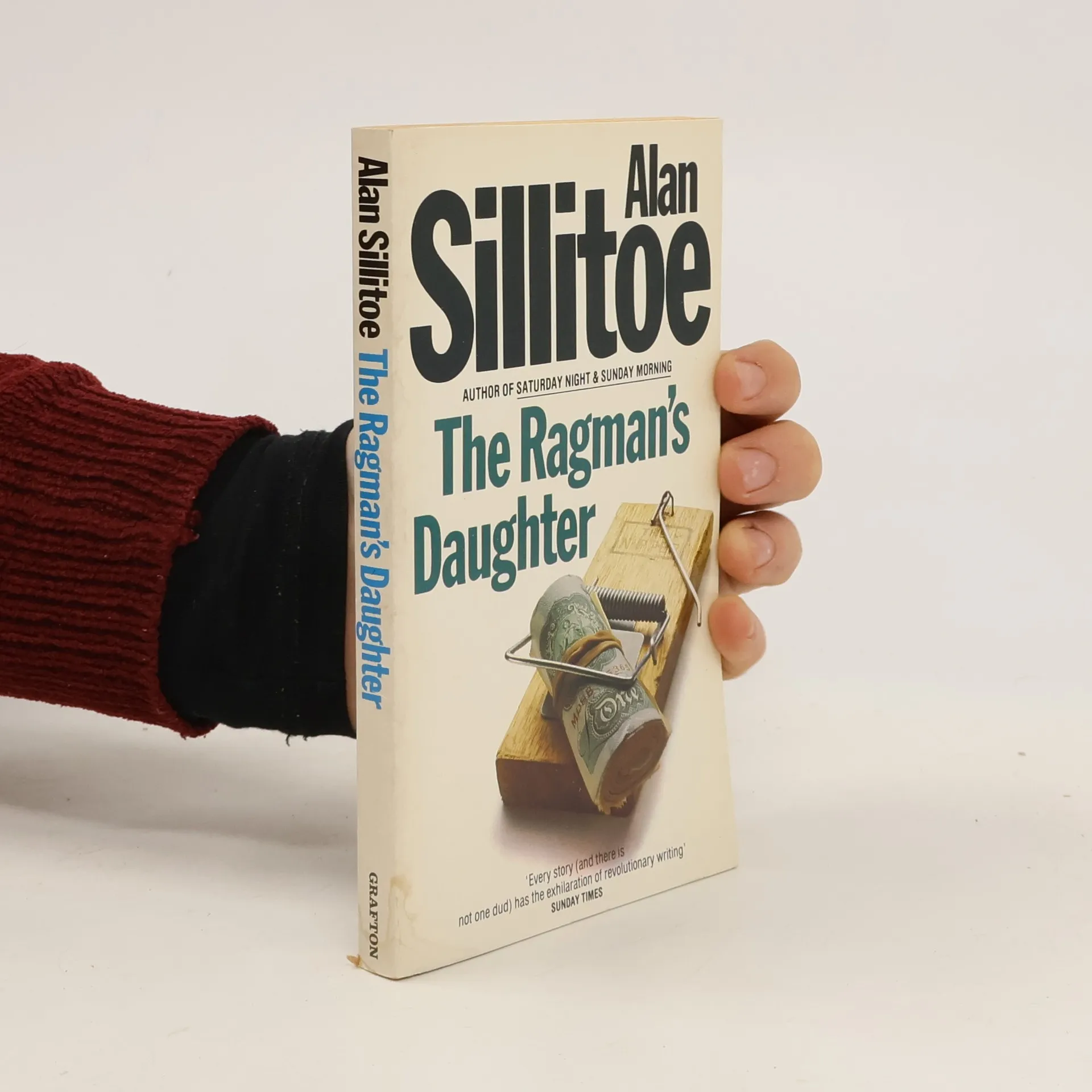
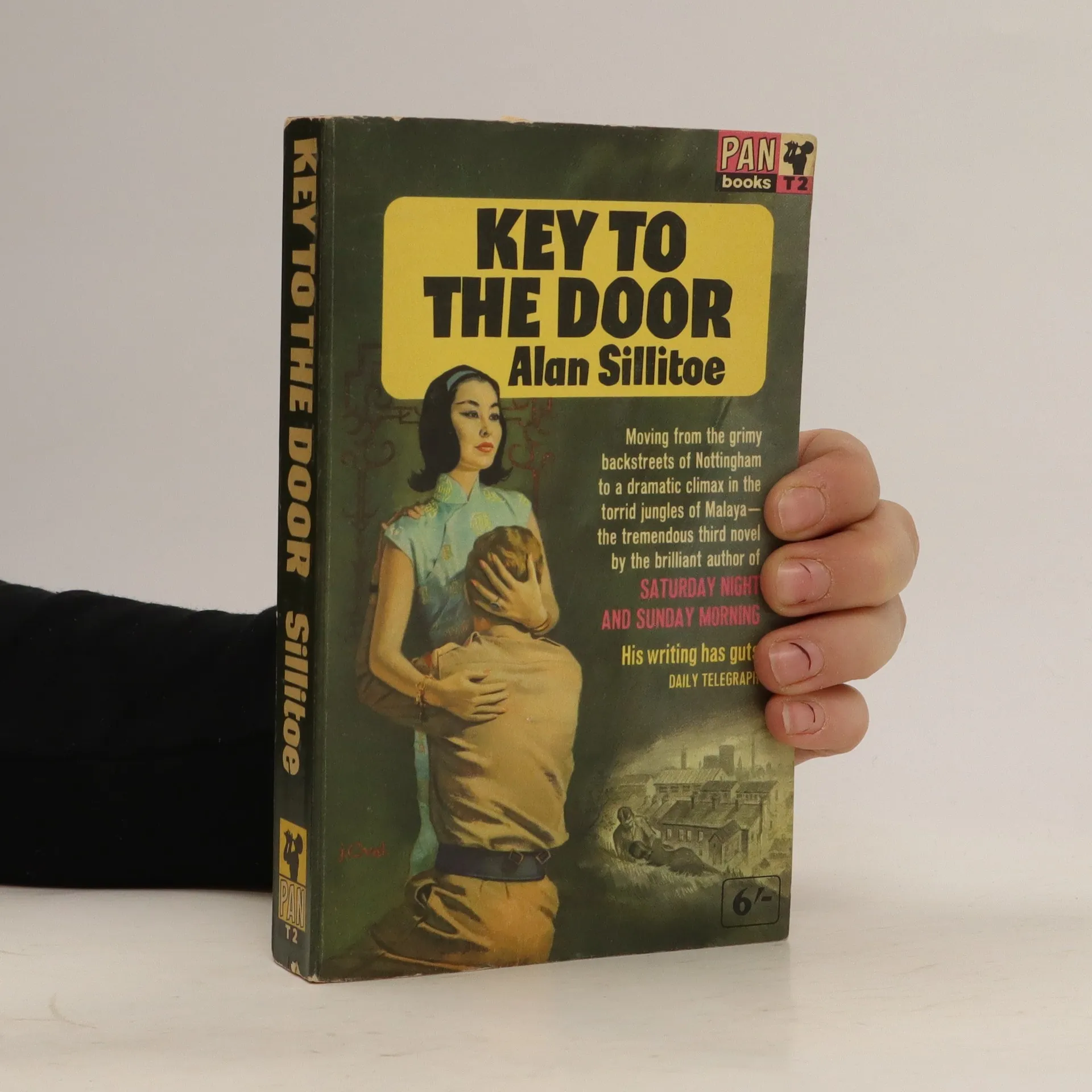
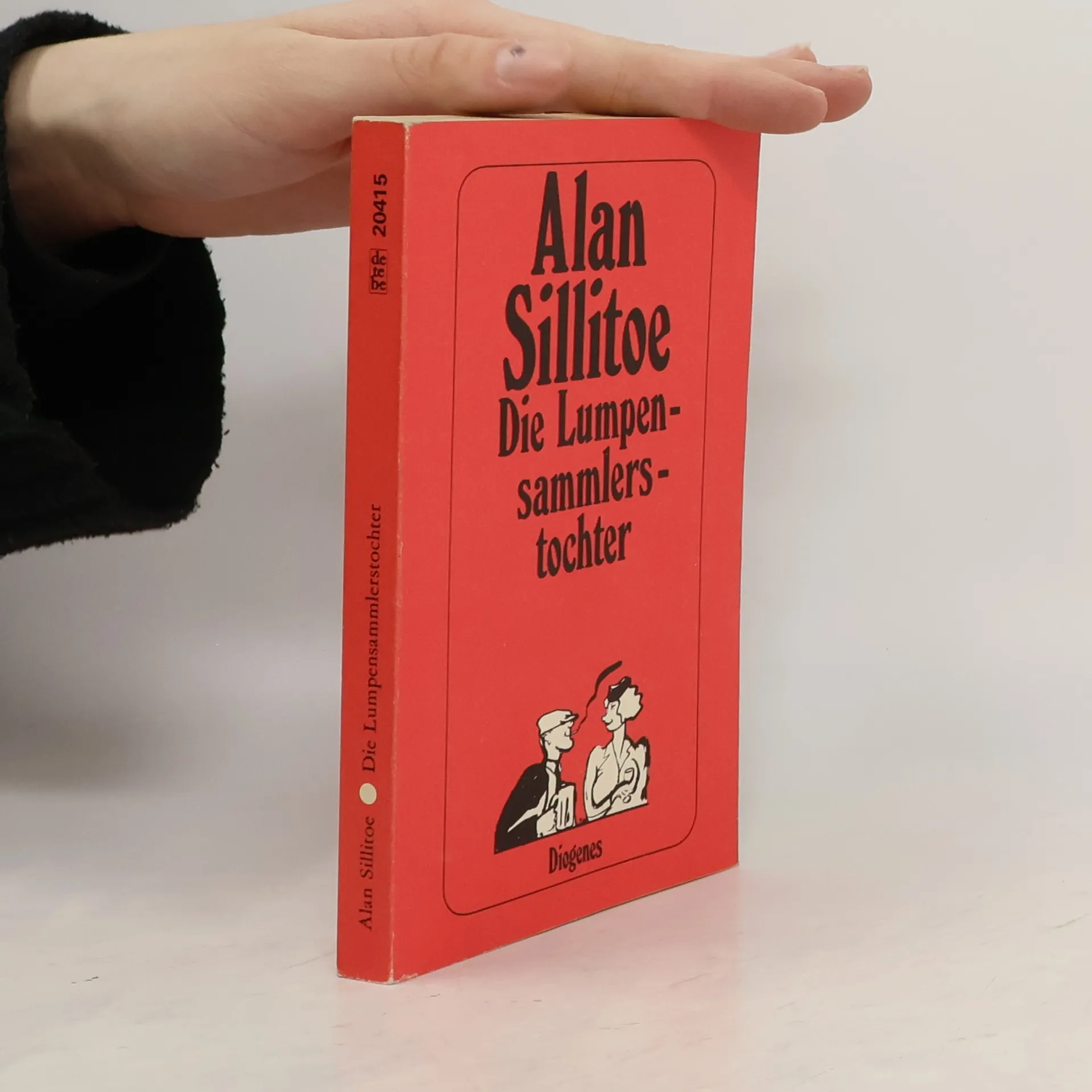
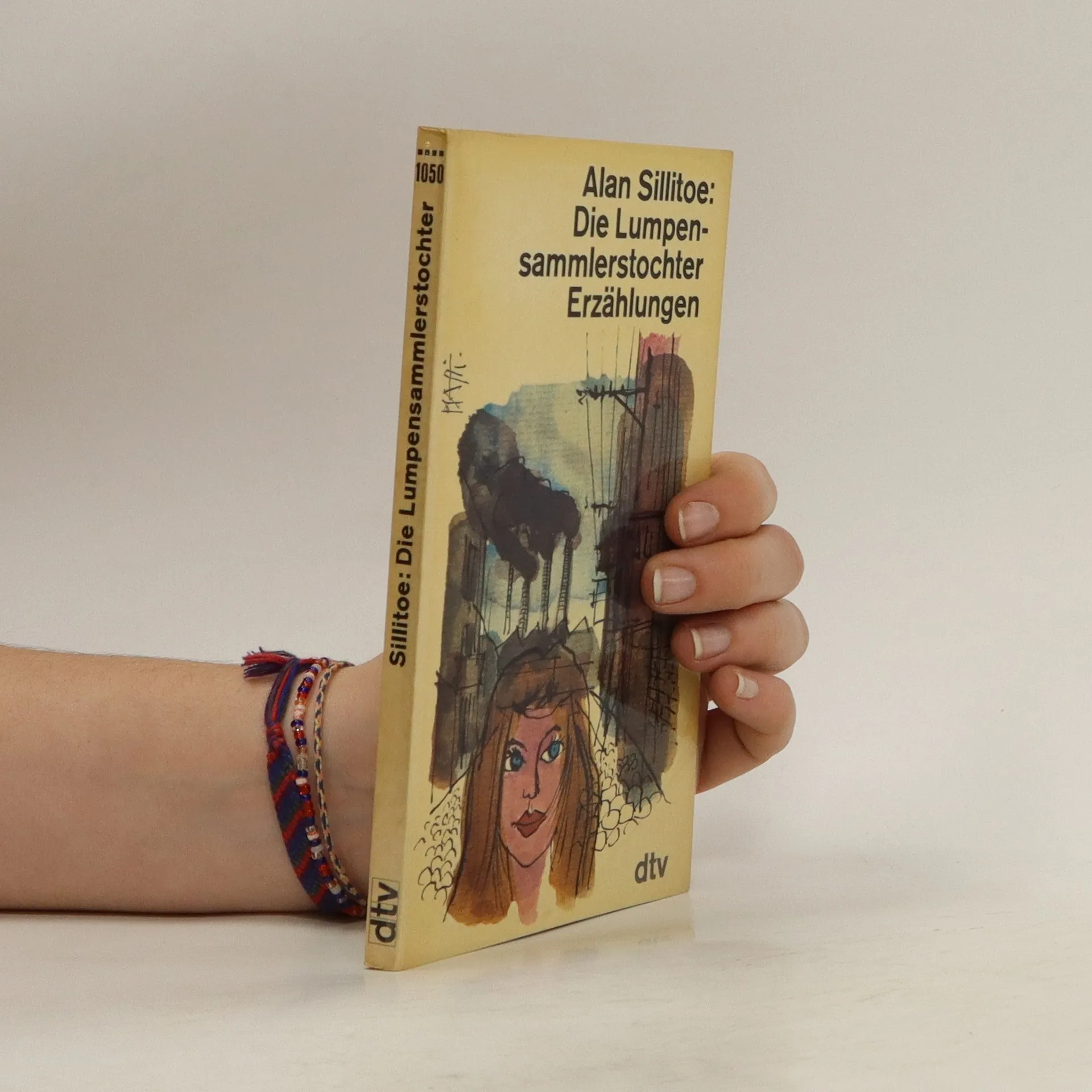
    • The ragman's daughter

      • 176pagine
      • 7 ore di lettura

      Short story collection- the title story is about, "A young Englishman, now married, reminisces about his wild teen-age days. He stole for kicks. He met Doris, daughter of a prosperous scrap merchant, who became his partner in love and thievery. He was caught after they robbed a shoe shop one night. He spent 3 yrs. in prison. Doris was pregnant, she married a mechanic, & both were killed in an accident. After Tony came out of prison he went straight. He never acknowledged his & Doris' child but knows the boy is well cared for by his grandfather." (from The New Yorker); Inspiration for the film, The Ragman's Daughter, a 1972 British crime-drama / romantic film directed by Harold Becker starring Simon Rouse and Victoria Tennant.

      The ragman's daughter