
10 libri per 10 euro qui
Bookbot

Michael P. Steinberg

    Il professor Michael P. Steinberg approfondisce la storia culturale e intellettuale europea moderna, la storia ebraica tedesca, la storia e la teoria della modernità, e la politica e le arti. Il suo lavoro esplora la storia culturale della musica e analizza l'interazione tra politica e arte, offrendo ai lettori profonde intuizioni sulle complessità della psiche europea moderna. In qualità di Direttore del Cogut Center for the Humanities e Professore di Storia e Musica presso la Brown University, Steinberg apporta una vasta conoscenza e profondità analitica ai suoi contributi letterari. Il suo approccio si basa su un esame interdisciplinare dei fenomeni culturali, consentendo un'esperienza di lettura ricca e stimolante.

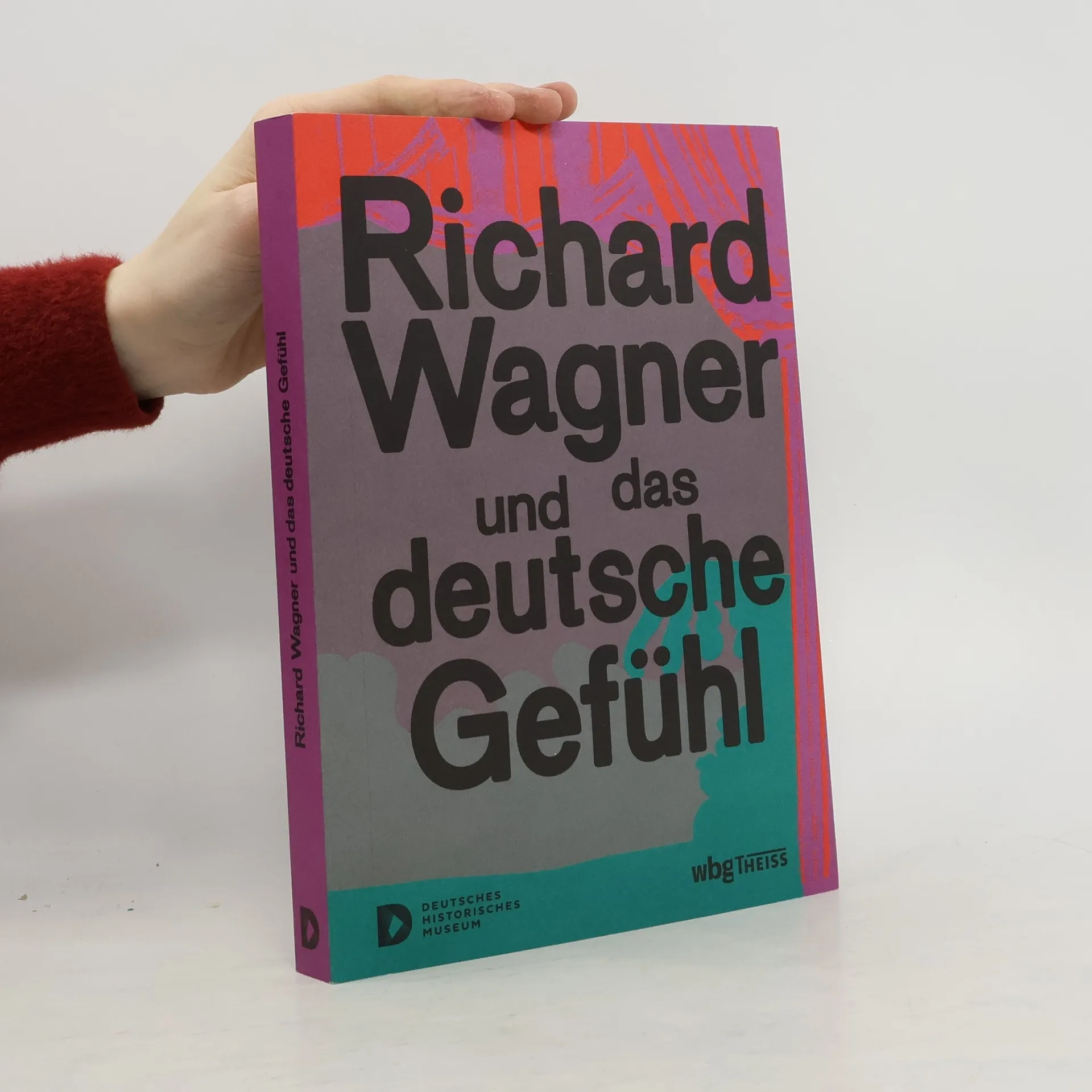
    Richard Wagner und das deutsche Gefühl
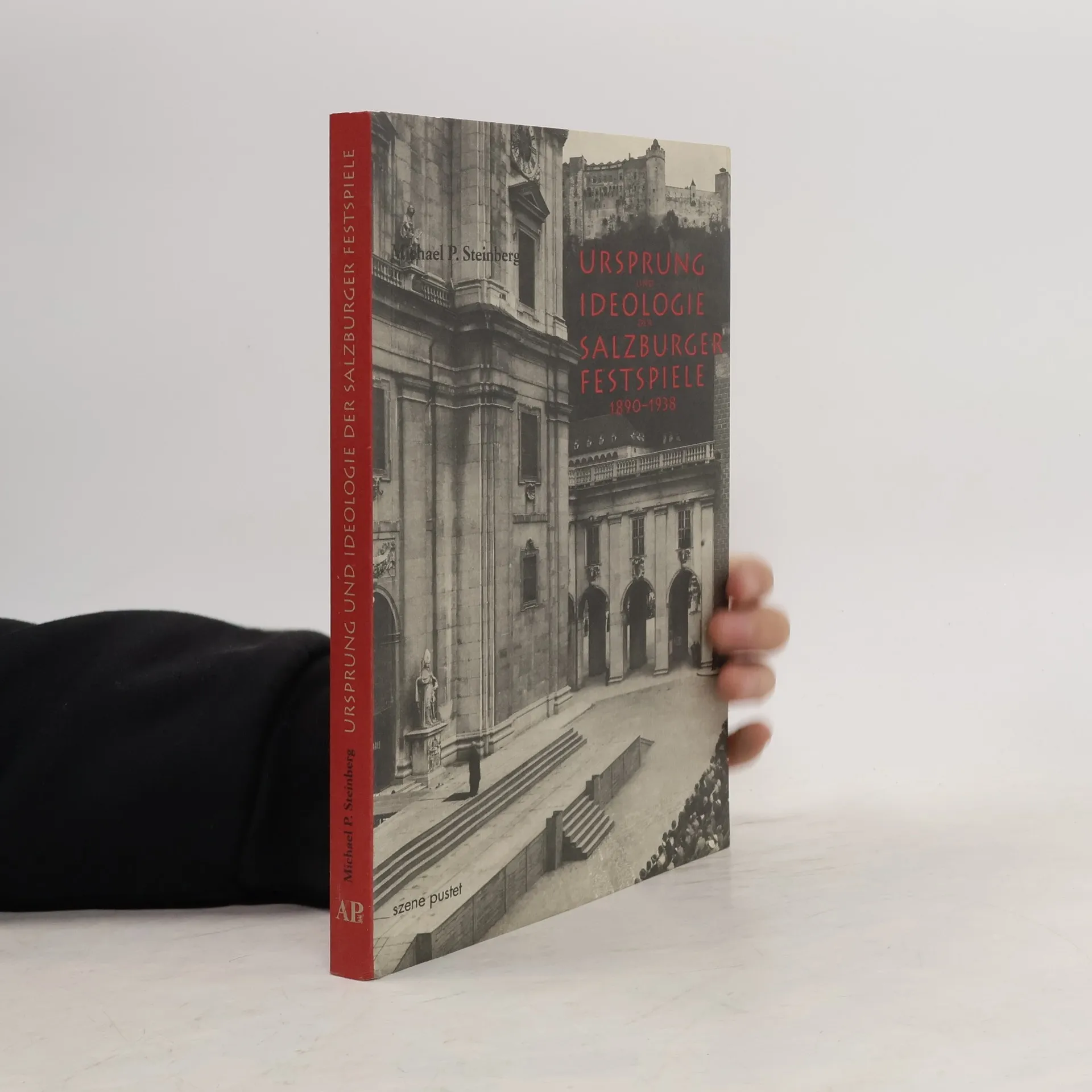
    Ursprung und Ideologie der Salzburger Festspiele 1890 - 1938
    The Afterlife of Moses
    Stalking the Ghost Bird
    • Engages the lengthy debate over the ivory-bill woodpecker’s status by examining reported sightings and extensive efforts to find the rare bird in Louisiana.

      Stalking the Ghost Bird
    • The Afterlife of Moses

      • 240pagine
      • 9 ore di lettura

      "In The Afterlife of Moses, Steinberg addresses the story of Moses and the Exodus as a foundational myth of politics, of the formation not of a nation but of a political community grounded in universal law. Motivated in part by this recent period of reactionary insurgency in the US, Europe, and Israel, this work of intellectual history articulates the way in which a critique of myths of origin as a principle of democratic government, affect, and citizenship has equal relevance in these places and equal fragility"--

      The Afterlife of Moses
    • Richard Wagner und das deutsche Gefühl

      • 272pagine
      • 10 ore di lettura

      Richard Wagner hat das 19. Jahrhundert in ganz unterschiedlichen Positionen miterlebt und geprägt – als wirkmächtiger Komponist und Autor, aber auch als Revolutionär und Exilant, als Theaterreformer und Festspielgründer. Er war nicht nur Zeuge politischer Umbrüche und Strömungen, sondern hat gesellschaftliche und emotionale Befindlichkeiten seiner Zeit registriert, aufgegriffen und (um-)gestaltet. Dabei zeigt sich Wagner als Gefühlstechniker, der in einer zunehmend kommerzialisierten Welt den gesellschaftlichen Stellenwert der Kunst – und des Künstlers – neu verortete. Seine Vorstellungen vom Musikdrama als Gesamtkunstwerk waren immer auch eine Kritik an der Moderne.Wagner war Antisemit. Wieweit seine Inszenierung von Gefühlen, seine Vorstellungen von Musik und Kunst, seine Fantasie über Unterdrückung und Erlösung sowie seine Kritik an der Moderne von diesem Antisemitismus geprägt waren oder den Antisemitismus mit ausmachten, ist bis heute umstritten.Der Begleitband zur gleichnamigen Ausstellung befasst sich mit Wagners Inszenierungen konkreter Gefühle und stellt die Geschichte ihrer Konzeption in den Kontext des 19. Jahrhunderts.

      Richard Wagner und das deutsche Gefühl