



Maggiori informazioni sul libro
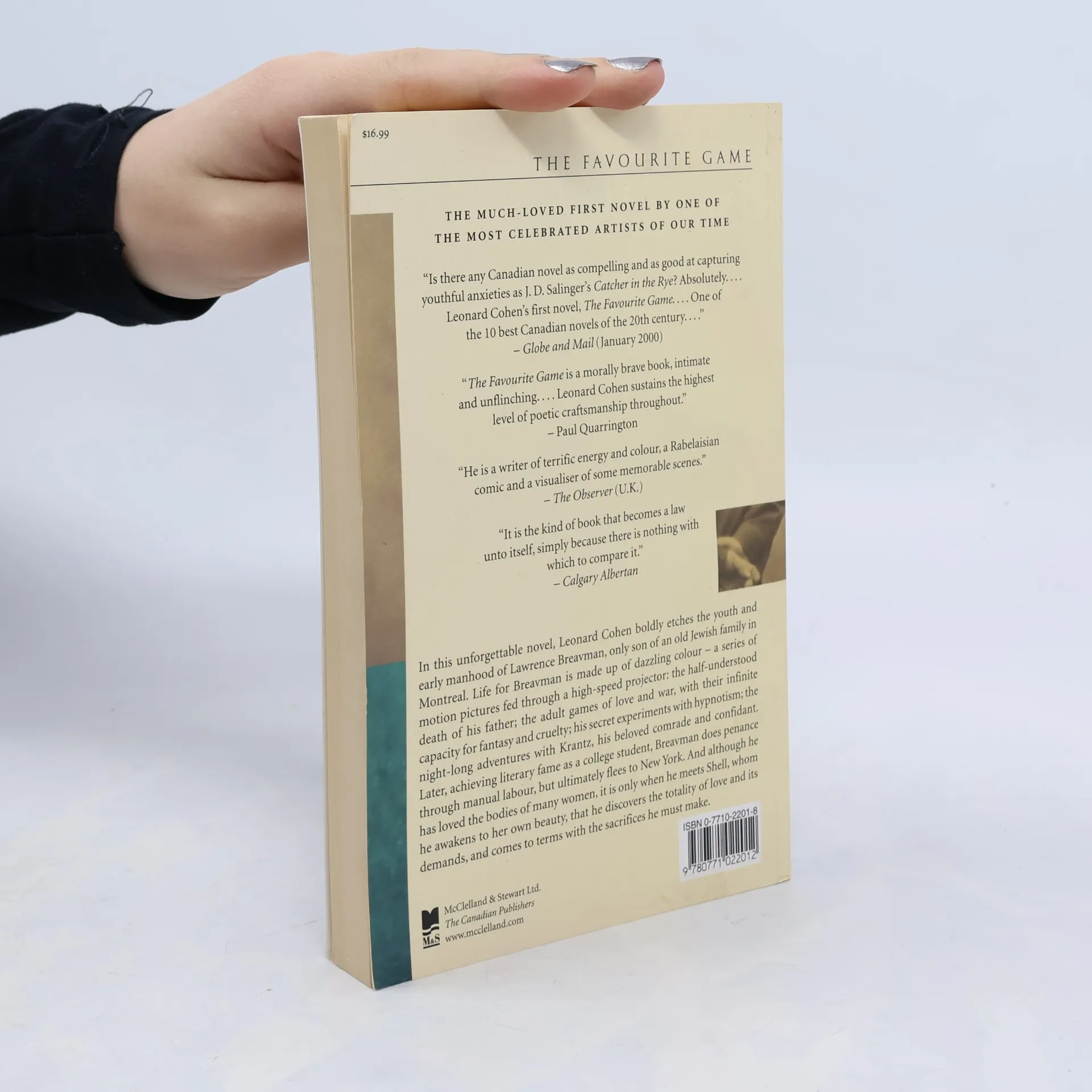
Leonard Cohen's reputation as a songwriter and poet often overshadows his work as a novelist. Despite only publishing two novels, he demonstrates his skill as a storyteller, blending poetry and prose with frank sexuality and sharp social satire. Both novels, released in the 1960s, sparked controversy and popularity, proving to be as substantial as his poetry collections. The first, a semi-autobiographical coming-of-age story, follows Lawrence Breavman, a Montreal Jewish boy who aspires to be a poet. To fuel his creativity, Breavman engages in self-destructive behavior, distancing himself from lovers, friends, and family, preserving them only in memory and writing. Cohen navigates between cruelty and sentimentality, ensuring that none of his characters, including Breavman, escape his satirical critique. Unlike the experimental style of his second novel, this work features a more compressed narrative, allowing Cohen to convey powerful episodes succinctly and critique characters sharply. This approach lends a slightly detached tone to the narrative, creating an atmosphere of ironic intimacy where the intense passions remain elusive, captured only in Breavman's memories and Cohen's artistry.


Acquisto del libro
The Favourite Game, Leonard Cohen
- Lingua

- Pubblicato
- 2000
- Rilegatura
- (In brossura),
- Condizioni del libro
- In buone condizioni
- Prezzo
- 17,99 €
Metodi di pagamento
Qui potrebbe esserci la tua recensione.
- Titolo
- The Favourite Game
- Lingua
- Inglese
- Autori
- Leonard Cohen
- Editore
- McClelland & Stewart
- Pubblicato
- 2000
- Formato
- In brossura
- Pagine
- 244
- ISBN10
- 0771022018
- ISBN13
- 9780771022012
- Serie
- Tag
- Tematica musicale, Amore, Amicizia, Relazioni, Vita, Gioventù, Canada, Lirica, Libertà, Romanzi autobiografici, Opera Prima, Letteratura canadese
- Prima pubblicazione
- 1963
- Titolo originale
- The Favourite Game
- Valutazione
- 3,9 su 5
- Descrizione
- Leonard Cohen's reputation as a songwriter and poet often overshadows his work as a novelist. Despite only publishing two novels, he demonstrates his skill as a storyteller, blending poetry and prose with frank sexuality and sharp social satire. Both novels, released in the 1960s, sparked controversy and popularity, proving to be as substantial as his poetry collections. The first, a semi-autobiographical coming-of-age story, follows Lawrence Breavman, a Montreal Jewish boy who aspires to be a poet. To fuel his creativity, Breavman engages in self-destructive behavior, distancing himself from lovers, friends, and family, preserving them only in memory and writing. Cohen navigates between cruelty and sentimentality, ensuring that none of his characters, including Breavman, escape his satirical critique. Unlike the experimental style of his second novel, this work features a more compressed narrative, allowing Cohen to convey powerful episodes succinctly and critique characters sharply. This approach lends a slightly detached tone to the narrative, creating an atmosphere of ironic intimacy where the intense passions remain elusive, captured only in Breavman's memories and Cohen's artistry.