

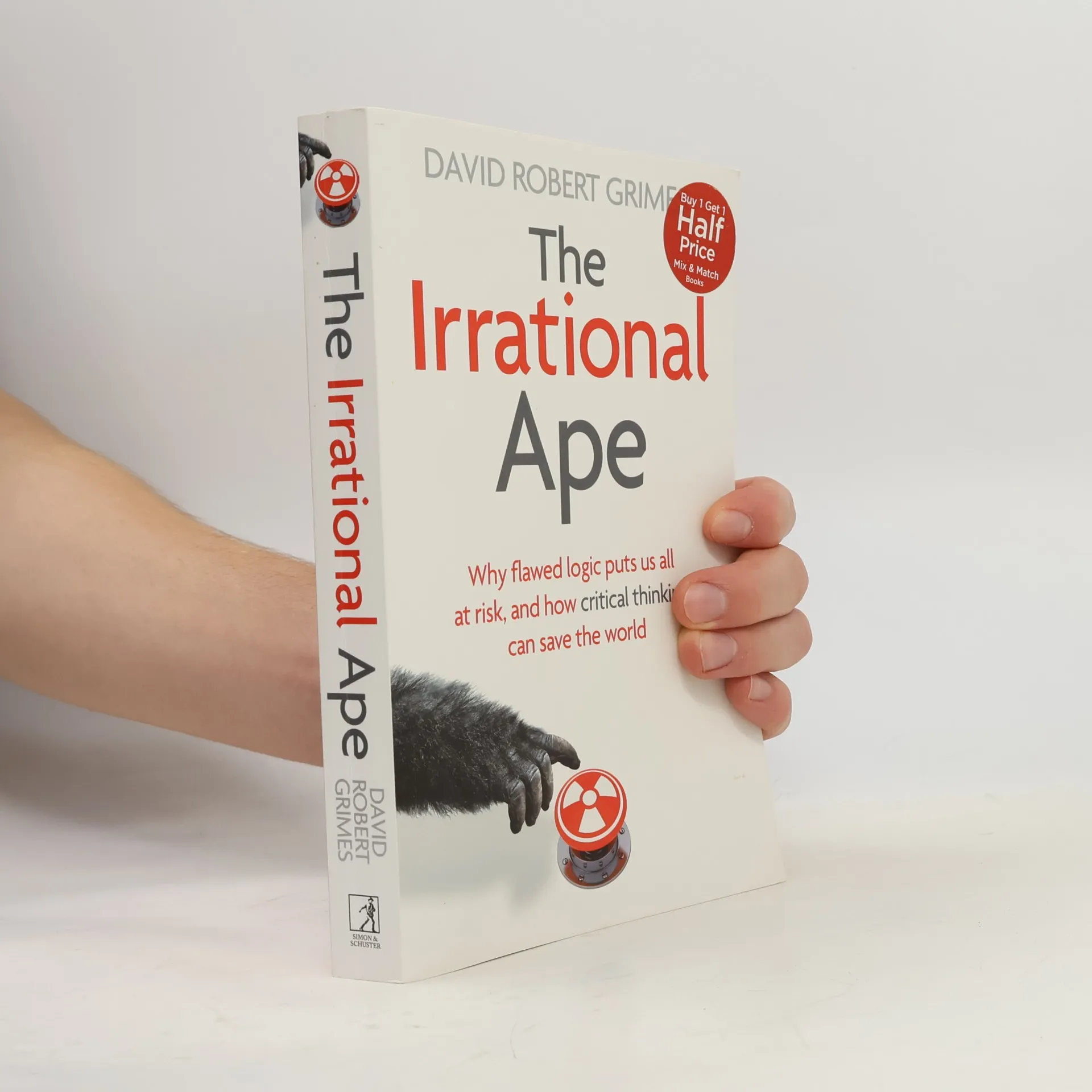
The Irrational Ape
Why Flawed Logic Puts Us All at Risk and How Critical Thinking Can Save the World
Autori
Valutazione del libro
Maggiori informazioni sul libro
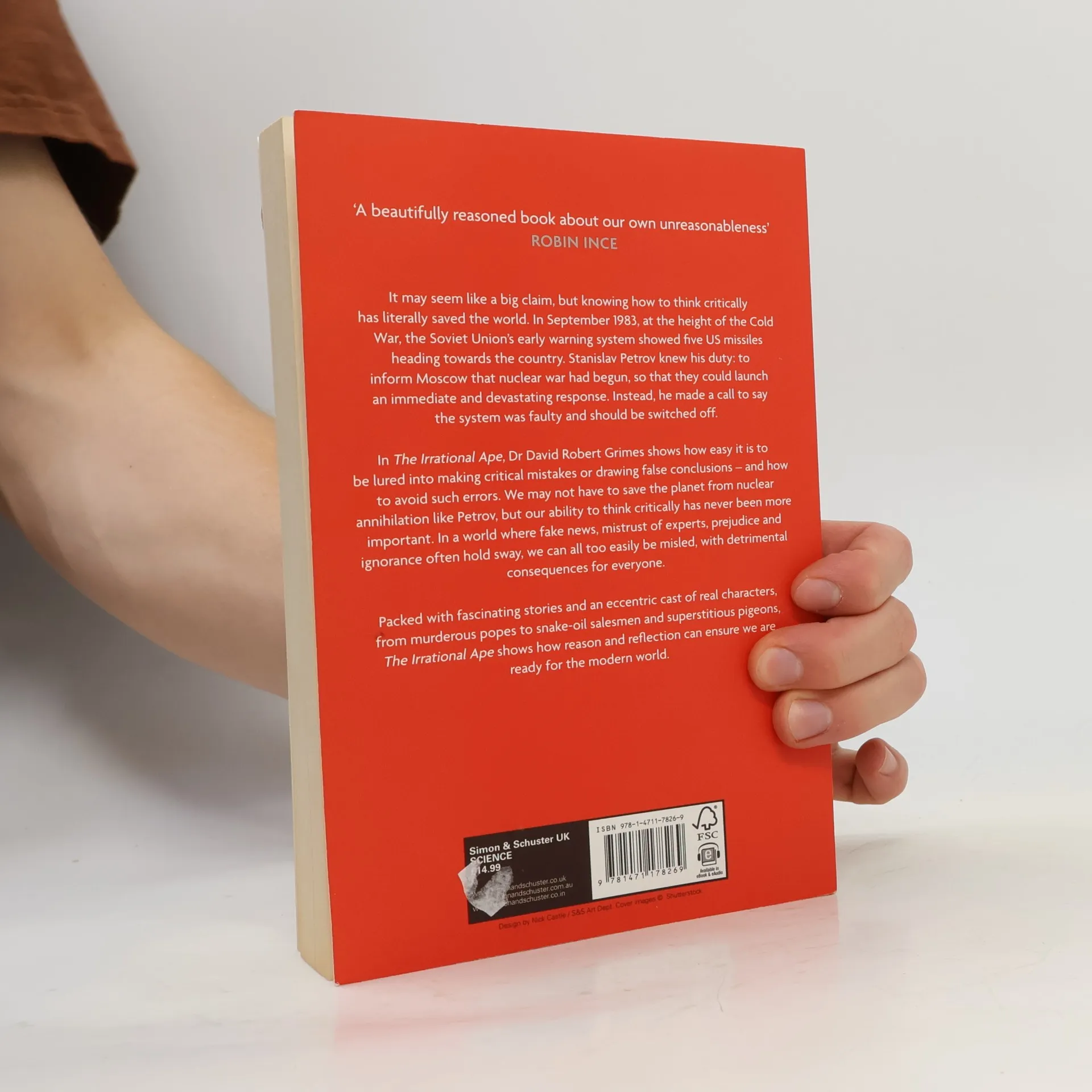
Flawed logic poses significant risks, but critical thinking can be a powerful tool for change. In September 1983, during the Cold War, Stanislaw Petrov faced a grave situation when the Soviet Union's early warning system indicated five US missiles were on their way. Instead of reporting an imminent nuclear attack, he assessed the situation and concluded it was a false alarm, potentially averting catastrophe. While we may not confront such extreme scenarios daily, the importance of clear, critical thinking is more relevant than ever. In today's world, where misinformation, fake news, and distrust of experts proliferate, the ability to think critically is essential. Although we have unprecedented access to information, this also facilitates the rapid spread of falsehoods. The author illustrates how easily we can be misled and offers strategies to avoid critical mistakes and erroneous conclusions. In an age where social media can amplify movements and misinformation alike, understanding and applying critical thinking and the scientific method is crucial. This book, filled with engaging case studies, equips readers to navigate modern challenges effectively and make informed decisions in various aspects of life, from personal finance to global issues.


Acquisto del libro
The Irrational Ape, David Robert Grimes
- Lingua

- Pubblicato
- 2019
- Rilegatura
- (In brossura),
- Condizioni del libro
- In buone condizioni
- Prezzo
- 9,99 €
Metodi di pagamento
Qui potrebbe esserci la tua recensione.
- Titolo
- The Irrational Ape
- Sottotitolo
- Why Flawed Logic Puts Us All at Risk and How Critical Thinking Can Save the World
- Lingua
- Inglese
- Autori
- David Robert Grimes
- Editore
- Simon & Schuster UK
- Pubblicato
- 2019
- Formato
- In brossura
- Pagine
- 400
- ISBN10
- 1471178269
- ISBN13
- 9781471178269
- Serie
- Valutazione
- 4,1 su 5
- Descrizione
- Flawed logic poses significant risks, but critical thinking can be a powerful tool for change. In September 1983, during the Cold War, Stanislaw Petrov faced a grave situation when the Soviet Union's early warning system indicated five US missiles were on their way. Instead of reporting an imminent nuclear attack, he assessed the situation and concluded it was a false alarm, potentially averting catastrophe. While we may not confront such extreme scenarios daily, the importance of clear, critical thinking is more relevant than ever. In today's world, where misinformation, fake news, and distrust of experts proliferate, the ability to think critically is essential. Although we have unprecedented access to information, this also facilitates the rapid spread of falsehoods. The author illustrates how easily we can be misled and offers strategies to avoid critical mistakes and erroneous conclusions. In an age where social media can amplify movements and misinformation alike, understanding and applying critical thinking and the scientific method is crucial. This book, filled with engaging case studies, equips readers to navigate modern challenges effectively and make informed decisions in various aspects of life, from personal finance to global issues.