



Maggiori informazioni sul libro
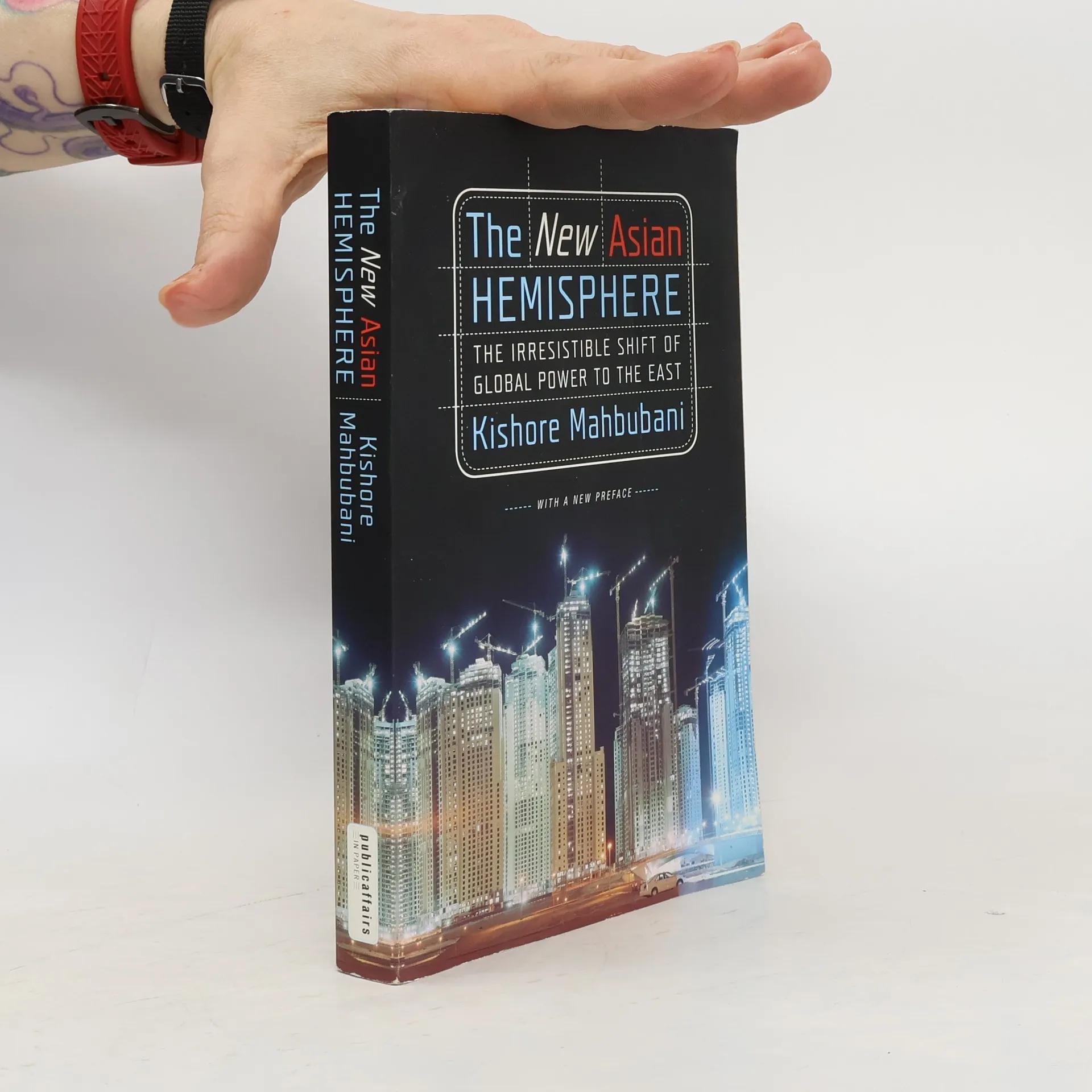
For centuries, the Asians (Chinese, Indians, Muslims, and others) have been bystanders in world history. Now they are ready to become co-drivers. Asians have finally understood, absorbed, and implemented Western best practices in many from free-market economics to modern science and technology, from meritocracy to rule of law. They have also become innovative in their own way, creating new patterns of cooperation not seen in the West. Will the West resist the rise of Asia? The good news is that Asia wants to replicate, not dominate, the West. For a happy outcome to emerge, the West must gracefully give up its domination of global institutions, from the IMF to the World Bank, from the G7 to the UN Security Council. History teaches that tensions and conflicts are more likely when new powers emerge. This, too, may happen. But they can be avoided if the world accepts the key principles for a new global partnership spelled out in The New Asian Hemisphere.


Acquisto del libro
The new Asian hemisphere, Kishore Mahbubani
- Lingua

- Pubblicato
- 2008
- Rilegatura
- (Copertina rigida)
Metodi di pagamento
Qui potrebbe esserci la tua recensione.
- Titolo
- The new Asian hemisphere
- Lingua
- Inglese
- Autori
- Kishore Mahbubani
- Editore
- Public Affairs
- Pubblicato
- 2008
- Formato
- Copertina rigida
- Pagine
- 314
- ISBN10
- 1586484664
- ISBN13
- 9781586484668
- Serie
- Categoria
- Valutazione
- 3,95 su 5
- Descrizione
- For centuries, the Asians (Chinese, Indians, Muslims, and others) have been bystanders in world history. Now they are ready to become co-drivers. Asians have finally understood, absorbed, and implemented Western best practices in many from free-market economics to modern science and technology, from meritocracy to rule of law. They have also become innovative in their own way, creating new patterns of cooperation not seen in the West. Will the West resist the rise of Asia? The good news is that Asia wants to replicate, not dominate, the West. For a happy outcome to emerge, the West must gracefully give up its domination of global institutions, from the IMF to the World Bank, from the G7 to the UN Security Council. History teaches that tensions and conflicts are more likely when new powers emerge. This, too, may happen. But they can be avoided if the world accepts the key principles for a new global partnership spelled out in The New Asian Hemisphere.