

Questo è quello che aggiungi al carrello
Parametri
- 121pagine
- 5 ore di lettura
Maggiori informazioni sul libro
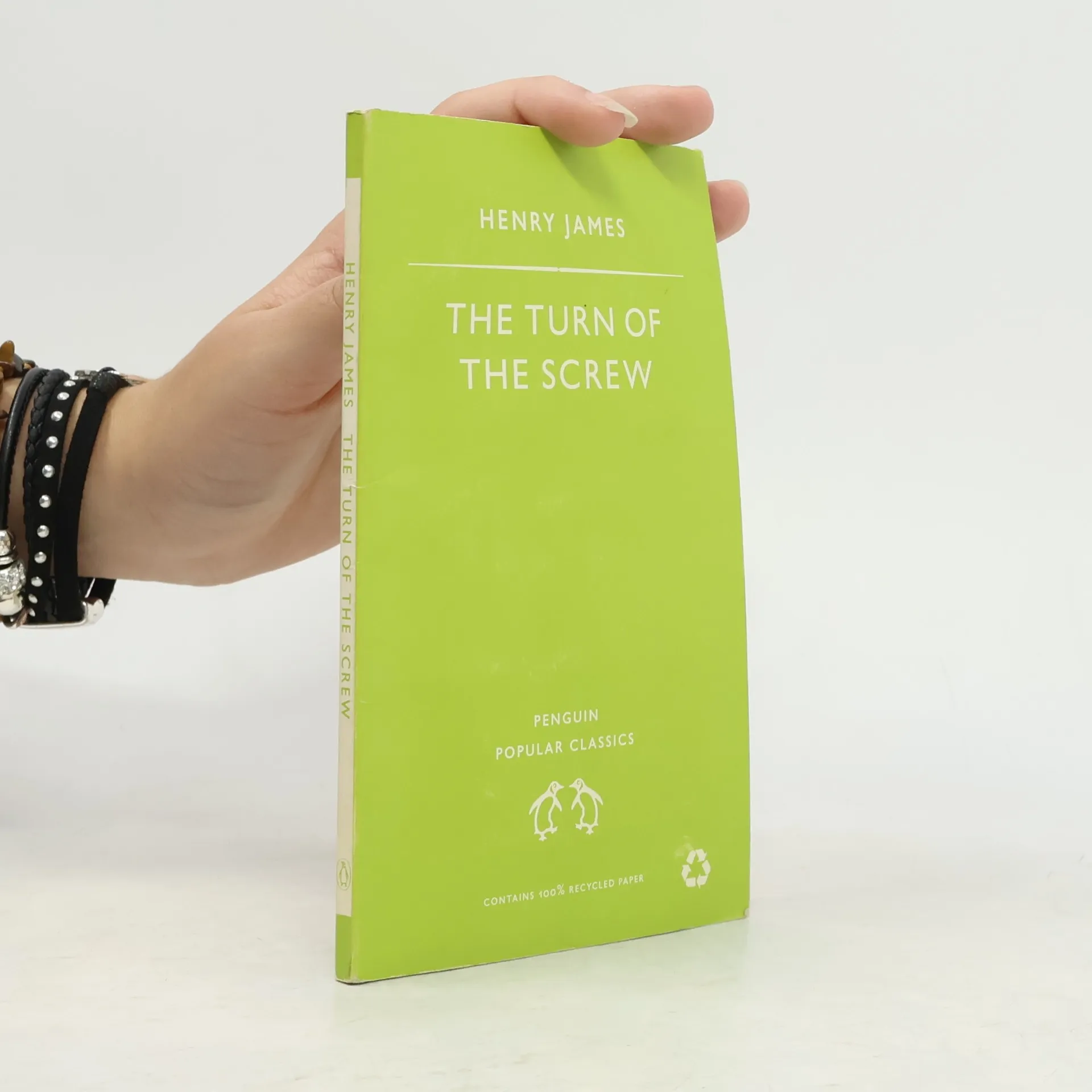
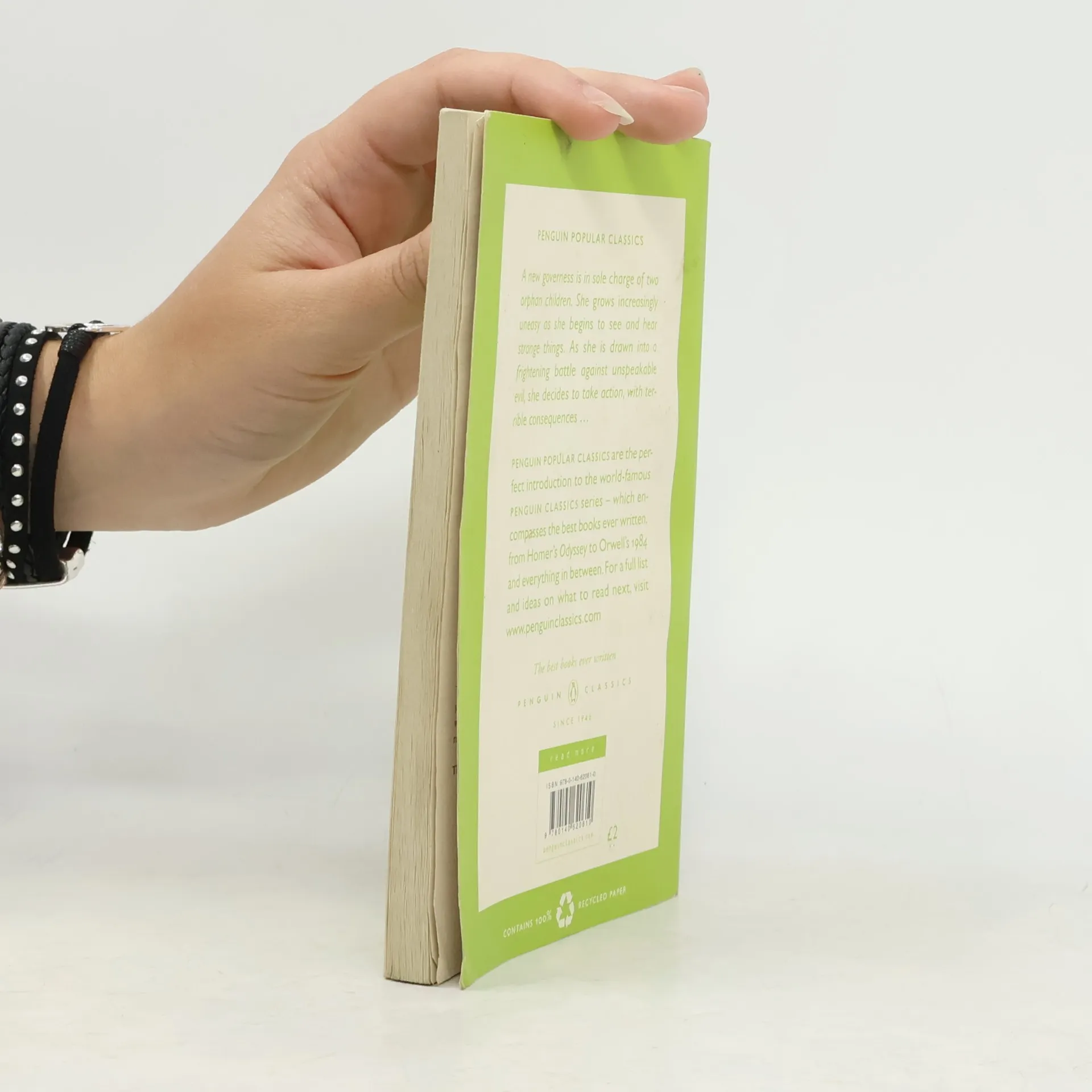
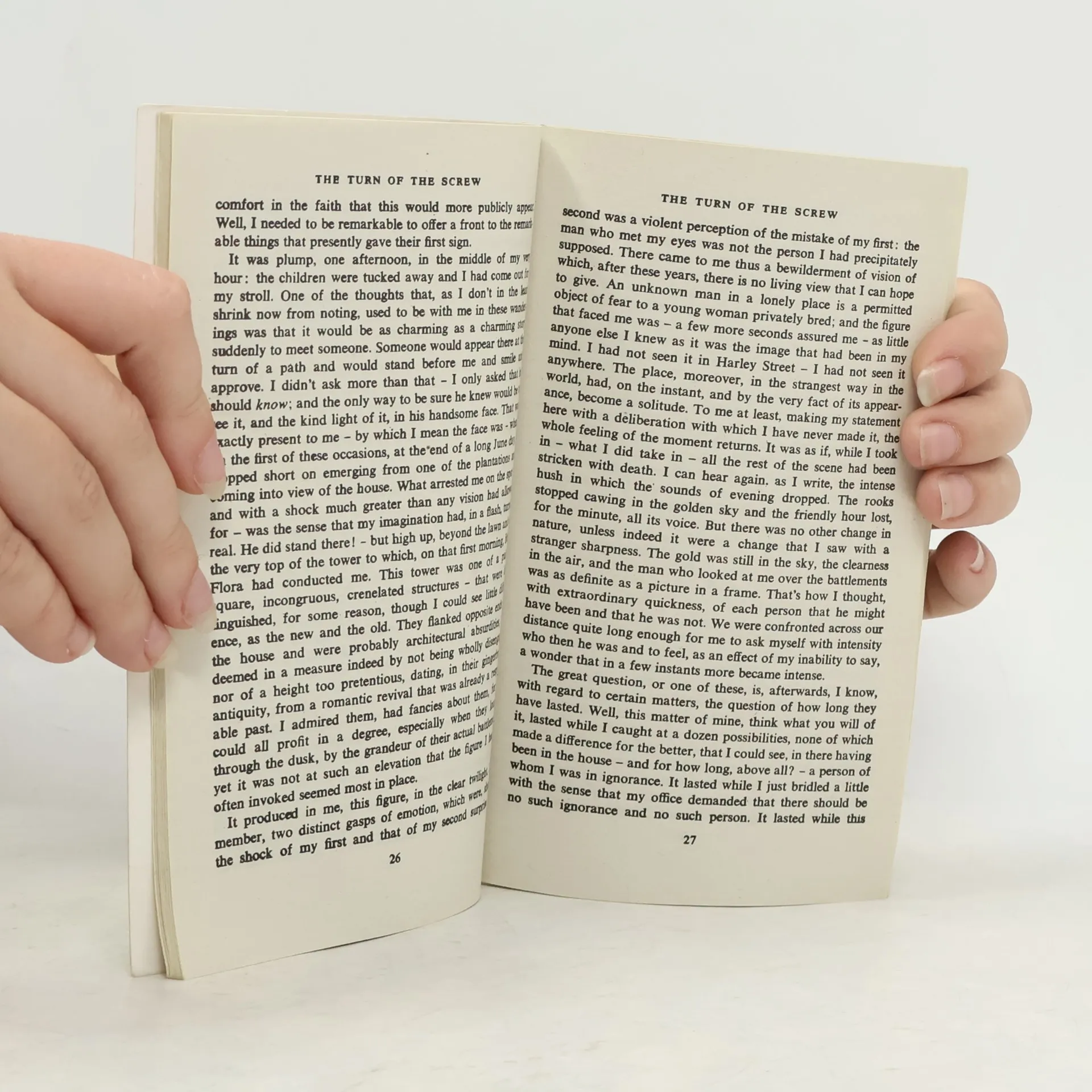
To read a story by Henry James is to enter a world - a rich, perfectly crafted domain of vivid language and splendid, complex characters. In this classic novella, a young governess who goes to an isolated English estate to take charge of two precocious children gradually realizes that her young charges are under the evil influence of the ghosts of the family's ex-steward and former governess.





Acquisto del libro
The Turn of the Screw, Henry James
- Lingua

- Pubblicato
- 1994
- Rilegatura
- (In brossura),
- Condizioni del libro
- In buone condizioni
- Prezzo
- 7,79 €
Metodi di pagamento
Qui potrebbe esserci la tua recensione.
- Titolo
- The Turn of the Screw
- Lingua
- Inglese
- Autori
- Henry James
- Editore
- Penguin Books
- Pubblicato
- 1994
- Formato
- In brossura
- Pagine
- 121
- ISBN10
- 0140620613
- ISBN13
- 9780140620610
- Serie
- Categoria
- Tag
- Tema stórico, Temi psicologici, Racconti, Letteratura Americana, Fenomeni soprannaturali, Morte, XIX Secolo, Inghilterra, Regali per gli uomini, Critica letteraria, Adattato in un film, Novelletti, Fantasmagorie e fantasmi, Gotico, Letture obbligatorie, Epoca Vittoriana, Adattato in una serie, Tata, Case Infestate, Forma Ich
- Prima pubblicazione
- 1898
- Titolo originale
- The Turn of the Screw
- Valutazione
- 3,4 su 5
- Descrizione
- To read a story by Henry James is to enter a world - a rich, perfectly crafted domain of vivid language and splendid, complex characters. In this classic novella, a young governess who goes to an isolated English estate to take charge of two precocious children gradually realizes that her young charges are under the evil influence of the ghosts of the family's ex-steward and former governess.