Bookbot

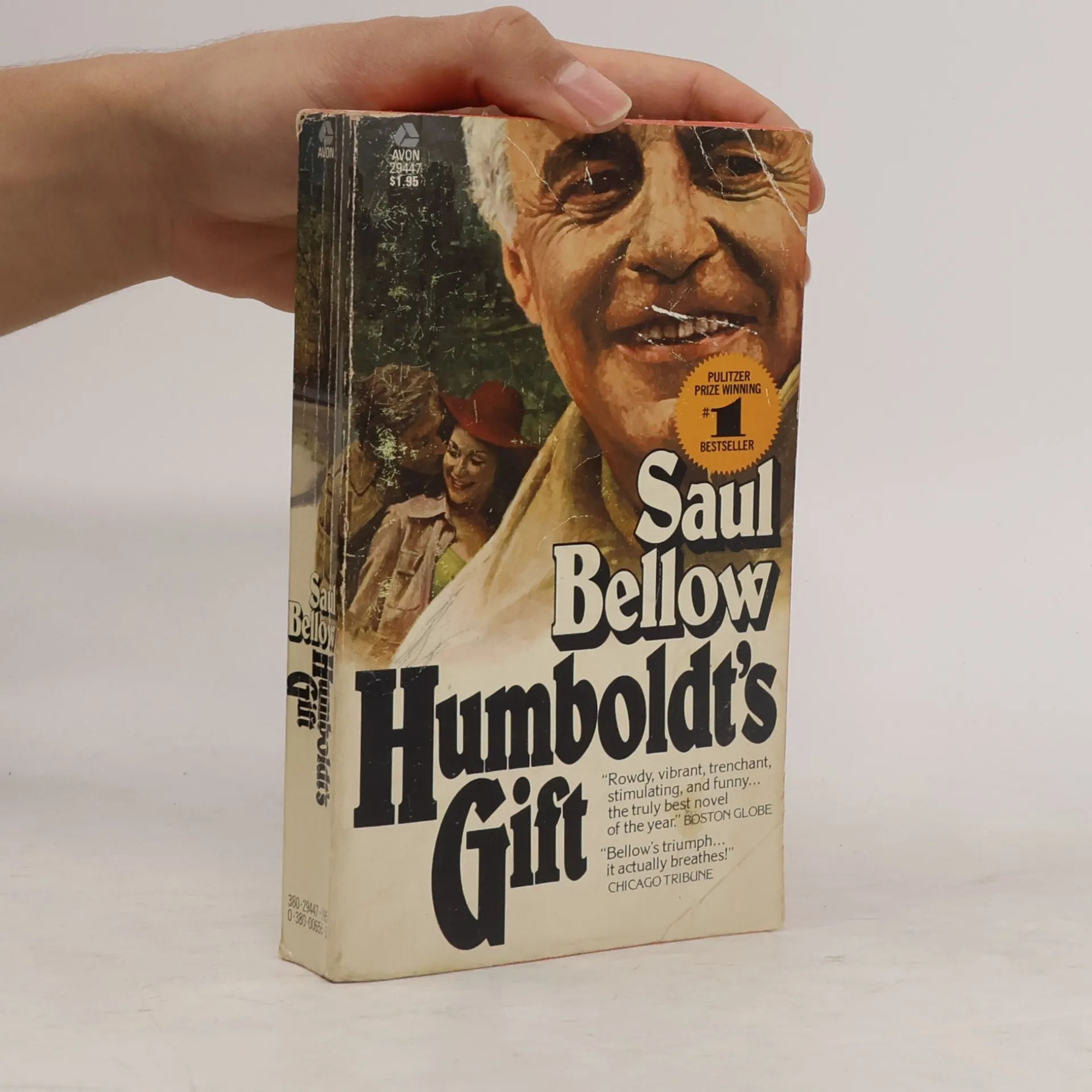
Penguin Classics: Humboldt's Gift

Valutazione del libro

Maggiori informazioni sul libro

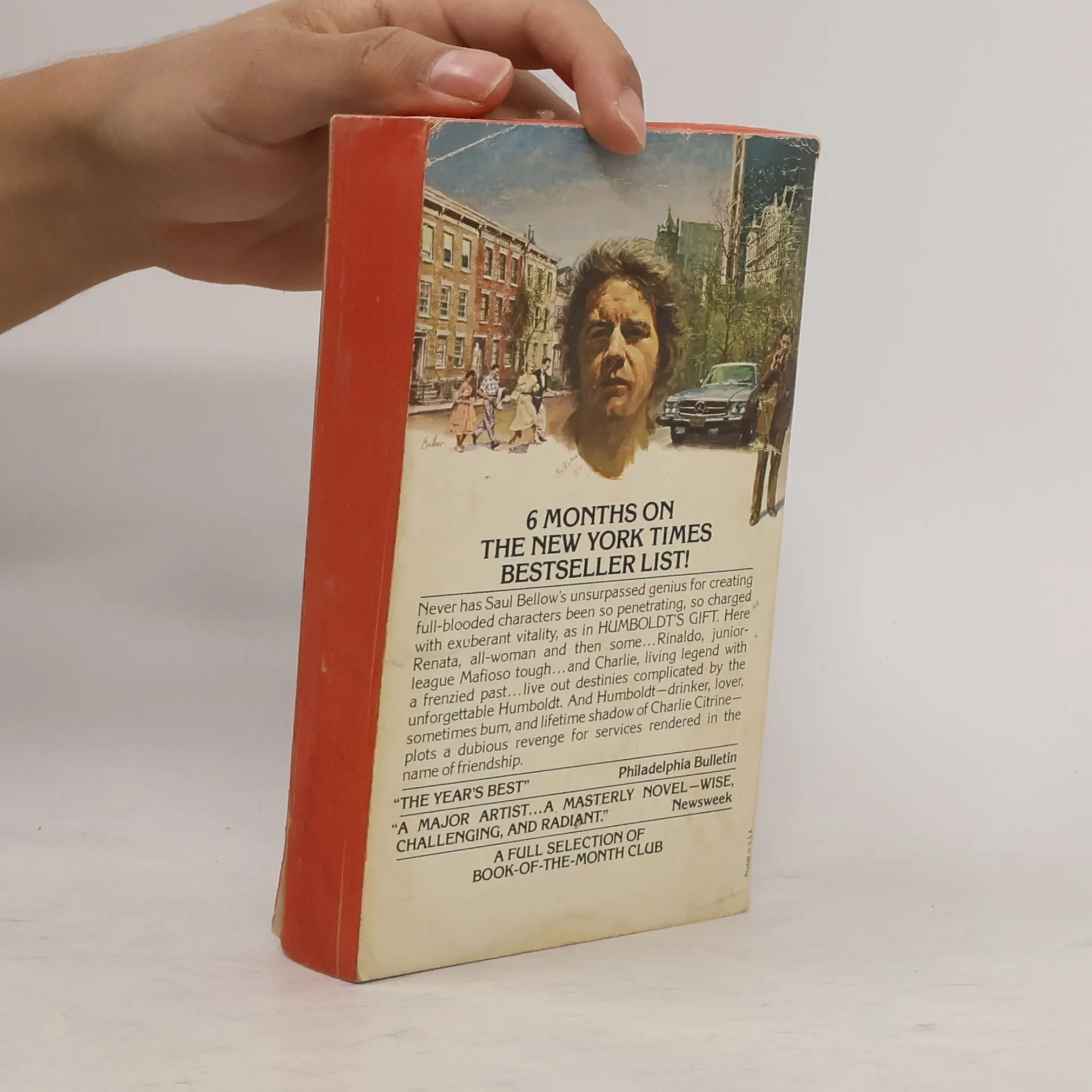
The novel, for which Bellow won the Pulitzer Prize for Fiction in 1976, is a self-described "comic book about death," whose title character is modeled on the self-destructive lyric poet Delmore Schwartz. Charlie Citrine, an intellectual, middle-aged author of award-winning biographies and plays, contemplates two significant figures and philosophies in his life: Von Humboldt Fleisher, a dead poet who had been his mentor, and Rinaldo Cantabile, a very-much-alive minor mafioso who has been the bane of Humboldt's existence. Humboldt had taught Charlie that art is powerful and that one should be true to one's own creative spirit. Rinaldo, Charlie's self-appointed financial adviser, has always urged Charlie to use his art to turn a profit. At the novel's end, Charlie has managed to set his own course.

Acquisto del libro

Penguin Classics: Humboldt's Gift, Saul Bellow

Lingua
Pubblicato
1996
product-detail.submit-box.info.binding
(In brossura)
Ti avviseremo via email non appena lo rintracceremo.

Metodi di pagamento

3,9
Molto buono
16250 Valutazioni

Qui potrebbe esserci la tua recensione.

Titolo
Penguin Classics: Humboldt's Gift
Lingua
Inglese
Pubblicato
1996
Formato
In brossura
Pagine
487
ISBN10
0140189440
ISBN13
9780140189445
Serie
Prima pubblicazione
1975
Titolo originale
Humboldt’s Gift
Valutazione
3,85 su 5
Descrizione
The novel, for which Bellow won the Pulitzer Prize for Fiction in 1976, is a self-described "comic book about death," whose title character is modeled on the self-destructive lyric poet Delmore Schwartz. Charlie Citrine, an intellectual, middle-aged author of award-winning biographies and plays, contemplates two significant figures and philosophies in his life: Von Humboldt Fleisher, a dead poet who had been his mentor, and Rinaldo Cantabile, a very-much-alive minor mafioso who has been the bane of Humboldt's existence. Humboldt had taught Charlie that art is powerful and that one should be true to one's own creative spirit. Rinaldo, Charlie's self-appointed financial adviser, has always urged Charlie to use his art to turn a profit. At the novel's end, Charlie has managed to set his own course.