


Maggiori informazioni sul libro
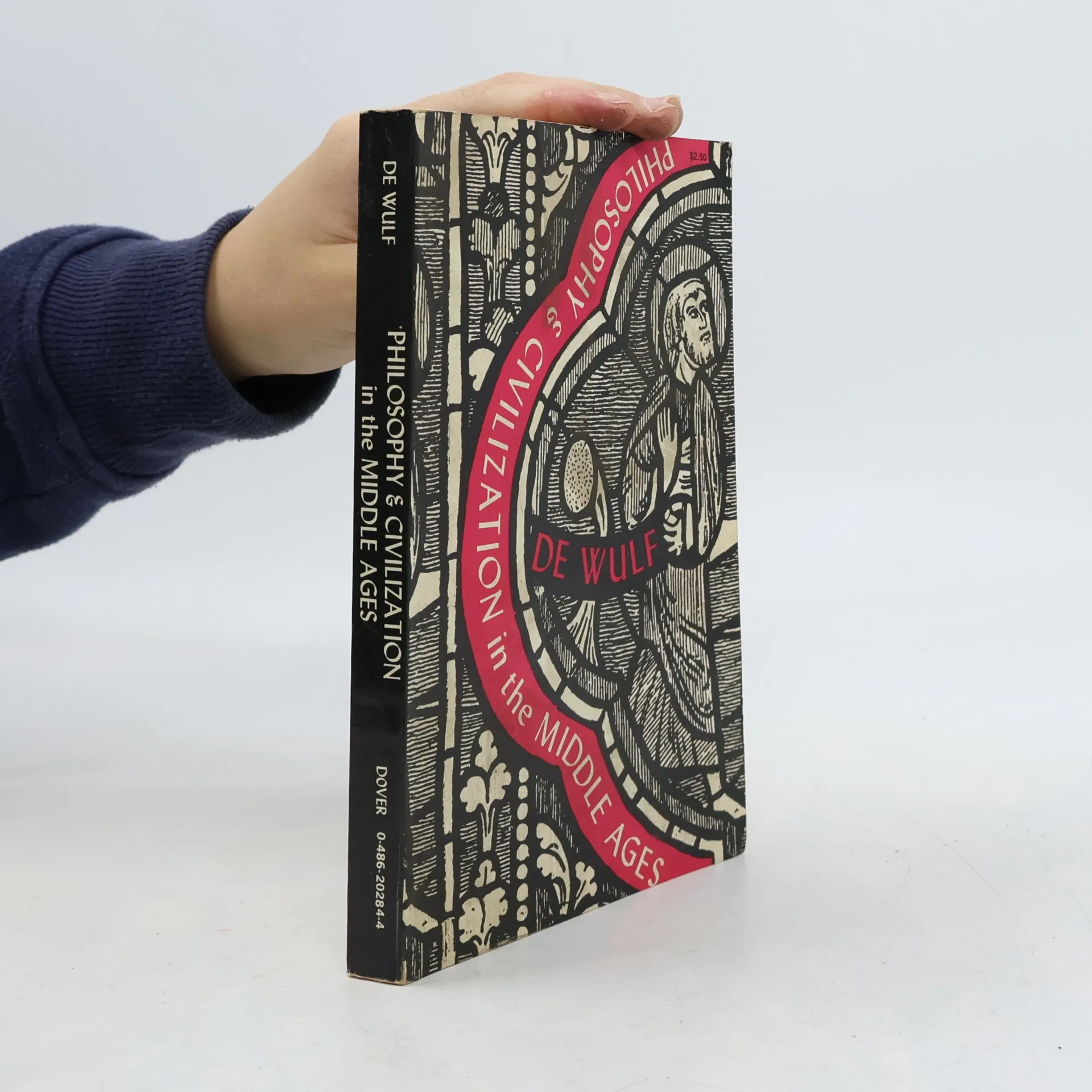
Originally presented at Princeton University as a series of lectures, these chapters offer a perceptive overview of medieval society and culture, setting the stage for a detailed analysis of Scholasticism, the dominant thought system of the Middle Ages. De Wulf, a distinguished scholar on this era, examines key historical events of the 12th and 13th centuries in France and England, with some focus on Germany, Italy, and Spain. He discusses influential institutions such as feudalism, monarchy, the papacy, monasteries (notably the Benedictine monastery at Cluny), and universities. Following this, he delves into the doctrines of Scholastic philosophy, exploring its spirit, relationship to Catholic theology, views on intellectualism, and perspectives on the world, the individual, God, the state, and progress. Citing figures like Peter Abaelard and Duns Scotus, along with medieval literary sources such as the Chansons de Geste and the Chanson de Roland, De Wulf writes with clarity and insight. This work serves as an excellent introduction for lay readers and a masterful outline for specialists, fostering a deeper appreciation for the philosophical contributions of the "dark ages." Unaltered, unabridged republication of the 1st (1922) edition. Bibliography. Index. x + 312pp. 5% x 8.


Acquisto del libro
Philosophy and Civilization in the Middle Ages, Maurice De Wulf
- Lingua

- Pubblicato
- 1953
- Rilegatura
- (In brossura),
- Condizioni del libro
- In buone condizioni
- Prezzo
- 14,99 €
Metodi di pagamento
Qui potrebbe esserci la tua recensione.
- Titolo
- Philosophy and Civilization in the Middle Ages
- Lingua
- Inglese
- Autori
- Maurice De Wulf
- Editore
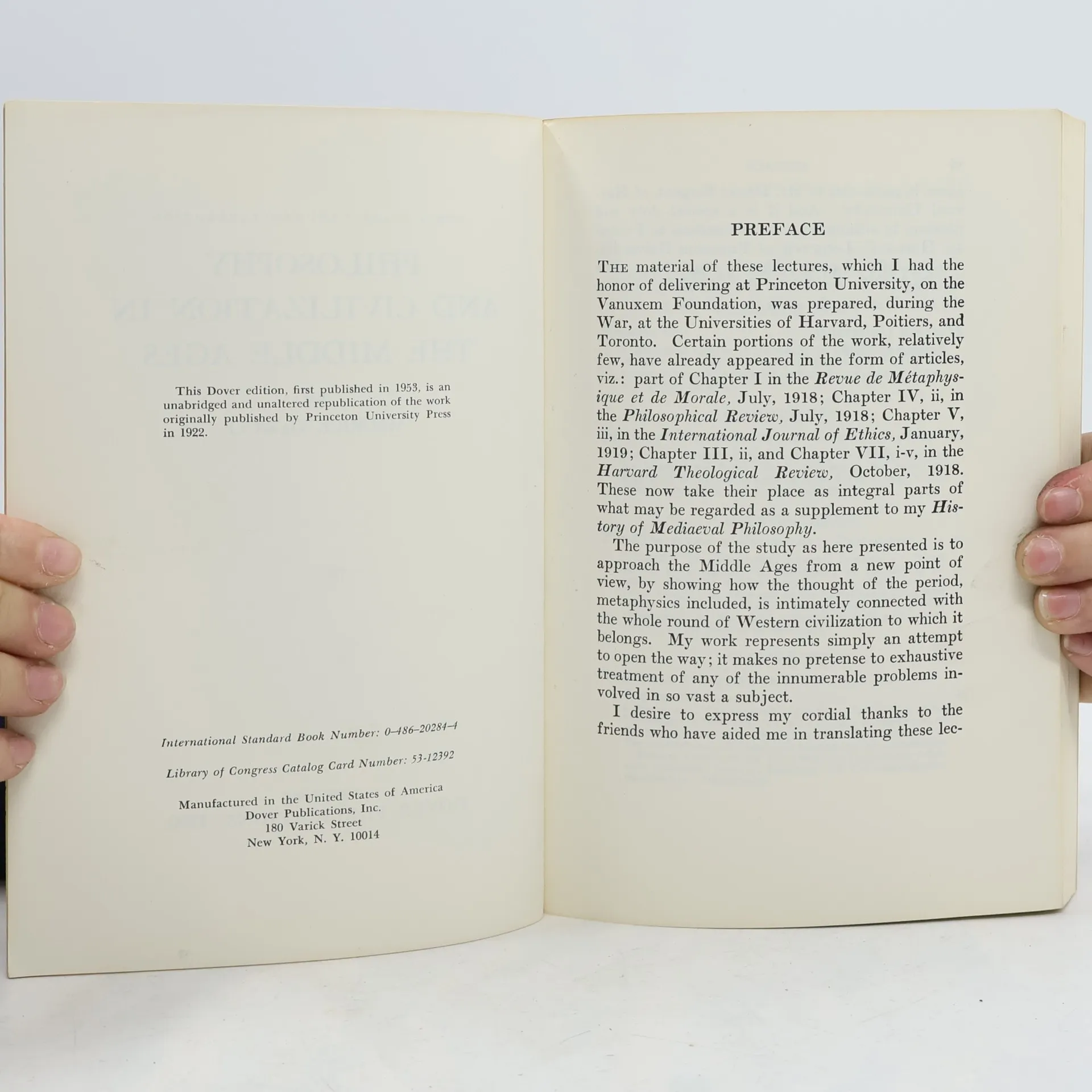
- Dover Publications Inc.
- Pubblicato
- 1953
- Formato
- In brossura
- Pagine
- 312
- ISBN10
- 0486202844
- ISBN13
- 9780486202846
- Serie
- Valutazione
- 3,75 su 5
- Descrizione
- Originally presented at Princeton University as a series of lectures, these chapters offer a perceptive overview of medieval society and culture, setting the stage for a detailed analysis of Scholasticism, the dominant thought system of the Middle Ages. De Wulf, a distinguished scholar on this era, examines key historical events of the 12th and 13th centuries in France and England, with some focus on Germany, Italy, and Spain. He discusses influential institutions such as feudalism, monarchy, the papacy, monasteries (notably the Benedictine monastery at Cluny), and universities. Following this, he delves into the doctrines of Scholastic philosophy, exploring its spirit, relationship to Catholic theology, views on intellectualism, and perspectives on the world, the individual, God, the state, and progress. Citing figures like Peter Abaelard and Duns Scotus, along with medieval literary sources such as the Chansons de Geste and the Chanson de Roland, De Wulf writes with clarity and insight. This work serves as an excellent introduction for lay readers and a masterful outline for specialists, fostering a deeper appreciation for the philosophical contributions of the "dark ages." Unaltered, unabridged republication of the 1st (1922) edition. Bibliography. Index. x + 312pp. 5% x 8.