

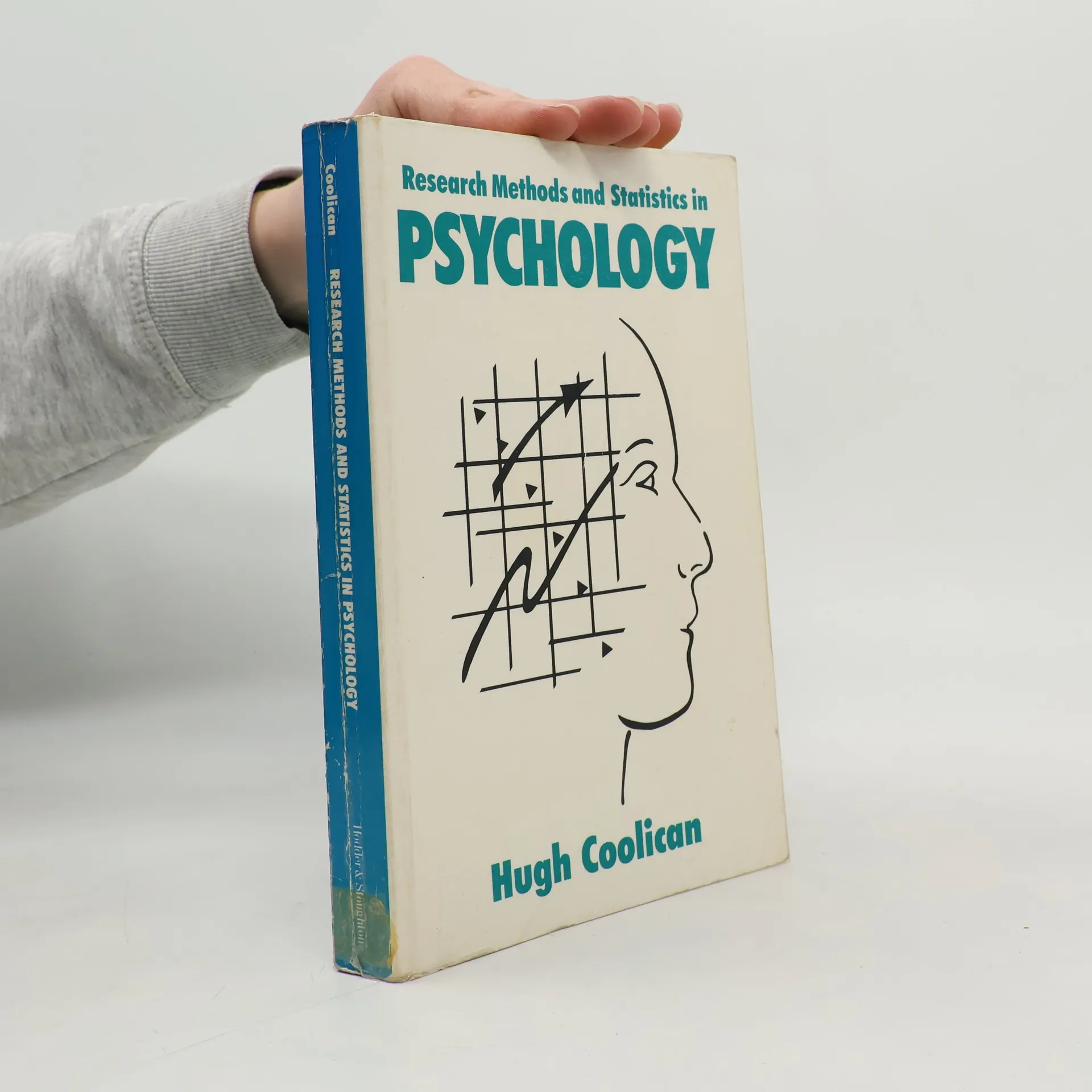
Maggiori informazioni sul libro
Research Methods and Statistics in Psychology provides a comprehensive survey of current research methods in psychology combined with a clearly and carefully explained guide to statistical ideas and techniques. Both non-experimental and traditional experimental methods are treated in depth. In addition, quantitative and qualitative approaches are fully covered. Each chapter deals with a different topic and ends with an exercise section to test material covered in that chapter. There are also ten structured questions at the end of the book, modelled on the A-level practical questions, involving all topics covered in the book. The book's clear, friendly approach will make this notoriously problematic area much more accessible to students of psychology at A-level or in higher or further education.



Acquisto del libro
Research Methods and Statistics in Psychology, Hugh Coolican
- Lingua

- Pubblicato
- 1990
- Rilegatura
- (In brossura)
Metodi di pagamento
Qui potrebbe esserci la tua recensione.
- Titolo
- Research Methods and Statistics in Psychology
- Lingua
- Inglese
- Autori
- Hugh Coolican
- Editore
- Edward Arnold
- Pubblicato
- 1990
- Formato
- In brossura
- Pagine
- 314
- ISBN10
- 0340524049
- ISBN13
- 9780340524046
- Serie
- Valutazione
- 3,5 su 5
- Descrizione
- Research Methods and Statistics in Psychology provides a comprehensive survey of current research methods in psychology combined with a clearly and carefully explained guide to statistical ideas and techniques. Both non-experimental and traditional experimental methods are treated in depth. In addition, quantitative and qualitative approaches are fully covered. Each chapter deals with a different topic and ends with an exercise section to test material covered in that chapter. There are also ten structured questions at the end of the book, modelled on the A-level practical questions, involving all topics covered in the book. The book's clear, friendly approach will make this notoriously problematic area much more accessible to students of psychology at A-level or in higher or further education.