



Maggiori informazioni sul libro
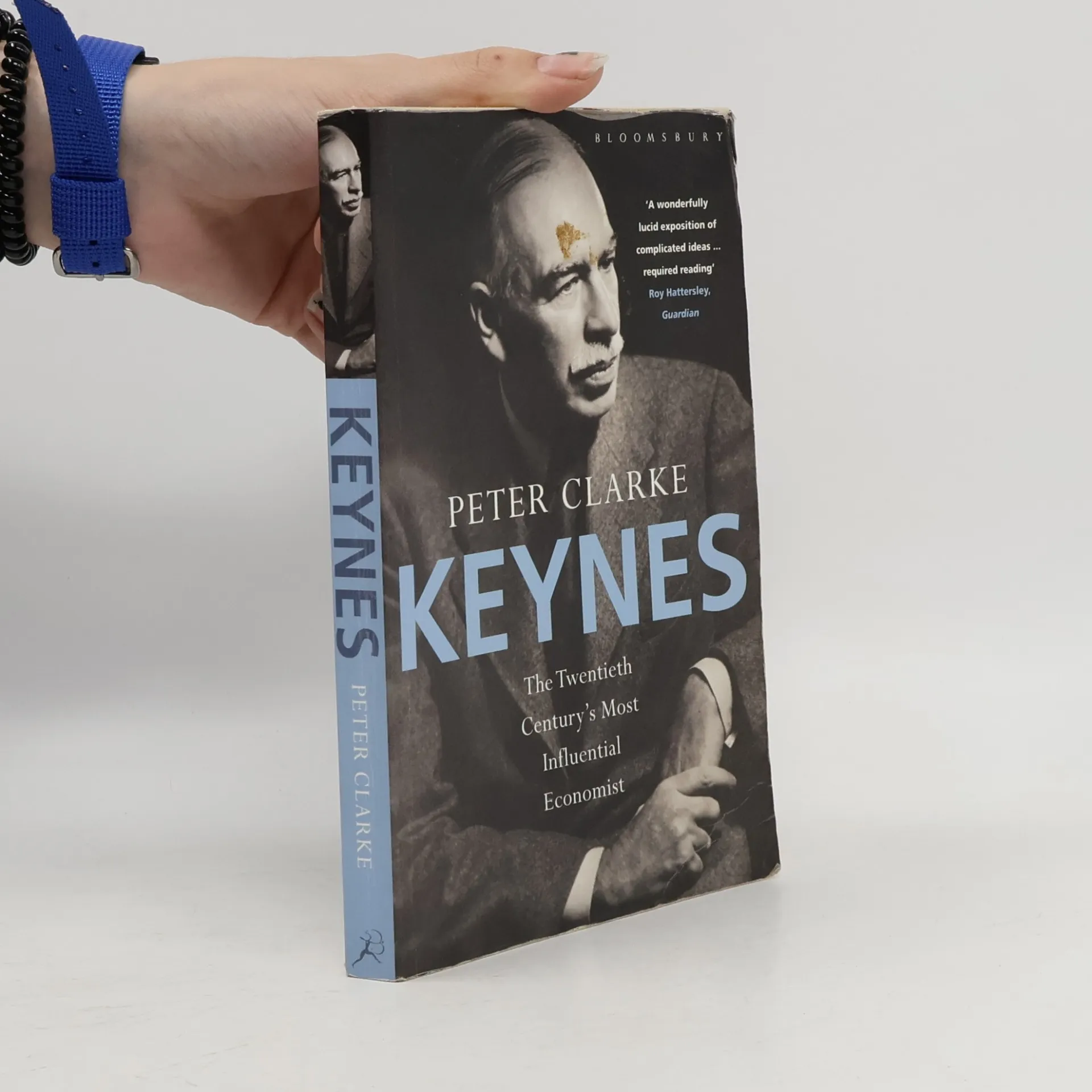
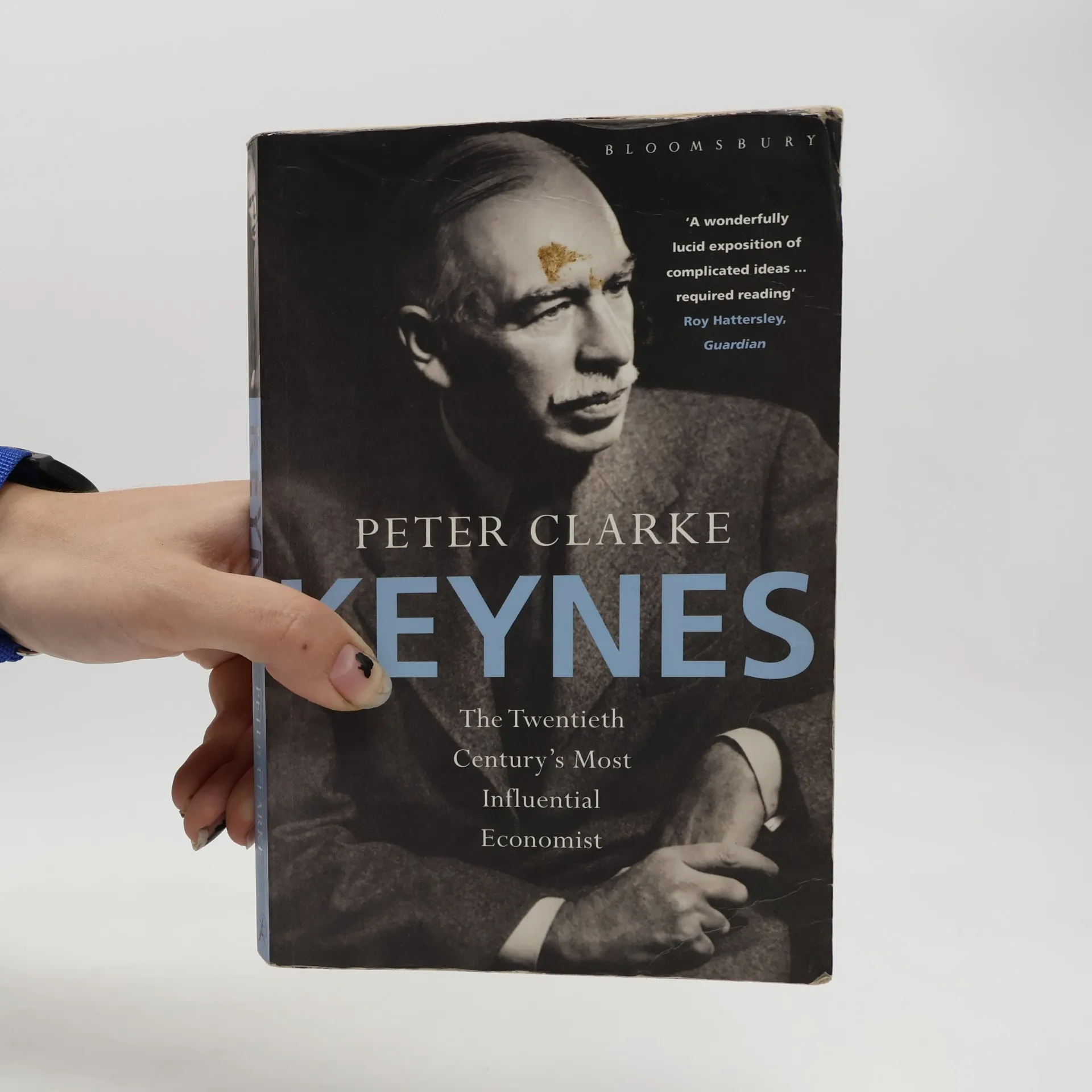
Amid today's economic crisis, we reflect on the past to find perspective, often encountering the figure of John Maynard Keynes. Known for his radical views during the early 1920s, Keynes challenged the free-market orthodoxy of his time, arguing that unemployment required urgent action. He famously asserted, "In the long run we are all dead," emphasizing the need for immediate solutions rather than reliance on self-correcting market mechanisms. His influence peaked when President Nixon declared, "we are all Keynesians now," but over time, Keynes's ideas were dismissed as outdated, especially during economic booms. However, the 2008 financial meltdown reignited interest in his work, as market forces failed to stabilize the economy. In just thirty days, Keynes's once-forgotten theories were revived. This exploration delves into Keynes's life, including his homosexuality and marriage to ballerina Lydia Lopokova, while examining the relevance of his groundbreaking ideas in today's economic landscape. Engaging and authoritative, it sheds light on a misunderstood figure whose insights remain significant in navigating contemporary challenges.


Acquisto del libro
Keynes, Peter Clarke
- Lingua

- Pubblicato
- 2010
- Rilegatura
- (In brossura),
- Condizioni del libro
- Danneggiato
- Prezzo
- 10,47 €
Metodi di pagamento
Qui potrebbe esserci la tua recensione.
- Titolo
- Keynes
- Sottotitolo
- The Twentieth Century's Most Influential Economist
- Lingua
- Inglese
- Autori
- Peter Clarke
- Editore
- Bloomsbury Publishing
- Pubblicato
- 2010
- Formato
- In brossura
- Pagine
- 224
- ISBN10
- 1408803917
- ISBN13
- 9781408803912
- Serie
- Categoria
- Valutazione
- 3,3 su 5
- Descrizione
- Amid today's economic crisis, we reflect on the past to find perspective, often encountering the figure of John Maynard Keynes. Known for his radical views during the early 1920s, Keynes challenged the free-market orthodoxy of his time, arguing that unemployment required urgent action. He famously asserted, "In the long run we are all dead," emphasizing the need for immediate solutions rather than reliance on self-correcting market mechanisms. His influence peaked when President Nixon declared, "we are all Keynesians now," but over time, Keynes's ideas were dismissed as outdated, especially during economic booms. However, the 2008 financial meltdown reignited interest in his work, as market forces failed to stabilize the economy. In just thirty days, Keynes's once-forgotten theories were revived. This exploration delves into Keynes's life, including his homosexuality and marriage to ballerina Lydia Lopokova, while examining the relevance of his groundbreaking ideas in today's economic landscape. Engaging and authoritative, it sheds light on a misunderstood figure whose insights remain significant in navigating contemporary challenges.