

Parametri
- 704pagine
- 25 ore di lettura
Maggiori informazioni sul libro
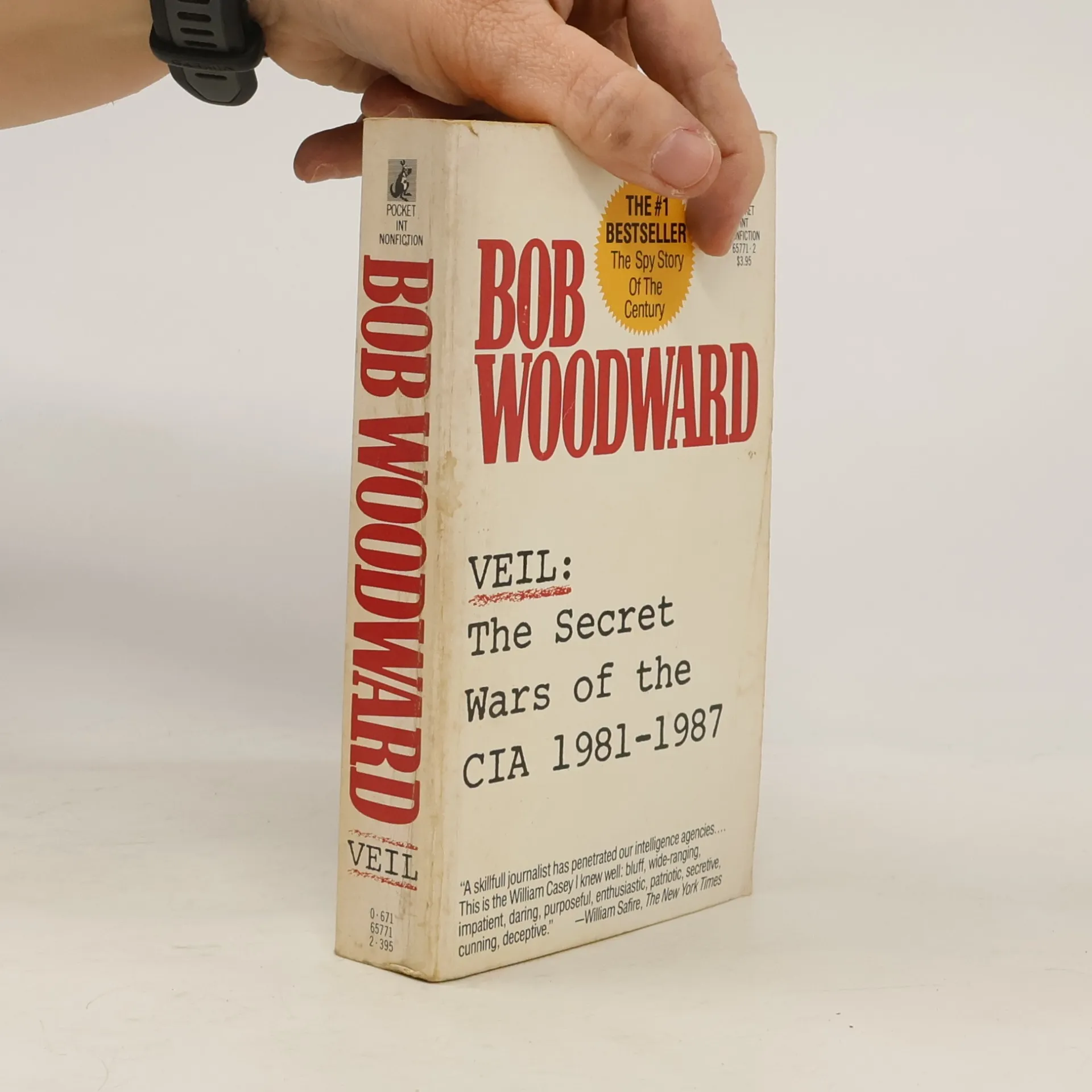
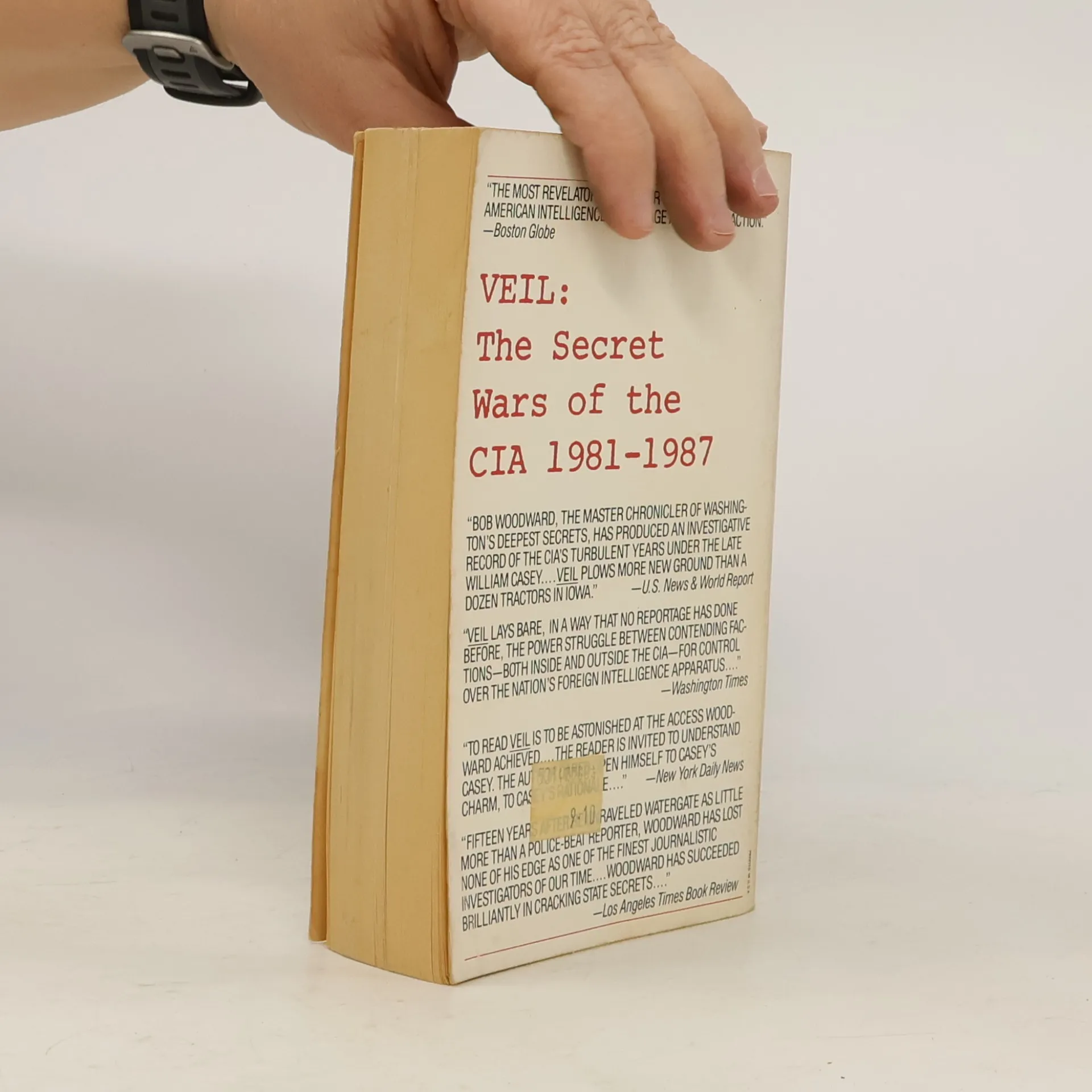
“Everyone always says more than they’re supposed to,” CIA Director Wm J. Casey told Bob Woodward during their interviews. Utilizing hundreds of inside sources and secret documents, Woodward crafts an unmatched account of the CIA, its Director, and the U.S. government. Serving from 1981 to 1987, Casey shaped and reflected the Reagan administration's foreign policy aspirations, defining the era. Maneuvering through Washington's power centers, he was granted a free hand, becoming arguably the most powerful CIA Director in its history. Confidently operating on the global stage, he committed the nation and President to new, expanded covert wars and clandestine relationships. Reagan and Casey, bound by generation and philosophy, formed a team aimed at reshaping the world. Woodward’s extensive access included a hospital visit to Casey on his deathbed—an event that was doubted for years until Ronald Kessler's book, The CIA at War, confirmed it through sources like Wm Donnelly and Britt Snider, who verified Woodward's 43 meetings and calls with Casey, including at the director’s home. This narrative reveals the covert wars waged in a secretive atmosphere, which became pivotal and potentially explosive elements of American foreign policy in the 1980s.




Acquisto del libro
Veil, Bob Woodward
- Lingua

- Pubblicato
- 1988
- Rilegatura
- (In brossura),
- Condizioni del libro
- In buone condizioni
- Prezzo
- 20,49 €
Metodi di pagamento
Qui potrebbe esserci la tua recensione.
- Titolo
- Veil
- Sottotitolo
- The Secret Wars of the CIA 1981-1987
- Lingua
- Inglese
- Autori
- Bob Woodward
- Editore
- Pubblicato
- 1988
- Formato
- In brossura
- Pagine
- 704
- ISBN10
- 0671657712
- ISBN13
- 9780671657710
- Serie
- Categoria
- Tag
- Tema stórico, Politica, Guerre, Giornalismo e Pubblicistica, Spionaggio, Storia degli Stati Uniti
- Valutazione
- 3,7 su 5
- Descrizione
- “Everyone always says more than they’re supposed to,” CIA Director Wm J. Casey told Bob Woodward during their interviews. Utilizing hundreds of inside sources and secret documents, Woodward crafts an unmatched account of the CIA, its Director, and the U.S. government. Serving from 1981 to 1987, Casey shaped and reflected the Reagan administration's foreign policy aspirations, defining the era. Maneuvering through Washington's power centers, he was granted a free hand, becoming arguably the most powerful CIA Director in its history. Confidently operating on the global stage, he committed the nation and President to new, expanded covert wars and clandestine relationships. Reagan and Casey, bound by generation and philosophy, formed a team aimed at reshaping the world. Woodward’s extensive access included a hospital visit to Casey on his deathbed—an event that was doubted for years until Ronald Kessler's book, The CIA at War, confirmed it through sources like Wm Donnelly and Britt Snider, who verified Woodward's 43 meetings and calls with Casey, including at the director’s home. This narrative reveals the covert wars waged in a secretive atmosphere, which became pivotal and potentially explosive elements of American foreign policy in the 1980s.