

Maggiori informazioni sul libro
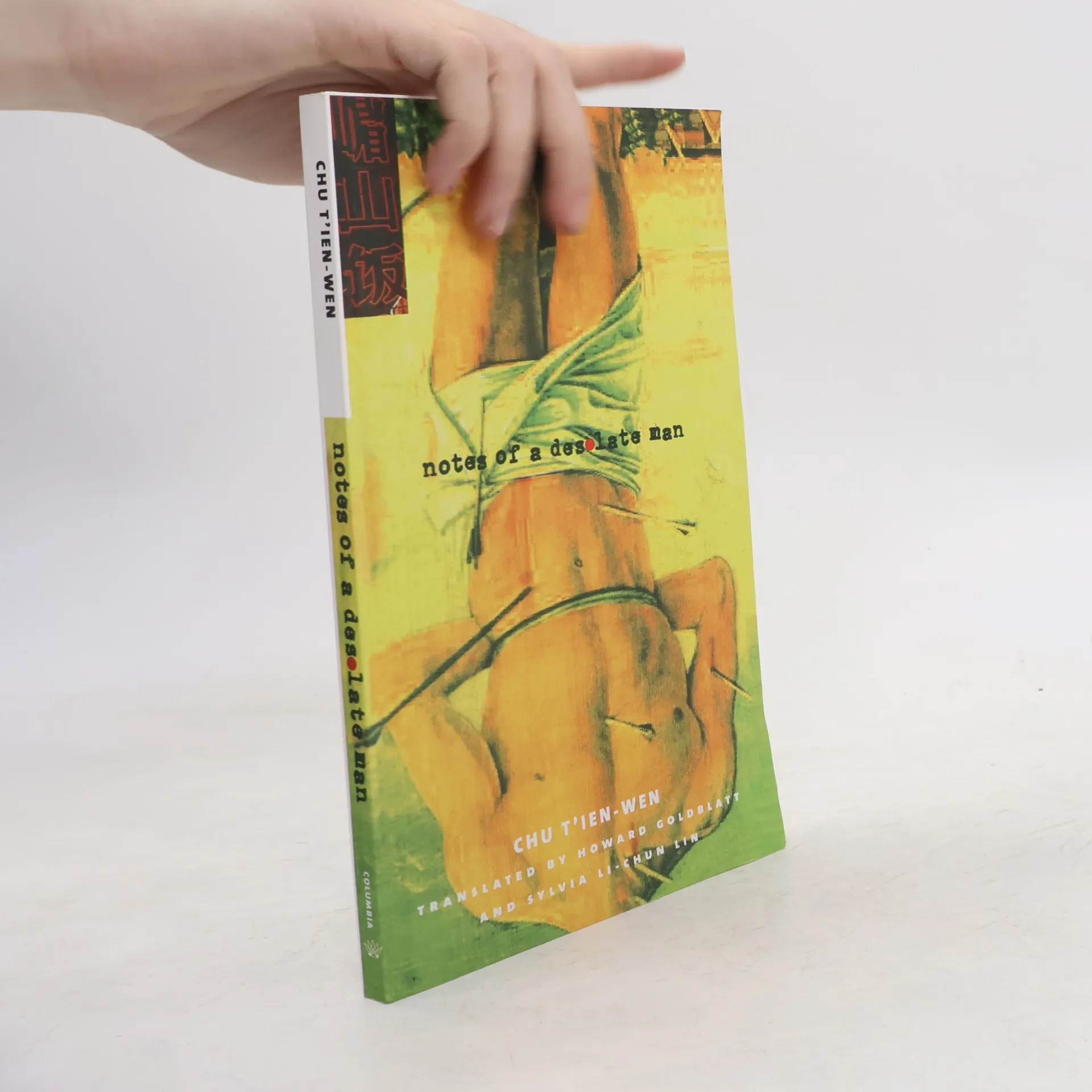
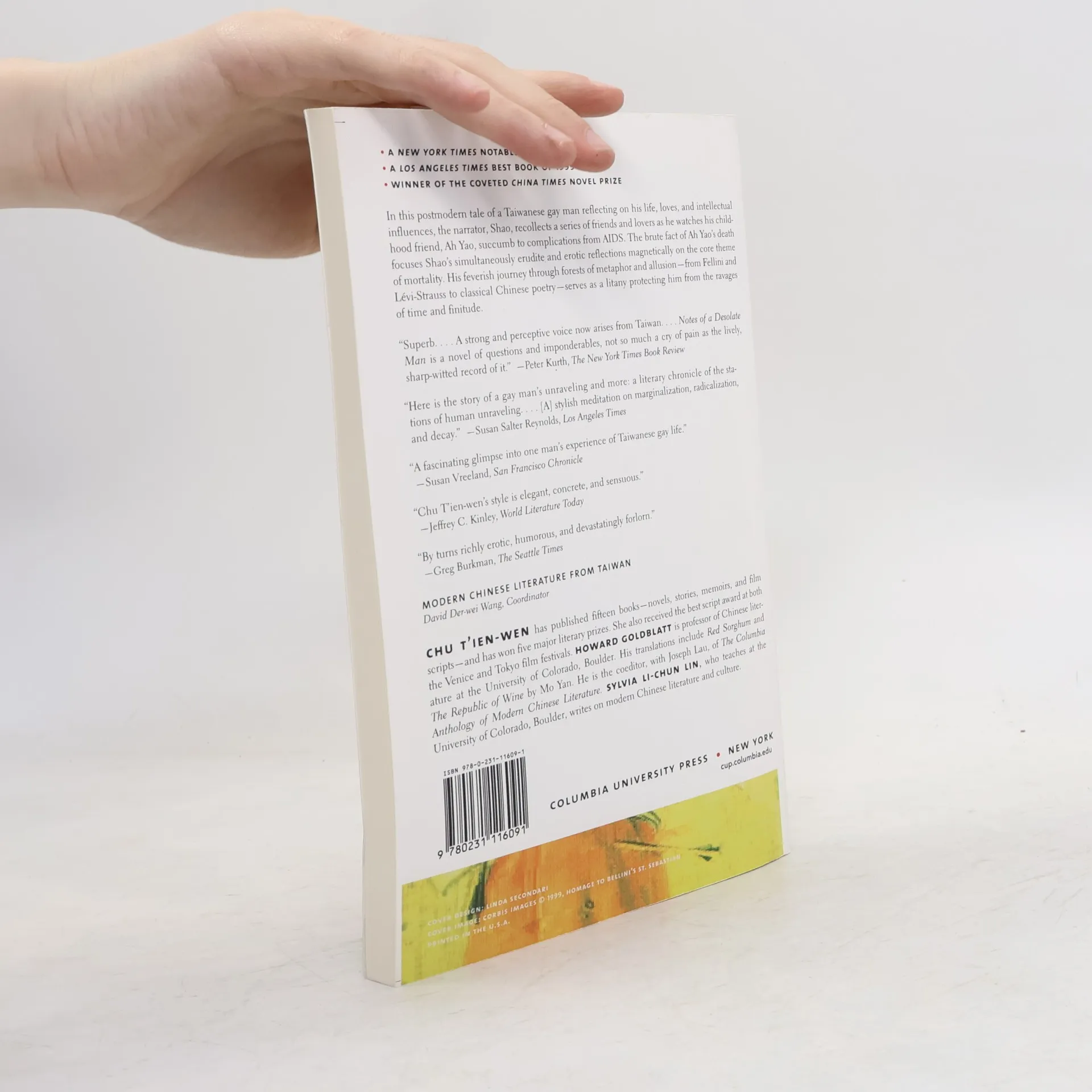
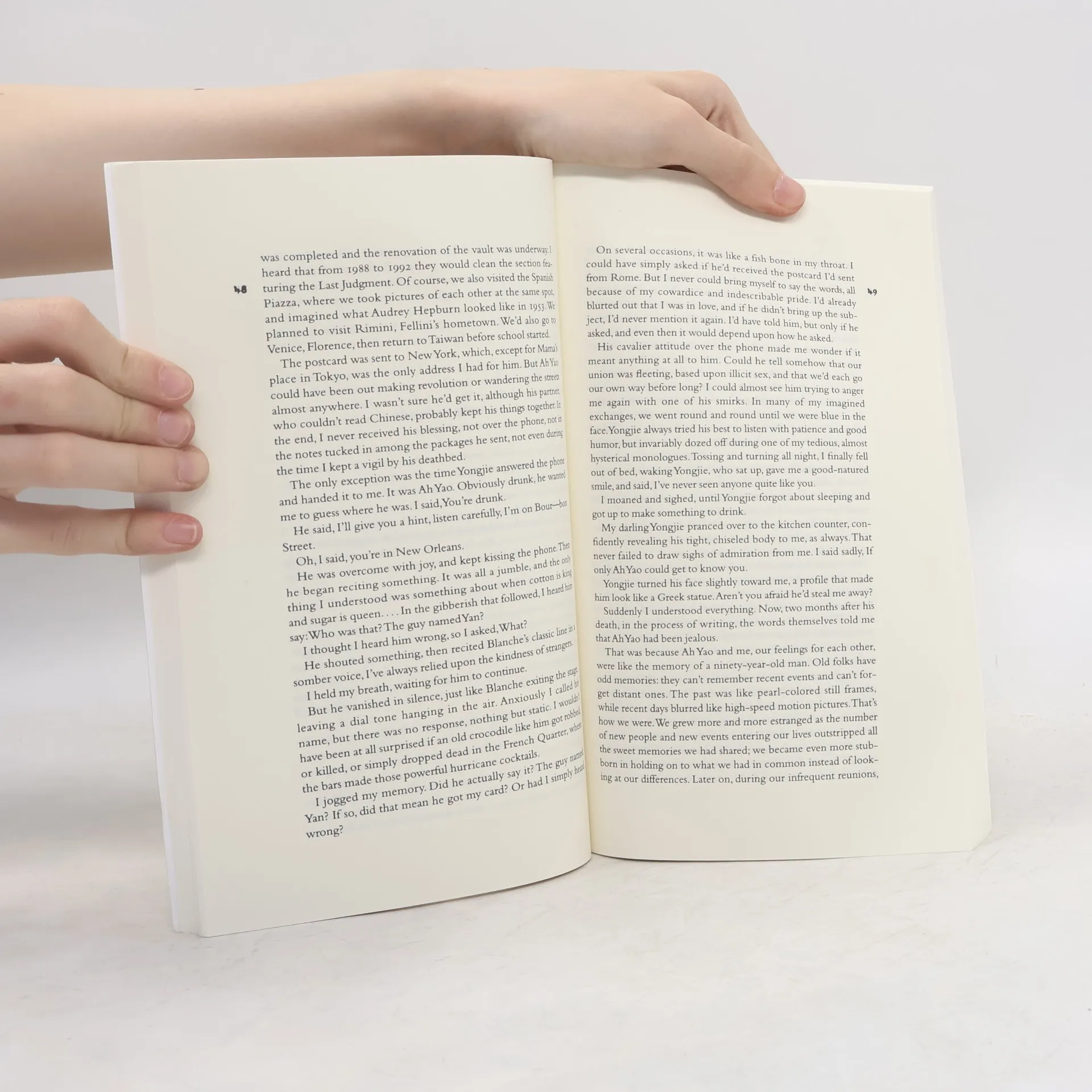
Winner of the China Times Novel Prize, this postmodern, first-person narrative centers on a contemporary Taiwanese gay man reflecting on his life, loves, and intellectual influences. The narrator, Xiao Shao, recalls friends and lovers while grappling with the death of his childhood friend, Ah Yao, from AIDS complications. This loss sharpens Shao's erudite and erotic reflections on mortality. The story oscillates between humor and despair as he confronts Ah Yao's risky lifestyle, radical activism, and eventual demise; the fragility of love; the power of desire; the comfort found in writing; and the disconnection of a younger generation captivated by video games, all while navigating life on the fringes of Taiwanese society. Shao's journey through a rich landscape of metaphor and allusion—from Fellini and Levi-Strauss to classical Chinese poetry—serves as a shield against the inevitability of time and death. The narrative's exploration of marginalized sexuality underscores Taiwan's vibrant yet precarious existence near mainland China. The translation by Howard Goldblatt and Sylvia Li-chun Lin brings Chu T'ien-wen's lyrical and inventive blend of political, poetic, and sexual themes to the English-speaking audience.
Acquisto del libro
Modern Chinese Literature from Taiwan: Notes of a Desolate Man, Chu T'ien-wen, Howard Goldblatt, Sylvia Li-Chun Lin
- Lingua

- Pubblicato
- 2000
- Rilegatura
- (In brossura)
Metodi di pagamento
Ancora nessuna valutazione.
- Titolo
- Modern Chinese Literature from Taiwan: Notes of a Desolate Man
- Lingua
- Inglese
- Editore
- Columbia University Press
- Pubblicato
- 2000
- Formato
- In brossura
- Pagine
- 184
- ISBN10
- 0231116098
- ISBN13
- 9780231116091
- Serie
- Categoria
- Tag
- LGBTQ+, Asia, Cina, Letteratura Cinese
- Descrizione
- Winner of the China Times Novel Prize, this postmodern, first-person narrative centers on a contemporary Taiwanese gay man reflecting on his life, loves, and intellectual influences. The narrator, Xiao Shao, recalls friends and lovers while grappling with the death of his childhood friend, Ah Yao, from AIDS complications. This loss sharpens Shao's erudite and erotic reflections on mortality. The story oscillates between humor and despair as he confronts Ah Yao's risky lifestyle, radical activism, and eventual demise; the fragility of love; the power of desire; the comfort found in writing; and the disconnection of a younger generation captivated by video games, all while navigating life on the fringes of Taiwanese society. Shao's journey through a rich landscape of metaphor and allusion—from Fellini and Levi-Strauss to classical Chinese poetry—serves as a shield against the inevitability of time and death. The narrative's exploration of marginalized sexuality underscores Taiwan's vibrant yet precarious existence near mainland China. The translation by Howard Goldblatt and Sylvia Li-chun Lin brings Chu T'ien-wen's lyrical and inventive blend of political, poetic, and sexual themes to the English-speaking audience.