



Maggiori informazioni sul libro
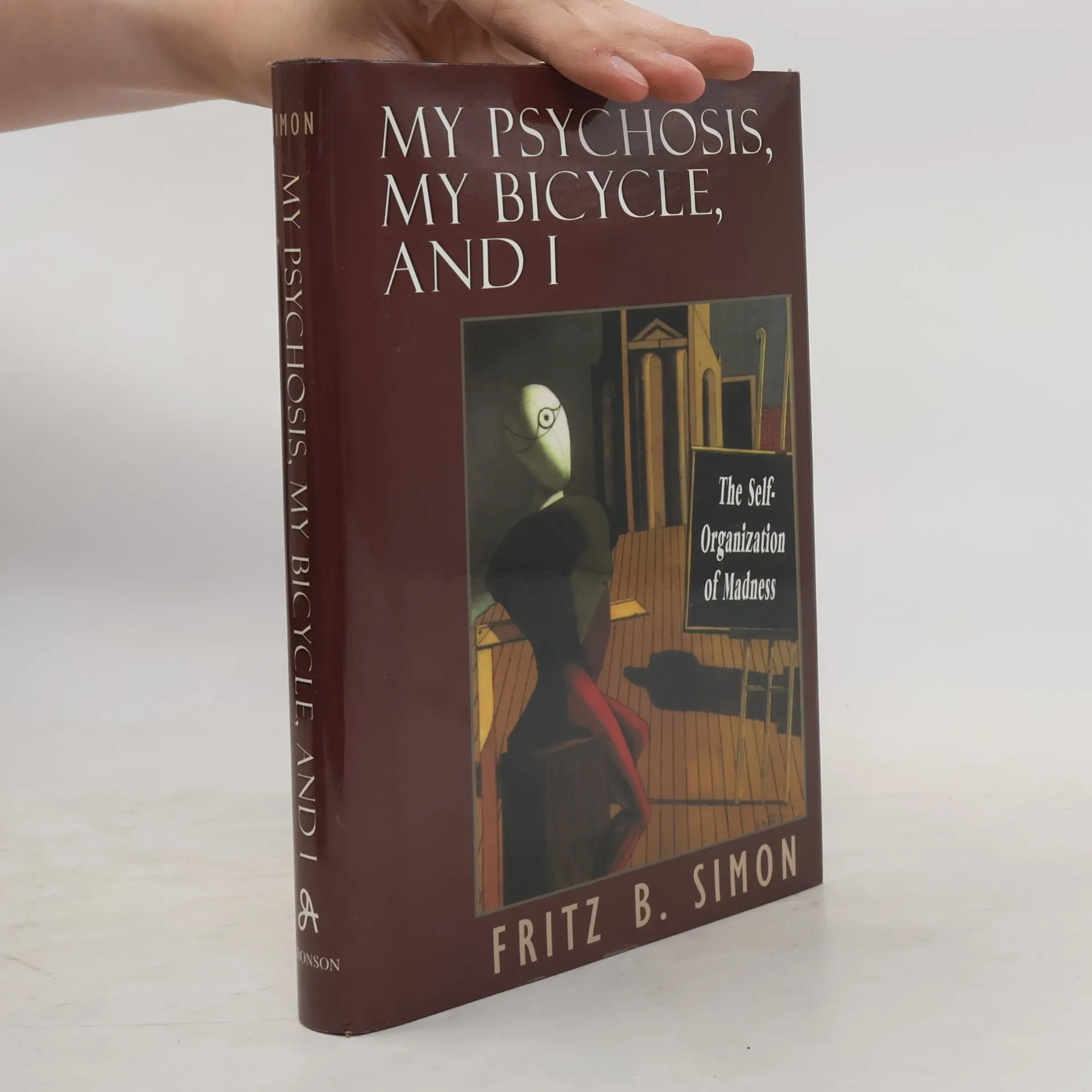
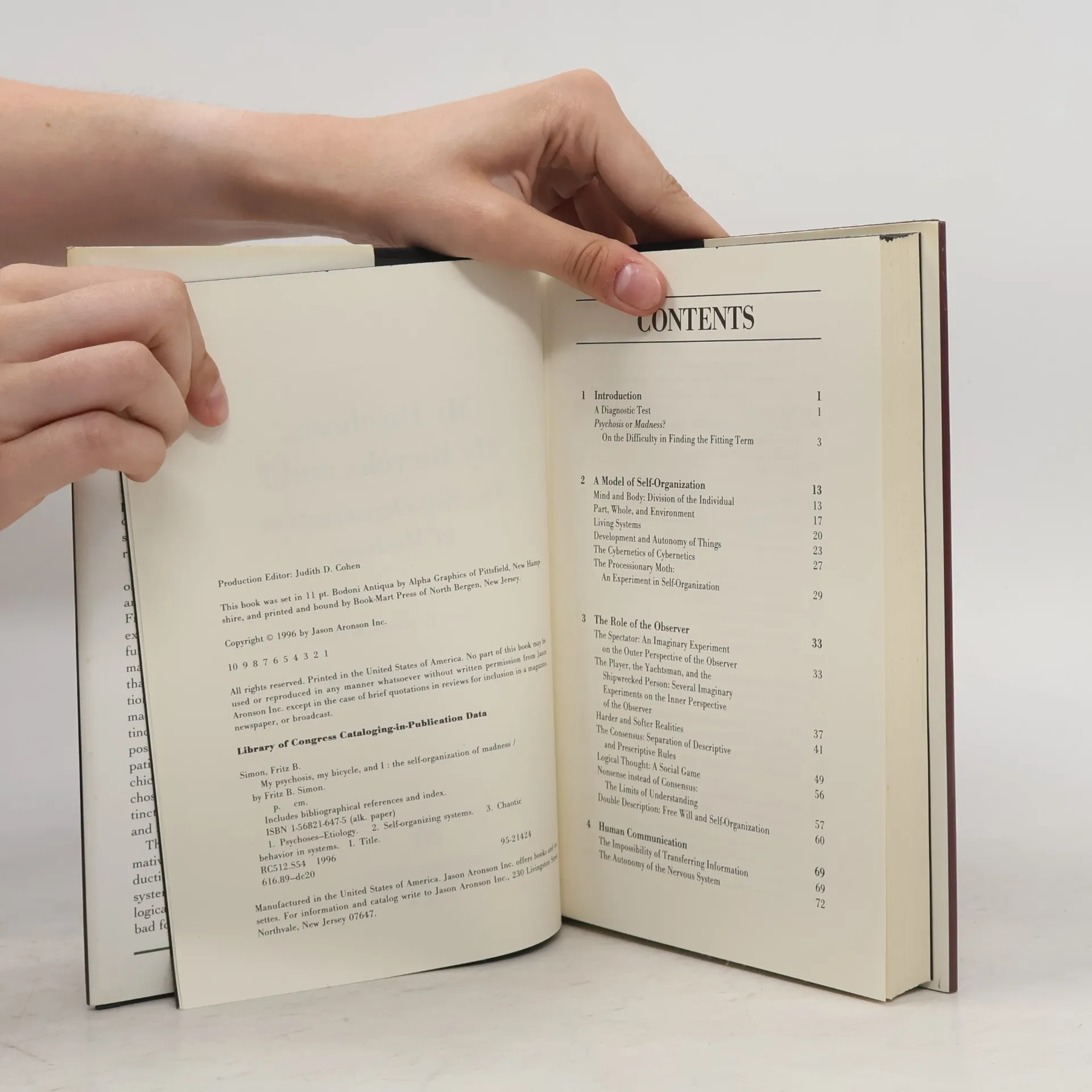
You have to think logically to become mad. Whoever looks for unambiguous truth or meaning gets into trouble and psychological turmoil. The evolution of logical thinking, as well as chaotic thinking, is determined by social interaction and communication rules. If one tries to communicate unambiguously, one generates ambiguity; if one tries to control the meaning of behavior, one generates madness. Like many human attributes, most so-called psychotic symptoms can be seen not as deficits, but as resources to keep alive a specific kind of communication and relationship.Integrating the current approaches of communication theory, chaos theory, and the theory of observing systems, Fritz B. Simon provides a new model, examining the self-organization and function of personal realities that we may call delusions and the delusions that we may call reality. This constructionist view of subjectivities, including madness, dissolves the either/or distinction between the highly ideological positions that either the family or the patient, either the biological or the psychic process, is guilty of producing psychosis. It also blurs the either/or distinction between so-called psychotic and normal existences.This book is an entertaining, informative, surprising, and humorous introduction to the newer approaches of systems thinking. It shows in a very logical way that logical thinking may be bad for your mental health.

Acquisto del libro
My Psychosis, My Bicycle, and I, Fritz B. Simon
- Lingua

- Pubblicato
- 1996
- Rilegatura
- (Copertina rigida),
- Condizioni del libro
- In ottime condizioni
- Prezzo
- 22,39 €
Metodi di pagamento
Qui potrebbe esserci la tua recensione.
- Titolo
- My Psychosis, My Bicycle, and I
- Sottotitolo
- The Self-Organization of Madness
- Lingua
- Inglese
- Autori
- Fritz B. Simon
- Editore
- Jason Aronson, Inc.
- Pubblicato
- 1996
- Formato
- Copertina rigida
- Pagine
- 293
- ISBN10
- 1568216475
- ISBN13
- 9781568216478
- Serie
- Categoria
- Tag
- Valutazione
- 5 su 5
- Descrizione
- You have to think logically to become mad. Whoever looks for unambiguous truth or meaning gets into trouble and psychological turmoil. The evolution of logical thinking, as well as chaotic thinking, is determined by social interaction and communication rules. If one tries to communicate unambiguously, one generates ambiguity; if one tries to control the meaning of behavior, one generates madness. Like many human attributes, most so-called psychotic symptoms can be seen not as deficits, but as resources to keep alive a specific kind of communication and relationship.Integrating the current approaches of communication theory, chaos theory, and the theory of observing systems, Fritz B. Simon provides a new model, examining the self-organization and function of personal realities that we may call delusions and the delusions that we may call reality. This constructionist view of subjectivities, including madness, dissolves the either/or distinction between the highly ideological positions that either the family or the patient, either the biological or the psychic process, is guilty of producing psychosis. It also blurs the either/or distinction between so-called psychotic and normal existences.This book is an entertaining, informative, surprising, and humorous introduction to the newer approaches of systems thinking. It shows in a very logical way that logical thinking may be bad for your mental health.