



Maggiori informazioni sul libro
In February 1637, an auction in Holland saw 99 lots of tulip bulbs sell for an astonishing 90,000 guilders, equivalent to over $3.5 million today, marking the peak of tulipomania. This captivating phenomenon is explored in depth in Anna Pavord's engaging book about tulips. From the outset, Pavord's enthusiasm shines through as she recounts her quest across Crete for a rare indigenous purple tulip. This discovery leads into a rich history of the flower, chronicling its journey from the Ottoman sultans of 18th-century Istanbul to its cultivation by the Wakefield Tulip Society today. Pavord reveals remarkable tales of people's investments in tulips, driven by a unique aspect of the flower: its striking variegated colors, which result from a parasitic aphid that weakens the plant but enhances its beauty. The tulipomania of 17th-century Europe resembled futures trading, with buyers speculating on bulbs at soaring prices, hoping for vibrant blooms. This beautifully illustrated work offers an intriguing narrative about our fascination with such a transient object, transforming the way we perceive the act of buying tulip bulbs.


Acquisto del libro
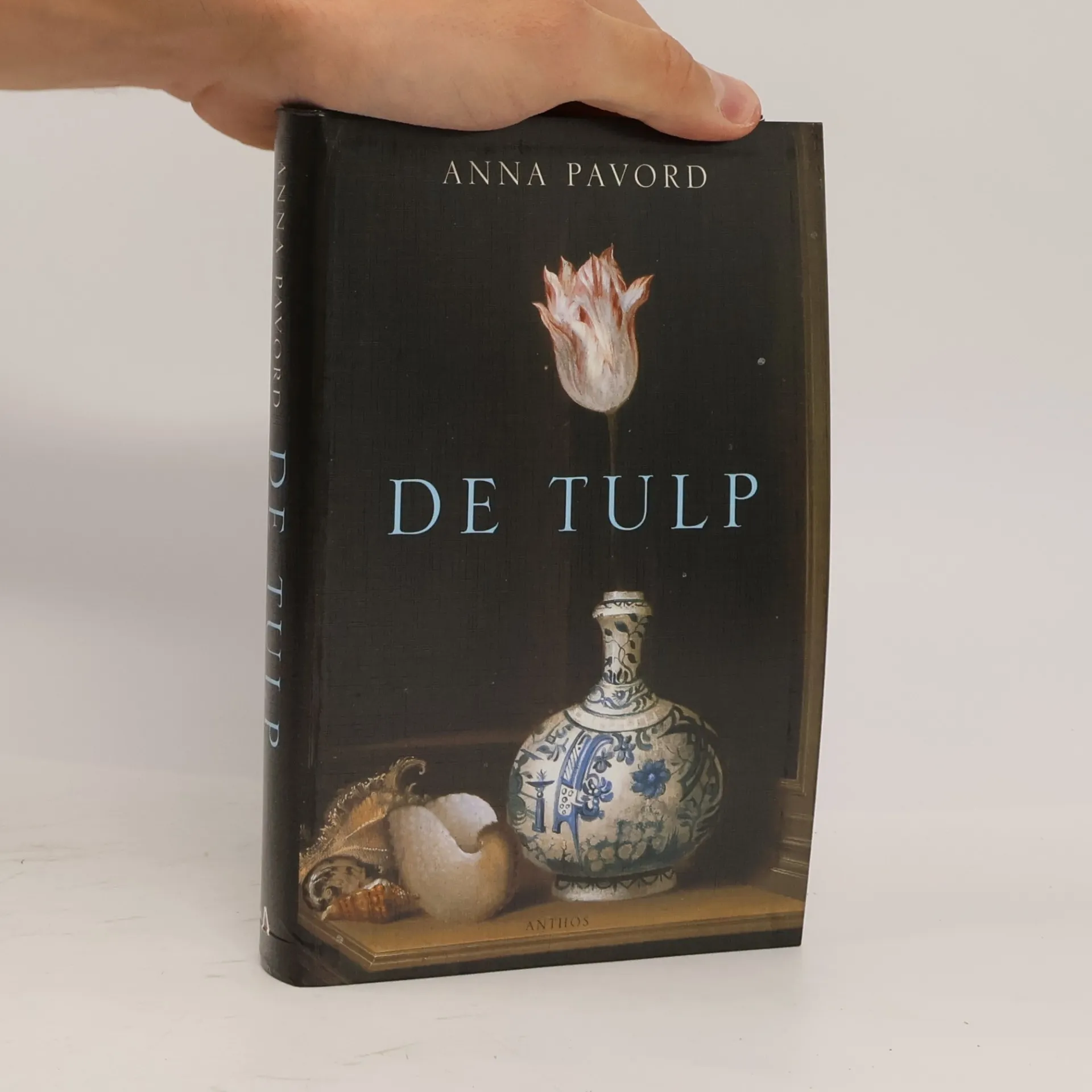
De tulp, Pavord Anna
- Lingua

- Pubblicato
- 2003
- Rilegatura
- (Copertina rigida),
- Condizioni del libro
- In buone condizioni
- Prezzo
- 6,59 €
Metodi di pagamento
Qui potrebbe esserci la tua recensione.
- Titolo
- De tulp
- Lingua
- Olandese
- Autori
- Pavord Anna
- Editore
- Anthos
- Pubblicato
- 2003
- Formato
- Copertina rigida
- Pagine
- 295
- ISBN10
- 9041406271
- ISBN13
- 9789041406279
- Serie
- Valutazione
- 3,1 su 5
- Descrizione
- In February 1637, an auction in Holland saw 99 lots of tulip bulbs sell for an astonishing 90,000 guilders, equivalent to over $3.5 million today, marking the peak of tulipomania. This captivating phenomenon is explored in depth in Anna Pavord's engaging book about tulips. From the outset, Pavord's enthusiasm shines through as she recounts her quest across Crete for a rare indigenous purple tulip. This discovery leads into a rich history of the flower, chronicling its journey from the Ottoman sultans of 18th-century Istanbul to its cultivation by the Wakefield Tulip Society today. Pavord reveals remarkable tales of people's investments in tulips, driven by a unique aspect of the flower: its striking variegated colors, which result from a parasitic aphid that weakens the plant but enhances its beauty. The tulipomania of 17th-century Europe resembled futures trading, with buyers speculating on bulbs at soaring prices, hoping for vibrant blooms. This beautifully illustrated work offers an intriguing narrative about our fascination with such a transient object, transforming the way we perceive the act of buying tulip bulbs.