

Esaurito ma molto ricercato!
Parametri
- 288pagine
- 11 ore di lettura
Maggiori informazioni sul libro
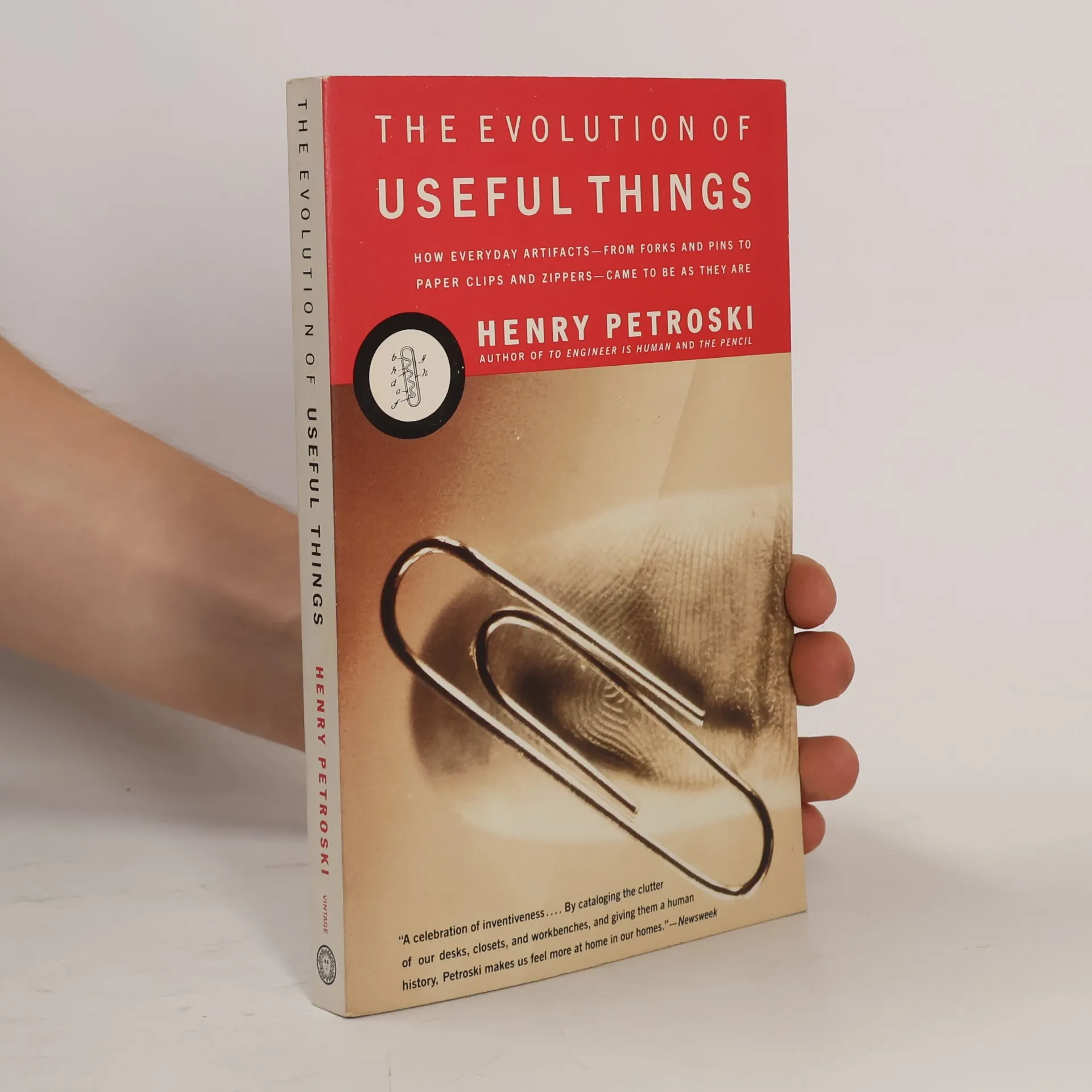
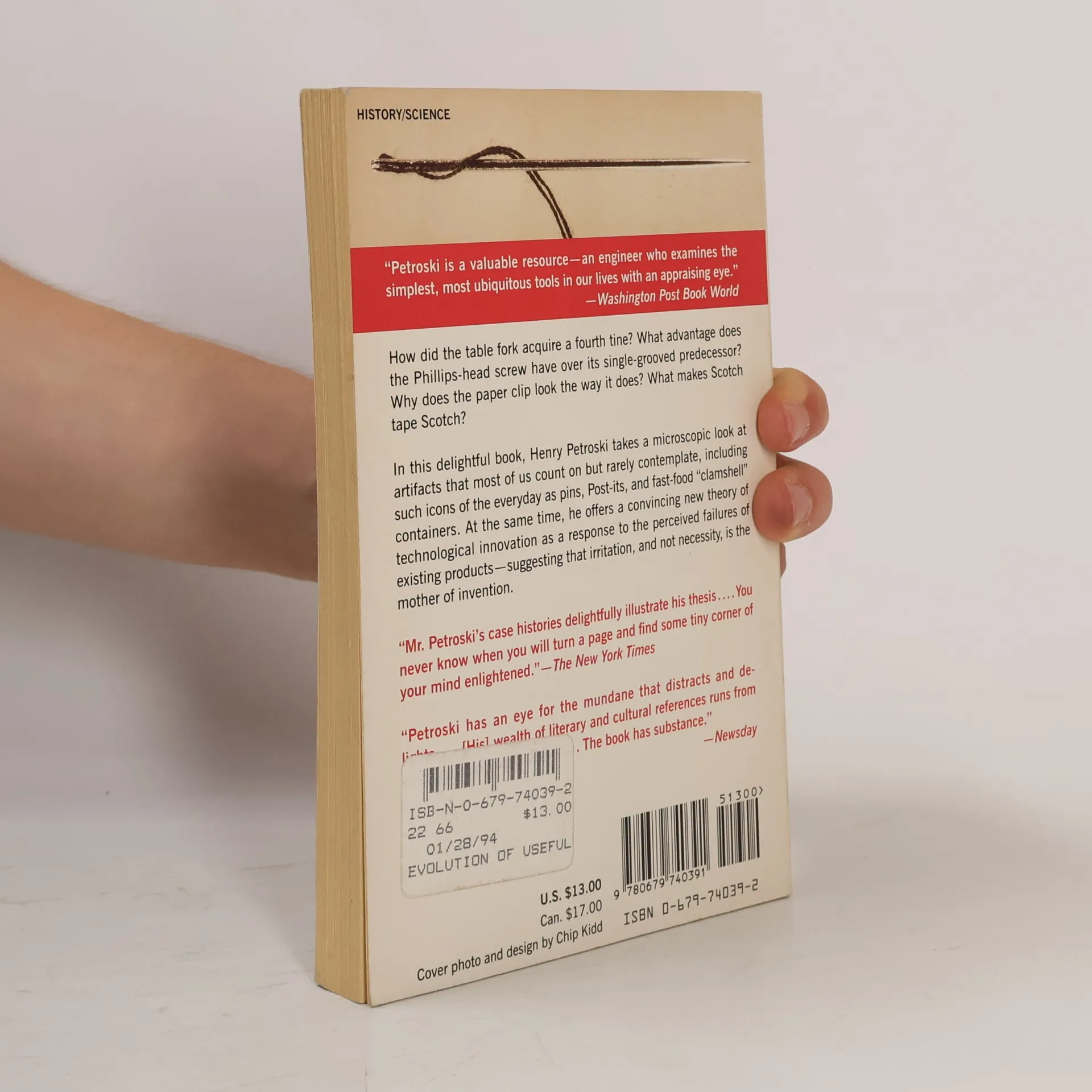
How did the table fork acquire a fourth tine? What advantage does the Phillips-head screw have over its single-grooved predecessor? Why does the paper clip look the way it does? What makes Scotch tape Scotch? In this delightful book Henry, Petroski takes a microscopic look at artifacts that most of us count on but rarely contemplate, including such icons of the everyday as pins, Post-its, and fast-food "clamshell" containers. At the same time, he offers a convincing new theory of technological innovation as a response to the perceived failures of existing products—suggesting that irritation, and not necessity, is the mother of invention.

Acquisto del libro
The Evolution of Useful Things, Henry Petroski
- Lingua

- Pubblicato
- 1994
- Rilegatura
- (In brossura)
Ti avviseremo via email non appena lo rintracceremo.
Metodi di pagamento
Ancora nessuna valutazione.
- Titolo
- The Evolution of Useful Things
- Sottotitolo
- How Everyday Artifacts-From Forks and Pins to Paper Clips and Zippers-Came to Be as They Are
- Lingua
- Inglese
- Autori
- Henry Petroski
- Editore
- Vintage Books
- Pubblicato
- 1994
- Formato
- In brossura
- Pagine
- 288
- ISBN10
- 0679740392
- ISBN13
- 9780679740391
- Serie
- Categoria
- Titolo originale
- The evolution of useful things
- Descrizione
- How did the table fork acquire a fourth tine? What advantage does the Phillips-head screw have over its single-grooved predecessor? Why does the paper clip look the way it does? What makes Scotch tape Scotch? In this delightful book Henry, Petroski takes a microscopic look at artifacts that most of us count on but rarely contemplate, including such icons of the everyday as pins, Post-its, and fast-food "clamshell" containers. At the same time, he offers a convincing new theory of technological innovation as a response to the perceived failures of existing products—suggesting that irritation, and not necessity, is the mother of invention.