



Maggiori informazioni sul libro
This evaluation assesses the carcinogenic risks to humans from exposure to polychlorinated dibenzo-para-dioxins (PCDDs) and polychlorinated dibenzofurans (PCDFs). PCDDs are by-products formed during the production of chlorophenols and chlorophenoxy herbicides, and they can also arise from thermal processes like incineration and paper bleaching. The compound 2,3,7,8-tetrachlorodibenzo-para-dioxin (2,3,7,8-TCDD) has raised significant concern. PCDDs and PCDFs are widespread in the environment, accumulating in animal fat, with human exposure primarily occurring through the consumption of animal products. Occupational exposure has been prevalent since the 1940s, particularly in chlorophenol production and metal recycling, with higher exposure levels reported in industrial accidents and rice oil contamination incidents. The evaluation found strong epidemiological evidence linking 2,3,7,8-TCDD exposure to increased cancer risks across multiple sites, indicating it is a multi-site carcinogen. Consequently, it is classified as carcinogenic to humans. In contrast, other PCDDs and dibenzofurans could not be classified regarding their carcinogenicity. For PCDFs, evidence from two major poisoning incidents suggested a link to liver cancer; however, other factors like chronic hepatitis B prevalence were noted. Thus, evidence for PCDFs’ carcinogenicity was deemed inadequate, preventing classification.
Acquisto del libro
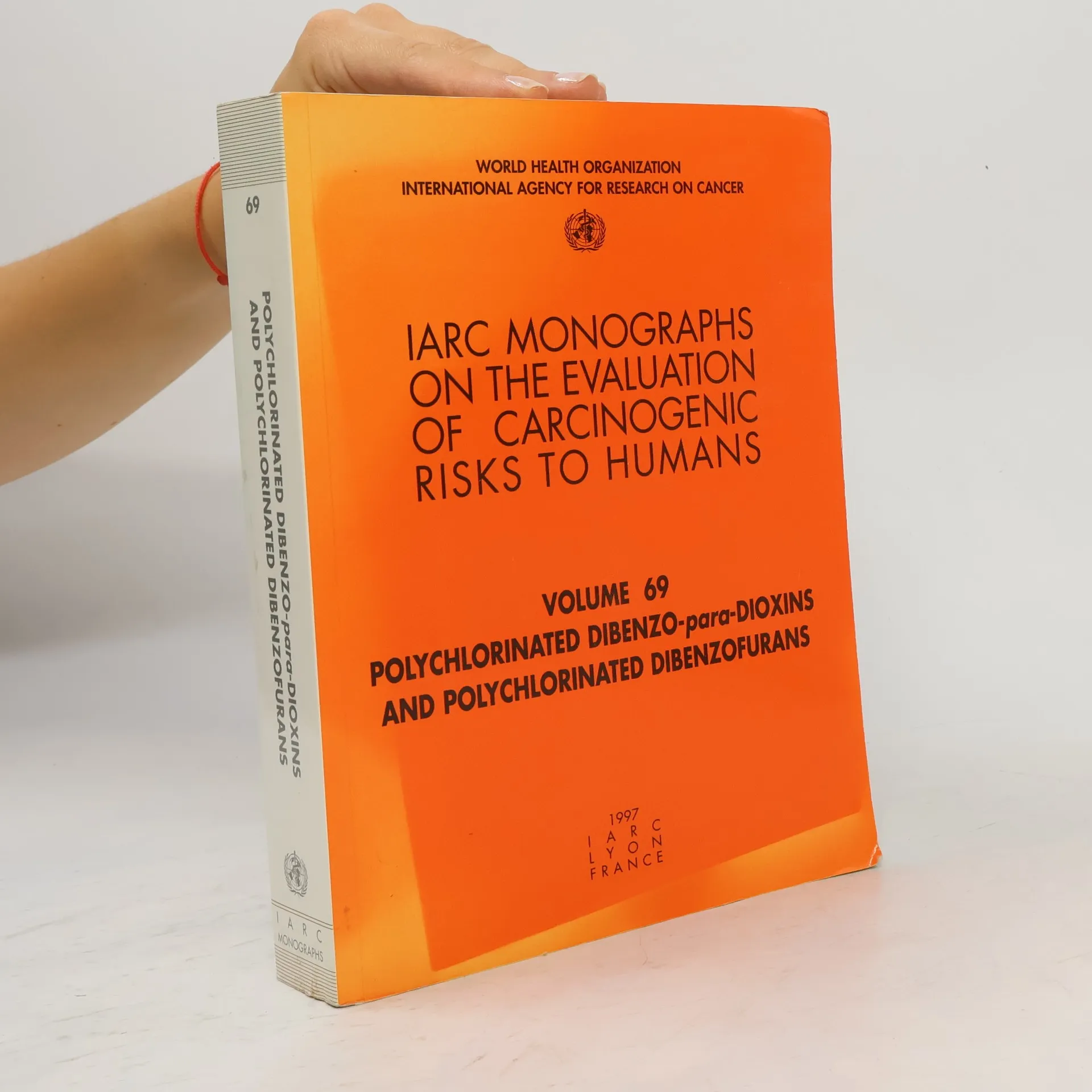
IARC Monographs on the Evaluation of Carcinogenic Risks to Humans - 69: Polychlorinated Dibenzo-para-Dioxins and Polychlorinated Dibenzofurans, The International Agency for Research on Cancer, IARC Working Group on the Evaluation of Carcinogenic Risks to Humans, World Health Organization
- Lingua

- Pubblicato
- 1997
- Rilegatura
- (In brossura),
- Condizioni del libro
- In buone condizioni
- Prezzo
- 6,89 €
Metodi di pagamento
Ancora nessuna valutazione.
- Titolo
- IARC Monographs on the Evaluation of Carcinogenic Risks to Humans - 69: Polychlorinated Dibenzo-para-Dioxins and Polychlorinated Dibenzofurans
- Lingua
- Inglese
- Autori
- The International Agency for Research on Cancer, IARC Working Group on the Evaluation of Carcinogenic Risks to Humans, World Health Organization
- Editore
- World Health Organization
- Pubblicato
- 1997
- Formato
- In brossura
- Pagine
- 666
- ISBN10
- 928321269X
- ISBN13
- 9789283212690
- Serie
- Descrizione
- This evaluation assesses the carcinogenic risks to humans from exposure to polychlorinated dibenzo-para-dioxins (PCDDs) and polychlorinated dibenzofurans (PCDFs). PCDDs are by-products formed during the production of chlorophenols and chlorophenoxy herbicides, and they can also arise from thermal processes like incineration and paper bleaching. The compound 2,3,7,8-tetrachlorodibenzo-para-dioxin (2,3,7,8-TCDD) has raised significant concern. PCDDs and PCDFs are widespread in the environment, accumulating in animal fat, with human exposure primarily occurring through the consumption of animal products. Occupational exposure has been prevalent since the 1940s, particularly in chlorophenol production and metal recycling, with higher exposure levels reported in industrial accidents and rice oil contamination incidents. The evaluation found strong epidemiological evidence linking 2,3,7,8-TCDD exposure to increased cancer risks across multiple sites, indicating it is a multi-site carcinogen. Consequently, it is classified as carcinogenic to humans. In contrast, other PCDDs and dibenzofurans could not be classified regarding their carcinogenicity. For PCDFs, evidence from two major poisoning incidents suggested a link to liver cancer; however, other factors like chronic hepatitis B prevalence were noted. Thus, evidence for PCDFs’ carcinogenicity was deemed inadequate, preventing classification.