


Maggiori informazioni sul libro
Marguerite Yourcenar's novel set in sixteenth-century Europe serves as a profound meditation on the human condition, contrasting with her earlier work, Memoirs of Hadrian, through its direct narrative and somber tone. The protagonist, Zeno, embodies the intellectual spirit of his time, excelling as a botanist, physician, alchemist, engineer, metallurgist, and philosopher. He navigates a world of compromise and revolt, paralleling historical figures like Paracelsus and Servetus, while challenging the scientific norms of his era. Born in Flanders as the illegitimate son of an Italian prelate, Zeno abandons his theological studies to pursue knowledge beyond doctrine, delving into alchemy under a high churchman and a learned Jew in Spain, and later studying medicine in France. His journey takes him across Europe and the Levant, where he serves both nobility and the impoverished amidst a backdrop of war and social upheaval. Jealous colleagues and religious authorities target him for his daring experiments and unorthodox beliefs. After facing censorship and the burning of his writings, Zeno returns to Bruges under an alias, practicing medicine in a Franciscan monastery. The narrative weaves in themes of wealth, religious and political revolt, and moral dilemmas, reflecting struggles still relevant today. As Zeno seeks to understand the essence of body and soul, he confronts the destructive process of self-examination, culminating i
Acquisto del libro
The Abyss, Grace Frick, Marguerite Yourcenar
- Lingua

- Pubblicato
- 1976
- Rilegatura
- (Copertina rigida),
- Condizioni del libro
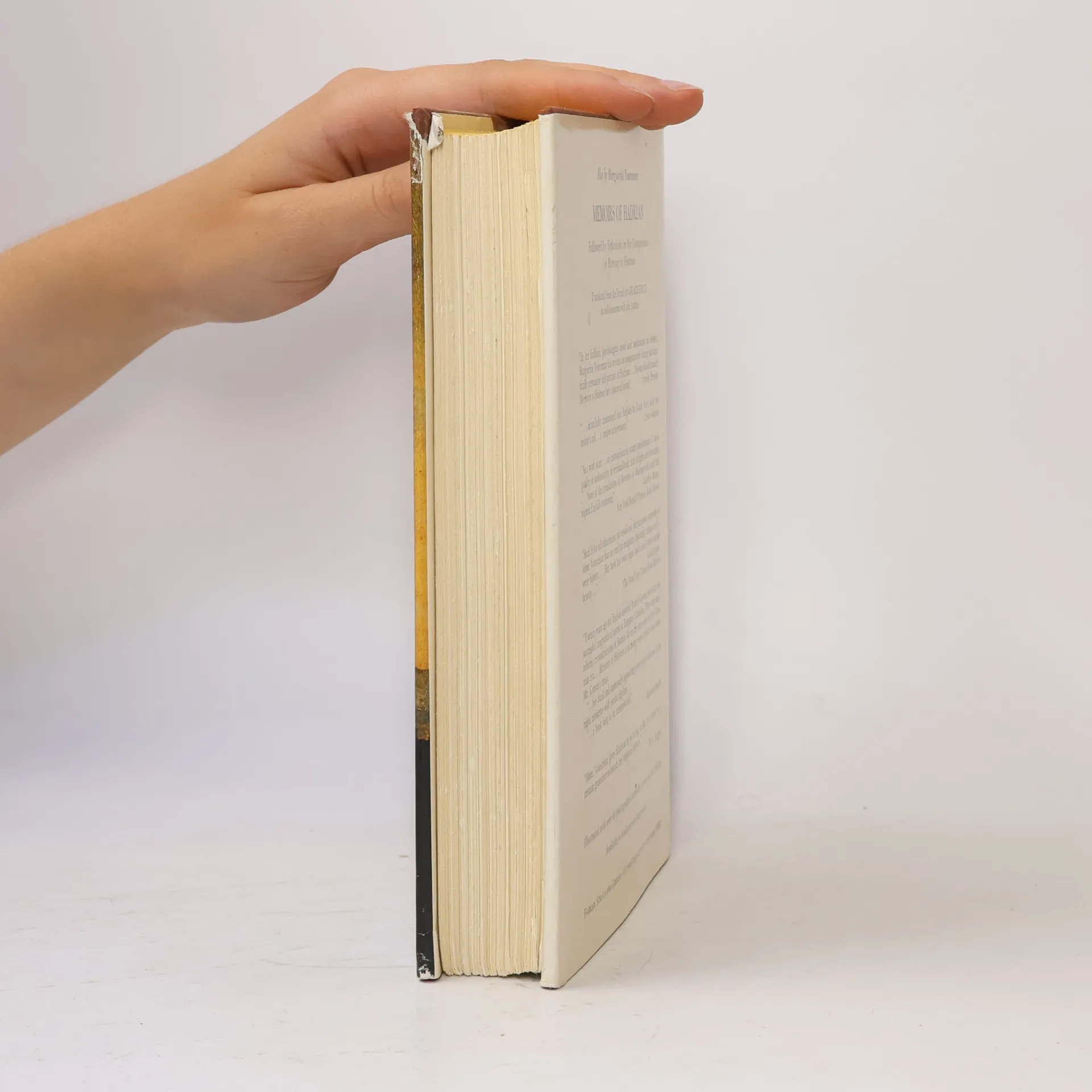
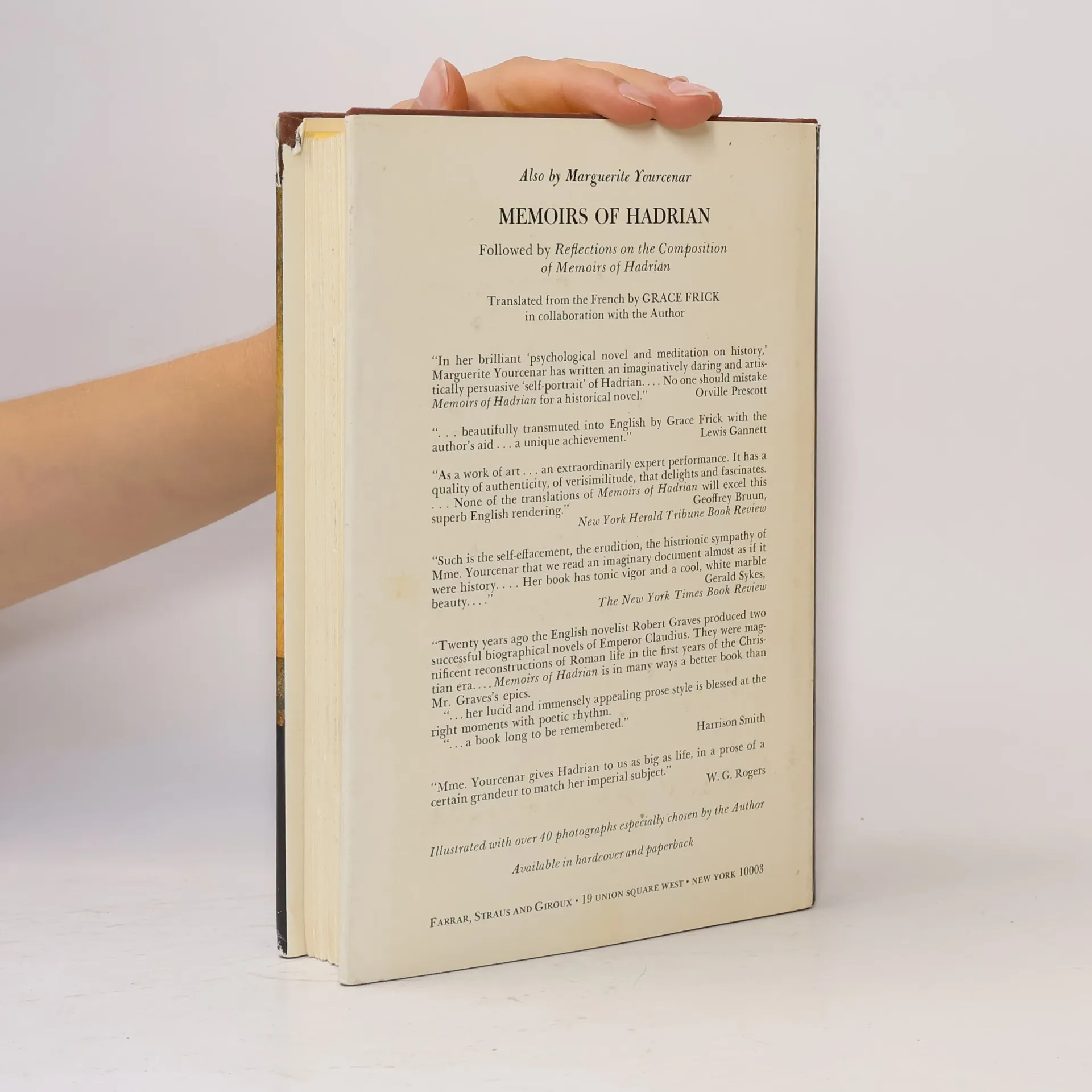
- Danneggiato
- Prezzo
- 13,60 €
Metodi di pagamento
Ancora nessuna valutazione.
- Titolo
- The Abyss
- Sottotitolo
- A Novel
- Lingua
- Inglese
- Autori
- Grace Frick, Marguerite Yourcenar
- Editore
- Farrar, Straus and Giroux
- Pubblicato
- 1976
- Formato
- Copertina rigida
- Pagine
- 374
- ISBN10
- 0374100403
- ISBN13
- 9780374100407
- Serie
- Descrizione
- Marguerite Yourcenar's novel set in sixteenth-century Europe serves as a profound meditation on the human condition, contrasting with her earlier work, Memoirs of Hadrian, through its direct narrative and somber tone. The protagonist, Zeno, embodies the intellectual spirit of his time, excelling as a botanist, physician, alchemist, engineer, metallurgist, and philosopher. He navigates a world of compromise and revolt, paralleling historical figures like Paracelsus and Servetus, while challenging the scientific norms of his era. Born in Flanders as the illegitimate son of an Italian prelate, Zeno abandons his theological studies to pursue knowledge beyond doctrine, delving into alchemy under a high churchman and a learned Jew in Spain, and later studying medicine in France. His journey takes him across Europe and the Levant, where he serves both nobility and the impoverished amidst a backdrop of war and social upheaval. Jealous colleagues and religious authorities target him for his daring experiments and unorthodox beliefs. After facing censorship and the burning of his writings, Zeno returns to Bruges under an alias, practicing medicine in a Franciscan monastery. The narrative weaves in themes of wealth, religious and political revolt, and moral dilemmas, reflecting struggles still relevant today. As Zeno seeks to understand the essence of body and soul, he confronts the destructive process of self-examination, culminating i