



Parametri
- 237pagine
- 9 ore di lettura
Maggiori informazioni sul libro
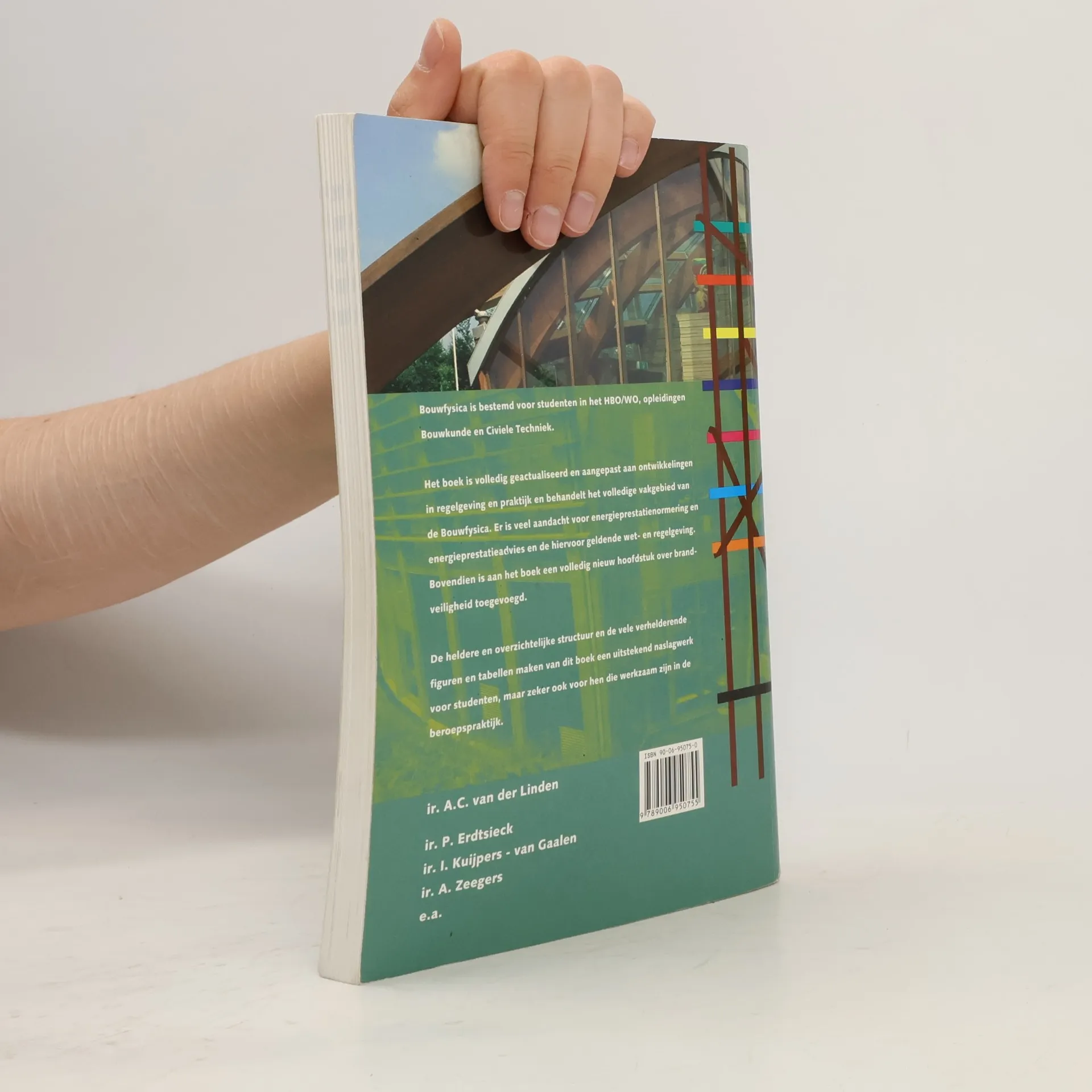
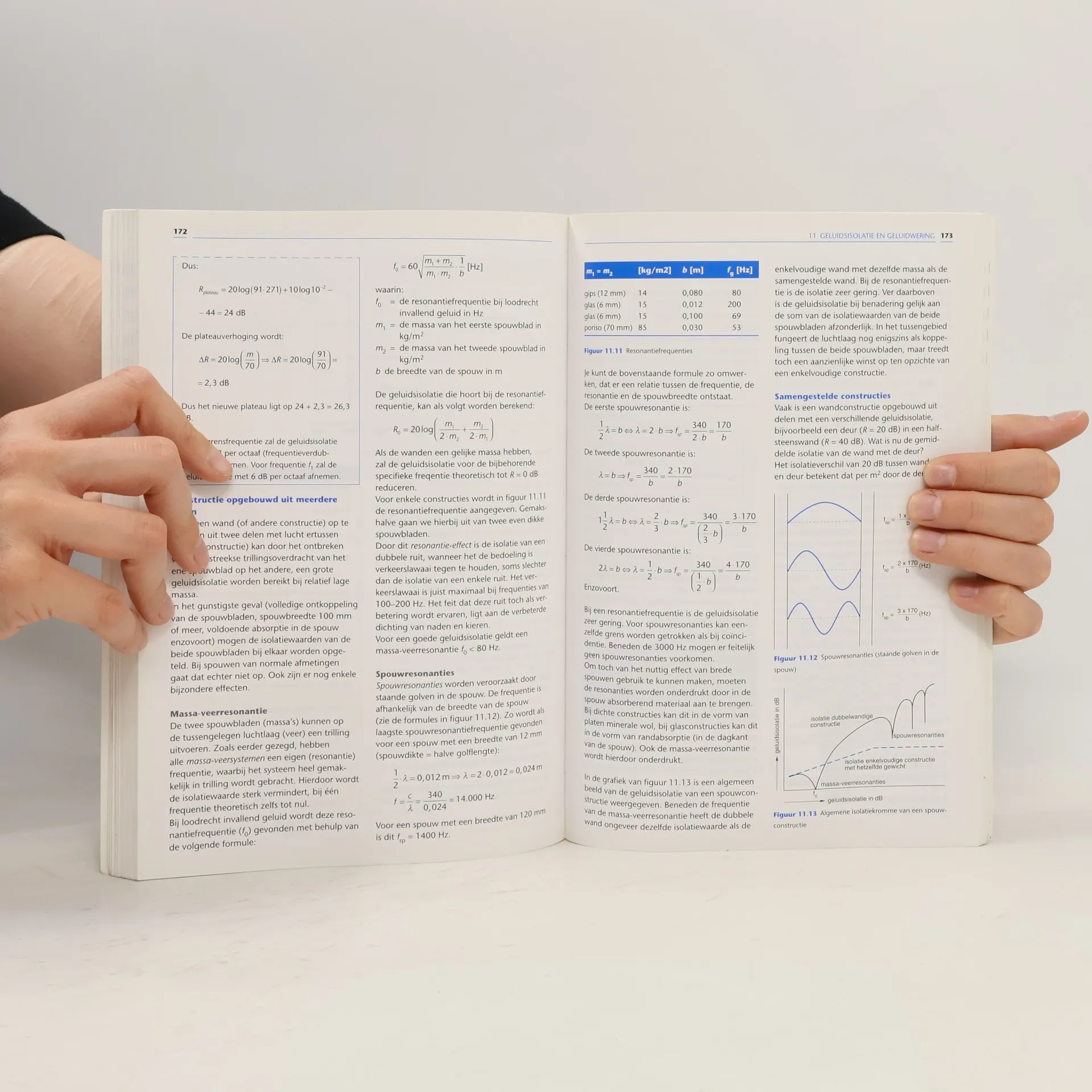
Building Physics is meant for students in institutes for higher technical education as well as BSc-students in building sciences at universities. It treats all the basic heat and moisture transfer and the implication of these for energy household of buildings and the durability of structures (interstitial condensation, etc.), daylighting and artificial lighting, passive solar gain and sun shading, ventilation and air quality, etc. Of course attention is paid to energy performance and energy conservation, a special topic of sustainability. With regard to sound all basics are treated and applied in room acoustics (reverberation time, etc.) and sound insulation of buildings. The book winds up with a chapter about the basics of fire safety engineering, a growing field of activities in the consultancy firms on Building Physics. The clear structure and the many clarifying figures and tables make this book, besides a first lesson-book being very useful as reference in making assignments and graduate projects for students also useful for those working in the professional practice as well. In this second edition of Building Physics examples in all chapters are actualized. The chapters Ventilation, Sound proofing and Fires safety are extended and actualized. Energy Performance and the relation with Sustainable Building are covered in two completely new chapters.

Acquisto del libro
Bouwfysica, Linden, A.C. van der
- Lingua

- Pubblicato
- 2006
- Rilegatura
- (In brossura),
- Condizioni del libro
- Danneggiato
- Prezzo
- 1,89 €
Metodi di pagamento
Ancora nessuna valutazione.
- Titolo
- Bouwfysica
- Lingua
- Olandese
- Autori
- Linden, A.C. van der
- Editore
- ThiemeMeulenhoff
- Pubblicato
- 2006
- Formato
- In brossura
- Pagine
- 237
- ISBN10
- 9006950750
- ISBN13
- 9789006950755
- Serie
- Tag
- Descrizione
- Building Physics is meant for students in institutes for higher technical education as well as BSc-students in building sciences at universities. It treats all the basic heat and moisture transfer and the implication of these for energy household of buildings and the durability of structures (interstitial condensation, etc.), daylighting and artificial lighting, passive solar gain and sun shading, ventilation and air quality, etc. Of course attention is paid to energy performance and energy conservation, a special topic of sustainability. With regard to sound all basics are treated and applied in room acoustics (reverberation time, etc.) and sound insulation of buildings. The book winds up with a chapter about the basics of fire safety engineering, a growing field of activities in the consultancy firms on Building Physics. The clear structure and the many clarifying figures and tables make this book, besides a first lesson-book being very useful as reference in making assignments and graduate projects for students also useful for those working in the professional practice as well. In this second edition of Building Physics examples in all chapters are actualized. The chapters Ventilation, Sound proofing and Fires safety are extended and actualized. Energy Performance and the relation with Sustainable Building are covered in two completely new chapters.