

Bookbot

Cambridge Studies in Biological and Evolutionary Anthropology

Questa serie approfondisce le complessità dell'evoluzione umana e dell'antropologia biologica, offrendo prospettive ampie e integrate su questo affascinante campo. Esplora la sintesi della ricerca e del pensiero attuali in diverse aree, dalla biologia evolutiva alla primatologia. Ogni volume funge da introduzione a nuove sottodiscipline per gli studenti, ospitando anche le ultime intuizioni dei ricercatori. La collezione offre una panoramica completa di ciò che ci rende umani da un punto di vista biologico ed evolutivo.

Bioarchaeology
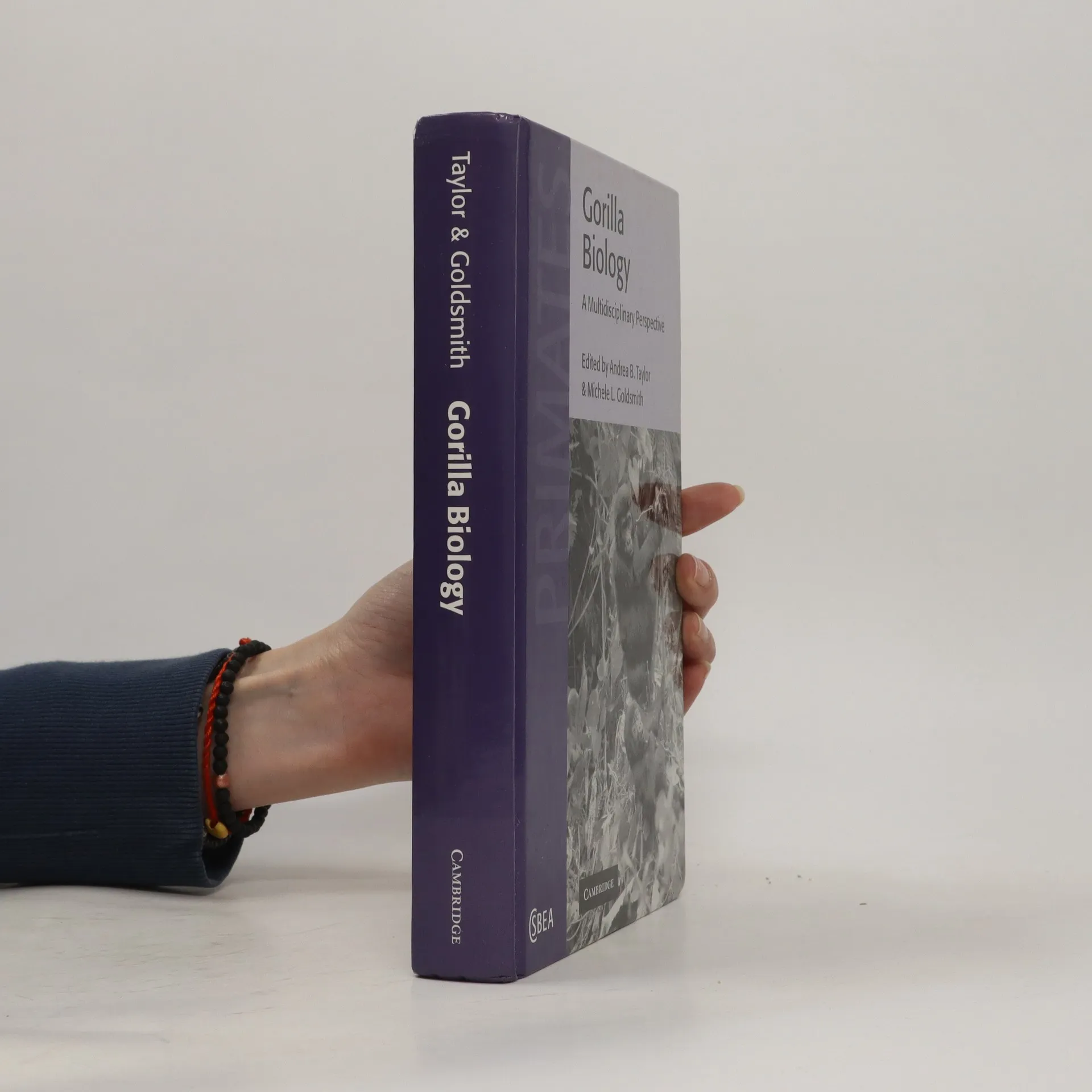
Gorilla Biology
Growth, Maturation, and Body Composition
  • Growth, Maturation, and Body Composition

    The Fels Longitudinal Study 1929 1991

    • 300pagine
    • 11 ore di lettura

    This book provides an insightful exploration of a pivotal study in human biology, highlighting its significance and impact on the field. It delves into key findings, methodologies, and the implications of the research, offering readers a comprehensive understanding of how this study has shaped contemporary perspectives on human biology. Through detailed analysis, it emphasizes the importance of this research in advancing knowledge and fostering further inquiry in the discipline.

    Growth, Maturation, and Body Composition
  • Gorillas, one of our closest living relatives, are the largest living primates, and teeter on the brink of extinction. This study offers the first comparative perspective on gorilla populations throughout their natural range, and covers all known subspecies. Discussing phylogeny, evolution, functional morphology, behavioral ecology and conservation biology, this multidisciplinary work will be essential reading for primatologists, anthropologists, animal behaviorists and evolutionary biologists.

    Gorilla Biology
  • Bioarchaeology

    • 658pagine
    • 24 ore di lettura

    Focusing on the analysis of human remains within archaeological settings, this book offers a comprehensive approach for both current and future bioarchaeologists. It synthesizes methodologies and insights, emphasizing the significance of these studies in understanding past human behaviors and societies. The text serves as a vital resource for advancing the field and enhancing the interpretation of archaeological findings related to human history.

    Bioarchaeology
    4,3