
10 libri per 10 euro qui
Bookbot

Immanuel Kant

    22 aprile 1724 – 12 febbraio 1804

    Immanuel Kant fu una figura cardine dell'Illuminismo la cui opera filosofica rimodellò fondamentalmente il pensiero moderno. Indagò i limiti stessi della conoscenza umana, proponendo che la comprensione del nostro modo di pensare ci permetta di porre domande significative sulla natura della realtà. Kant cercò di colmare il divario tra razionalismo ed empirismo, sostenendo che la ragione senza esperienza è incline all'illusione, mentre l'esperienza senza la struttura della ragione rimane soggettiva. Il suo lavoro pose le basi per ampi dibattiti in metafisica, etica ed estetica, e la sua eredità continua a influenzare le principali tradizioni filosofiche fino ai giorni nostri.

    Immanuel Kant
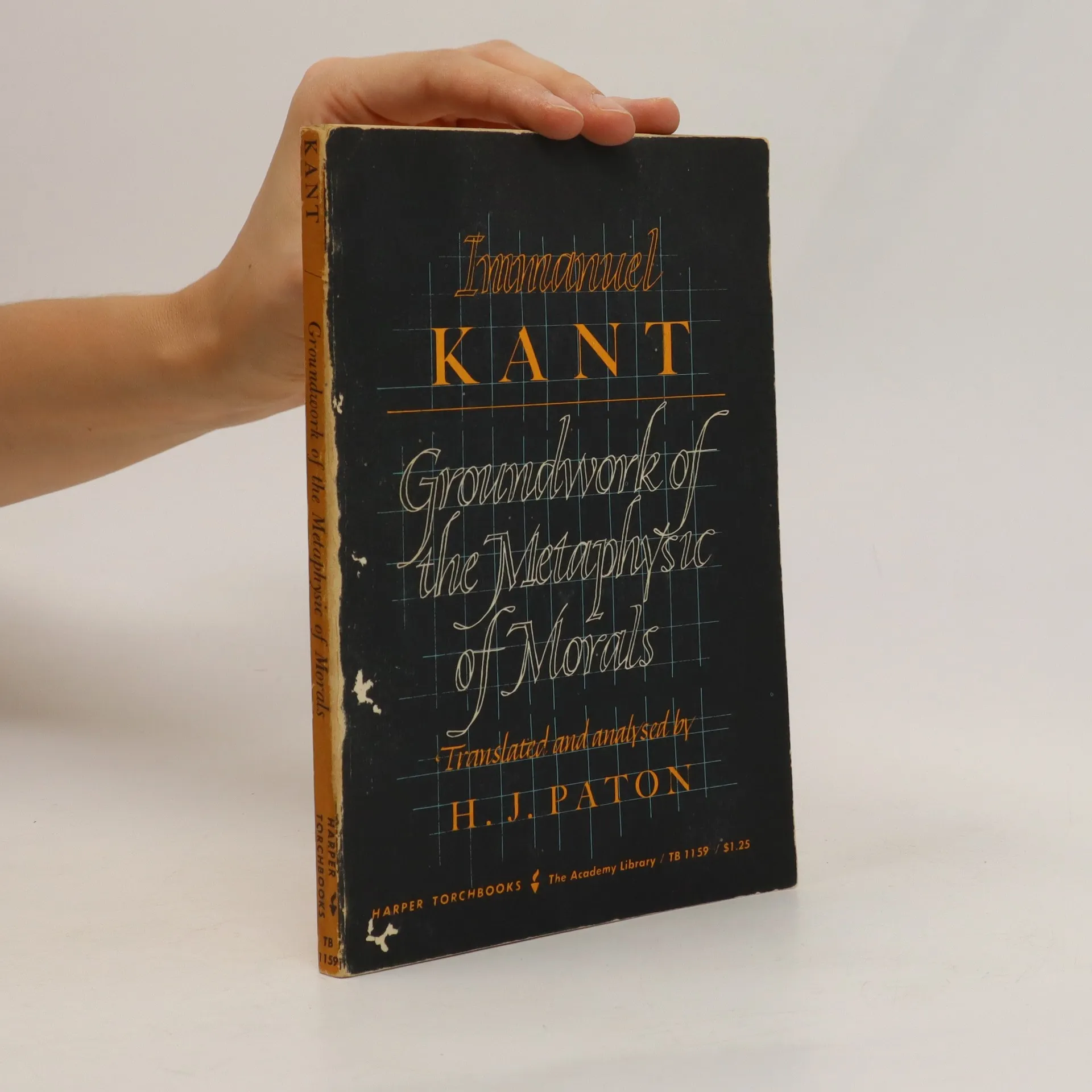
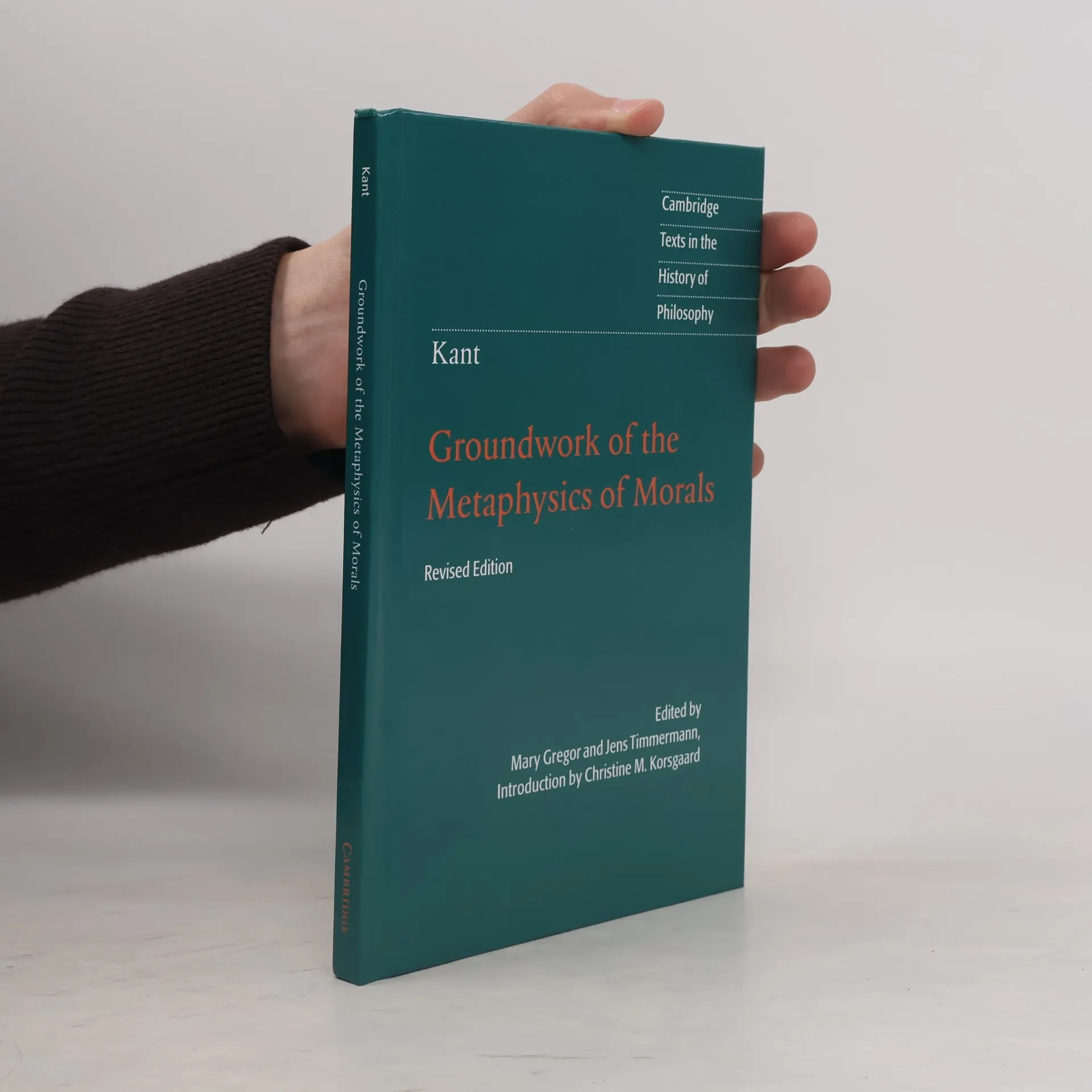
    Immanuel Kant: Groundwork of the Metaphysics of Morals
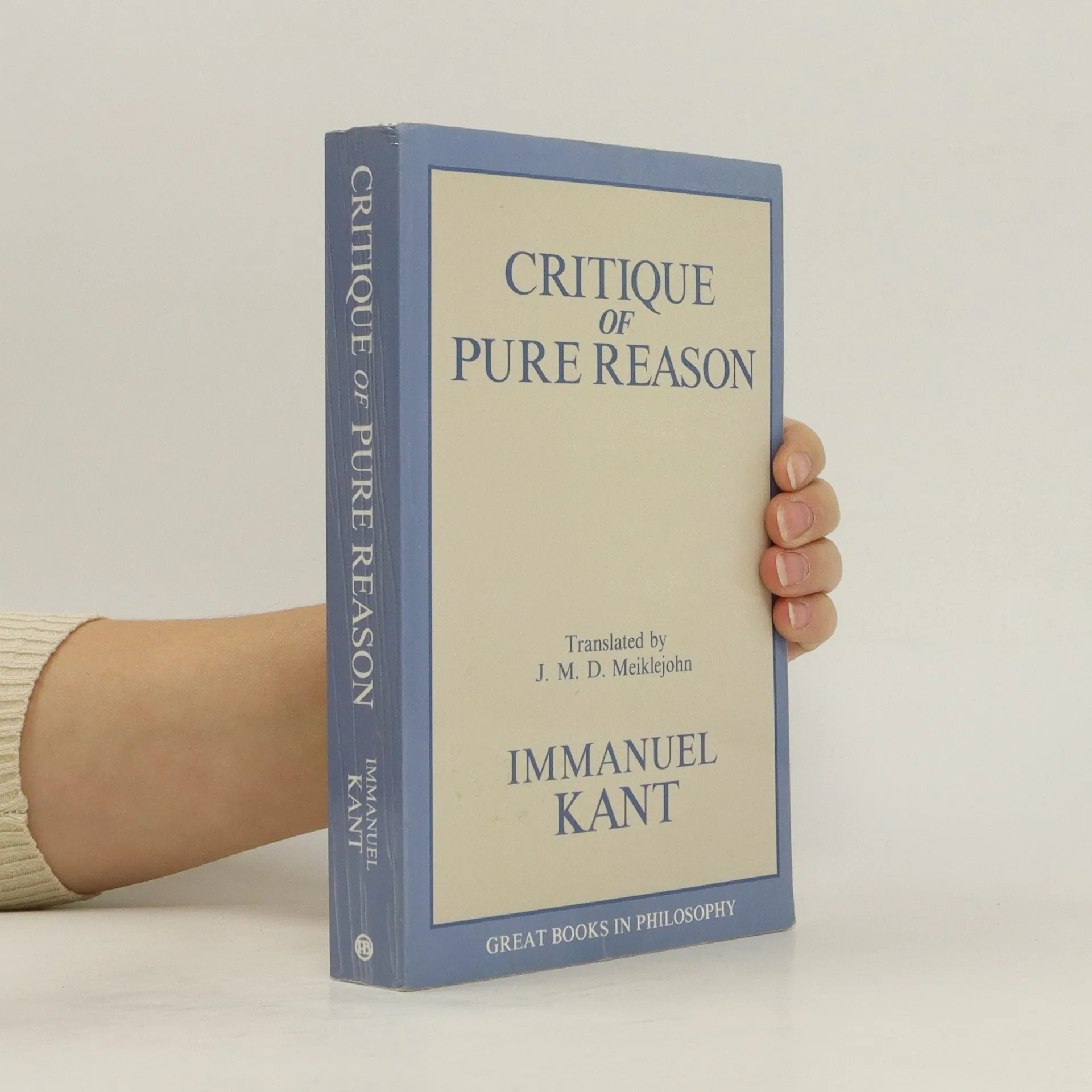
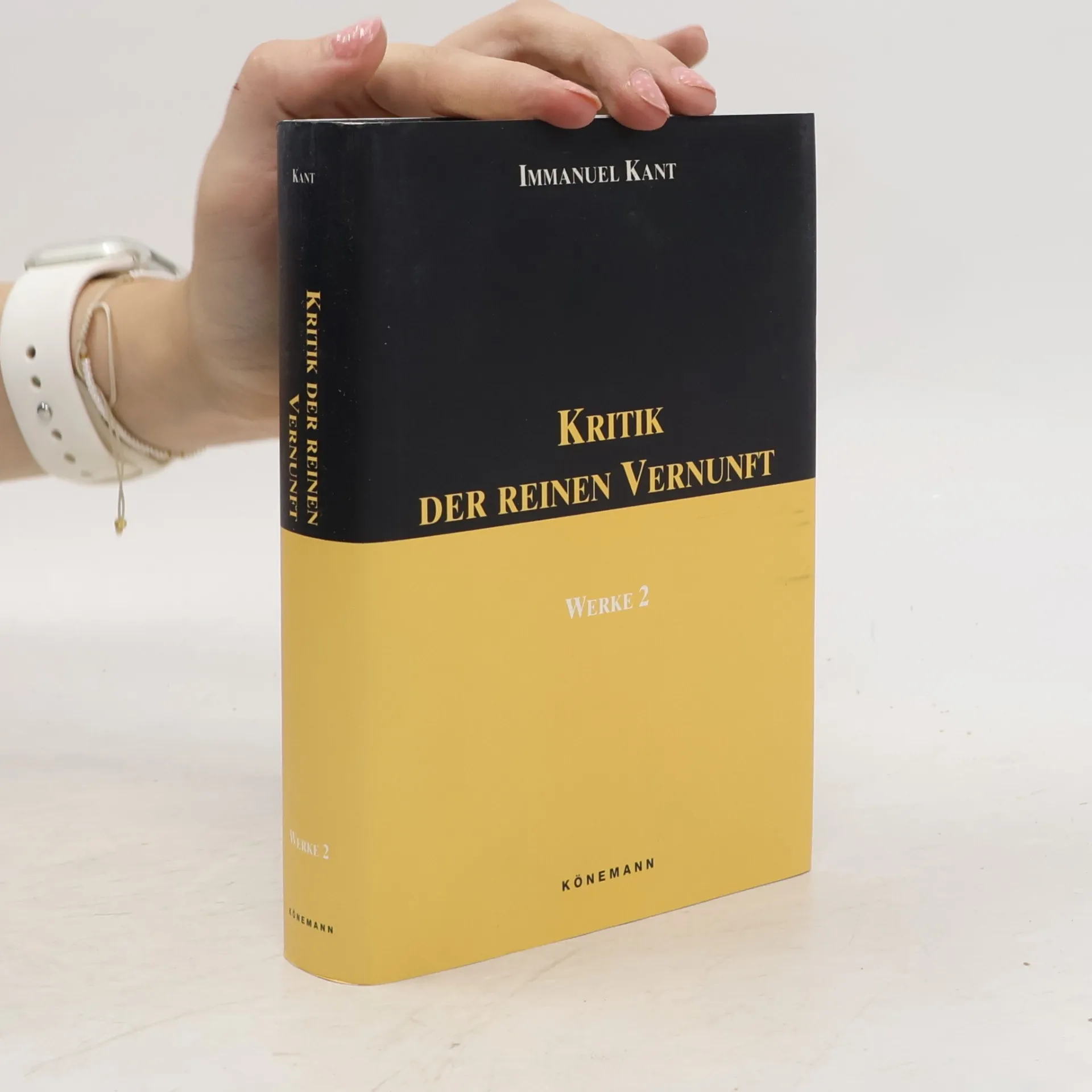
    Critique of Pure Reason
    Classici del pensiero: Critica della ragione pratica
    Per la pace perpetua
    Critica del giudizio
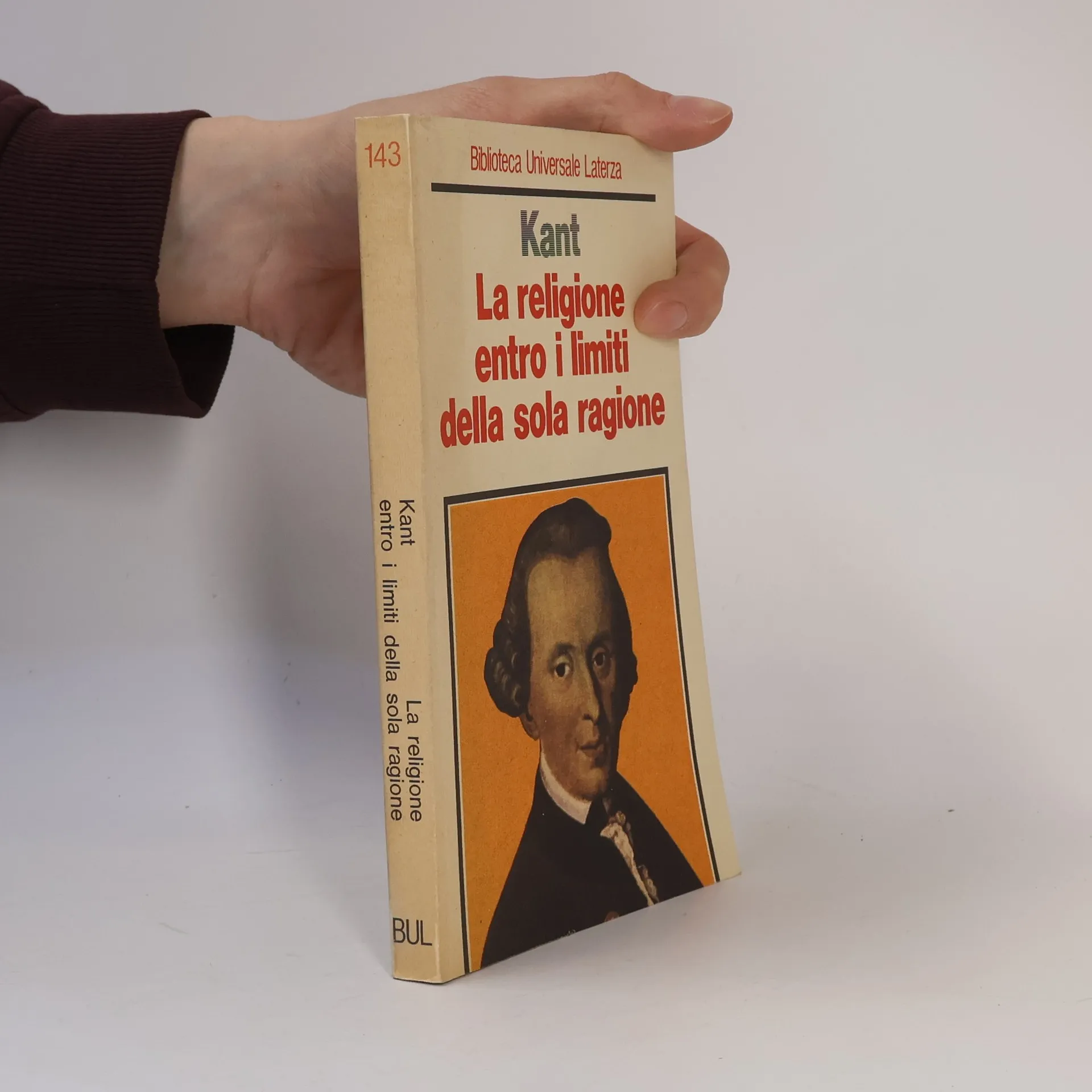
    Fondazione della metafisica dei costumi
    • Testo originale a fronte. Pubblicata nel 1785, "La fondazione della metafisica dei costumi" è l'opera di Kant dedicata interamente alla filosofia pratica, con l'esplicito obiettivo di esaurire gli aspetti più strettamente teorici del sistema che aveva da lungo tempo progettato: la metafisica dei costumi. La Fondazione assolse il compito di presentare al pubblico la filosofia morale kantiana, ma ebbe allo stesso tempo il paradossale effetto di allontanare ancora la stesura della vera e propria "Metafisica dei costumi" che verrà pubblicata solo nel 1797-98. L'obiettivo principale è chiaramente indicato da Kant: "La presente Fondazione non è altro che la ricerca e la definizione del supremo principio della moralità, che da sola costituisce un'impresa compiuta nei suoi scopi e da separarsi da ogni altra ricerca morale".

      Fondazione della metafisica dei costumi
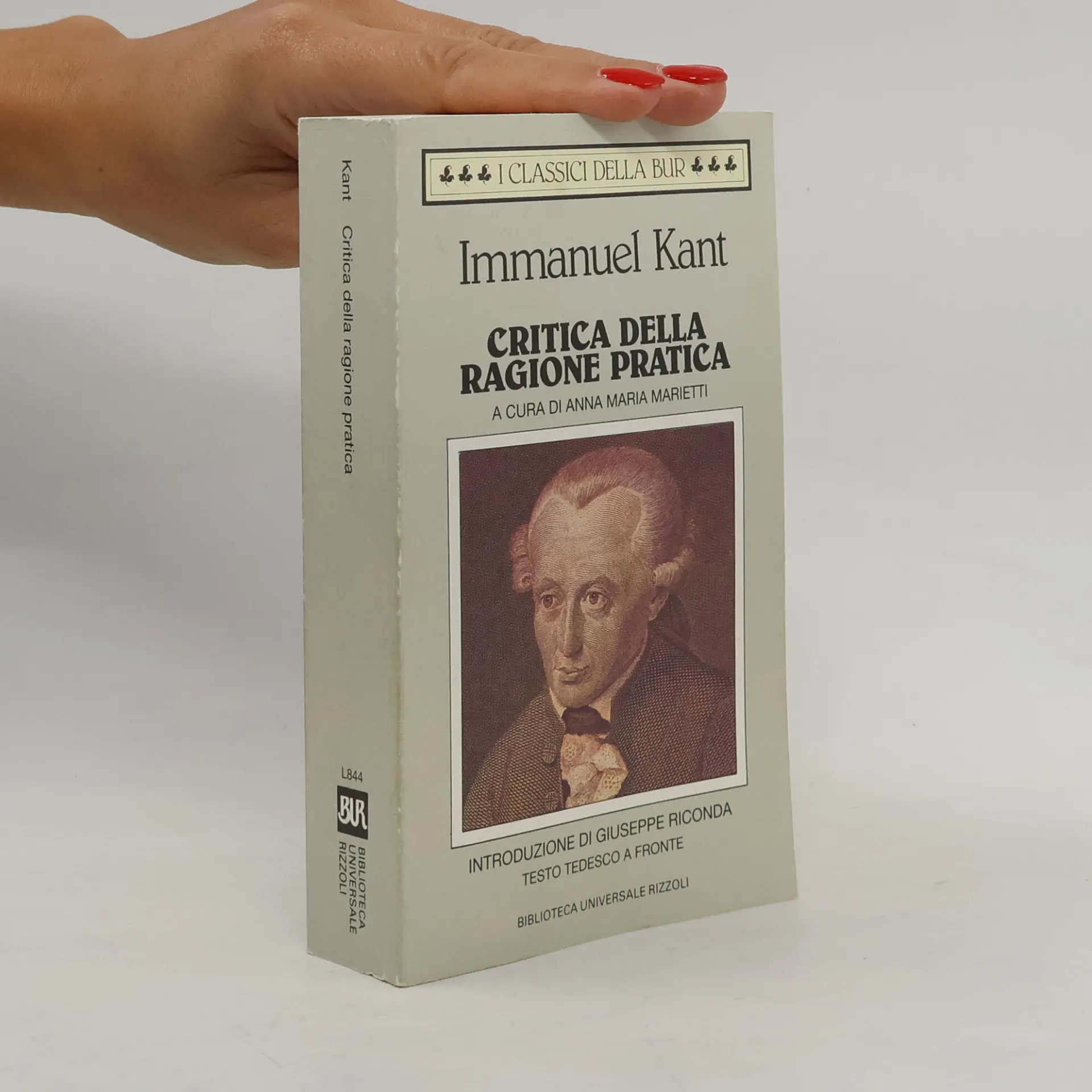
    • Classici del pensiero: Critica della ragione pratica

      Testo tedesco a fronte

      • 615pagine
      • 22 ore di lettura

      La Critica della ragione pratica, seconda delle Critiche kantiane, uscì per la prima volta nel 1788. In essa Kant intendeva rispondere alla domanda «che cosa debbo fare?», come nella Critica della ragione pura aveva risposto a «che cosa posso conoscere?». Si trattava innanzi tutto, per Kant, di fornire una chiara rappresentazione del principio della moralità, che certo appartiene alla coscienza comune, ma senza che questa ne sia consapevole in maniera riflessa, ne tanto meno la sappia giustificare e difendere se messa in questione, stabilendo a quali condizioni il nostro agire possa essere detto "morale", così come la Critica della ragione pura aveva stabilito le condizioni di validità del nostro conoscere. Nello svolgimento di questo compito Kant ritrova poi il problema metafisico, legato alle idee di libertà, di anima e della sua immortalità, di Dio. Idee come quelle dell'universalizzabilità della massima, o dell'umanità in se stessi e negli altri come fine e mai solo come mezzo, assunte come criteri di moralità, condizionano ancora in vario modo e sotto diverse forme il dibattito contemporaneo. Questa traduzione della Critica della ragione pratica si caratterizza per l'aderenza all'originale e per importanti innovazioni - il lessico e la struttura sintattica - che consentono così un agevole accesso al testo tedesco. Un complesso apparato di note, un indice motivato della traduzione dei termini significativi, nonché un'articolata introduzione costituiscono altrettanti sussidi, che fanno di questa edizione un vero e proprio esteso commento all'opera kantiana.
      Classici del pensiero: Critica della ragione pratica
    • Critique of Pure Reason

      • 489pagine
      • 18 ore di lettura

      Kant seeks to define the nature of reason itself and builds his own unique system of philosophical thought with an approach known as transcendental idealism.
      Critique of Pure Reason
    • This volume is part of the first comprehensive English edition of Immanuel Kant's works, aiming to provide translations from the best modern German edition in a uniform format for scholars. The complete edition will encompass all of Kant's published writings and a selection of unpublished works, including the Opus postumum, Nachlass, lectures, and correspondence. Kant's views on logic are pivotal in his critical writings, notably the Critique of Pure Reason. Since he published only one brief essay on logic, understanding his perspectives requires examining texts from his logic lectures. This volume features three previously untranslated transcripts of Kant's logic lectures: the Blumberg Logic from the 1770s, the Vienna Logic (with the newly discovered Hechsel Logic) from the early 1780s, and the Dohna-Wundlacken Logic from the early 1790s. Additionally, it includes a new translation of the Jasche Logic, compiled at Kant's request and published in 1800. These texts illuminate Kant's evolving views on logic, its relationship with other disciplines, and key concepts central to his philosophy. They also portray Kant as a popular and influential lecturer. The volume contains substantial editorial apparatus, including a general introduction, linguistic and factual notes, glossaries of key terms, and a concordance linking Kant's lectures to George Frederick Meier's Excerpts from the Doctrine of Reason.

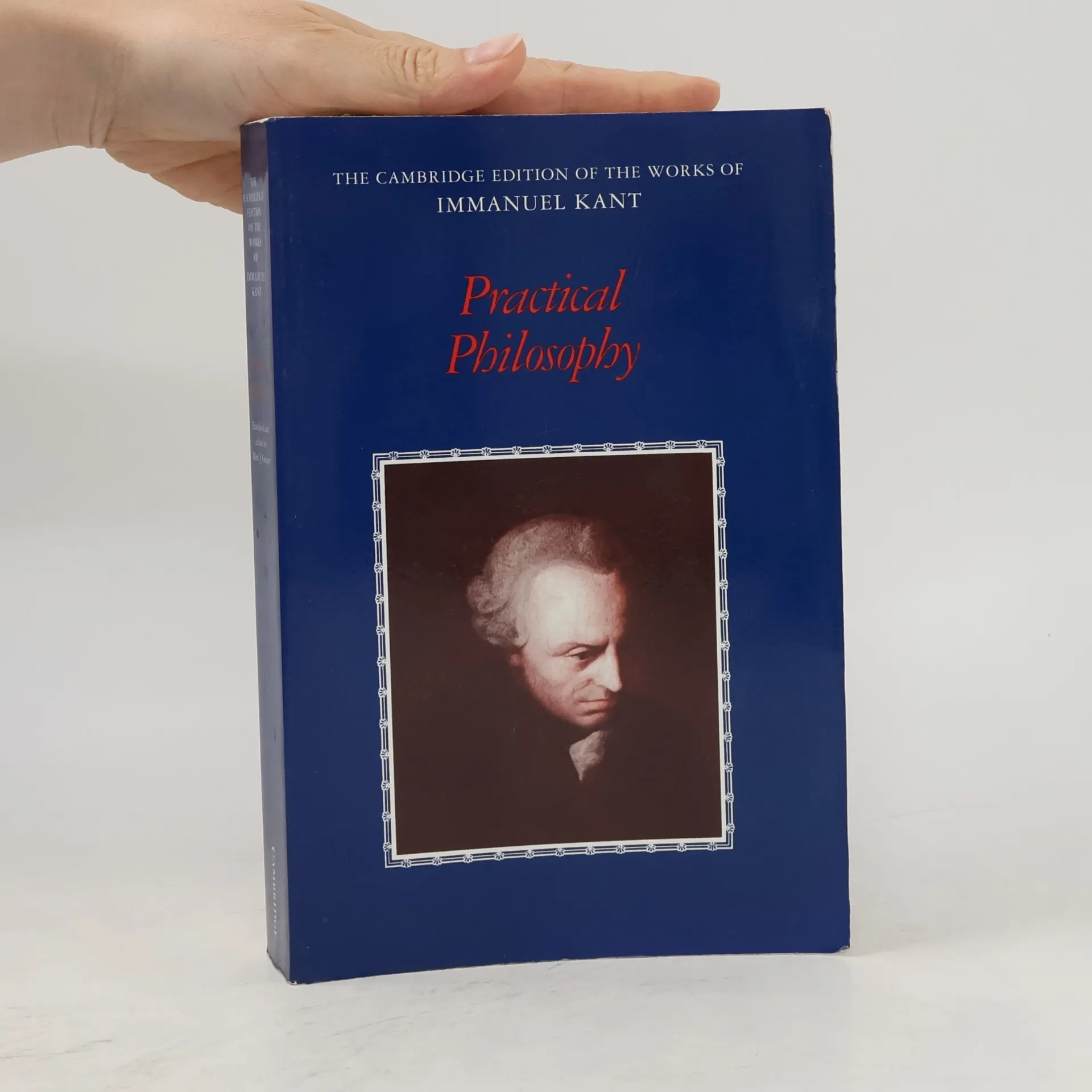
      The Cambridge edition of the works of Immanuel Kant
    • Published in 1785, the Groundwork of the Metaphysics of Morals is one of the most powerful texts in the history of ethical thought. In this book, Immanuel Kant formulates and justifies a supreme principle of morality that issues universal and unconditional moral commands. These commands receive their normative force from the fact that rational agents autonomously impose the moral law upon themselves. As such, they are laws of freedom. This volume contains the first facing-page German-English edition of Kant's Groundwork. It presents a new, authentic edition of the German text and a carefully revised version of Mary Gregor's acclaimed English translation, as well as editorial notes and a full bilingual index. It will be the edition of choice for any student or scholar who is not content with reading this central contribution to modern moral philosophy through the veil of English translation.

      Groundwork of the metaphysics of morals
    • Grounding for the Metaphysics of Morals

      With on a Supposed Right to Lie Because of Philanthropic Concerns

      • 100pagine
      • 4 ore di lettura

      The book explores the structure of ancient Greek philosophy, categorizing it into three main sciences: physics, ethics, and logic. It emphasizes the importance of understanding the principles underlying these divisions to ensure a comprehensive framework. Rational knowledge is classified into material and formal aspects, with logic representing formal philosophy. Material philosophy is further divided into physics, which examines natural laws, and ethics, which focuses on moral laws. This framework aims to clarify the relationship between knowledge and its various branches.

      Grounding for the Metaphysics of Morals
    • Focusing on moral philosophy, this influential work by Immanuel Kant delves into practical reason and ethics. As the second of his three critiques, it systematically explores the foundations of moral decision-making, building on concepts introduced in the "Critique of Pure Reason" and setting the stage for the "Critique of Judgment." Published in 1788, it remains a significant contribution to philosophical thought.

      Critique of Practical Reason