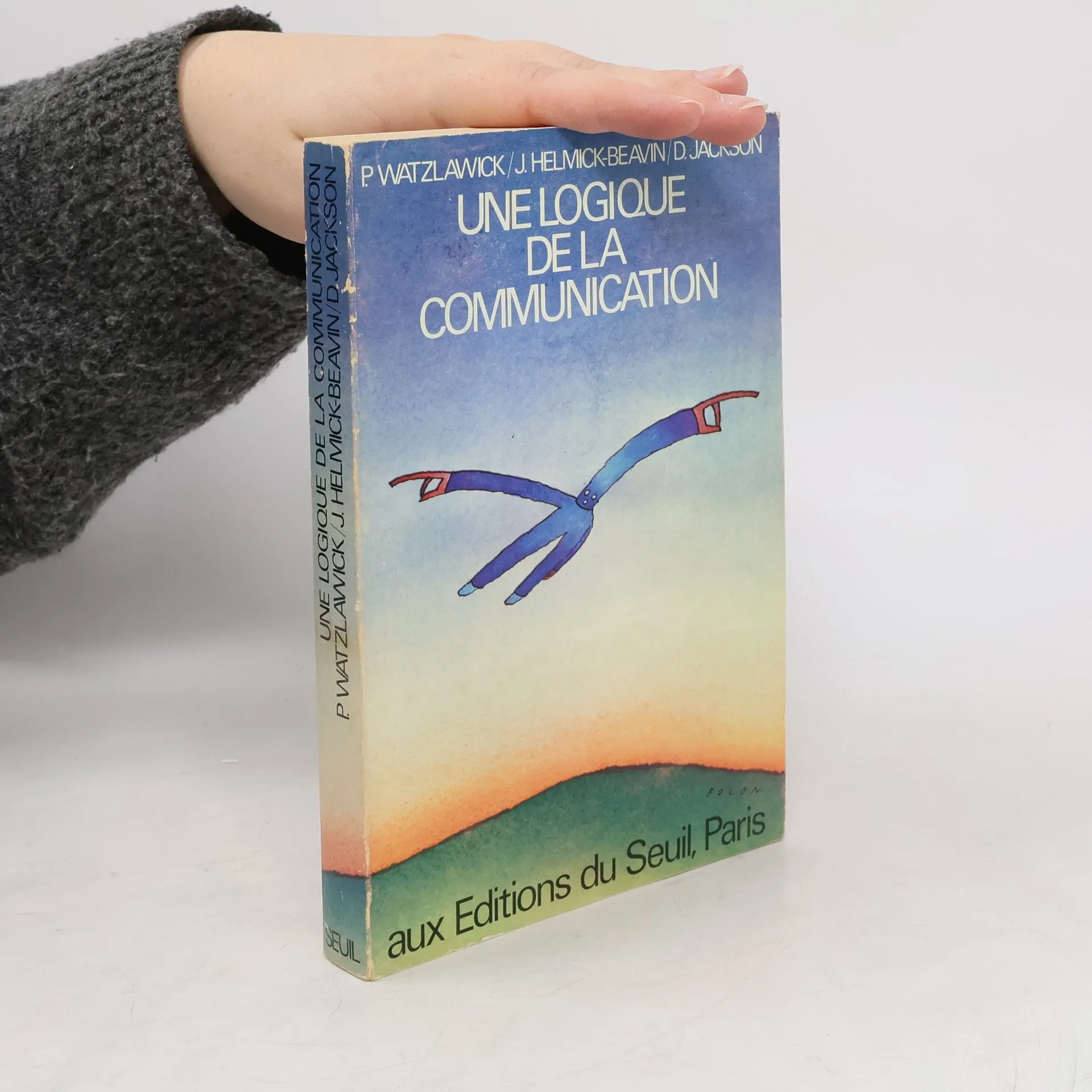
In che modo si conosce ciò che si crede di conoscere? Si è abituati a pensare che la realtà può essere "scoperta". Al contrario, il costruttivismo sostiene che ciò che viene chiamato realtà è un'interpretazione personale, un modo particolare di osservare e spiegare il mondo che viene costruito attraverso la comunicazione e l'esperienza. La realtà non verrebbe quindi scoperta, ma "inventata". In questo volume si discute dell'utilità e della necessità di sostituire la tradizionale concezione della conoscenza come rappresentazione di una realtà esterna al soggetto con una epistemologia che interpreta la relazione fra conoscenza e realtà nei termini della relazione di "adatto" nel nuovo senso delle scienze evolutive.
Paul Watzlawick Libri
25 luglio 1921 – 31 marzo 2007
Questo psicologo e filosofo è stato un teorico della teoria della comunicazione e del costruttivismo radicale. Le sue idee hanno influenzato la terapia familiare e la psicoterapia generale. È stato una delle figure più influenti del Mental Research Institute.



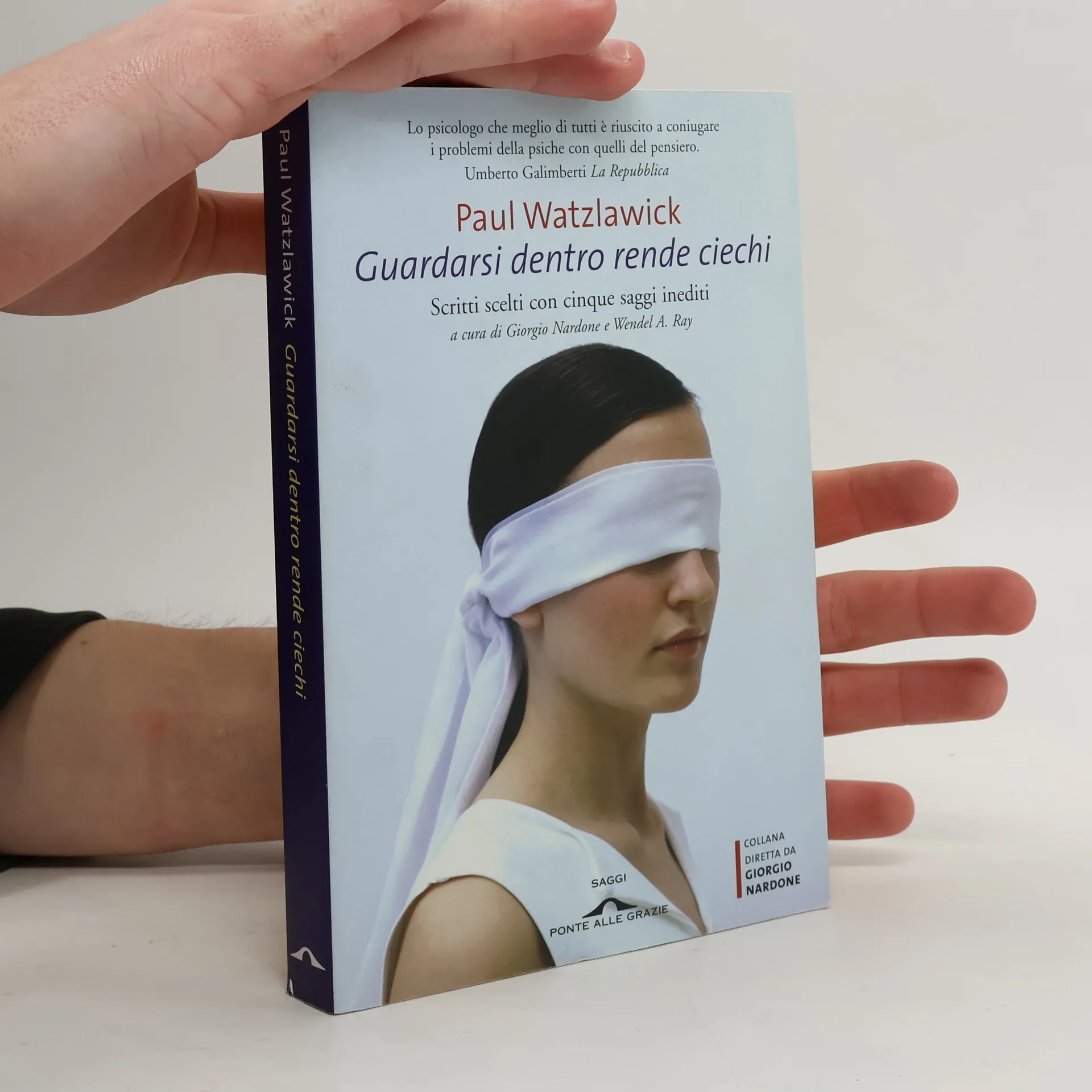
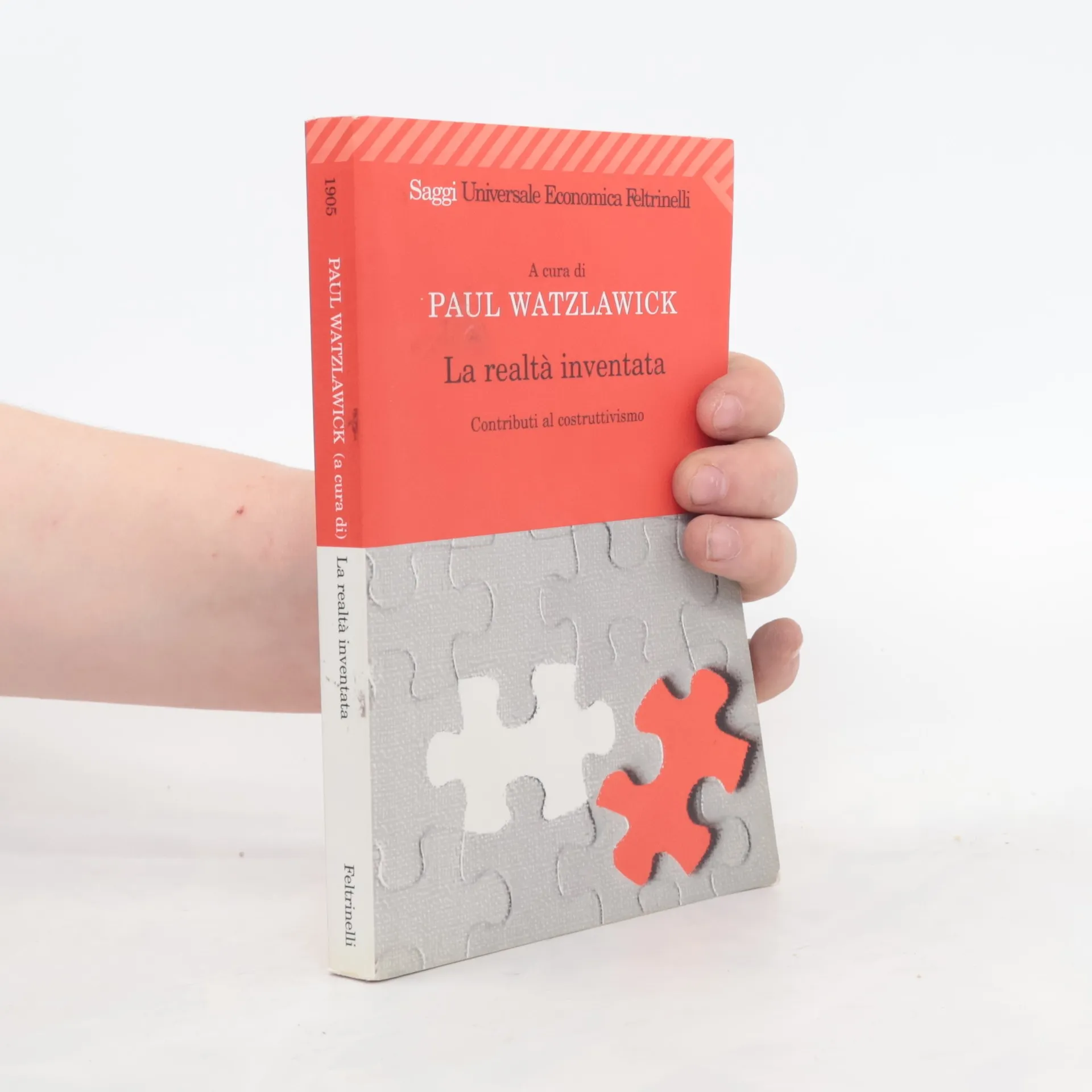
Questa summa del pensiero di Paul Watzlawick è la sua ultima e preziosa eredità, destinata a chi conosce il suo approccio alla soluzione dei problemi umani e anche a tutti quegli "spiriti liberi" che semplicemente cercano di migliorare la propria vita. Controcorrente e anticonformista, tra i fondatori della Scuola di Palo Alto è stato una delle figure più importanti della psicologia e della psicoterapia contemporanea e uno dei pochi autori in grado di parlare di tematiche complesse in modo semplice e lineare. Di più, spesso l'esposizione è ironica e graffiante e quindi funzionale allo scopo ultimo: cambiare l'immagine del mondo che produce dolore nel paziente. Le teorie della pragmatica della comunicazione, le strategie della terapia breve (problem solving, prospettiva interazionale, psicoterapia del "come se") e la scelta del costruttivismo radicale tendono proprio a questo. Tutto ciò che appare immodificabile può essere cambiato. Ma la svolta non origina da un percorso di introspezione che scopra le cause di un problema nel passato. Si tratta piuttosto di lavorare sui disturbi nel presente utilizzando il linguaggio come mezzo di suggestione e persuasione al cambiamento. Sfruttando le enormi potenzialità della comunicazione umana è possibile dare fiducia a chi è in difficoltà. Una volta abolite le etichette che condannano per sempre un paziente alla sua malattia sarà possibile costruire una realtà migliore.
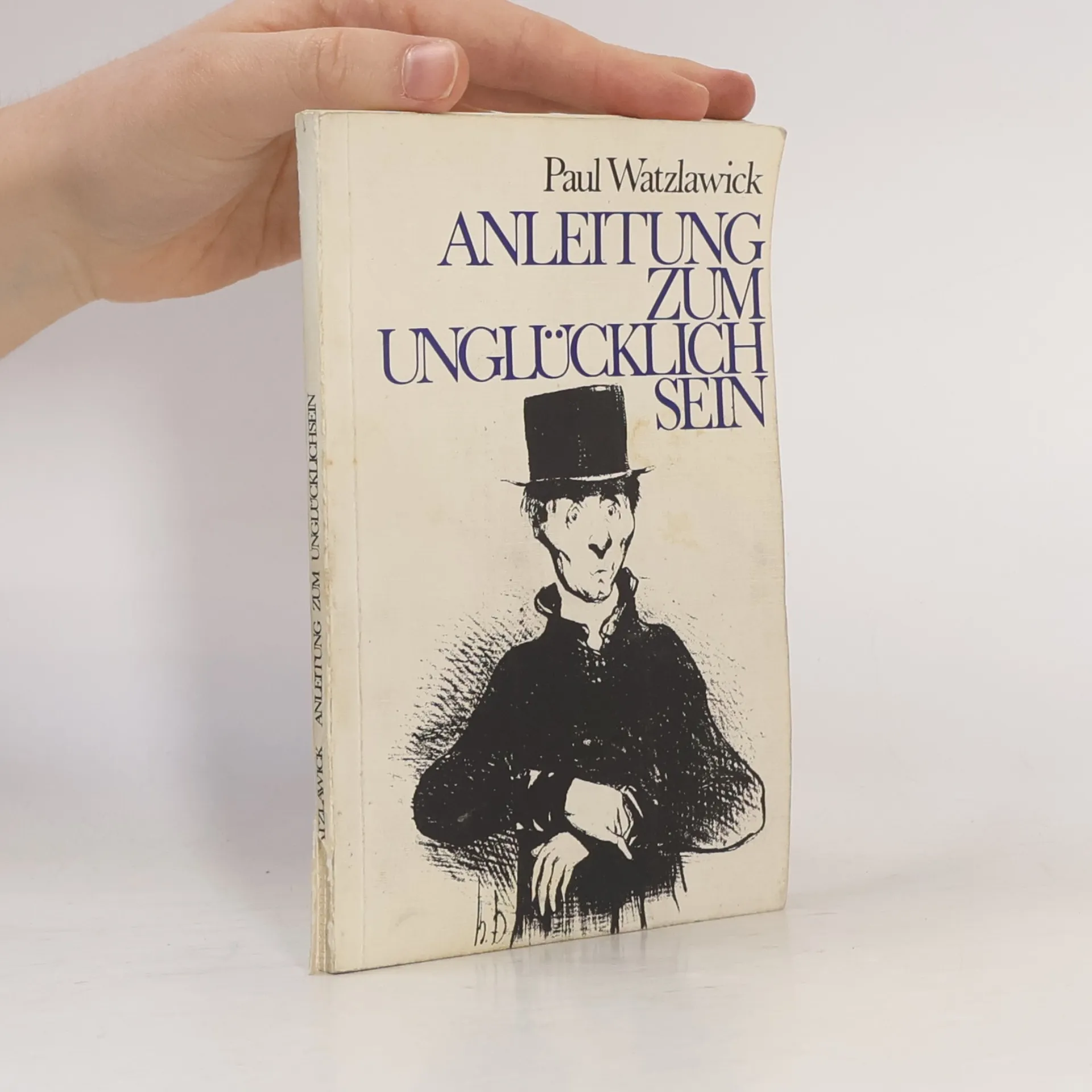
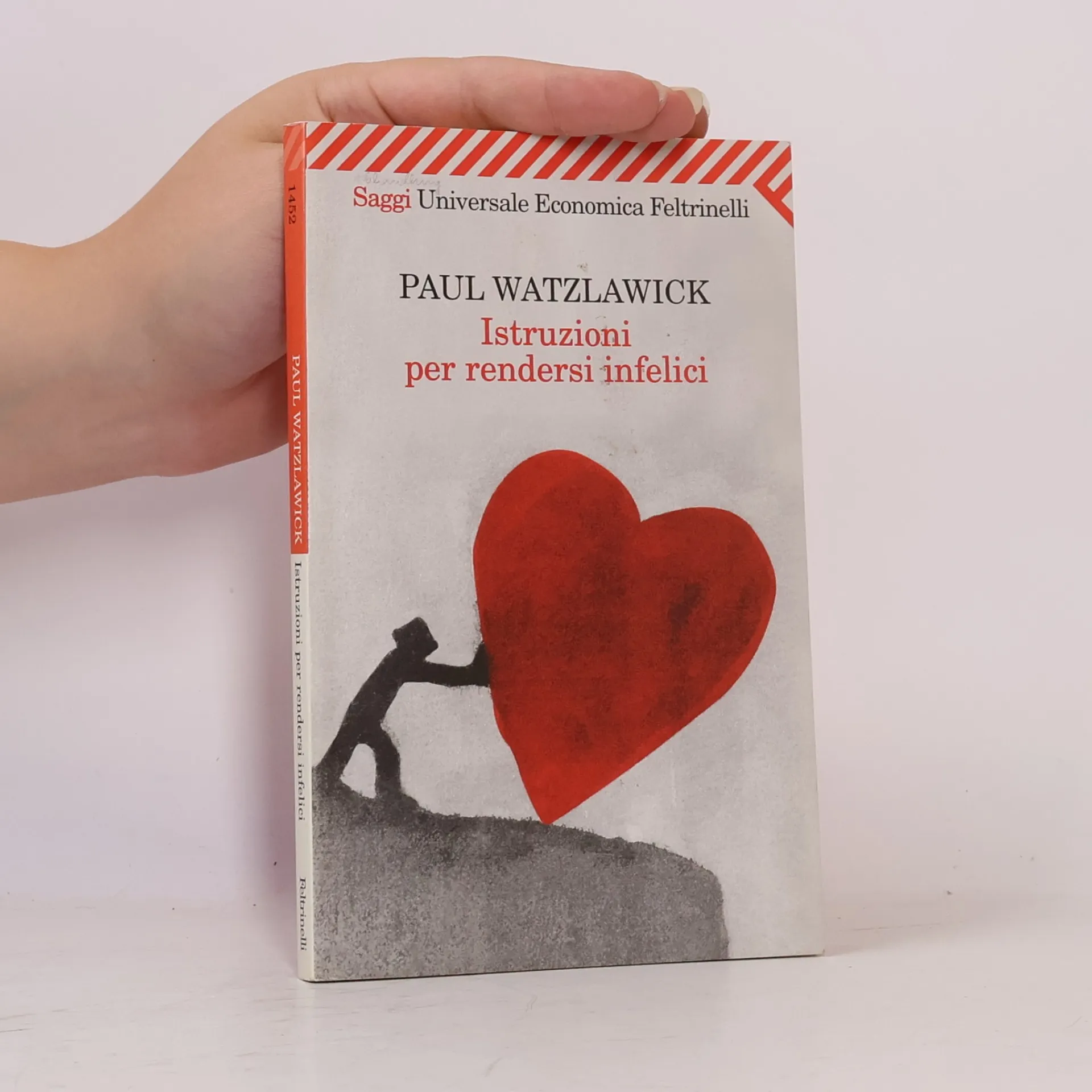
Istruzioni per rendersi infelici
- 114pagine
- 4 ore di lettura
Come utilizzare l'intelligenza critica per non farsi abbagliare dalla rincorsa alla falsa felicità. È giunta l'ora di farla finita con la favola millenaria secondo cui felicità, beatitudine e serenità sono mete desiderabili della vita. Troppo a lungo ci è stato fatto credere, e noi ingenuamente abbiamo creduto, che la ricerca della felicità conduca infine alla felicità. Basta con i dissennati consigli di guru e sessuologi, con i decaloghi fumosi di tecnocrati e maestri di vita, con le prediche sulla pace interiore e le paralizzanti esortazioni alla spontaneità. Watzlawick mobilita tutti gli espedienti argomentativi, tutti i mezzi a sua disposizione, dall'intelligenza critica allo humour nero, mettendoci di fronte uno specchio ironico, tenendo viva una costante tensione tra il divertimento e il disagio di riconoscerci, ma non privandoci del piacere di interpretare il messaggio: come rendersi felicemente infelici?
La ricerca di soluzioni radicali e definitive, seppure nata con le migliori intenzioni, è alla fine un modo di affrontare i problemi che ha inevitabilmente effetti controproducenti. C'è in questo approccio alla vita qualcosa di eccessivo, che può rasentare il fanatismo. "Di bene in peggio" mette in guardia gli adolescenti come gli anziani, i sadici come i masochisti, da questa estrema ed erronea ricerca di totalità, e dall'intransigenza dell'alternativa radicale, del tertium non datur. Suggerisce la saggezza dell'adesione alla concretezza del presente e dei piccoli passi, e tuttavia, con il suo gusto ironico e paradossale, non manca di ricordare che anche tale condizione di saggezza può celare in sé il virus di un nuovo fanatismo: può trattarsi di un'altra ipersoluzione, quella del "giusto mezzo."
America, istruzioni per l'uso
- 125pagine
- 5 ore di lettura
Se non sei pieno di debiti, se paghi in contanti, se non parli di soldi, se soccorri un automobilista ferito, se ti aspetti che in un albergo ti puliscano le scarpe lasciate fuori dalla porta anziché buttarle via, se desideri mangiare una bistecca che non sia carbonizzata fuori e cruda dentro o piselli che non sappiano di plastica o panna che non ricordi il sapone da barba... non sei fatto per l'America. Paul Watzlawick, pendolare tra il Vecchio e il Nuovo Mondo, descrive gli Stati Uniti a chi non li ha mai visitati, a chi sta per andarci, a chi conoscendoli già voglia vederli con occhio critico, offrendo un piccolo contributo 'pratico' e mostrando taluni aspetti della vita americana di tutti i giorni.
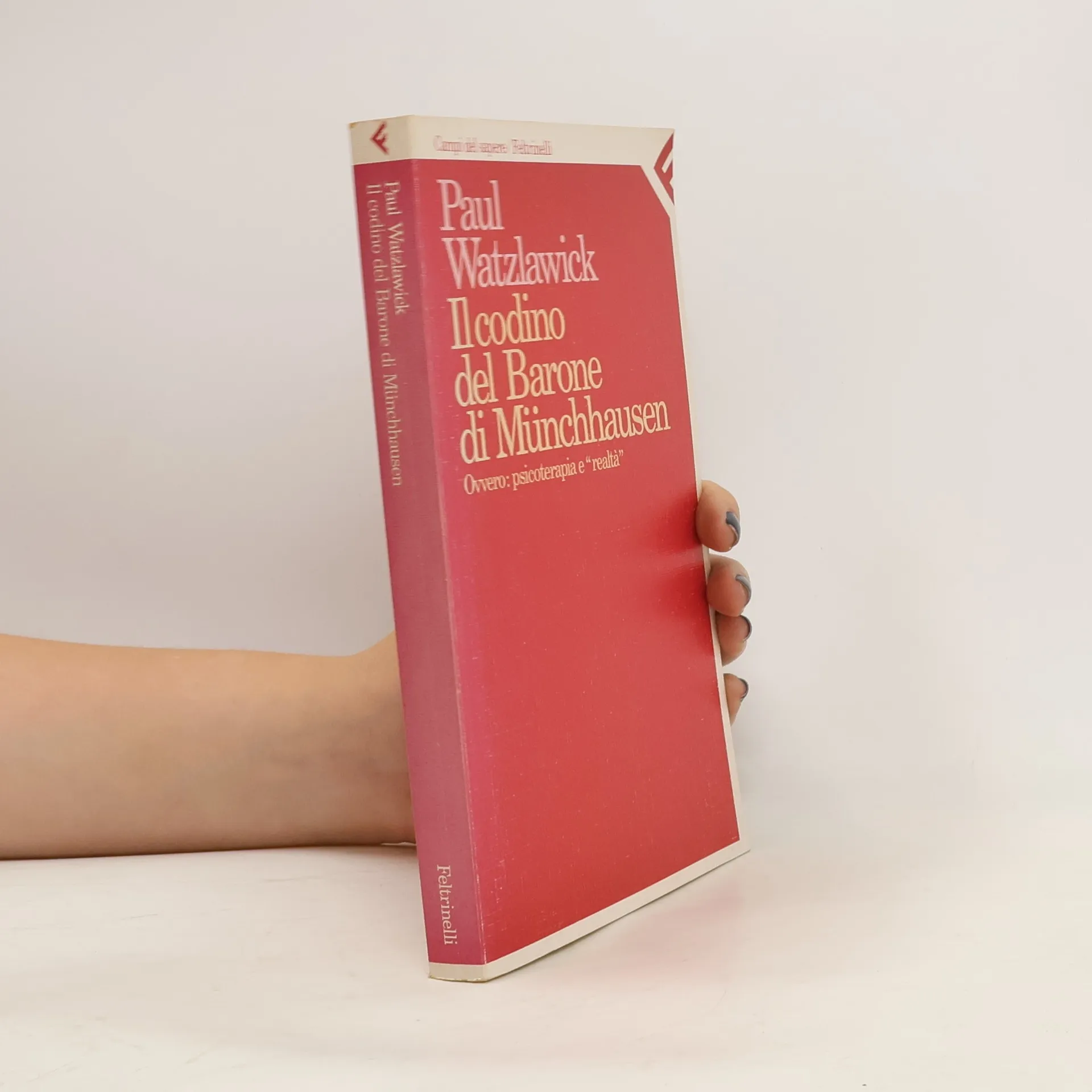
Il codino del barone di Münchhausen
- 224pagine
- 8 ore di lettura
Questo libro classico esplora perché alcune persone riescono a cambiare le loro vite e altre no. Qui, il famoso psicologo Paul Watzlawick presenta un'idea che è ancora spesso percepita come radicale: le soluzioni ai nostri problemi sono intrinsecamente incorporate nei problemi stessi. Affrontando le domande antiche riguardanti la persistenza e il cambiamento, il libro si interroga sul perché i problemi sorgano e vengano perpetuati in alcuni casi, mentre in altri vengono risolti con facilità. Incorporando idee sulla comunicazione umana, la terapia matrimoniale e familiare, gli effetti terapeutici dei paradossi e delle tecniche orientate all'azione per la risoluzione dei problemi, "Change" attinge molto dal campo della psicoterapia.
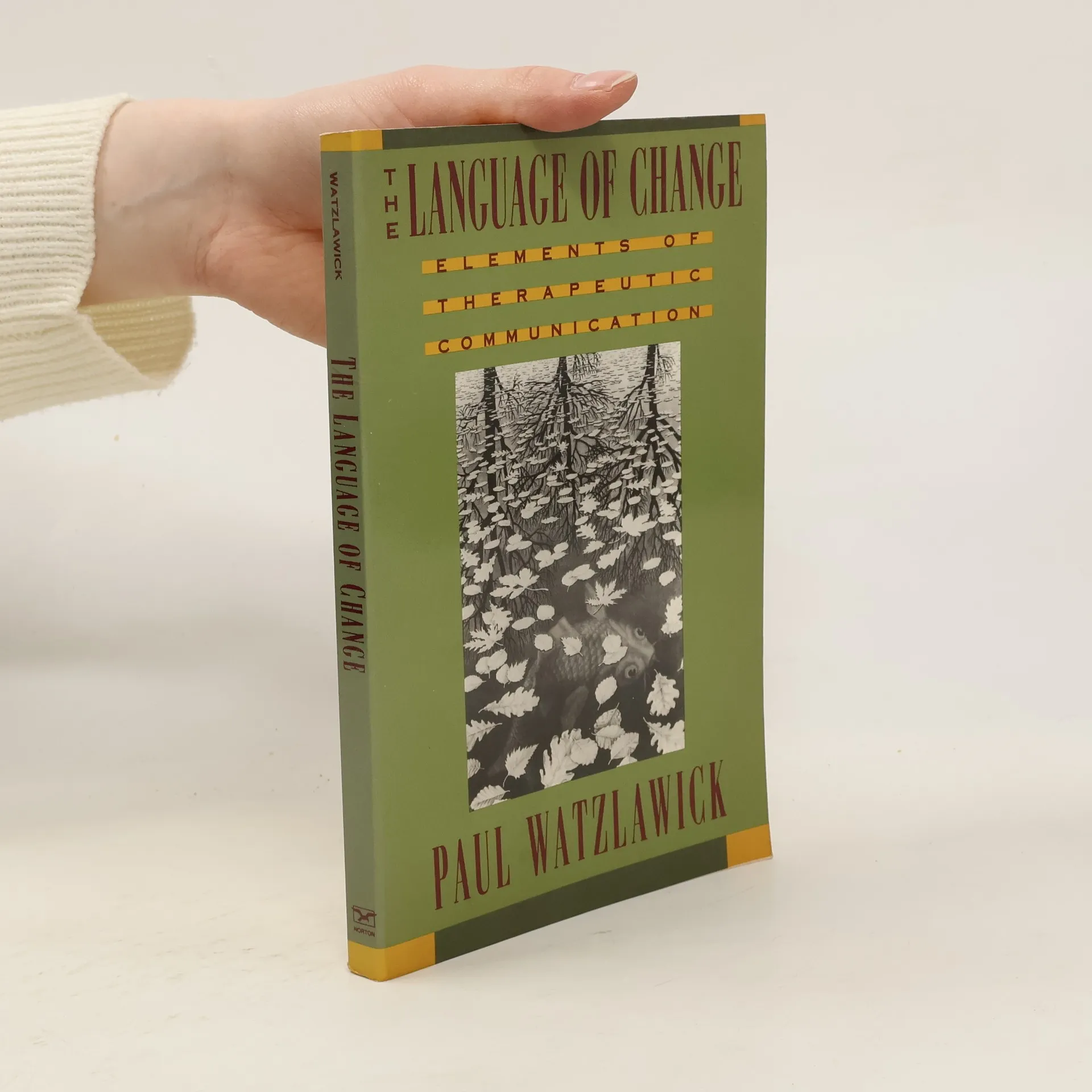
The Language of Change
- 184pagine
- 7 ore di lettura
Although communications emerging in therapy are ascribed to the mind's unconscious, dark side, they are habitually translated in clinical dialogue into the supposedly therapeutic language of reason and consciousness. But, Dr. Watzlawick argues, it is precisely this bizarre language of the unconscious which holds the key to those realms where alone therapeutic change can take place.Dr. Watzlawick suggests that rather than following the usual procedure of interpreting the patient's communications and thereby translating them into the language of a given psychotherapeutic theory, the therapist must learn the patient's language and make his or her interventions in terms that are congenial to the patient's manner of conceptualizing reality. Only in that way, he shows, can the therapist effectively bring about genuine changes and problem resolutions. Drawing on the work of Milton H. Erickson, he supports his findings with many (and often amusing) examples.This book, then, is a virtual introductory course to the grammar and language of the unconscious.
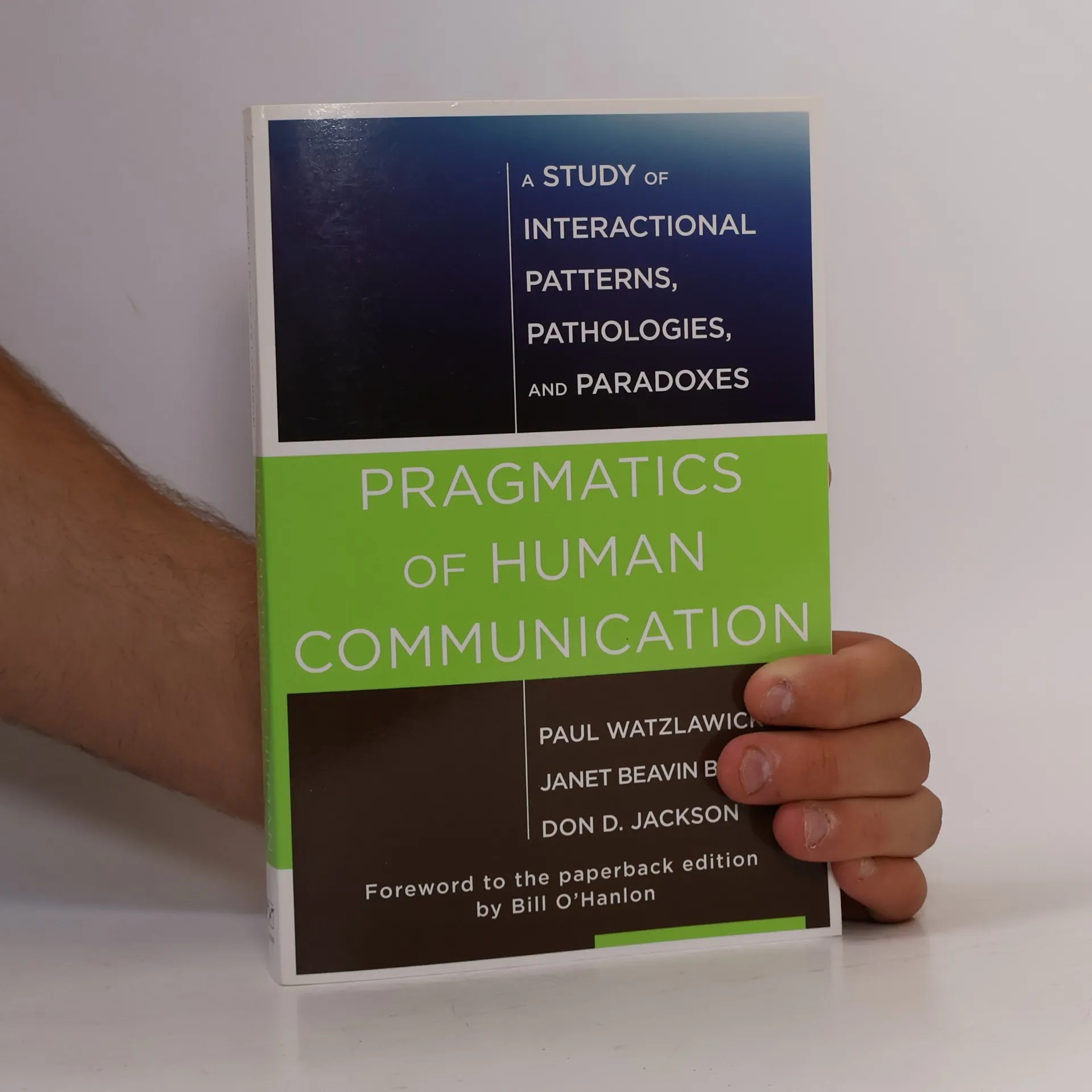
Pragmatics of Human Communication
A Study of Interactional Patterns, Pathologies and Paradoxes
- 304pagine
- 11 ore di lettura
Called “one of the best books ever about human communication,” and a perennial bestseller, Pragmatics of Human Communication has formed the foundation of much contemporary research into interpersonal communication, in addition to laying the groundwork for context-based approaches to psychotherapy. The authors present the simple but radical idea that problems in life often arise from issues of communication, rather than from deep psychological disorders, reinforcing their conceptual explorations with case studies and well-known literary examples. Written with humor and for a variety of readers, this book identifies simple properties and axioms of human communication and demonstrates how all communications are actually a function of their contexts. Topics covered in this wide-ranging book include: the origins of communication; the idea that all behavior is communication; meta-communication; the properties of an open system; the family as a system of communication; the nature of paradox in psychotherapy; existentialism and human communication.
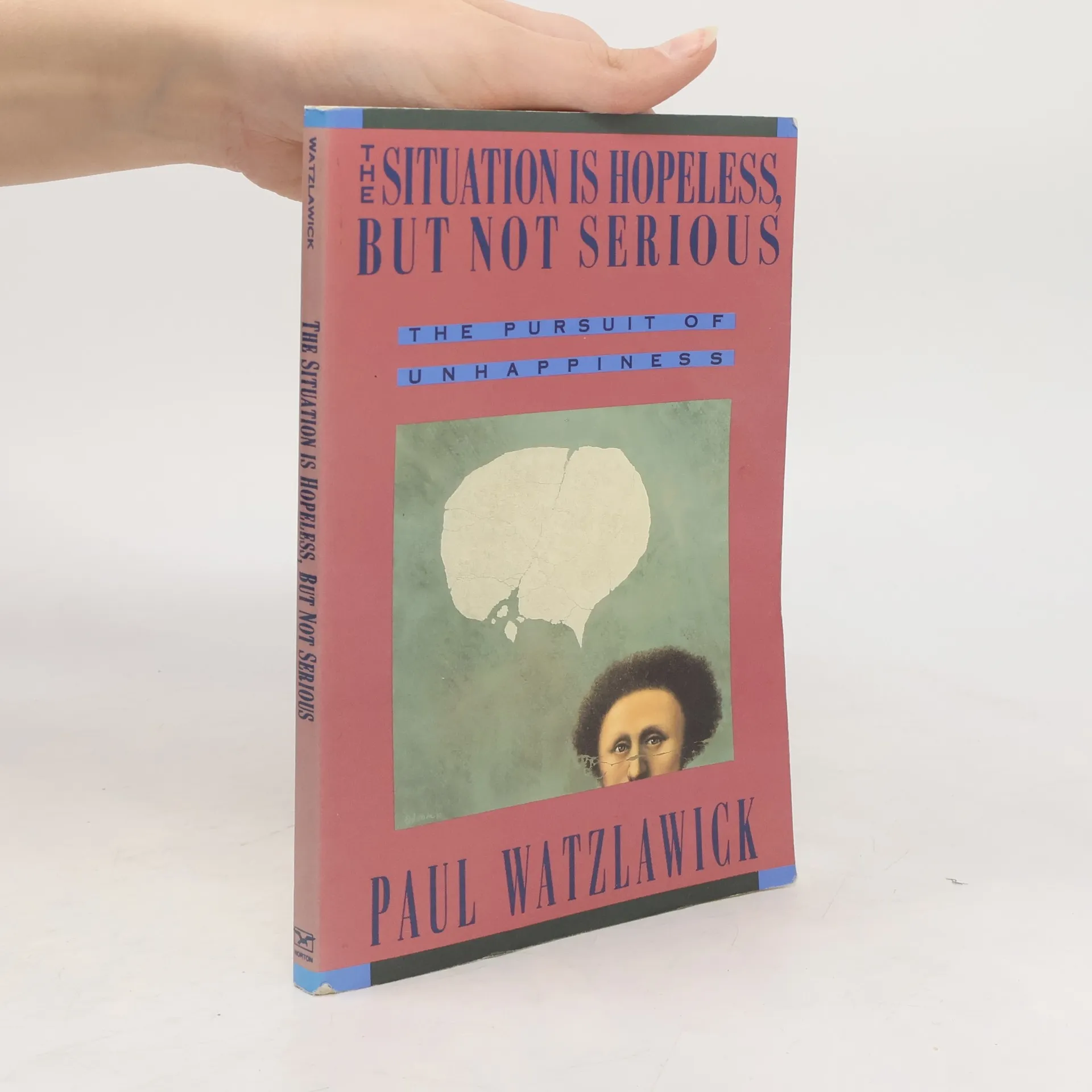
The situation is hopeless, but not serious : the pursuit of unhappiness
- 126pagine
- 5 ore di lettura
This is a tongue-in-cheek look at the ways in which we turn ourselves into our own worst enemies. Using metaphors, vignettes, jokes, innuendoes and other "right-hemispheric" language games, Dr. Watzlawick shows how we can make everyday life miserable and inflate trivialities beyond recognition. Those who believe that the search for happiness eventually leads to happiness should consult the chapter "Beware of Arriving."--Publisher description.
Alle, die Paul Watzlawick persönlich erlebt haben, sind sich einig: Er war nicht nur ein begnadeter und erfolgreicher Autor, sondern auch ein witziger und brillanter Redner. So ist er neben seiner Ratgeberparodie Anleitung zum Unglücklichsein auch für seine Arbeiten, Vorlesungen und Interviews zum radikalen Konstruktivismus und nicht zuletzt für seinen Satz „Man kann nicht nicht kommunizieren“ bekannt. Die menschliche Kommunikation und deren Fallstricke waren Lebensthemen, denen er sich fundiert widmete. Zu seinem 100. Geburtstag in diesem Jahr veröffentlichen wir daher einen erstmals verschriftlichten Vortrag aus dem Jahre 1995, den er beim Europäischen Kongress für Hypnose und Hypnotherapie nach Milton H. Erickson in München gehalten hat. Watzlawick spickte ihn mit lebensnahen Begebenheiten und Fallbeispielen aus seiner therapeutischen Praxis, aber auch mit Aphorismen und witzigen Geschichten im Umgang mit anderen Menschen. Die direkte Aufdeckung scheinbar auswegloser Kommunikationsparadoxien macht Spaß, lässt schmunzeln und manch einer entdeckt sich (oder eine nahestehende Person) nur zu gut darin wieder.
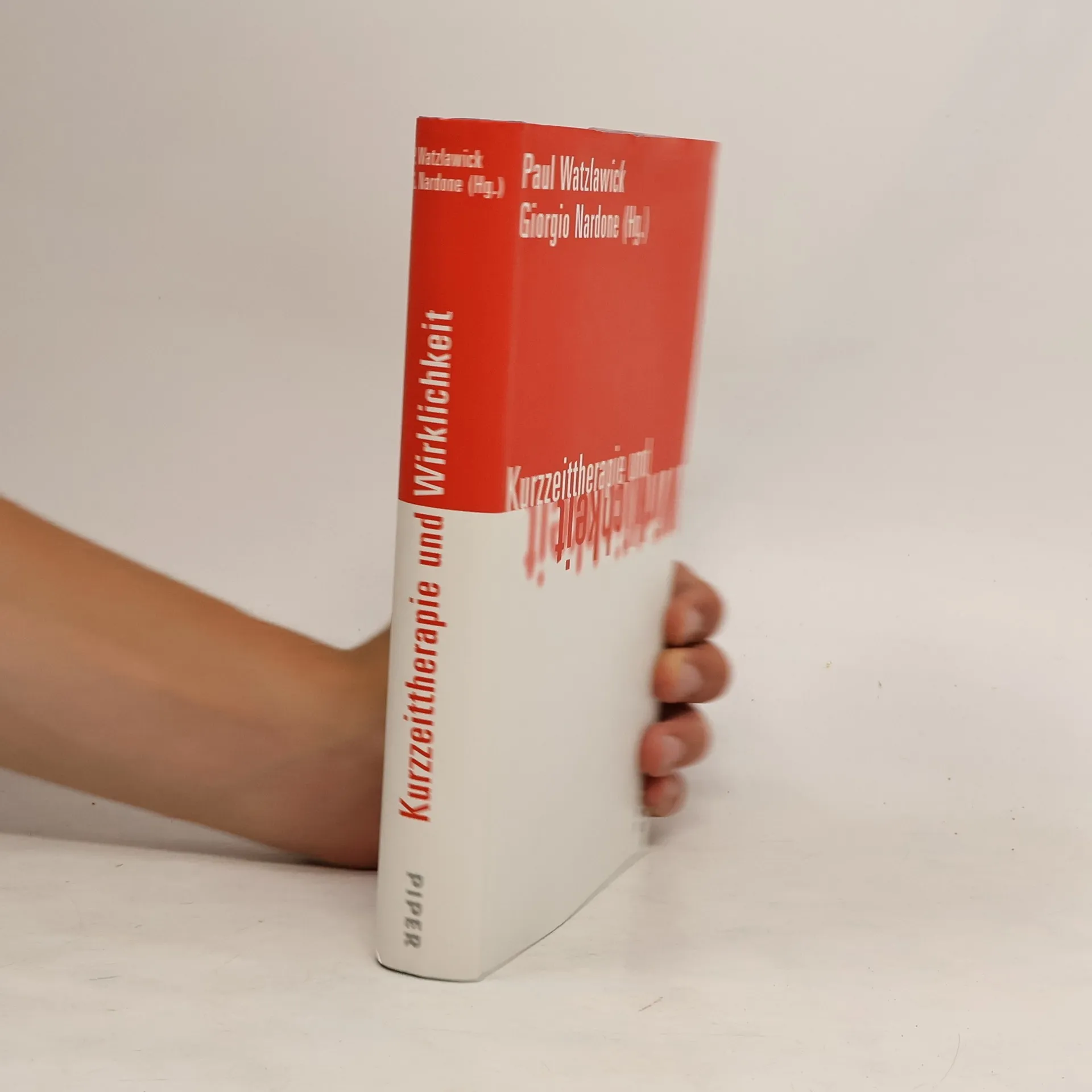
Kurzzeittherapie und Wirklichkeit
- 328pagine
- 12 ore di lettura
Über Theorie und Praxis der Kurzzeittherapie geben die Herausgeber mit führenden Experten erstmals einen umfassenden Überblick. Es ist eine Einführung in die Kunst, komplizierte Probleme mit Hilfe einfacher Lösungen in kurzer Zeit zu bewältigen - basierend auf komplexen modernen Theorien
Der Psychologe Paul Watzlawick und der Dokumentarfilmer Peter Krieg haben unter dem Motto „Das Auge des Betrachters“ Wissenschaftler von Rang eingeladen, den Einfluss des radikalen Konstruktivismus Heinz von Foersters nachzuzeichnen. Dabei entstand ein faszinierender Einblick in den Stand konstruktivistischen Denkens in Soziologie, Biologie, Literaturwissenschaft und Psychologie bis hin zum Journalismus. Die Beiträge erhellen die Fruchtbarkeit der konstruktivistischen Erkenntnistheorie und das Geheimnis ihres Erfolges.
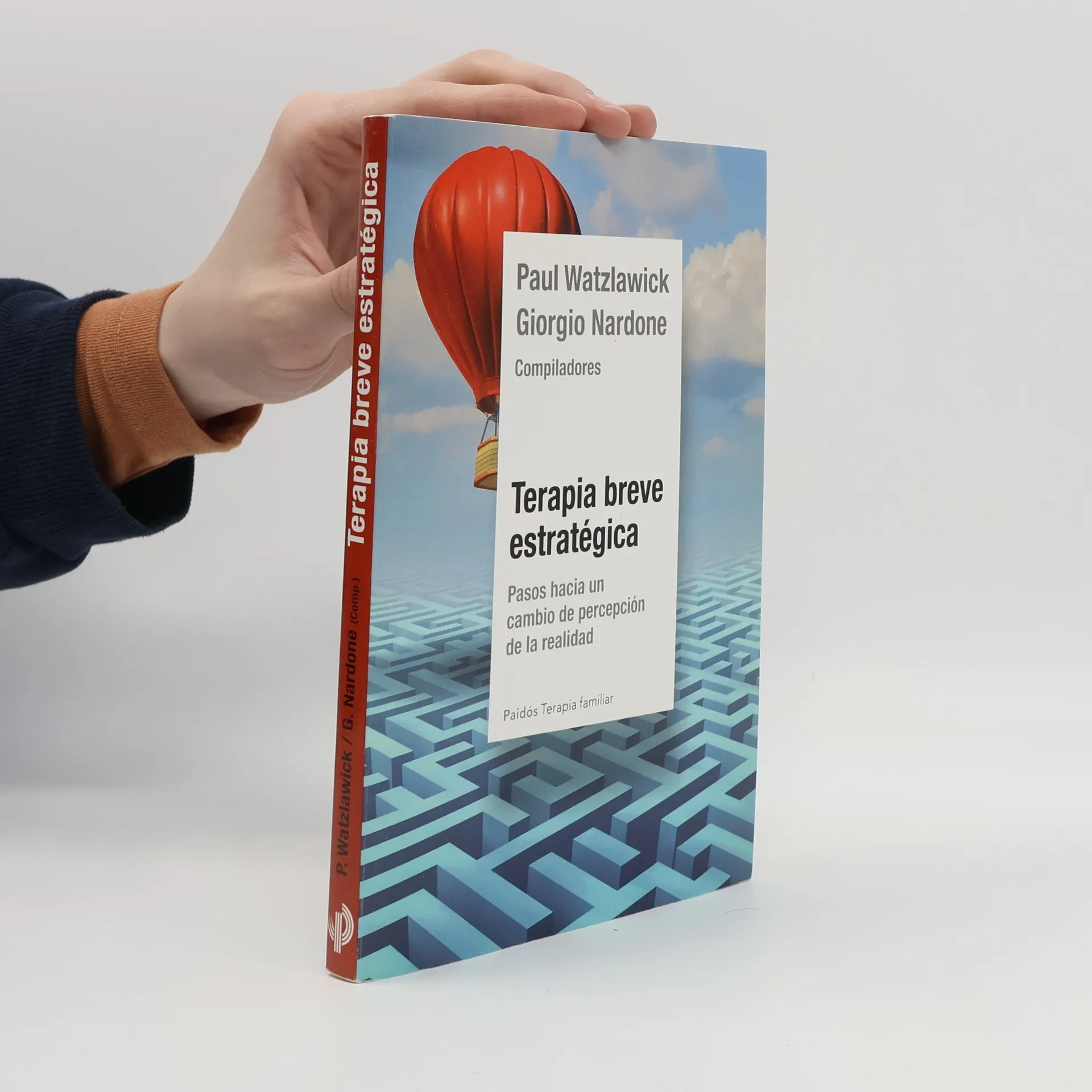
Terapia familiar: Terapia breve estratégica
Pasos hacia un cambio de percepción de la realidad
- 240pagine
- 9 ore di lettura
En el ámbito de la psicoterapia, la aproximación estratégica demuestra cómo los sufrimientos y los problemas humanos, por complejos que sean y aunque persistan durante años, no tienen por qué requerir largas hospitalizaciones o soluciones complicadas. Los resultados obtenidos gracias a los tratamientos basados en intervenciones estratégicas demuestran que es posible resolver de forma efi caz y en muy poco tiempo la mayor parte de los problemas de orden psicológico.Este volumen incluye colaboraciones de relieve internacional y ofrece por primera vez un panorama completo de los aspectos teóricos y técnicos de la terapia breve estratégica. Algunos artículos son ya verdaderos clásicos de la terapia breve y de su filosofía. Otros son colaboraciones innovadoras que exponen los resultados de las más recientes investigaciones empírico-experimentales en el ámbito clínico.
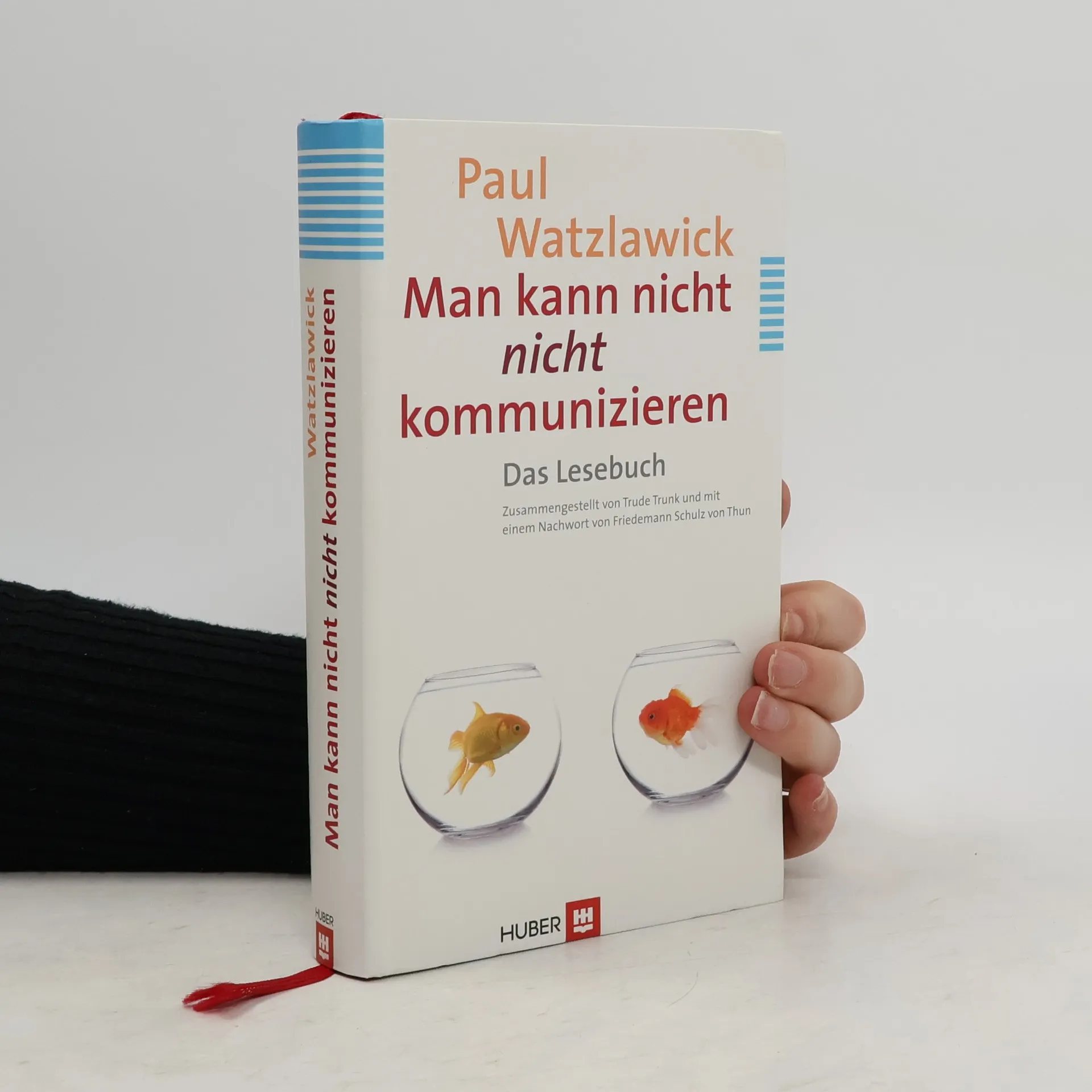
Man kann nicht nicht kommunizieren
- 374pagine
- 14 ore di lettura
Man kann nicht nicht kommunizieren. Auch ohne Worte stehen wir jederzeit im Austausch mit unseren Mitmenschen - ob wir wollen oder nicht. Der Philosoph und Psychoanalytiker Paul Watzlawick hat mit seinen Axiomen und Theorien unser Verständnis über Kommunikation radikal und nachhaltig verändert. Auf unerreichte Weise verbindet Watzlawick dabei die Vermittlung wissenschaftlicher Erkenntnisse mit einem großen schriftstellerischen Talent. Viele seiner beispielhaften Geschichten sind ebenso ins kollektive Bewusstein übergegangen wie jener Satz über die Unmöglichkeit des Nichtkommunizierens. Das Watzlawick-Lesebuch mit den besten Ansichten und Einsichten des radikalen Konstruktivisten und Kommunikationsphilosophen, ergänzt durch ein Nachwort von Friedemann Schulz von Thun sowie durch ein ausführliches Gespräch mit dem Meister, geführt von Bernhard Pörksen.
Paul Watzlawick erklärt im Gespräch mit Franz Kreuzer humorvoll die Thesen des Konstruktivismus, wonach Wirklichkeit eine subjektive Konstruktion ist. Er fordert den Leser auf, verantwortungsvoll mit seiner persönlichen Freiheit umzugehen, ähnlich wie in seiner "Anleitung zum Unglücklichsein".
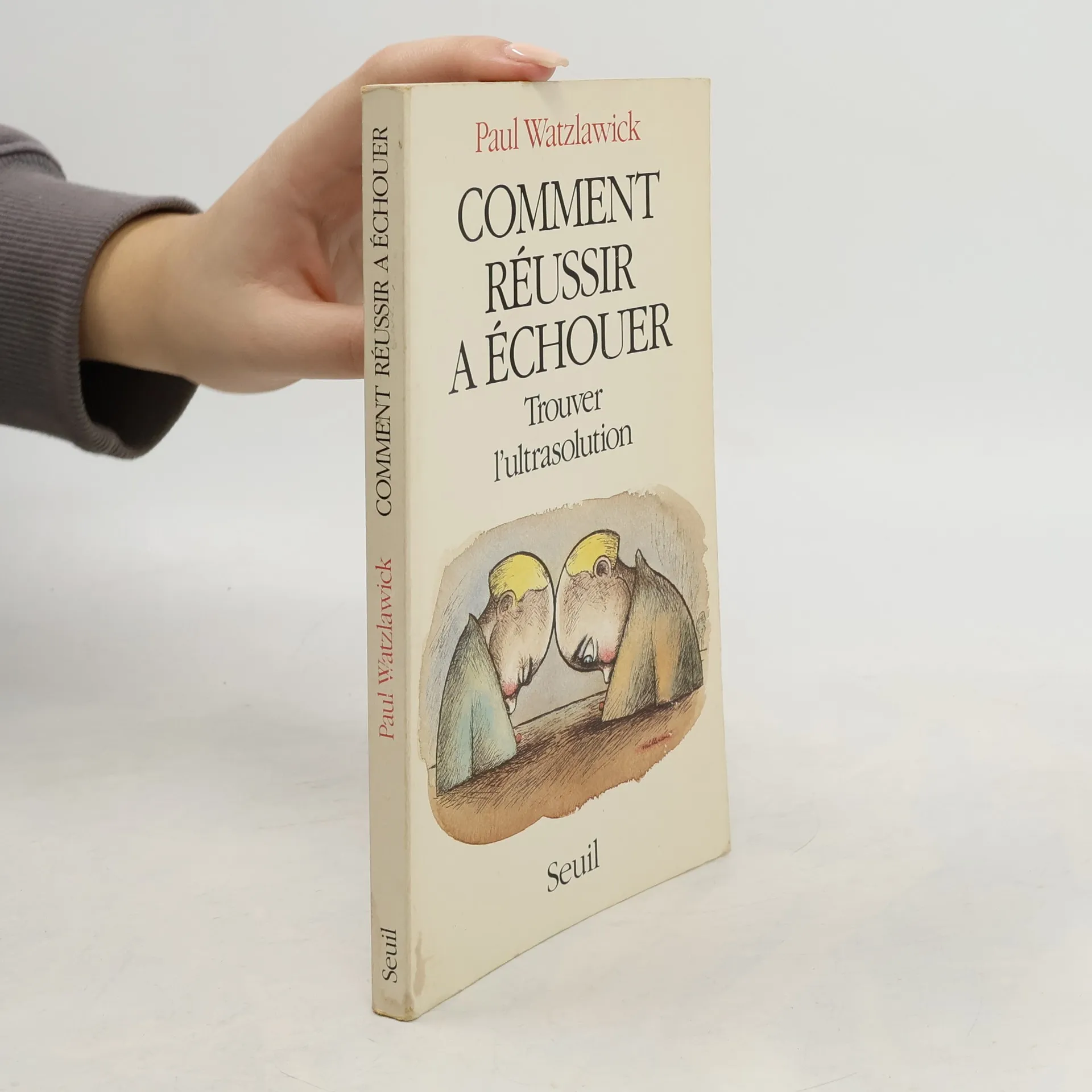
Ouvrage à caractère humoristique, de lecture pas très facile à cause des nombreuses allusions à la mythologie et à des oeuvres littéraires. "Ultrasolution" est le nom donné par l'auteur à l'utilisation d'une solution extrémiste ou à la persistance à utiliser une solution jusqu'à l'extrême. Le résultat est toujours l'échec. L'auteur présente treize cas oáu l'ultrasolution mène à l'échec.
Interaktion
- 526pagine
- 19 ore di lettura
Das Buch ist in sechs Abschnitte gegliedert: Theorie (beinhaltet Artikel zur Familien- und menschlichen Kommunikationsforschung); Forschung (Berichte über Forschungsprojekte); Training (Einsatz von Videomaterial, Ausbildung von Laien); Normalität, Neurose und Psychose; Veränderung (der therapeutische Prozess); und Familienmedizin (der Einfluss somatischer Erkrankungen auf die Interaktion in der Familie). Im Laufe der Jahre hat das MRI Familientherapie nicht als neue, zusätzliche Behandlungsmethode betrachtet, sondern erstens als neue Art, menschliche Probleme zu konzipieren, und zweitens als einen anderen therapeutischen Ansatz, der auf dieser Konzeption basiert. Diese Form der Therapie betrachtet nicht, warum etwas passiert (was in der Vergangenheit eines Individuums ein emotionales Problem verursacht), sondern was gerade passiert (was im Moment zwischen den Individuen geschieht; gibt es ein Interaktionsmuster und was sind die versuchten Lösungen). Dies ist der gemeinsame Nenner der in diesem Band zusammengefassten Arbeiten, da diese Perspektive und das daraus resultierende Verfahren die Grundlage der meisten Arbeiten am MRI bilden.
Umění změny
- 133pagine
- 5 ore di lettura
První knížka o krátkodobé strategické psychoterapii, která je výsledkem společné práce Giorgia Nardona – známého terapeuta a italského badatele v oblasti krátkodobé strategické terapie – a Paula Watzlawicka – jednoho z nejvýznamnějších a světově nejznámějších badatelů v oblasti komunikace a psychoterapie. Kniha představuje systematickou formou model krátkodobé strategické terapie a strategický problem solving, který našel široké pole uplatnění jak v psychologii, tak v jiných kontextech, například v managementu, pedagogice a společenských vědách.
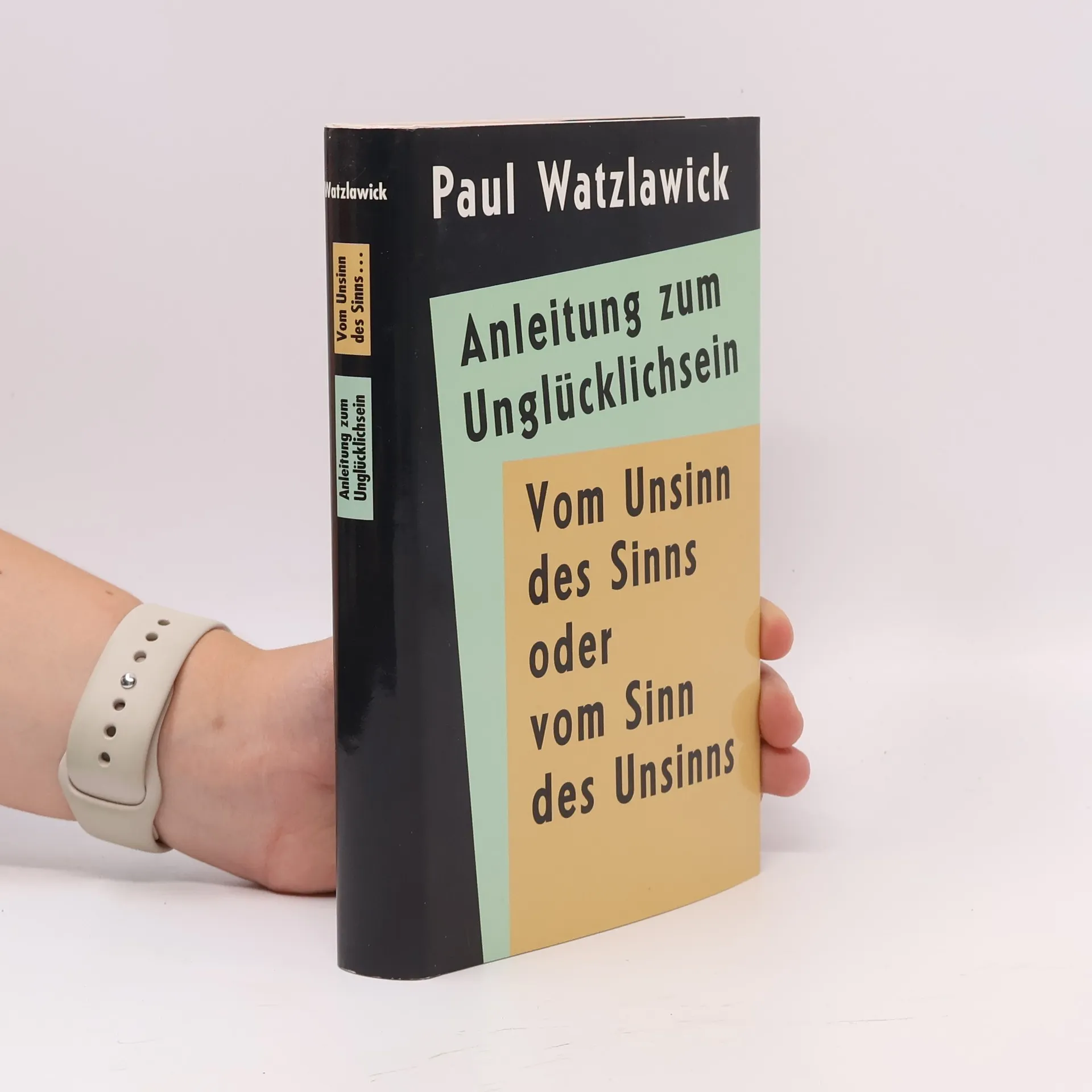
Vom Unsinn des Sinns oder vom Sinn des Unsinns
- 84pagine
- 3 ore di lettura
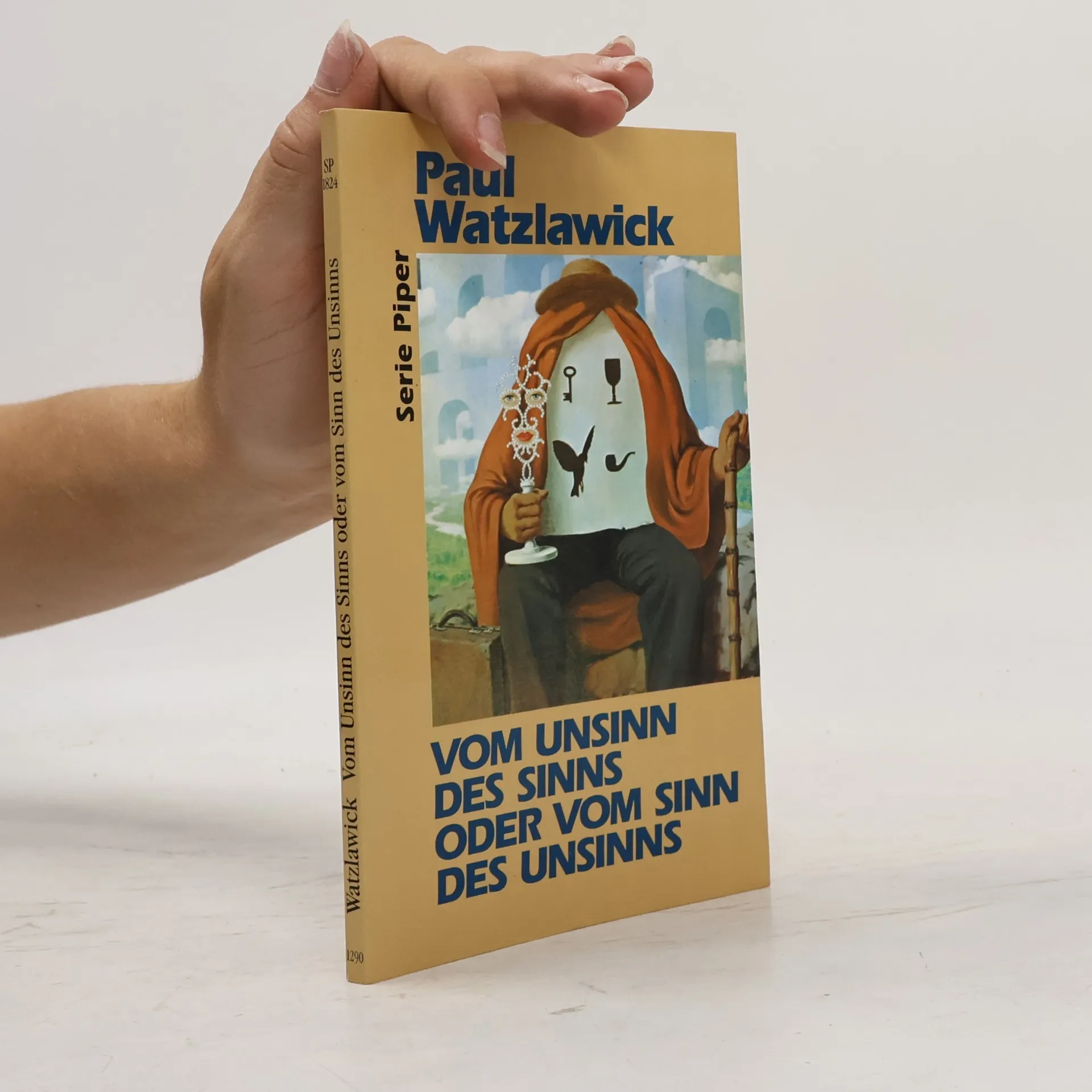
der Text basiert auf zwei aufeinander bezugnehmenden Vorträgen im Wiener Rathaus, am 17. Mai 1989 und am 5. November 1991
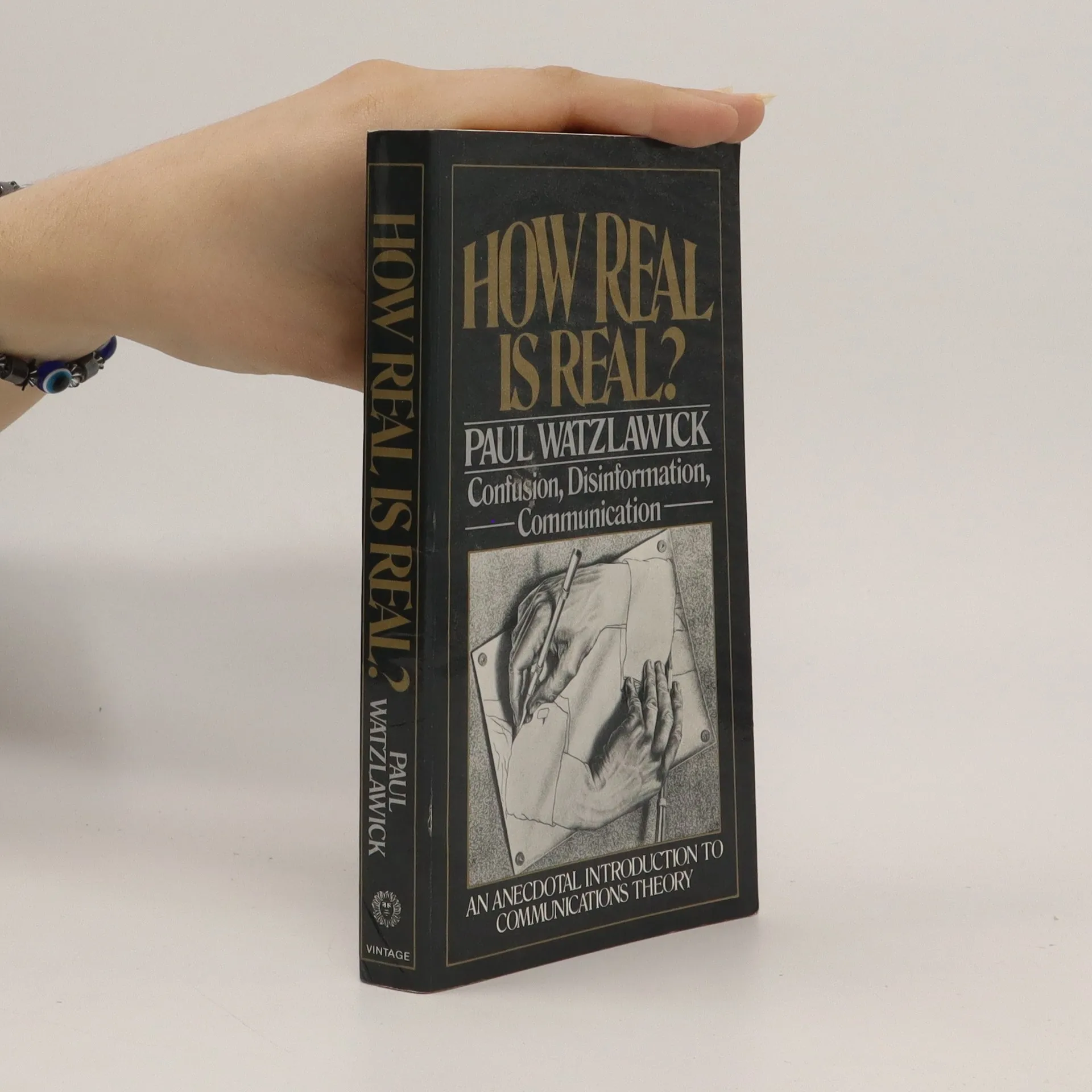
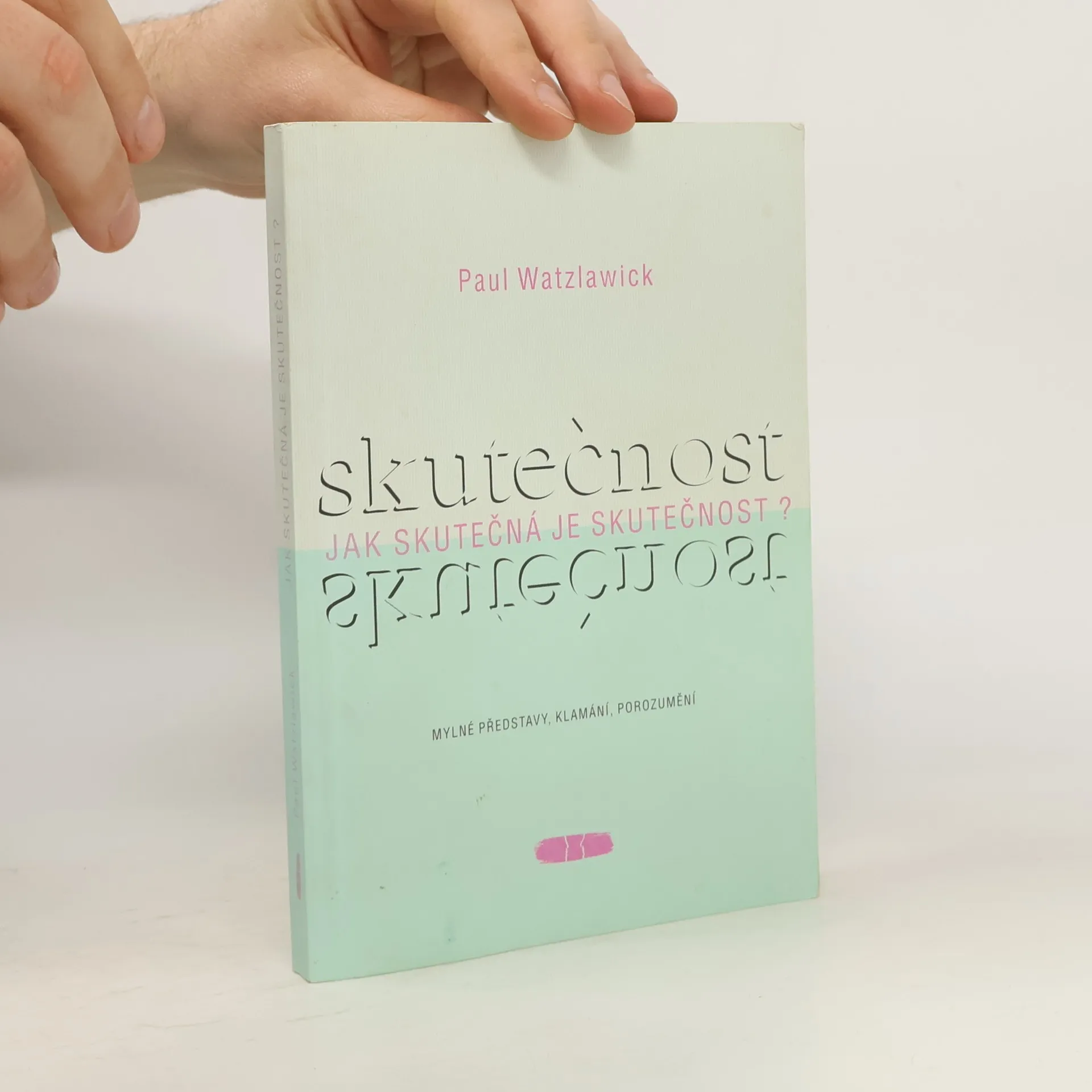
Skutečnost, jak ji vnímáme, je výsledkem komunikace, ta však podléhá nejrůznějším záměrným i nezáměrným zkreslením. Člověk věří, že jeho vlastní pohled na skutečnost, to, jak ji vnímá je skutečnost sama, tedy "pravda". Autor na mnoha příkladech z psychoterapeutické praxe, histo- rie i literatury ukazuje, kolika klamy, šumy, psychickými bloky a dezinformacemi je naše vnímání ovlivněno, jak nepostřehnutelně může být posunuto či záměrně manipulováno. Seznamuje s výsledky experimentů z oblasti výzkumu komunikace a chování, s principy komunikace obecně, všímá si i neverbální komunikace. Upozorňuje na nebezpečí mesianistických jedinců či ideologií vnucujících své vidění světa a objasňuje metody vymývání mozků. Závěrem podává historický přehled snah o komunikaci se zvířaty a s mimozemskými civilizacemi. Čtivý, přitom velmi erudovaný text je doplněn rozsáhlou bibliografií.
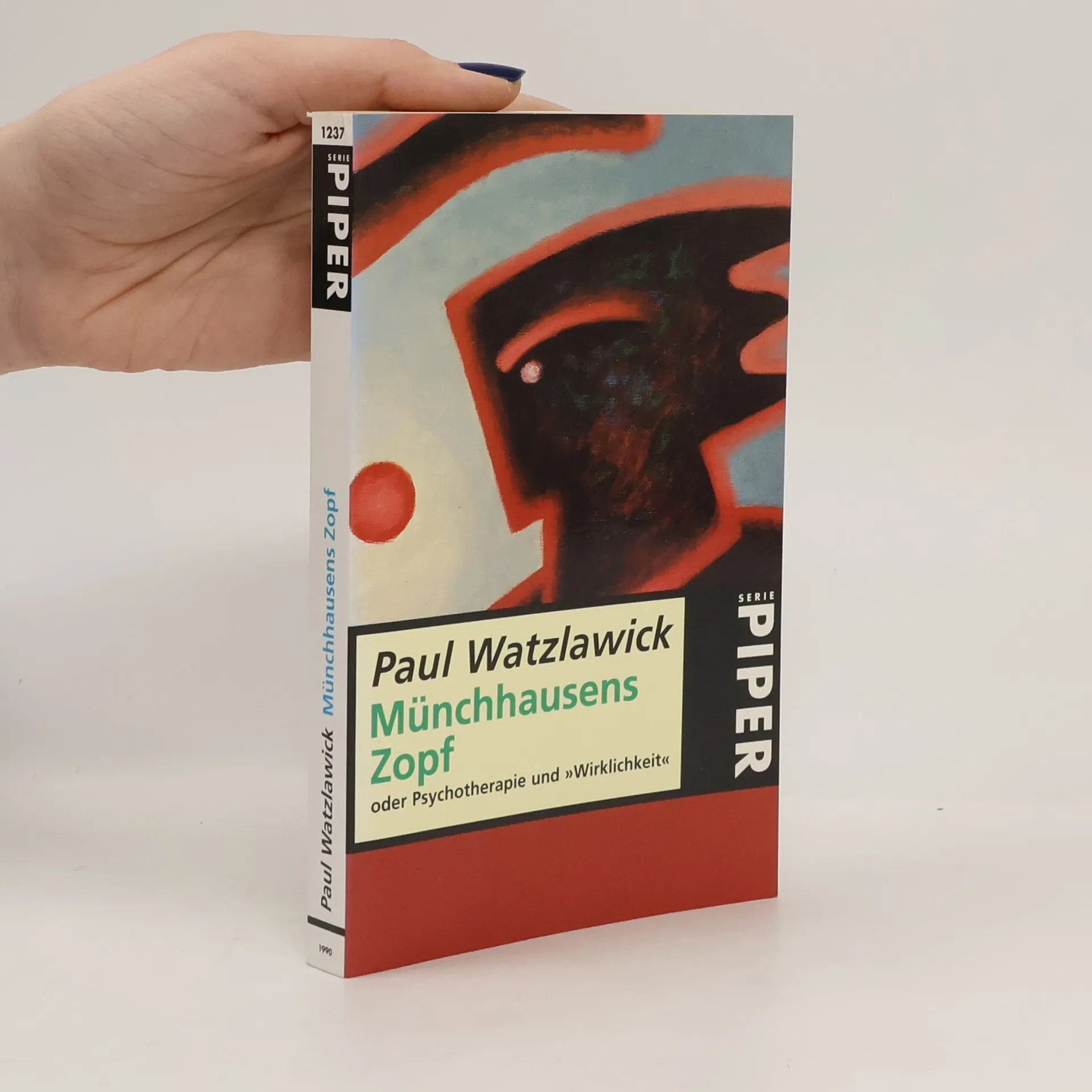
Münchhausens Zopf oder Psychotherapie und "Wirklichkeit"
- 208pagine
- 8 ore di lettura
Aufsätze und Vorträge über menschliche Probleme in systemisch konstruktivistischer Sicht
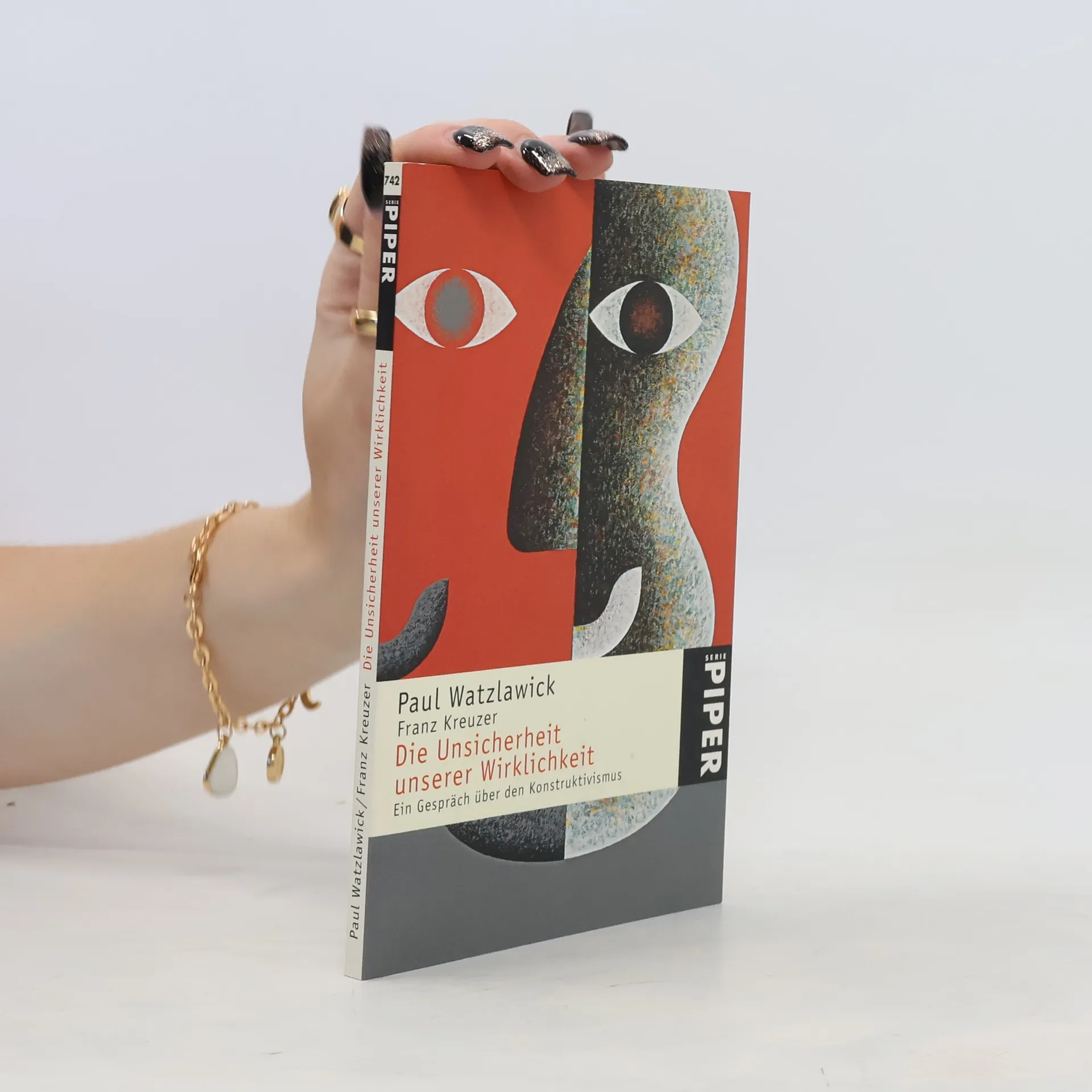
Die Unsicherheit unserer Wirklichkeit
- 76pagine
- 3 ore di lettura
Als Psychotherapeut und Konstruktivist ist Paul Watzlawick weltberühmt, seine »Anleitung zum Unglücklichsein« ist Kult. Ob es um Glück, Liebe, schwierige Beziehungen zwischen Menschen, die wirkliche Wirklichkeit oder die Mentalität der Amerikaner geht: Es lohnt immer, Watzlawicks Denken kennenzulernen. Dieses Buch bietet seine wichtigsten und unterhaltsamsten Texte.
Evolutionäres Management
Antworten auf die Management- und Führungsherausforderungen im 21. Jahrhundert. Mit Beiträgen u.a. von Humberto Maturana, Peter Senge, Paul Watzlawick und Meg Wheatley
- 368pagine
- 13 ore di lettura
Die Möglichkeit des Andersseins
Zur Technik der therapeutischen Kommunikation
- 131pagine
- 5 ore di lettura
Alpha-boek: Therapie, communicatie en verandering
Over dubbele binding, schizofrenie en gezinsrelaties
- 308pagine
- 11 ore di lettura