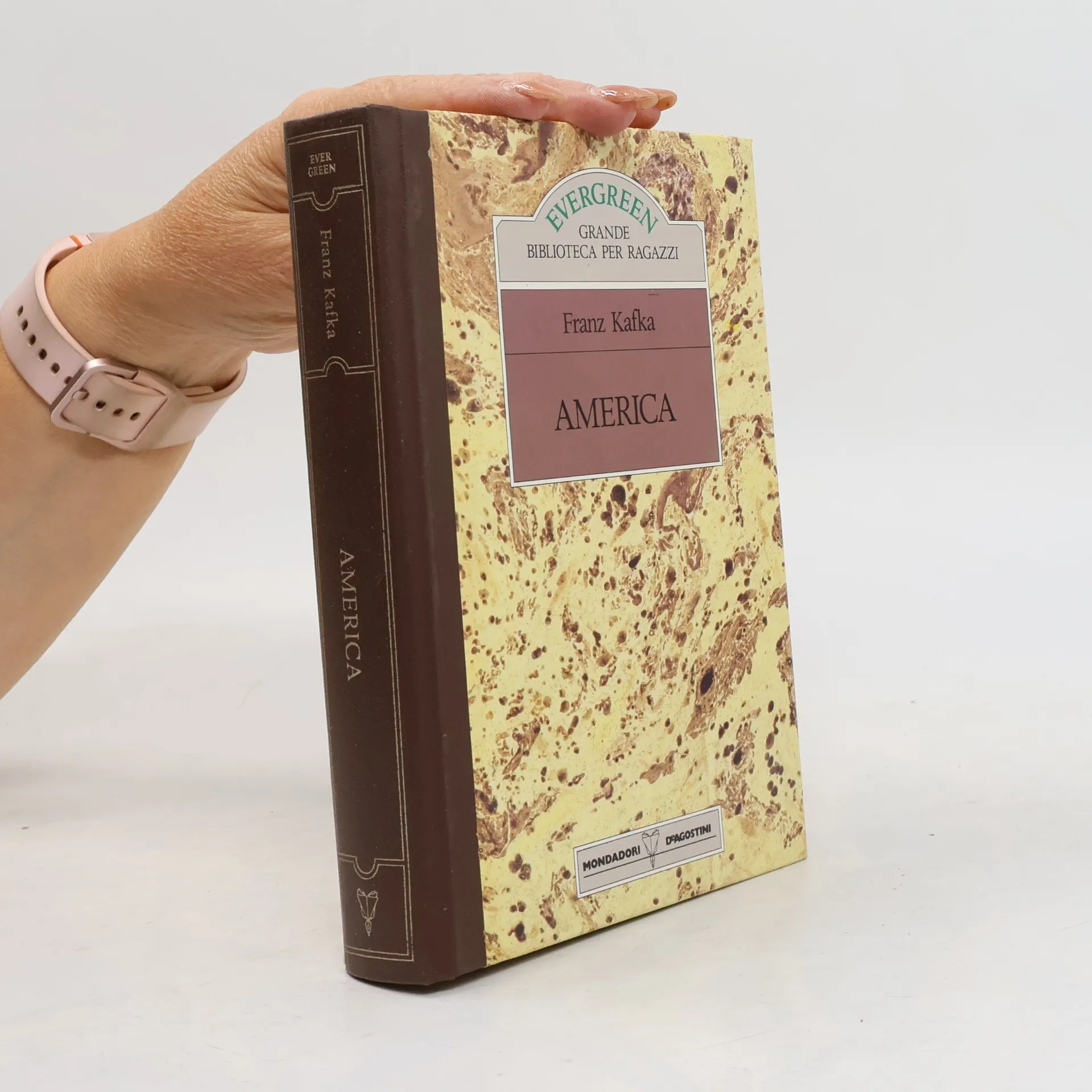
Scacciato dalla famiglia e dalla patria, il sedicenne Karl Rossmann sbarca in America, all'ombra della Statua della Libertà che impugna una spada anziché una fiaccola. Un simbolo di giustizia armata o una prefigurazione dei giudizi, dalla logica apparentemente ingiusta ma insindacabile, che incontrerà? America, il "romanzo americano" di Kafka, pubblicato postumo nel 1927, narra l'enigmatica odissea di un emigrato, condannato all'emarginazione in una realtà grottesca e assurda, ora accolto ora respinto da benefattori che l'accusano e l'escludono, passando attraverso forme di iniziazioni sessuali e sociali. Una tragicommedia di personaggi inquietanti e ridicoli, in cui i valori sono sovvertiti e le prospettive stravolte, e dove tuttavia il giovane, ingenuamente coerente ai propri principi di equità e bontà, lotta per l'affermazione di sé. Il romanzo rimasto incompiuto non ci consente di sapere se Karl riuscirà o fallirà, né se Kafka lo considerasse un disperso prima di sbarcare oltreoceano o dopo, vittima di un destino incomprensibile.
Max Brod Libri
Max Brod, amico di una vita e esecutore letterario di Franz Kafka, fu egli stesso un autore, compositore e giornalista di talento. Anziché seguire le istruzioni di Kafka di bruciare le sue opere inedite, Brod le pubblicò coscienziosamente, assicurando il loro posto duraturo nella letteratura. La sua stessa prolifica produzione, sebbene significativa, è spesso oscurata dal suo ruolo cruciale nel salvaguardare l'eredità di uno degli scrittori più importanti del XX secolo.


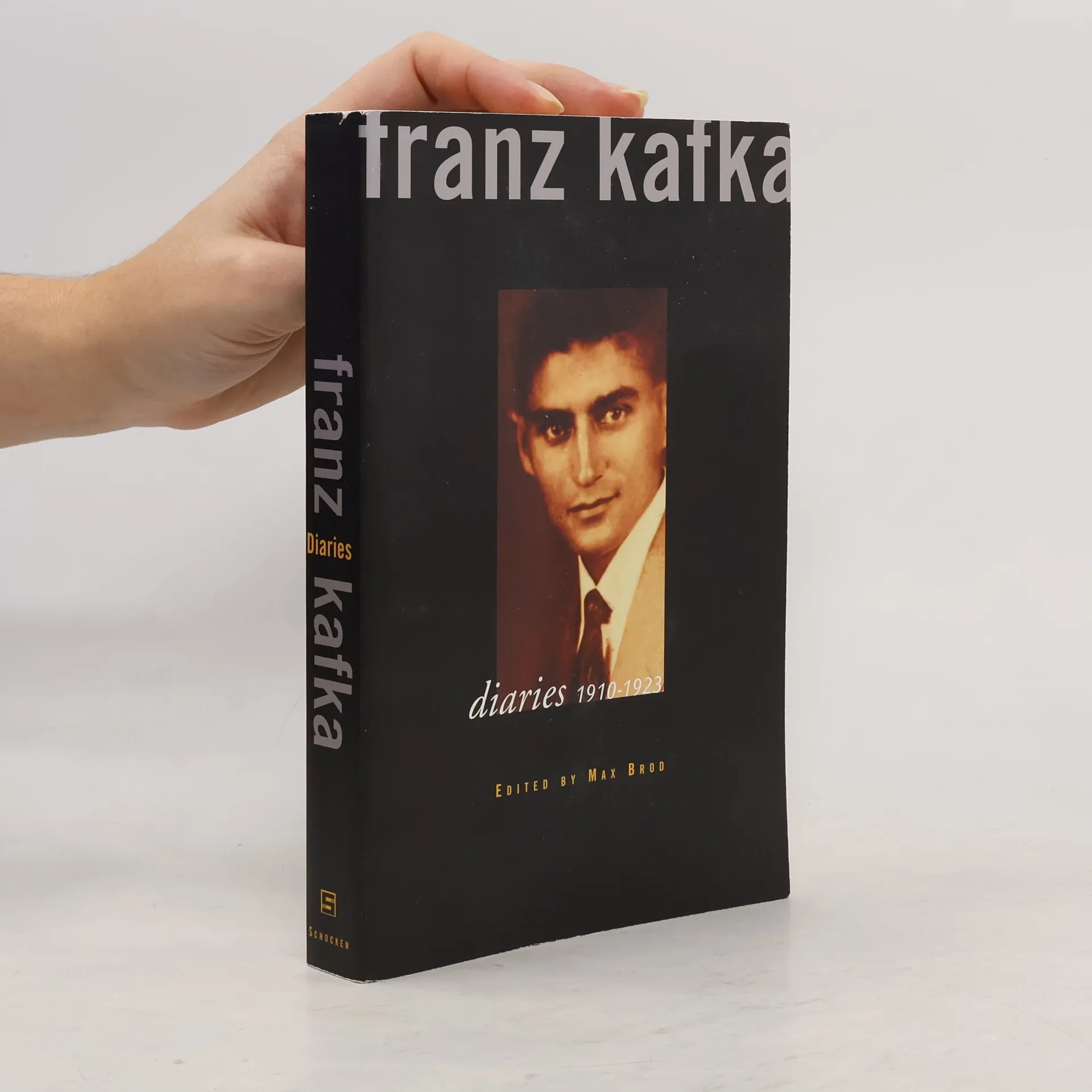

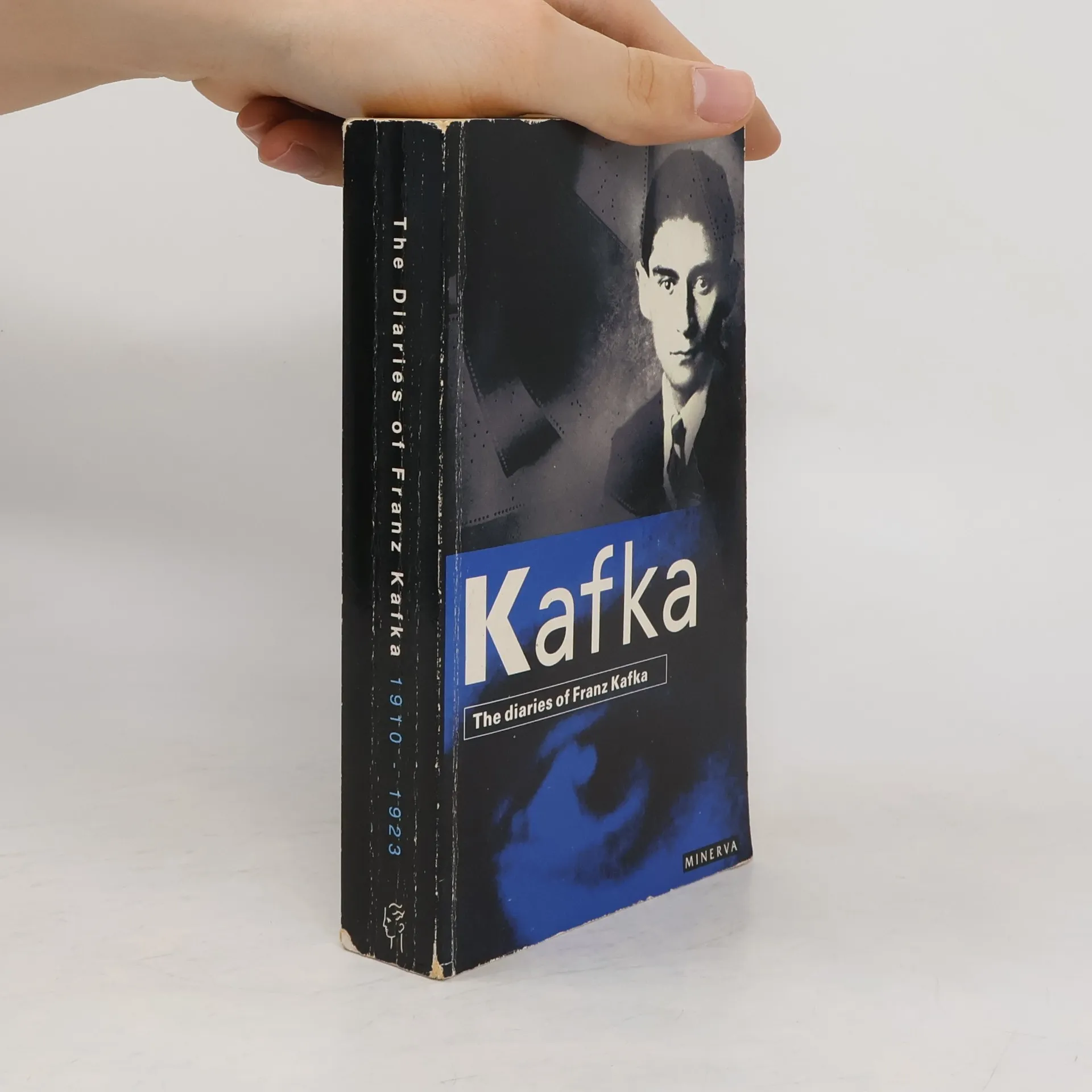
Kafka's diaries cover the period from 1910 to 1923 and reveal the inner world in which he lived. He describes his fear, isolation and frustration, his feelings of guilt and his sense of being an outcast. He also describes the father he worshipped and the woman he could not bring himself to marry.
To view the modern world is to see it through the lens of Franz Kafka, the defining writer of the twentieth century. In his exploration, Ernst Pawel captures Kafka's essence and the complex interplay of his work and life. Kafka has become a modern myth, shaped not only by his writings but also by distortions in biographies, especially the one by his close friend Max Brod. Pawel's achievement lies in situating Kafka within his historical context, revealing a life that surpasses the myths surrounding it. This account chronicles Kafka's life while vividly depicting the milieu of affluent Germanized Jewry and the intellectual vibrancy of Central Europe before World War I, as well as the collapse of Austria-Hungary. While informed by psychological insights, Pawel avoids relying solely on them, presenting Kafka not as a mere legend of a frail clerk but as a man who navigated the world, functioning as a reluctant yet effective business executive. Pawel's nuanced readings of Kafka's Judaism, his relationships with his parents, and his tumultuous engagements reveal a figure who, while typical of his age and class, also transcended them. His interpretations of Kafka's life and relationships are both revealing and persuasive, challenging preconceived notions.
These diaries cover the years 1910 to 1923, the year before Kafka’s death at the age of forty. They provide a penetrating look into life in Prague and into Kafka’s accounts of his dreams, his feelings for the father he worshipped, and the woman he could not bring himself to marry, his sense of guilt, and his feelings of being an outcast. They offer an account of a life of almost unbearable intensity.From the Trade Paperback edition.The Diaries of Franz Kafka 1910-13 translated from the German by Joseph KreshThe Diaries of Franz Kafka 1914-23 translated from the German by Martin Greenberg with the cooperation of Hannah Arendt
The Diaries of Franz Kafka 1910-1913
- 350pagine
- 13 ore di lettura
The diaries offer an intimate glimpse into Franz Kafka's thoughts and experiences from 1910 to 1913, revealing his creative process and personal struggles. This collection serves as a valuable resource for fans, providing deeper insights into the mind of one of the 20th century's most influential writers.
Concerns the relationship between the great Danish astronomer and the younger, intellectually superior Johannes Kepler. This book talks of a conflict that becomes an emblem of the struggle between a weakened tradition and a self- conscious modernity. It conveys the intimate, emotional reality of a seventeenth-century political conflict.
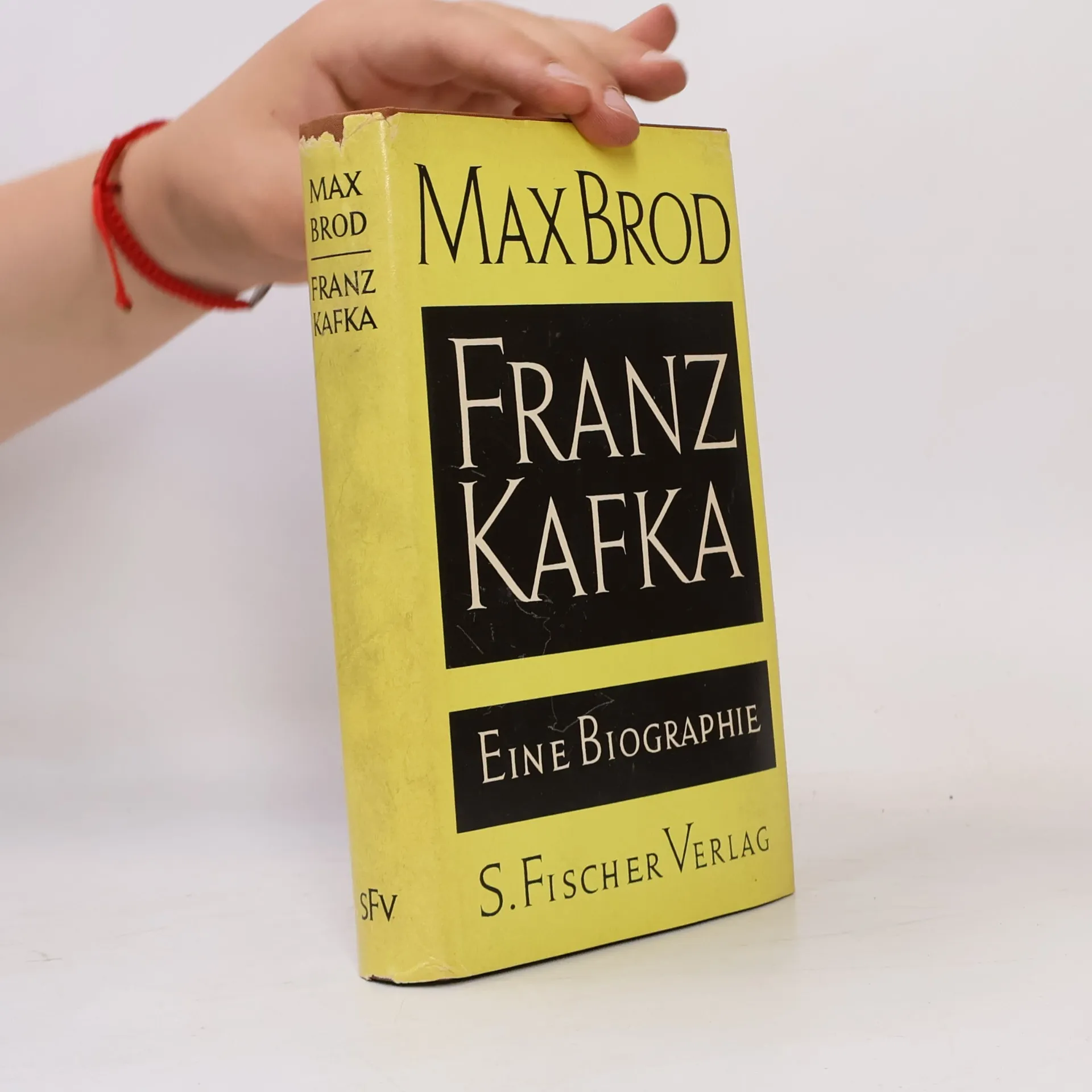
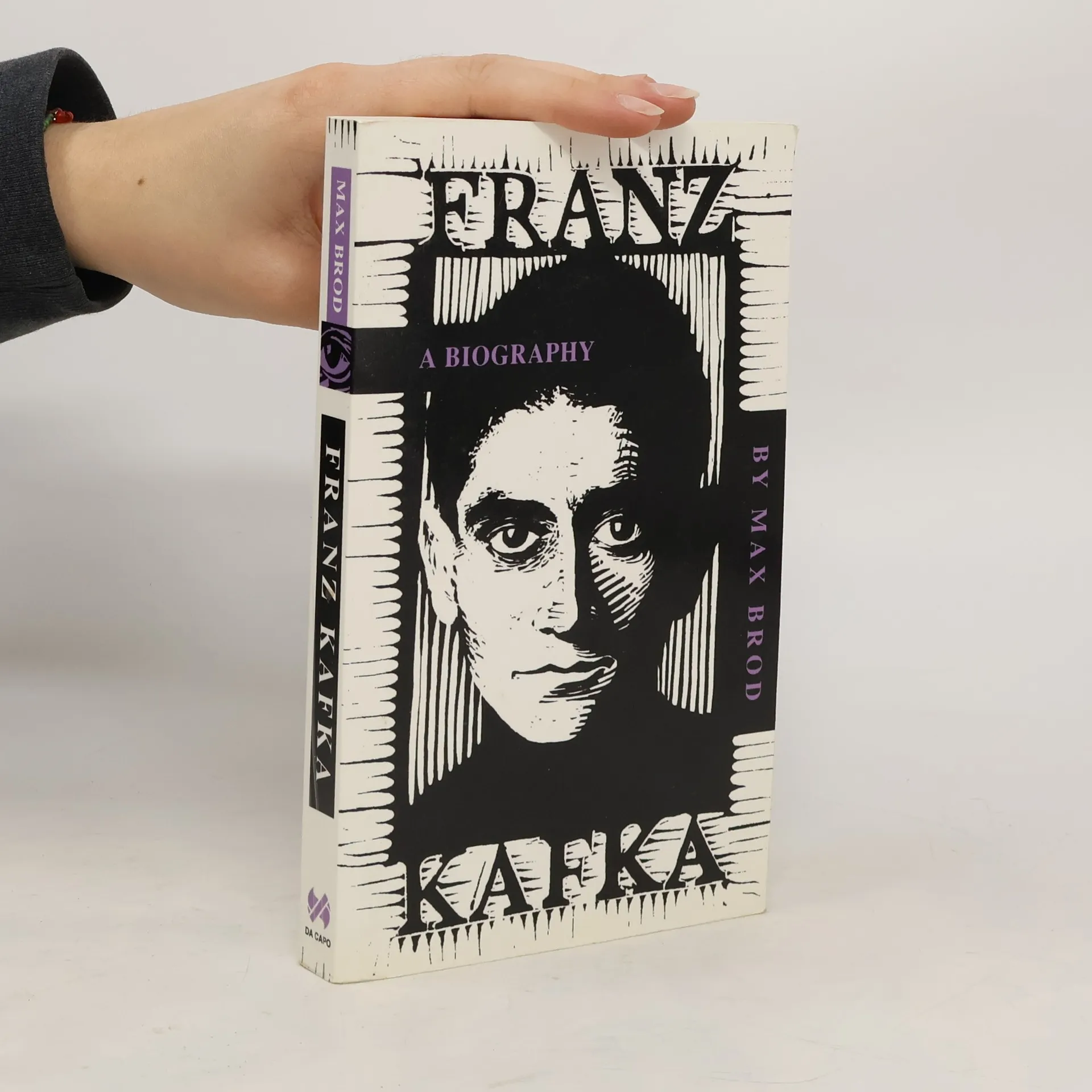
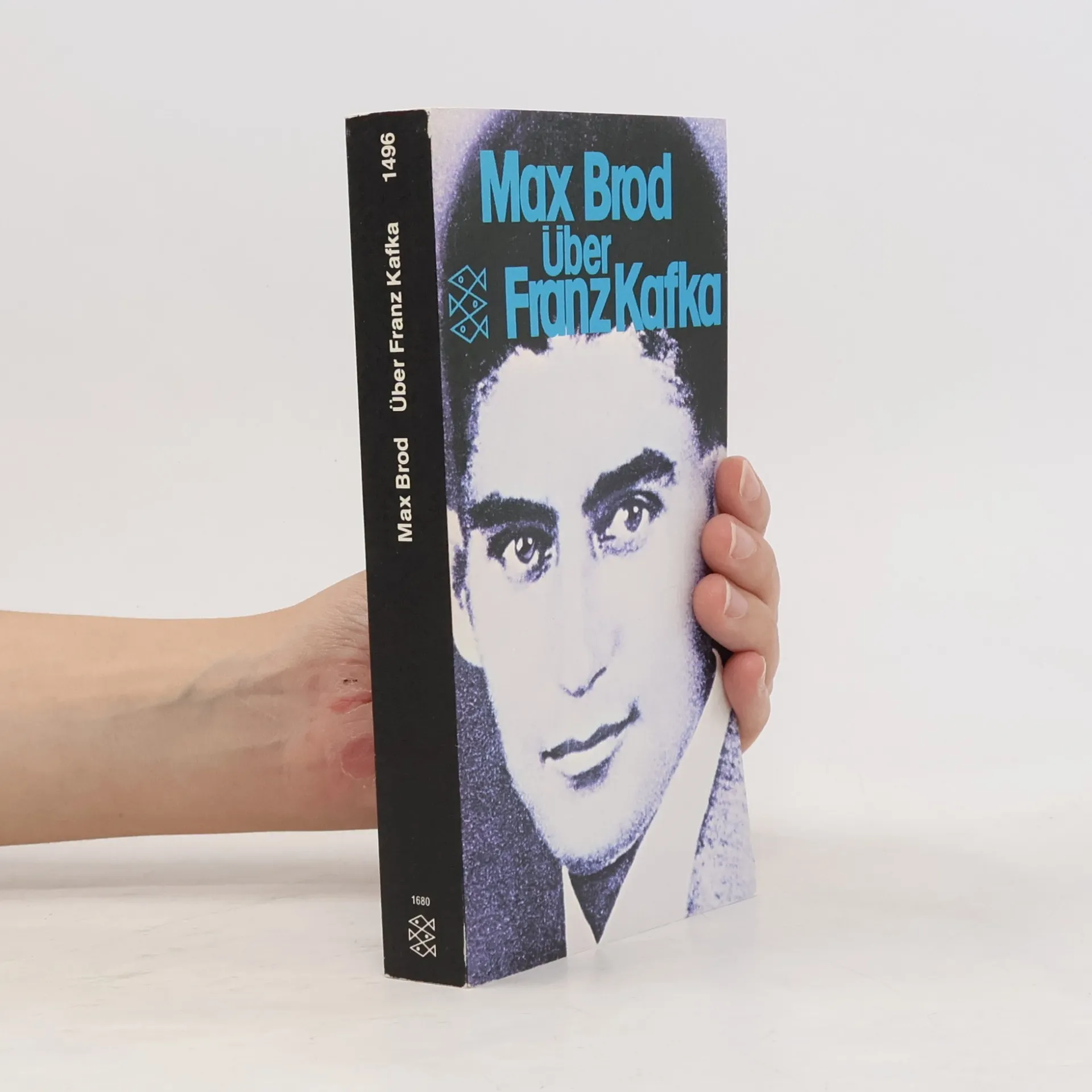
Max Brod, a successful novelist, was a boyhood companion of Kafka's and remained closely tied to him until Kafka's death in 1924. He was undoubtedly the one man whom Kafka trusted more than any other, and it is to Brod, as his literary executor and editor, that we are indebted for rescuing and bringing to light Kafka's work. Out of a lifelong devoted friendship, Brod drew this account of Kafka's youth, family and friends, his struggle to recognize himself as a writer, his sickness, and his last days. Franz Kafka gives us not only a more vivid and lifelike picture of Kafka than that painted by any of his contemporaries, but also a fascinating portrayal of the complicated interaction between two writers of different temperaments but similar backgrounds who together helped shape the future of twentieth-century literature.
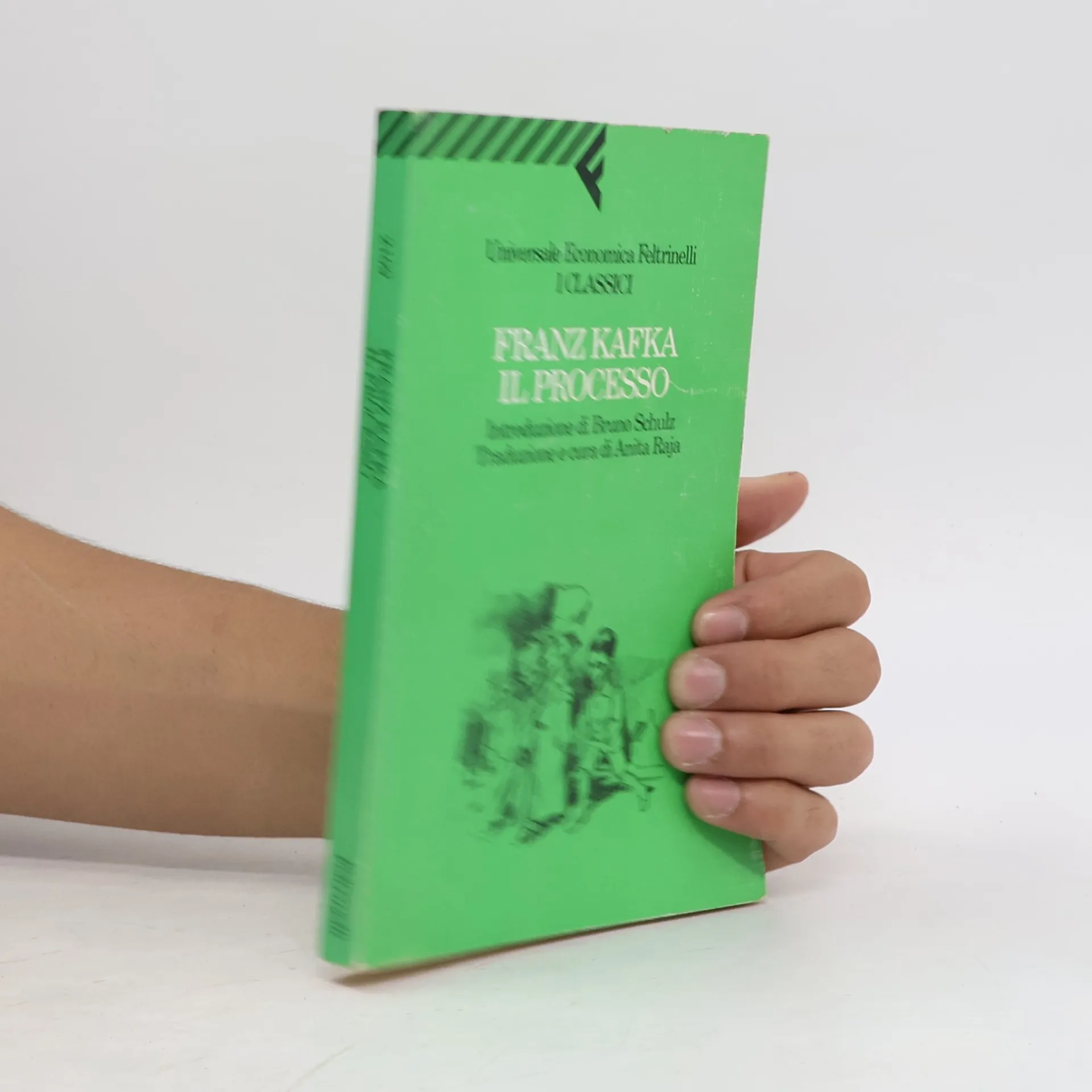
Il processo
- 244pagine
- 9 ore di lettura
Josef K., condannato a morte per una colpa inesistente, è vittima del suo tempo. Sostiene interrogatori, cerca avvocati e testimoni, soltanto per riuscire a giustificare il suo delitto di "esistere". Ma come sempre avviene nella prosa di Kafka, la concretezza incisiva delle situazioni produce, su personaggi assolutamente astratti, il dispiegarsi di una tragedia di portata cosmica. E allora tribunale è il mondo stesso, tutto quello che esiste al di fuori di Josef K. è processo: non resta che attendere l'esecuzione di una condanna da altri pronunciata.
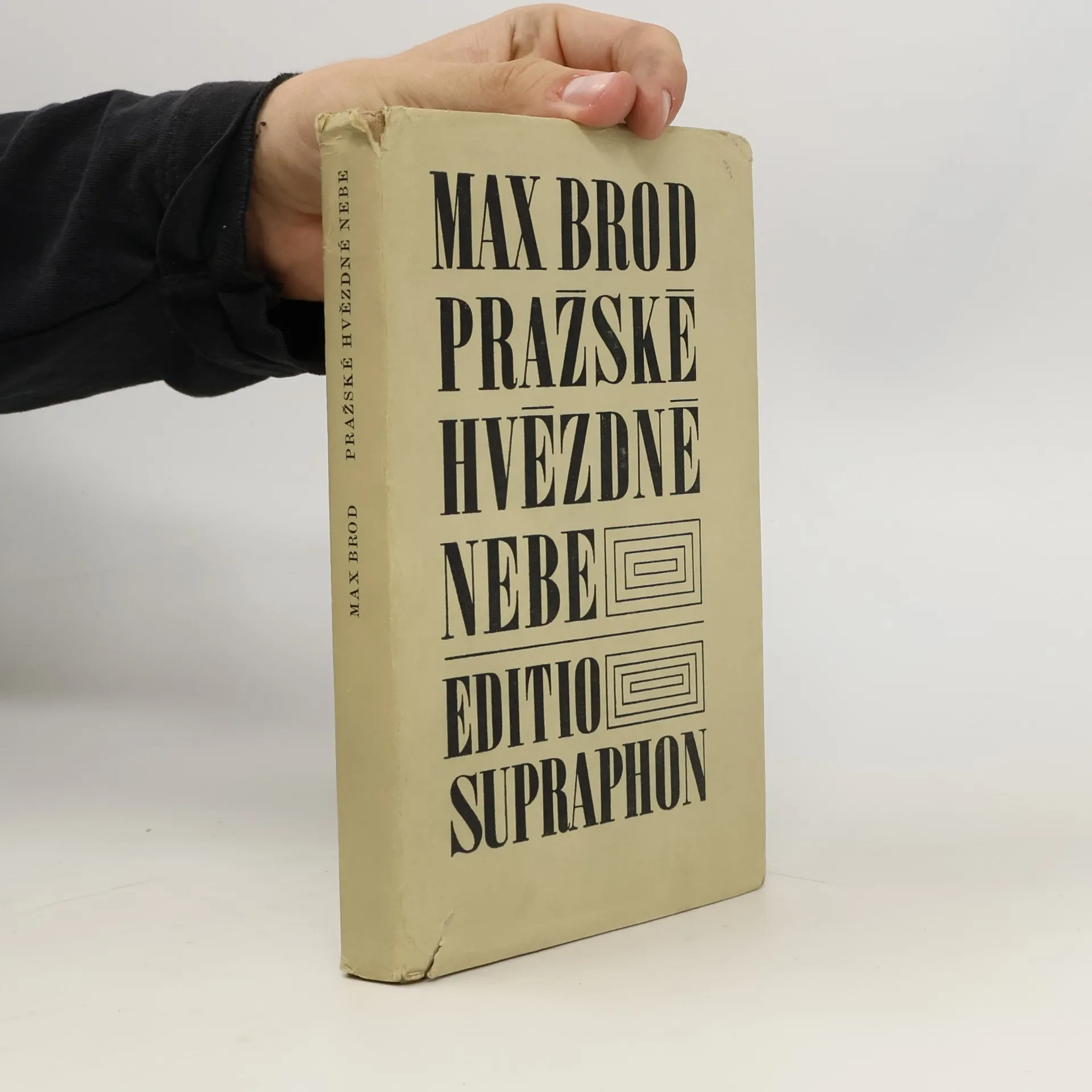
Poslední autorovo dílo. Pět kapitol této knihy, v níž přítel Franze Kafky a vůdčí osobnost pražských německy píšících autorů vypráví a vzpomíná, výrazně přesahuje běžnou hranici memoárové literatury a stává se svéráznou literárně historickou prací. Je to kniha poutavá a zároveň faktograficky, tak bohatá, že pro české čtenáře zůstává neocenitelným průvodcem pro pražské německé literatuře. V Pražském kruhu plasticky ožívají lidské a literární osudy nejen nejznámějších protagonistů (Kafka, Werfel, Rilke, Brod), ale i osobností tří, čtyř předcházejících generací (od Marie von Ebner-Eschenbach až po H. Saluse, F. Adlera, V. Hadwigera, P. Leppina a O. Wienera). Brodovu knihu uvádí studie jednoho z našich největších znalců pražské německé literatury prof. Eduarda Goldstückera, který měl příležitost se s autorem Pražského kruhu osobně poznat....
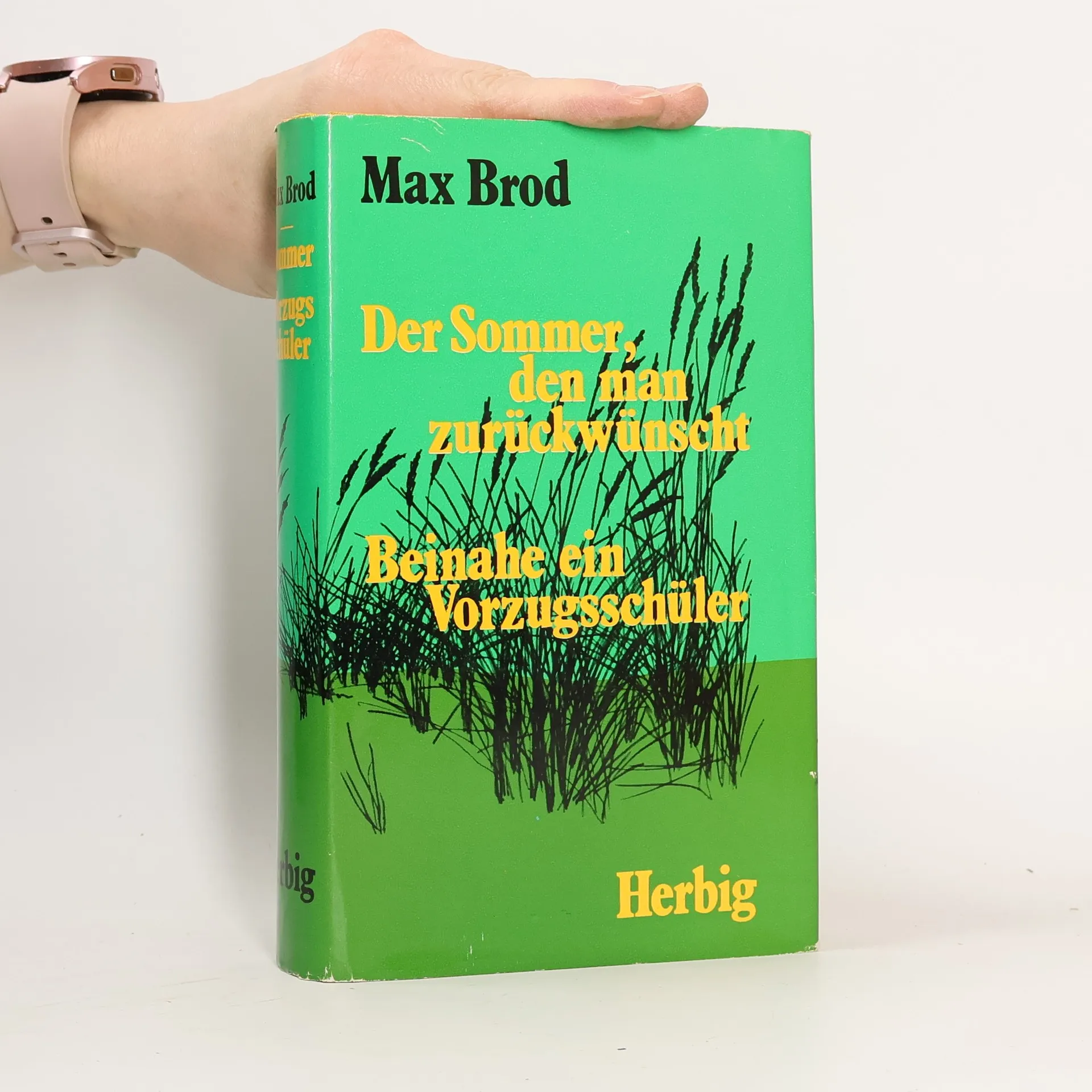
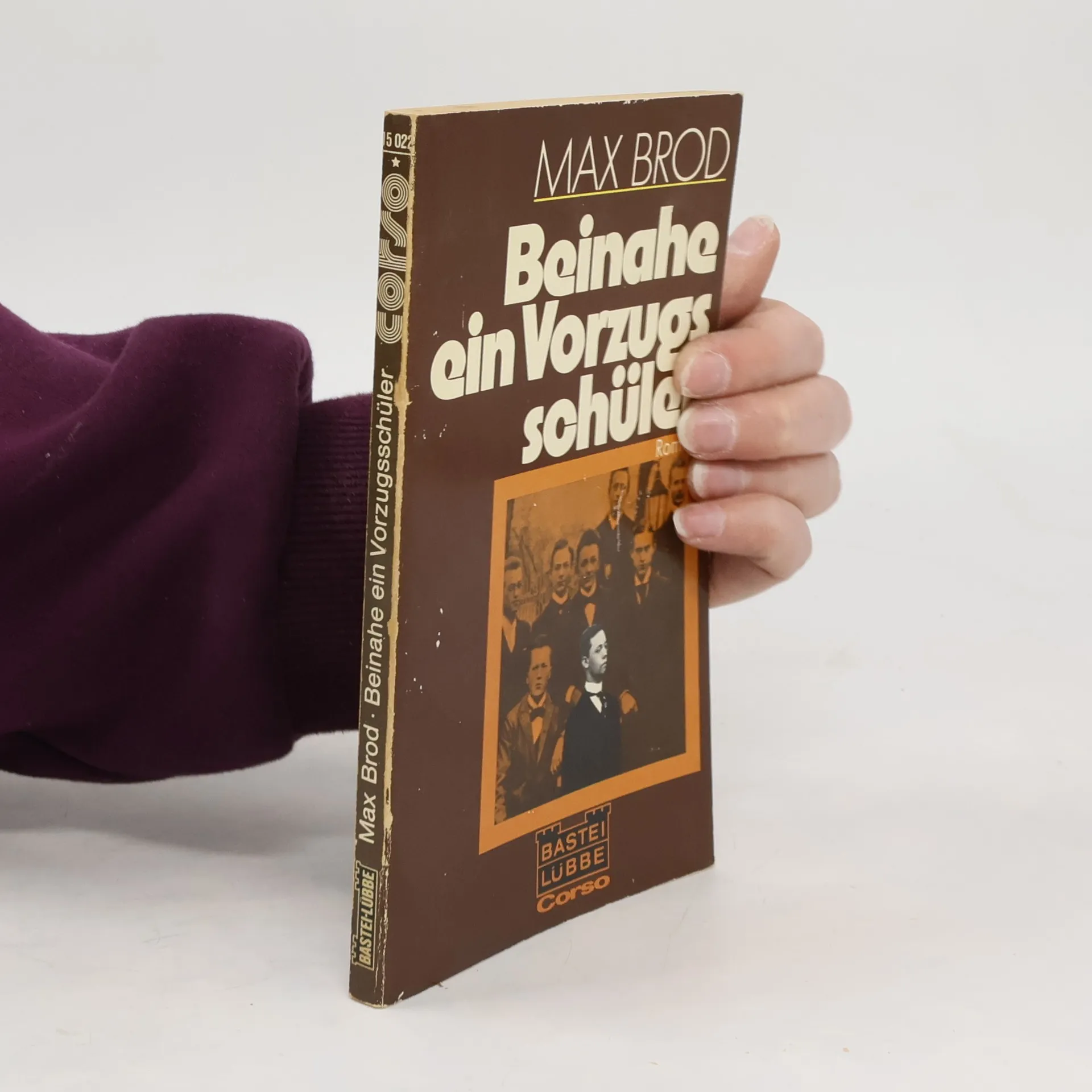
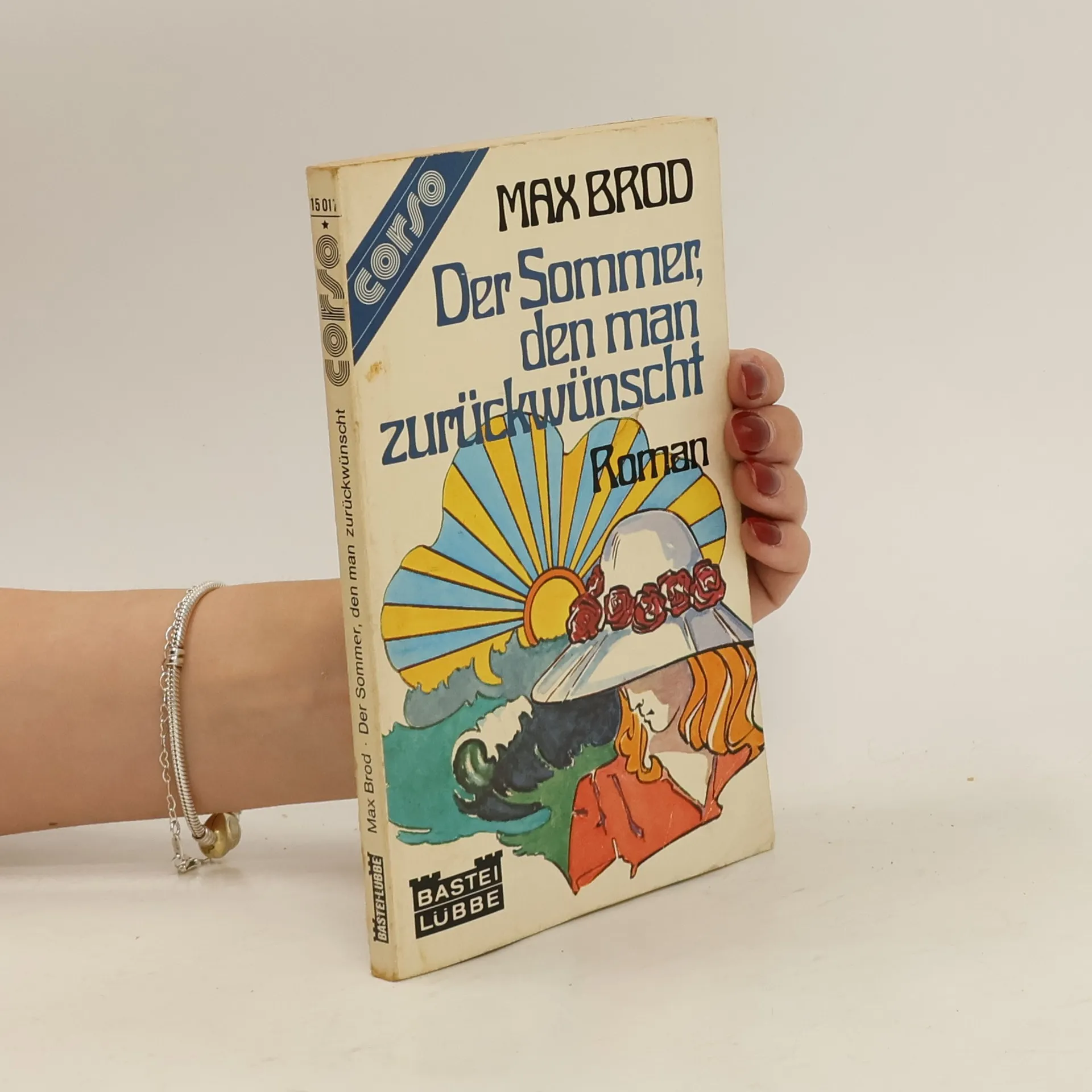
Der Sommer den man zurückwünscht. Beinahe ein Vorzugsschüler
- 374pagine
- 14 ore di lettura
In der farbenprächtigen sommerlichen Seelandschaft des Ostseebades Misdroy auf der Insel Wollin erlebt eine kleine Prager Familie um das Jahr 1899 einen fröhlichen Ausnahmezustand. Selbst die strenge Mutter ist hier erträglich, wo die vornehme Atmosphäre des alten Österreich auf die rauhere des Nordens trifft. Das gesellige Leben der Prager deutschsprachigen Juden, hier wird es wieder lebendig, wie auch im zweiten Roman dieses Bandes, »Beinahe ein Vorzugsschüler", einer Reminiszenz an Brods Schulzeit und eine Brücke zur untergegangenen Welt Prags in der Habsburger Monarchie. Die beiden kleinen Romane sind meisterhafte Zeitbilder und gehören zur schönsten Prosa, die Brod geschrieben hat.
Eine Freundschaft. Briefwechsel
- 538pagine
- 19 ore di lettura
Die Dokumentation der Freundschaft zwischen Max Brod und Franz Kafka wird mit diesem zweiten Band abgeschlossen. Erstmals werden die Briefe und Antwortbriefe der beiden Freunde einander gegenübergestellt, wodurch ihr Gespräch lebendig wird und ihre Freundschaft anschaulich wird. Kafkas Briefe sind häufig Bitten um Gegenbriefe; er greift Äußerungen seines Partners auf und fordert ihn auf, diese zu vertiefen. So lassen sich die fehlenden Briefe Brods aus der früheren Zeit wie in einem Spiegel mitlesen. Die Korrespondenz beginnt 1904 in lockerem Rhythmus und intensiviert sich ab September 1917 mit dem Ausbruch von Kafkas Krankheit. Stilistisch sind ihre Briefe grundverschieden: Brods Äußerungen sind spontan und privat, ohne literarische Absicht, während Kafka versucht, das, was ihm „in immer neuen Formen durch den Kopf“ geht, auszudrücken. Er sucht nach dem, was nicht mitteilbar ist, und möchte schreibend eine vertraute Stunde mit Brod verbringen. Nach einer tiefen Depression zögert Kafka jedoch ab 1921 mit dem Briefeschreiben, auch gegenüber Brod. Im Oktober 1923 erklärt er, dass sein Schweigen „strategische“ Gründe hat; er vertraut seinen Worten und Briefen nicht und möchte sein Herz nicht mit „Gespenstern“ teilen, die mit den Worten spielen.
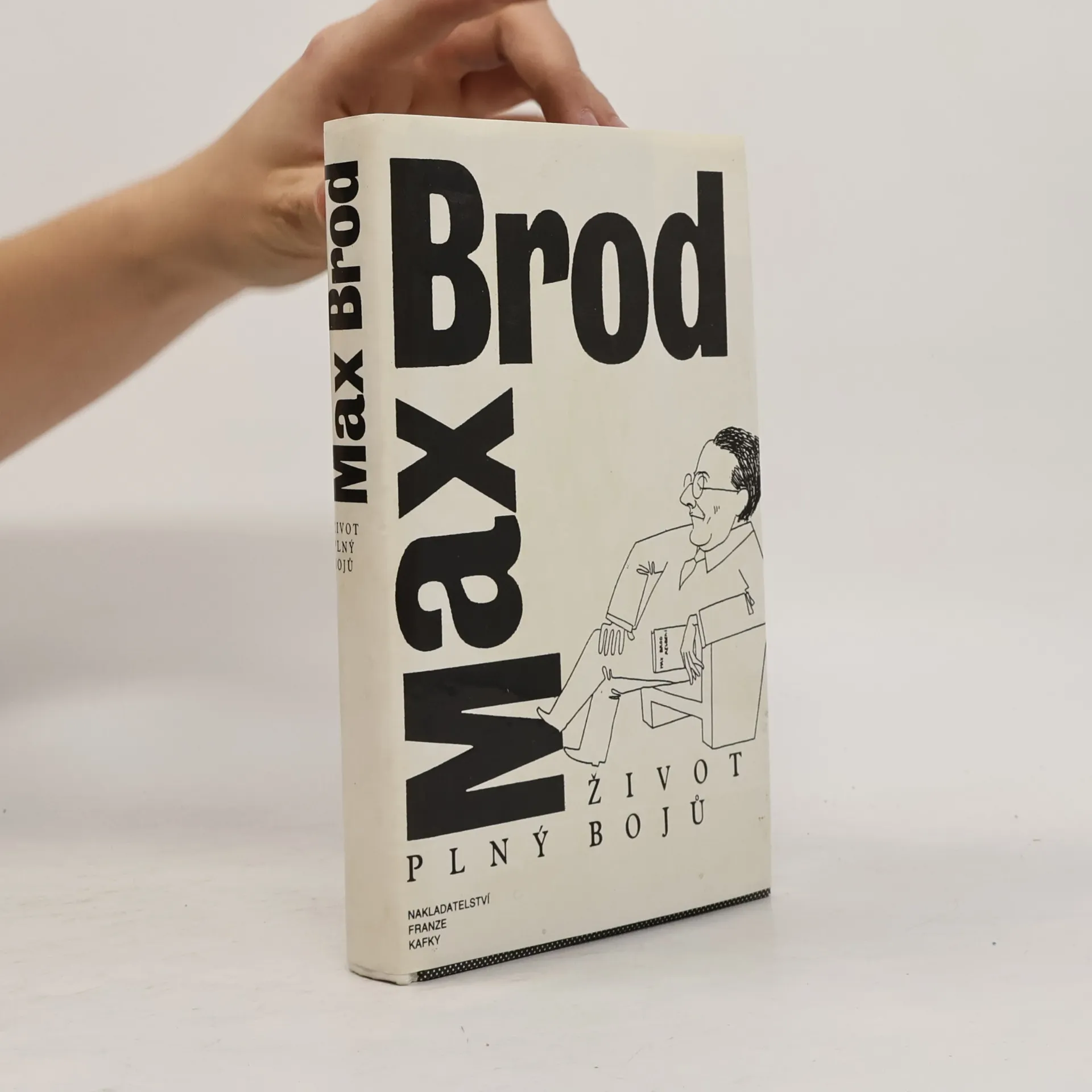
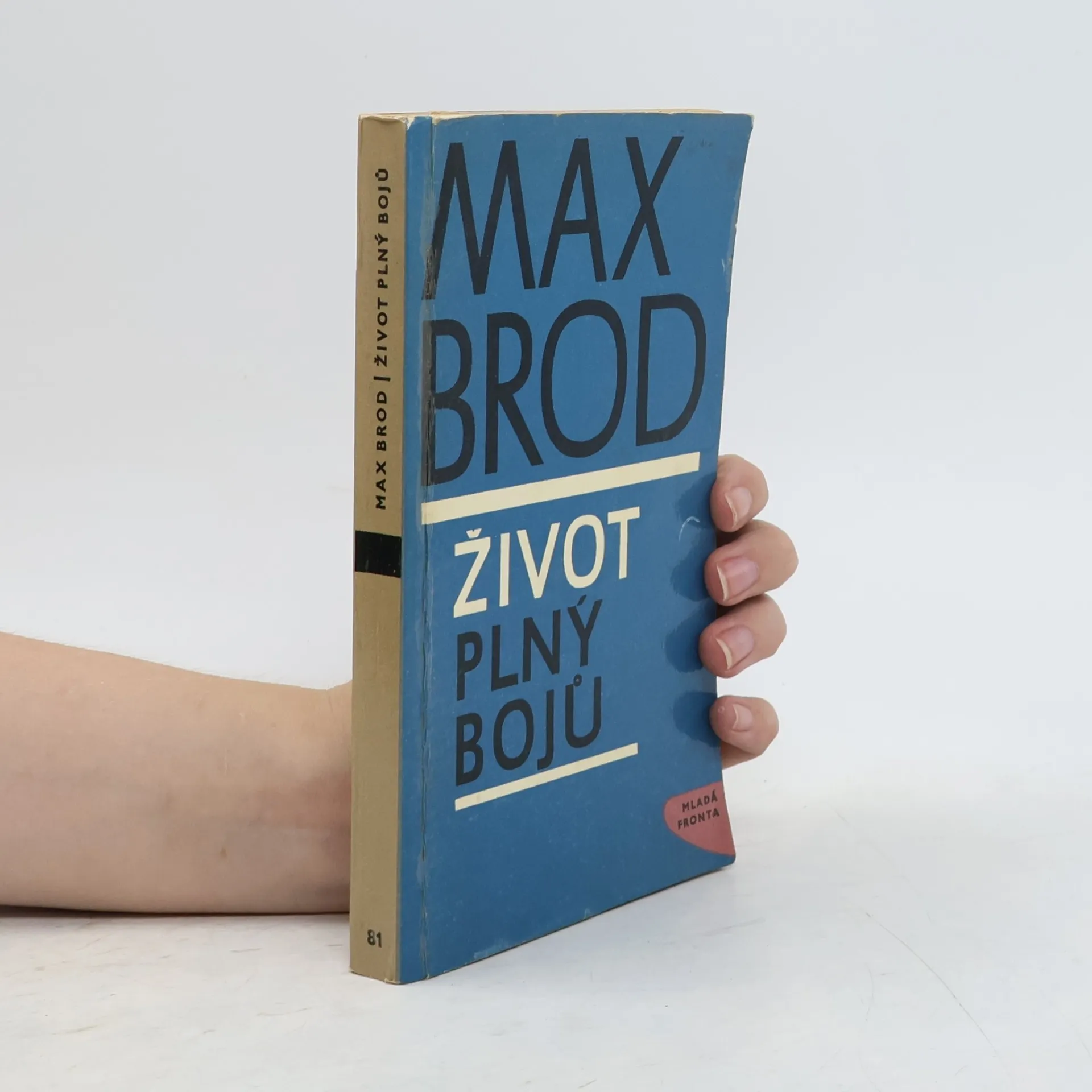
Život plný bojů : autobiografie
- 348pagine
- 13 ore di lettura
Paměti významného a agilního člena pražské německé literární a umělecké obce, jenž se zasloužil o proniknutí F. Kafky, J. Haška a L. Janáčka. Vedle osobních zážitků, dojmů a názorů vystupuje ve vzpomínkách i řada zajímavých osobností německé literatury (Meyrink, K. Kraus, Werfel, Rilke, Th. Mann aj.) a ovšem i na události a zvraty bohatá doba před první světovou válkou, za první republiky a druhé světové války. 2. vydání
Eine Freundschaft : Reiseaufzeichnungen
- 500pagine
- 18 ore di lettura
Am 23. Oktober 1902 begegneten sich Max Brod und Franz Kafka bei einem Vortrag über „Schopenhauer und Nietzsche“ in Prag. Obwohl beide Jura studierten und sich häufig sahen, entwickelte sich ihre enge Freundschaft erst im November 1908. Im September 1909 unternahmen sie mit Brods Bruder Otto eine erste gemeinsame Reise nach Riva am Gardasee, wo sie ein Flugmeeting in Brescia besuchten und zum ersten Mal ein Flugzeug sahen. Max Brod schlug vor, jeder solle seine Eindrücke beschreiben. So entstanden die Texte „Flugwoche in Brescia“ und „Die Aeroplane in Brescia“, die die unterschiedlichen Perspektiven und Stile der beiden Autoren widerspiegeln. Diese Texte wurden zur Veröffentlichung bestimmt. Im Gegensatz dazu sind die folgenden Dokumente private Tagebuchaufzeichnungen von weiteren Reisen nach Paris und Rouen (1910) sowie Lugano und Mailand (1911) und Weimar. Am 29. August 1911 in Lugano entwarfen sie den Plan für einen gemeinsamen Roman mit dem Titel „Richard und Samuel“, der jedoch nur das erste Kapitel, „Die erste lange Eisenbahnfahrt“, umfasst. Ein zweiter Band, der die vollständige Korrespondenz der beiden Freunde enthalten wird, ist in Vorbereitung.
Die berühmtesten und die anderen Meistererzählungen von Franz Kafka: 'Das Urteil', 'Die Verwandlung', 'In der Strafkolonie' und viele andere mehr. Mit einem Nachwort von Walter Muschg und einer Erinnerung an Franz Kafka von Kurt Wolff.
Beschreibung eines Kampfes : Novellen, Skizzen, Aphorismen : aus dem Nachlaß
- 279pagine
- 10 ore di lettura
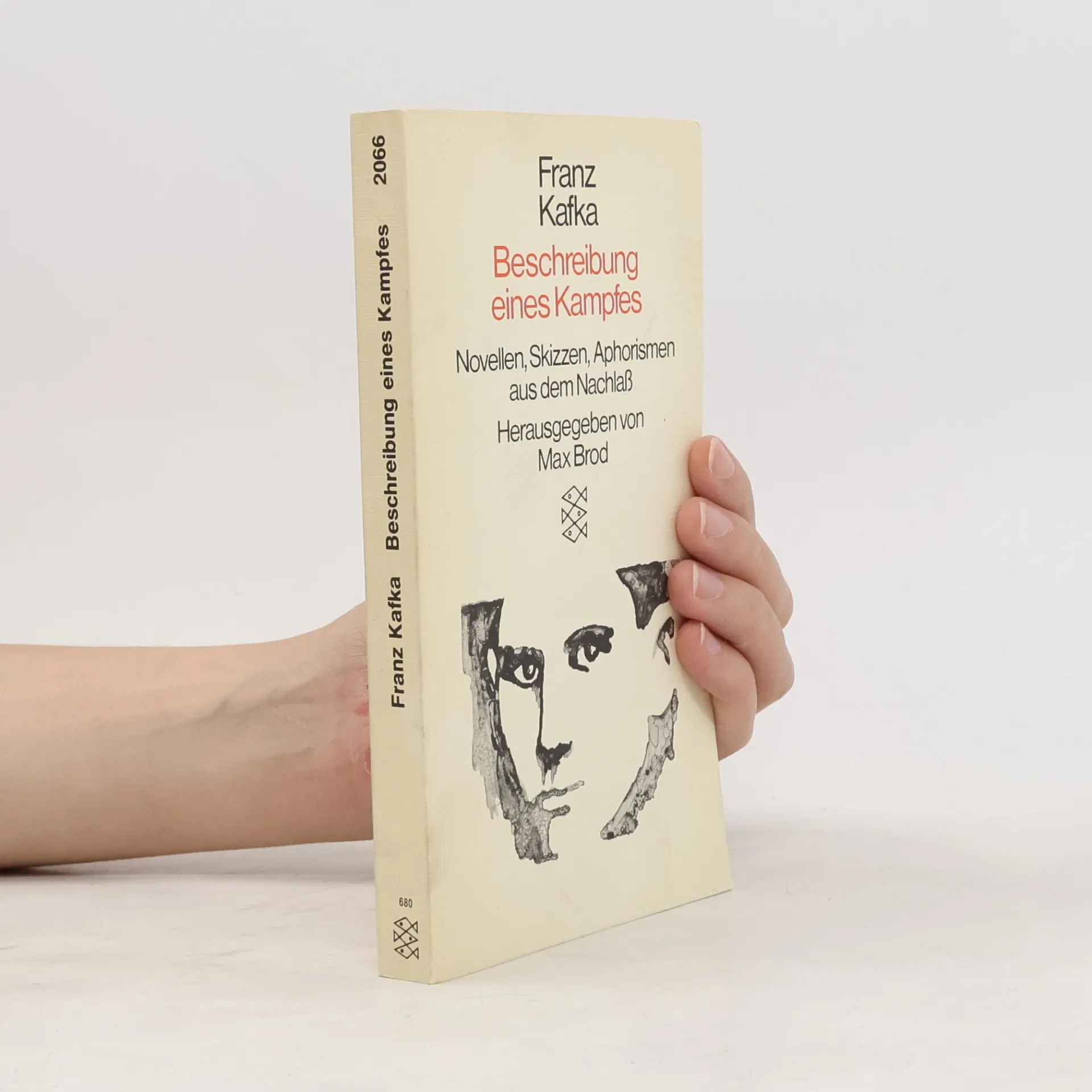
In diesem Buch, das 34 Erzählungen umfasst, wird der Kampf des einsamen Individuums in den "kafkaesken" Sackgassen der Welt sichtbar. Kafka beschreibt die dunklen Dimensionen des Daseins mit einer Intensität, die von keinem anderen Autor erreicht wurde. Seine Protagonisten sind ebenso einsam wie er selbst und haben die Literatur des 20. Jahrhunderts tiefgreifend beeinflusst. In seinen Werken werden die Ängste, Verzweiflungen und Dilemmata des Individuums in einer thematischen Vielschichtigkeit mit klarer Sprache behandelt.
Hochzeitsvorbereitungen auf dem Lande
Und andere Prosa aus dem Nachlaß
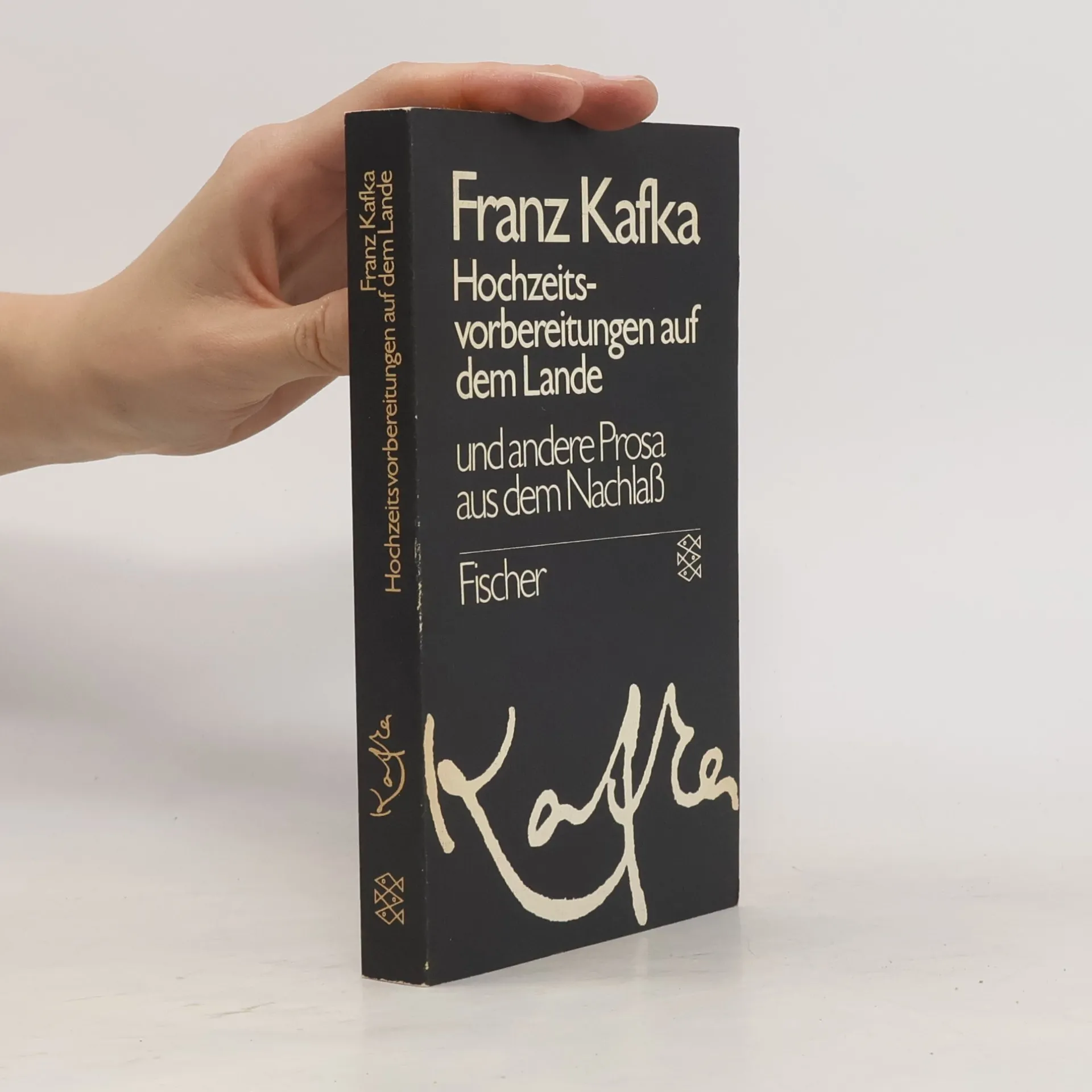
Gesammelte Werke in Einzelbänden, herausgegeben von Max Brod, umfasst 359 Seiten.
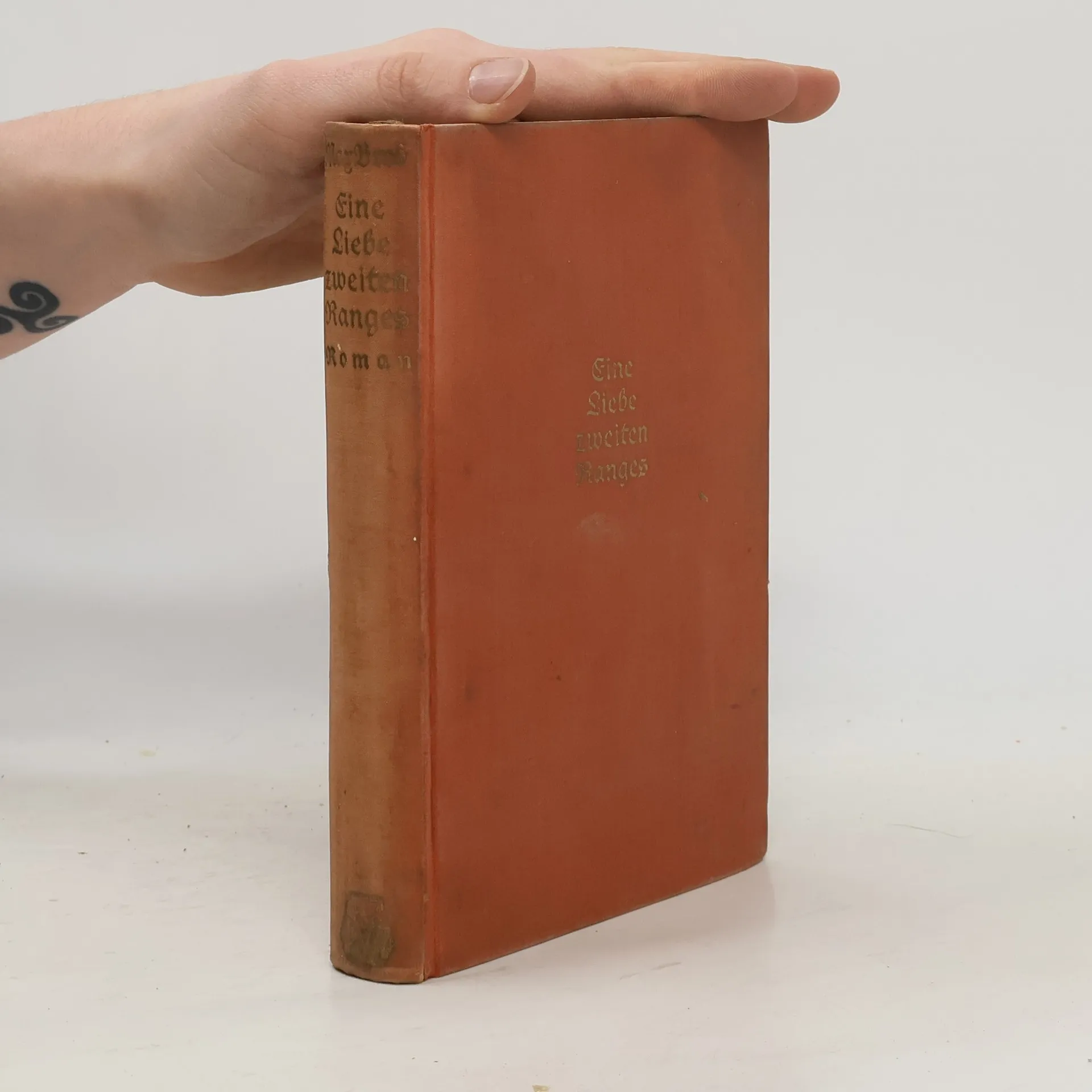
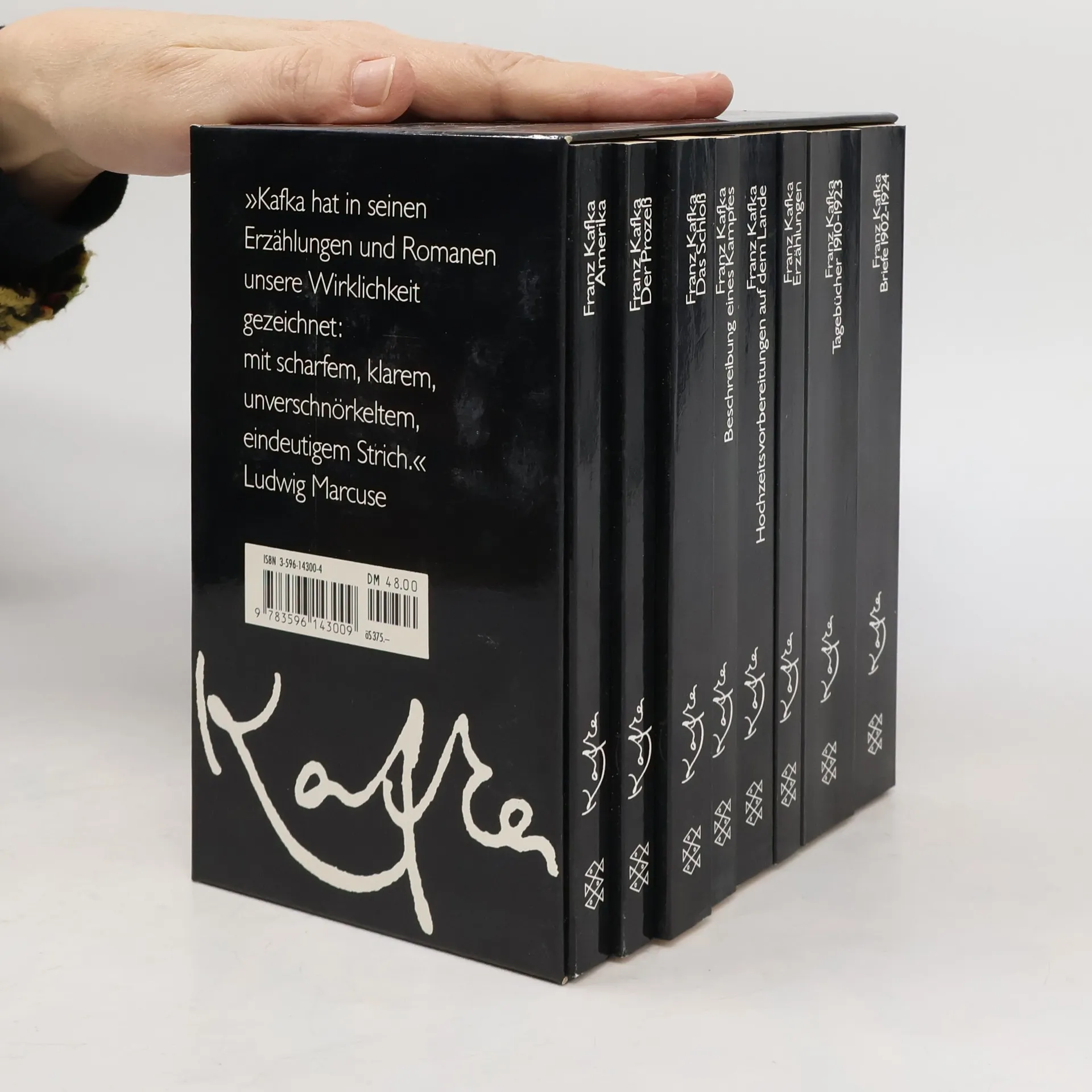
Franz Kafka Gesammelte Werke in acht Bänden
- 525pagine
- 19 ore di lettura
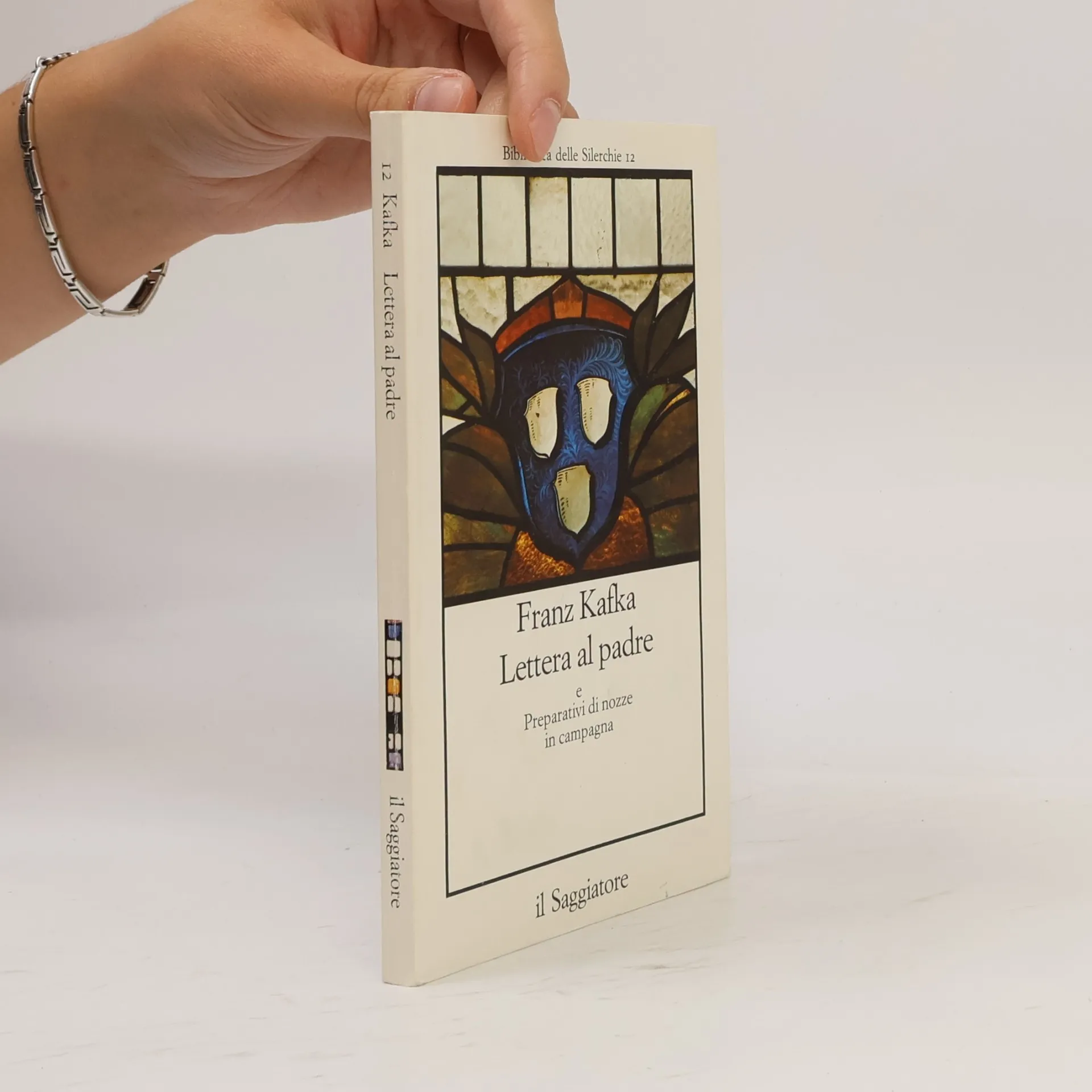
La mai spedita Lettera al padre (1919) è considerata dai critici la chiave dell'opera letteraria di Franz Kafka (1883-1924). Questo documento di un drammatico conflitto padre-figlio è una pagina unica e impressionante della letteratura universale. Accusa e insieme autoanalisi spietata, questa lettera apre a chi legge uno spiraglio sulla complessa vita mentale dell'autore. In uno stile incalzante e di forza quasi magnetica, Kafka fa i conti con un padre autoritario, dalla cui figura tirannica e prepotente si sente sovrastare: «Alle volte mi immagino un planisfero tutto spiegato e te disteso sopra di traverso».
Touha : výbor z básnického díla
- 216pagine
- 8 ore di lettura
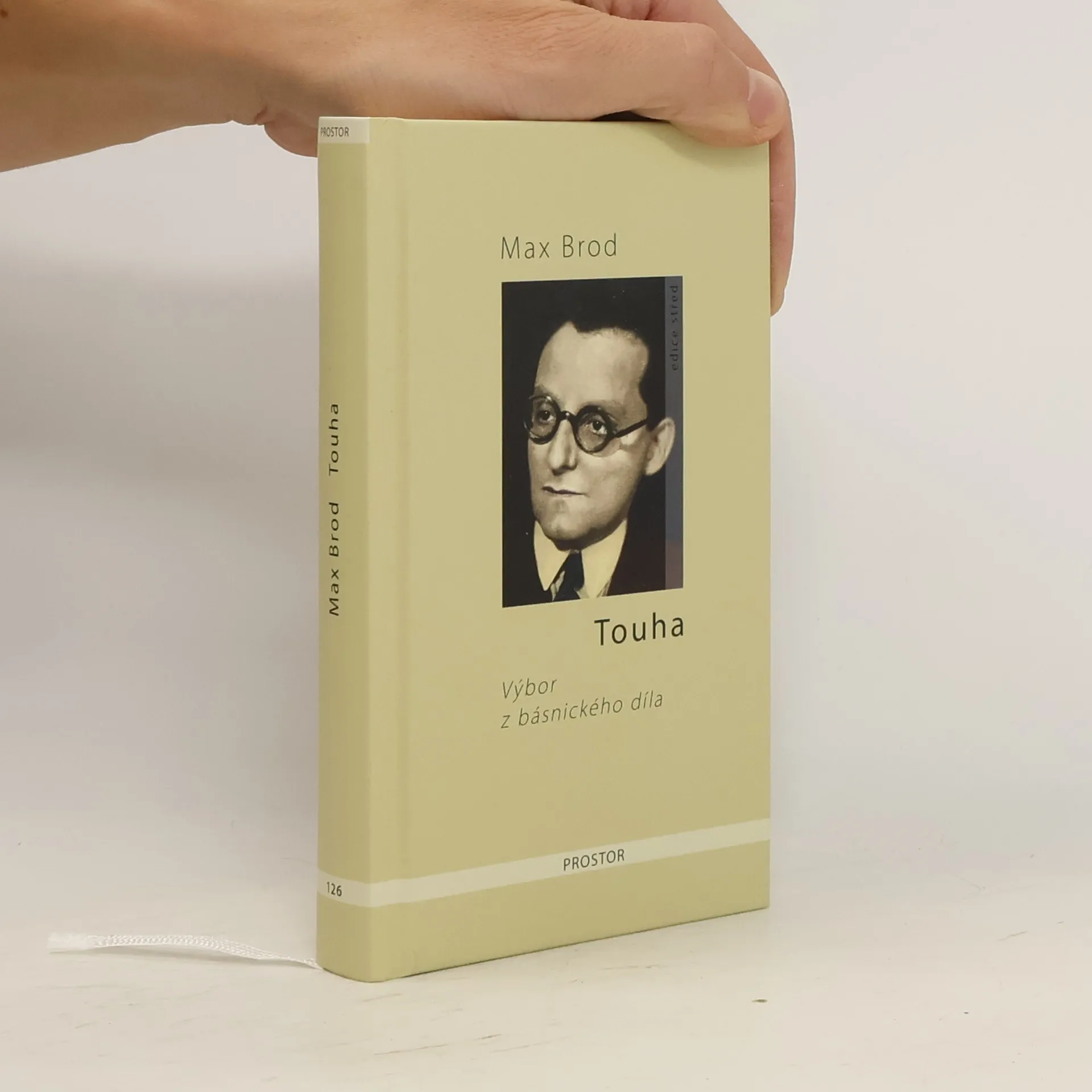
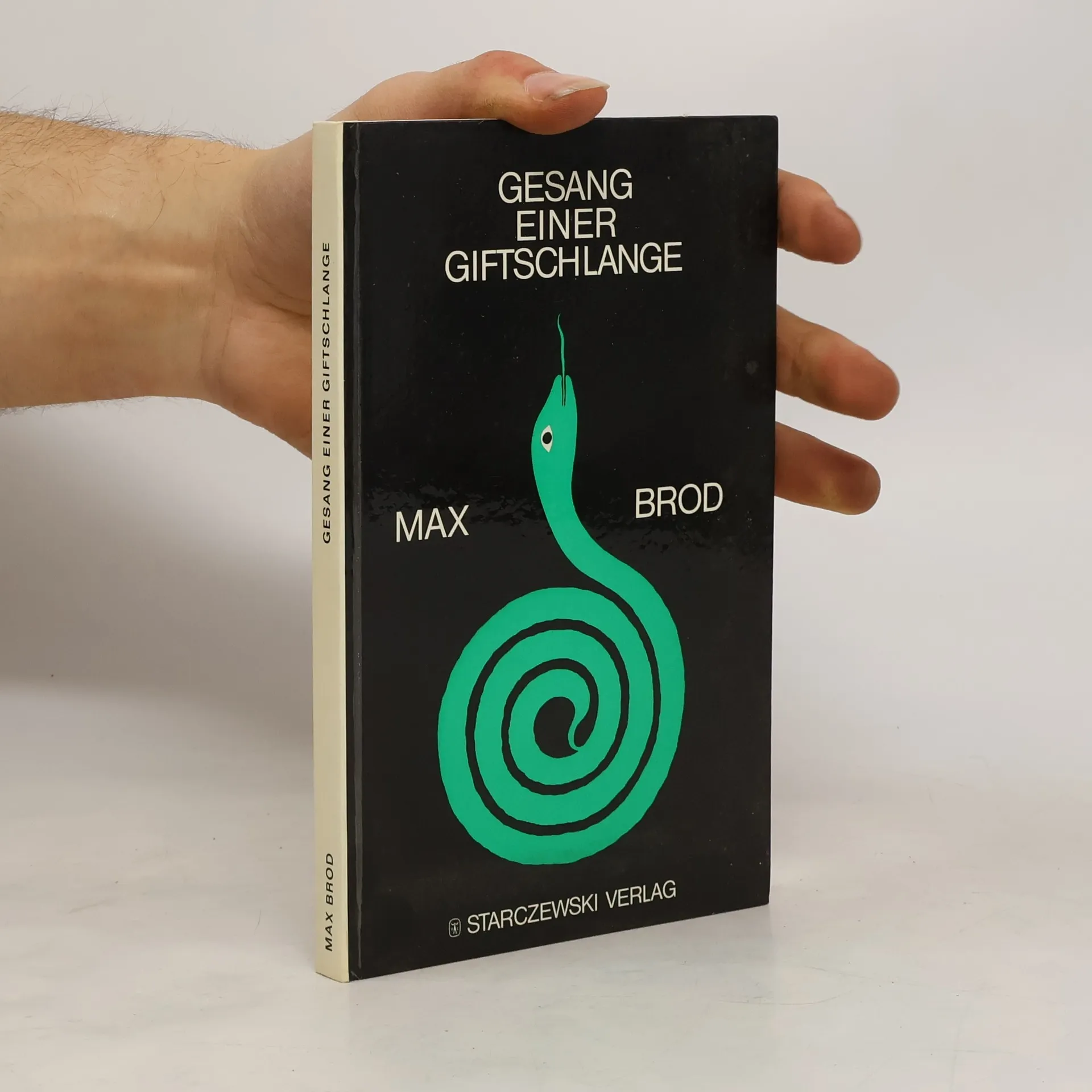
Výbor z básnické tvorby Maxe Broda (1884–1968) vzdává hold umělci, jehož lyrika, čítající na pět set básní, je v Čechách téměř neznámá. O pražském židovském německy píšícím spisovateli se u nás mluví především jako o příteli Franze Kafky a uchovateli jeho díla; Brodova vlastní rozsáhlá tvorba však bývá neprávem opomíjena. Z jeho pěti básnických sbírek vyšla v roce 1907 jako první Der Weg des Verliebten (Cesta zamilovaného) a jako poslední, v roce 1966, Gesang einer Giftschlange (Zpěv jedovatého hada). Výbor Touha představuje českým čtenářům Brodovy pestré a mnohovrstevnaté básně v překladu přední české lingvistky Zlaty Kufnerové včetně německého originálu a umožňuje vytvořit si celkovou představu o autorově básnickém díle. Mnohé lyrické texty mají silné autobiografické rysy, reflektují osobní zážitky v jednotlivých obdobích autorova života, vycházejí ze vzpomínek na dětství, mládí, lásky, na rodinu a prostředí, v němž se Brod pohyboval. Pochopitelně nechybí básně s tématem židovství a holokaustu, šoa. Mimořádně přesvědčivě vyznívají silně emocionální verše věnované bratru Ottovi, rovněž spisovateli, který se spolu s rodinou stal obětí nacistického vraždění.
Franz Kafka, eine Biographie.
Scritto intorno al 1922 e pubblicato postumo da Max Brod nel 1926, "Il castello" è l'ultimo romanzo di Franz Kafka. L'agrimensore K., "emergendo da un vuoto di antefatti o di preistoria personale simile a un banco di nebbia", come scrive Italo Alighiero Chiusano nell'introduzione, arriva in un villaggio sormontato da un castello. K. è lì per esercitare la propria professione, ma ciò gli è impedito dall'ostilità degli abitanti e dagli ostacoli frapposti dalla burocrazia del Castello, sfuggente e inafferrabile per la sua meticolosa e arbitraria complessità.
The great wall of China
- 54pagine
- 2 ore di lettura
In May 2005 Penguin will publish 70 unique titles to celebrate the company's 70th birthday. The titles in the Pocket Penguins series are emblematic of the renowned breadth of quality of the Penguin list and will hark back to Penguin founder Allen Lane's vision of good books for all'. as among the greatest works of early twentieth-century literature. His most famous and influential work, Metamorphosis, depicting a man who wakes up to discover he has been turned into an insect, was first published by Penguin in 1961. These lucid stories and brief fables describe the cruel absurdities he believed dominate human life.
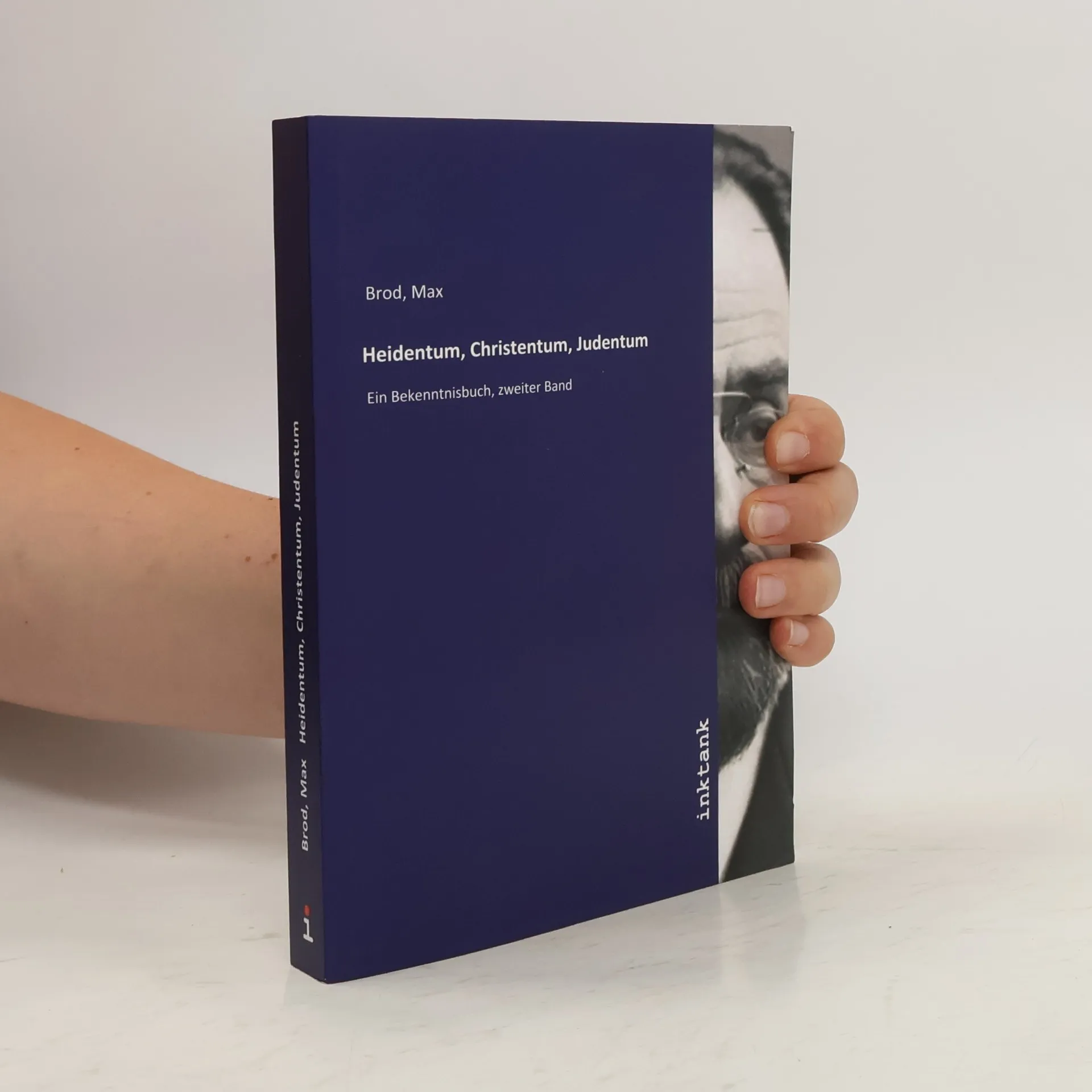
Brod
Heidentum, Christentum, Judentum
Beinahe ein Vorzugsschüler
- 140pagine
- 5 ore di lettura
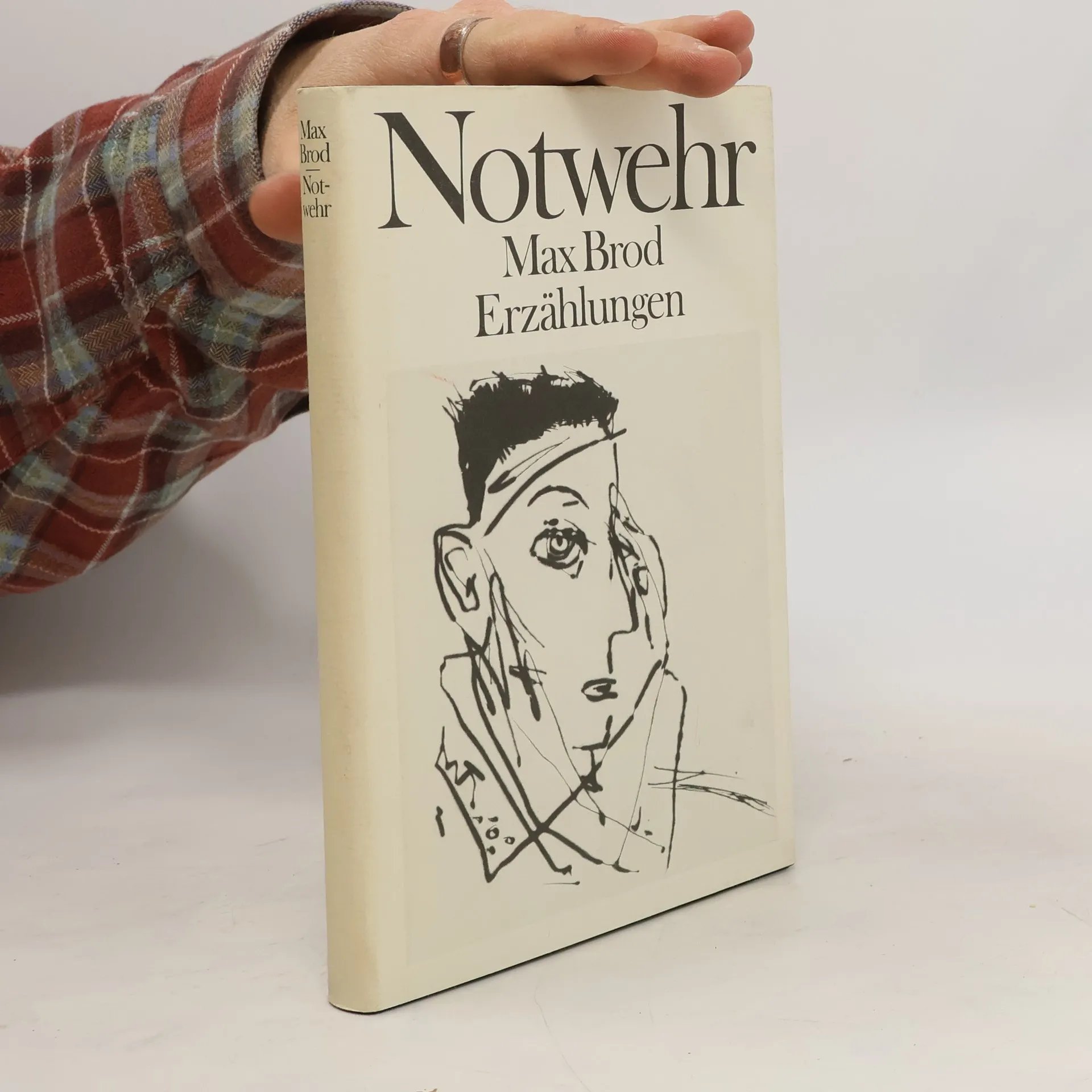
Notwehr
- 192pagine
- 7 ore di lettura
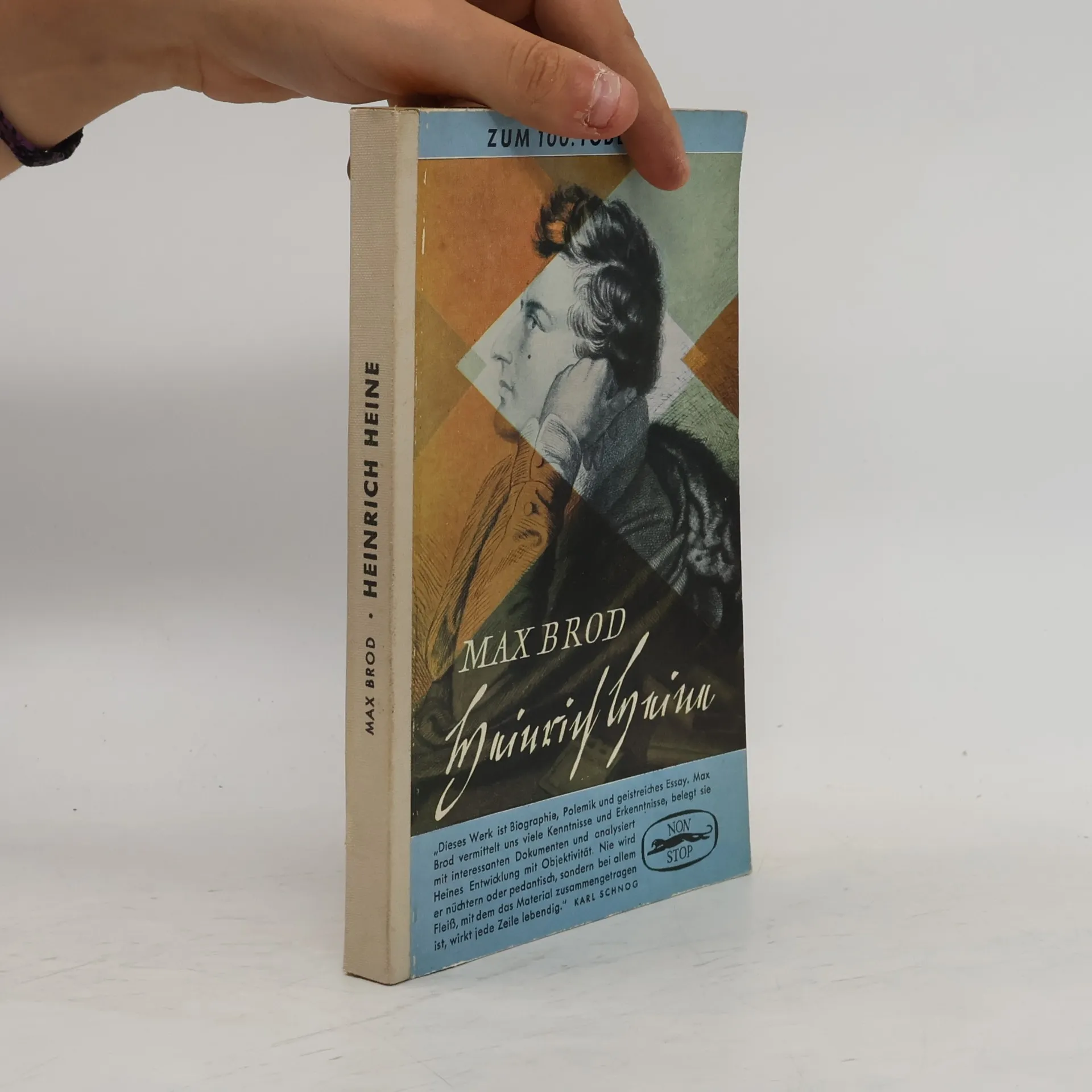
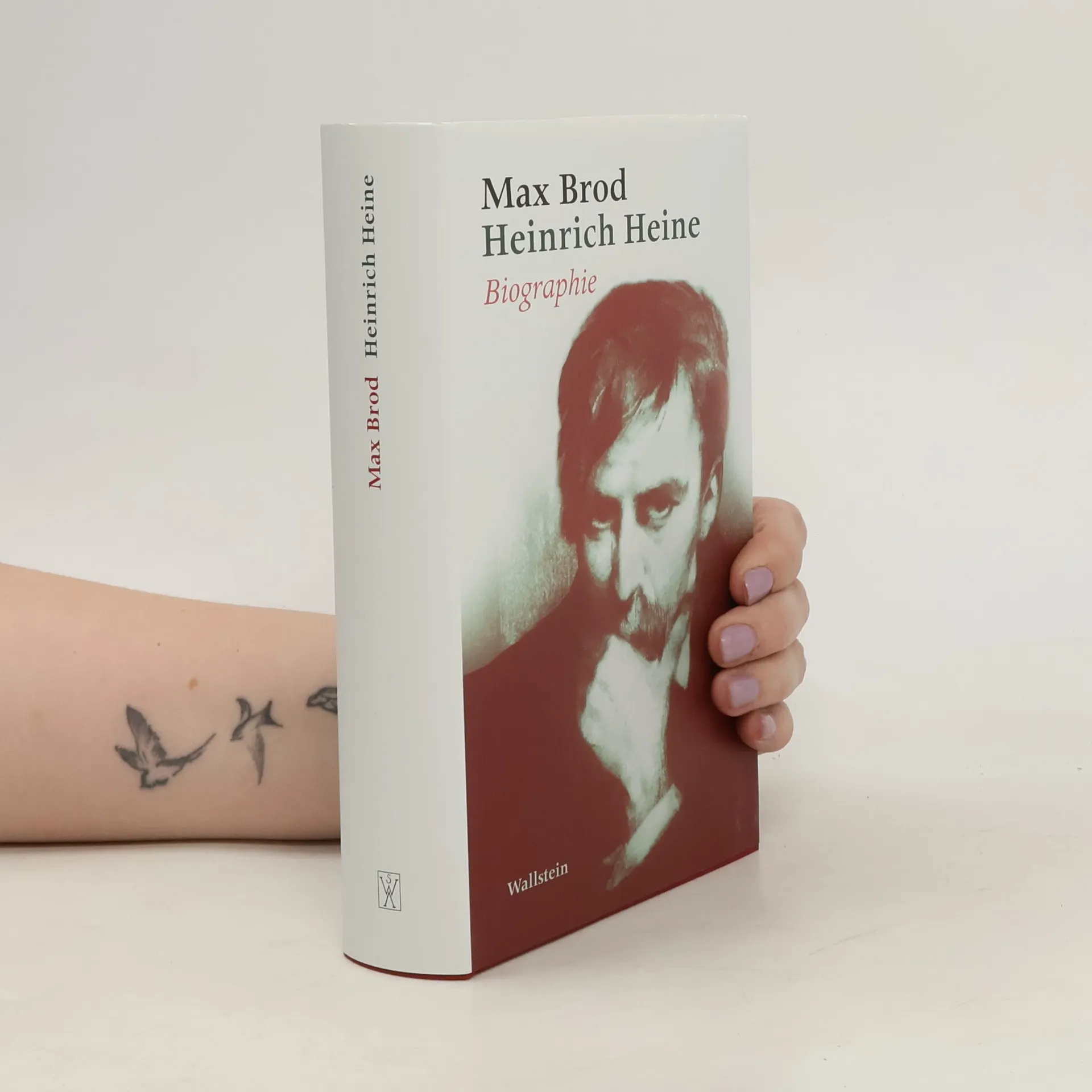
Diese sorgfältige und elegant geschriebene Biographie handelt nicht nur von Heine, sondern auch von Brod und vom Schicksal der deutschen Juden; als Brod den Text 1934 veröffentlichte, waren die Nazis schon ein Jahr an der Macht, das Publikum in Deutschland nicht mehr erreichbar. Das Buch kam im Exil-Verlag Allert de Lange in Amsterdam heraus und erlebte bereits 1935 eine zweite verbesserte Auflage. Dann gingen die schrecklichsten Ereignisse darüber hinweg. In einem kurzen Vorwort zur neuen Auflage 1956, die dieser Ausgabe zugrunde liegt, macht Brod darauf aufmerksam: Er musste einiges ändern nach der Vernichtung des deutschen Judentums.
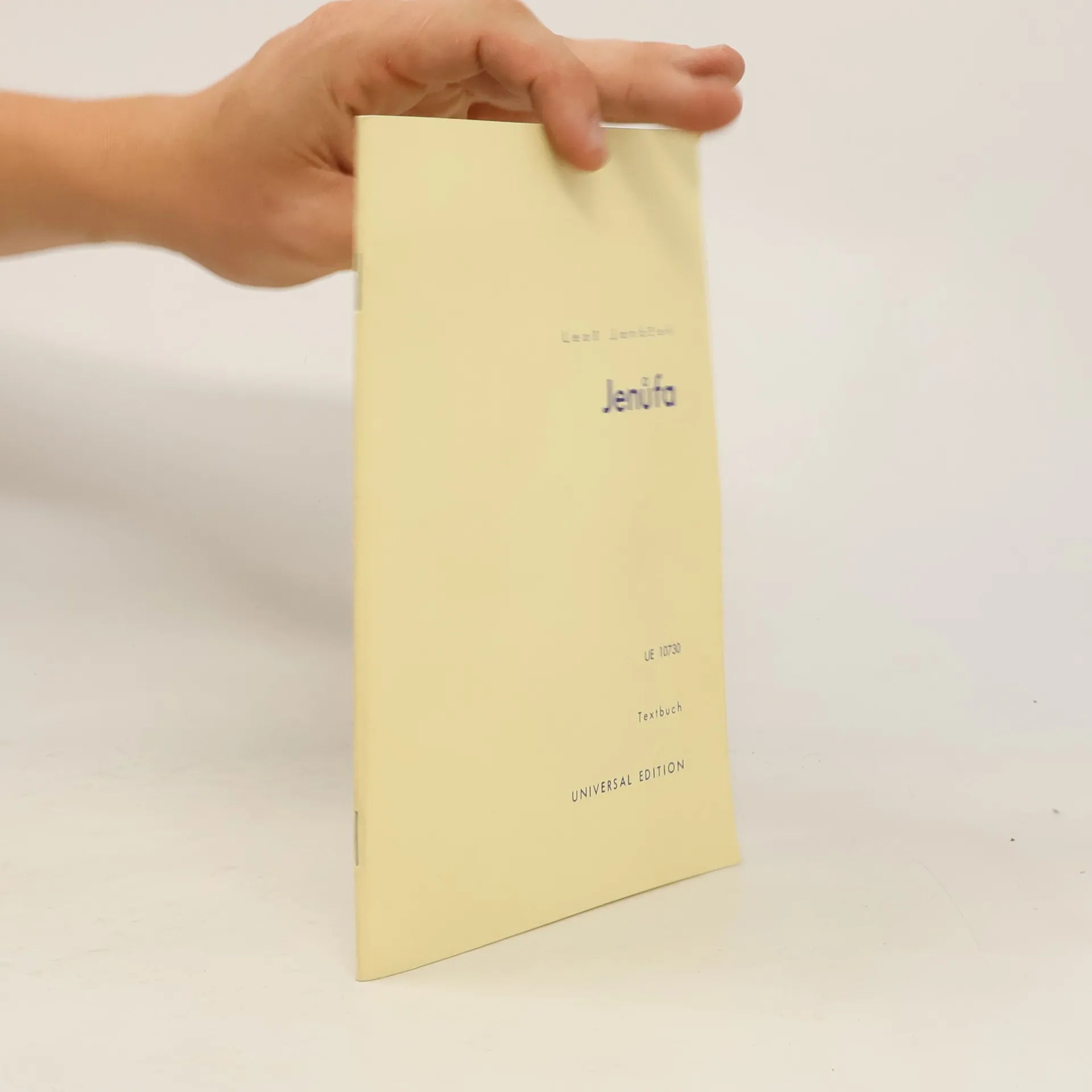
Die 1904 in Brünn erfolgreich uraufgeführte Oper bringt im bäuerlichen Mähren das menschliche Drama der verführten Ziehtochter Jenufa auf die Bühne. Charakteristisch ist die kunstfertige Verarbeitung volkstümlicher Musik, die dem Werk eine folkloristische Prägung verleiht. Der Text entspricht der 1917 erschienenen Gesangsübersetzung von Max Brod.
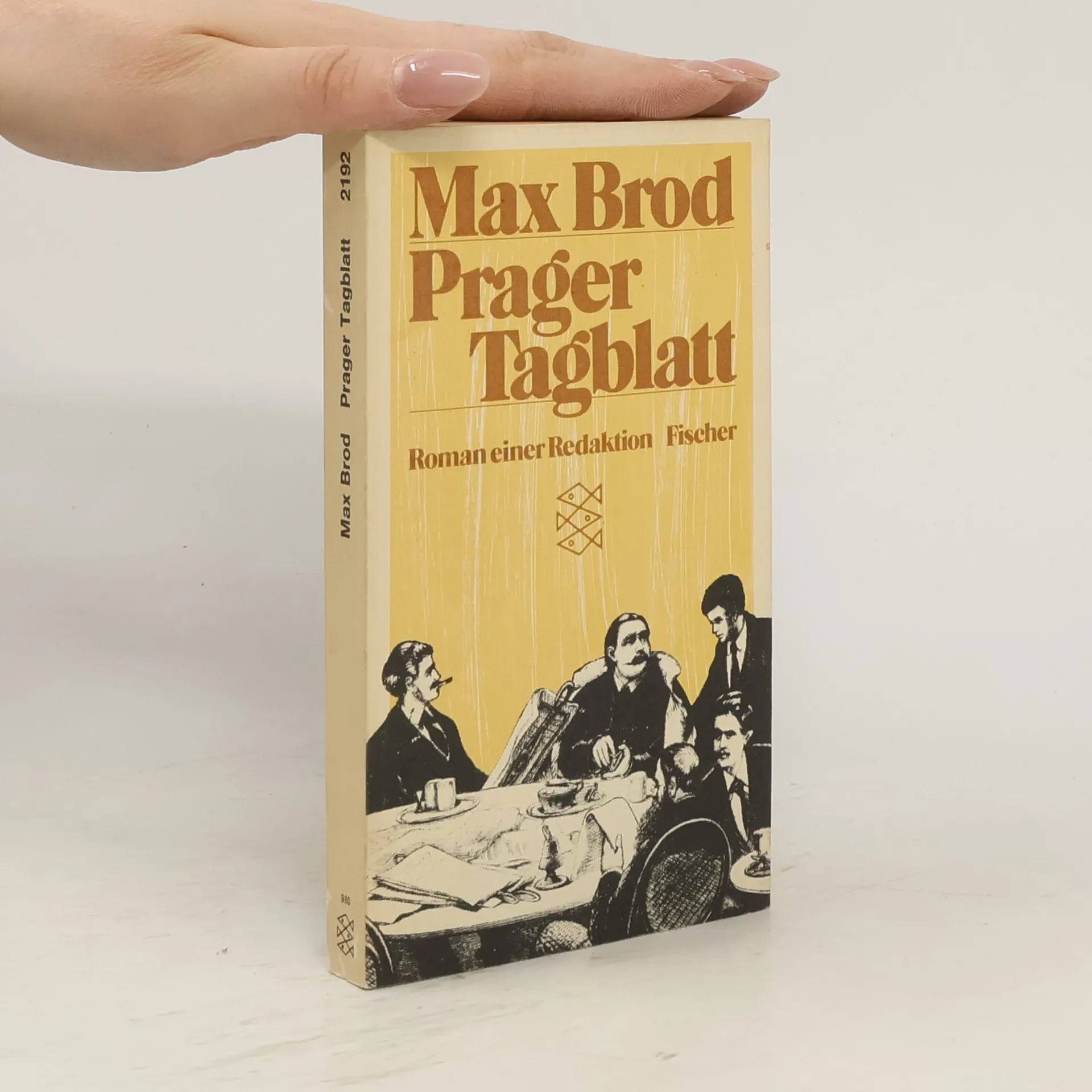
Prager Tagblatt
- 303pagine
- 11 ore di lettura
Der Roman einer großen Epoche der Prager Kulturgeschichte, erzählt von einem, der zu ihrer Größe beitrug. Das "Prager Tagblatt" war die bedeutendste deutschsprachige Zeitung der Tschechoslowakei in der Zwischenkriegszeit, liberal, offen und immer bestrebt, der tschechisch-deutschen Verständigung zu dienen. Max Brod schildert in seinem Roman das Innenleben der Redaktion, der er selbst als Literatur-, Musik- und Theaterkritiker angehörte. Er erzählt vom Prager Nachtleben und wie politische Ereignisse einer unruhigen Zeit Einfluss auf Leben und Arbeit nahmen. Die anschauliche Schilderung des Redaktionsalltags wird ergänzt durch eine Liebesgeschichte des Erzählers zu einer schönen und rätselhaften Frau, aber auch durch eine Der Redakteur Fliegel hat auf der Prager Kleinseite eine Sonntagsschule für behinderte Kinder gegründet und lebt das, wofür die "Skribenten" er ist vorbildlich.
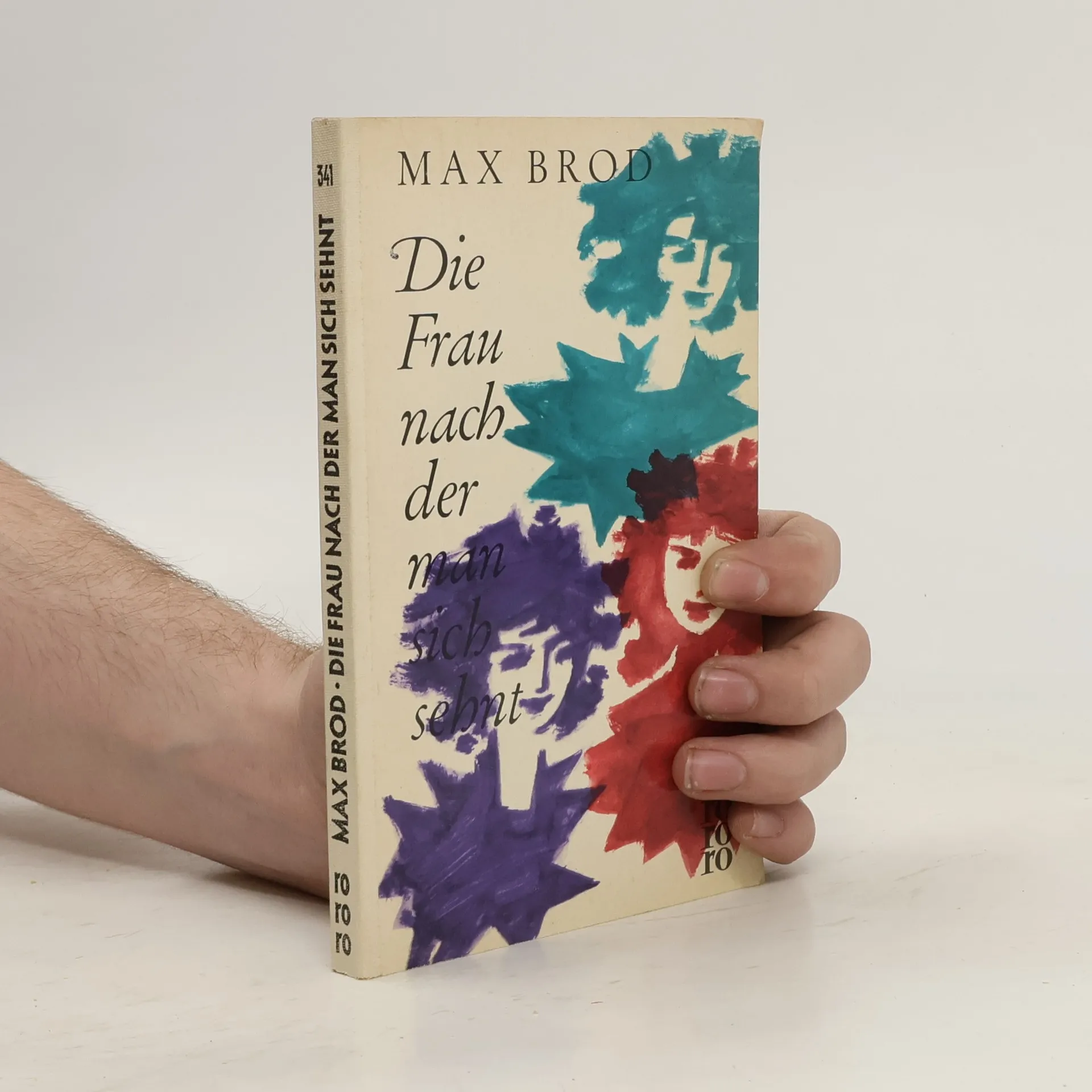
Max Brods erfolgreichster Liebesroman aus dem Jahr 1927 - mit Marlene Dietrich verfilmt.Mit seinem Roman um eine »femme fatale« erzählt Max Brod eine spannende Liebesgeschichte und erweist sich als Meister der Charakterzeichnung.Der rätselhaften Stascha verfallen gleich zwei Männer: Der Held Mayreder flieht mit der launischen Schönheit nach Italien, durch teure Hotels und prächtige Landschaften, verfolgt von seinem Konkurrenten Dr. Karkos. Bis Stascha unerwartet die Seite wechselt, was ihr zum Verhängnis wird.»Die Frau nach der man sich sehnt« wurde Brods erfolgreichster Liebesroman, schon 1929 kam er als Film in die Kinos: mit Marlene Dietrich als Stascha und Fritz Kortner als Dr. Karkos (im Film Karoff). Es war der letzte Stummfilm der Dietrich und der erste Film, in dem sie die »femme fatale« verkörperte, als die sie schon bald weltberühmt werden sollte.
Johannes Reuchlin und sein Kampf
Eine historische Monographie
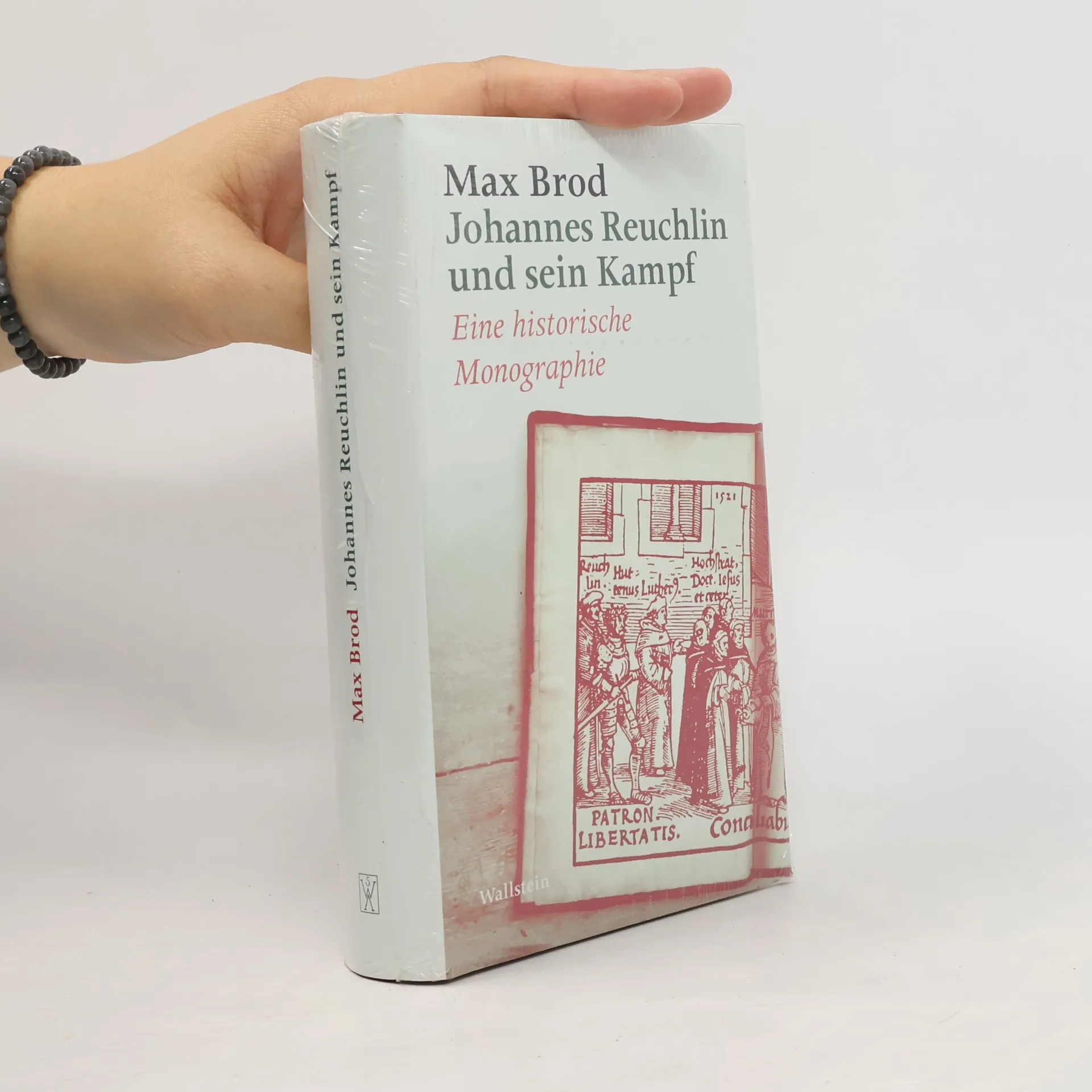
Max Brods Biographie eines streitbaren humanistischen Gelehrten. Max Brod, eigentlich mehr Erzähler als Historiker, widmete sich intensiv der Lebensgeschichte Johannes Reuchlins (1455-1522), dem mutigen Verteidiger des Talmud, und fügte diese zu einem intellektuellen Panoptikum zusammen. "Vom Wunder wirkenden Wort" – dieser Titel von Johannes Reuchlins erstem Buch über die Kabbala kann als Motto über seinem ganzen Leben stehen, und dies in seiner vielfältigen Bedeutung. Als Richter des schwäbischen Bundes glaubte er an das Recht schaffende Wort, als Diplomat im Dienste des Grafen Eberhard schmiedete er mit Worten Allianzen. Doch waren es die geheimnisvollen hebräischen Wörter, die Reuchlin faszinierten. Als Verfasser einer Grammatik und Deuter ihrer Wundermacht mit dem Wissen der Kabbala, aber auch als katholischer Christ und Begründer der christlichen Kabbala war er Verteidiger und Missionar der Juden zugleich. Max Brod beleuchtet in seiner Biographie Leben und Werk des bedeutenden Humanisten. 1965, unter dem Eindruck der Shoah im Exil in Palästina geschrieben, zeugt dieses Buch dennoch von einer Liebe zur deutschen Sprache, der Hochachtung vor einem den Juden beistehenden Deutschen. Deutlicher wird zudem der Stolz auf die neue hebräische und staatliche Gegenwart.
Der Sommer, den man zurückwünscht
- 156pagine
- 6 ore di lettura
Paměti dnes dvaaosmdesátiletého, kdysi významného a agilního člena pražské německé literární a umělecké obce, jenž se zasloužil o proniknutí F. Kafky, J. Haška a L. Janáčka. Vedle osobních zážitků, dojmů a názorů vystupuje ve vzpomínkách i řada zajímavých osobností německé literatury (Meyrink, K. Kraus, Werfel, Rilke, Th. Mann aj.) a ovšem i na události a zvraty bohatá doba před první světovou válkou, za první republiky a druhé světové války.
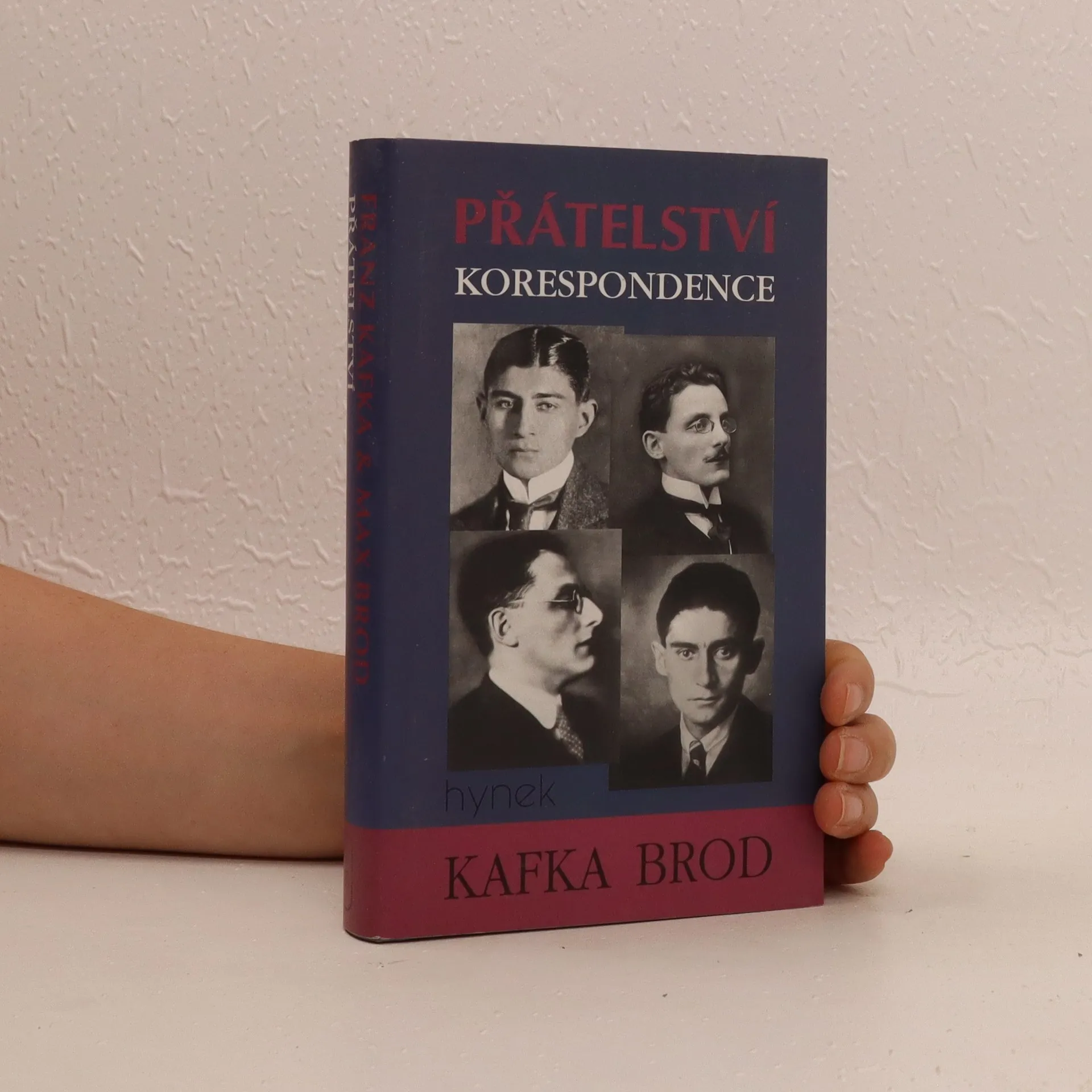
Přátelství. Korespondence
- 453pagine
- 16 ore di lettura
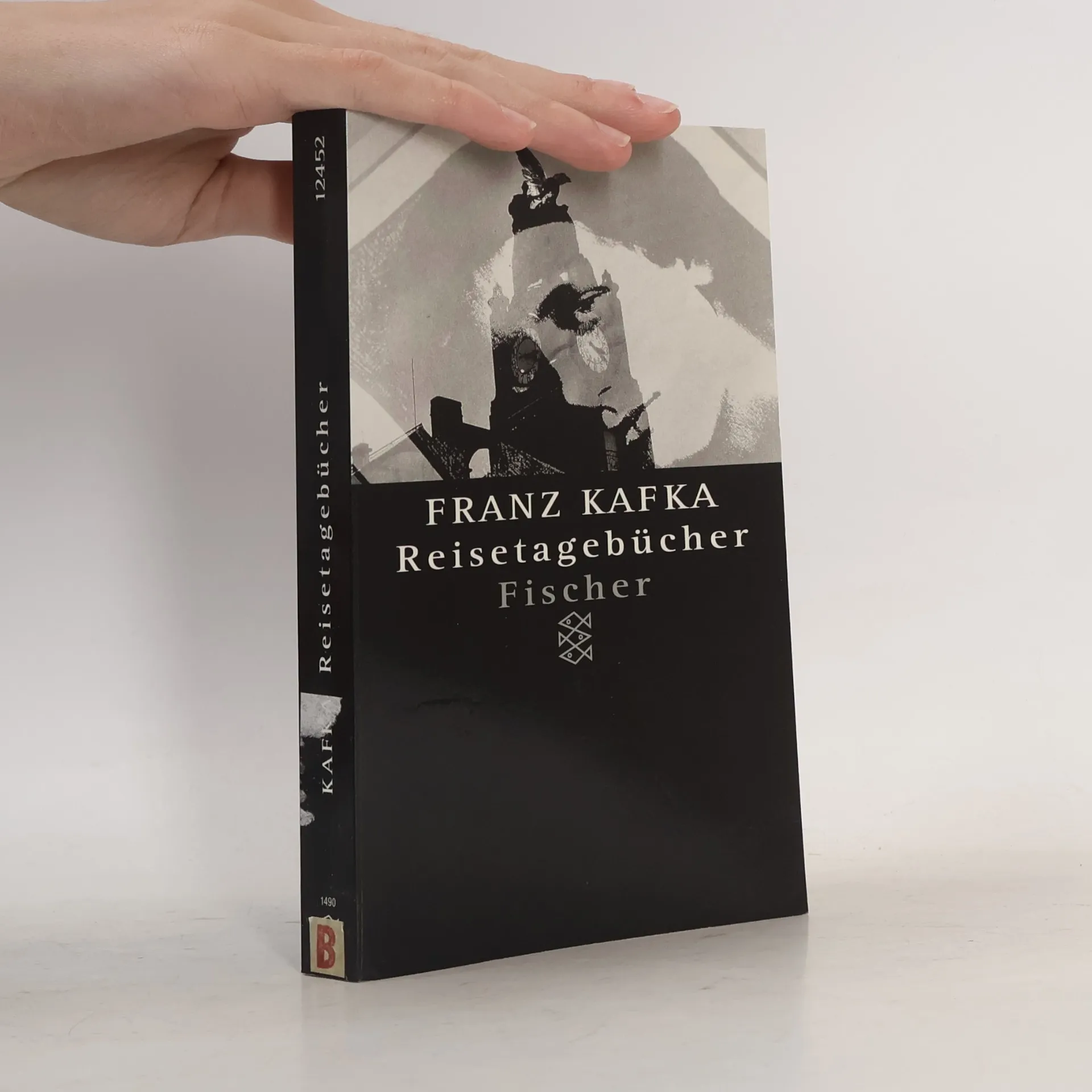
Reisetagebücher. In der Fassung der Handschrift.
- 329pagine
- 12 ore di lettura
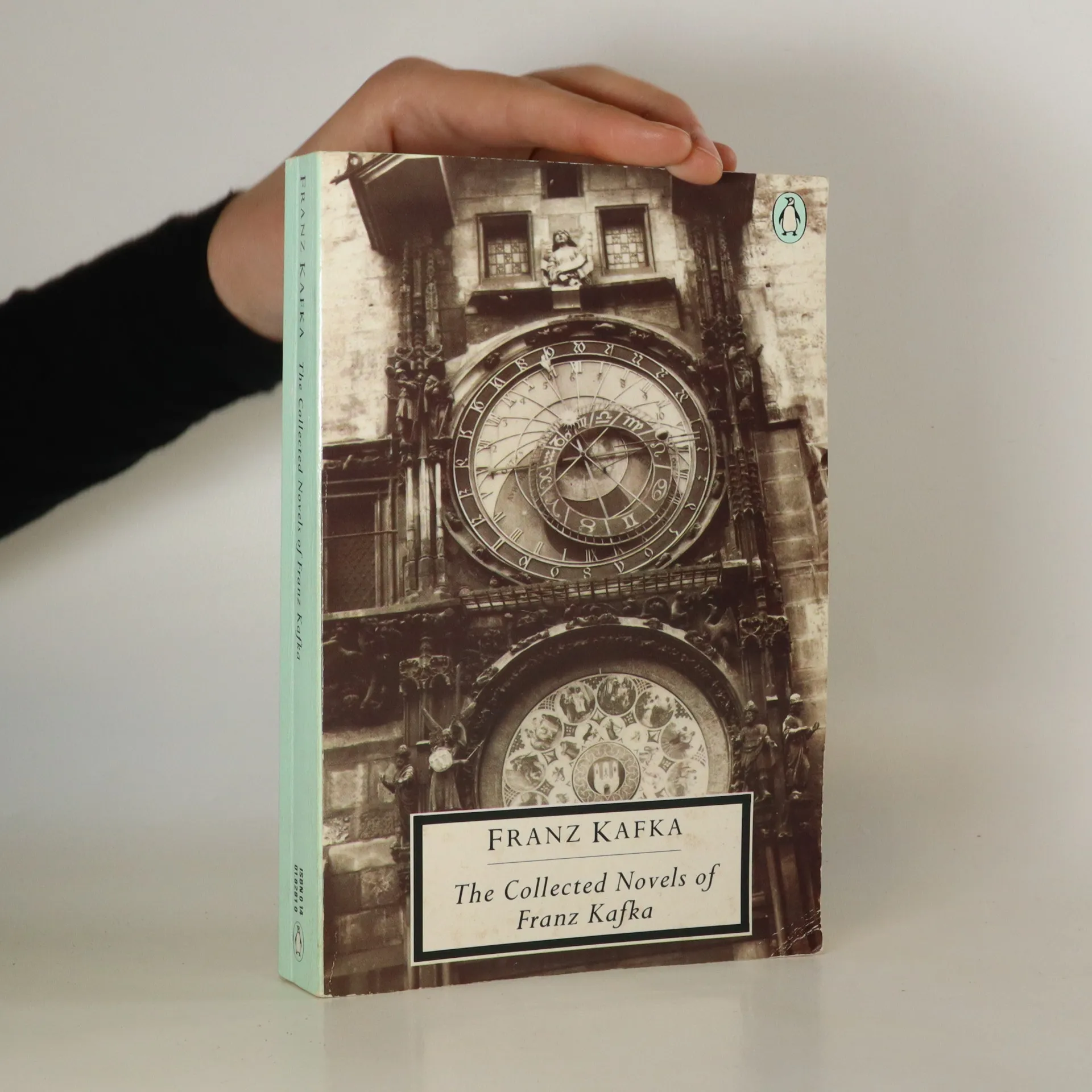
These diaries cover the years 1910 to 1923, the year before Kafka’s death at the age of forty. They provide a penetrating look into life in Prague and into Kafka’s accounts of his dreams, his feelings for the father he worshipped and the woman he could not bring himself to marry, his sense of guilt, and his feelings of being an outcast. They offer an account of a life of almost unbearable intensity. From the Trade Paperback edition. The Diaries of Franz Kafka 1910-13 translated from the German by Joseph Kresh The Diaries of Franz Kafka 1914-23 translated from the German by Martin Greenberg with the cooperation of Hannah Arendt
Die Höhe des Gefühls
Ein Akt
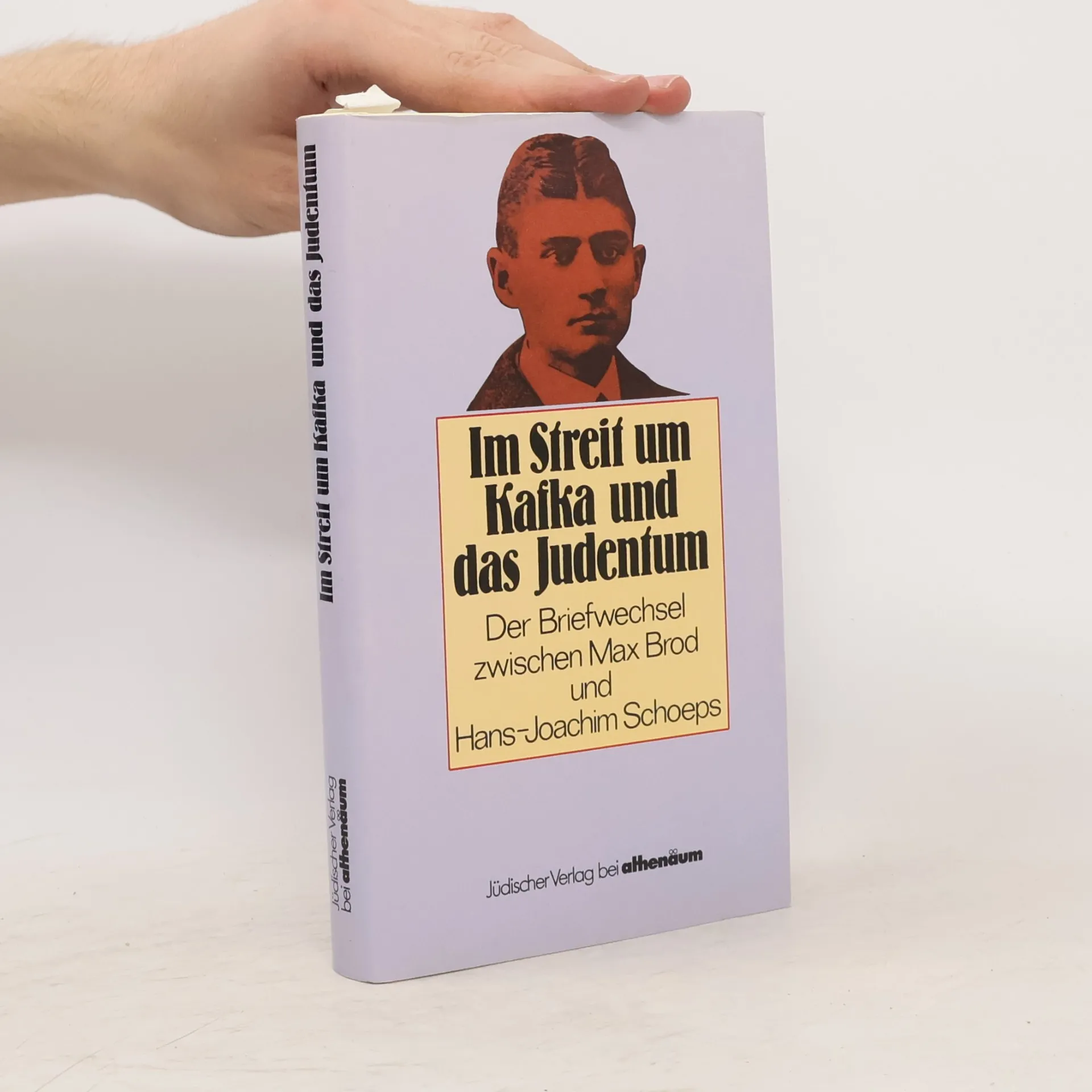
Im Streit um Kafka und das Judentum
Der Briefwechsel zwischen Max Brod und Hans-Joachim Schoeps
Roman.
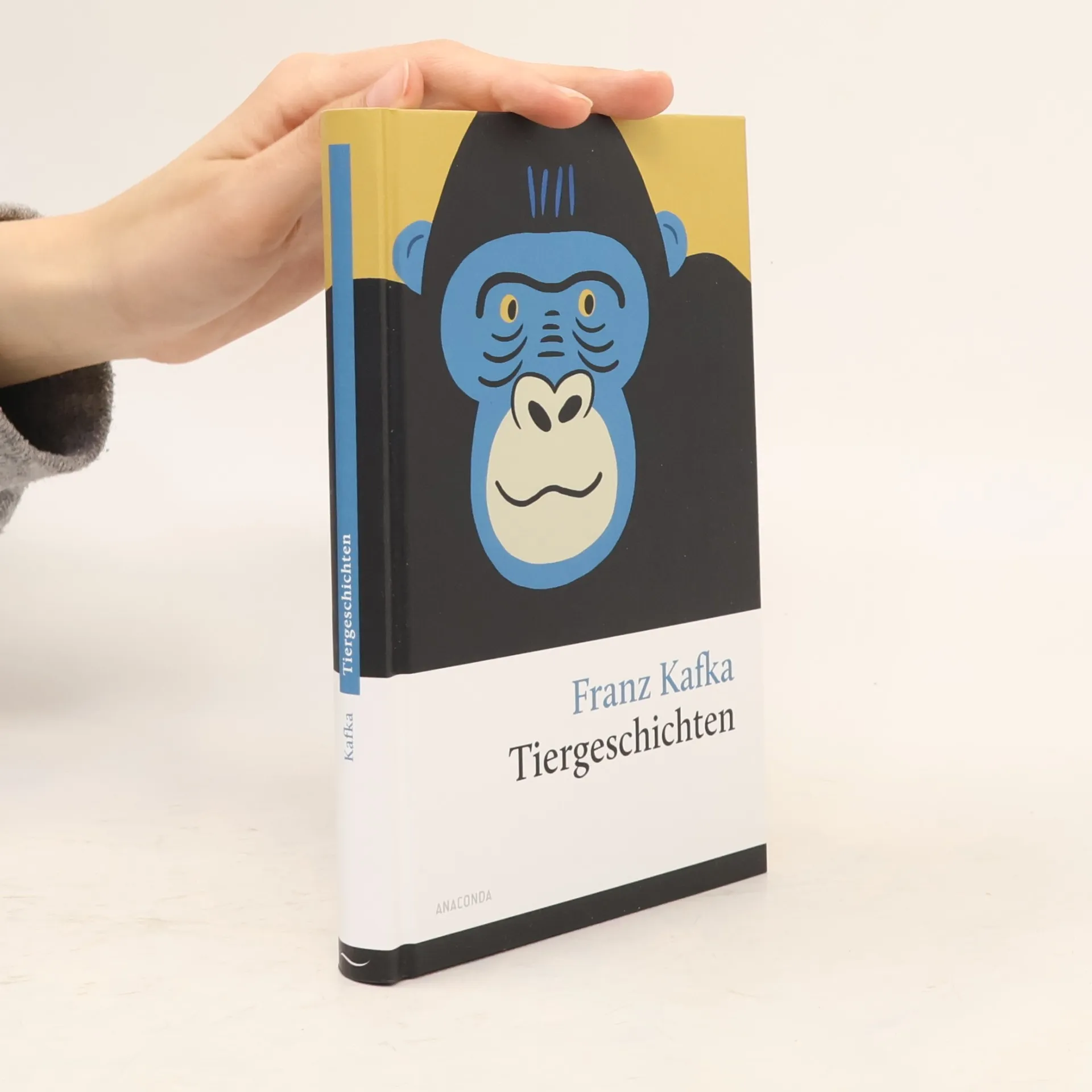
Franz Kafka ist zweifellos einer der maßgeblichen deutschsprachigen Schriftsteller der Moderne. Seine oft dunklen, rätselhaften Geschichten und Parabeln mit ihrer unverwechselbaren Sprache fordern und faszinieren uns immer wieder aufs Neue. Der vorliegende Band versammelt Erzählungen, die von Tieren handeln oder aus deren Sicht geschrieben sind, zB die Kleine Fabel, Forschungen eines Hundes, Ein Bericht für eine Akademie und Der Geier. Ergänzt werden die Texte durch Fragmente aus Kafkas Tagebüchern.
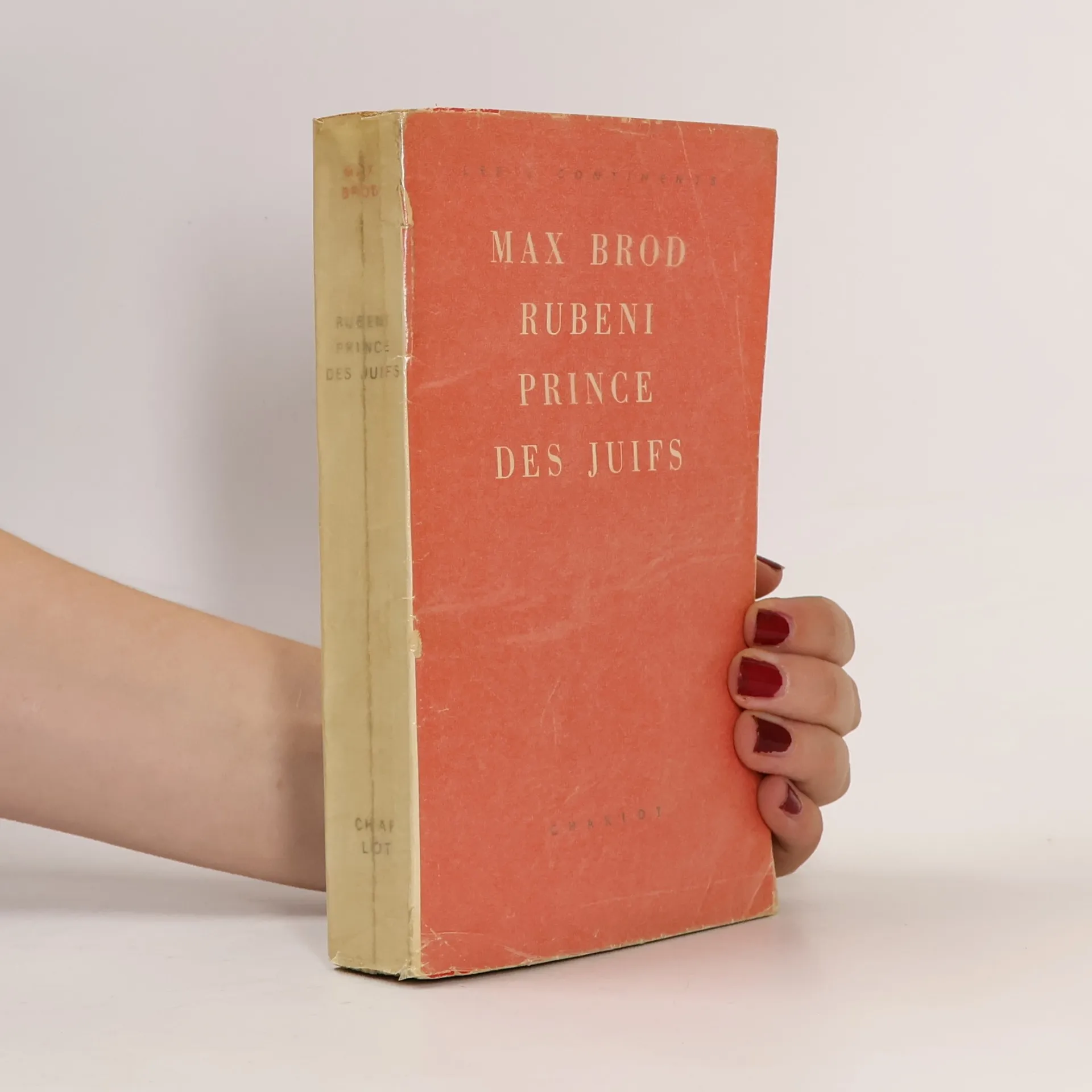
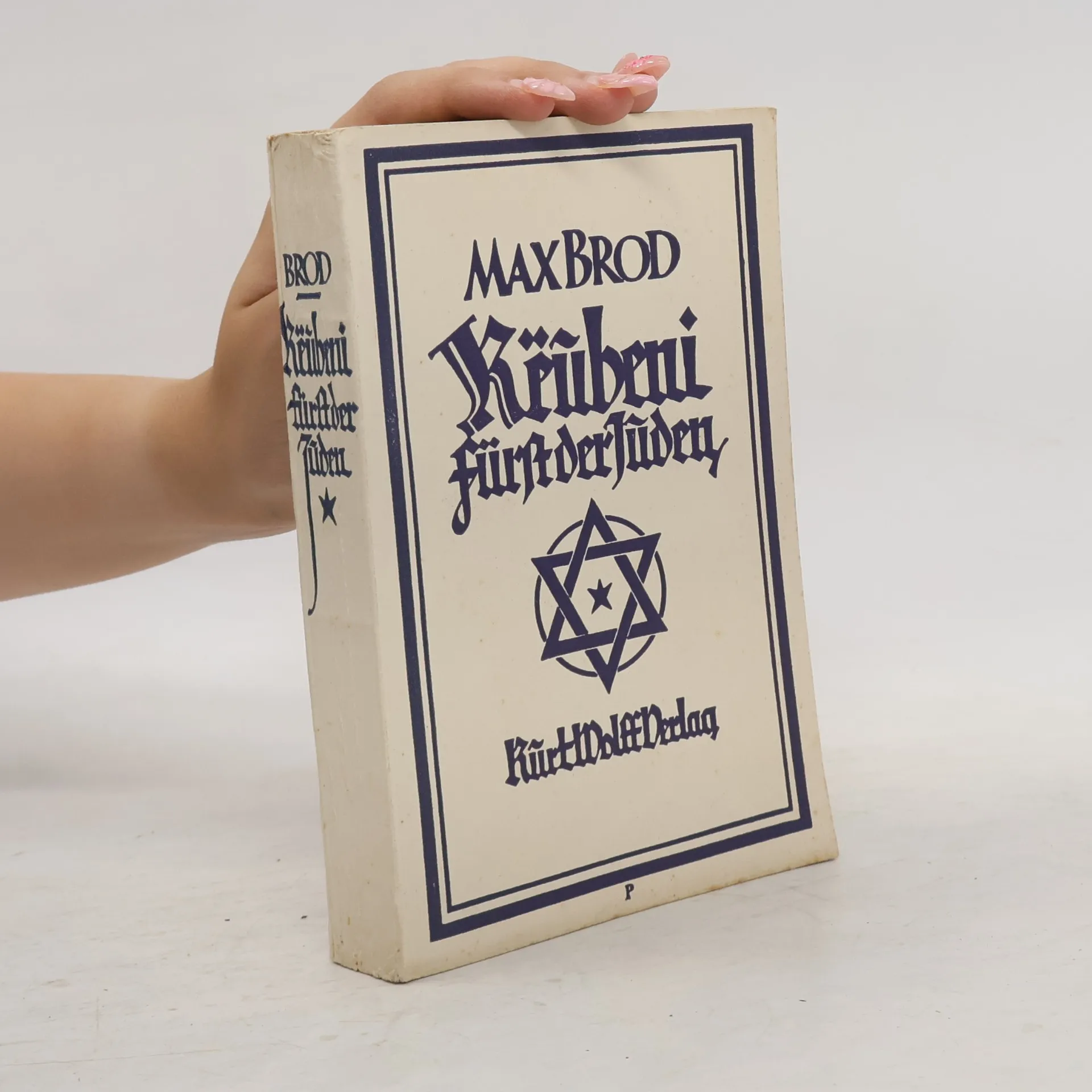
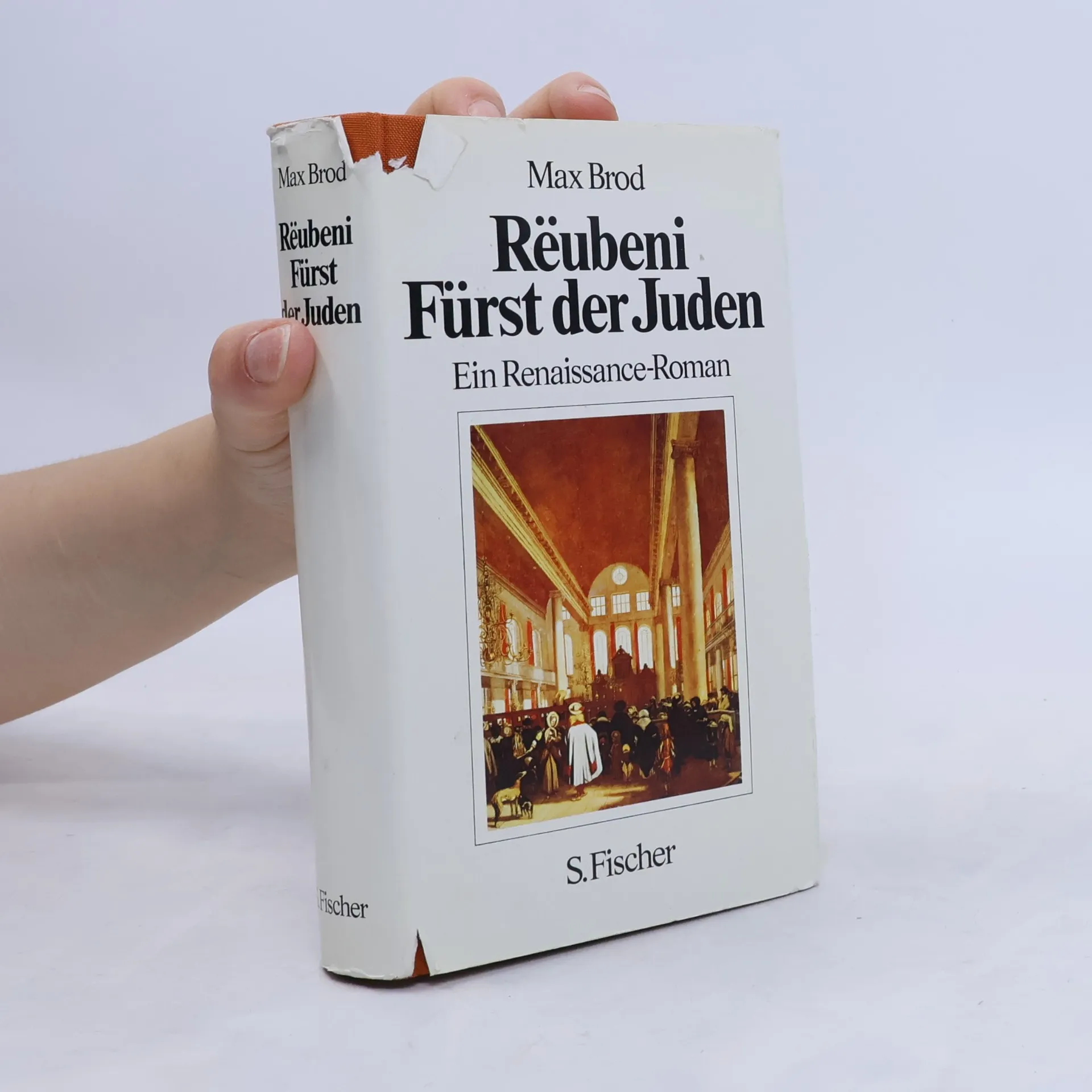
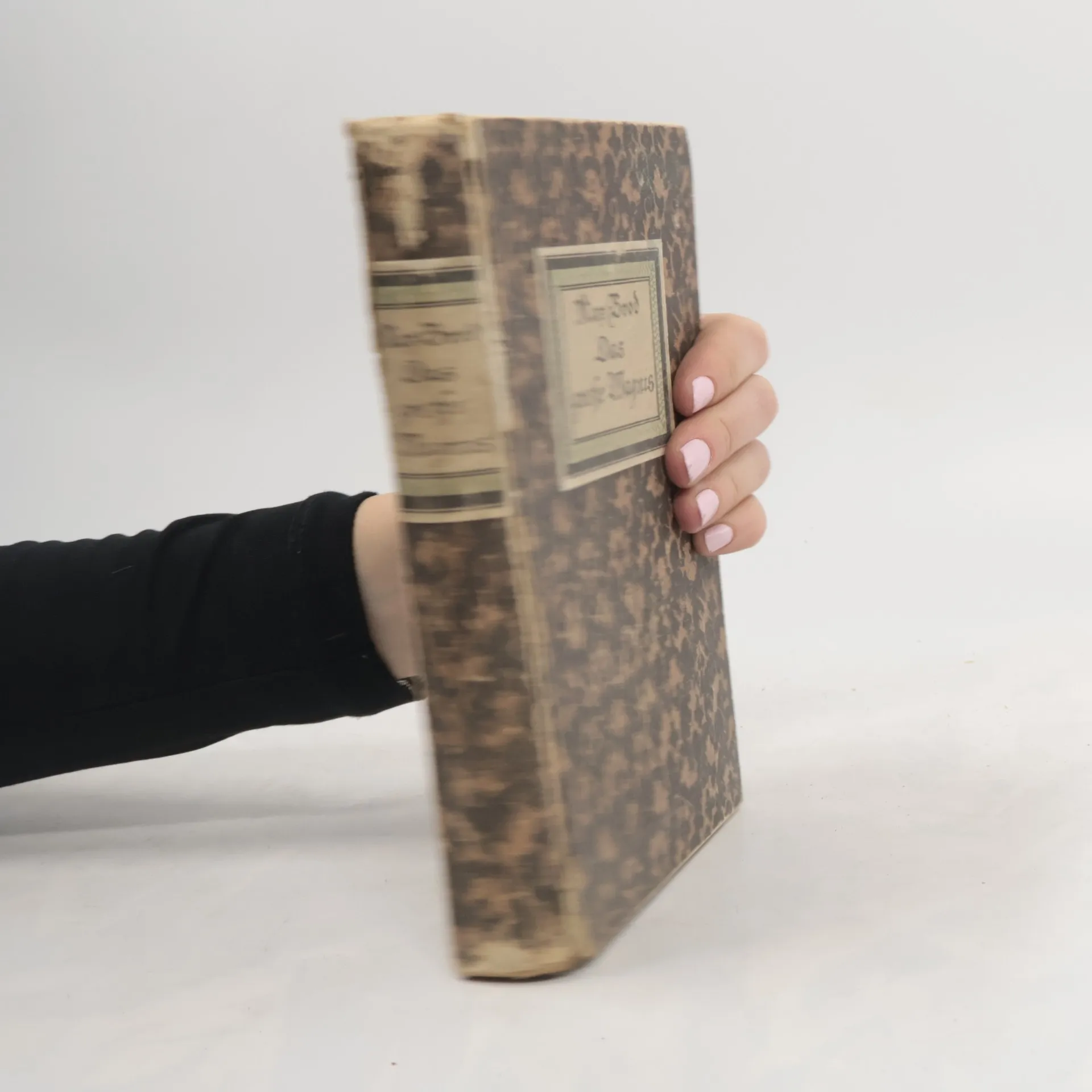
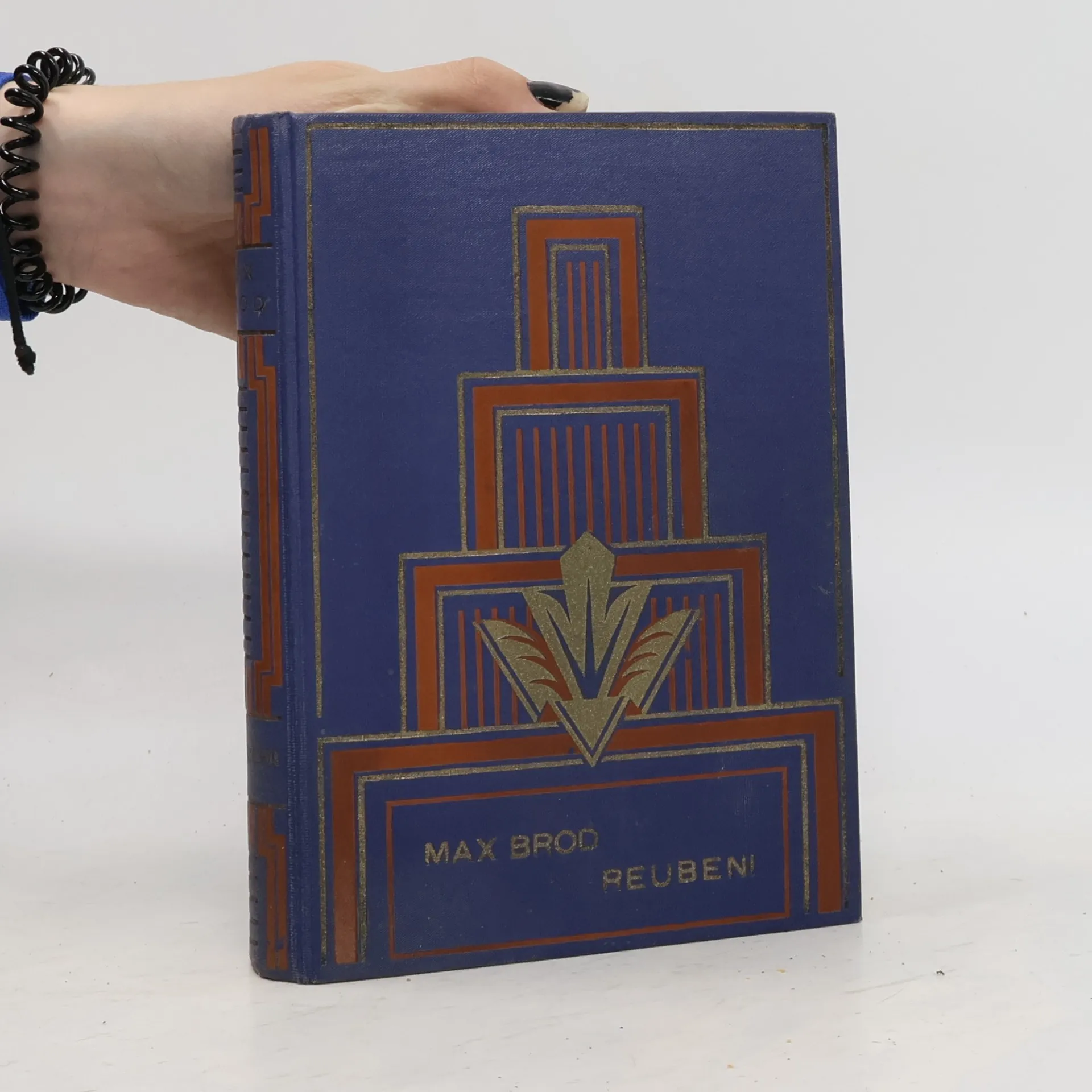
Leather Binding on Spine and Corners with Golden Leaf Printing on round Spine (extra customization on request like complete leather, Golden Screen printing in Front, Color Leather, Colored book etc.) Reprinted in 2022 with the help of original edition published long back [1926]. This book is printed in black & white, sewing binding for longer life, Printed on high quality Paper, re-sized as per Current standards, professionally processed without changing its contents. As these are old books, we processed each page manually and make them readable but in some cases some pages which are blur or missing or black spots. If it is multi volume set, then it is only single volume, if you wish to order a specific or all the volumes you may contact us. We expect that you will understand our compulsion in these books. We found this book important for the readers who want to know more about our old treasure so we brought it back to the shelves. Hope you will like it and give your comments and suggestions. - German, Pages 532. EXTRA 10 DAYS APART FROM THE NORMAL SHIPPING PERIOD WILL BE REQUIRED FOR LEATHER BOUND BOOKS. COMPLETE LEATHER WILL COST YOU EXTRA US$ 25 APART FROM THE LEATHER BOUND BOOKS. {FOLIO EDITION IS ALSO AVAILABLE.} Complete Rëubeni, fürst der juden; ein renaissanceroman 1926 Brod, Max, -.
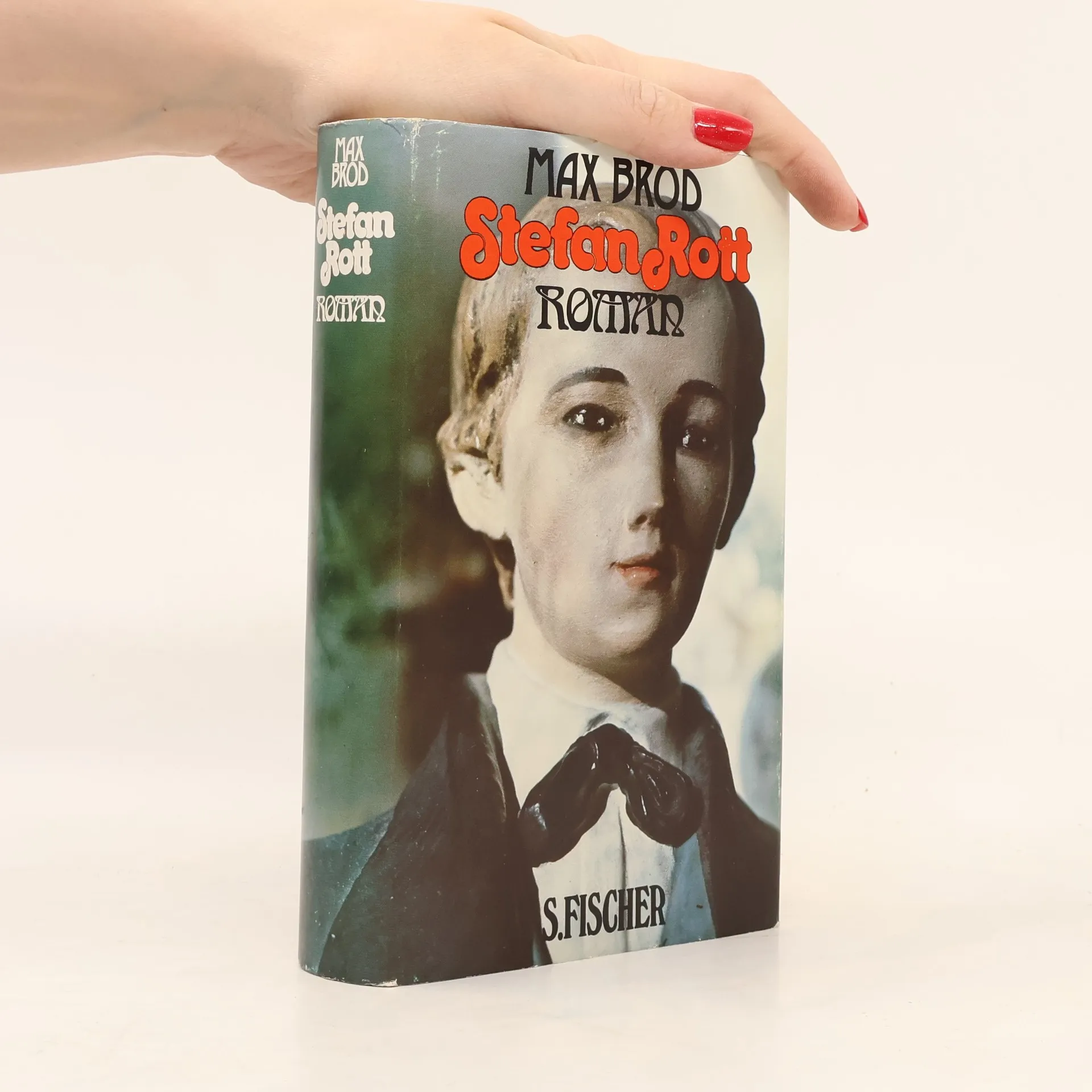
Stefan Rott
- 462pagine
- 17 ore di lettura
Dieser Roman spielt 1914, in den letzten Monaten vor Ausbruch des Ersten Weltkriegs, welcher das alte Europa zum Einsturz brachte. Die kleine deutsche Gemeinde in Prag ist das Modell der bürgerlichen Gesellschaft vor dem Kriege. Im Mittelpunkt steht der Gymnasiast Stefan Rott, ein junger Mann aus guter Familie, der sich die Welt zu erklären sucht und seine erste Liebe erlebt - er verehrt Phyllis, die Mutter eines Klassenkameraden und wird schließlich sogar von ihr erhört. Hinter der gutbürgerlichen Fassade verbergen sich Lüge und Korruption, wie Stefan nach und nach erkennen muss. Die schöne Phyllis ist dem reichen Advokaten Urban zugetan, und Geld spielt dabei eine Rolle. Mit dem Attentat von Sarajevo stürzt auch diese kleine Prager deutsche Welt. Frau Phyllis schießt auf ihren Ehemann, der Anarchist Dlouhy, Stefans Klassenkamerad, wird zum Tode verurteilt. Private und politische Entwicklung sind am selben Punkt - es wird nicht mehr geredet, es wird geschossen.
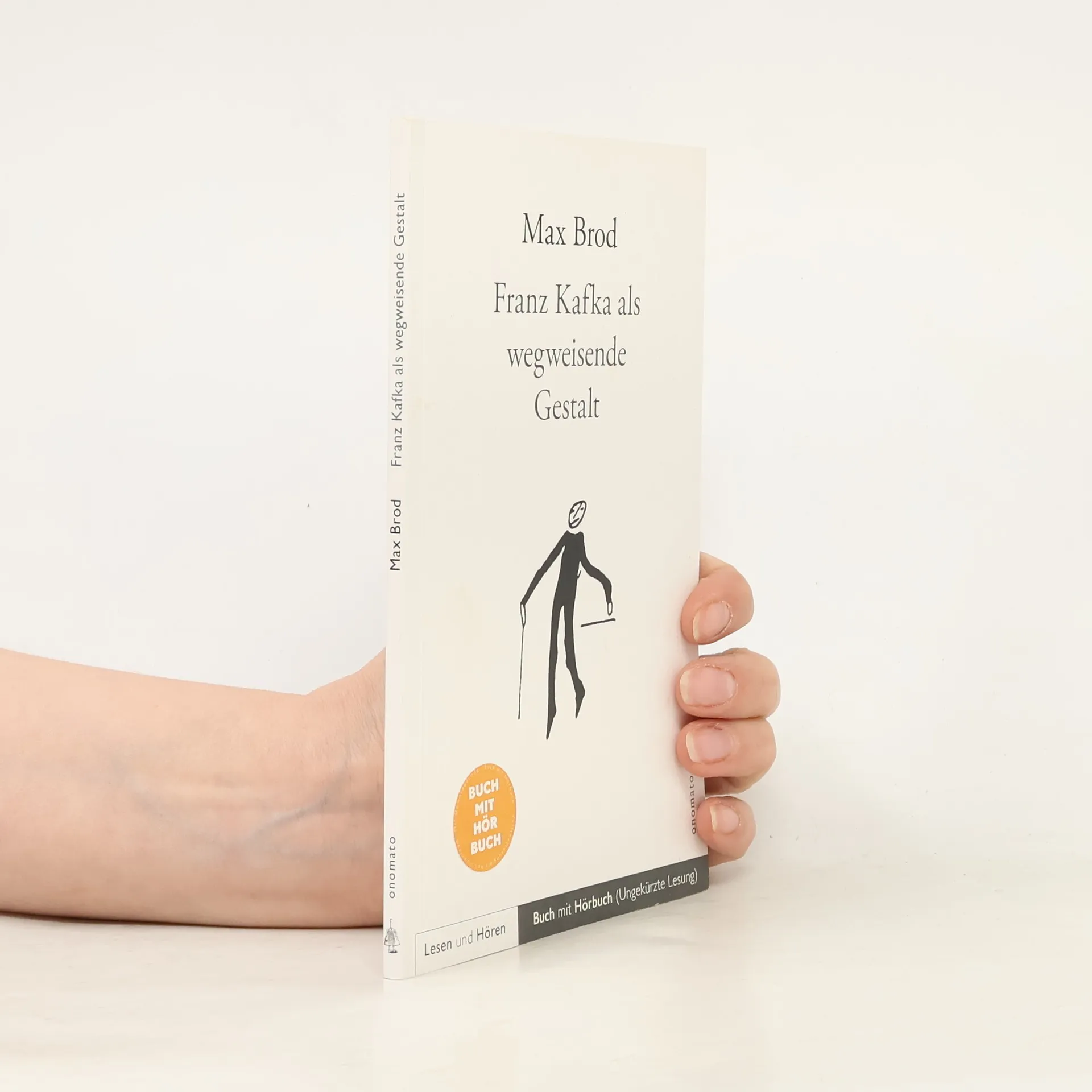
Franz Kafka als wegweisende Gestalt
Buch und Hörbuch (Volltextlesung) / Sprecher - Axel Grube
- 63pagine
- 3 ore di lettura
Es wurde einem wohl in seiner Gegenwart. (Max Brod in Erinnerung an Franz Kafka) Man kann sich gar nicht genug darüber wundern: Warum wurden die Schriften der engsten Freunde, die ja doch von Beginn an mit Kafka in einem intensiven Gespräch auch über grundlegende Fragen standen, so unbeachtet gelassen, ja beinahe verdrängt. Schon allein durch die Schilderung der persönlichen Erfahrung erscheint Kafka in einem völlig anderen Licht: So unendlich viel Sicherheit ging von ihm aus, wie ich sie in meinem späteren Leben nie mehr von irgend jemandem her verspürt habe. (…) Man kann es in einem einzigen Satz aussprechen: Es wurde einem wohl in seiner Gegenwart. (…) Franz Kafka ist weltberühmt. Aber gerade das Wegweisende und Trostreiche, das in seinem Werk liegt, ist inmitten des Krachs und Begriffstanzes, der rings um dieses Werk aufgeführt wird, beinahe unbekannt und ohne Wirkung geblieben. (Max Brod)
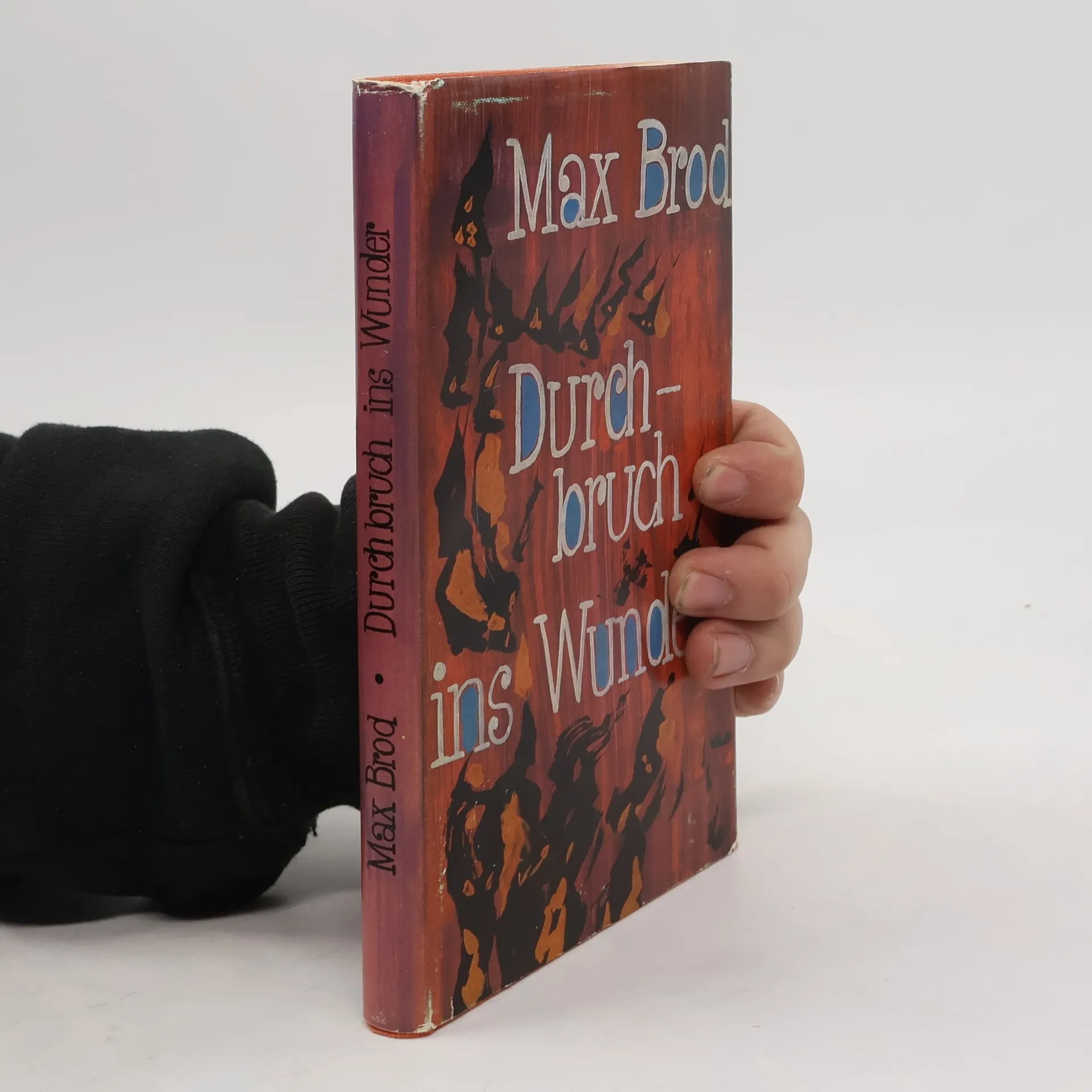
Durchbruch ins Wunder
- 177pagine
- 7 ore di lettura




![Osudný rok : [Román]](https://rezised-images.knhbt.cz/1920x1920/31651.webp)