Der Vampyr
Die Geburtsstunde des modernen Vampirs – Das visionäre Meisterwerk in atmosphärischer Neuübersetzung
- 54pagine
- 2 ore di lettura


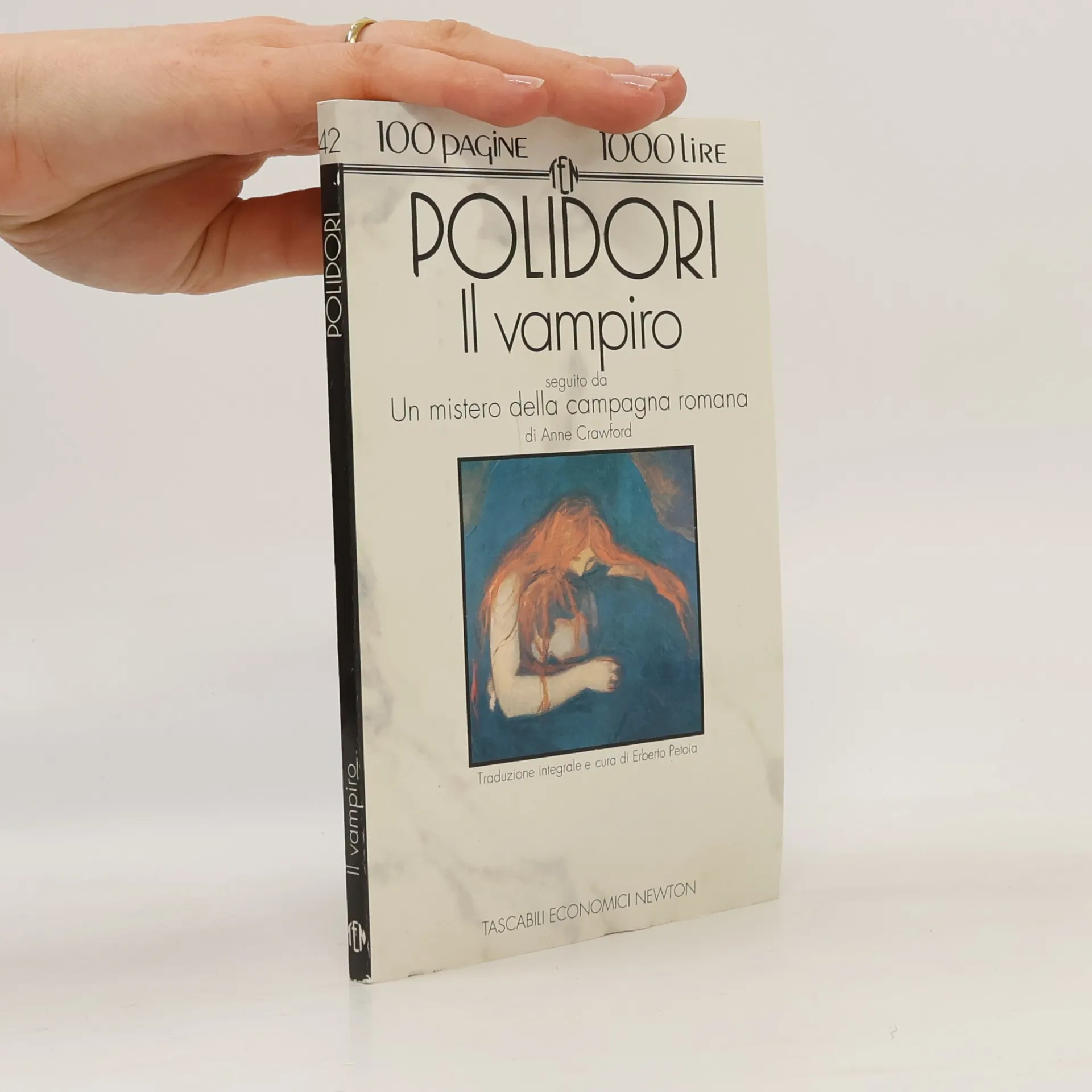
John William Polidori, medico e scrittore associato al movimento romantico, è accreditato come il progenitore del genere vampirico. La sua opera fondamentale, "Il Vampiro", pubblicata per la prima volta nel 1819, ha reinventato la creatura folkloristica in un seduttore aristocratico. Questo personaggio, ispirato da Lord Byron e chiamato "Lord Ruthven", ha stabilito l'archetipo del vampiro nella letteratura moderna. L'approccio innovativo e la maestria stilistica di Polidori hanno definito il genere per le generazioni a venire.



Die Geburtsstunde des modernen Vampirs – Das visionäre Meisterwerk in atmosphärischer Neuübersetzung
The road grew swilder and drearier and more faintly traced, and vanished at length, leaving him in the heart of the dark wilderness... -Young Goodman Brown
„Der Vampyr“ von John Polidori ist die erste Vampirerzählung der Weltliteratur, veröffentlicht 1819. Diese Ausgabe basiert auf der deutschen Übersetzung von Leopold Voß. Die Geschichte wurde fälschlicherweise als Werk von Lord Byron ausgegeben. Polidori, ehemaliger Leibarzt Byrons, starb 1821 tragisch.
The original story of Sweeney Todd, 'The Demon Barber of Fleet Street'.
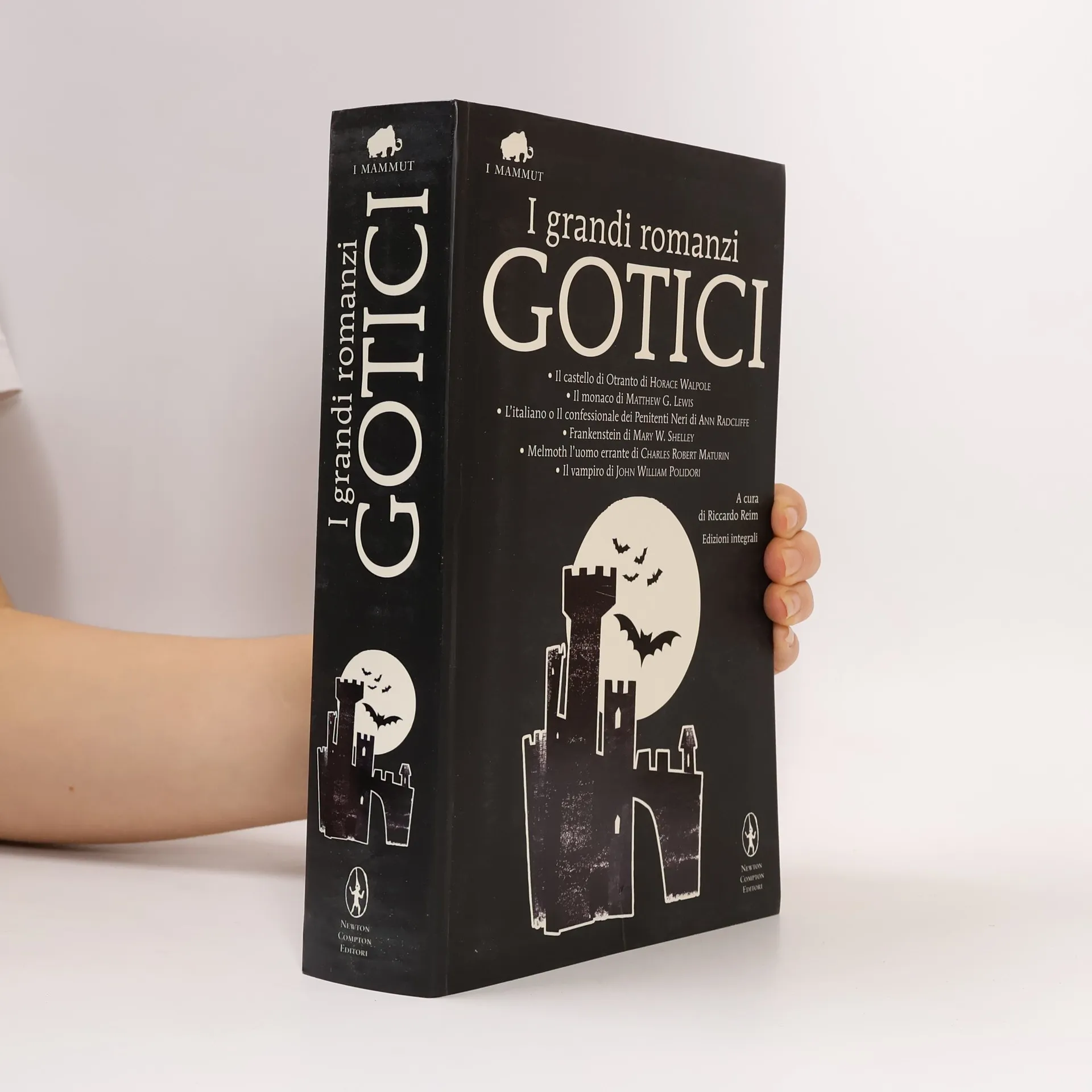
L’annotazione esplora il romanzo gotico, un genere caratterizzato da castelli lugubri, apparizioni spettrali, giovani eroine in pericolo, e figure minacciose come mostri e vampiri. Dall’opera di Horace Walpole nel 1764 fino a quella di Charles Robert Maturin nel 1820, il gotico non è solo un insieme di elementi spaventosi, ma riflette anche angosce e inquietudini contemporanee. Questa narrativa, con il suo "sublime del terrore", emerge come una reazione al predominio della ragione e del buon senso, rivelando una connessione sorprendente con le emozioni moderne. Attraverso i capolavori di autori come M.G. Lewis, Ann Radcliffe, Mary Shelley e John William Polidori, il lettore è invitato a percorrere i labirinti della paura, un elemento centrale della Gothic Fiction. Come sottolineato da D. Punter, la paura non è solo un tema, ma influisce anche su forma, stile e dinamiche sociali nei testi. L’esperienza di leggere questi romanzi diventa così un viaggio affascinante, dove il terrore si manifesta in modo caotico e trionfante sulla pagina scritta, offrendo un brivido di delizia al lettore.
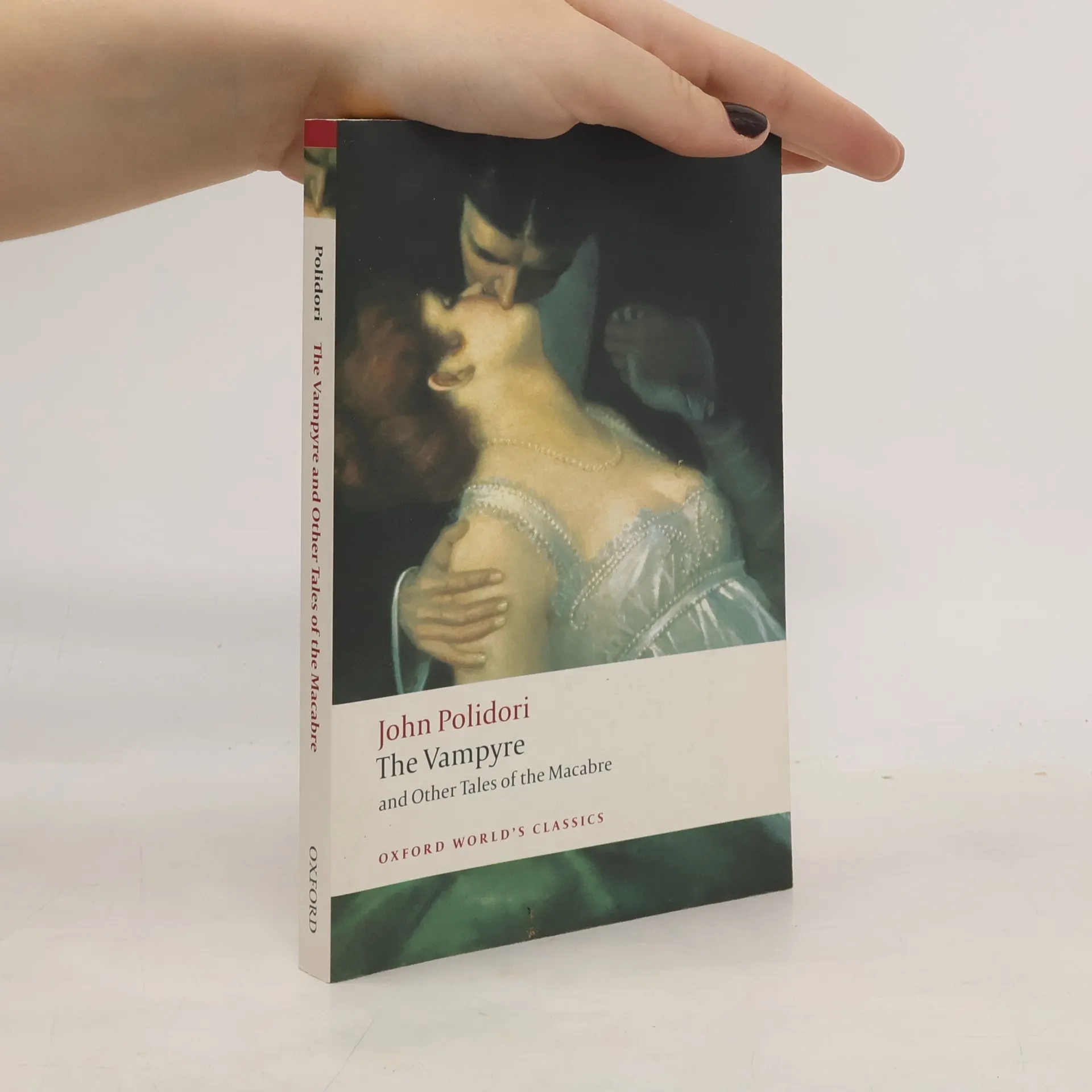
`The Vampyre' was first published in 1819 in the London New Monthly Magazine. The present volume - a companion to Tales of Terror from Blackwood's Magazine in World's Classics - selects thirteen other tales of the macabre first published in the leading London and Dublin magazines between 1819 and 1838. It includes Edward Bulwer's chilling account of the doppelganger, Letitia Landon's elegant reworking of the Gothic romance, William Carleton's terrifying description of an actual lynching, and James Hogg's ghoulish exploitation of the cholera epidemic of 1831-2.
In 1816, John William Polidori travelled to Geneva as Lord Byron’s personal physician. There they met Mary Godwin (later Shelley) and her lover Percy Shelley and decided to while away a wet summer by writing ghost stories. The only two to complete their stories were Mary Shelley, who published Frankenstein in 1818, and Polidori, whose The Vampyre and Ernestus Berchtold were both published in 1819. The Vampyre, based on a discarded idea of Byron’s, is the first portrayal of the alluring vampire figure familiar to readers of Bram Stoker and Anne Rice. Ernestus Berchtold scandalously draws on the rumours of Byron’s affair with his half-sister for a Faustian updating of the myth of Oedipus, which it combines with an account of the struggle of Swiss patriots against the Napoleonic invasion. Along with Polidori’s work, this edition also includes stories read and written by the travellers in the Genevan summer of 1816 and contemporary responses to The Vampyre and Ernestus Berchtold.
Il racconto presenta Ruthven come un affascinante gentiluomo inglese, stimato nei salotti, con “occhi grigi e freddi come la morte”. Ruthven cattura l'attenzione del giovane Aubrey, che decide di intraprendere un Grand Tour in Italia e Grecia con lui. Durante il viaggio, Aubrey è diviso tra l'ammirazione per Ruthven e l'avversione per la sua insensibilità e amoralità. Ruthven sembra portare una maledizione, distruggendo gli altri senza trarne vantaggio; nelle partite d'azzardo, rovina gli avversari ma finisce sempre per perdere. Questo male spinge Aubrey a proseguire il viaggio da solo. In Grecia, l'amore che nasce con la giovane Iante è spezzato dalla sua morte, attribuita a un vampiro. Aubrey, sconvolto, si ammala, ricevendo conforto da Ruthven, appena arrivato. Dopo la convalescenza, i due riprendono il viaggio, ma un attacco di briganti costa la vita a Lord Ruthven, che costringe Aubrey a un giuramento: non rivelare la sua morte per un anno. Tornato in Inghilterra, Aubrey è terrorizzato quando scopre che sua sorella intende sposare Ruthven, il quale gli ricorda il giuramento, rivelando di essere diventato un vampiro per non aver rispettato il patto. Con l'avvicinarsi del matrimonio, Aubrey scivola nell'angoscia e nella follia, rivelando la verità solo nei suoi ultimi istanti, ma è troppo tardi: Ruthven è scomparso e la sorella è morta, vittima del vampiro.