
Bookbot

Claude LéviStrauss

    28 novembre 1908 – 30 ottobre 2009

    Claude Lévi-Strauss fu un antropologo francese che rivoluzionò la nostra comprensione della cultura umana. La sua antropologia strutturale si concentrò sulle strutture invisibili e universali del pensiero che collegano l'umanità sotto la superficie di diverse tradizioni. Rifiutò la visione della civiltà occidentale come superiore, sottolineando che la 'mente selvaggia' è tanto razionale e complessa quanto quella 'civilizzata'. Il suo lavoro esamina schemi profondi in miti, disposizioni sociali e regole matrimoniali, rivelando categorie mentali condivise tra le culture. Lévi-Strauss invitò i lettori a riconsiderare le supposizioni sulla natura umana e sul relativismo culturale.

    Claude LéviStrauss
    Photography and Belief
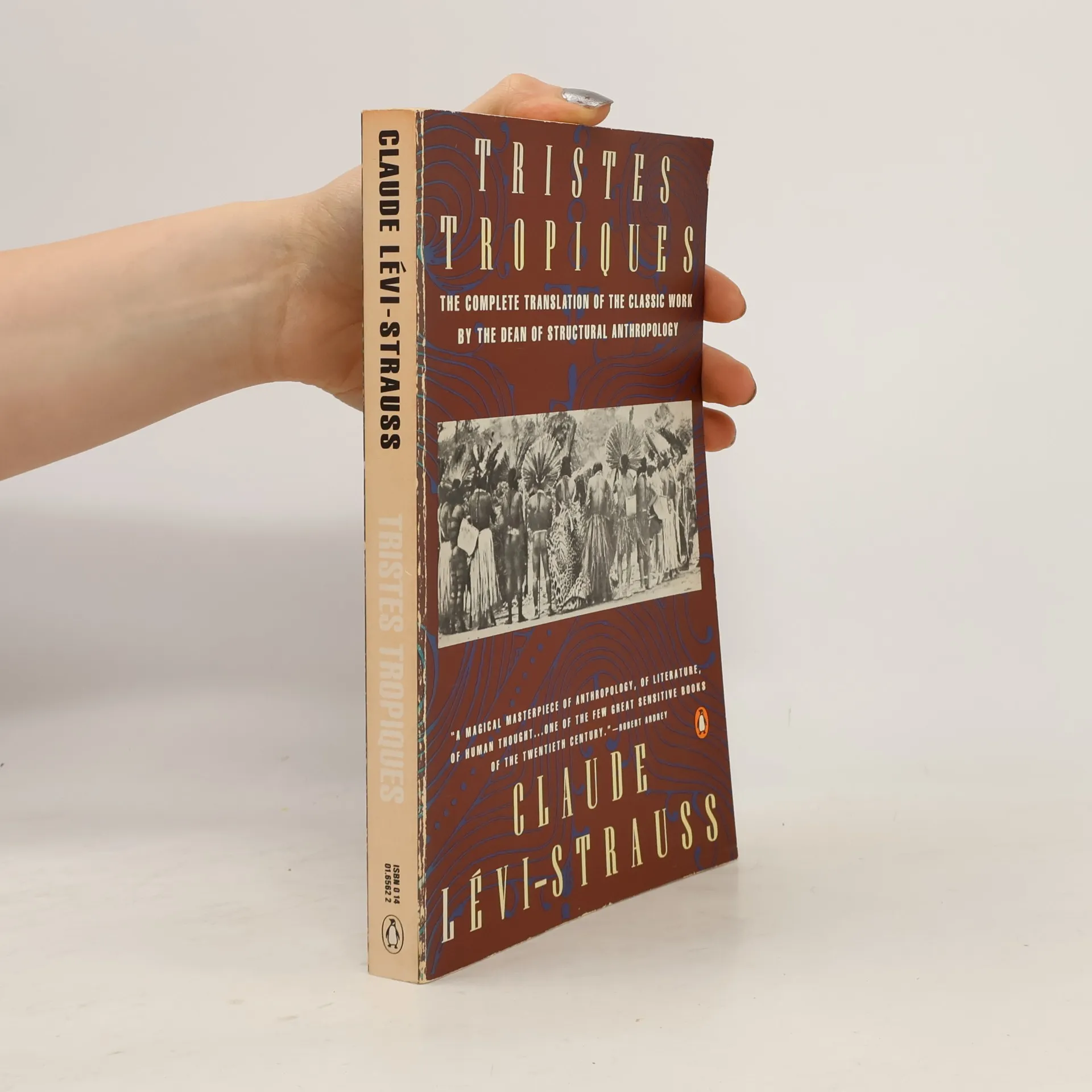
    Tristes Tropiques
    The Raven Steals the Light
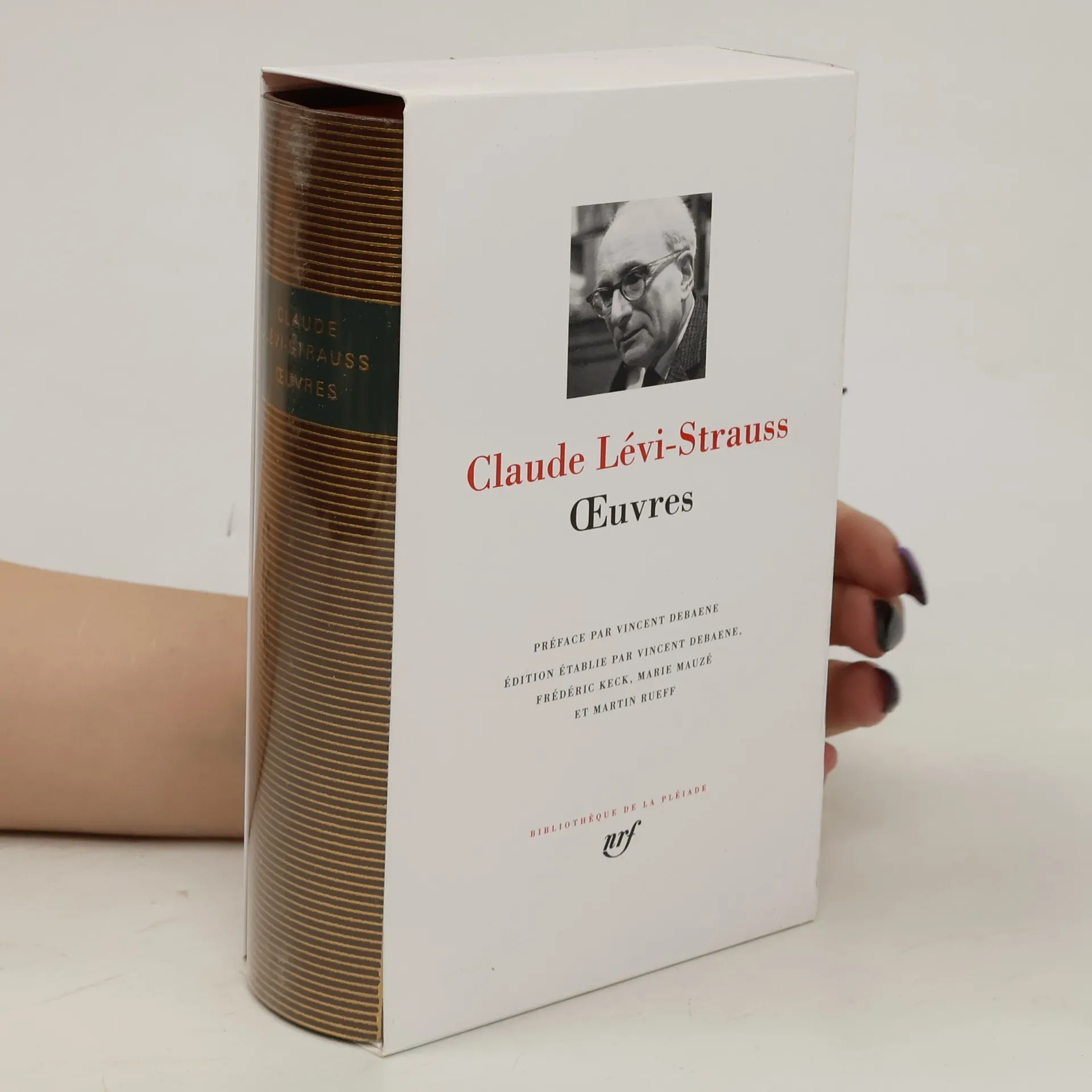
    Lévi-Strauss e l'antropologia strutturale
    Tristi tropici
    Guardare ascoltare leggere
    • The Raven Steals the Light

      • 112pagine
      • 4 ore di lettura

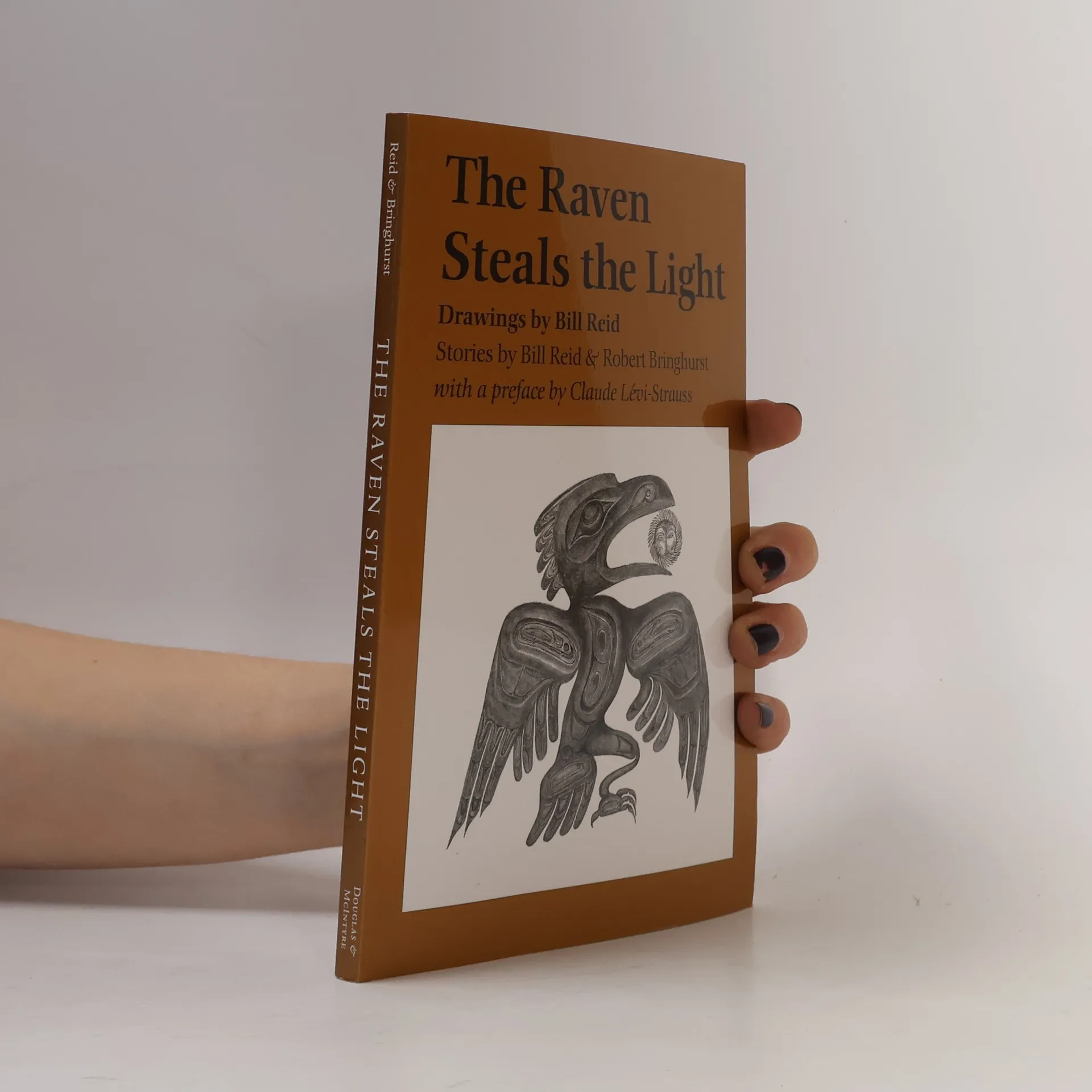
      Presented here are 10 authentic retellings of traditional Haida myths and folktales. The stories range from bawdy tales of how the first Haida were brought to the Queen Charlotte Islands, to poignant narratives of the complexities of love in a world where animals speak, dreams come alive, and demigods, monsters, and people live side by side. 10 illustrations.

      The Raven Steals the Light
      4,2
    • Tristes Tropiques

      • 432pagine
      • 16 ore di lettura

      'One of the great books of our century . . . It speaks with a human voice' Susan Sontag Tristes Tropiques begins with the line 'I hate travelling and explorers', yet during his life Claude L�vi-Strauss travelled from wartime France to the Amazon basin and the dense upland jungles of Brazil, where he found 'human society reduced to its most basic expression'. His account of the people he encountered changed the field of anthropology, transforming Western notions of 'primitive' man. Tristes Tropiques is a major work of art as well as of scholarship. It is a memoir of exquisite beauty and a masterpiece of travel writing: funny, discursive, movingly detailing personal and cultural loss, and brilliantly connecting disparate fields of thought. Few books have had as powerful and broad an impact.

      Tristes Tropiques
      4,2
    • Photography and Belief

      • 96pagine
      • 4 ore di lettura

      In this exploration of contemporary photography, David Levi Strauss questions the concept that “seeing is believing” Identifying a recent shift in the dominance of photography, David Levi Strauss looks at the power of the medium in the age of Photoshop, smart phones, and the internet, asking important questions about how we look and what we trust. In the first ekphrasis title on photography, Strauss challenges the aura of believability and highlights the potential dangers around this status. He examines how images produced on cameras gradually gained an inordinate power to influence public opinion, prompt action, comfort and assuage, and direct or even create desire. How and why do we believe technical images the way we do? Offering a poignant argument in the era of “fake news,” Strauss draws attention to new changes in the technology of seeing. Some uses of "technical images" are causing the connection between images and belief (between seeing and believing) to fray and pull apart. How is this shifting our relationship to images? Will this crisis in what we can believe come to threaten our very purchase on the real? This book is an inquiry into the history and future of our belief in images.

      Photography and Belief
      3,9
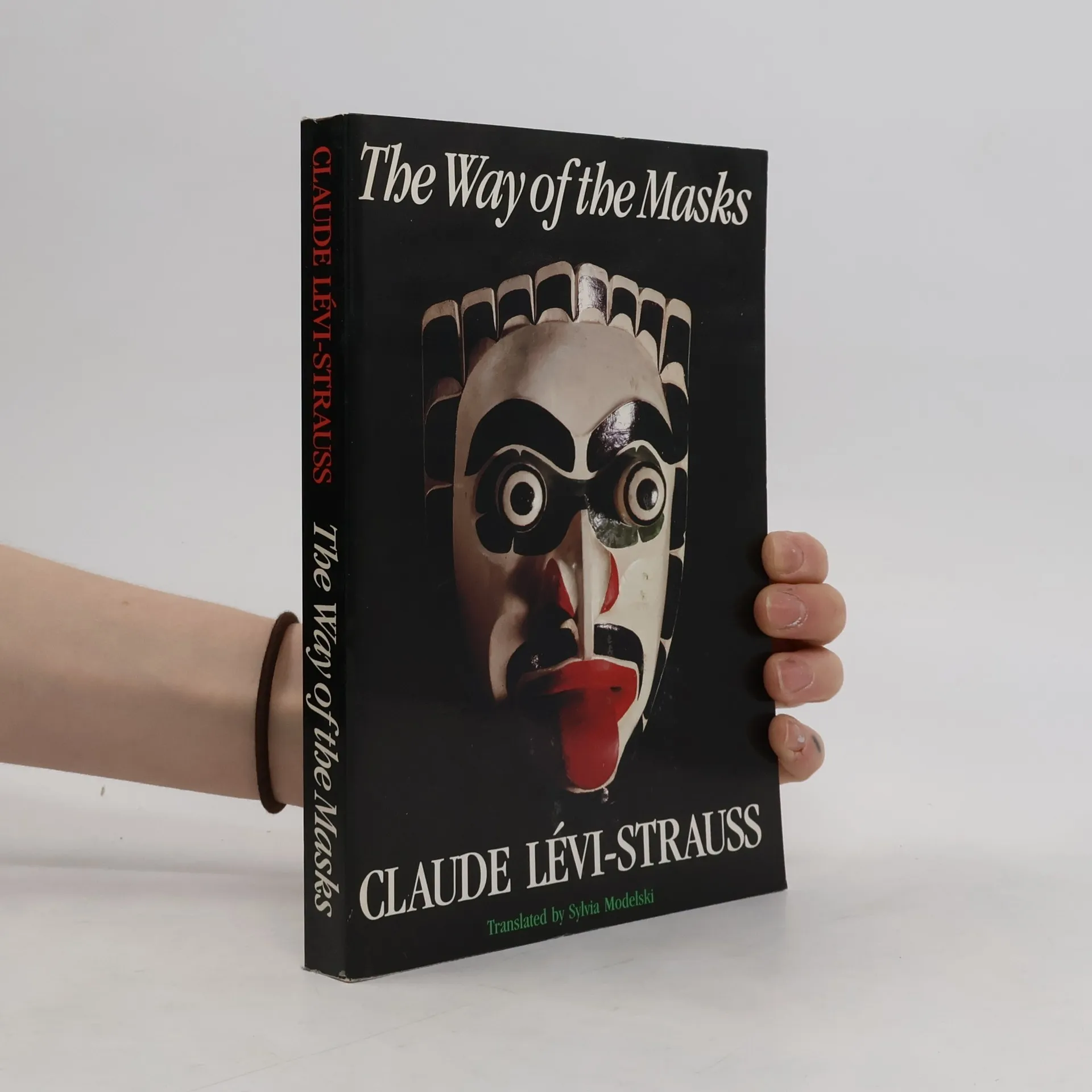
    • The Way of the Masks

      • 249pagine
      • 9 ore di lettura

      This text is a collection of illustrations of masks from the Northwest Coast.

      The Way of the Masks
      3,9
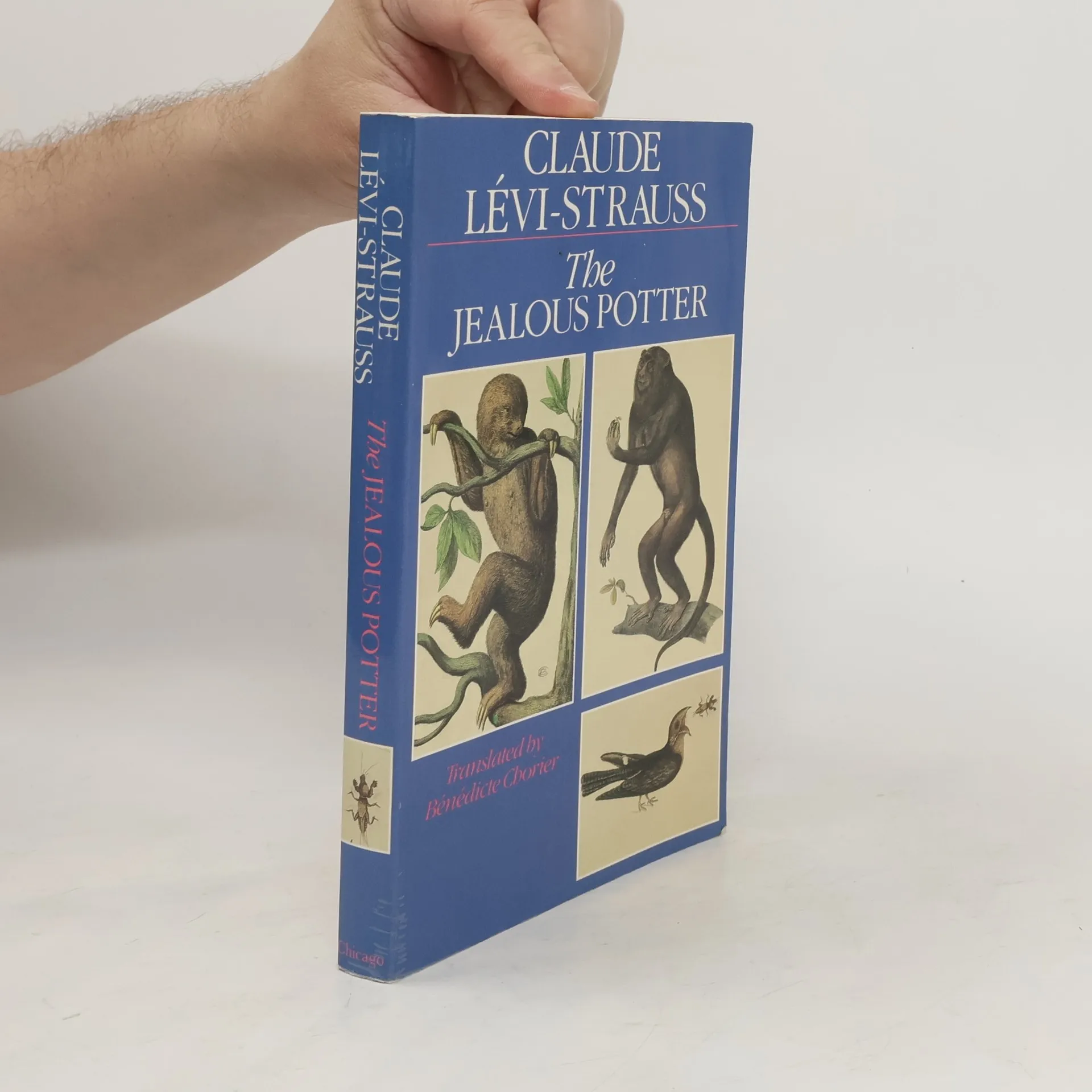
    • The Jealous Potter

      • 260pagine
      • 10 ore di lettura

      As Lévi-Strauss freely explores the mythologies of the Americas, with occasional incursions into European and Japanese folklore, tales of sloths and squirrels interweave with discussions of Freud, Saussure, "signification," and plays by Sophocles and Labiche. Lévi-Strauss critiques psychoanalytic interpretation and defends the interpretive powers of structuralism."Electrifying. . . . A brilliant demonstration of structural analysis in action. . . . Can be read with pleasure and profit by anyone interested in that aspect of self-discovery that comes through knowledge of the universal and timeless myths that live on in all of us."—Jonathan Sharp, San Francisco Examiner-Chronicle"A characteristic tour de force. . . . One remains awed by him."—Colin Thubron, Sunday Times"With all its epistemological depth, the book reads at times like a Simenon or a Lewis Carroll, fusing concise methodology with mastery of style."—Bernadette Bucher, American Ethnologist"[An] engagingly provocative exploration of mythology in the Americas. . . . Always a good read."—Choice"A playful, highly entertaining book, fluently and elegantly translated by Bénédicte Chorier."—Wendy Doniger O'Flaherty, New York Times Book Review
      The Jealous Potter
      3,7
    • "Through a fertile mixture of insights gleaned from linguistics and from sociology and ethnology, Lévi-Strauss elaborated his theory of structural unity in culture and became the preeminent representative of structural anthropology. La Pensée sauvage, published in French in 1962, was his crowning achievement. Ranging over philosophies, historical periods, and human societies, it challenged the prevailing assumption of the superiority of modern Western culture and sought to explain the unity of human intellection. Fatefully titled The Savage Mind in English, the original translation nevertheless sparked a fascination with Lévi-Strauss's work among generations of Anglophone readers. Wild Thought: A New Translation of "La Pensée sauvage" rekindles that spark. An indispensable addition to any philosophical and anthropological library, this new translation, with critical annotations for the contemporary reader, restores the accuracy and integrity of the book that changed the course of twentieth-century thought"--
      Wild Thought
      3,8
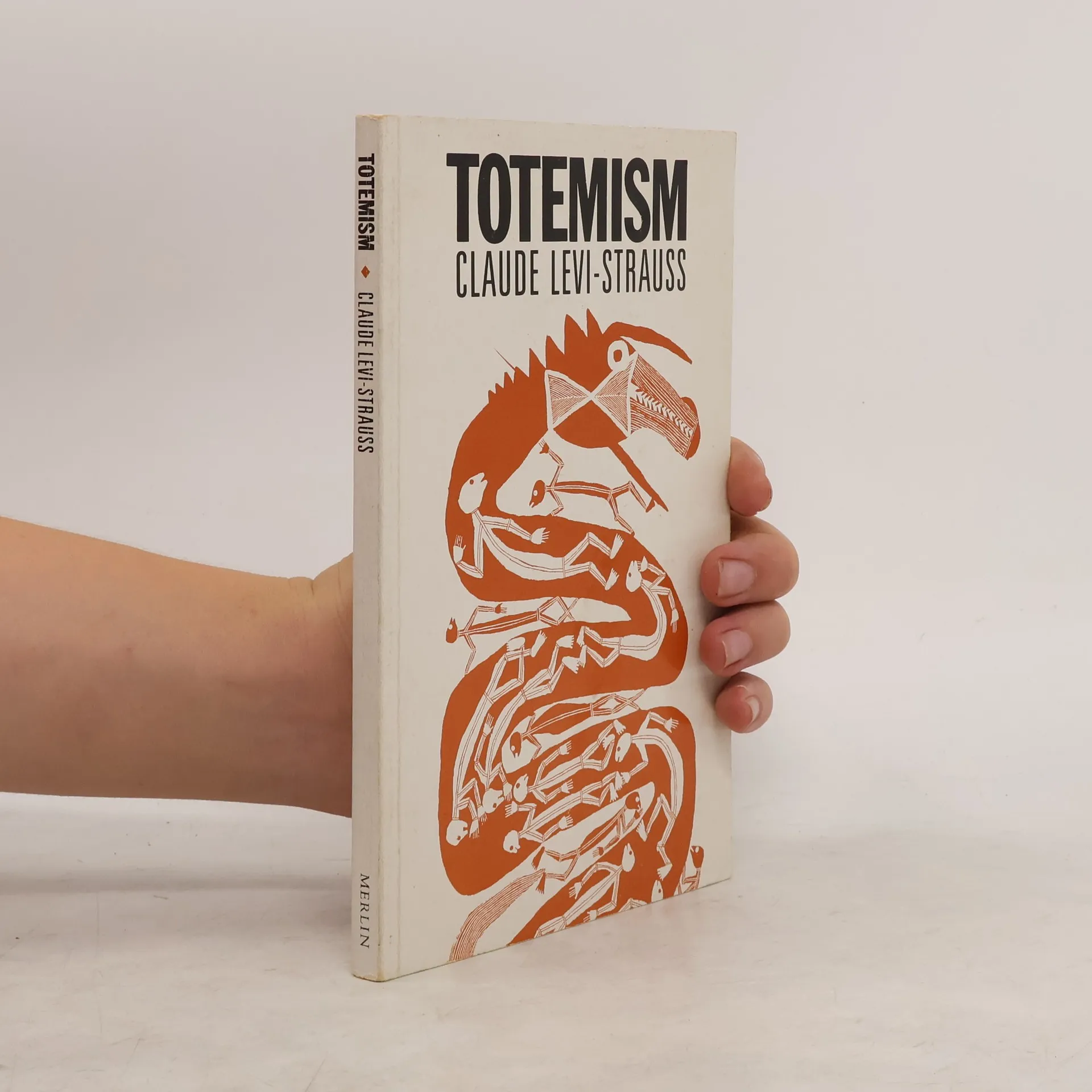
    • Totemism

      • 128pagine
      • 5 ore di lettura

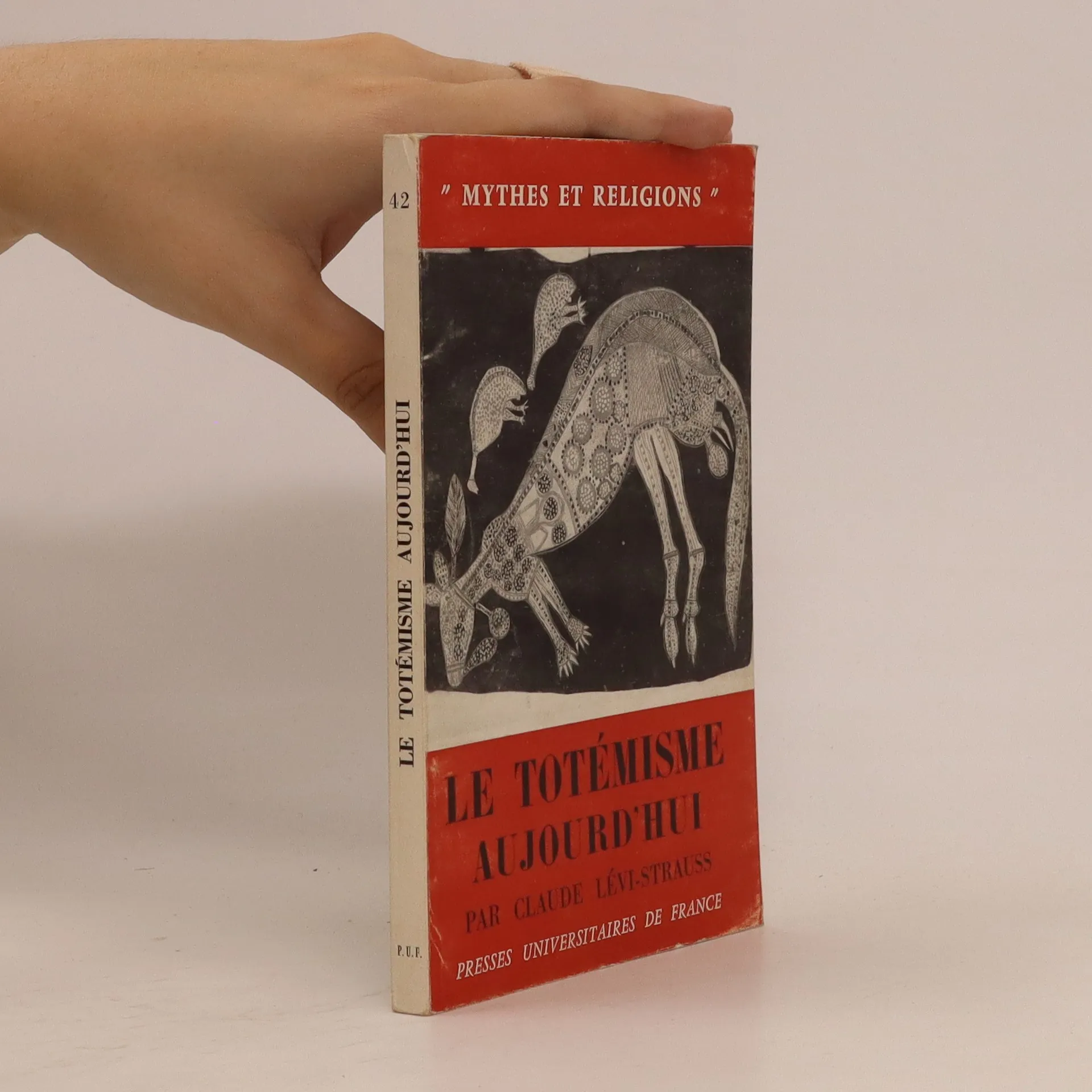
      From the back cover: "This work is significant not only for students of anthropology but for students of philosophy and psychology as well. The distinguished anthropologist Claude Lévi-Strauss examines here the great variety of beliefs encompassed by totemism, the attacks to which it has been subject, and the constant attempts to restore useful meaning to it. His account deals with the views of such renowned anthropologists as Boas, van Gennep, Elkin, Fortes, Firth, Evans-Pritchard, and Radcliffe-Brown; it also brings to light some neglected observations by Bergson and Rousseau. In reviewing the major theories about totemism, the author notes that it has gradually come to be understood not as a distinctive institution, but as a way of thinking which is as characteristic of our own thinking as it is of the "primitives" for whom totemism was an integral part of life.

      Totemism
      3,8
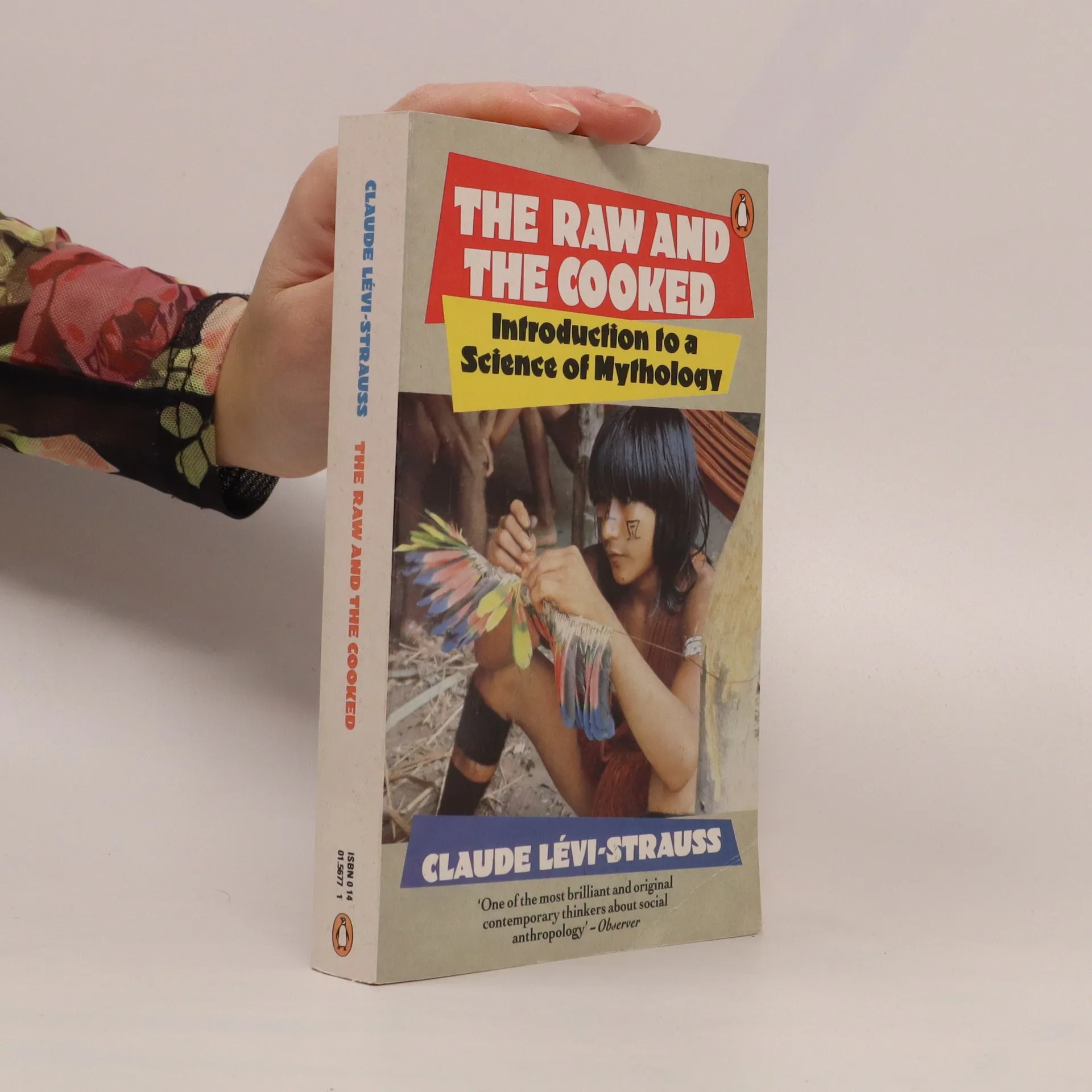
    • The Raw and the Cooked

      • 384pagine
      • 14 ore di lettura

      "Lévi-Strauss is a French savant par excellence, a man of extraordinary sensitivity & human wisdom...a deliberate stylist with profound convictions & convincing arguments...[The Raw & the Cooked] adds yet another chapter to the tireless quest for a scientifically accurate, esthetically viable & philosophically relevant cultural anthropology...[It's] indispensable reading."--Natural History Illustrations Table of Symbols Overture 1 Theme & variations Bororo song 2 Ge variations The "good manners" sonata A short symphony 3 Fugue of the five senses The oppossum's cantata 4 Well-tempered astronomy Three-part Inventions Double inverted canon Toccata & fugue Chromatic piece 5 Rustic symphony in three movements Divertissement on a folk theme Bird chorus The wedding Bestiary Bibliography Index of Myths General Index

      The Raw and the Cooked
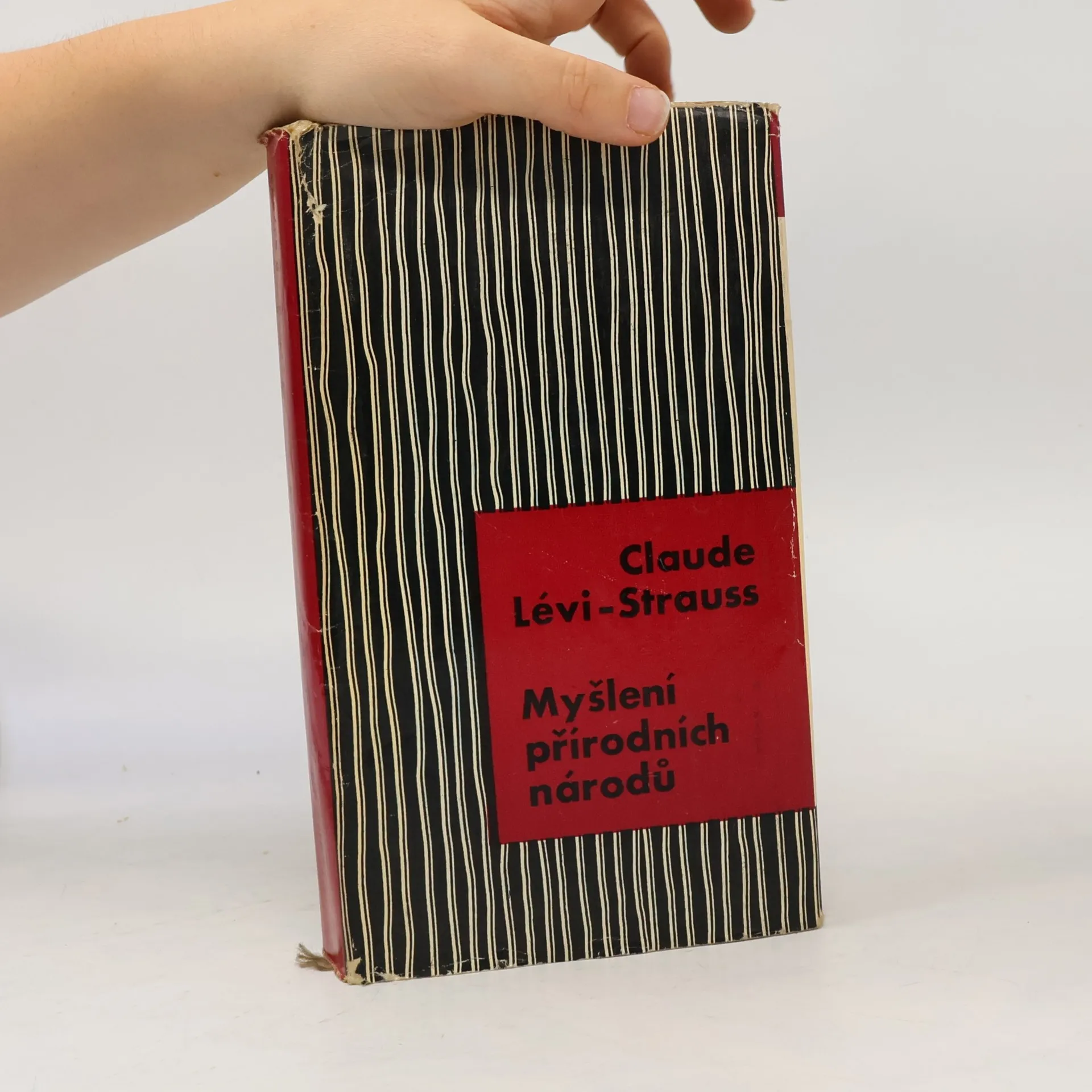
    • Věhlasný francouzský etnolog používající strukturální metody se touto knihou, která patří k jeho nejvýznamnějším dílům, představuje jako precizně a detailně postupující objevitel skrytých mechanismů nekultivovaného "divokého" myšlení. Demonstruje též souvislost těchto duševních procesů s uměleckým tvořením, spatřuje v nich protipól vědecké myšlenkové činnosti a přitom se vyrovnává se Sartrovou "Kritikou dialektického rozumu".

      Myšlení přírodních národů
      4,6
    • První část čtyřdílné práce předního francouzského kulturního antropologa. Vycházeje z analýzy jednoho mýtu, která postupně zahrnuje většinu mýtů tropické Jižní Ameriky, autor dochází ke zjištění, že dokonce ani tam, kde lidskou fantazii považujeme za zcela spontánní, neexistuje náhodné spojování představ. C. Lévi-Strauss se však neomezuje na zkoumání abstraktních mechanismů, ale naopak vychází z bezprostřední skutečnosti každodenního života. Titul knihy se inspiroval kuchyní jihoamerických kmenů, mezi nimiž autor pobýval, její stavba zase kompozicí hudebního díla: text připomíná velkolepé oratorium, jehož jednotlivé části postupně přejímají a obměňují výchozí téma.

      Mythologica I – Syrové a vařené
      4,7
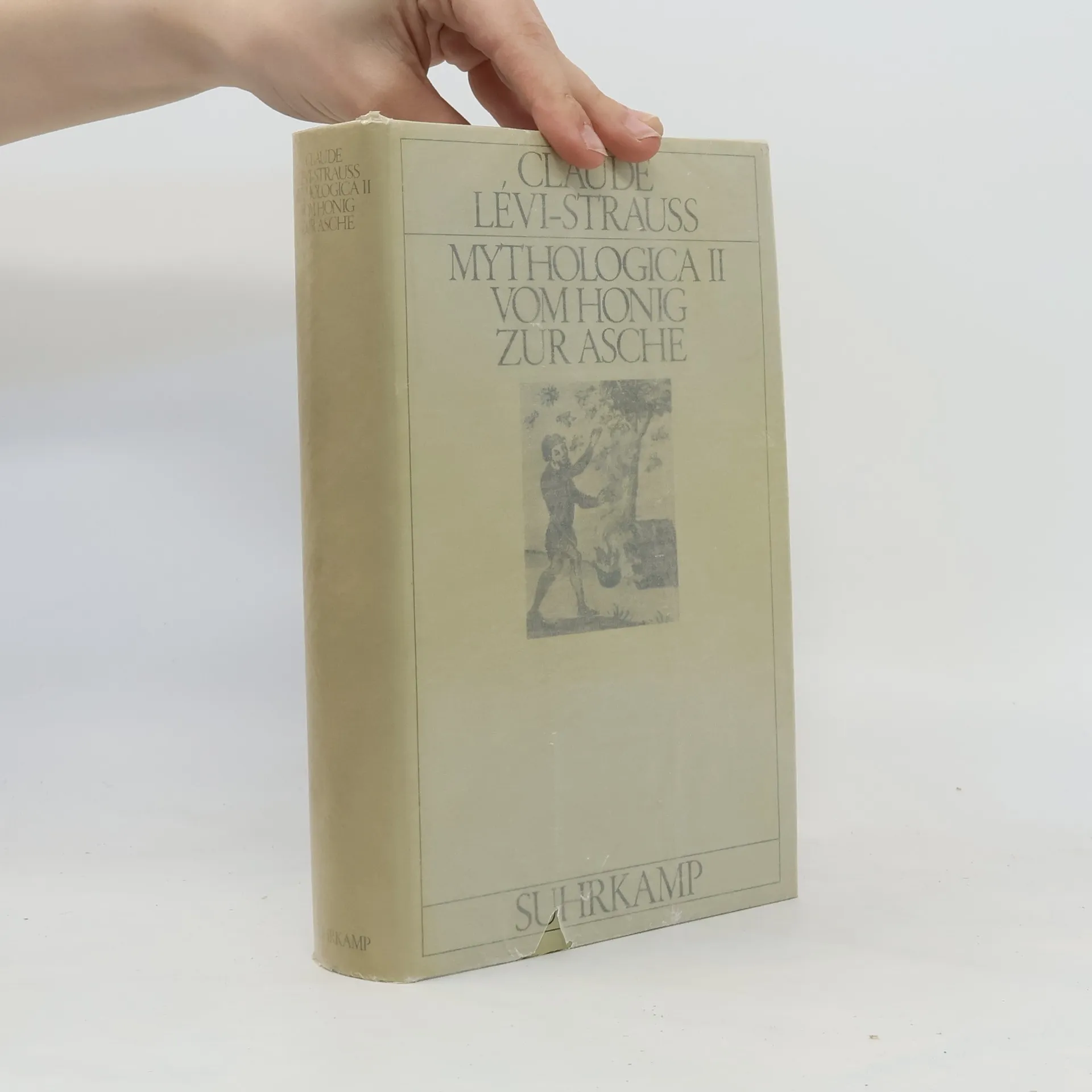
    • Druhá část čtyřdílné práce význačného francouzského kulturního antropologa se zaměřuje na dvě látky, které nejsou potravinou v pravém smyslu slova, ale úzce s jídlem souvisejí: medu a tabáku. Zkoumá v mýtech jejich protiklad: protiklad vlhkosti a sucha, protiklad látky, která vyjadřuje veškerou lákavost a přívětivost přírody, a jiné, která v podobě kouře stoupá ke světu nadpřirozených bytostí a v životě jihoamerických indiánů nabývá na významu zejména v obdobích sucha a hladu.

      Mythologica II – Od medu k popelu
      5,0
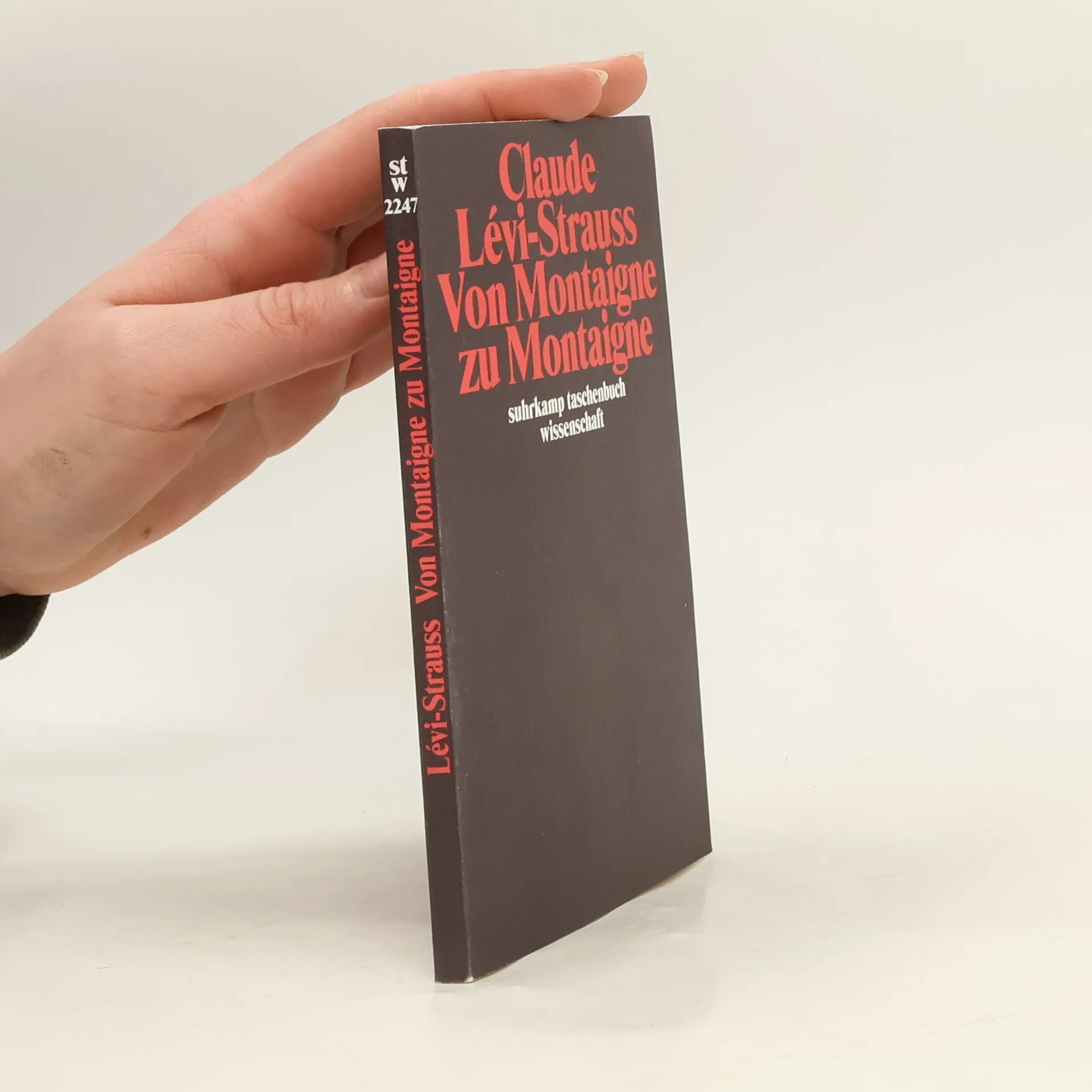
    • Der Band versammelt zwei bisher unveröffentlichte Vorträge von Claude Lévi-Strauss, die im Abstand von mehr als einem halben Jahrhundert gehalten wurden: der erste 1937, der zweite 1992, beide haben Montaigne zum Gegenstand. Sie lassen den zentralen Platz erkennen, den Montaigne im Denken von Lévi-Strauss einnimmt, und eröffnen damit eine neue Perspektive auf das Werk des großen französischen Anthropologen. Im Zeichen Montaignes, seinem lebenslangen Begleiter, wird ihm die Ethnologie zu einer revolutionären Wissenschaft.

      Suhrkamp Taschenbuch Wissenschaft: Von Montaigne zu Montaigne
      4,0
    • Correspondance

      1942-1982 - Inédit

      • 421pagine
      • 15 ore di lettura

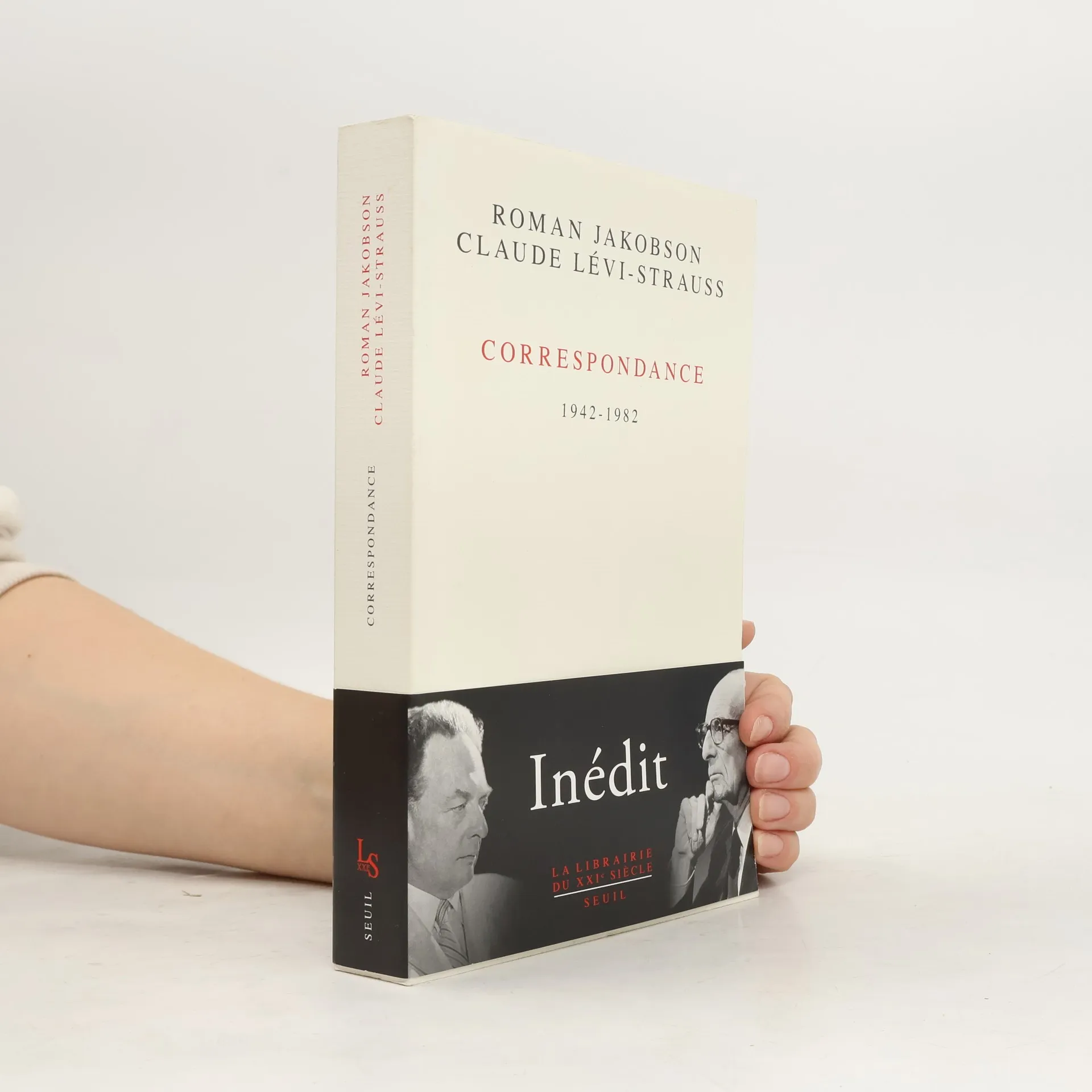
      La correspondance publiée ici, pour la première fois, s'ouvre par des contrepèteries et se referme sur la couleur des voyelles. Elle entrecroise sur près de cinquante ans le fil de deux vies, tissant une amitié savante qui ne s'interrompra qu'avec la mort. On y aborde la poésie, les mathématiques, les champignons, les épopées médiévales, ainsi que les langues et les mythes. Contrairement à l'image souvent véhiculée, le linguiste Roman Jakobson et l'anthropologue Claude Lévi-Strauss, figures majeures des sciences sociales du XXe siècle, ont été des médiateurs entre l'abstraction scientifique et l'expérience sensible. Leur œuvre et leur rencontre allient théorie et volupté. Dans son éloge de Lévi-Strauss, Jakobson souligne l'importance de concilier la variation et la recherche d'invariants, sans opposer la passion pour le singulier à l'intérêt pour les formes universelles. Il propose que ces structures invariantes soient perçues comme des matrices de variation. Ainsi, nous n'avons en commun que nos différences, tant au sein de l'humanité que dans la diversité biologique et cosmique. Comprendre sa place dans ce jeu de variations est essentiel pour les sciences humaines, comme en témoigne cette correspondance inédite. Emmanuelle Loyer et Patrice Maniglier.

      Correspondance
      4,3
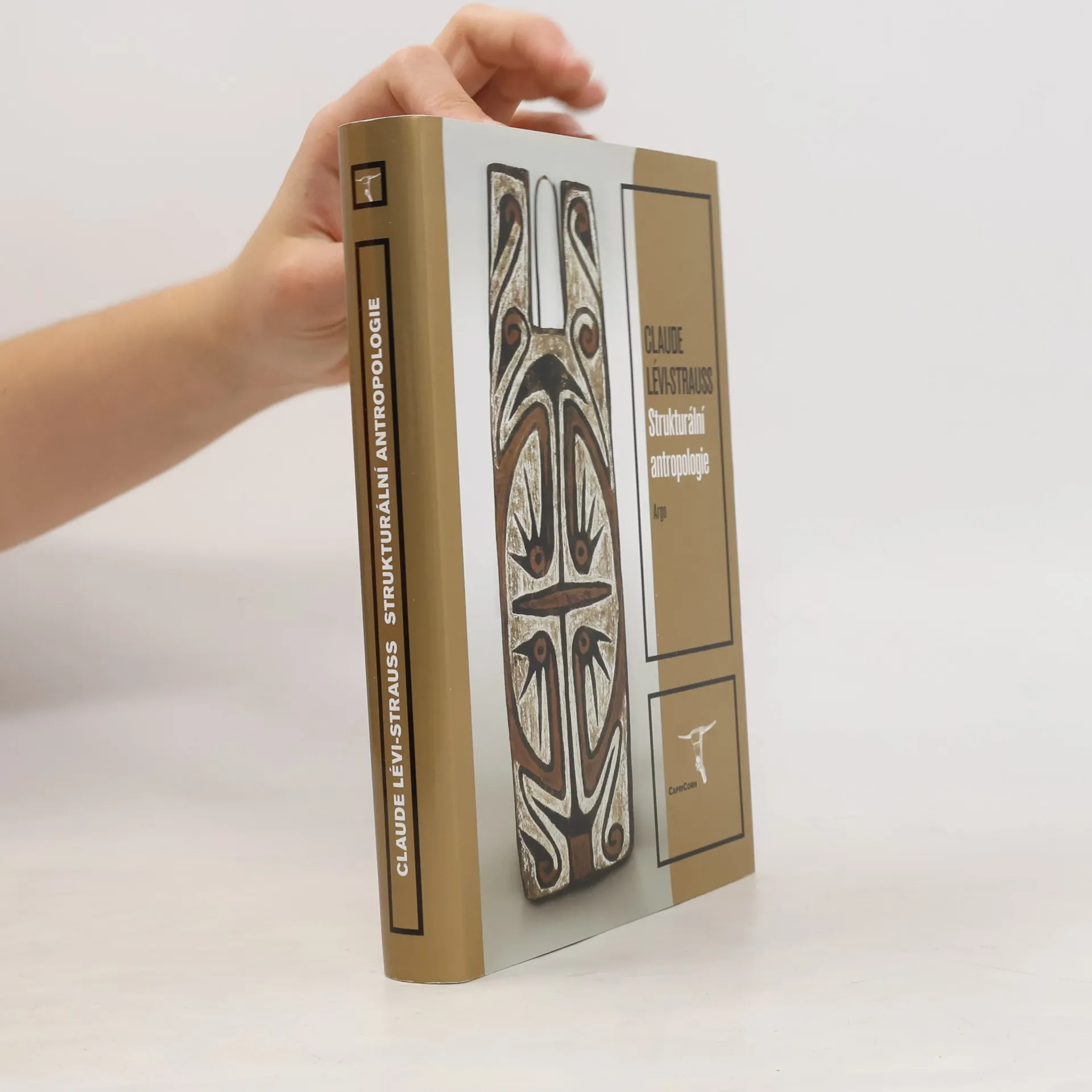
    • Významné dílo předního francouzského kulturního antropologa je na rozdíl od slavných Smutných tropů zaměřeno mnohem teoretičtěji. Autor se v jednotlivých kapitolách zabývá vztahem historie a etnologie, jazykem a příbuzenskými vztahy, organizací společnosti, magií a náboženstvím, uměním a také otázkou místa antropologie v rámci společenských věd a problémy spojenými s její výukou. Výbor zahrnuje stěžejní texty C. Lévi-Strausse z přelomu 40. a 50. let, které položily základy strukturální antropologii.

      Strukturální antropologie
      4,3
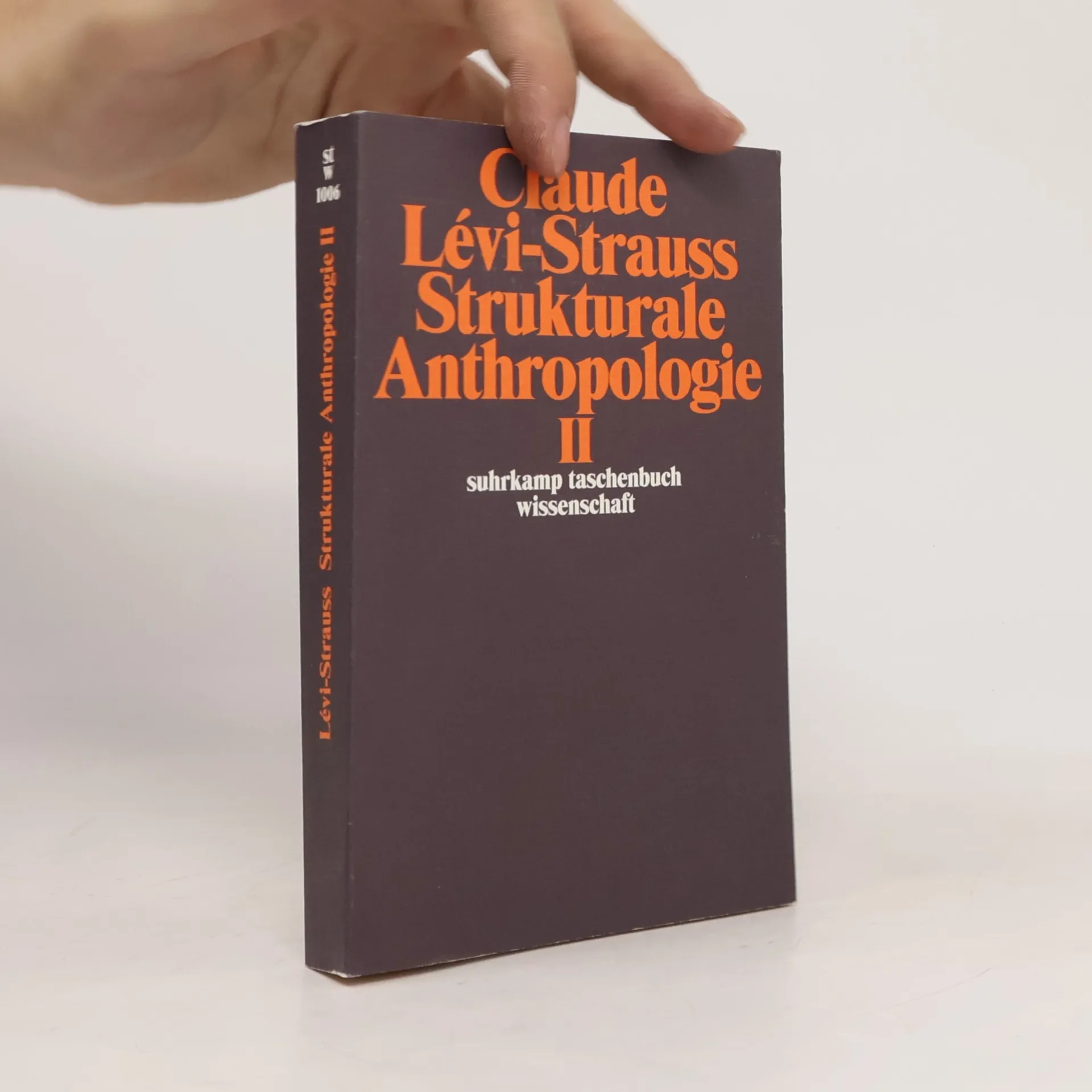
    • Nový výbor stěžejních textů předního představitele strukturalismu v antropologii vznikl patnáct let po uveřejnění svazku Strukturální antropologie. Jde opět o texty mnohdy nedostupné, při jejich výběru se autor znovu řídí zásadou srozumitelnosti širšímu okruhu čtenářů. Jednotlivé oddíly knihy jsou věnovány vymezení oboru antropologie a její minulosti i perspektivám, sociální organizaci a otázkám příbuzenství. Nejrozsáhlejší oddíl pojednává o autorových oblíbených tématech – mytologii a rituálu. Závěrečná část si všímá některých otázek, před nimiž stojí naše současné společnosti.

      Strukturální antropologie II
      4,0
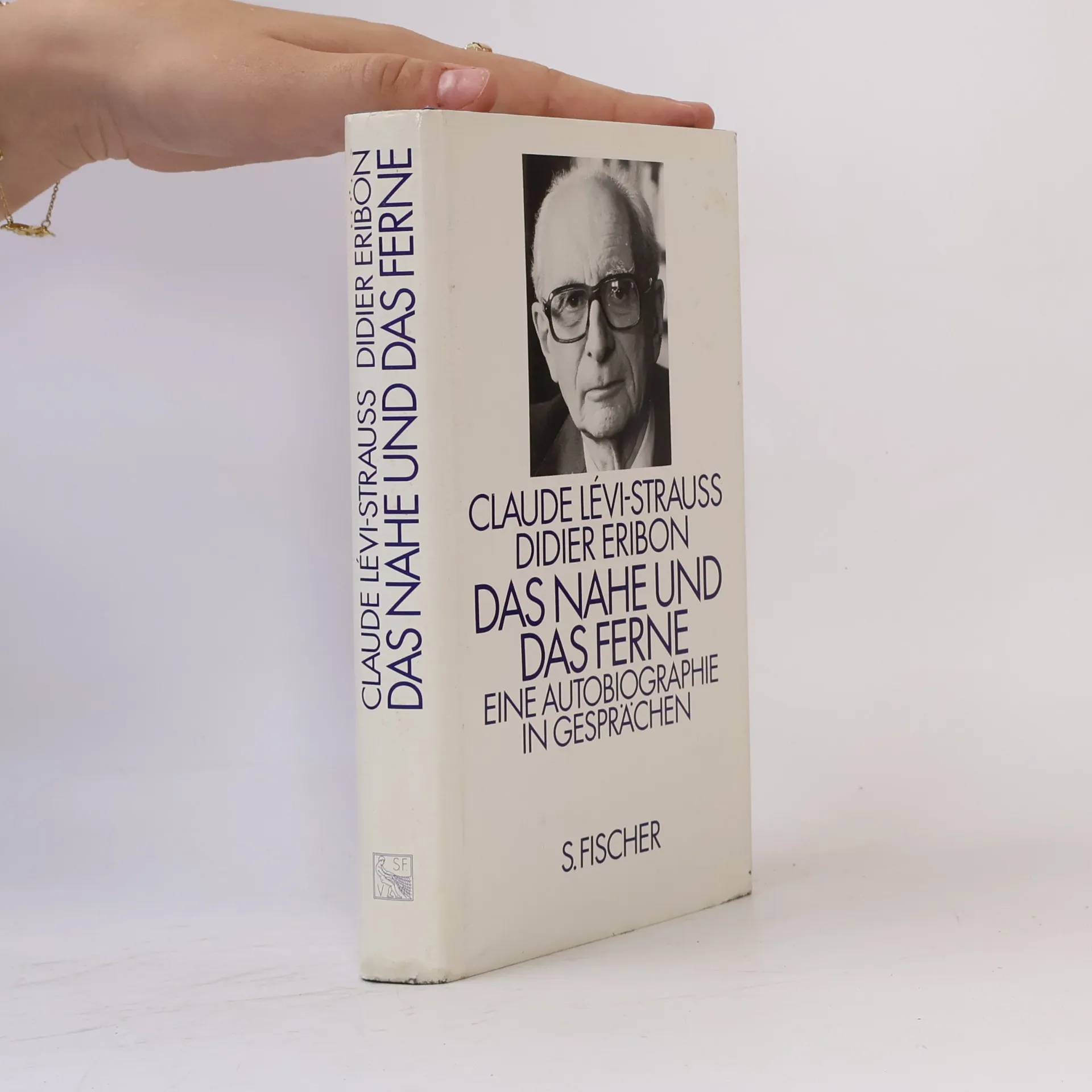
    • Das Nahe und das Ferne

      Eine Autobiographie in Gesprächen mit Didier Eribon

      • 336pagine
      • 12 ore di lettura

      Im Alter von achtzig Jahren erklärte sich einer der einflussreichsten Intellektuellen des 20. Jahrhunderts bereit, ein Interview zu geben, sein erstes Interview seit fast dreißig Jahren. »Ein Ereignis«, jubelte Le Figaro. Im Gespräch mit dem Bestsellerautor Didier Eribon blickt Claude Lévi-Strauss auf die Stationen seines Lebens und Schaffens zurück – frühe Freud- und Marx-Lektüren, seine Flucht nach New York, Freundschaften mit André Breton und Max Ernst, seine Kritik am Kolonialismus und Cartesianismus, seinen anhaltenden Kampf für einen radikalen Humanismus. Und immer wieder wird deutlich, dass die historischen Ereignisse Lévi-Strauss’ Schicksal genauso beeinflusst haben wie er das Denken unserer Epoche. Aber auch private Betrachtungen kommen in diesen Gesprächen nicht zu kurz. Eindrücklich erzählt er von seiner Liebe zur Musik, zur Malerei, zu Blumen, und warum er, der große Ethnologe, nie gern auf Reisen gegangen ist. Claude Lévi-Strauss’ Erinnerungen sind die Confessiones eines herausragenden Gelehrten – und gleichzeitig ein bedeutendes Dokument europäischer Geistesgeschichte.

      Das Nahe und das Ferne
      4,0
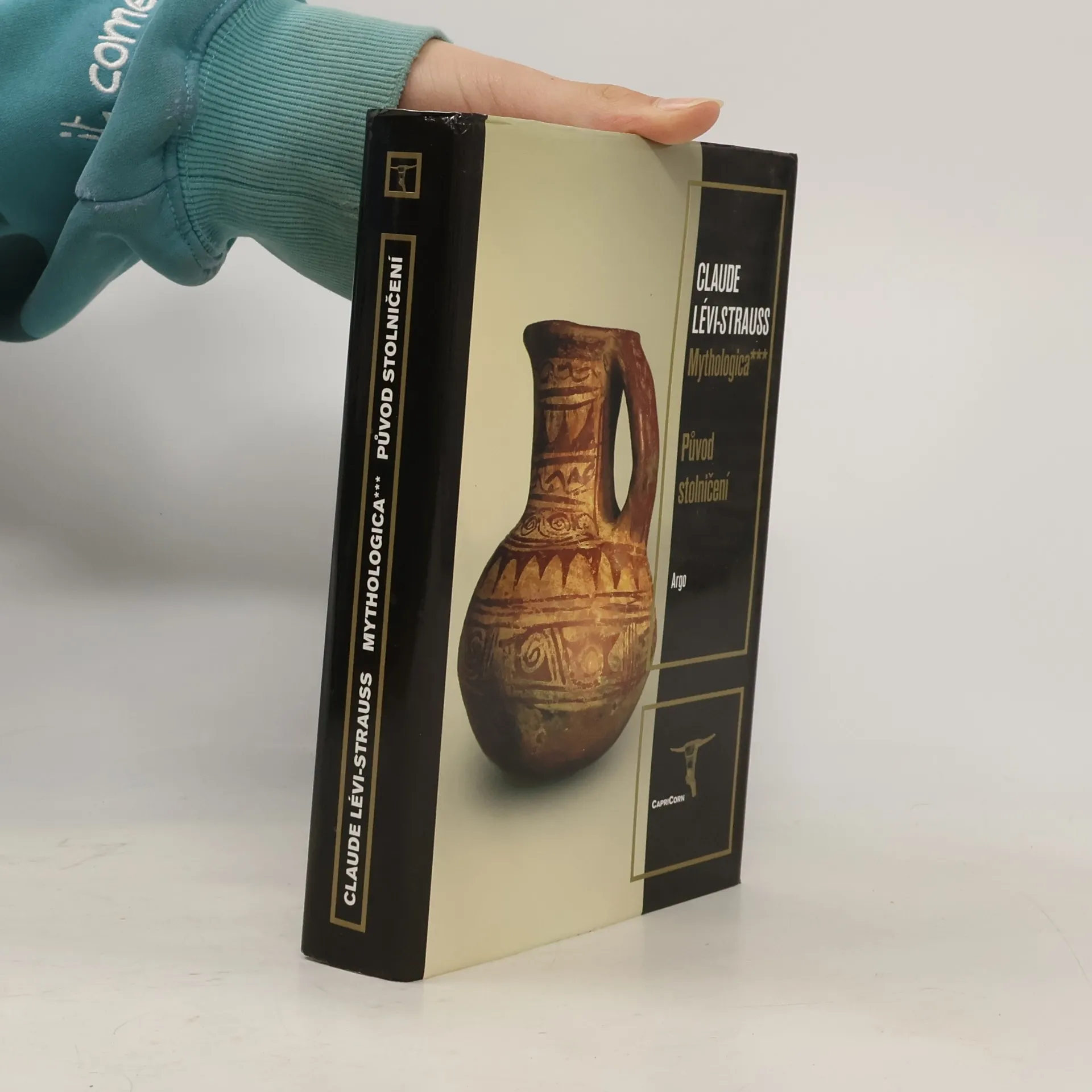
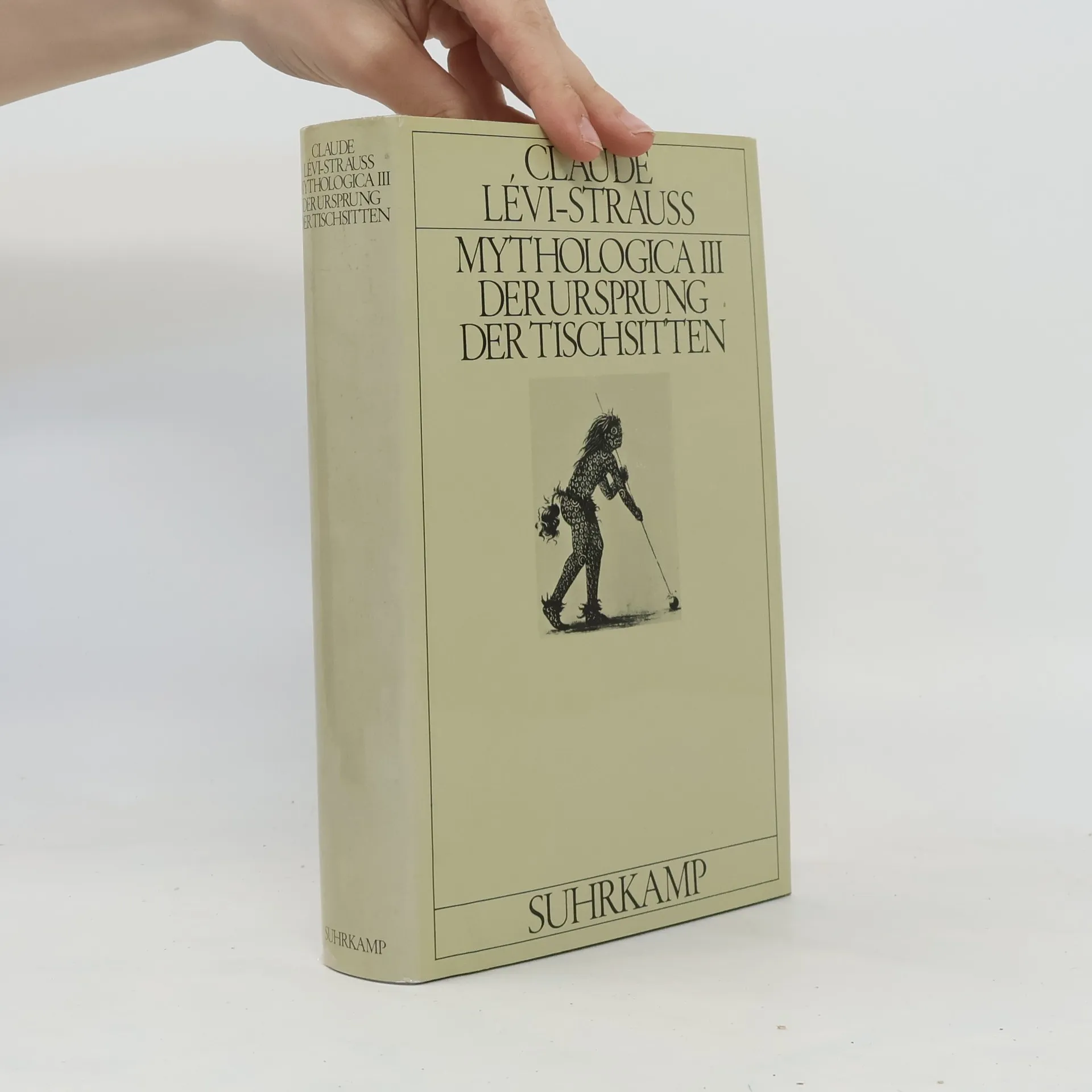
    • Ve třetí části čtyřdílné práce předního francouzského kulturního antropologa může čtenář pokračovat v pouti po mýtech amerických indiánů, tentokrát jinými cestami z téhož bodu, odkud vycházel první díl (Syrové a vařené) a kam se naopak druhý díl (Od medu k popelu) opačným směrem vracel. Není proto nezbytné mít přečtené předchozí díly, k nimž se lze v případě zájmu dostat později. Jako jednotlivá témata fugy se témata mýtů, rozebíraných metodou strukturální analýzy, proplétají, setkávají a opět rozcházejí. V porovnání s předchozími díly se pole zkoumání rozšiřuje i na mýty Severní Ameriky.

      Mythologica III – Původ stolničení
      4,0
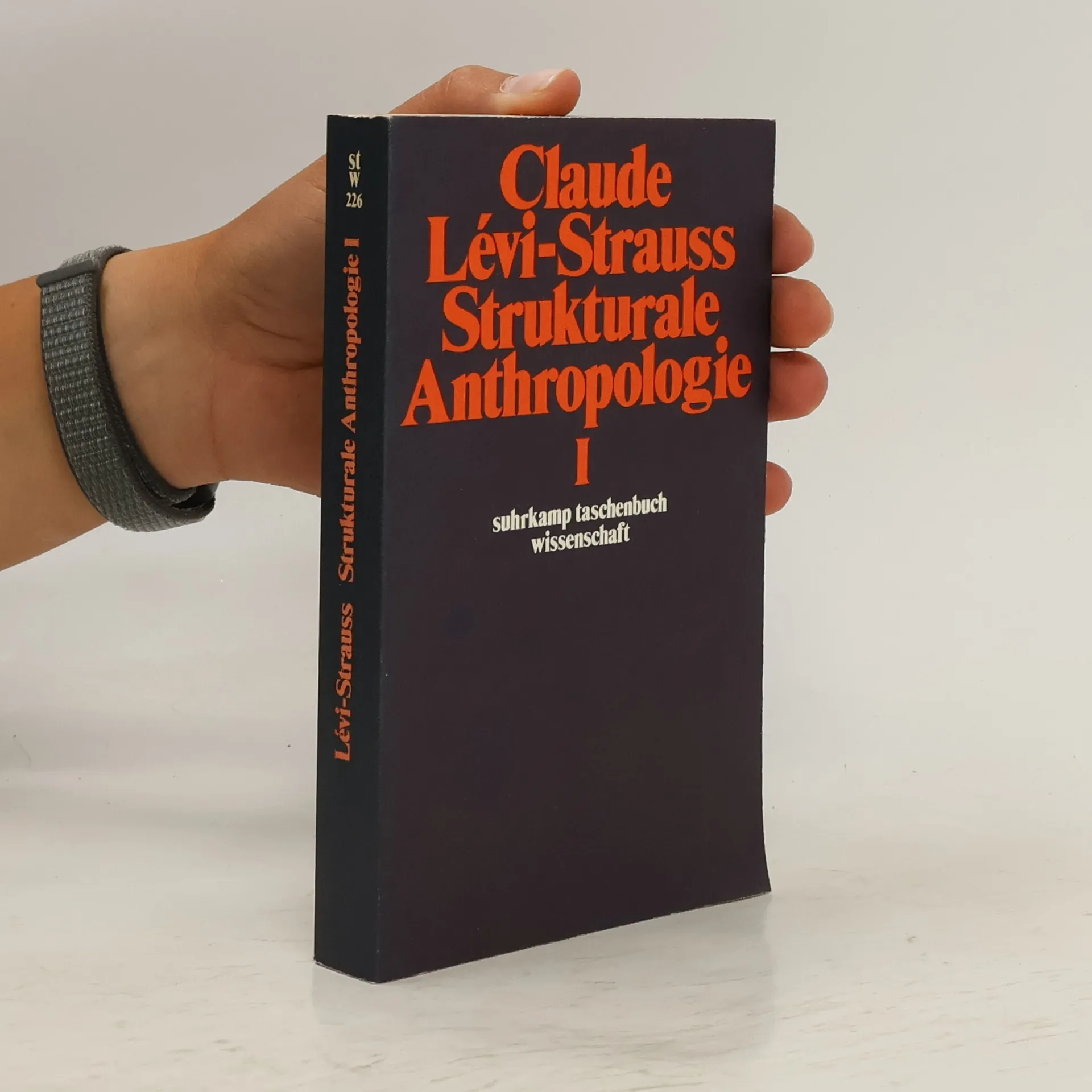
    • Strukturale Anthropologie 2

      • 426pagine
      • 15 ore di lettura

      »Es gehört zu den vorrangigen Absichten der strukturalen Anthropologie, zwischen den Begriffen, welche die Phänomene der Gesellschaft beschreiben, Beziehungen zu entdecken, die nicht anekdotische Zufälle sind, die vielmehr eine Systematik aufweisen, hinter der sich eine einsichtige Kohärenz abzeichnet. Und eben das ist das Neue an dieser Art anthropologischer Forschung: den Phänomenen der verschiedenen Bereiche wie Ökologie, Ökonomie, Politik, Recht, Philosophie, Religion, Kunst, Küche usw., die der fachlich beschränkte Partikularismus am liebsten wie solitäre Blöcke behandelt sähe, einen Zusammenhang und eine wechselseitige Interdependenz zuzutrauen, die sie zu dem funktionsfähigen Netz einer Gesellschaft flechten, das mit einer durchgängigen Logik geknüpft ist.« (Michael Oppitz)

      Strukturale Anthropologie 2
      3,5
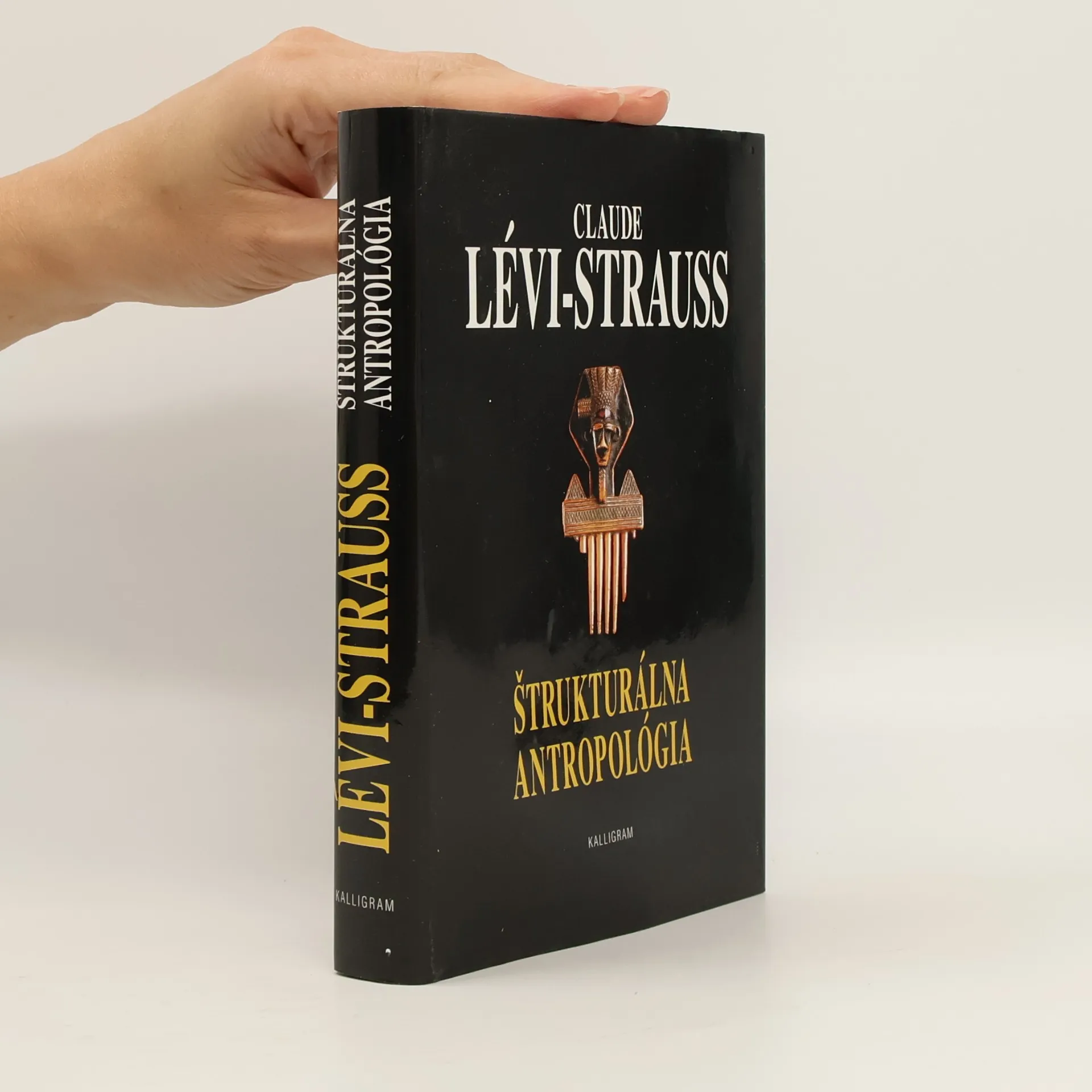
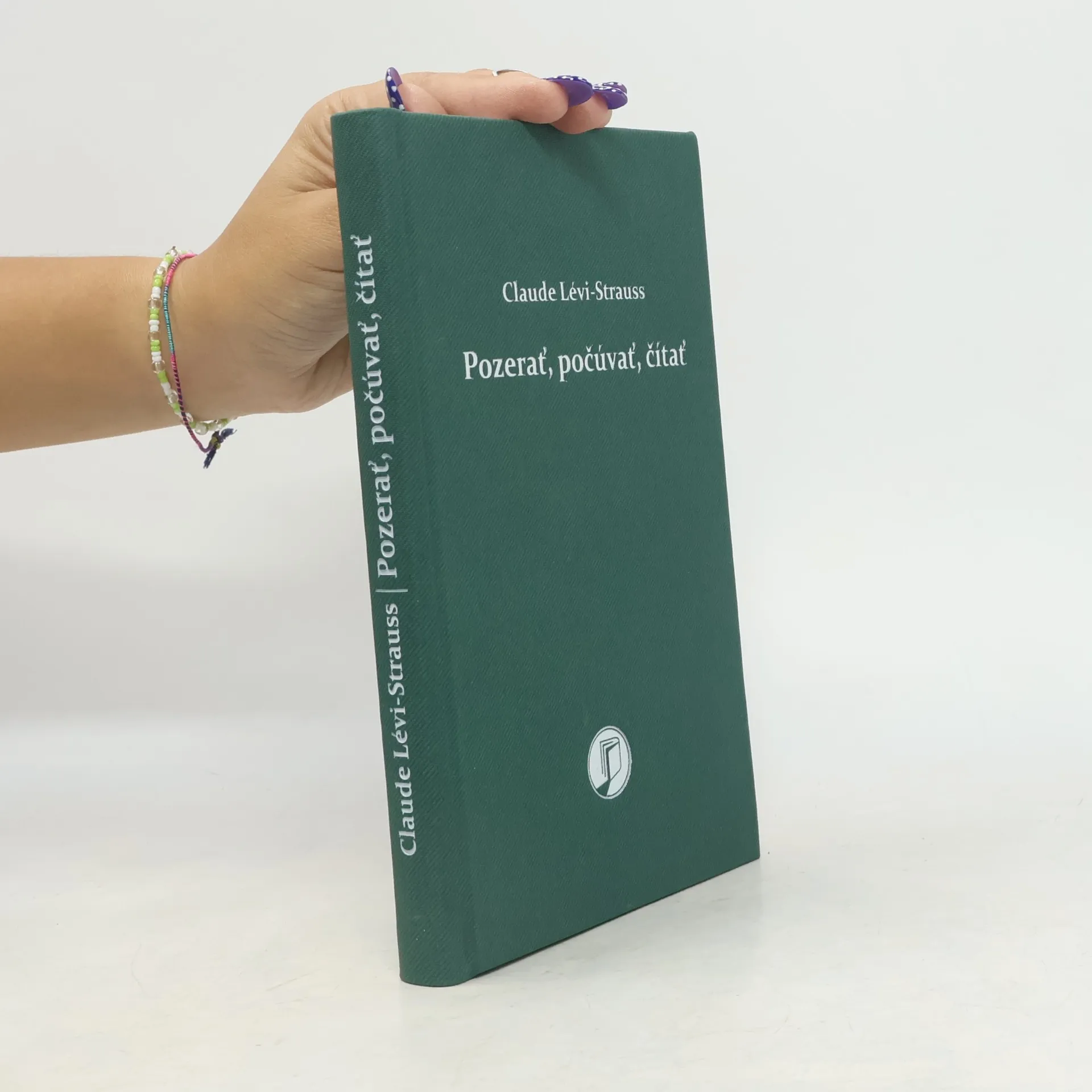
    • Pozerať, počúvať, čítať

      • 160pagine
      • 6 ore di lettura

      Francúzsky antropológ a etnológ Claude Lévi-Strauss (1908-2009) v celom svojom rozsiahlom diele skúmal mnohotvárnu problematiku kultúrnych prejavov človeka. Či boli predmetom jeho skúmaní mýty, príbuzenské vzťahy alebo klasifikácie rastlín a živočíchov, často sa pritom obracal k umeleckým dielam, aby v nich pomocou štrukturálnych metód našiel ukážky tvorivých schopností ľudského ducha. V práci Pozerať, počúvať, čítať výsledky svojich reflexií umeleckej tvorby zhrnul a posunul k záverom, ktoré od výtvarného umenia, hudby a literatúry prechádzajú až charakteristikám miesta človeka v prírodnom a dejinnom kontexte. Kniha vychádza s farebnou prílohou a vo výbornom preklade znalca diela Clauda Lévi-Strassa filozofa a prekladateľa Miroslava Marcelliho.

      Pozerať, počúvať, čítať
      3,0
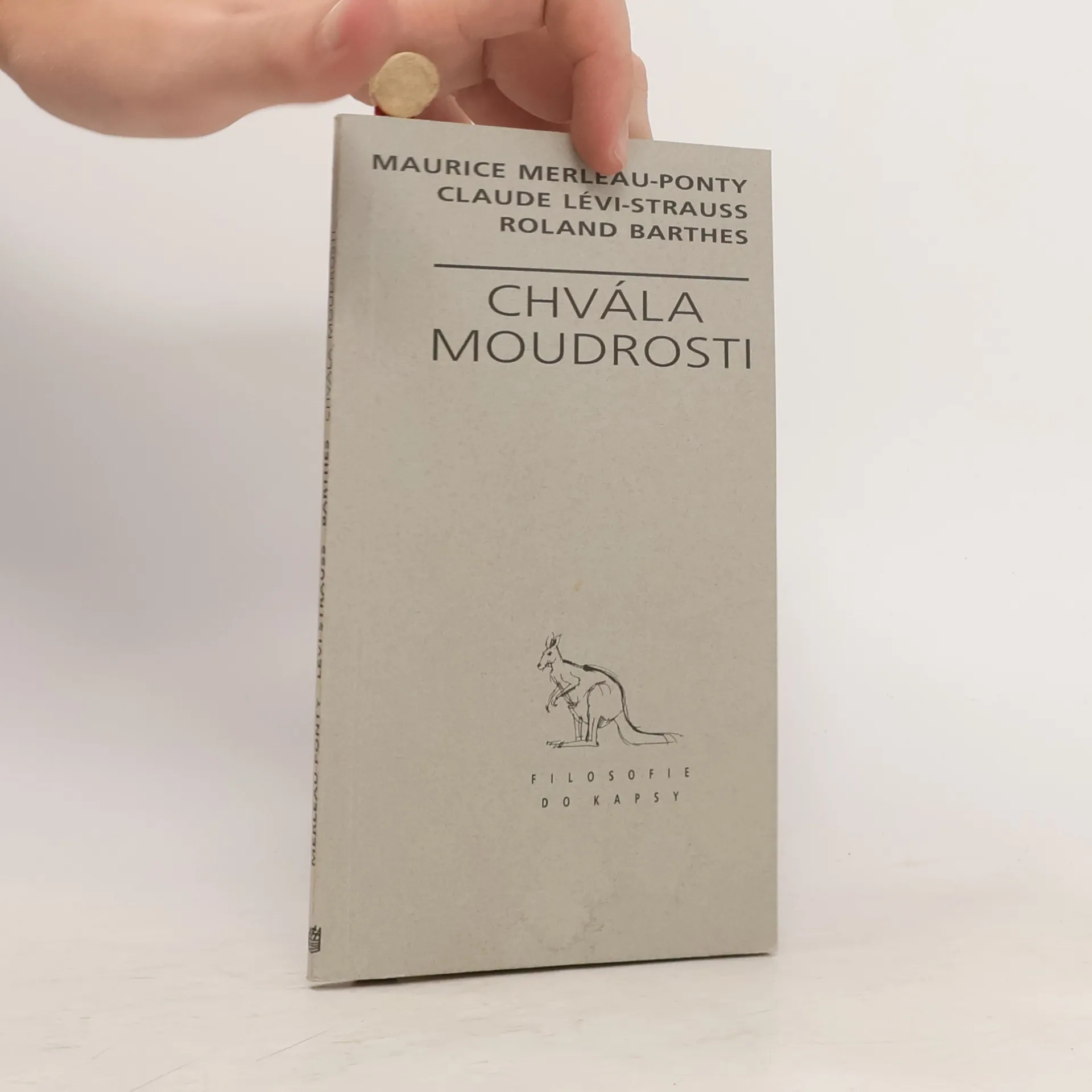
    • Přednášky tří významných filozofů - Maurice Merleau-Ponty, Claude Lévi-Strauss, Roland Barthes, na téma sociální antropologie, semiologie a filozofie bytí.

      Chvála moudrosti
      3,5
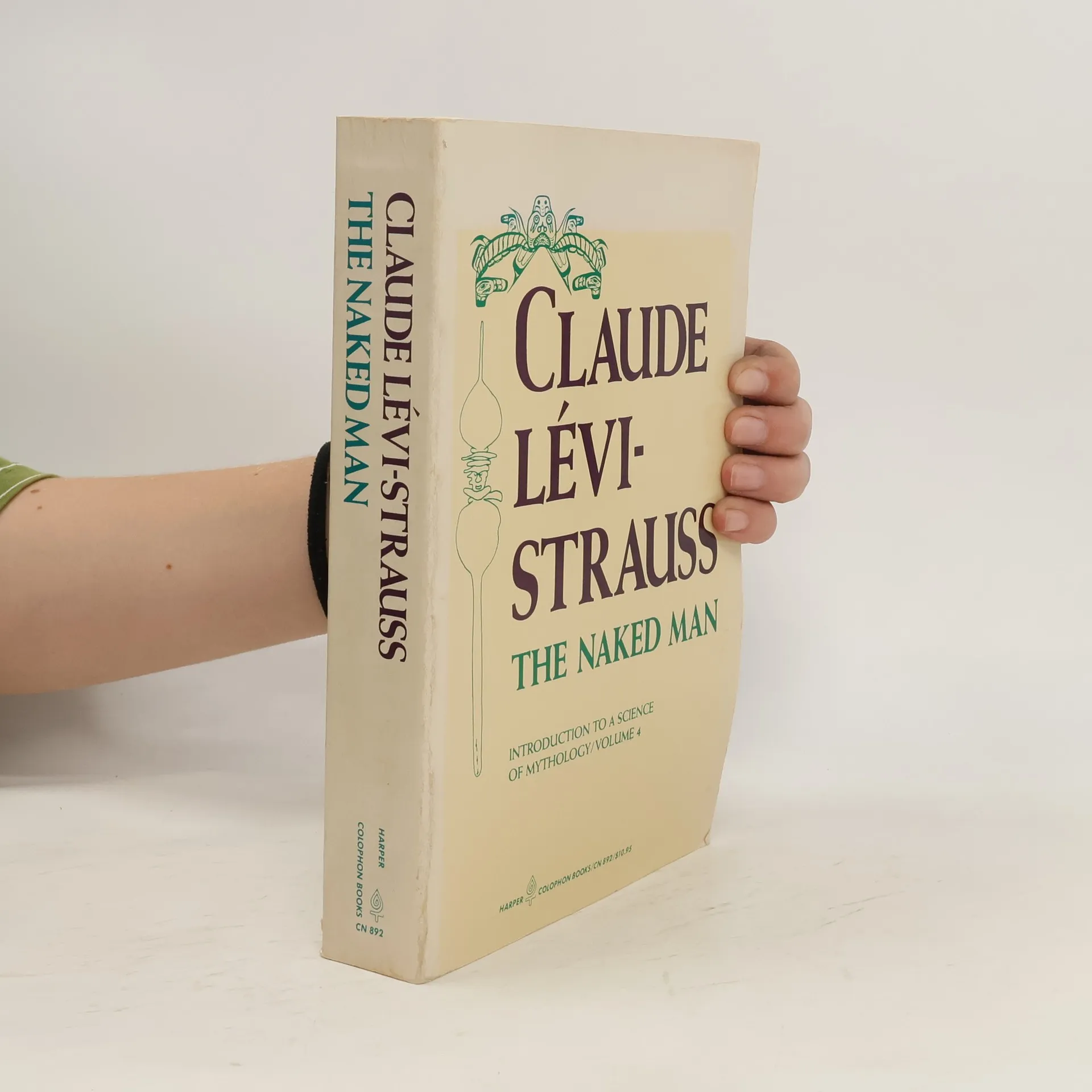
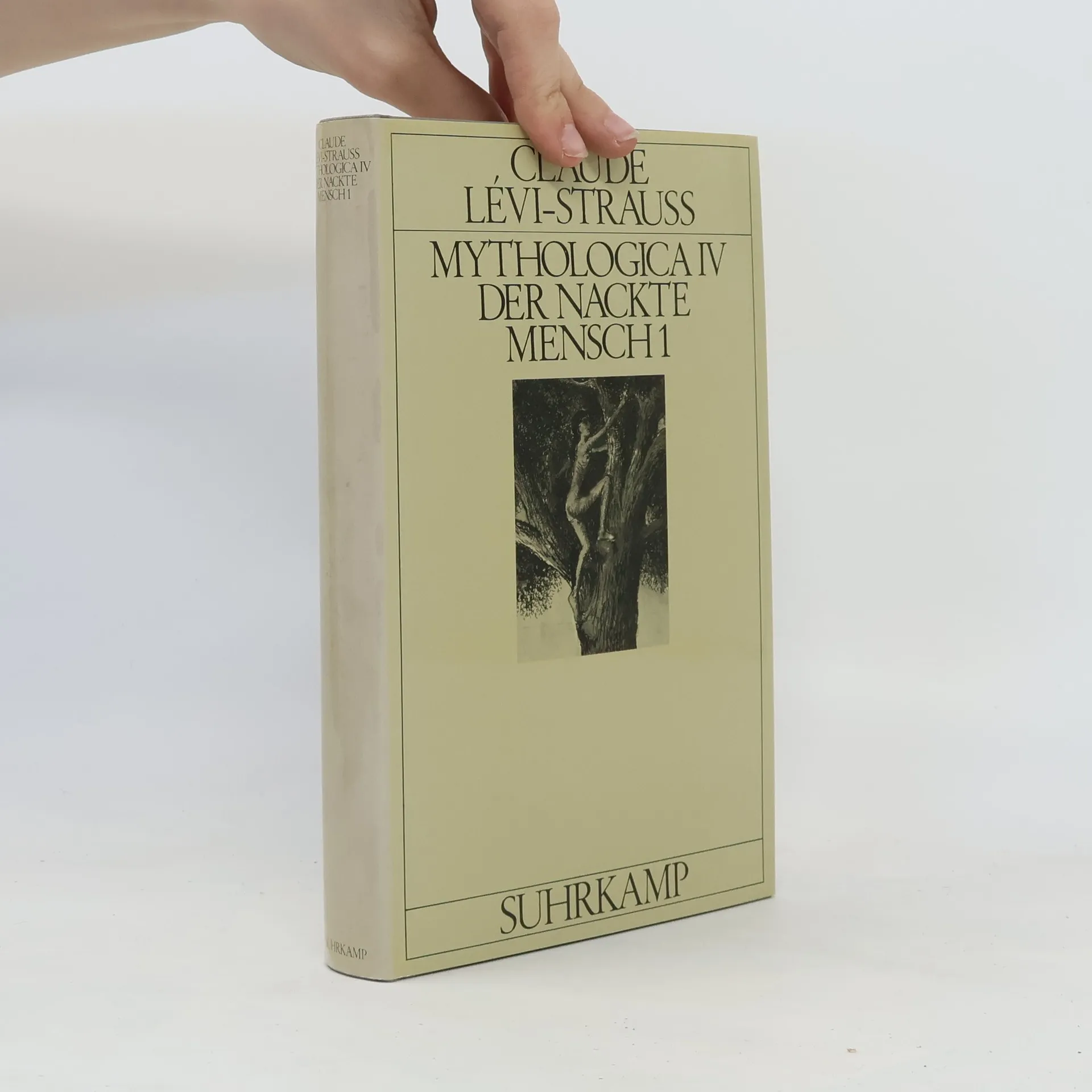
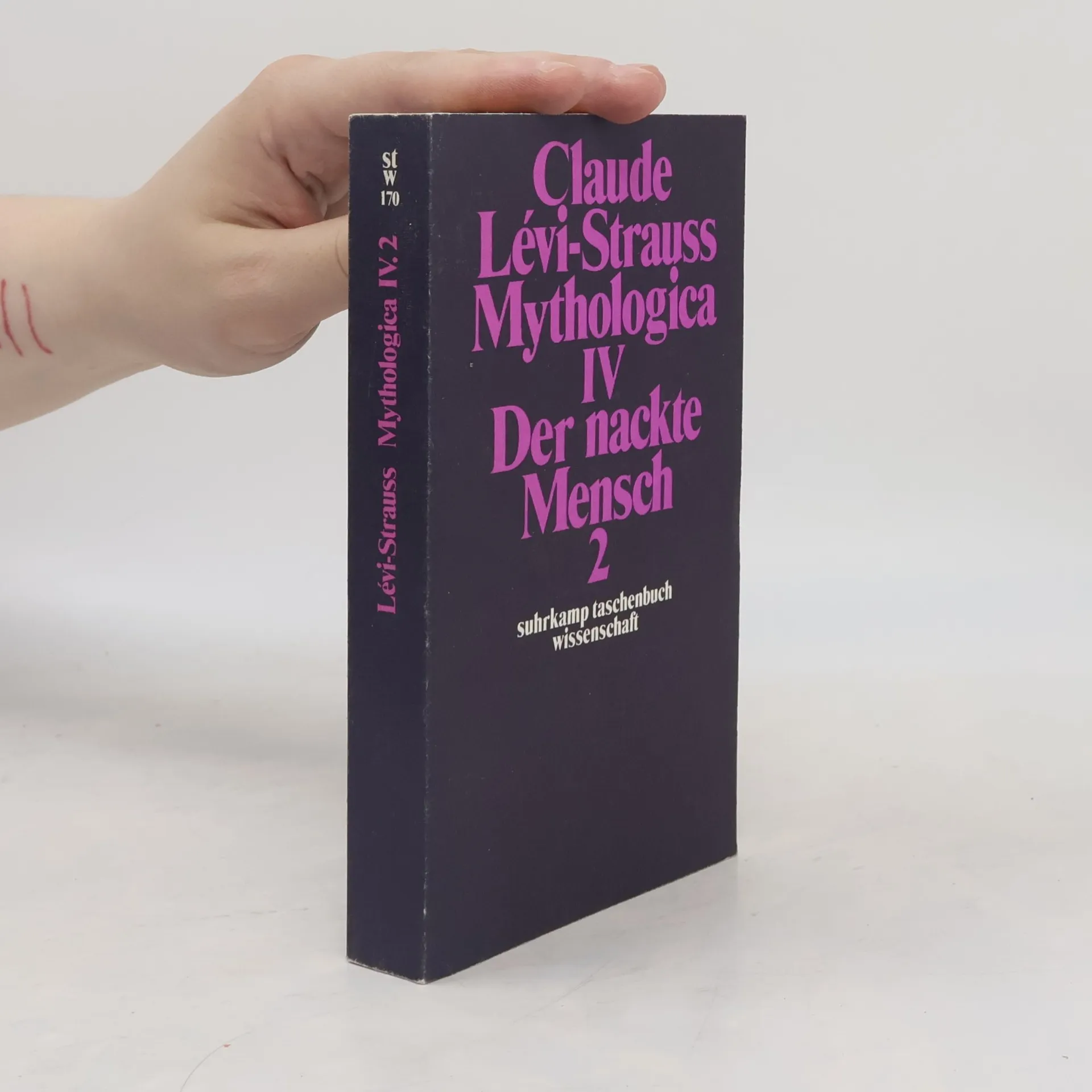
    • Závěrečný, nejobsažnější díl tetralogie nejprve rozebírá indiánské mýty (tentokrát převážně severoamerické) metodou strukturální analýzy jako tři předchozí díly. Ukazuje se, že navzdory nesmírným rozdílům v kultuře a životním prostředí populací obou Amerik zapadají vzájemně propojené prvky jejich mýtů do jednoho koherentního obrazu, v němž mají své místo a funkci i ty zdánlivě nejabsurdnější detaily. V obsáhlém finále autor nejen obhajuje svou metodu, nýbrž podobně jako ve Smutných tropech uvažuje o místě člověka na zemi.

      Mythologica IV – Nahý člověk
      3,0
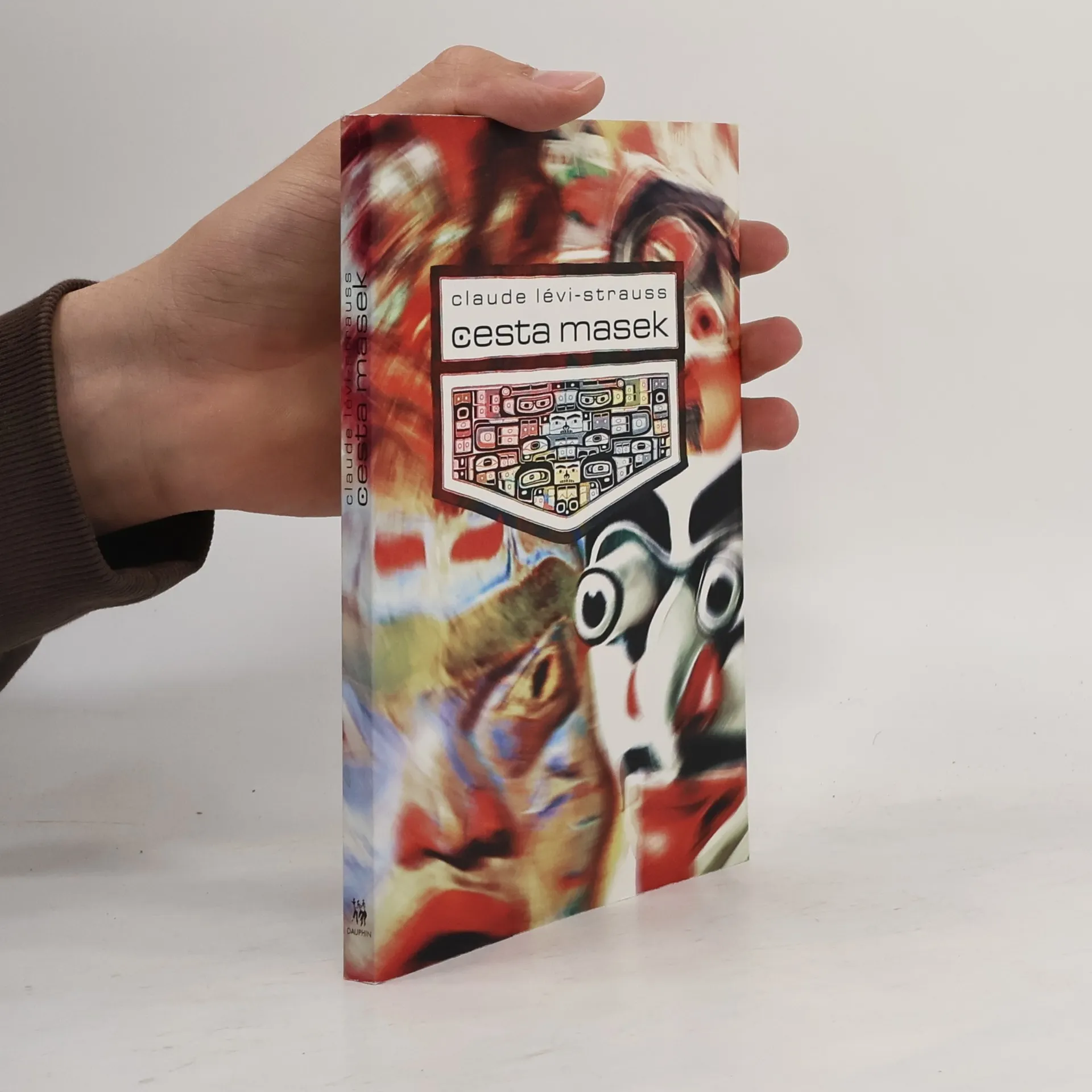
    • Publikace francouzského amerikanisty o Indiánech severního Tichomoří. První antropologická interpretace objektů domorodého výtvarného umění v souvislosti s mýty Severní Ameriky a Tichomoří.

      Cesta masek
      4,0
    • Loin du Brésil

      Entretien avec Véronique Mortaigne

      • 32pagine
      • 2 ore di lettura
      Loin du Brésil
      2,0
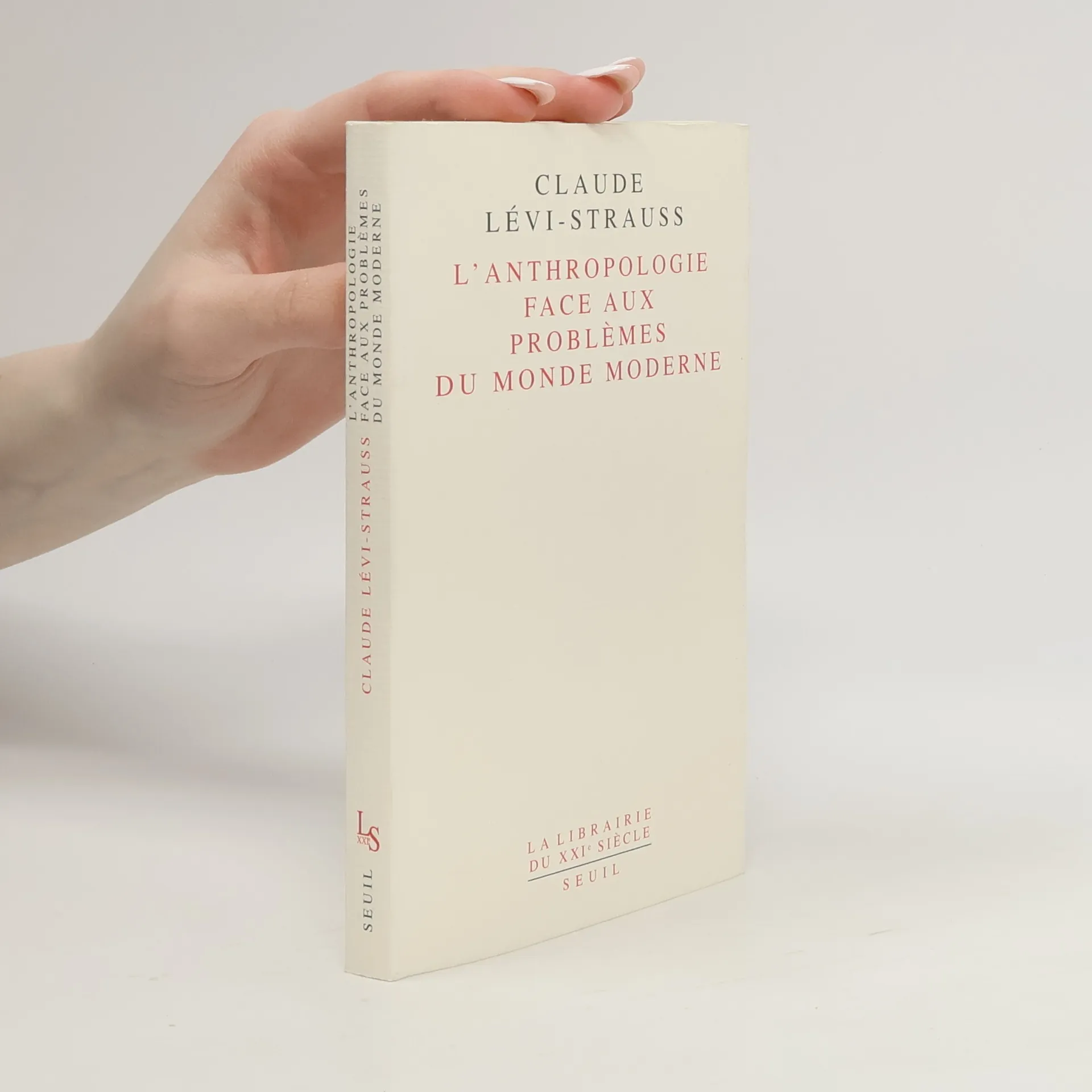
    • This volume presents the first English translation of a series of lectures by Claude Levi-Strauss, delivered in Tokyo in 1986, reflecting on his career and the future of anthropology. It synthesizes his major ideas on structural anthropology, a field he significantly shaped. Levi-Strauss critiques his earlier insights regarding race, history, and civilization, revisiting enduring social issues. He notes the end of Western cultural supremacy, which has been challenged by global conflicts and genocides that have eroded faith in humanity's progress through science. He argues that anthropology can foster a new democratic humanism, expanding traditional frameworks to enhance cross-cultural understanding and exploring lessons from civilizations like those in Asia. As he surveys the world on the cusp of the twenty-first century, Levi-Strauss addresses dilemmas of cultural and moral relativism, including ethical concerns surrounding economic inequality, the rise of religious fundamentalism, and the implications of genetic and reproductive engineering. This work serves as a thought laboratory, offering critical insights into the challenges of modern society and stands as a significant contribution to the legacy of one of the twentieth century's most influential theorists.

      L'anthropologie face aux problèmes du monde moderne
      4,0
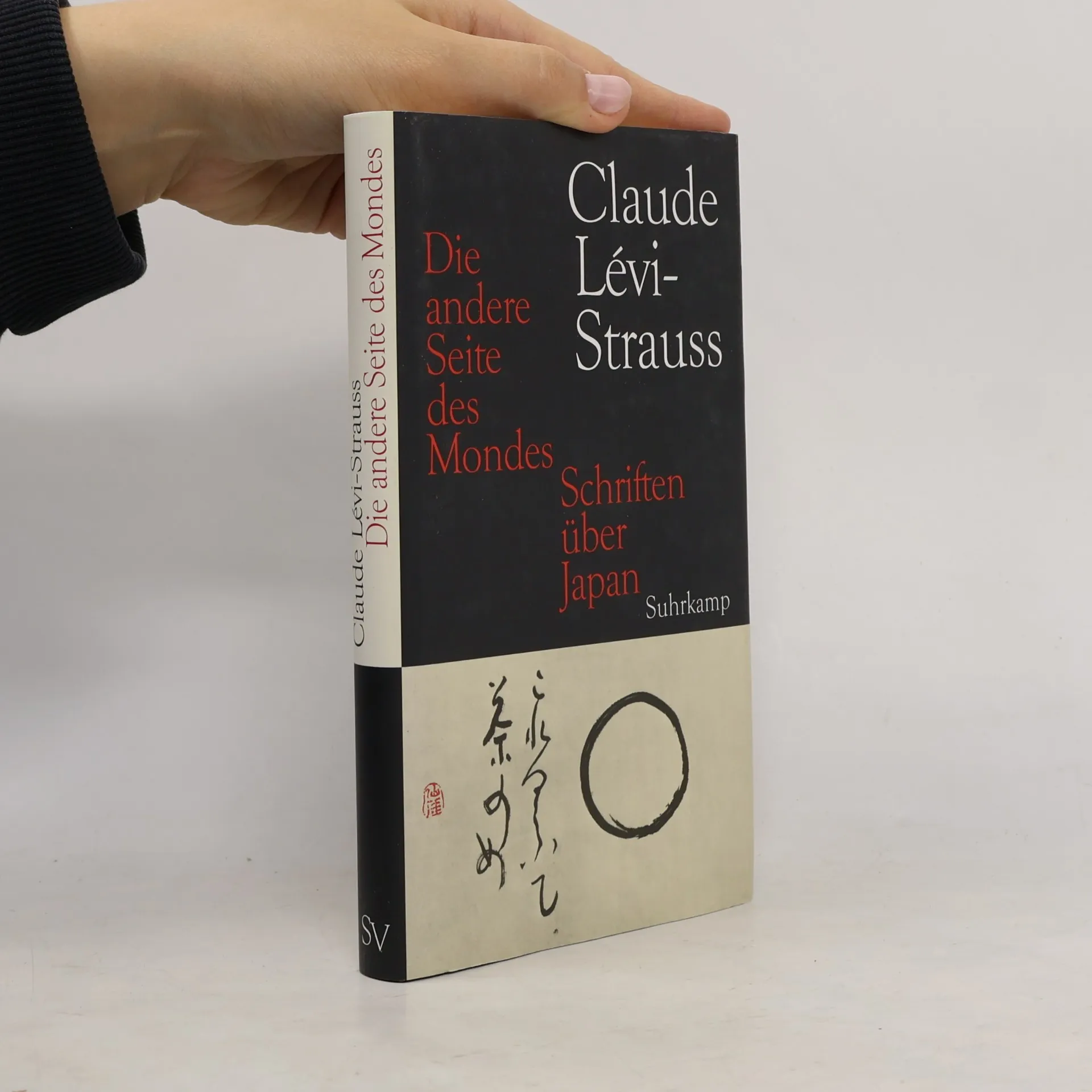
    • Was ist der Platz der japanischen Kultur in der Welt? Lassen sich Kulturen überhaupt miteinander vergleichen? Das sind zwei der Fragen, die den Japanreisenden Claude Lévi-Strauss umgetrieben haben. Seine Antworten finden sich in seinen Schriften über Japan. Obwohl Lévi-Strauss das fernöstliche Land erst spät in seinem Leben durch eigene Reisen kennengelernt hat, verband ihn bereits seit seiner Kindheit eine tiefe ästhetische Zuneigung zur japanischen Kunst und die japanische Musik war neben der europäischen Klassik die einzige, die ihn berührte. Später beschreibt er Japan als die einzige moderne Gesellschaft, der eine Balance zwischen der Treue zur Tradition und dem rasanten wissenschaftlichen und technischen Fortschritt gelungen ist – ein Beispiel einer humanen Moderne. Die aus diesen Erfahrungen und Betrachtungen gespeiste Zuneigung zu Japan spiegelt sich in den einzelnen Schriften, die das Buch nun versammelt: darunter wunderbare Stücke über den shintoistischen Sakraltanz oder den japanischen Zen-Meister und Maler Sengai, die einen großen, anteilnehmenden Beobachter zeigen.

      Die andere Seite des Mondes
      3,0
    • Hovory s Lévi-Straussem

      • 136pagine
      • 5 ore di lettura

      Mnoho již bylo napsáno o krizi moderního umění, o rozchodu malíře s divákem, skladatele s posluchačem, básníka se čtenářem, obecněji vzato umělce s milovníkem umění či jeho konzumentem. V této souvislosti vyvstala řada zajímavých otázek a objevilo se i mnoho špatných odpovědí, zejména od samotných umělců. Proto je vždy užitečné, když se nad podstatou umělecké činnosti a jejím významem pro společnost zamyslí někdo jiný než profesní umělec, umělecký kritik či historik umění. Mezi takové osobnosti patřil i uznávaný antropolog a filosof Claude Lévi-Strauss (1908–2009), jeden z předních představitelů strukturalismu. Kniha rozhovorů, které s proslulým francouzským filosofem vedl v roce 1959 spisovatel Georges Charbonnier, čtenáře uvede nejen do Lévi-Straussova fascinujícího filosofického systému a antropologických výzkumů, ale rovněž nabídne řadu podnětných myšlenek o moderním umění a zejména abstraktní malbě, jež se koncem padesátých let začala dostávat do krize. Jak Lévi-Strauss kriticky uzavírá v jedné z kapitol, abstraktní malířství může sice milovníka umění okouzlit, ale vždy zůstane omezeno na svou dekorativnost, neboť mu chybí hlavní rys uměleckého díla, a to je být nositelem skutečnosti sémantického řádu. Útlá kniha rozhovorů neztratila za mnoho let od svého vzniku na aktuálnosti a může nabídnout řadu cenných podnětů k přemýšlení o současném uměleckém dění.

      Hovory s Lévi-Straussem
      3,5
    • Von 1989 bis 2000 hat Claude Lévi-Strauss für die italienische Zeitung »La Repubblica« sechzehn Artikel verfasst, in denen er aktuelle Ereignisse und Tendenzen der modernen Gesellschaft begleitend kommentiert. Zusammen mit seinem legendären Essay »Der hingerichtete Weihnachtsmann« erscheinen diese kleinen Meisterwerke nun erstmals in einem Band versammelt in deutscher Sprache. Die Themenvielfalt der Stücke ist schier überwältigend: Aus Anlass des Todes von Lady Di unternimmt Lévi-Strauss eine Analyse der Bedeutung von Verwandtschaftsverhältnissen, eines seiner großen Lebensthemen; er setzt sich mit dem Bevölkerungswachstum und der Entwicklung des Menschen seit seiner Entstehung in Afrika auseinander, mit der Massentierhaltung und der Landwirtschaft oder mit den heftig diskutierten Ritualen der Beschneidung von Mädchen und Jungen in verschiedenen Kulturen; die Organtransplantation wird ebenso behandelt wie das Denken Michel de Montaignes oder Auguste Comtes; und in dem titelgebenden Essay »Wir sind alle Kannibalen« vergleicht er die Epidemie des Rinderwahnsinns auf kongeniale Weise mit der Krankheit Kuru, die sich in Papua-Neuguinea zu Beginn des letzten Jahrhunderts durch eine Form von Kannibalismus seuchenartig verbreitete. Ein Buch, das den ungeheuren Gedankenreichtum sowie den Scharfsinn und die Originalität eines der ganz großen Intellektuellen des 20. Jahrhunderts exemplarisch vor Augen führt.

      Wir sind alle Kannibalen
      3,8
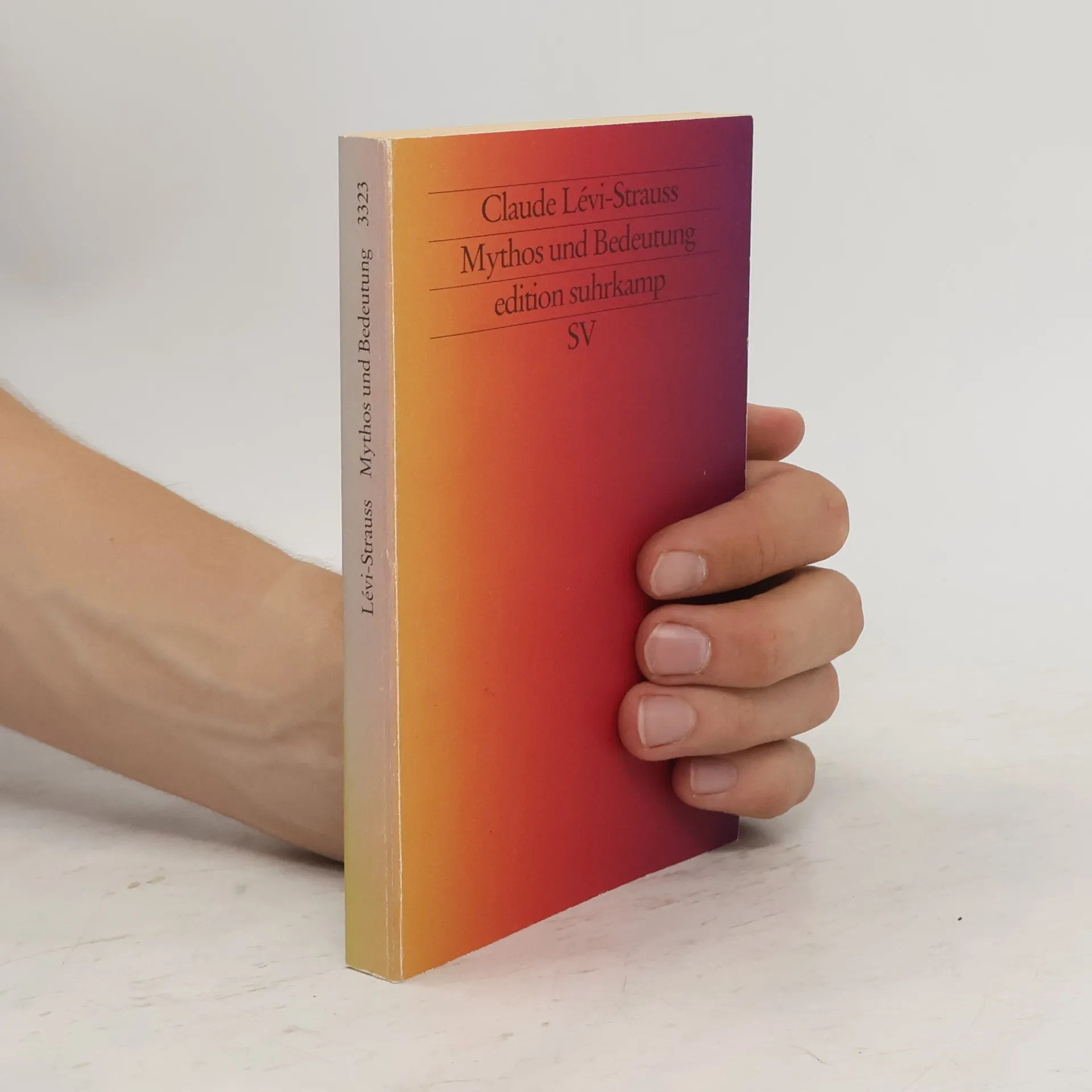
    • Mythos und Bedeutung

      • 283pagine
      • 10 ore di lettura

      Claude Lévi-Strauss wurde 1908 in Brüssel geboren und starb am 1. November 2009 in Paris. Er gilt als Begründer des Strukturalismus und lehrte von 1935 bis 1939 Soziologie an der Universität von São Paulo und von 1935 bis 1945 an der New School for Social Research. 1950 erhielt er an der École Pratique des Hautes Études einen Lehrstuhl für Vergleichende Religionswissenschaften der schriftlosen Völker und 1959 am Collège de France den Lehrstuhl für Anthropologie.

      Mythos und Bedeutung
      3,8
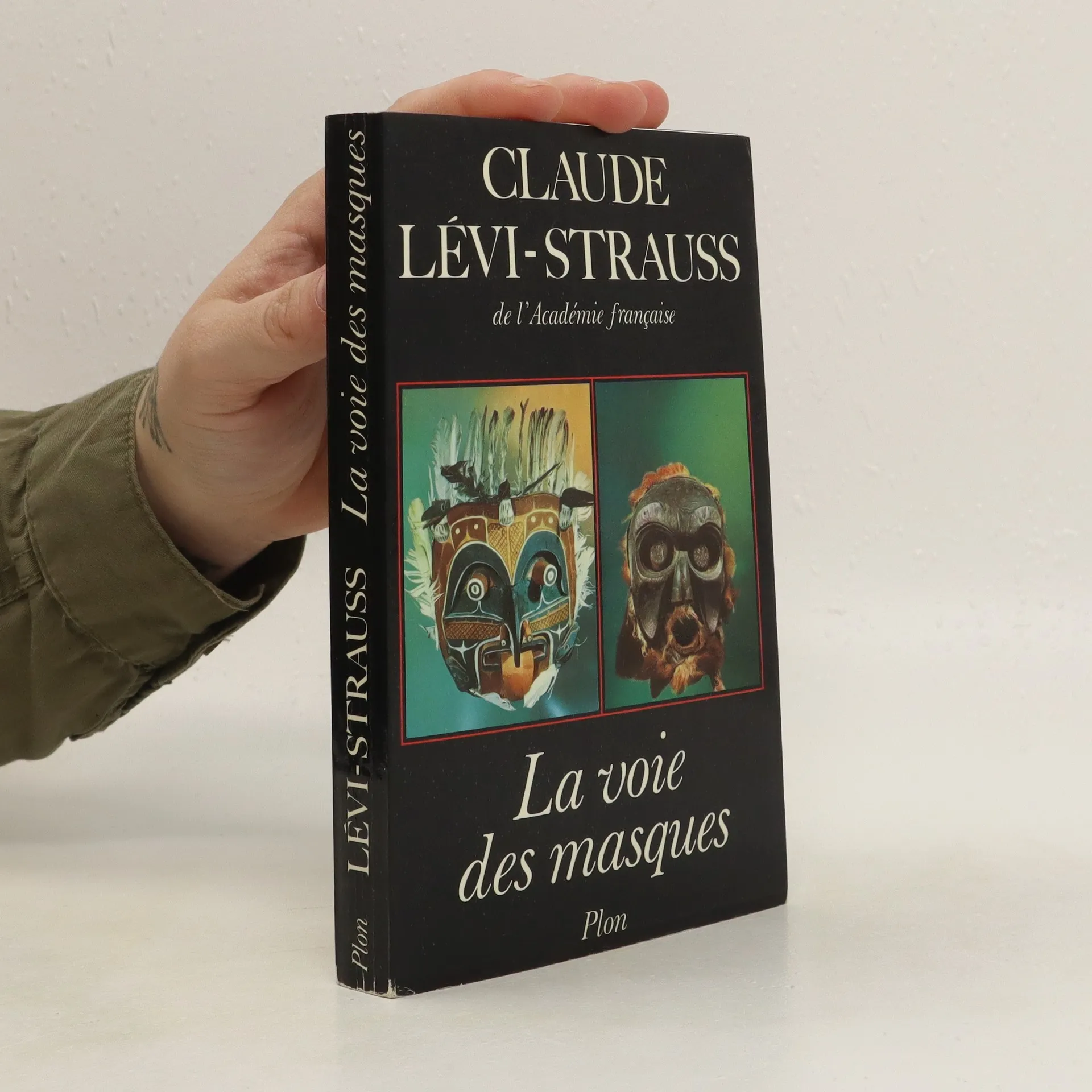
    • Claude Lévi-Strauss raconte son émerveillement devant l'étrangeté et la force plastique des masques indiens, particulièrement ceux des peuplades du Pacifique Nord. Partant d'une description de ces masques puissamment colorés, aux formes tourmentées, il analyse leur code esthétique tout en les mettant en parallèle avec les mœurs et les mythes des peuples qui les fabriquent. Il montre comment ces masques constituent un langage complexe. Il conduit donc, à la fois, une étude sur des peuples originaux et une réflexion générale sur la notion de " style ".La voie des masques, jalon important dans l'œuvre ethnologique de Claude Lévi-Strauss, est aussi une méditation sur l'esthétique des arts plastiques.

      Agora - 25: La Voie des masques
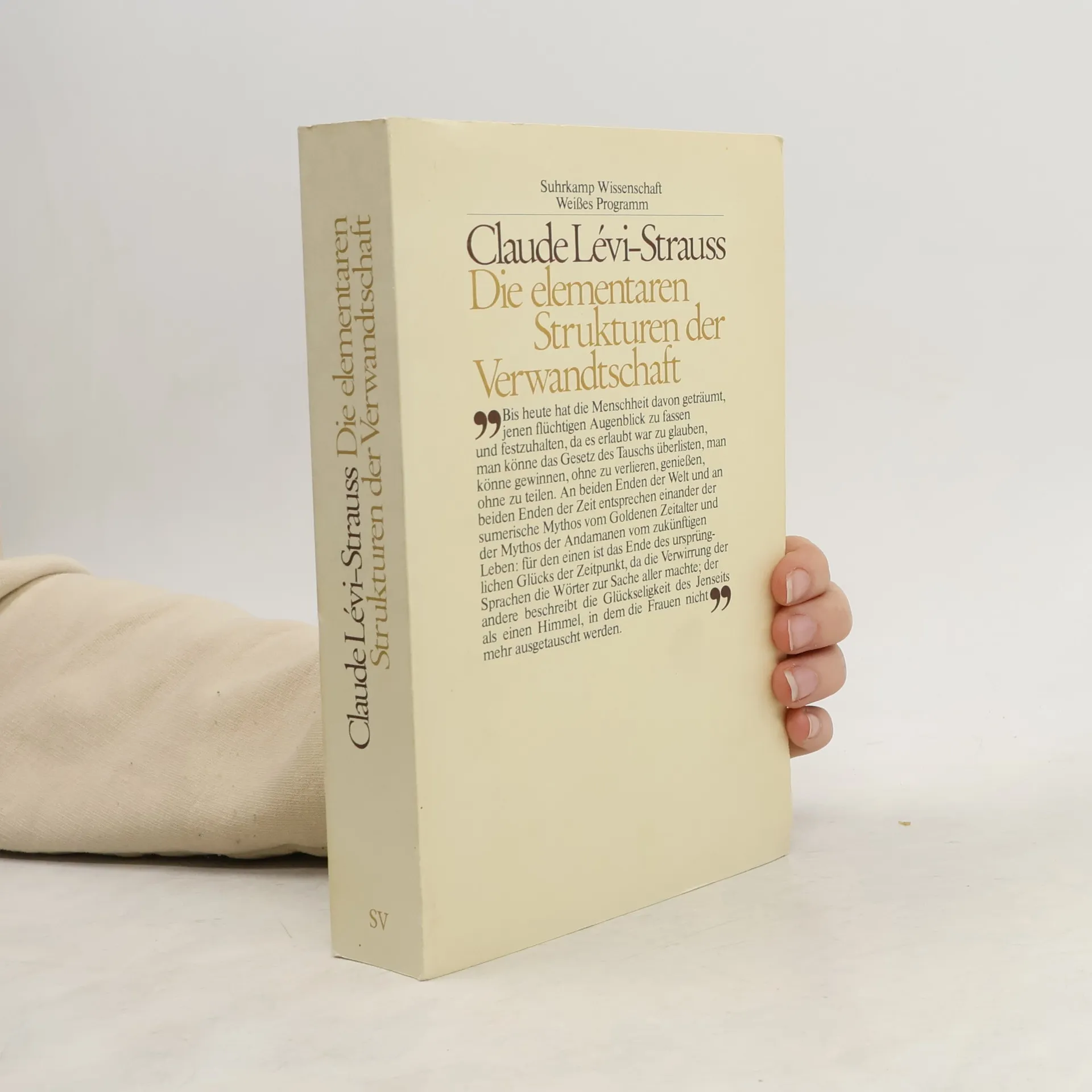
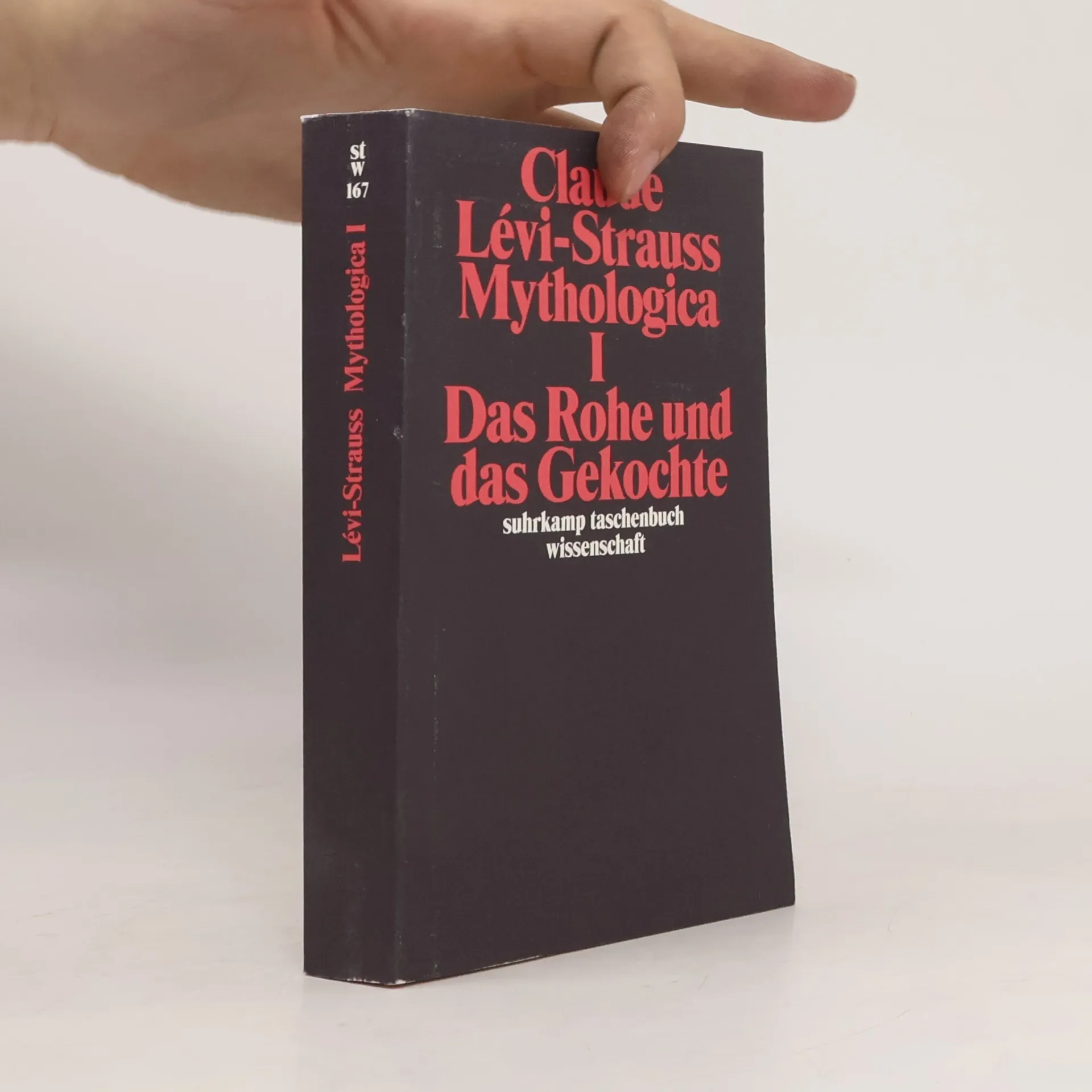
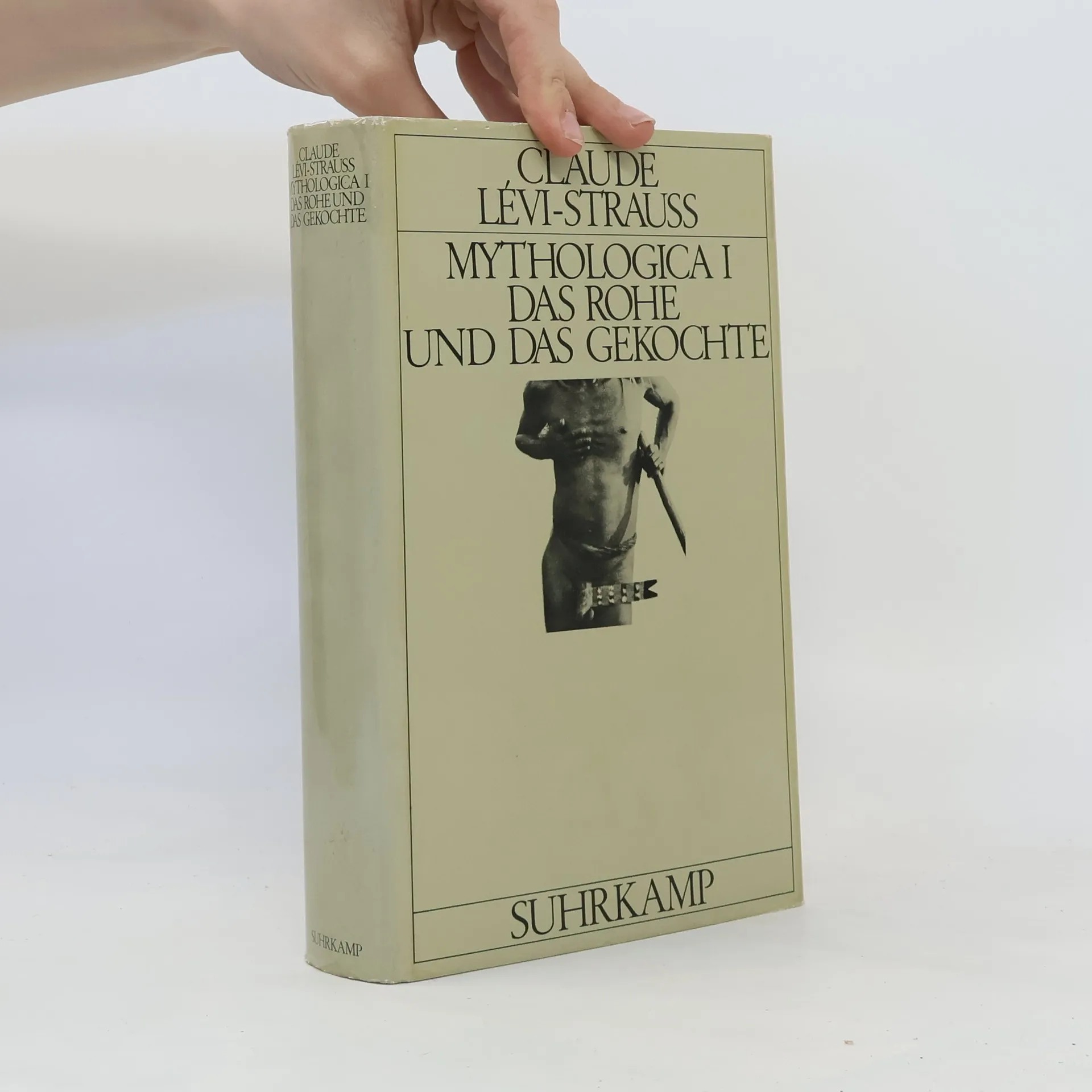
    • Im ersten Band von Mythologica untersucht Lévi-Strauss anhand eines Bororo-Mythos rund 200 Mythen des tropischen Amerika. Er analysiert, ob Gegensatzpaare wie roh und gekocht, die in diesen Mythen zentral sind, etwas über deren Struktur und den unbewussten Geist verraten, der in ihnen wirkt.

      Das Rohe und das Gekochte
    • Etnolog i antropolog Claude Lévi-Strauss (1908-2009), jeden z najsłynniejszych w XX wieku intelektualistów francuskich, znany jest przede wszystkim jako współtwórca strukturalizmu. W jego dorobku są jednak także prace o bardziej empirycznym charakterze jak właśnie niniejszy tom, pierwszy z nieznanej dotąd w języku polskim czterotomowej serii 'Mythologiques' (1964-1971). Autor analizuje prawie dwieście (spośród ośmiuset w całej serii) mitów południowoamerykańskich Indian, które skupiają się wokół spraw 'kuchni'. Nie są to jednak zwykłe badania etnologa nad kulturą materialną. Przez 'kuchnię' badacz dociera do fundamentalnych kwestii egzystencji Indian i człowieka w ogóle. Podstawową opozycją rozważaną w całej jej złożoności obecnej w tych mitach jest relacja natura-kultura. Lévi-Strauss prowadzi w tym tomie 'analizę strukturalną', wydobywając inną logikę ludów 'pierwotnych' i przestrzegając przed etnocentryzmem. Obok tej 'innej logiki' tom urzeka też inną, często oszałamiającą wyobraźnią mitotwórczą Indian. Literackie walory tego dzieła (i całej serii) splatają się z próbą zbudowania mathesis universalis ludzkiej kultury.

      Surowe i gotowane
    • Claude Lévi-Strauss (1908–2009), jeden z najwybitniejszych myślicieli francuskich XX wieku, twórca strukturalizmu i strukturalnej antropologii, po sukcesach jego książek z lat 50. (Smutek tropików) zajął się badaniem mitów amerykańskich Indian spisanym w czterotomowych Mitologikach, publikowanych w latach 1964–1971. Tom pierwszy, Surowe i gotowane, ukazał się niedawno w polskim przekładzie (Wydawnictwo Aletheia, Warszawa 2010). Niniejszy tom jest drugi w tym cyklu. Podobnie jak poprzedni fascynuje nie tylko bogactwem zgromadzonego materiału w postaci indiańskich mitów, lecz także odkrywczą eksplikacją ich sensu opartą na faktach etnografii, zoologii i botaniki. Głównym przedmiotem zainteresowania autora są jednak formalne związki między mitami, ich „transformacje” czy „inwersje”. Te dwa uzupełniające się wymiary, etnografia i system formalnych związków, pozwalają ujrzeć „strukturalizm z ludzką twarzą” – wcale nie redukcję do czysto formalnej kombinatoryki, lecz żywą treść eksplikowaną z pomocą aparatury formalnej. Wbrew późniejszym przekonaniom ten strukturalizm to nie matematyka i formalizm. Jego ideowe podłoże tkwi gdzie indziej: w przekonaniu, że struktura ludzkiego umysłu jest uniwersalna i „przedkulturowa” – niezależnie od kultury ludzkie wizje świata są podobne, może nawet wrodzone. Choćby w celu weryfikacji takiej przesłanki- tezy warto śledzić ten fascynujący sequel Lévi-Str

      Od miodu do popiołów
    • W pięciu wykładach, przygotowanych pierwotnie dla Radia CBC, a następnie wydanych w tomie Mit i znaczenie, Claude Lvi-Strauss zapoznaje czytelnika z dorobkiem swojego życia interpretacjami mitów i próbami odkrycia ich znaczenia dla ludzkiej zdolności pojmowania.Wykłady rozpoczyna dyskusja dotycząca historycznego rozłamu między mitologią i nauką oraz dowodów, że w podejściu do nauki ponownie uwzględniamy mityczne poziomy rozumienia. W rozwinięciu tego wątku prof. Lvi-Strauss poddaje analizie to, co nazwaliśmy myśleniem prymitywnym, a także omawia wybrane uniwersalne cechy mitologii człowieka. Ostatnie dwa wykłady pokazują związek funkcjonalny między mitologią i historią oraz strukturalny między mitologią i muzyką. Książka, łącząc historię, antropologię i filozofię, przedstawia szerokie spojrzenie na współczesną kulturę Zachodu.

      Mit i znaczenie
    • Geschichte der Familie

      • 424pagine
      • 15 ore di lettura

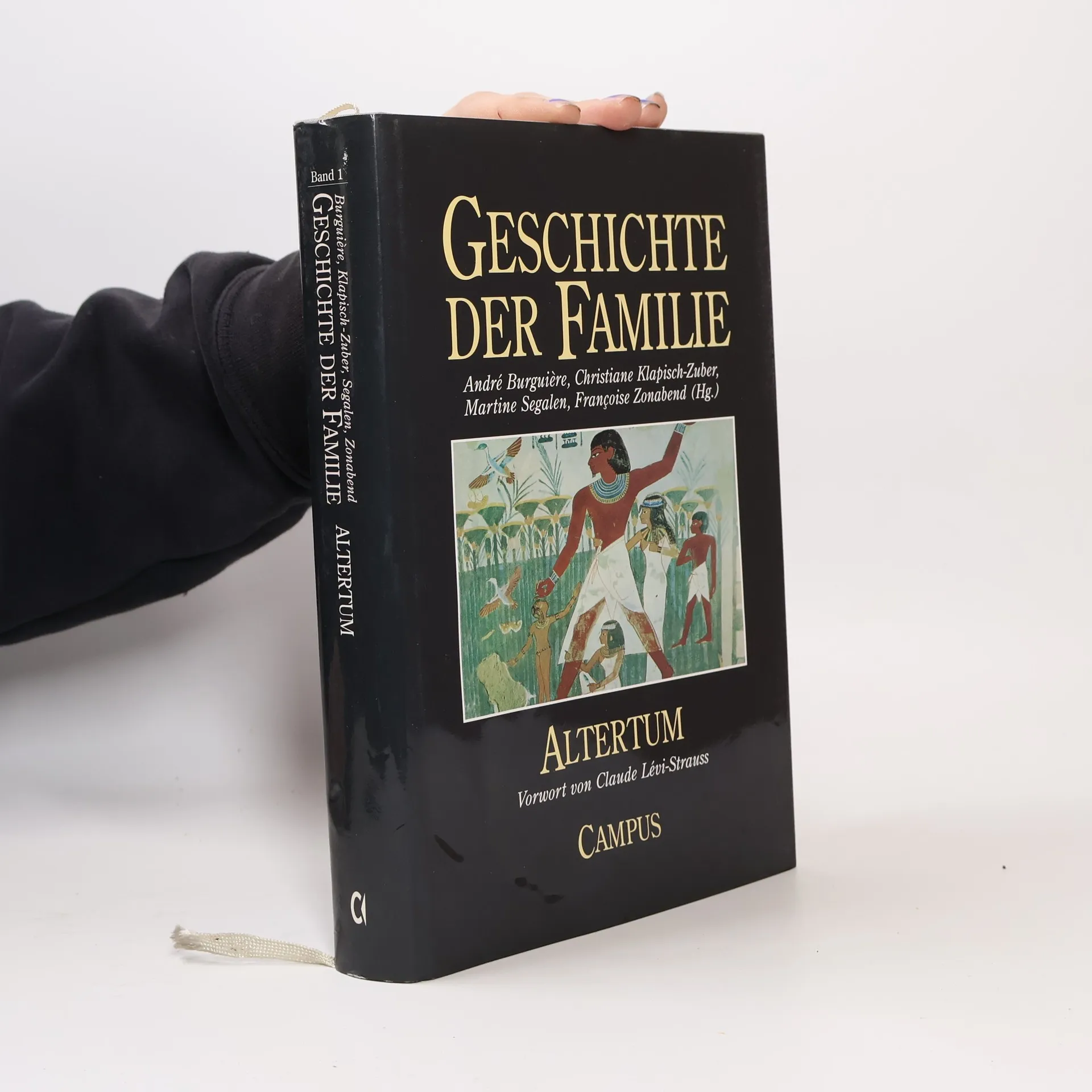
      Der erste Band behandelt die Hochkulturen der Alten Welt von den Sumerern bis zur römischen Antike und fokussiert auf Kontinuitäten und Wandlungen der Familienstrukturen sowie deren Funktion für Individuum und Gesellschaft. Die Beiträge untersuchen Verwandtschaftsbezeichnungen, Erbfolgeregelungen, verschiedene Zusammenlebensformen, Heiratsverhalten, die Institution der Ehe, die Stellung der Frau, geschlechtliche Arbeitsteilung und Kindererziehung, wobei die Antworten je nach Quellenlage variieren. Während für die vorgeschichtliche Zeit Hypothesen erforderlich sind, belegen aus Mesopotamien erhaltene Rechtskodizes die untergeordnete Rolle der Frau. Im Alten Ägypten genoss die Frau mehr Rechte und erhielt im Falle einer Scheidung eine Entschädigung. Das bevorzugte Familienmodell war die Kernfamilie. Im antiken Griechenland war die Familie Teil der Polis, und das Bürgerrecht war an familiäre Herkunft gebunden. Im alten Rom war die Familie patriarchalisch organisiert, wobei Ehefrau, Kinder und Sklaven dem Pater familias unterstellt waren. Der Band umfasst verschiedene Perspektiven zur Familie in diesen Hochkulturen und wird von Experten der École des Hautes Études en Sciences Sociales in Paris herausgegeben.

      Geschichte der Familie
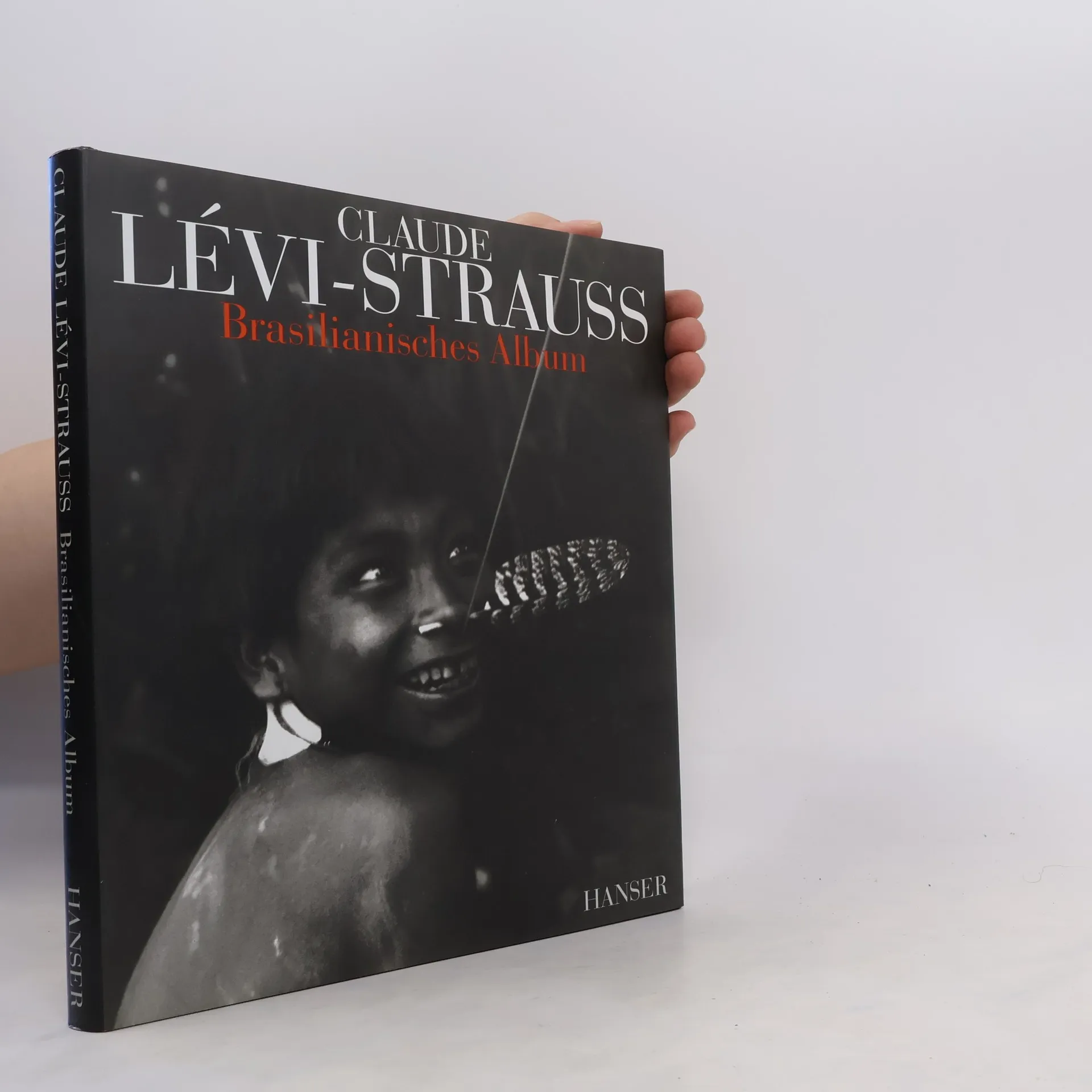
    • Brasilianisches Album

      • 223pagine
      • 8 ore di lettura

      Während seiner Arbeit an den Traurigen Tropen fotografierte Lévi-Strauss die indianische Bevölkerung des brasilianischen Amazonasgebiets. In ihrer Schönheit und Glaubwürdigkeit dokumentieren diese Aufnahmen die Lebenskultur mittlerweile untergegangener Völker und bleiben das Vermächtnis eines großen Gelehrten, der gegen die Zerstörung den »Regenbogen der menschlichen Kulturen« in der Erinnerung bewahren will.

      Brasilianisches Album
    • Der Blick aus der Ferne

      • 429pagine
      • 16 ore di lettura

      Der Sache nach bildet die vorliegende Sammlung von Essays den dritten und abschließenden Teil der Strukturalen Anthropologie, mit der Claude Lévi-Strauss im Jahr 1958 die Wissenschaften vom Menschen auf eine neue Grundlage stellte. Sie erweitern und vertiefen seine Analysen von Verwandtschaftssystemen und sozialen Organisationen, von Sprache, Mythologie und Ritus. Doch handelt es sich um weit mehr als den Schlußstein eines erfolgreichen theoretischen Unternehmens. Lévi-Strauss' Entscheidung, den Band nicht Strukturale Anthropologie III, sondern Der Blick aus der Ferne zu nennen, betont diejenigen Partien des Buches, in denen der Blick des Ethnologen sich wendet, um die in der Ferne gewonnenen Parameter auf unsere eigene Gegenwart zu beziehen – die höchst folgenreiche Wendung hin zu einer Ethnologie der eigenen Kultur. Abgerundet wird der Band durch einige Reflexionen zur Malerei und einen farbigen Bildteil mit Werken von Anita Albus.

      Der Blick aus der Ferne
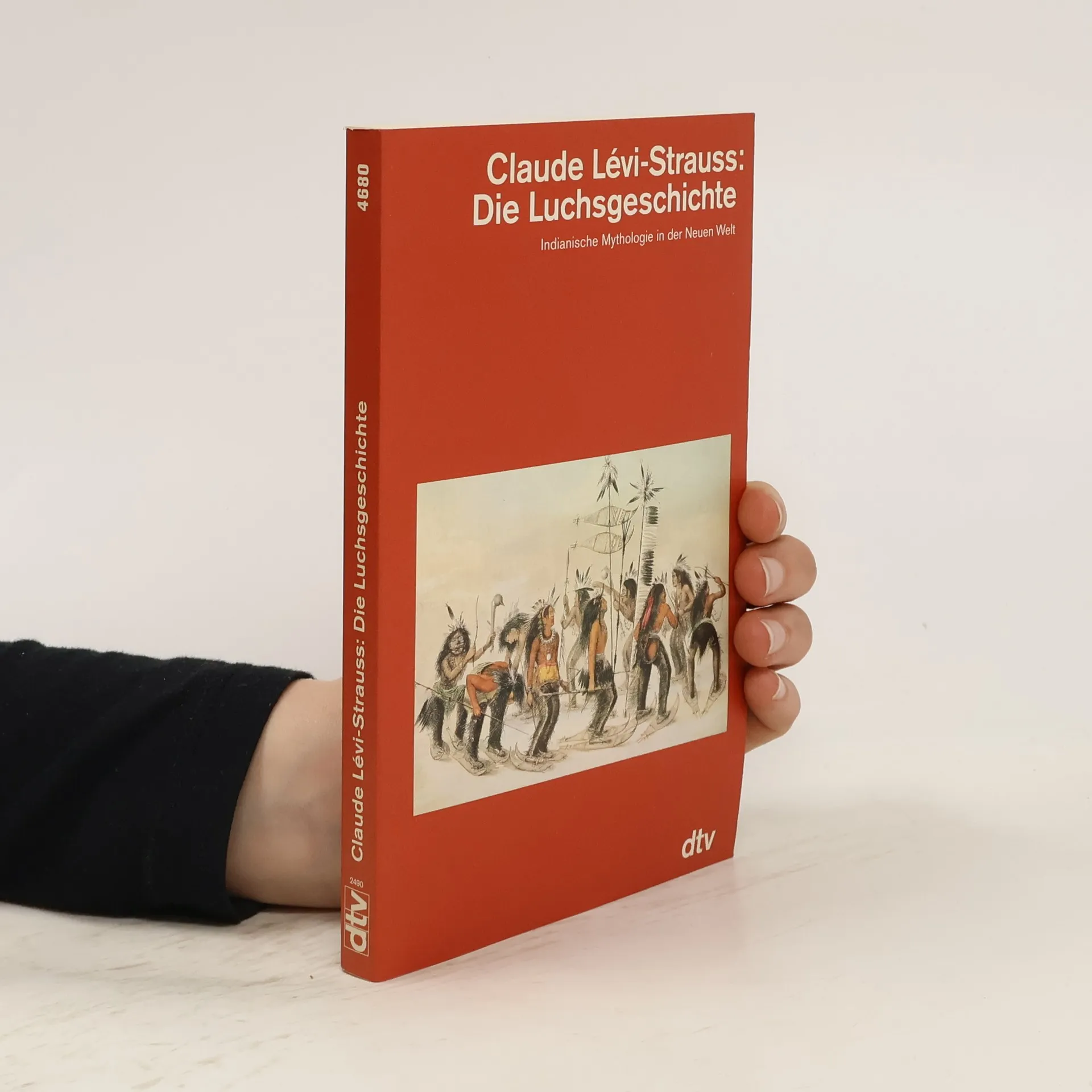
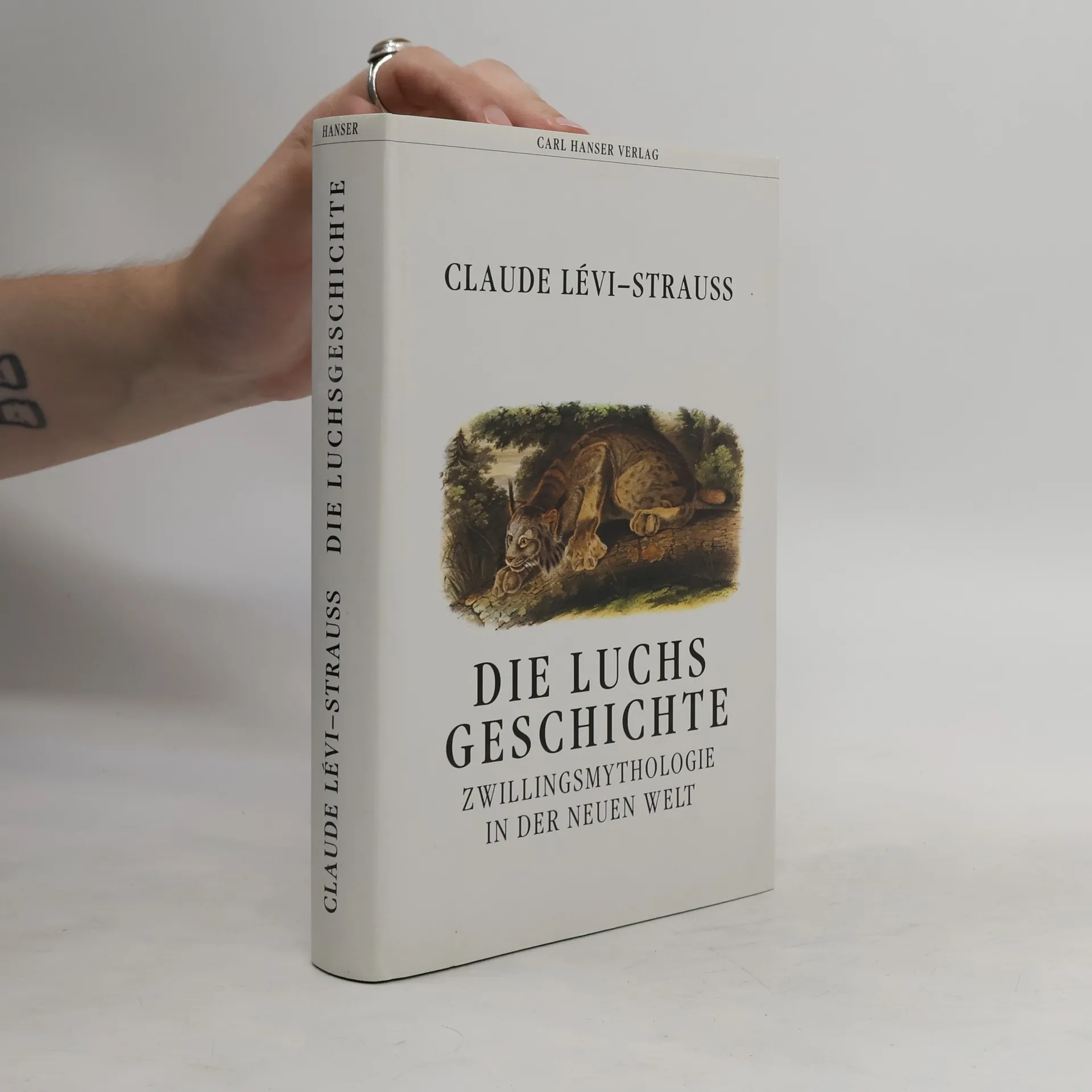
    • Filosofické a etické zdroje dualismu amerických Indiánů – otázka jihoamerického dualismu a otázka mytologie větru a mlhy v určité části Severní Ameriky.

      Příběh Rysa
    • Das Ende des Totemismus

      • 140pagine
      • 5 ore di lettura

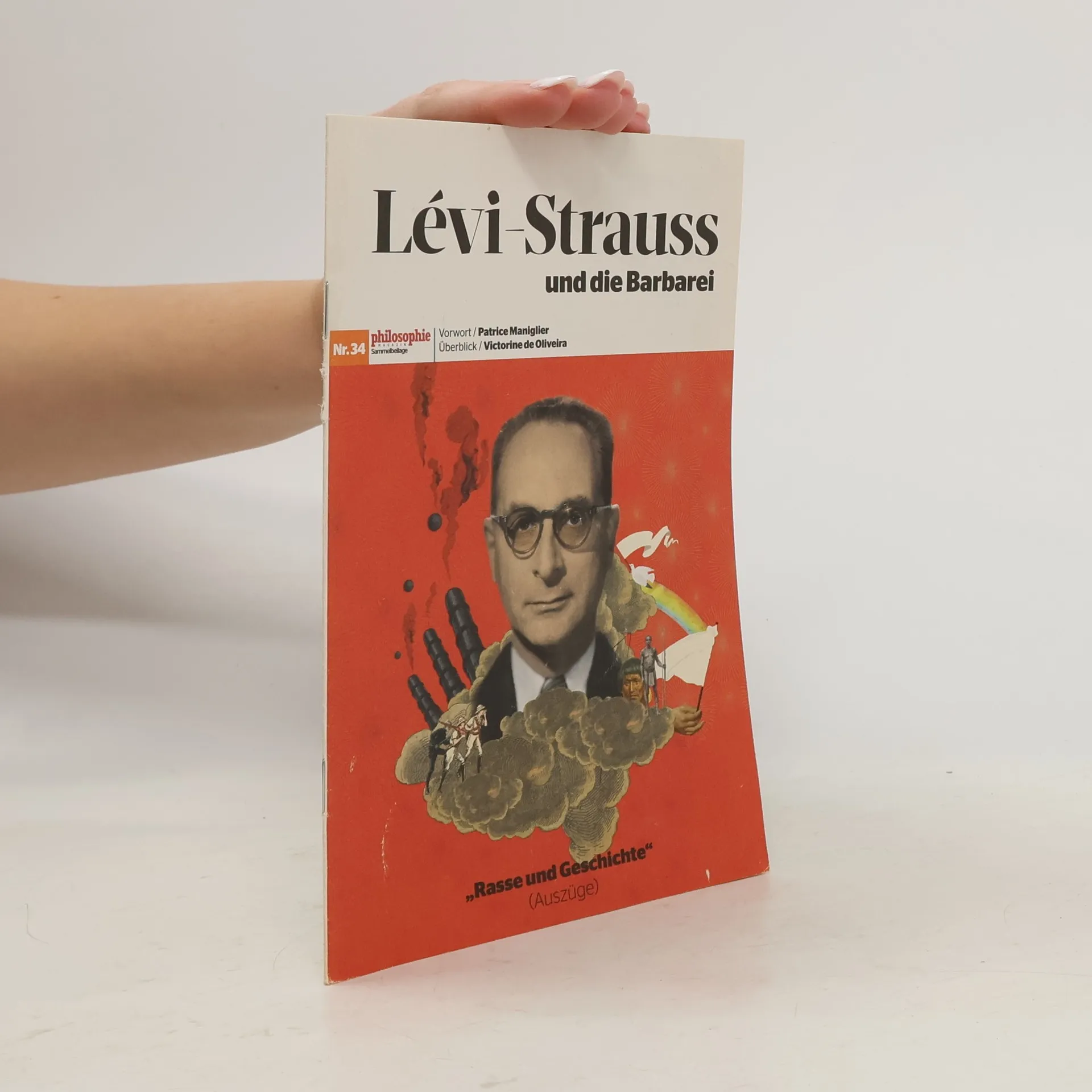
      Andrew Langs Bericht über den Totemismus von 1911 wurde von Lévi-Strauss als fehlerhaft kritisiert, was zu einer grundlegenden Neubewertung des Totemismusbegriffs führte. Er argumentierte, dass die Humanwissenschaften über 70 Jahre hinweg mit einer Illusion beschäftigt waren und die Idee eines religiösen Totemismus verworfen werden müsse, um die zugrunde liegenden Strukturen menschlichen Zusammenlebens zu erkennen. Lévi-Strauss, der als Begründer des Strukturalismus gilt, erweiterte das westliche Denken und eröffnete neue Perspektiven für Erfahrungen. Er interessierte sich weniger für kulturelle Unterschiede als für deren Gemeinsamkeiten und wies die Überlegenheit westlicher Zivilisationen entschieden zurück. Zusammen mit dem Linguisten Roman Jakobson übertrug er linguistische Theorien auf die Anthropologie und betrachtete Kulturen als vergleichbar mit menschlichen Sprachen, deren Regeln nur von außen erkennbar sind. Claude Lévi-Strauss war eine zentrale Figur der humanwissenschaftlichen Forschung im 20. Jahrhundert, und seine Werke fanden großen Anklang bei Philosophen und Schriftstellern wie Michel Leiris und Georges Bataille. Zahlreiche Universitäten ehrten ihn mit Ehrendoktorwürden, und er war Ehrenmitglied der Académie française.

      Das Ende des Totemismus
    • Mythologica

      Das Rohe und das Gekochte

      • 492pagine
      • 18 ore di lettura
      Mythologica