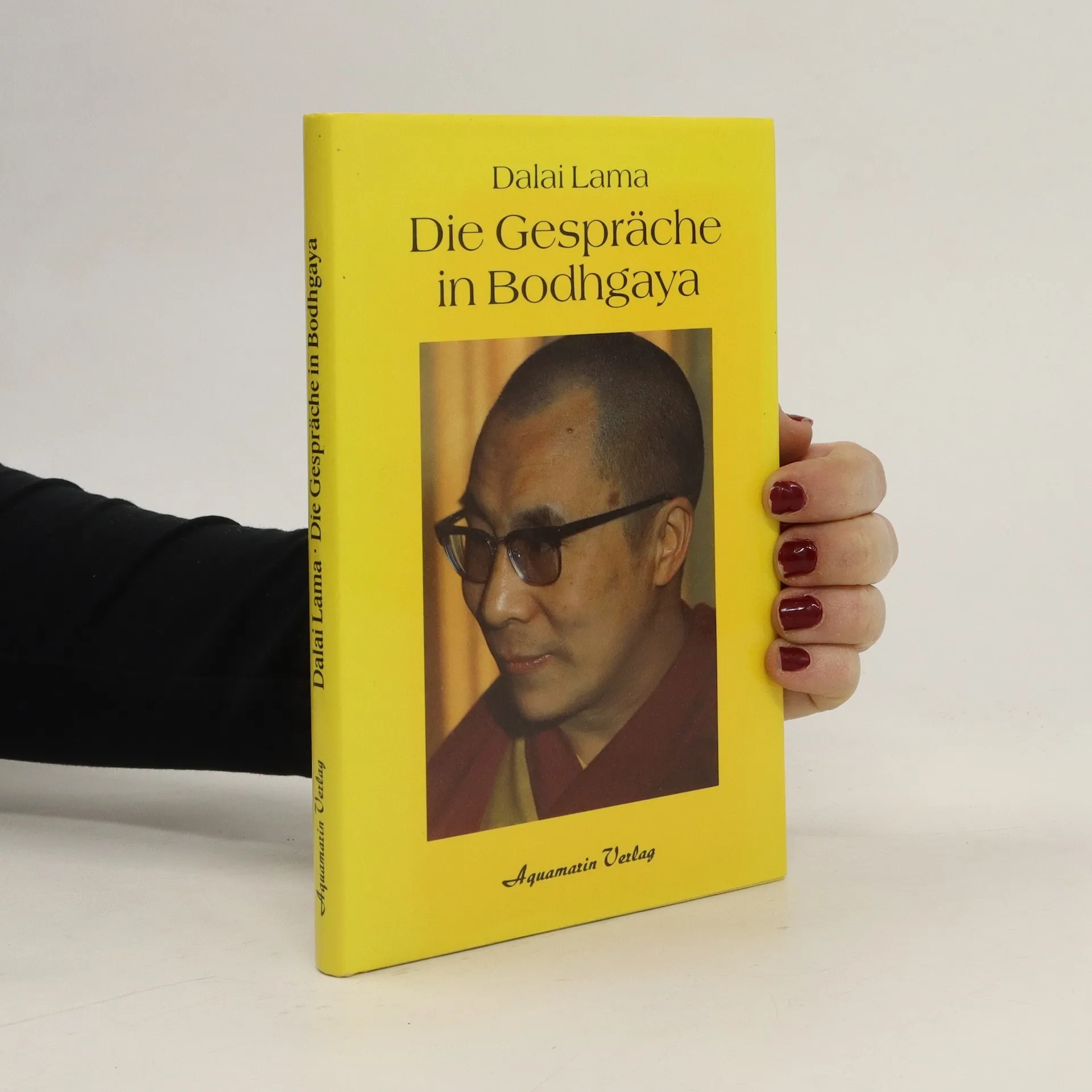
Il Dalai Lama è una figura riconosciuta a livello mondiale della tradizione Gelug del buddismo tibetano e il monaco buddista più noto al mondo. I suoi insegnamenti si concentrano sulla diffusione dei concetti di responsabilità universale, etica secolare e armonia religiosa. Come oratore carismatico, ha introdotto il buddismo in Occidente, promuovendo la pace e il dialogo interreligioso. La sua dedizione alla preservazione della cultura e dell'educazione tibetana per i rifugiati rimane una testimonianza del suo duraturo impegno.
Nella tradizione tibetana, i consigli che i grandi maestri davano a chi sirecava a consultarli venivano spesso raccolti in volumi intitolati "I consiglidel cuore". Il Dalai Lama ha voluto riprendere quest'usanza e offre una seriedi consigli semplici, destinati ad accompagnare ciascuno nel corso di tutta lavita, indipendentemente dalle sue credenze e dalla sua tradizione religiosa.
Le emozioni stanno alla base di tutte le nostre azioni, dalle più virtuose alle più malvagie. Ci possono salvare la vita, permettendoci di agire in fretta, ma possono anche rovinarci per sempre. Senza emozioni non ci sarebbero empatia, compassione, eroismo, ma nemmeno crudeltà, egoismo o disprezzo. Indispensabile, quindi, imparare a conoscerle e trovare il giusto equilibrio. Il grande maestro buddista e lo psicologo americano pioniere nella scienza delle emozioni ci guidano alla ricerca della giusta via per trovare la felicità emotiva, attingendo alla millenaria saggezza buddista e alla più avanzata scienza occidentale. Un libro facile e concreto che può cambiare il modo in cui guardiamo a noi stessi. Un leader spirituale erede di una cultura millenaria e lo psicologo che ha contribuito a definire la moderna scienza delle emozioni mettono a confronto il loro pensiero, tracciando un percorso comune per la costruzione della felicità. Le emozioni stanno alla base di tutte le nostre azioni, dalle più virtuose alle più malvagie. Possono salvarci la vita, o rovinarcela per sempre.
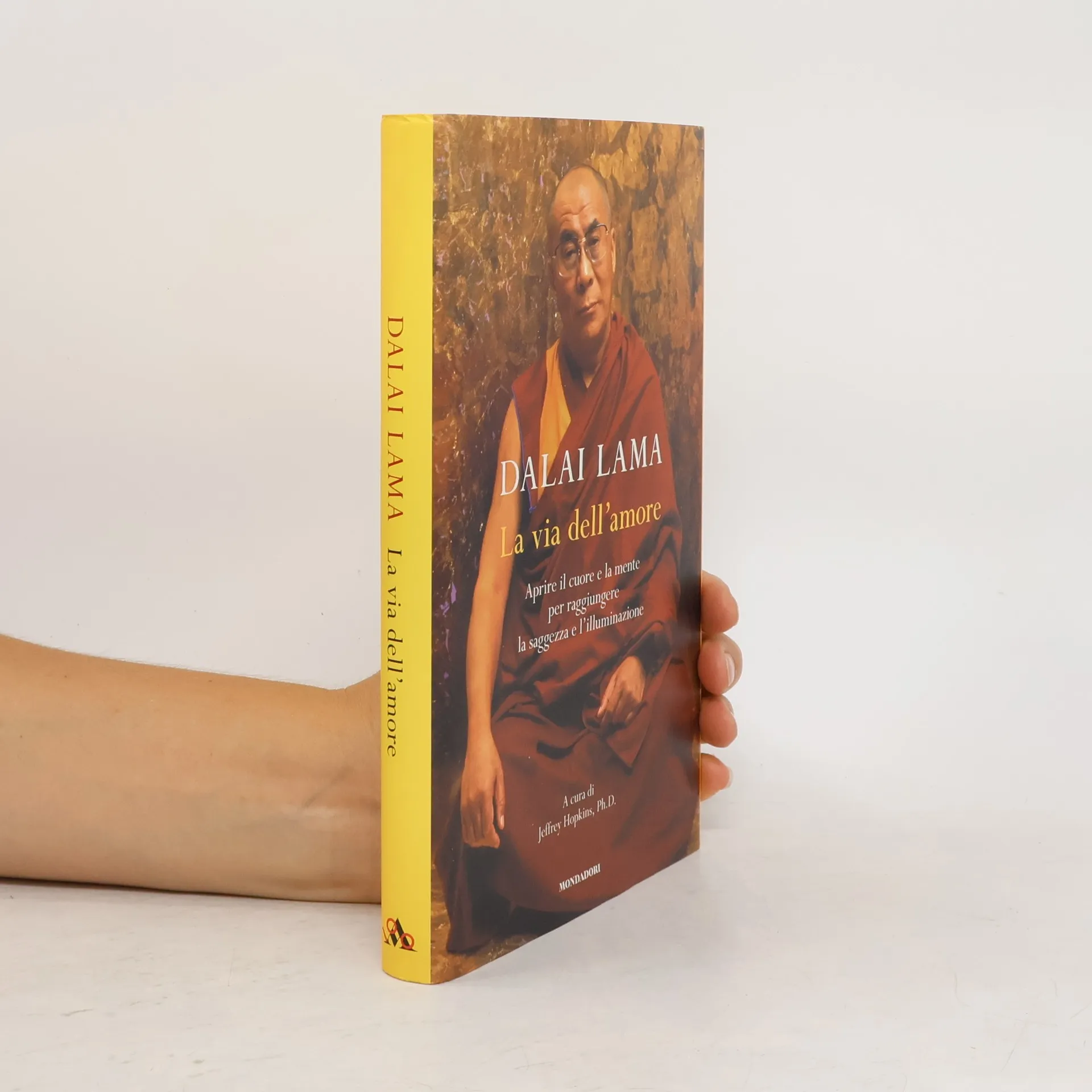
Aprire il cuore e la mente per raggiungere la saggezza e l'illuminazione
134pagine
5 ore di lettura
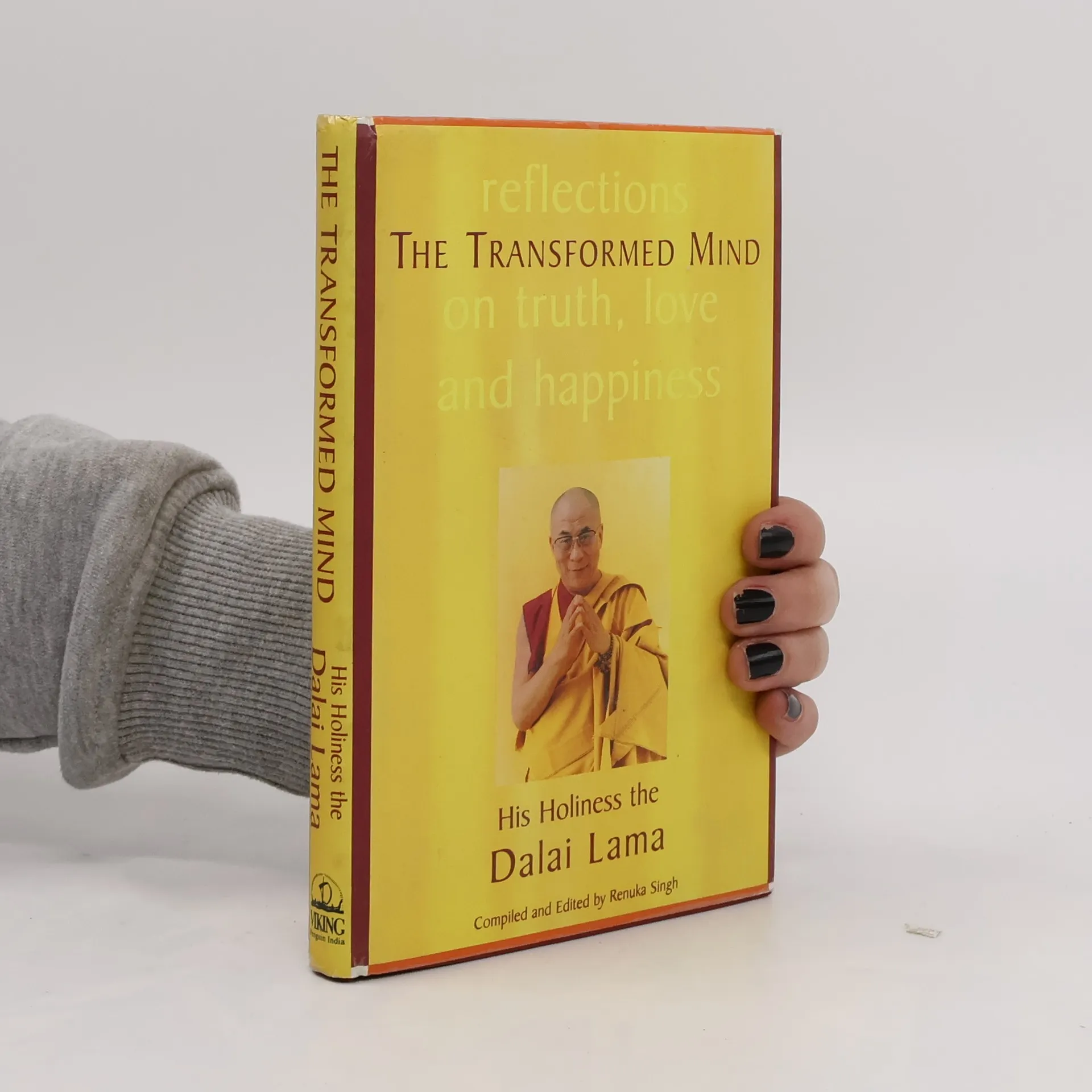
Questa libro sulla necessità dell'amore, in cui Sua Santità il Dalai Lama attinge a una lunga tradizione di tecniche tibetane per la trasformazione della mente e del cuore, contribuisce a ciò di cui tutti abbiamo bisogno: l'aumento della compassione reciproca. È auspicabile che in tutto il mondo l'amore sciolga l'intolleranza, la saggezza trionfi sull'ignoranza, l'attivismo coordinato sostituisca la passività della disperazione, il dialogo prenda il posto delle recriminazioni e la giustizia elimini il desiderio di vendetta.
This is the most informative and thorough book on Dzogchen available. These teachings are on Dzogchen, the heart essence of the ancient Nyingma tradition of Tibetan Buddhism. Exploring this esoteric subject in print for the first time, His Holiness offers the reader insights into one of Buddhism's most profound systems of meditation. He discusses both the philosophic foundations and the practices of this system—taking into account the approaches of various schools and teachers. Paying tribute to the uniqueness of Dzogchen, His Holiness sets it within the wider spectrum of Tibetan Buddhism as a whole. He explains the essence of Dzogchen practice and addresses questions such as why Dzogchen is called "the pinnacle of all vehicles," what are its special features, and what are the crucial principles of the other Buddhist paths which a Dzogchen practitioner should know.
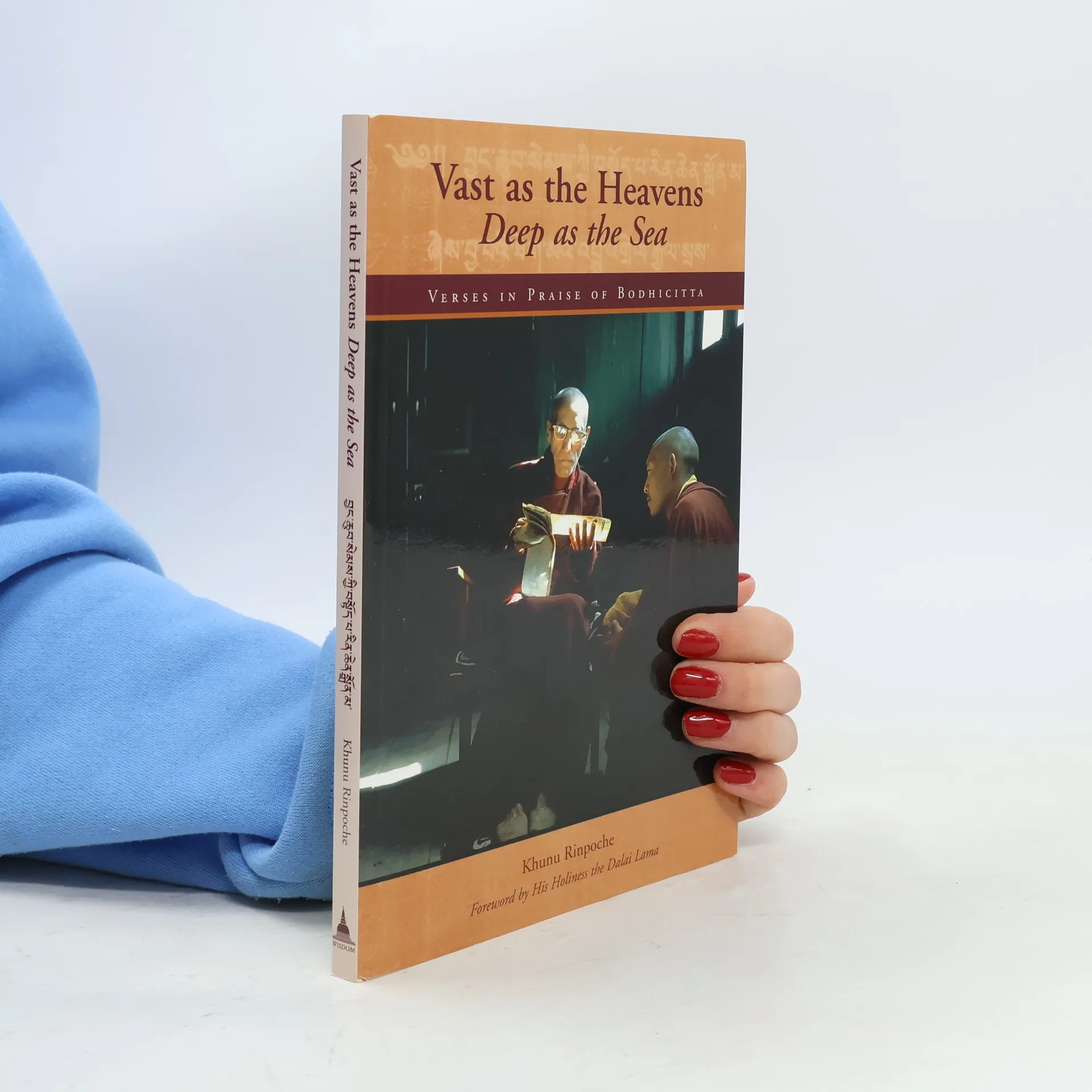
Revered by many--especially His Holiness the Dalai Lama--as the very embodiment of altruism, the late Khunu Rinpoche Tenzin Gyaltsen devoted his life to the development of bodhicitta--the aspiration to achieve enlightenment for the sake of all sentient beings. Presented in both English and the original Tibetan, this modern classic is a collection of Khunu Rinpoche's inspirational verse.
The Life of Shabkar has long been recognized by Tibetans as one of the masterworks of their religious heritage. Shabkar Tsogdruk Rangdrol devoted himself to many years of meditation in solitary retreat after his inspired youth and early training in the province of Amdo under the guidance of several extraordinary Buddhist masters. With determination and courage, he mastered the highest and most esoteric practices of the Tibetan tradition of the Great Perfection. He then wandered far and wide over the Himalayan region expressing his realization. Shabkar's autobiography vividly reflects the values and visionary imagery of Tibetan Buddhism, as well as the social and cultural life of early nineteenth-century Tibet.
This is the story of a young boy, born in Tibet to inherit the role of Buddhist lineage holder, whose life was interrupted by the Chinese army invasion and the ensuing Cultural Revolution. Two decades later, he walked out of Tibet and started on his journey of fully taking on leadership of the Drikung Kagyu lineage. Since then the teachings of this lineage have flourished and are practiced all around the world—after nearly being lost.
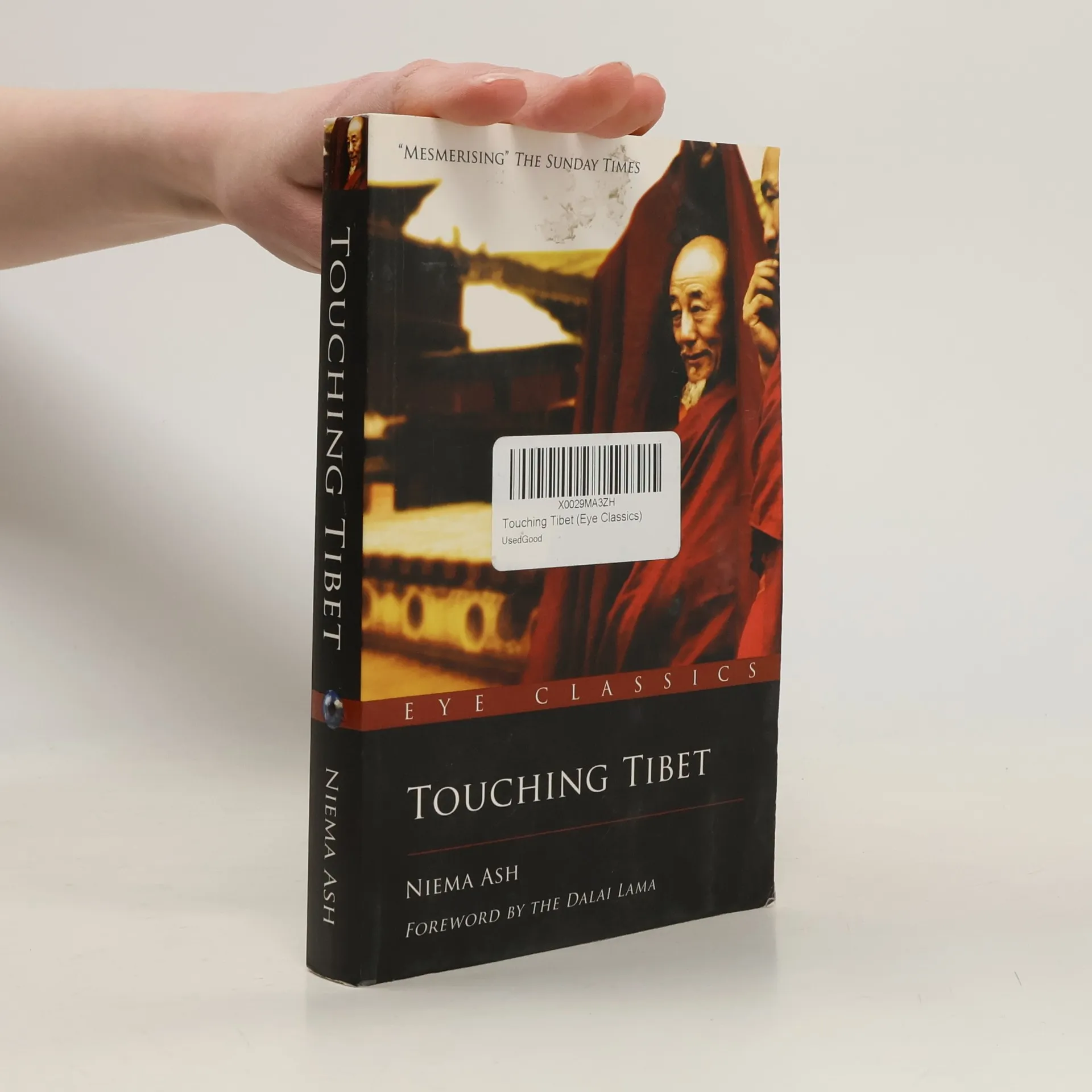
Niema Ash was one of the first Westerners to enter Tibet when its borders were briefly opened in 1986. Visiting at a time when tourists were few and far between allowed her to encounter people for whom traditional life had been unchanged for generations. Their humour, spirituality, and sheer enthusiasm for life had carried them through years of o
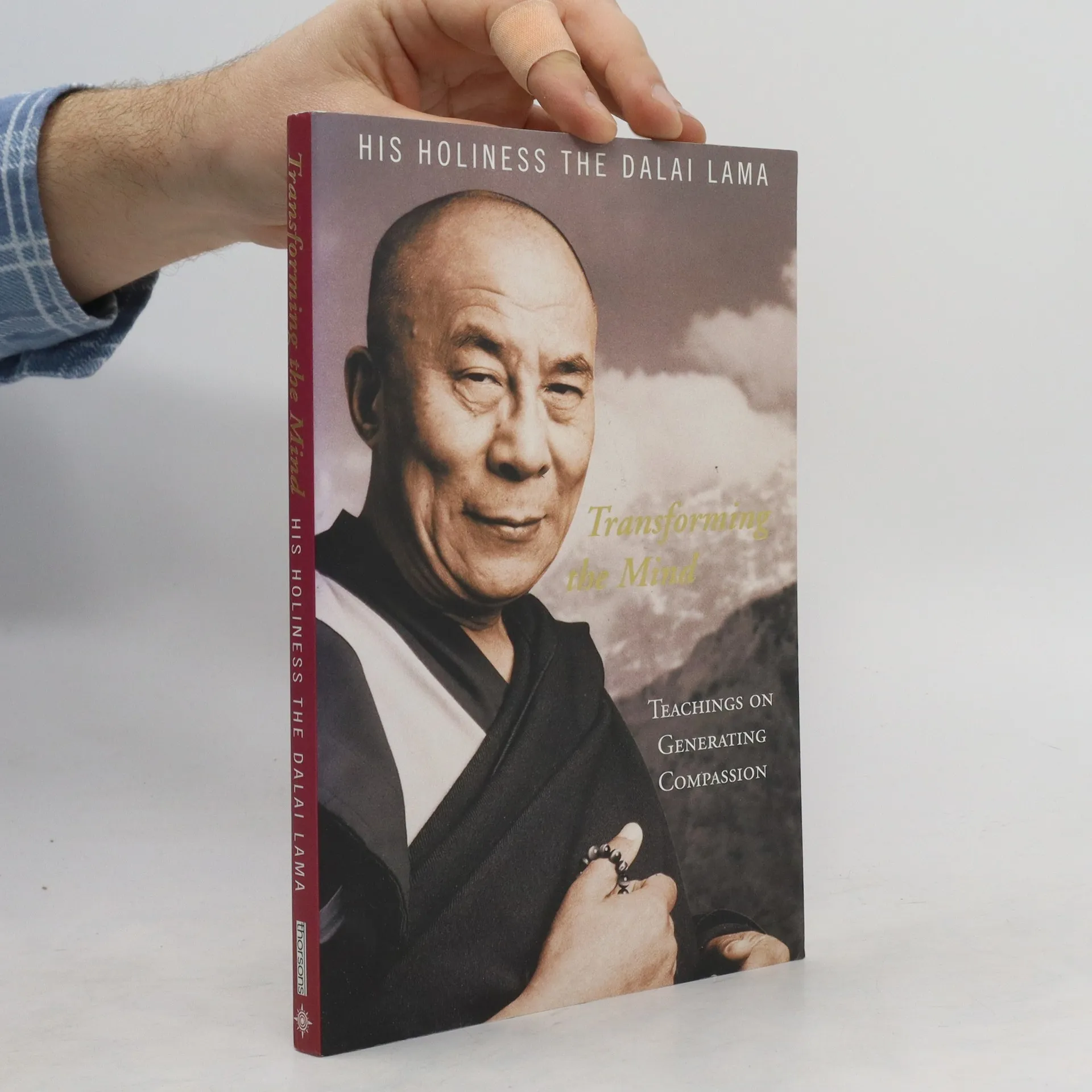
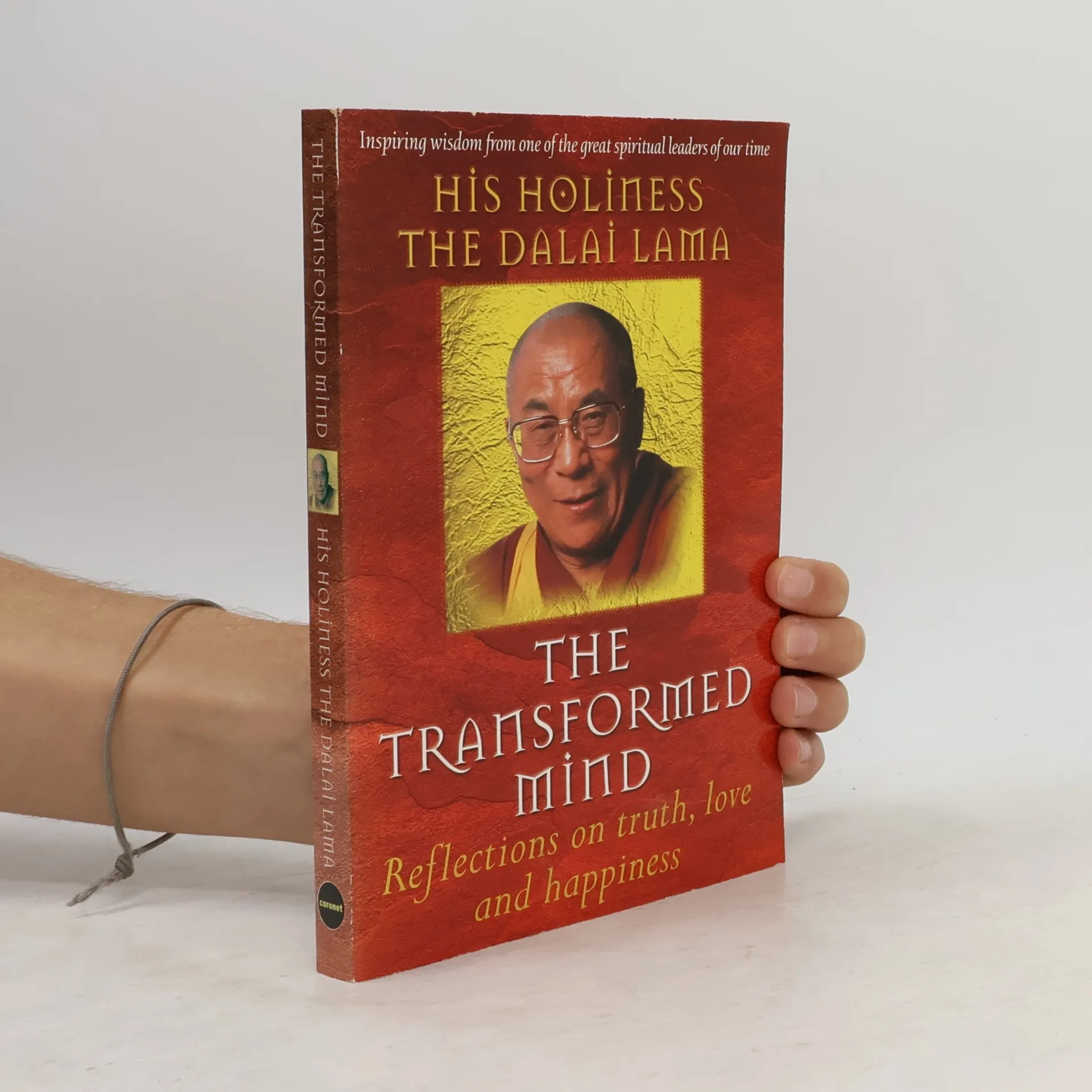
Based on three days of teaching in London in May 1999, this text is an edited version of the Dalai Lama's discourse on one of the most profound and sacred texts in the Tibetan Buddhist tradition. The Eight Verses on Generating Compassion are known in Tibetan as lojong - literally, transforming your mind. In this commentary on these teachings, the Dalai Lama shows us how to transform difficult situations into opportunities for spiritual growth. He also offers practical methods as to how to develop positive ways of thinking and compassion.
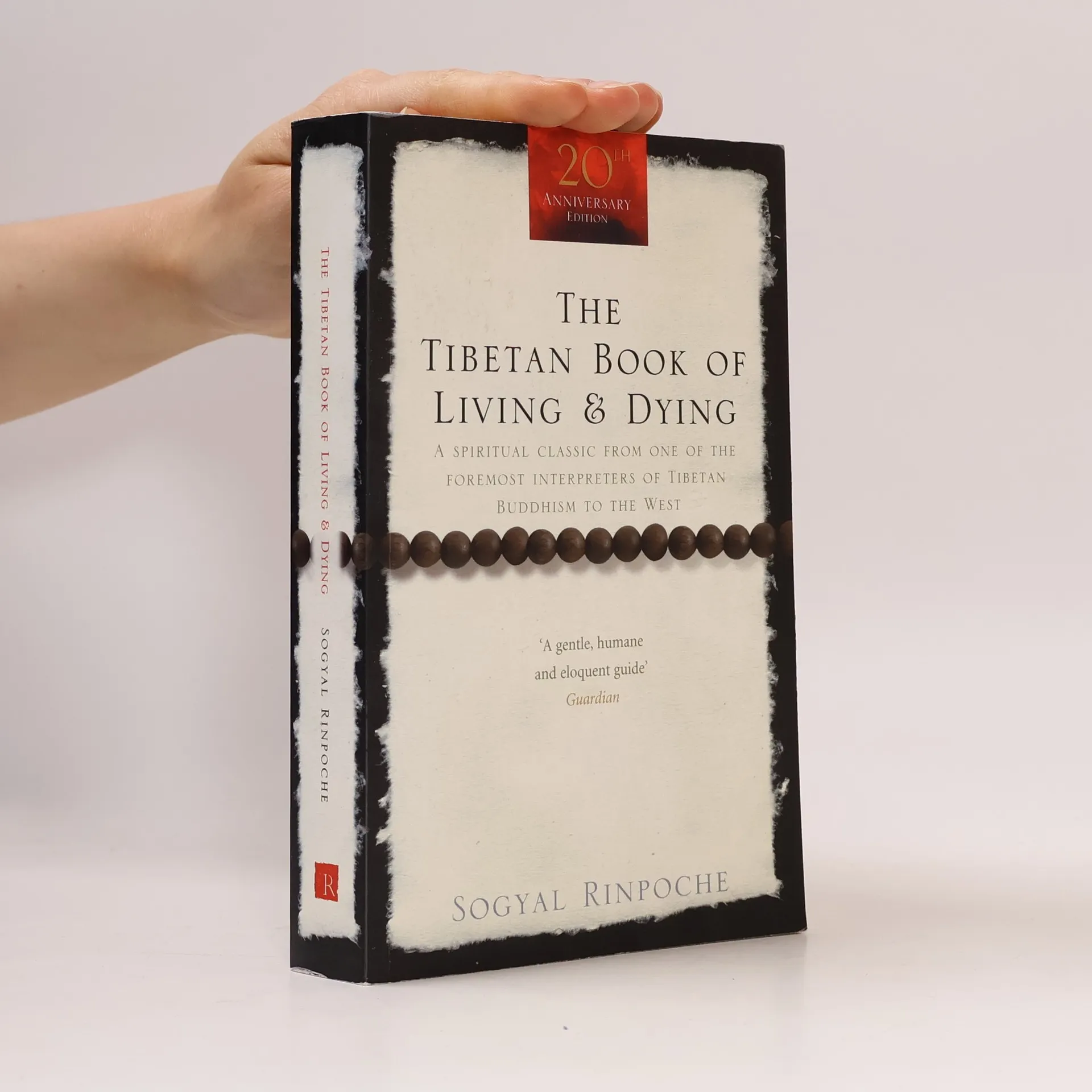
This classic clarifies the majestic vision of life and death that underlies the Tibetan tradition. It includes not only a lucid, inspiring and complete introduction to the practice of meditation but also advice on how to care for the dying with love and compassion, and how to bring them help of a spiritual kind.
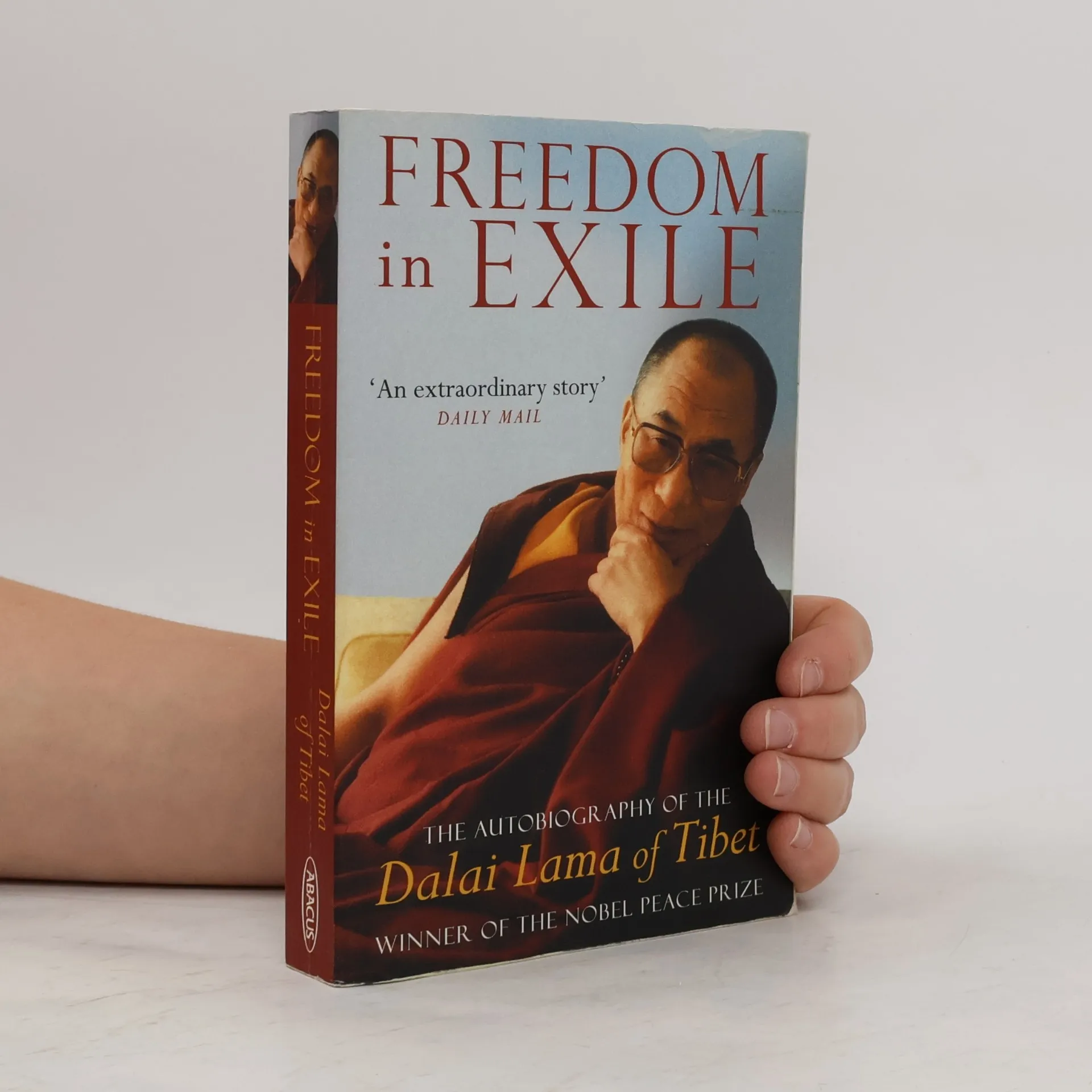
In 1938 a two year old boy was recognised through a traditional process of discovery as being the reincarnation of all previous Dalai Lamas, the spiritual rulers of Tibet. Taken away from his parents, he was brought up in Lhasa according to a monastic regimen of rigorous austerity and in almost total isolation. Aged seven he was enthroned in the 1000-room Potala palace as the supreme spiritual leader of a nation the size of Western Europe, with population of six million. And at fifteen, he became head of state. With Tibet under threat from the newly Communist Chinese, there followed a traumatic decade during which he became the confidant of both Chairman Mao and Jawaharal Nehru as he tried to maintain autonomy for his people. Then in 1959, he was finally forced into exile - followed by over 100,000 destitute refugees. Here, in his own words, he describes what it was like to grow up revered as a deity among his people, reveals his innermost feelings about his role, and discusses the mysteries of Tibetan Buddhism.
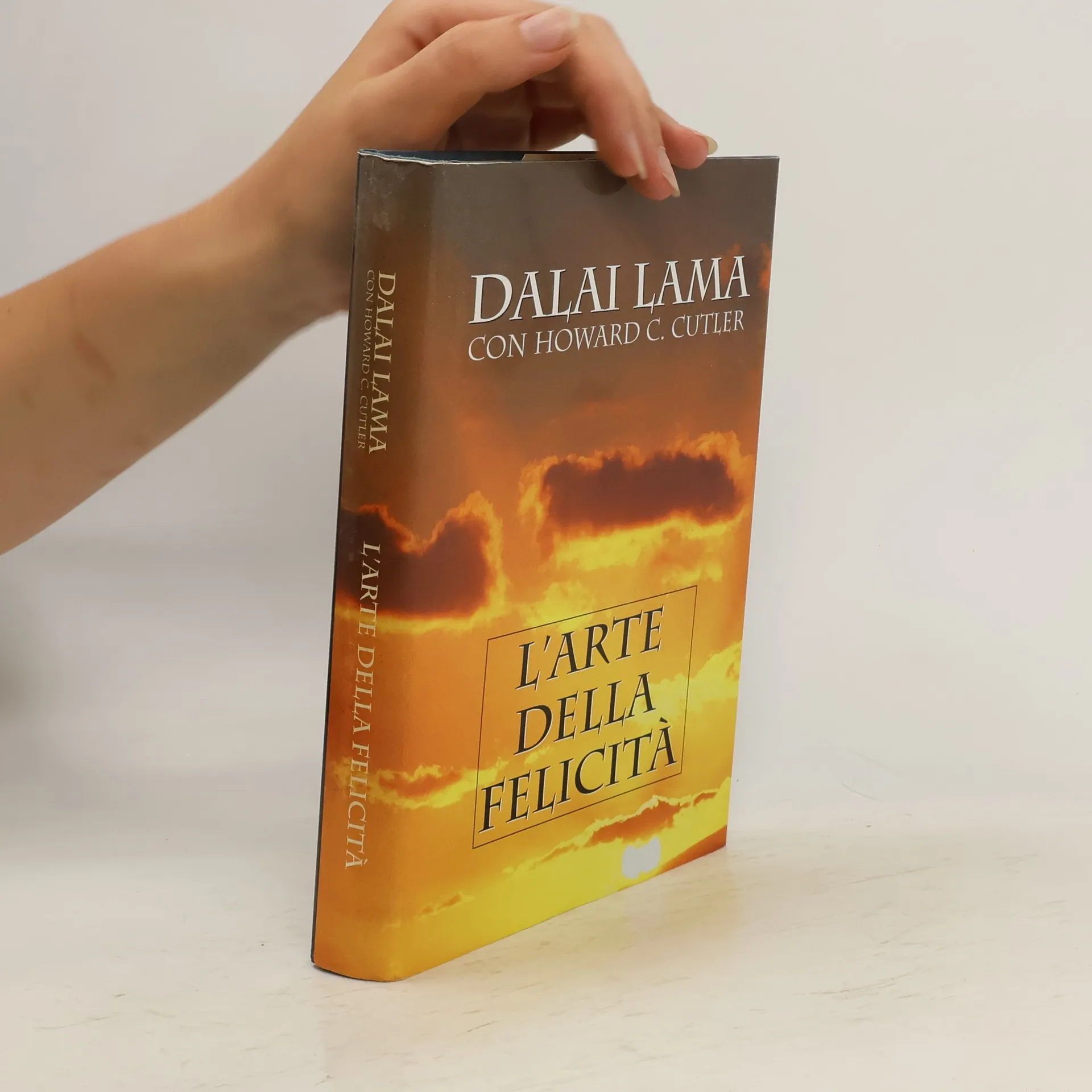
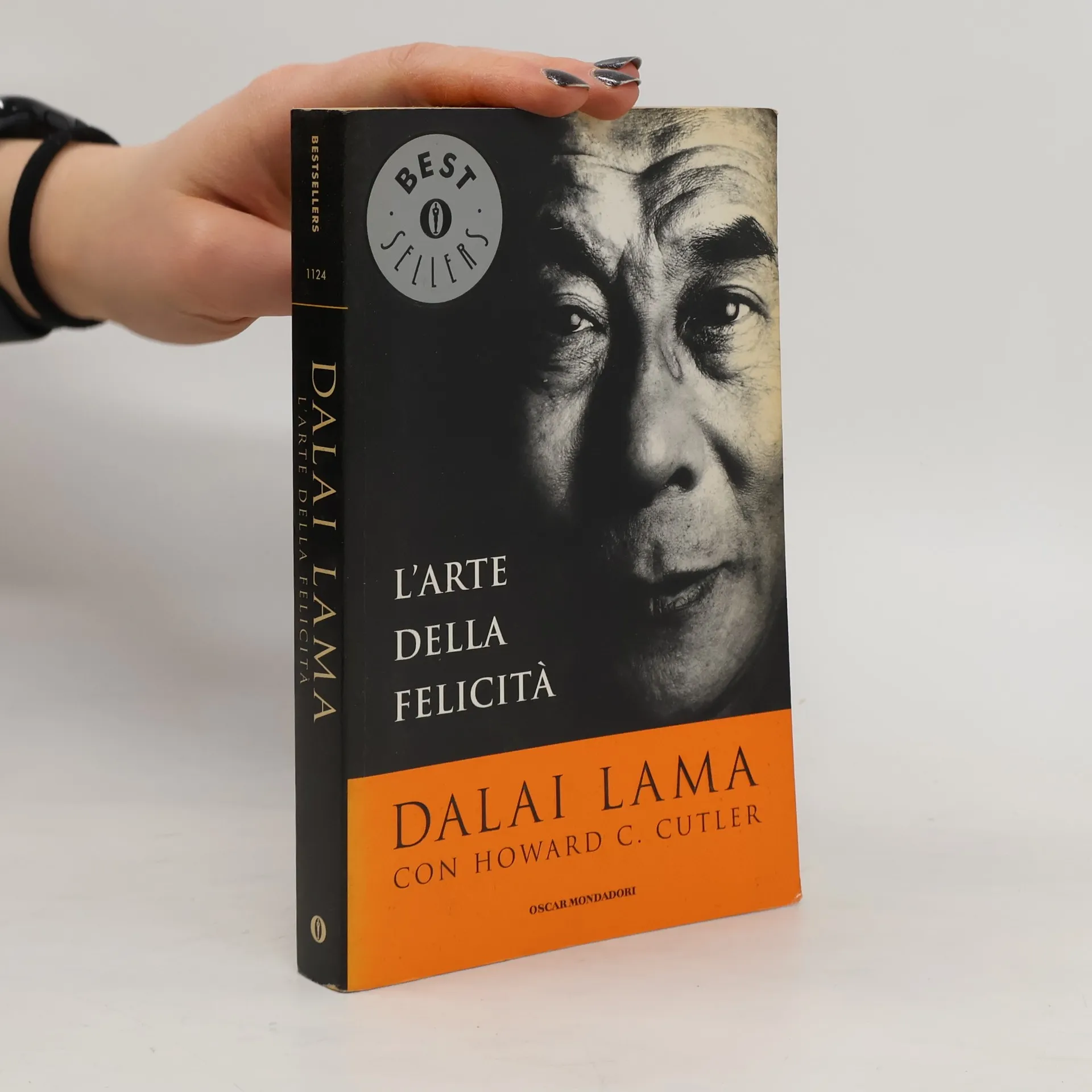
Nearly every time you see him, he's laughing, or at least smiling. And he makes everyone else around him feel like smiling. He's the Dalai Lama, the spiritual and temporal leader of Tibet, a Nobel Prize winner, and an increasingly popular speaker and statesman. What's more, he'll tell you that happiness is the purpose of life, and that "the very motion of our life is towards happiness." How to get there has always been the question. He's tried to answer it before, but he's never had the help of a psychiatrist to get the message across in a context we can easily understand. Through conversations, stories, and meditations, the Dalai Lama shows us how to defeat day-to-day anxiety, insecurity, anger, and discouragement. Together with Dr. Cutler, he explores many facets of everyday life, including relationships, loss, and the pursuit of wealth, to illustrate how to ride through life's obstacles on a deep and abiding source of inner peace.
Based on the Dalai Lama’s talks in London this ebook addresses the current difficulties facing humanity including: racial hatred, gender and environmental protection.Modern life is so full of confusion and suffering that people need the courage to face their anger and hatred, in order to transfrom their lives and relationships.This ebook describes in a clear and simple style how to live and die well and how to bring wisdom and compassion into our everyday lives.‘Genuine compassion is based on a clear acceptance or recognition that others, like oneself, want happiness and have the right to overcome suffering. On that basis one develops concern about the welfare of others, irrespective of one’s attitude to oneself. That is compassion.’The Dalai Lama
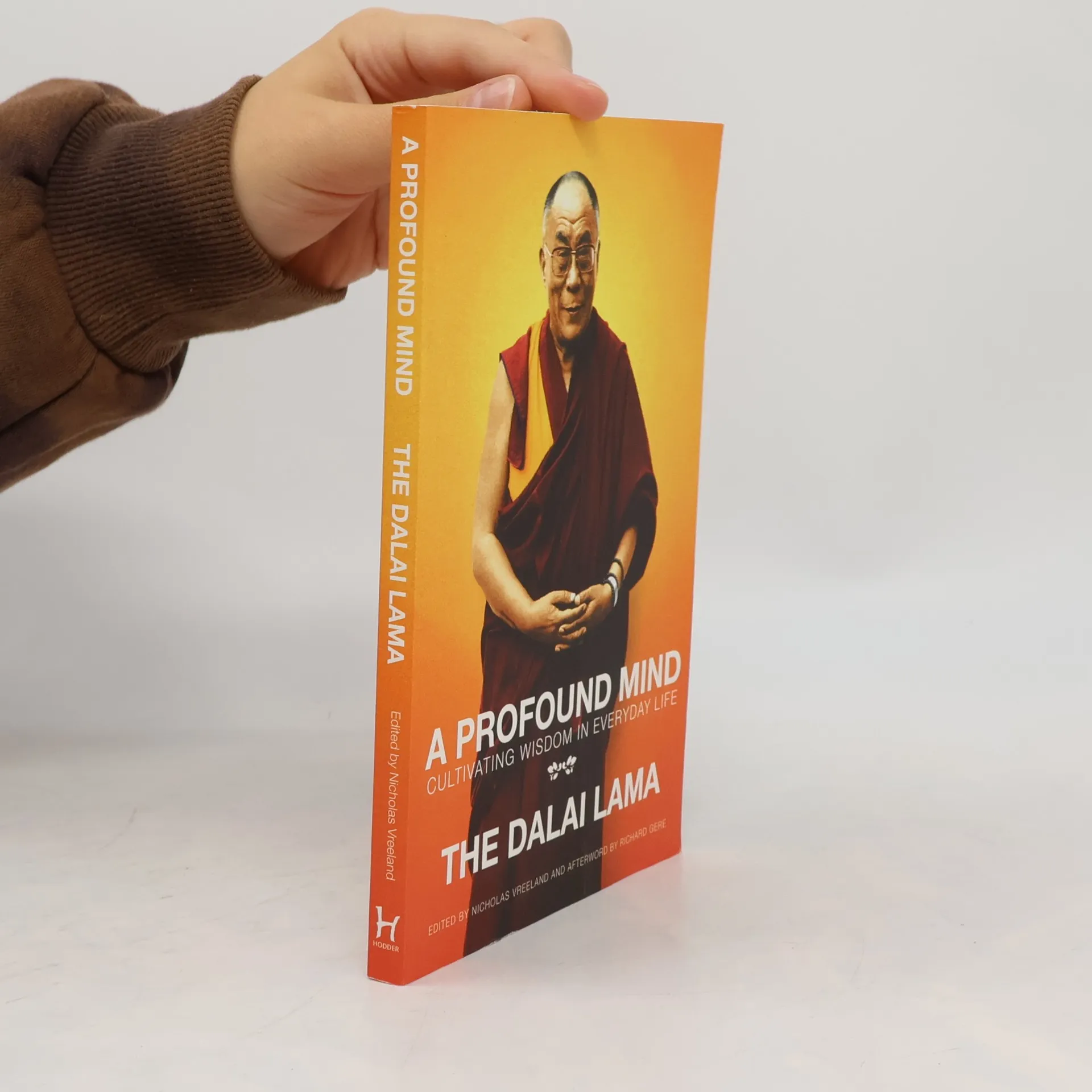
The Dalai Lama visited New York in 2003 and gave a series of lectures, culminating in a public talk in Central Park, which drew over a quarter of a million people. Based on these lectures, this new volume will provide practical instruction on how we can use meditation to realise the mind's phenomenal potential. Leading the reader through the diverse schools of Buddhist philosophy, this book also teaches us how to let go of our own strong ideas of self and how to find a little more happiness in life, for ourselves and for others. For all the millions of fans of the Dalai Lama's writings, and for anyone yet to be introduced to his thinking, Training the Mind is the perfect book to learn how to dedicate our positive activities to the benefit of all in order to build a better world.
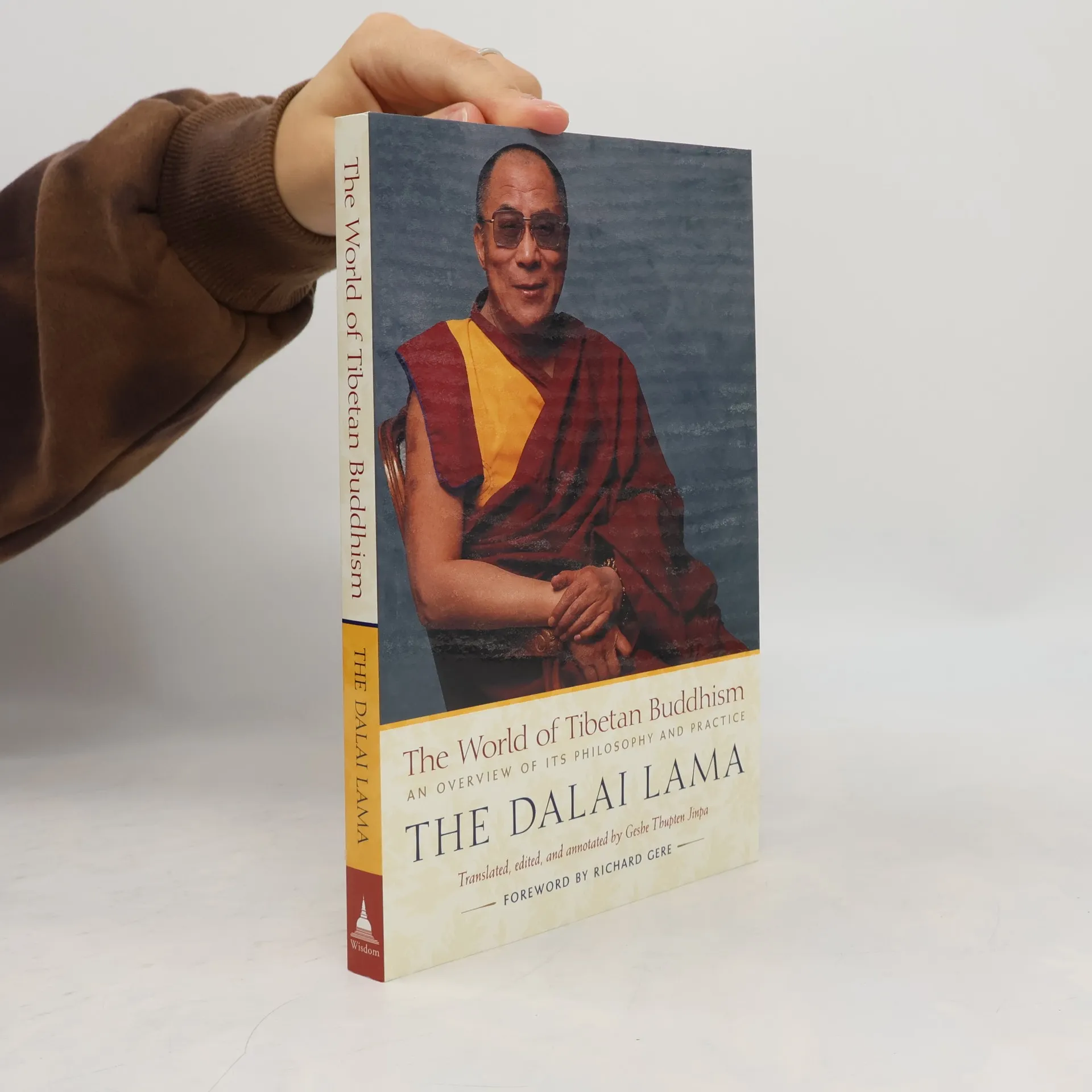
With characteristic humility, His Holiness the Dalai Lama begins this landmark survey of the entire Buddhist path by saying, "I think an overview of Tibetan Buddhism for the purpose of providing a comprehensive framework of the path may prove helpful in deepening your understanding and practice." In this book, the Dalai Lama delivers a presentation that is both concise and profound, accessible and engaging. As readers explore Tibetan Buddhism more fully than ever before, they will find in His Holiness a great friend and authority.
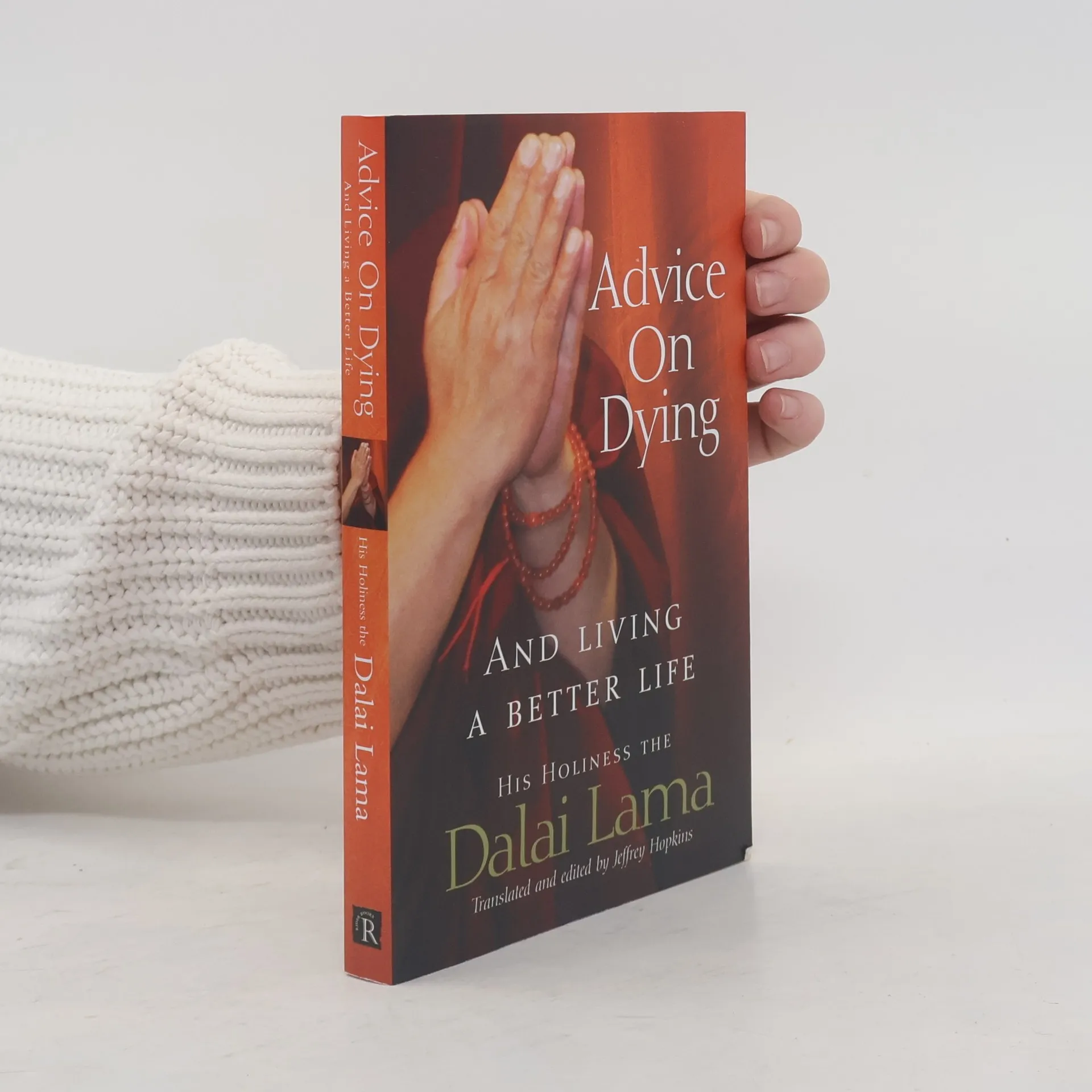
In this ground-breaking book, the Dalai Lama advises us to gain familiarity with the process and practices of death so that, when we are physically weak, our minds can still be focussed in the right direction, and in the right manner. Advice on Dying cautions us not to fall under the influence of the mistaken belief of permanence. We should not think that we have a lot of time in this life, because there is a great danger of wasting our lives in procrastination. He suggests we meditate on our lives, and on the indefiniteness of the time of death. For, though the time of our death is uncertain, death itself is certain... In this empowering and positive book, His Holiness brings new inspiration to a subject that we, in the West, have long ignored to our detriment. It is only by taming our minds and fully facing the end of our lives, that we can fully live in the present moment.
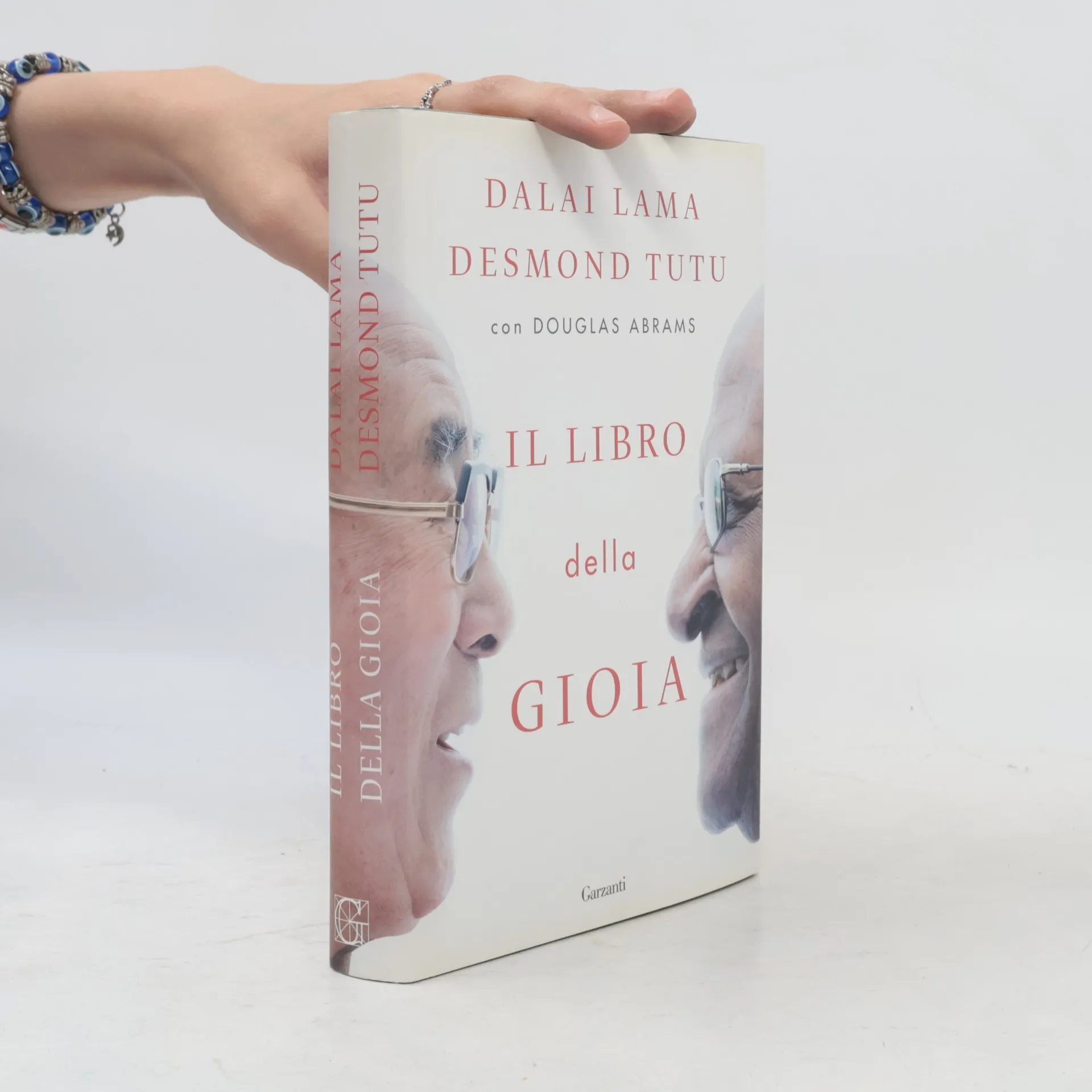
Two great spiritual masters share their own hard-won wisdom about living with joy even in the face of adversity. The occasion was a big birthday. And it inspired two close friends to get together in Dharamsala for a talk about something very important to them. The friends were His Holiness the Dalai Lama and Archbishop Desmond Tutu. The subject was joy. Both winners of the Nobel Prize, both great spiritual masters and moral leaders of our time, they are also known for being among the most infectiously happy people on the planet. From the beginning the book was envisioned as a three-layer birthday cake: their own stories and teachings about joy, the most recent findings in the science of deep happiness, and the daily practices that anchor their own emotional and spiritual lives. Both the Dalai Lama and Archbishop Tutu have been tested by great personal and national adversity, and here they share their personal stories of struggle and renewal. Now that they are both in their eighties, they especially want to spread the core message that to have joy yourself, you must bring joy to others. Most of all, during that landmark week in Dharamsala, they demonstrated by their own exuberance, compassion, and humor how joy can be transformed from a fleeting emotion into an enduring way of life.
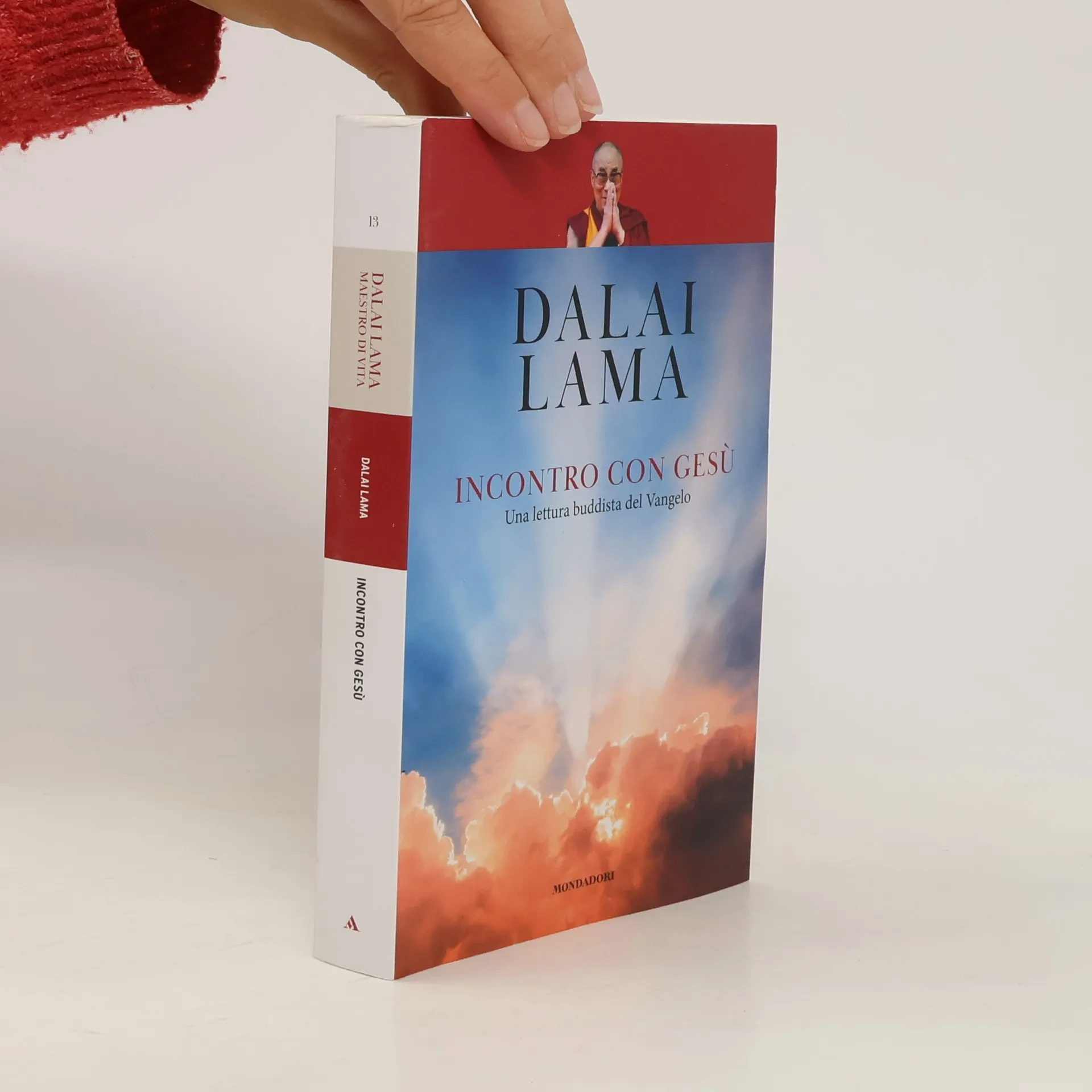
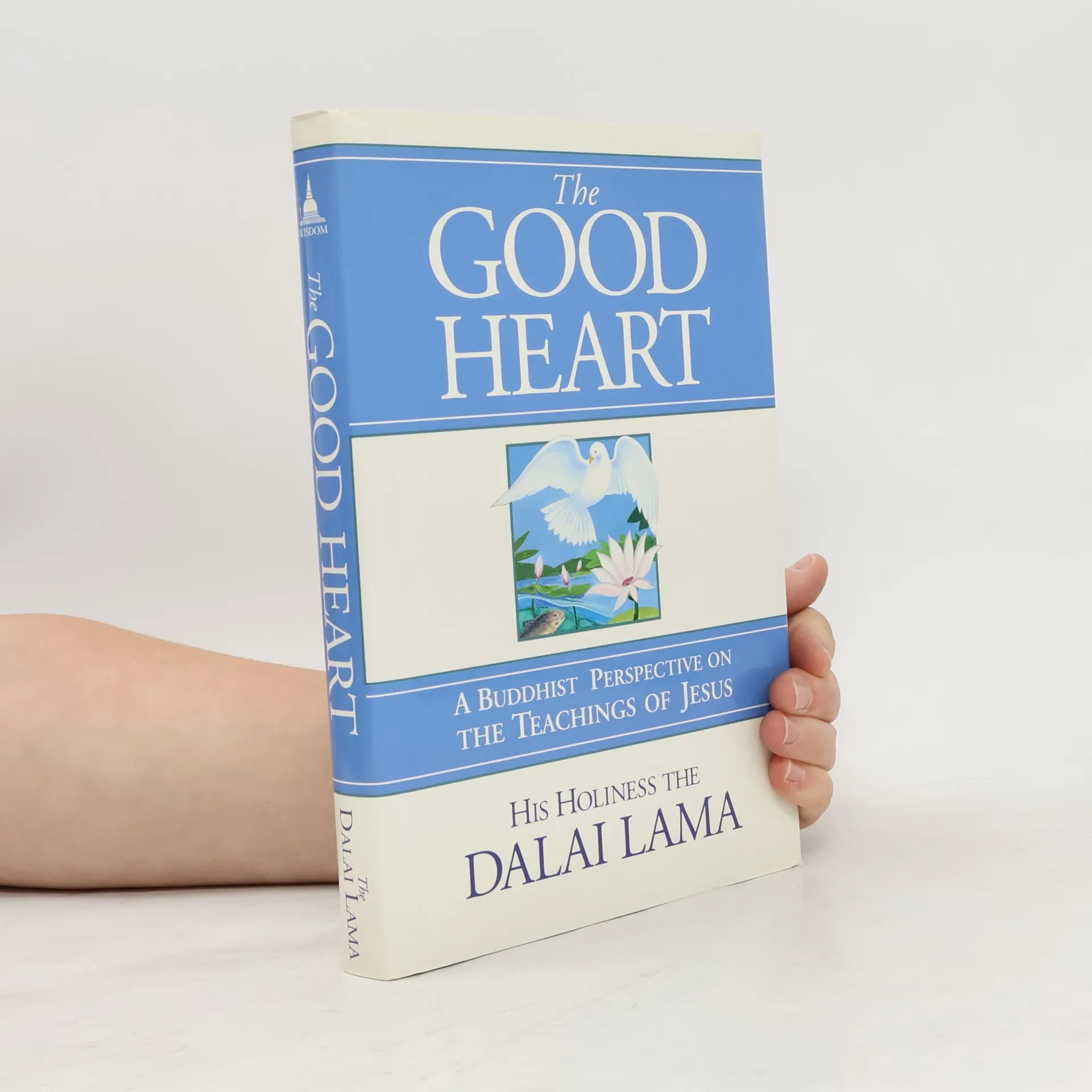
For the tenth annual John Main Seminar, the World Community for Christian Meditation brought Christians and Buddhists together to experience enlightened dialogue between religions conducted with respect, reverence, and the joy of friendship. From this remarkable event comes an historic first in publishing: The Good Heart. In this unprecedented book, one of the world's most beloved spiritual teachers, the Dalai Lama, comments on well-known passages from each of the four Christian Gospels, providing a unique reading of these familiar source of faith. Offering his Buddhist perspective on the Sermon on the Mount, the Beatitudes, the parable of the mustard seed, the Resurrection, and other selections, the Dalai Lama finds many similarities between Christian and Buddhist teachings, as well as an extraordinary correspondence between the narratives and lives of Jesus and the Buddha.
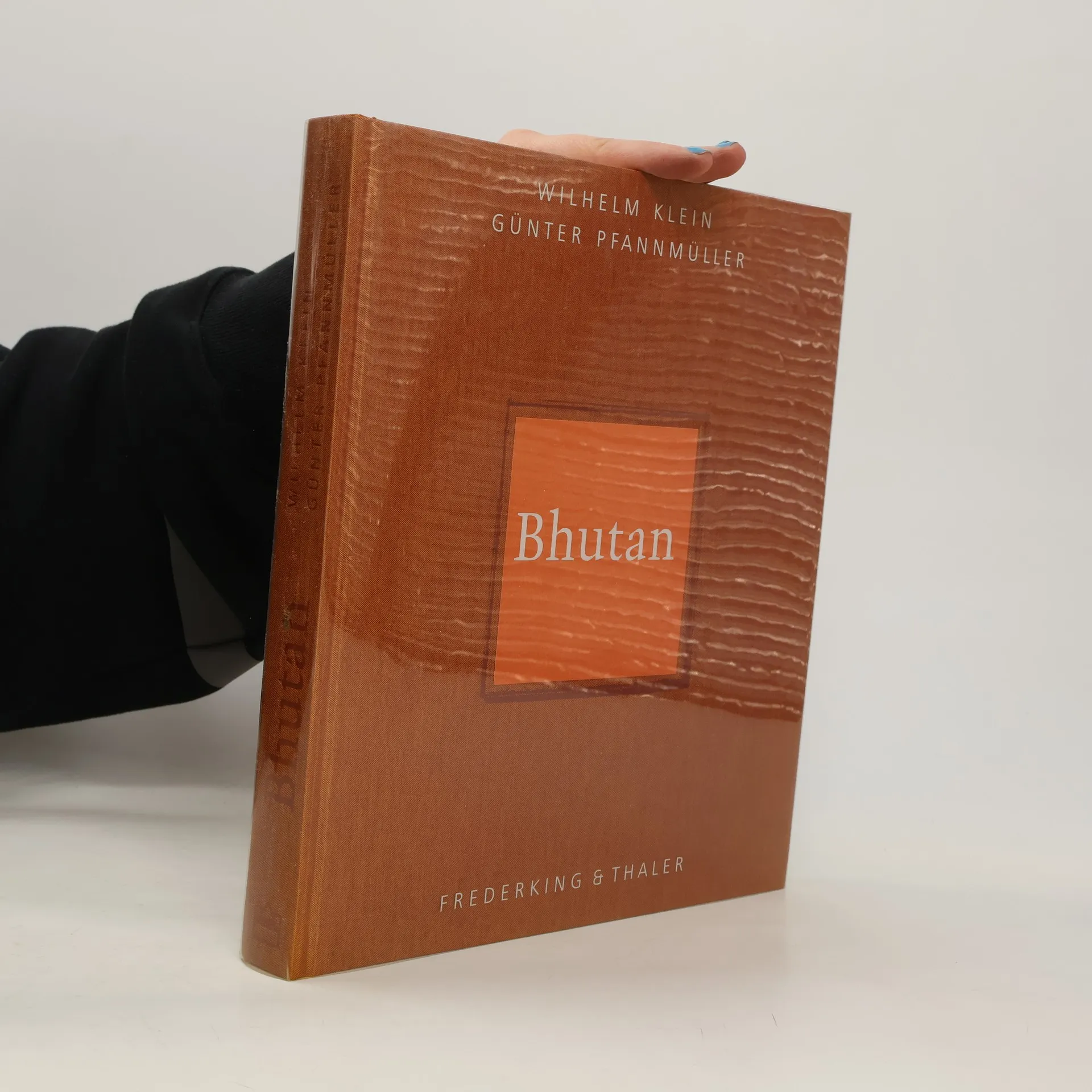
"En lugar de poner el Producto Interno Bruto en el centro de nuestros esfuerzos, vamos a luchar por la Felicidad Nacional Bruta." Esta cita del rey Jigme Singye Wangchuck de Bután captura la esencia de su país en el Himalaya. Aislado durante mucho tiempo, Bután ha comenzado a abrirse al mundo desde 1974, y tras sus primeras elecciones democráticas en 2008, busca equilibrar tradición y modernidad. La vida cotidiana sigue marcada por prácticas religiosas y culturales centenarias, en un contexto donde la "Felicidad Nacional Bruta" es fundamental.
El libro presenta un estudio portátil diseñado por el fotógrafo, que actúa como un cubo negro que se puede instalar en diversos lugares, desde palacios hasta monasterios. Este espacio neutral permite que el espectador se concentre en las personas fotografiadas: miembros de la familia real, monjes, campesinos, artesanos, y más, quienes comparten sus historias y vivencias. Las biografías añaden profundidad a los retratos, mostrando que cada persona tiene una historia que contar.
Las imágenes se complementan con paisajes del Himalaya, que incluyen montañas, monasterios y bosques vírgenes. Este trabajo ofrece una visión de un mundo en transformación lenta, destacando su capacidad para ser un modelo en un entorno global que avanza a un ritmo vertiginoso.
Der Dalai Lama untersucht in diesem Buch die Ursachen von Unzufriedenheit und bietet Wege zu innerem Glück und Frieden. Thematisch sortiert, liefert es Rat für aktuelle Probleme und kann ein ständiger Begleiter werden. Es thematisiert die ewige Jagd nach Glück und die damit verbundene Hektik im Leben.
Der Frieden muss kein Traum bleibenFrieden fängt in jedem Einzelnen an – und jeder kann seinen einzigartigen, unverzichtbaren Beitrag zum Frieden in der Welt und zum Glück der Menschen leisten. Dieses markante Werk enthält die Essenz der Vorträge Seiner Heiligkeit des Dalai Lama anlässlich der Veranstaltung »Kalachakra für den Weltfrieden«, auf der über zehntausend Teilnehmer ein weithin sichtbares Zeichen für die Welt setzten.In seiner bekannten, leicht verständlichen und lebendigen Art betont der Dalai Lama die grundlegende Bedeutung von Mitgefühl und Toleranz für die Entwicklung von innerem und äußerem Frieden. In einzigartiger Klarheit erläutert er die Natur der absoluten Wirklichkeit und die buddhistische Tantra-Lehre.
No country, culture, or individual remains unaffected by global events. Technological advancements, environmental issues, and instant communication have fostered unprecedented connections among diverse cultures. The Dalai Lama emphasizes that the primary challenge of the 21st Century is to cultivate peaceful coexistence. While some fear an inevitable “clash of civilizations,” past religious conflicts, though significant, did not threaten humanity's survival as current extremism does. With extremists leveraging faith and technology, a single incident could have catastrophic consequences. However, the Dalai Lama suggests that globalization can also lead to deeper connections among nations and individuals through shared human experiences. Major religions address similar fundamental questions, each offering unique insights that can inspire enriching dialogues in the quest for wisdom. Compassion is a common guiding principle across faith traditions, and recognizing this value is essential for spiritual growth. By affirming the worth of other faiths, we can foster genuine respect. The Dalai Lama also discusses how to appreciate religious differences without conflict, asserting that harmony does not require all religions to be the same. He illustrates how sincere believers can embrace pluralism while remaining committed to their own faith's teachings. This work presents a hopeful yet realistic vision for humanity's future.
Nel Tibet controllato dall'esercito cinese, gli occupanti insegnano una storia che vede il Dalai Lama come un tiranno, giustamente spodestato dall'occupazione del 1950. La verità è ben altra, e per la prima volta il Dalai Lama la ricostruisce in questo libro, frutto di centinaia di ore di conversazione con Thomas Laird a Dharamsala, in India. Nel racconto avvincente del Dalai Lama, ricco di aneddoti illuminanti e di episodi curiosi, si snoda il cammino millenario del popolo tibetano, dai miti sulle origini dei primi abitanti dell'altopiano himalaiano alla rocambolesca fuga del Dalai Lama nel 1959. Una lunga vicenda, la storia di un popolo orgoglioso della propria cultura, che neppure dopo cinquant'anni di occupazione militare si è sottomesso, né ha rinunciato all'esercizio di quella spiritualità unica al mondo, amata in ogni dove, che è il frutto più prezioso di questa civiltà.
This absorbing account details a dialogue between leading Western scientists and the Dalai Lama of Tibet, focusing on transitional states of consciousness that are pivotal in both modern science and Buddhist practice. The discussions center on three key moments: sleep, dreams, and death, offering engaging insights into topics such as lucid dreaming, near-death experiences, and the nature of consciousness. Narrated by neuroscientist Francisco Varela, the book opens with philosopher Charles Taylor's reflections on personal identity, setting the stage for remarkable exchanges with scientists like Dr. Jerome Engel and Dr. Joyce MacDougal. These conversations reveal significant convergences between Western scientific thought and Buddhist contemplative practices, as seen in Dr. Jayne Gackenbach's exploration of lucid dreaming, which elicits a fascinating response from the Dalai Lama regarding dream manipulation in Buddhist meditation. However, the dialogue also uncovers notable divergences, such as the Dalai Lama's skepticism about near-death experiences as discussed by Joan Halifax. The engaging nature of these conversations makes the work accessible and intriguing for readers interested in psychology, neuroscience, Buddhism, or the realms of dreams.
Im Oktober 1989 traf der Dalai Lama in Newport Beach mit sieben amerikanischen Experten aus Psychiatrie, Psychoanalyse, Verhaltensforschung, Religionswissenschaft und Ökologie zusammen. In den Gesprächen, die in diesem Buch dokumentiert sind, diskutierten sie über die Bewältigung globaler Krisen wie Krieg und Umweltzerstörung.
An instructional resource and inspirational guide to daily life describes each step on the path to spiritual enlightenment and explains how to practice everyday morality, meditation, wisdom, and compassion.
Neues und Altbewährtes vom großen Brückenbauer zwischen den Kulturen und Religionen. In dem Buch geht es sowohl um Fragen der ganz persönlichen Glückssuche als auch um philosophische und politische Themen.
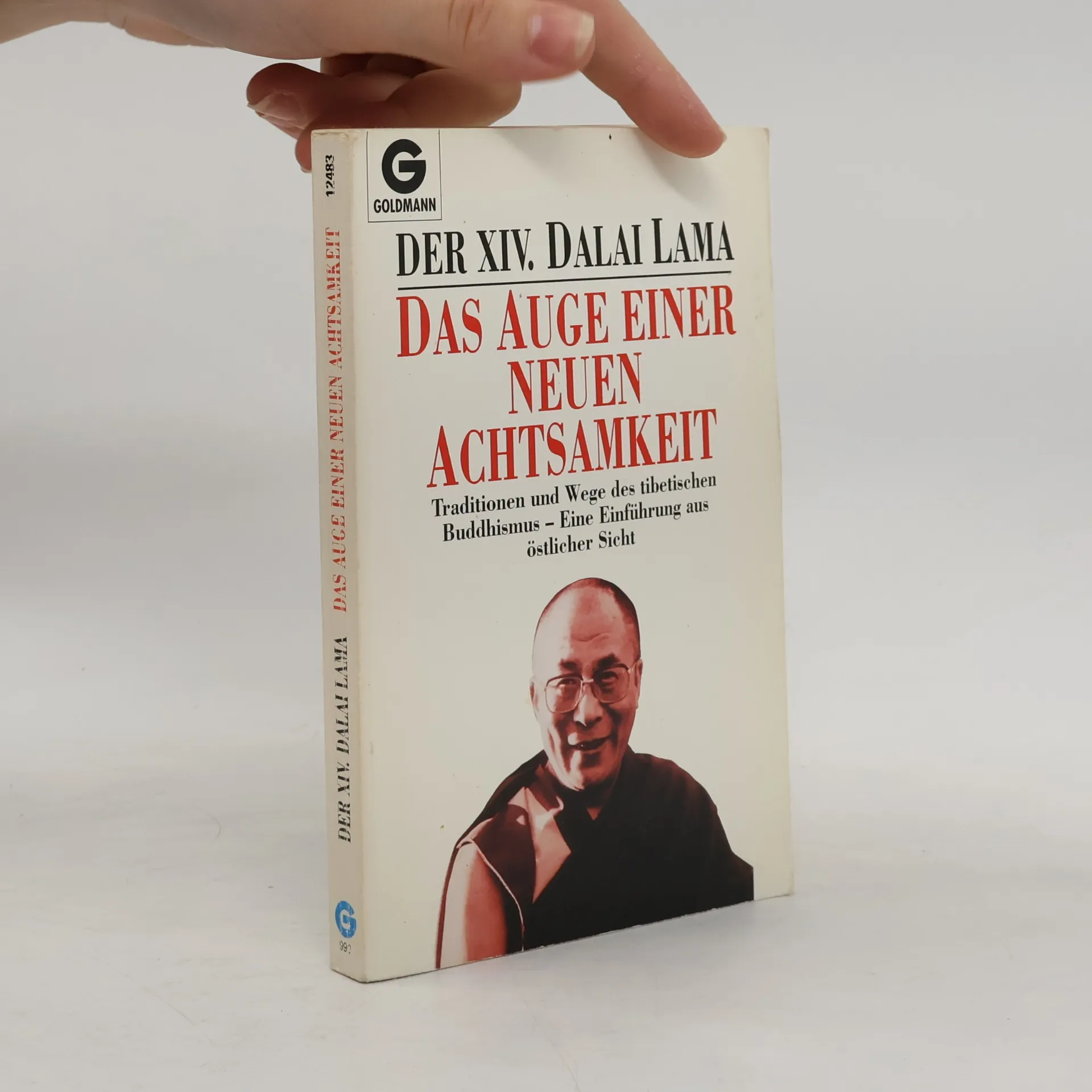
Die unausrottbare Tiefe der buddhistischen Weisheitstradition - von einer der großen geistigen Gestalten der Gegenwart auf einzigartige Weise erschlossen. Ein faszinierendes Dokument östlicher Geisteskultur, wie es zur Zeit außer dem Friedensnobelpreisträger wohl kaum ein buddhistischer Lehrer entfalten kann. Eine Einführung in den Buddhismus für westliche Menschen, wie sie authentischer nicht sein kann.
His Holiness provides step-by-step exercises to help readers shatter their false assumptions and ideas of the self and see the world as it actually exists, which is a prelude to right action.
Książka ta zawiera przemyślenia, powiedzenia i przypowieści zaczerpnięte z
nauk jednego z największych nauczycieli duchowych świata. Cytaty,
przedstawione w formie codziennych refleksji, po jednej na każdy dzień roku,
odzwierciedlają całościową wizję świata Dalajlamy. W każdym z nich w ujmująco
bezpośredni sposób omawia on niemal wszystkie aspekty ludzkiego życia,
rozważając różnorodne zagadnienia: od różnic religijnych do etyki reklamy.
Pomimo szczerej akceptacji współczesnego świata Jego Świątobliwość ani na
chwilę nie pozwala nam zapomnieć, jak ważna jest zwyczajna dobroć i
współczujące serce. Słowa Dalajlamy mądre, inspirujące i przesycone duchem
humanizmu przynoszą wszystkim ludziom pełne nadziei przesłanie oraz głęboką, a
zarazem łatwą do zrozumienia filozofię współczucia i niestosowania przemocy.
Der Dalai Lama spricht über die Bedeutung von Liebe und Mitgefühl als den Grundlagen spirituellen Wachstums. Seine Hinweise auf die moralische Verantwortung jedes Einzelnen haben immer auch eine eminent gesellschaftliche und politische Dimension. Seine konsequente Parteinahme für Gerechtigkeit und Frieden entspringt keinem weltfernen Idealismus, sondern ist heute aktueller den je.
Nie haben Buddhismus und Meditation mehr Aufmerksamkeit in der Welt gefunden als heute. Der Dalai Lama verkörpert als ranghöchster Meister und Lehrer des Buddhismus diese reiche, über 2500 Jahre alte Tradition. In diesem Buch erläutert er dem westlichen Publikum die zentralen Elemente der Lehre Buddhas sowie die Grundübungen und Ziele der Meditation. Ein Muss für alle, die sich kompetent informieren und verstehen wollen, worin die gegenwärtige Attraktivität des Buddhismus besteht.
Provides the application of Tibetan Buddhist spiritual values to the world of work. This book shows us how to place our working lives into the context of our lives as a whole. It helps us to reach a pathway that can lead us to true life fulfilment and purpose.
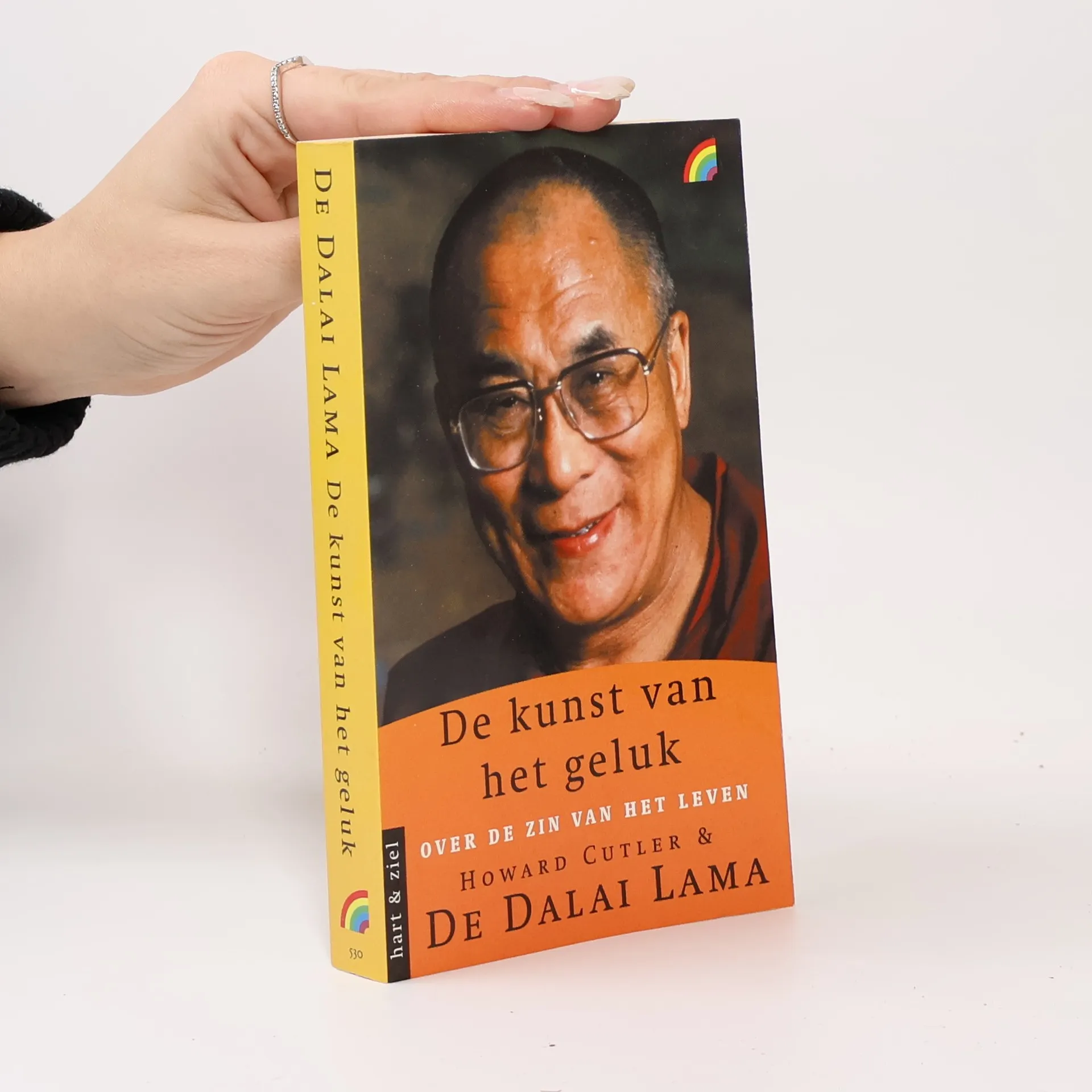
Te vaak plaatsen facetten van ons leven - relaties, gezondheid, welvaart en zo verder - ons voor obstakels, die we het hoofd moeten bieden. De kunst van het geluk, dat de Dalai Lama schreef samen met psychiater Howard Cutler, is een handleiding. Meer dan 2500 jaar boeddhistische kennis en helder inzicht bieden hulp bij dagelijkse problemen. Door gesprekken, verhalen en meditaties maakt de Dalai lama duidelijk hoe we angst, onzekerheid, woede en moedeloosheid kunnen overwinnen.
L'auteur, prix Nobel de la paix 1989 pour l'action menée en faveur de son pays, le Tibet, livre le fruit de ses réflexions sur l'homme, sur l'environnement, sur la société, les institutions, la politique, les religions.
Im tibetischen Buddhismus wird der Dalai Lama als lebendige Verkörperung des spirituellen Ideals angesehen. Hier präsentiert Seine Heiligkeit ein detailliertes Handbuch praktischer Philosophie, das auf dem bekanntesten Text des Mahayana-Buddhismus, dem Weg des Bodhisattva, basiert. Dieser Text wurde über Jahrhunderte hinweg in einer ununterbrochenen Tradition studiert, praktiziert und ausgelegt. Mit dem außergewöhnlichen Einblick des Dalai Lama in die menschliche Natur und was es bedeutet, eine verantwortungsvolle und fürsorgliche Person zu sein, wird dieses Buch sowohl Buddhisten als auch Nicht-Buddhisten ansprechen.
In diesem Buch erklärt der Dalai Lama den Bodhisattva-Weg und wie Mitgefühl das leitende Prinzip des Bodhisattva ist – einer Person, die sich verpflichtet, Erleuchtung zu erlangen, um alle fühlenden Wesen von Leiden und Verwirrung zu befreien. Zu diesem Zweck verzichtet er oder sie auf Hass, Verlangen und Selbstbezogenheit und widmet sein oder ihr Leben dem Schutz des Wohls anderer. Der Dalai Lama erläutert und erweitert den Text Vers für Vers und zeigt, wie jeder ein wahrhaft "gutes Herz" entwickeln kann.
Die unauslotbare Tiefe der buddhistischen Sicht des Lebens und der Wirklichkeit. Vor einem großen westlichen Publikum vorgetragen: die authentische Darstellung einer großen Weisheitstradition. Von einer der großen geistigen Gestalten der Gegenwart auf einzigartige Weise erschlossen.
Quelles réponses le chef spirituel du bouddhisme peut apporter à nos interrogations de citoyens, de consommateurs, d'hommes et de femmes aux prises avec les difficultés matérielles et éthiques de la vie quotidienne en Occident ? Il fallait un homme comme Fabien Ouaki, président du groupe des magasins Tati, français d'origine juive sépharade, pour oser mettre à l'épreuve du concret le maître spirituel. En répondant avec simplicité à toutes les questions de Fabien Ouaki, tant sur la gestion économique que le pouvoir et la sexualité ou l'éthique individuelle et collective, le Dalaï-Lama montre combien sa tradition est vivifiante et libératrice et nous fait percevoir qu'à tout instant, si nous le voulons, " la vie est à nous ".
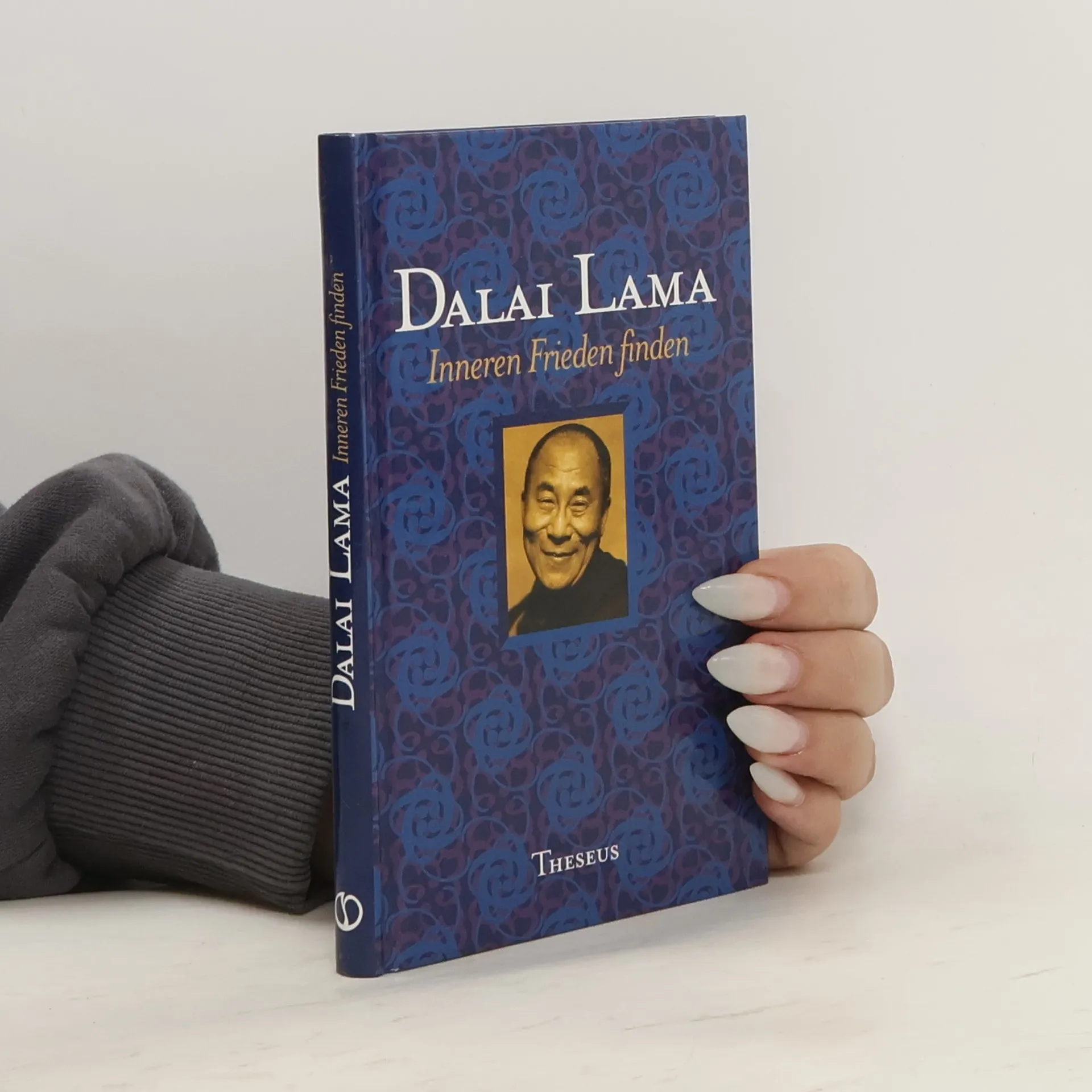
Der Dalai Lama interpretiert Langri Thangpas "Acht Strophen zur Umwandlung des Geistes" und vermittelt verständlich die philosophischen Grundlagen sowie die praktischen und ethischen Prinzipien für eine sinnvolle Lebensführung.
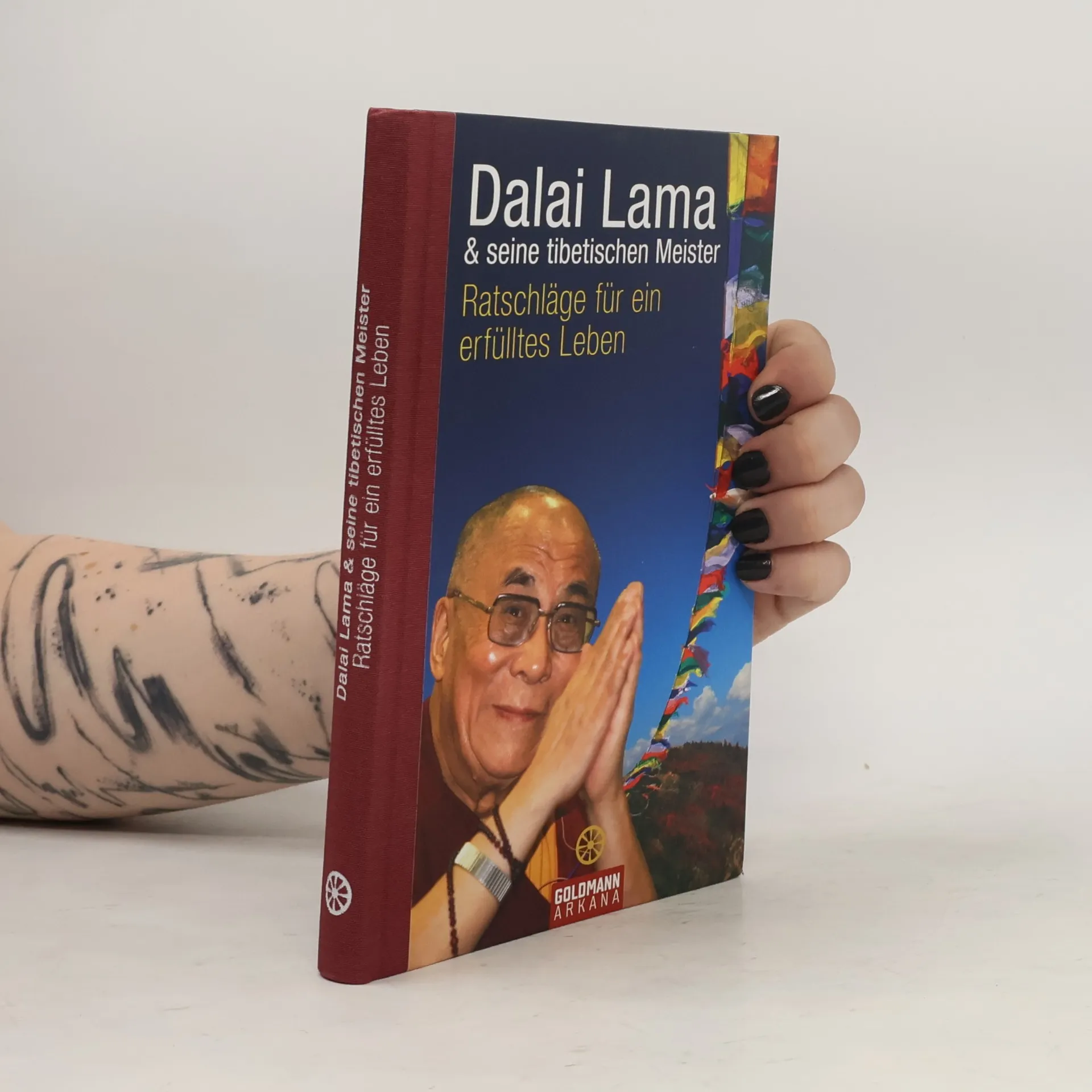
Die Anmerkung beschreibt die Quelle der Weisheit des 14. Dalai Lama, die auf Lehren großer buddhistischer Meister basiert. Sie verknüpft zentrale Erkenntnisse dieser Meister mit praktischen Ratschlägen des Dalai Lama zu Themen wie Mitgefühl, innerer Transformation und dem Sinn des Lebens. Eine inspirierende Anleitung zum Glücklichsein.
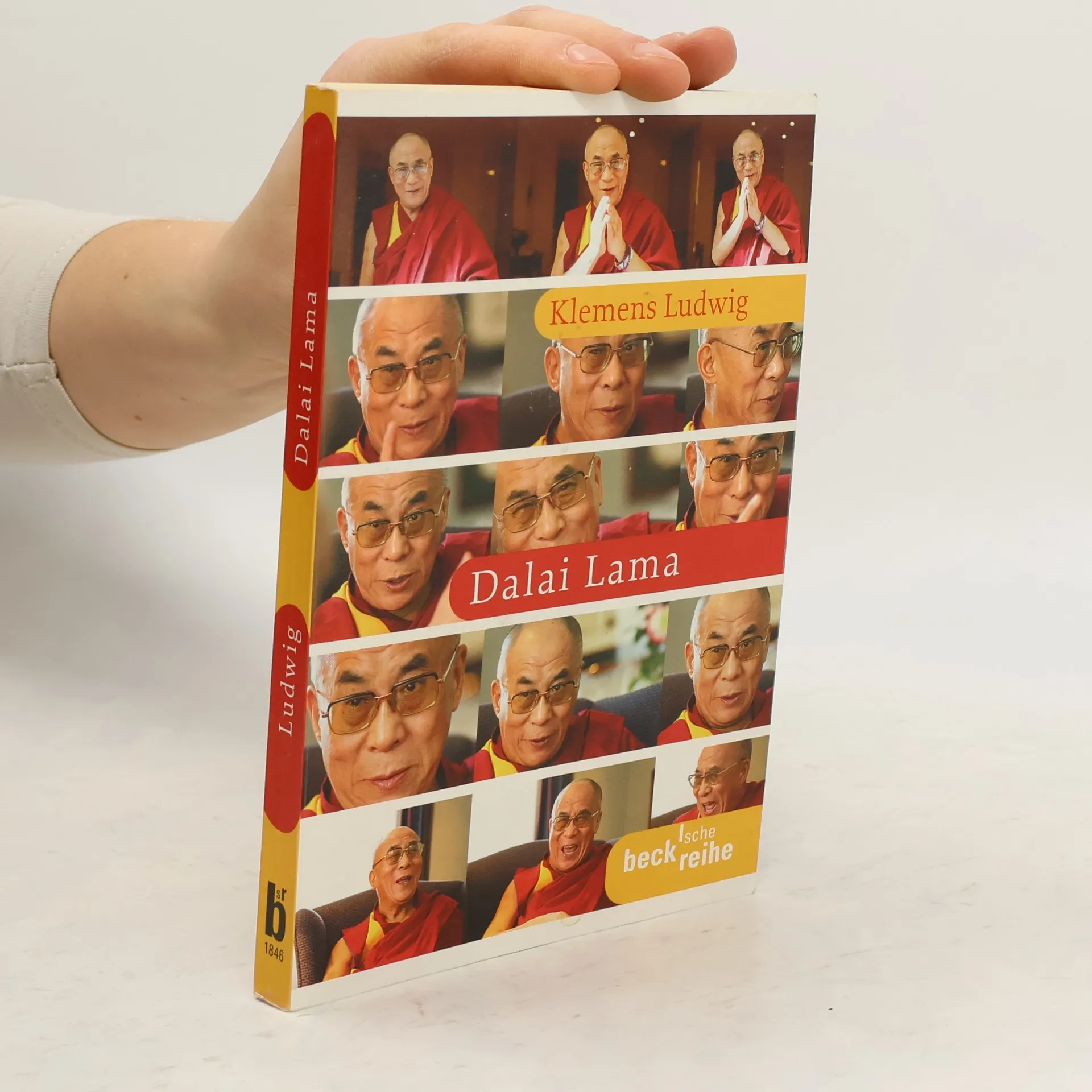
Der Dalai Lama, als Symbol für Weisheit und Frieden, sieht sich selbst als einfachen buddhistischen Mönch, der für das Wohl aller Menschen kämpft. Trotz der chinesischen Besetzung Tibets und dessen Verweigerung von Selbstbestimmung bleibt er optimistisch und gewaltfrei. Klemens Ludwig gibt Einblicke in sein persönliches Leben und seine Vorlieben.
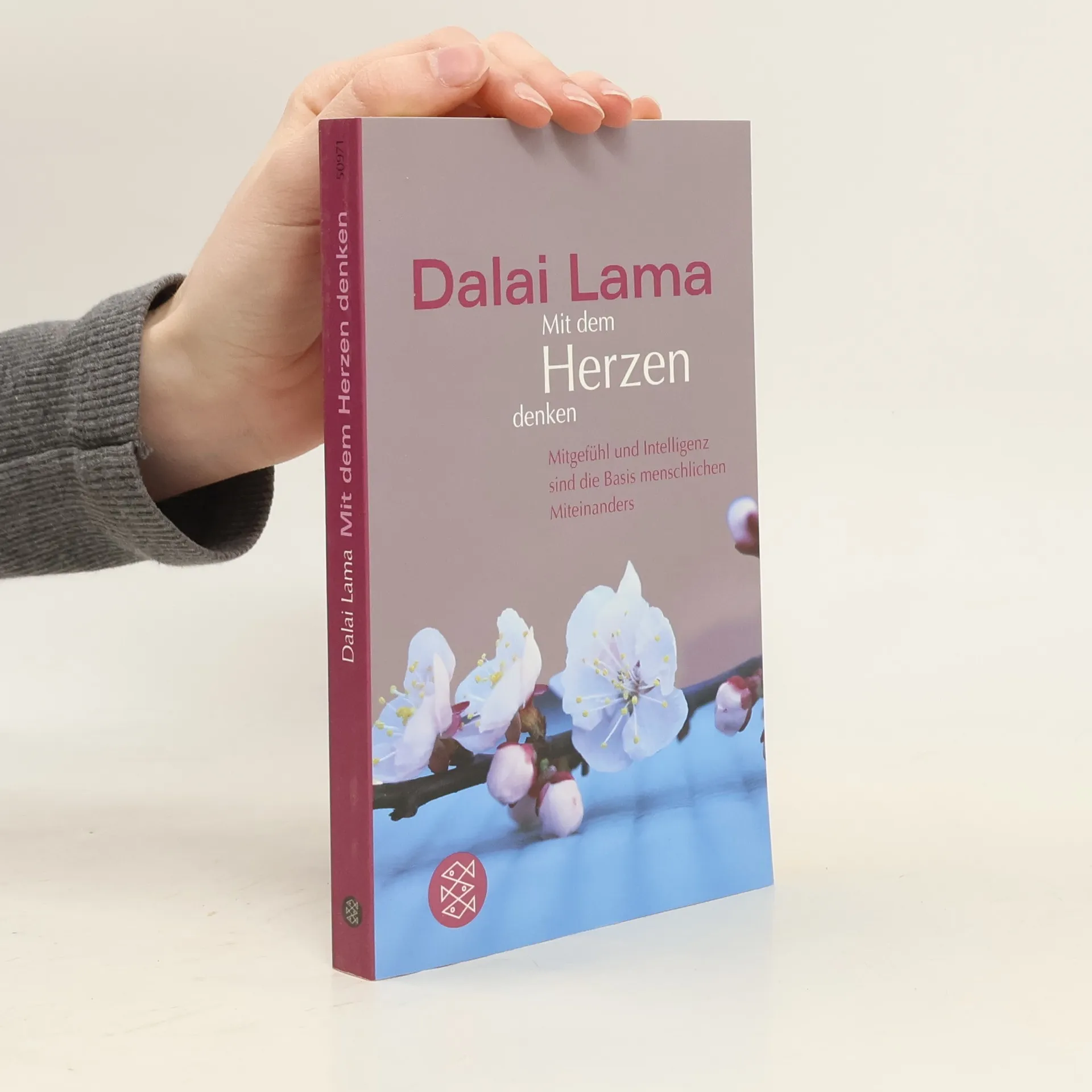
Der Dalai Lama erläutert in klaren Worten, was wahres Mitgefühl auszeichnet und wie wir trotz Alltagsproblemen den großen Herausforderungen unserer Zeit begegnen können. Er betont, dass Glück und das Abwenden von Leiden ein Menschenrecht sind und echtes Mitgefühl der Weg dorthin.
Lebenskunst ist ein Weg des Herzens und der spirituellen Kraft. Das Buch behandelt Themen wie Gerechtigkeit, Brüderlichkeit, Liebe, Frieden und Religion.
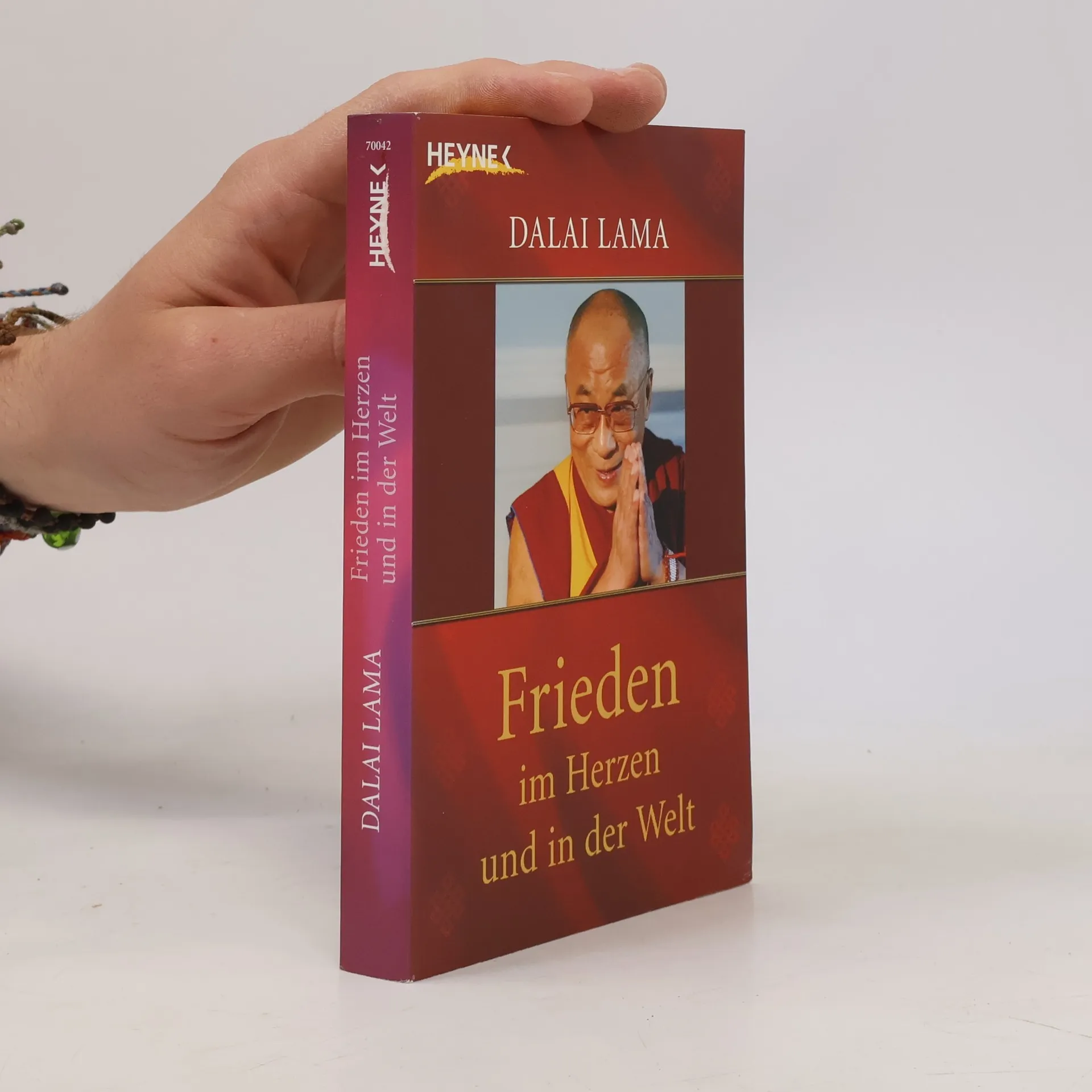
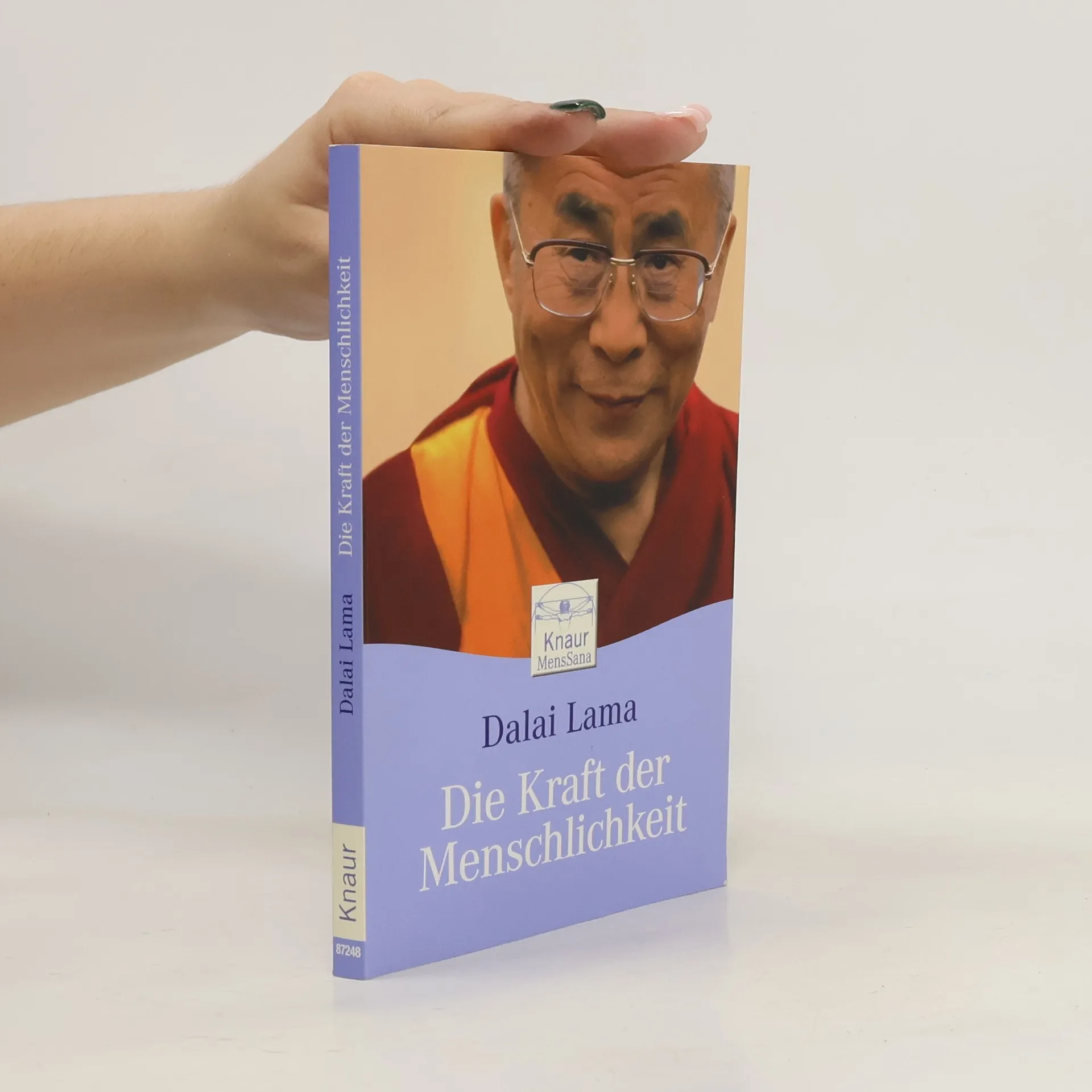
Tag für Tag gehen Bilder von Krieg und Gewalt, von Armut und Tod um die Welt. Bilder, die schockieren und an unsere Menschlichkeit appellieren. In seinem neuesten Buch hält der Dalai Lama ein eindringliches Plädoyer für Frieden, religiöse Toleranz und spirituelle Weiterentwicklung. Er zeigt, welche wesentliche Rolle die Kraft der Menschlichkeit spielt - sei es im Alltag oder aber bei den großen Konflikten unserer Welt. Er lehrt uns, dass wir diesen Konflikten nicht hilflos ausgeliefert sind, sondern dass wir sie - im Großen wie im Kleinen - meistern und dadurch zu wahrem Frieden gelangen können.
Selten hat der Dalai Lama in seinem Leben Lehren zu einem Thema gegeben, über das so wenig verstanden wird. Dies ist eines der wichtigsten Werke und ein Denkmal der tibetisch-buddhistischen Literatur sowie die Grundlage für die Lehre des Dalai Lama. Dies ist ein unschätzbares Buch für jeden, der buddhistisches Tantra im Allgemeinen praktiziert oder sich dafür interessiert.
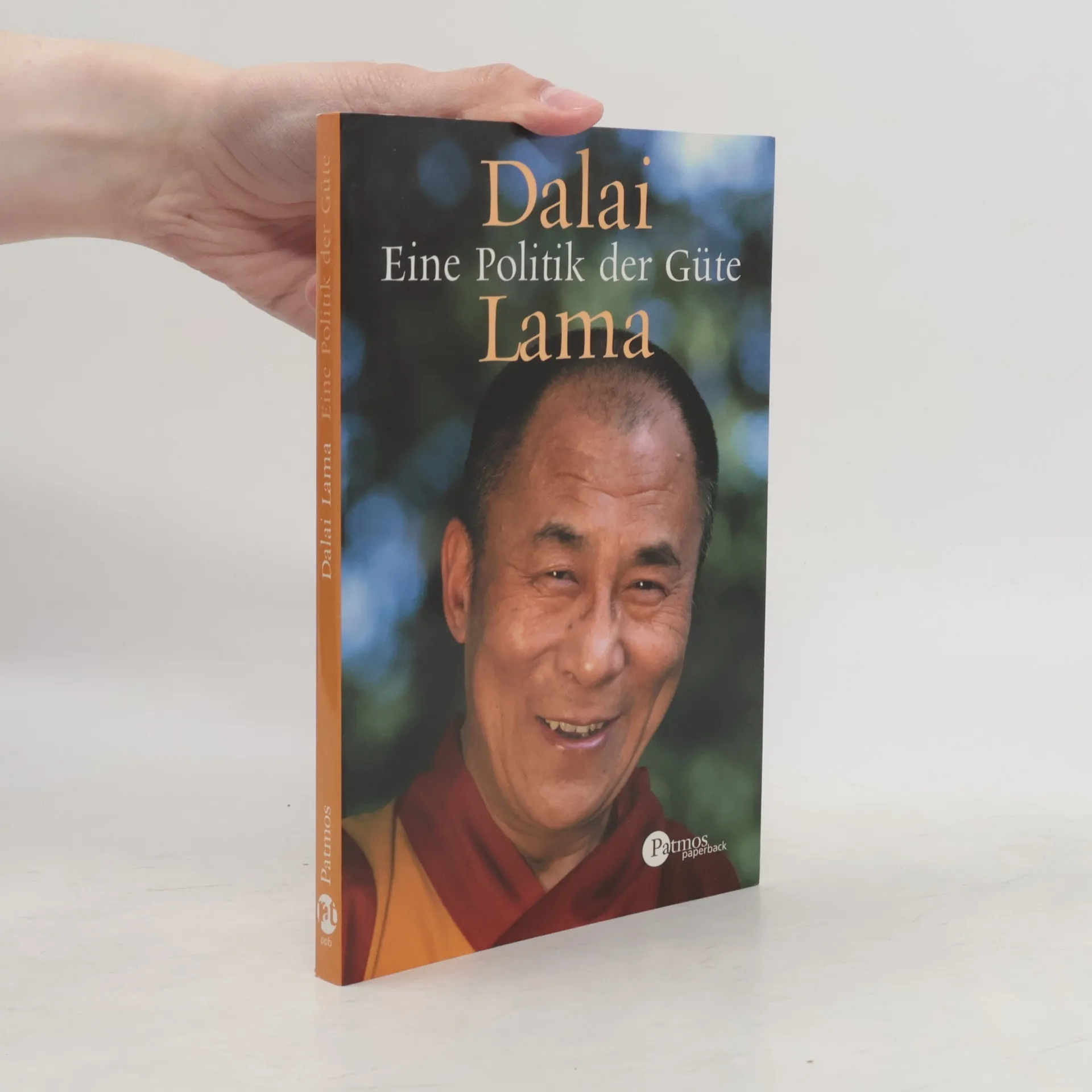
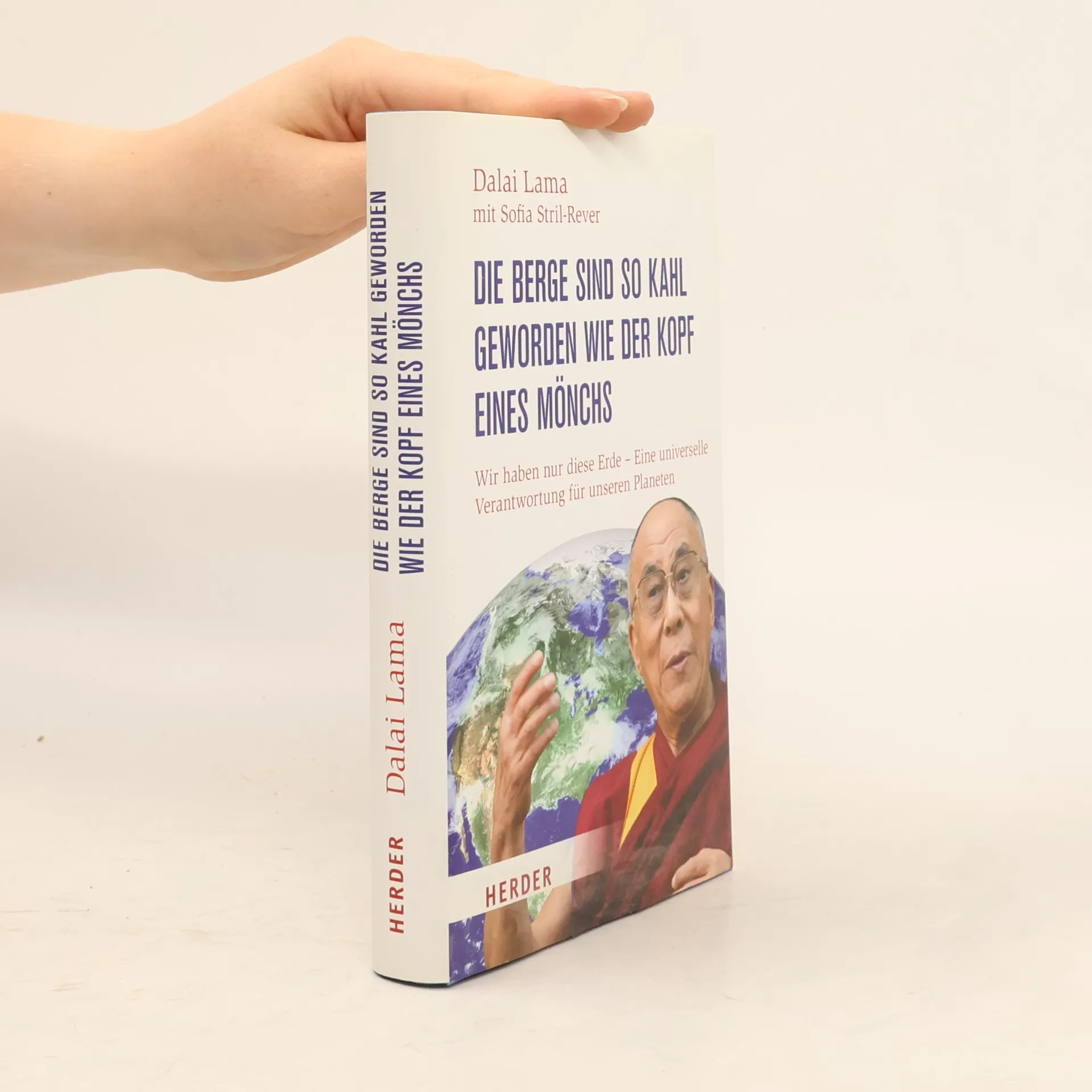
Der Dalai Lama sorgt sich um unsere Zukunft und die unseres Planeten. Dem in der Geschichte der Menschheit höchsten Level materiellen Wohlergehens steht – so das geistliche Oberhaupt der Tibeter – das höchste Niveau an Unbehagen und psychischem Stress gegenüber. Wir befinden uns in einer sozialen Krise ohnegleichen, und diese findet ihren Ausdruck auch in einer existenzbedrohenden ökologischen Krise – mit Erderwärmung, Entwaldung, Gletscherschmelze, Bodenerosion, Umweltverschmutzung und steigenden Meerespegeln. In eindringlichen Worten ruft der Dalai Lama zur Umkehr auf. Und er plädiert für das ethische Prinzip einer universellen Verantwortung, die jenseits von Gewinnstreben und Religionen das Wohlergehen anderer, auch der nächsten Generationen, über das eigene stellt. Ein eindringlicher Appell, dem wir uns nicht entziehen dürfen.
Hoe kunnen wij het pad der verlichting vinden en blijven volgen? Op die centrale vraag geeft De glimlach van de middenweg een antwoord. Wees open, wees aandachtig, en ga steeds op zoek naar de waarheid achter je overtuigingen, zo draagt Tenzin Gyatso, de veertiende Dalai Lama, ons op. Door de oude boeddhistische wijsheden over compassie en onbaatzuchtigheid in de praktijk te brengen, kunnen wij allemaal de middenweg bewandelen. De glimlach van de middenweg valt in twee delen uiteen. In het eerste deel onderzoek de Dalai Lama de oertekst De Middenweg van de boeddhistische filosoof Nagarjuna (ca. 150-250 n.Chr.), de tekst waardoor het hedendaagse boeddhisme zich nog altijd laat inspireren. In het tweede gedeelte geeft de Dalai Lama, ditmaal gebaseerd op klassieke verzen van Tsongkhapa (1357-1419), handvatten om de ideeën over verlichting in de praktijk te brengen. Zo biedt de Dalai Lama, aan de hand van twee eeuwenoude teksten die nog altijd springlevend zijn, diepgravend inzicht in de principes van het Tibetaanse boeddhisme. Dankzij de persoonlijke, open houding van de Dalai Lama en zijn grote inzicht in de huidige tijd, is het een uiterst leesbaar boek, dat iedereen laat delen in zijn wijsheid.
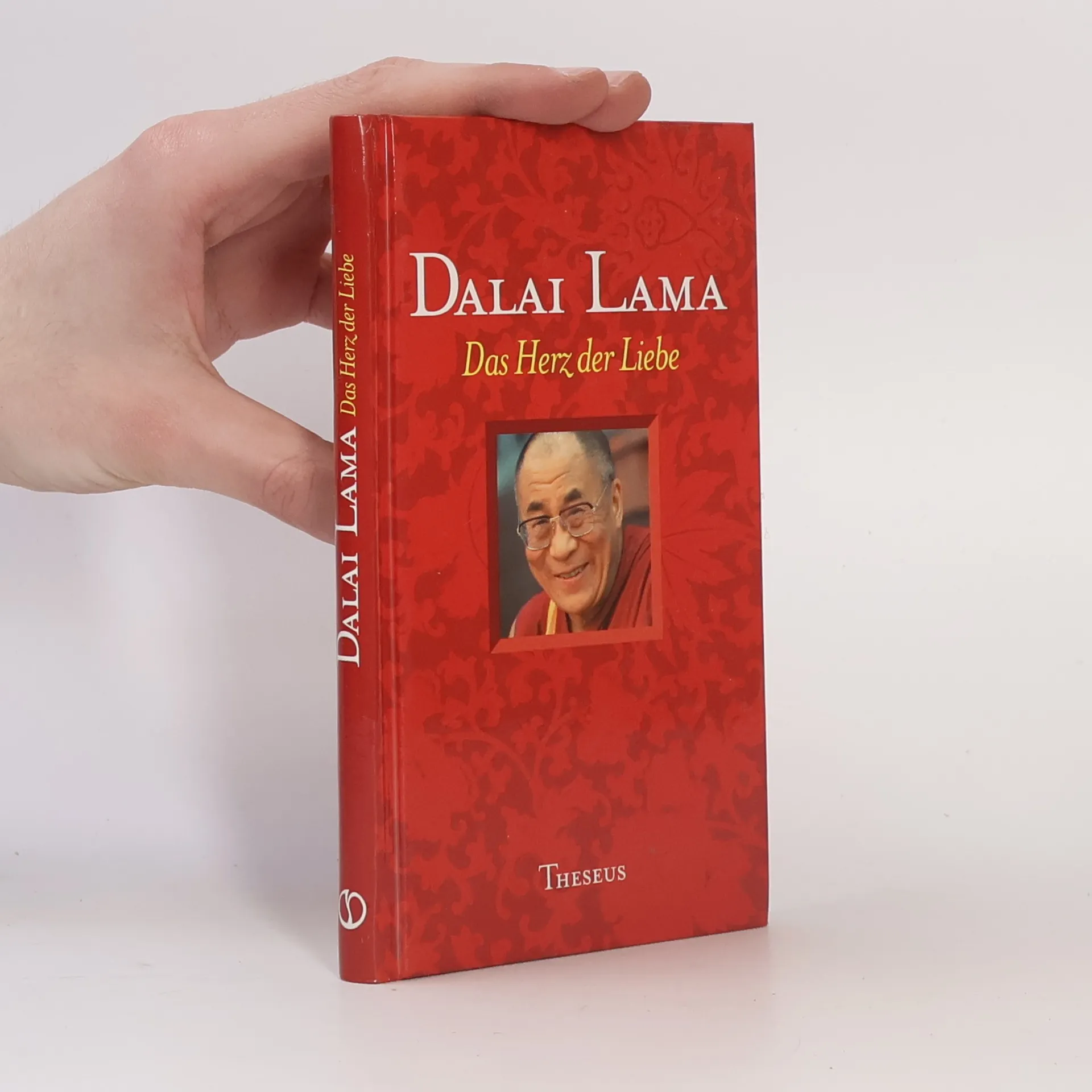
Worauf beruht das Glück, nach dem wir alle streben? Was ist Glück überhaupt? Wie funktionieren unsere Gedanken und Emotionen? Wie können wir Schwierigkeiten meistern? Was ist Meditation? Brauchen wir heute noch die verschiedenen Religionen? Wie können wir unseren Mitmenschen mit größerer Offenheit und mehr Güte begegnen? Um diese und um viele weitere Fragen geht es in Das Herz der Liebe, einem kleinen Band, der die Essenz der Lehren des Dalai Lama zu den wichtigen Fragen und Herausforderungen menschlichen Daseins enthält. Ein ideales Buch, um die Lehren des Dalai Lama kennen zu lernen, aber auch um Inspiration für die eigene Lebensgestaltung zu finden.
In the second volume by the Dalai Lama in the historic new Library of Tibet series, His Holiness provides lucid, practical instructions for developing compassion in our daily lives.
Ichbezogenheit, Eigennutz und Gier pragen unsere Welt - Der Dalai Lama gibt uns in diesem faszinierenden Buch Schlussel in die Hand, um die Turen zu einem Miteinander zu offnen. Mit diesen Texten fuhrt er uns in die Welt der buddhistischen Meditation, deren Grundlage und Ziel das Mitgefuhl mit anderen Wesen ist, ein. Mit Hilfe der Lehre von den drei Schlusseln steht uns nicht nur eine individuelle Entwicklung auf dem Weg zur innersten Erkenntnis offen, sondern auch eine kollektive Chance zu mehr Frieden. Ein uber Jahrtausende gewachsener Weisheitsschatz erschliesst sich dem Leser.