La coscienza, considerata uno degli ultimi «misteri» della scienza, seppur da sempre presente tra i grandi problemi della filosofia, è stata per lungo tempo lasciata fuori dai programmi di studio sulla mente e sulla natura umana; ignorata perché considerata un’impresa impossibile, fuori dalla portata della nostra comprensione. Negli ultimi anni, però, con i notevoli progressi raggiunti dalle scienze cognitive e dalle neuroscienze, è diventata uno dei temi più caldi della ricerca, che riprende ora le antiche domande della filosofia: come può un cervello materiale creare la nostra «immateriale» esperienza del mondo? Cosa crea le nostre identità? Possiamo dirci veramente liberi? Può in ultimo la coscienza stessa essere una mera illusione della mente? Susan Blackmore, psicologa, una tra i più brillanti e autorevoli scienziati inglesi, ci conduce attraverso questo affascinante viaggio alle frontiere della ricerca che esplorano il misterioso universo della nostra esperienza cosciente.
Susan J. Blackmore Libri
Susan Blackmore approfondisce argomenti complessi come la teoria evolutiva, la coscienza e la memetica. Il suo lavoro attinge al suo background in psicologia e fisiologia, unito a un profondo interesse per la natura della mente. Attraverso le sue pubblicazioni e le sue conferenze, mira a rendere queste intricate idee accessibili a un pubblico più ampio, promuovendo il pensiero critico su come le nostre menti funzionano ed evolvono. Il suo approccio offre una prospettiva unica sull'intersezione tra biologia, cultura ed esperienza personale.



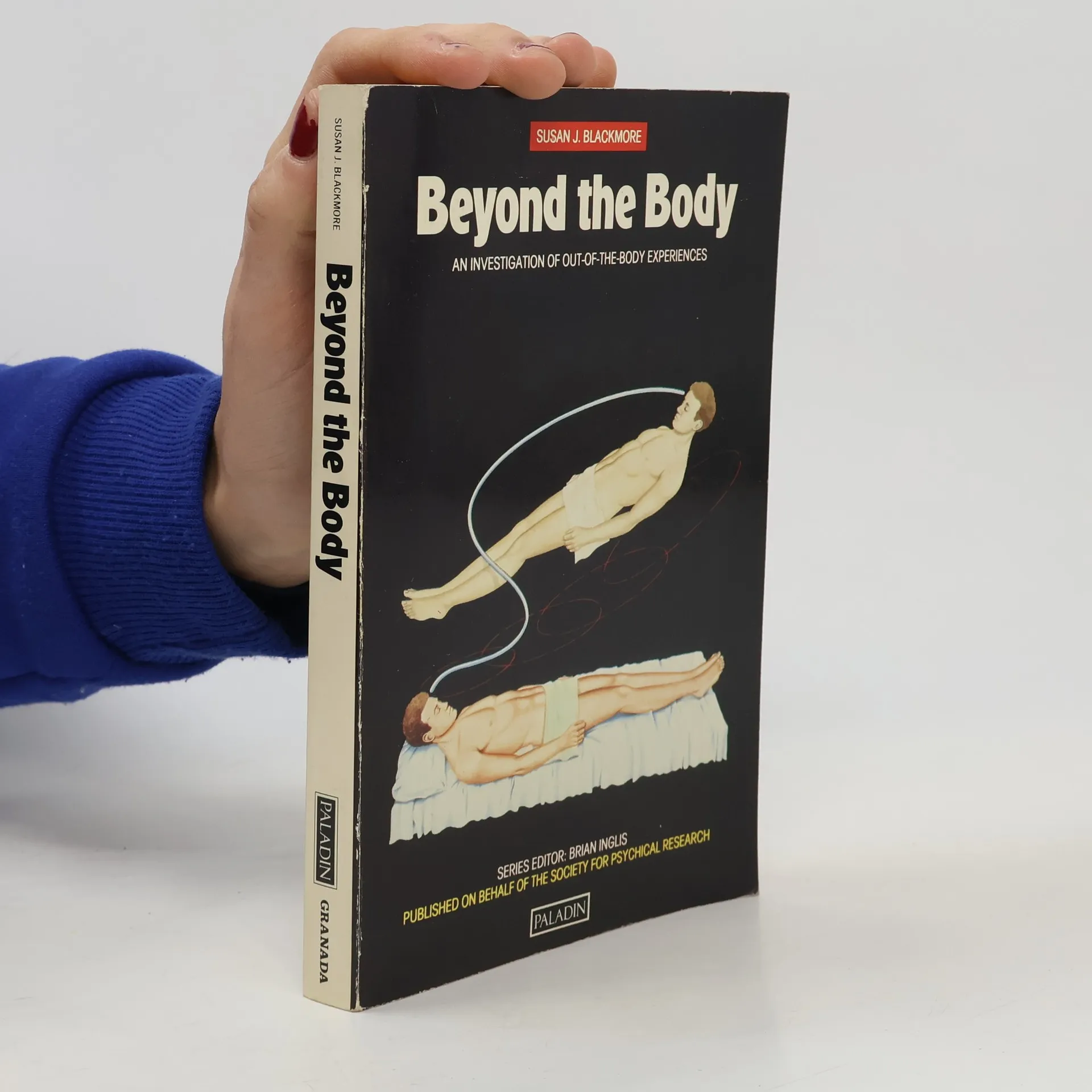

About one person in ten claims to have left his or her body at some time. Some were close to death; others had under-gone an accident or shock. Dr Blackmore's explanation for out-of-body experiences is based on historical and anecdotal material, surveys, and laboratory experiments.
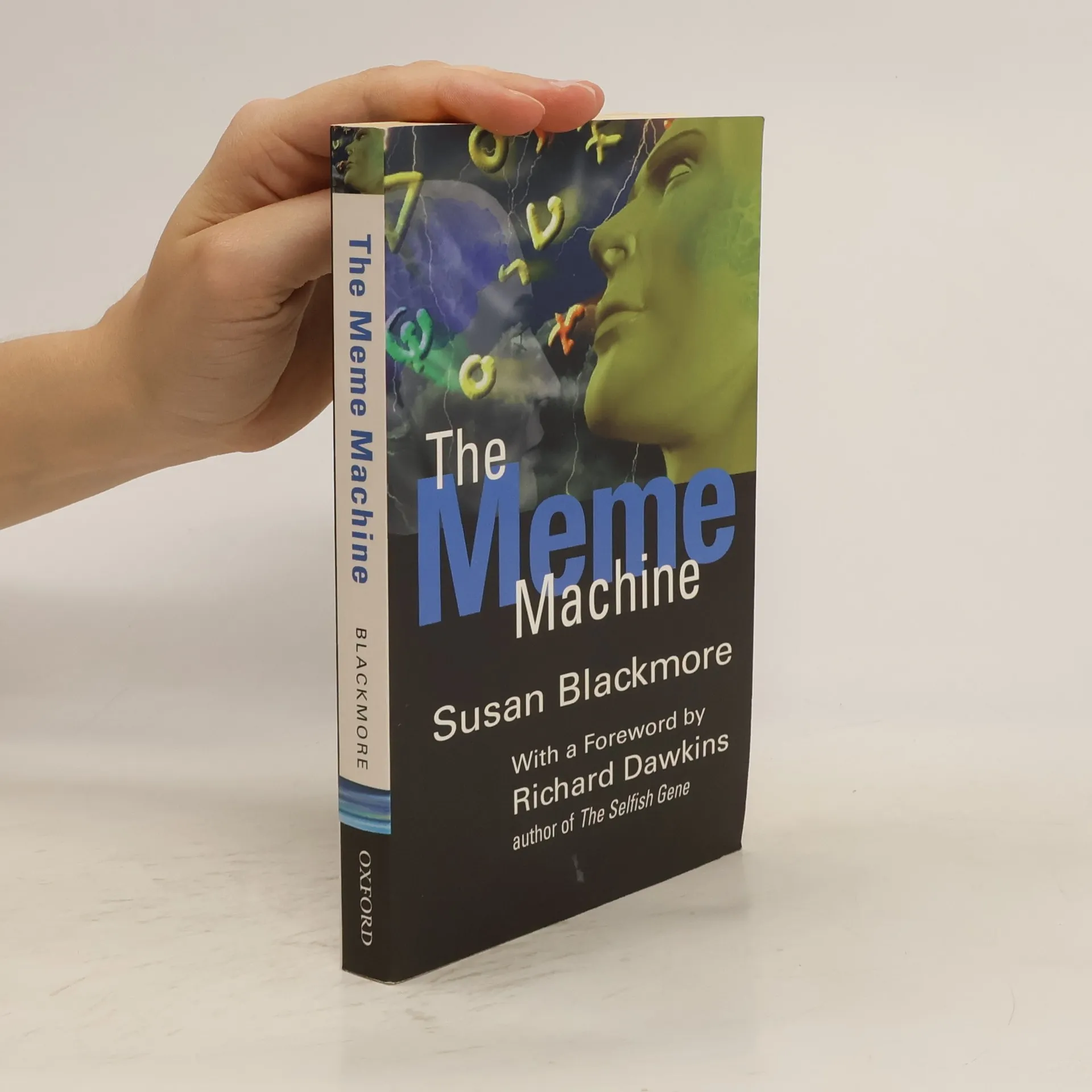
The meme machine
- 264pagine
- 10 ore di lettura
Humans are extraordinary creatures, with the unique ability among animals to imitate and so copy from one another ideas, habits, skills, behaviours, inventions, songs, and stories. These are all memes, a term first coined by Richard Dawkins in 1976 in his book The Selfish Gene. Memes, like genes, are replicators, and this enthralling book is an investigation of whether this link between genes and memes can lead to important discoveries about the nature of the inner self.Confronting the deepest questions about our inner selves, with all our emotions, memories, beliefs, and decisions, Susan Blackmore makes a compelling case for the theory that the inner self is merely an illusion created by the memes for the sake of replication.
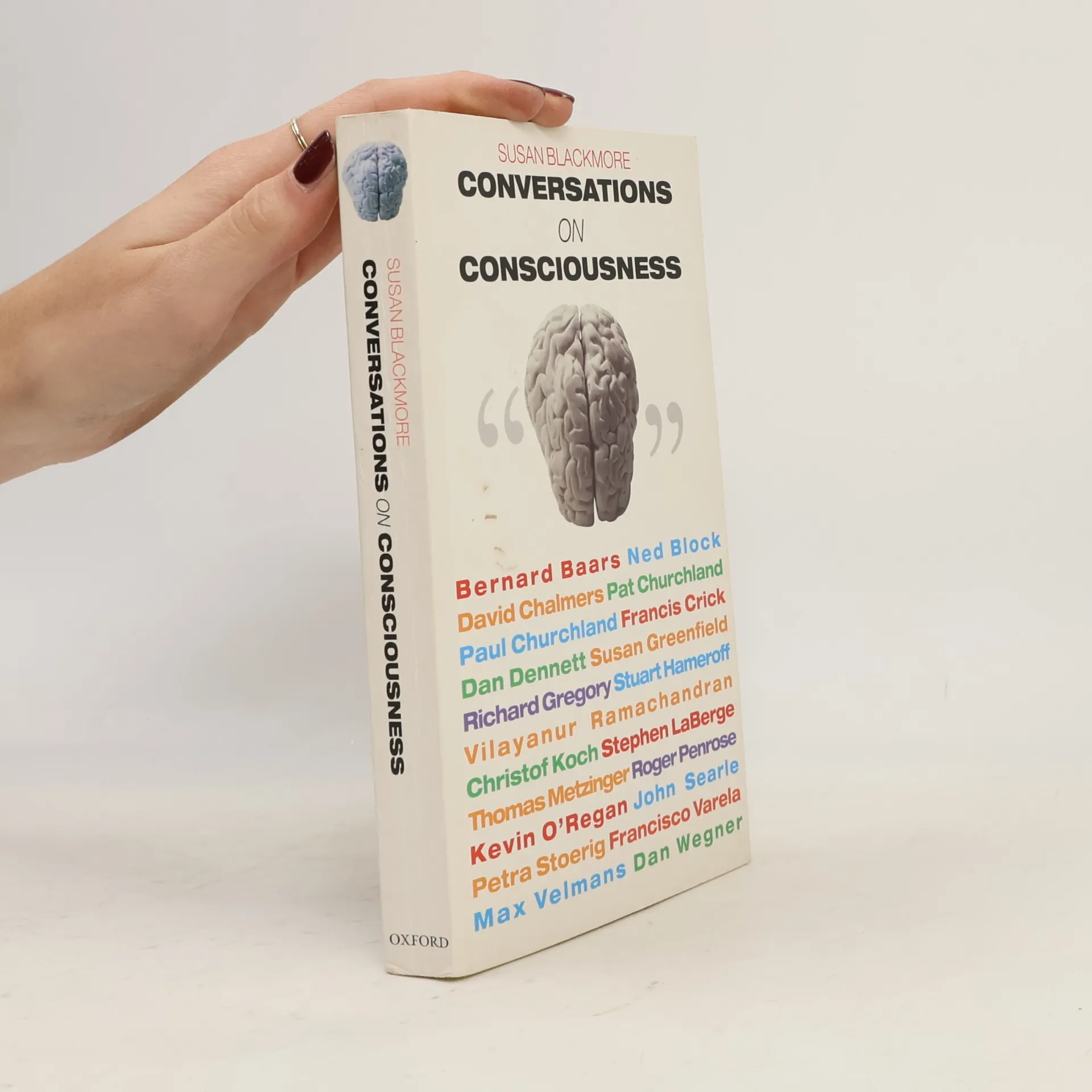
Conversations on Consciousness
- 288pagine
- 11 ore di lettura
Blackmore explores the big questions on the nature of brains, minds, and consciousness, through twenty lively and engaging interviews with some of the best-known personalities from the worlds of science and philosophy.
Ten Zen Questions
- 176pagine
- 7 ore di lettura
Combining the theories about mind, self and consciousness with the mentally expansive practices of Zen, this work seeks to tackle, if not solve, such bewildering questions as: Am I conscious now? When am I? Who is asking the question?
本书运用简明的图示,生动的漫画和大量有趣的实验深入探讨了意识的特征及其核心理论,并详细剖析了各种理论所面临的问题,为重新认识科学家和哲学家在填补客观物质世界和个体精神体验之间的鸿沟时所面临的巨大困难提供了崭新的视角。
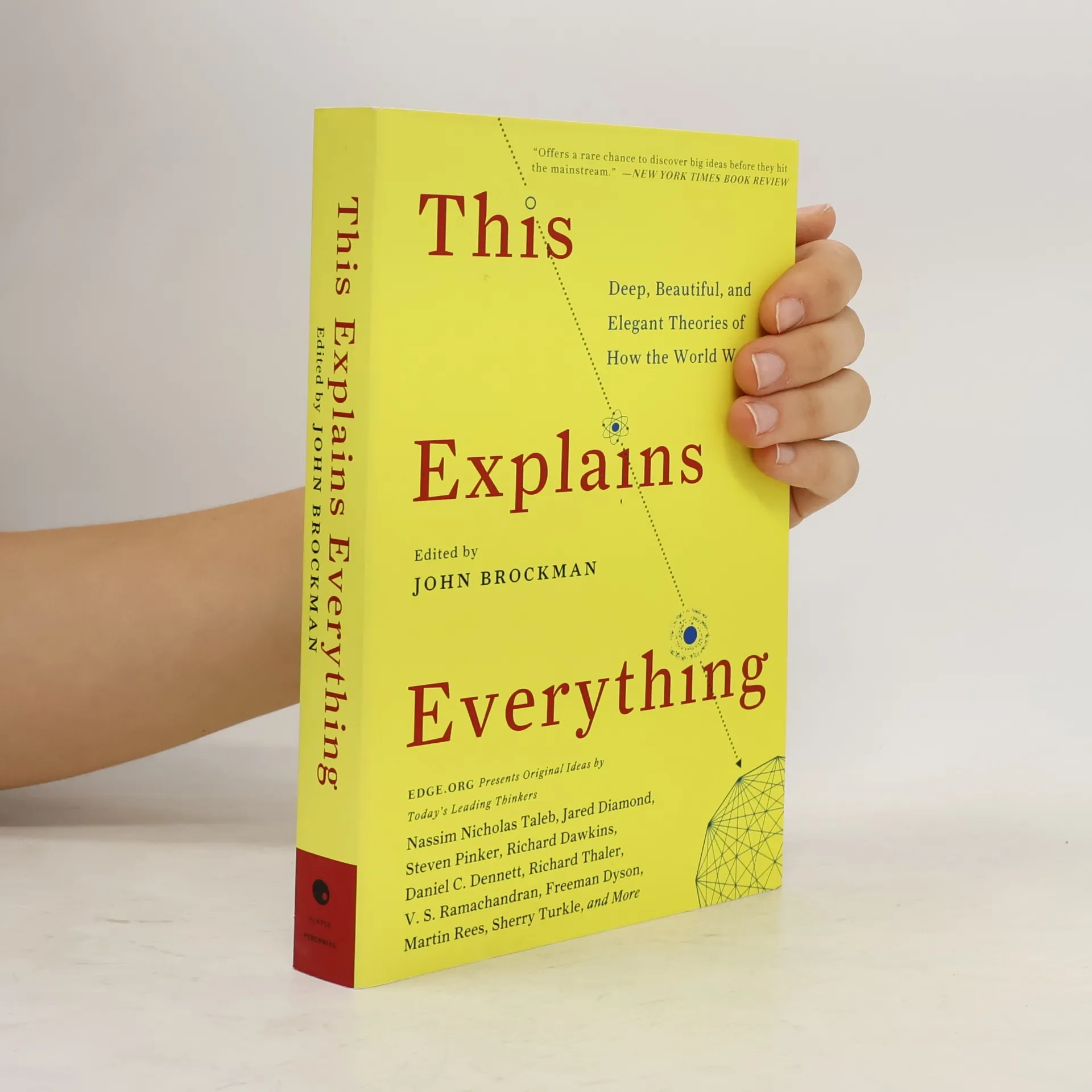
This explains everything : deep, beautiful, and elegant theories of how the world woks
- 432pagine
- 16 ore di lettura
In This Explains Everything, John Brockman, founder and publisher of Edge.org, asked experts in numerous fields and disciplines to come up with their favorite explanations for everyday occurrences. Why do we recognize patterns? Is there such a thing as positive stress? Are we genetically programmed to be in conflict with each other? Those are just some of the 150 questions that the world's best scientific minds answer with elegant simplicity. With contributions from Jared Diamond, Richard Dawkins, Nassim Taleb, Brian Eno, Steven Pinker, and more, everything is explained in fun, uncomplicated terms that make the most complex concepts easy to comprehend.
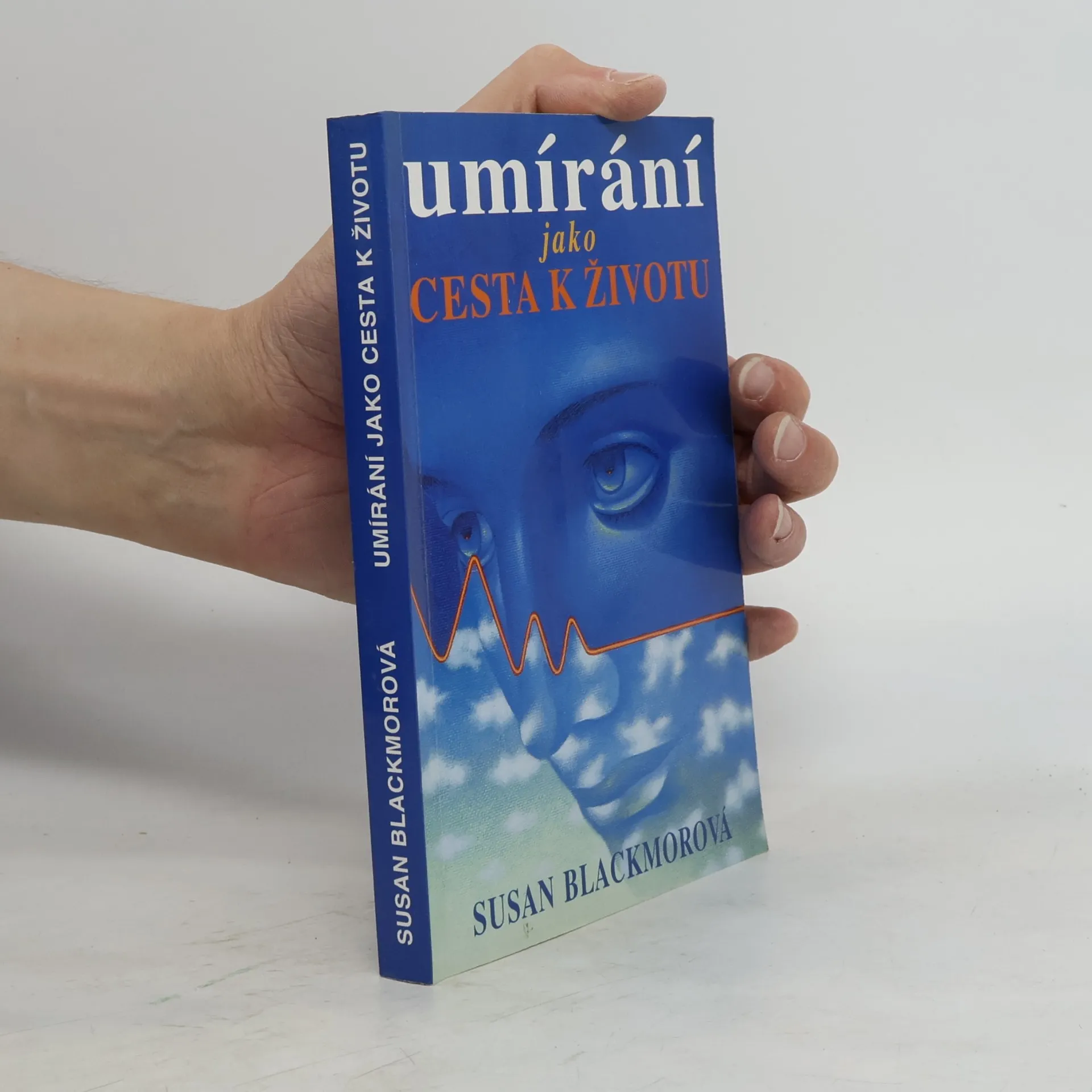
Autorka vytvořila teorii, která vysvětluje předsmrtné prožitky na základě dnešních poznatků z oblasti fyziologie, fyziky a psychologie. Současně se snaží překlenout rozpor mezi vědeckým a spirituálním pohledem na předsmrtné prožitky a ukazuje, jak nám jejich pochopení může pomoci žít náš život tváří v tvář smrti na cestě poznání sebe sama. Předmluva 1. Blížíme se smrti 2. Stadia umírání 3. Vize umírajícího mozku 4. Světlo na konci tunelu 5. Mír, radost a štěstí 6. Ale vždyť jsem viděla barvu jejích šatů 7. Skutečnější než skutečné 8. V těle anebo mimo něj? 9. Přede mnou se odvíjel celý život ...
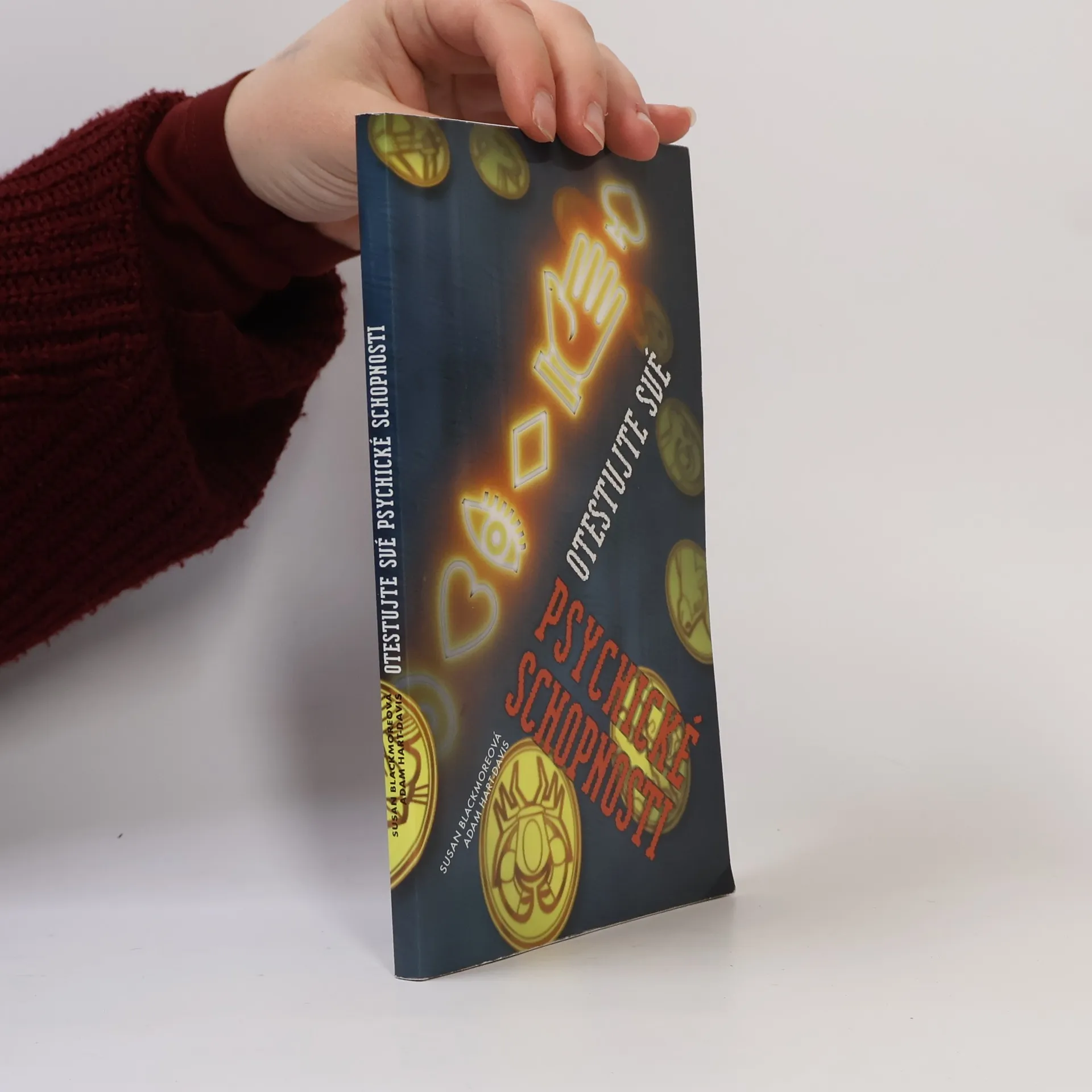
Otestujte své psychické schopnosti
- 174pagine
- 7 ore di lettura
Chtěli jste někdy zjistit, zda máte parapsychické schopnosti? S pomocí této knihy si můžete sami vyzkoušet sérii experimentů, které vám pomohou najít odpovědi na následující otázky: Existuje telepatie? Mají krystaly zvláštní moc? Jak proutkaři nacházejí skryté zdroje vody? Proč se kyvadlo otáčí? Můžete ovlivnit sny jiných lidí? Jak mohou lidé předvídat budoucnost? Opravdu astrologie funguje?
Testen Sie Ihre übernatürlichen Kräfte
- 276pagine
- 10 ore di lettura
Edge.org: Wetenschappelijke parels
Het belangrijkste wetenschappelijke nieuws volgens 193 'briljante geesten'
- 528pagine
- 19 ore di lettura
Bijna dagelijks worden we geconfronteerd met nieuwe inzichten en weetjes, variërend van wereldbelang tot drijfzand. Of het nu gaat om dieetvoorschriften, experimentele medicijnen, technologische doorbraken of klimaatvoorspellingen, het is voor leken vaak onmogelijk om waardevolle informatie te onderscheiden van onzin. Wat zijn de ontdekkingen die écht invloed hebben op onze toekomst? John Brockman, oprichter van edge.org, vroeg invloedrijke wetenschappers en denkers naar het meest interessante recente wetenschappelijke nieuws. Steven Pinker wijst op de kwantificering van menselijke vooruitgang als een opmerkelijke ontwikkeling. Chris Anderson is onder de indruk van het sociale experiment dat internet vertegenwoordigt en de opkomst van een wereldwijd collectief bewustzijn. Max Tegmark waarschuwt dat technologische en wetenschappelijke vooruitgang de leercurve van onze wijsheid overstijgt, wat zorgwekkend is, vooral bij gevoelige onderwerpen zoals kernwapens. Peter Gabriel benadrukt hoe hersenwetenschap de grens tussen fantasie en werkelijkheid vervaagt. Daarnaast delen ook John C. Mather, Bill Joy, Michael Shermer, Matt Ridley, George Church en anderen hun inzichten, wat een breed scala aan perspectieven biedt op de huidige wetenschappelijke ontwikkelingen.